
Anatomy of penis, and Physiology of erection,
OM
Published · 34 slides · 0 views

1 / 1




Description
Anatomy of penis, and Physiology of erection, Erectile Dysfunction Penile Erection: Anatomy penis is divided into three parts: root (radix), body (shaft), and glans The root is the proximal part of the penis located in the urogenital
Related Topics
Share
Embed code
Download this presentation From Below
"Anatomy of penis, and Physiology of erection," is the property of its rightful owner. Permission is granted to download and print the materials on this website for personal, non-commercial use only, and to display it on your personal computer provided you do not modify the materials and that you retain all copyright notices contained in the materials. By downloading content from our website, you accept the terms of this agreement.
Presentation Transcript
01
Anatomy of penis, and Physiology of erection, Erectile Dysfunction<br>
02
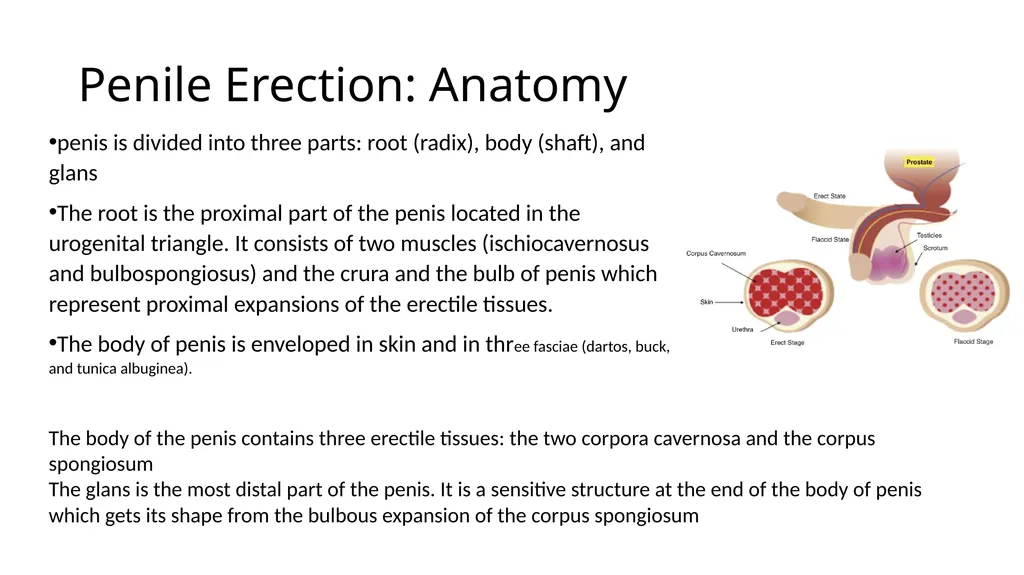
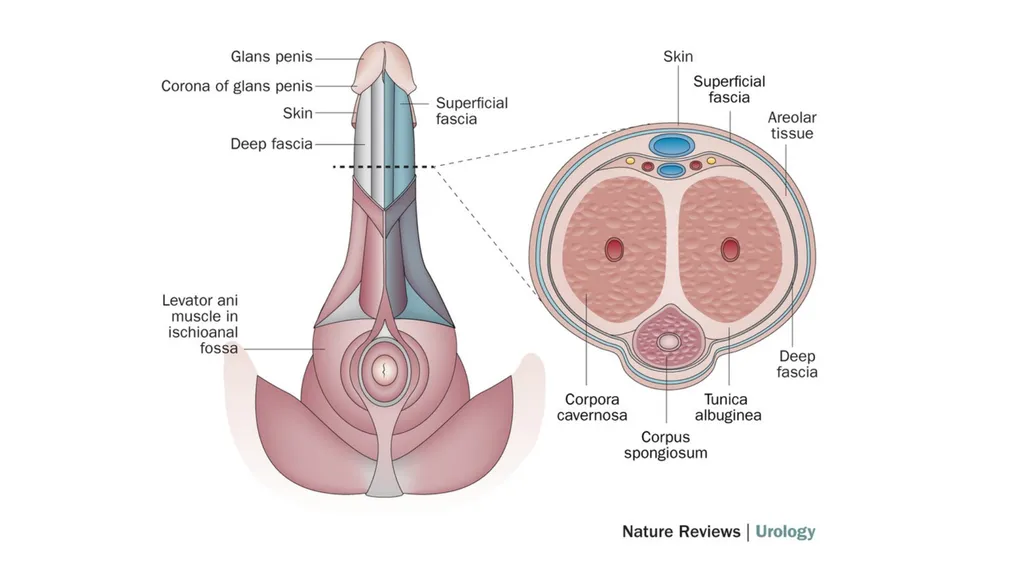
Penile Erection: Anatomy penis is divided into three parts: root (radix), body (shaft), and glans
The root is the proximal part of the penis located in the urogenital triangle. It consists of two muscles (ischiocavernosus and bulbospongiosus) and the crura and the bulb of penis which represent proximal expansions of the erectile tissues.
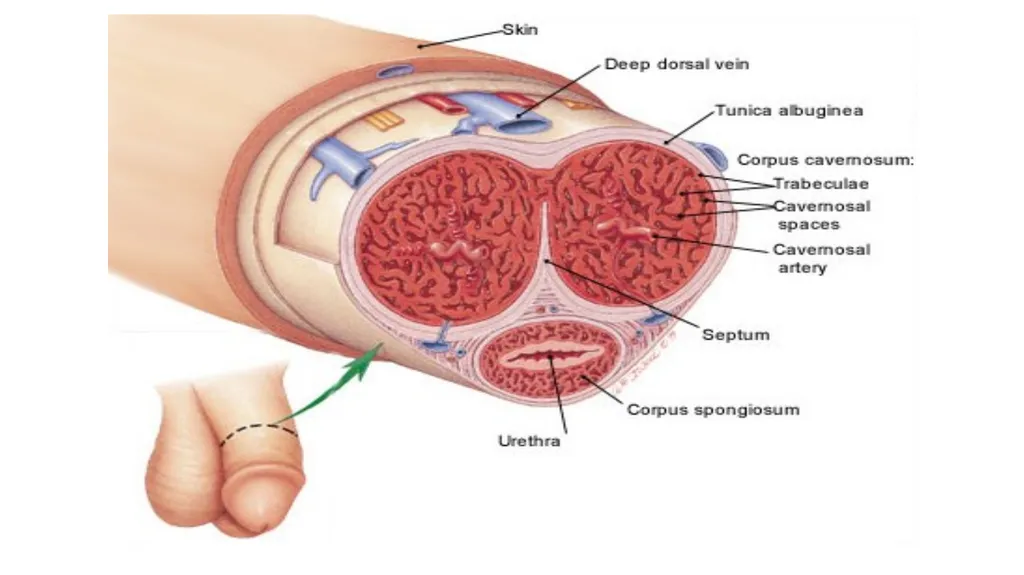
The body of penis is enveloped in skin and in three fasciae (dartos, buck, and tunica albuginea). The body of the penis contains three erectile tissues: the two corpora cavernosa and the corpus spongiosum
The glans is the most distal part of the penis. It is a sensitive structure at the end of the body of penis which gets its shape from the bulbous expansion of the corpus spongiosum<br>
03
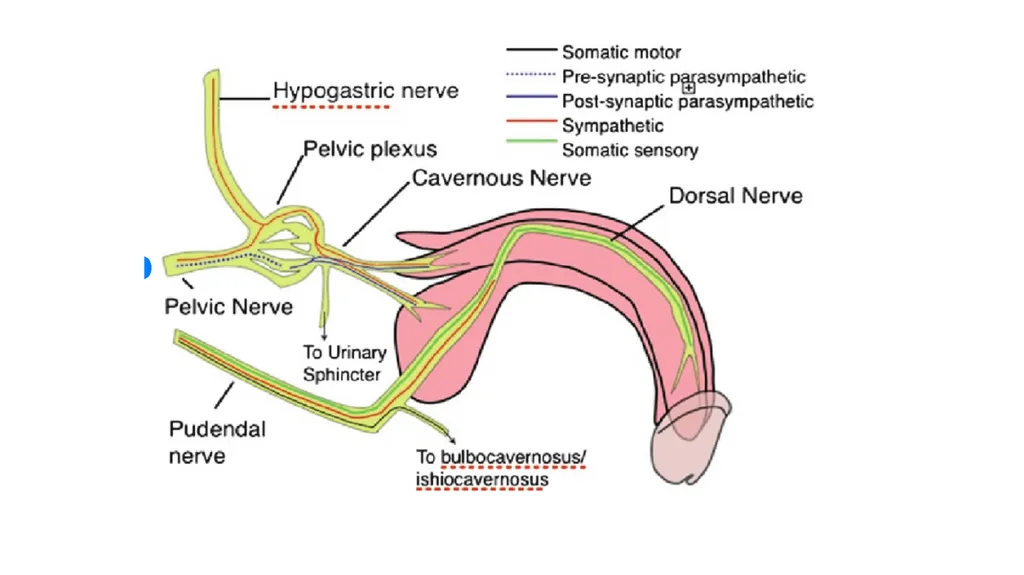
Penile Erection: Innervation The penis is characterized by autonomic (sympathetic and parasympathetic) and somatic (sensory and motor) innervation system.
The autonomic system regulates the neurovascular events occurring during erection and detumescence.
The sympathetic system originates from T10-T12, and the chain ganglia cells projecting to the penis are located in the sacral and caudal ganglia.
The parasympathetic system arising from neurons in the intermediolateral cell columns of S2-S4 is carried by cavernous nerves from the peri-prostatic nerve plexus.
The somatic system is responsible for sensation and the contraction of the bulbocavernosus and ischiocavernosus muscles (S2-S4 via pudendal nerve)<br>
04
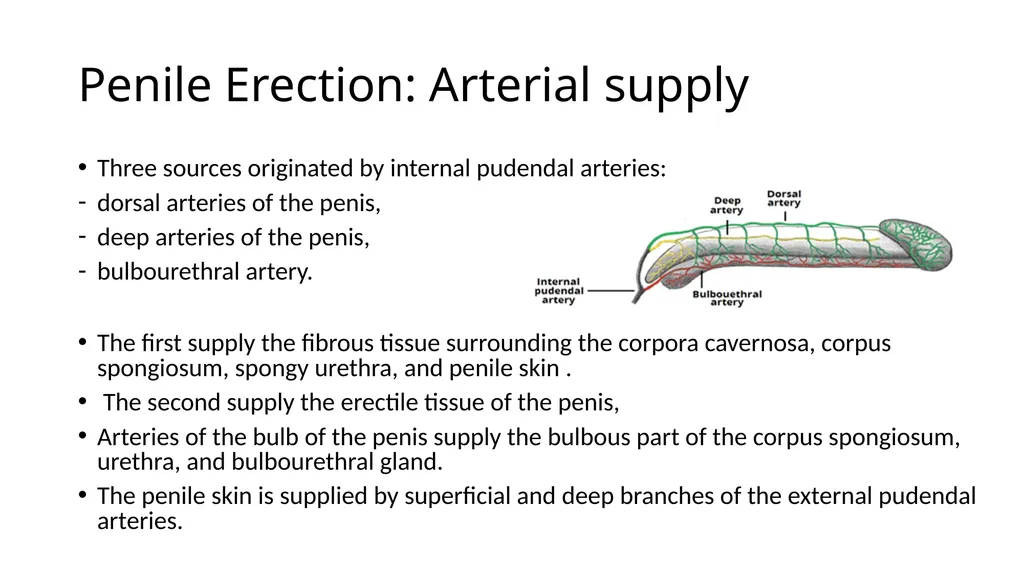
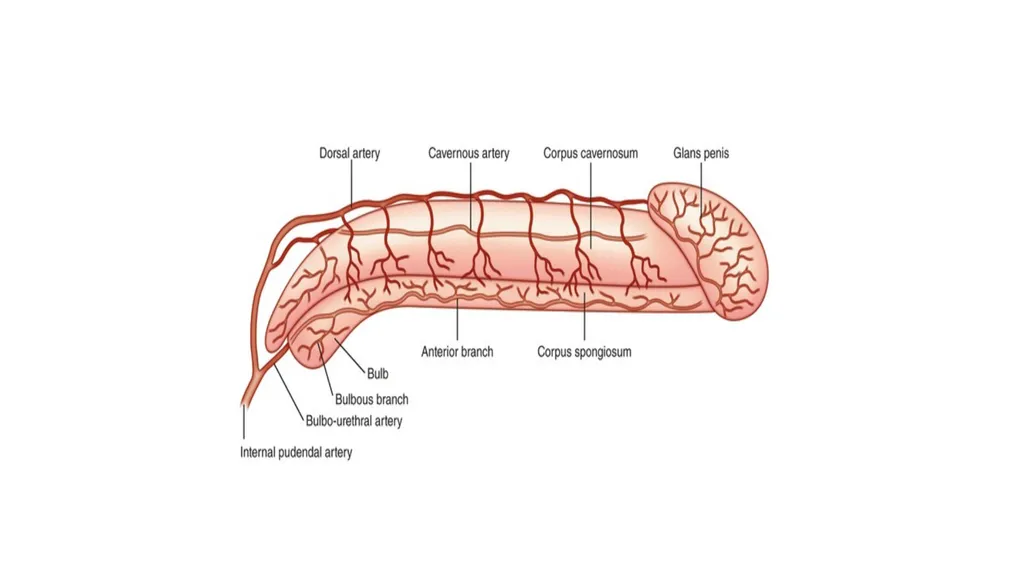
Penile Erection: Arterial supply Three sources originated by internal pudendal arteries:
dorsal arteries of the penis,
deep arteries of the penis,
bulbourethral artery.
The first supply the fibrous tissue surrounding the corpora cavernosa, corpus spongiosum, spongy urethra, and penile skin .
The second supply the erectile tissue of the penis,
Arteries of the bulb of the penis supply the bulbous part of the corpus spongiosum, urethra, and bulbourethral gland.
The penile skin is supplied by superficial and deep branches of the external pudendal arteries.<br>
05
Penile Erection: venous & lymphatic system The deep dorsal vein of the penis which receives blood from the cavernous spaces.
The superficial dorsal vein which drains blood from the skin and subcutaneous tissue of the penis.
Regarding the lymphatic system,
the penis skin and all the perineum drain into superficial inguinal nodes.
The intermediate and proximal parts of the urethra and cavernous bodies drain into the internal iliac lymph nodes,
the distal spongy urethra and glans penis drain to the deep inguinal nodes.<br>
06
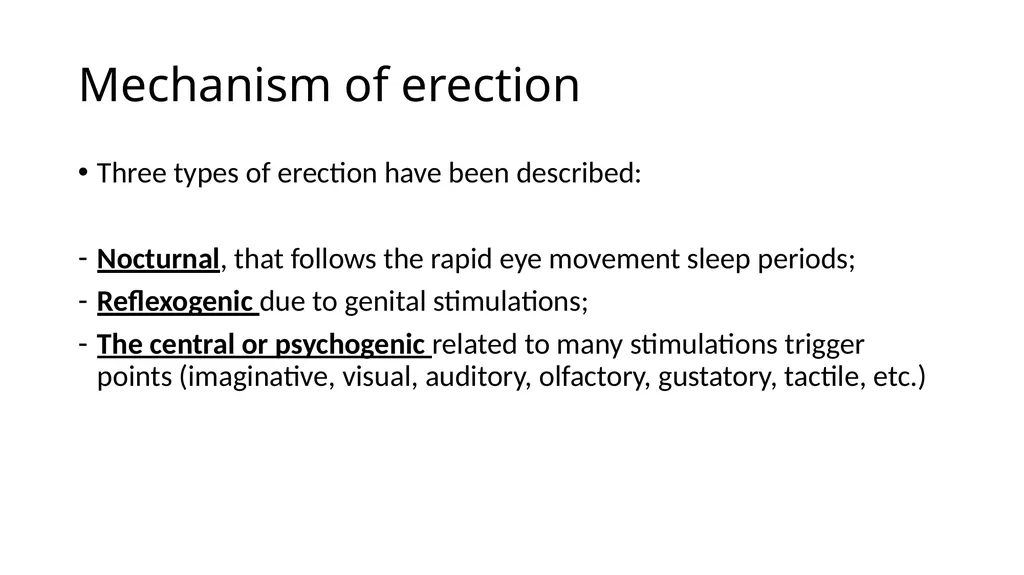
Mechanism of erection Three types of erection have been described:
Nocturnal, that follows the rapid eye movement sleep periods;
Reflexogenic due to genital stimulations;
The central or psychogenic related to many stimulations trigger points (imaginative, visual, auditory, olfactory, gustatory, tactile, etc.)<br>
Nocturnal, that follows the rapid eye movement sleep periods;
Reflexogenic due to genital stimulations;
The central or psychogenic related to many stimulations trigger points (imaginative, visual, auditory, olfactory, gustatory, tactile, etc.)<br>
07
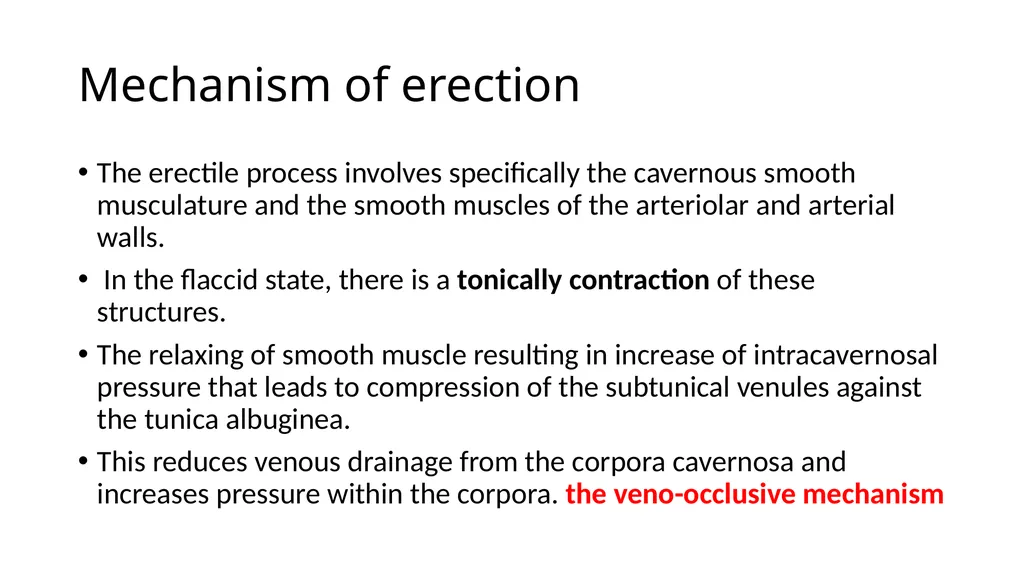
Mechanism of erection The erectile process involves specifically the cavernous smooth musculature and the smooth muscles of the arteriolar and arterial walls.
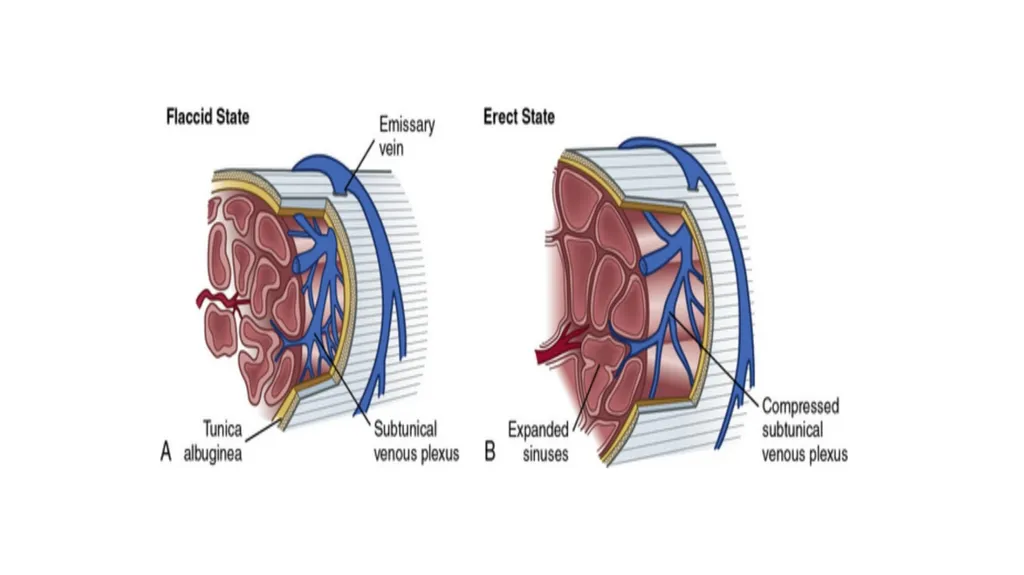
In the flaccid state, there is a tonically contraction of these structures.
The relaxing of smooth muscle resulting in increase of intracavernosal pressure that leads to compression of the subtunical venules against the tunica albuginea.
This reduces venous drainage from the corpora cavernosa and increases pressure within the corpora. the veno-occlusive mechanism<br>
08
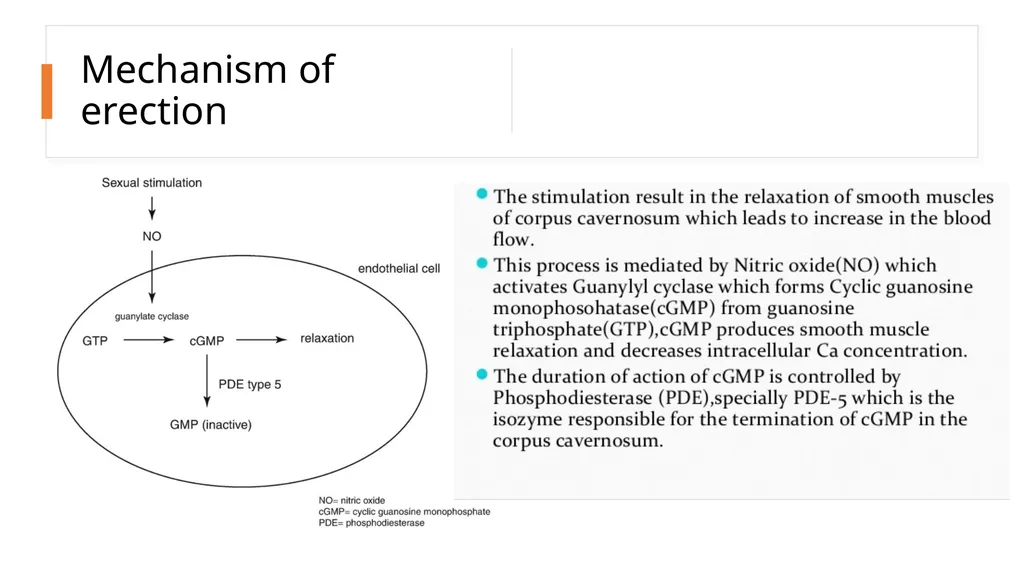
Mechanism of erection<br>
09
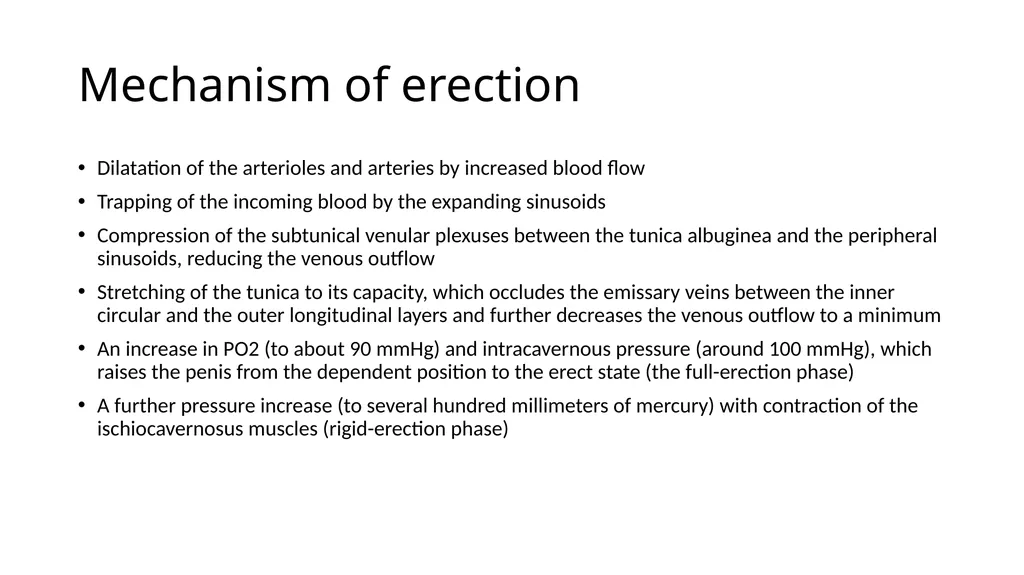
Mechanism of erection Dilatation of the arterioles and arteries by increased blood flow
Trapping of the incoming blood by the expanding sinusoids
Compression of the subtunical venular plexuses between the tunica albuginea and the peripheral sinusoids, reducing the venous outflow
Stretching of the tunica to its capacity, which occludes the emissary veins between the inner circular and the outer longitudinal layers and further decreases the venous outflow to a minimum
An increase in PO2 (to about 90 mmHg) and intracavernous pressure (around 100 mmHg), which raises the penis from the dependent position to the erect state (the full-erection phase)
A further pressure increase (to several hundred millimeters of mercury) with contraction of the ischiocavernosus muscles (rigid-erection phase)<br>
10
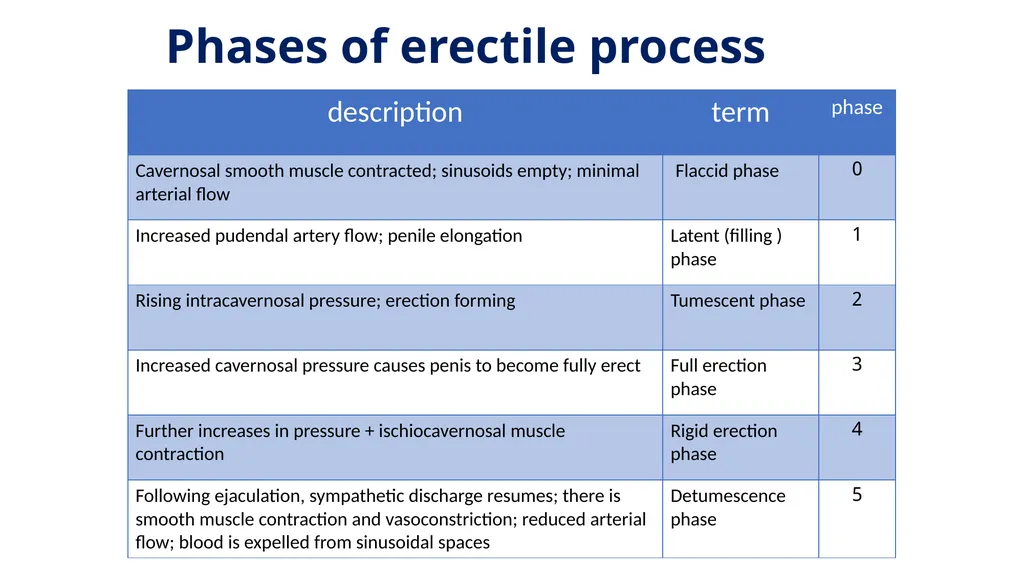
Phases of erectile process<br>
11
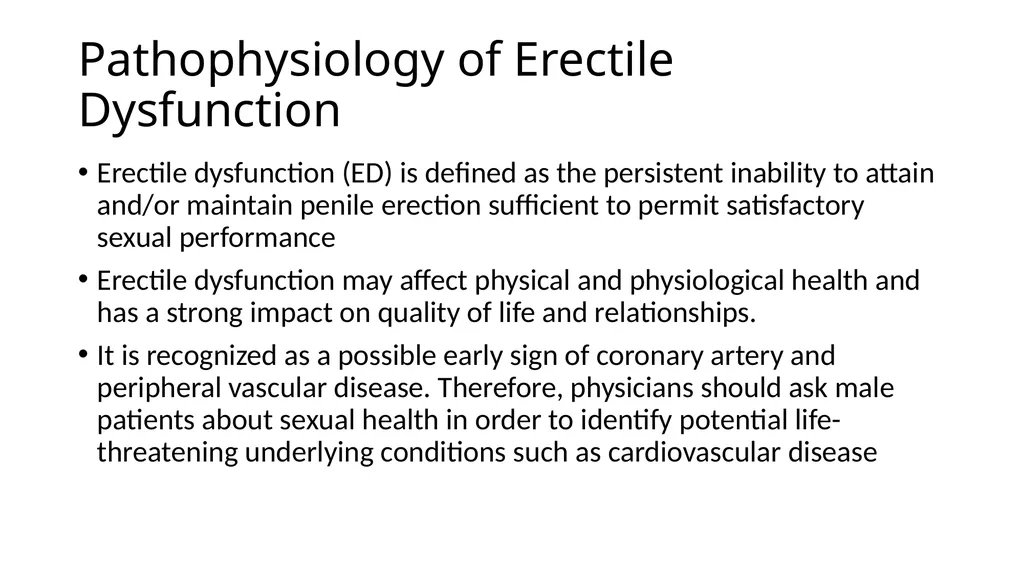
Pathophysiology of Erectile Dysfunction Erectile dysfunction (ED) is defined as the persistent inability to attain and/or maintain penile erection sufficient to permit satisfactory sexual performance
Erectile dysfunction may affect physical and physiological health and has a strong impact on quality of life and relationships.
It is recognized as a possible early sign of coronary artery and peripheral vascular disease. Therefore, physicians should ask male patients about sexual health in order to identify potential life-threatening underlying conditions such as cardiovascular disease<br>
12
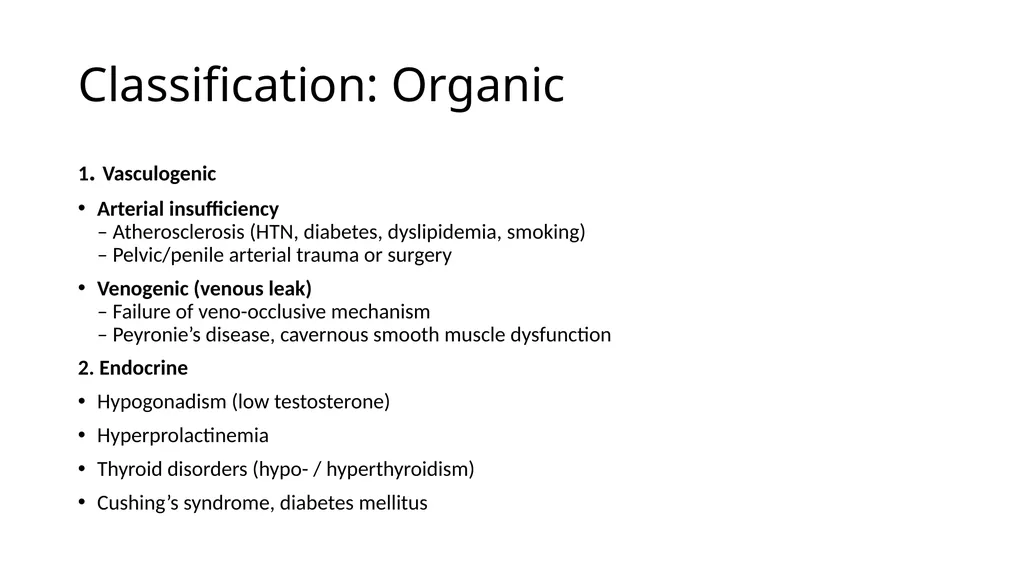
Classification: Organic 1. Vasculogenic
Arterial insufficiency – Atherosclerosis (HTN, diabetes, dyslipidemia, smoking) – Pelvic/penile arterial trauma or surgery
Venogenic (venous leak) – Failure of veno-occlusive mechanism – Peyronie’s disease, cavernous smooth muscle dysfunction
2. Endocrine
Hypogonadism (low testosterone)
Hyperprolactinemia
Thyroid disorders (hypo- / hyperthyroidism)
Cushing’s syndrome, diabetes mellitus<br>
13
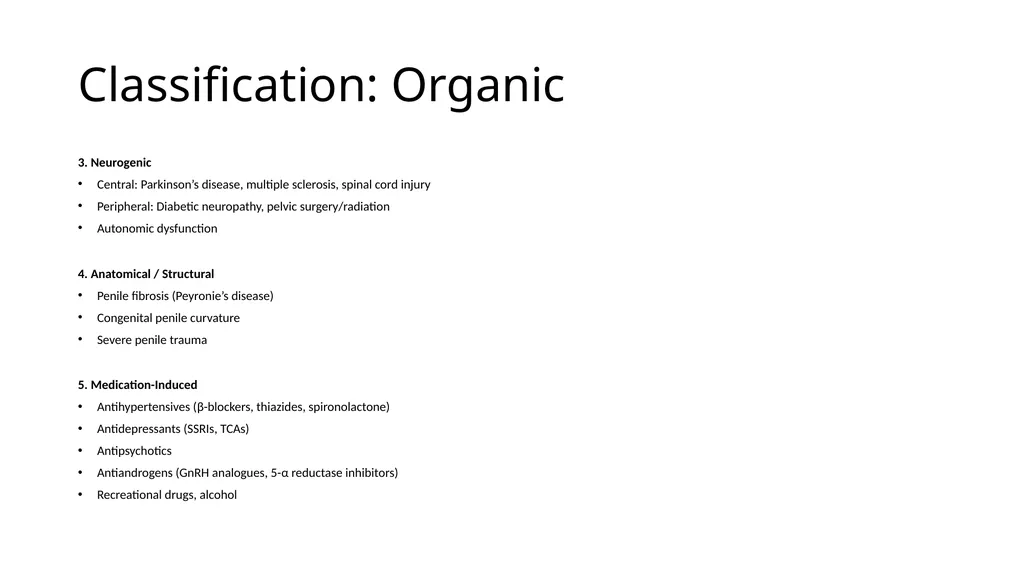
Classification: Organic 3. Neurogenic
Central: Parkinson’s disease, multiple sclerosis, spinal cord injury
Peripheral: Diabetic neuropathy, pelvic surgery/radiation
Autonomic dysfunction
4. Anatomical / Structural
Penile fibrosis (Peyronie’s disease)
Congenital penile curvature
Severe penile trauma
5. Medication-Induced
Antihypertensives (β-blockers, thiazides, spironolactone)
Antidepressants (SSRIs, TCAs)
Antipsychotics
Antiandrogens (GnRH analogues, 5-α reductase inhibitors)
Recreational drugs, alcohol<br>
14
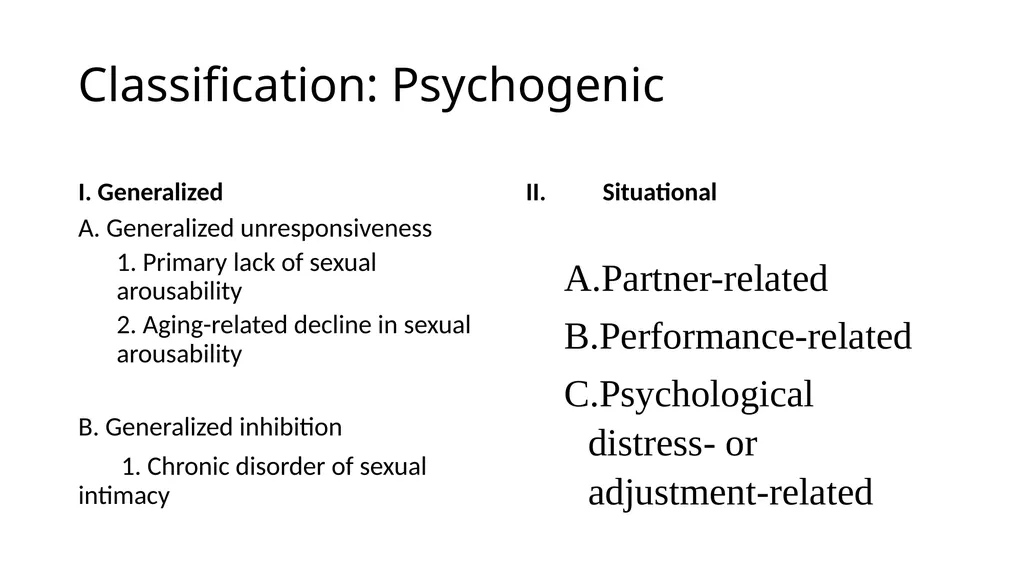
Classification: Psychogenic I. Generalized A. Generalized unresponsiveness
1. Primary lack of sexual arousability
2. Aging-related decline in sexual arousability
B. Generalized inhibition
1. Chronic disorder of sexual intimacy II. Situational Partner-related
Performance-related
Psychological distress- or adjustment-related<br>
1. Primary lack of sexual arousability
2. Aging-related decline in sexual arousability
B. Generalized inhibition
1. Chronic disorder of sexual intimacy II. Situational Partner-related
Performance-related
Psychological distress- or adjustment-related<br>
15
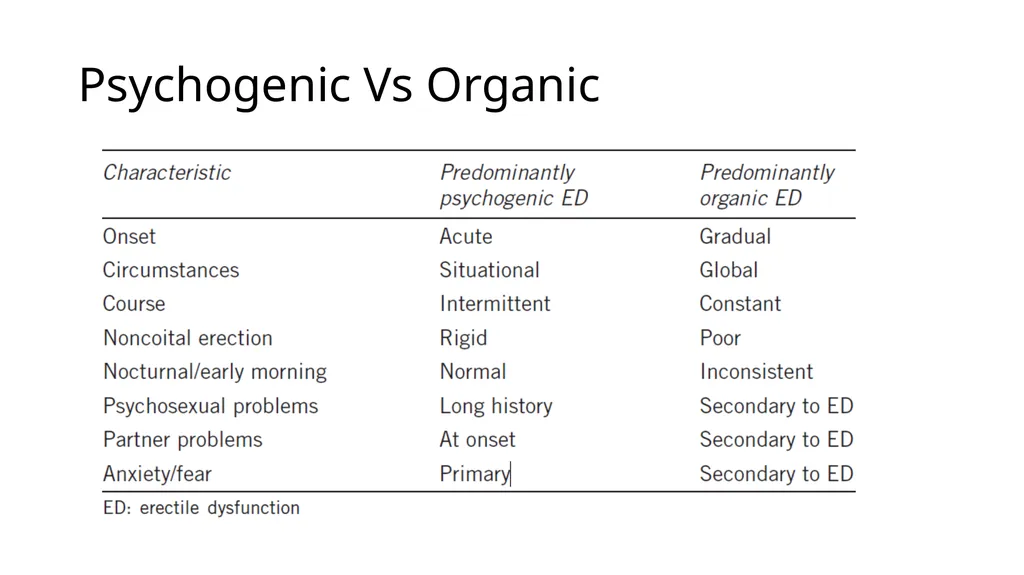
Psychogenic Vs Organic<br>
16
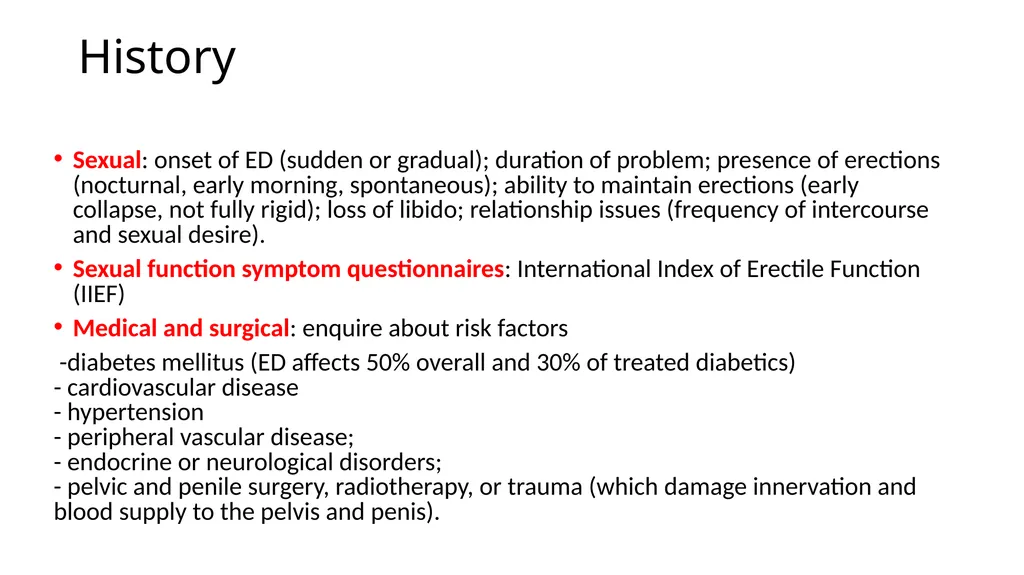
History Sexual: onset of ED (sudden or gradual); duration of problem; presence of erections (nocturnal, early morning, spontaneous); ability to maintain erections (early collapse, not fully rigid); loss of libido; relationship issues (frequency of intercourse and sexual desire).
Sexual function symptom questionnaires: International Index of Erectile Function (IIEF)
Medical and surgical: enquire about risk factors
-diabetes mellitus (ED affects 50% overall and 30% of treated diabetics) - cardiovascular disease - hypertension - peripheral vascular disease; - endocrine or neurological disorders; - pelvic and penile surgery, radiotherapy, or trauma (which damage innervation and blood supply to the pelvis and penis).<br>
17
History Psychosocial: assess for social stresses, anxiety, depression, coping problems, patient expectations, and relationship details.
Drugs: enquire about current medications and ED treatments already tried and their outcome.
Social: smoking, alcohol consumption.<br>
Drugs: enquire about current medications and ED treatments already tried and their outcome.
Social: smoking, alcohol consumption.<br>
18
Examination Full physical examination (cardiovascular, abdomen, neurological)
DRE to assess the prostate; assess secondary sexual characteristics
external genitalia assessment to document foreskin phimosis, penile deformities and lesions (Peyronie’s plaques); confirm presence, size, and location of testicles.
The bulbocavernosus reflex can be performed to test integrity of spinal segments S2–4 (squeezing the glans causes anal sphincter and bulbocavernosal muscle contraction).<br>
19
Blood tests:
fasting glucose
Endocrine workup serum (free) testosterone (taken 8.00–11.00 a.m.), SHBG; LH/FSH, prolactin ( done if there is symptoms suggestive of hyperprloactenemia)
thyroid function test should be selected according to patient’s history and risk factor profile.
fasting lipid profile
U&E
PSA
2.Nocturnal penile tumescence and rigidity testing: the Rigiscan device contains two rings that are placed around the base and distal penile shaft to measure tumescence and number, duration, and rigidity of nocturnal erections. Useful for diagnosing psychogenic ED and for illustrating this diagnosis to patients.
3.Penile colour Doppler USS: measures arterial peak systolic and end diastolic velocities, pre- and post-intracavernosal injection of PGE1. Investigation<br>
20
Investigation 4.Cavernosography: imaging and measurement of penile blood flow after intracavernosal injection of contrast and induction of artificial erection, used to identify venous leaks.
5.Penile arteriography: reserved for trauma-related ED in younger men. Pudendal arteriography is performed before and after drug-induced erection to identify those requiring arterial bypass surgery (although this is less commonly indicated now with the advent of modern penile prostheses).
6. MRI: useful for assessing penile fibrosis and severe cases of Peyronie’s disease.<br>
21
Investigation : Nocturnal penile tumescence Nocturnal penile tumescence and rigidity testing: the Rigiscan device contains two rings that are placed around the base and distal penile shaft to measure tumescence and number, duration, and rigidity of nocturnal erections. Useful for diagnosing psychogenic ED and for illustrating this diagnosis to patients.<br>
22
Treatment Correct any reversible causes (i.e. alter lifestyle, stop smoking, change medication, etc.)
Psychosexual therapy
sex education, psychosexual counselling
instruction on improving partner communication skills
cognitive therapy and behavioural therapy (programmed relearning of couple’s sexual relationship).
Pharmacotherapy may be a useful adjuvant.<br>
Psychosexual therapy
sex education, psychosexual counselling
instruction on improving partner communication skills
cognitive therapy and behavioural therapy (programmed relearning of couple’s sexual relationship).
Pharmacotherapy may be a useful adjuvant.<br>
23
1-Phosphodiesterase type-5 (PDE5) inhibitors: first-line therapies
sildenafil (Viagra), tadalafil (Cialis), vardenafil (Levitra)
enhance cavernosal smooth muscle relaxation
by blocking the breakdown of cGMP by phosphodiesterase.
Sexual stimulus is still required to initiate events.
Success is reported in up to 80%.
Early use of PDE5 inhibitors following radical prostatectomy can help optimize the return of spontaneous erections (penile rehabilitation).
Contraindications:
patients taking nitrates, recent myocardial infarction, recent stroke, hypotension, unstable angina, non-arteritic anterior ischaemic, optic nerve neuropathy (NAION).
Cautions: intermediate and high-risk cardiovascular disease requires cardiac review prior to treatment , use with A-blockers<br>
24
2-Dopamine receptor agonist: apomorphine (UprimaR)
taken sublingually
acts centrally on dopaminergic receptors in the paraventricular nucleus of the hypothalamus
enhance and coordinate the effect of sexual stimuli.
Side effects: nausea, headache, dizziness
Not commonly used<br>
taken sublingually
acts centrally on dopaminergic receptors in the paraventricular nucleus of the hypothalamus
enhance and coordinate the effect of sexual stimuli.
Side effects: nausea, headache, dizziness
Not commonly used<br>
25
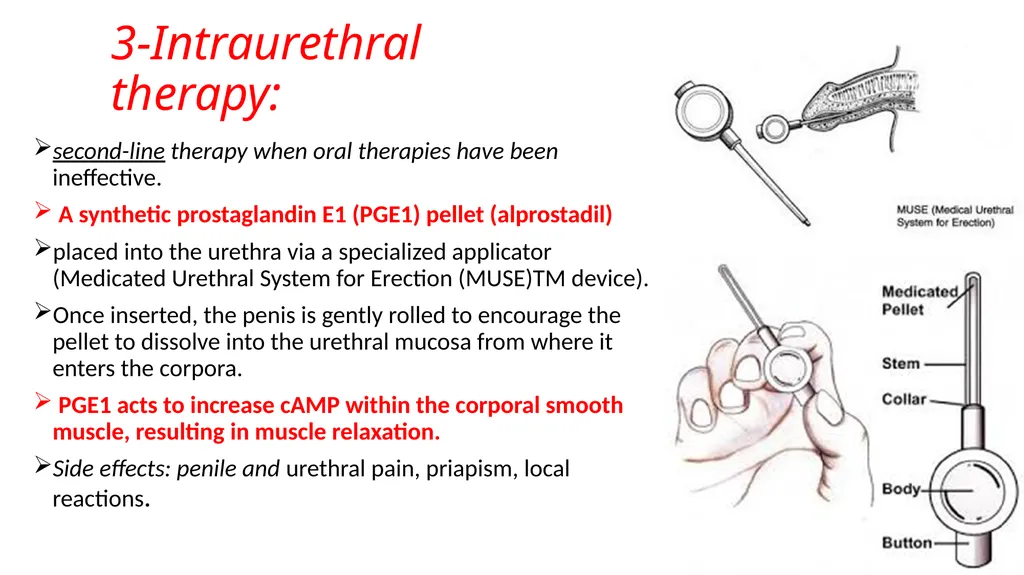
3-Intraurethral therapy: second-line therapy when oral therapies have been ineffective.
A synthetic prostaglandin E1 (PGE1) pellet (alprostadil)
placed into the urethra via a specialized applicator (Medicated Urethral System for Erection (MUSE)TM device).
Once inserted, the penis is gently rolled to encourage the pellet to dissolve into the urethral mucosa from where it enters the corpora.
PGE1 acts to increase cAMP within the corporal smooth muscle, resulting in muscle relaxation.
Side effects: penile and urethral pain, priapism, local reactions.<br>
26
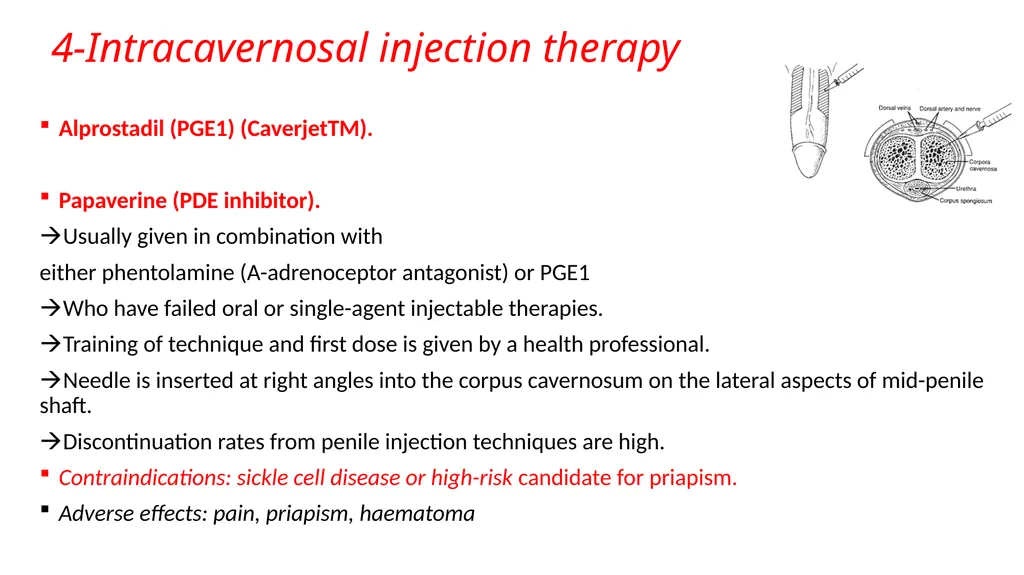
4-Intracavernosal injection therapy Alprostadil (PGE1) (CaverjetTM).
Papaverine (PDE inhibitor).
Usually given in combination with
either phentolamine (A-adrenoceptor antagonist) or PGE1
Who have failed oral or single-agent injectable therapies.
Training of technique and first dose is given by a health professional.
Needle is inserted at right angles into the corpus cavernosum on the lateral aspects of mid-penile shaft.
Discontinuation rates from penile injection techniques are high.
Contraindications: sickle cell disease or high-risk candidate for priapism.
Adverse effects: pain, priapism, haematoma<br>
27
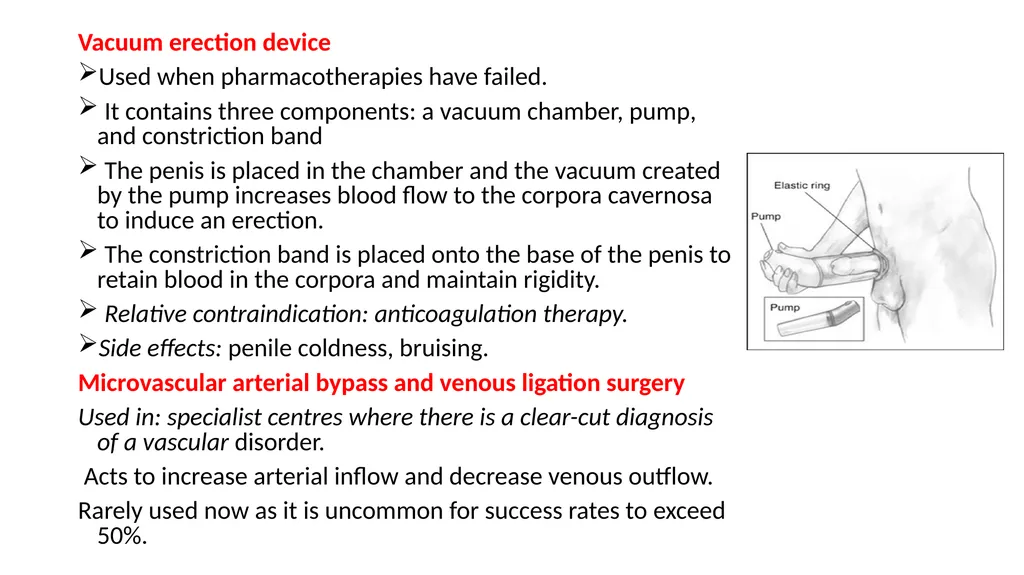
Vacuum erection device
Used when pharmacotherapies have failed.
It contains three components: a vacuum chamber, pump, and constriction band
The penis is placed in the chamber and the vacuum created by the pump increases blood flow to the corpora cavernosa to induce an erection.
The constriction band is placed onto the base of the penis to retain blood in the corpora and maintain rigidity.
Relative contraindication: anticoagulation therapy.
Side effects: penile coldness, bruising.
Microvascular arterial bypass and venous ligation surgery
Used in: specialist centres where there is a clear-cut diagnosis of a vascular disorder.
Acts to increase arterial inflow and decrease venous outflow.
Rarely used now as it is uncommon for success rates to exceed 50%.<br>
28
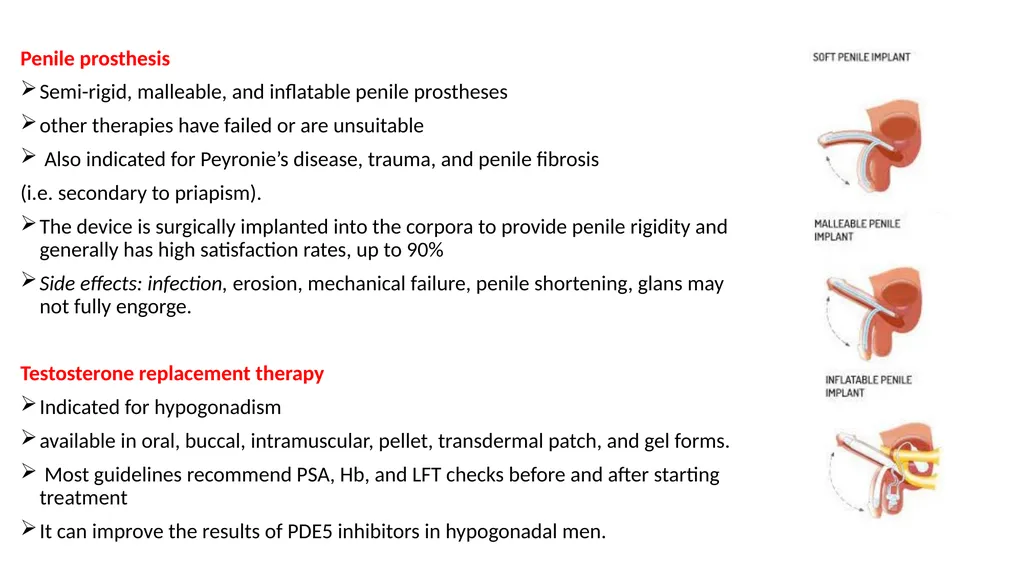
Penile prosthesis
Semi-rigid, malleable, and inflatable penile prostheses
other therapies have failed or are unsuitable
Also indicated for Peyronie’s disease, trauma, and penile fibrosis
(i.e. secondary to priapism).
The device is surgically implanted into the corpora to provide penile rigidity and generally has high satisfaction rates, up to 90%
Side effects: infection, erosion, mechanical failure, penile shortening, glans may not fully engorge.
Testosterone replacement therapy
Indicated for hypogonadism
available in oral, buccal, intramuscular, pellet, transdermal patch, and gel forms.
Most guidelines recommend PSA, Hb, and LFT checks before and after starting treatment
It can improve the results of PDE5 inhibitors in hypogonadal men.<br>
29
Thank you<br>