
Company and Marketing Strategy: Partnering to
AS
Published · 52 slides · 0 views

1 / 1

Description
Company and Marketing Strategy: Partnering to Build Customer Engagement, Value, and Relationships Dr. Ali Ghufran Marketing-1 (BUS 221) Fall Semester Week 4 - 5 Date 20-2410 27-31102024 Marketing: An Introduction Fifteenth Edition
Related Topics
Share
Embed code
Download this presentation From Below
"Company and Marketing Strategy: Partnering to" is the property of its rightful owner. Permission is granted to download and print the materials on this website for personal, non-commercial use only, and to display it on your personal computer provided you do not modify the materials and that you retain all copyright notices contained in the materials. By downloading content from our website, you accept the terms of this agreement.
Presentation Transcript
01
Company and Marketing Strategy: Partnering to Build Customer Engagement, Value, and Relationships Dr. Ali Ghufran
Marketing-1 (BUS 221)
Fall Semester
Week 4 - 5
Date 20-24/10 – 27-31/10/2024<br>
Marketing-1 (BUS 221)
Fall Semester
Week 4 - 5
Date 20-24/10 – 27-31/10/2024<br>
02
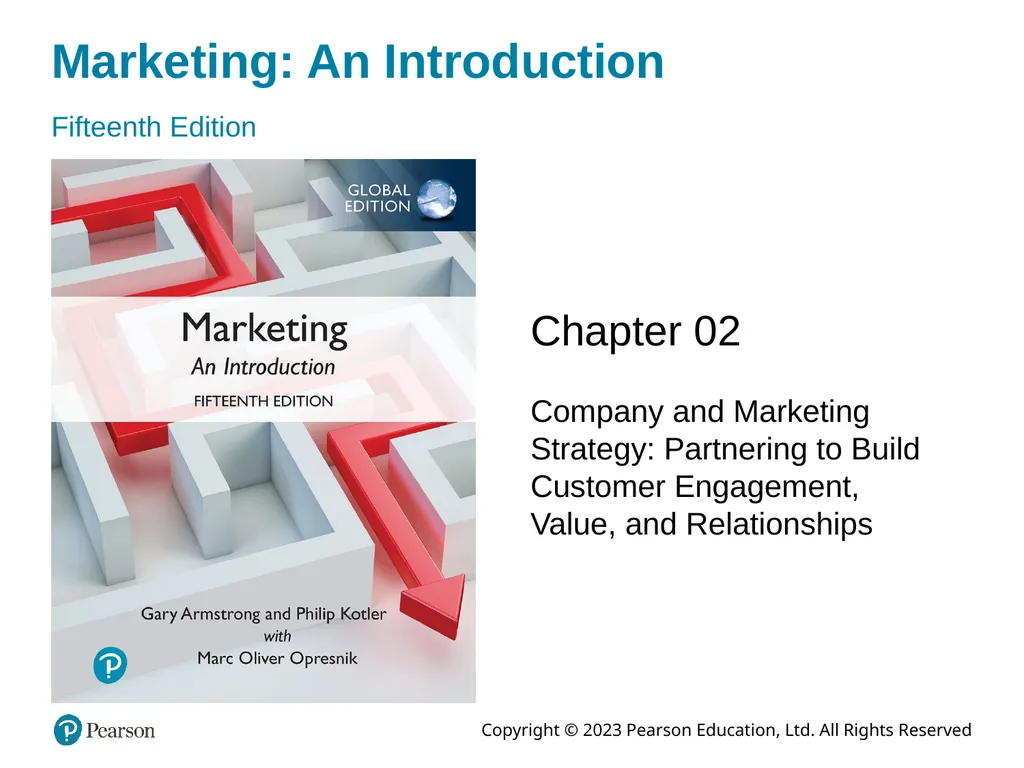
Marketing: An Introduction Fifteenth Edition Chapter 02 Company and Marketing Strategy: Partnering to Build Customer Engagement, Value, and Relationships Copyright © 2023 Pearson Education, Ltd. All Rights Reserved<br>
03
Objectives Outline (1 of 2) 2.1 Explain company-wide strategic planning and its four steps.
2.2 Discuss how to design business portfolios and develop growth strategies.
2.3 Explain marketing’s role in strategic planning and how marketing works with its partners to create and deliver customer value.<br>
2.2 Discuss how to design business portfolios and develop growth strategies.
2.3 Explain marketing’s role in strategic planning and how marketing works with its partners to create and deliver customer value.<br>
04
Objectives Outline (2 of 2) 2.4 Describe the elements of a customer value-driven marketing strategy and mix and the forces that influence them.
2.5 List the marketing management functions, including the elements of a marketing plan, and discuss the importance of measuring and managing marketing return on investment.<br>
2.5 List the marketing management functions, including the elements of a marketing plan, and discuss the importance of measuring and managing marketing return on investment.<br>
05
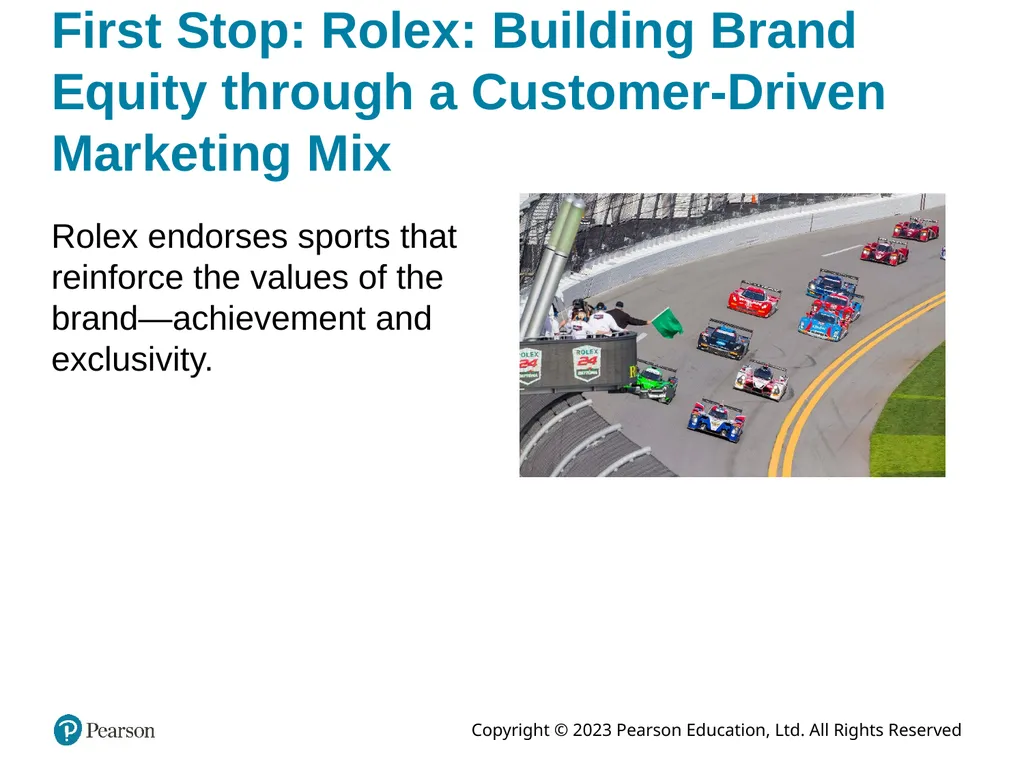
First Stop: Rolex: Building Brand Equity through a Customer-Driven Marketing Mix Rolex endorses sports that reinforce the values of the brand—achievement and exclusivity.<br>
06
Objective Outline 2.1 Explain company-wide strategic planning and its four steps.<br>
07
Strategic Planning Game plan for long-run survival and growth
Helps to maintain a strategic fit between its goals and capabilities and changing marketing opportunities.<br>
Helps to maintain a strategic fit between its goals and capabilities and changing marketing opportunities.<br>
08
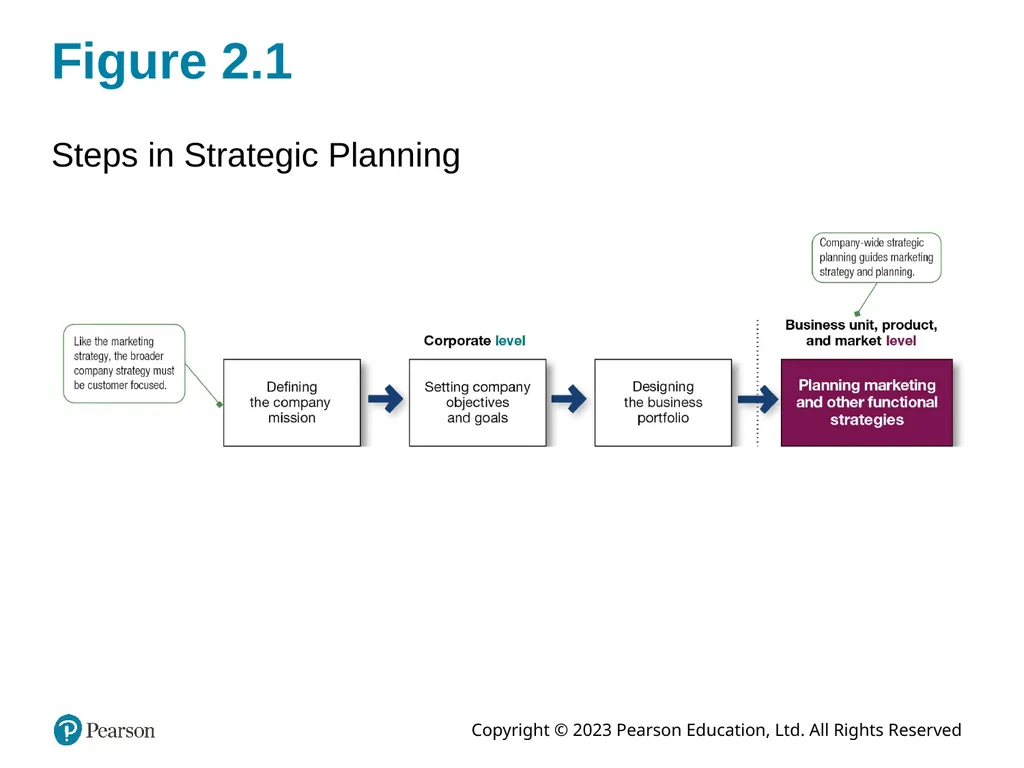
Figure 2.1 Steps in Strategic Planning<br>
09
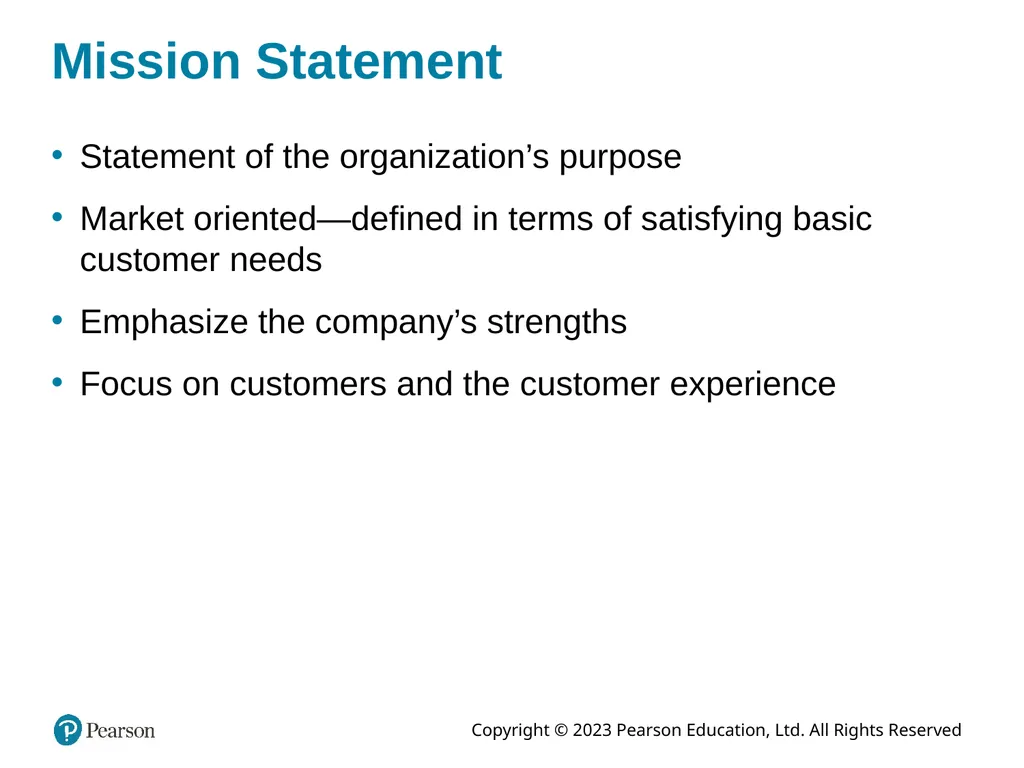
Mission Statement Statement of the organization’s purpose
Market oriented—defined in terms of satisfying basic customer needs
Emphasize the company’s strengths
Focus on customers and the customer experience<br>
Market oriented—defined in terms of satisfying basic customer needs
Emphasize the company’s strengths
Focus on customers and the customer experience<br>
10
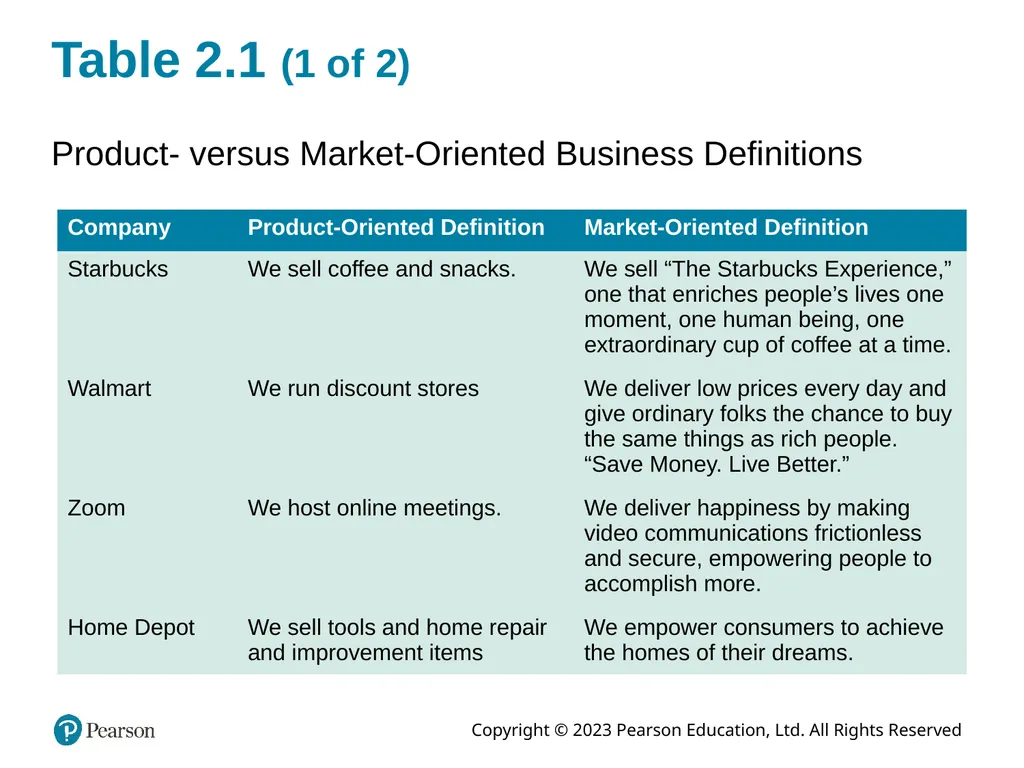
Table 2.1 (1 of 2) Product- versus Market-Oriented Business Definitions<br>
11
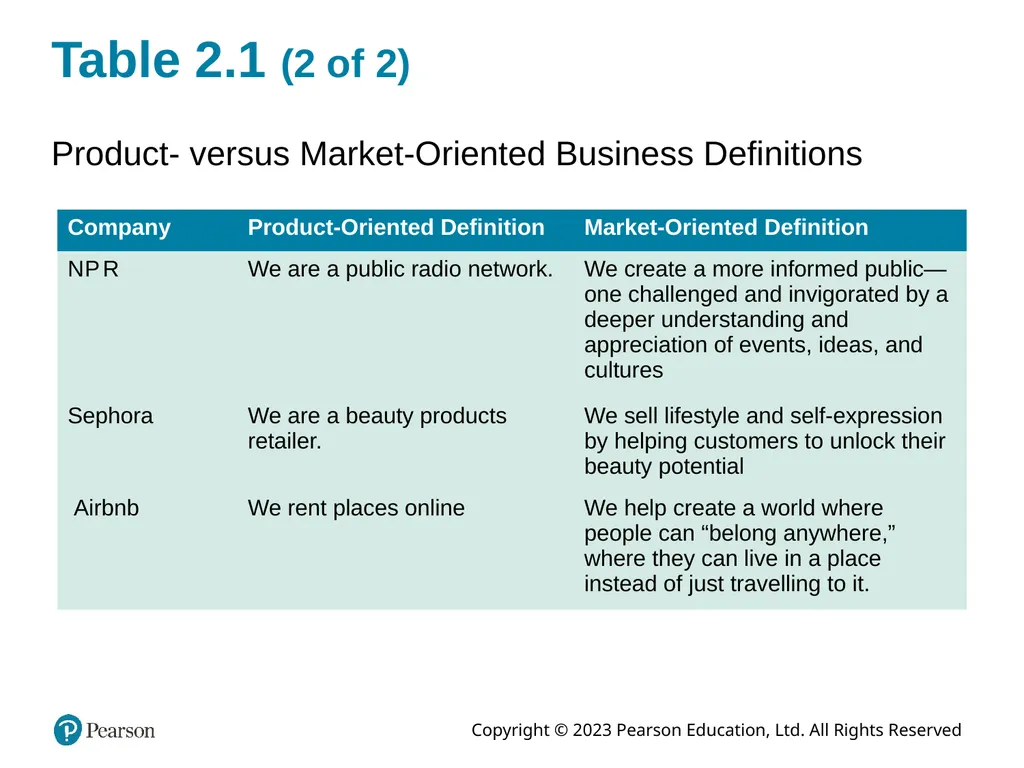
Table 2.1 (2 of 2) Product- versus Market-Oriented Business Definitions<br>
12
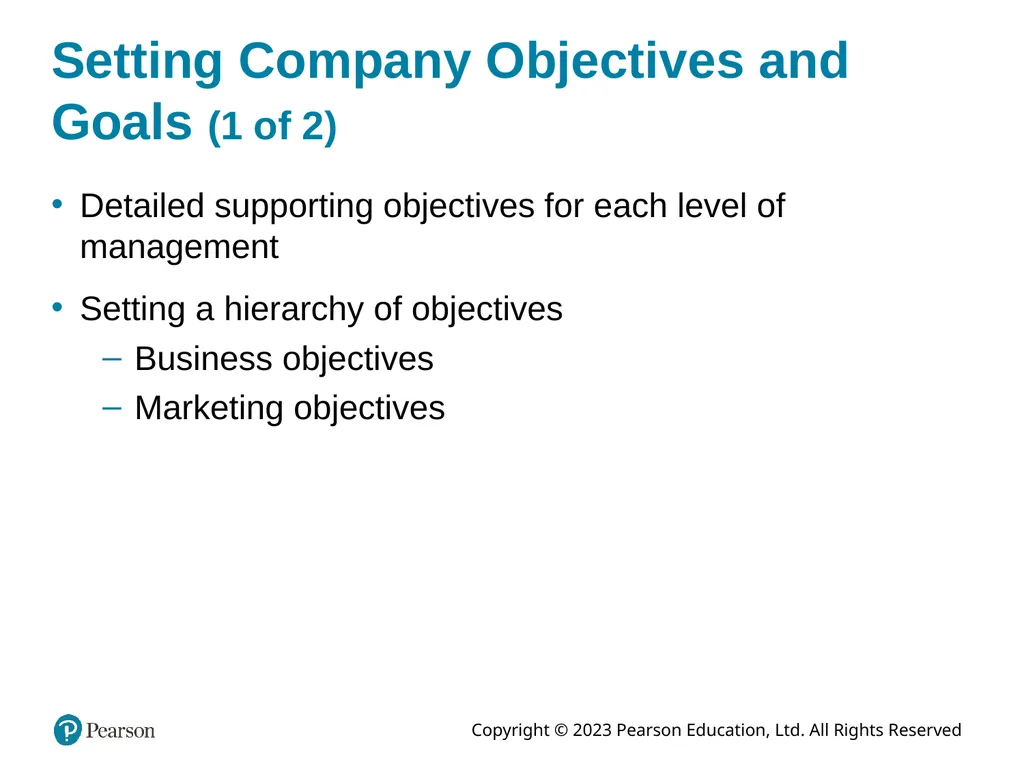
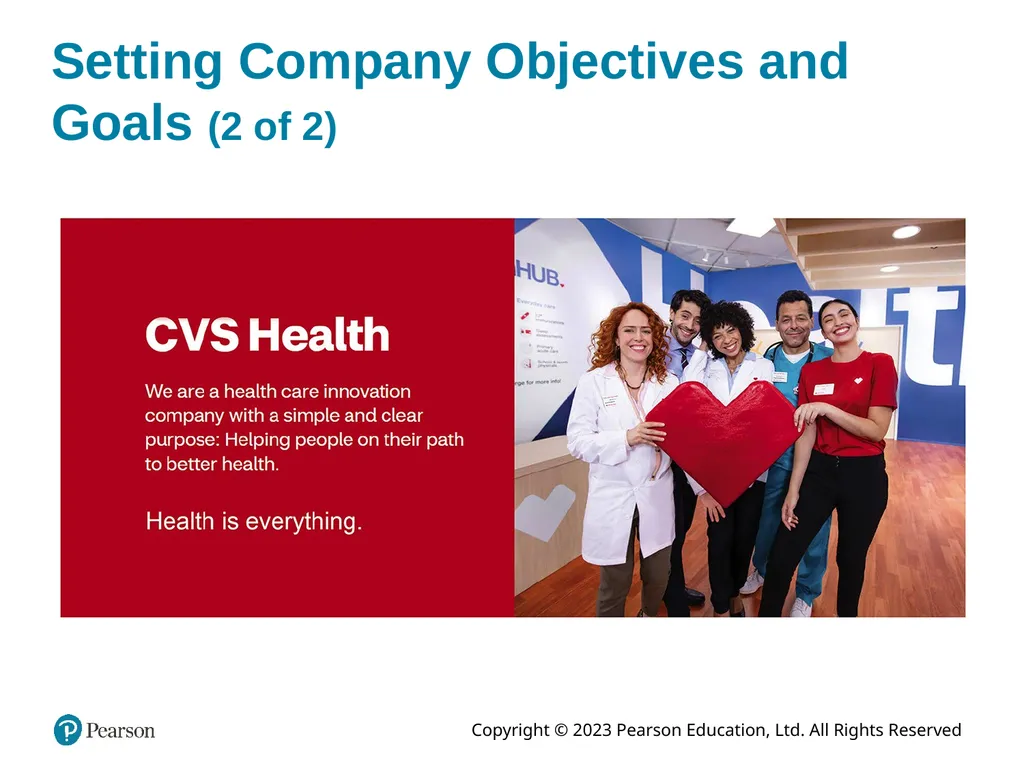
Setting Company Objectives and Goals (1 of 2) Detailed supporting objectives for each level of management
Setting a hierarchy of objectives
Business objectives
Marketing objectives<br>
Setting a hierarchy of objectives
Business objectives
Marketing objectives<br>
13
Setting Company Objectives and Goals (2 of 2)<br>
14
Objective Outline 2.1 Summary Strategic planning
Defining the company’s mission
Setting objectives and goals
Designing a business portfolio
Developing functional plans
Company mission statement
Market-oriented, realistic, specific
Motivating, consistent with market environment<br>
Defining the company’s mission
Setting objectives and goals
Designing a business portfolio
Developing functional plans
Company mission statement
Market-oriented, realistic, specific
Motivating, consistent with market environment<br>
15
Objective Outline 2.2 Discuss how to design business portfolios and develop growth strategies.<br>
16
Business Portfolio (1 of 2) Collection of businesses and products that make up the company
Steps in business portfolio planning:
Analyze the firm’s current business portfolio which businesses should receive more, less, or no investment
Develop strategies to shape the future portfolio for growth and downsizing.<br>
Steps in business portfolio planning:
Analyze the firm’s current business portfolio which businesses should receive more, less, or no investment
Develop strategies to shape the future portfolio for growth and downsizing.<br>
17
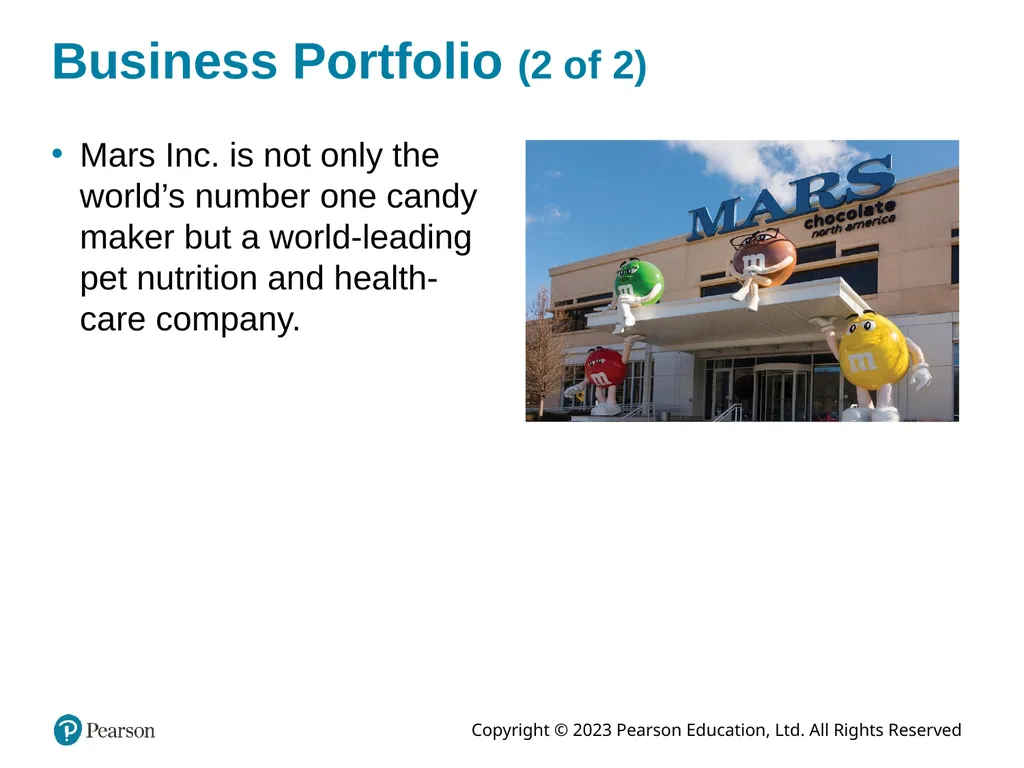
Business Portfolio (2 of 2) Mars Inc. is not only the world’s number one candy maker but a world-leading pet nutrition and health-care company.<br>
18
Portfolio Analysis Management’s evaluation of the products and businesses that make up the company
Identify the strategic business units (S B U s)
Assess S B U s’ attractiveness and decide on the level of support S B U deserves
Direct resources toward more profitable businesses and phase down or drop its weaker ones<br>
Identify the strategic business units (S B U s)
Assess S B U s’ attractiveness and decide on the level of support S B U deserves
Direct resources toward more profitable businesses and phase down or drop its weaker ones<br>
19
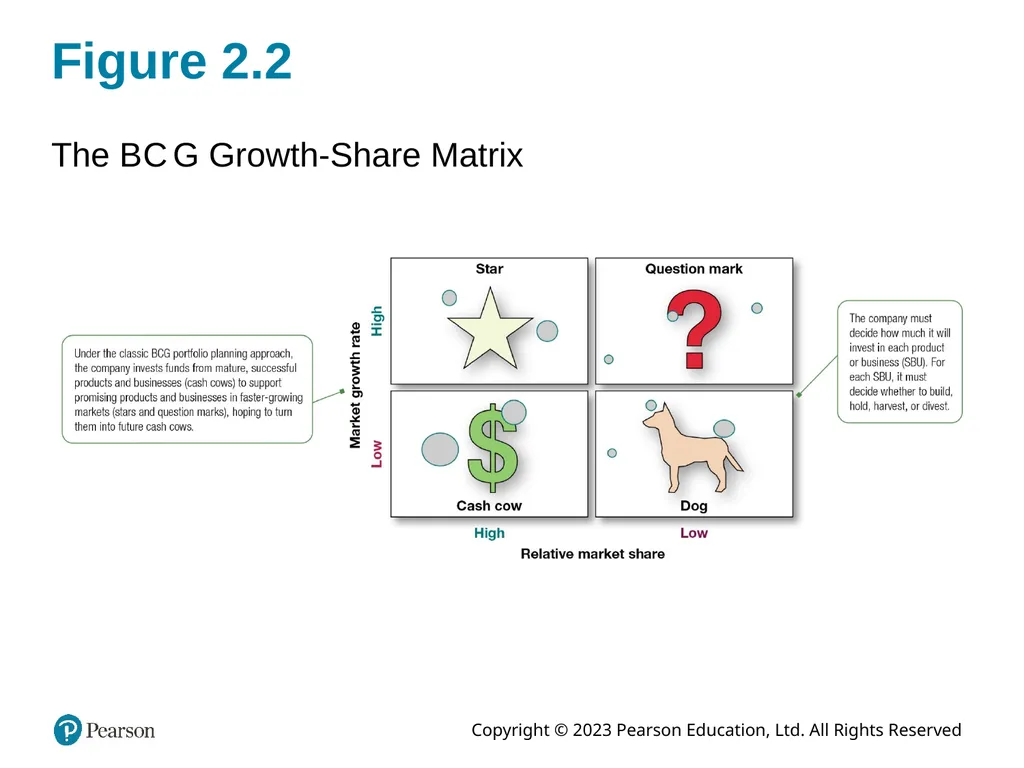
Figure 2.2 The B C G Growth-Share Matrix<br>
20
Growth-Share Matrix Evaluates a company’s S B U s in terms of market growth rate and relative market share
Problems with Growth-Share Matrix
Difficult, time consuming, and costly
Difficult to define and measure
Provides little advice for future planning<br>
Problems with Growth-Share Matrix
Difficult, time consuming, and costly
Difficult to define and measure
Provides little advice for future planning<br>
21
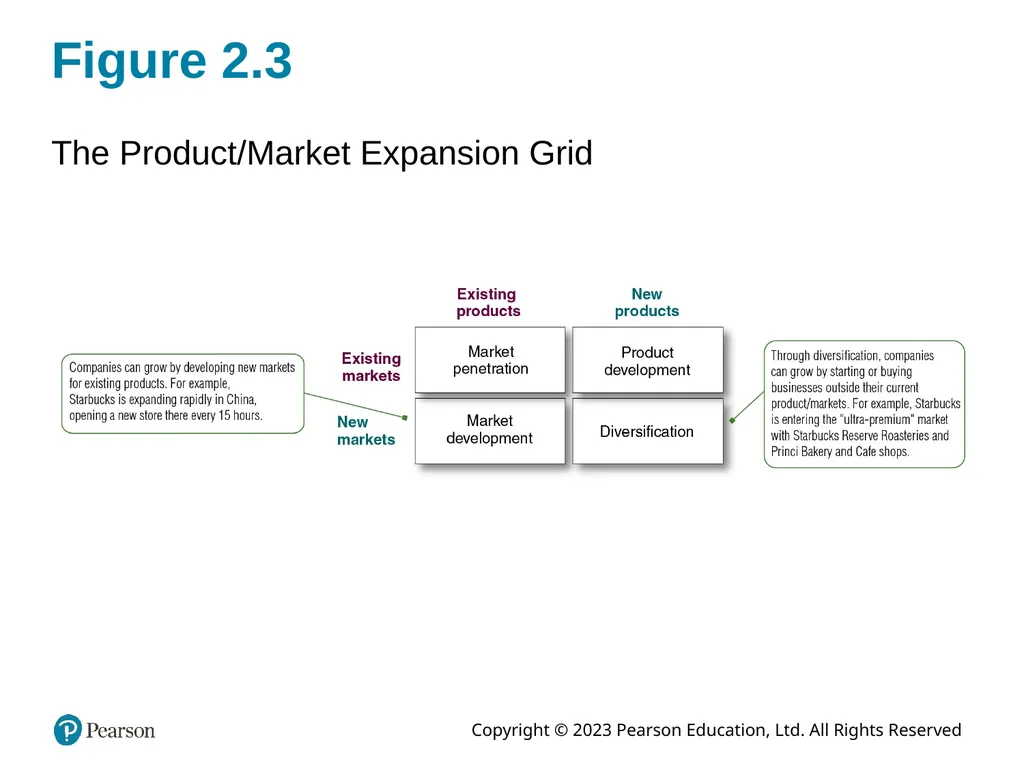
Figure 2.3 The Product/Market Expansion Grid<br>
22
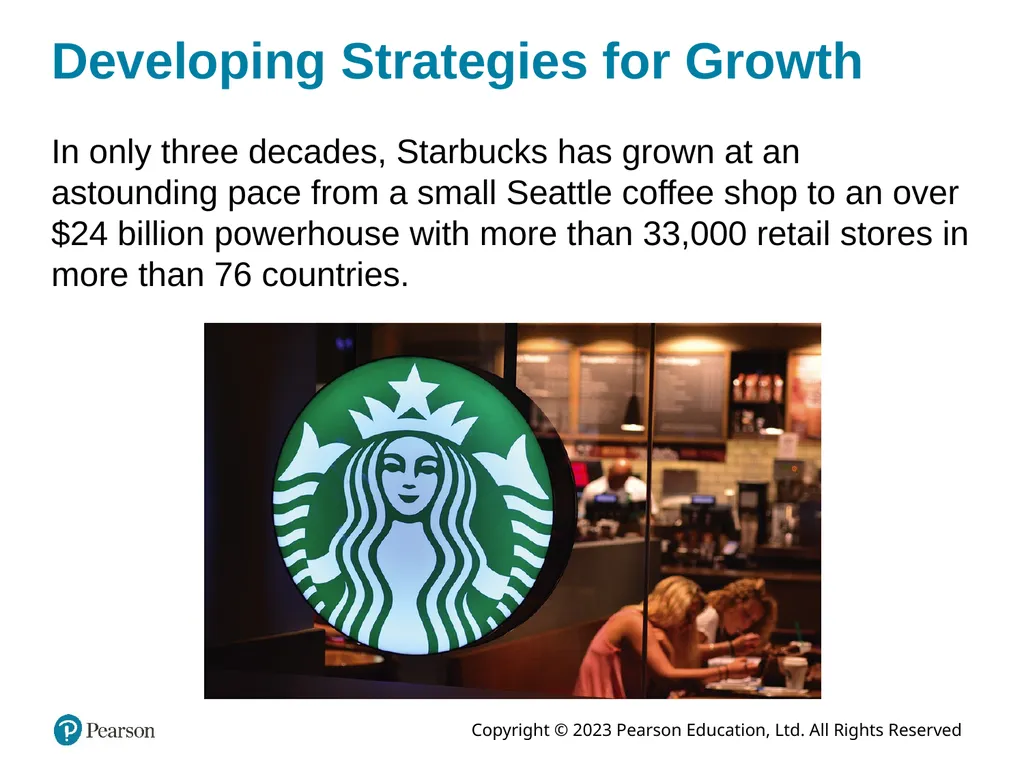
Developing Strategies for Growth In only three decades, Starbucks has grown at an astounding pace from a small Seattle coffee shop to an over $24 billion powerhouse with more than 33,000 retail stores in more than 76 countries.<br>
23
Downsizing Products or business units that are unprofitable or no longer fit the company’s overall strategy
Reasons to abandon products or markets
Rapid growth of the company
Lack of experience in a market
Change in market environment
Decline of a particular product<br>
Reasons to abandon products or markets
Rapid growth of the company
Lack of experience in a market
Change in market environment
Decline of a particular product<br>
24
Objective Outline 2.2 Summary Portfolio analysis
B C G Growth-Share Matrix
Product/market expansion grid
Strategies for growth and downsizing<br>
B C G Growth-Share Matrix
Product/market expansion grid
Strategies for growth and downsizing<br>
25
Objective Outline 2.3 Explain marketing’s role in strategic planning and how marketing works with its partners to create and deliver customer value.<br>
26
Planning Marketing: Partnering to Build Customer Relationships Provides a guiding philosophy
Marketing concept—company strategy should create customer value and build profitable relationships
Provides inputs to strategic planners
Identify market opportunities and potential to take advantage of them
Designs strategies for reaching the business unit’s objectives<br>
Marketing concept—company strategy should create customer value and build profitable relationships
Provides inputs to strategic planners
Identify market opportunities and potential to take advantage of them
Designs strategies for reaching the business unit’s objectives<br>
27
Partnering with Other Company Departments (1 of 2) Company departments are links in the company’s internal value chain.
Firm’s success depends on how well the various departments coordinate their activities.
Marketers should ensure all the departments are customer-focused and develop a smooth functioning value chain.<br>
Firm’s success depends on how well the various departments coordinate their activities.
Marketers should ensure all the departments are customer-focused and develop a smooth functioning value chain.<br>
28
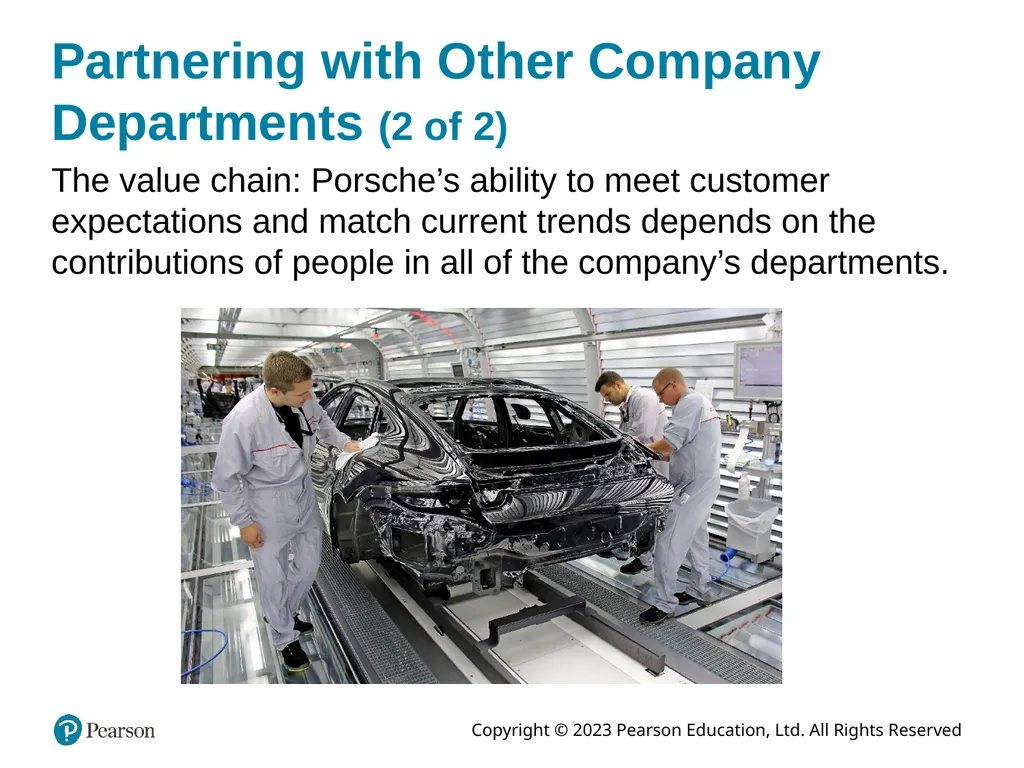
Partnering with Other Company Departments (2 of 2) The value chain: Porsche’s ability to meet customer expectations and match current trends depends on the contributions of people in all of the company’s departments.<br>
29
Partnering with Others in the Marketing System Companies should assess value chains
Internal departments
External: suppliers, distributors and customers
Value delivery network is composed of the company, its suppliers, its distributors, and its customers<br>
Internal departments
External: suppliers, distributors and customers
Value delivery network is composed of the company, its suppliers, its distributors, and its customers<br>
30
Objective Outline 2.3 Summary Planning Marketing
Partnering to build customer relationships
Partnering with other company departments
Partnering with suppliers, distributors, and customers
Value delivery network<br>
Partnering to build customer relationships
Partnering with other company departments
Partnering with suppliers, distributors, and customers
Value delivery network<br>
31
Objective Outline 2.4 Describe the elements of a customer value-driven marketing strategy and mix and the forces that influence them.<br>
32
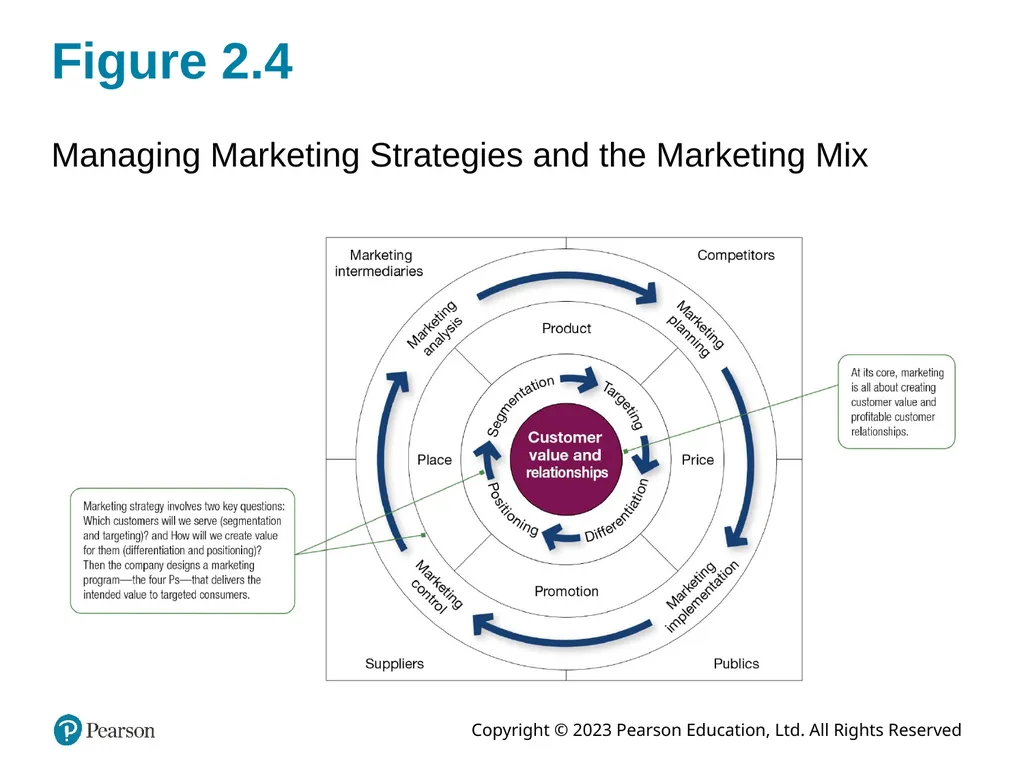
Figure 2.4 Managing Marketing Strategies and the Marketing Mix<br>
33
Customer Value-Driven Marketing Strategy Marketing logic by which the company creates customer value and achieves profitable customer relationships
Integrated marketing mix: product, price, place, and promotion
Activities for best marketing strategy and mix
Marketing analysis
Planning, implementation, and control<br>
Integrated marketing mix: product, price, place, and promotion
Activities for best marketing strategy and mix
Marketing analysis
Planning, implementation, and control<br>
34
Market Segmentation and Market Targeting Market segmentation
Dividing a market into distinct groups of buyers who have different needs, characteristics, or behaviors, and who might require separate products or marketing programs Market targeting
Evaluating each market segment’s attractiveness and selecting one or more segments to enter<br>
Dividing a market into distinct groups of buyers who have different needs, characteristics, or behaviors, and who might require separate products or marketing programs Market targeting
Evaluating each market segment’s attractiveness and selecting one or more segments to enter<br>
35
Market Differentiation and Positioning Positioning the product to occupy a clear, distinctive, and desirable place relative to competing products
Differentiating the market offering to create superior customer value
The entire marketing program should support the chosen positioning strategy.<br>
Differentiating the market offering to create superior customer value
The entire marketing program should support the chosen positioning strategy.<br>
36
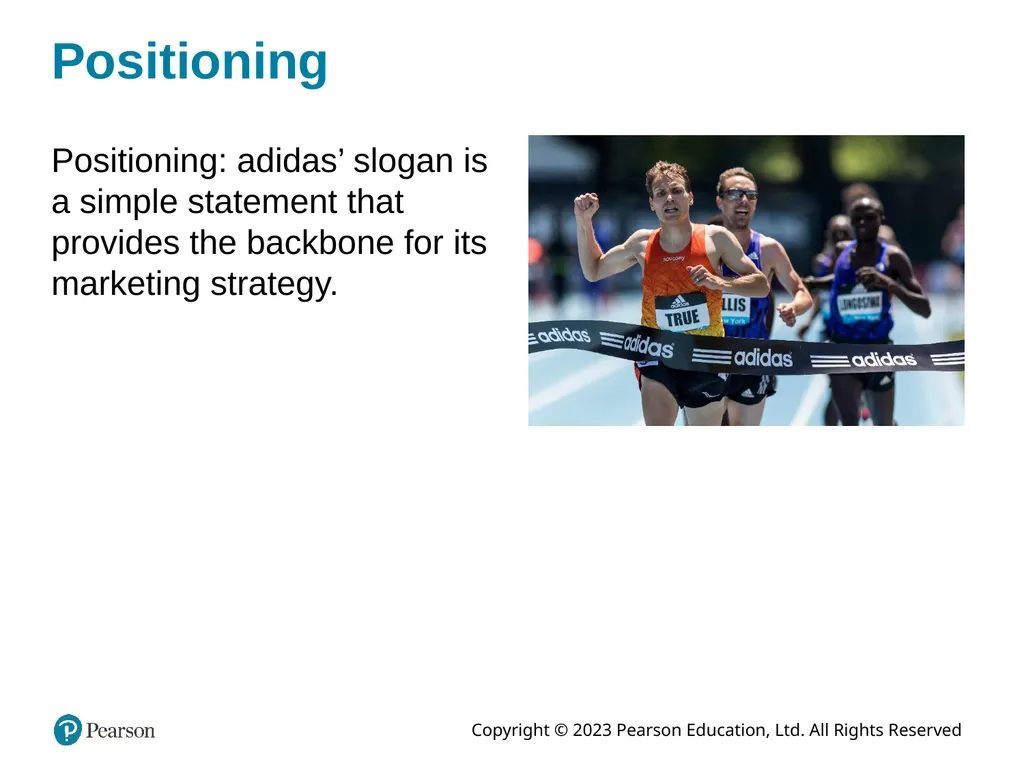
Positioning Positioning: adidas’ slogan is a simple statement that provides the backbone for its marketing strategy.<br>
37
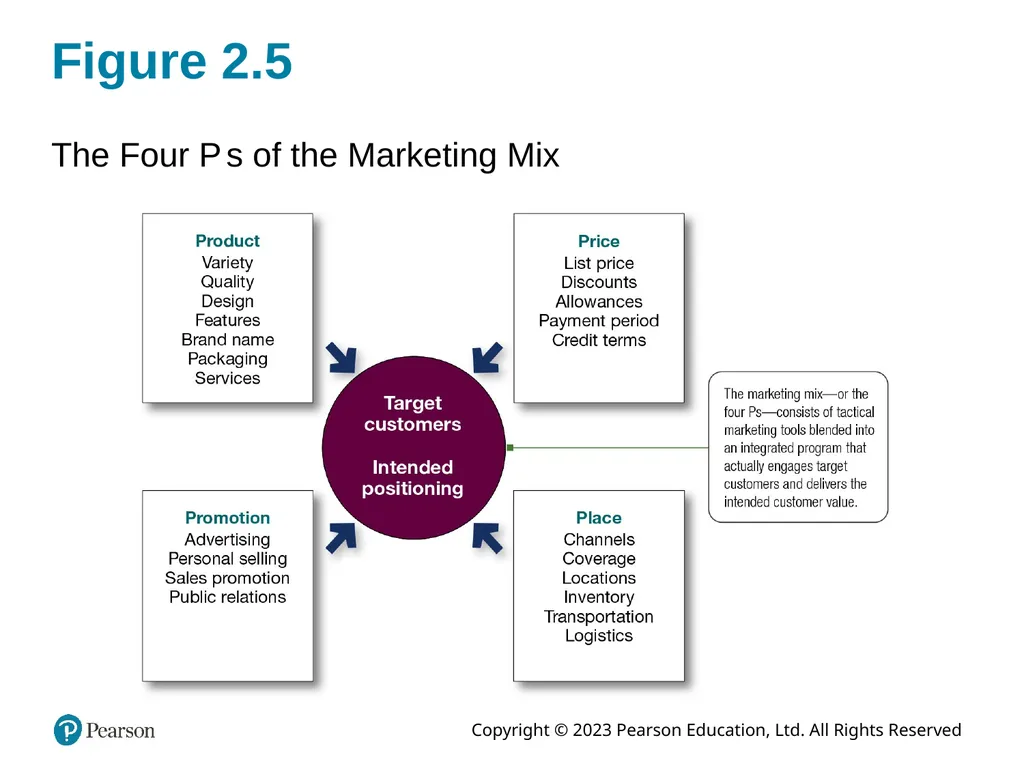
Figure 2.5 The Four P s of the Marketing Mix<br>
38
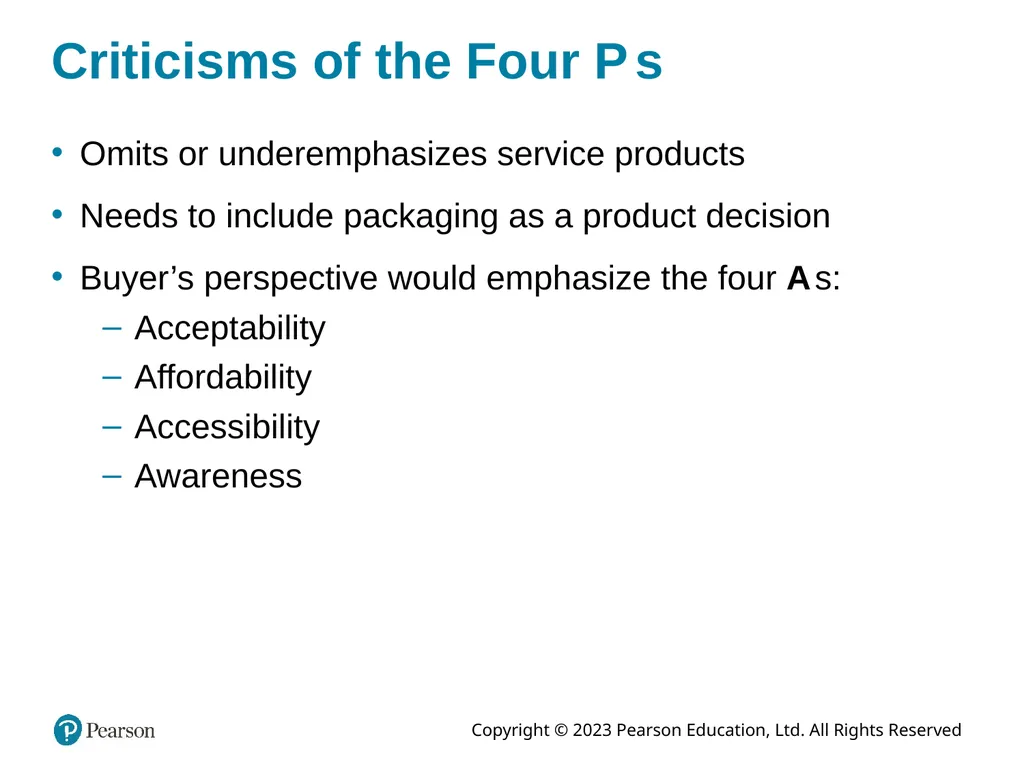
Criticisms of the Four P s Omits or underemphasizes service products
Needs to include packaging as a product decision
Buyer’s perspective would emphasize the four A s:
Acceptability
Affordability
Accessibility
Awareness<br>
Needs to include packaging as a product decision
Buyer’s perspective would emphasize the four A s:
Acceptability
Affordability
Accessibility
Awareness<br>
39
Objective Outline 2.4 Summary Customer value-driven marketing strategy
Market segmentation and market segment
Market targeting
Positioning and differentiating
Four P s of the marketing mix<br>
Market segmentation and market segment
Market targeting
Positioning and differentiating
Four P s of the marketing mix<br>
40
Objective Outline 2.5 List the marketing management functions, including the elements of a marketing plan, and discuss the importance of measuring and managing marketing return on investment.<br>
41
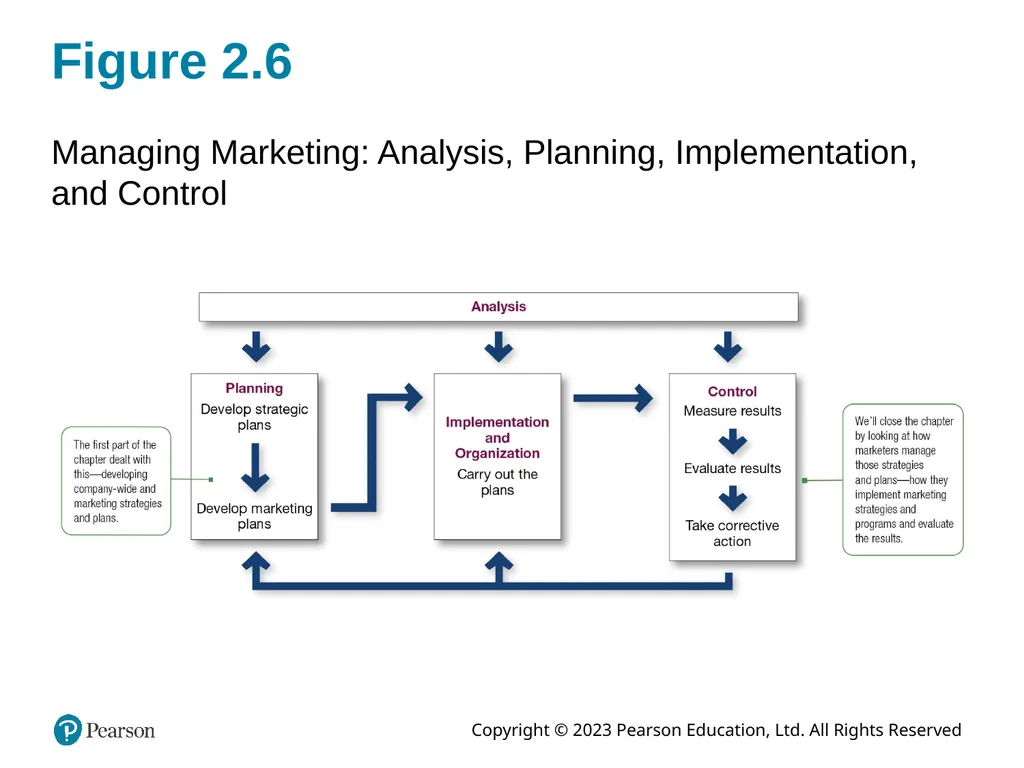
Figure 2.6 Managing Marketing: Analysis, Planning, Implementation, and Control<br>
42
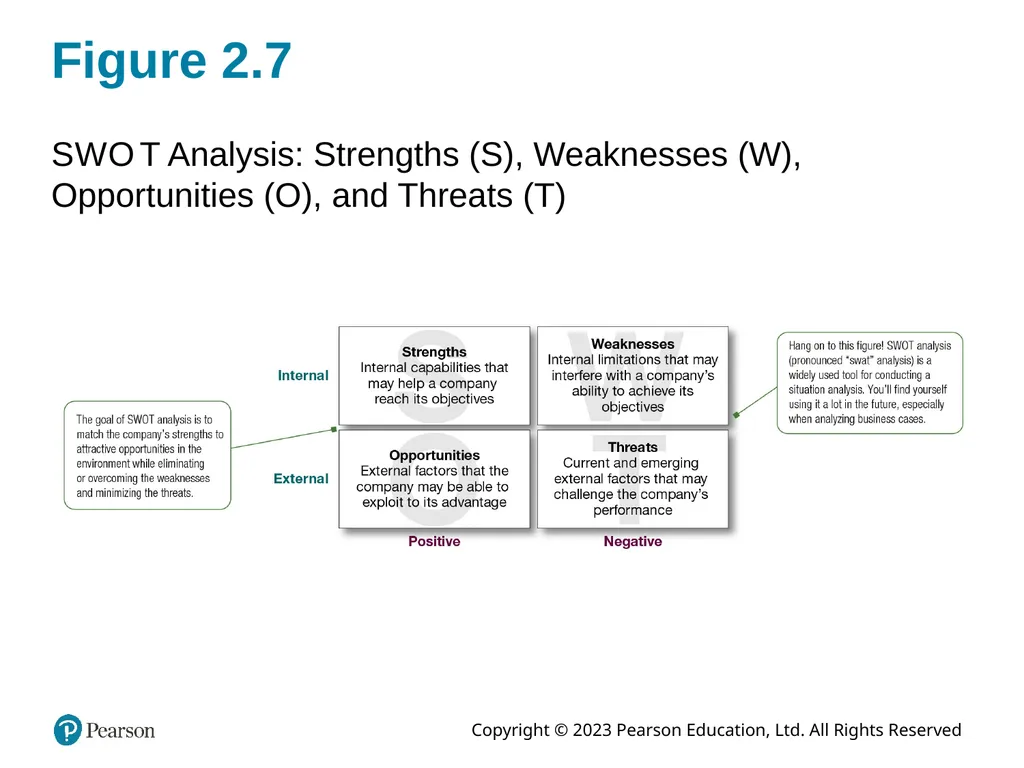
Figure 2.7 S W O T Analysis: Strengths (S), Weaknesses (W), Opportunities (O), and Threats (T)<br>
43
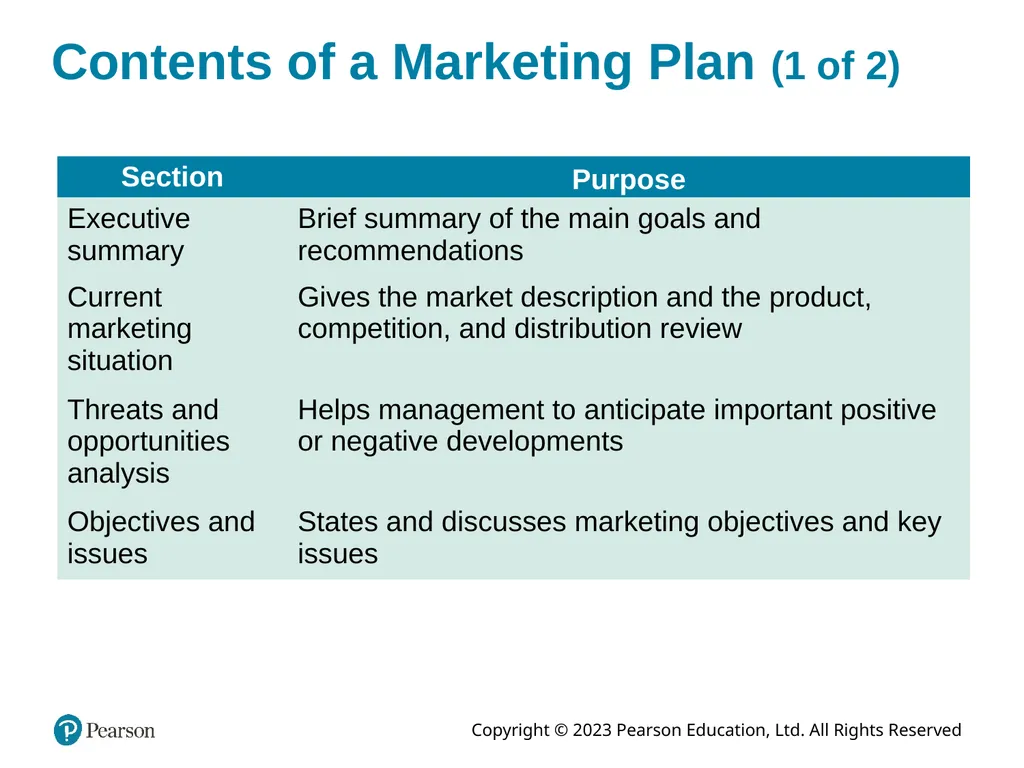
Contents of a Marketing Plan (1 of 2)<br>
44
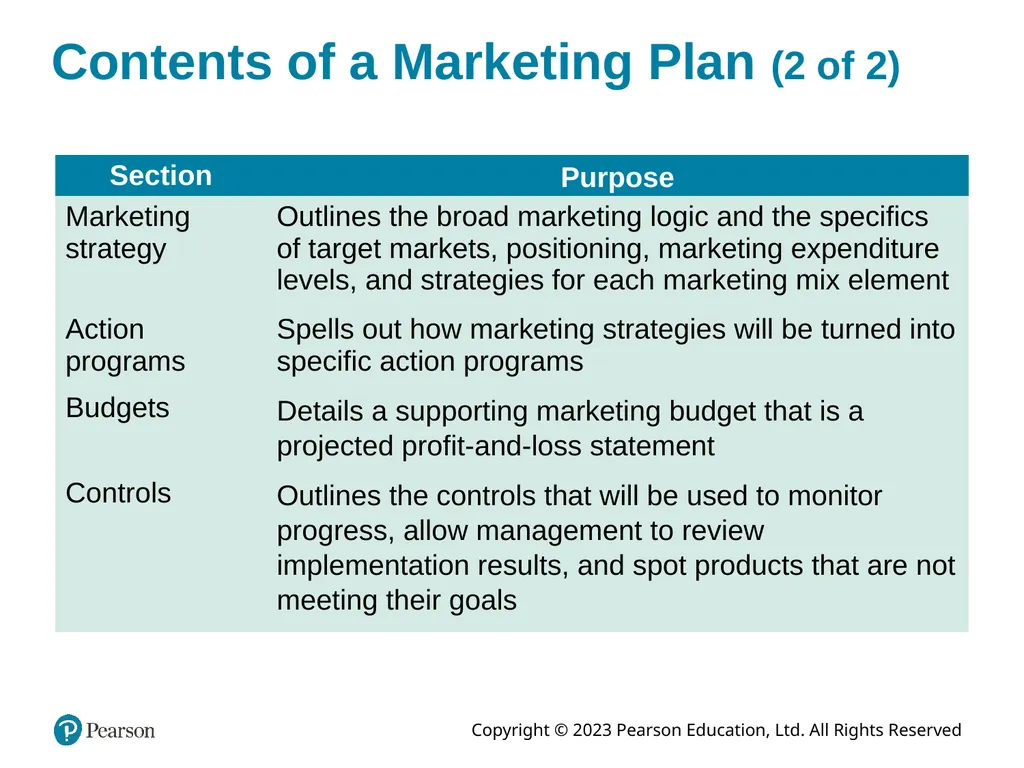
Contents of a Marketing Plan (2 of 2)<br>
45
Market Implementation Turning marketing strategies and plans into marketing actions to accomplish strategic marketing objectives
Addresses the who, where, when, and how of the marketing activities<br>
Addresses the who, where, when, and how of the marketing activities<br>
46
Marketing Department Organization Functional organization
Geographic organization
Product management organization
Market or customer management organization
Combination organization<br>
Geographic organization
Product management organization
Market or customer management organization
Combination organization<br>
47
Marketing Control Measuring and evaluating the results of marketing strategies and plans
Operating control ensures that the company achieves its sales, profits, and other goals.
Strategic control involves looking at whether the company’s basic strategies are well matched to its opportunities.<br>
Operating control ensures that the company achieves its sales, profits, and other goals.
Strategic control involves looking at whether the company’s basic strategies are well matched to its opportunities.<br>
48
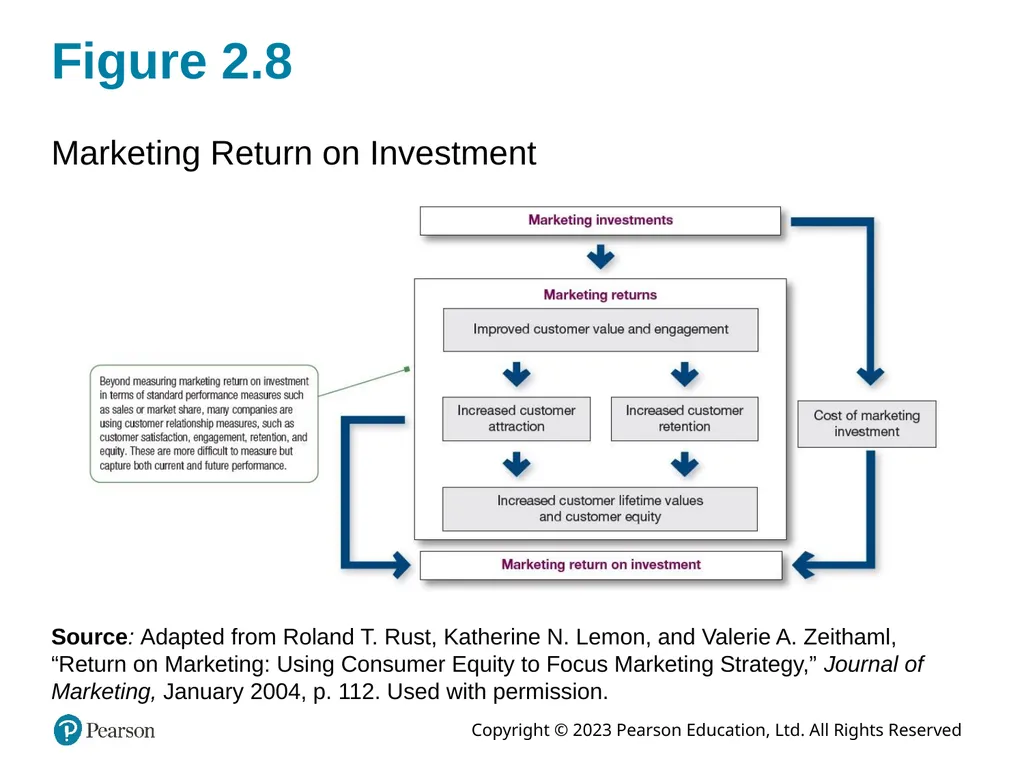
Measuring and Managing Marketing Return on Investment (R O I) Net return from a marketing investment divided by the costs of the marketing investment
Assessment measures
Standard marketing performance measures
Customer-centered measures<br>
Assessment measures
Standard marketing performance measures
Customer-centered measures<br>
49
Figure 2.8 Marketing Return on Investment Source: Adapted from Roland T. Rust, Katherine N. Lemon, and Valerie A. Zeithaml, “Return on Marketing: Using Consumer Equity to Focus Marketing Strategy,” Journal of Marketing, January 2004, p. 112. Used with permission.<br>
50
Objective Outline 2.5 Summary Contents of a marketing plan
Analysis, planning and implementation
Operating and strategic marketing control
Marketing department organization
Marketing return on investment<br>
Analysis, planning and implementation
Operating and strategic marketing control
Marketing department organization
Marketing return on investment<br>
51
Final Thoughts Develop a strategy for attracting new students to your college or university. Write a statement that describes your college/university’s fit between the goal of attracting the best students and its capabilities for then educating those students<br>
52
Copyright This work is protected by United States copyright laws and is provided solely for the use of instructors in teaching their courses and assessing student learning. Dissemination or sale of any part of this work (including on the World Wide Web) will destroy the integrity of the work and is not permitted. The work and materials from it should never be made available to students except by instructors using the accompanying text in their classes. All recipients of this work are expected to abide by these restrictions and to honor the intended pedagogical purposes and the needs of other instructors who rely on these materials.<br>