E-waste Management in the Arab Region: Status and Opportunities Hossam Allam, Ph.D. Regional Programme Manager Strategic Concerns Programme Centre for Environment and Development for the Arab Region and Europe Current Consumption Rates
"E-waste Management in the Arab Region: Status and" is the property of its rightful owner. Permission is granted to
download and print the materials on this website for personal, non-commercial use only, and to display it
on your personal computer provided you do not modify the materials and that you retain all copyright
notices contained in the materials. By downloading content from our website, you accept the terms of this
agreement.
Presentation Transcript
01
E-waste Management in the Arab Region: Status and Opportunities Hossam Allam, Ph.D.
Regional Programme Manager
Strategic Concerns Programme Centre for Environment and Development for the Arab Region and Europe<br>
02
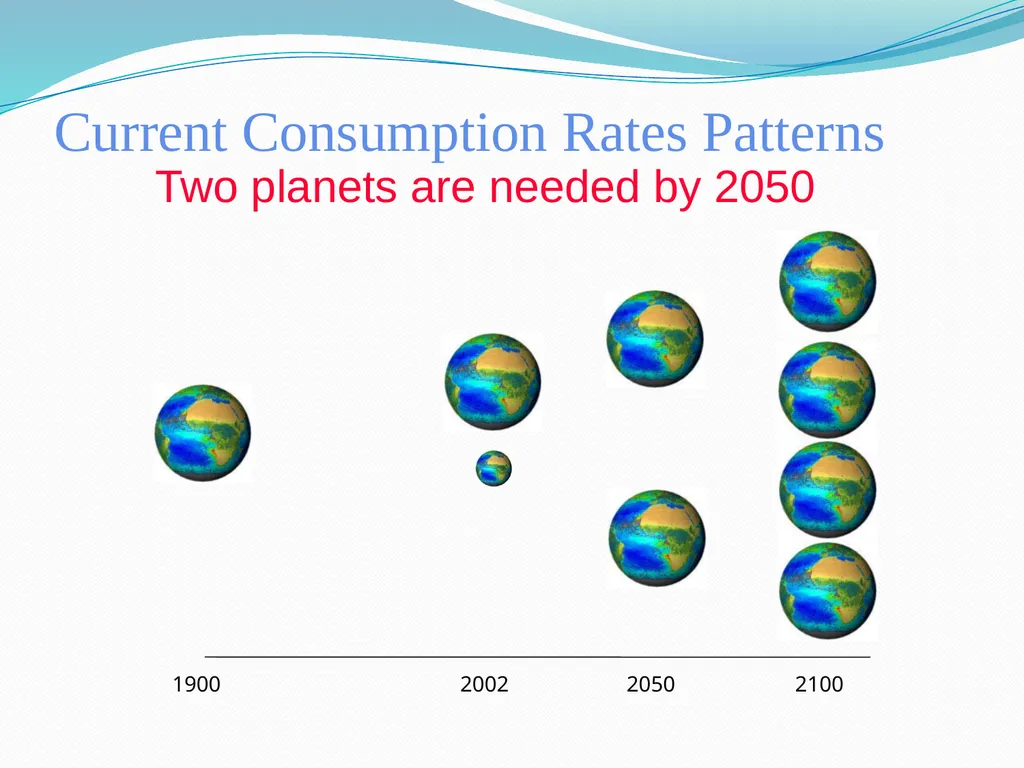
Current Consumption Rates Patterns 1900 2100 2002 2050 Two planets are needed by 2050<br>
03
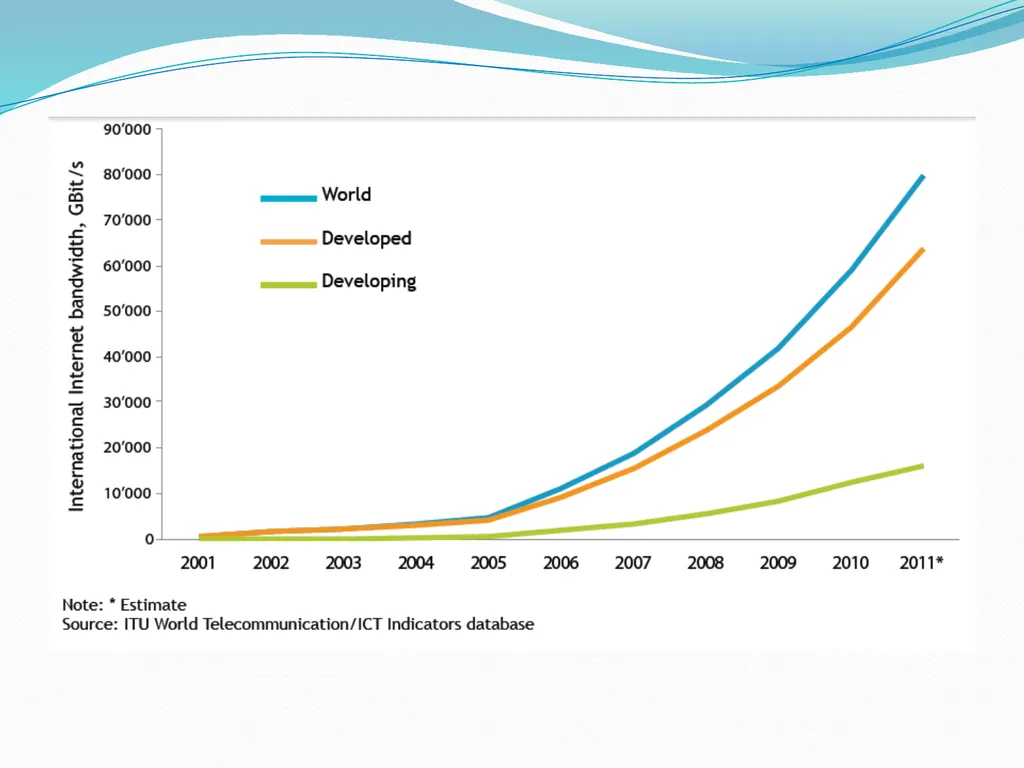
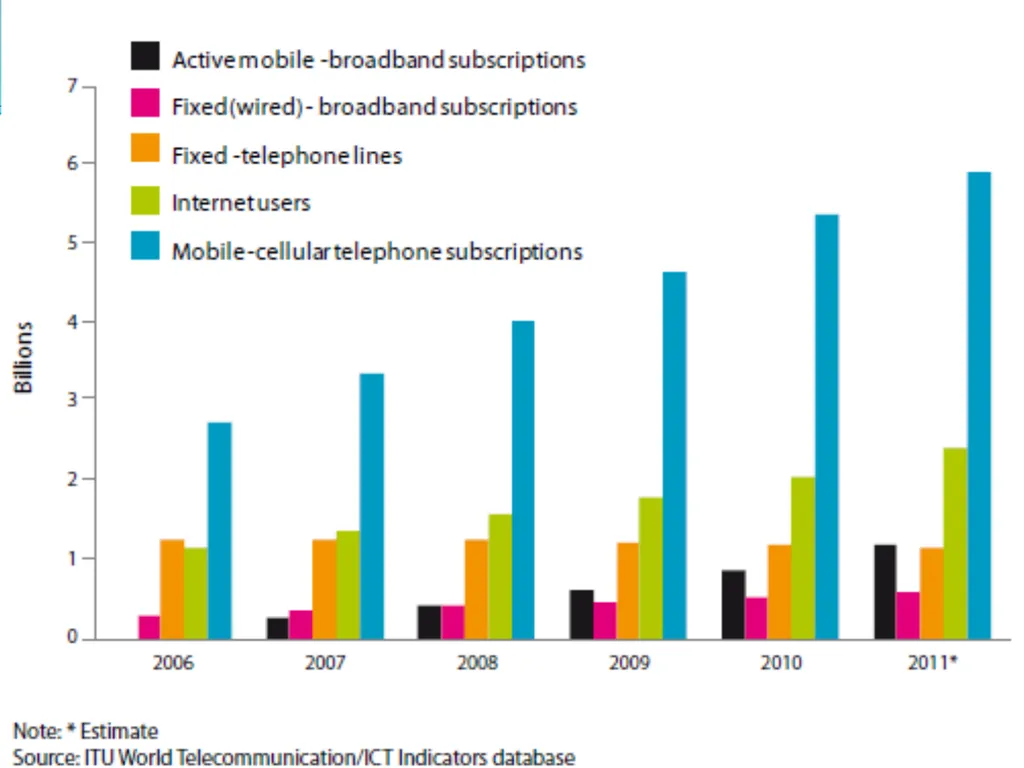
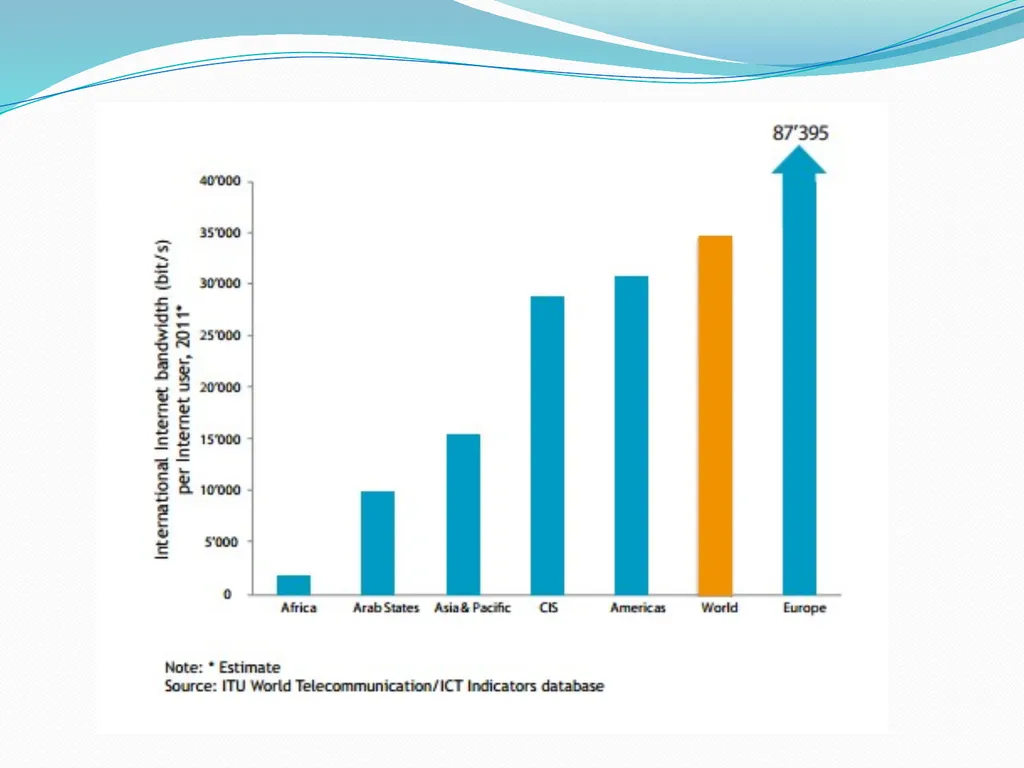
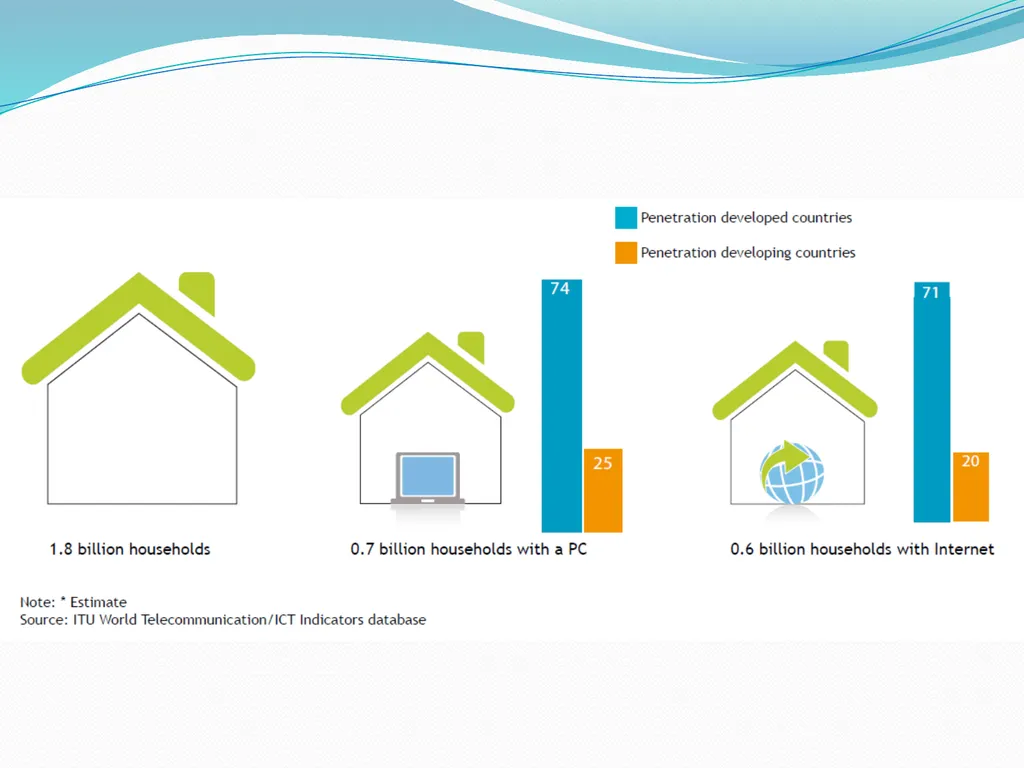
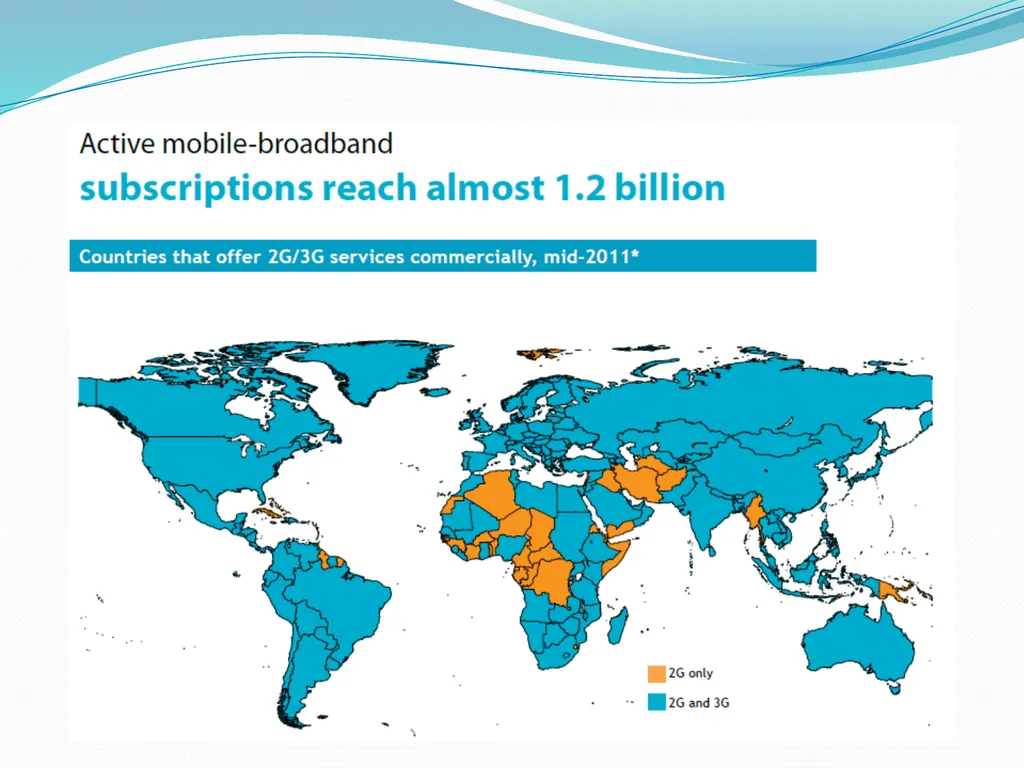
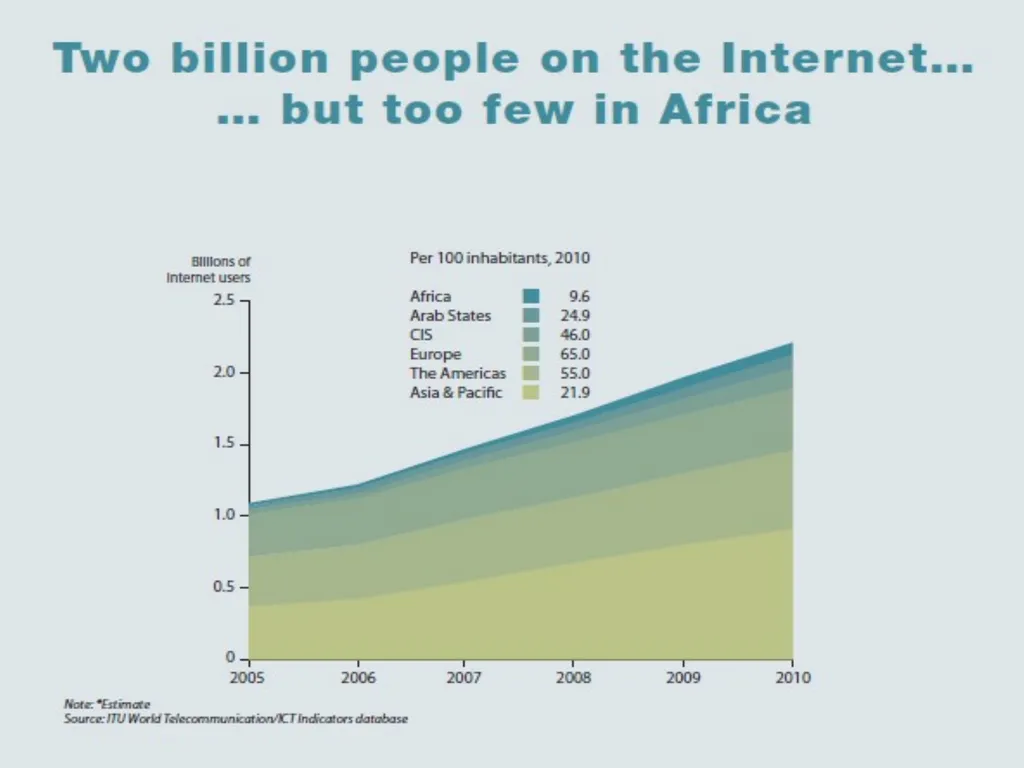
ICT Facts and Figures<br>
04
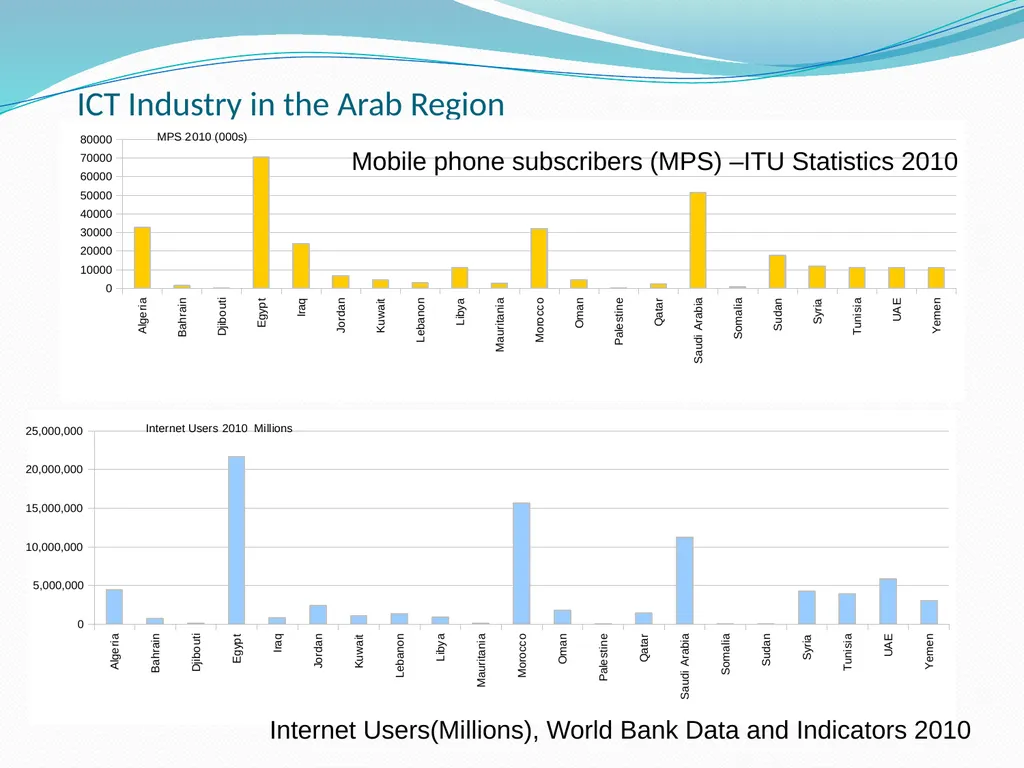
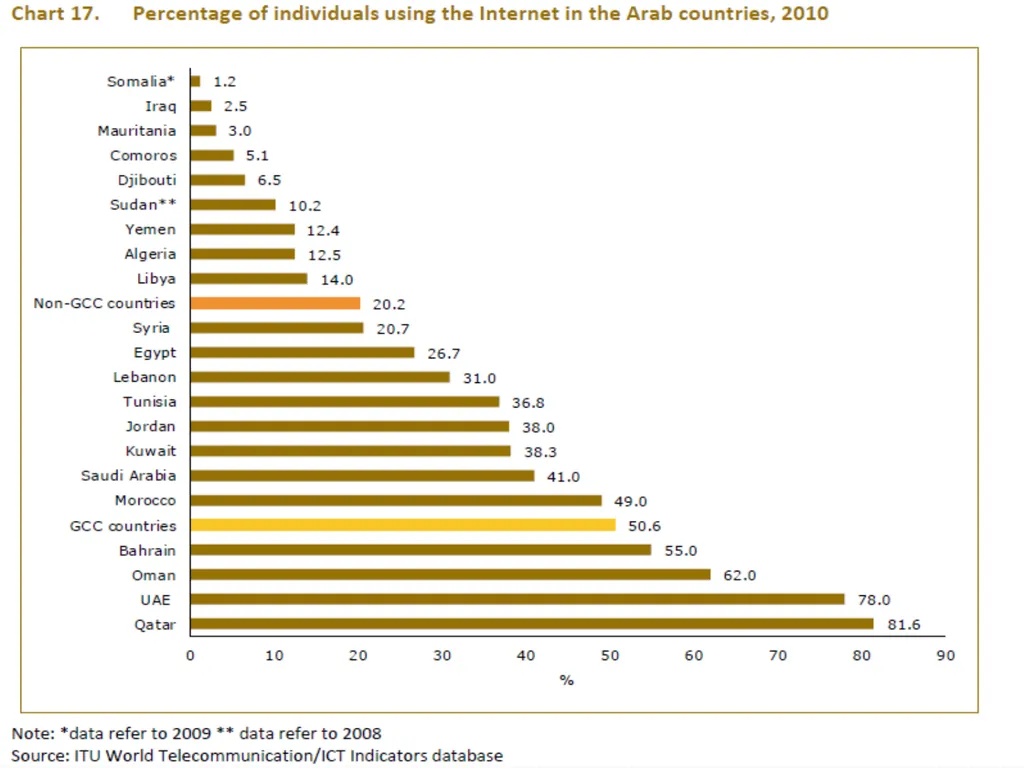
ICT Industry in the Arab Region Internet Users(Millions), World Bank Data and Indicators 2010 Mobile phone subscribers (MPS) –ITU Statistics 2010<br>
05
Challenges Volumes
Increasing sales of EEE, decreasing lifetimes
~40M tons e-waste generated worldwide
EU in 2007: ~2.5M tones recycled, 8.3 - 9.1M tons generated (EMPA)
Material Content
Valuable and energy-intensive precious metals
Toxic materials<br>
06
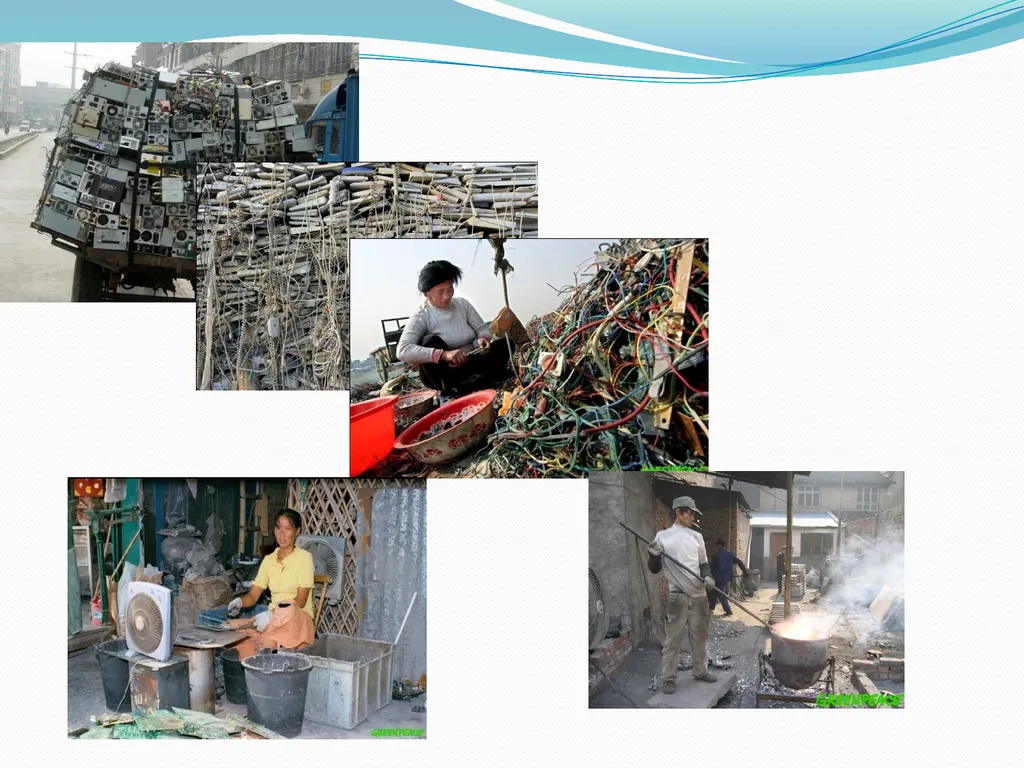
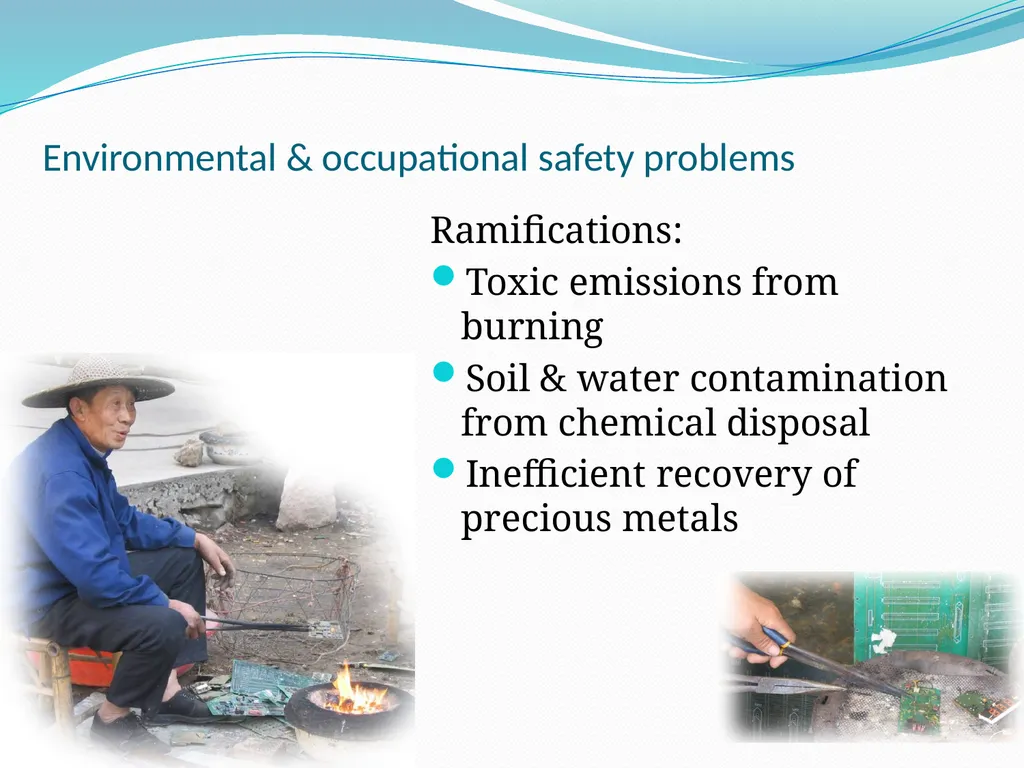
Environmental & occupational safety problems Ramifications:
Toxic emissions from burning
Soil & water contamination from chemical disposal
Inefficient recovery of precious metals StEP – SOLVING THE E-WASTE PROBLEM<br>
07
Some Facts One ton of recycled cell phones can generate up to 230 grams of gold
More than 70% of a mobile phone can be recycled.
Current mass of phones being recycled is only about 0.001-0.003% of the total weight of waste electronic equipment each year.<br>
08
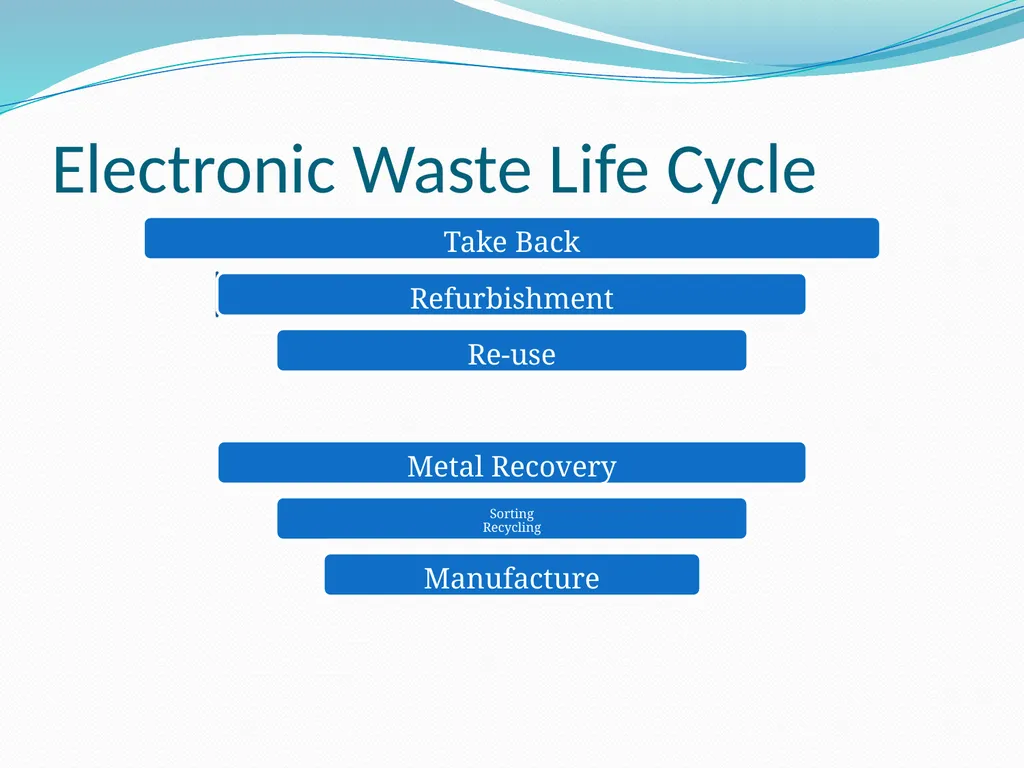
Electronic Waste Life Cycle<br>
09
E-waste Management Activities Survey in the Arab States National Authorities
Private Sector Enterprises
NGOs
Non-Arab Enterprises<br>
10
E-waste Management Activities Algeria
Assessment of E-Waste and E-Waste Recycling Facilities 2006 – 07, BCRC
Egypt:
MCIT and MoE: launching “Green ICT” Initiative
Egyptian Electronic Recycling Co. (EERC) is the first electronic equipment recycling facility in Egypt
Spear Ink is a pioneer in inkjet and toner environmental friendly refilling and remanufacturing<br>
11
E-waste Management Activities Jordan
UNEP/Basel-PACE: Recycling of used computers
Assessment of E-Waste and E-Waste Recycling Facilities, 2006 – 2007, BCRC
Project of re-using computers, Jordan Environment Society (JES)
Morocco
Managem : E-waste treatment plant
Managem and Al-Jisr: “GREEN CHIP” Project for collection of used digital equipment and E-waste recycling
CMPP: Assessment of the current situation in Morocco, 2007<br>
12
E-waste Management Activities Syria
Temporary E-waste disposal facility (2007)
Tunisia
Recycling facility is operating, Anged
Collection and transfer of E-waste with a capacity of 1000 tons/year
Yemen
Proposed project for compiling an E-waste/Inventory(2011)<br>
13
Potential Areas of Cooperation Enhance Awareness
E-waste Status: Quantity and Type
Establishing Legal Framework
Pilot Projects
Sustainable Business Solutions and Infrastructure<br>
14
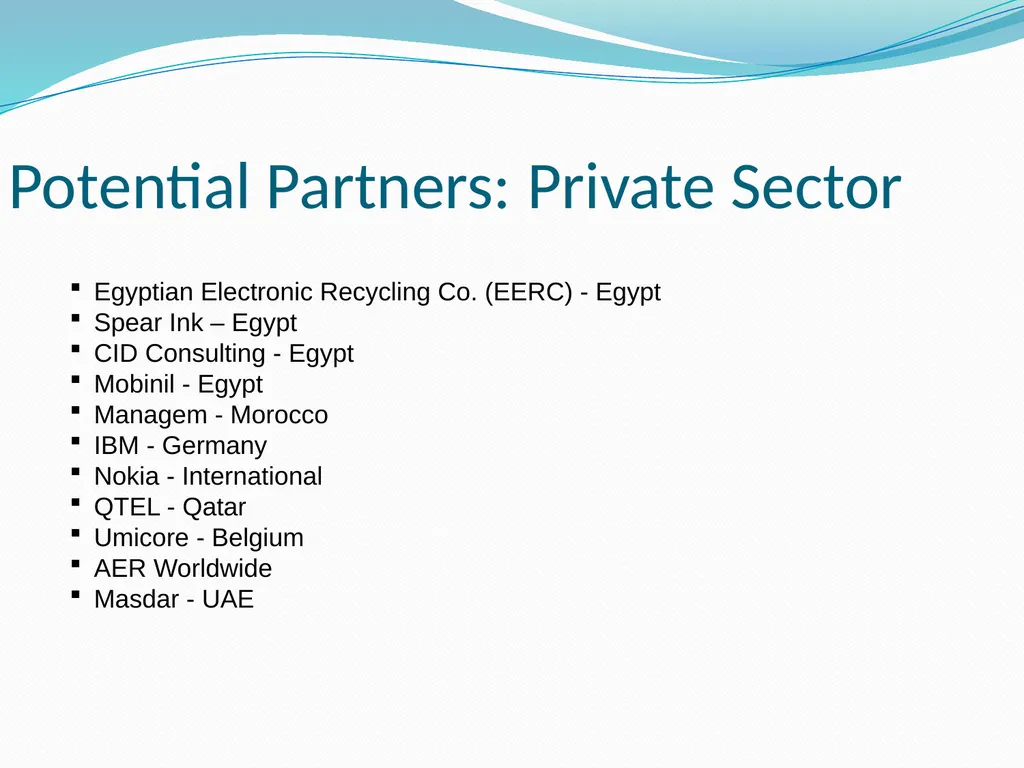
Potential Partners: National Authorities Bahrain: Public Commission for the Protection of Marine Resources, Environment and Wildlife
Egypt: Ministry of State for Environmental Affairs, Ministry of ICT
Iraq: Ministry of Communication
Jordan: Ministry of Environment
Kuwait: Environment Public Authority
Syria: Ministry of State for Environmental Affairs
Yemen: Ministry of Water and Environment, Environment Protection Authority
National Cleaner Production Centers: Egypt and Lebanon<br>
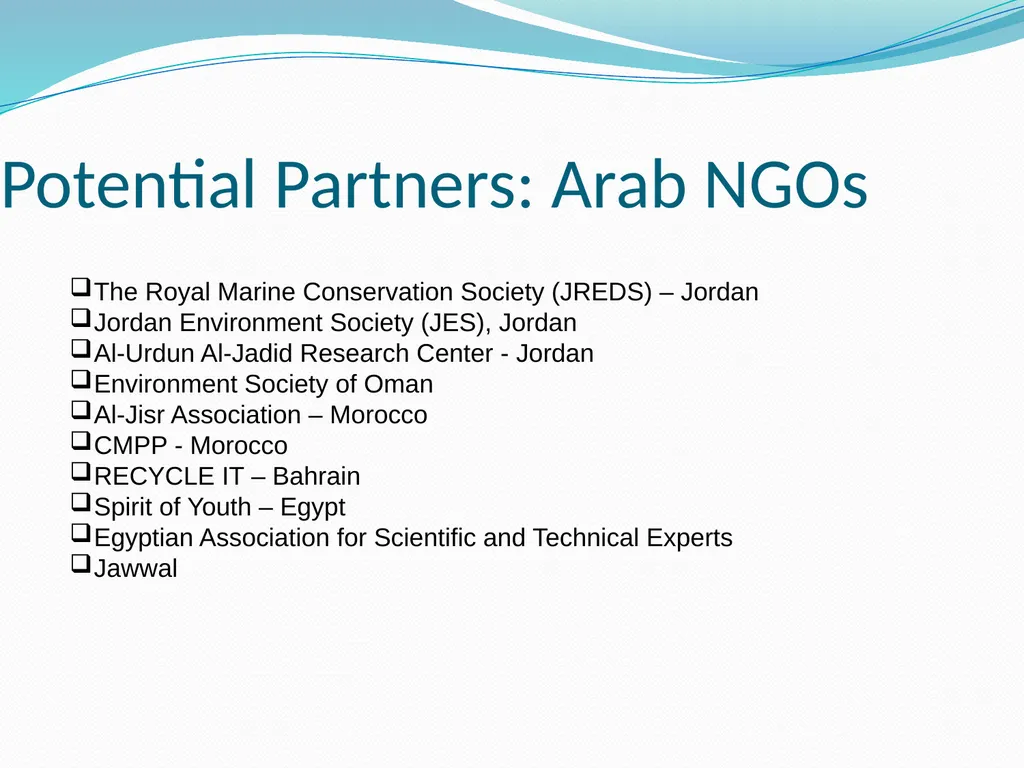
Potential Partners: Arab NGOs The Royal Marine Conservation Society (JREDS) – Jordan
Jordan Environment Society (JES), Jordan
Al-Urdun Al-Jadid Research Center - Jordan
Environment Society of Oman
Al-Jisr Association – Morocco
CMPP - Morocco
RECYCLE IT – Bahrain
Spirit of Youth – Egypt
Egyptian Association for Scientific and Technical Experts
Jawwal<br>
17
Potential Partners: Non-Arab Organizations EMPA
GTZ
Austrian Society for Systems Engineering and Automation
World Bank
UNEP<br>
18
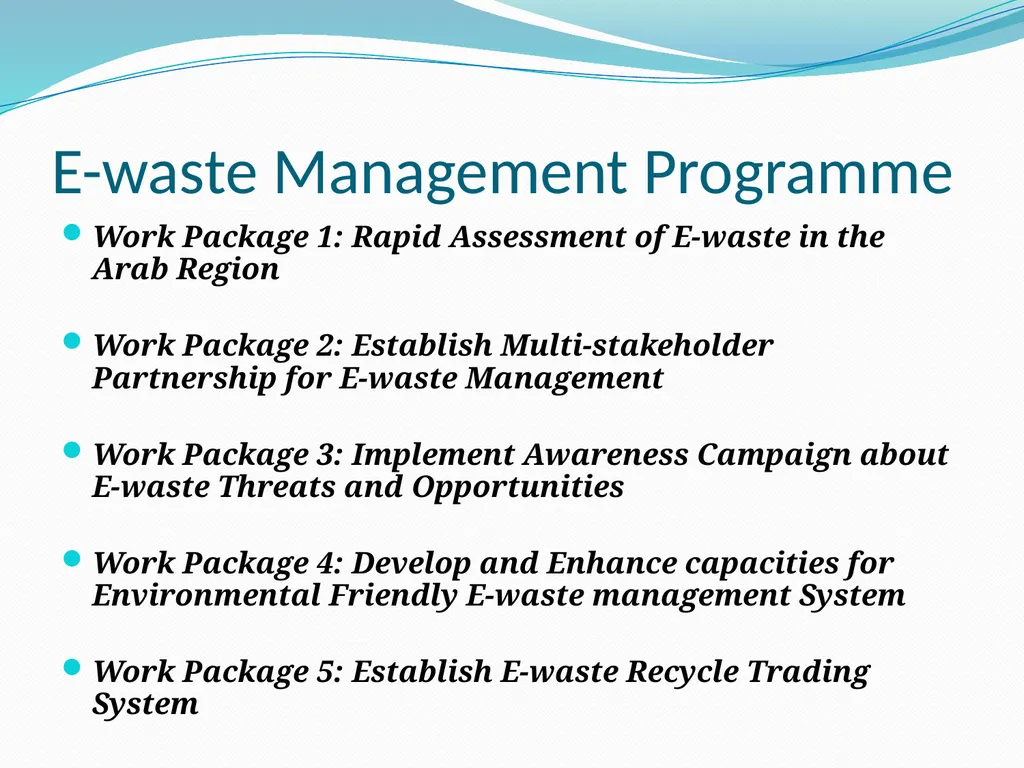
E-waste Management Programme Work Package 1: Rapid Assessment of E-waste in the Arab Region
Work Package 2: Establish Multi-stakeholder Partnership for E-waste Management
Work Package 3: Implement Awareness Campaign about E-waste Threats and Opportunities
Work Package 4: Develop and Enhance capacities for Environmental Friendly E-waste management System
Work Package 5: Establish E-waste Recycle Trading System<br>
19
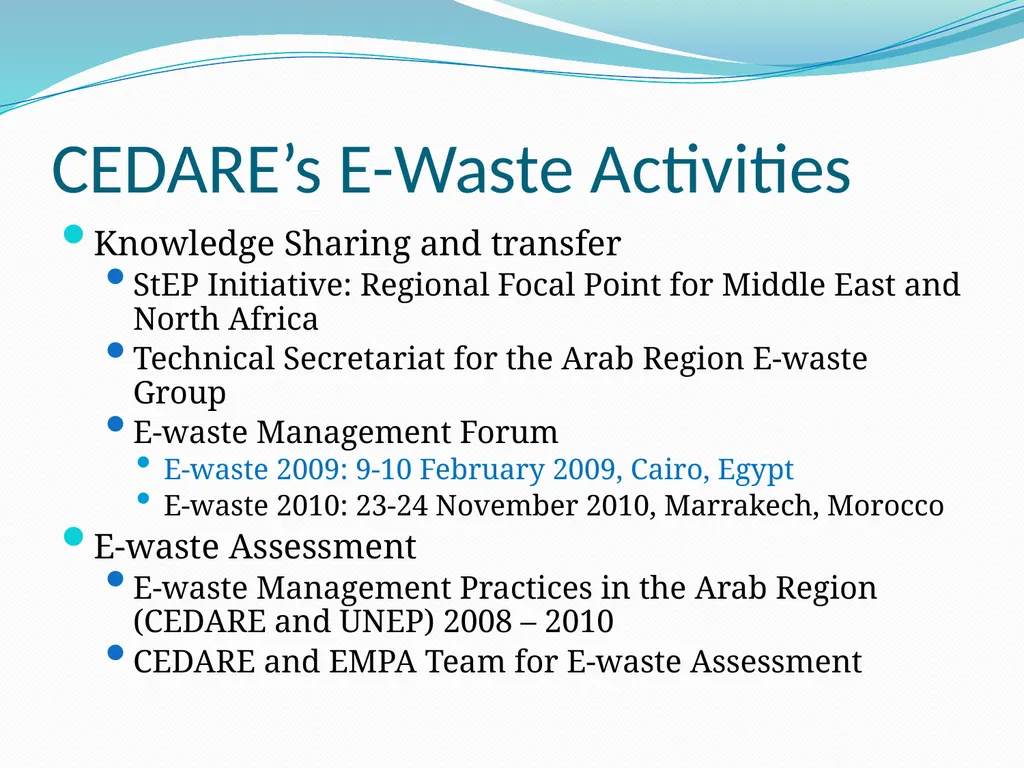
CEDARE’s E-Waste Activities Knowledge Sharing and transfer
StEP Initiative: Regional Focal Point for Middle East and North Africa
Technical Secretariat for the Arab Region E-waste Group
E-waste Management Forum
E-waste 2009: 9-10 February 2009, Cairo, Egypt
E-waste 2010: 23-24 November 2010, Marrakech, Morocco
E-waste Assessment
E-waste Management Practices in the Arab Region (CEDARE and UNEP) 2008 – 2010
CEDARE and EMPA Team for E-waste Assessment<br>
20
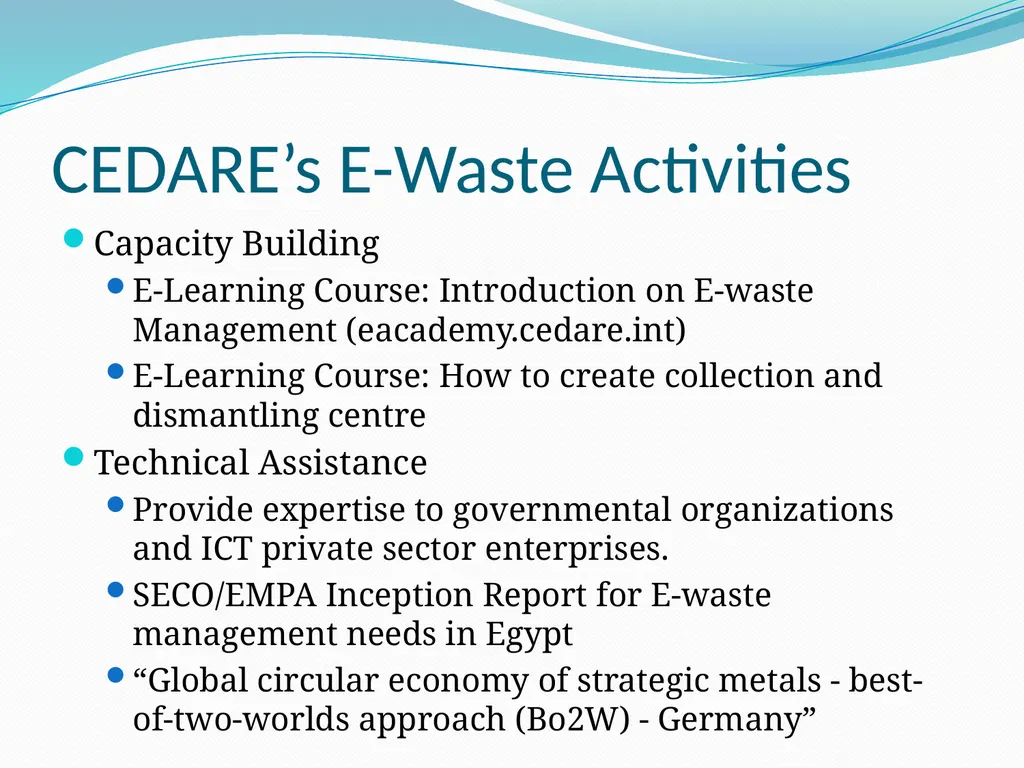
CEDARE’s E-Waste Activities Capacity Building
E-Learning Course: Introduction on E-waste Management (eacademy.cedare.int)
E-Learning Course: How to create collection and dismantling centre
Technical Assistance
Provide expertise to governmental organizations and ICT private sector enterprises.
SECO/EMPA Inception Report for E-waste management needs in Egypt
“Global circular economy of strategic metals - best-of-two-worlds approach (Bo2W) - Germany”<br>
21
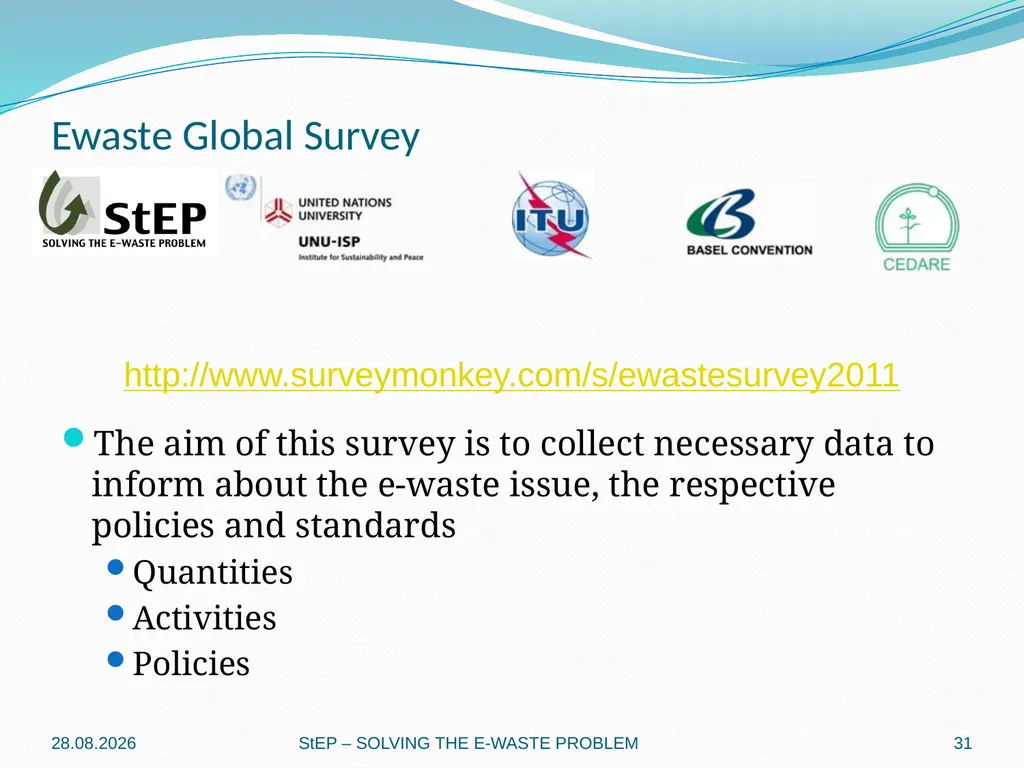
Ewaste Global Survey The aim of this survey is to collect necessary data to inform about the e-waste issue, the respective policies and standards
Quantities
Activities
Policies 15.05.2012 StEP – SOLVING THE E-WASTE PROBLEM 31 http://www.surveymonkey.com/s/ewastesurvey2011<br>