04
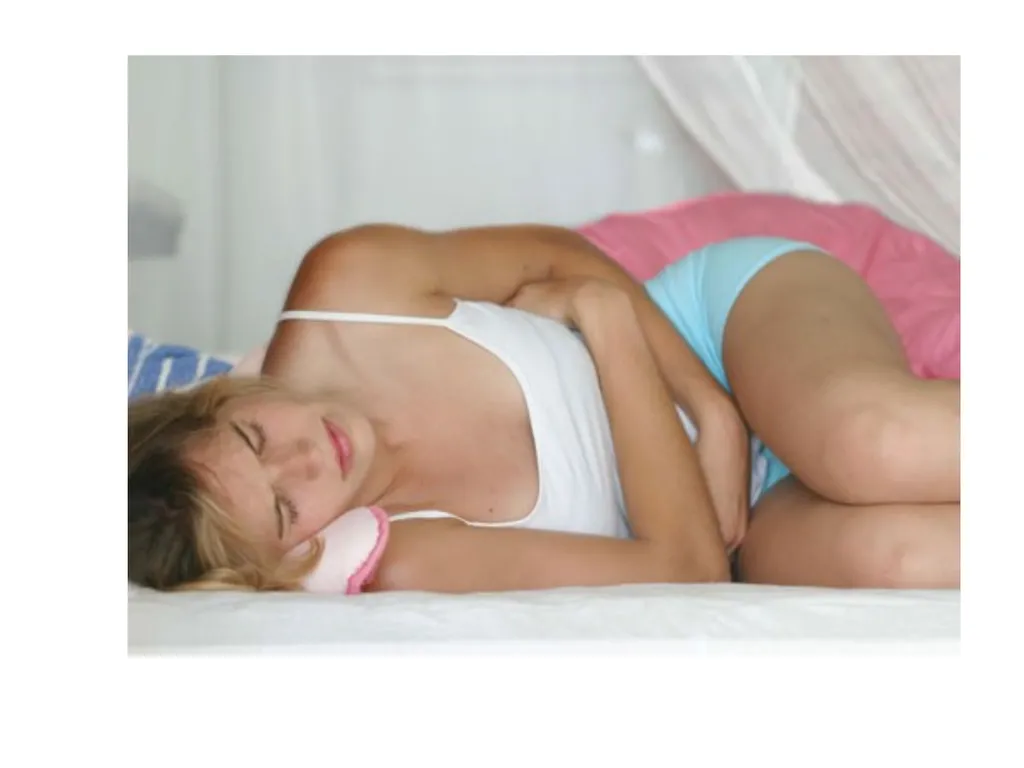
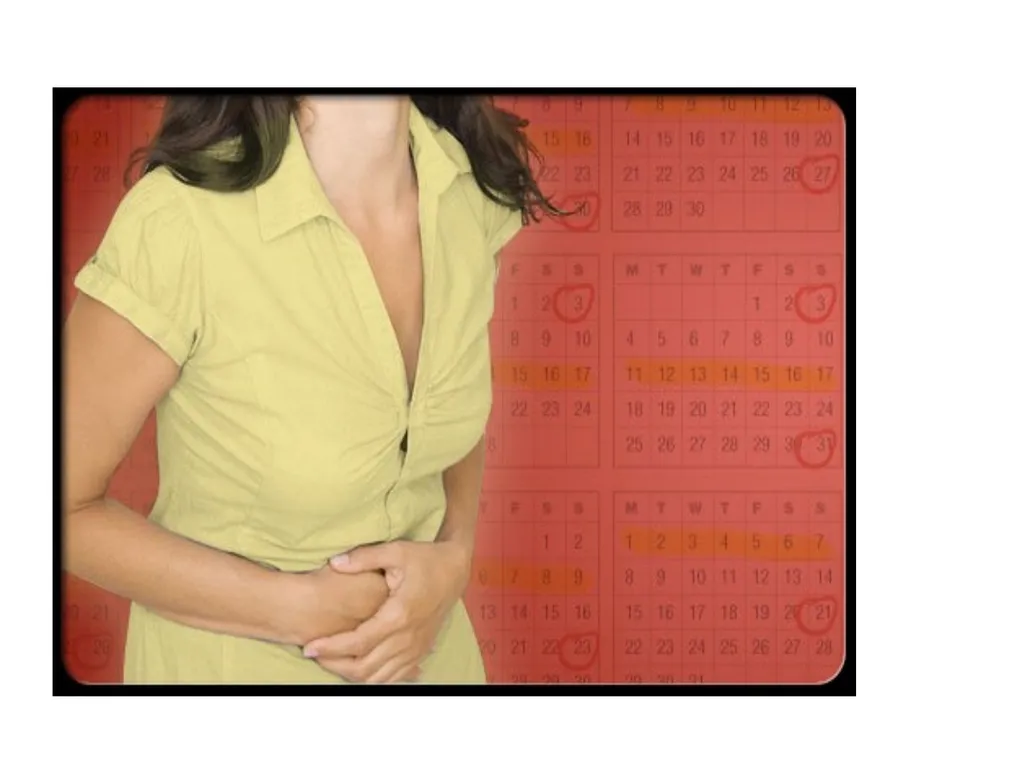
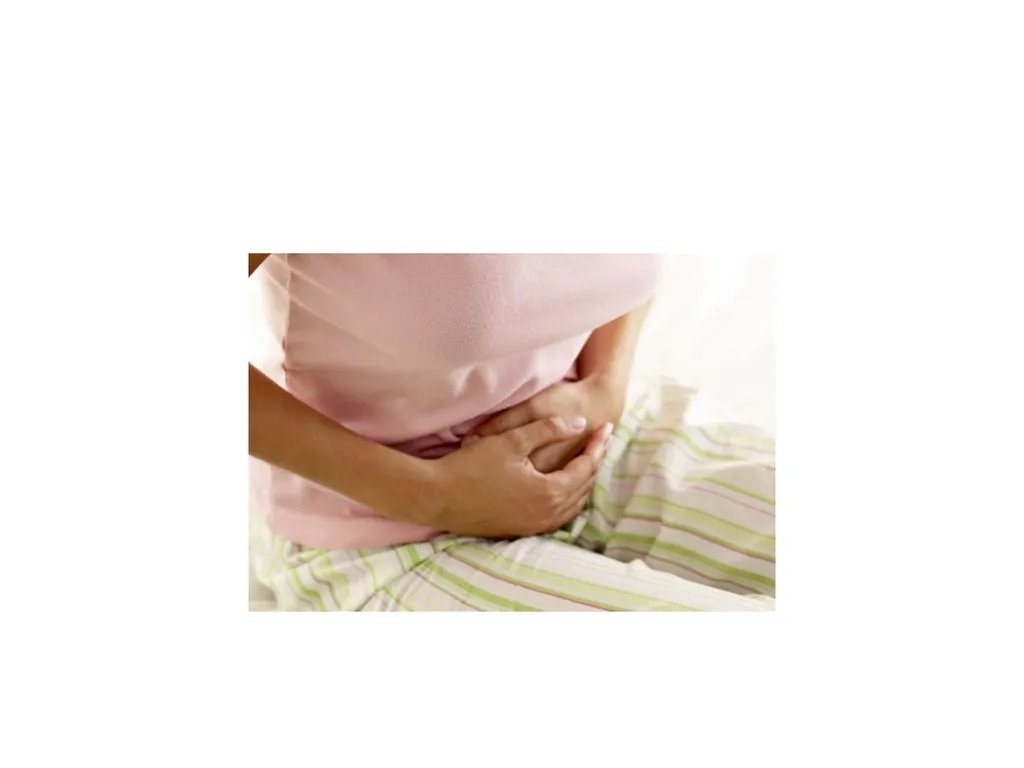
Endometriosis Symptoms Pain just before, during, or after menstruation is the most common symptom of endometriosis.
Pain may be disabling and may occur during or after sex, or during bowel movements or urination.
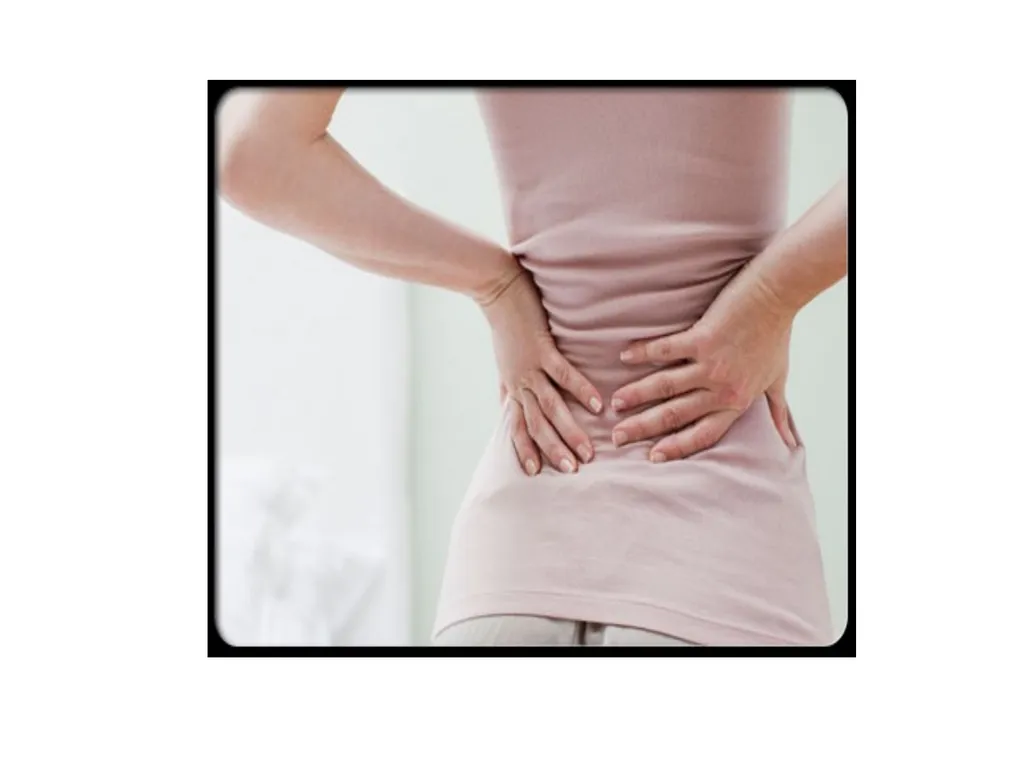
It sometimes causes chronic pain in the pelvis and lower back.
However, many women with endometriosis have mild or no symptoms.
Symptoms may be related to the location of the growths.<br>
05
The symptoms may vary widely between women, ranging from pain, usually around menstruation, to infertility.
The degree of symptoms does not always correlate with the severity of the disease.<br>
06
Endometriosis thinks of Painful Periods
Heavy Periods
Pelvic Pain
Painful intercouse
Infertility<br>
07
Other symptoms that can be lower abdominal pain,
diarrhea and/or constipation,
low back pain,
chronic fatigue
blood in the urine.<br>
08
What causes endometriosis? The cause of endometriosis is unknown.
Retrograde Mensturations
Coelomic metaplasia
Iatrogenic Disseminations
Familial and Genetic
Race<br>
09
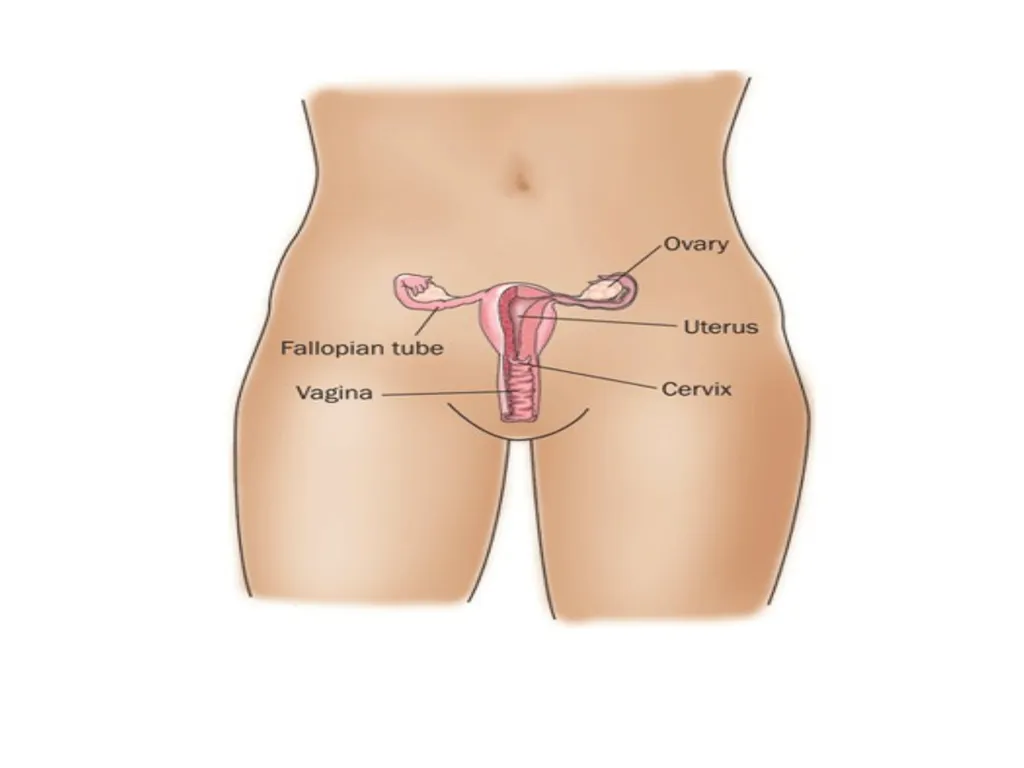
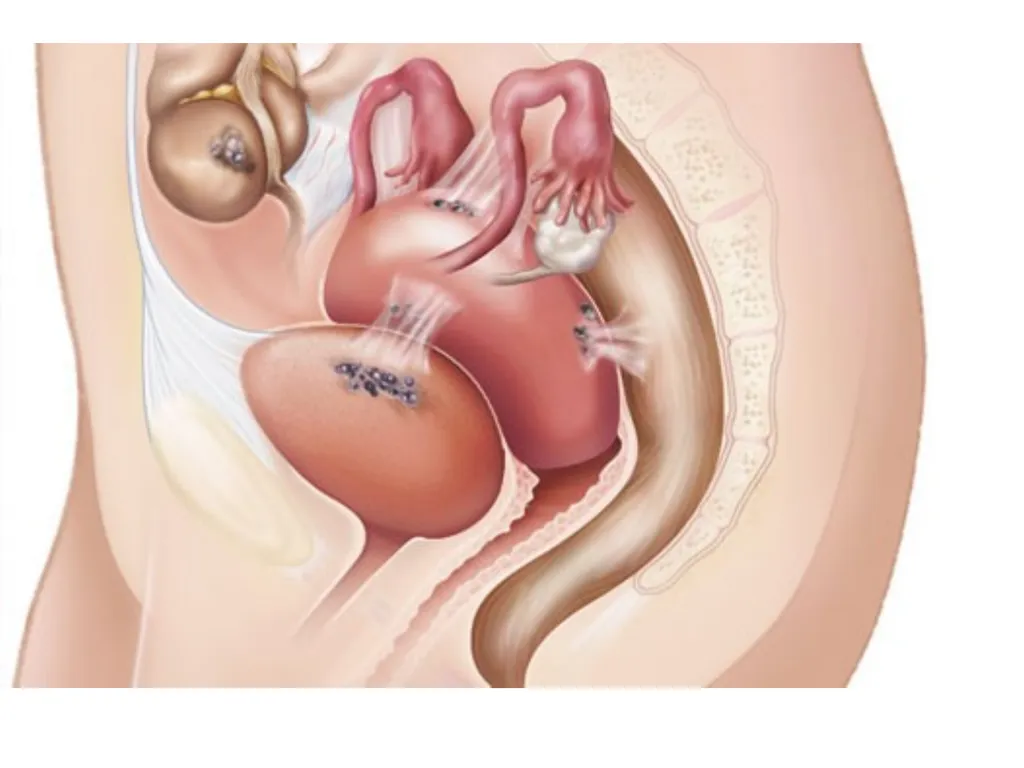
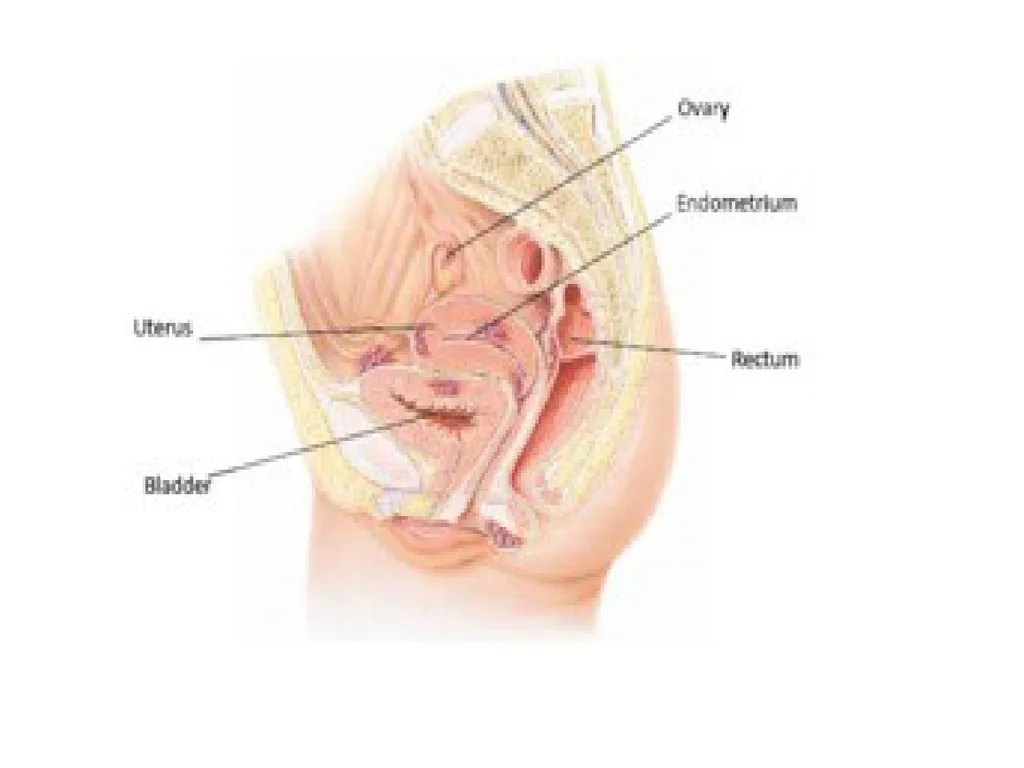
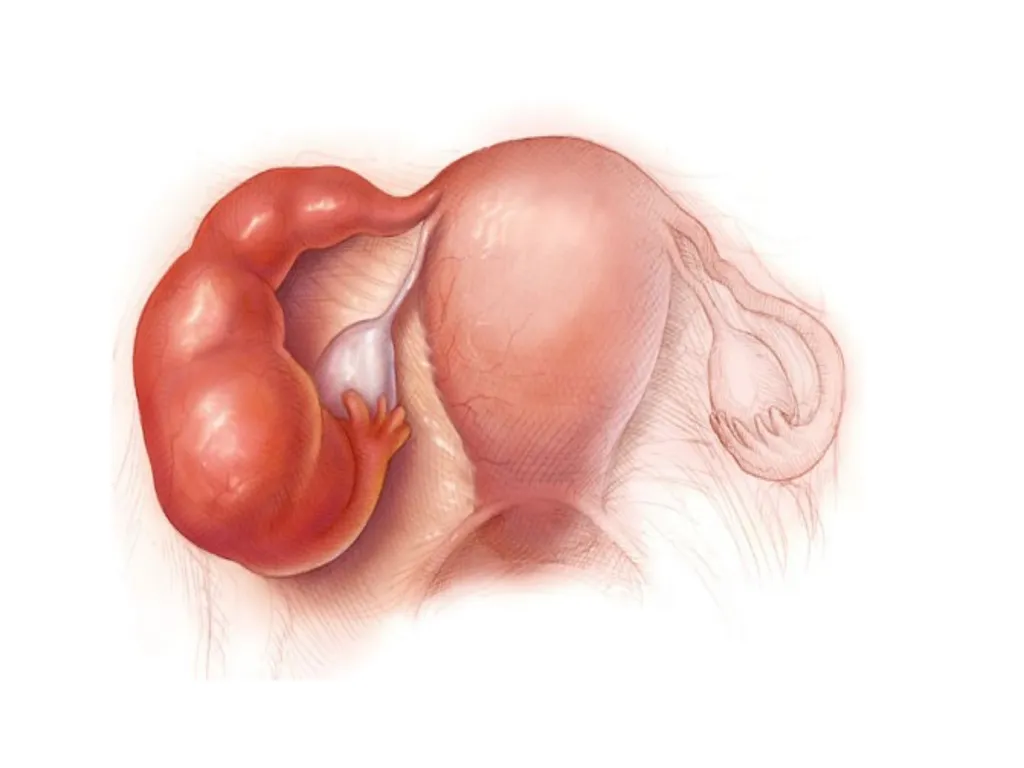
Endometriosis is the abnormal growth of cells (endometrial cells) similar to those that form the inside of the uterus, but in a location outside of the uterus.
Endometriosis is most commonly found on other organs of the pelvis<br>
10
Who is affected by endometriosis Affects women in their reproductive years.
The exact prevalence of endometriosis is not known, since many women may have the condition and have no symptoms.<br>
11
Symptoms of PMS PMS can trigger a wide range of aches and pains, including:
Back pain
Headaches
Tender breasts
Joint pain<br>
12
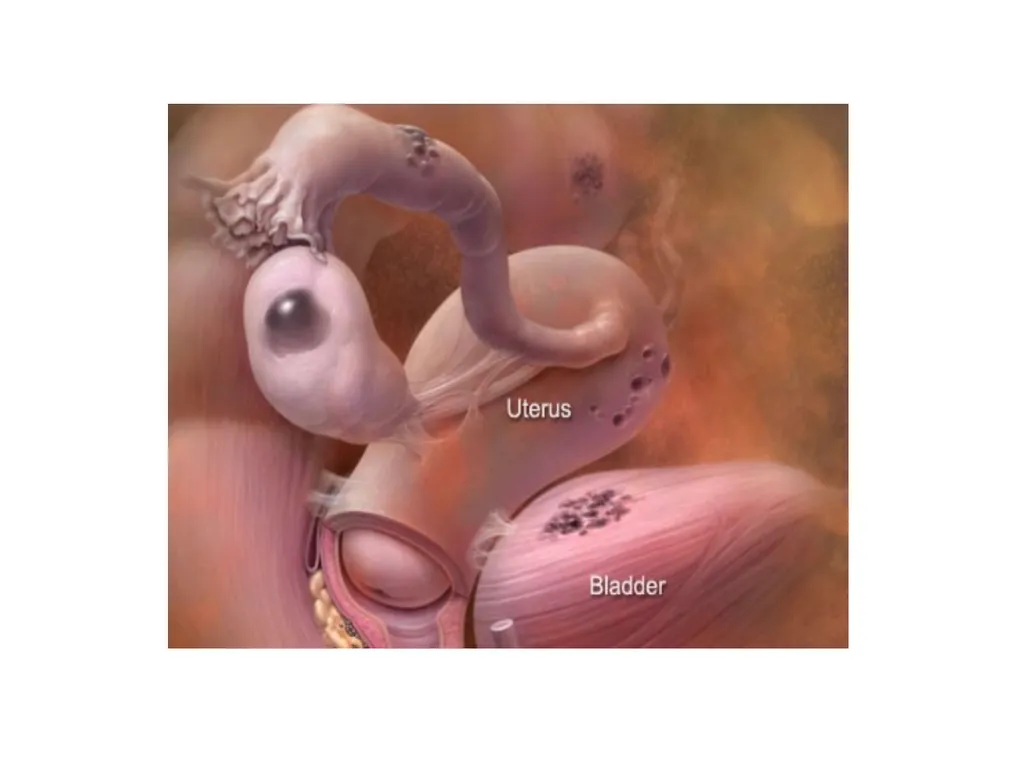
How does it causes pain The endometrial tissue respond to normal cycle hormones and the also menstrurate
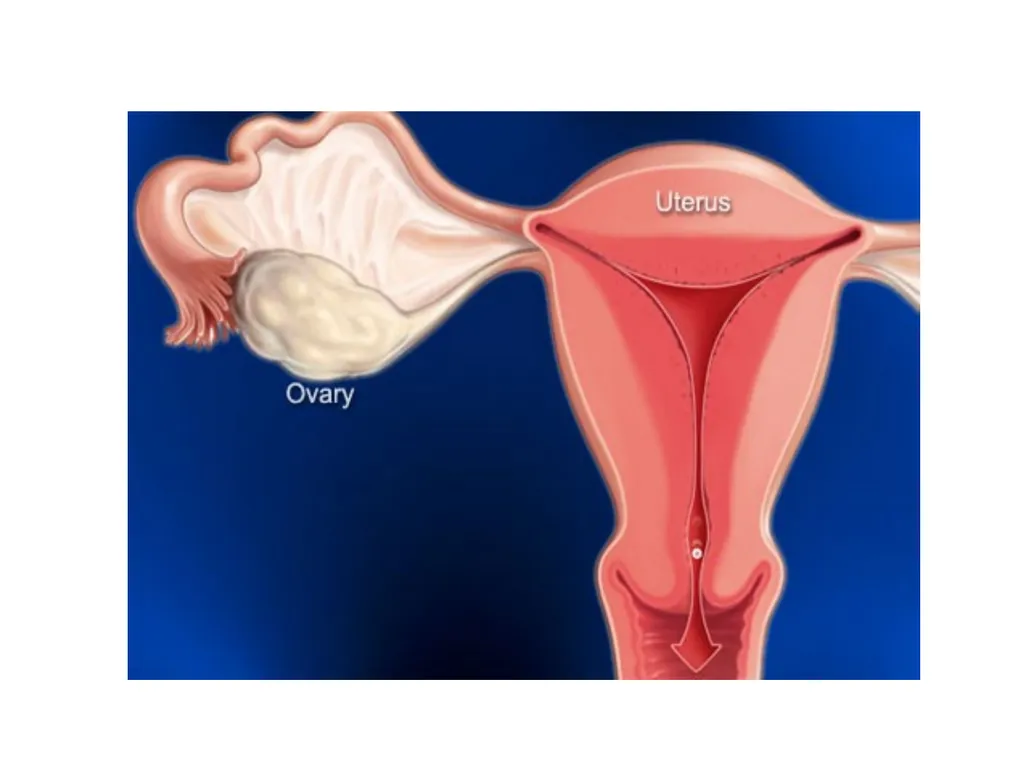
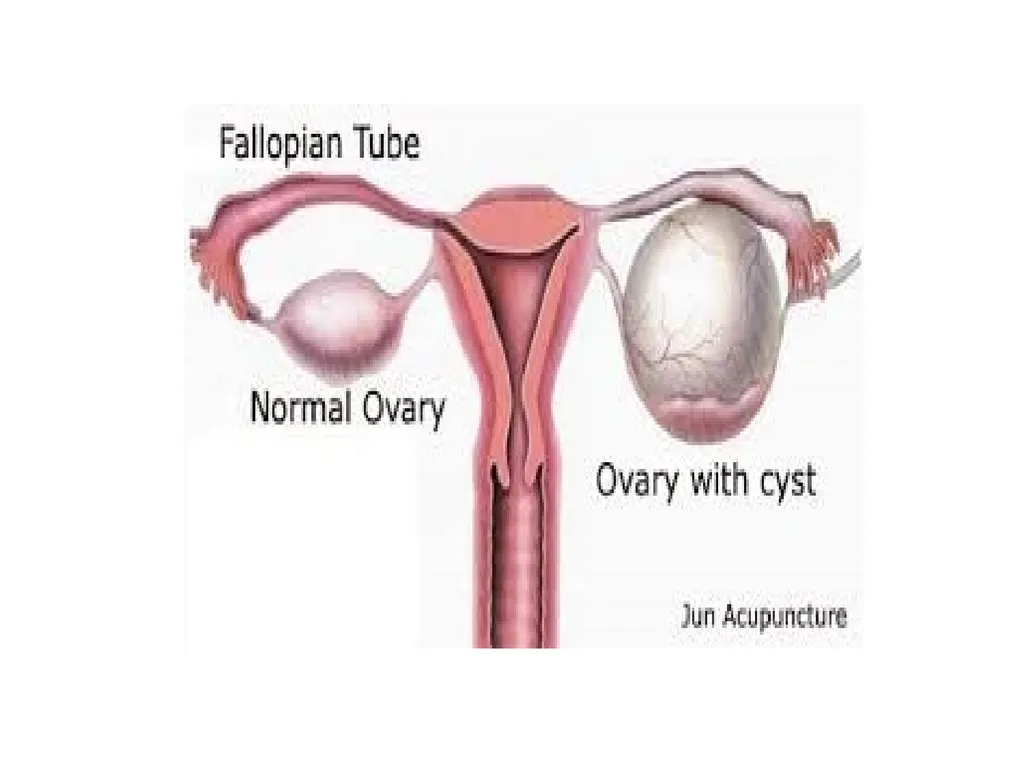
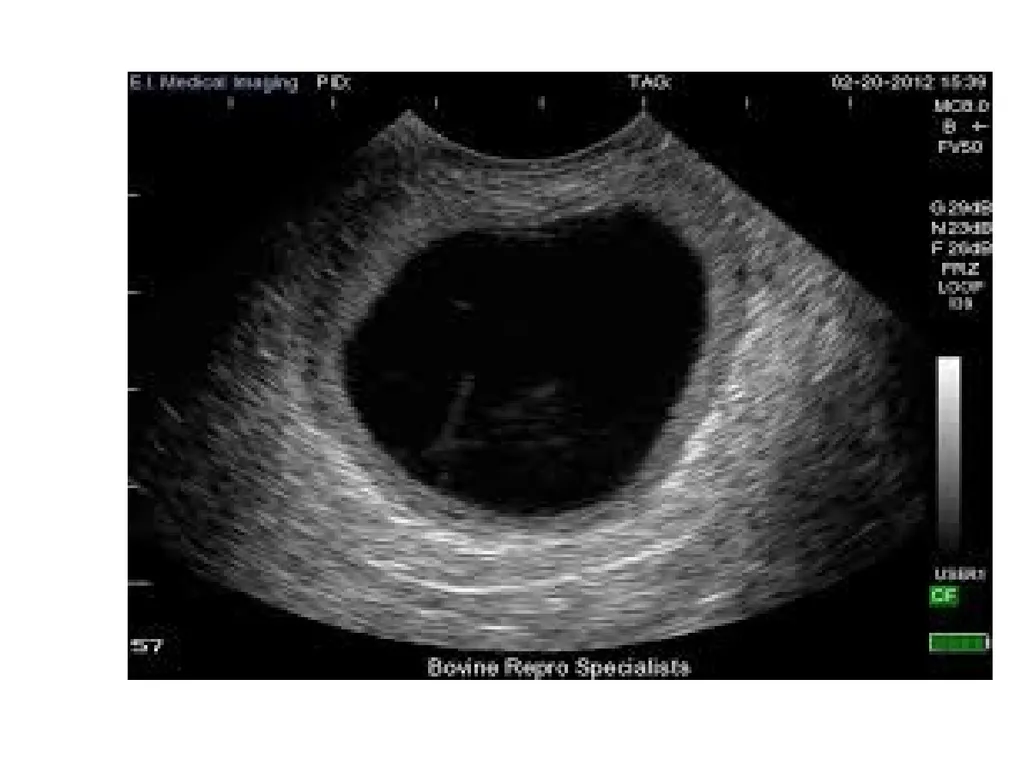
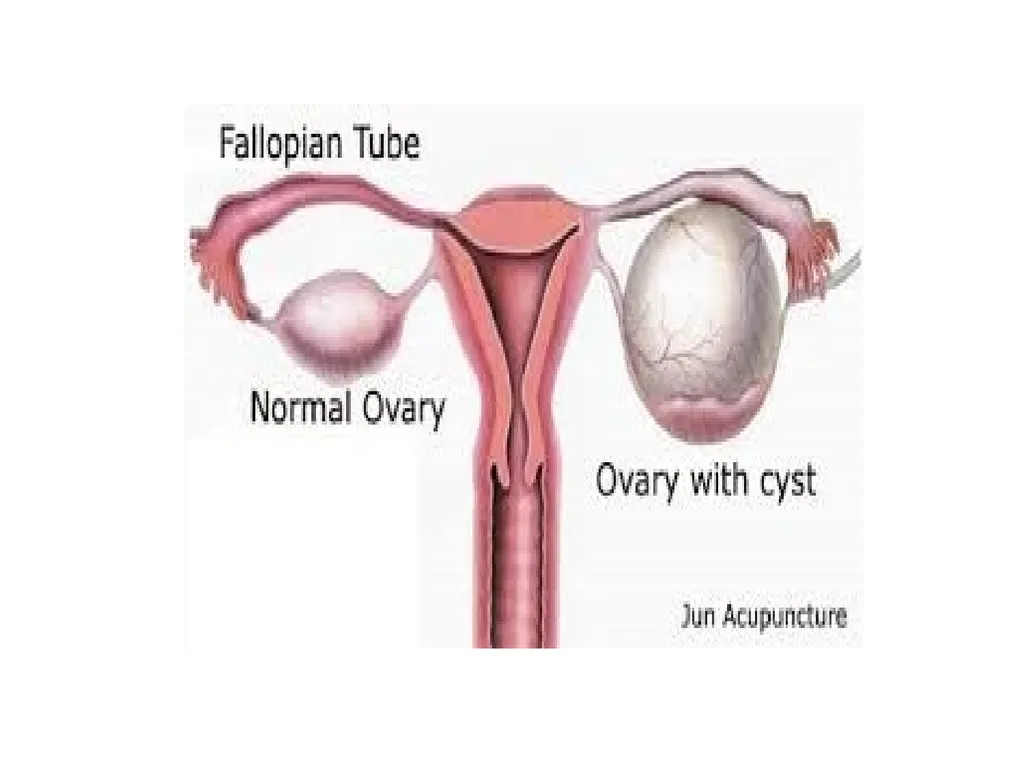
In the ovary it forms a cysts called endometrioma<br>
13
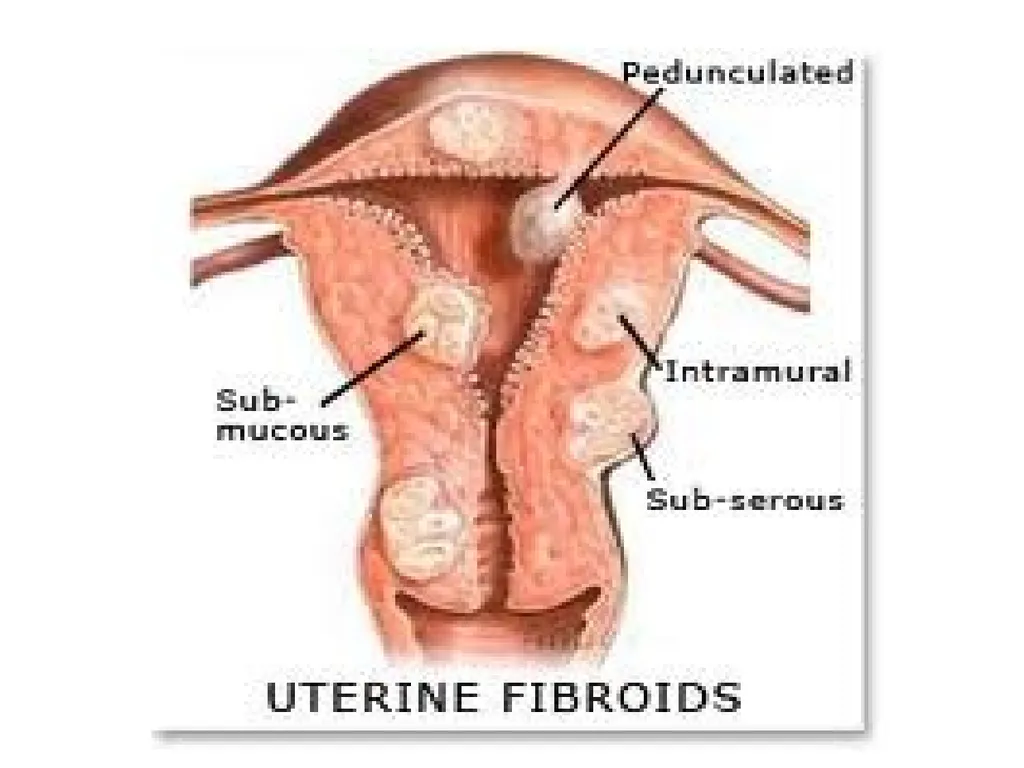
Heavy Period Enlarge womb ( Adenomyosis)<br>
14
Dyspareunia Adenomyosis
Recto –vaginal- Nodules<br>
15
Diagnosis: Tracking Symptoms Your pattern of symptoms can help to identify endometriosis, including:
When the pain occurs
How bad it is
How long it lasts
A change or worsening of pain
Pain that limits your activities
Pain during intercourse, bowel movements, or urination<br>
16
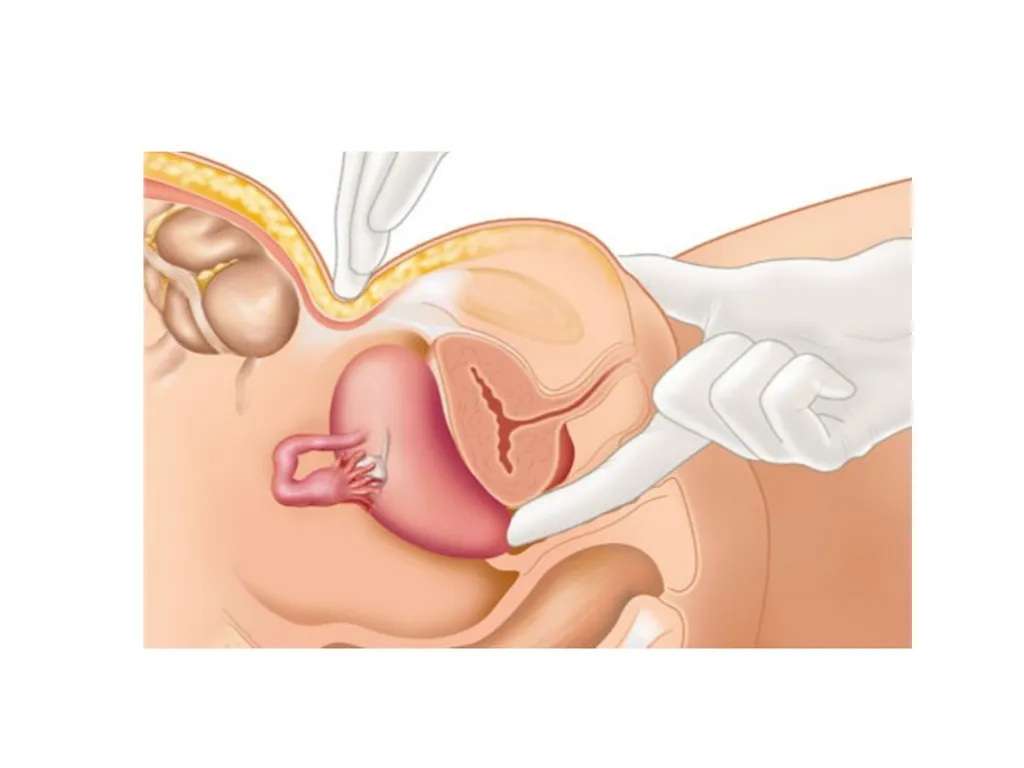
Pelvic Exam Dr will perform a pelvic exam to check the ovaries, uterus, and cervix for anything unusual.
An exam can sometimes reveal an ovarian cyst or internal scarring that may be due to endometriosis.
Dr also looks for other pelvic conditions that could cause symptoms similar to endometriosis<br>
17
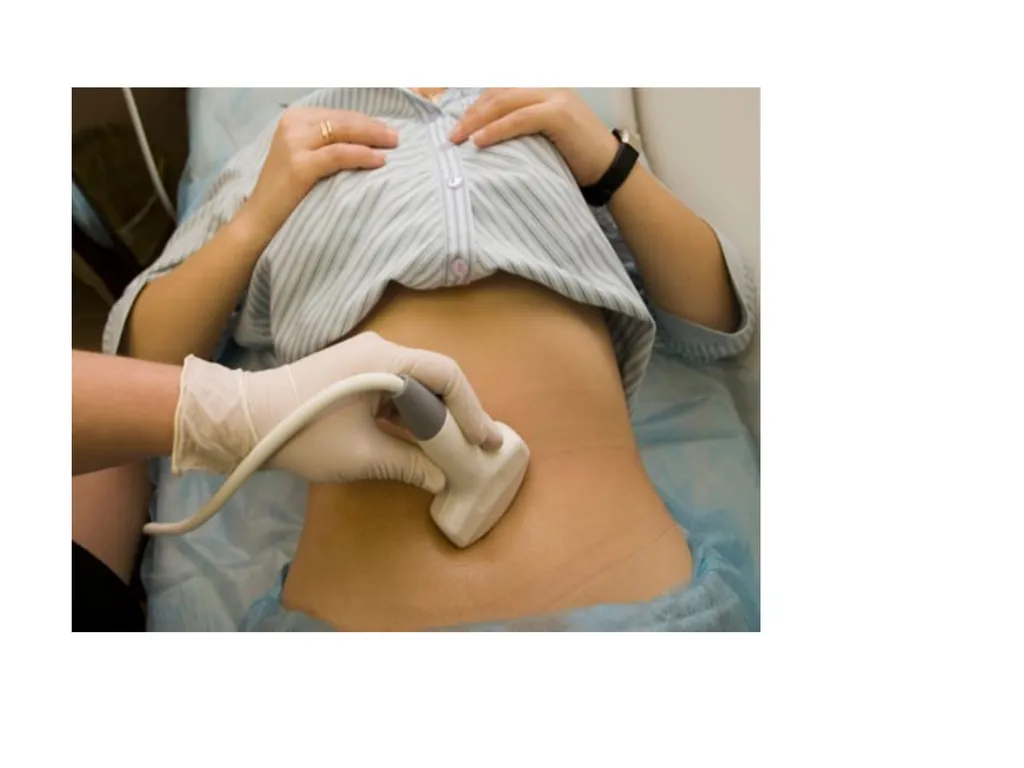
Pelvic Scans Although it isn't possible to confirm endometriosis with scanning techniques alone,
Ultrasound ( SONAR),
CT scan, or MRI to help with diagnosis.
These may be able to detect larger endometrial growths or cysts.<br>
18
Common types endometriosis Peritoneal endometriosis,
Ovarian endometriosis
Recto-vaginal endometriosis.<br>
19
IS Endometriosis cancerous NO<br>
20
IS Endometriosis Infectious NO<br>
21
Pregnancy Women are often advised not to postpone pregnancy, as the more the disease progresses, the more likely it is to cause infertility.
Encouraging women to fall pregnant can be difficult, as this is a highly personal and life-changing decision.
Genetic links to endometriosis may also play a role, as women could pass on the risk to their babies.
Pregnancy often causes a remission of endometriosis, as ovulation ceases, causing the growths to shrink.
It can return after pregnancy<br>
22
Infertility Abnormal hormonal function,
Infrequent intercourse (pain),
Affected sperm transportation,
Tubal blockage,
Ovarian damage following surgical treatment.<br>
23
Is there a cure for endometriosis NO
Currently there no cure but there is variety of treatments which can lessen the problems<br>
24
Prevention Endometriosis cannot be prevented, especially if there is a family history of the disease.
Using oral contraceptives may reduce the risk of developing endometriosis or prevent it from becoming worse.
Although lifestyle modification and certain nutritional supplementation have been suggested to improve the symptoms of endometriosis,r use.
Pregnancies maybe protective in some women.<br>
25
Just Cramps or Endometriosis? Most women have some mild pain with their menstrual periods.
They may get relief from over-the-counter pain medications.
If your pain lasts more than two days, keeps you from doing normal activities, or remains after your period is over, you should consult your doctor.
Endometriosis also may cause pain in the lower back.<br>
26
How is endometriosis treated? The goals of endometriosis treatment may include
Pain relief and/or
Enhancement of fertility<br>
27
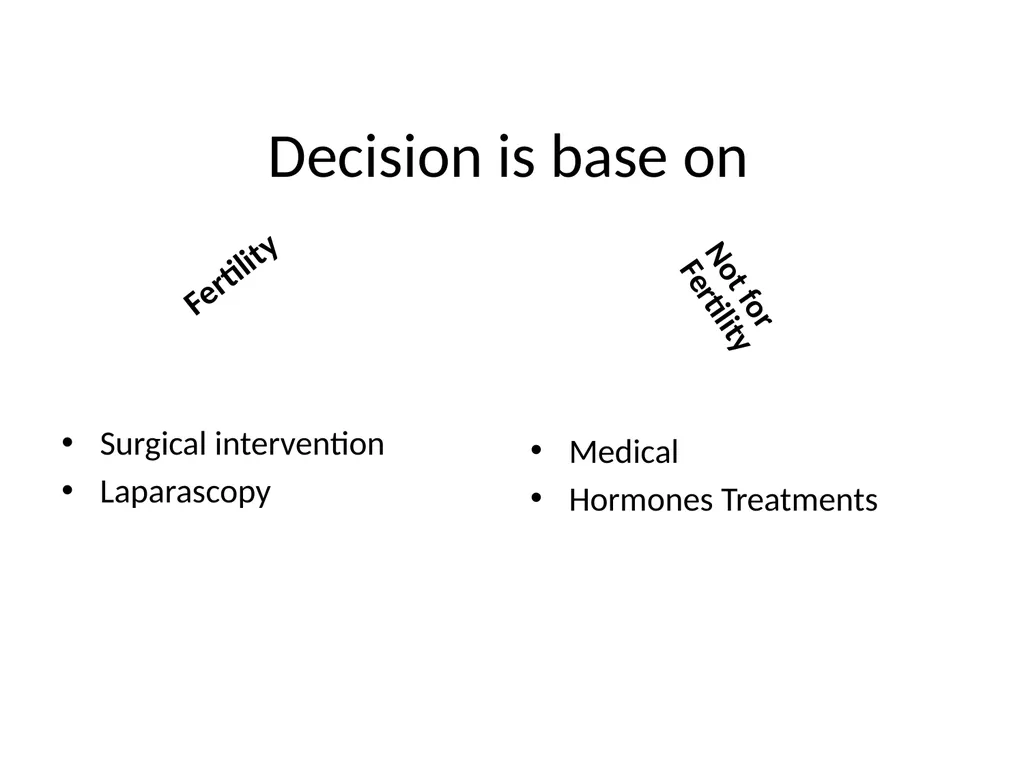
Decision is base on Fertility Surgical intervention
Laparascopy Not for Fertility Medical
Hormones Treatments<br>
28
Medical treatment of endometriosis Nonsteroidal anti-inflammatory drugs or NSAIDs (such as ibuprofen or naproxen sodium) are commonly prescribed to help relieve pelvic pain and menstrual cramping.<br>
29
Birth Control Pills Oral contraceptives manage your levels of estrogen and progestin,
It make your menstrual periods shorter and lighter.
That often reduces the pain of endometriosis.
Progestin-only therapy can also be given by injection.
Endometriosis symptoms may return after you stop taking the pills.<br>
30
Hormonal Medications Combine oral contraceptives
Provera<br>
31
Surgical treatment of endometriosis Laparascopy
Laparatomy<br>
32
Excision During a laparoscopy, the surgeon may remove visible endometrial growths or adhesions.
Most women have immediate pain relief.
However, a year after the surgery, about 45% of women will have a recurrence of symptoms.
The likelihood of recurrence increases over time.<br>
33
Gonadotropin-releasing hormone analogs (GnRH analogs These drugs mimic menopause, eliminating periods along with endometriosis symptoms
The side effects
hot flashes, vaginal dryness, irregular vaginal
bleeding,
mood changes, fatigue, and
loss of bone density (osteoporosis).<br>
34
Progestins Side effects
Absent of mensturations
breast tenderness,
bloating,
weight gain,
irregular uterine bleeding, and
depression.<br>
35
Surgical Laparascopy
Laparatomy<br>
36
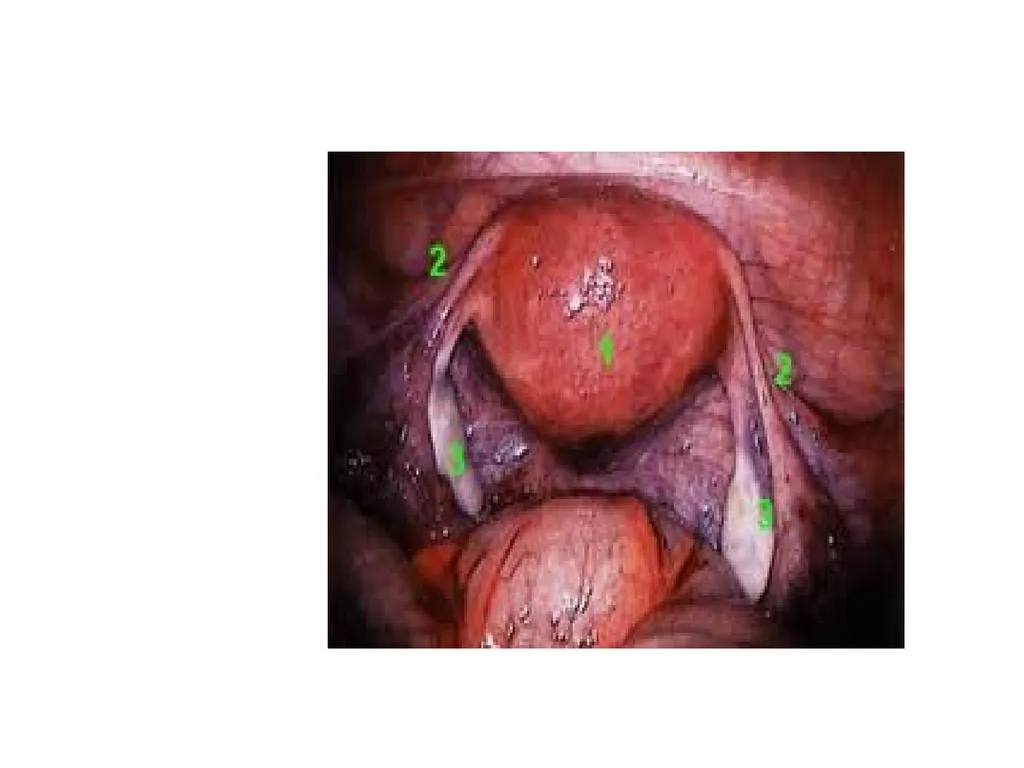
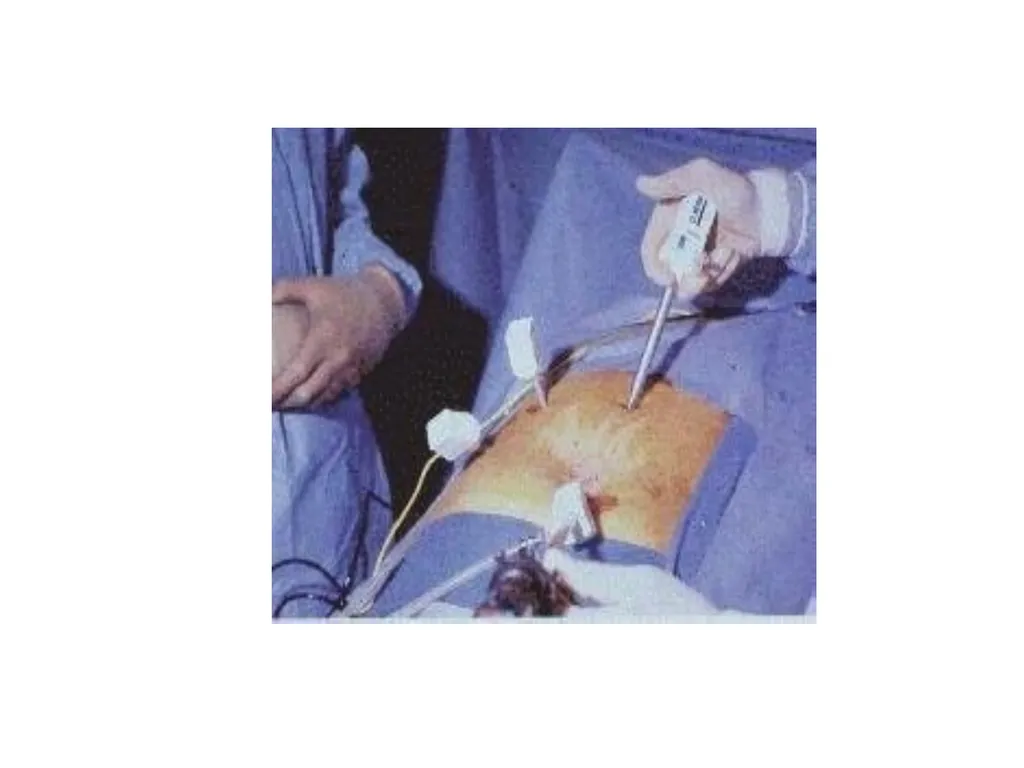
Laparoscopy Laparoscopy is the only sure way to determine if you have endometriosis.
Dr inflates the abdomen with gas through a small incision in the navel.
A laparoscope is a viewing instrument that's inserted through the incision.
The surgeon can take small pieces of tissue for examination in a lab -- called a biopsy -- to confirm the diagnosis<br>
37
Hysterectomy Hysterectomy and removal of Ovaries will definatly cure the problems<br>
38
Menopause Generally, the onset of menopause usually results in the decrease of endometriosis.
However, severe endometriosis can be reactivated by hormone replacement therapy or continued hormone production after menopause.<br>
39
Coping With Endometriosis Although there is no way to prevent endometriosis,
You can make lifestyle choices that will help you feel better.
Regular exercise may help reduce pain by improving your blood flow and producing endorphins, the body's natural pain relievers.<br>
40
Key Woman really need to take care of themself<br>