Fundamentals of Nursing(1st Stage) Surgical hand antisepsis (Practice) Lecture 2 Introduction In the operating room setting it is imperative that surgical hand antisepsis be achieved through effective surgical scrub to reduce the risk of
"Fundamentals of Nursing(1st Stage) Surgical hand" is the property of its rightful owner. Permission is granted to
download and print the materials on this website for personal, non-commercial use only, and to display it
on your personal computer provided you do not modify the materials and that you retain all copyright
notices contained in the materials. By downloading content from our website, you accept the terms of this
agreement.
Presentation Transcript
01
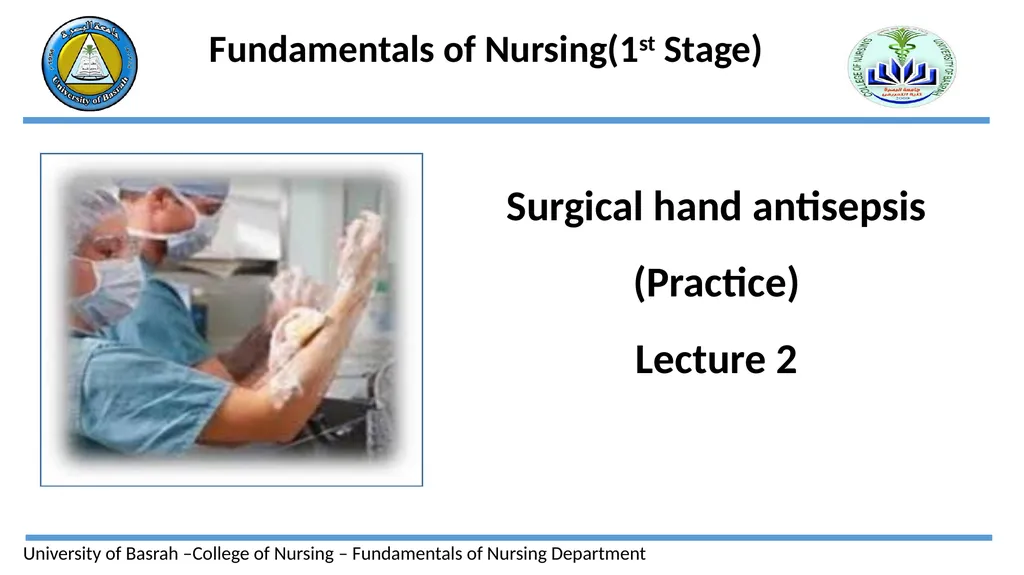
Fundamentals of Nursing(1st Stage) Surgical hand antisepsis (Practice)
Lecture 2<br>
02
Introduction In the operating room setting it is imperative that surgical hand antisepsis be achieved through effective surgical scrub to reduce the risk of acquired postoperative infection.<br>
03
The inadvertent transfer of microorganisms such as bacteria to a patient's wound site during surgery can result in a wound infection that is commonly called a surgical site infection (SSI).<br>
04
Surgical site infection (SSI): are one of the most common forms of health care-associated infections for surgical patients.<br>
05
Purpose Through the use of antimicrobial agent and sterile brushes, the surgical hand scrub can:
Removes debris and transient microorganisms from the nails, hands, and forearms.
Reduce the resident microbial count to a minimum.
Inhibits rapid/ rebound growth of microorganisms.<br>
06
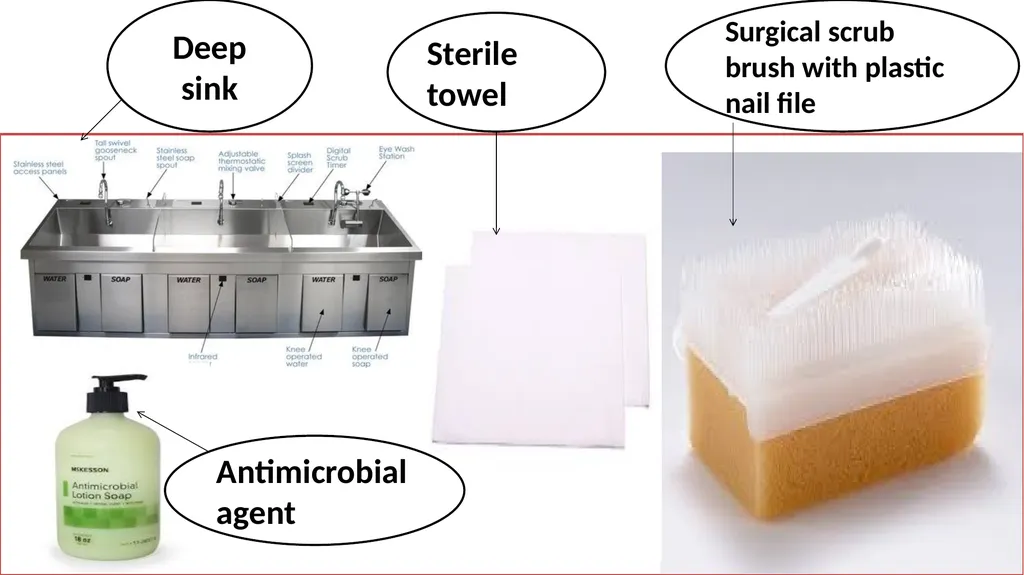
Equipment Deep sink with foot or knee controls.
Antimicrobial agent
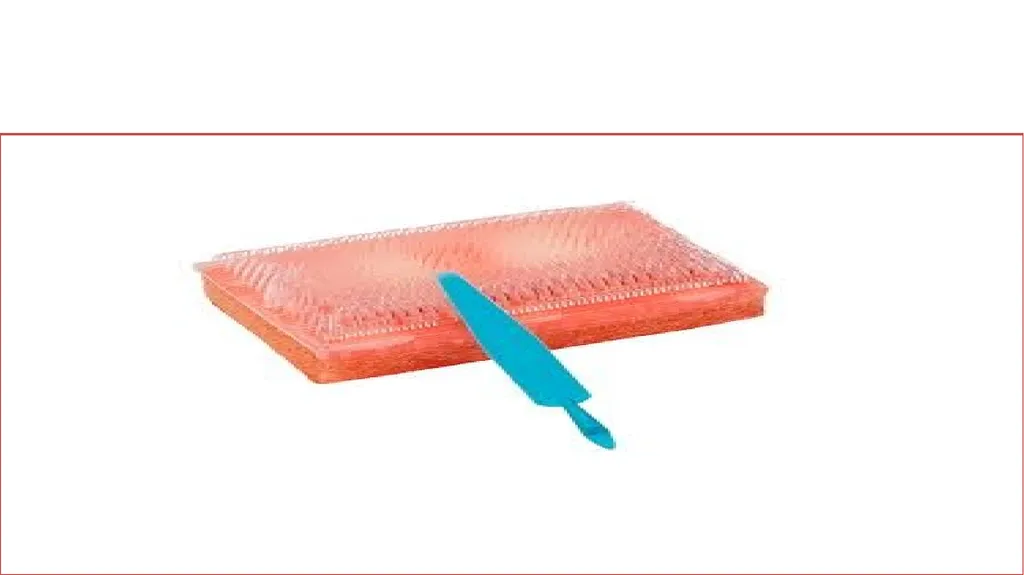
Surgical scrub brush with plastic nail file.
Sterile towel<br>
07
Deep sink Surgical scrub brush with plastic nail file Sterile towel Antimicrobial agent<br>
08
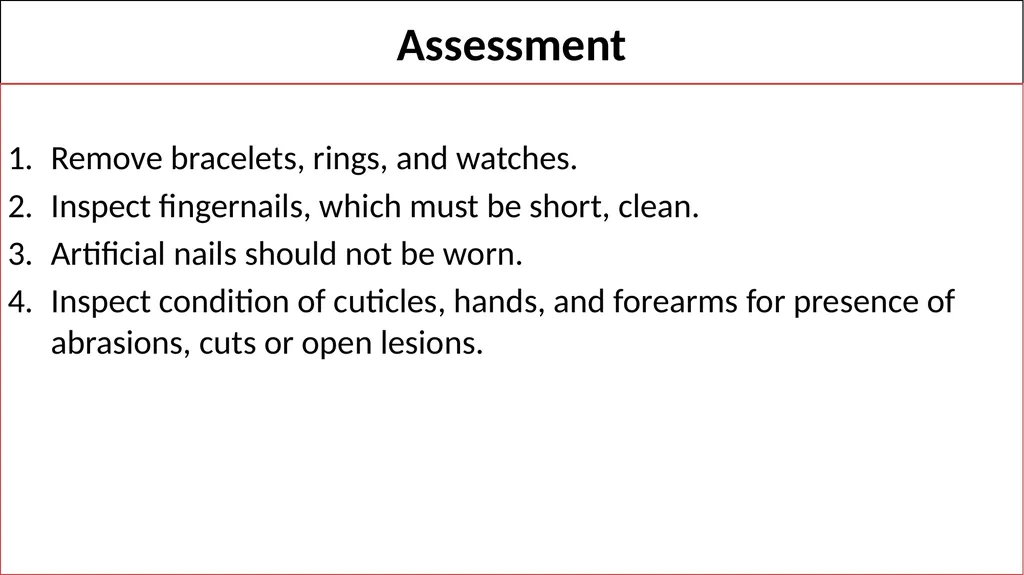
Assessment Remove bracelets, rings, and watches.
Inspect fingernails, which must be short, clean.
Artificial nails should not be worn.
Inspect condition of cuticles, hands, and forearms for presence of abrasions, cuts or open lesions.<br>
09
Nursing diagnosis Risk for infection
Risk for injury<br>
10
Planning Client will not develop signs of surgical wound infection<br>
11
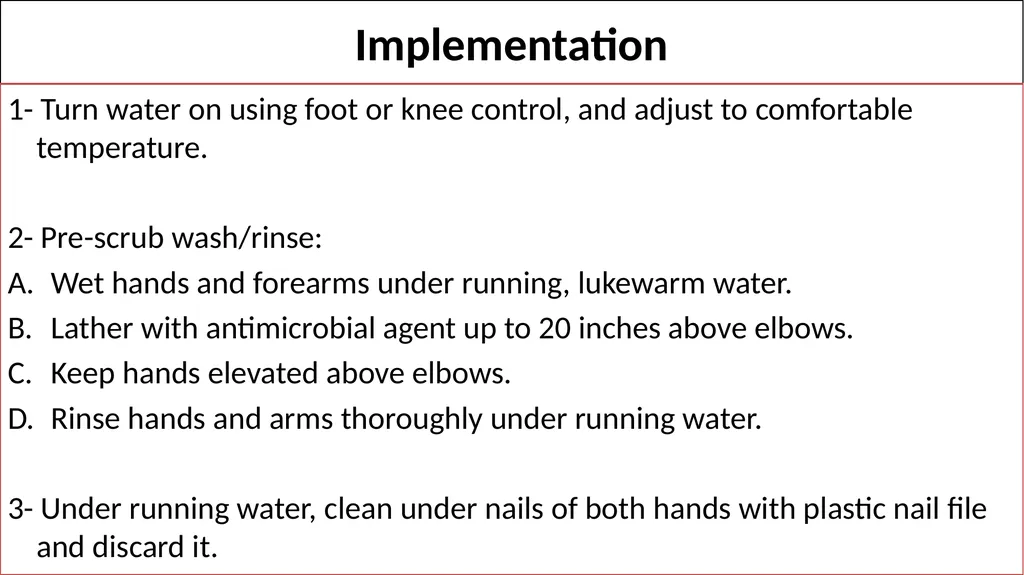
Implementation 1- Turn water on using foot or knee control, and adjust to comfortable temperature.
2- Pre-scrub wash/rinse:
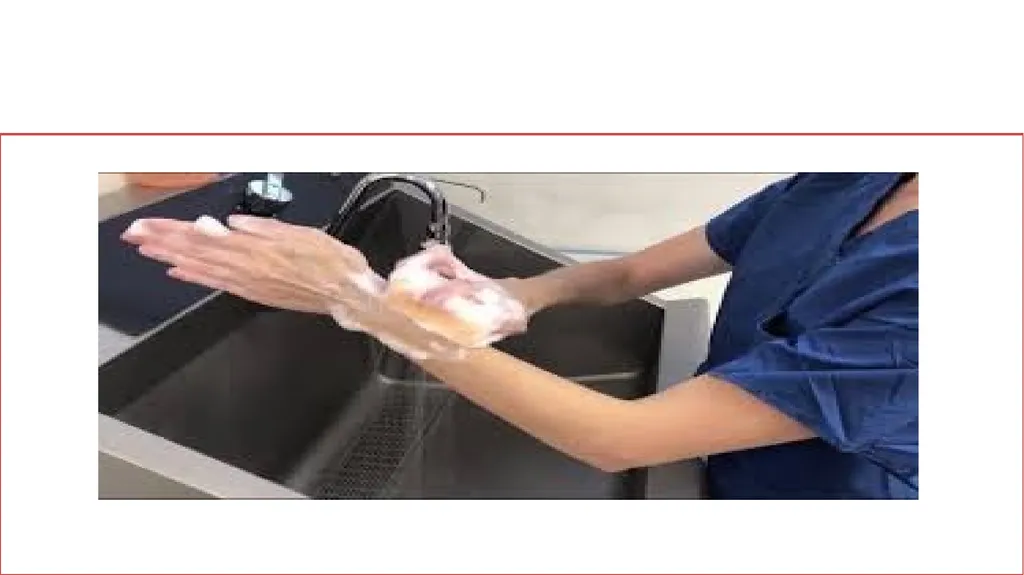
Wet hands and forearms under running, lukewarm water.
Lather with antimicrobial agent up to 20 inches above elbows.
Keep hands elevated above elbows.
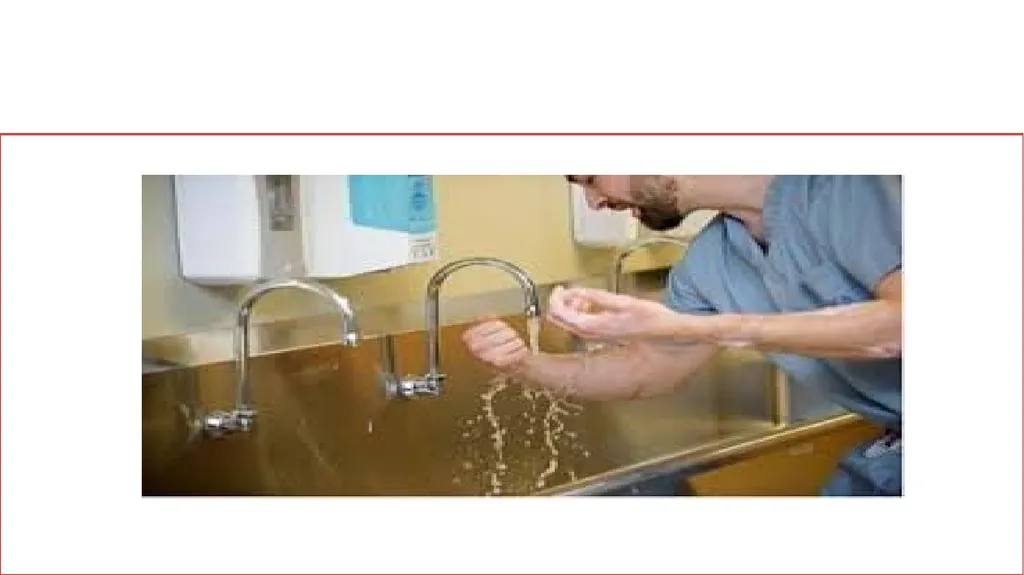
Rinse hands and arms thoroughly under running water.
3- Under running water, clean under nails of both hands with plastic nail file and discard it.<br>
12
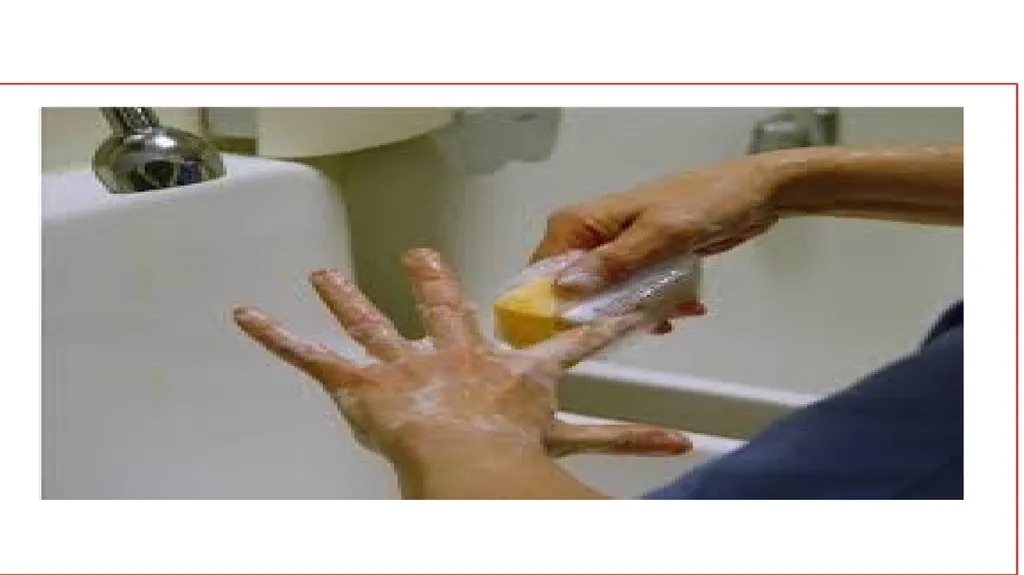
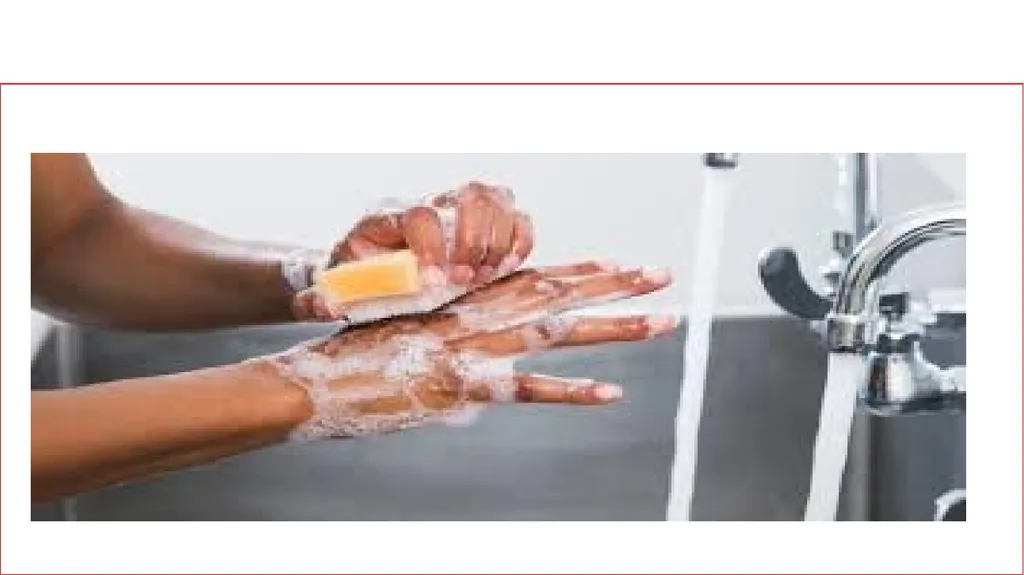
4- Scrubbing with brush:
Wet brush and apply antimicrobial agent.
Visualize each finger, hand, and arm as having 4 sides.
C. Scrub the nails of one hand with 15 strokes.<br>
13
D. Scrub each side of palm, each side of thumb, each side of fingers, and posterior side of hand with 10 stroke each.
E. Divide the arm mentally into three part, scrub(4 sides) for each part 10 stroke.
F. Rinse brush and repeat the steps for the other arm.<br>
14
5- Discard brush, flex arms, and rinse from fingertips to elbows in one continuous motion.
6- Turn off water with foot or knee control, with hand elevated in front of and away from body.
7- Enter operating room.
8- Grasp one end of the sterile towel to dry one hand thoroughly, moving from fingers to elbow in a rotating motion.
9- Discard towel.<br>
15
Evaluation Observe the client for signs of localized wound infection( usually occurs 2-3 days postoperatively) which includes:
Redness
Swelling
Hotness
Pain
Pus<br>