GAIT INTRODUCTION Study of human locomotion . Gait is defined as Series of rhythmic cyclic movements of the limbs in relation to the trunk resulting in forward progression of the body. 2 GAIT CYCLE It is defined as a series of events in
"GAIT INTRODUCTION Study of human locomotion . Gait" is the property of its rightful owner. Permission is granted to
download and print the materials on this website for personal, non-commercial use only, and to display it
on your personal computer provided you do not modify the materials and that you retain all copyright
notices contained in the materials. By downloading content from our website, you accept the terms of this
agreement.
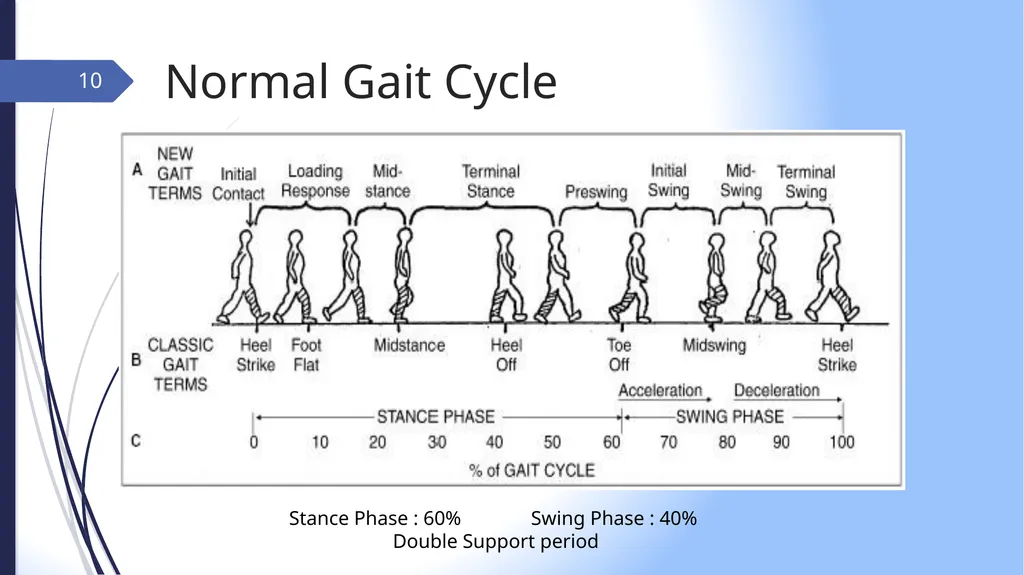
Presentation Transcript
01
GAIT<br>
02
INTRODUCTION Study of human locomotion .
Gait is defined as "Series of rhythmic cyclic movements of the limbs in relation to the trunk resulting in forward progression of the body". 2<br>
03
GAIT CYCLE It is defined as "a series of events in which heel of one extremity strikes the ground to the next heel strike of the same extremity".
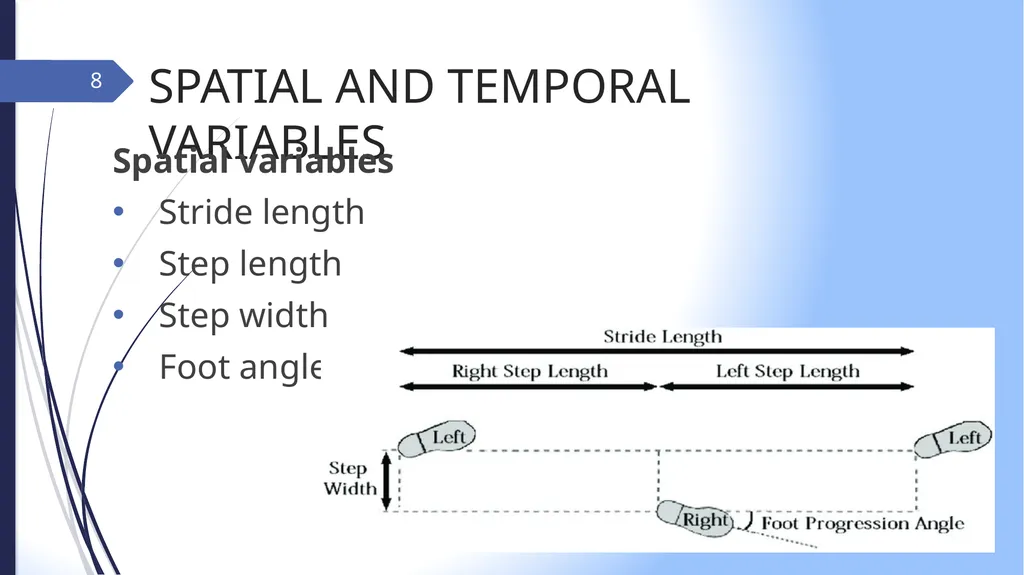
Two steps , a right and a left step form a stride and a stride is equal to a gait cycle. 3<br>
04
Gait in various stages of life 4<br>
05
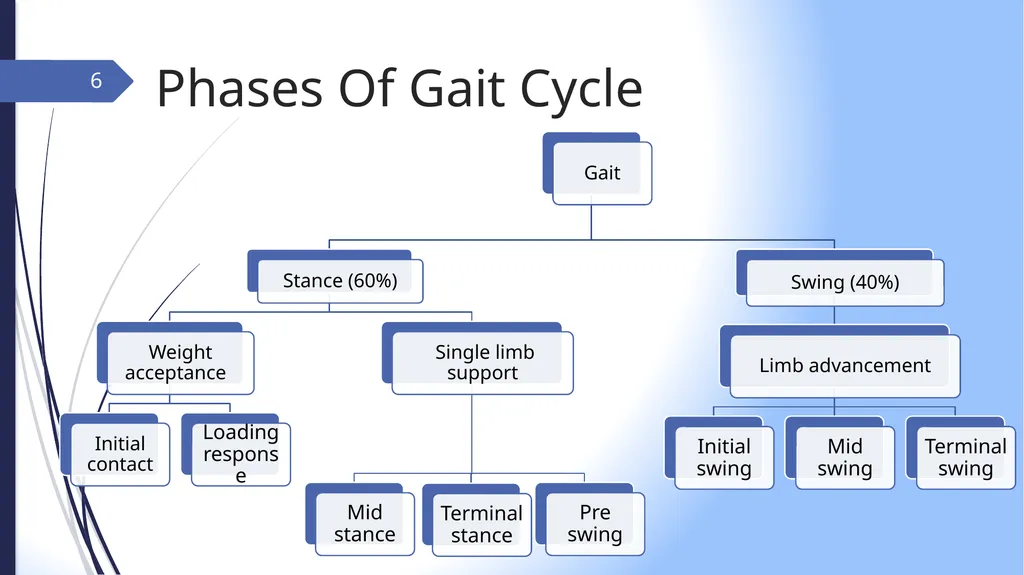
The Main Tasks Of The Gait Cycle According to the professional staff at Rancho Los Amigos Medical Center in California : (1),(2)
Weight acceptance
Single limb support
Limb advancement Professional Staff Association , Roncho Los Amigos Medical Center : Observational Gait Analysis Handbook . Downey , Caliif ., 1989
Winter , DA : Biomechanics of normal and pathological Gait : Implication for understanding human locomotor control . J Motor Behav 21:337-355 , 1989 5<br>
06
Phases Of Gait Cycle 6<br>
07
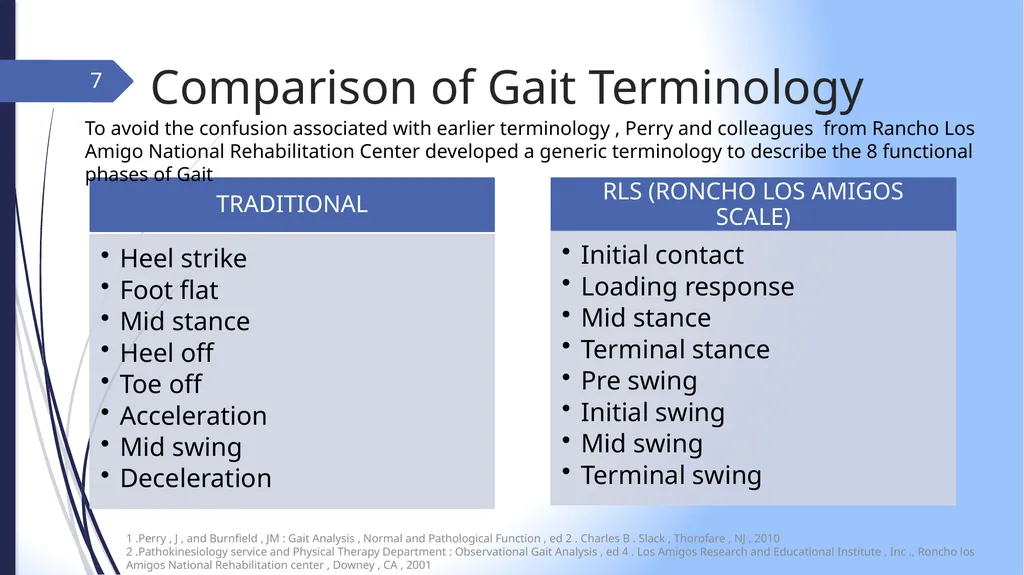
Comparison of Gait Terminology 1 .Perry , J , and Burnfield , JM : Gait Analysis , Normal and Pathological Function , ed 2 . Charles B . Slack , Thorofare , NJ , 2010
2 .Pathokinesiology service and Physical Therapy Department : Observational Gait Analysis , ed 4 . Los Amigos Research and Educational Institute , Inc ., Roncho los Amigos National Rehabilitation center , Downey , CA , 2001 7 To avoid the confusion associated with earlier terminology , Perry and colleagues from Rancho Los Amigo National Rehabilitation Center developed a generic terminology to describe the 8 functional phases of Gait<br>
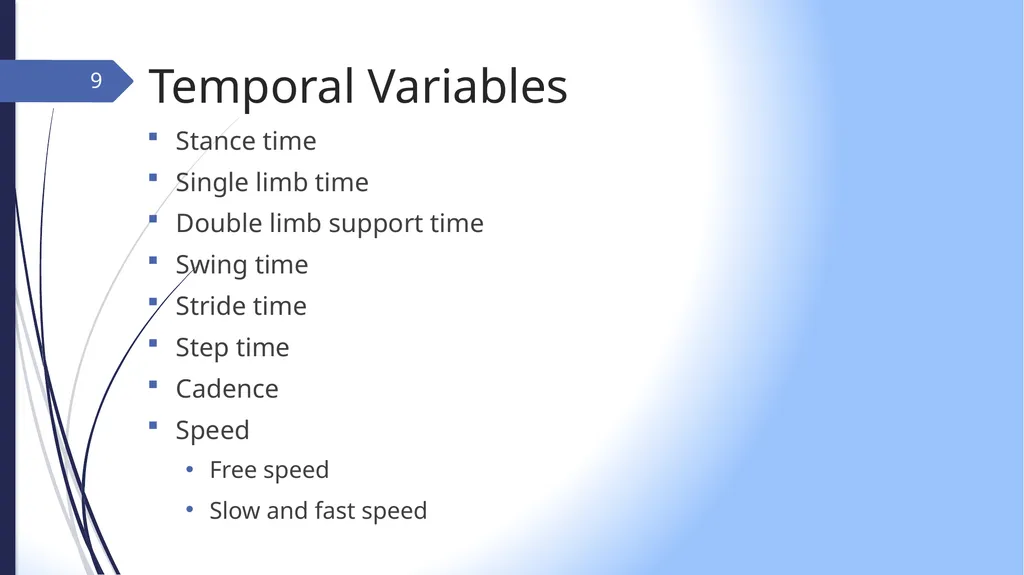
Stance time
Single limb time
Double limb support time
Swing time
Stride time
Step time
Cadence
Speed
Free speed
Slow and fast speed Temporal Variables 9<br>
10
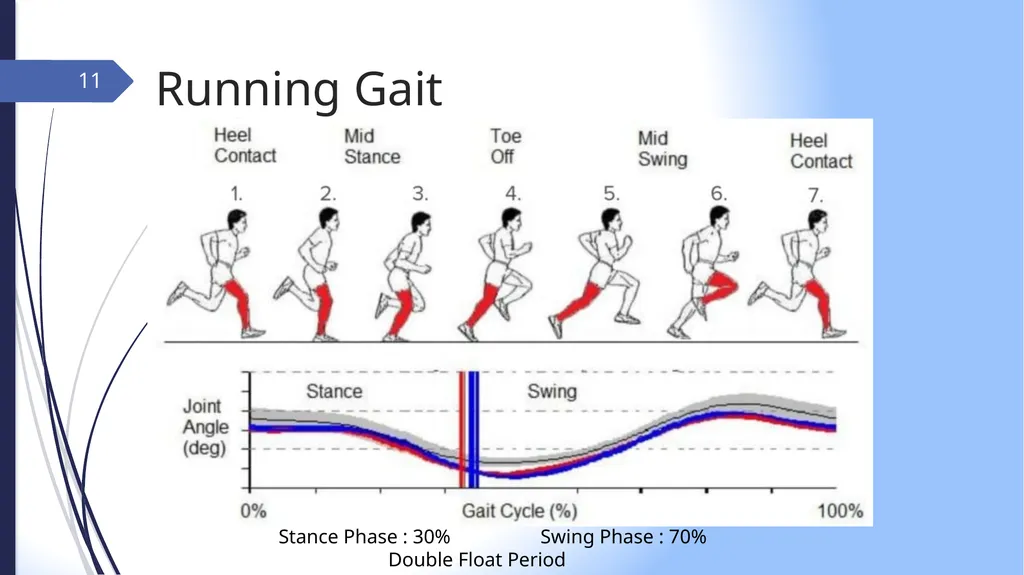
Normal Gait Cycle Stance Phase : 60% Swing Phase : 40%
Double Support period 10<br>
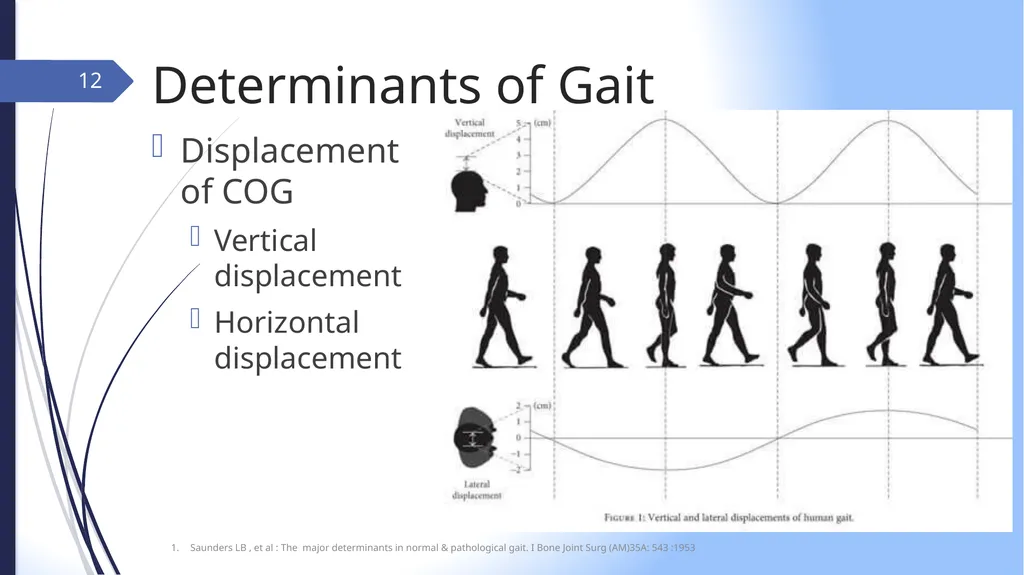
Determinants of Gait Displacement of COG
Vertical displacement
Horizontal displacement 12 Saunders LB , et al : The major determinants in normal & pathological gait. I Bone Joint Surg (AM)35A: 543 :1953<br>
13
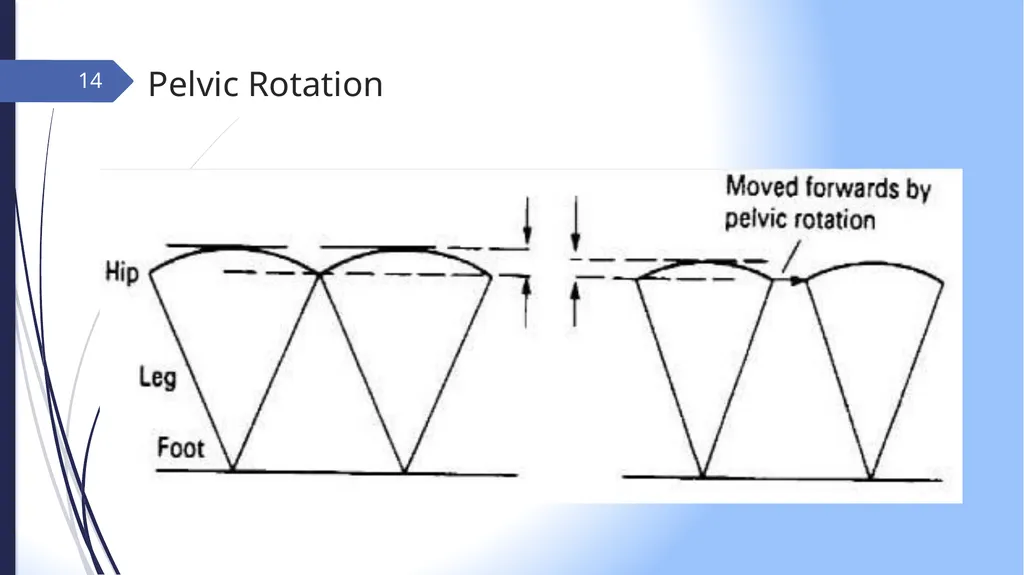
Pelvic rotation
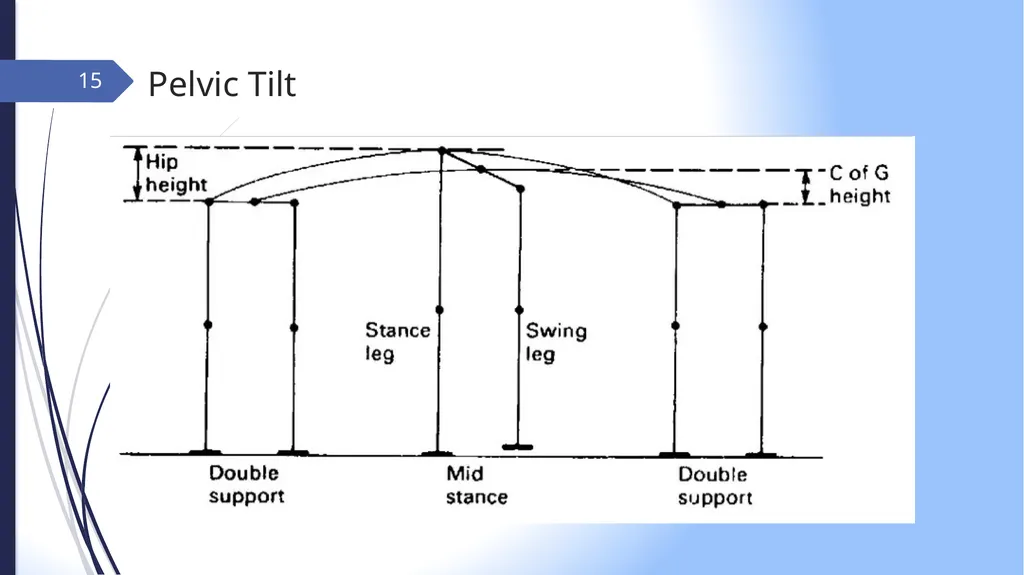
Pelvic tilt
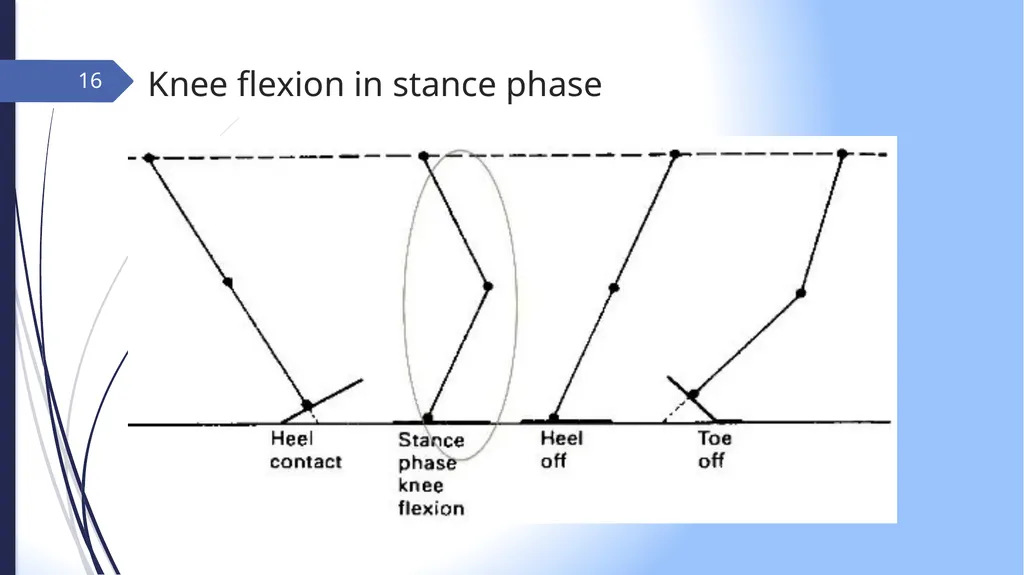
Knee flexion during stance
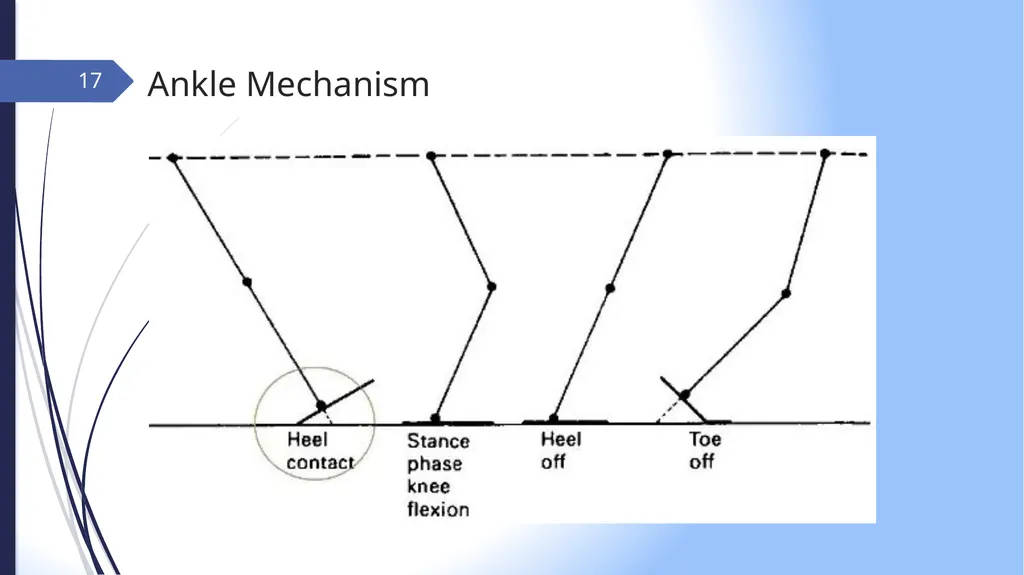
Ankle mechanism
Foot mechanism Factors responsible for minimizing displacement of COG 13<br>
14
Pelvic Rotation 14<br>
15
Pelvic Tilt 15<br>
16
Knee flexion in stance phase 16<br>
17
Ankle Mechanism 17<br>
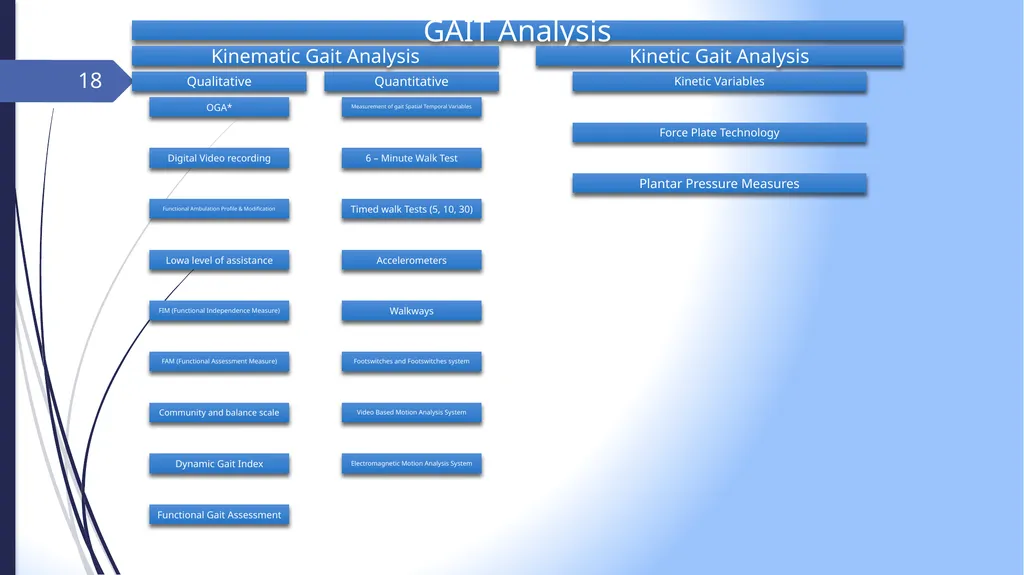
18
18<br>
19
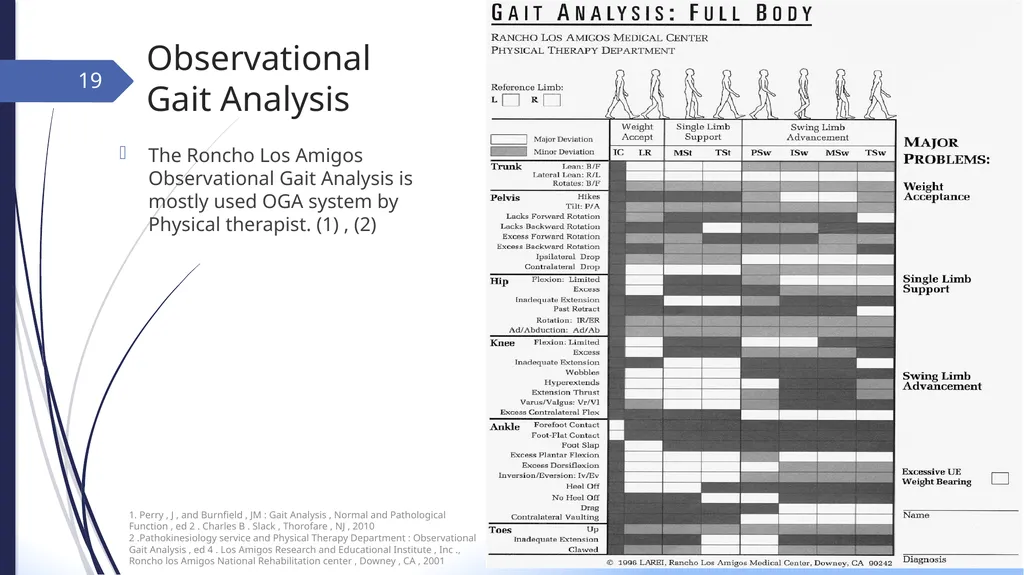
Observational Gait Analysis The Roncho Los Amigos Observational Gait Analysis is mostly used OGA system by Physical therapist. (1) , (2) 1. Perry , J , and Burnfield , JM : Gait Analysis , Normal and Pathological Function , ed 2 . Charles B . Slack , Thorofare , NJ , 2010
2 .Pathokinesiology service and Physical Therapy Department : Observational Gait Analysis , ed 4 . Los Amigos Research and Educational Institute , Inc ., Roncho los Amigos National Rehabilitation center , Downey , CA , 2001 19<br>
20
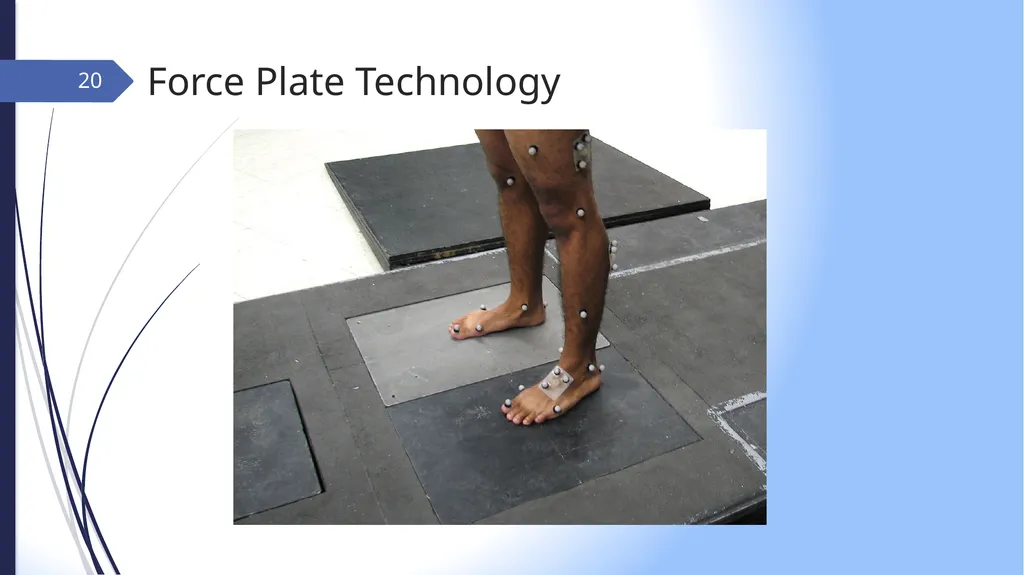
Force Plate Technology 20<br>
21
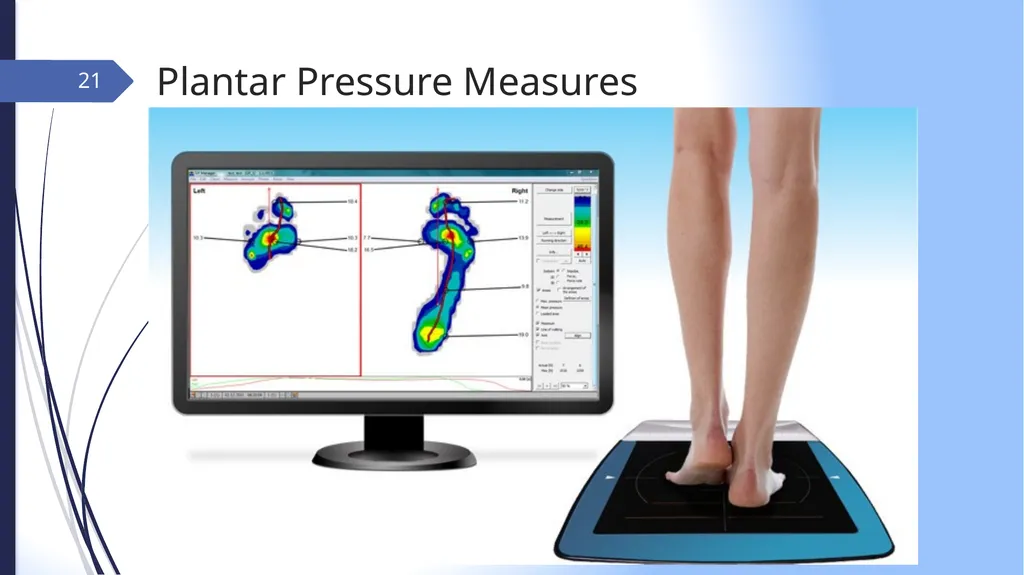
Plantar Pressure Measures 21<br>
22
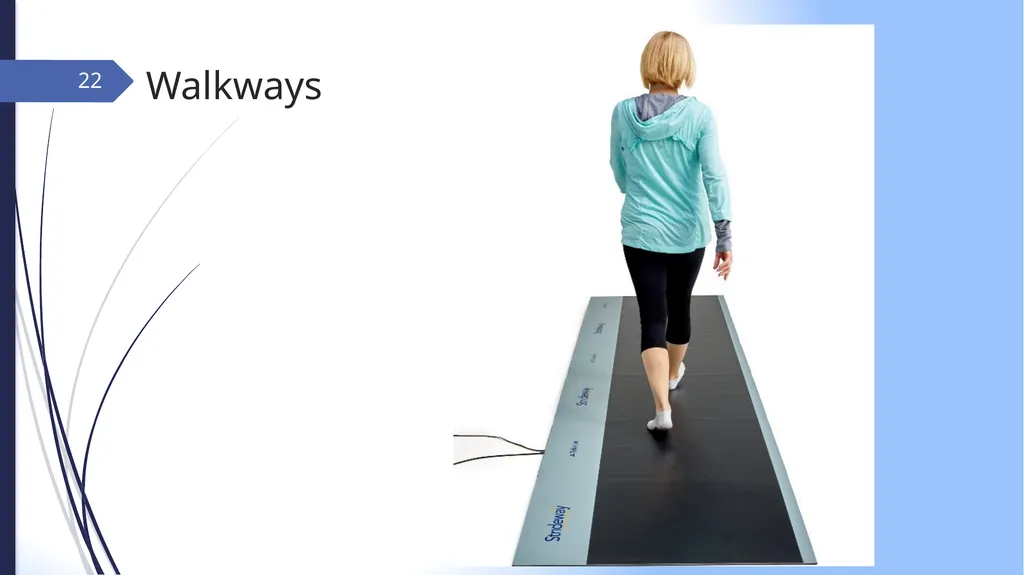
Walkways 22<br>
23
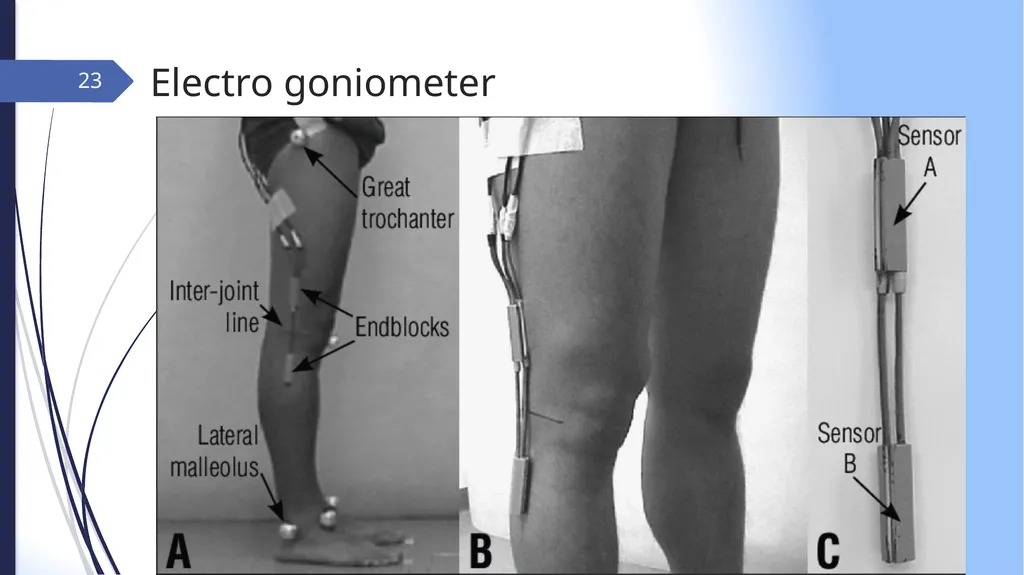
Electro goniometer 23<br>
24
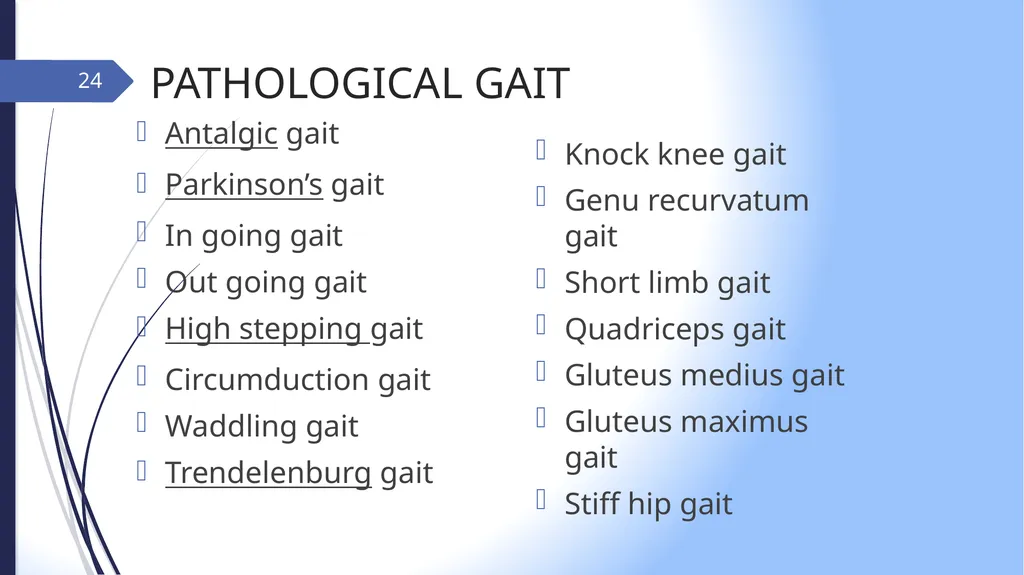
PATHOLOGICAL GAIT Antalgic gait
Parkinson’s gait
In going gait
Out going gait
High stepping gait
Circumduction gait
Waddling gait
Trendelenburg gait Knock knee gait
Genu recurvatum gait
Short limb gait
Quadriceps gait
Gluteus medius gait
Gluteus maximus gait
Stiff hip gait 24<br>
25
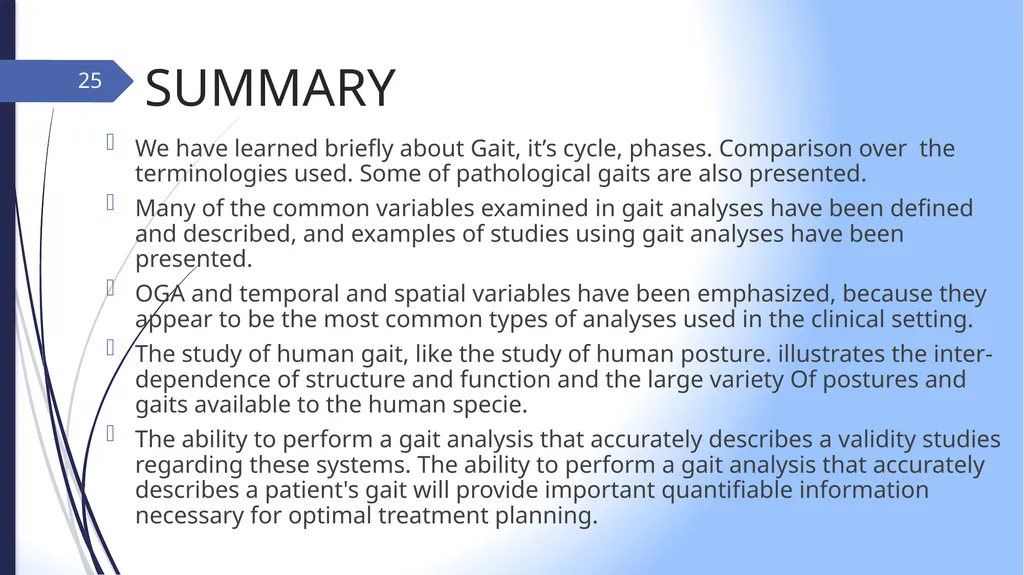
SUMMARY We have learned briefly about Gait, it’s cycle, phases. Comparison over the terminologies used. Some of pathological gaits are also presented.
Many of the common variables examined in gait analyses have been defined and described, and examples of studies using gait analyses have been presented.
OGA and temporal and spatial variables have been emphasized, because they appear to be the most common types of analyses used in the clinical setting.
The study of human gait, like the study of human posture. illustrates the inter- dependence of structure and function and the large variety Of postures and gaits available to the human specie.
The ability to perform a gait analysis that accurately describes a validity studies regarding these systems. The ability to perform a gait analysis that accurately describes a patient's gait will provide important quantifiable information necessary for optimal treatment planning. 25<br>
26
REFERENCES 1. Sullivan.S , Schmitz.T. Physical Rehabilitation. 6E:251-301.
3. Oatis.C Norkins .C . Joint Structure And Function ,6E :435-482.
2.. Kinesiology The Mechanics And Pathomechanics of Human Movement. 2E: 908,909.
4. Neumann.D. Kinesiology of the Musculoskeletal System.523-569.<br>