04
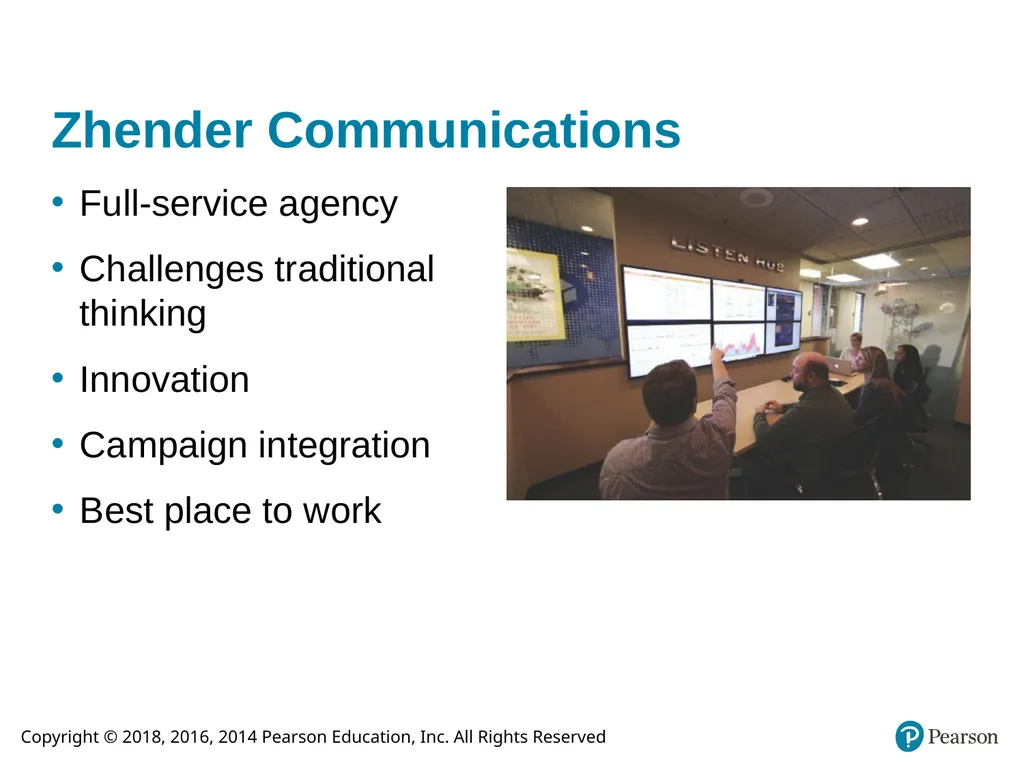
Zhender Communications Full-service agency
Challenges traditional thinking
Innovation
Campaign integration
Best place to work<br>
05
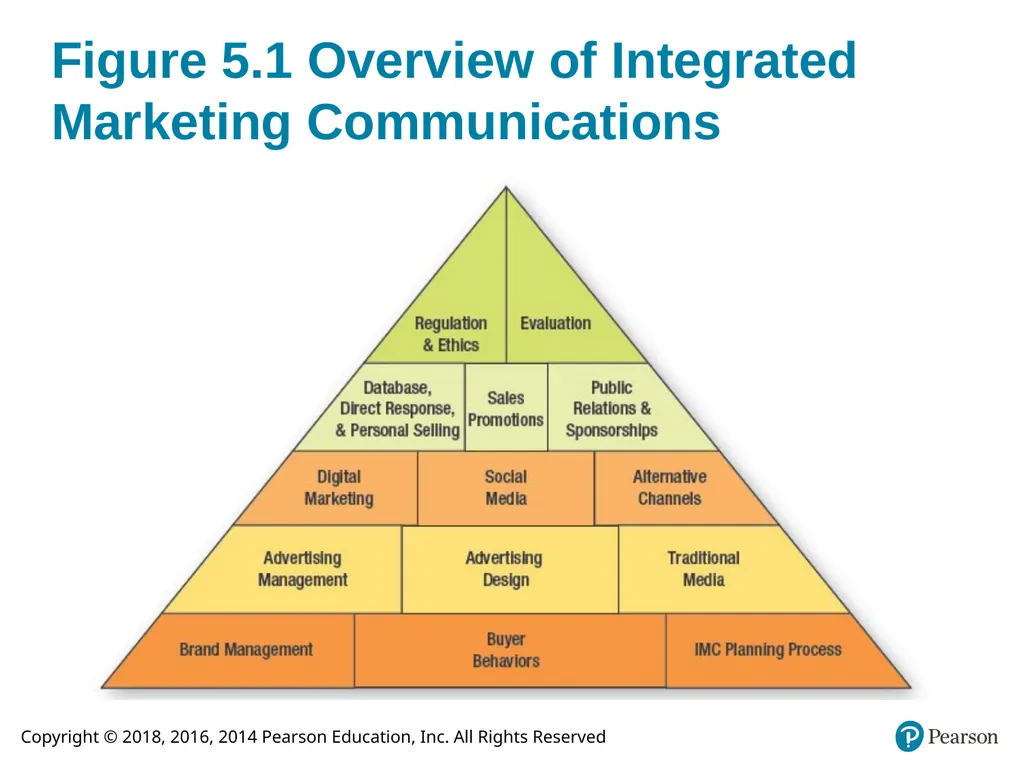
Figure 5.1 Overview of Integrated Marketing Communications<br>
06
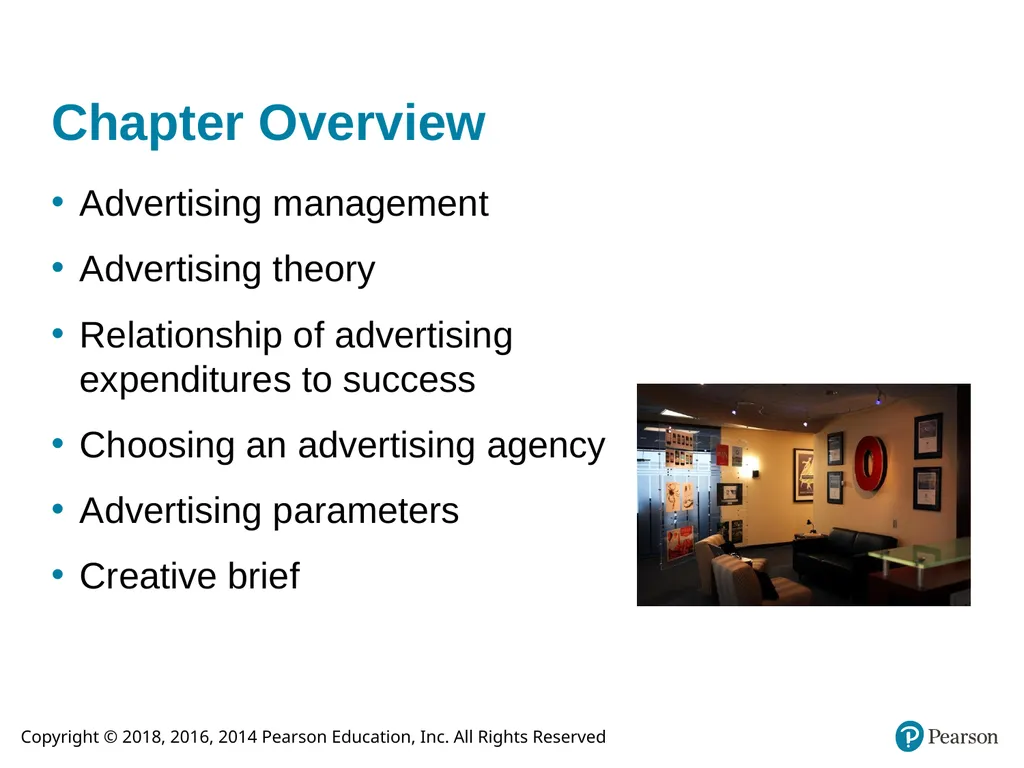
Chapter Overview Advertising management
Advertising theory
Relationship of advertising expenditures to success
Choosing an advertising agency
Advertising parameters
Creative brief<br>
07
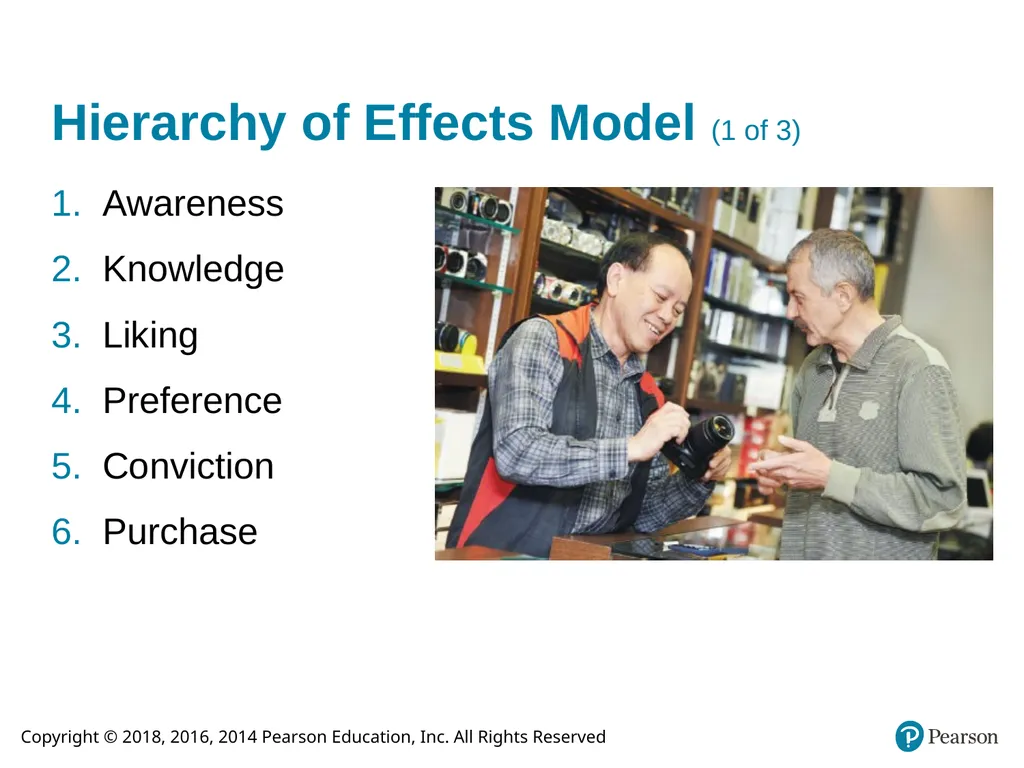
Hierarchy of Effects Model (1 of 3) Awareness
Knowledge
Liking
Preference
Conviction
Purchase<br>
08
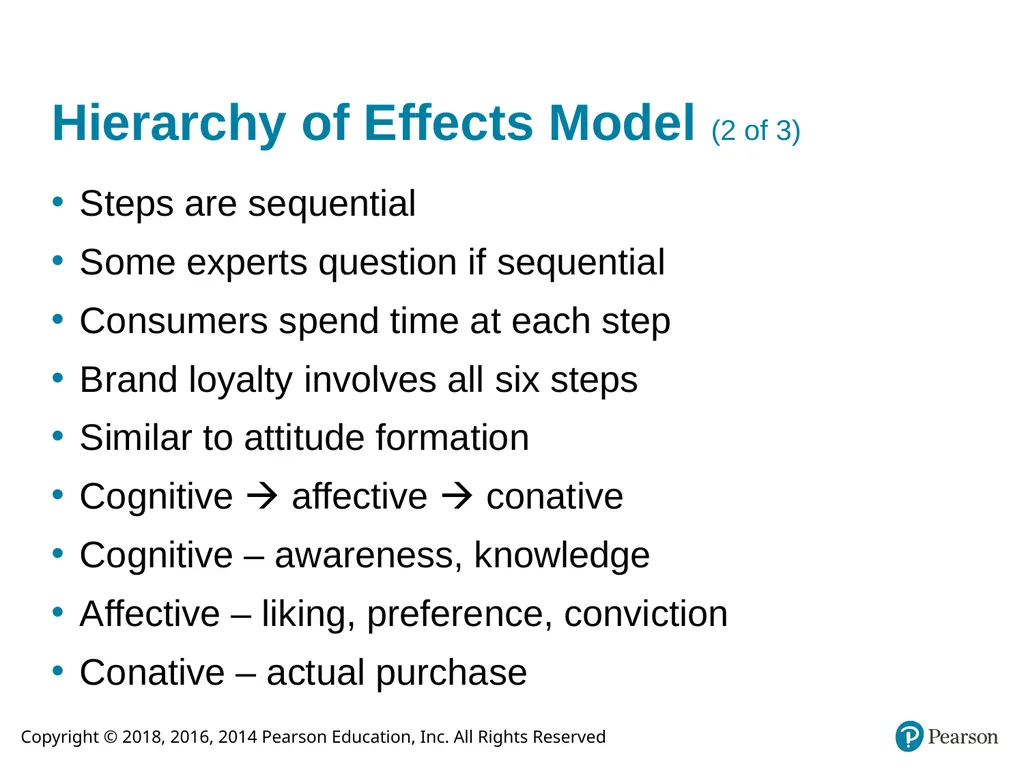
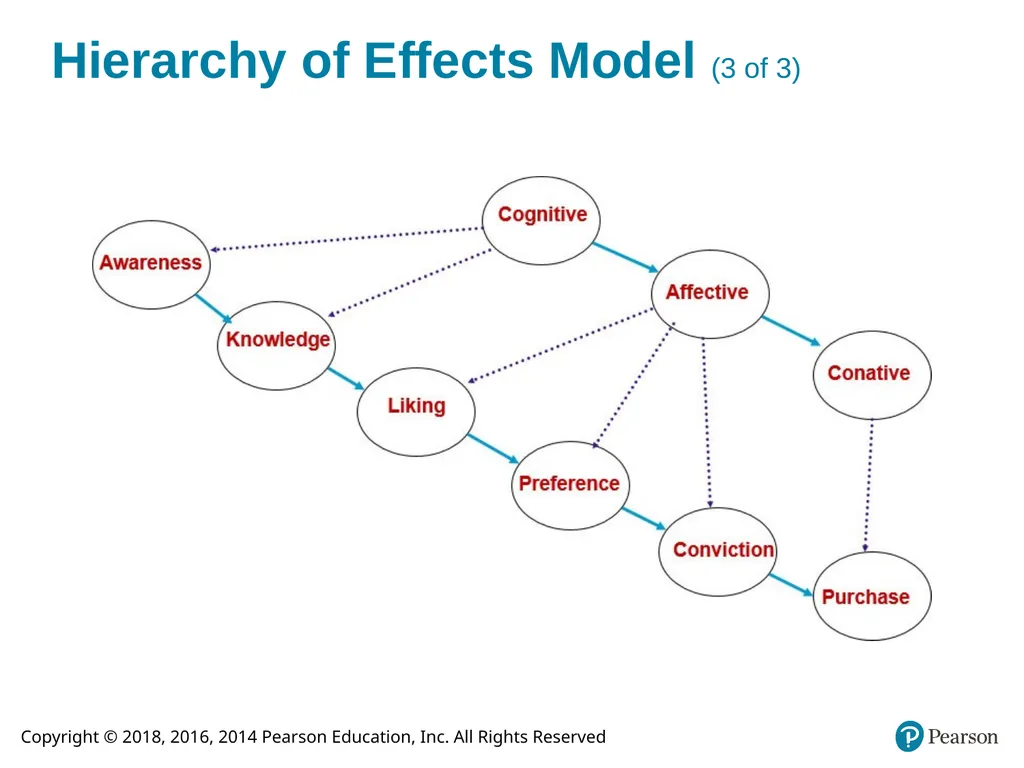
Hierarchy of Effects Model (2 of 3) Steps are sequential
Some experts question if sequential
Consumers spend time at each step
Brand loyalty involves all six steps
Similar to attitude formation
Cognitive affective conative
Cognitive – awareness, knowledge
Affective – liking, preference, conviction
Conative – actual purchase<br>
09
Hierarchy of Effects Model (3 of 3)<br>
10
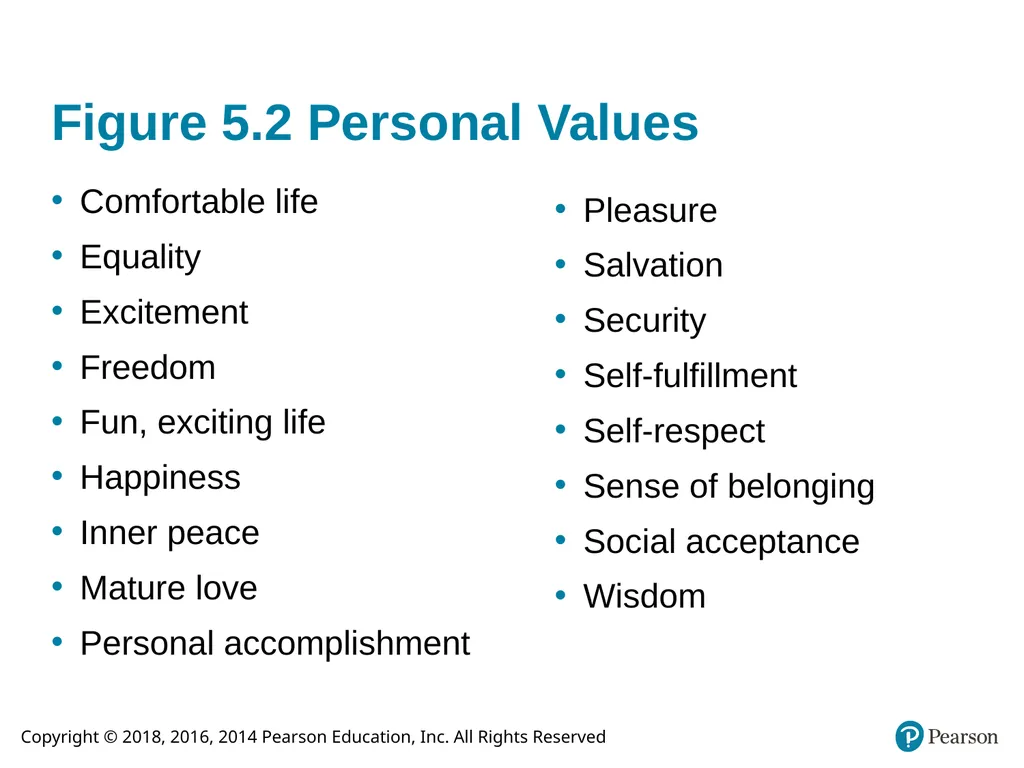
Figure 5.2 Personal Values Comfortable life
Equality
Excitement
Freedom
Fun, exciting life
Happiness
Inner peace
Mature love
Personal accomplishment Pleasure
Salvation
Security
Self-fulfillment
Self-respect
Sense of belonging
Social acceptance
Wisdom<br>
11
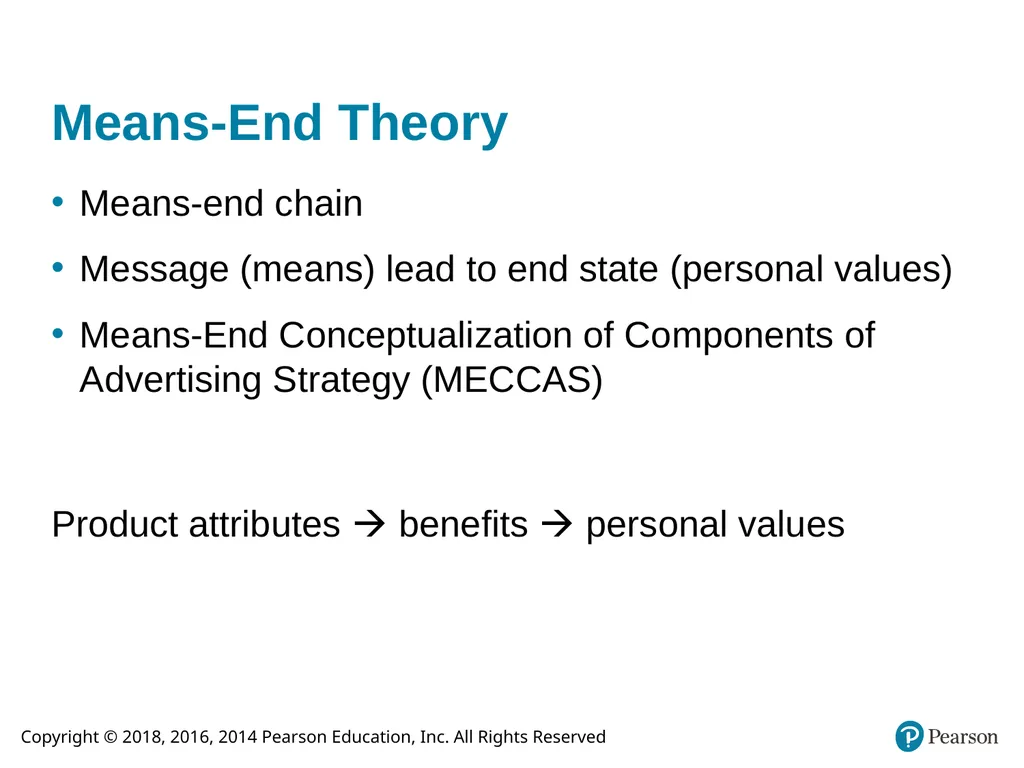
Means-End Theory Means-end chain
Message (means) lead to end state (personal values)
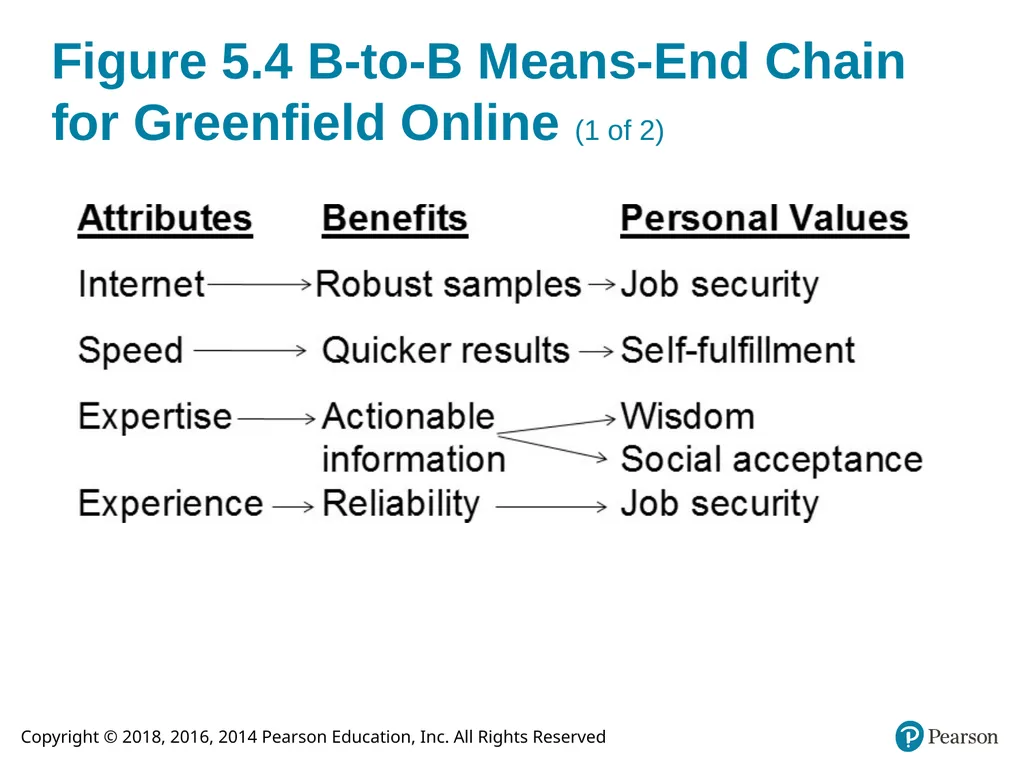
Means-End Conceptualization of Components of Advertising Strategy (MECCAS) Product attributes benefits personal values<br>
12
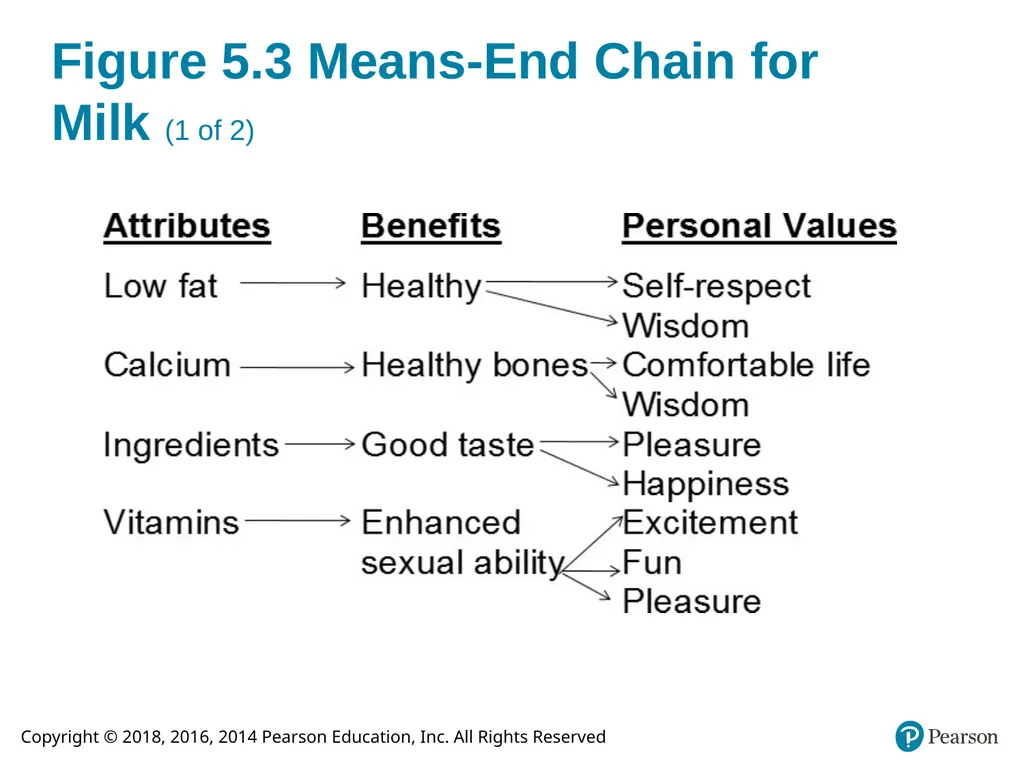
Figure 5.3 Means-End Chain for Milk (1 of 2)<br>
13
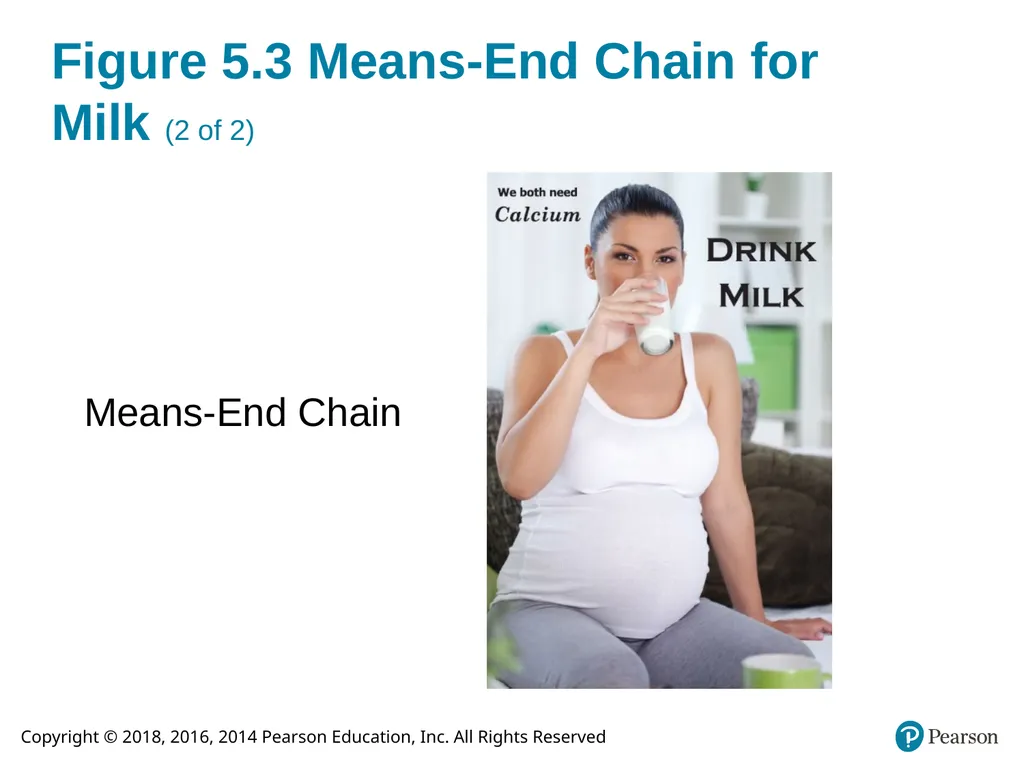
Figure 5.3 Means-End Chain for Milk (2 of 2) Means-End Chain<br>
14
Figure 5.4 B-to-B Means-End Chain for Greenfield Online (1 of 2)<br>
15
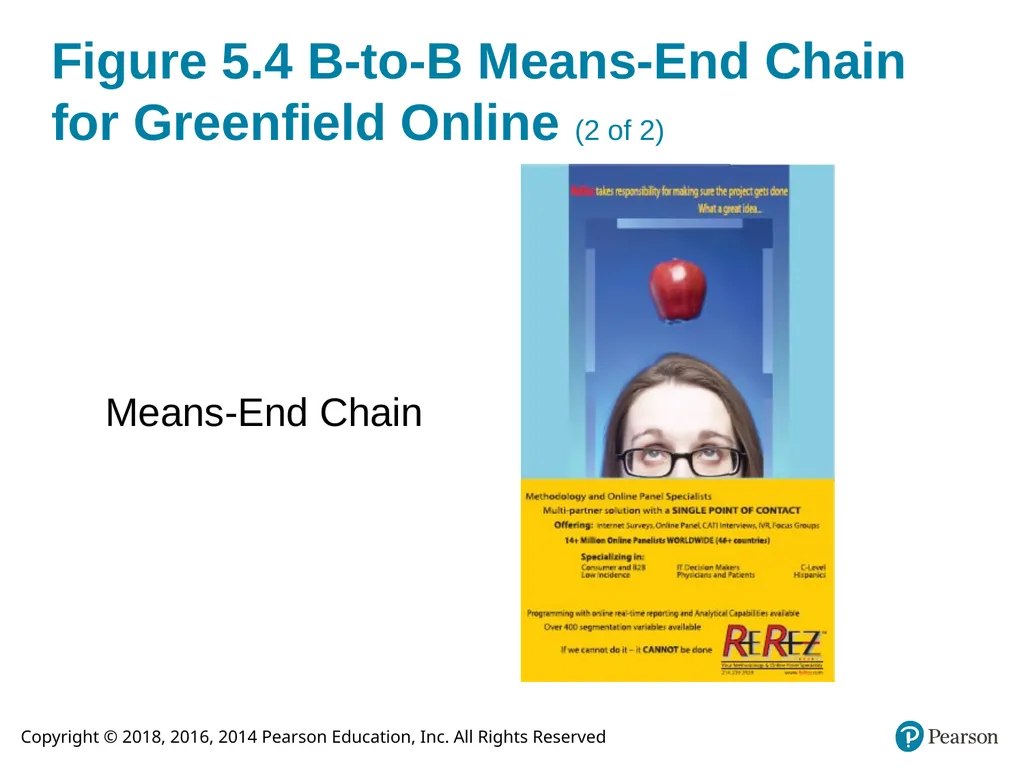
Figure 5.4 B-to-B Means-End Chain for Greenfield Online (2 of 2) Means-End Chain<br>
16
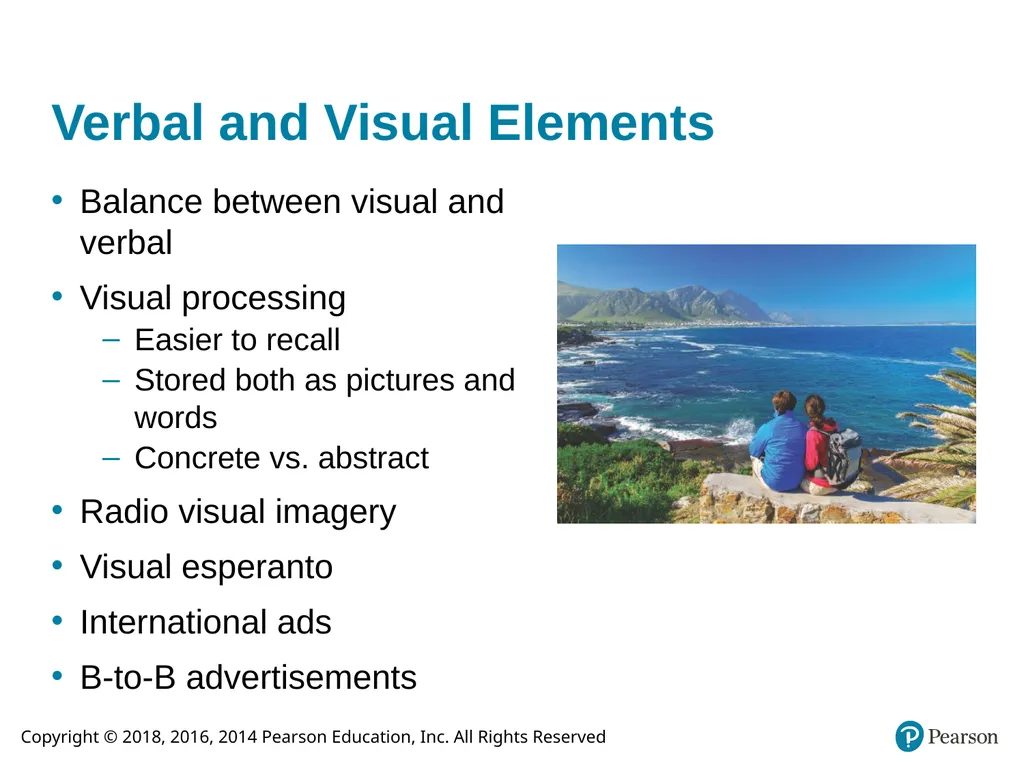
Verbal and Visual Elements Balance between visual and verbal
Visual processing
Easier to recall
Stored both as pictures and words
Concrete vs. abstract
Radio visual imagery
Visual esperanto
International ads
B-to-B advertisements<br>
17
Factors Impacting Relationship �Between Promotions and Sales The goal of the promotion
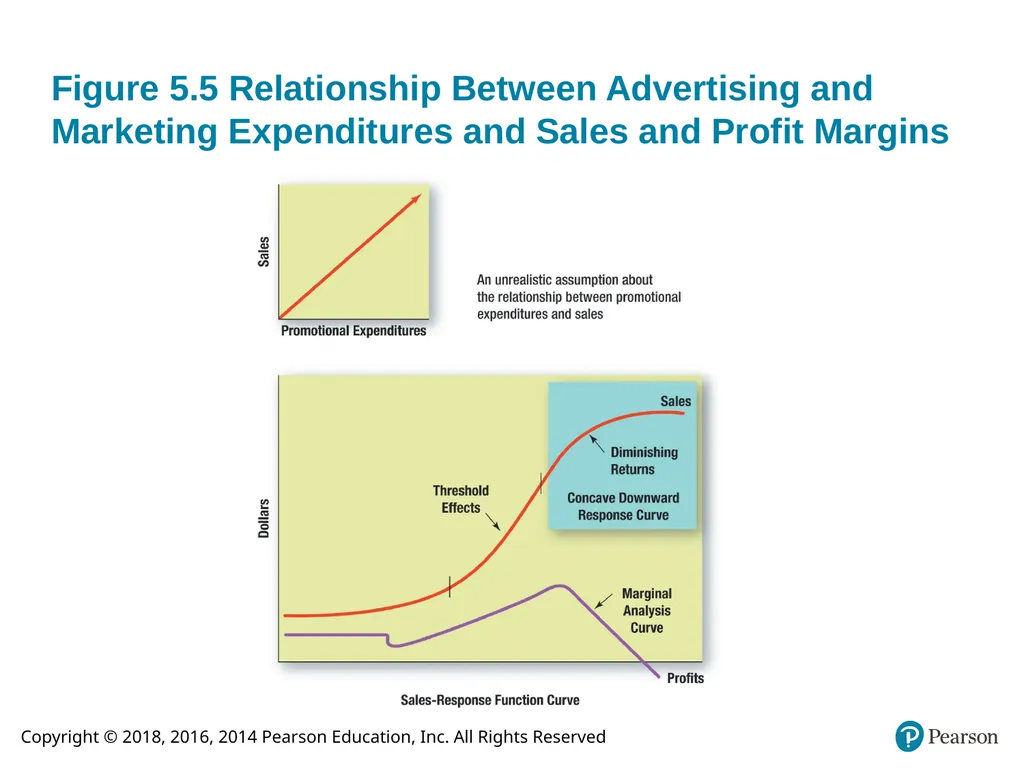
Threshold effects
Diminishing returns
Carryover effects
Wear-out effects
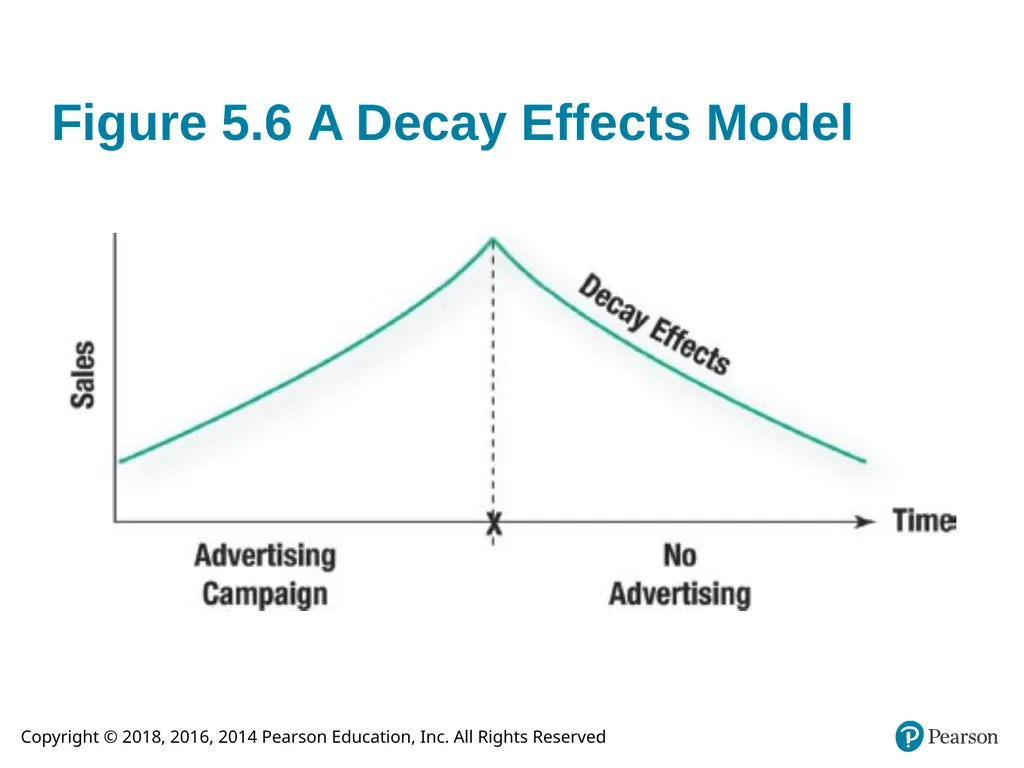
Decay effects
Random events<br>
18
Figure 5.5 Relationship Between Advertising and Marketing Expenditures and Sales and Profit Margins<br>
19
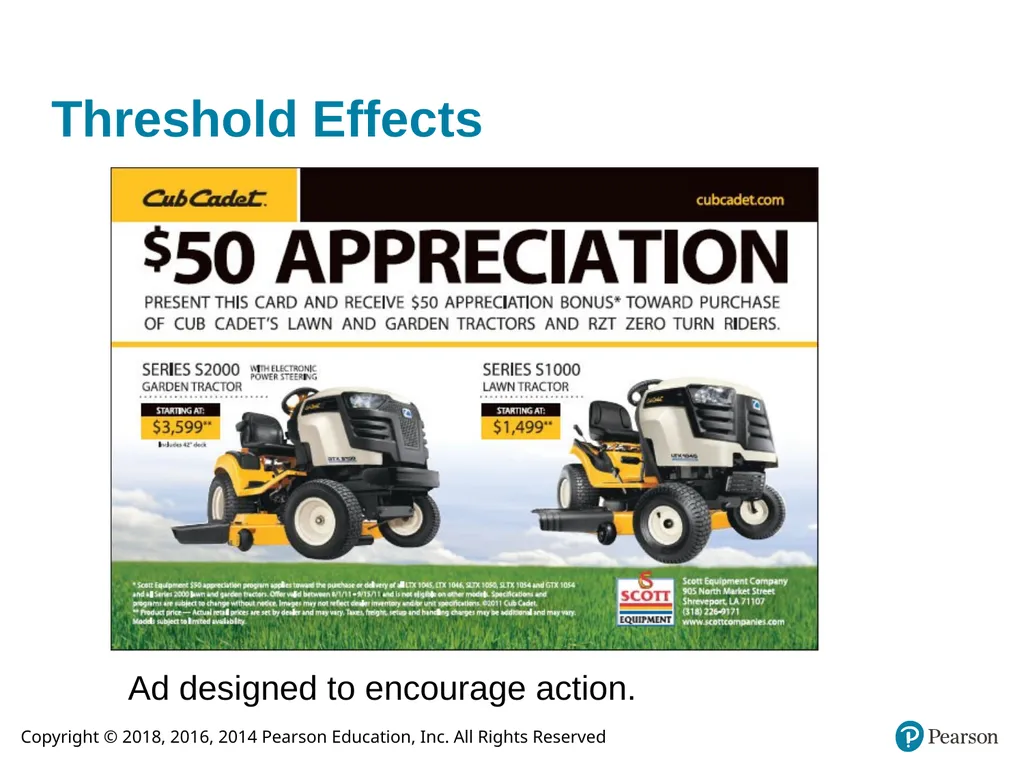
Threshold Effects Ad designed to encourage action.<br>
20
Figure 5.6 A Decay Effects Model<br>
21
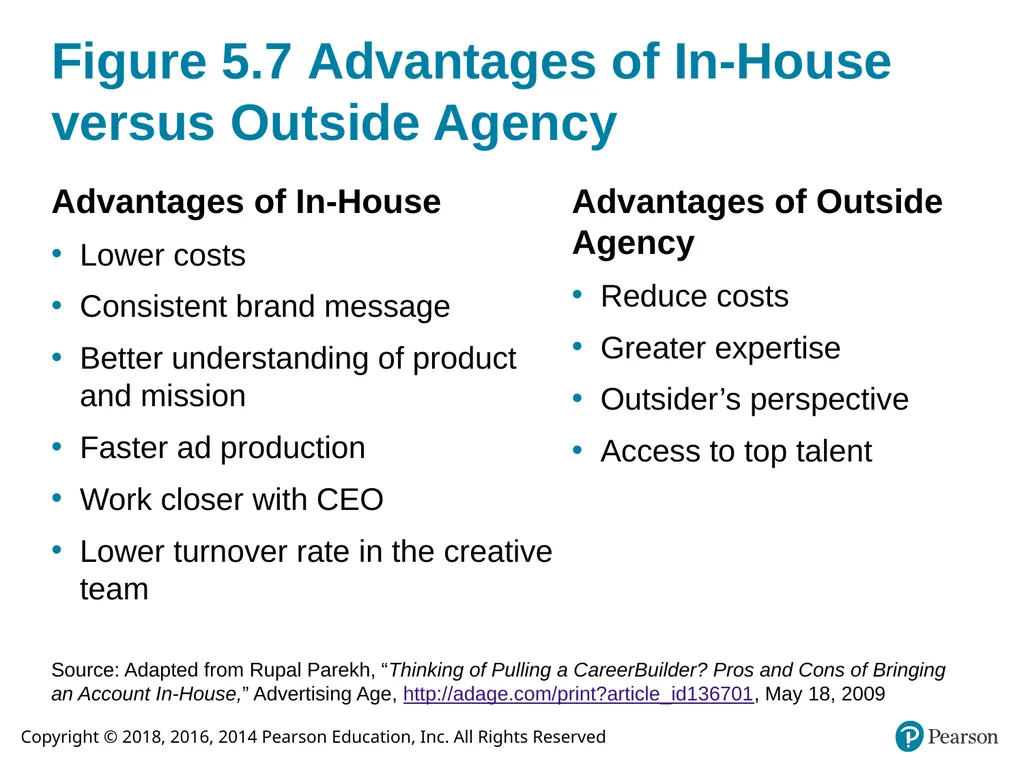
Figure 5.7 Advantages of In-House versus Outside Agency Advantages of In-House
Lower costs
Consistent brand message
Better understanding of product and mission
Faster ad production
Work closer with CEO
Lower turnover rate in the creative team Advantages of Outside Agency
Reduce costs
Greater expertise
Outsider’s perspective
Access to top talent Source: Adapted from Rupal Parekh, “Thinking of Pulling a CareerBuilder? Pros and Cons of Bringing an Account In-House,” Advertising Age, http://adage.com/print?article_id136701, May 18, 2009<br>
22
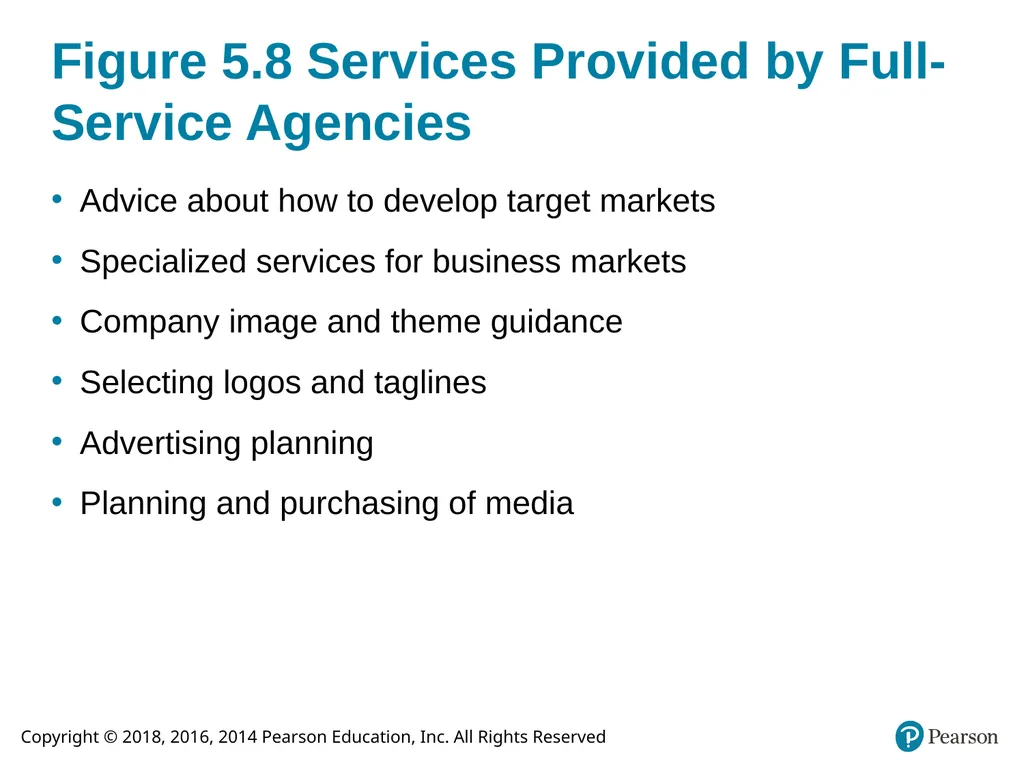
Figure 5.8 Services Provided by Full-Service Agencies Advice about how to develop target markets
Specialized services for business markets
Company image and theme guidance
Selecting logos and taglines
Advertising planning
Planning and purchasing of media<br>
23
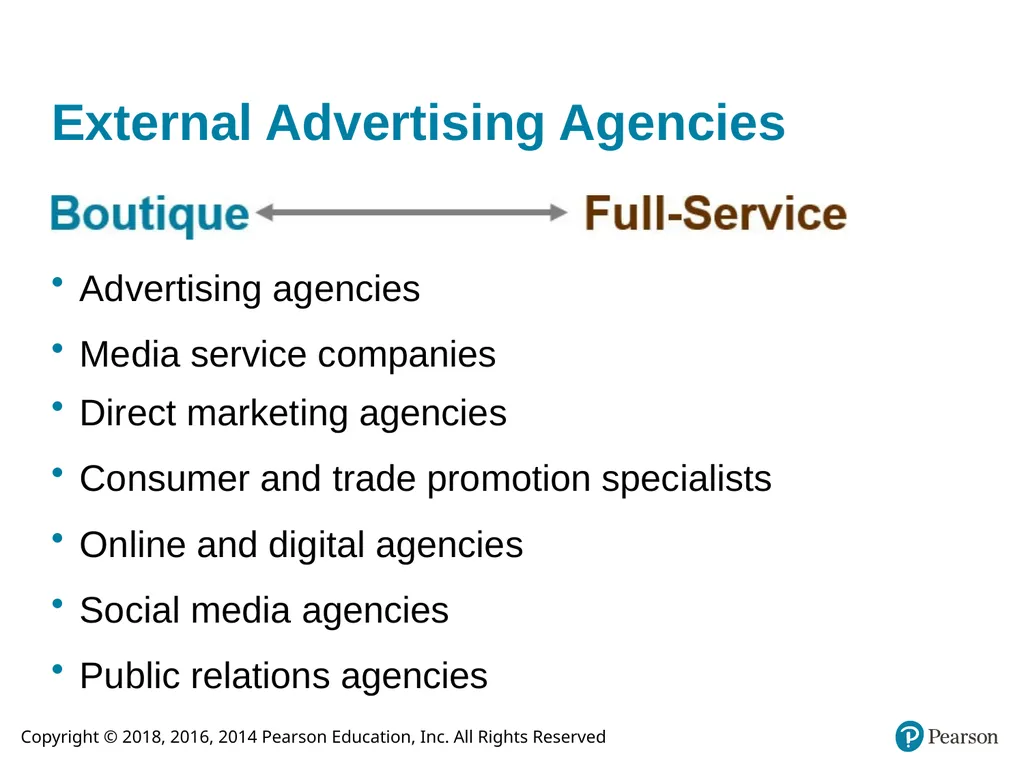
External Advertising Agencies Advertising agencies
Media service companies
Direct marketing agencies
Consumer and trade promotion specialists
Online and digital agencies
Social media agencies
Public relations agencies<br>
24
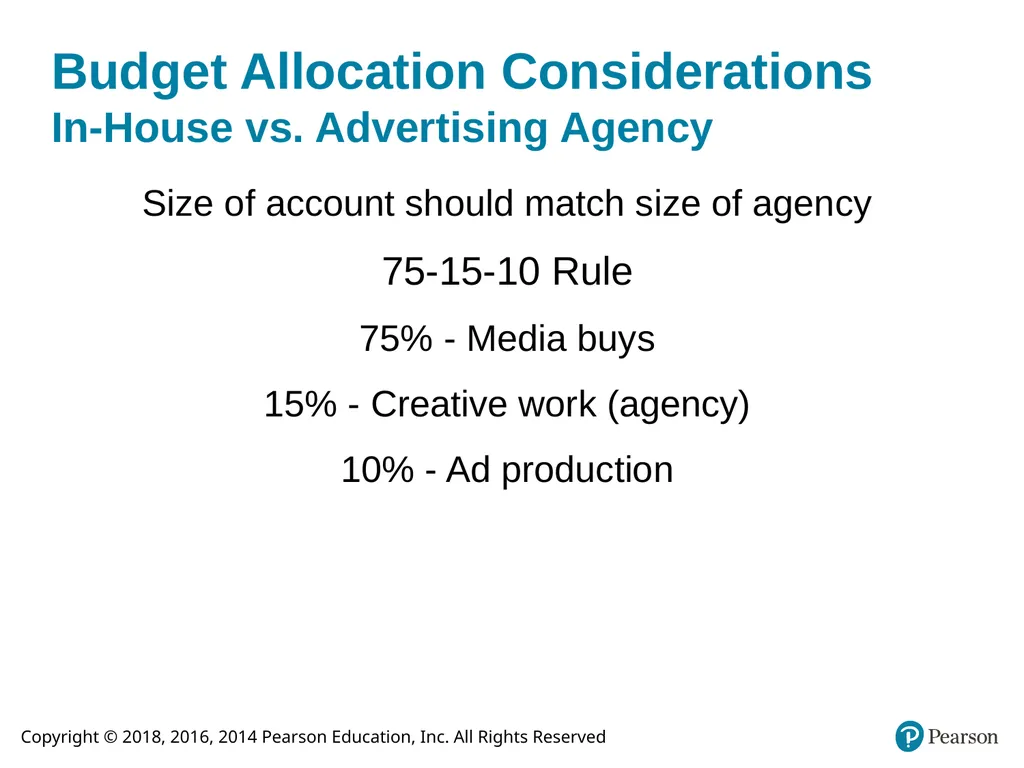
Budget Allocation Considerations�In-House vs. Advertising Agency Size of account should match size of agency
75-15-10 Rule
75% - Media buys
15% - Creative work (agency)
10% - Ad production<br>
25
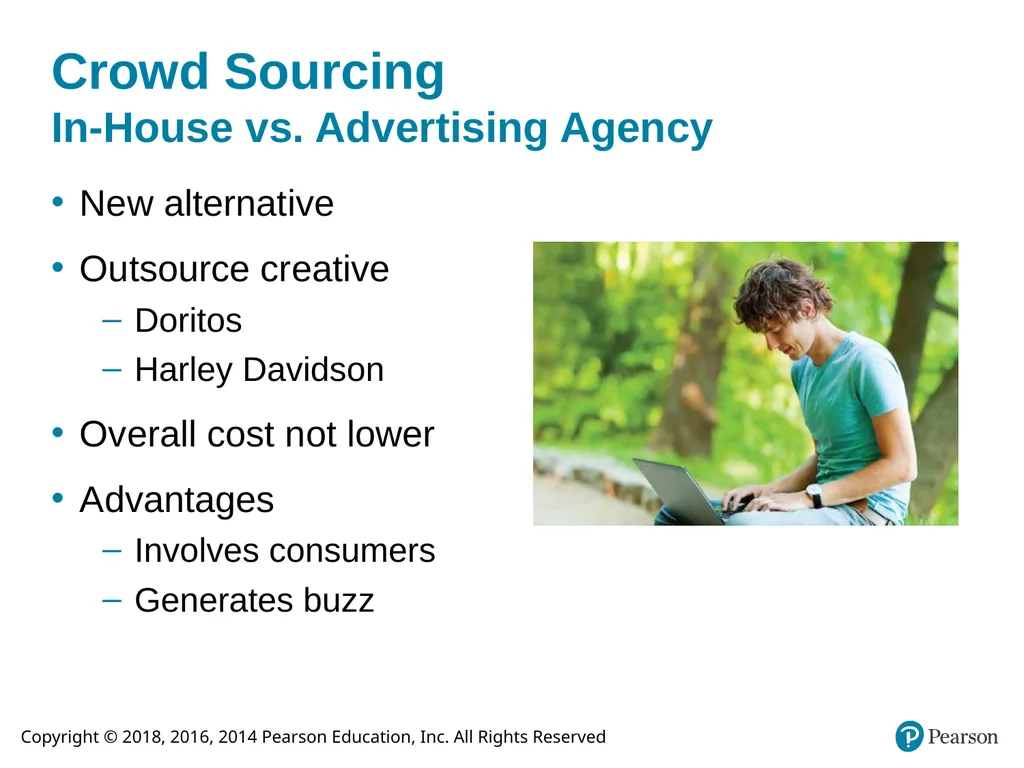
Crowd Sourcing�In-House vs. Advertising Agency New alternative
Outsource creative
Doritos
Harley Davidson
Overall cost not lower
Advantages
Involves consumers
Generates buzz<br>
26
Figure 5.9 Steps in Selecting an Advertising Agency Set goals
Select process and criteria
Screen initial list of applicants
Reduce list to two or three viable agencies
Request creative pitch<br>
27
Choosing an Agency Goal Setting
Set before contacting agencies
Provides direction
Reduces biases<br>
28
Figure 5.10 Evaluation Criteria in Choosing an Ad Agency Size of the agency
Relevant experience of the agency
Conflicts of interest
Creative reputation and capabilities
Production capabilities
Media purchasing capabilities
Other services available
Client retention rates
Personal chemistry<br>
29
Creative Pitch 2 to 3 finalists
Formal presentation shootout
Specific problem/situation
Expensive for agencies<br>
30
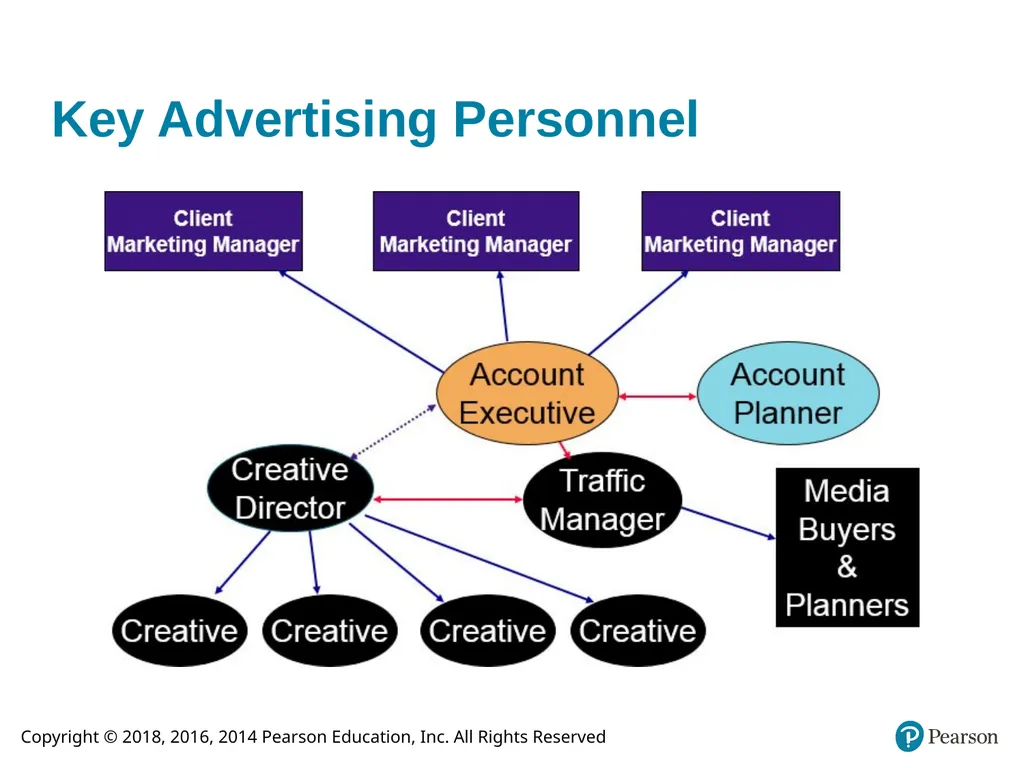
Key Advertising Personnel<br>
31
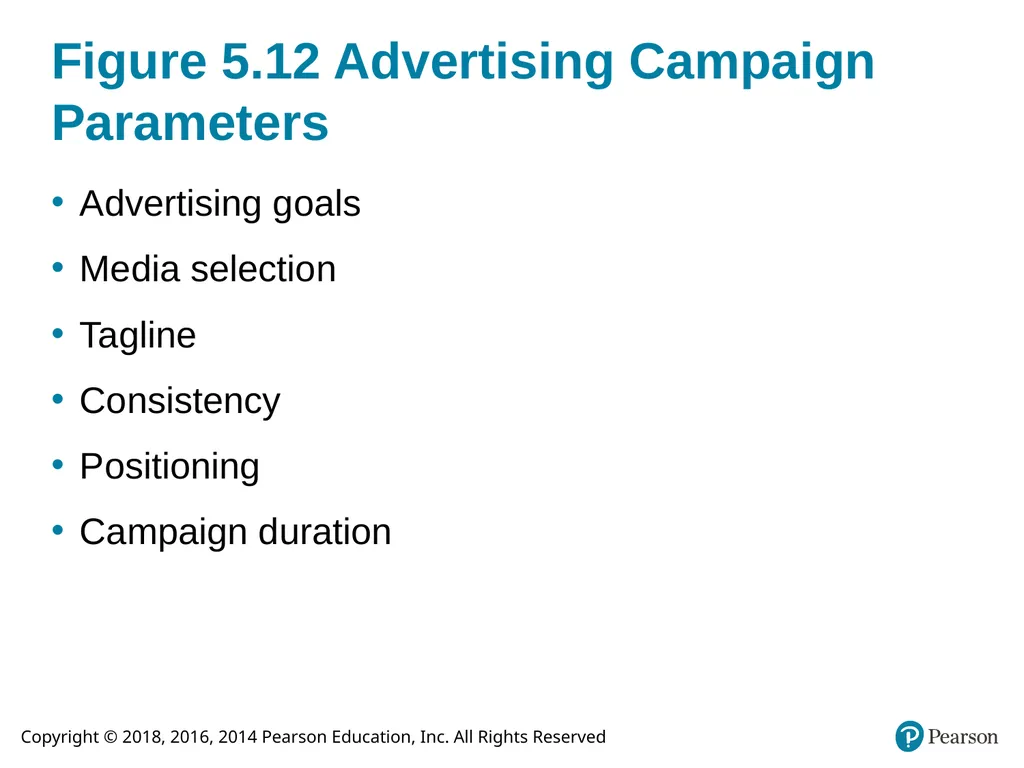
Figure 5.12 Advertising Campaign Parameters Advertising goals
Media selection
Tagline
Consistency
Positioning
Campaign duration<br>
32
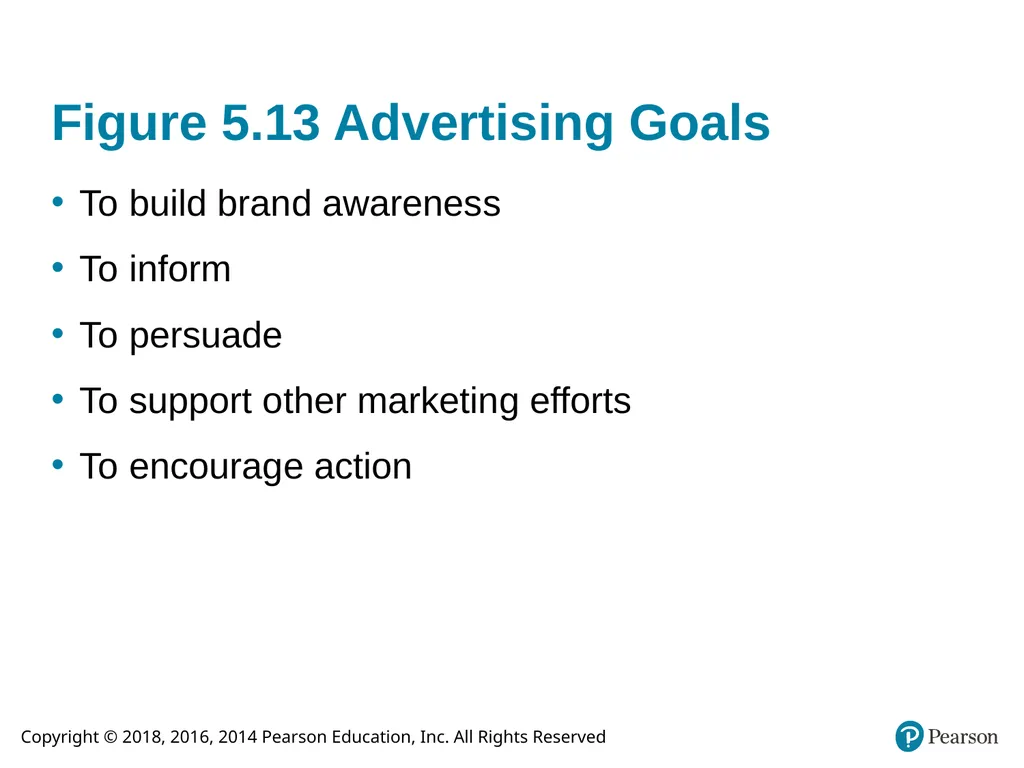
Figure 5.13 Advertising Goals To build brand awareness
To inform
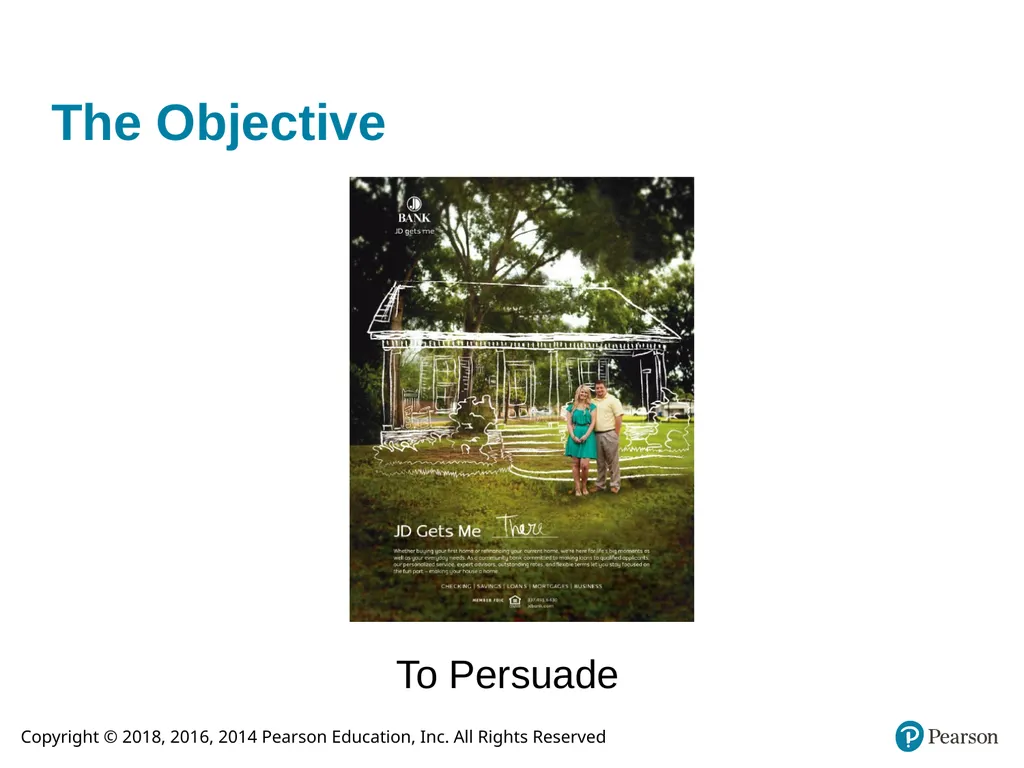
To persuade
To support other marketing efforts
To encourage action<br>
33
Build Brand Awareness�Advertising Goals Brand image begins with awareness
Consumers recognize the brand
Business-to-business
Especially important in modified rebuy situations
Successful brands possess
Top-of-mind
Top choice
Brand equity leads to top-of-mind & top choice<br>
34
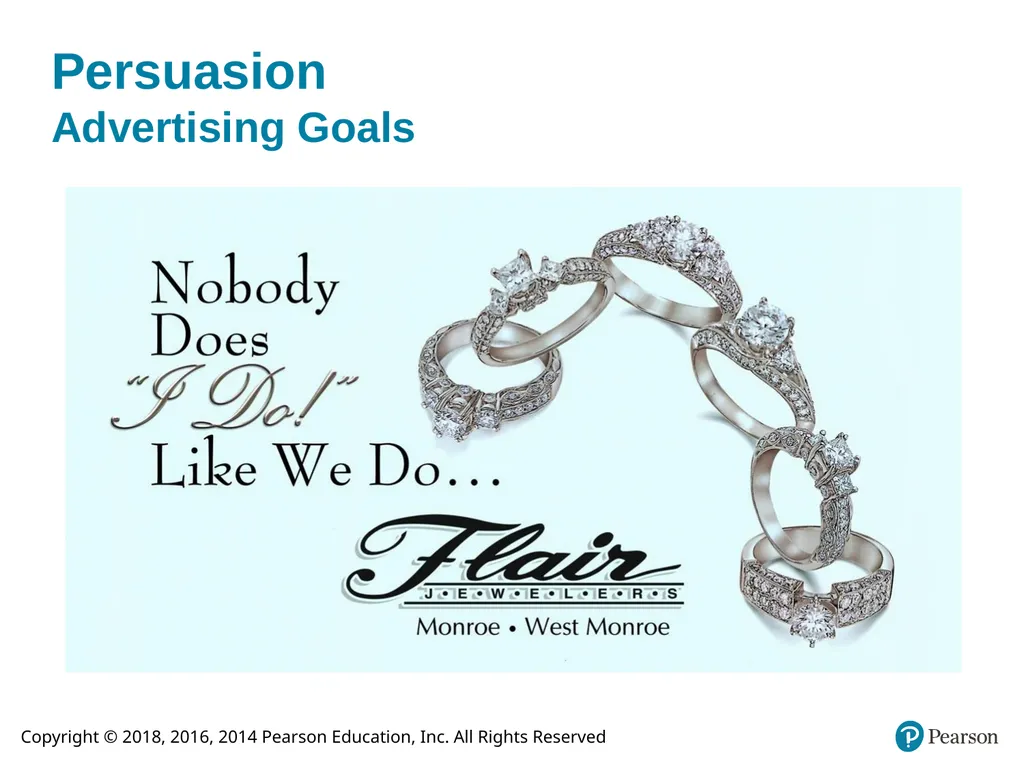
Persuasion�Advertising Goals<br>
35
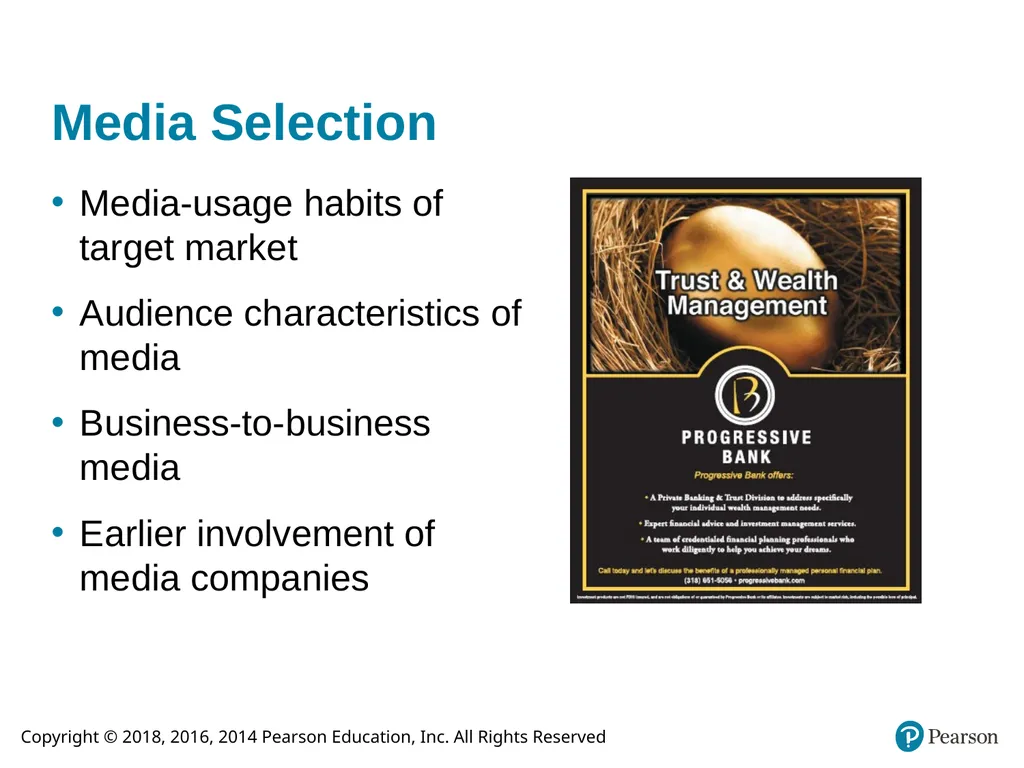
Media Selection Media-usage habits of target market
Audience characteristics of media
Business-to-business media
Earlier involvement of media companies<br>
36
Taglines Key phrase
Memorable
Conveys uniqueness
Consistency across platforms
Shorter than in past
Revised or new taglines<br>
37
Consistency Transfer to long-term memory
Visual consistency key
Repetition enhances recall
Variability theory
Different environments
Can vary content
Multiple media<br>
38
Positioning Maintain consistent position
Link in cognitive map
Avoids ambiguity
Message stays clear<br>
39
Campaign Duration Goal is to embed in long-term memory
Too short impedes retention
Too long can make it stale
Typical length is 6 months
Length varies<br>
40
Figure 5.15 The Creative Brief The objective
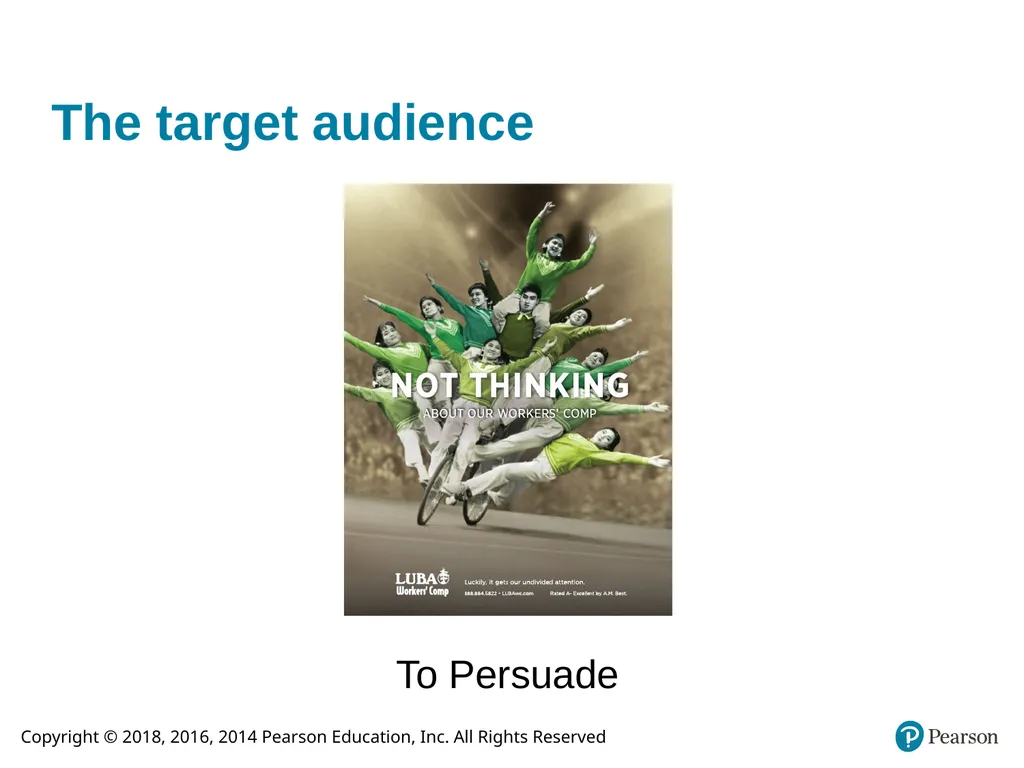
The target audience
The message theme
The support
The constraints<br>
41
The Objective To Persuade<br>
42
The target audience To Persuade<br>
43
The Message Theme (1 of 2) Unique selling point
“Left brain” advertisement
Logical, rational side of brain
Manages numbers, letters, words, concepts
Use rational appeal
“Right-brain” advertisement
Emotional side of brain
Manages abstract ideas, images, feelings
Use emotional appeal<br>
44
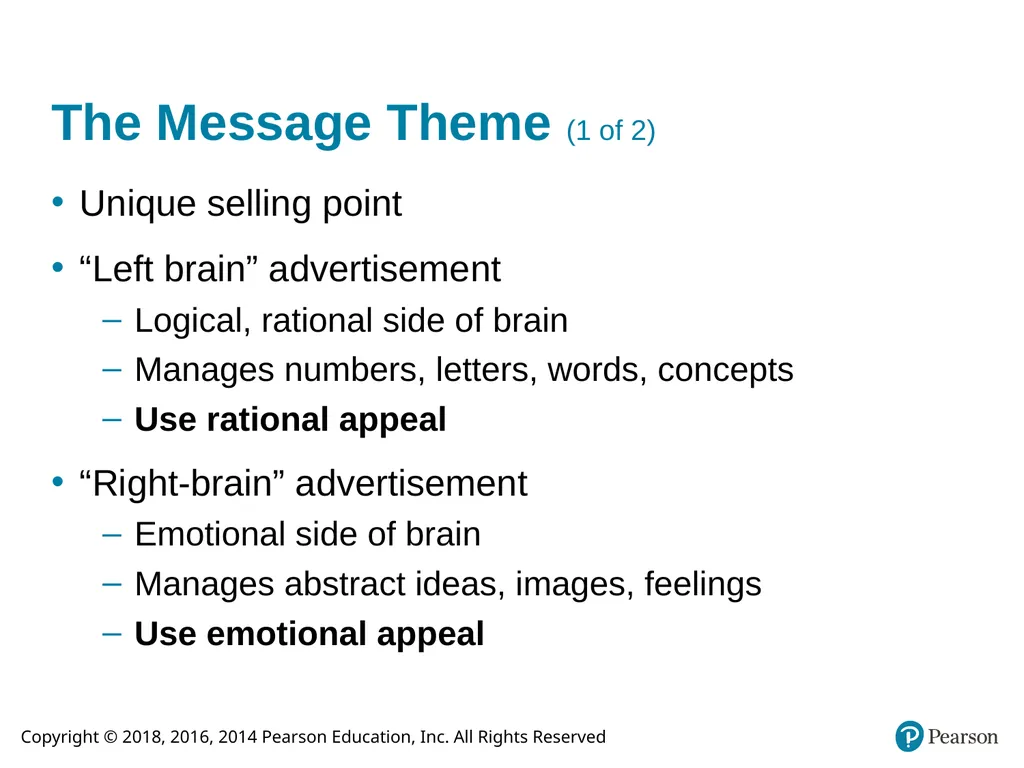
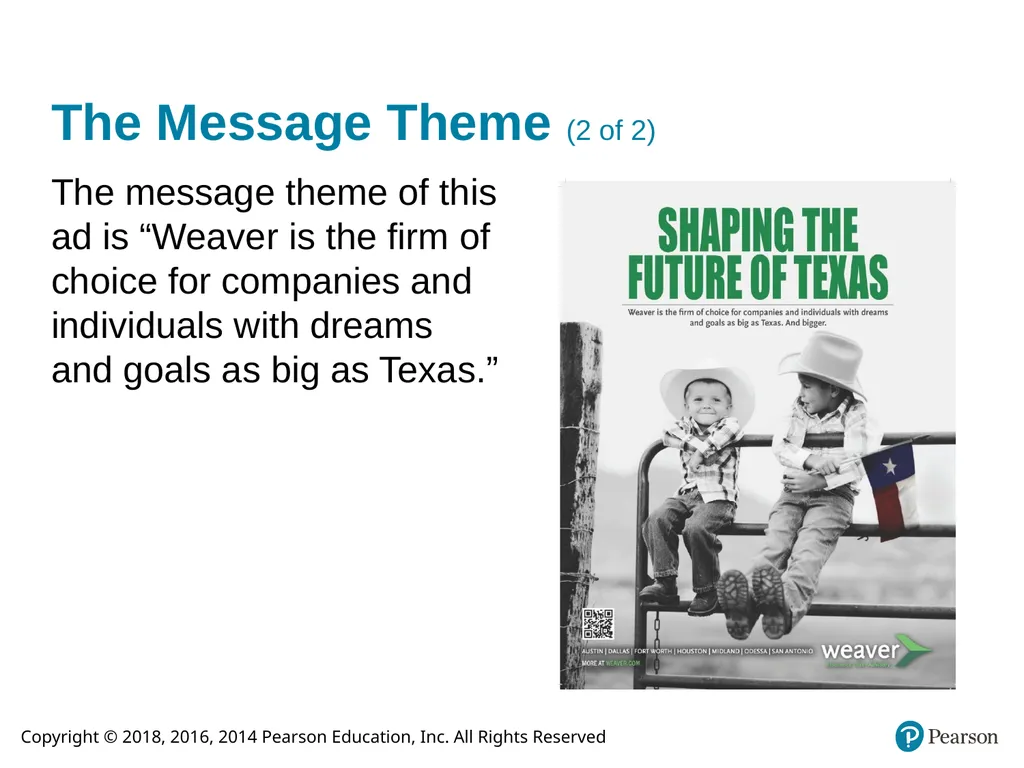
The Message Theme (2 of 2) The message theme of this ad is “Weaver is the firm of choice for companies and individuals with dreams and goals as big as Texas.”<br>
45
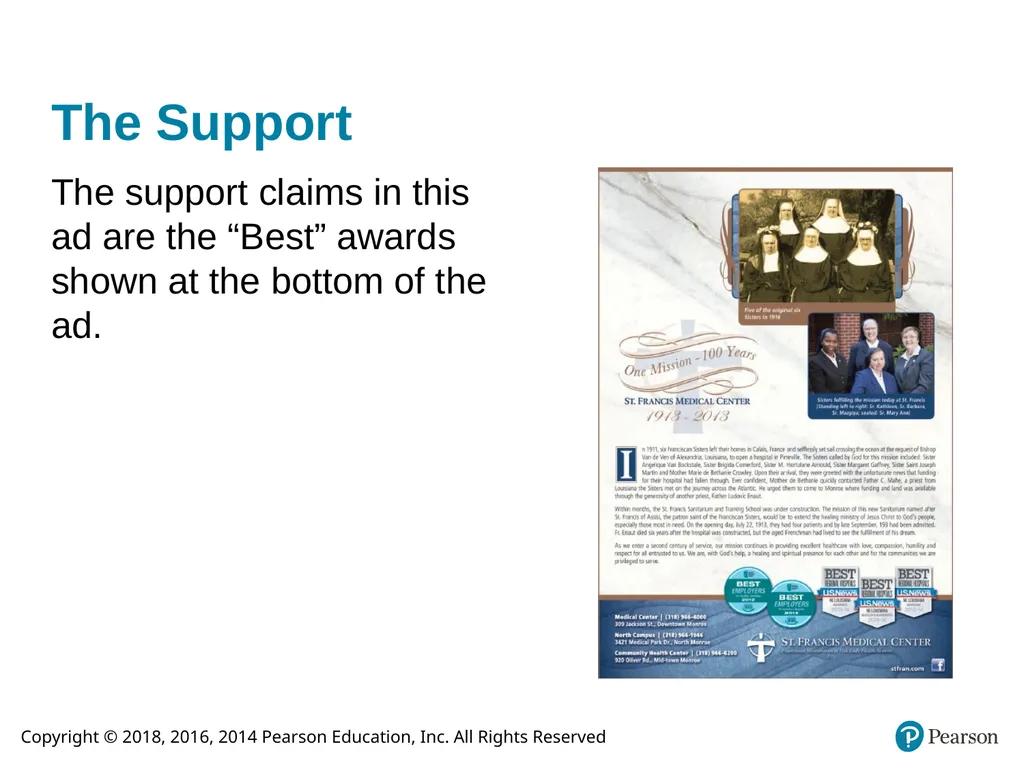
The Support The support claims in this ad are the “Best” awards shown at the bottom of the ad.<br>
46
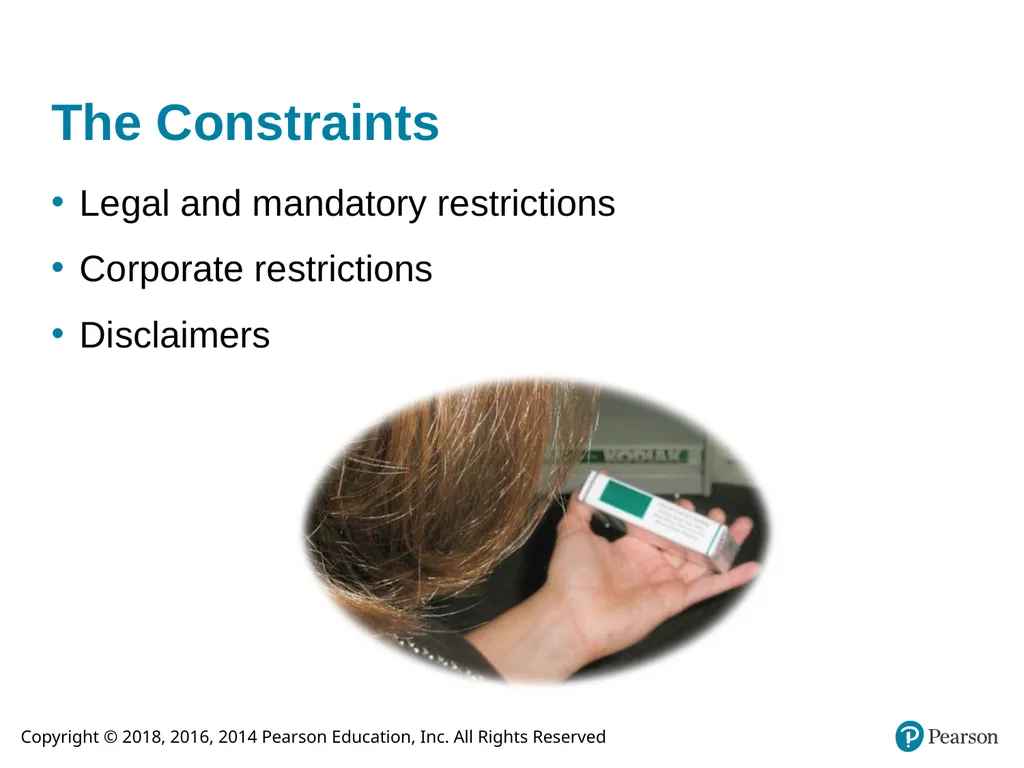
The Constraints Legal and mandatory restrictions
Corporate restrictions
Disclaimers<br>
47
International Implications 62% of advertising budgets spent outside of U.S.
Two major differences
Process of agency selection
Preparation of international advertising campaigns
Preplanning research varies
Understanding of languages and cultures
Media selection varies<br>
48
Blog Exercises Oreo Cookies
John Deere
Advertising Agencies<br>