04
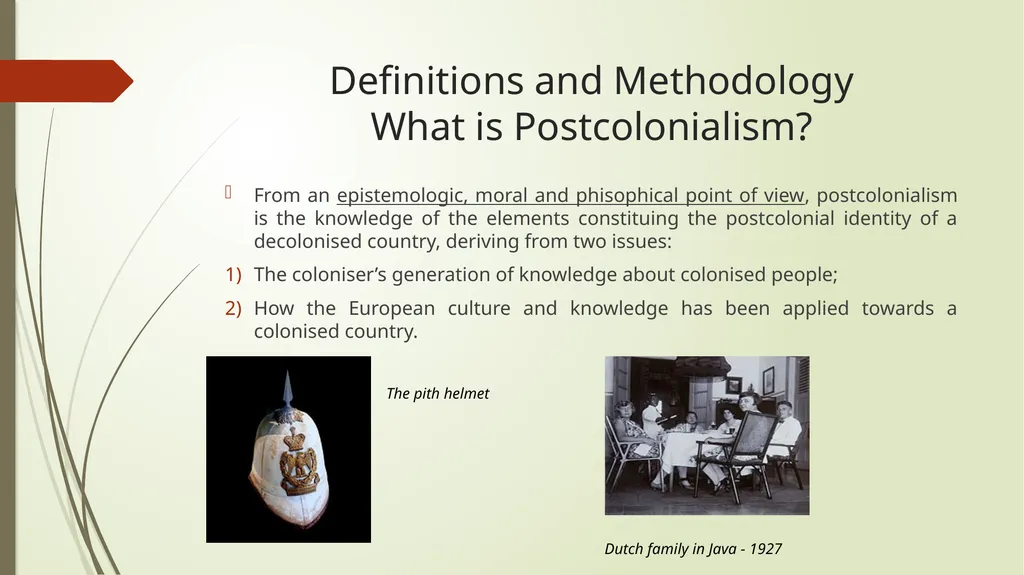
Definitions and Methodology�What is Postcolonialism? From an epistemologic, moral and phisophical point of view, postcolonialism is the knowledge of the elements constituing the postcolonial identity of a decolonised country, deriving from two issues:
The coloniser’s generation of knowledge about colonised people;
How the European culture and knowledge has been applied towards a colonised country. The pith helmet Dutch family in Java - 1927<br>
05
Postcolonial Identity A postcolonial identity can be defined as the identity developed by a colonised country through the cultural interactions among types of identity and social relations; and the racism inherent to the structure of a colonial society.
Postcolonial literature develops the identity of colonised countries from the perspective of subaltern colonial subjects;
Postcolonial literature is an analysis destabilizing the knowledge built by the coloners, opening a space for subaltern subjects to speak for themselves, re-balancing the us-and-them relationship of power.<br>
06
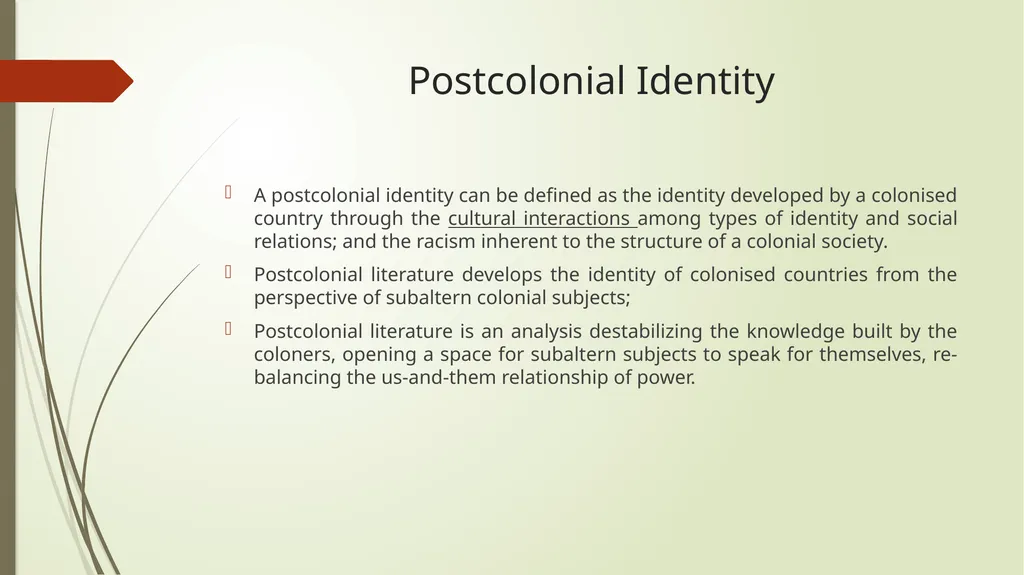
Voices of postcolonialism Frantz Fanon
(1925 – 1961)<br>
07
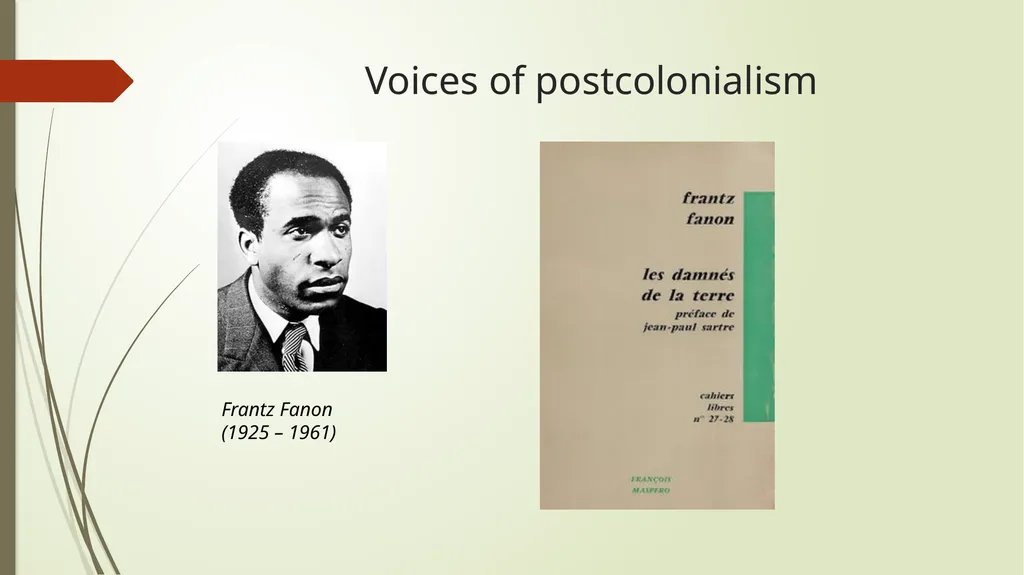
Voices of postcolonialism Edward Said
(1935 – 2003)<br>
08
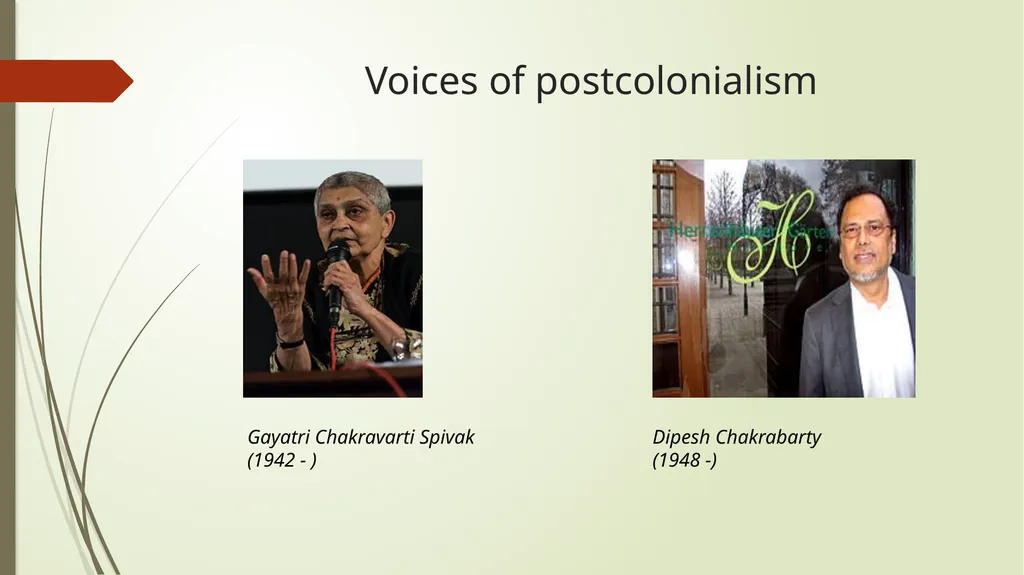
Voices of postcolonialism Gayatri Chakravarti Spivak
(1942 - ) Dipesh Chakrabarty
(1948 -)<br>
09
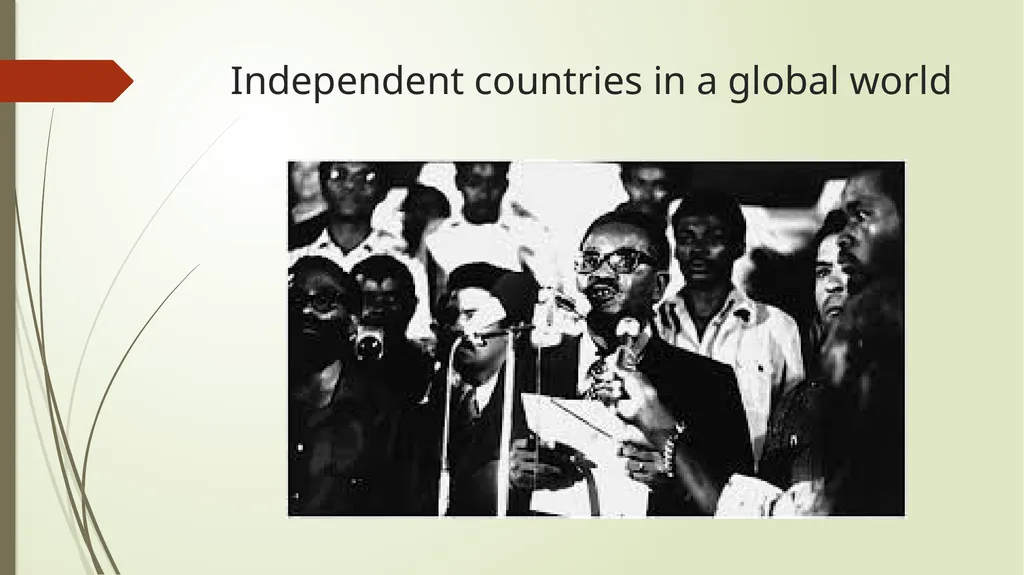
Independent countries in a global world<br>
10
Questions and problems… What is cultural and natural heritage of former colonial countries? Let’s try to define cultural heritage of these countries from the point of view of definition and classification;
What kind of system was applied to manage cultural heritage during the colonial regime?
What was cultural and natural heritage of colonial countries in the opinion of the colonisers? Integration or marginalization?
How was the system adapted to the new situations of the colonies?
After the independence: new identity or continuity?
Reciprocal influences between motherland and colonies<br>
11
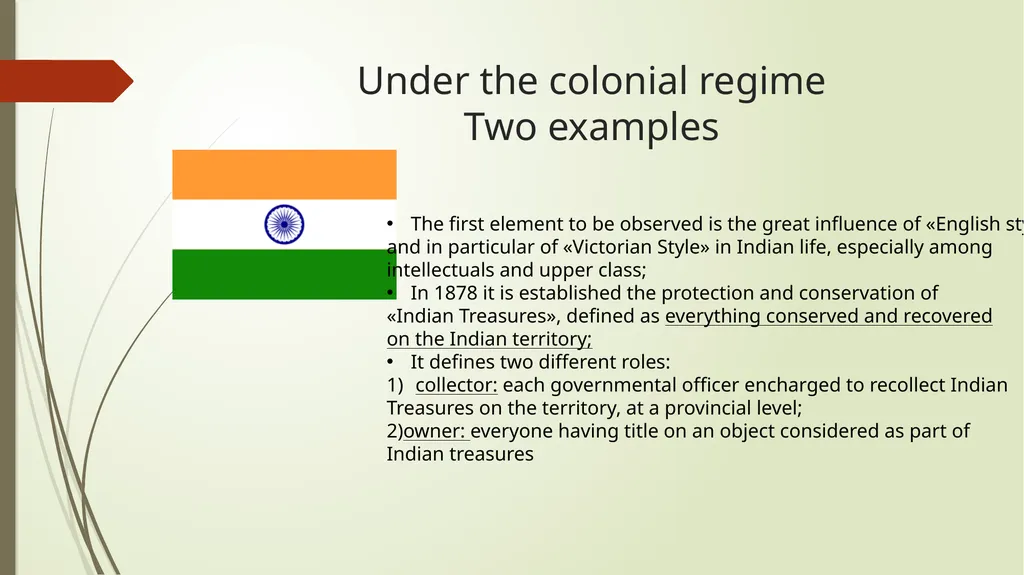
Under the colonial regime�Two examples The first element to be observed is the great influence of «English style»
and in particular of «Victorian Style» in Indian life, especially among
intellectuals and upper class;
In 1878 it is established the protection and conservation of
«Indian Treasures», defined as everything conserved and recovered
on the Indian territory;
It defines two different roles:
collector: each governmental officer encharged to recollect Indian
Treasures on the territory, at a provincial level;
2)owner: everyone having title on an object considered as part of
Indian treasures<br>
12
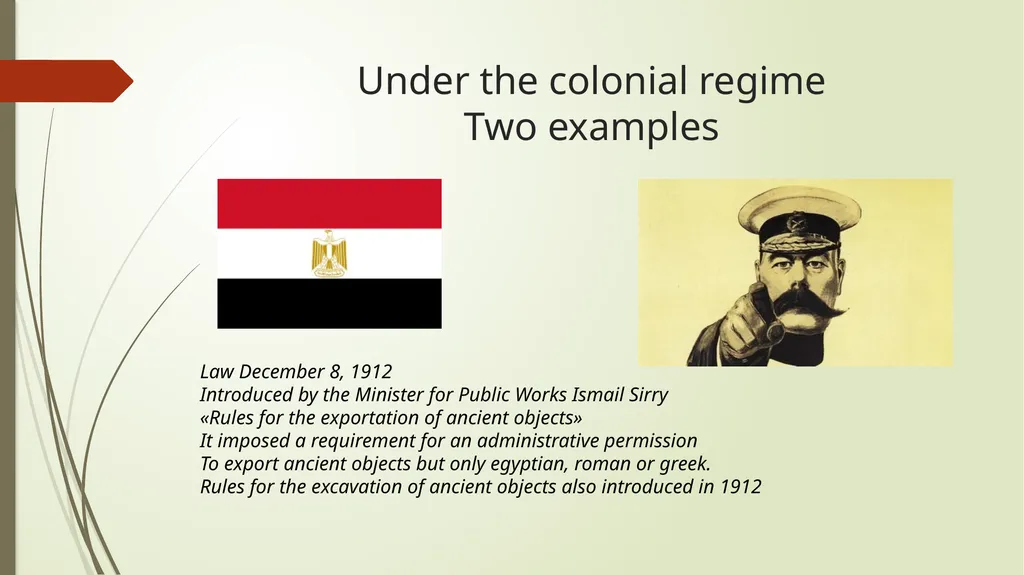
Under the colonial regime�Two examples Law December 8, 1912
Introduced by the Minister for Public Works Ismail Sirry
«Rules for the exportation of ancient objects»
It imposed a requirement for an administrative permission
To export ancient objects but only egyptian, roman or greek.
Rules for the excavation of ancient objects also introduced in 1912<br>
14
The French administration in Indochina Law March 9 1900: protection of objects immovable for their nature or their use and have value from a historical or artistic point of view;
They were unalienable
The exportation was forbidden or it required an authorization given by the Governor
The same rules were applied to movable objects of public interest<br>
15
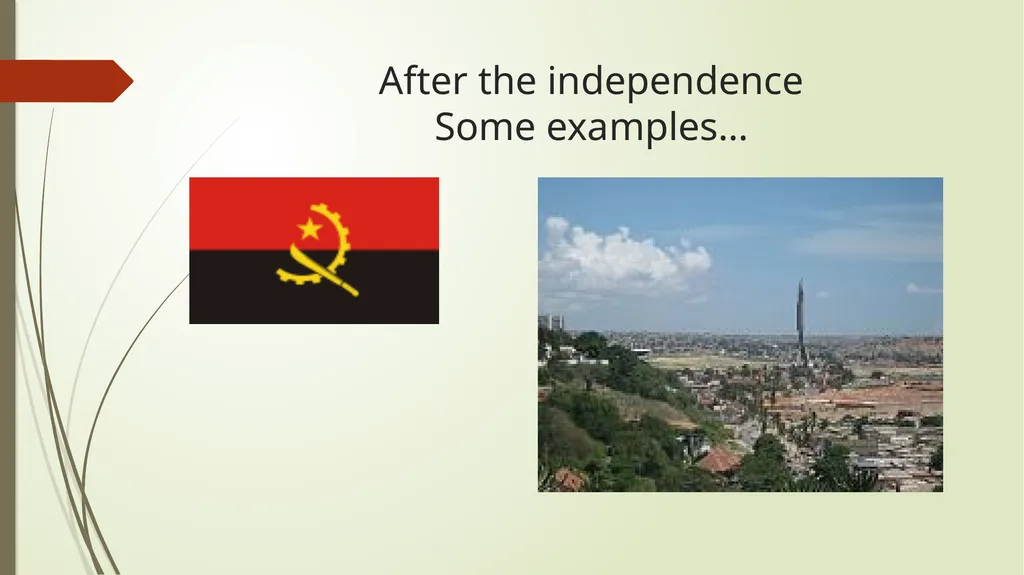
After the independence�Some examples…<br>
16
Quiçama National Park Fortress of Sao Miguel National Museum of Slavery<br>
17
Law October 8 1976 It introduces a Direction of Museums and a system of protection of every object considered relevant from the historical point of view;
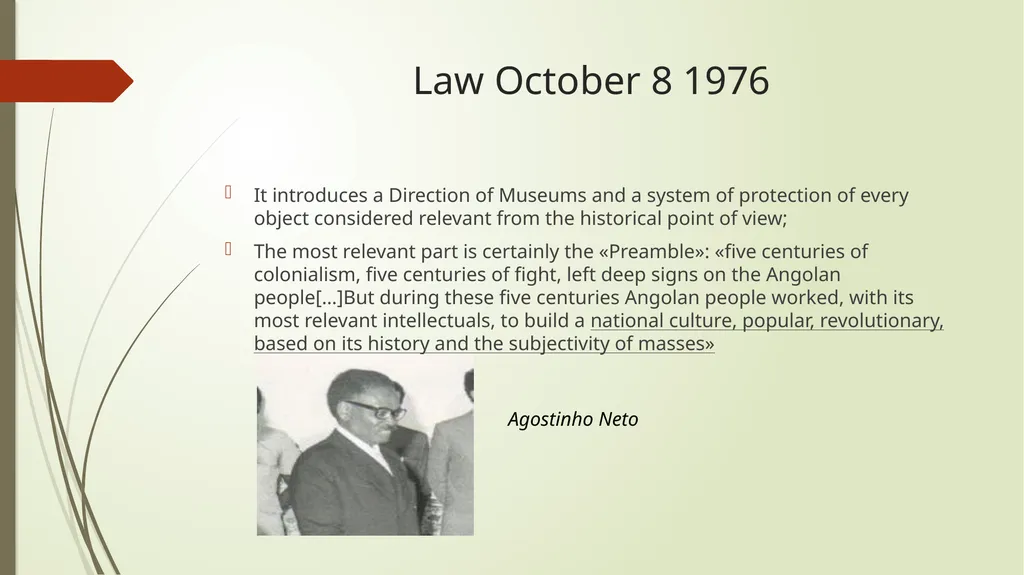
The most relevant part is certainly the «Preamble»: «five centuries of colonialism, five centuries of fight, left deep signs on the Angolan people[…]But during these five centuries Angolan people worked, with its most relevant intellectuals, to build a national culture, popular, revolutionary, based on its history and the subjectivity of masses» Agostinho Neto<br>
18
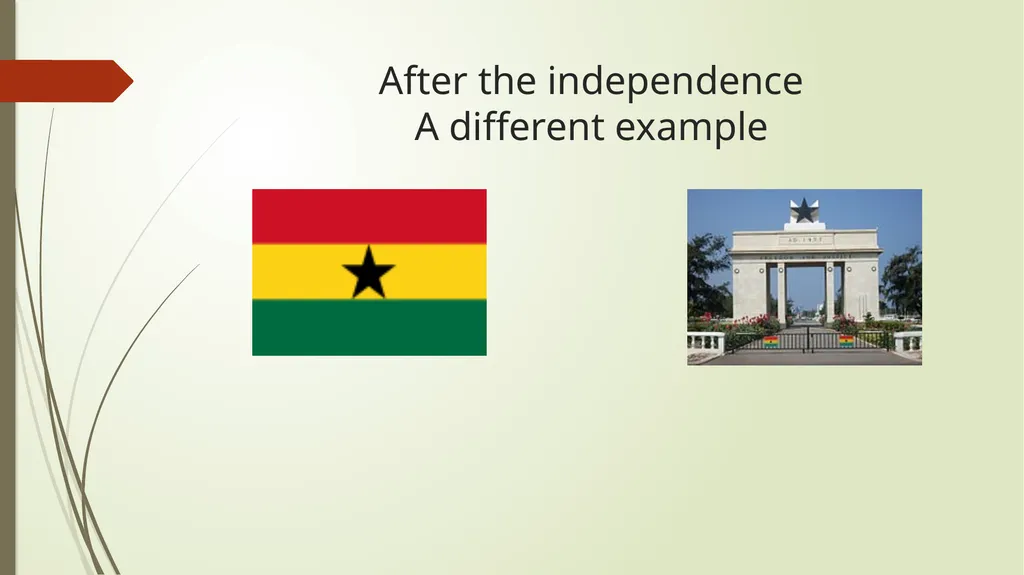
After the independence�A different example<br>
19
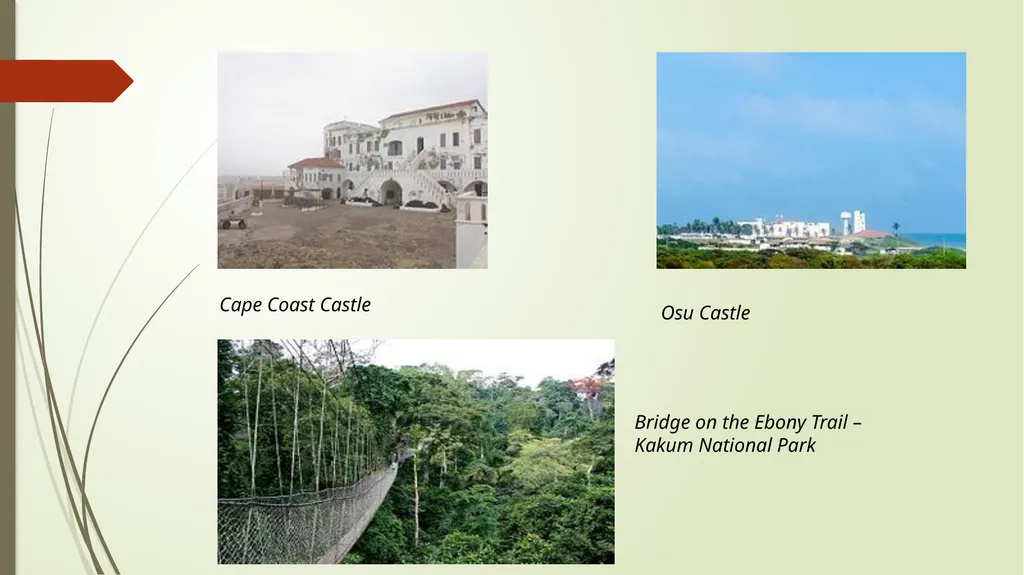
Cape Coast Castle Osu Castle Bridge on the Ebony Trail –
Kakum National Park<br>
20
The Museum Decree of 1969 It established a complex system of organization and management of Museums and discoveries, entrusted to the State;
It established some rules and limits to exportation, requiring authorization given by the State;
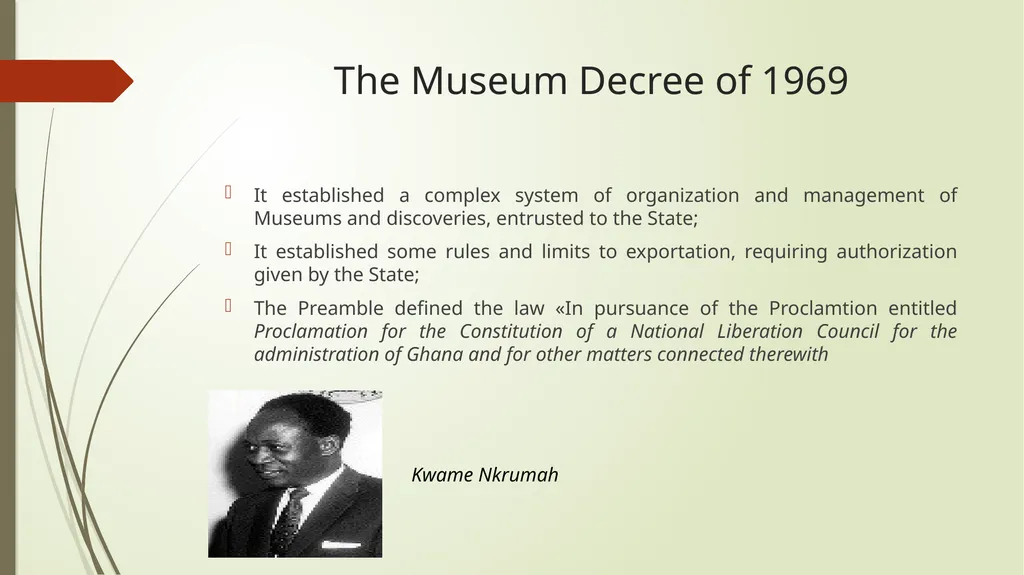
The Preamble defined the law «In pursuance of the Proclamtion entitled Proclamation for the Constitution of a National Liberation Council for the administration of Ghana and for other matters connected therewith Kwame Nkrumah<br>
21
National identities and continental identity�The Cultural Charter of Africa - 1976 The Preamble
Each community is regulated by rules based on language, fashions, styles, expressions of identity;
each culture derives from the people and it’s duty of Organization of African Unity to einforce the relationship of African people with its cultural heritage;
Each people has the right to organize its cultural life along its political, economic, social, philosophical, spiritual ideas;
Colonial regimes worked towards the aim of building a false history, fighting african values, substituing african languages with colonial countries’ languages<br>
22
Aims and purposes To eliminate conditions which forbidd the development of African people;
To restore, develope, promote, african cultural heritage;
To adfirm dignity of African man and the popular basis of his culture;
To eliminate each condition of alienation or dominance;
To einforce cultural cooperation between African states<br>
23
Continental and national identity The Charter declares as duty the developpment of an African culture;
To this aim is devoted an action of development of national cultures in each state;
Special attention is given to oral traditions and language;
Programs of exchange and education are developed<br>
24
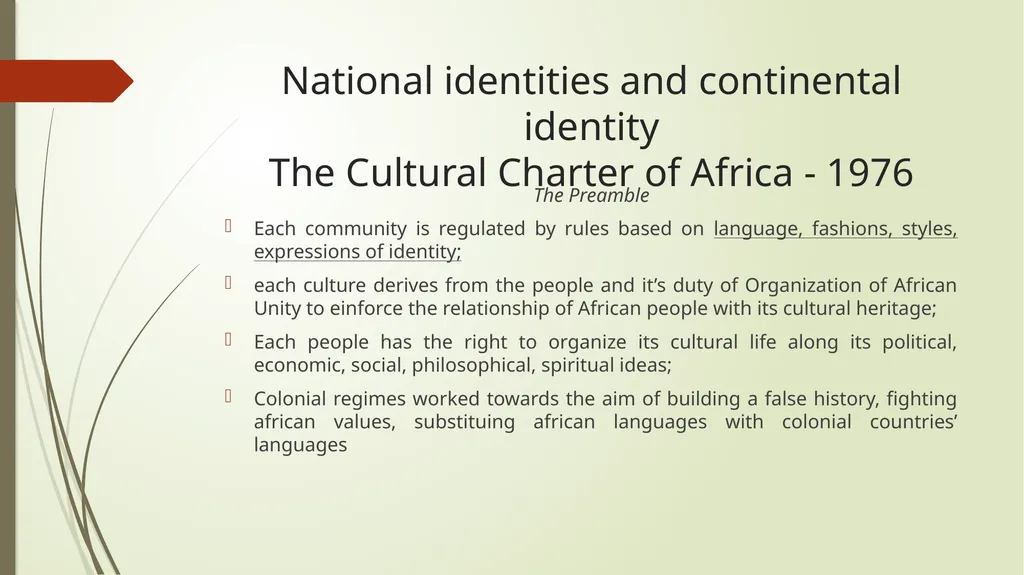
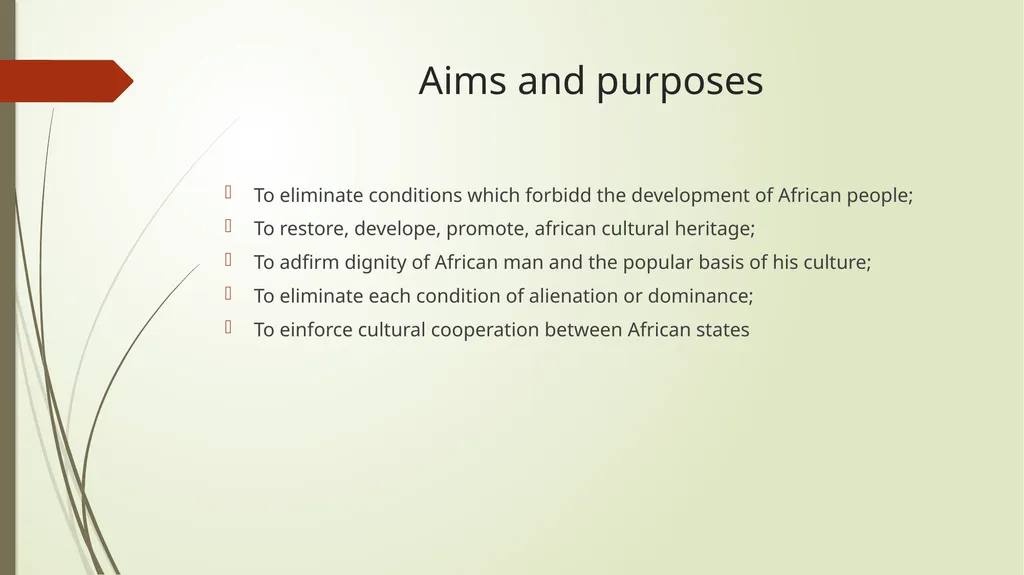
Some examples of acts from…<br>
25
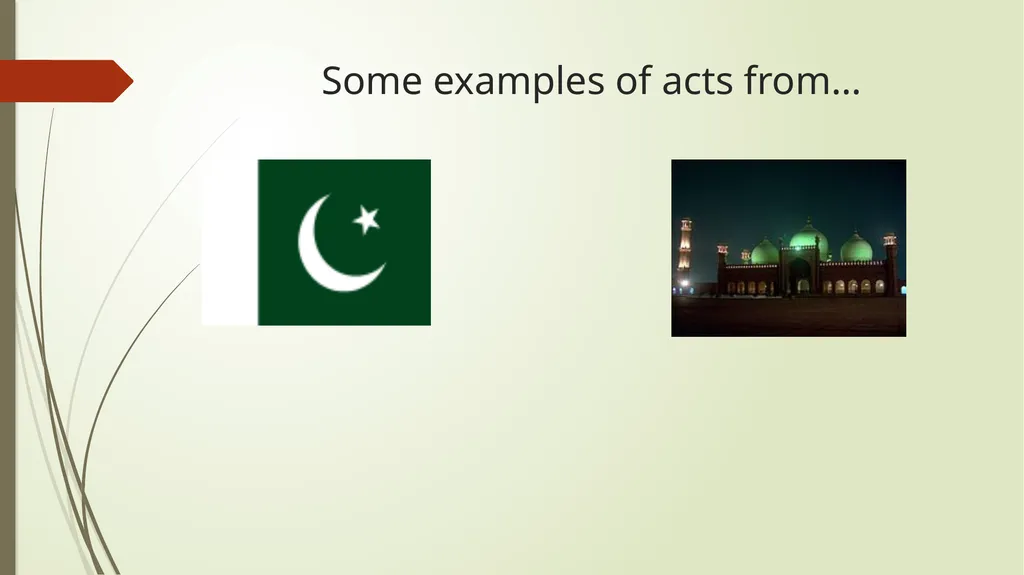
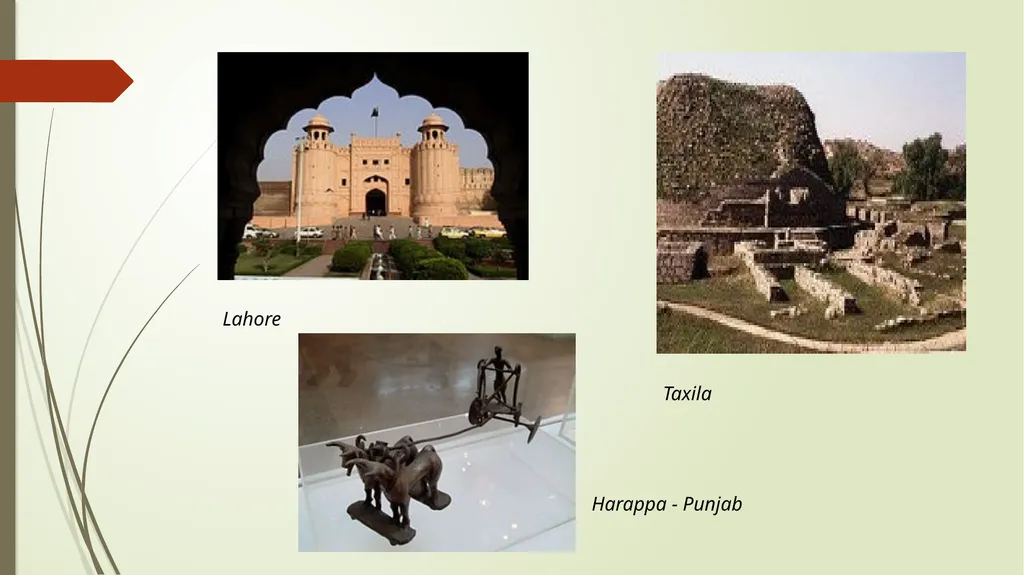
Lahore Taxila Harappa - Punjab<br>
26
The legislative development Antiquities (export control) Act – 1947;
Amendment to the Ancient Monuments Preservation Act of 1904 – 1950;
Antiquities Act – 1975;
Archaeological excavation and exploration rules – 1978;
Karachi building and town planning regulations – 1979;
The Punjab special premises (preservation) – 1985;
The Sindh Cultural Heritage Preservation Act - 1994<br>
27
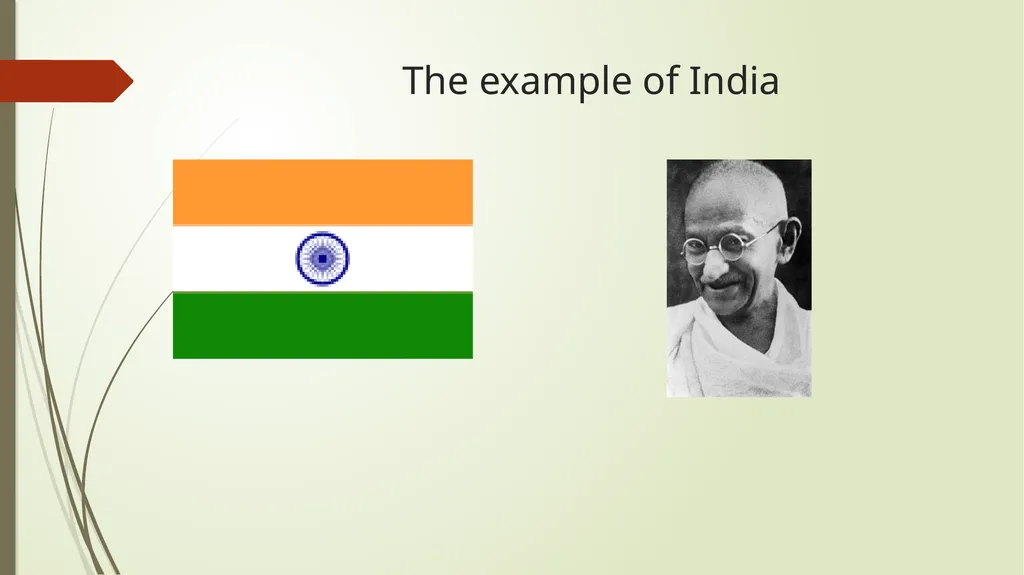
The example of India<br>
28
Some elements of legislative development The Ancient Monuments and Archaeological Sites and Remains Act – 1958
The Antiquities and Art Treasures Act – 1972
Antiquities and Art Treasures Rules – 1973
Archaeological Survey of India - 1978 Intangible Cultural Heritage<br>
29
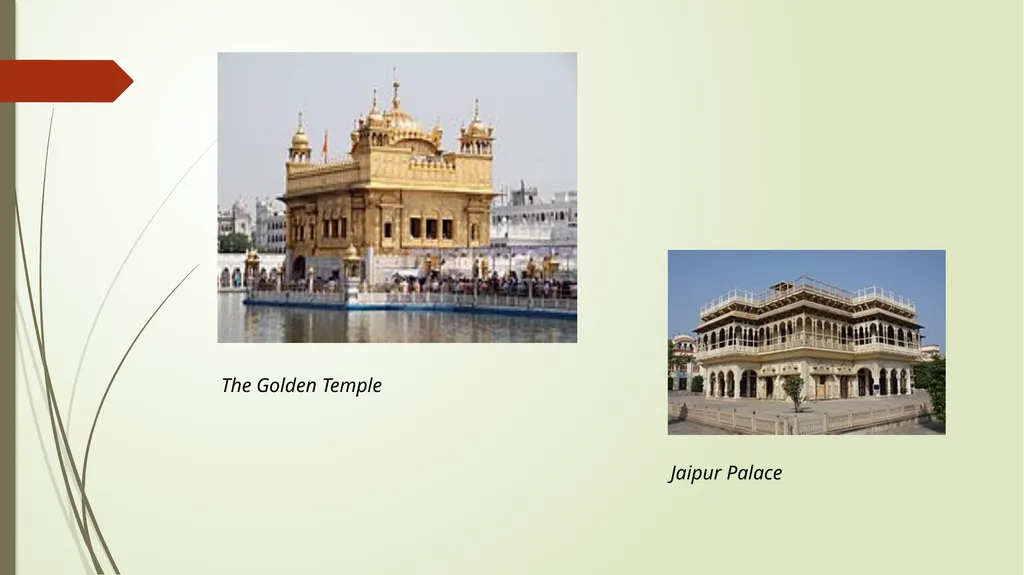
The Golden Temple Jaipur Palace<br>
30
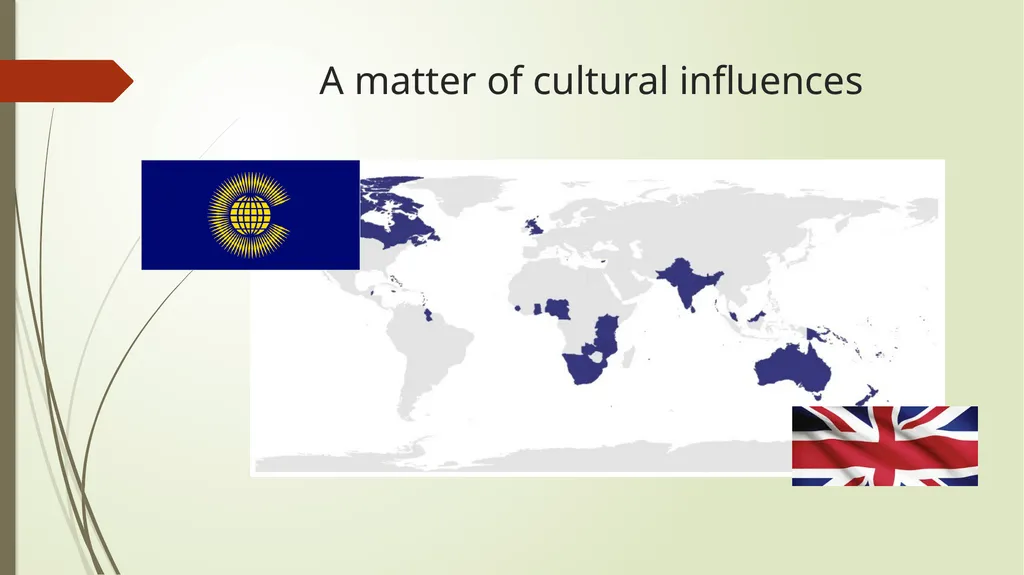
A matter of cultural influences<br>
31
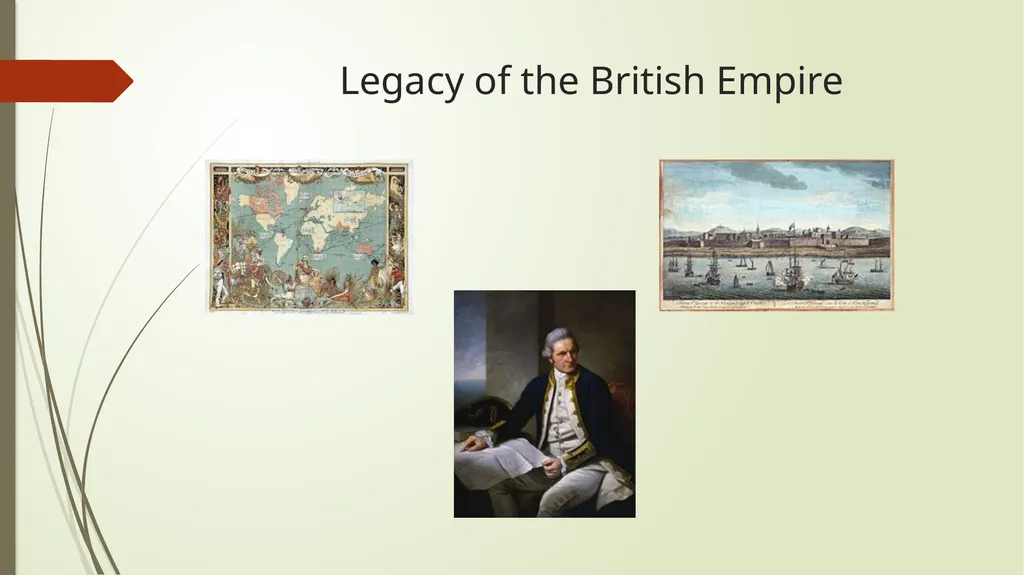
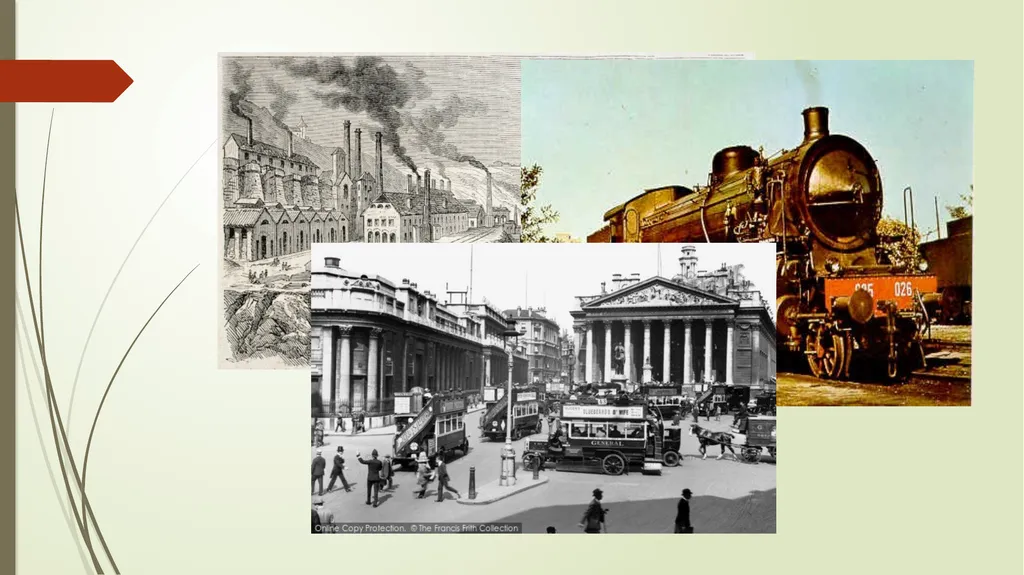
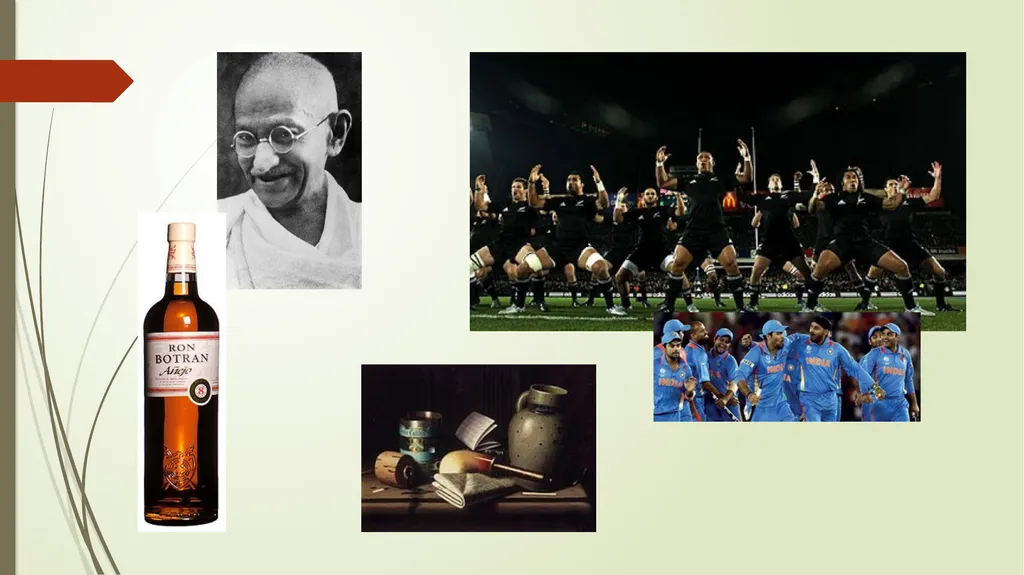
Legacy of the British Empire<br>
32
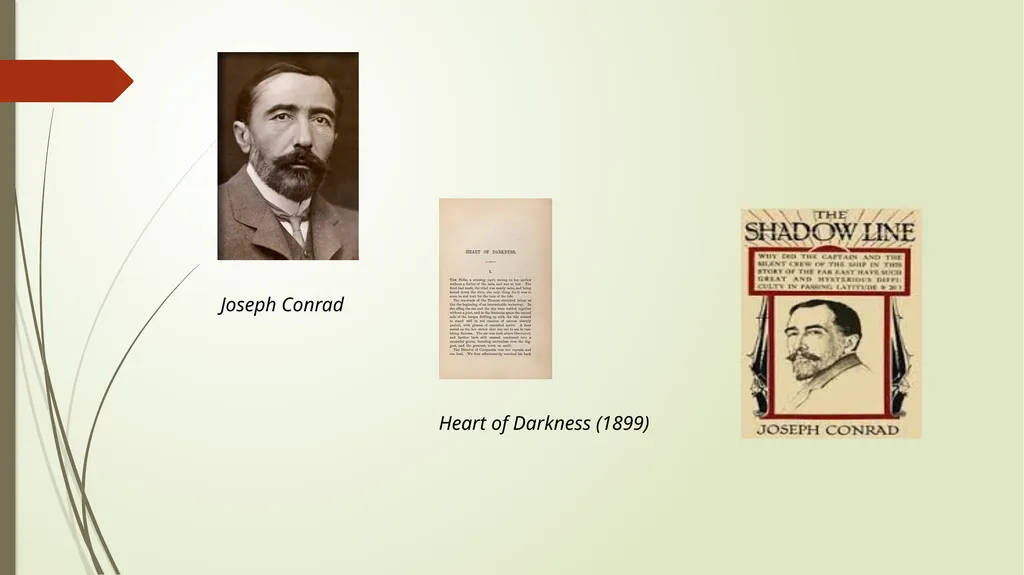
Joseph Conrad Heart of Darkness (1899)<br>
33
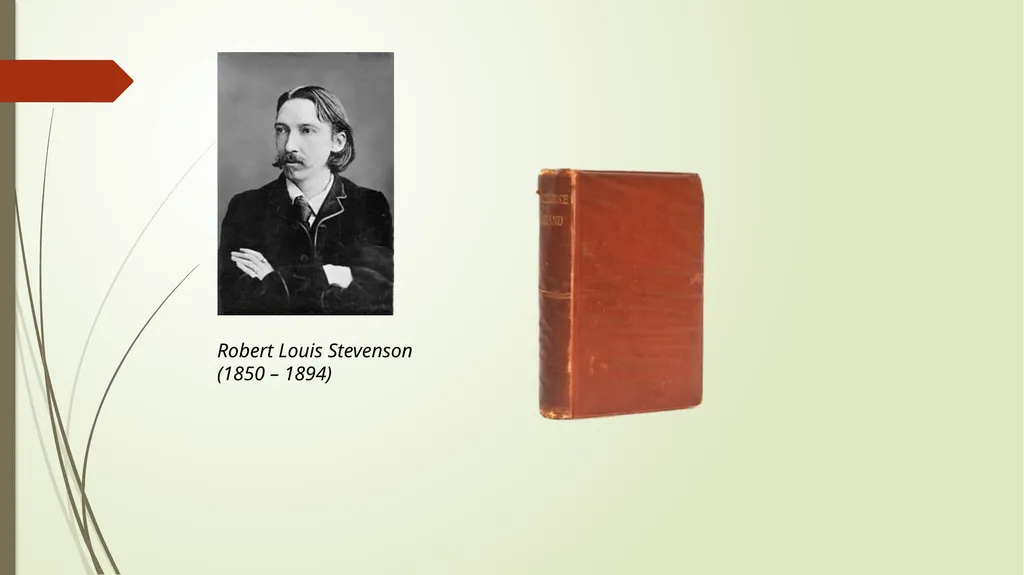
Robert Louis Stevenson
(1850 – 1894)<br>
34
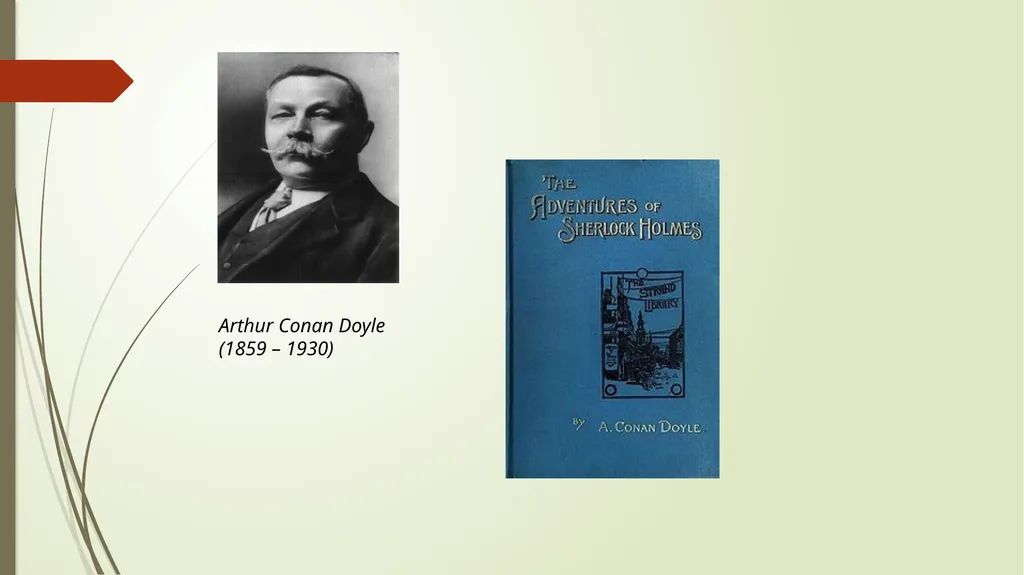
Arthur Conan Doyle
(1859 – 1930)<br>