
MENTAL HEALTH FIRST AID 1 in 5 people experience a
KB
Published · 49 slides · 0 views

1 / 1



Description
MENTAL HEALTH FIRST AID 1 in 5 people experience a mental health problem Approximately 9 people suicide per day (over 3000 per year) 1 in 30 attempt to take their lives MENTAL HEALTH AND WELLBEING IS A WORKPLACE ISSUE What is Mental Health?
Related Topics
Share
Embed code
Download this presentation From Below
"MENTAL HEALTH FIRST AID 1 in 5 people experience a" is the property of its rightful owner. Permission is granted to download and print the materials on this website for personal, non-commercial use only, and to display it on your personal computer provided you do not modify the materials and that you retain all copyright notices contained in the materials. By downloading content from our website, you accept the terms of this agreement.
Presentation Transcript
01
MENTAL HEALTH FIRST AID<br>
02
1 in 5 people experience a mental health problem
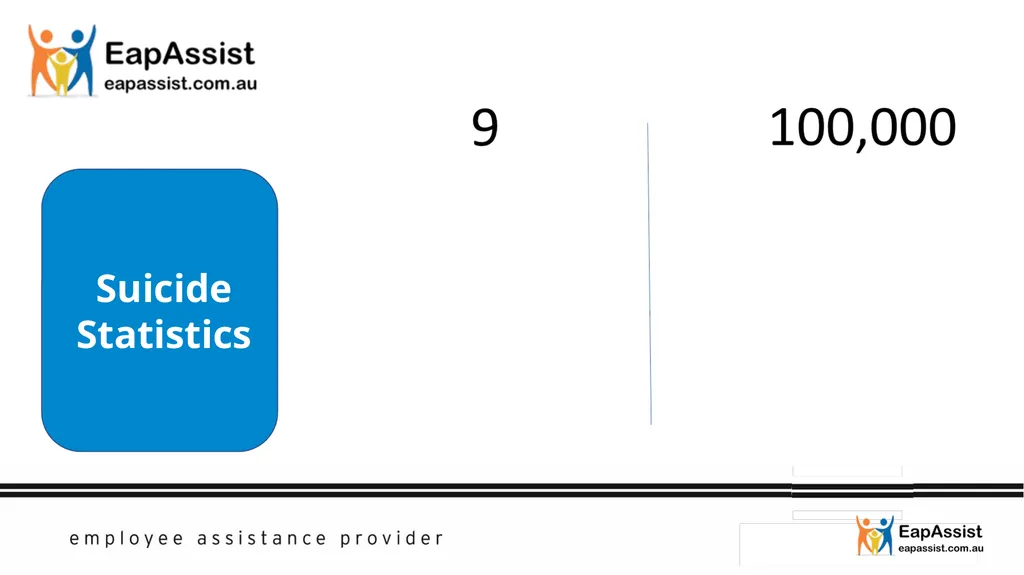
Approximately 9 people suicide per day (over 3000 per year)
1 in 30 attempt to take their lives
MENTAL HEALTH AND WELLBEING IS A WORKPLACE ISSUE<br>
Approximately 9 people suicide per day (over 3000 per year)
1 in 30 attempt to take their lives
MENTAL HEALTH AND WELLBEING IS A WORKPLACE ISSUE<br>
03
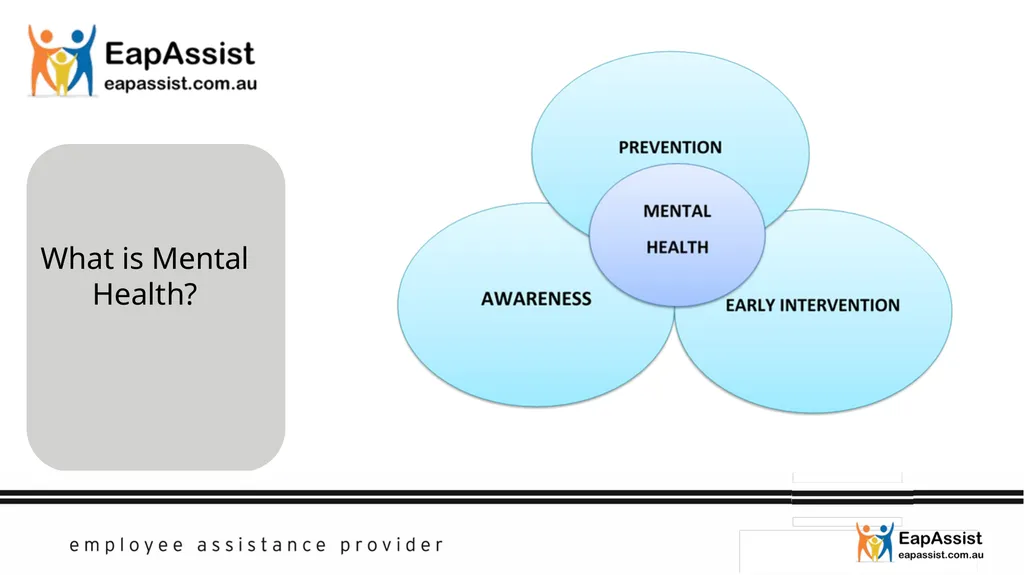
What is Mental Health?<br>
04
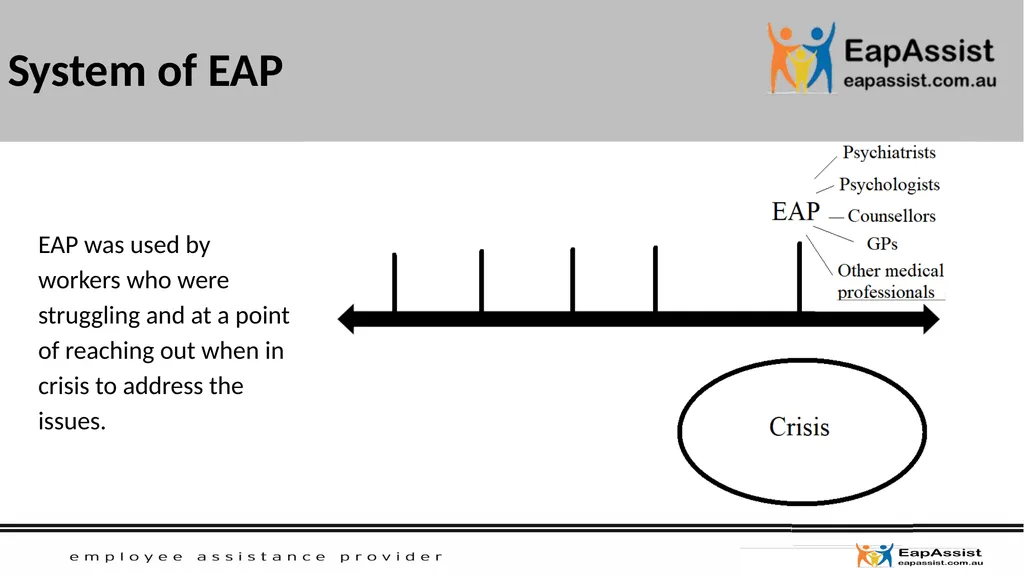
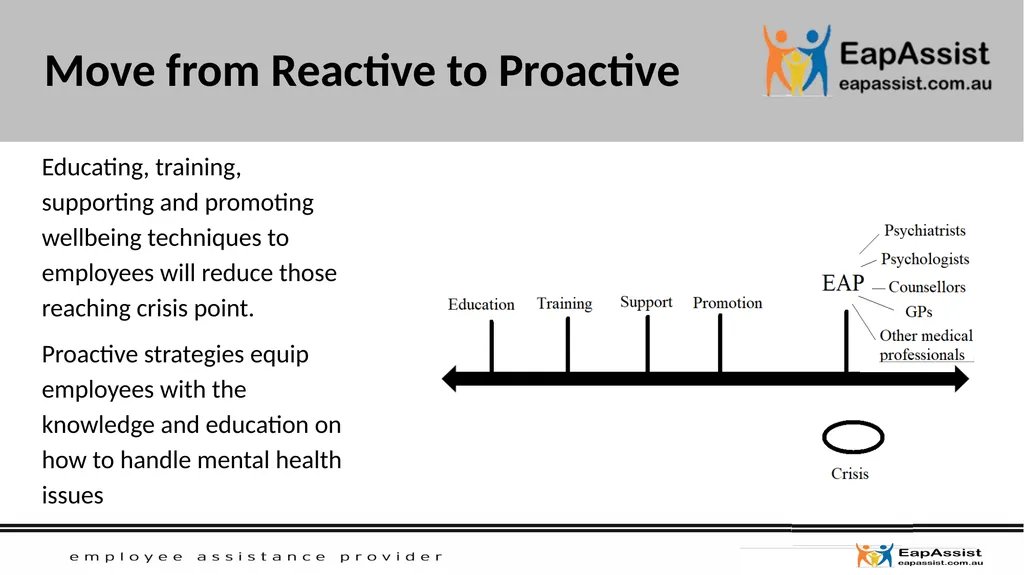
System of EAP EAP was used by workers who were struggling and at a point of reaching out when in crisis to address the issues.<br>
05
Move from Reactive to Proactive Educating, training, supporting and promoting wellbeing techniques to employees will reduce those reaching crisis point.
Proactive strategies equip employees with the knowledge and education on how to handle mental health issues<br>
Proactive strategies equip employees with the knowledge and education on how to handle mental health issues<br>
06
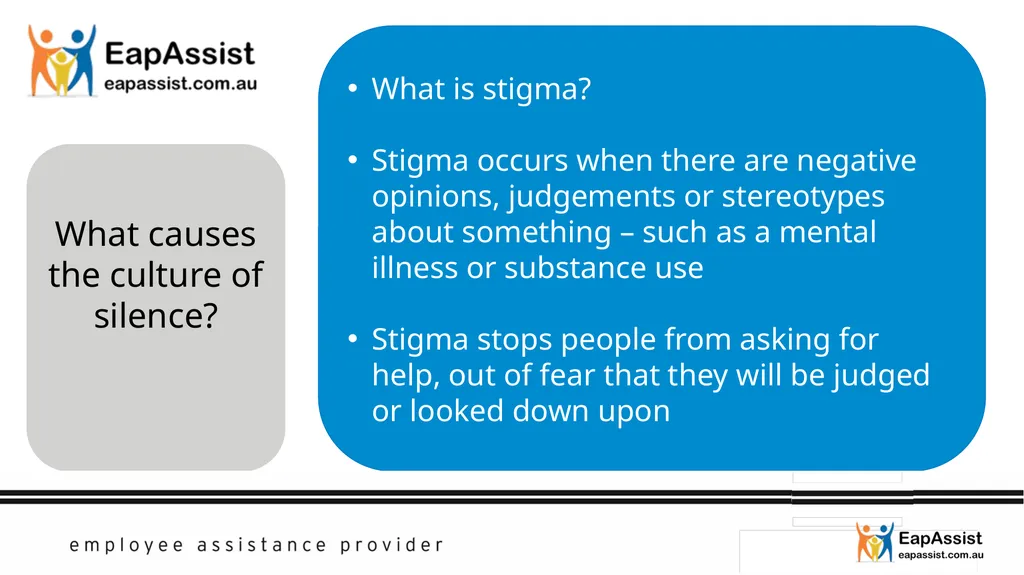
What is stigma?
Stigma occurs when there are negative opinions, judgements or stereotypes about something – such as a mental illness or substance use
Stigma stops people from asking for help, out of fear that they will be judged or looked down upon What causes the culture of silence?<br>
Stigma occurs when there are negative opinions, judgements or stereotypes about something – such as a mental illness or substance use
Stigma stops people from asking for help, out of fear that they will be judged or looked down upon What causes the culture of silence?<br>
07
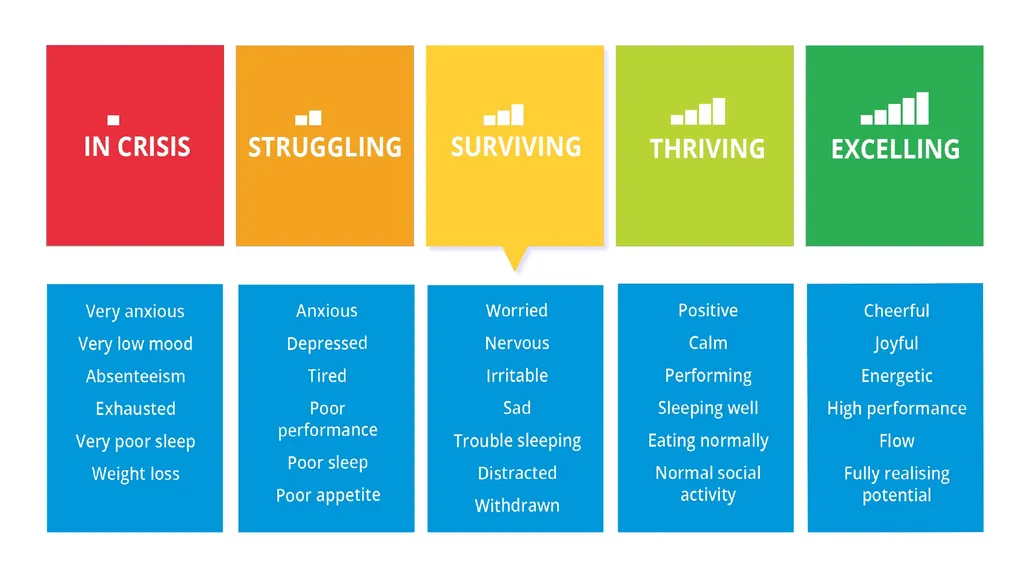
What is mental health?<br>
08
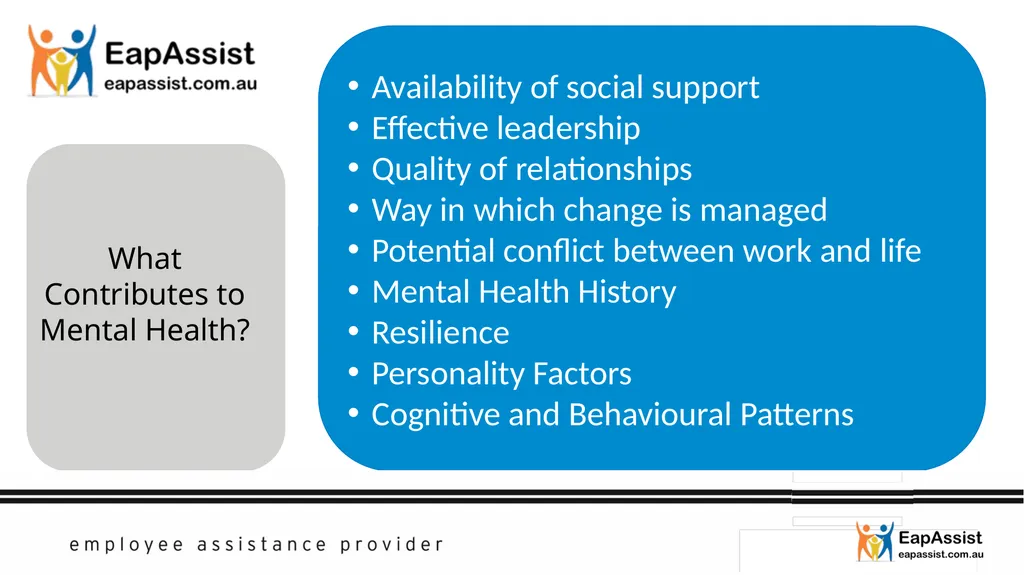
Availability of social support
Effective leadership
Quality of relationships
Way in which change is managed
Potential conflict between work and life
Mental Health History
Resilience
Personality Factors
Cognitive and Behavioural Patterns What Contributes to Mental Health?<br>
Effective leadership
Quality of relationships
Way in which change is managed
Potential conflict between work and life
Mental Health History
Resilience
Personality Factors
Cognitive and Behavioural Patterns What Contributes to Mental Health?<br>
09
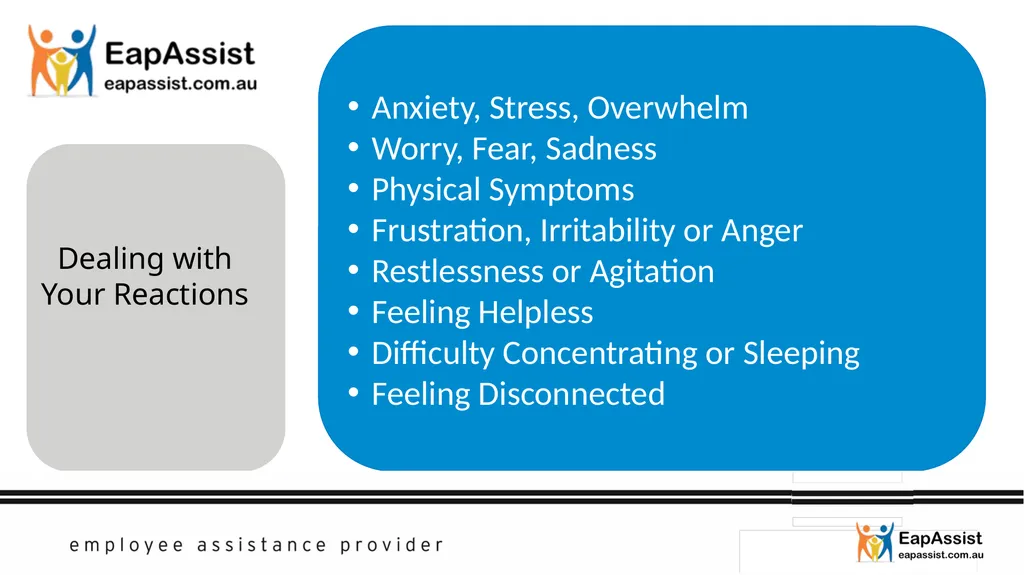
Anxiety, Stress, Overwhelm
Worry, Fear, Sadness
Physical Symptoms
Frustration, Irritability or Anger
Restlessness or Agitation
Feeling Helpless
Difficulty Concentrating or Sleeping
Feeling Disconnected Dealing with Your Reactions<br>
Worry, Fear, Sadness
Physical Symptoms
Frustration, Irritability or Anger
Restlessness or Agitation
Feeling Helpless
Difficulty Concentrating or Sleeping
Feeling Disconnected Dealing with Your Reactions<br>
10
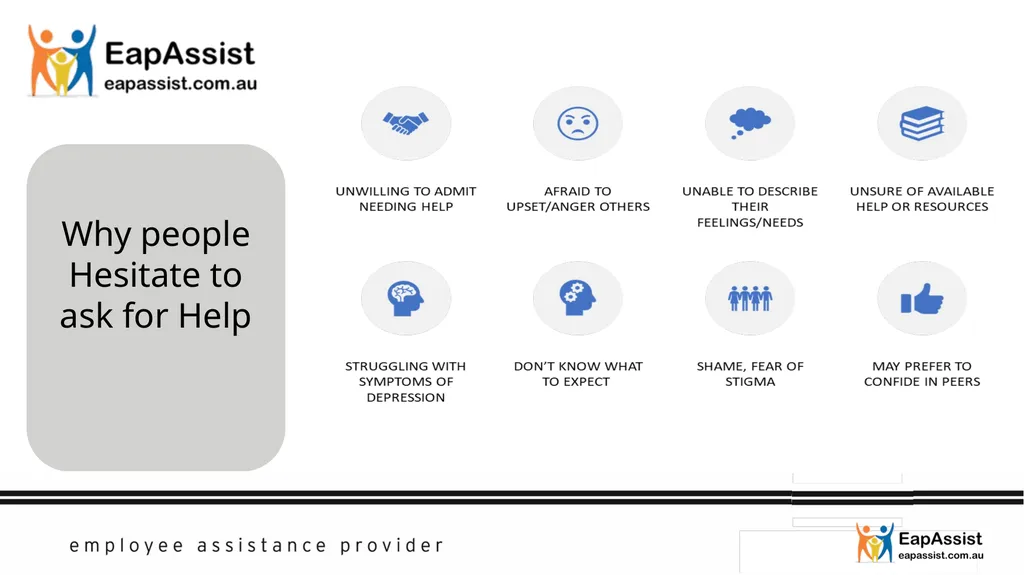
Why people Hesitate to ask for Help<br>
11
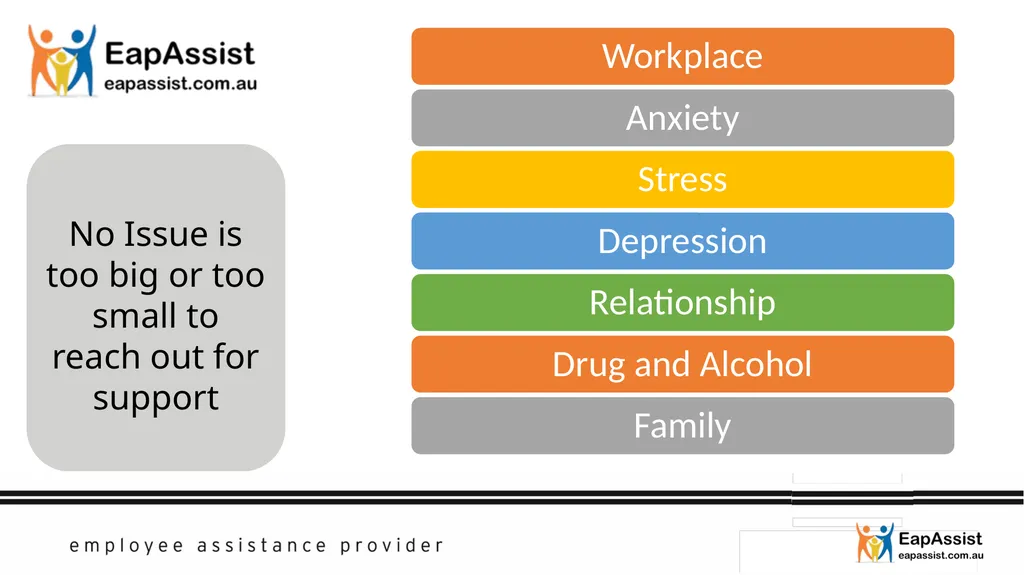
No Issue is too big or too small to reach out for support<br>
12
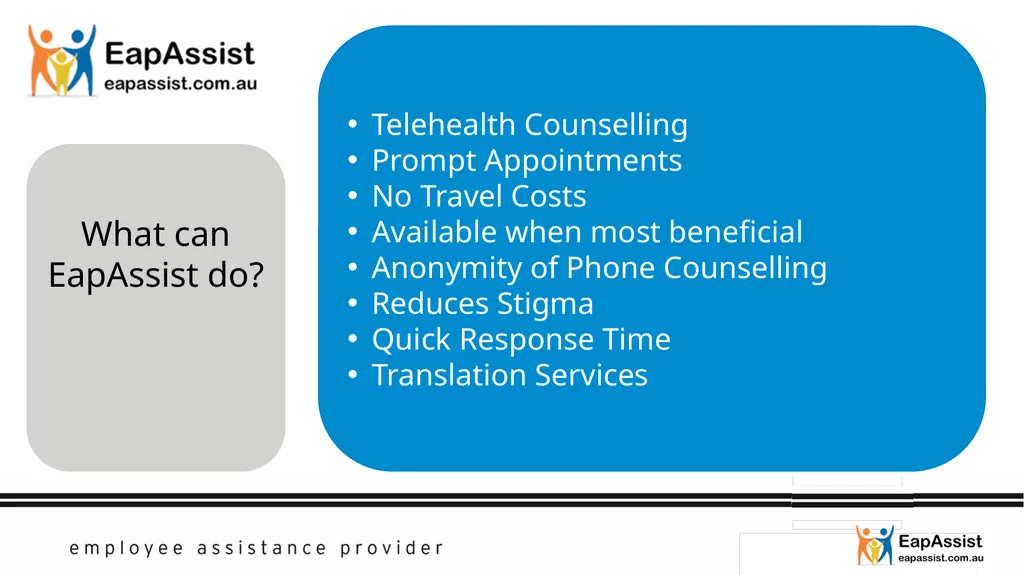
Telehealth Counselling
Prompt Appointments
No Travel Costs
Available when most beneficial
Anonymity of Phone Counselling
Reduces Stigma
Quick Response Time
Translation Services What can EapAssist do?<br>
Prompt Appointments
No Travel Costs
Available when most beneficial
Anonymity of Phone Counselling
Reduces Stigma
Quick Response Time
Translation Services What can EapAssist do?<br>
13
Nobody is notified of your involvement with EapAssist without your permission. Everything you speak about remains private and confidential
We believe in supporting you and EapAssist maintain their duty of care
The aim is to improve employee wellbeing while building a positive workplace culture in your organisation Confidential<br>
We believe in supporting you and EapAssist maintain their duty of care
The aim is to improve employee wellbeing while building a positive workplace culture in your organisation Confidential<br>
14
EVERY DAY IS R U OKAY DAY
AT EAP Assist How to reach out to someone in need – having the difficult conversations<br>
AT EAP Assist How to reach out to someone in need – having the difficult conversations<br>
15
Since January 1 we have received more than 100 calls from people who advise workplace stress as a presenting issue You don’t seem yourself?
Whats up?
Are you Okay?
Hows things going?
Let’s Catch up<br>
Whats up?
Are you Okay?
Hows things going?
Let’s Catch up<br>
16
Sickness can take away our confident and energy
The death of a loved one can sap all our energy and hope
Relationships breaking down can make us feel confused, sad or angry
Work, or lack of work can make us feel flustered or anxious or inadequate
Falling short of goals can make us feel hopeless Life can Knock us All Down<br>
The death of a loved one can sap all our energy and hope
Relationships breaking down can make us feel confused, sad or angry
Work, or lack of work can make us feel flustered or anxious or inadequate
Falling short of goals can make us feel hopeless Life can Knock us All Down<br>
17
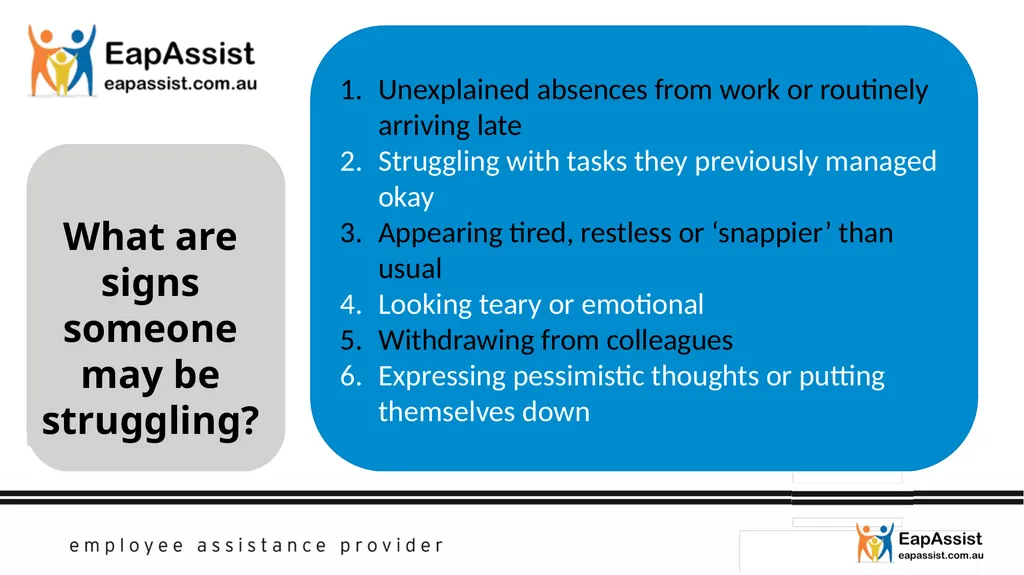
Unexplained absences from work or routinely arriving late
Struggling with tasks they previously managed okay
Appearing tired, restless or ‘snappier’ than usual
Looking teary or emotional
Withdrawing from colleagues
Expressing pessimistic thoughts or putting themselves down What are signs someone may be struggling?<br>
Struggling with tasks they previously managed okay
Appearing tired, restless or ‘snappier’ than usual
Looking teary or emotional
Withdrawing from colleagues
Expressing pessimistic thoughts or putting themselves down What are signs someone may be struggling?<br>
18
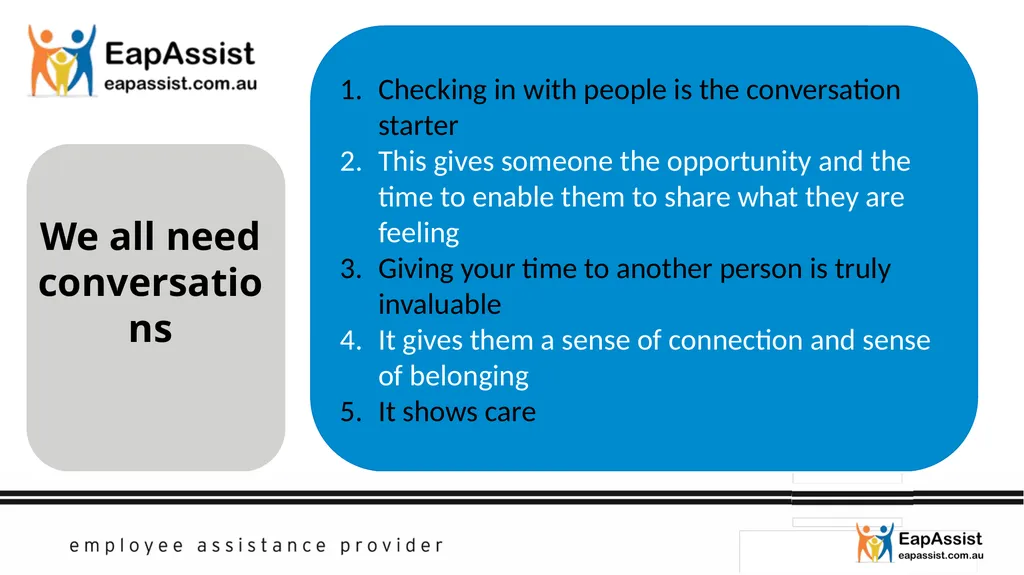
Checking in with people is the conversation starter
This gives someone the opportunity and the time to enable them to share what they are feeling
Giving your time to another person is truly invaluable
It gives them a sense of connection and sense of belonging
It shows care We all need conversations<br>
This gives someone the opportunity and the time to enable them to share what they are feeling
Giving your time to another person is truly invaluable
It gives them a sense of connection and sense of belonging
It shows care We all need conversations<br>
19
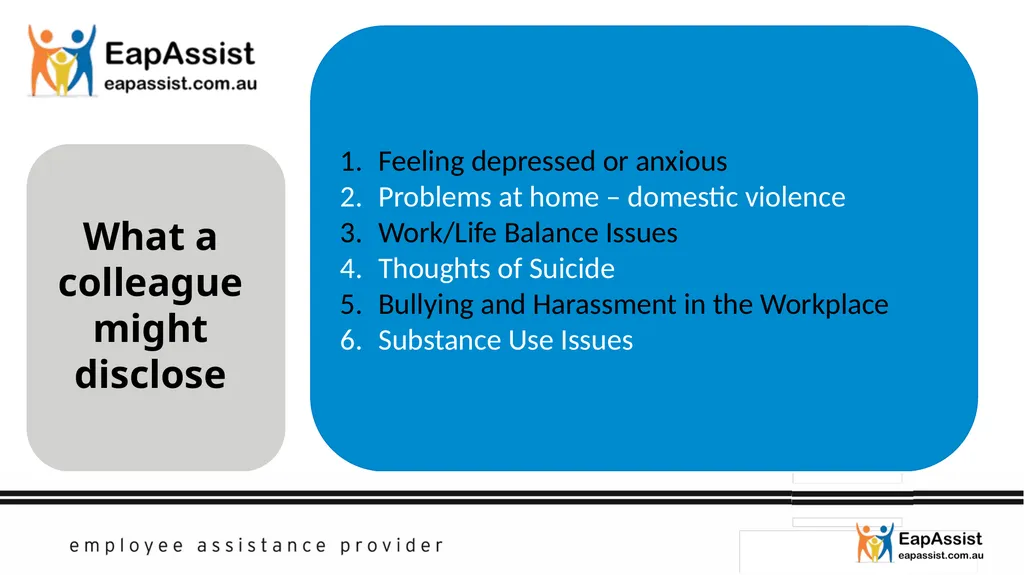
Feeling depressed or anxious
Problems at home – domestic violence
Work/Life Balance Issues
Thoughts of Suicide
Bullying and Harassment in the Workplace
Substance Use Issues What a colleague might disclose<br>
Problems at home – domestic violence
Work/Life Balance Issues
Thoughts of Suicide
Bullying and Harassment in the Workplace
Substance Use Issues What a colleague might disclose<br>
20
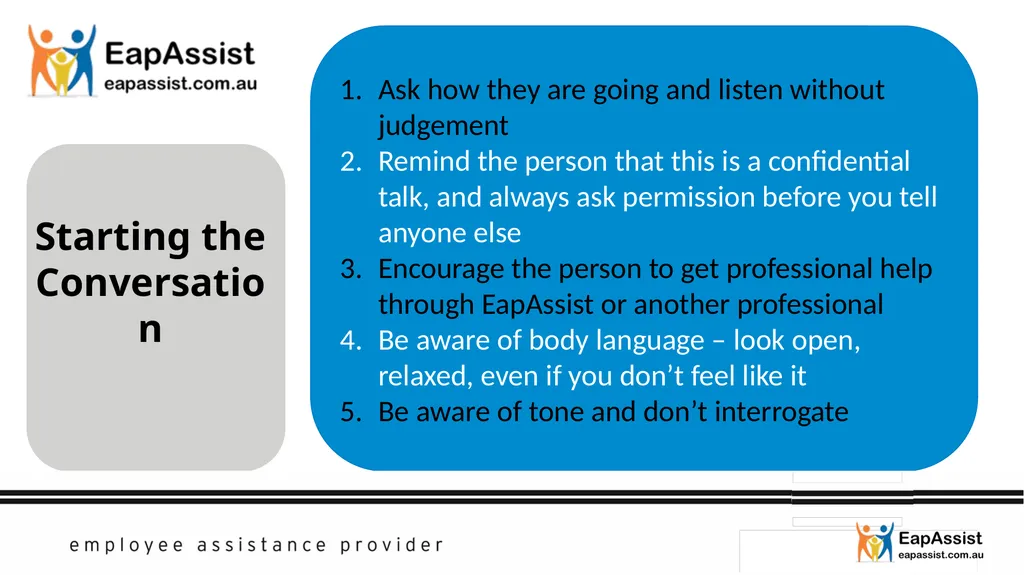
Ask how they are going and listen without judgement
Remind the person that this is a confidential talk, and always ask permission before you tell anyone else
Encourage the person to get professional help through EapAssist or another professional
Be aware of body language – look open, relaxed, even if you don’t feel like it
Be aware of tone and don’t interrogate Starting the Conversation<br>
21
If a colleague is struggling, showing signs of poor mental health or reaches out start by asking HOW ARE YOU
Acknowledge how they are feeling
Be sensitive, positive and encouraging
Keep the conversation relaxed and open What to Say<br>
Acknowledge how they are feeling
Be sensitive, positive and encouraging
Keep the conversation relaxed and open What to Say<br>
22
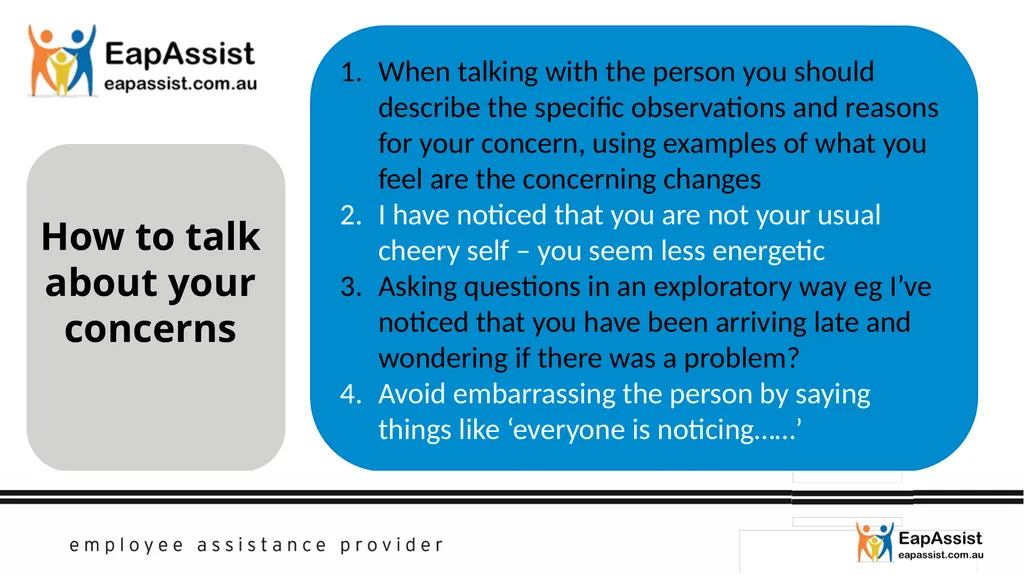
When talking with the person you should describe the specific observations and reasons for your concern, using examples of what you feel are the concerning changes
I have noticed that you are not your usual cheery self – you seem less energetic
Asking questions in an exploratory way eg I’ve noticed that you have been arriving late and wondering if there was a problem?
Avoid embarrassing the person by saying things like ‘everyone is noticing……’ How to talk about your concerns<br>
23
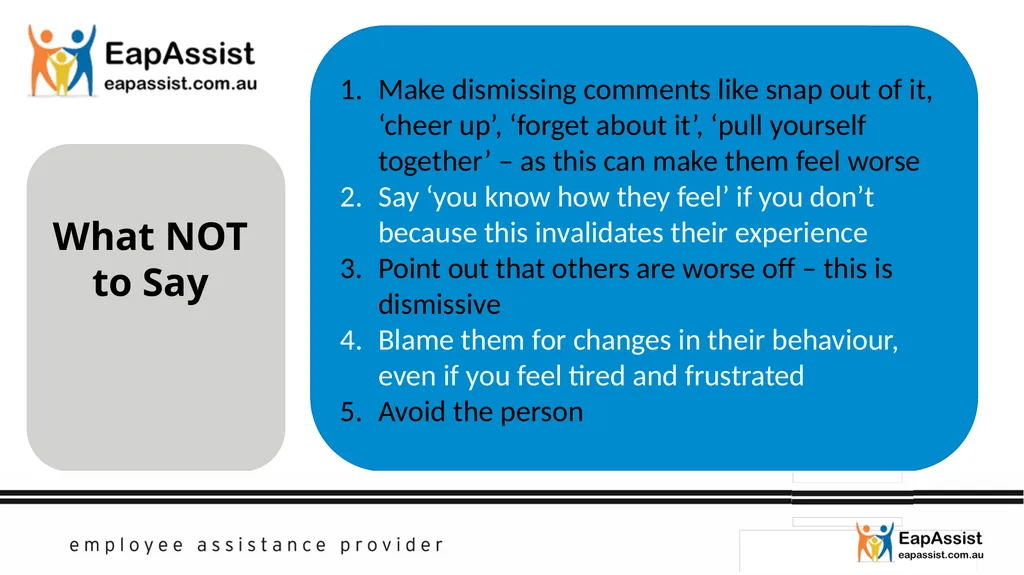
Make dismissing comments like snap out of it, ‘cheer up’, ‘forget about it’, ‘pull yourself together’ – as this can make them feel worse
Say ‘you know how they feel’ if you don’t because this invalidates their experience
Point out that others are worse off – this is dismissive
Blame them for changes in their behaviour, even if you feel tired and frustrated
Avoid the person What NOT to Say<br>
Say ‘you know how they feel’ if you don’t because this invalidates their experience
Point out that others are worse off – this is dismissive
Blame them for changes in their behaviour, even if you feel tired and frustrated
Avoid the person What NOT to Say<br>
24
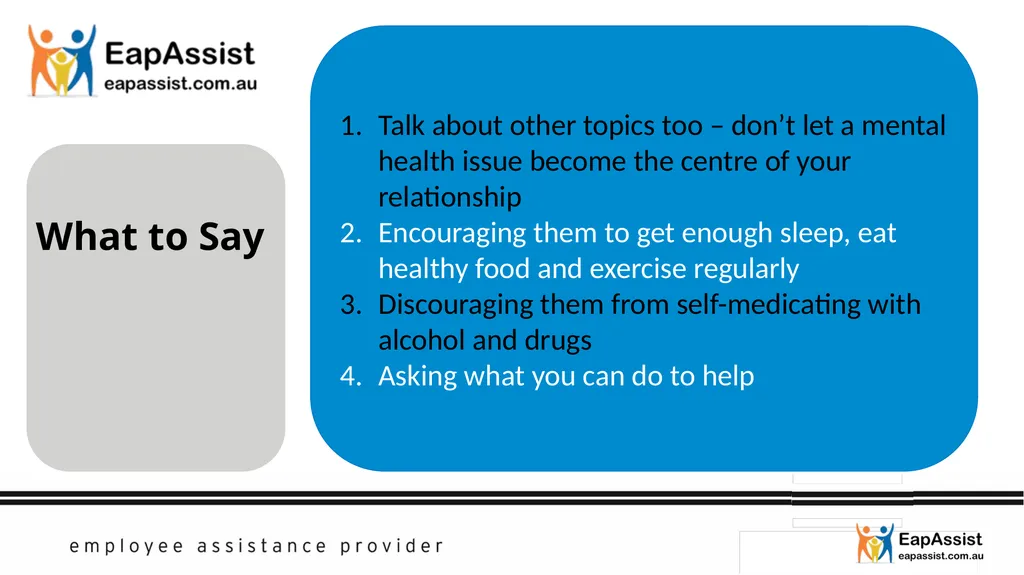
Talk about other topics too – don’t let a mental health issue become the centre of your relationship
Encouraging them to get enough sleep, eat healthy food and exercise regularly
Discouraging them from self-medicating with alcohol and drugs
Asking what you can do to help What to Say<br>
Encouraging them to get enough sleep, eat healthy food and exercise regularly
Discouraging them from self-medicating with alcohol and drugs
Asking what you can do to help What to Say<br>
25
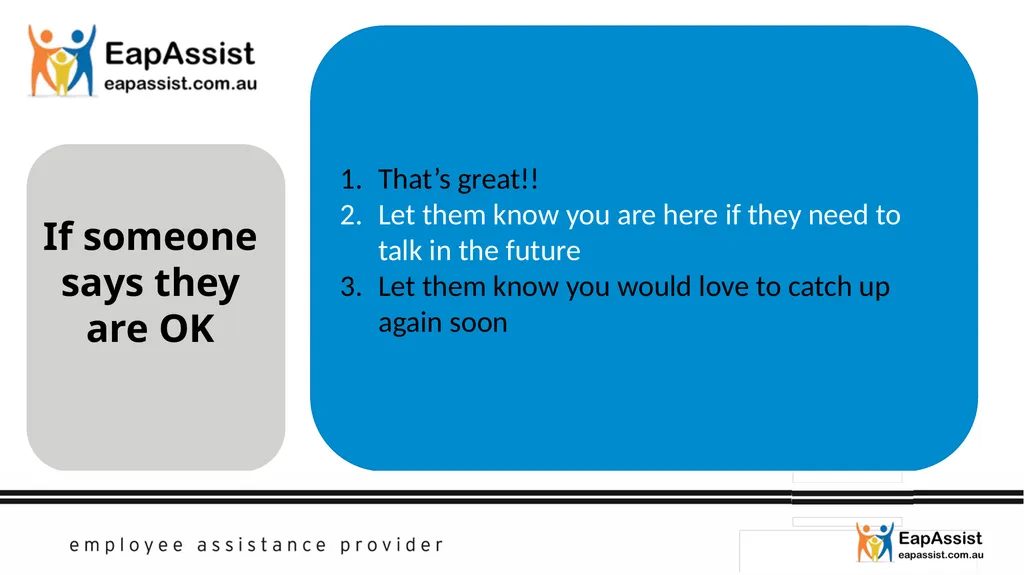
That’s great!!
Let them know you are here if they need to talk in the future
Let them know you would love to catch up again soon If someone says they are OK<br>
Let them know you are here if they need to talk in the future
Let them know you would love to catch up again soon If someone says they are OK<br>
26
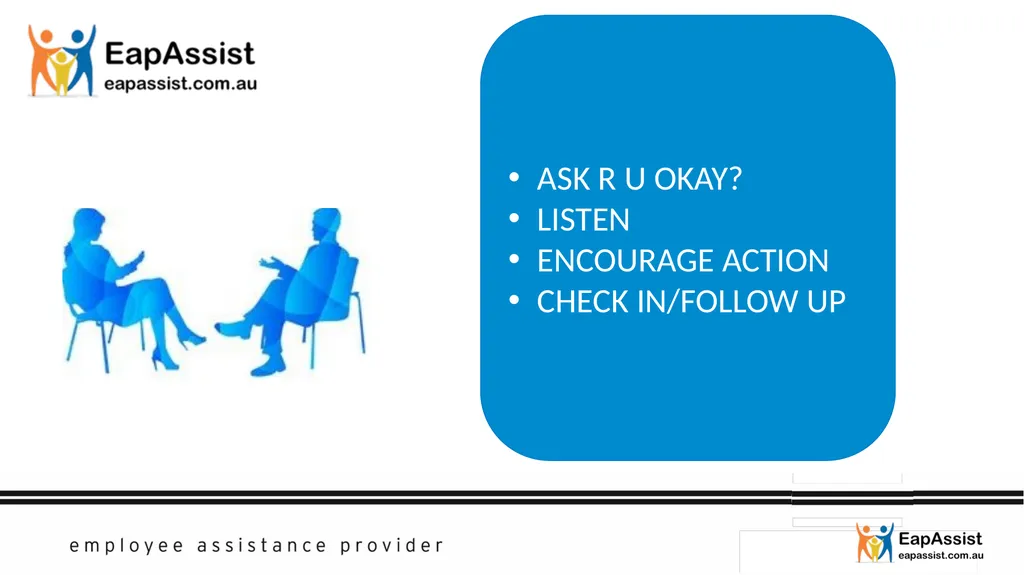
ASK R U OKAY?
LISTEN
ENCOURAGE ACTION
CHECK IN/FOLLOW UP<br>
LISTEN
ENCOURAGE ACTION
CHECK IN/FOLLOW UP<br>
27
A Conversation Saved My Life<br>
28
Find out what is causing stress in your life
Look for ways to reduce the amount of stress in your life
Learn healthy ways to relieve stress or reduce its harmful effects Stress Management<br>
Look for ways to reduce the amount of stress in your life
Learn healthy ways to relieve stress or reduce its harmful effects Stress Management<br>
29
What are your ‘red flags’ or warning signs, that stress is creeping into your life? If we keep pushing ourselves, eventually something inside of us will send ‘red flags’ or warning signs that stress is becoming a problem. Stress Warning Signs<br>
30
Stop catastrophising
Let go of what you can’t control
Keep trying
It’s okay to reach out for help
This is a temporary state Our Goal is to Find Balance<br>
Let go of what you can’t control
Keep trying
It’s okay to reach out for help
This is a temporary state Our Goal is to Find Balance<br>
31
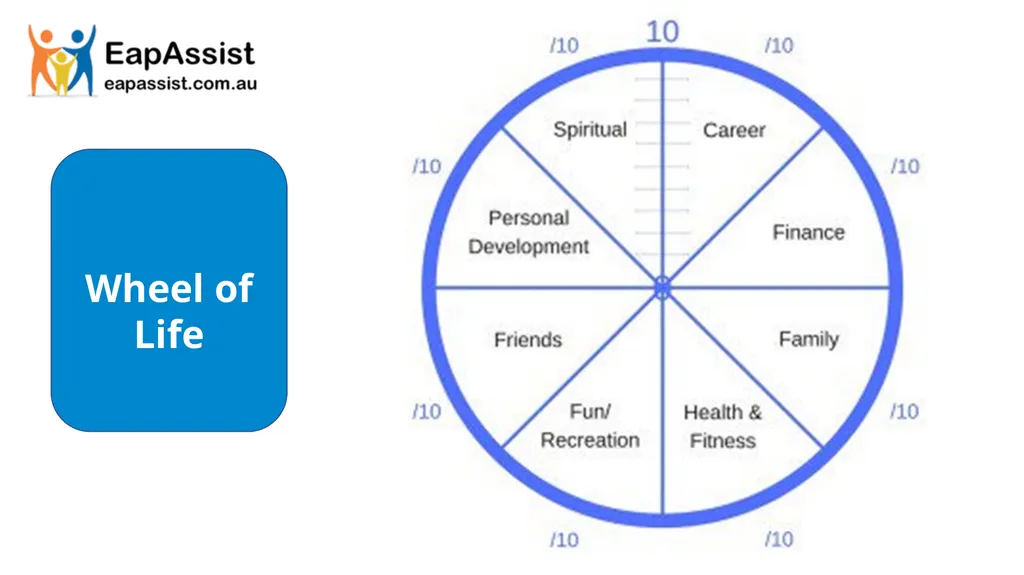
Wheel of Life<br>
32
Take Control of your Self Talk By learning to control your self-talk you can keep yourself focused on the right things and manage your emotions more effectively.
Turn: I always or I never into just this time or sometimes
Replace judgemental statements like I’m an idiot with factual ones like I made a mistake.
Accept responsibility for your actions and no one else’s<br>
Turn: I always or I never into just this time or sometimes
Replace judgemental statements like I’m an idiot with factual ones like I made a mistake.
Accept responsibility for your actions and no one else’s<br>
33
Seeing yourself from above and understanding it
More objective understanding of your own behaviours Watch Yourself Like a Hawk<br>
More objective understanding of your own behaviours Watch Yourself Like a Hawk<br>
34
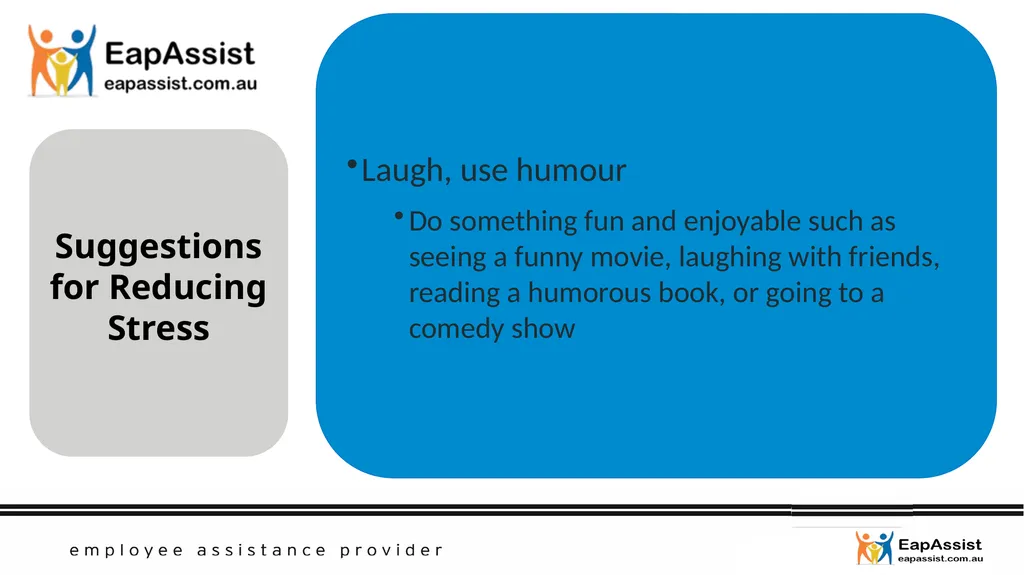
Laugh, use humour
Do something fun and enjoyable such as seeing a funny movie, laughing with friends, reading a humorous book, or going to a comedy show Suggestions for Reducing Stress<br>
Do something fun and enjoyable such as seeing a funny movie, laughing with friends, reading a humorous book, or going to a comedy show Suggestions for Reducing Stress<br>
35
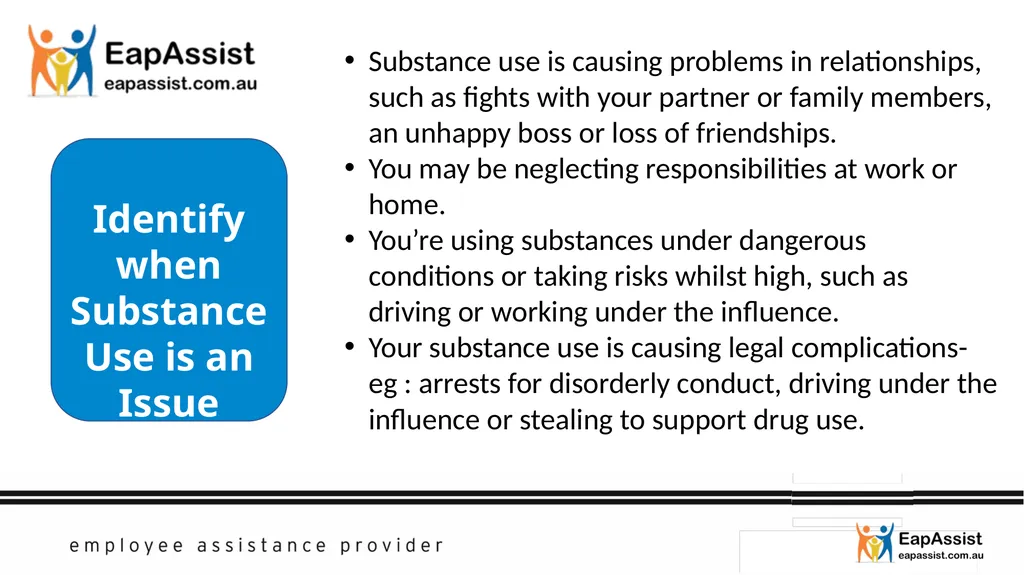
Identify when Substance Use is an Issue Substance use is causing problems in relationships, such as fights with your partner or family members, an unhappy boss or loss of friendships.
You may be neglecting responsibilities at work or home.
You’re using substances under dangerous conditions or taking risks whilst high, such as driving or working under the influence.
Your substance use is causing legal complications- eg : arrests for disorderly conduct, driving under the influence or stealing to support drug use.<br>
36
Suicide Statistics<br>
37
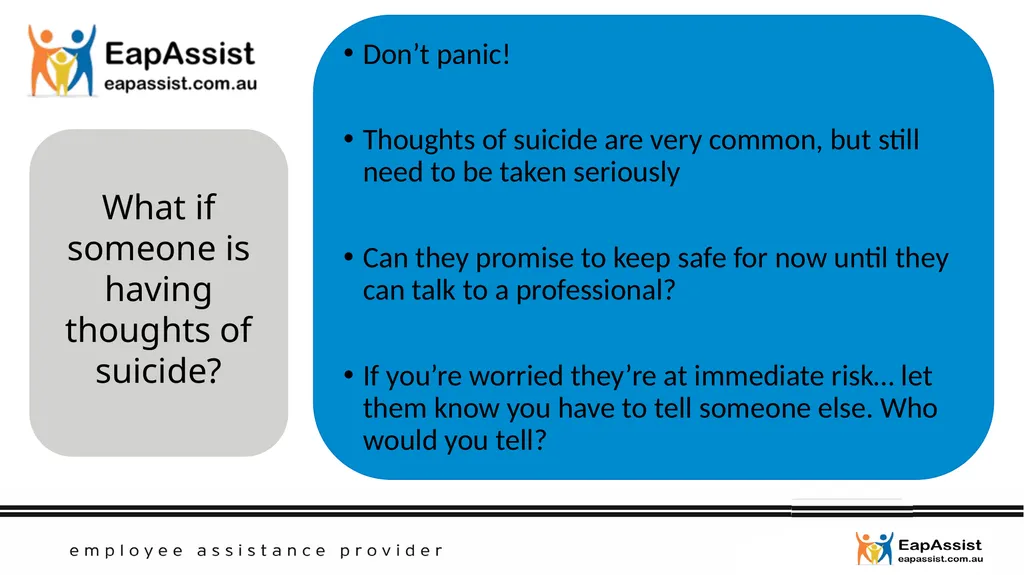
Don’t panic!
Thoughts of suicide are very common, but still need to be taken seriously
Can they promise to keep safe for now until they can talk to a professional?
If you’re worried they’re at immediate risk… let them know you have to tell someone else. Who would you tell? What if someone is having thoughts of suicide?<br>
38
Why people hesitate to help<br>
39
Important to Care for Yourself After providing mental health care to a person in distress you may feel worn out, frustrated or even angry
You may need to deal with the feelings and reactions you set aside during the encounter<br>
You may need to deal with the feelings and reactions you set aside during the encounter<br>
40
It’s important to understand that wellbeing is distinct from happiness, which can come and go, whereas wellbeing is a consistent state of wellness, satisfaction and contentment.
Create wellness habits to establish boundaries in order to be more effective What is Wellbeing Wellbeing is about our overall quality of life.<br>
Create wellness habits to establish boundaries in order to be more effective What is Wellbeing Wellbeing is about our overall quality of life.<br>
41
Draw on skills you’ve used before
Play to your strengths
Remember: you are not your thoughts
Hold onto your ‘stability rocks’ You Have Strengths!<br>
Play to your strengths
Remember: you are not your thoughts
Hold onto your ‘stability rocks’ You Have Strengths!<br>
42
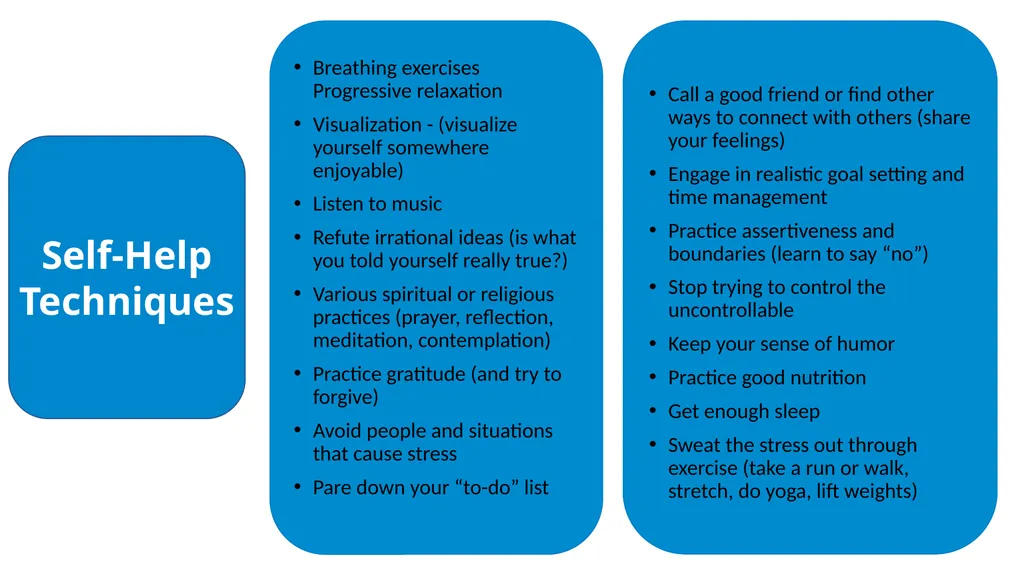
Call a good friend or find other ways to connect with others (share your feelings)
Engage in realistic goal setting and time management
Practice assertiveness and boundaries (learn to say “no”)
Stop trying to control the uncontrollable
Keep your sense of humor
Practice good nutrition
Get enough sleep
Sweat the stress out through exercise (take a run or walk, stretch, do yoga, lift weights) Breathing exercises Progressive relaxation
Visualization - (visualize yourself somewhere enjoyable)
Listen to music
Refute irrational ideas (is what you told yourself really true?)
Various spiritual or religious practices (prayer, reflection, meditation, contemplation)
Practice gratitude (and try to forgive)
Avoid people and situations that cause stress
Pare down your “to-do” list Self-Help
Techniques<br>
43
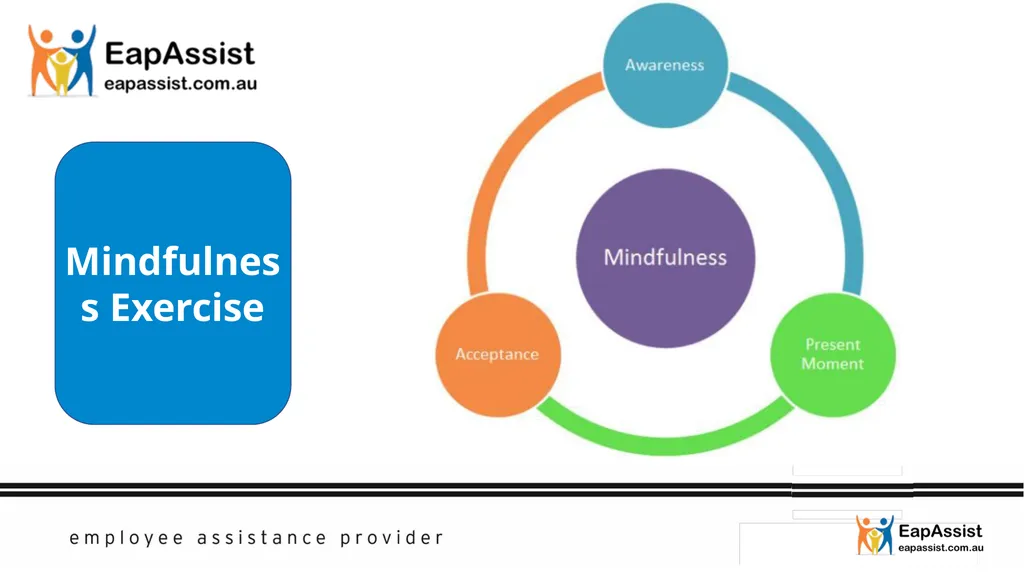
Mindfulness Exercise<br>
44
Affirmations Affirmations focus on your freedoms rather than your limitations
Learn to let it go by remaining flexible and open-minded
Set an intention everyday
What do you have to be grateful for when you go to bed?<br>
Learn to let it go by remaining flexible and open-minded
Set an intention everyday
What do you have to be grateful for when you go to bed?<br>
45
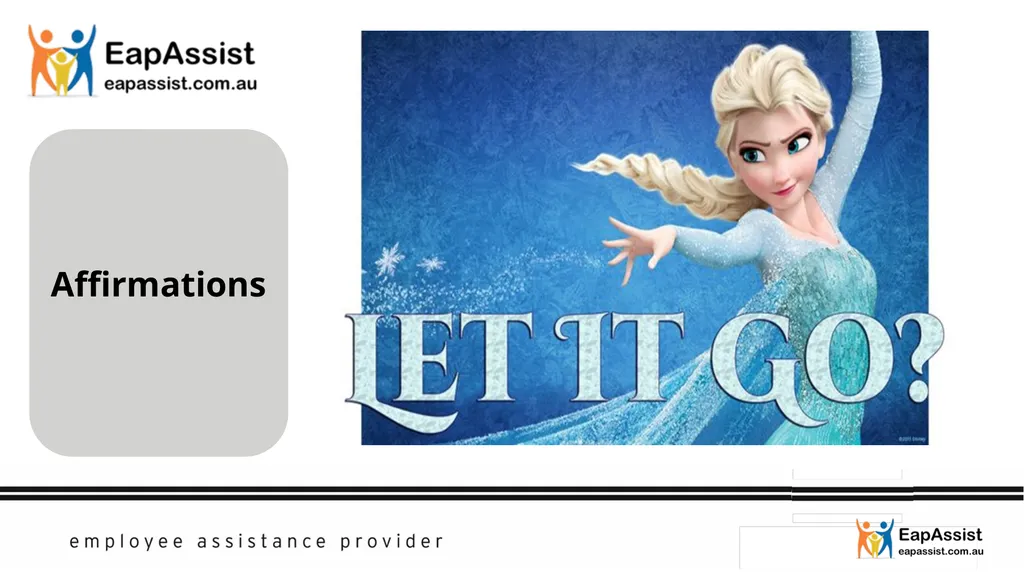
Affirmations<br>
46
Meditation Meditating can help you clear your mind, lower stress and feel more ready to face the day and any challenges ahead of you
Studies show that just 10 minutes of meditation can make you feel as rested as getting another hour of sleep<br>
Studies show that just 10 minutes of meditation can make you feel as rested as getting another hour of sleep<br>
47
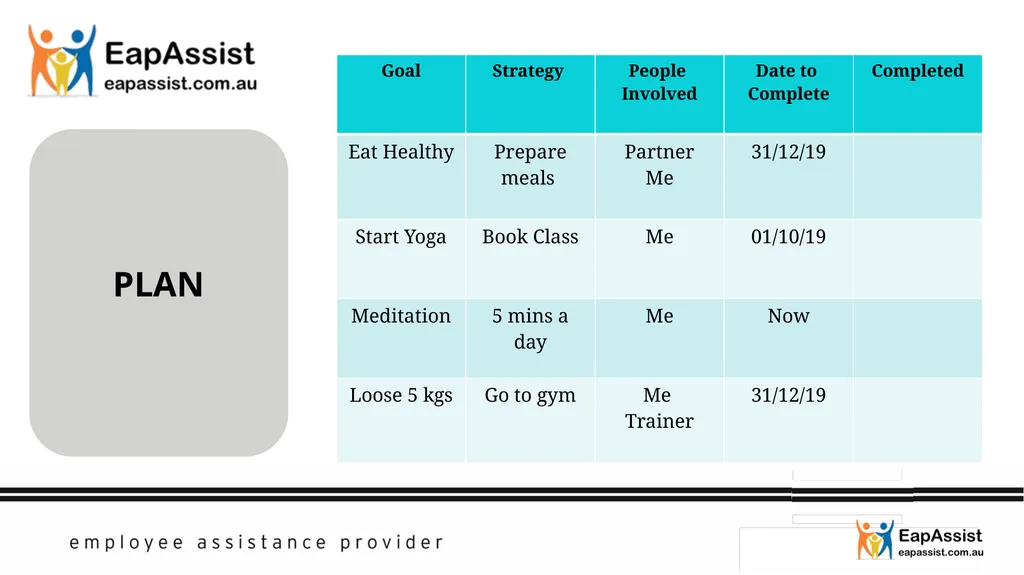
PLAN<br>
48
Thank you
Questions?<br>
Questions?<br>