Native Plants of the Sagebrush Ecosystem Shrubs woody plants smaller than trees with several main stems arising at or near the ground Sagebrush Artemisia tridentata Life form: Shrub Height: 4-7 Flower Color: Yellow-Cream Wildlife Uses:
"Native Plants of the Sagebrush Ecosystem Shrubs" is the property of its rightful owner. Permission is granted to
download and print the materials on this website for personal, non-commercial use only, and to display it
on your personal computer provided you do not modify the materials and that you retain all copyright
notices contained in the materials. By downloading content from our website, you accept the terms of this
agreement.
Presentation Transcript
01
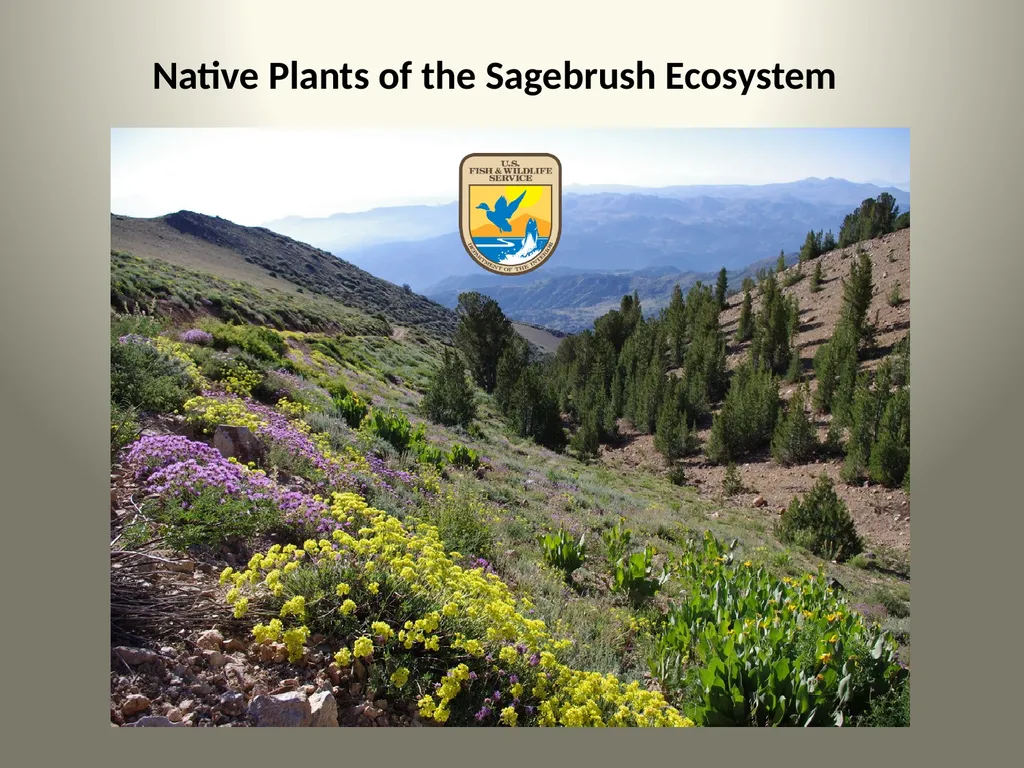
Native Plants of the Sagebrush Ecosystem<br>
02
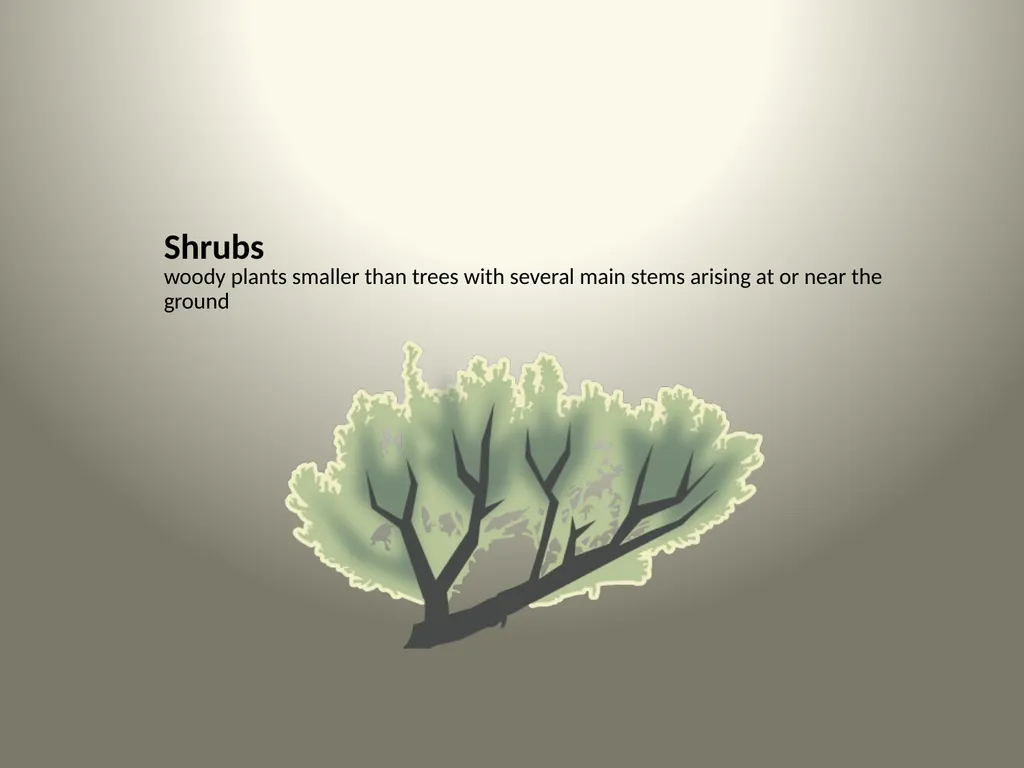
Shrubs woody plants smaller than trees with several main stems arising at or near the ground<br>
03
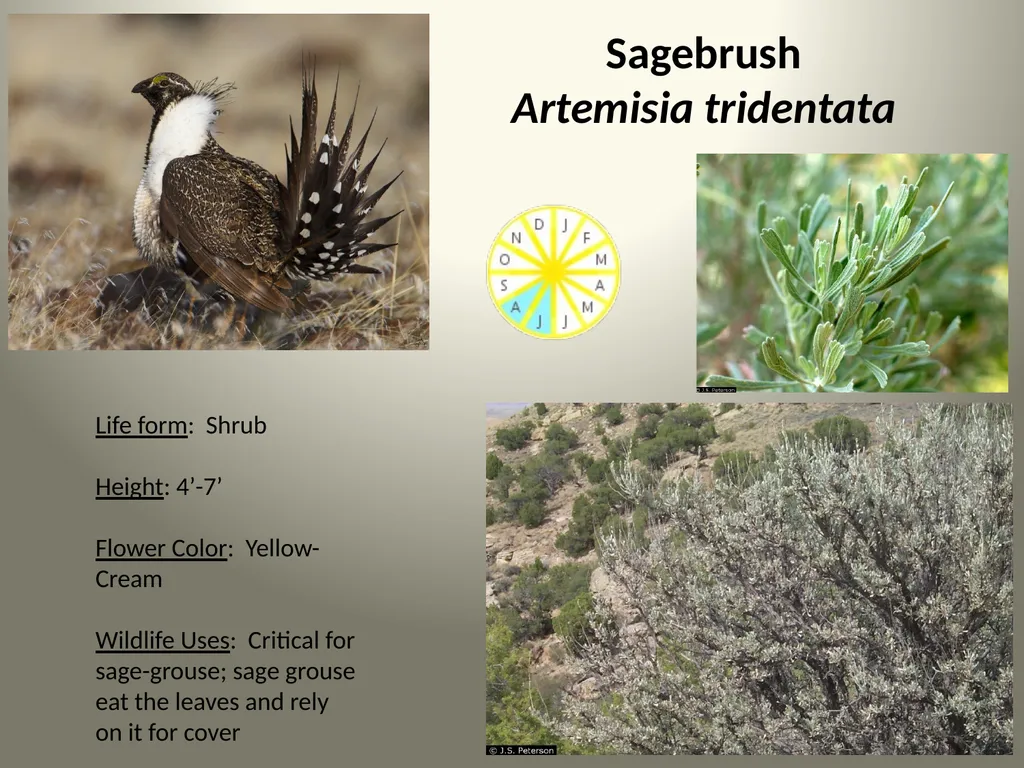
Sagebrush Artemisia tridentata Life form: Shrub
Height: 4’-7’
Flower Color: Yellow-Cream
Wildlife Uses: Critical for sage-grouse; sage grouse eat the leaves and rely on it for cover<br>
04
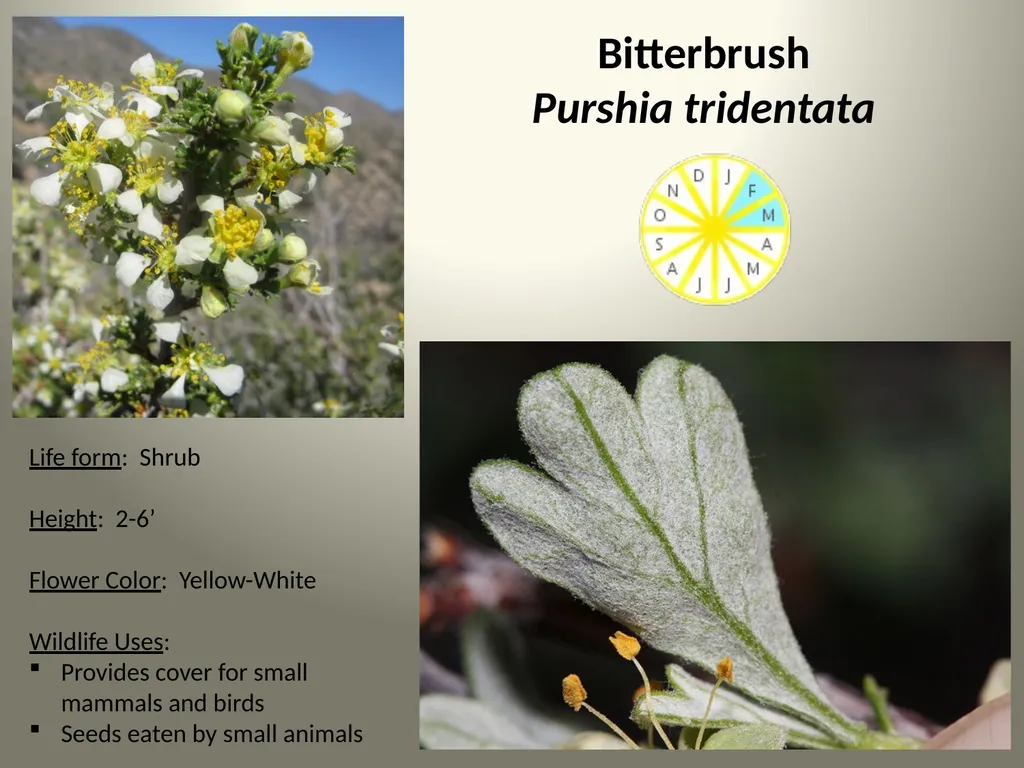
Bitterbrush Purshia tridentata Life form: Shrub
Height: 2-6’
Flower Color: Yellow-White
Wildlife Uses:
Provides cover for small mammals and birds
Seeds eaten by small animals<br>
05
Woods’ Rose Rosa woodsii Life form: Shrub
Height: 2-10’
Flower Color: Pink
Wildlife Uses:
Good for bees gathering pollen
Rose hips are eaten by insects, birds, and small mammals<br>
06
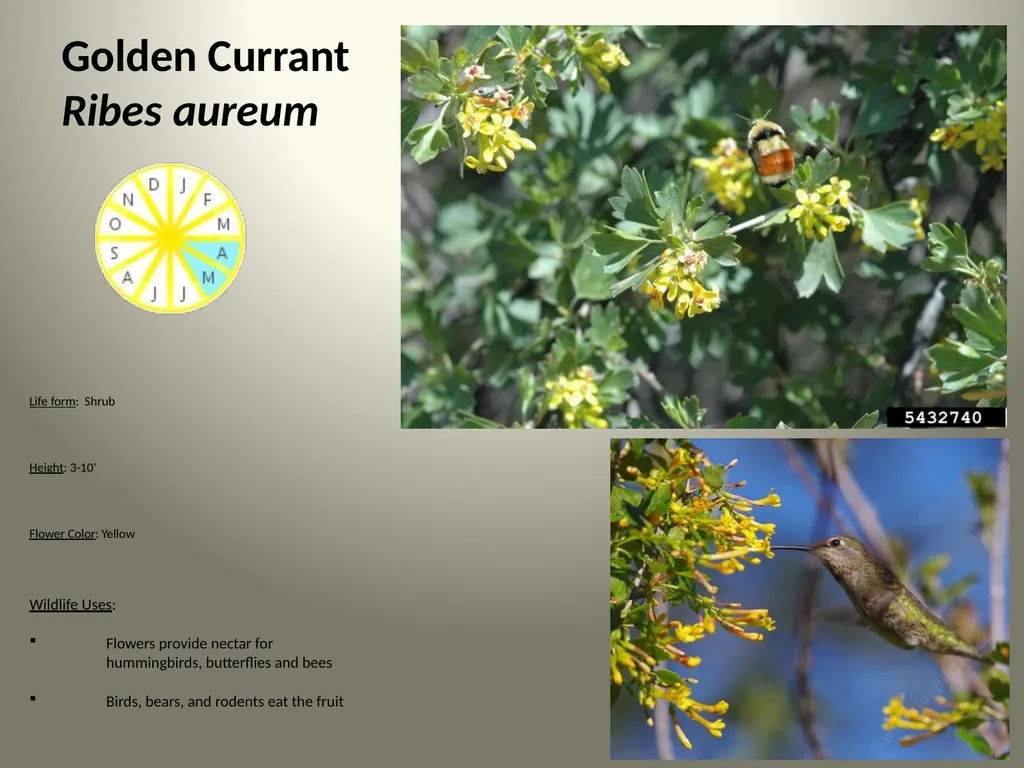
Golden Currant Ribes aureum Life form: Shrub
Height: 3-10'
Flower Color: Yellow
Wildlife Uses:
Flowers provide nectar for hummingbirds, butterflies and bees
Birds, bears, and rodents eat the fruit<br>
07
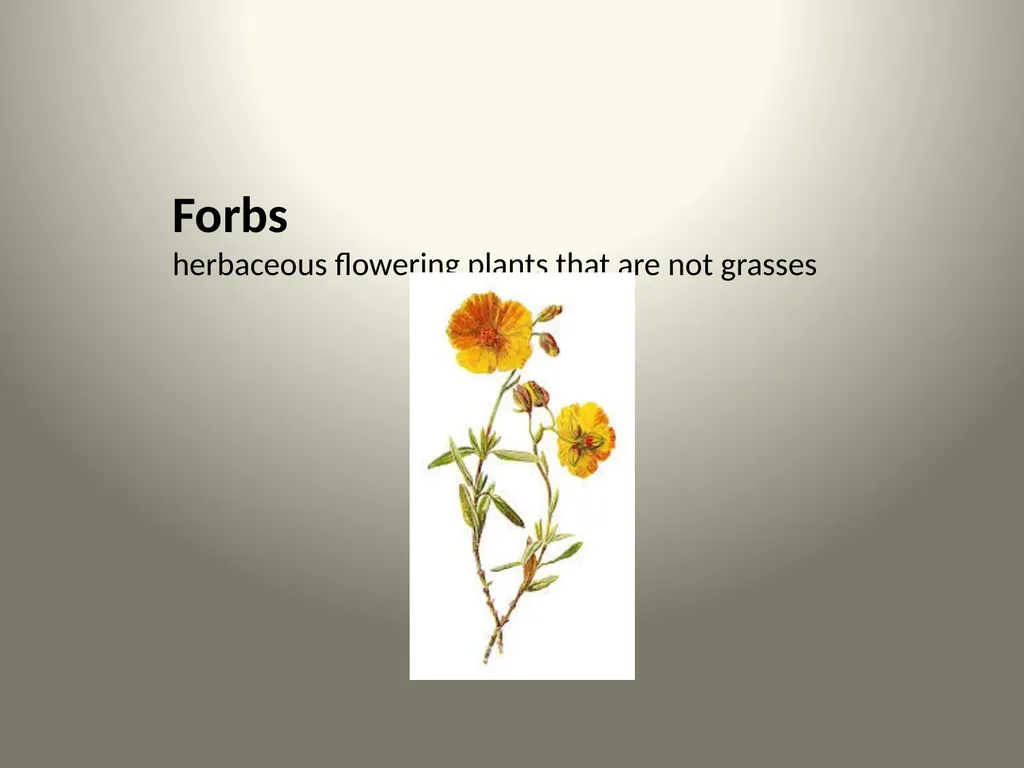
Forbs herbaceous flowering plants that are not grasses<br>
08
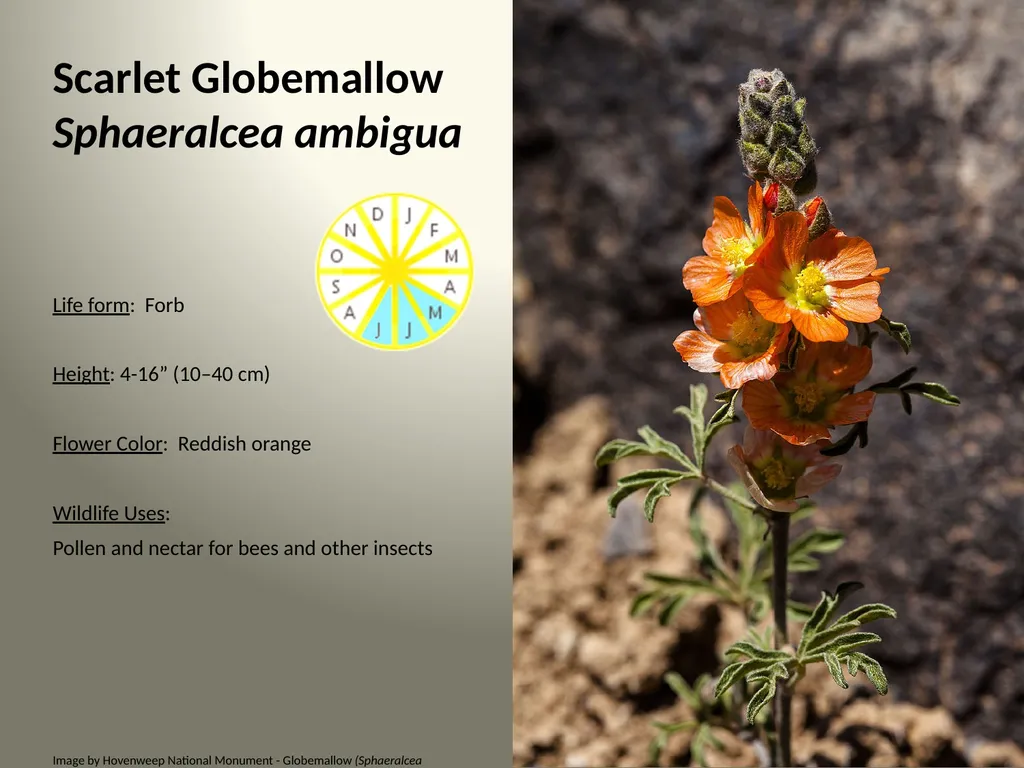
Scarlet Globemallow Sphaeralcea ambigua Life form: Forb
Height: 4-16” (10–40 cm)
Flower Color: Reddish orange
Wildlife Uses:
Pollen and nectar for bees and other insects
Image by Hovenweep National Monument - Globemallow (Sphaeralcea coccinea), CC BY 2.0, https://commons.wikimedia.org/w/index.php?curid=44927670<br>
09
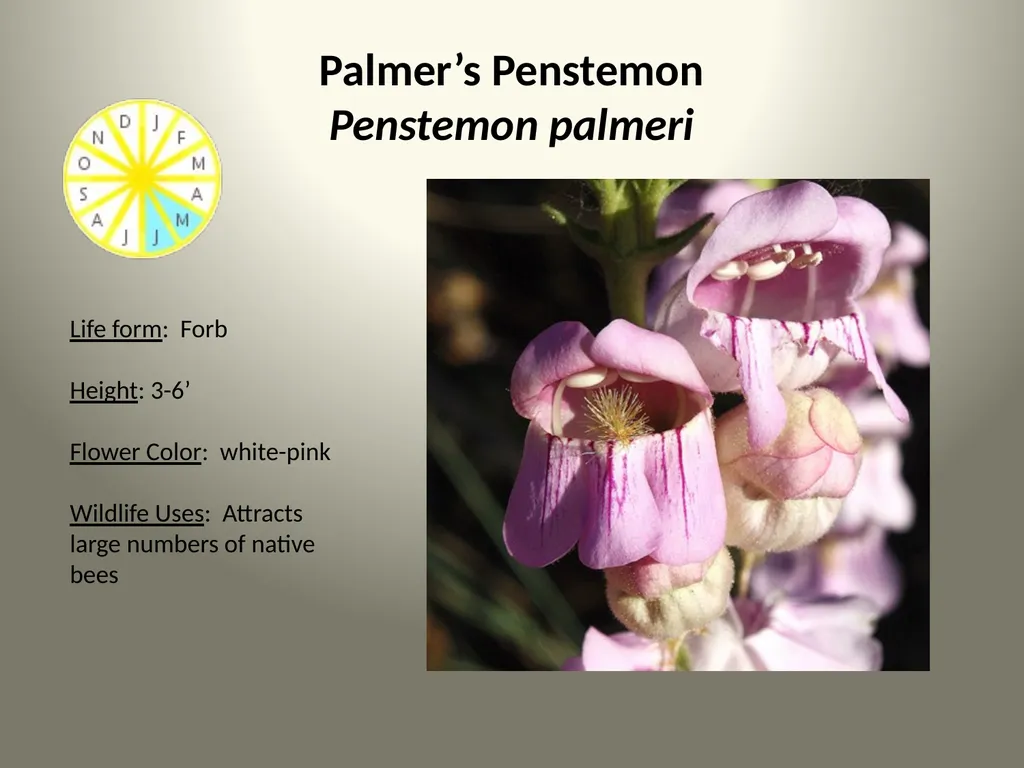
Palmer’s Penstemon Penstemon palmeri Life form: Forb
Height: 3-6’
Flower Color: white-pink
Wildlife Uses: Attracts large numbers of native bees<br>
10
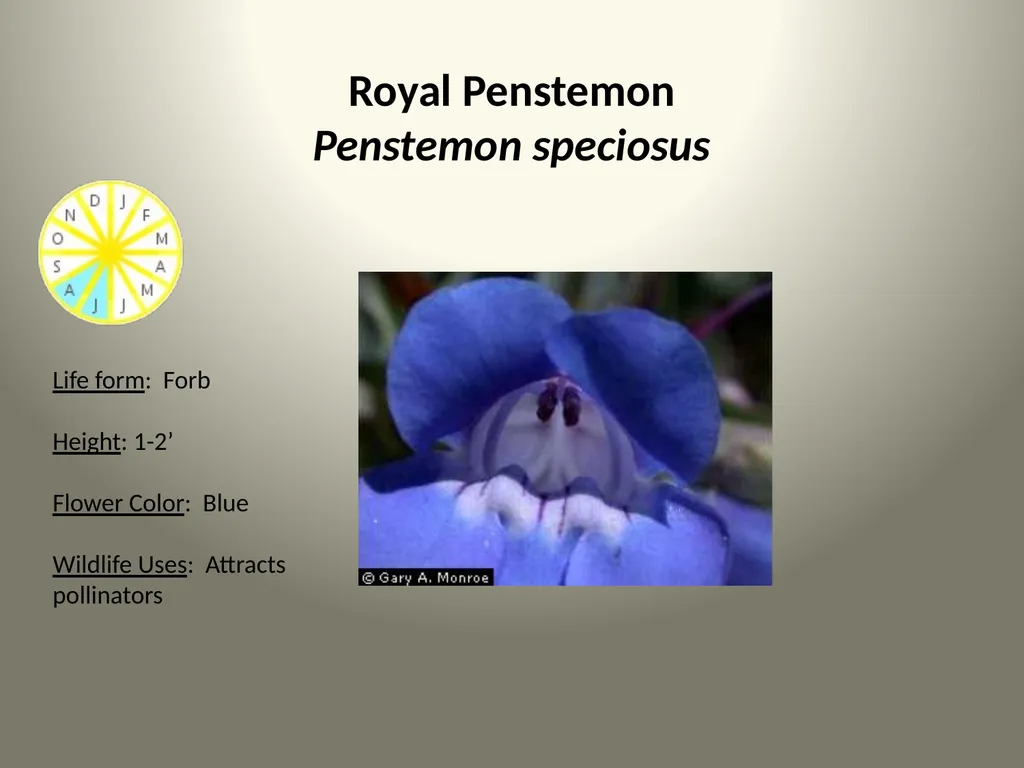
Royal Penstemon Penstemon speciosus Life form: Forb
Height: 1-2’
Flower Color: Blue
Wildlife Uses: Attracts pollinators<br>
11
Showy Milkweed Asclepias speciosa Life form: Wildflower
Height: 2-3'
Flower Color: Pink
Wildlife Uses:
Attractive to butterflies, bees, and other insects.
Monarch butterflies are dependent on milkweeds<br>
12
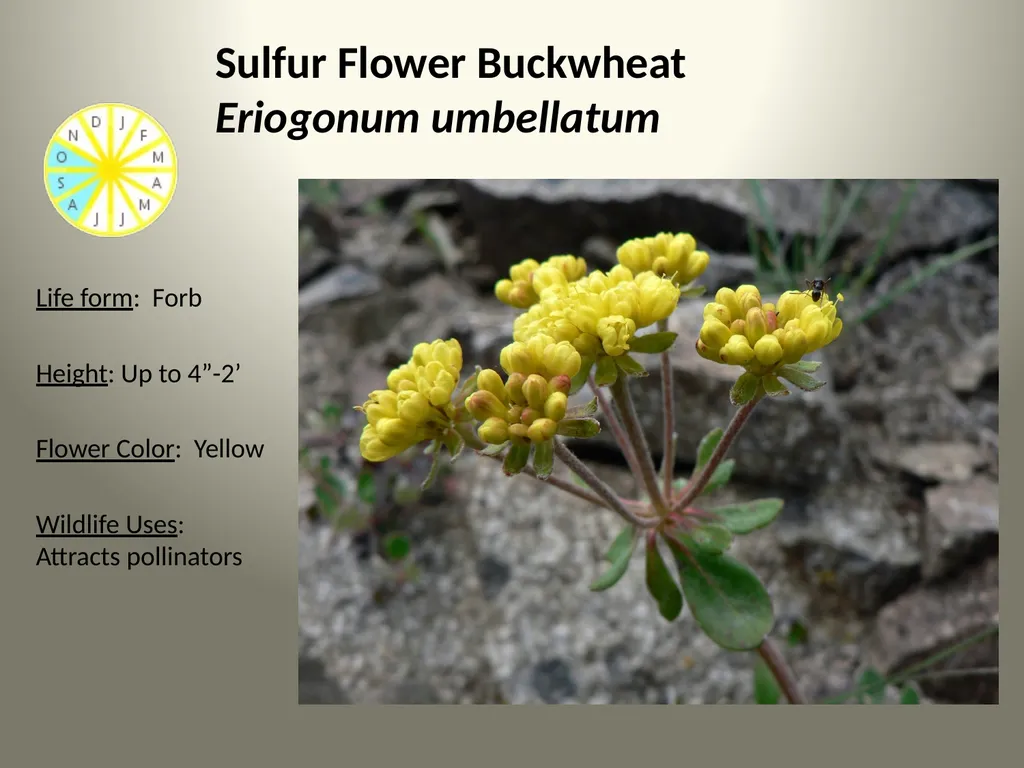
Sulfur Flower Buckwheat Eriogonum umbellatum Life form: Forb
Height: Up to 4”-2’
Flower Color: Yellow
Wildlife Uses: Attracts pollinators<br>
13
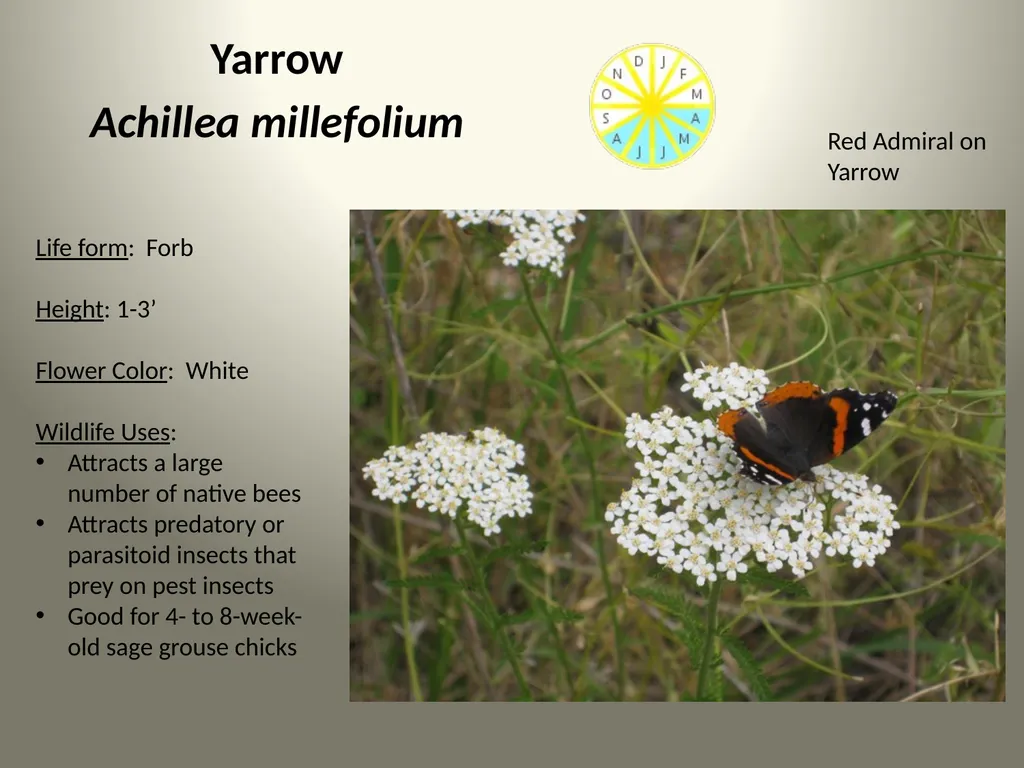
Yarrow
Achillea millefolium Life form: Forb
Height: 1-3’
Flower Color: White
Wildlife Uses:
Attracts a large number of native bees
Attracts predatory or parasitoid insects that prey on pest insects
Good for 4- to 8-week-old sage grouse chicks Red Admiral on Yarrow<br>
14
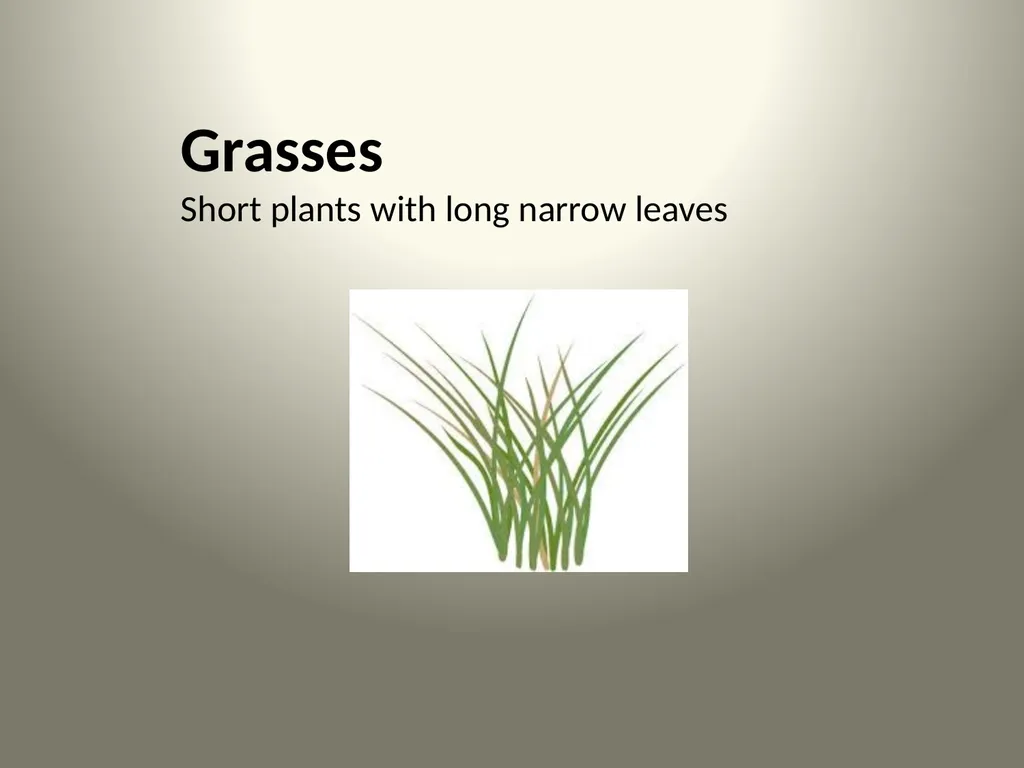
Grasses Short plants with long narrow leaves<br>
15
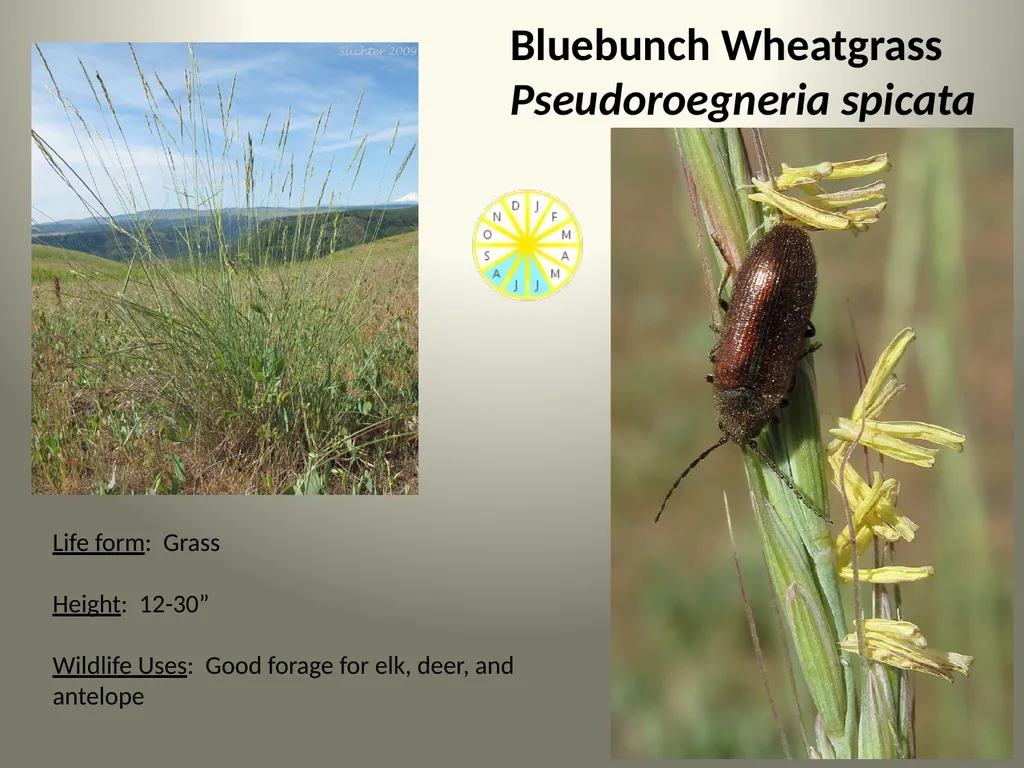
Bluebunch Wheatgrass
Pseudoroegneria spicata Life form: Grass
Height: 12-30”
Wildlife Uses: Good forage for elk, deer, and antelope<br>
16
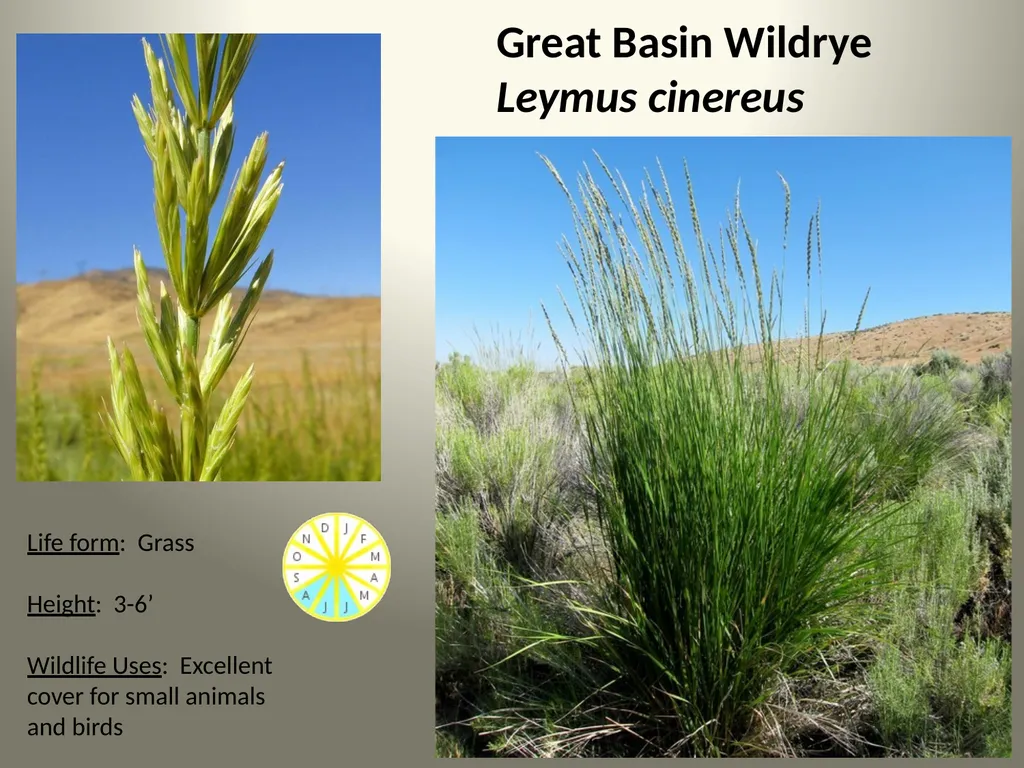
Great Basin Wildrye
Leymus cinereus Life form: Grass
Height: 3-6’
Wildlife Uses: Excellent cover for small animals and birds<br>
17
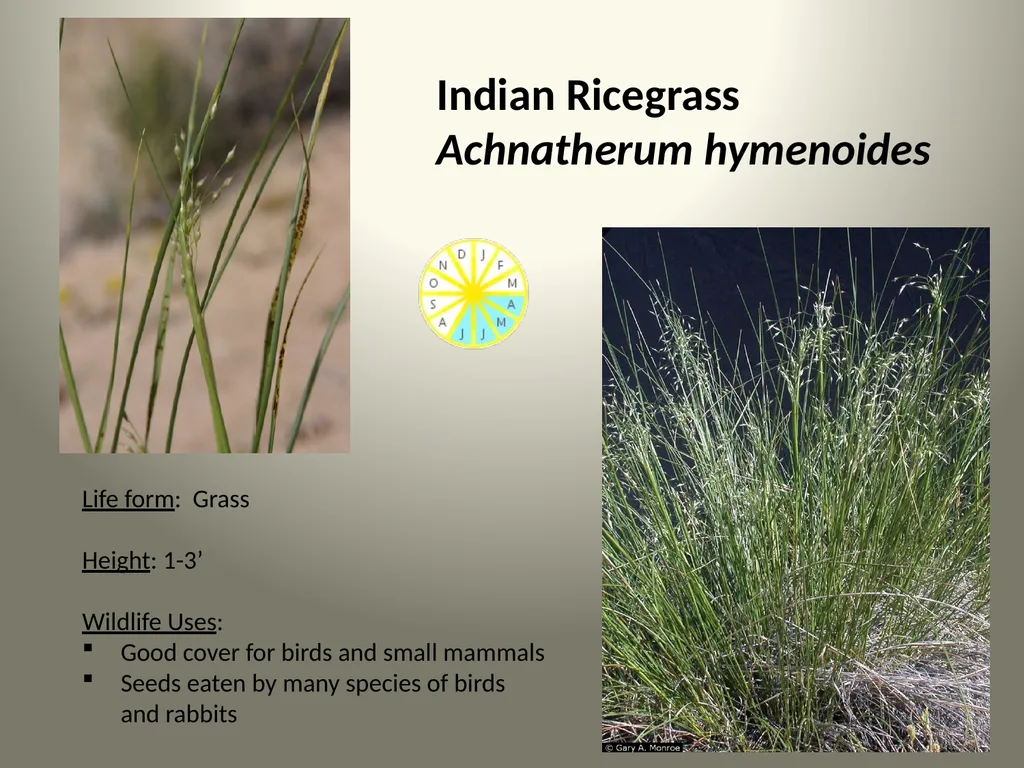
Indian Ricegrass
Achnatherum hymenoides Life form: Grass
Height: 1-3’
Wildlife Uses:
Good cover for birds and small mammals
Seeds eaten by many species of birds and rabbits<br>
18
Tufted Hair Grass
Deschampsia cespitosa Life form: Grass
Height: 20-60”
Wildlife Uses: Host plant for several butterflies.<br>
19
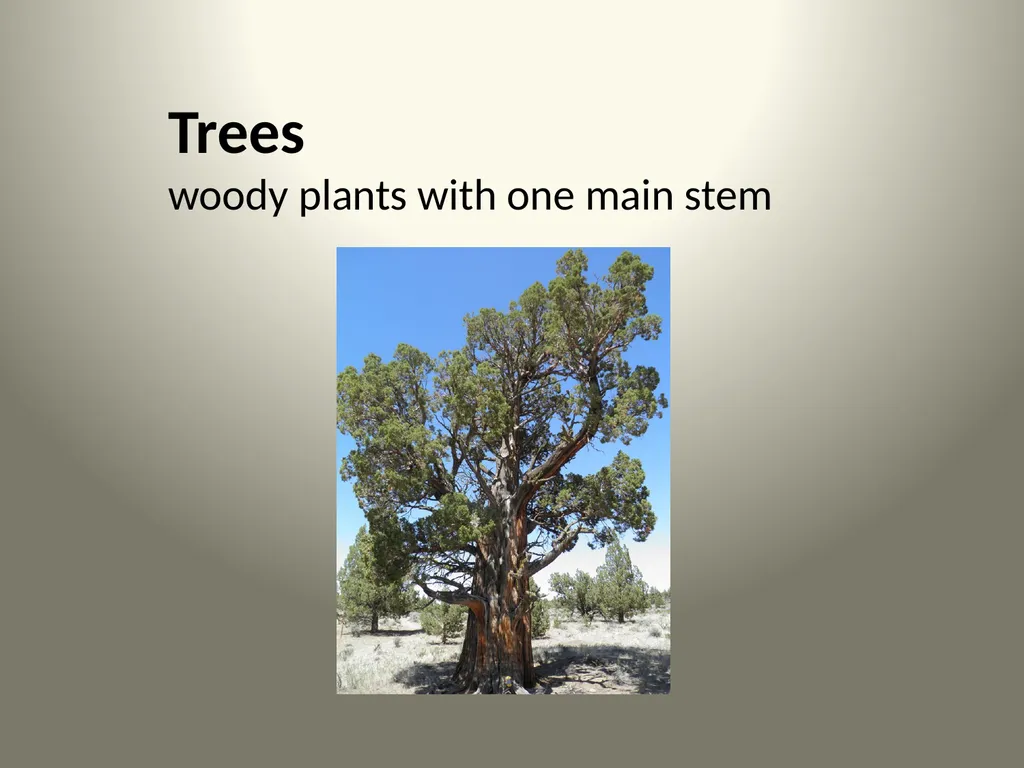
Trees woody plants with one main stem<br>
20
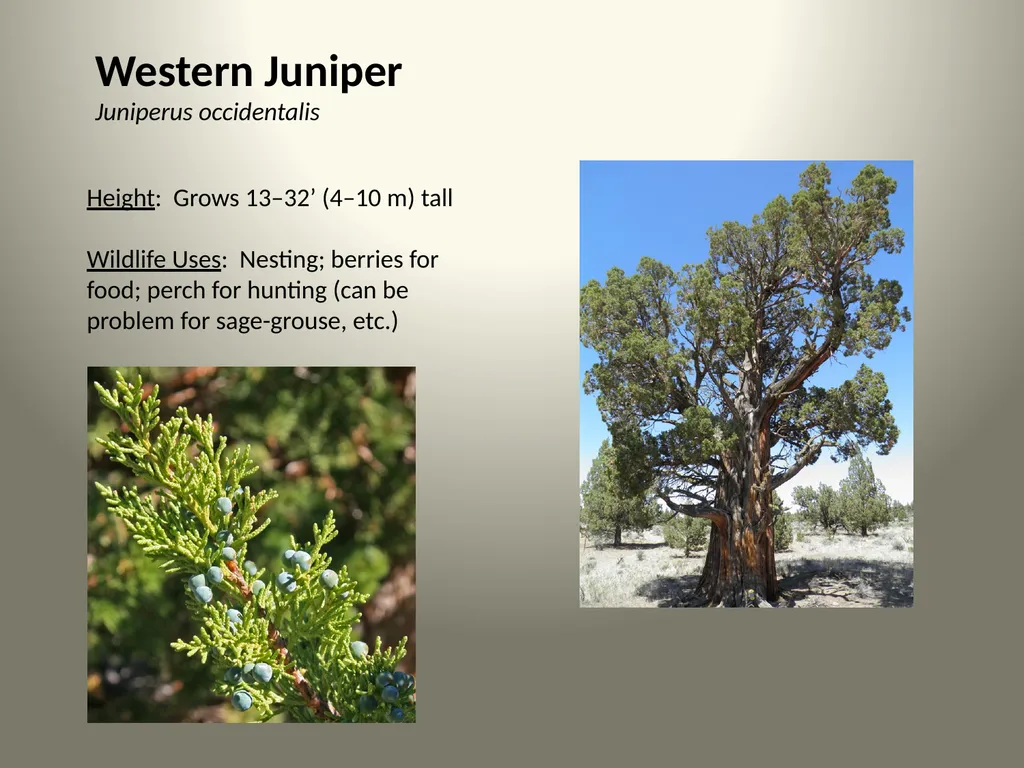
Western Juniper
Juniperus occidentalis Height: Grows 13–32’ (4–10 m) tall
Wildlife Uses: Nesting; berries for food; perch for hunting (can be problem for sage-grouse, etc.)<br>