Rise of Dictators The imperialist policies adopted by Japan following World War I focused on acquiring markets for its oil industry. Censorship, mass arrests, and a secret police force are most characteristic of totalitarian regimes In the
"Rise of Dictators The imperialist policies adopted" is the property of its rightful owner. Permission is granted to
download and print the materials on this website for personal, non-commercial use only, and to display it
on your personal computer provided you do not modify the materials and that you retain all copyright
notices contained in the materials. By downloading content from our website, you accept the terms of this
agreement.
Presentation Transcript
01
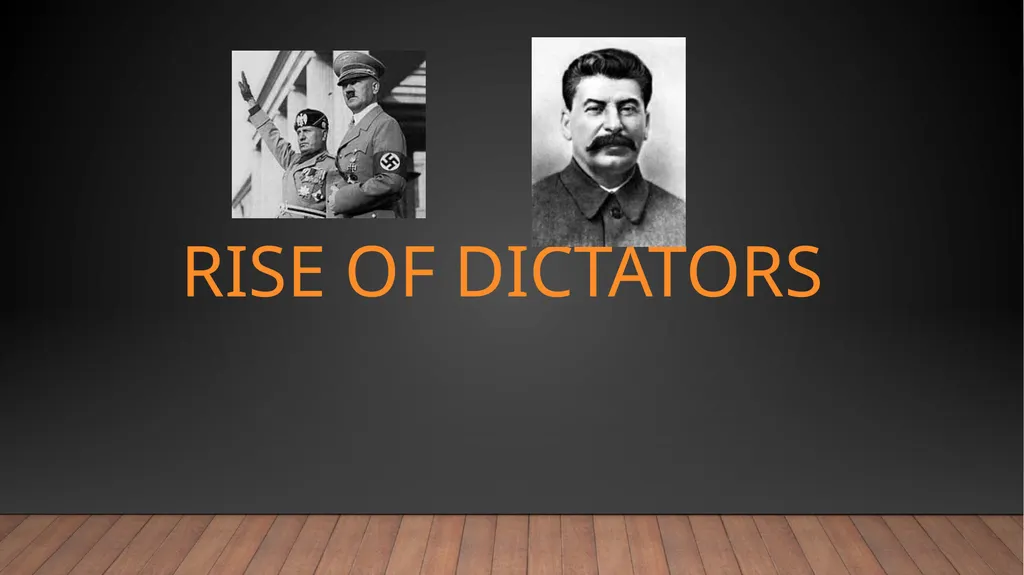
Rise of Dictators<br>
02
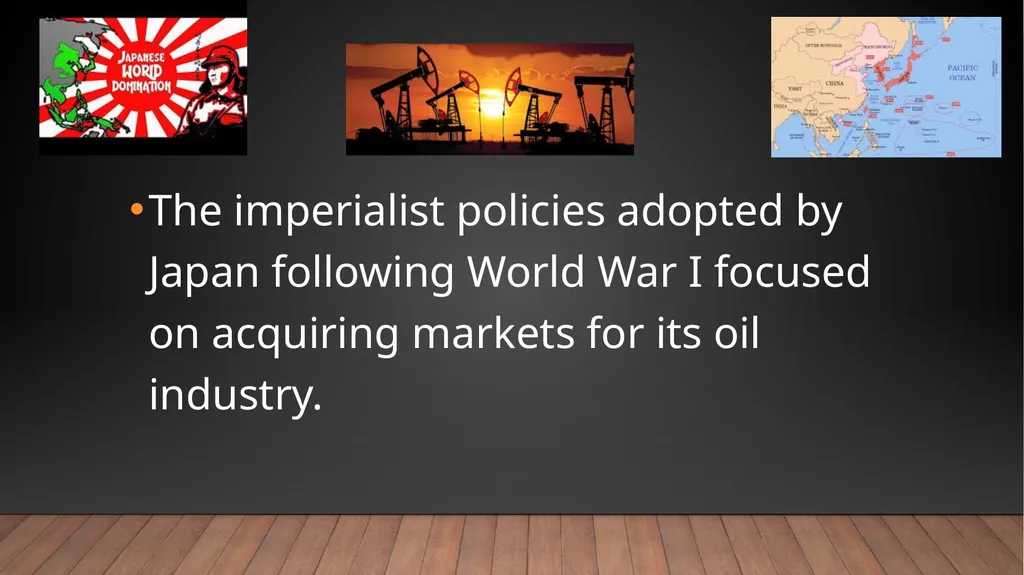
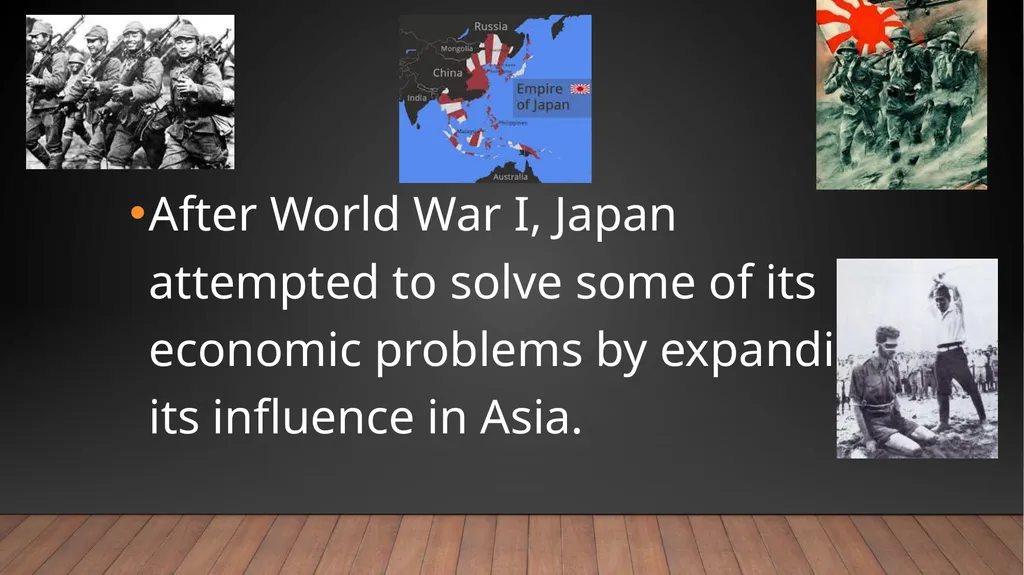
The imperialist policies adopted by Japan following World War I focused on acquiring markets for its oil industry.<br>
03
Censorship, mass arrests, and a secret police force are most characteristic of totalitarian regimes<br>
04
In the 1920's and 1930's, the rise of totalitarian governments in Germany, Italy, and the Soviet Union was largely the result of severe economic and social problems that arose in Europe after World War I.<br>
05
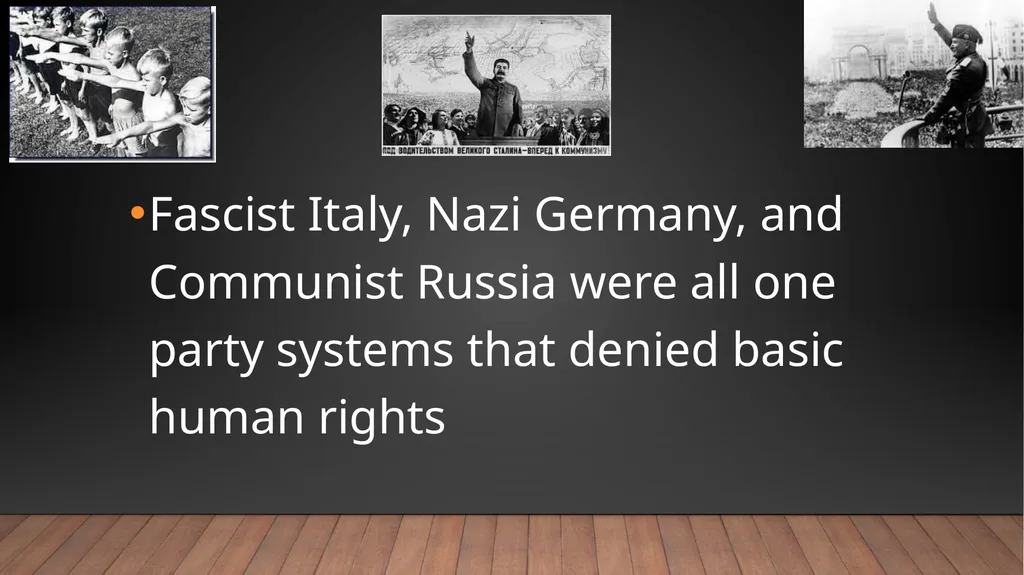
Fascist Italy, Nazi Germany, and Communist Russia were all one party systems that denied basic human rights<br>
06
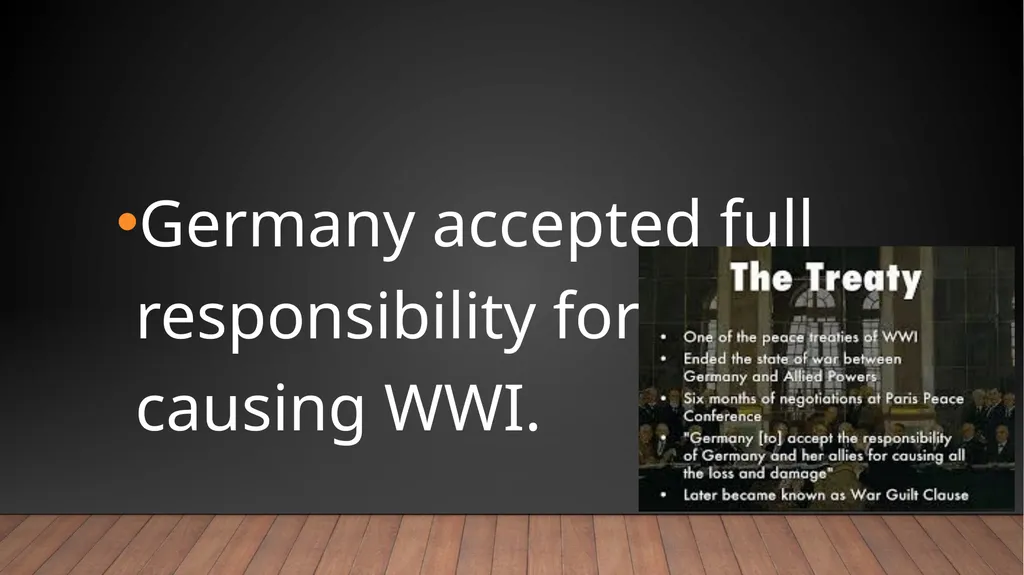
Germany accepted full responsibility for causing WWI.<br>
07
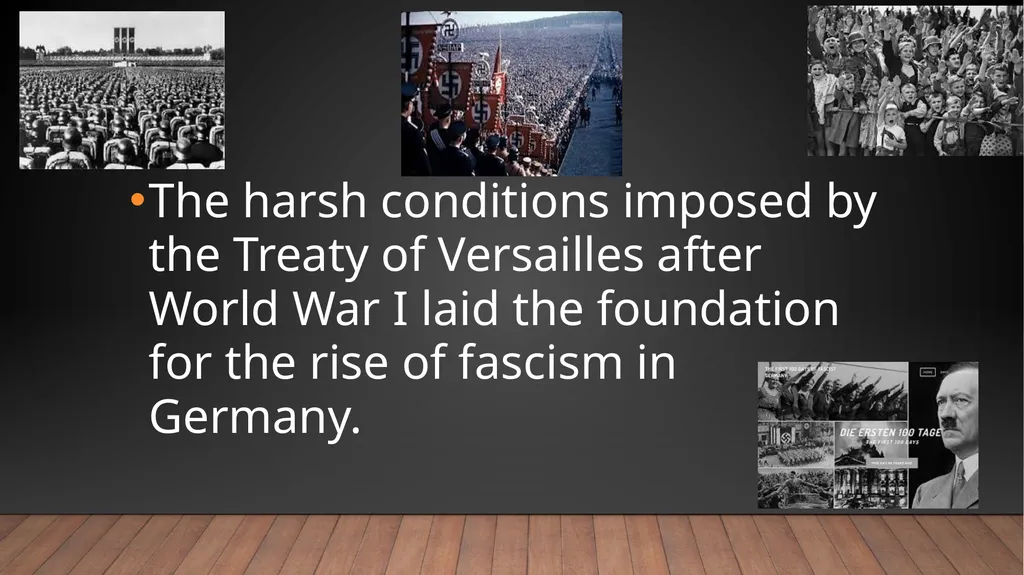
The harsh conditions imposed by the Treaty of Versailles after World War I laid the foundation for the rise of fascism in Germany.<br>
08
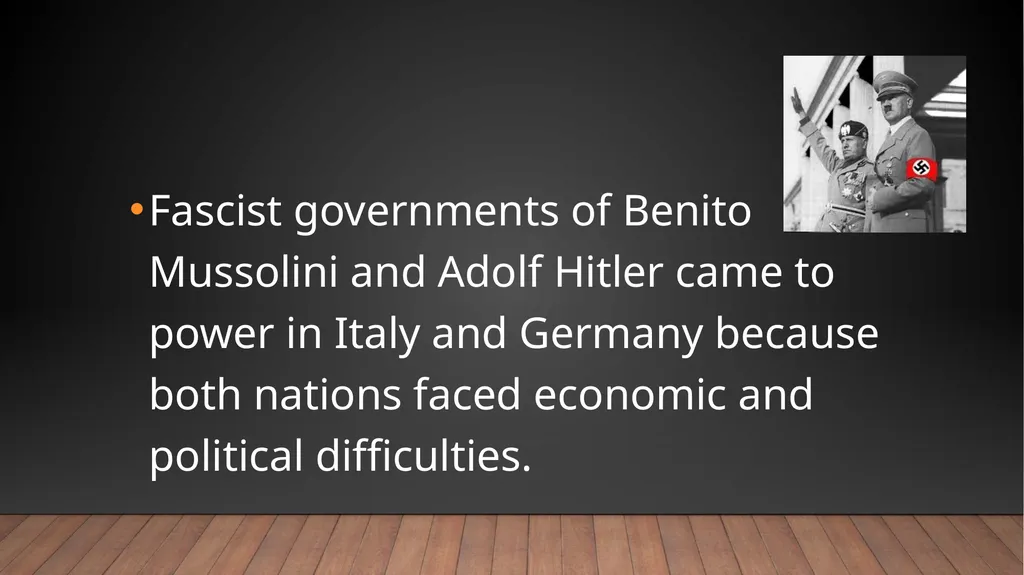
Fascist governments of Benito Mussolini and Adolf Hitler came to power in Italy and Germany because both nations faced economic and political difficulties.<br>
09
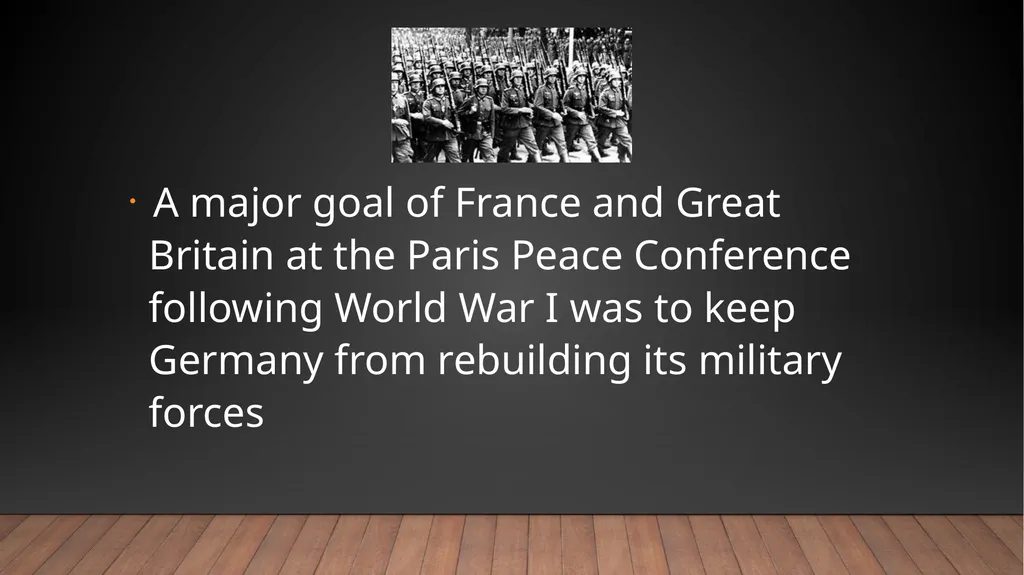
A major goal of France and Great Britain at the Paris Peace Conference following World War I was to keep Germany from rebuilding its military forces<br>
10
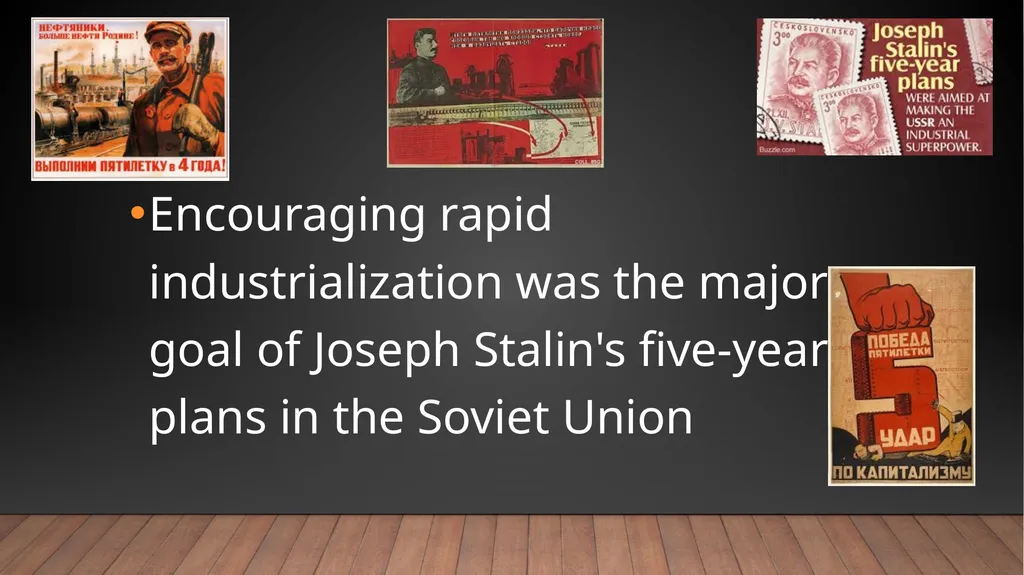
Encouraging rapid industrialization was the major goal of Joseph Stalin's five-year plans in the Soviet Union<br>
11
After World War I, Japan attempted to solve some of its economic problems by expanding its influence in Asia.<br>
12
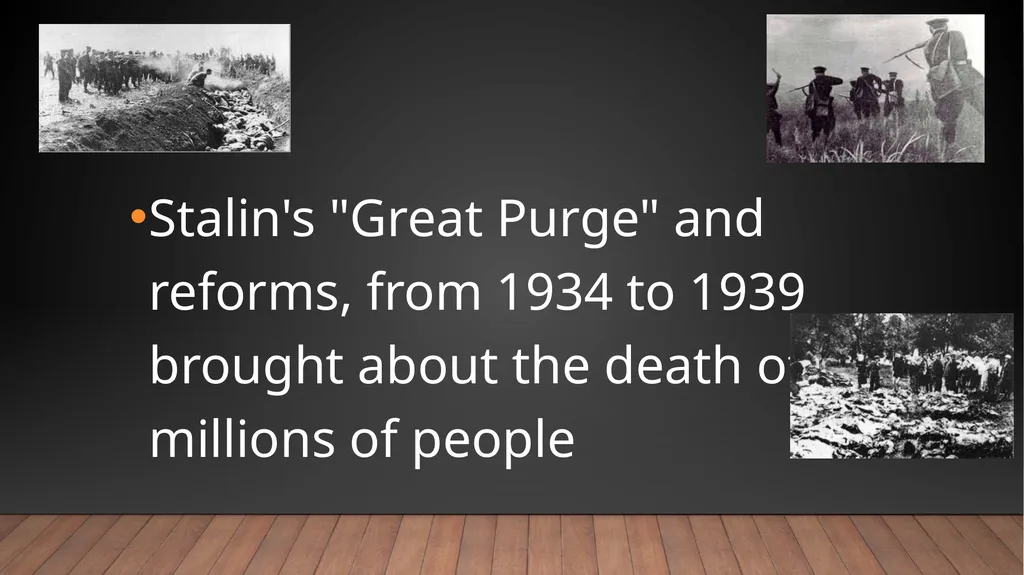
Stalin's "Great Purge" and reforms, from 1934 to 1939 brought about the death of millions of people<br>
13
Fascist leaders in the 1920s and 1930s, gained popular support appealing to national pride<br>
14
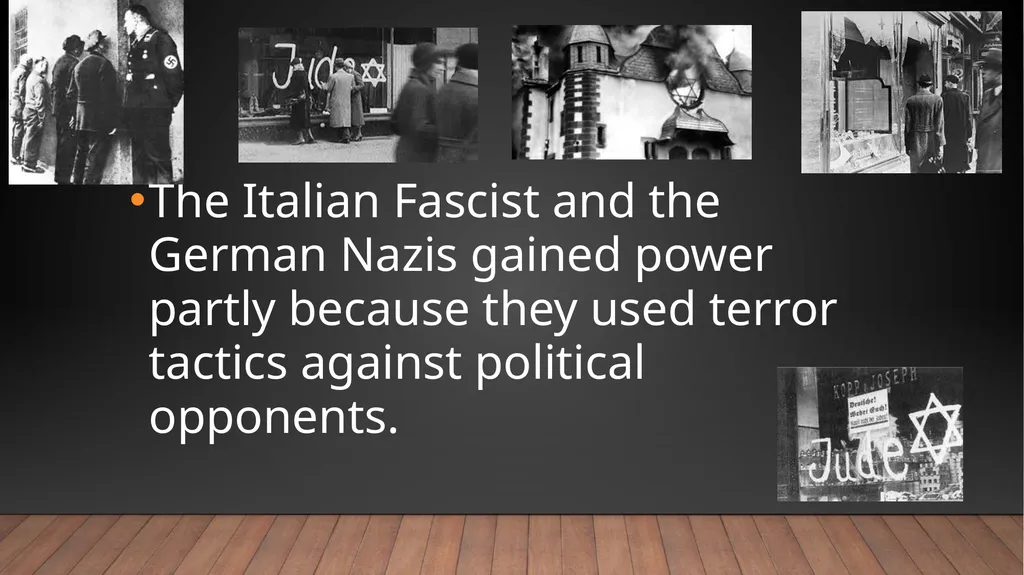
The Italian Fascist and the German Nazis gained power partly because they used terror tactics against political opponents.<br>
15
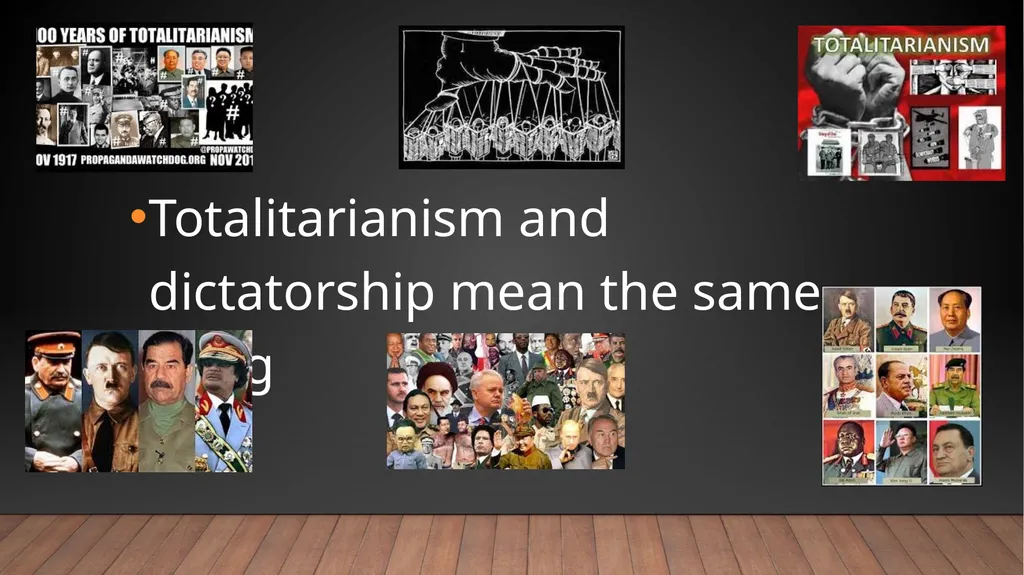
Totalitarianism and dictatorship mean the same thing<br>
16
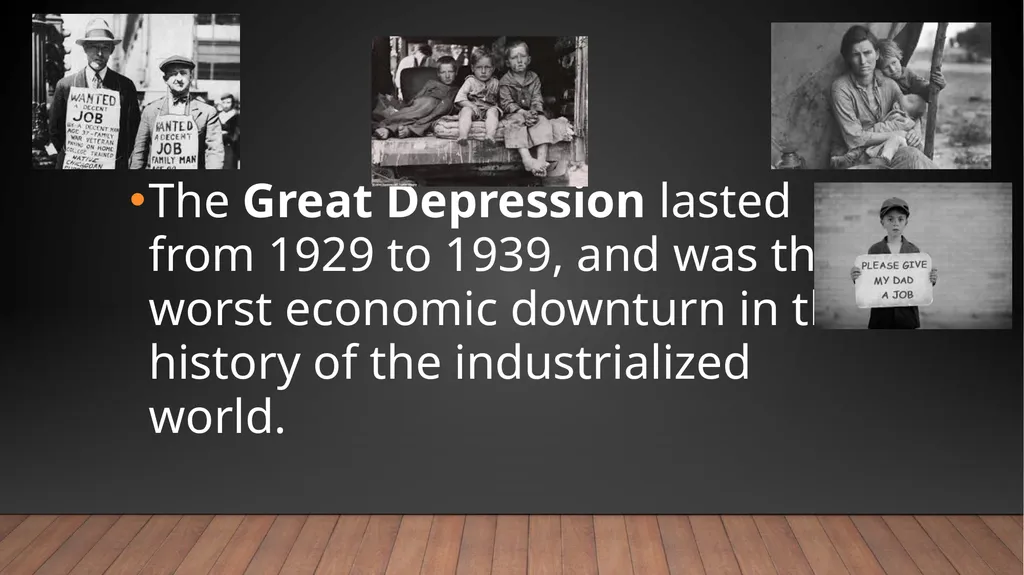
The Great Depression lasted from 1929 to 1939, and was the worst economic downturn in the history of the industrialized world.<br>
17
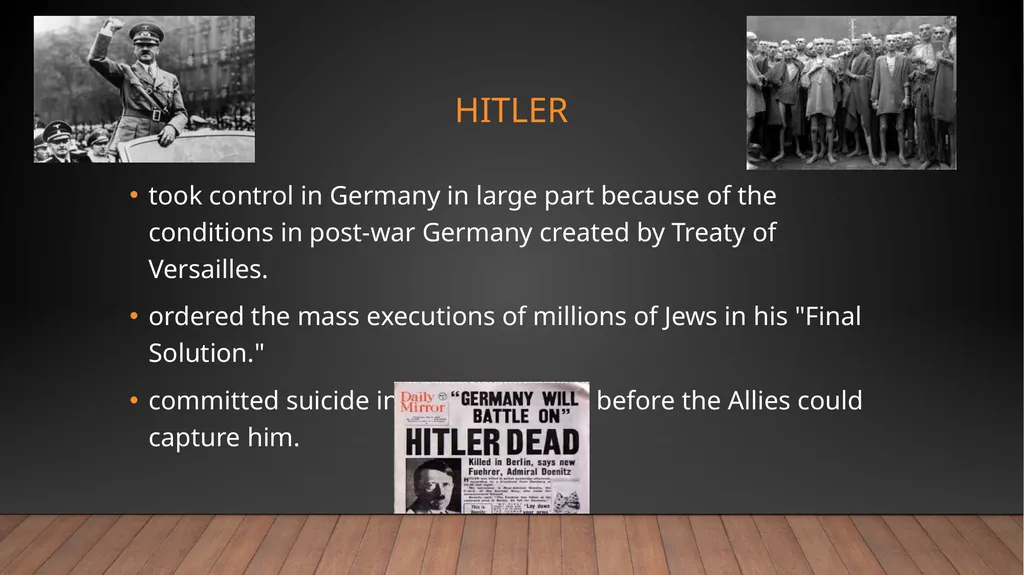
Hitler took control in Germany in large part because of the conditions in post-war Germany created by Treaty of Versailles.
ordered the mass executions of millions of Jews in his "Final Solution."
committed suicide in a Berlin bunker before the Allies could capture him.<br>
18
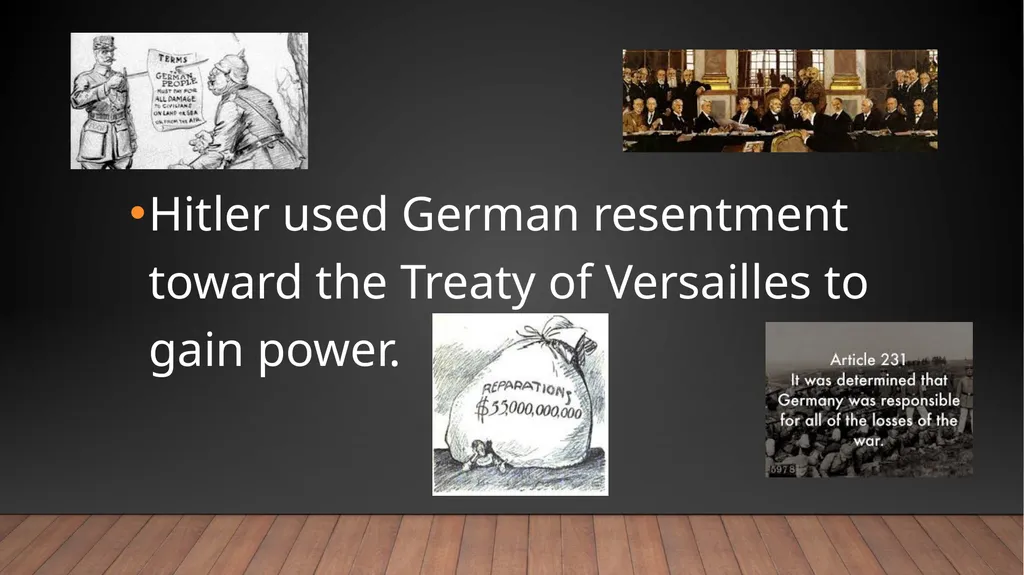
Hitler used German resentment toward the Treaty of Versailles to gain power.<br>
19
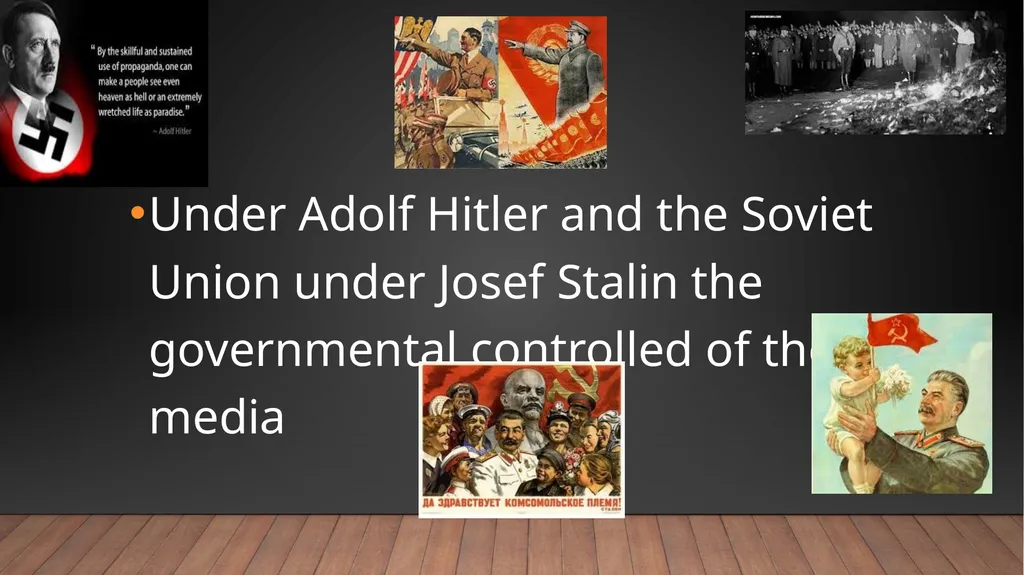
Under Adolf Hitler and the Soviet Union under Josef Stalin the governmental controlled of the media<br>
20
Worsening economic conditions contributed to the rise of totalitarian governments in Europe<br>
21
National and racial supremacy were used by the Nazis in Germany and Fascists in Italy<br>
22
People may be willing to sacrifice liberty if economic security is promised.<br>
23
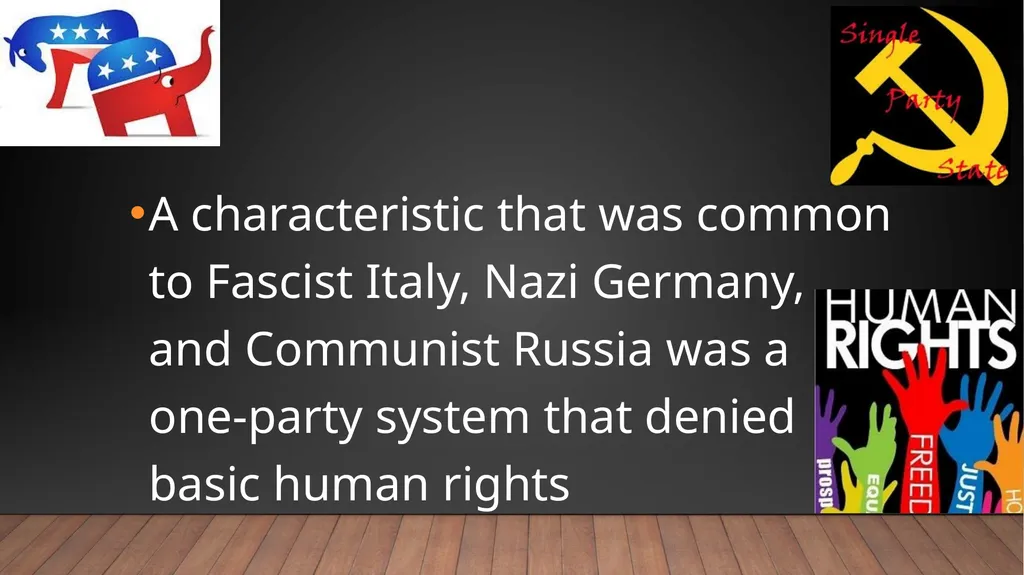
A characteristic that was common to Fascist Italy, Nazi Germany, and Communist Russia was a one-party system that denied basic human rights<br>
24
Fascism in Europe, during the 1920's and 1930's, is best described as a form of totalitarianism that glorified the state above the individual.<br>
25
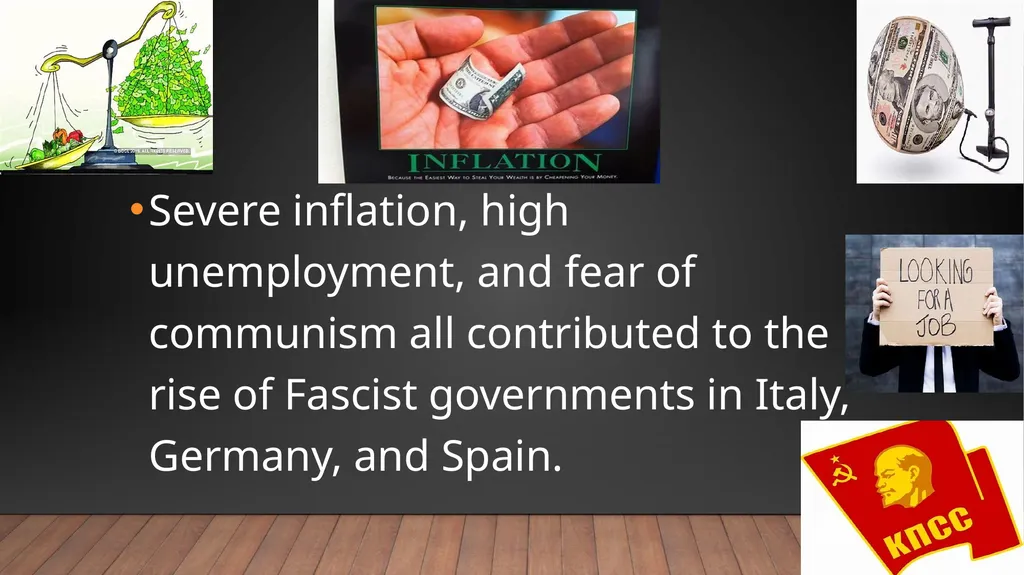
Severe inflation, high unemployment, and fear of communism all contributed to the rise of Fascist governments in Italy, Germany, and Spain.<br>
26
Fascism says that the government is more important than the individuals within it.<br>
27
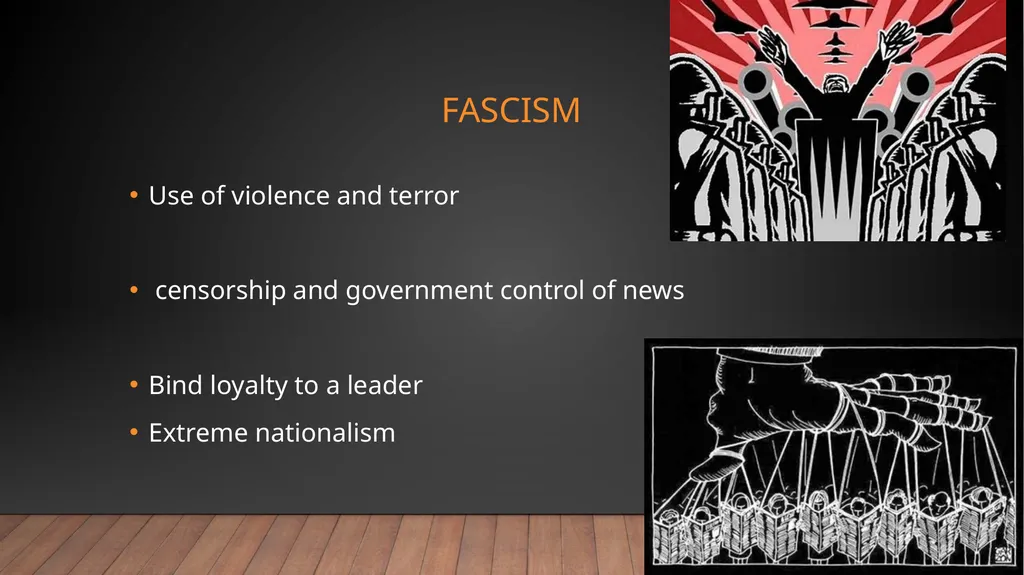
fascism Use of violence and terror
censorship and government control of news
Bind loyalty to a leader
Extreme nationalism<br>
28
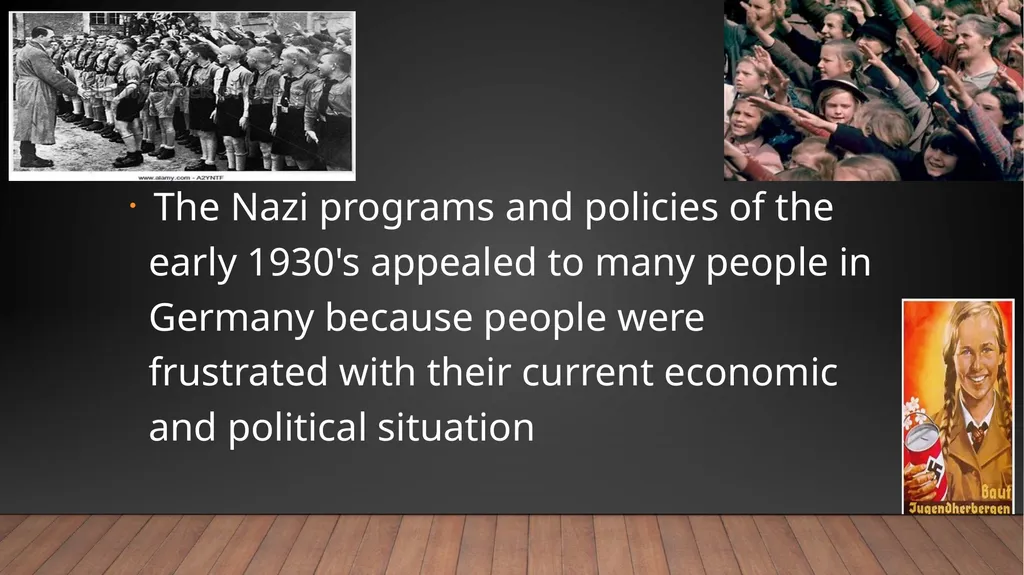
The Nazi programs and policies of the early 1930's appealed to many people in Germany because people were frustrated with their current economic and political situation<br>
29
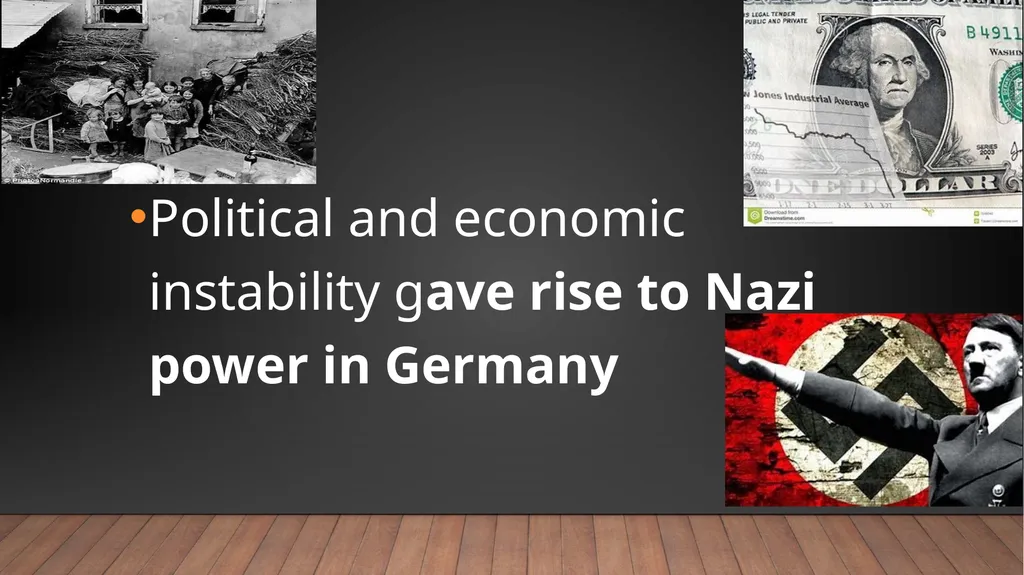
Political and economic instability gave rise to Nazi power in Germany<br>
30
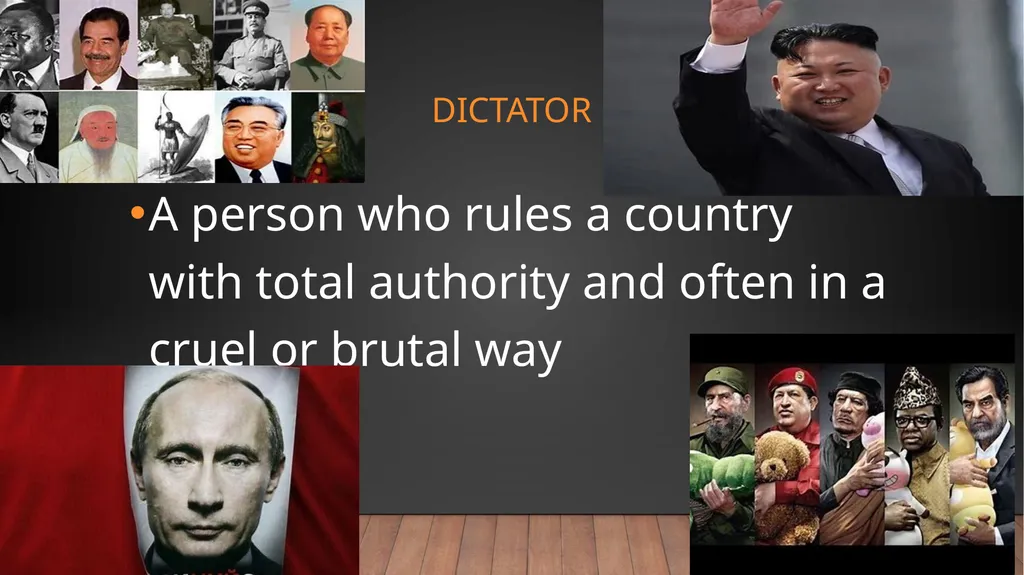
dictator A person who rules a country with total authority and often in a cruel or brutal way<br>
31
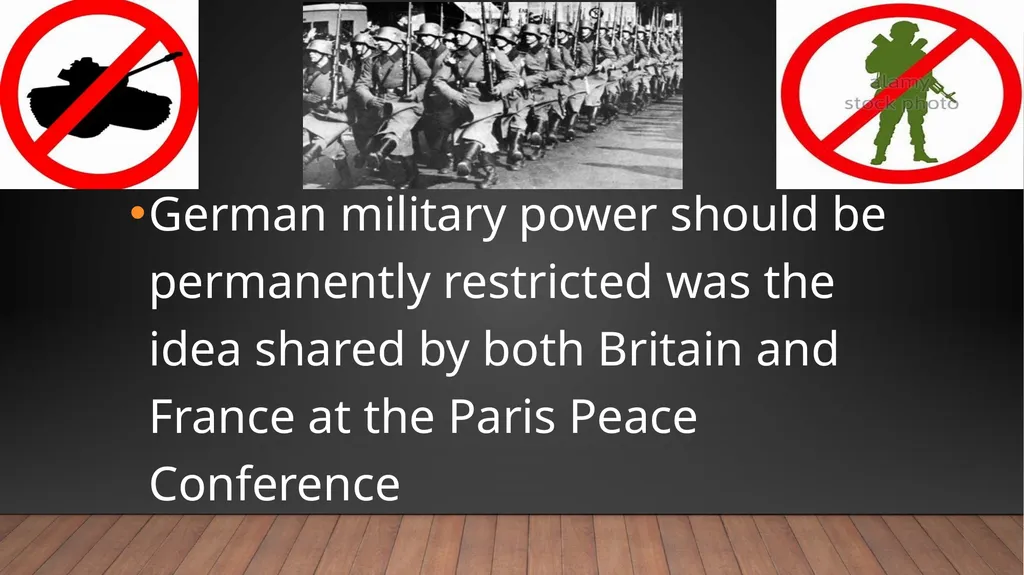
German military power should be permanently restricted was the idea shared by both Britain and France at the Paris Peace Conference<br>