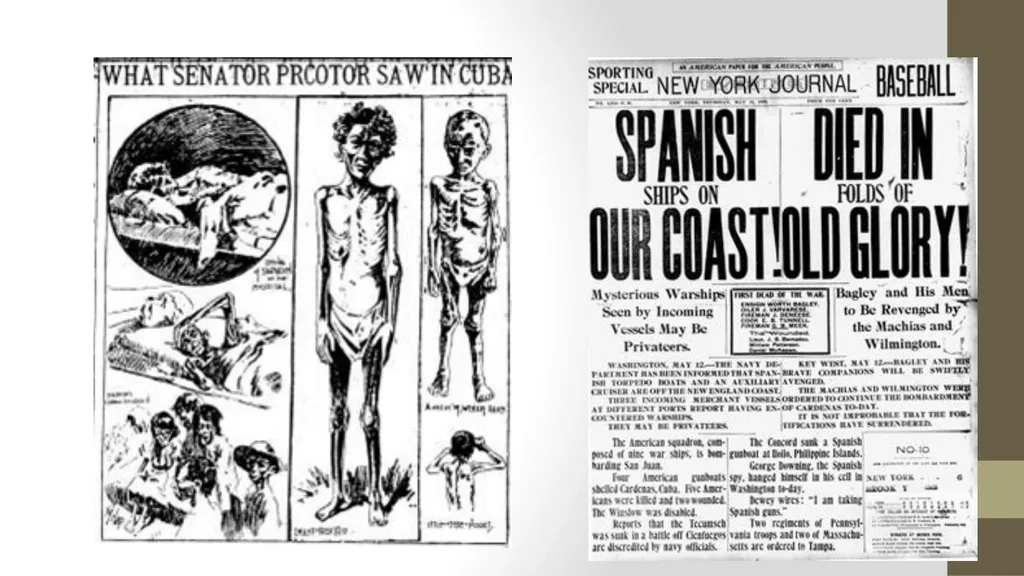
04
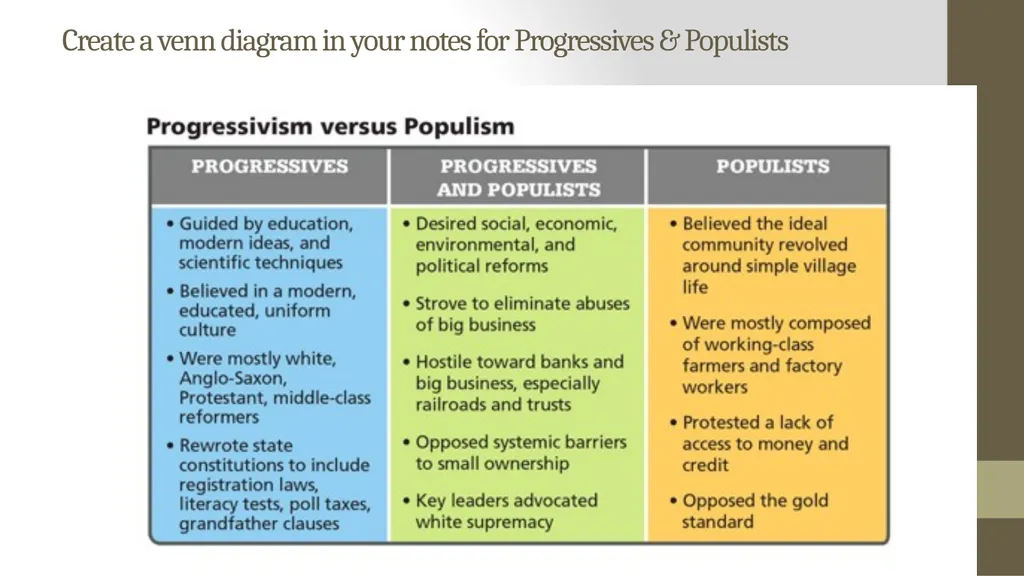
Create a venn diagram in your notes for Progressives & Populists<br>
05
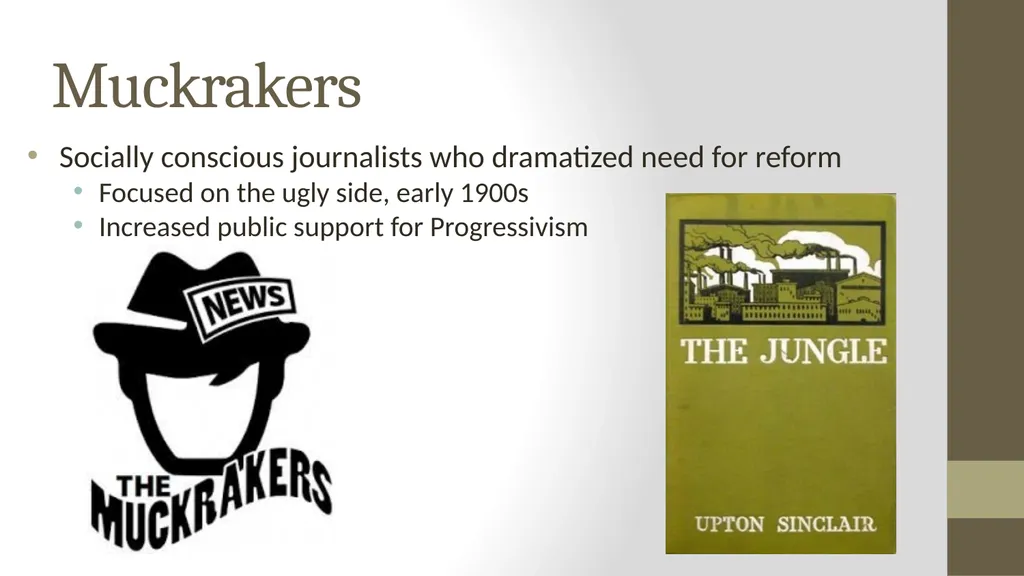
Muckrakers Socially conscious journalists who dramatized need for reform
Focused on the ugly side, early 1900s
Increased public support for Progressivism<br>
06
Reforms Impact Society Social Gospel
Walter Rauschenbusch, Baptist minister
Make society the “kingdom of God”
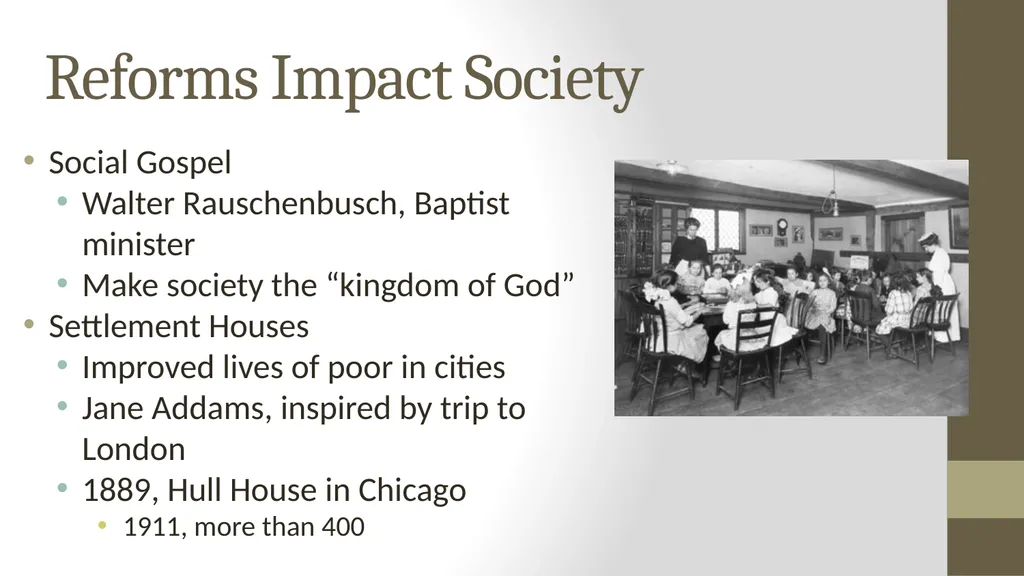
Settlement Houses
Improved lives of poor in cities
Jane Addams, inspired by trip to London
1889, Hull House in Chicago
1911, more than 400<br>
07
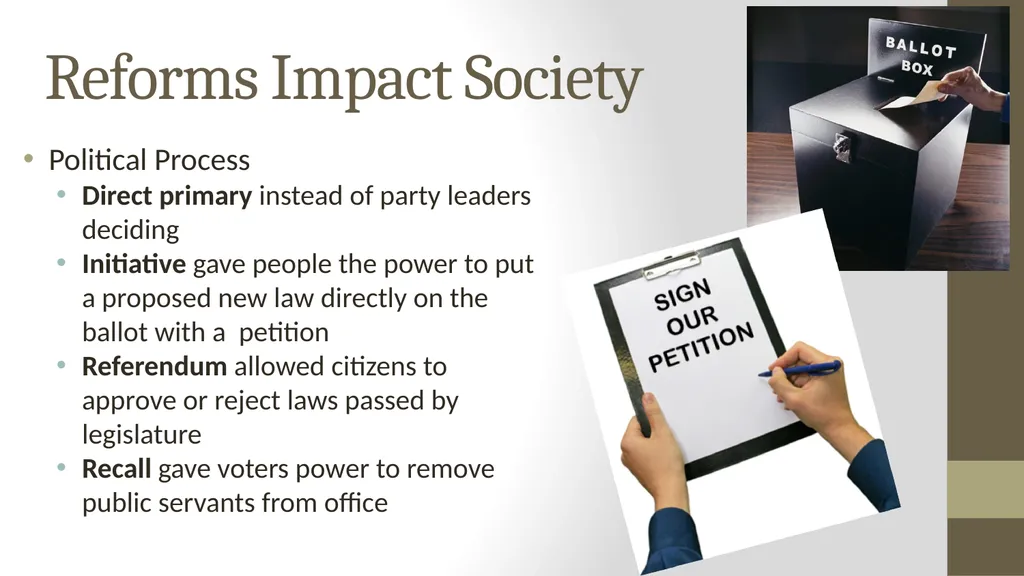
Reforms Impact Society Political Process
Direct primary instead of party leaders deciding
Initiative gave people the power to put a proposed new law directly on the ballot with a petition
Referendum allowed citizens to approve or reject laws passed by legislature
Recall gave voters power to remove public servants from office<br>
08
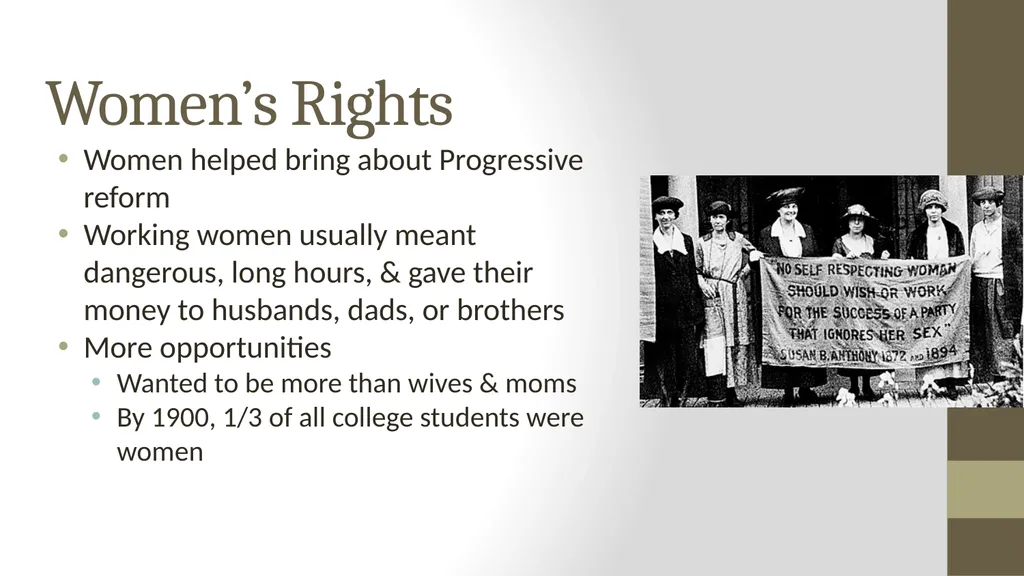
Women’s Rights Women helped bring about Progressive reform
Working women usually meant dangerous, long hours, & gave their money to husbands, dads, or brothers
More opportunities
Wanted to be more than wives & moms
By 1900, 1/3 of all college students were women<br>
09
Economic Issues 1903, Oregon law capped women’s work days to 10 hours
Long hours harmed women and families
Supreme Court, Muller v. Oregon
Women could be “properly placed in a class” by themselves
Victory?
National Consumers League (NCL)
Put labels on “goods produced under fair, safe, and healthy working conditions”<br>
10
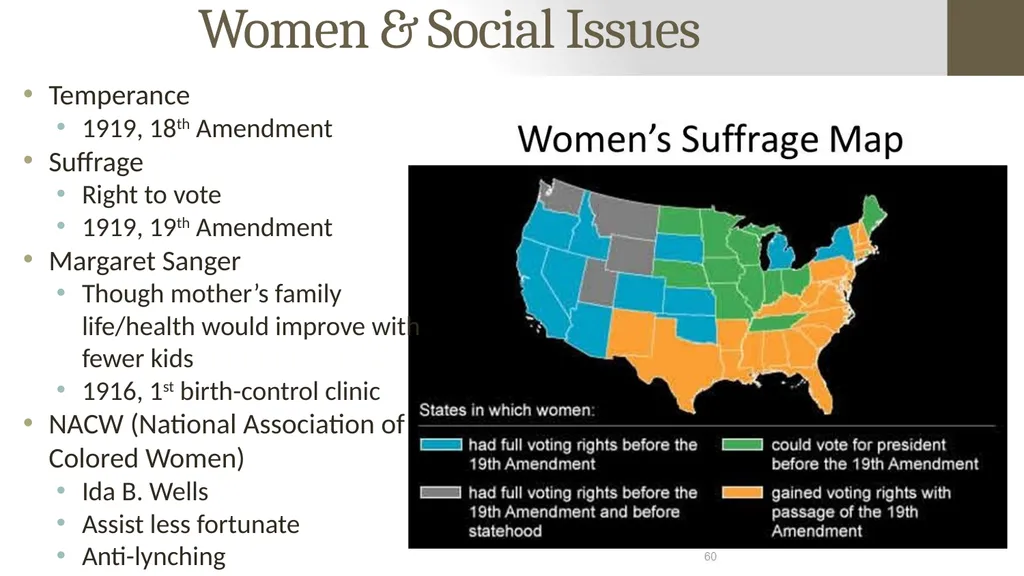
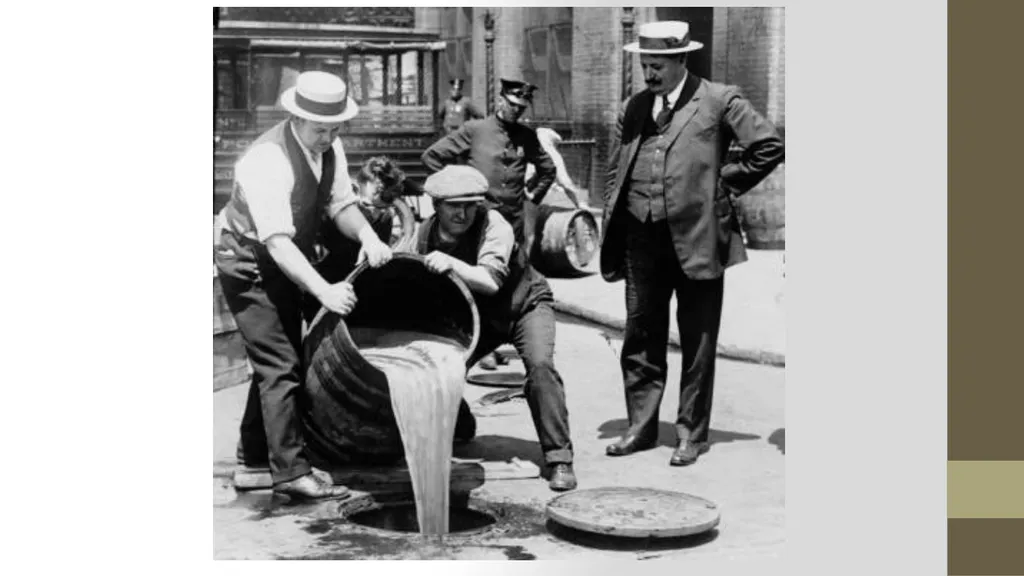
Women & Social Issues Temperance
1919, 18th Amendment
Suffrage
Right to vote
1919, 19th Amendment
Margaret Sanger
Though mother’s family life/health would improve with fewer kids
1916, 1st birth-control clinic
NACW (National Association of Colored Women)
Ida B. Wells
Assist less fortunate
Anti-lynching<br>
11
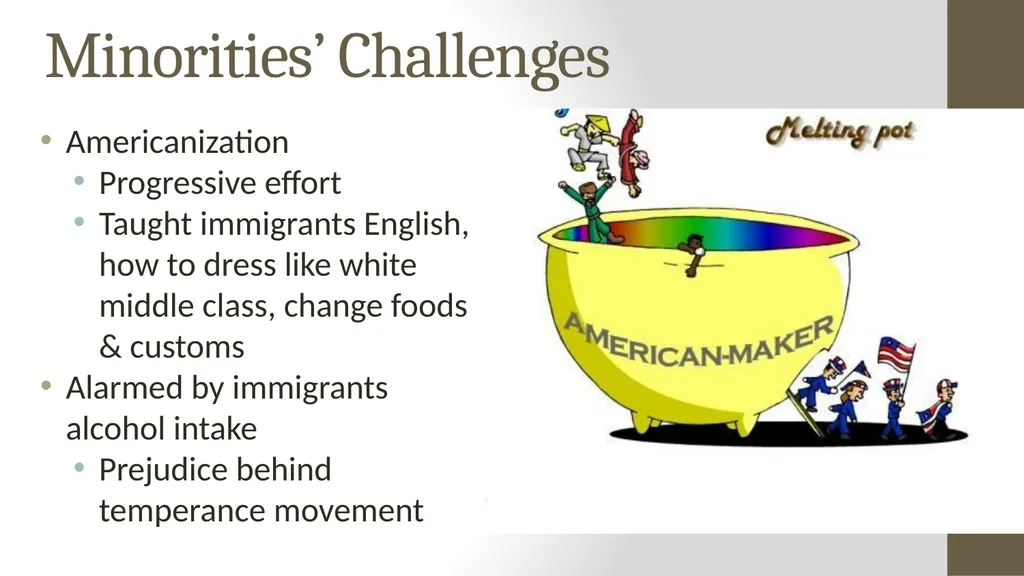
Minorities’ Challenges Americanization
Progressive effort
Taught immigrants English, how to dress like white middle class, change foods & customs
Alarmed by immigrants alcohol intake
Prejudice behind temperance movement<br>
12
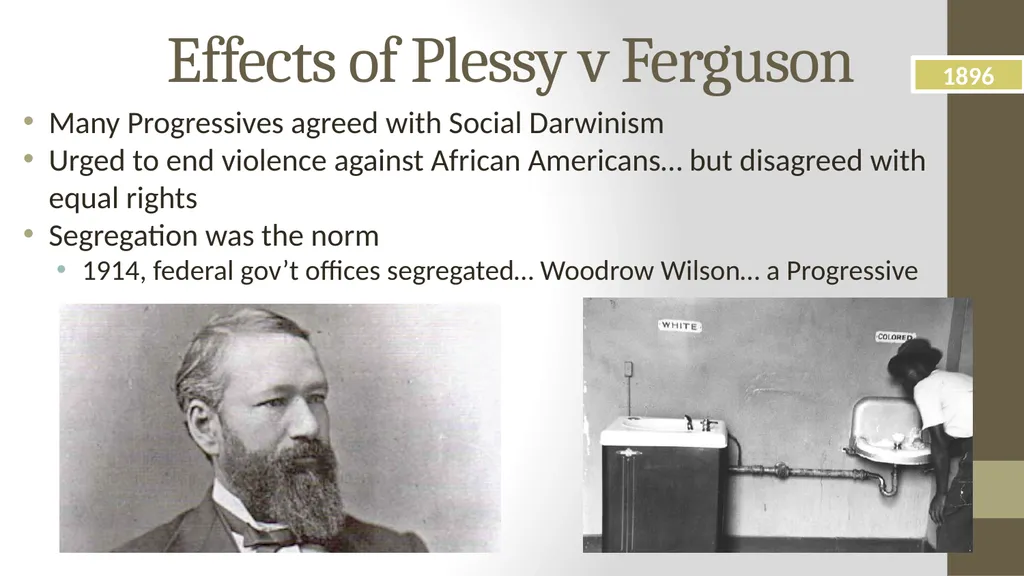
Effects of Plessy v Ferguson Many Progressives agreed with Social Darwinism
Urged to end violence against African Americans… but disagreed with equal rights
Segregation was the norm
1914, federal gov’t offices segregated… Woodrow Wilson… a Progressive 1896<br>
13
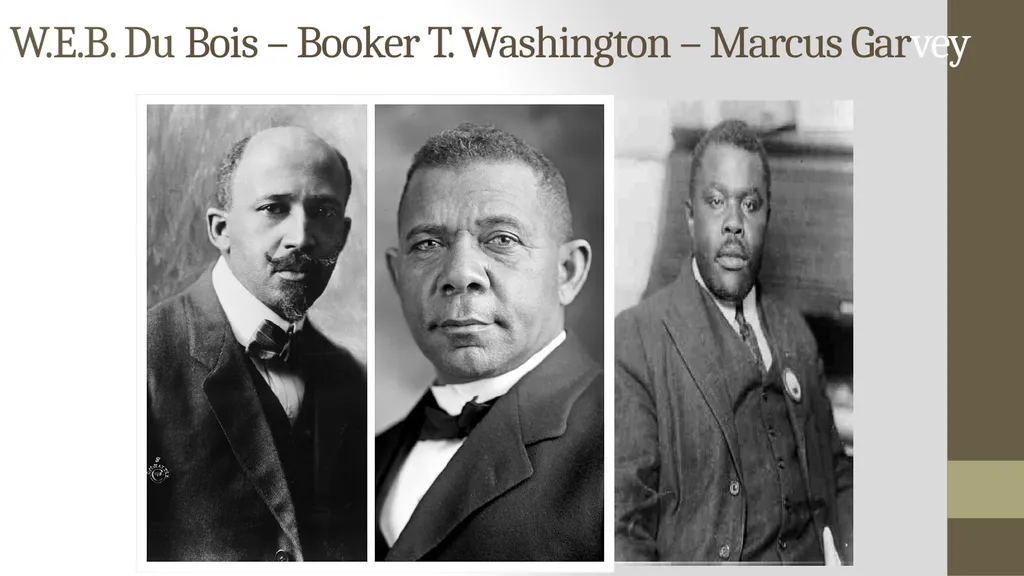
W.E.B. Du Bois – Booker T. Washington – Marcus Garvey<br>
14
Protecting Rights for Ethnic & Religious Minorities Anti-Defamation League
Growing anti-Semitism, 1913
Goal was and still is defend Jews
Mexican Americans
Mutualistas, provided loans, legal assistance, insurance programs
Native Americans
Progressives did little to help
American Indian Citizenship Act of 1924
Full voting rights
Thanks to WWI
Asian Americans
Only citizens could own land… couldn’t become citizens
1922, fought in Supreme Court…lost<br>
15
Needed a strong Progressive President…<br>
16
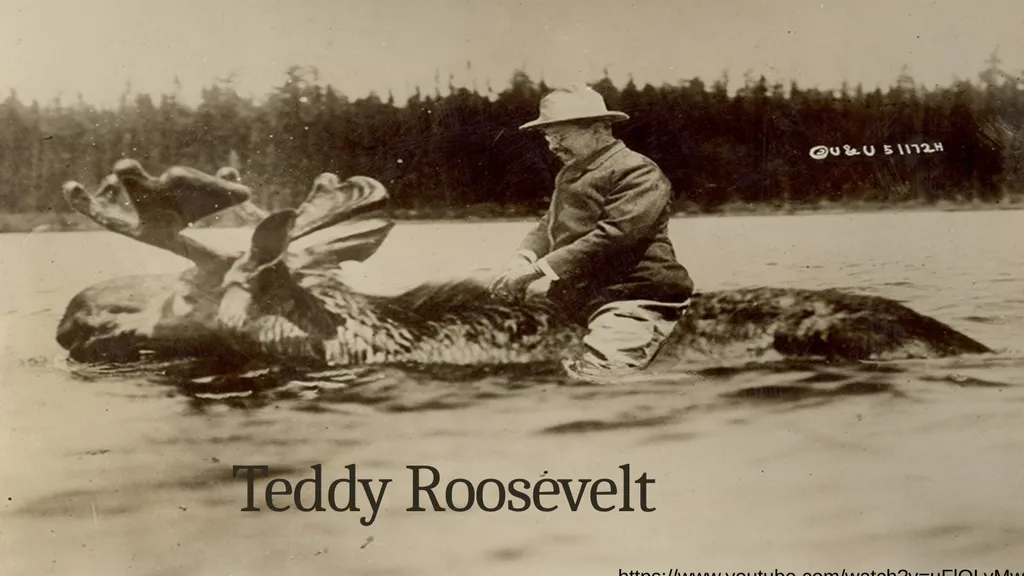
Teddy Roosevelt https://www.youtube.com/watch?v=uFlOLyMwnjU<br>
17
5 facts about Roosevelt
5 facts about Taft<br>
18
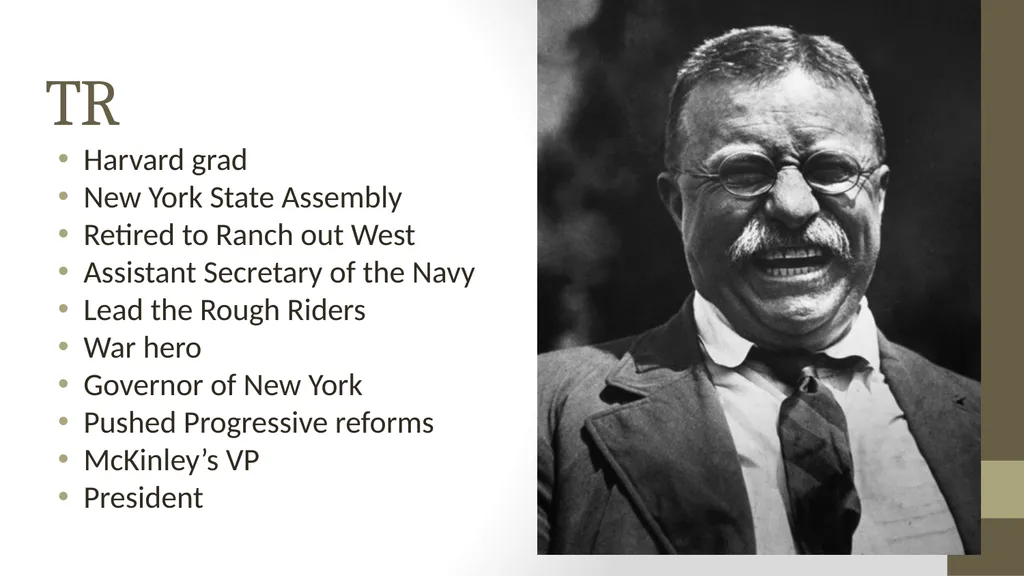
TR Harvard grad
New York State Assembly
Retired to Ranch out West
Assistant Secretary of the Navy
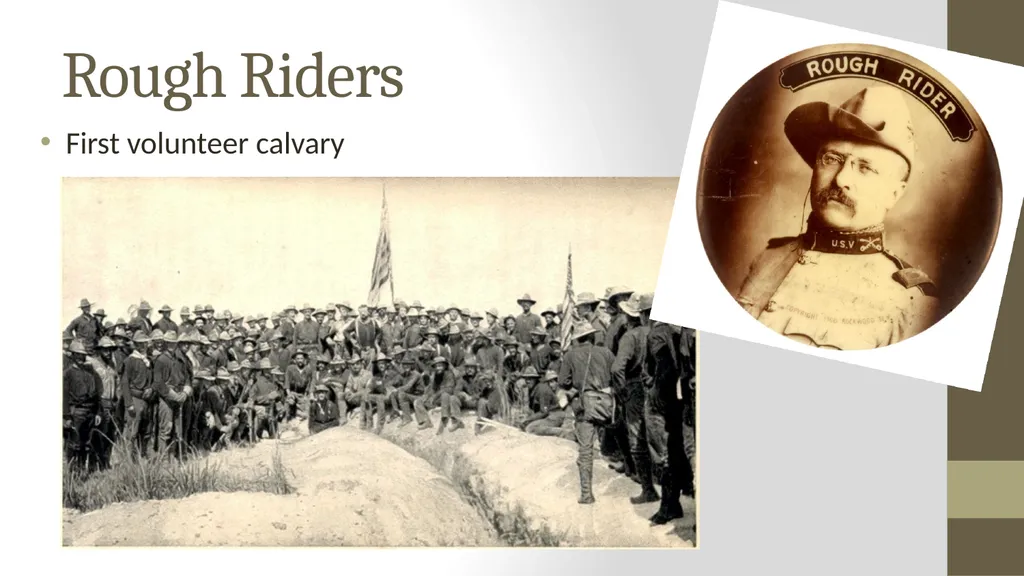
Lead the Rough Riders
War hero
Governor of New York
Pushed Progressive reforms
McKinley’s VP
President<br>
19
Square Deal TR’s domestic program
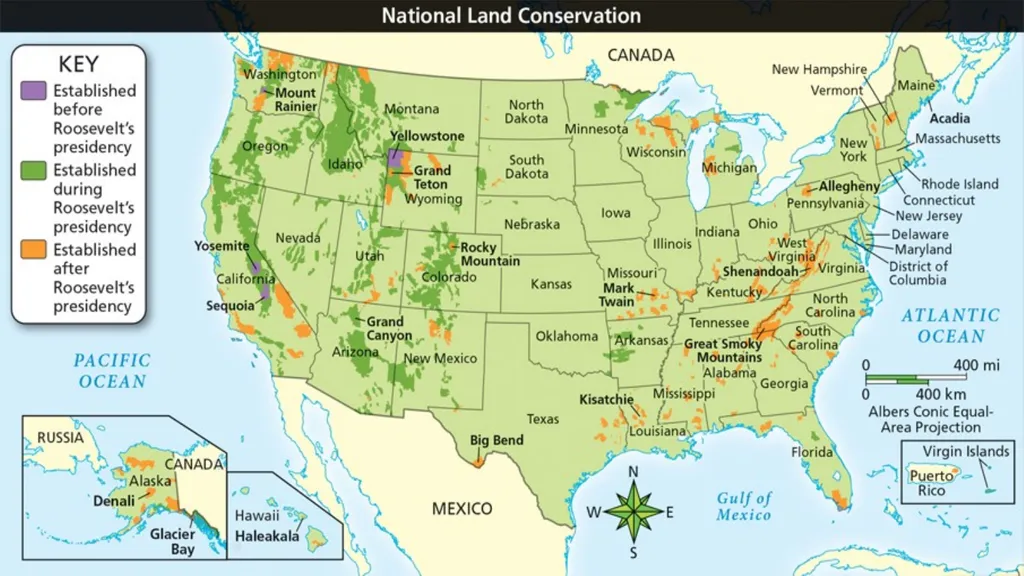
1. Conserve natural resources
2. Control corporations
3. Consumer protection “When I say I believe in a square deal, I do not mean to give every man the best hand. If good cards to not come to any man, or if they do come, and he has not got the power to play them, that is his affair. All I mean is that there shall be no crookedness in the dealing.” Coal miner strike, 1902
Sympathized, but needed coal
Compromised
1st time fed stepped into labor dispute<br>
20
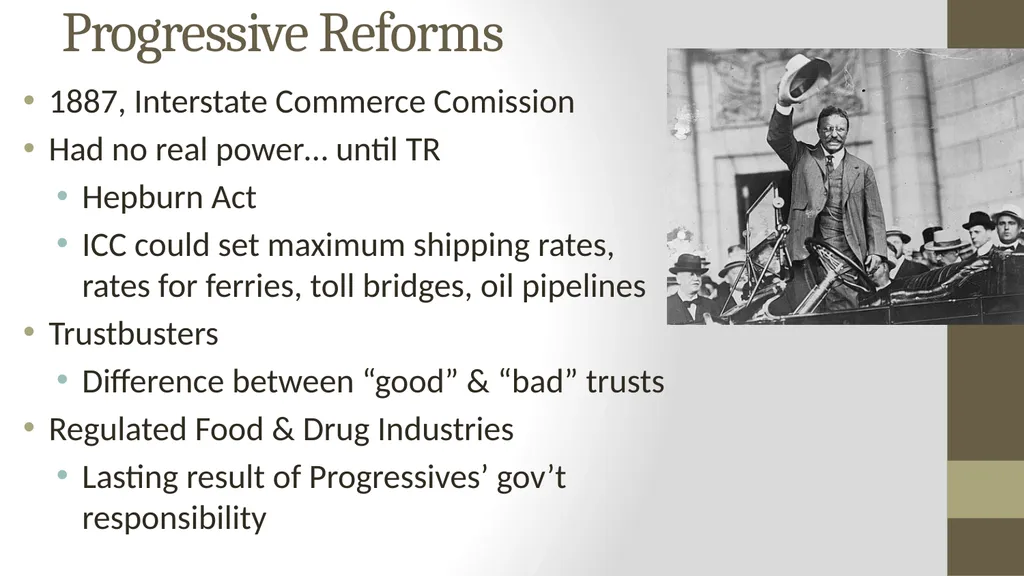
1887, Interstate Commerce Comission
Had no real power… until TR
Hepburn Act
ICC could set maximum shipping rates, rates for ferries, toll bridges, oil pipelines
Trustbusters
Difference between “good” & “bad” trusts
Regulated Food & Drug Industries
Lasting result of Progressives’ gov’t responsibility Progressive Reforms<br>
21
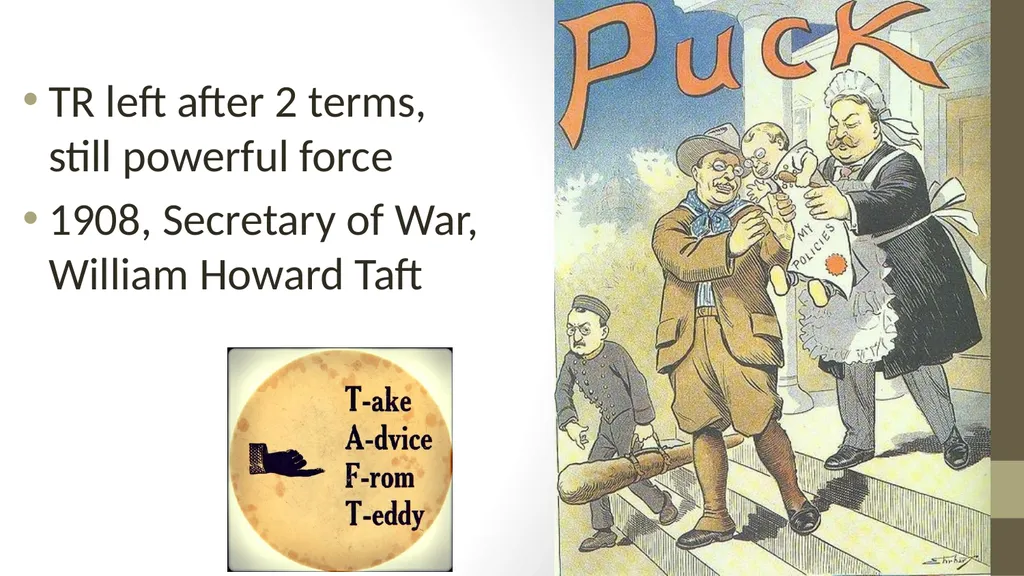
TR left after 2 terms, still powerful force
1908, Secretary of War, William Howard Taft<br>
22
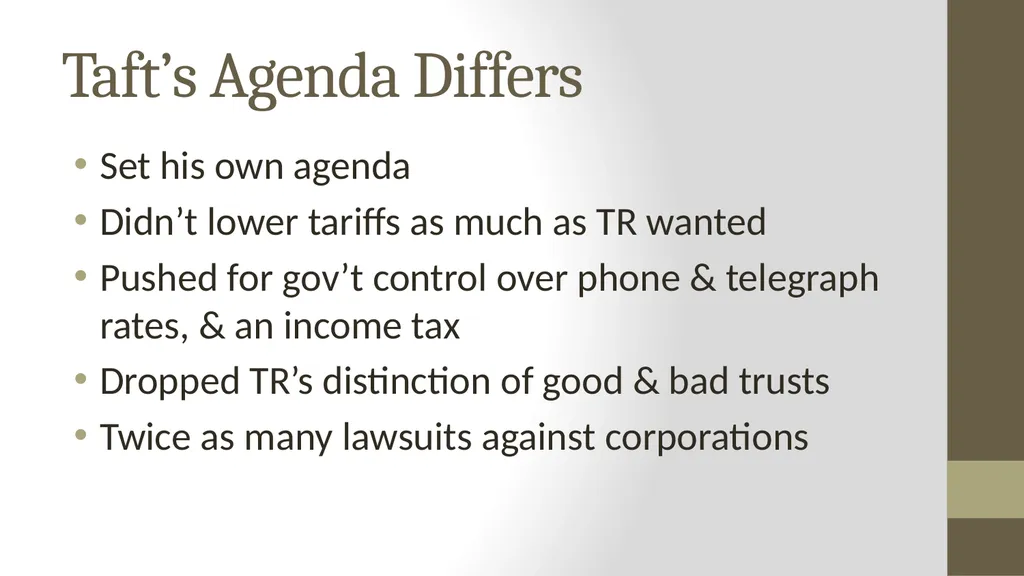
Taft’s Agenda Differs Set his own agenda
Didn’t lower tariffs as much as TR wanted
Pushed for gov’t control over phone & telegraph rates, & an income tax
Dropped TR’s distinction of good & bad trusts
Twice as many lawsuits against corporations<br>
23
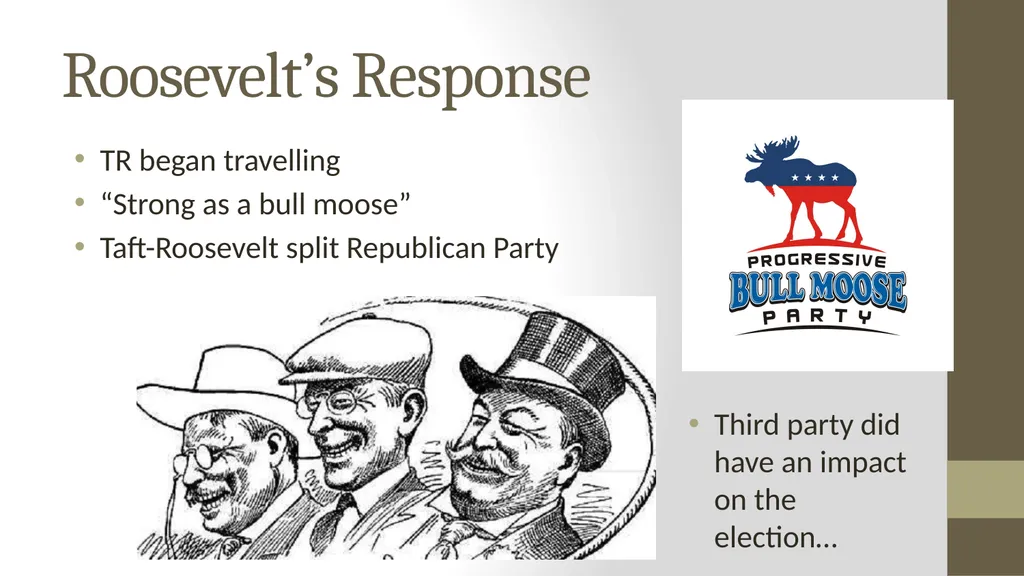
Roosevelt’s Response TR began travelling
“Strong as a bull moose”
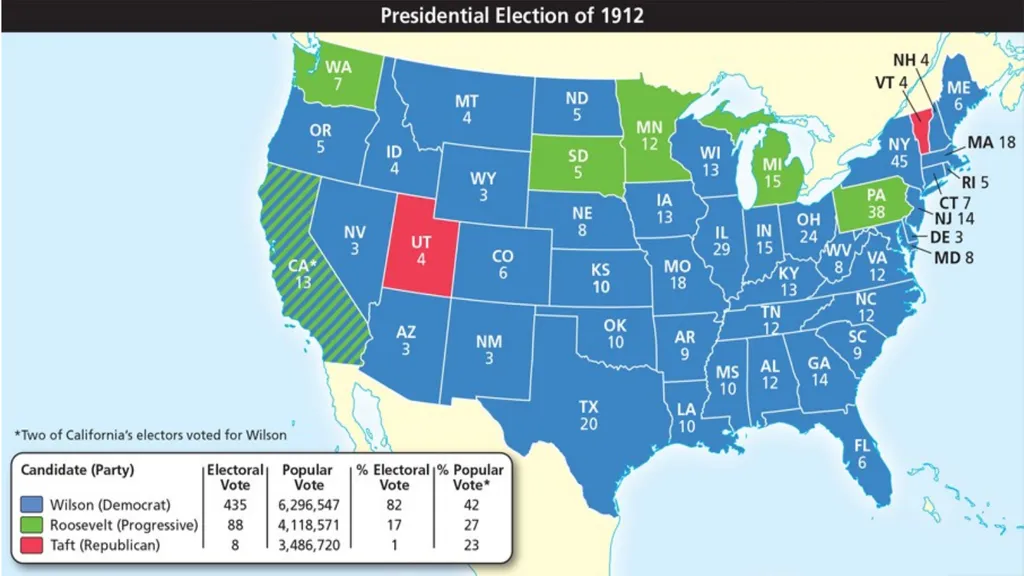
Taft-Roosevelt split Republican Party Third party did have an impact on the election…<br>
24
Woodrow Wilson Lowered tariffs
… lost money
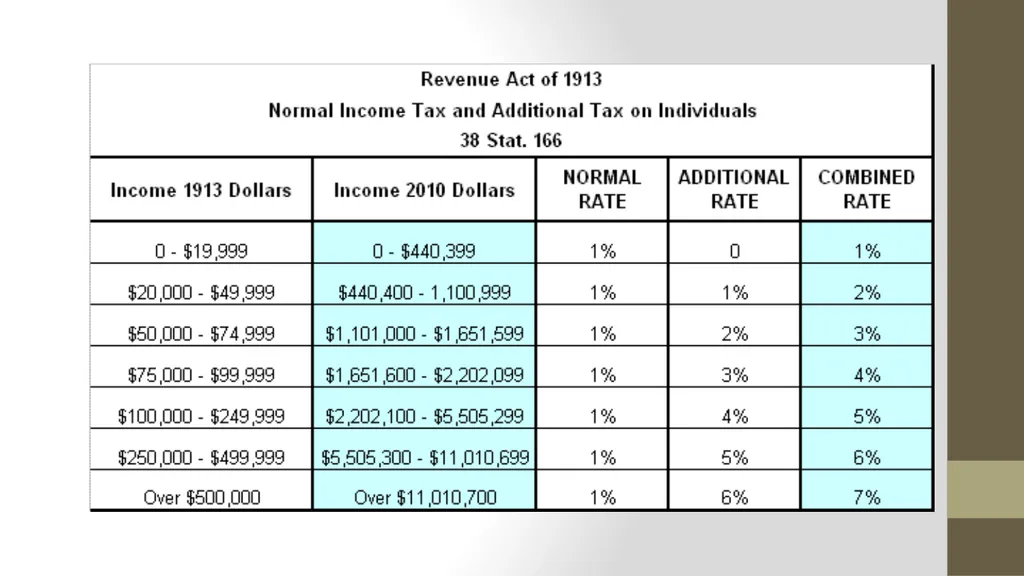
16th amendment
Congress had power to collect income tax without restriction
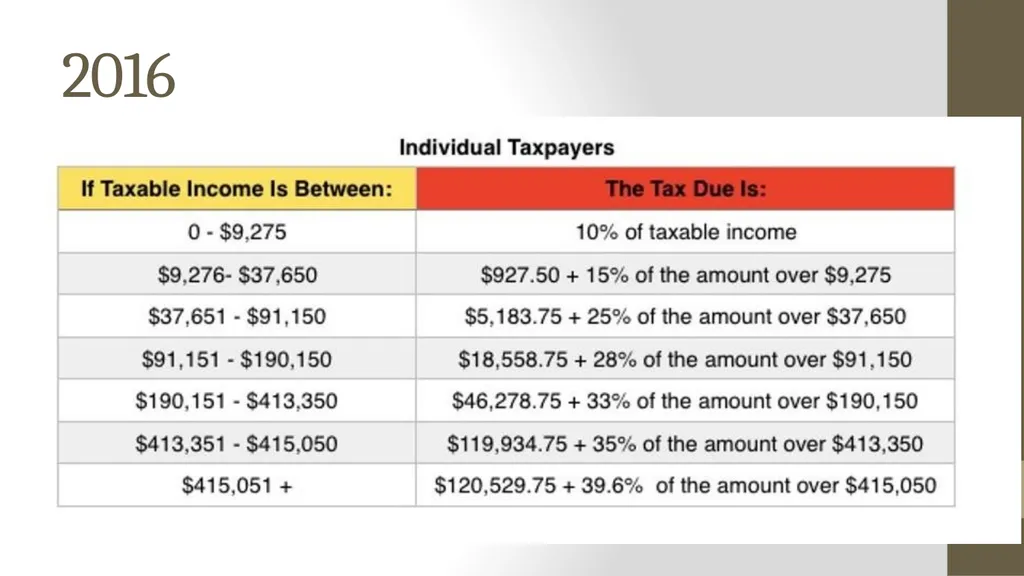
Graduated income tax
Very controversial, even today<br>
26
Regulation of Commercial Banks 1913, Federal Reserve
Put banks under control of Fed
Still in place today
Too much federal power?
Wilson strengthened Anti-trust
Workers gained rights
Workingman’s Compensation Act (1916)<br>
27
Progressives’ Legacy Lasting effect
Political reforms
Antitrust laws, Fed
Gov’ts role in managing natural resources<br>
28
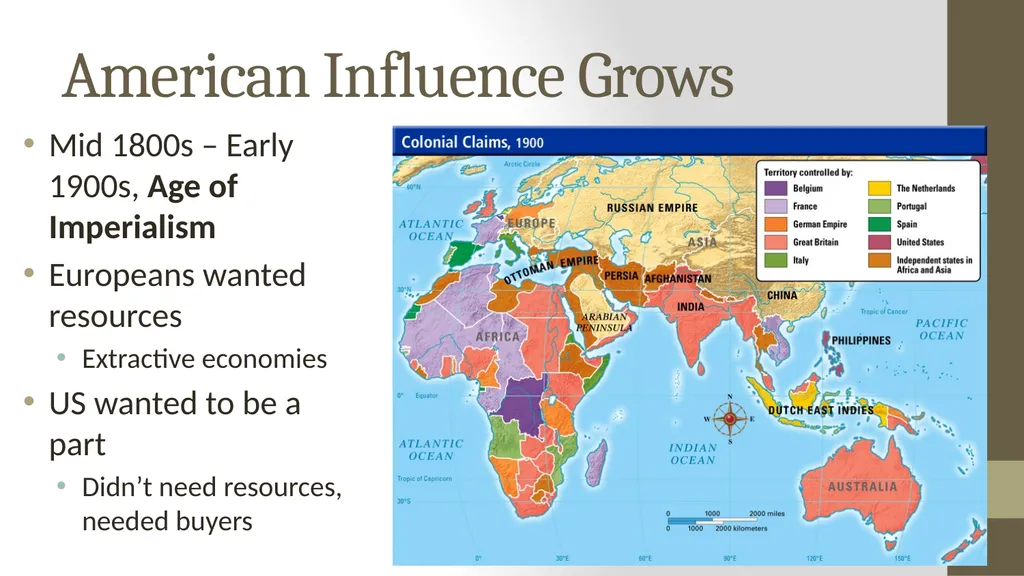
American Influence Grows Mid 1800s – Early 1900s, Age of Imperialism
Europeans wanted resources
Extractive economies
US wanted to be a part
Didn’t need resources, needed buyers<br>
29
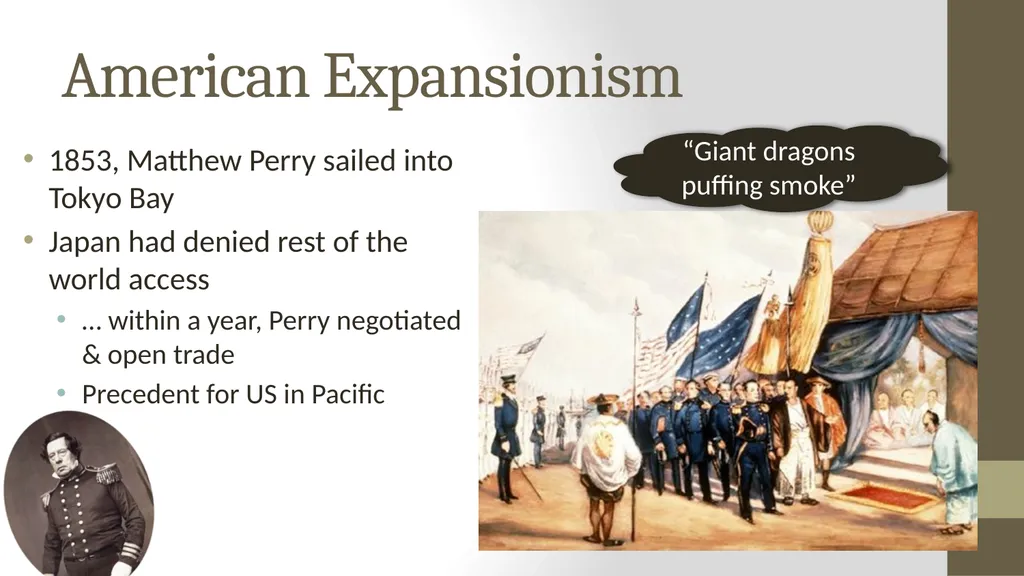
American Expansionism 1853, Matthew Perry sailed into Tokyo Bay
Japan had denied rest of the world access
… within a year, Perry negotiated & open trade
Precedent for US in Pacific “Giant dragons puffing smoke”<br>
30
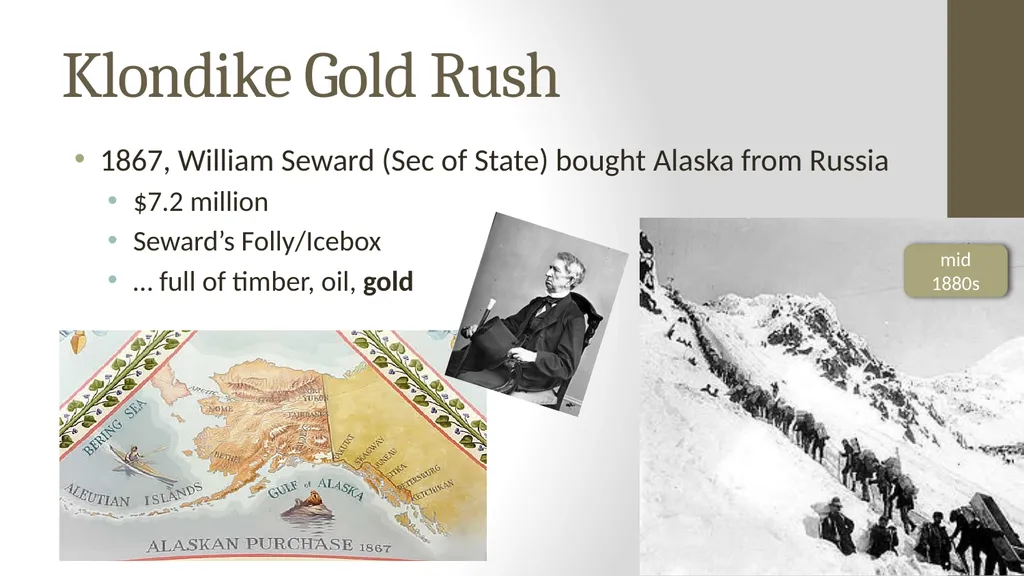
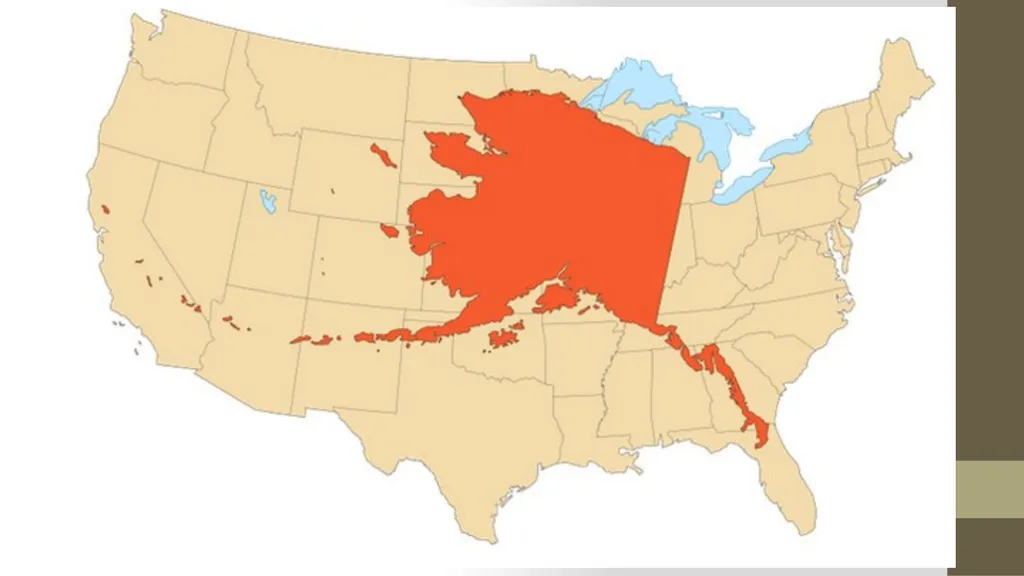
Klondike Gold Rush 1867, William Seward (Sec of State) bought Alaska from Russia
$7.2 million
Seward’s Folly/Icebox
… full of timber, oil, gold mid 1880s<br>
31
Rough Riders First volunteer calvary<br>
32
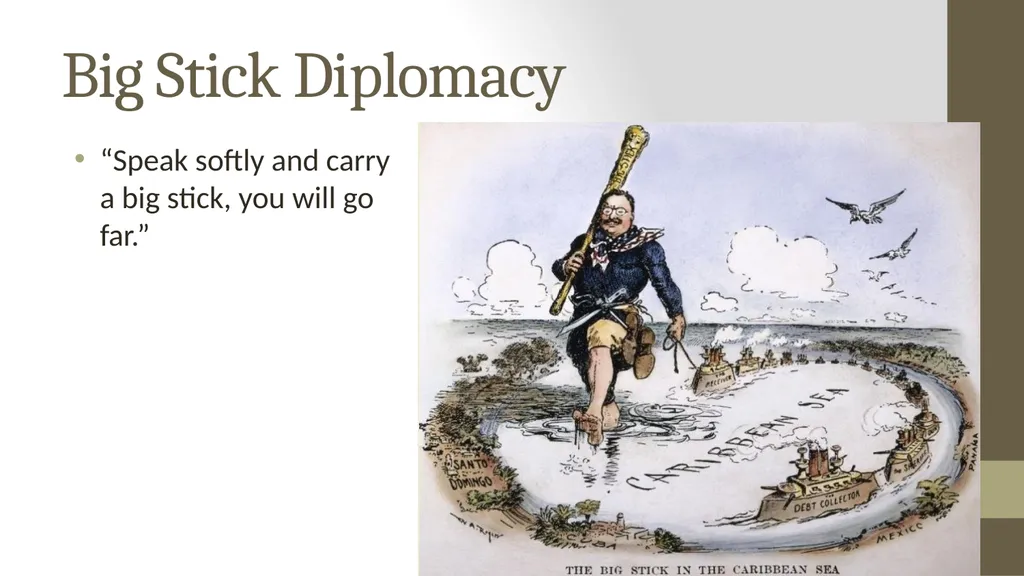
Big Stick Diplomacy “Speak softly and carry a big stick, you will go far.”<br>
33
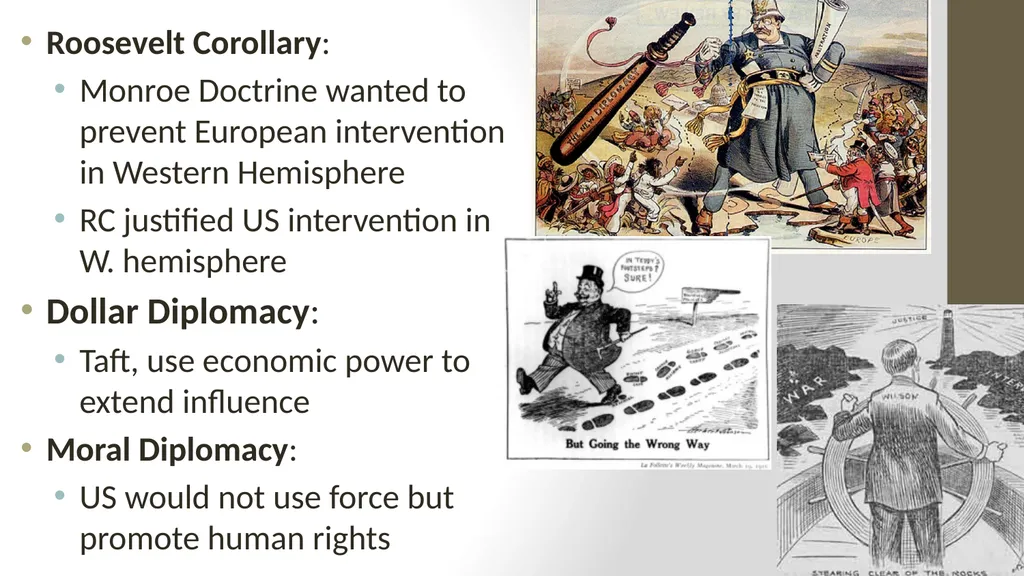
Roosevelt Corollary:
Monroe Doctrine wanted to prevent European intervention in Western Hemisphere
RC justified US intervention in W. hemisphere
Dollar Diplomacy:
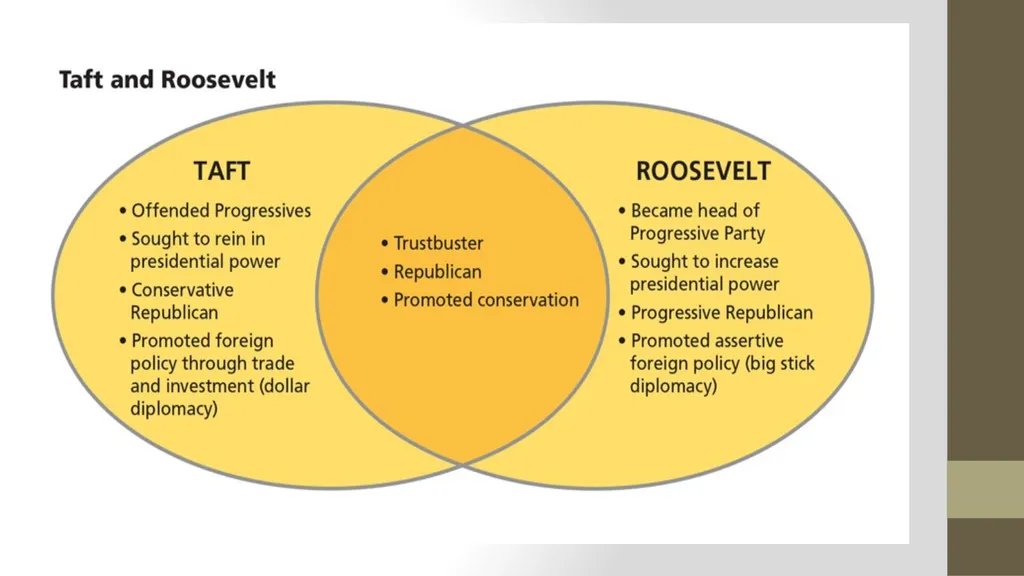
Taft, use economic power to extend influence
Moral Diplomacy:
US would not use force but promote human rights<br>