
Use of Injectable CAB/RPV LA as Replacement ART
TD
Published · 22 slides · 0 views

1 / 1
Description
Use of Injectable CABRPV LA as Replacement ART www.hivguidelines.org FEBRUARY 2026 NYSDOH AIDS Institute Clinical Guidelines Program Purpose of This Guideline Weigh the risks and benefits of switching from an oral to an injectable ART
Related Topics
Share
Embed code
Download this presentation From Below
"Use of Injectable CAB/RPV LA as Replacement ART" is the property of its rightful owner. Permission is granted to download and print the materials on this website for personal, non-commercial use only, and to display it on your personal computer provided you do not modify the materials and that you retain all copyright notices contained in the materials. By downloading content from our website, you accept the terms of this agreement.
Presentation Transcript
01
Use of Injectable CAB/RPV LA as Replacement ART www.hivguidelines.org FEBRUARY 2026 NYSDOH AIDS Institute Clinical Guidelines Program<br>
02
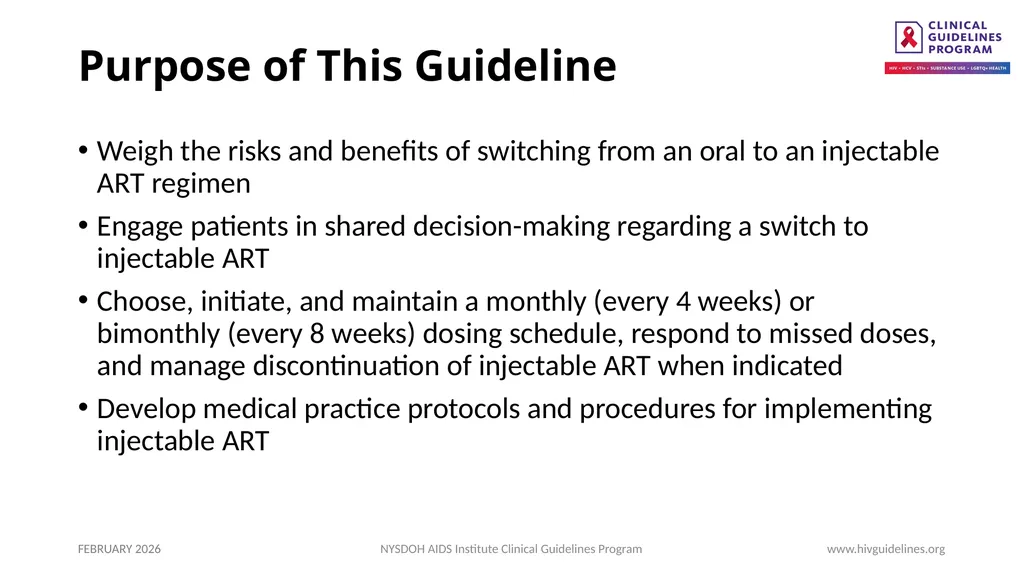
Purpose of This Guideline Weigh the risks and benefits of switching from an oral to an injectable ART regimen
Engage patients in shared decision-making regarding a switch to injectable ART
Choose, initiate, and maintain a monthly (every 4 weeks) or bimonthly (every 8 weeks) dosing schedule, respond to missed doses, and manage discontinuation of injectable ART when indicated
Develop medical practice protocols and procedures for implementing injectable ART NYSDOH AIDS Institute Clinical Guidelines Program www.hivguidelines.org FEBRUARY 2026<br>
03
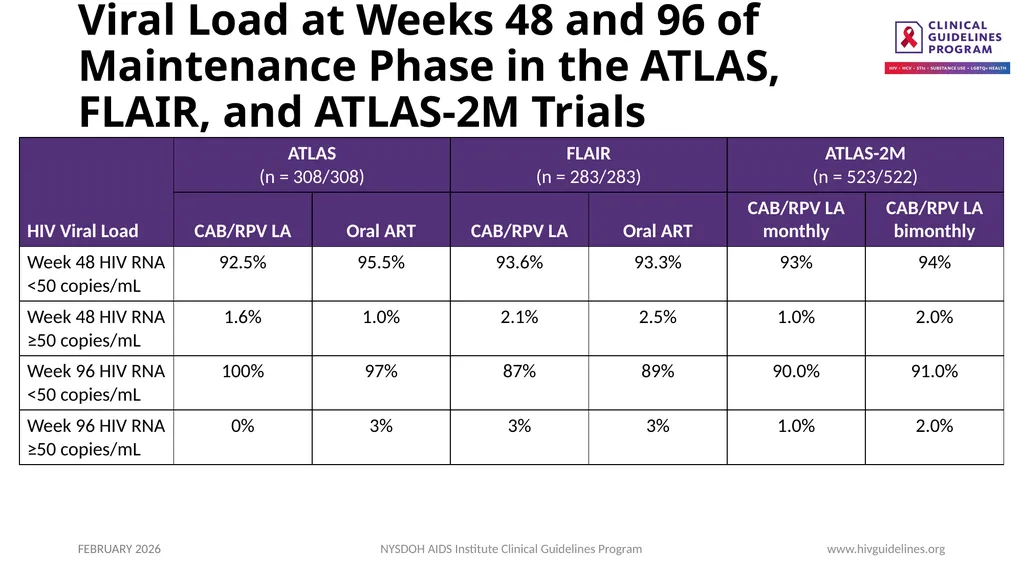
Viral Load at Weeks 48 and 96 of Maintenance Phase in the ATLAS, FLAIR, and ATLAS-2M Trials NYSDOH AIDS Institute Clinical Guidelines Program www.hivguidelines.org FEBRUARY 2026<br>
04
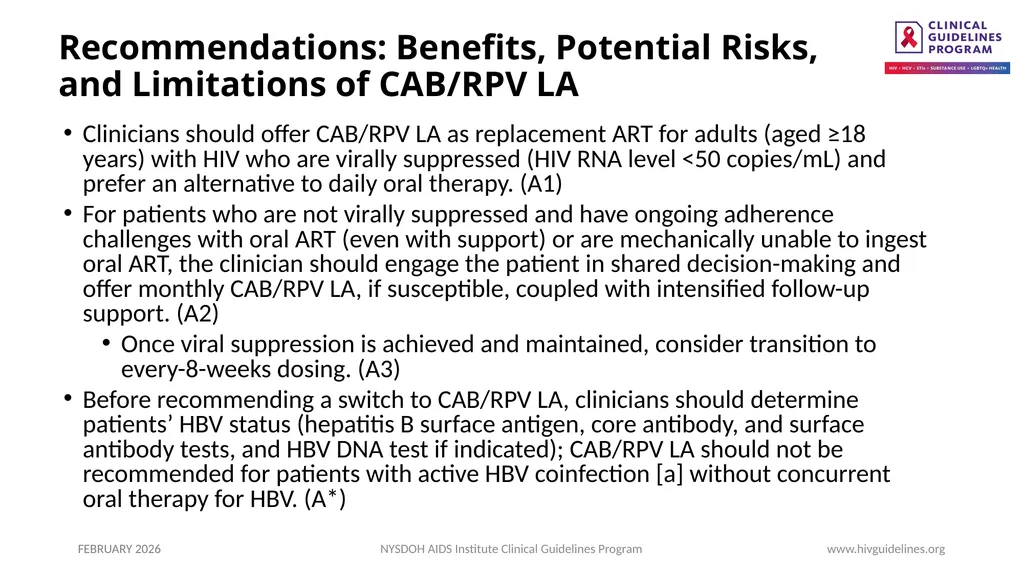
Recommendations: Benefits, Potential Risks, and Limitations of CAB/RPV LA Clinicians should offer CAB/RPV LA as replacement ART for adults (aged ≥18 years) with HIV who are virally suppressed (HIV RNA level <50 copies/mL) and prefer an alternative to daily oral therapy. (A1)
For patients who are not virally suppressed and have ongoing adherence challenges with oral ART (even with support) or are mechanically unable to ingest oral ART, the clinician should engage the patient in shared decision-making and offer monthly CAB/RPV LA, if susceptible, coupled with intensified follow-up support. (A2)
Once viral suppression is achieved and maintained, consider transition to every-8-weeks dosing. (A3)
Before recommending a switch to CAB/RPV LA, clinicians should determine patients’ HBV status (hepatitis B surface antigen, core antibody, and surface antibody tests, and HBV DNA test if indicated); CAB/RPV LA should not be recommended for patients with active HBV coinfection [a] without concurrent oral therapy for HBV. (A*) NYSDOH AIDS Institute Clinical Guidelines Program www.hivguidelines.org FEBRUARY 2026<br>
05
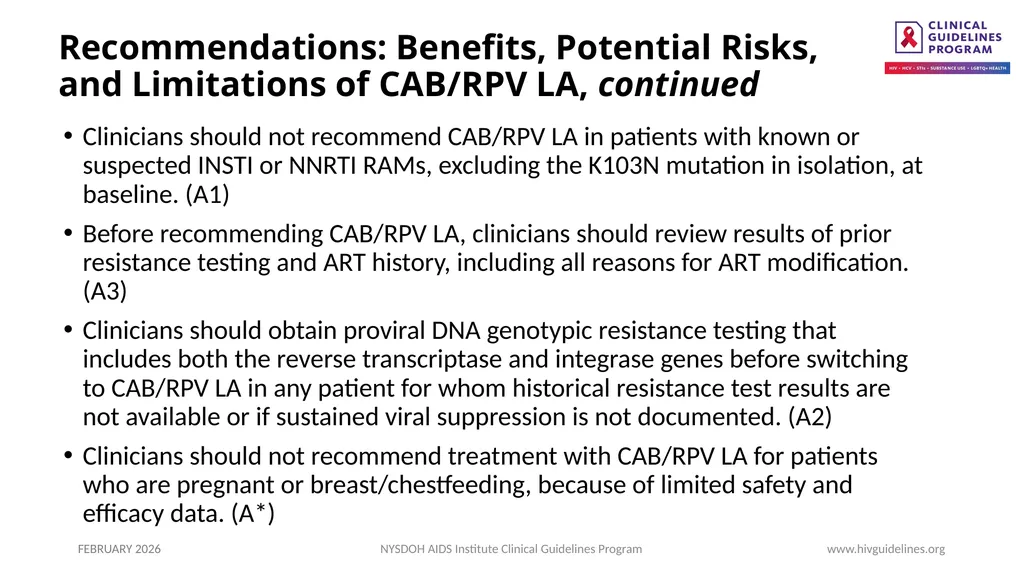
Recommendations: Benefits, Potential Risks, and Limitations of CAB/RPV LA, continued Clinicians should not recommend CAB/RPV LA in patients with known or suspected INSTI or NNRTI RAMs, excluding the K103N mutation in isolation, at baseline. (A1)
Before recommending CAB/RPV LA, clinicians should review results of prior resistance testing and ART history, including all reasons for ART modification. (A3)
Clinicians should obtain proviral DNA genotypic resistance testing that includes both the reverse transcriptase and integrase genes before switching to CAB/RPV LA in any patient for whom historical resistance test results are not available or if sustained viral suppression is not documented. (A2)
Clinicians should not recommend treatment with CAB/RPV LA for patients who are pregnant or breast/chestfeeding, because of limited safety and efficacy data. (A*) NYSDOH AIDS Institute Clinical Guidelines Program www.hivguidelines.org FEBRUARY 2026<br>
06
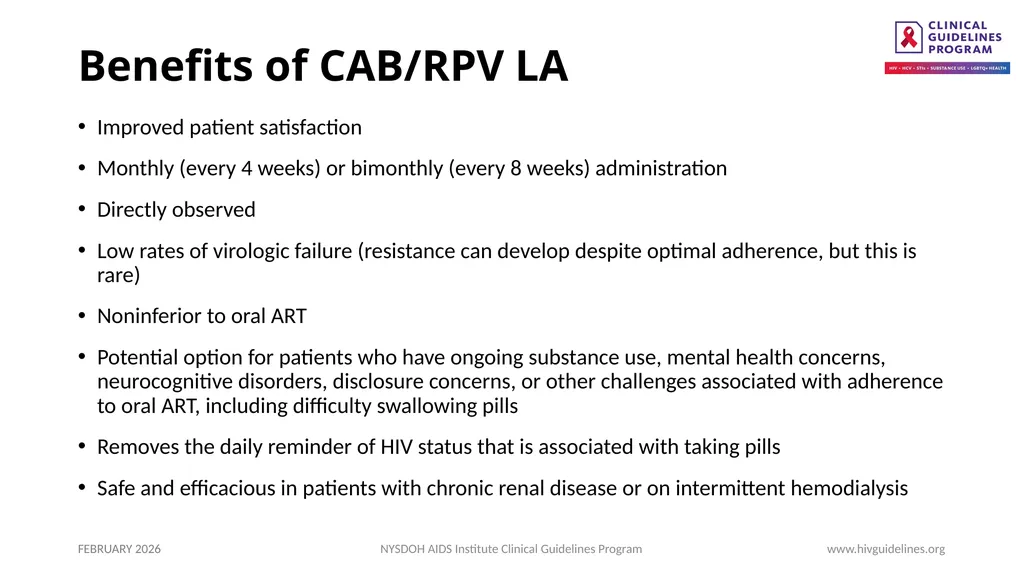
Benefits of CAB/RPV LA Improved patient satisfaction
Monthly (every 4 weeks) or bimonthly (every 8 weeks) administration
Directly observed
Low rates of virologic failure (resistance can develop despite optimal adherence, but this is rare)
Noninferior to oral ART
Potential option for patients who have ongoing substance use, mental health concerns, neurocognitive disorders, disclosure concerns, or other challenges associated with adherence to oral ART, including difficulty swallowing pills
Removes the daily reminder of HIV status that is associated with taking pills
Safe and efficacious in patients with chronic renal disease or on intermittent hemodialysis NYSDOH AIDS Institute Clinical Guidelines Program www.hivguidelines.org FEBRUARY 2026<br>
07
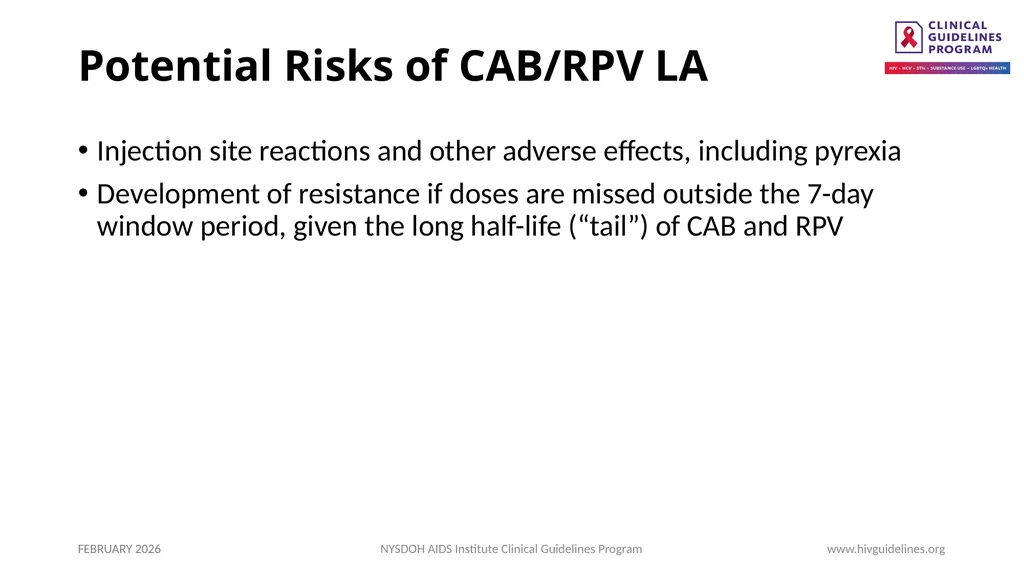
Potential Risks of CAB/RPV LA Injection site reactions and other adverse effects, including pyrexia
Development of resistance if doses are missed outside the 7-day window period, given the long half-life (“tail”) of CAB and RPV NYSDOH AIDS Institute Clinical Guidelines Program www.hivguidelines.org FEBRUARY 2026<br>
Development of resistance if doses are missed outside the 7-day window period, given the long half-life (“tail”) of CAB and RPV NYSDOH AIDS Institute Clinical Guidelines Program www.hivguidelines.org FEBRUARY 2026<br>
08
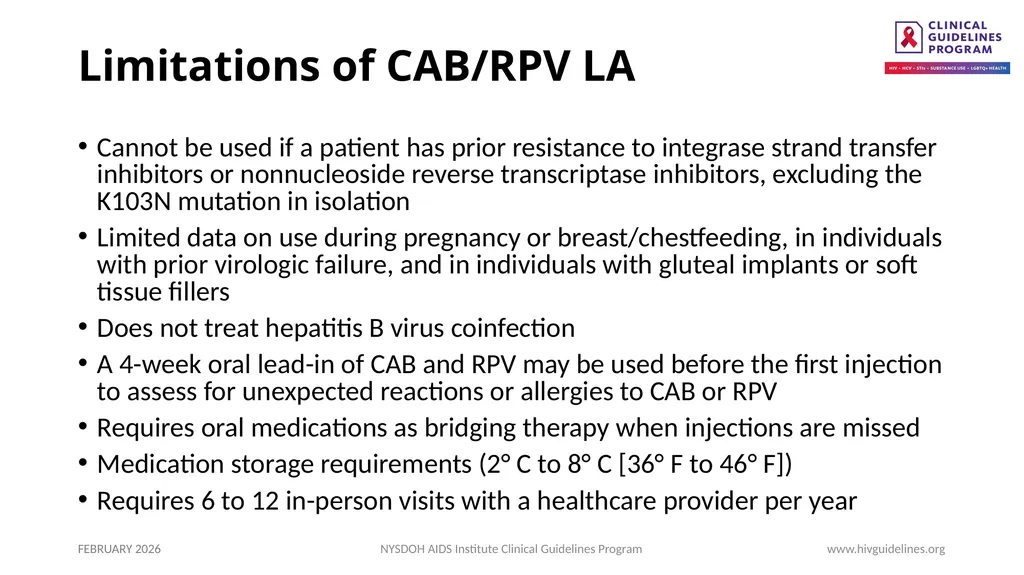
Limitations of CAB/RPV LA Cannot be used if a patient has prior resistance to integrase strand transfer inhibitors or nonnucleoside reverse transcriptase inhibitors, excluding the K103N mutation in isolation
Limited data on use during pregnancy or breast/chestfeeding, in individuals with prior virologic failure, and in individuals with gluteal implants or soft tissue fillers
Does not treat hepatitis B virus coinfection
A 4-week oral lead-in of CAB and RPV may be used before the first injection to assess for unexpected reactions or allergies to CAB or RPV
Requires oral medications as bridging therapy when injections are missed
Medication storage requirements (2° C to 8° C [36° F to 46° F])
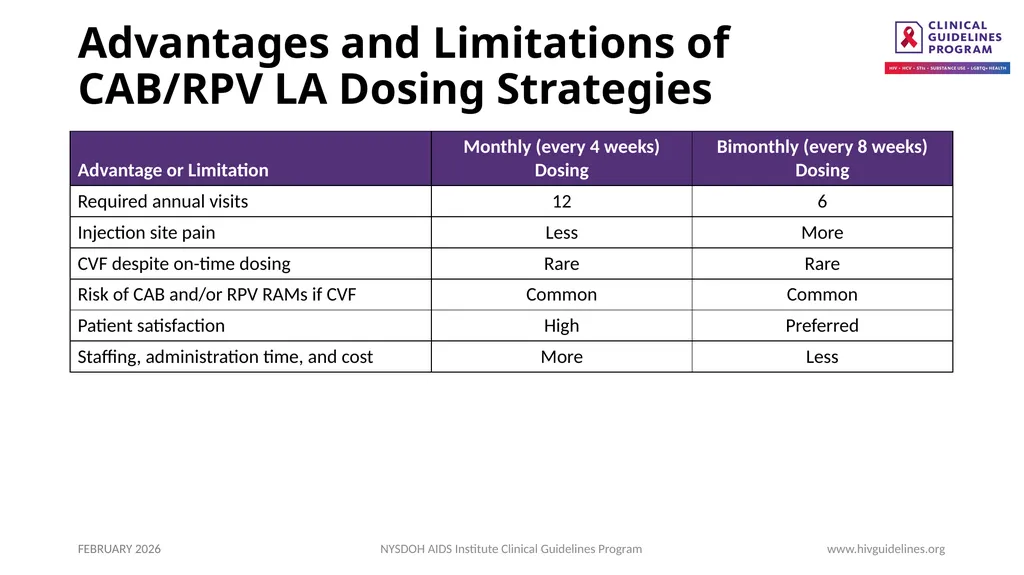
Requires 6 to 12 in-person visits with a healthcare provider per year NYSDOH AIDS Institute Clinical Guidelines Program www.hivguidelines.org FEBRUARY 2026<br>
09
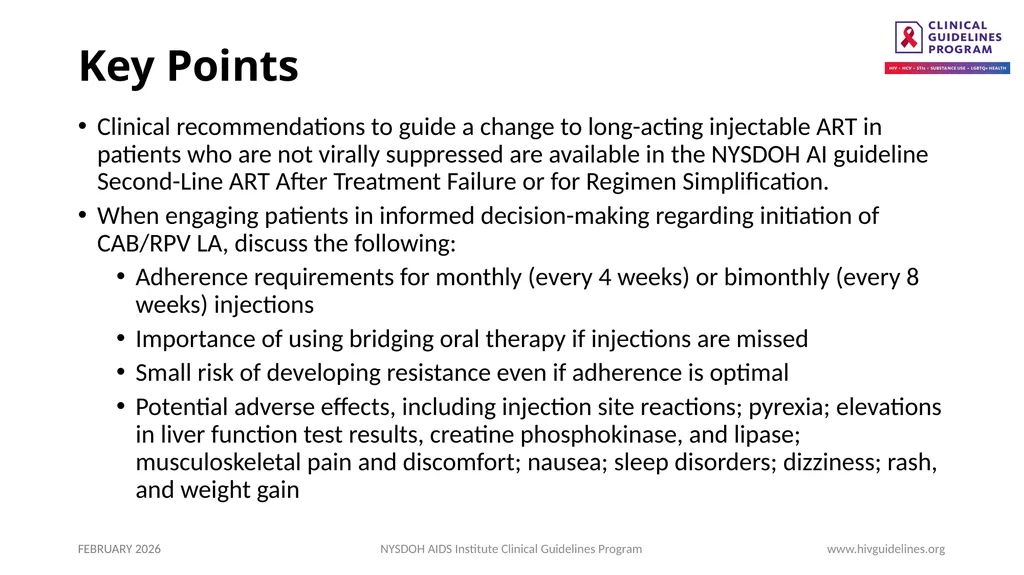
Key Points Clinical recommendations to guide a change to long-acting injectable ART in patients who are not virally suppressed are available in the NYSDOH AI guideline Second-Line ART After Treatment Failure or for Regimen Simplification.
When engaging patients in informed decision-making regarding initiation of CAB/RPV LA, discuss the following:
Adherence requirements for monthly (every 4 weeks) or bimonthly (every 8 weeks) injections
Importance of using bridging oral therapy if injections are missed
Small risk of developing resistance even if adherence is optimal
Potential adverse effects, including injection site reactions; pyrexia; elevations in liver function test results, creatine phosphokinase, and lipase; musculoskeletal pain and discomfort; nausea; sleep disorders; dizziness; rash, and weight gain NYSDOH AIDS Institute Clinical Guidelines Program www.hivguidelines.org FEBRUARY 2026<br>
10
Recommendations:
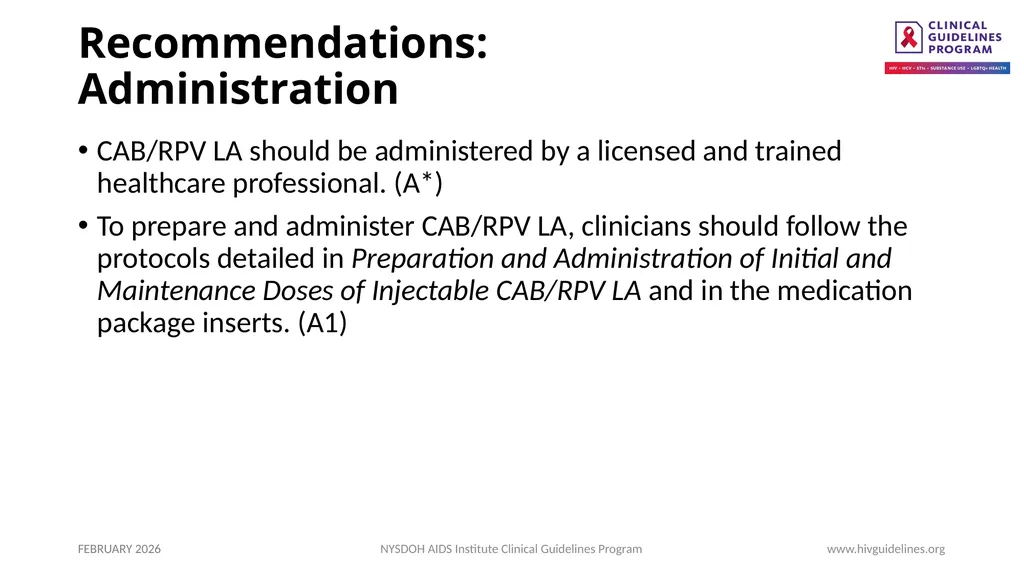
Administration CAB/RPV LA should be administered by a licensed and trained healthcare professional. (A*)
To prepare and administer CAB/RPV LA, clinicians should follow the protocols detailed in Preparation and Administration of Initial and Maintenance Doses of Injectable CAB/RPV LA and in the medication package inserts. (A1) NYSDOH AIDS Institute Clinical Guidelines Program www.hivguidelines.org FEBRUARY 2026<br>
To prepare and administer CAB/RPV LA, clinicians should follow the protocols detailed in Preparation and Administration of Initial and Maintenance Doses of Injectable CAB/RPV LA and in the medication package inserts. (A1) NYSDOH AIDS Institute Clinical Guidelines Program www.hivguidelines.org FEBRUARY 2026<br>
11
Recommendations:
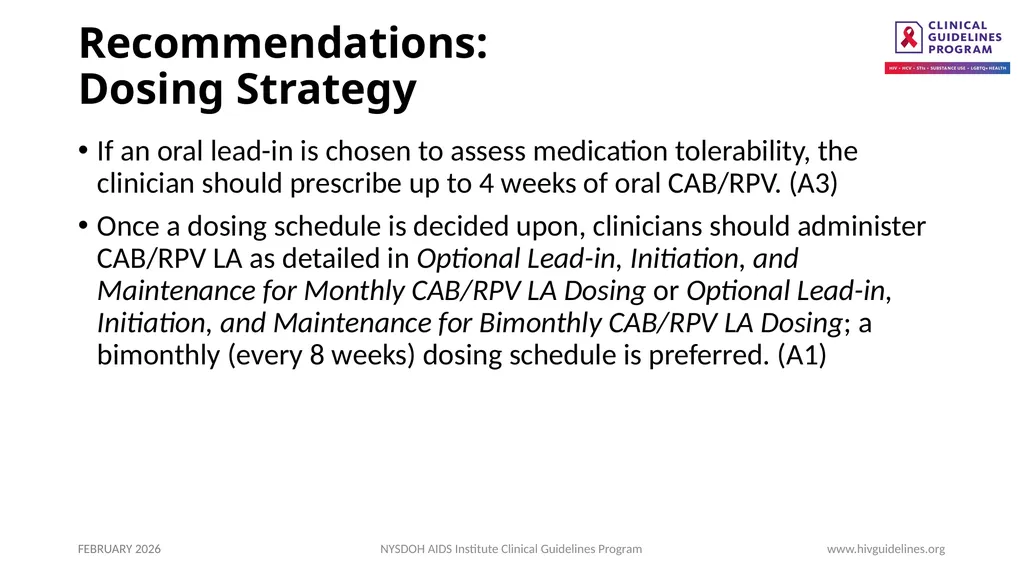
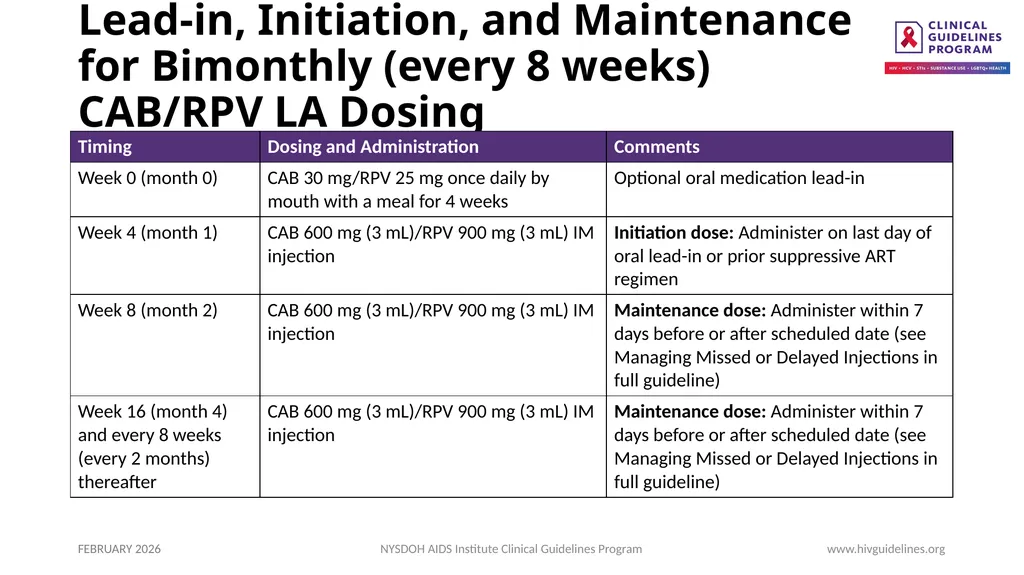
Dosing Strategy If an oral lead-in is chosen to assess medication tolerability, the clinician should prescribe up to 4 weeks of oral CAB/RPV. (A3)
Once a dosing schedule is decided upon, clinicians should administer CAB/RPV LA as detailed in Optional Lead-in, Initiation, and Maintenance for Monthly CAB/RPV LA Dosing or Optional Lead-in, Initiation, and Maintenance for Bimonthly CAB/RPV LA Dosing; a bimonthly (every 8 weeks) dosing schedule is preferred. (A1) NYSDOH AIDS Institute Clinical Guidelines Program www.hivguidelines.org FEBRUARY 2026<br>
Once a dosing schedule is decided upon, clinicians should administer CAB/RPV LA as detailed in Optional Lead-in, Initiation, and Maintenance for Monthly CAB/RPV LA Dosing or Optional Lead-in, Initiation, and Maintenance for Bimonthly CAB/RPV LA Dosing; a bimonthly (every 8 weeks) dosing schedule is preferred. (A1) NYSDOH AIDS Institute Clinical Guidelines Program www.hivguidelines.org FEBRUARY 2026<br>
12
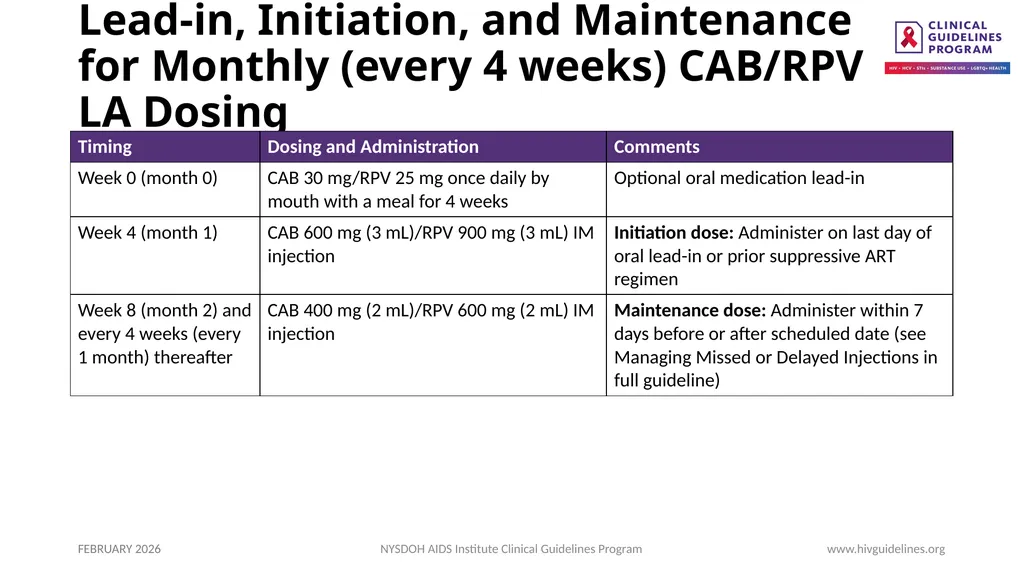
Lead-in, Initiation, and Maintenance for Monthly (every 4 weeks) CAB/RPV LA Dosing NYSDOH AIDS Institute Clinical Guidelines Program www.hivguidelines.org FEBRUARY 2026<br>
13
Lead-in, Initiation, and Maintenance for Bimonthly (every 8 weeks) CAB/RPV LA Dosing NYSDOH AIDS Institute Clinical Guidelines Program www.hivguidelines.org FEBRUARY 2026<br>
14
Advantages and Limitations of CAB/RPV LA Dosing Strategies NYSDOH AIDS Institute Clinical Guidelines Program www.hivguidelines.org FEBRUARY 2026<br>
15
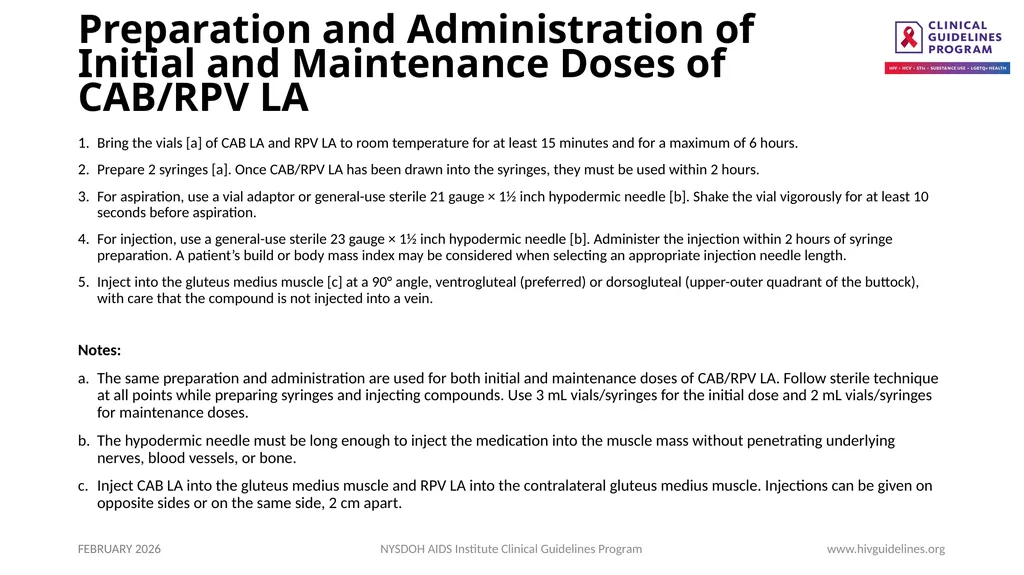
Preparation and Administration of Initial and Maintenance Doses of CAB/RPV LA Bring the vials [a] of CAB LA and RPV LA to room temperature for at least 15 minutes and for a maximum of 6 hours.
Prepare 2 syringes [a]. Once CAB/RPV LA has been drawn into the syringes, they must be used within 2 hours.
For aspiration, use a vial adaptor or general-use sterile 21 gauge × 1½ inch hypodermic needle [b]. Shake the vial vigorously for at least 10 seconds before aspiration.
For injection, use a general-use sterile 23 gauge × 1½ inch hypodermic needle [b]. Administer the injection within 2 hours of syringe preparation. A patient’s build or body mass index may be considered when selecting an appropriate injection needle length.
Inject into the gluteus medius muscle [c] at a 90° angle, ventrogluteal (preferred) or dorsogluteal (upper-outer quadrant of the buttock), with care that the compound is not injected into a vein.
Notes:
The same preparation and administration are used for both initial and maintenance doses of CAB/RPV LA. Follow sterile technique at all points while preparing syringes and injecting compounds. Use 3 mL vials/syringes for the initial dose and 2 mL vials/syringes for maintenance doses.
The hypodermic needle must be long enough to inject the medication into the muscle mass without penetrating underlying nerves, blood vessels, or bone.
Inject CAB LA into the gluteus medius muscle and RPV LA into the contralateral gluteus medius muscle. Injections can be given on opposite sides or on the same side, 2 cm apart. NYSDOH AIDS Institute Clinical Guidelines Program www.hivguidelines.org FEBRUARY 2026<br>
16
Recommendations:
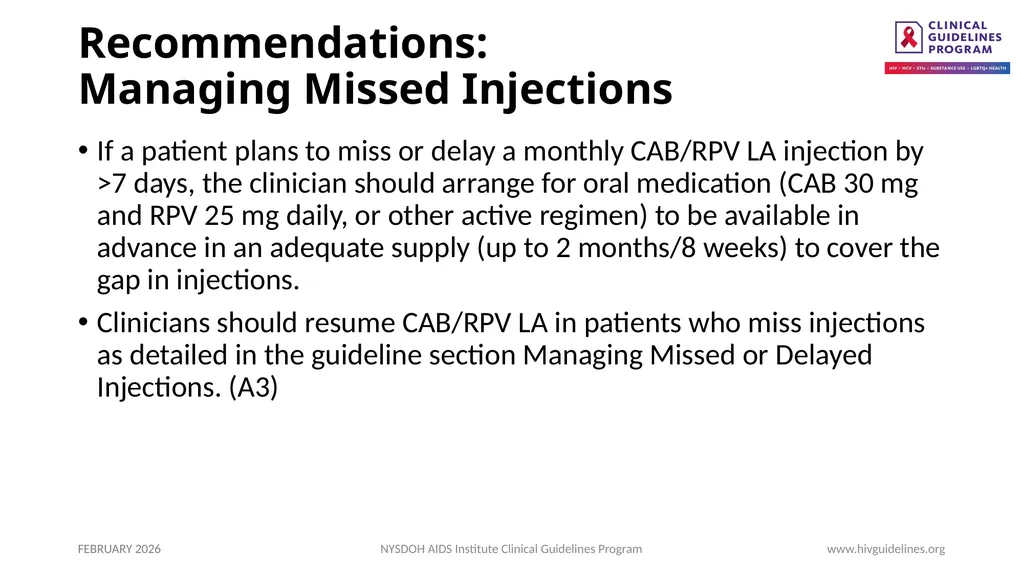
Managing Missed Injections If a patient plans to miss or delay a monthly CAB/RPV LA injection by >7 days, the clinician should arrange for oral medication (CAB 30 mg and RPV 25 mg daily, or other active regimen) to be available in advance in an adequate supply (up to 2 months/8 weeks) to cover the gap in injections.
Clinicians should resume CAB/RPV LA in patients who miss injections as detailed in the guideline section Managing Missed or Delayed Injections. (A3) NYSDOH AIDS Institute Clinical Guidelines Program www.hivguidelines.org FEBRUARY 2026<br>
Clinicians should resume CAB/RPV LA in patients who miss injections as detailed in the guideline section Managing Missed or Delayed Injections. (A3) NYSDOH AIDS Institute Clinical Guidelines Program www.hivguidelines.org FEBRUARY 2026<br>
17
Recommendations:
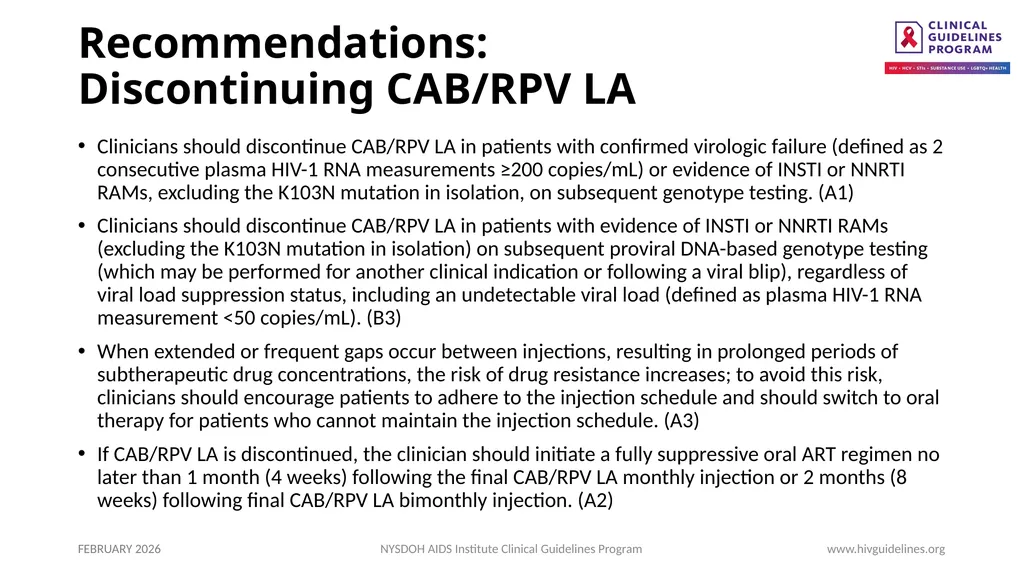
Discontinuing CAB/RPV LA Clinicians should discontinue CAB/RPV LA in patients with confirmed virologic failure (defined as 2 consecutive plasma HIV-1 RNA measurements ≥200 copies/mL) or evidence of INSTI or NNRTI RAMs, excluding the K103N mutation in isolation, on subsequent genotype testing. (A1)
Clinicians should discontinue CAB/RPV LA in patients with evidence of INSTI or NNRTI RAMs (excluding the K103N mutation in isolation) on subsequent proviral DNA-based genotype testing (which may be performed for another clinical indication or following a viral blip), regardless of viral load suppression status, including an undetectable viral load (defined as plasma HIV-1 RNA measurement <50 copies/mL). (B3)
When extended or frequent gaps occur between injections, resulting in prolonged periods of subtherapeutic drug concentrations, the risk of drug resistance increases; to avoid this risk, clinicians should encourage patients to adhere to the injection schedule and should switch to oral therapy for patients who cannot maintain the injection schedule. (A3)
If CAB/RPV LA is discontinued, the clinician should initiate a fully suppressive oral ART regimen no later than 1 month (4 weeks) following the final CAB/RPV LA monthly injection or 2 months (8 weeks) following final CAB/RPV LA bimonthly injection. (A2) NYSDOH AIDS Institute Clinical Guidelines Program www.hivguidelines.org FEBRUARY 2026<br>
18
Recommendation:
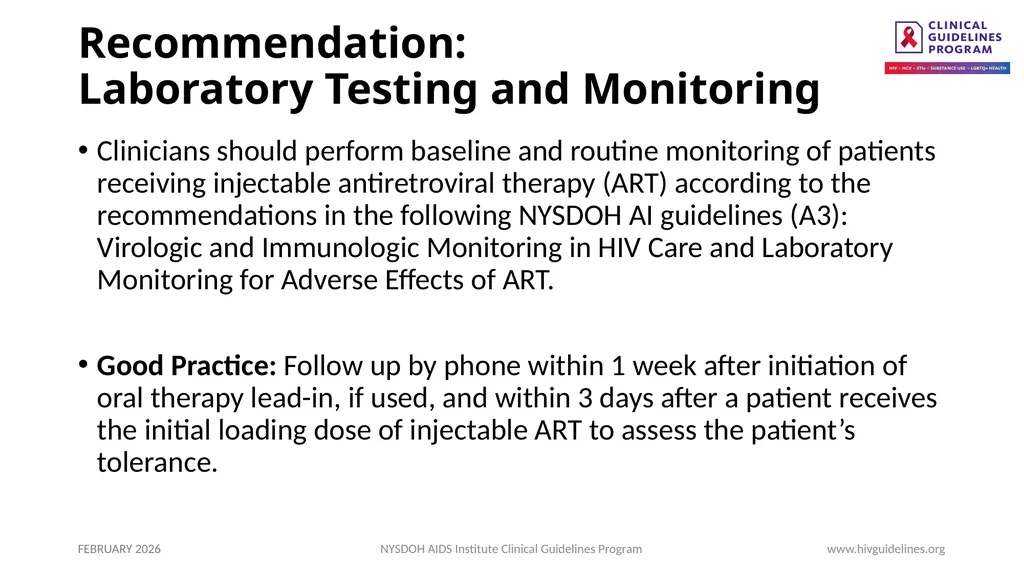
Laboratory Testing and Monitoring Clinicians should perform baseline and routine monitoring of patients receiving injectable antiretroviral therapy (ART) according to the recommendations in the following NYSDOH AI guidelines (A3): Virologic and Immunologic Monitoring in HIV Care and Laboratory Monitoring for Adverse Effects of ART.
Good Practice: Follow up by phone within 1 week after initiation of oral therapy lead-in, if used, and within 3 days after a patient receives the initial loading dose of injectable ART to assess the patient’s tolerance. NYSDOH AIDS Institute Clinical Guidelines Program www.hivguidelines.org FEBRUARY 2026<br>
Good Practice: Follow up by phone within 1 week after initiation of oral therapy lead-in, if used, and within 3 days after a patient receives the initial loading dose of injectable ART to assess the patient’s tolerance. NYSDOH AIDS Institute Clinical Guidelines Program www.hivguidelines.org FEBRUARY 2026<br>
19
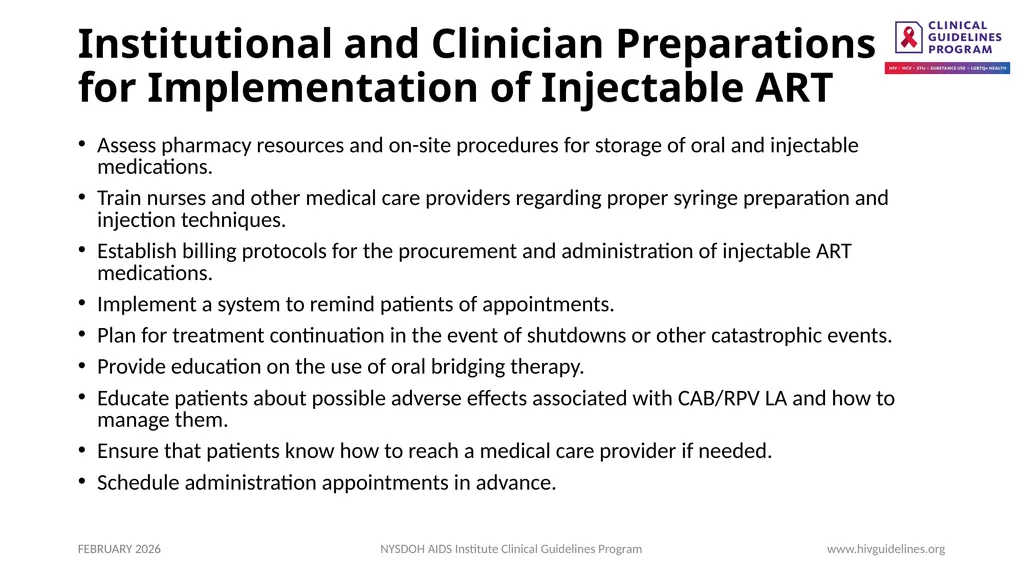
Institutional and Clinician Preparations for Implementation of Injectable ART Assess pharmacy resources and on-site procedures for storage of oral and injectable medications.
Train nurses and other medical care providers regarding proper syringe preparation and injection techniques.
Establish billing protocols for the procurement and administration of injectable ART medications.
Implement a system to remind patients of appointments.
Plan for treatment continuation in the event of shutdowns or other catastrophic events.
Provide education on the use of oral bridging therapy.
Educate patients about possible adverse effects associated with CAB/RPV LA and how to manage them.
Ensure that patients know how to reach a medical care provider if needed.
Schedule administration appointments in advance. NYSDOH AIDS Institute Clinical Guidelines Program www.hivguidelines.org FEBRUARY 2026<br>
20
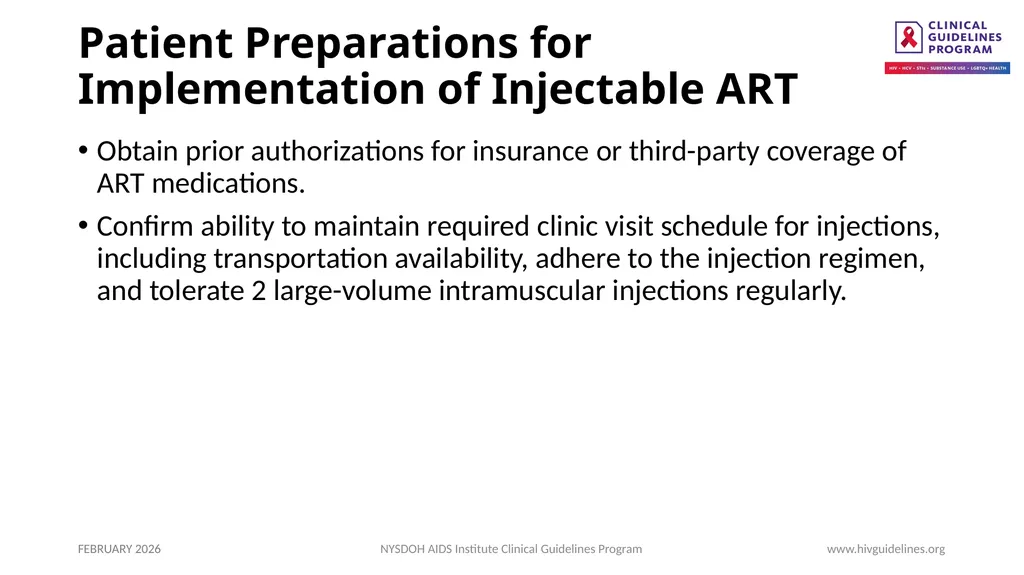
Patient Preparations for Implementation of Injectable ART Obtain prior authorizations for insurance or third-party coverage of ART medications.
Confirm ability to maintain required clinic visit schedule for injections, including transportation availability, adhere to the injection regimen, and tolerate 2 large-volume intramuscular injections regularly. NYSDOH AIDS Institute Clinical Guidelines Program www.hivguidelines.org FEBRUARY 2026<br>
Confirm ability to maintain required clinic visit schedule for injections, including transportation availability, adhere to the injection regimen, and tolerate 2 large-volume intramuscular injections regularly. NYSDOH AIDS Institute Clinical Guidelines Program www.hivguidelines.org FEBRUARY 2026<br>
21
NYSDOH AIDS Institute Clinical Guidelines Program www.hivguidelines.org Need Help?<br>
22
NYSDOH AIDS Institute Clinical Guidelines Program www.hivguidelines.org Access the Guideline www.hivguidelines.org > Use of Injectable CAB/RPV LA as Replacement ART
Also available: Printable pocket guide and PDF Podcast: Viremic—Cases in HIV
Find all episodes at viremic.org<br>
Also available: Printable pocket guide and PDF Podcast: Viremic—Cases in HIV
Find all episodes at viremic.org<br>