What is well-being? Well-being is the state of being comfortable, healthy, or happy. Well-being is recognised as being on a scale, and lots of different factors can have an impact our well-being. For example, you could be healthy, but
"What is well-being? Well-being is the state of" is the property of its rightful owner. Permission is granted to
download and print the materials on this website for personal, non-commercial use only, and to display it
on your personal computer provided you do not modify the materials and that you retain all copyright
notices contained in the materials. By downloading content from our website, you accept the terms of this
agreement.
Presentation Transcript
01
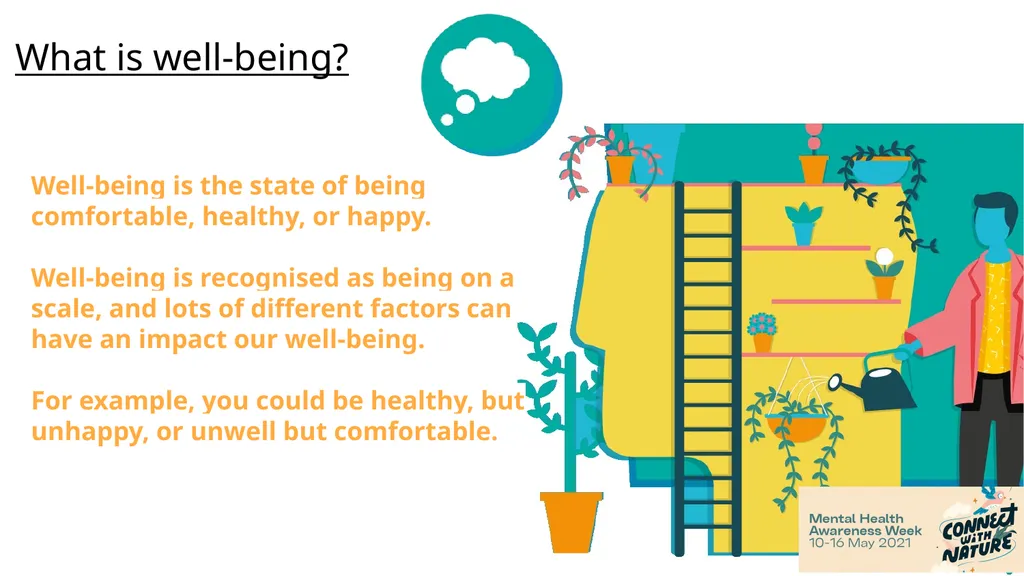
What is well-being? Well-being is the state of being comfortable, healthy, or happy.
Well-being is recognised as being on a scale, and lots of different factors can have an impact our well-being.
For example, you could be healthy, but unhappy, or unwell but comfortable.<br>
02
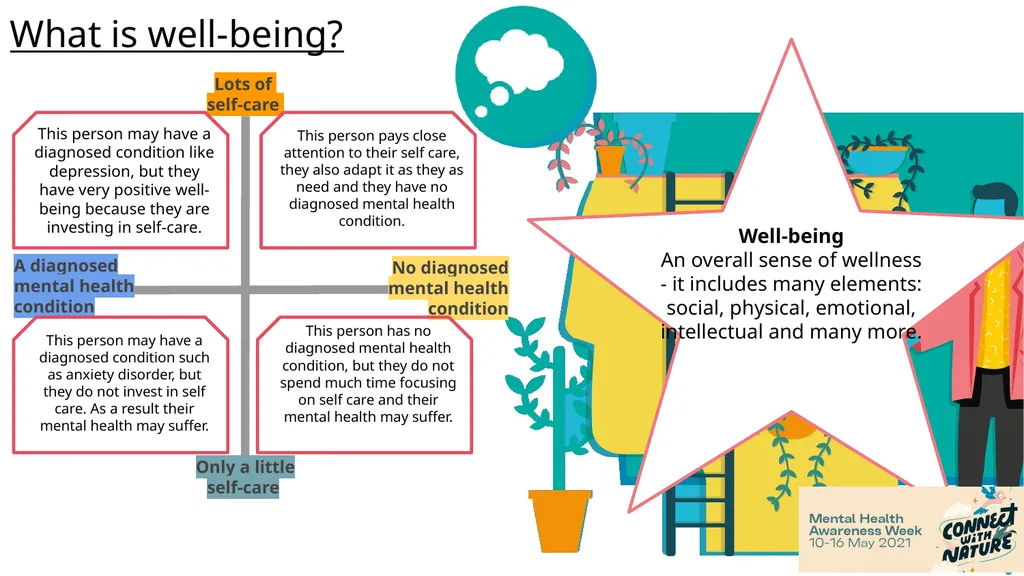
What is well-being? Lots of
self-care Only a little
self-care No diagnosed mental health condition A diagnosed mental health condition Well-being
An overall sense of wellness - it includes many elements: social, physical, emotional, intellectual and many more. This person may have a diagnosed condition like depression, but they have very positive well-being because they are investing in self-care. This person pays close attention to their self care, they also adapt it as they as need and they have no diagnosed mental health condition. This person may have a diagnosed condition such as anxiety disorder, but they do not invest in self care. As a result their mental health may suffer. This person has no diagnosed mental health condition, but they do not spend much time focusing on self care and their mental health may suffer.<br>
03
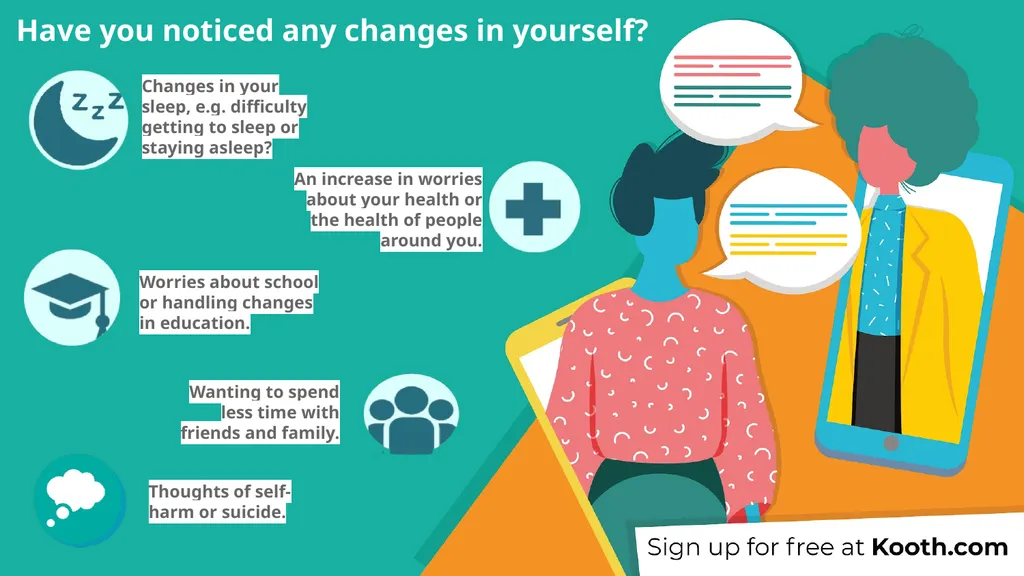
Have you noticed any changes in yourself? Changes in your sleep, e.g. difficulty getting to sleep or staying asleep? Thoughts of self- harm or suicide. An increase in worries about your health or the health of people around you. Worries about school or handling changes in education. Wanting to spend less time with friends and family.<br>
04
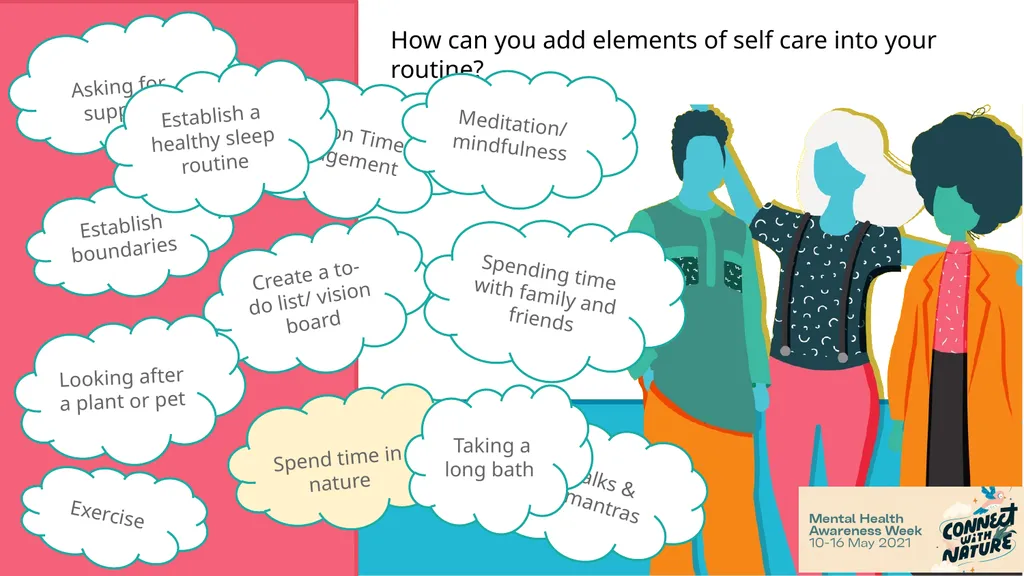
How can you add elements of self care into your routine? Asking for support Work on Time management Create a to-do list/ vision board Establish boundaries Pep talks & daily mantras Meditation/mindfulness Looking after a plant or pet Exercise Spend time in nature Spending time with family and friends Taking a long bath Establish a healthy sleep routine<br>
05
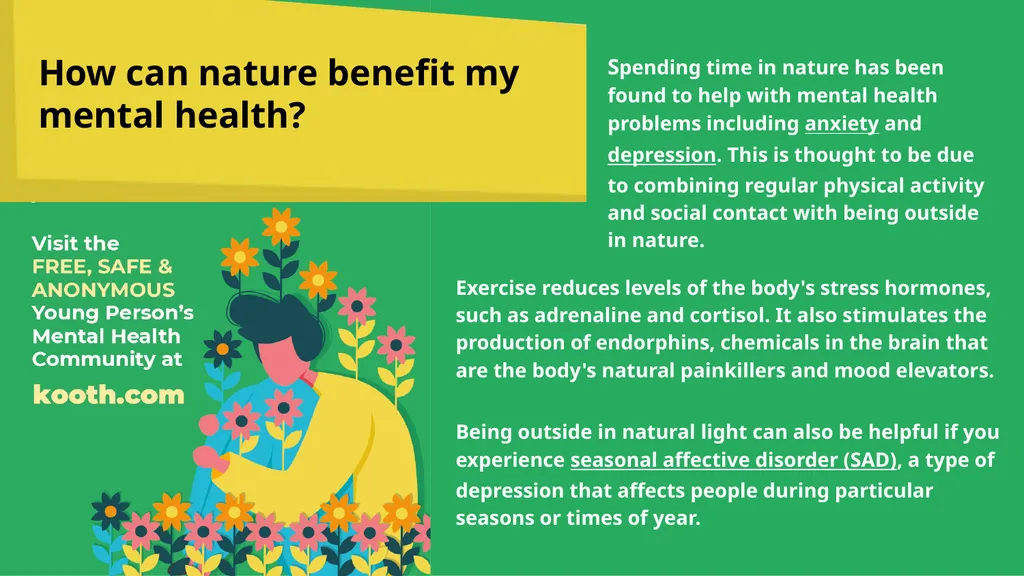
How can nature benefit my mental health? Exercise reduces levels of the body's stress hormones, such as adrenaline and cortisol. It also stimulates the production of endorphins, chemicals in the brain that are the body's natural painkillers and mood elevators.
Being outside in natural light can also be helpful if you experience seasonal affective disorder (SAD), a type of depression that affects people during particular seasons or times of year. Spending time in nature has been found to help with mental health problems including anxiety and depression. This is thought to be due to combining regular physical activity and social contact with being outside in nature.<br>
06
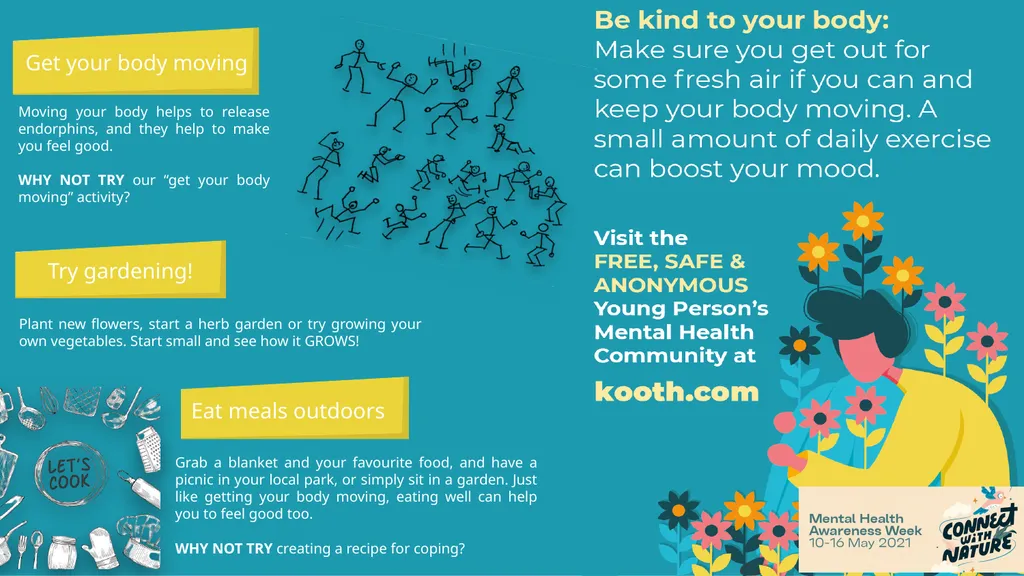
Get your body moving Eat meals outdoors Moving your body helps to release endorphins, and they help to make you feel good.
WHY NOT TRY our “get your body moving” activity? Grab a blanket and your favourite food, and have a picnic in your local park, or simply sit in a garden. Just like getting your body moving, eating well can help you to feel good too.
WHY NOT TRY creating a recipe for coping? Try gardening! Plant new flowers, start a herb garden or try growing your own vegetables. Start small and see how it GROWS!<br>
07
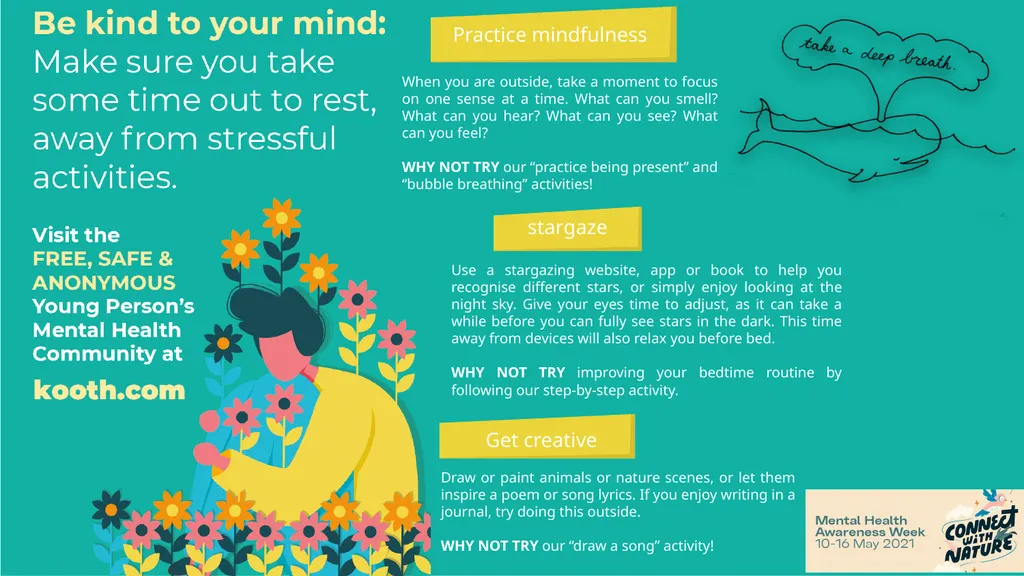
When you are outside, take a moment to focus on one sense at a time. What can you smell? What can you hear? What can you see? What can you feel?
WHY NOT TRY our “practice being present” and “bubble breathing” activities! Practice mindfulness Get creative Draw or paint animals or nature scenes, or let them inspire a poem or song lyrics. If you enjoy writing in a journal, try doing this outside.
WHY NOT TRY our “draw a song” activity! stargaze Use a stargazing website, app or book to help you recognise different stars, or simply enjoy looking at the night sky. Give your eyes time to adjust, as it can take a while before you can fully see stars in the dark. This time away from devices will also relax you before bed.
WHY NOT TRY improving your bedtime routine by following our step-by-step activity.<br>
08
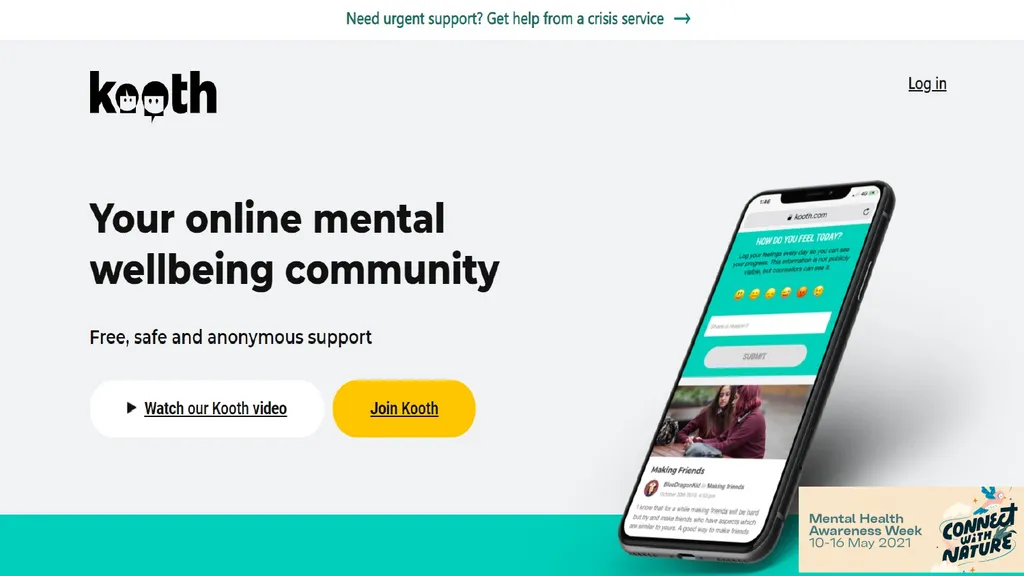
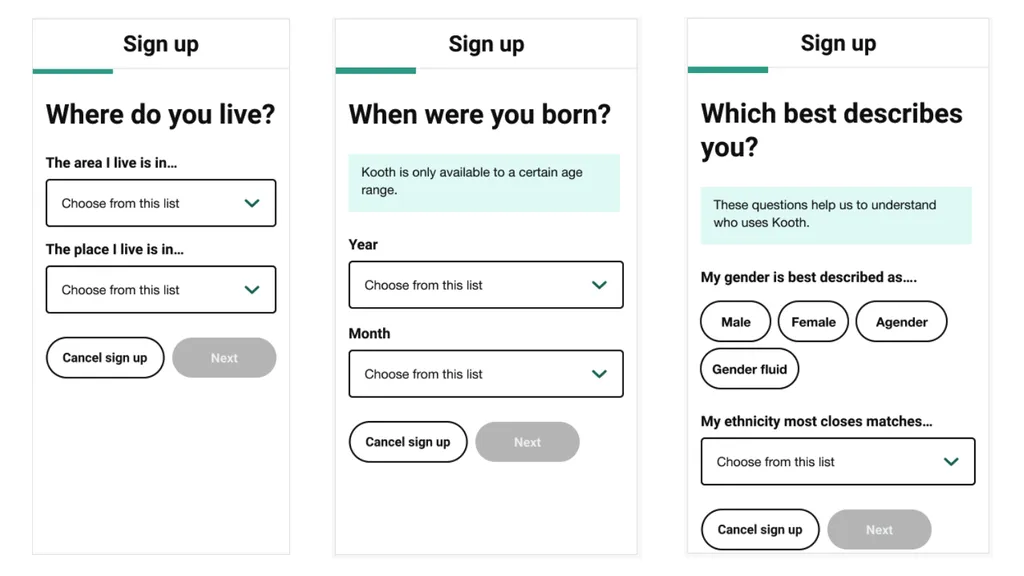
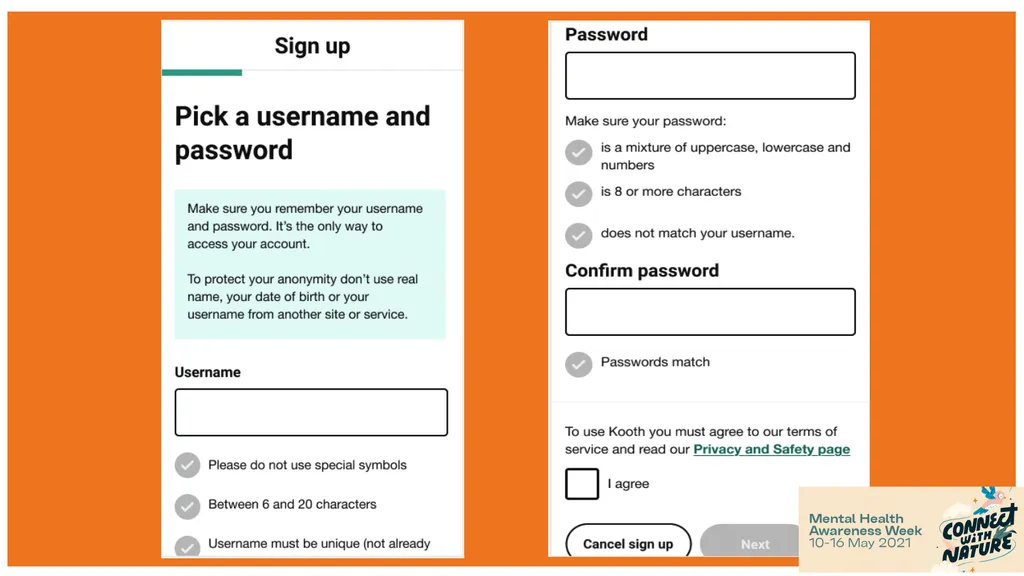
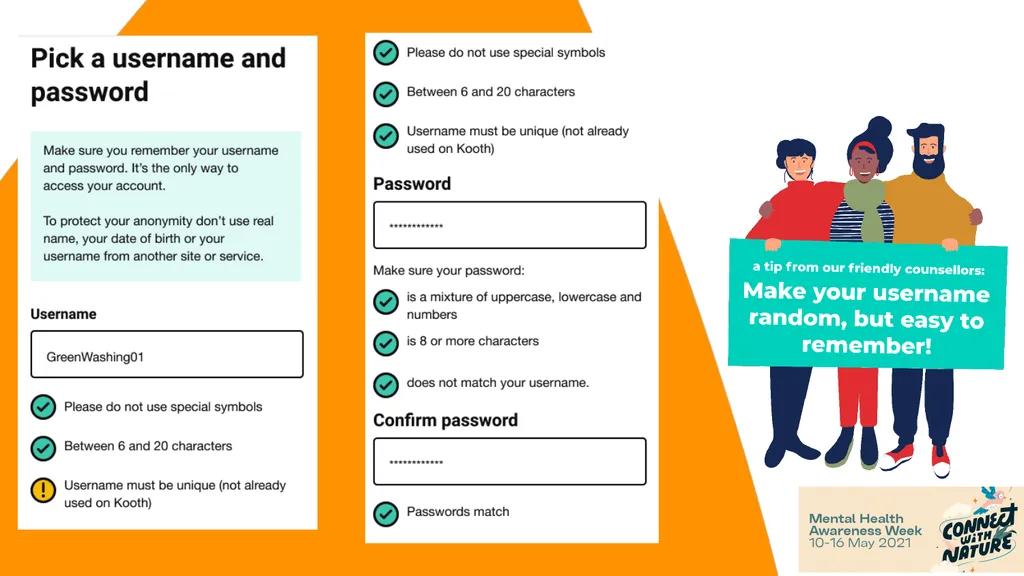
It’s free, safe and
anonymous.<br>
09
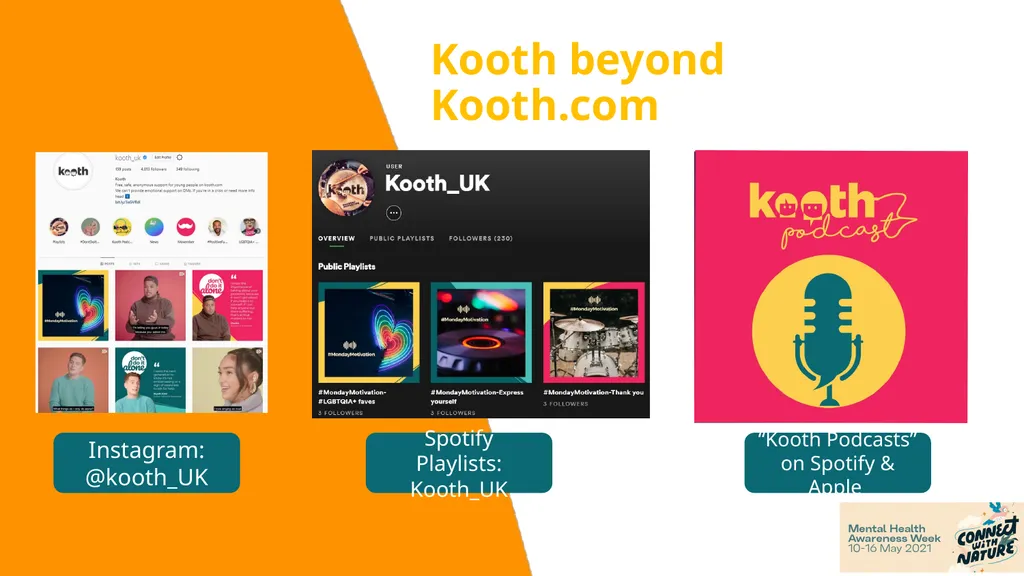
Instagram: @kooth_UK Spotify Playlists: Kooth_UK “Kooth Podcasts” on Spotify & Apple Kooth beyond Kooth.com<br>