YEAR 6 TRANSITION INDEPENDENT TRAVEL TO SECONDARY SCHOOL As you get older you are likely to be given more and more freedom. Having more freedom may seem great but it also means you have to take on more responsibility. In September you will
"YEAR 6 TRANSITION INDEPENDENT TRAVEL TO SECONDARY" is the property of its rightful owner. Permission is granted to
download and print the materials on this website for personal, non-commercial use only, and to display it
on your personal computer provided you do not modify the materials and that you retain all copyright
notices contained in the materials. By downloading content from our website, you accept the terms of this
agreement.
Presentation Transcript
01
YEAR 6 TRANSITION INDEPENDENT TRAVEL TO SECONDARY SCHOOL<br>
02
As you get older you are likely to be given more and more freedom. Having more freedom may seem great but it also means you have to take on more responsibility.<br>
03
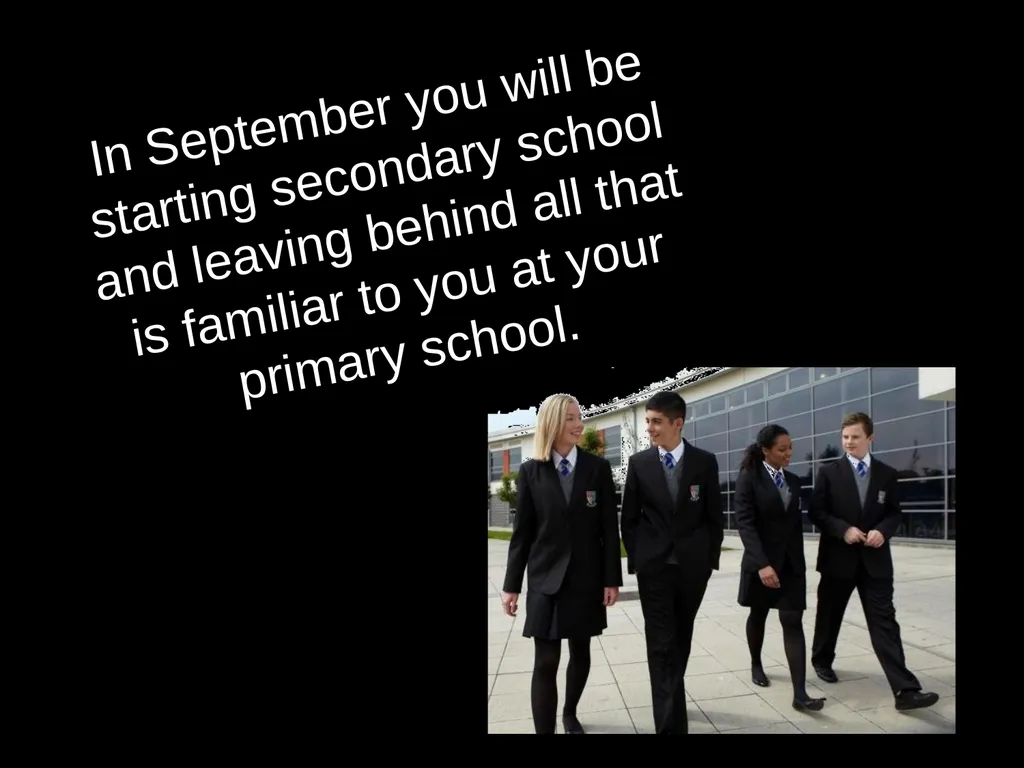
In September you will be starting secondary school and leaving behind all that is familiar to you at your primary school.<br>
04
For a lot of you getting to your new school will bring a big change.<br>
05
Travel further Use Public Transport Walk alone Cycle alone<br>
06
An 11-year-old starting secondary school is
almost twice as likely
as a 10-year-old at primary school
to be killed or seriously injured
in road collisions (more boys). Statistics from the Department of Transport<br>
07
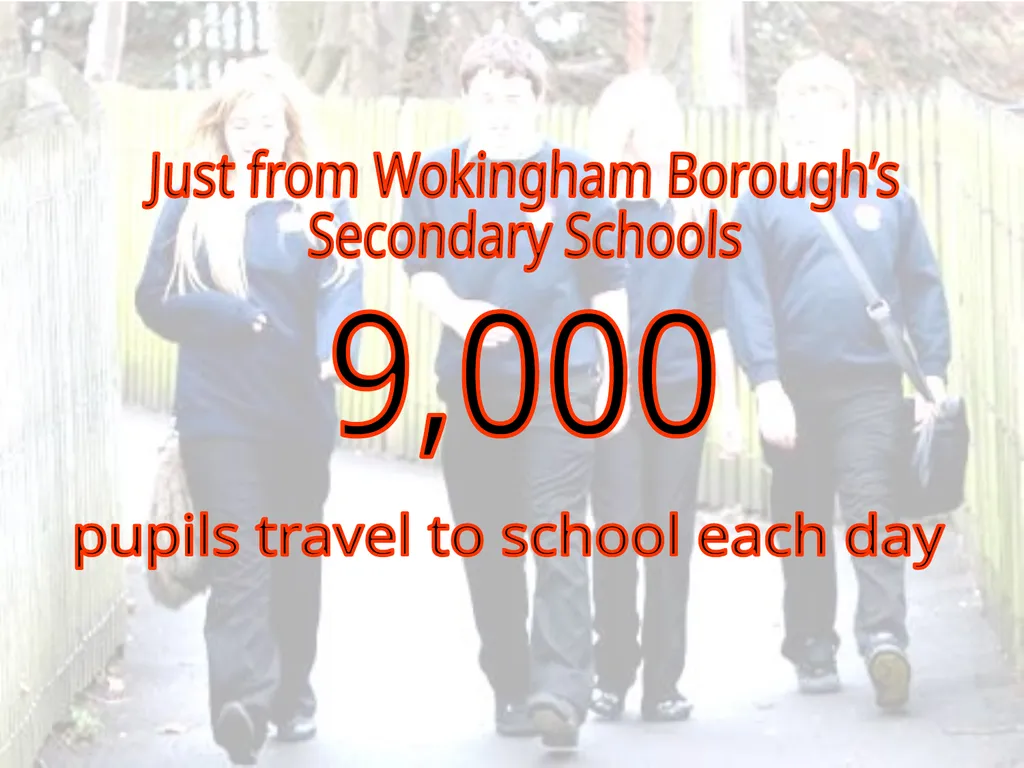
Just from Wokingham Borough’s
Secondary Schools 9,000 pupils travel to school each day<br>
08
The percentage of casualties involving 10-14 year olds
just on a journey to or from school<br>
09
Think about
getting to school...<br>
10
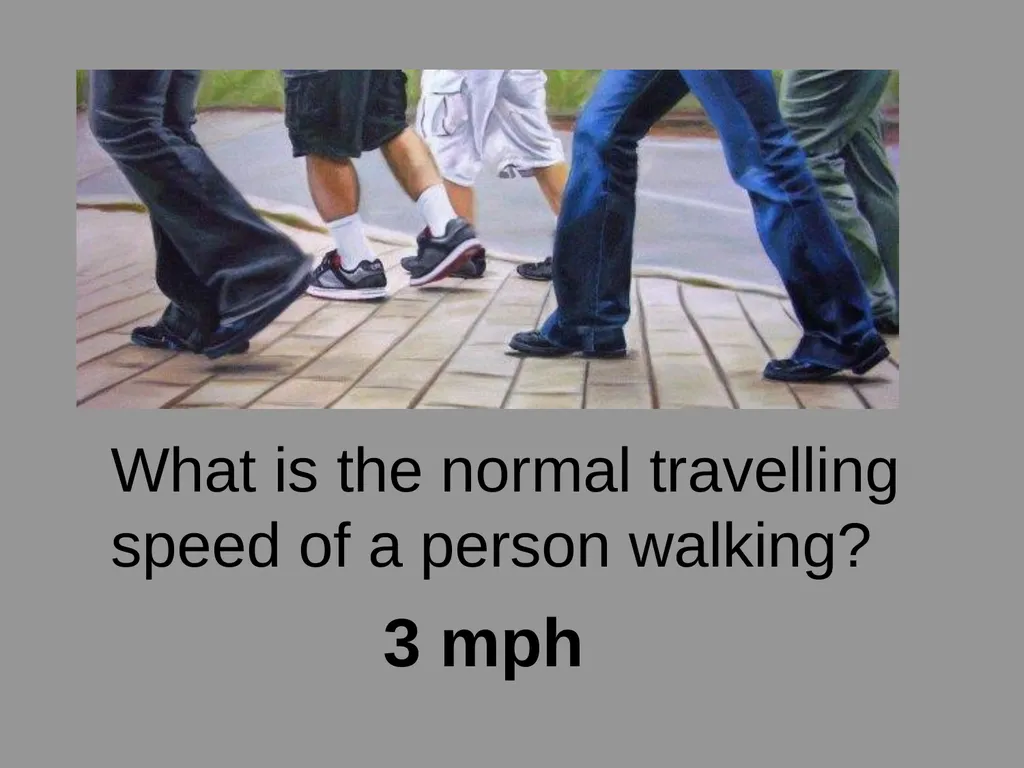
What is the normal travelling speed of a person walking? 3 mph<br>
11
What is the travelling speed of a person cycling? 8 - 10 mph<br>
12
What is the travelling speed of a car? 5 – 80+ mph<br>
13
As pedestrians we need to know two facts: 1. The faster a vehicle is going
the harder it will hit you
if you are involved in a
collision with it.<br>
14
As pedestrians we need to know two facts: 2. The faster a vehicle is
going the more time
it will take to stop.<br>
15
What is stopping distance? Stopping distance is the distance a vehicle travels from the time the driver decides to stop until it comes to a halt.<br>
16
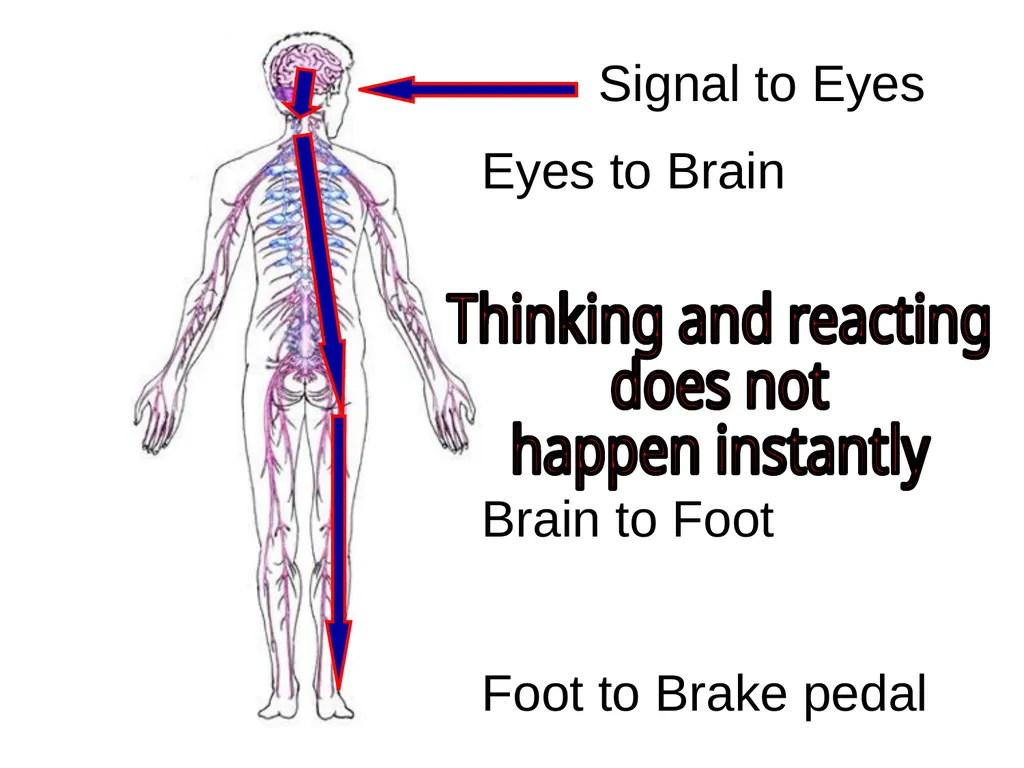
Imagine a child runs out in front of a car what sequence of events has to happen before the car stops? Thinking and braking<br>
17
Signal to Eyes
Eyes to Brain
Brain to Foot
Foot to Brake pedal Thinking and reacting
does not
happen instantly<br>
18
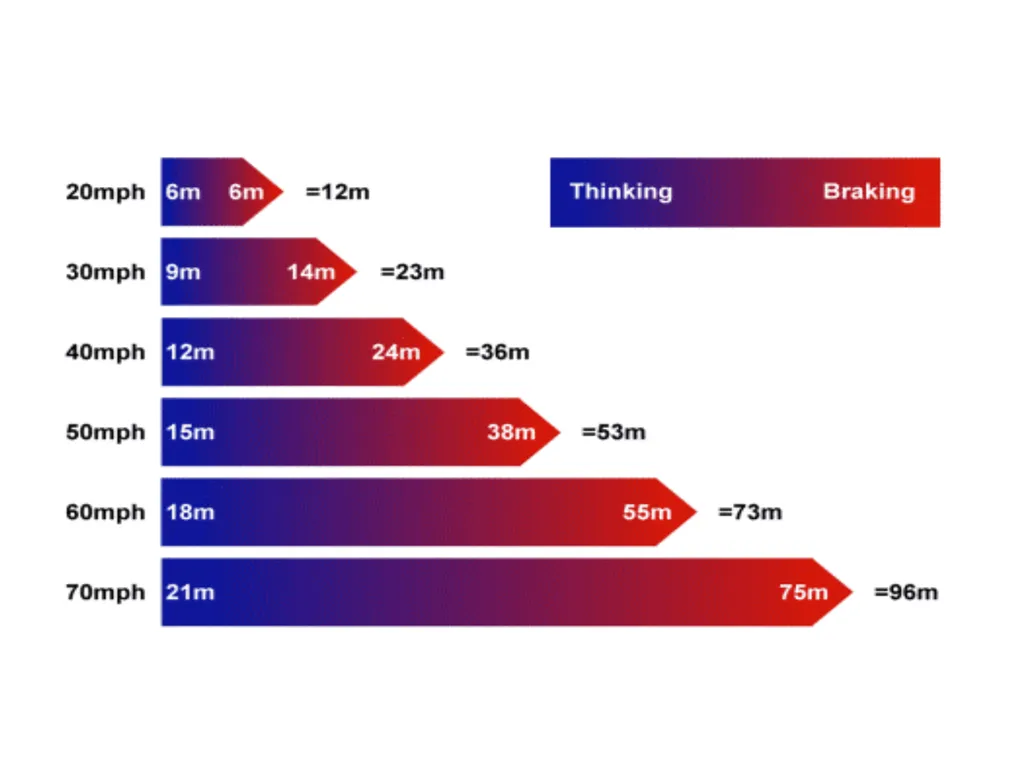
Imagine a vehicle travelling at
20 MPH.
How far in metres will it take to stop? 12<br>
19
Imagine a vehicle travelling at
30 MPH.
How far in metres will it take to stop? 23<br>
20
If you were hit by a vehicle travelling at 40mph you have an 80% chance of dying. If you were hit by a vehicle travelling at 30mph you have an 80% chance of surviving.<br>
21
So remember whether you are walking or riding your bike, vehicles (including bicycles) can not stop instantly.<br>
22
Journey Planning –
how are you going to travel?
Print map – walking and cycle routes on My Journey website and journey planner to plan route from home to school
Bikeability training? Practise route in summer holidays with parents/friends and unaccompanied – how long will it take?
- which route is safest?
Always use safe crossings where available – zebra crossings, puffin and toucan traffic light crossings for pedestrians,
subways, footbridges, islands in the middle of the road, police officers can help too
Places where not safe to cross? – behind bus, between parked cars, brow of a hill, junctions, sharp corners –
even safe crossings can be dangerous (red light running and driver distractions) – don’t step out til vehicles STOPPED
What if friends want to take short cut across busy road with no pedestrian crossings? – DO NOT FOLLOW
Check timetables for public transport – live bus map on My Journey website - allow enough time to walk to stop
Look after each other!!<br>
23
What can you do to prevent becoming a road traffic casualty statistic? Plan ahead and
use proper crossing places
correctly<br>
24
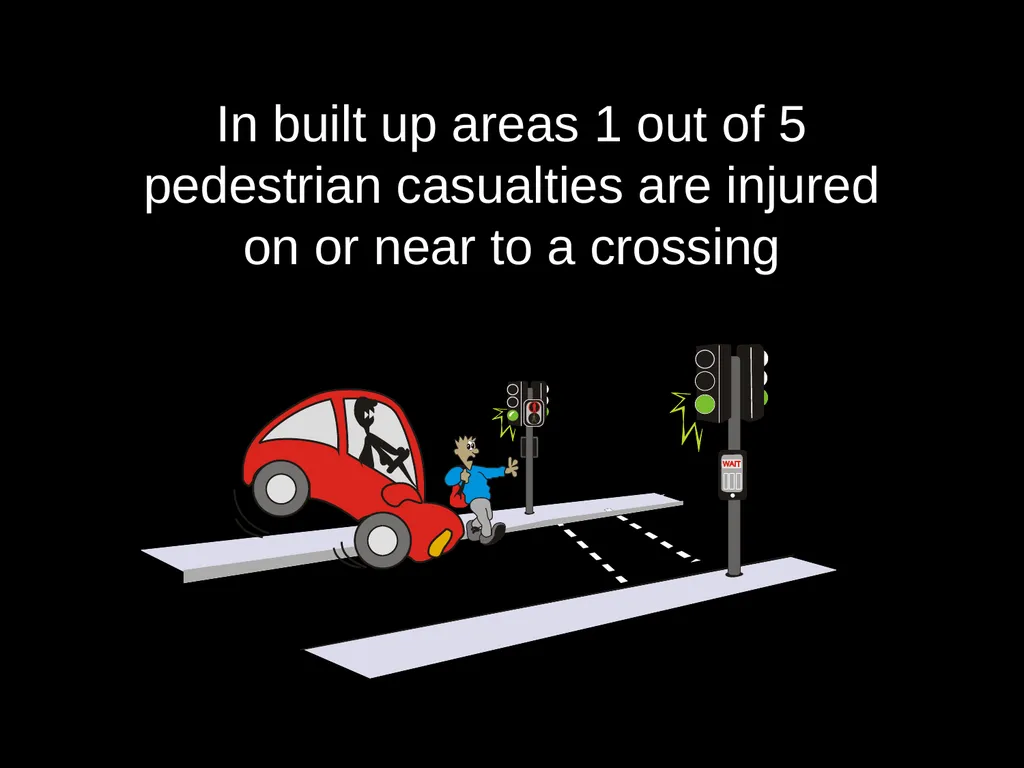
In built up areas 1 out of 5 pedestrian casualties are injured on or near to a crossing<br>
25
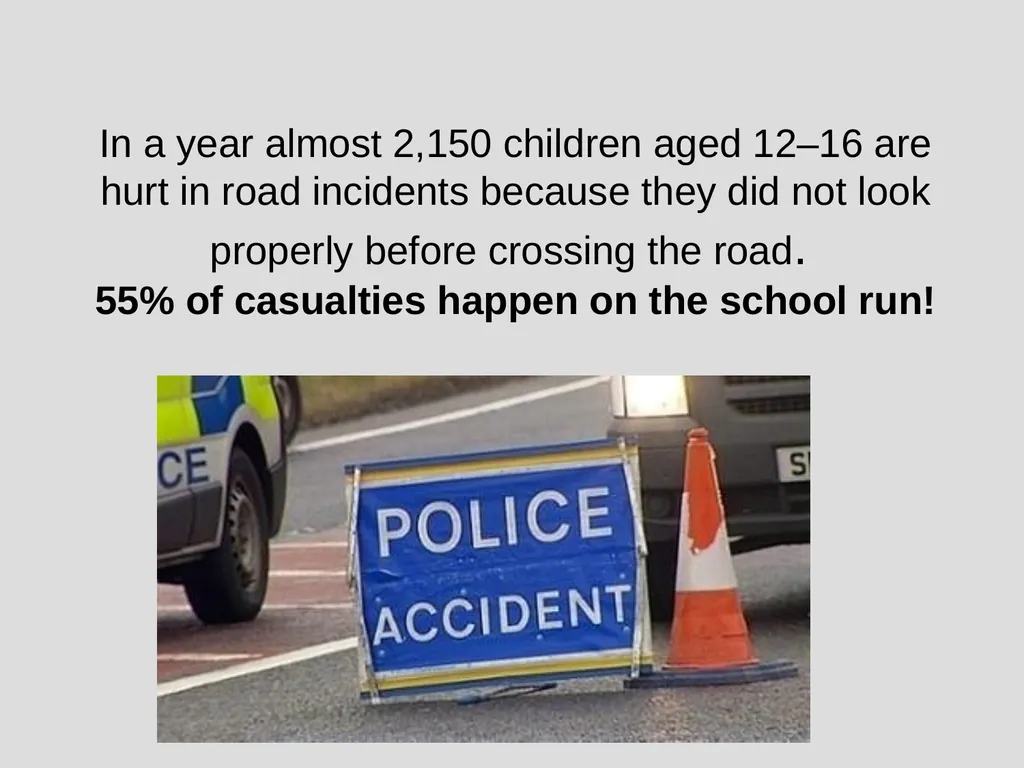
In a year almost 2,150 children aged 12–16 are hurt in road incidents because they did not look properly before crossing the road.
55% of casualties happen on the school run!<br>
26
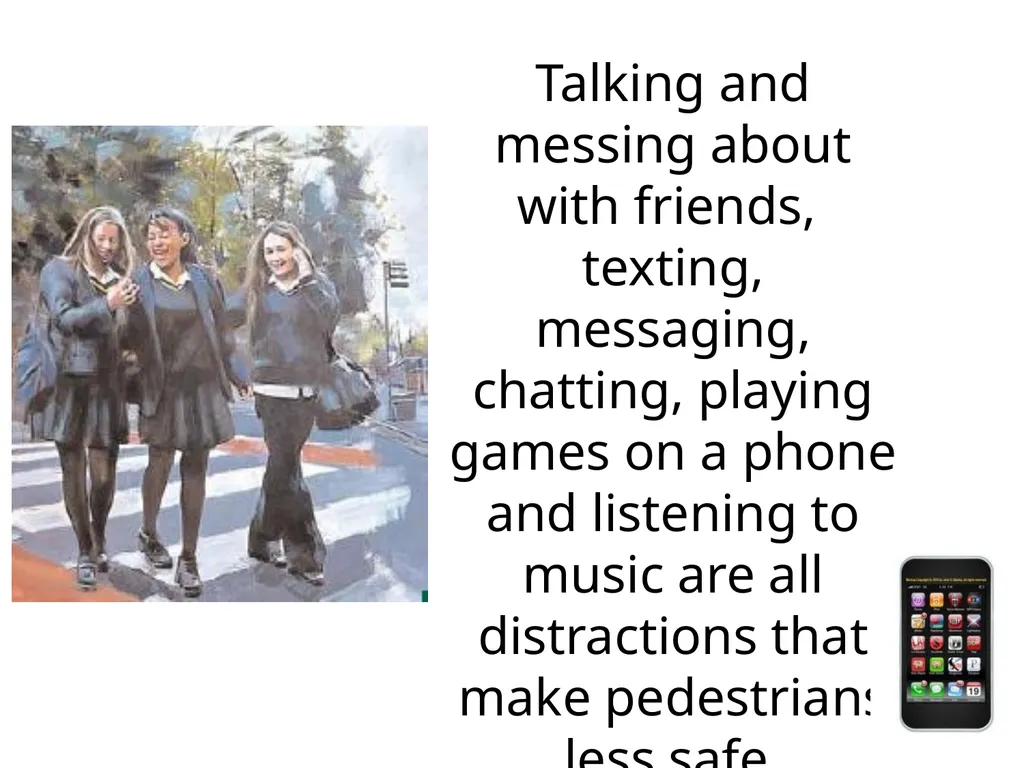
Talking and messing about with friends,
texting, messaging, chatting, playing games on a phone and listening to music are all distractions that make pedestrians less safe.<br>