Can Microneedling Tighten Loose Skin
If you've struggled with the lingering marks left behind by breakouts, you’ve probably wondered: microneedling for acne scars—does it really work? The good news is that microneedling has become one of the most trusted non-invasive treatments to reduce the appearance of acne scars, refine skin texture, and promote overall skin rejuvenation. Whether you're dealing with rolling scars, boxcar scars, or post-acne pigmentation, microneedling offers an advanced way to target imperfections by stimulating your skin’s natural healing process.
What Is Microneedling And How It Works On Scars?
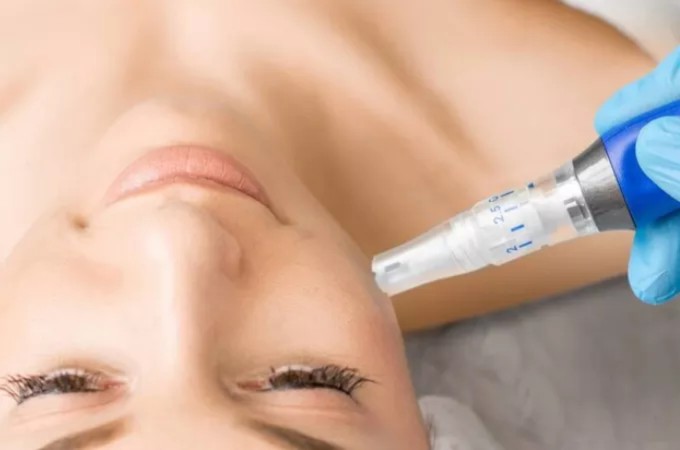
Microneedling In Dubai(الوخز بالإبر الدقيقة في دبي), also referred to as collagen induction therapy, is a skincare treatment that uses a device fitted with fine needles to create hundreds of controlled micro-injuries on the skin’s surface. These tiny punctures activate the body’s wound healing process, encouraging the production of collagen and elastin—two essential proteins responsible for skin structure and firmness.
How microneedling improves acne scars:
-
Breaks down old scar tissue through controlled trauma
-
Stimulates new collagen to fill in indented scars
-
Increases blood circulation to enhance skin renewal
-
Promotes healthier, more uniform skin texture
-
Supports absorption of serums that target scarring and pigmentation
This makes it particularly beneficial for atrophic acne scars, which form due to collagen breakdown during the healing of inflammatory acne.
Why Treatment Consistency Matters For Noticeable Results?
Microneedling for acne scars isn’t a one-time fix. It takes multiple sessions, usually spaced 4 to 6 weeks apart, to achieve significant results. Over time, the repeated stimulation helps your skin rebuild smoother layers from within, reducing the depth and severity of scarring.
What you can expect post-treatment:
-
Week 1: Mild redness, tightness, and flaking
-
Week 2–3: Gradual improvement in skin tone and clarity
-
Session 3–4: Smoother skin texture, faded discoloration
-
After 6+ sessions: Visible reduction in scar depth and improved overall glow
Sticking to a consistent treatment schedule and practicing proper skincare between sessions is essential for lasting improvement.
Types Of Microneedling Used For Acne Scars:
The effectiveness of microneedling largely depends on the type of device and method used. There are several techniques, each suited to different scar types and skin conditions.
Different microneedling methods include:
-
Manual dermarollers: Often used at home; suitable for superficial texture improvement but less effective for deep scarring
-
Microneedling pens: Professional-grade devices with adjustable needle depth; ideal for deeper scars and precision targeting
-
RF microneedling (radiofrequency): Combines needling with thermal energy to tighten skin and boost collagen; suitable for stubborn or textured scars
-
Microneedling with PRP (platelet-rich plasma): Enhances results by applying growth factors from your own blood to speed up healing and promote regeneration
-
Microneedling with brightening serums: Helps fade post-inflammatory hyperpigmentation left behind by acne
Selecting the right type of microneedling based on your skin type and scar severity can greatly influence the outcome.
Skin Preparation, Aftercare And Recovery Tips:
Preparing your skin properly before microneedling and taking care of it afterward is crucial to minimize side effects and maximize results. Poor aftercare can lead to irritation, breakouts, or even worsened pigmentation.
How to prep your skin:
-
Discontinue retinol, exfoliants, and acids at least 3–5 days prior
-
Keep your skin hydrated and protected from the sun
-
Avoid makeup and any harsh treatments before your session
-
Cleanse gently and keep your skin barrier intact
Post-treatment care recommendations:
-
Apply gentle hydrating serums like hyaluronic acid
-
Avoid direct sunlight and always wear SPF 30+
-
Do not exfoliate or use active ingredients for 3–5 days
-
Avoid sweating, saunas, and makeup for at least 48 hours
-
Use calming products to reduce redness and inflammation
By respecting the recovery process, you’ll reduce the risk of irritation and enhance the collagen-stimulating effects of microneedling.
Who Should Try Microneedling And When To Be Cautious?
Microneedling is effective for many skin types, but it’s not ideal for everyone. Understanding if you’re a good candidate will help you decide whether it’s the right acne scar treatment for your needs.
Best candidates for microneedling:
-
Individuals with atrophic scars such as boxcar, ice pick, and rolling scars
-
Those who are not experiencing active breakouts or infections
-
People looking for gradual, natural-looking results
-
Individuals with patience and commitment to multiple sessions
-
Those who maintain a sun-safe skincare routine
Those who should avoid or postpone treatment:
-
People with active acne or cystic breakouts
-
Individuals with eczema, psoriasis, or rosacea flare-ups
-
Anyone prone to keloid scars or poor wound healing
-
Individuals taking blood thinners or undergoing medical treatments that affect the skin
-
People with unrealistic expectations of one-session results
Microneedling is best viewed as a long-term treatment strategy, rather than a quick fix for scars.
Risks, Benefits, And Most Asked Questions About Microneedling For Scars:
Like any skin treatment, Microneedling(الوخز بالإبر الدقيقة) has its benefits and risks. Being informed about what to expect ensures a safer, more satisfying experience and better results.
Top benefits of microneedling for acne scars:
-
Boosts collagen and elastin production naturally
-
Reduces visible scarring and discoloration
-
Improves overall skin smoothness and tone
-
Minimally invasive with limited downtime
-
Works well for many skin tones and types
Potential risks and side effects:
-
Temporary redness, swelling, and dryness
-
Sensitivity to sun and skincare products
-
Risk of post-inflammatory hyperpigmentation if not cared for properly
-
Small chance of infection if hygiene is compromised
-
Possible irritation from incorrect product usage post-treatment
Frequently asked questions:
How many sessions do I need?
Most people require 3 to 6 sessions, spaced 4–6 weeks apart, for visible improvement.
Does microneedling hurt?
Mild discomfort is common, but numbing creams are typically used to minimize pain.
Can microneedling completely remove acne scars?
While it may not erase scars completely, it can significantly reduce their appearance and improve skin texture.
When will I see results?
Some improvement is visible after a few weeks, but the best results appear after a series of treatments.
Is microneedling safe for darker skin tones?
Yes, when performed correctly and followed with proper aftercare, it’s safe and effective for deeper skin tones.
Conclusion:
So, microneedling for acne scars—does it really work? The evidence speaks for itself. This collagen-stimulating treatment has helped thousands of individuals soften indented scars, brighten post-acne marks, and rebuild smoother, healthier skin. By triggering your body’s natural repair system, microneedling offers gradual yet meaningful transformation with minimal downtime. Whether your goal is to reduce long-standing scarring or simply improve skin texture, microneedling is a trusted, effective solution for acne-scarred skin when paired with consistency and proper care.