What Happens If You Ignore Overlapping Teeth
Many people wonder, what happens if you ignore overlapping teeth, especially if they’re not causing immediate discomfort. Overlapping Teeth Treatment in Dubai might seem like a minor cosmetic concern at first, but untreated alignment issues can lead to long-term oral health problems. Ignoring them can affect not only your appearance but also your ability to chew, speak, and maintain healthy gums and teeth over time.
Increased Risk of Tooth Decay and Cavities:
One of the first consequences of ignoring overlapping teeth is the higher risk of cavities. Misaligned teeth create tight spaces that are difficult to clean, making it easier for food particles and plaque to accumulate.
-
Toothbrushes and floss may not reach all surfaces
-
Bacteria can thrive in crowded areas
-
Decay begins between teeth and spreads unnoticed
-
Cavities can progress quickly without early detection
-
Eventually leads to fillings, root canals, or extractions
Neglecting overlapping teeth can turn into a costly issue that could have been prevented with early intervention.
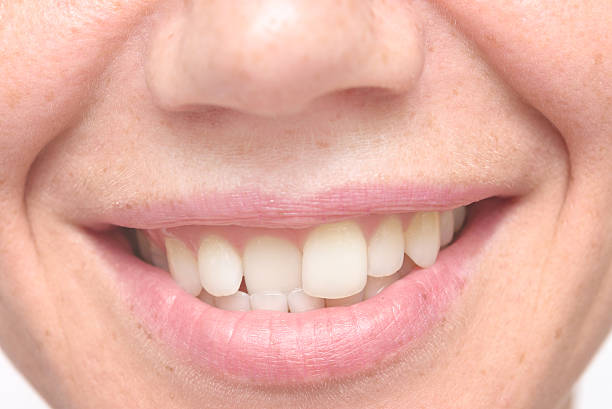
Gum Disease Becomes More Likely:
Overlapping teeth put your gums at risk. When plaque builds up in hard-to-reach spots, it can irritate the gums and cause inflammation, leading to gingivitis and more serious periodontal diseases.
-
Inflamed gums bleed easily during brushing
-
Gum pockets deepen around overlapping teeth
-
Chronic gum infections can result in tooth loss
-
Bad breath becomes a common side effect
-
Gum recession may expose sensitive tooth roots
Ignoring overlapping teeth puts your entire gum structure in jeopardy, leading to irreversible damage if not addressed.
Jaw Pain and TMJ Disorders:
Over time, overlapping teeth can impact how your upper and lower jaws meet, affecting your bite. This imbalance can strain the jaw muscles and joints, causing long-term discomfort.
-
Misalignment increases jaw tension and pressure
-
May lead to temporomandibular joint (TMJ) dysfunction
-
Clicking, locking, or popping sounds in the jaw
-
Frequent headaches and facial pain are common symptoms
-
Chewing becomes uncomfortable or painful
Overlooking minor alignment issues now could lead to chronic pain that affects daily activities later.
Speech and Confidence Problems:
While health is a top priority, the social and psychological effects of overlapping teeth shouldn’t be underestimated. Your smile plays a key role in how confident you feel and how others perceive you.
-
Overlapping teeth can affect your speech clarity
-
Certain sounds become harder to pronounce
-
A crowded smile may cause self-consciousness
-
Reluctance to smile or speak in public grows over time
-
Affects mental health and social interactions
A minor misalignment might lead to major impacts on personal and professional confidence if ignored.
Increased Wear and Tooth Damage:
When teeth are not properly aligned, they don’t distribute biting pressure evenly. This imbalance can cause premature wear and tear, damaging teeth over time.
-
Uneven bite causes grinding and enamel erosion
-
Chipped or cracked teeth become more common
-
Overlapping front teeth may push against each other
-
Worn-down surfaces increase tooth sensitivity
-
Might lead to the need for crowns or restorations
Fixing the alignment early prevents this ongoing stress and extends the lifespan of your natural teeth.
More Expensive Treatment Later:
Delaying treatment for Overlapping Teeth Treatment might save time now, but it often results in more complicated and expensive procedures down the road. Early correction is usually simpler and more affordable.
-
Mild cases can often be corrected with clear aligners
-
Severe crowding may eventually require extractions
-
Orthodontic treatment is longer and costlier later in life
-
Ignoring the issue could lead to surgical intervention
-
Dental insurance may not cover extensive delayed care
Treating overlapping teeth early saves money and prevents unnecessary discomfort and complications later in life.