What is the Best Cleaner for Retainers
A frequent question many people ask after orthodontic treatment is: “What’s the best cleaner for retainers?” Since retainers play a vital role in keeping teeth aligned, maintaining them properly is crucial. Retainers are prone to plaque buildup, stains, and odor, which can affect both their appearance and hygiene. If you’ve ever wondered “What’s the best cleaner for retainers?” the answer depends on the type of retainer, cleaning habits, and lifestyle needs. Using the right cleaning method not only keeps retainers fresh but also prolongs their effectiveness.
What is treatment and how it works?
Retainers In Dubai are orthodontic appliances that help maintain teeth alignment after braces or clear aligners. They can be clear plastic retainers, Hawley retainers, or fixed retainers, and each type requires a slightly different cleaning routine.
How cleaning works:
-
Retainers trap bacteria and food particles just like teeth.
-
Without proper cleaning, they can cause odor, staining, or even oral health issues.
-
Using the right cleaner prevents buildup and ensures long-lasting durability.
User query: “Why can’t I just brush retainers like teeth?” While brushing helps, it isn’t enough—special cleaning is needed to kill bacteria and prevent discoloration.
Importance of treatment:
Knowing “What’s the best cleaner for retainers?” is essential to prevent harmful buildup and maintain oral hygiene. Retainers sit directly against your teeth and gums, which makes them a breeding ground for bacteria if not cleaned regularly.
Why proper cleaning matters:
-
Prevents plaque buildup and staining.
-
Keeps retainers odor-free.
-
Reduces the risk of cavities and gum irritation.
-
Extends the lifespan of the retainer.
User query: “Can I use toothpaste on retainers?” Regular toothpaste is often too abrasive and can scratch retainers, leading to bacteria buildup.
Types of treatment:
Clear plastic retainers
-
Must be cleaned gently to avoid scratches.
-
Best cleaners include retainer cleaning tablets and mild soap solutions.
-
Avoid hot water, which warps plastic.
Hawley retainers
-
Can be brushed with a soft toothbrush.
-
Best cleaned with non-abrasive cleaners like mild dish soap or soaking tablets.
-
Acrylic parts may absorb odors without regular cleaning.
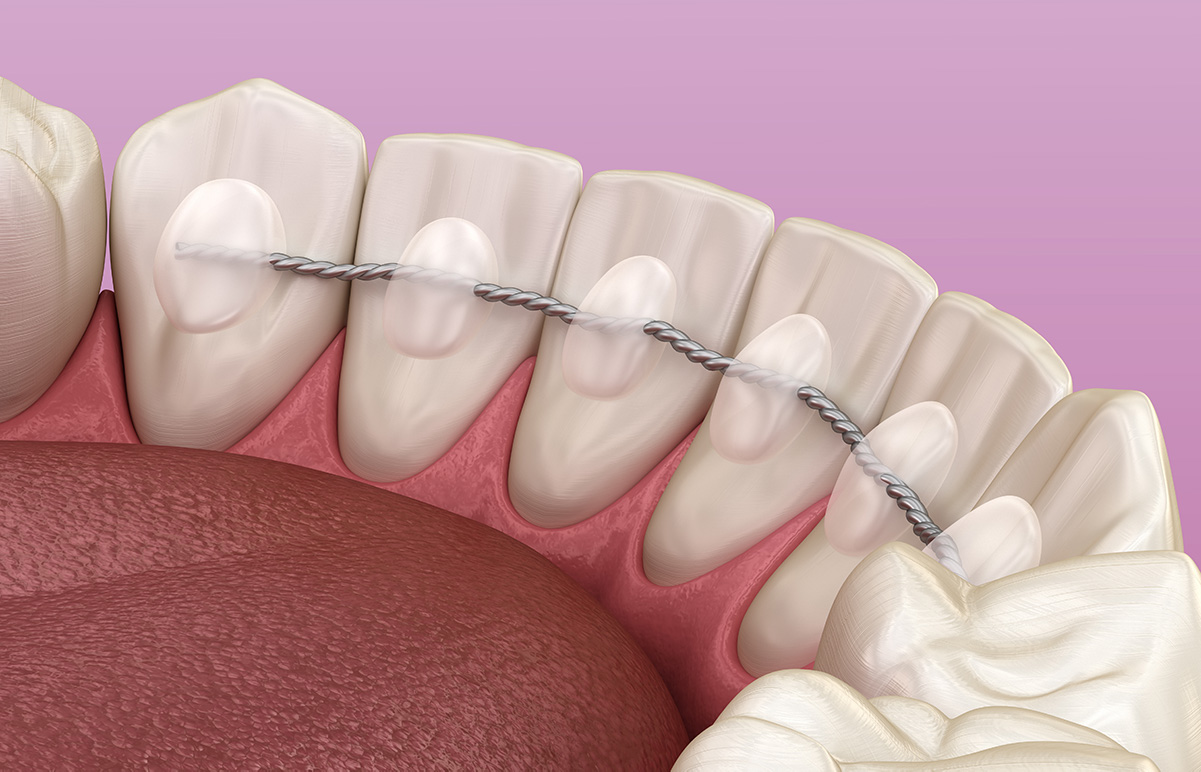
Fixed retainers
-
Cannot be removed; cleaning involves brushing and flossing carefully.
-
Floss threaders and interdental brushes are best for cleaning.
-
Antibacterial mouth rinses can help reduce plaque around bonded wires.
User query: “What’s the best cleaner for fixed retainers?” Daily flossing with a threader and antibacterial rinses works best.
Preparation:
Before choosing “the best cleaner for retainers,” preparation is key. Understanding what not to use is just as important as knowing the right cleaning options.
What to avoid when cleaning retainers:
-
Hot water (causes warping).
-
Harsh chemicals like bleach.
-
Alcohol-based mouthwash (dries and damages retainers).
-
Toothpaste with abrasive particles.
Best preparation tips:
-
Rinse retainers with lukewarm water after every meal.
-
Keep a retainer storage case handy to prevent contamination.
-
Set a daily reminder to clean retainers thoroughly.
User query: “Can I soak retainers in vinegar?” Yes, a diluted vinegar solution can be used occasionally to remove odor, but it should not replace daily cleaning methods.
Aftercare:
Aftercare is crucial to maintaining fresh, long-lasting retainers. Once you’ve chosen “the best cleaner for retainers,” consistent use is key.
Best aftercare cleaning methods:
-
Daily cleaning: Rinse and brush retainers gently with mild soap or cleaner.
-
Weekly deep clean: Soak retainers in retainer cleaning tablets or specialized solutions.
-
Storage: Always store retainers in a ventilated case when not in use.
Lifestyle aftercare tips:
-
Avoid eating or drinking (except water) while wearing retainers.
-
Always brush teeth before reinserting retainers.
-
Replace cleaning tools regularly, such as soft brushes.
User query: “How often should retainers be deep cleaned?” At least once a week in addition to daily cleaning.
Ideal candidate:
Not every retainer type or patient has the same cleaning needs. Identifying “what’s the best cleaner for retainers” depends on lifestyle and the kind of retainer worn.
Best cleaning options by candidate:
-
Clear retainer users: Tablet soaks, mild soap, and soft brushes.
-
Hawley retainer users: Gentle brushing with dish soap or retainer tablets.
-
Fixed retainer users: Floss threaders, interdental brushes, and antibacterial rinses.
User query: “Do kids need a special retainer cleaner?” Not necessarily—tablets or mild soap solutions work well for kids too.
How to choose a right clinic?
Choosing a clinic that offers guidance on “the best cleaner for retainers” helps ensure you care for your appliance correctly.
What to look for in a clinic:
-
Provides written cleaning instructions for each retainer type.
-
Recommends safe cleaning products.
-
Offers regular professional retainer check-ups.
-
Educates patients on long-term retainer care.
User query: “Can a clinic professionally clean retainers?” Yes, clinics can use ultrasonic cleaners or professional solutions to restore retainers.
Risks:
Not using “the best cleaner for retainers” can lead to several risks that affect both oral health and the Dental Retainers itself.
Risks of poor cleaning:
-
Persistent bad breath.
-
Yellowing and visible stains.
-
Increased bacteria growth leading to gum irritation.
-
Reduced lifespan of the retainer.
User query: “What happens if I never clean my retainers?” They can develop plaque, odor, and bacteria that affect oral health.
Benefits:
When you choose “the best cleaner for retainers,” you enjoy both health and cosmetic benefits.
Benefits of proper cleaning:
-
Maintains a fresh, odor-free appliance.
-
Prevents bacteria and oral infections.
-
Extends the life of the retainer.
-
Keeps retainers clear and stain-free for aesthetics.
User query: “What’s the biggest benefit of cleaning retainers daily?” Protecting your investment by keeping them strong and effective long-term.
FAQs:
What’s the best cleaner for retainers?
Retainer cleaning tablets, mild dish soap, or specialized retainer solutions are best.
Can I use toothpaste on retainers?
No, it’s abrasive and can scratch retainers.
Can I use baking soda to clean retainers?
Yes, a mild baking soda solution can be used occasionally for odor control.
Do clear retainers need special cleaners?
Yes, because they scratch easily and need non-abrasive cleaning.
Can I use mouthwash to clean retainers?
Not if it contains alcohol—it can damage plastic.
How often should retainers be cleaned?
Rinse daily and deep clean at least once per week.
Can I soak retainers in hydrogen peroxide?
Yes, but only occasionally, and diluted with water.
Do fixed retainers need cleaning?
Yes, they require flossing and antibacterial rinses daily.
Are retainer cleaning tablets safe?
Yes, they’re specifically designed to kill bacteria and freshen retainers.
Can vinegar clean retainers?
Yes, but it should be diluted and not used every day.
Conclusion:
So, “What’s the best cleaner for retainers?” The answer depends on the type of retainer you wear and your daily habits. Clear retainers benefit from retainer cleaning tablets and gentle soap washes, Hawley retainers do well with soft brushing and occasional soaks, and fixed retainers require flossing and antibacterial rinses. The right cleaning method prevents bacteria buildup, keeps retainers stain-free, and extends their lifespan. By choosing “the best cleaner for retainers” and following a consistent aftercare routine, you protect not just your appliance but also your long-term oral health. In the end, the best cleaner is the one that keeps your retainers fresh, hygienic, and ready to preserve your smile every day.