How Do I Sleep After Tooth Removal
One of the most common concerns patients have after a dental procedure is how do I sleep after tooth removal. Proper rest is vital for recovery, yet many people struggle with discomfort, bleeding, and swelling when trying to sleep. Questions such as “Should I sleep on my side after extraction?”, “Can I lie flat after a tooth removal?”, and “Do I need extra pillows to sleep?” are often asked. Understanding the right sleeping positions, aftercare methods, and nighttime habits ensures faster healing and a more comfortable recovery process.
What Is the Treatment and How It Works?
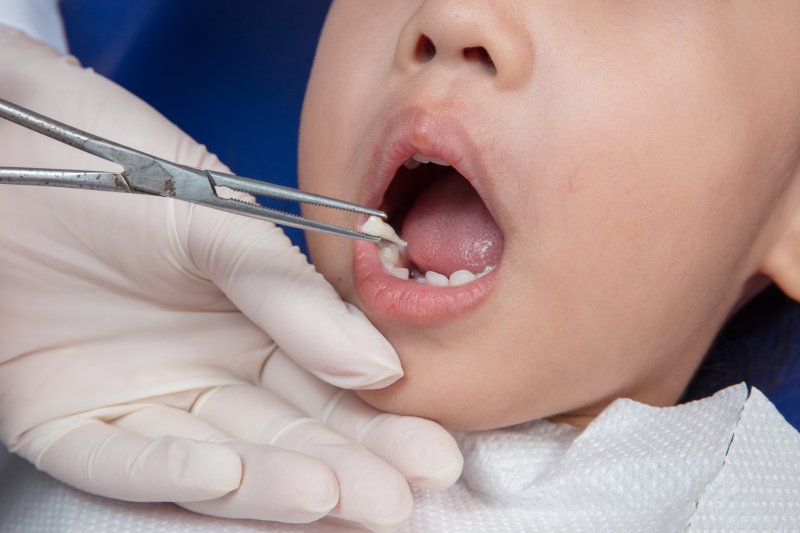
Before answering how do I sleep after Tooth Removal In Dubai, it is important to understand what happens during the treatment. Tooth removal, also known as extraction, is a process where a damaged, decayed, or impacted tooth is carefully taken out from its socket. After the extraction, the body naturally begins healing by forming a protective blood clot over the site.
This clot acts like a shield, covering the exposed bone and nerves. Sleeping incorrectly, lying flat, or applying pressure on the affected side can disturb this clot, leading to complications such as dry socket. That is why sleep posture and positioning play a major role in recovery.
Importance of Proper Sleep After Tooth Extraction:
When asking how do I sleep after tooth removal, it is essential to know why sleep matters so much in recovery. Adequate rest not only improves healing but also reduces risks. The benefits include:
-
Supporting blood clot stability.
-
Reducing swelling and inflammation.
-
Allowing the body to focus energy on healing.
-
Lowering the chances of bleeding at night.
-
Minimizing discomfort and restlessness.
Without proper sleep positioning, patients may experience prolonged healing, unnecessary pain, or complications that delay recovery.
Types of Sleeping Positions After Extraction:
A frequent user query is, “Which sleeping position is best after a tooth extraction?”. To answer how do I sleep after tooth removal, here are the most recommended positions:
Sleeping on Your Back
-
Use 2–3 pillows to elevate your head.
-
Keeps pressure off the extraction site.
-
Reduces risk of bleeding and swelling.
Sleeping on Your Side
-
Safe if the extraction was on the opposite side.
-
Avoid resting directly on the treated area.
-
Use a soft pillow for support.
Avoid Sleeping on Your Stomach
-
Increases pressure on the jaw and extraction site.
-
May cause blood clot displacement.
-
Not recommended for the first week.
Many patients also ask, “Can I sleep flat after tooth extraction?”. The answer is no—lying flat increases blood flow to the head, which can cause throbbing pain and bleeding.
Preparation for Sleeping After Tooth Removal:
For anyone searching how do I sleep after tooth removal, preparation is just as important as positioning. Setting up a comfortable environment before bedtime helps minimize interruptions during the night.
-
Elevate your head with extra pillows.
-
Use an old pillowcase or towel in case of light bleeding.
-
Apply an ice pack to the cheek before sleeping to reduce swelling.
-
Take prescribed pain relief 30 minutes before bed.
-
Avoid heavy meals or caffeine before sleeping.
-
Do not smoke or drink alcohol, as these delay healing and may interfere with clot stability.
These small adjustments can make sleeping after a tooth extraction much more comfortable and beneficial for healing.
Aftercare While Sleeping:
If you are still wondering how do I sleep after tooth removal, aftercare practices throughout the night can help prevent issues.
-
Keep your head elevated for the first 48 hours.
-
Do not clench your teeth while sleeping.
-
If you wake up with bleeding, bite gently on clean gauze.
-
Stay hydrated but avoid drinking water while lying flat.
-
Use a humidifier if the mouth feels dry during sleep.
-
Resume gentle brushing and rinsing routines the following morning.
These measures ensure that nighttime rest contributes to recovery rather than causing further irritation.
Who Is an Ideal Candidate for Extra Sleep Precautions?
The question how do I sleep after tooth removal becomes more critical for certain groups of patients who may need additional care:
-
Individuals who underwent surgical or wisdom tooth extraction.
-
Patients prone to slow healing or gum sensitivity.
-
People with medical conditions affecting clotting.
-
Patients who grind their teeth at night.
-
Those who had multiple teeth removed.
For such cases, extra pillows, protective routines, and cautious aftercare can significantly reduce risks.
How to Choose the Right Clinic for Sleep Guidance?
Many people wonder how do I sleep after tooth removal but do not always receive detailed aftercare instructions. Choosing the right clinic ensures you get clear advice on:
-
Safe sleeping positions for faster healing.
-
Guidance on swelling and bleeding control.
-
Nighttime do’s and don’ts after extraction.
-
Advice on pain relief timing before bedtime.
-
Monitoring signs of complications during sleep.
Clear communication and reliable aftercare support help patients rest peacefully and recover smoothly.
Risks of Sleeping Incorrectly After Tooth Removal:
Patients asking how do I sleep after tooth removal should also know the risks of improper sleeping habits. Sleeping flat or on the wrong side can cause:
-
Blood clot displacement leading to dry socket.
-
Increased swelling and inflammation overnight.
-
Excessive bleeding if the head is not elevated.
-
Prolonged pain due to added pressure.
-
Interrupted healing and longer recovery times.
Understanding these risks highlights the importance of safe sleeping habits after tooth removal.
Benefits of Sleeping the Right Way:
When you follow proper instructions for how do I sleep after Tooth Removal, the recovery process is smoother and faster. Benefits include:
-
Stable and undisturbed blood clot formation.
-
Reduced bleeding and discomfort.
-
Controlled swelling during the first few nights.
-
Faster healing with uninterrupted rest.
-
Better overall comfort and improved recovery quality.
Good sleep positioning ensures your body uses rest time effectively to repair tissues and restore oral health.
Frequently Asked Questions (FAQs):
Can I sleep on my side after tooth extraction?
Yes, but only on the opposite side of the extraction to avoid pressure.
How should I elevate my head while sleeping?
Use two or three pillows or a wedge pillow to keep your head raised.
Can I sleep flat on my back?
No, lying flat increases blood flow to the wound and may cause bleeding.
Is it safe to use ice packs while sleeping?
Yes, but only for 15–20 minutes before bed, not throughout the night.
How long should I sleep with my head elevated?
At least for the first 48–72 hours after extraction.
Conclusion:
In conclusion, knowing how do I sleep after tooth removal is crucial for smooth healing and comfort. Proper sleeping positions, such as lying on your back with your head elevated, reduce swelling and bleeding while protecting the blood clot. Preparation before bedtime, aftercare throughout the night, and avoiding risky habits like lying flat or sleeping on the extraction side are key to recovery. By following these guidelines, patients experience better rest, faster healing, and reduced complications. The answer to how do I sleep after tooth removal is clear: rest smart, stay elevated, and support your body’s natural healing process.