
A palliative approach to multiple sclerosis:
MJ
Published · 69 slides · 0 views
1 / 1






Description
A palliative approach to multiple sclerosis: Benefits and barriers to care Monday 30 April 2018 MSPallCare Patricia Gordon Director MS Society Northern Ireland MSPallCare MS Symptom Burden Multiple sclerosis Symptoms of MS The science of
Related Topics
Share
Embed code
Download this presentation From Below
"A palliative approach to multiple sclerosis:" is the property of its rightful owner. Permission is granted to download and print the materials on this website for personal, non-commercial use only, and to display it on your personal computer provided you do not modify the materials and that you retain all copyright notices contained in the materials. By downloading content from our website, you accept the terms of this agreement.
Presentation Transcript
01
A palliative approach to multiple sclerosis: Benefits and barriers to care Monday 30 April 2018 #MSPallCare<br>
02
Patricia Gordon Director
MS Society Northern Ireland #MSPallCare<br>
MS Society Northern Ireland #MSPallCare<br>
03
MS Symptom Burden<br>
04
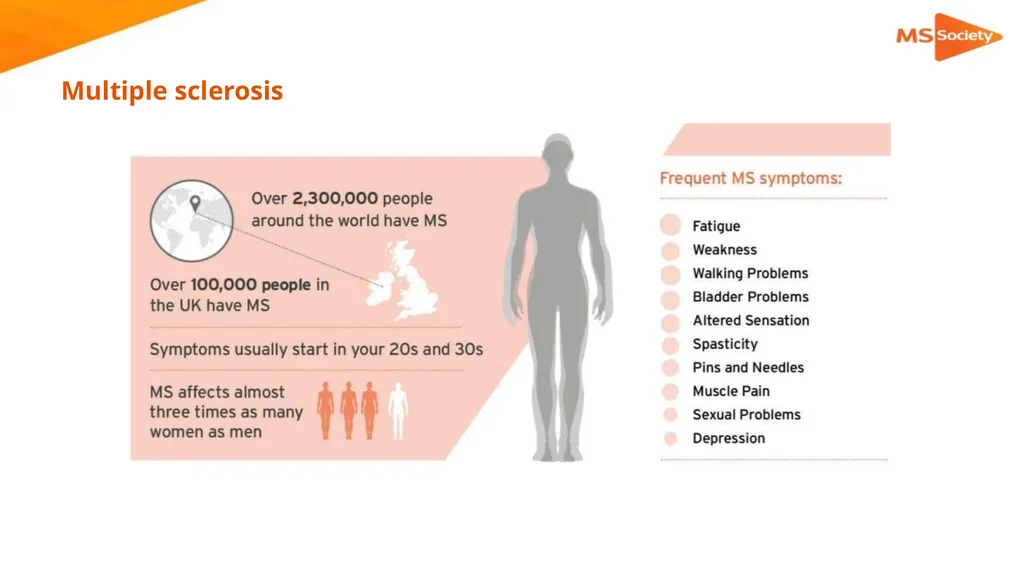
Multiple sclerosis<br>
05
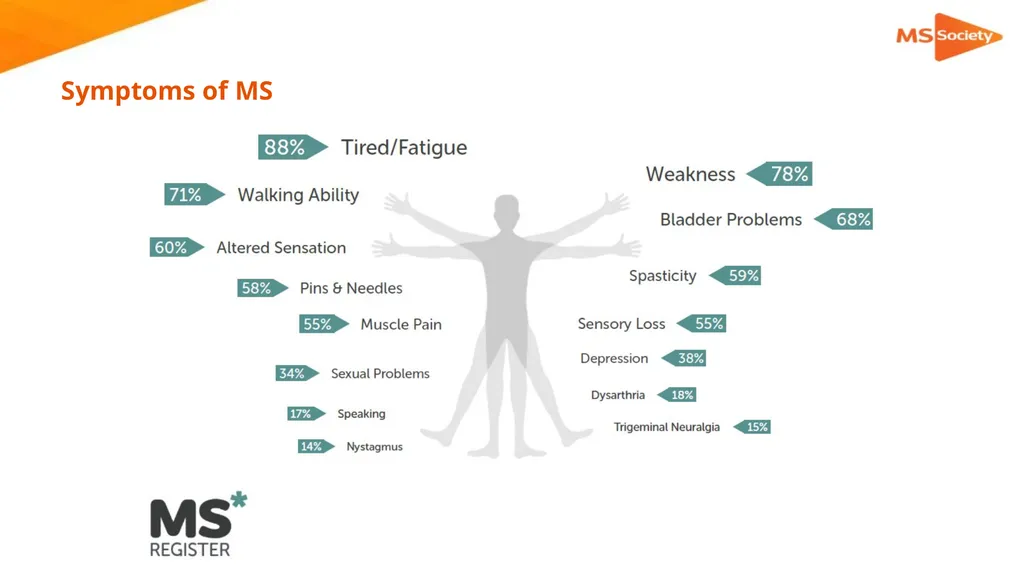
Symptoms of MS<br>
06
The science of MS<br>
07
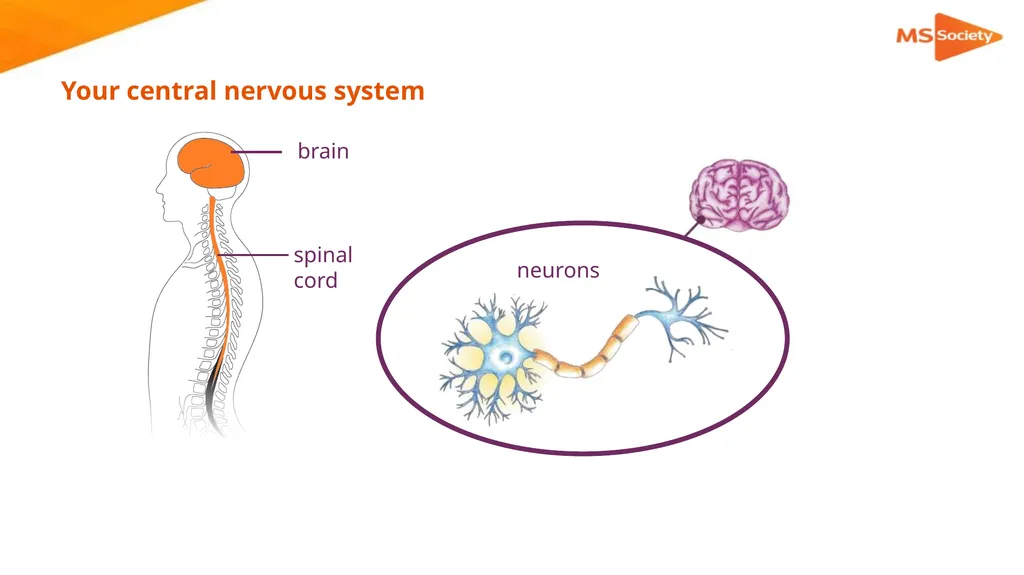
Your central nervous system neurons<br>
08
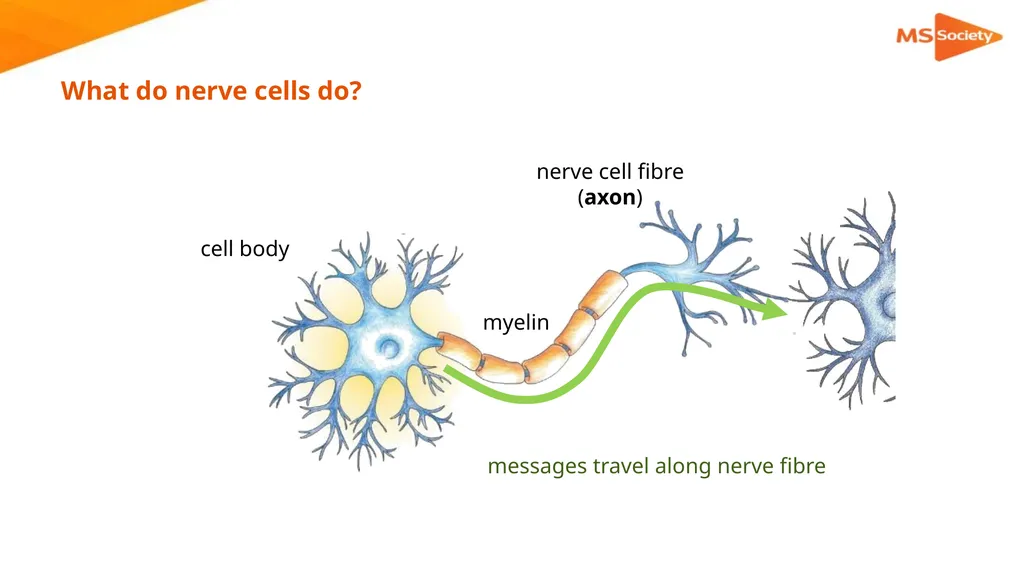
What do nerve cells do? cell body myelin nerve cell fibre (axon) messages travel along nerve fibre<br>
09
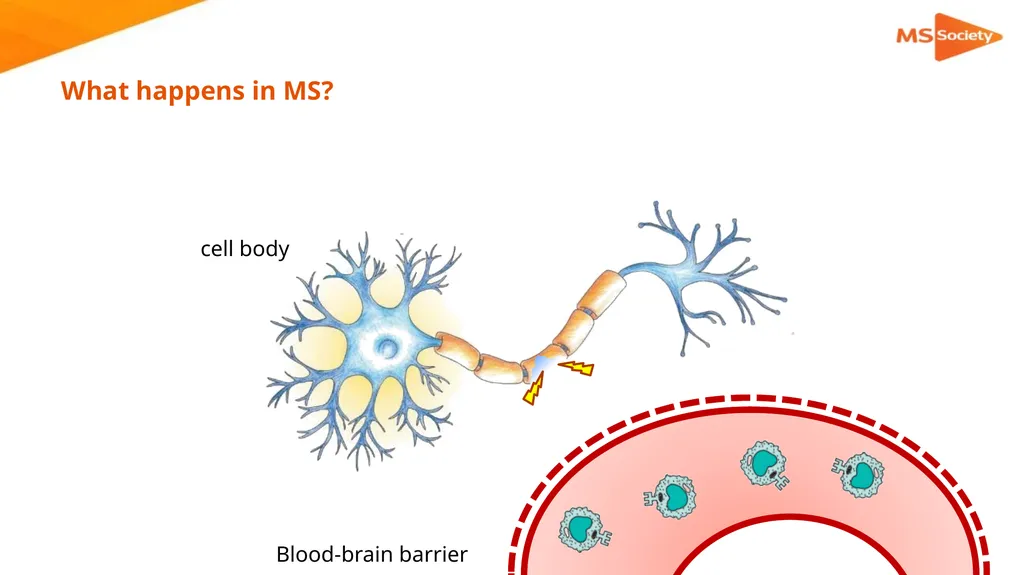
What happens in MS? cell body Blood-brain barrier<br>
10
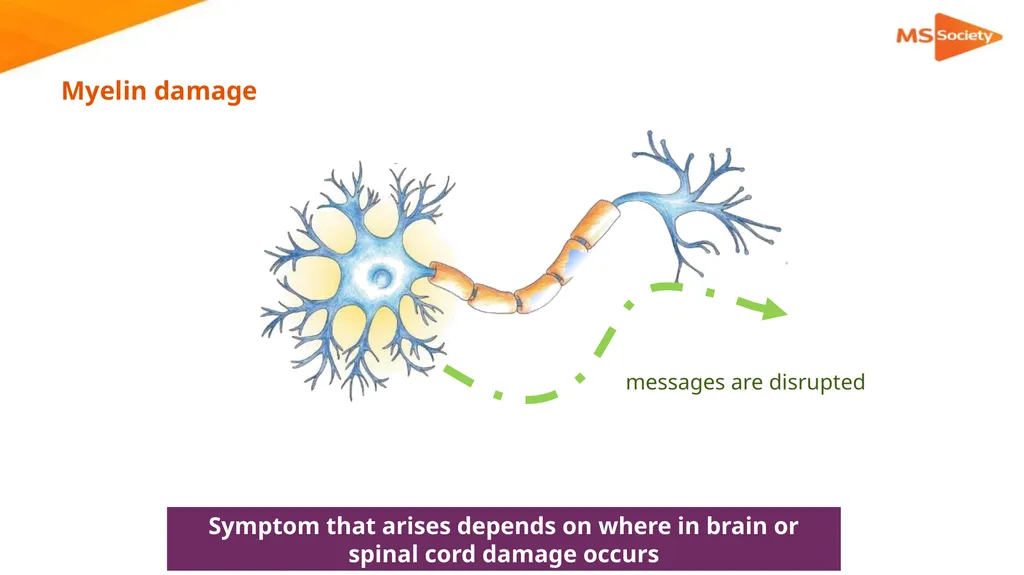
Myelin damage messages are disrupted Symptom that arises depends on where in brain or spinal cord damage occurs<br>
11
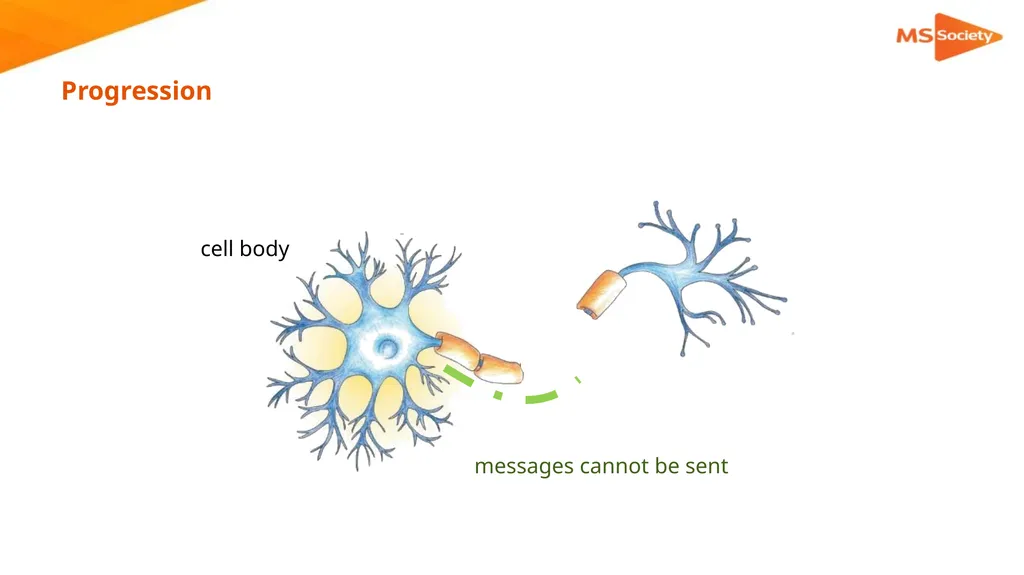
Progression cell body messages cannot be sent<br>
12
MS symptoms<br>
13
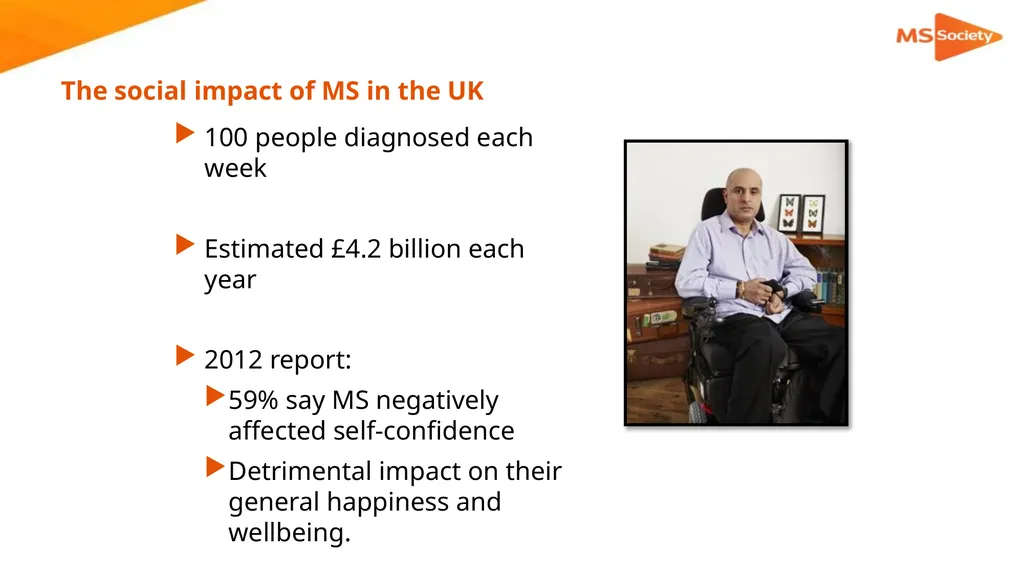
The social impact of MS in the UK 100 people diagnosed each week
Estimated £4.2 billion each year
2012 report:
59% say MS negatively affected self-confidence
Detrimental impact on their general happiness and wellbeing.<br>
Estimated £4.2 billion each year
2012 report:
59% say MS negatively affected self-confidence
Detrimental impact on their general happiness and wellbeing.<br>
14
The social impact of MS in the UK “Being fatigued limits the speed at which I can work… If I get too hot in the office this can also cause increased fatigue, sickness and difficulties moving around the office safely.
Many days I struggle to concentrate or think straight and this means I forget to complete important tasks, or lose my train of thought mid-sentence when instructing colleagues.
Due to nerve pain and visual difficulties caused by optic neuritis, I have been provided with specialist equipment in the office... If I become too fatigued and run down, this can also impact my mental health, which means I can become quite down and struggle to get up of a morning and perform efficiently at work.”
Amy, person with MS<br>
Many days I struggle to concentrate or think straight and this means I forget to complete important tasks, or lose my train of thought mid-sentence when instructing colleagues.
Due to nerve pain and visual difficulties caused by optic neuritis, I have been provided with specialist equipment in the office... If I become too fatigued and run down, this can also impact my mental health, which means I can become quite down and struggle to get up of a morning and perform efficiently at work.”
Amy, person with MS<br>
15
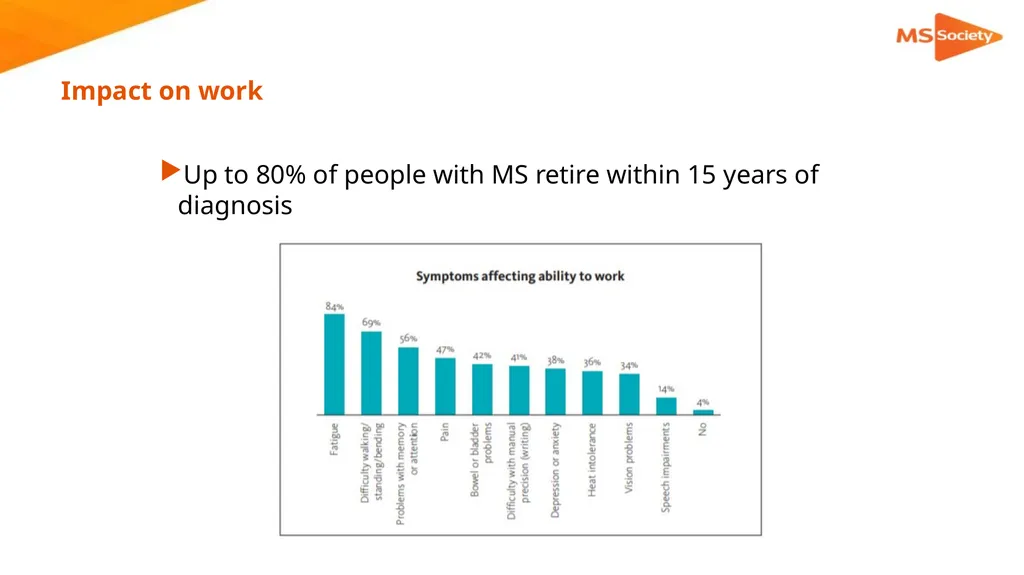
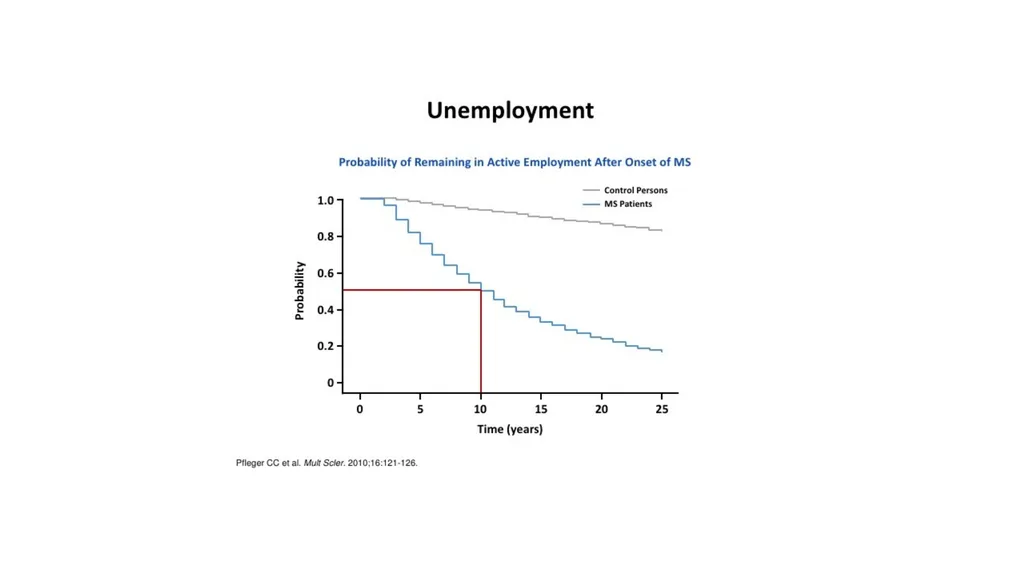
Impact on work Up to 80% of people with MS retire within 15 years of diagnosis<br>
16
Impact on carers 2015 survey:
69% of people with MS had help from family
average 19 days a month, 5 hours a day
This increased with disease severity
86% of most severe group relied on family support, on average 24 days a month, 7 hours a day
Can significantly impact on quality of life of carer
Particularly where family income lower or MS more severe<br>
69% of people with MS had help from family
average 19 days a month, 5 hours a day
This increased with disease severity
86% of most severe group relied on family support, on average 24 days a month, 7 hours a day
Can significantly impact on quality of life of carer
Particularly where family income lower or MS more severe<br>
17
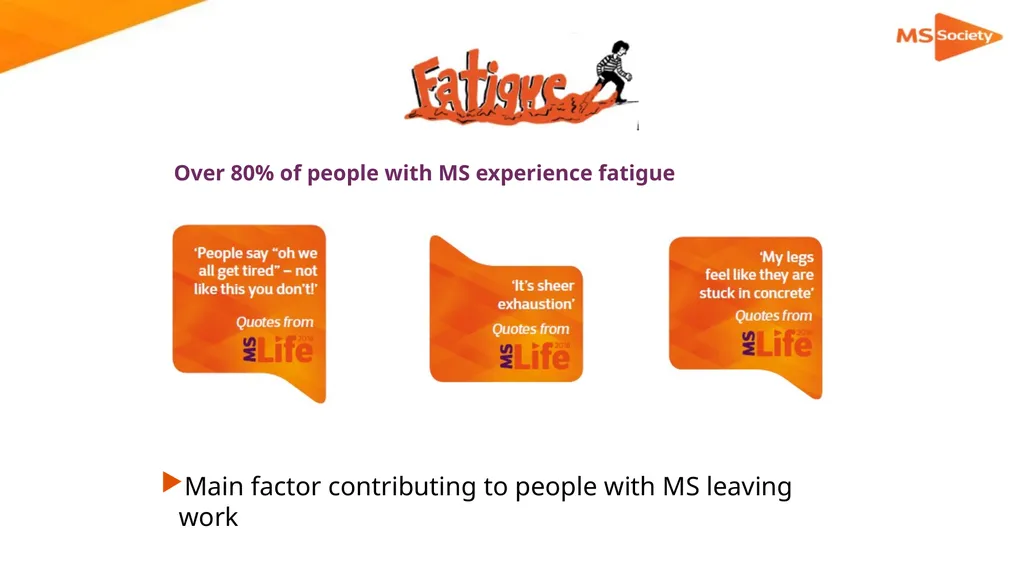
Over 80% of people with MS experience fatigue Main factor contributing to people with MS leaving work<br>
18
FACETS
Group based fatigue management
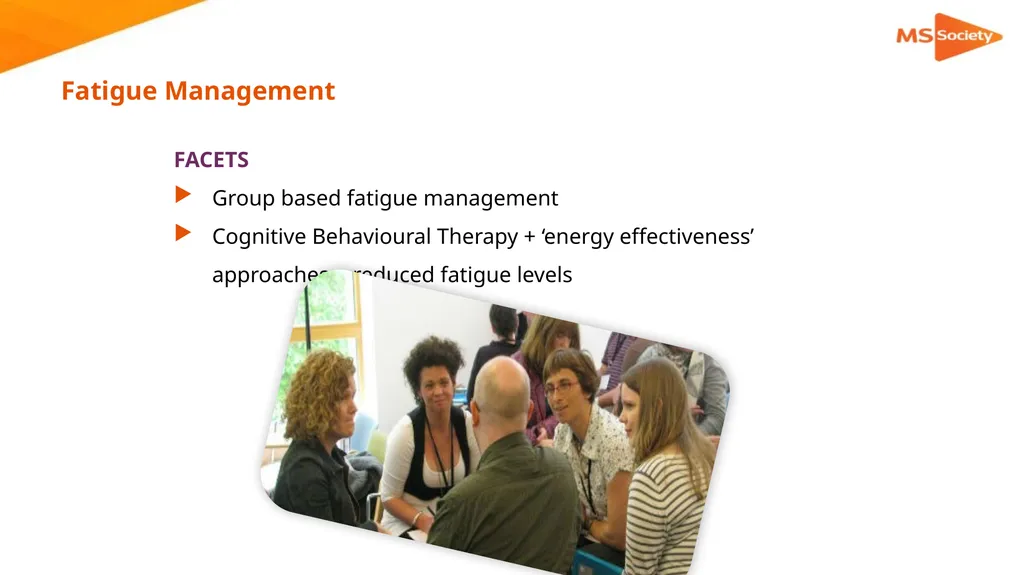
Cognitive Behavioural Therapy + ‘energy effectiveness’ approaches = reduced fatigue levels Fatigue Management<br>
Group based fatigue management
Cognitive Behavioural Therapy + ‘energy effectiveness’ approaches = reduced fatigue levels Fatigue Management<br>
19
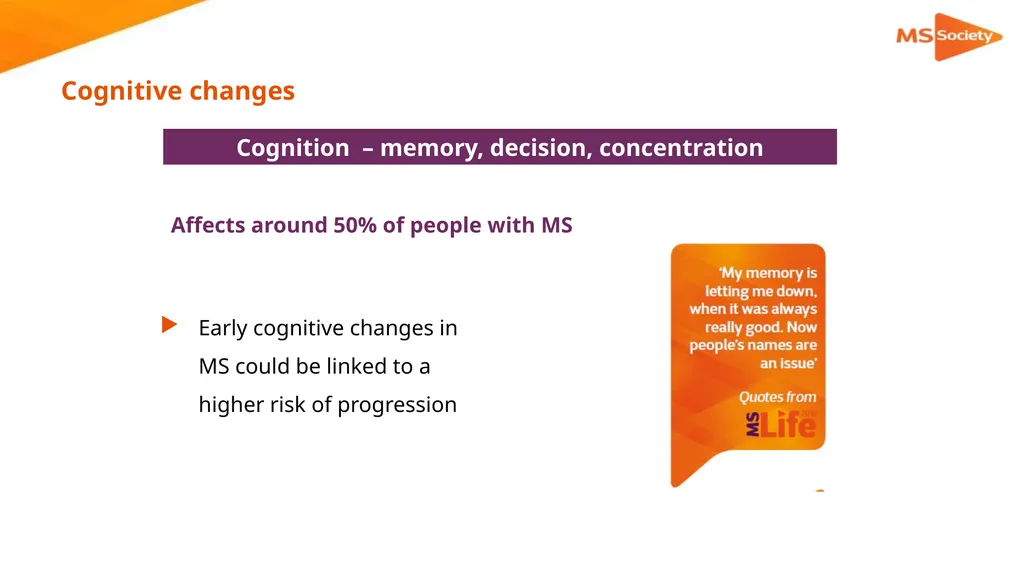
Cognition – memory, decision, concentration Cognitive changes Affects around 50% of people with MS Early cognitive changes in MS could be linked to a higher risk of progression<br>
20
CRAMMS trial
Test whether group cognitive rehabilitation sessions can improve quality of life for people with MS
Involves 400 people with MS
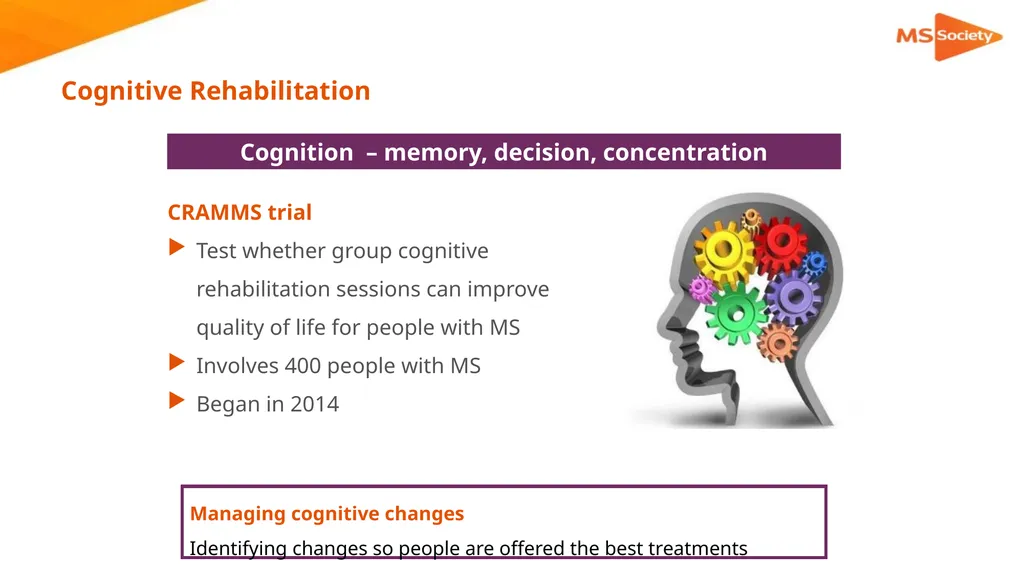
Began in 2014 Cognition – memory, decision, concentration Cognitive Rehabilitation Managing cognitive changes
Identifying changes so people are offered the best treatments<br>
Test whether group cognitive rehabilitation sessions can improve quality of life for people with MS
Involves 400 people with MS
Began in 2014 Cognition – memory, decision, concentration Cognitive Rehabilitation Managing cognitive changes
Identifying changes so people are offered the best treatments<br>
21
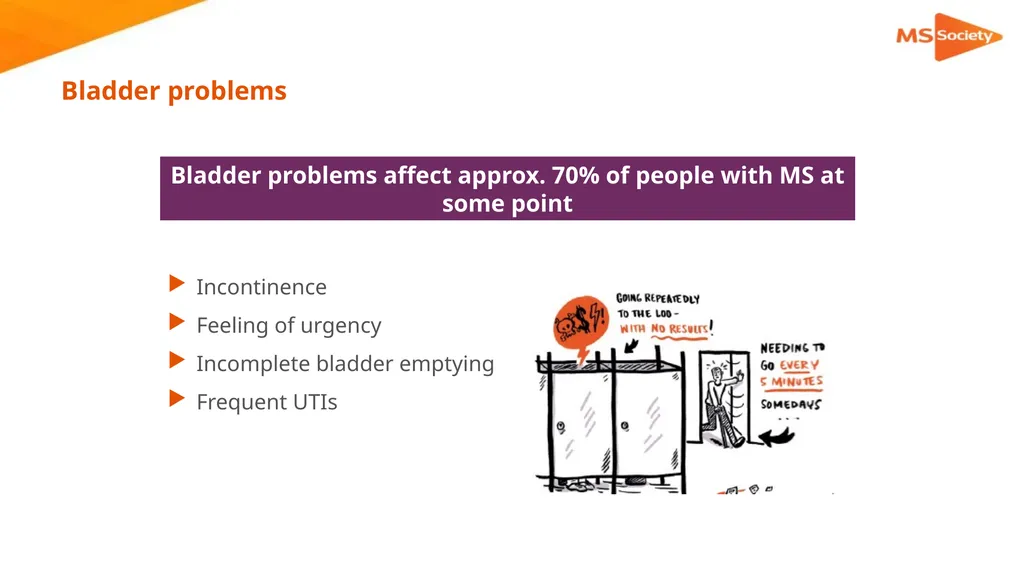
Bladder problems Bladder problems affect approx. 70% of people with MS at some point Incontinence
Feeling of urgency
Incomplete bladder emptying
Frequent UTIs<br>
Feeling of urgency
Incomplete bladder emptying
Frequent UTIs<br>
22
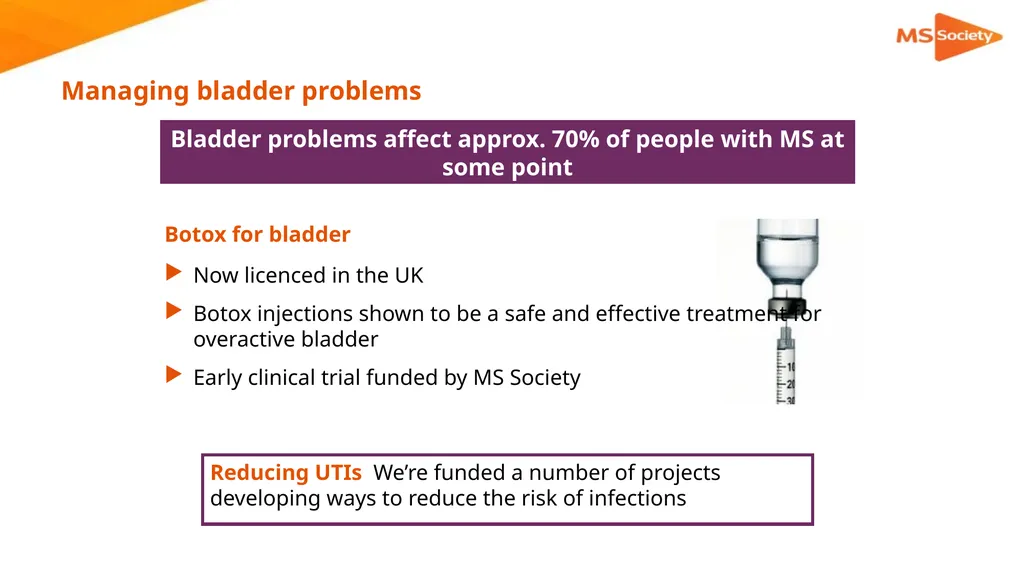
Managing bladder problems Bladder problems affect approx. 70% of people with MS at some point Reducing UTIs We’re funded a number of projects developing ways to reduce the risk of infections<br>
23
Our Vision
A world free from the effects of MS.
Our Mission
To enable everyone affected by MS to live life to their full potential and secure the care and support they need, until we ultimately find a cure. Together to beat MS 23<br>
A world free from the effects of MS.
Our Mission
To enable everyone affected by MS to live life to their full potential and secure the care and support they need, until we ultimately find a cure. Together to beat MS 23<br>
24
Dr Gavin McDonnell Consultant Neurologist
Belfast Health and Social Care Trust #MSPallCare<br>
Belfast Health and Social Care Trust #MSPallCare<br>
25
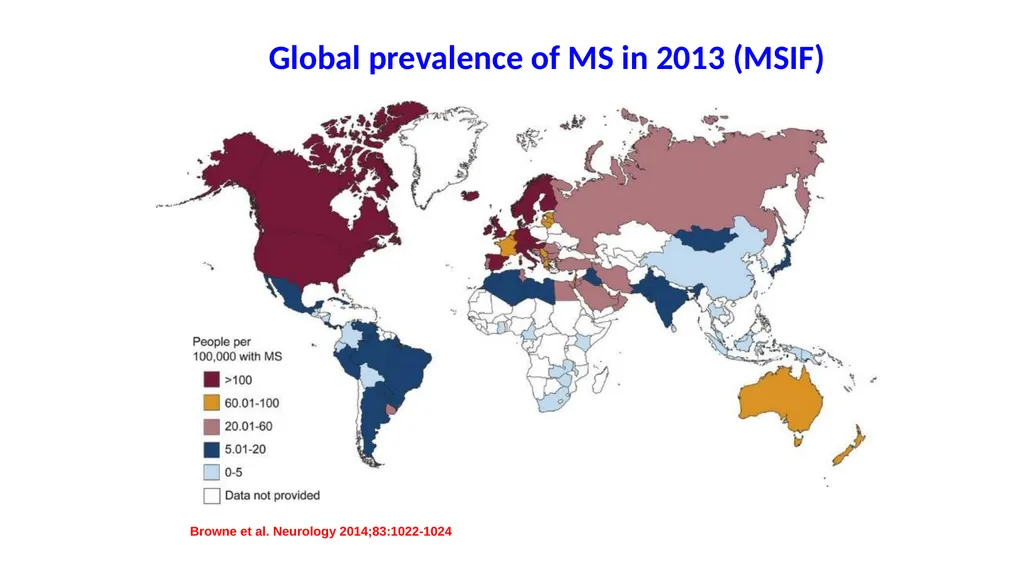
Global prevalence of MS in 2013 (MSIF) Browne et al. Neurology 2014;83:1022-1024<br>
26
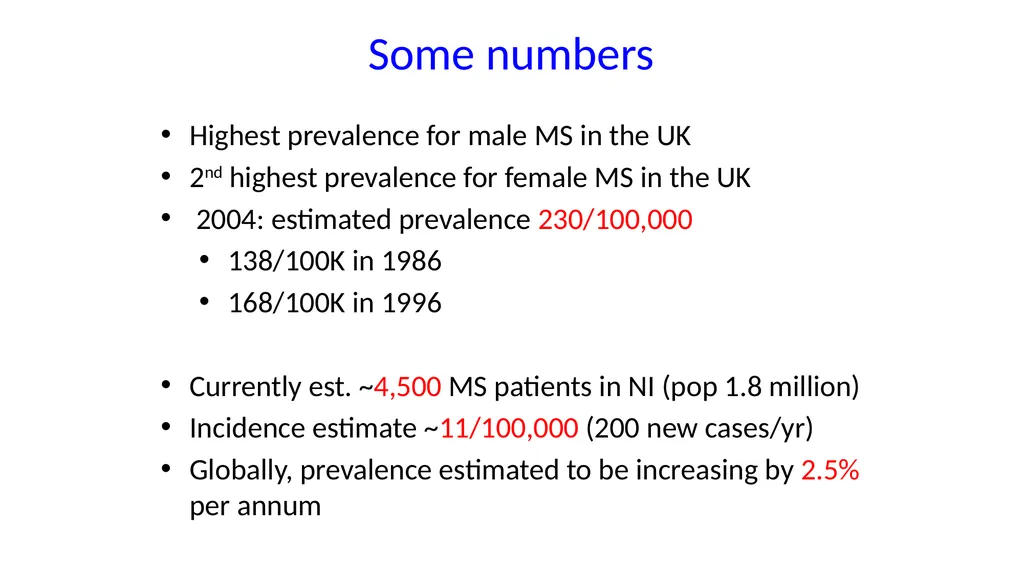
Some numbers Highest prevalence for male MS in the UK
2nd highest prevalence for female MS in the UK
2004: estimated prevalence 230/100,000
138/100K in 1986
168/100K in 1996
Currently est. ~4,500 MS patients in NI (pop 1.8 million)
Incidence estimate ~11/100,000 (200 new cases/yr)
Globally, prevalence estimated to be increasing by 2.5% per annum<br>
2nd highest prevalence for female MS in the UK
2004: estimated prevalence 230/100,000
138/100K in 1986
168/100K in 1996
Currently est. ~4,500 MS patients in NI (pop 1.8 million)
Incidence estimate ~11/100,000 (200 new cases/yr)
Globally, prevalence estimated to be increasing by 2.5% per annum<br>
27
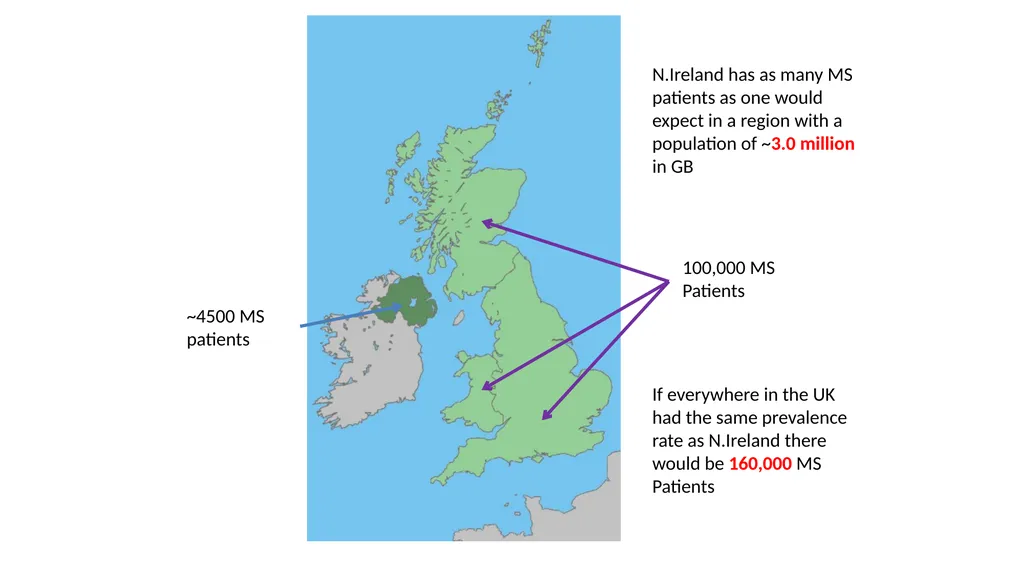
~4500 MS patients 100,000 MS Patients If everywhere in the UK had the same prevalence rate as N.Ireland there would be 160,000 MS Patients N.Ireland has as many MS patients as one would expect in a region with a population of ~3.0 million in GB<br>
28
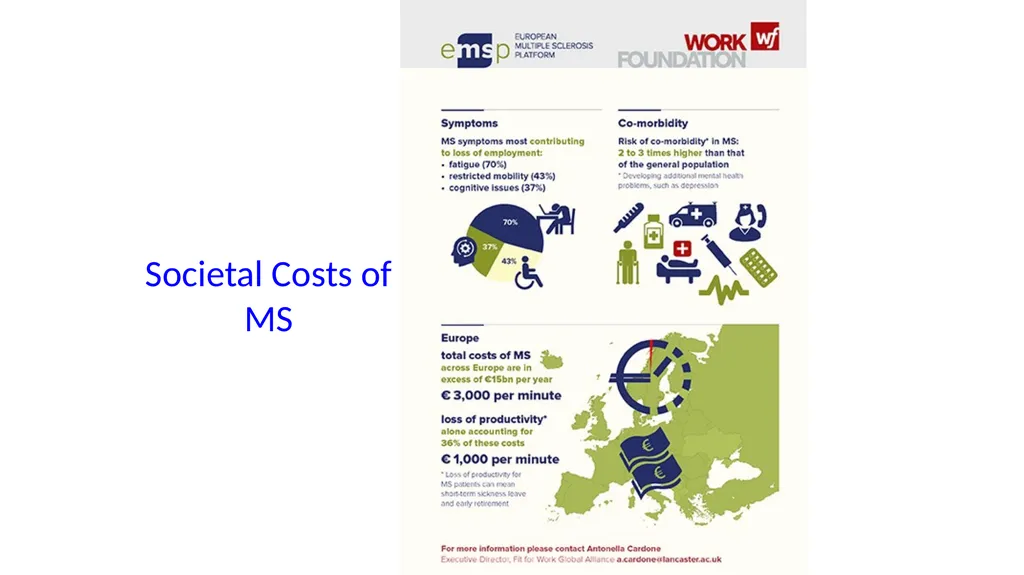
Societal Costs of MS<br>
29
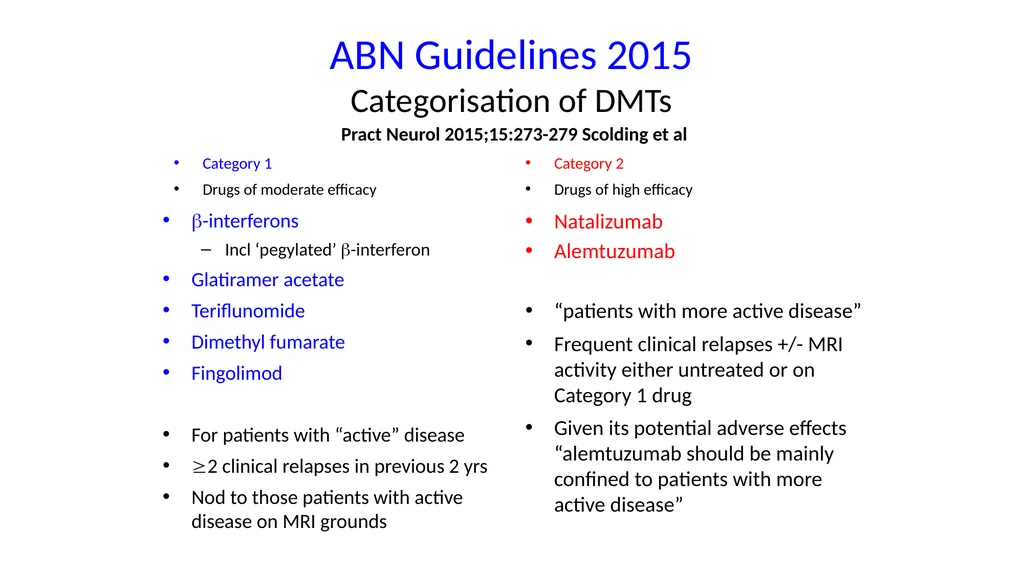
ABN Guidelines 2015
Categorisation of DMTs Category 1
Drugs of moderate efficacy -interferons
Incl ‘pegylated’ -interferon
Glatiramer acetate
Teriflunomide
Dimethyl fumarate
Fingolimod
For patients with “active” disease
2 clinical relapses in previous 2 yrs
Nod to those patients with active disease on MRI grounds Category 2
Drugs of high efficacy Natalizumab
Alemtuzumab
“patients with more active disease”
Frequent clinical relapses +/- MRI activity either untreated or on Category 1 drug
Given its potential adverse effects “alemtuzumab should be mainly confined to patients with more active disease” Pract Neurol 2015;15:273-279 Scolding et al<br>
Drugs of moderate efficacy -interferons
Incl ‘pegylated’ -interferon
Glatiramer acetate
Teriflunomide
Dimethyl fumarate
Fingolimod
For patients with “active” disease
2 clinical relapses in previous 2 yrs
Nod to those patients with active disease on MRI grounds Category 2
Drugs of high efficacy Natalizumab
Alemtuzumab
“patients with more active disease”
Frequent clinical relapses +/- MRI activity either untreated or on Category 1 drug
Given its potential adverse effects “alemtuzumab should be mainly confined to patients with more active disease” Pract Neurol 2015;15:273-279 Scolding et al<br>
30
Alemtuzumab
Efficacy Measures Regarding Disability and Relapse at 36 Months The CAMMS223 Trial Investigators. N Engl J Med 2008;359:1786-1801<br>
Efficacy Measures Regarding Disability and Relapse at 36 Months The CAMMS223 Trial Investigators. N Engl J Med 2008;359:1786-1801<br>
31
.....but we don’t have a cure yet<br>
32
What is palliative care?
(and is it relevant to MS?) Management at end of life?
Something for cancer patients?
Better pain control?
Relevant to life limiting illnesses?
Hospice care?
Only delivered by a “specialist palliative care team”?<br>
Something for cancer patients?
Better pain control?
Relevant to life limiting illnesses?
Hospice care?
Only delivered by a “specialist palliative care team”?<br>
33
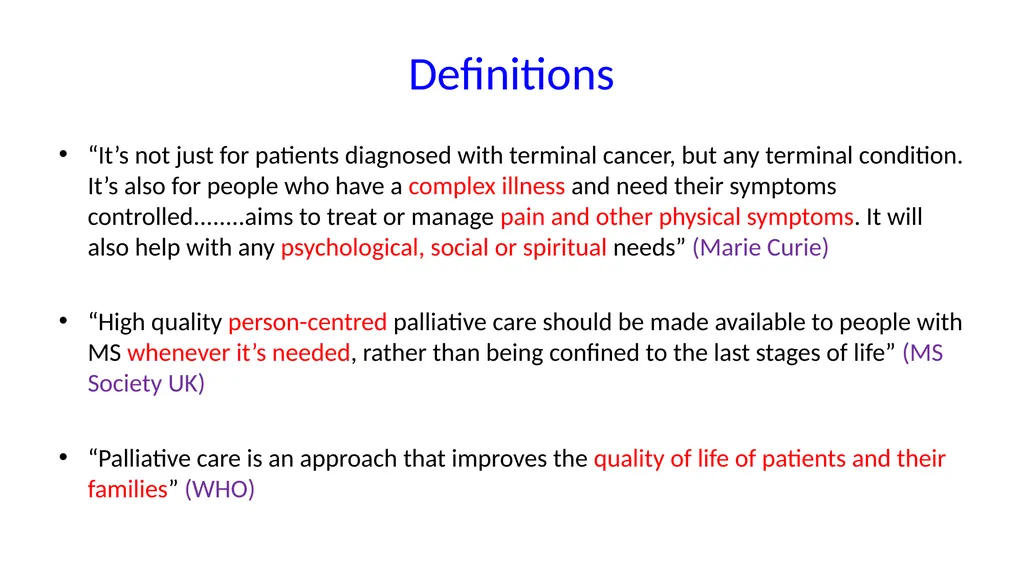
Definitions “It’s not just for patients diagnosed with terminal cancer, but any terminal condition. It’s also for people who have a complex illness and need their symptoms controlled........aims to treat or manage pain and other physical symptoms. It will also help with any psychological, social or spiritual needs” (Marie Curie)
“High quality person-centred palliative care should be made available to people with MS whenever it’s needed, rather than being confined to the last stages of life” (MS Society UK)
“Palliative care is an approach that improves the quality of life of patients and their families” (WHO)<br>
“High quality person-centred palliative care should be made available to people with MS whenever it’s needed, rather than being confined to the last stages of life” (MS Society UK)
“Palliative care is an approach that improves the quality of life of patients and their families” (WHO)<br>
34
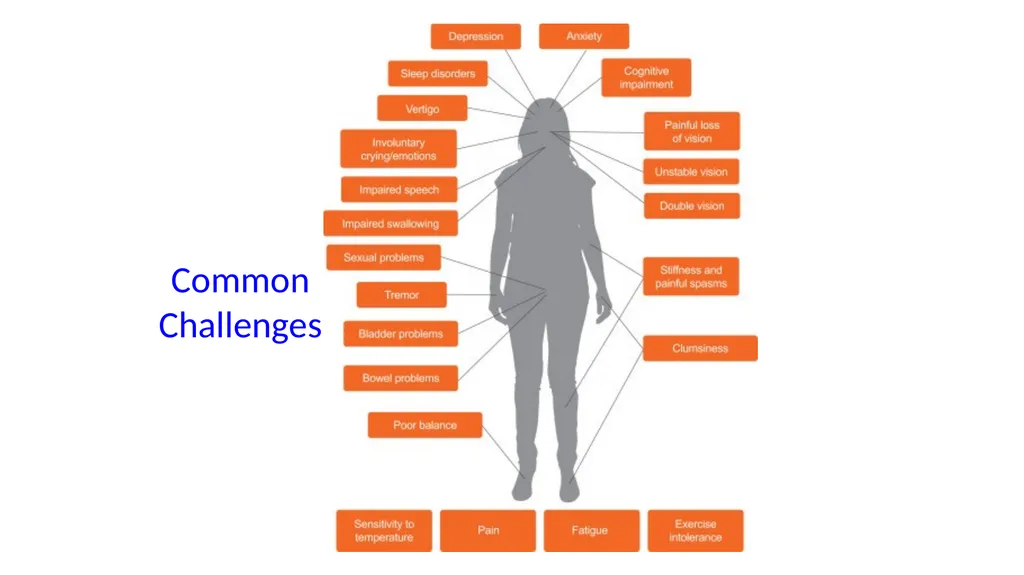
Common Challenges<br>
35
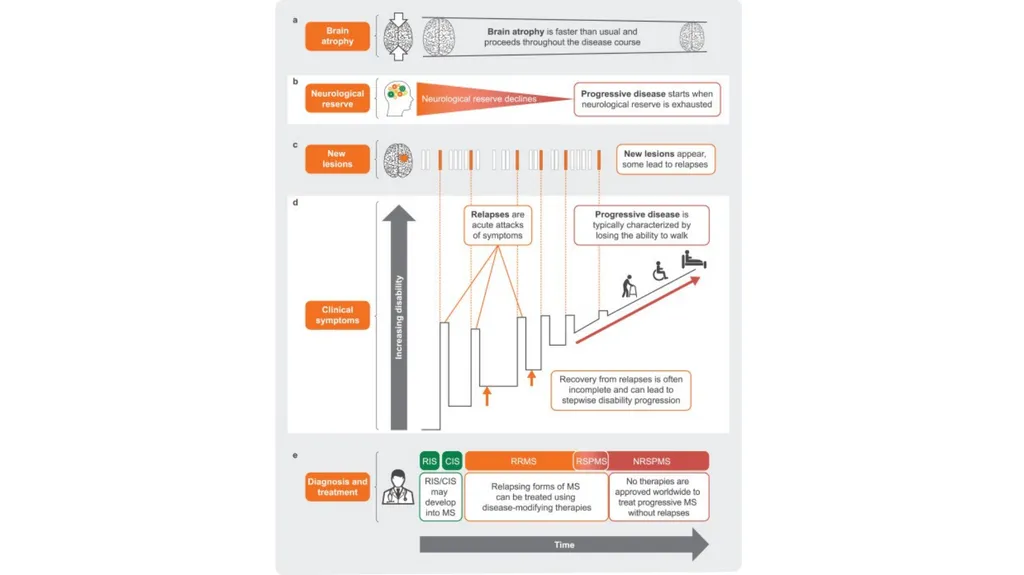
Palliative care as a continuum in MS At time of diagnosis
During relapse
During periods of disease progression
When MS is influenced by comorbidities
In the advanced stages of the disease
At end of life
Involves all of those touched by the disease
Parents/spouse/children<br>
During relapse
During periods of disease progression
When MS is influenced by comorbidities
In the advanced stages of the disease
At end of life
Involves all of those touched by the disease
Parents/spouse/children<br>
36
What do MS Patients need Palliation of? Pain
Neurogenic
Musculoskeletal
Depression/anxiety
Cognitive impairment
Spasticity
Incontinence
Bowel
Bladder
Constipation
Sexual health Restricted mobility
Tremor
Fatigue
Visual loss
Impaired communication
Nutritional compromise
Bulbar (swallowing) problems
Social isolation
Personal and financial loss
Employment
Relationships<br>
Neurogenic
Musculoskeletal
Depression/anxiety
Cognitive impairment
Spasticity
Incontinence
Bowel
Bladder
Constipation
Sexual health Restricted mobility
Tremor
Fatigue
Visual loss
Impaired communication
Nutritional compromise
Bulbar (swallowing) problems
Social isolation
Personal and financial loss
Employment
Relationships<br>
37
Perceptual barriers Therapeutic nihilism/despair
“....most patients end up in wheelchairs”
“....everybody just gets worse”
“....there’s nothing more we/I can do”
“....I don’t know anything about MS”
“....I/we don’t have/see many patients with MS”
“....their waiting lists are very long”<br>
“....most patients end up in wheelchairs”
“....everybody just gets worse”
“....there’s nothing more we/I can do”
“....I don’t know anything about MS”
“....I/we don’t have/see many patients with MS”
“....their waiting lists are very long”<br>
38
Key messages There is always something (more) that can be done
If you can’t help then there is someone else who can (or knows someone who can)<br>
If you can’t help then there is someone else who can (or knows someone who can)<br>
39
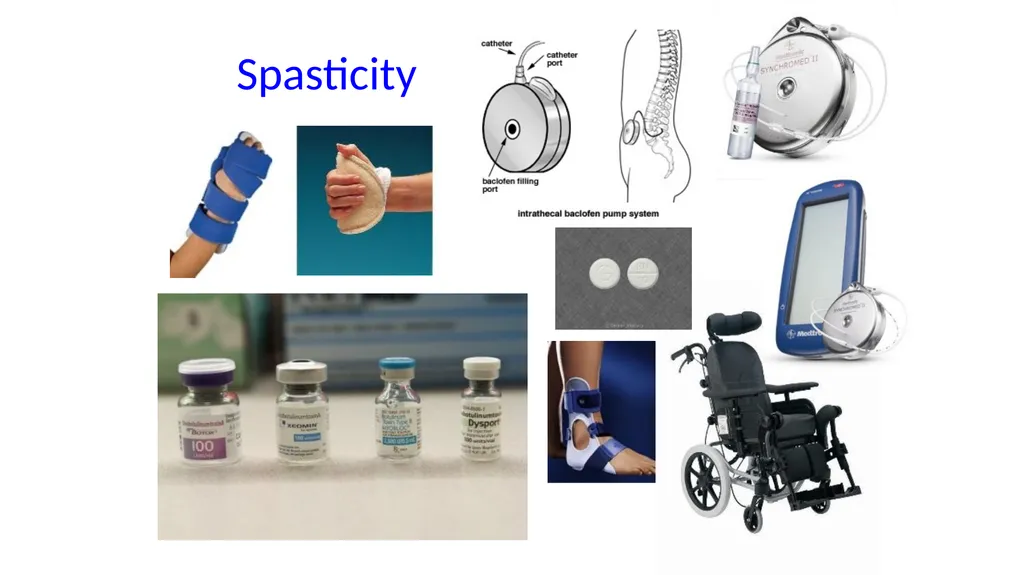
Spasticity<br>
40
Organisational barriers “you can only access that team if you need more than 1 member of the team”
“you don’t meet our criteria”
“you’re not over/under 65”
“we don’t go into nursing homes”
“our psychology/psychiatry service isn’t for people with neurological disorders/MS/anything disabling (delete as appropriate)”
“we don’t have a budget for splints”
Or the more generalisable “we aren’t funded for that”
“we can make splints but only for patients with stroke/acquired brain injury/sports injuries (delete as appropriate)”
“patients in nursing homes don’t need their own wheelchairs”
“I don’t do that, I’m a Neurologist”
And the waiting lists really are awful<br>
“you don’t meet our criteria”
“you’re not over/under 65”
“we don’t go into nursing homes”
“our psychology/psychiatry service isn’t for people with neurological disorders/MS/anything disabling (delete as appropriate)”
“we don’t have a budget for splints”
Or the more generalisable “we aren’t funded for that”
“we can make splints but only for patients with stroke/acquired brain injury/sports injuries (delete as appropriate)”
“patients in nursing homes don’t need their own wheelchairs”
“I don’t do that, I’m a Neurologist”
And the waiting lists really are awful<br>
41
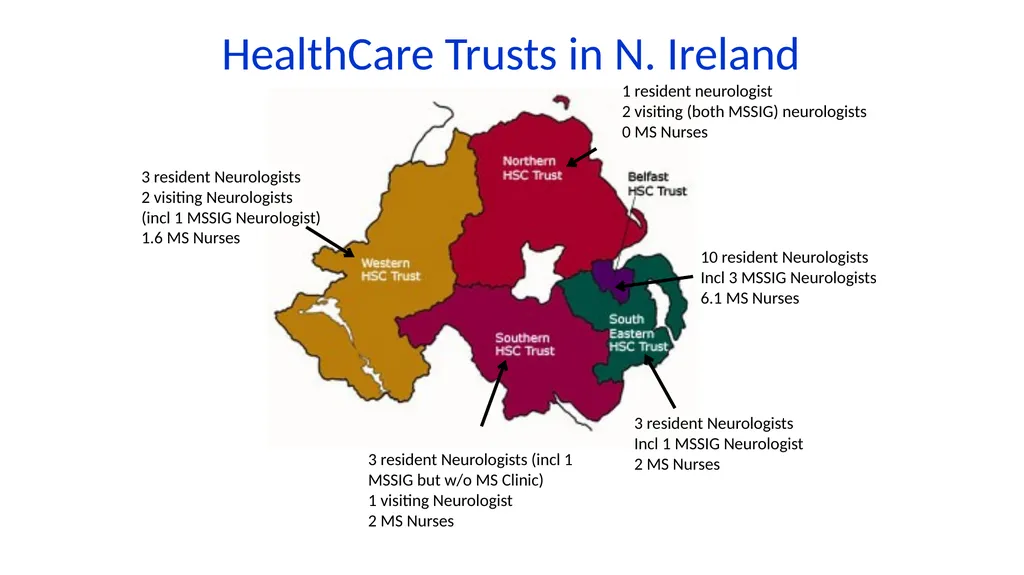
HealthCare Trusts in N. Ireland 3 resident Neurologists
2 visiting Neurologists
(incl 1 MSSIG Neurologist)
1.6 MS Nurses 3 resident Neurologists (incl 1 MSSIG but w/o MS Clinic)
1 visiting Neurologist
2 MS Nurses 1 resident neurologist
2 visiting (both MSSIG) neurologists
0 MS Nurses 3 resident Neurologists
Incl 1 MSSIG Neurologist
2 MS Nurses 10 resident Neurologists
Incl 3 MSSIG Neurologists
6.1 MS Nurses<br>
2 visiting Neurologists
(incl 1 MSSIG Neurologist)
1.6 MS Nurses 3 resident Neurologists (incl 1 MSSIG but w/o MS Clinic)
1 visiting Neurologist
2 MS Nurses 1 resident neurologist
2 visiting (both MSSIG) neurologists
0 MS Nurses 3 resident Neurologists
Incl 1 MSSIG Neurologist
2 MS Nurses 10 resident Neurologists
Incl 3 MSSIG Neurologists
6.1 MS Nurses<br>
42
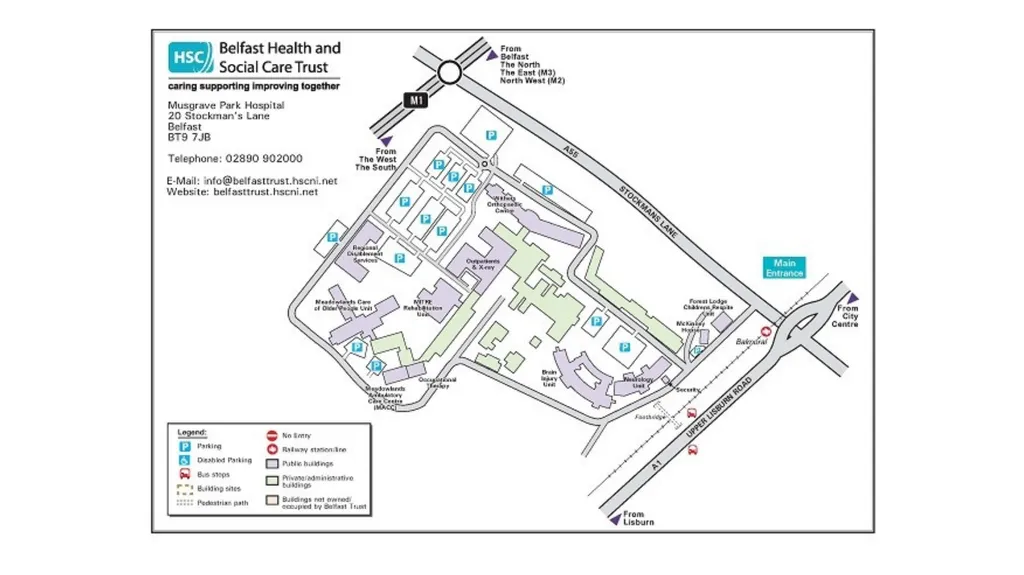
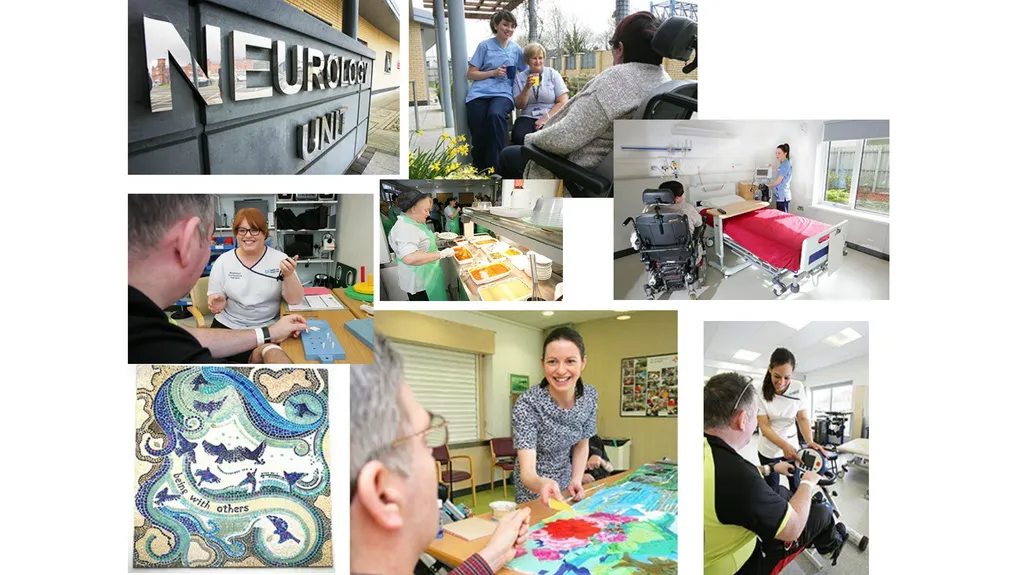
Neurology Unit MPH 23 bedded facility
9 neuropalliative care beds
Range of neurological disorders
MS, MND, familial young onset dementia
2-3 rehabilitation beds
MS patients most prevalent group
11-12 respite care beds
Full range of neurological disorders
MS and Parkinsonian disorders commonest groups
400-425 admissions/yr
Opened/relocated March 2012
Part-funded by charitable donation
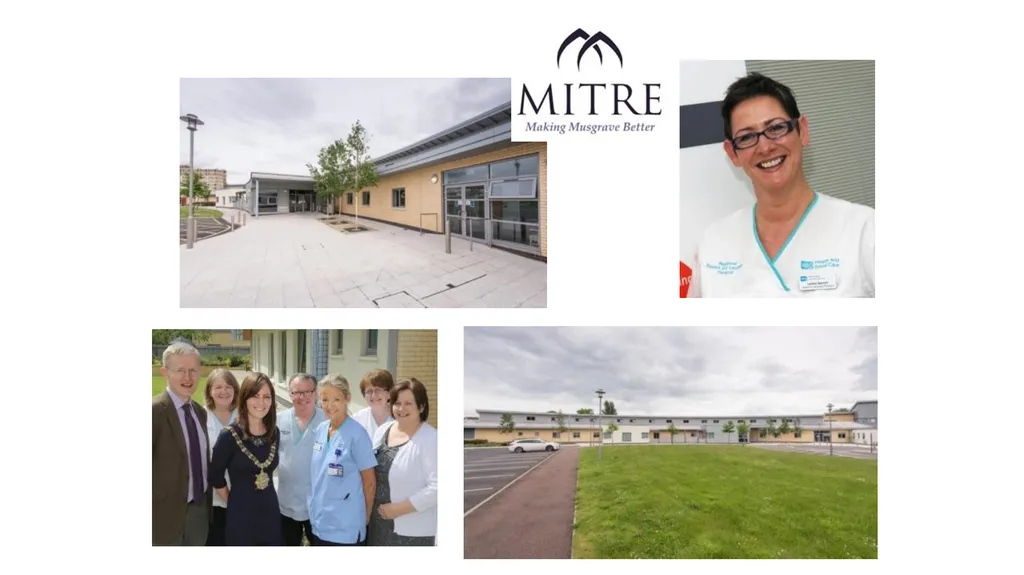
£1 million from MITRE<br>
9 neuropalliative care beds
Range of neurological disorders
MS, MND, familial young onset dementia
2-3 rehabilitation beds
MS patients most prevalent group
11-12 respite care beds
Full range of neurological disorders
MS and Parkinsonian disorders commonest groups
400-425 admissions/yr
Opened/relocated March 2012
Part-funded by charitable donation
£1 million from MITRE<br>
43
Hospital & Community<br>
44
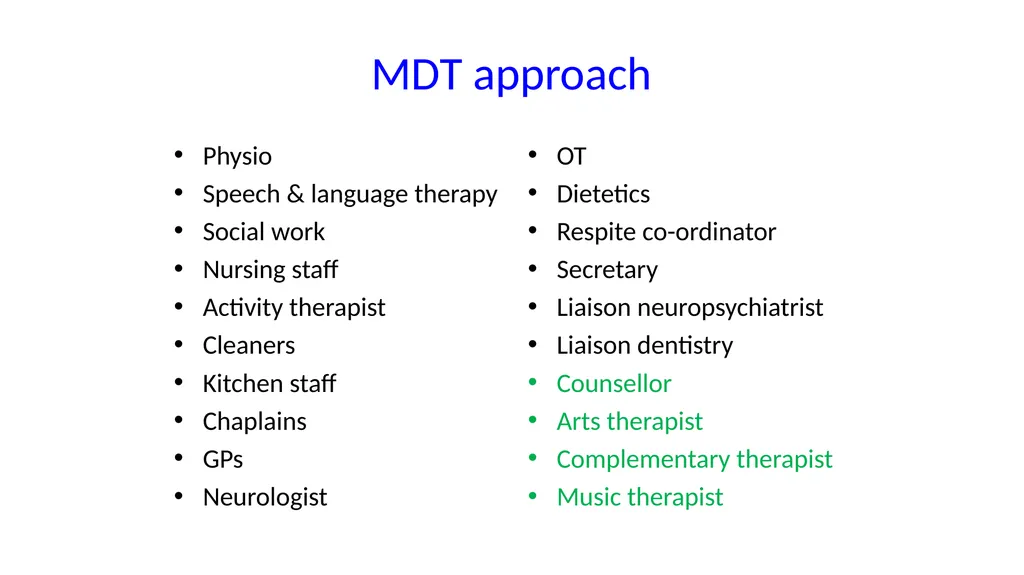
MDT approach Physio
Speech & language therapy
Social work
Nursing staff
Activity therapist
Cleaners
Kitchen staff
Chaplains
GPs
Neurologist OT
Dietetics
Respite co-ordinator
Secretary
Liaison neuropsychiatrist
Liaison dentistry
Counsellor
Arts therapist
Complementary therapist
Music therapist<br>
Speech & language therapy
Social work
Nursing staff
Activity therapist
Cleaners
Kitchen staff
Chaplains
GPs
Neurologist OT
Dietetics
Respite co-ordinator
Secretary
Liaison neuropsychiatrist
Liaison dentistry
Counsellor
Arts therapist
Complementary therapist
Music therapist<br>
45
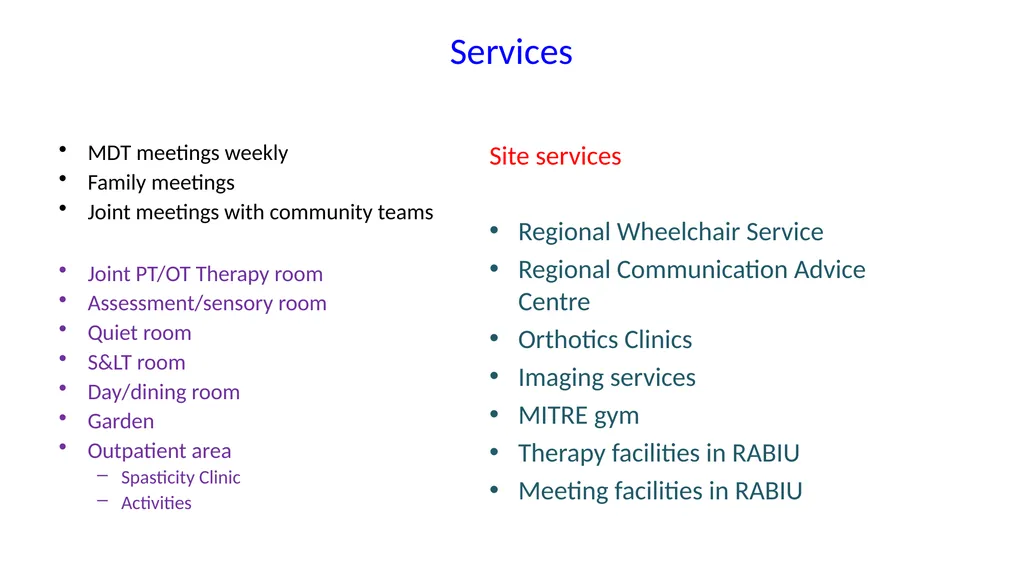
Services MDT meetings weekly
Family meetings
Joint meetings with community teams
Joint PT/OT Therapy room
Assessment/sensory room
Quiet room
S< room
Day/dining room
Garden
Outpatient area
Spasticity Clinic
Activities Site services
Regional Wheelchair Service
Regional Communication Advice Centre
Orthotics Clinics
Imaging services
MITRE gym
Therapy facilities in RABIU
Meeting facilities in RABIU<br>
Family meetings
Joint meetings with community teams
Joint PT/OT Therapy room
Assessment/sensory room
Quiet room
S< room
Day/dining room
Garden
Outpatient area
Spasticity Clinic
Activities Site services
Regional Wheelchair Service
Regional Communication Advice Centre
Orthotics Clinics
Imaging services
MITRE gym
Therapy facilities in RABIU
Meeting facilities in RABIU<br>
46
But we don’t have....... Enough capacity/beds to help all who need it
Enough therapy staff
Enough medical input
Neuropsychology support
Specialist palliative care input
There is no palliative care provision on the Musgrave Park site<br>
Enough therapy staff
Enough medical input
Neuropsychology support
Specialist palliative care input
There is no palliative care provision on the Musgrave Park site<br>
47
Case study 1 NH
40yo female
Aggressive relapsing-remitting course & rapid transition to secondary progressive phase
Living with daughters
Challenging domestic situation – difficult adherence to professional advice re: care/safety
Frequent acute hospital admissions, aspiration, skin care issues
Respite offered initially
Best interests – offer and acceptance of neuropalliative bed
PEG feeding
Ultimately mini-tracheostomy to facilitate secretions
Full nursing care
Gradually progressive course
Discussions re: ceilings of care
Acute hospital transfers avoided
Daughter’s wedding pending
Family meeting, discussion re; potentially precarious nature of mother’s health
Wedding brought forward by several months
Facilitated on MPH site in Hospital Chapel, NH in attendance
Family/wedding photos in Unit
NH passed away few weeks later<br>
40yo female
Aggressive relapsing-remitting course & rapid transition to secondary progressive phase
Living with daughters
Challenging domestic situation – difficult adherence to professional advice re: care/safety
Frequent acute hospital admissions, aspiration, skin care issues
Respite offered initially
Best interests – offer and acceptance of neuropalliative bed
PEG feeding
Ultimately mini-tracheostomy to facilitate secretions
Full nursing care
Gradually progressive course
Discussions re: ceilings of care
Acute hospital transfers avoided
Daughter’s wedding pending
Family meeting, discussion re; potentially precarious nature of mother’s health
Wedding brought forward by several months
Facilitated on MPH site in Hospital Chapel, NH in attendance
Family/wedding photos in Unit
NH passed away few weeks later<br>
48
Case study 2 BN
60 yo male
Secondary progressive MS
Living with wife, struggling at home – danger of relationship breakdown
Tensions due to bowel management problems
Difficulties with personal care and transfers due to spasms and spasticity
Began accessing respite at MPH
Spasticity managed with an intrathecal baclofen (ITB) pump
Bowels managed with a colostomy
Stress levels falling, relationship intact
Managing at home<br>
60 yo male
Secondary progressive MS
Living with wife, struggling at home – danger of relationship breakdown
Tensions due to bowel management problems
Difficulties with personal care and transfers due to spasms and spasticity
Began accessing respite at MPH
Spasticity managed with an intrathecal baclofen (ITB) pump
Bowels managed with a colostomy
Stress levels falling, relationship intact
Managing at home<br>
49
Case study 3 MB
55yo female
Longstanding SPMS patient
Accessed respite care for couple of years
Support for elderly parents who were also caring for MB’s brother (autism and MS)
Regular acute hospital admissions, critically ill
Nutritional deficits
Home care no longer realistic
Transitioned to neuropalliative bed
Complex needs – spastic quadriparesis, PEG feeding, limited communication, single functioning kidney, recurrent chest and urine infections, relatively retained cognition
Values life, family interactions
Acute hospital admissions avoided
Weekly visits home despite disability level
Key member of her family circle<br>
55yo female
Longstanding SPMS patient
Accessed respite care for couple of years
Support for elderly parents who were also caring for MB’s brother (autism and MS)
Regular acute hospital admissions, critically ill
Nutritional deficits
Home care no longer realistic
Transitioned to neuropalliative bed
Complex needs – spastic quadriparesis, PEG feeding, limited communication, single functioning kidney, recurrent chest and urine infections, relatively retained cognition
Values life, family interactions
Acute hospital admissions avoided
Weekly visits home despite disability level
Key member of her family circle<br>
50
Respite role in Palliative care Physical & emotional benefits for patients
Review of symptom management
These are mainly progressive disorders
Review of care arrangements
Support at times of crisis
Physical and emotional benefits for carers/families
Many have healthcare issues of their own
Families better able to return to caring roles
Helps to keep families together and at home<br>
Review of symptom management
These are mainly progressive disorders
Review of care arrangements
Support at times of crisis
Physical and emotional benefits for carers/families
Many have healthcare issues of their own
Families better able to return to caring roles
Helps to keep families together and at home<br>
51
Summary Palliative management is fundamental to effective MS care (& it doesn’t stop with patients)
Access to comprehensive care for MS patients remains an aspiration - provision is patchy
Current H&SC provision across 5 Trusts is unhelpful & facilitates postcode lottery
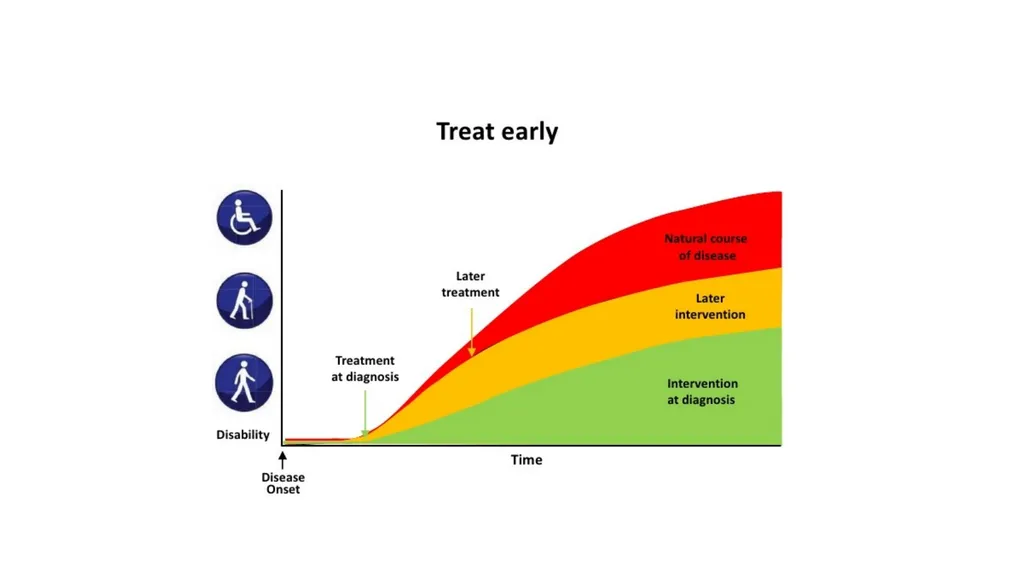
Advances in disease modifying therapy for MS welcome but important not to lose sight of symptom management and multidisciplinary care
There is no formal collaboration (yet) between Neurology and Specialist Palliative Care – we need to embed and integrate
Palliative care resources have to be multidisciplinary and should be patient-centred and problem orientated rather than service-centred
There is a need to address the palliative needs of MS patients in nursing homes – real risk (?reality) that these patients are forgotten and neglected<br>
Access to comprehensive care for MS patients remains an aspiration - provision is patchy
Current H&SC provision across 5 Trusts is unhelpful & facilitates postcode lottery
Advances in disease modifying therapy for MS welcome but important not to lose sight of symptom management and multidisciplinary care
There is no formal collaboration (yet) between Neurology and Specialist Palliative Care – we need to embed and integrate
Palliative care resources have to be multidisciplinary and should be patient-centred and problem orientated rather than service-centred
There is a need to address the palliative needs of MS patients in nursing homes – real risk (?reality) that these patients are forgotten and neglected<br>
52
Is access to DMTs related to overall healthcare spending?<br>
53
Joan McEwan Head of Policy and Public Affairs
Marie Curie Northern Ireland #MSPallCare<br>
Marie Curie Northern Ireland #MSPallCare<br>
54
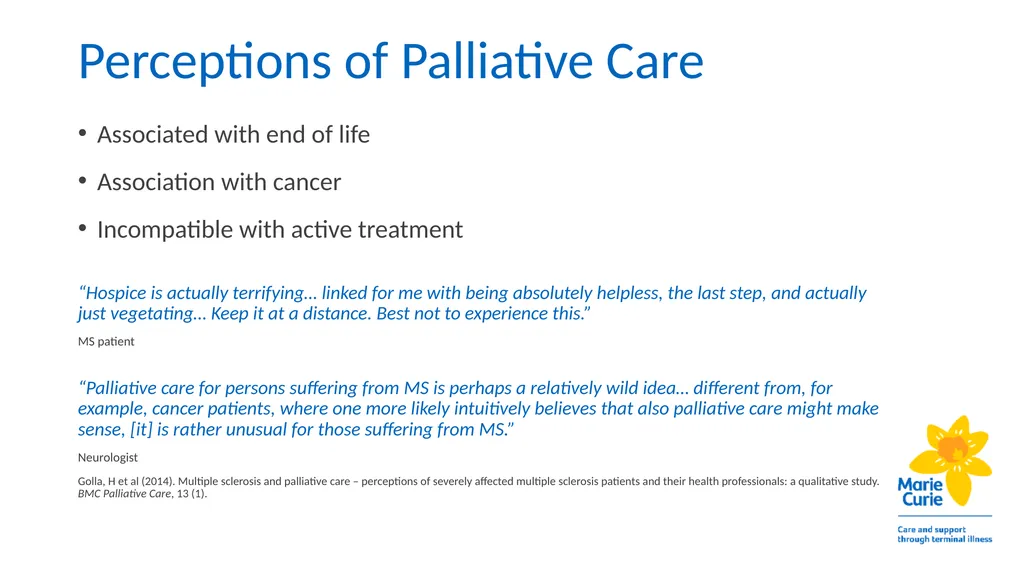
Perceptions of Palliative Care Associated with end of life
Association with cancer
Incompatible with active treatment
“Hospice is actually terrifying… linked for me with being absolutely helpless, the last step, and actually just vegetating… Keep it at a distance. Best not to experience this.”
MS patient
“Palliative care for persons suffering from MS is perhaps a relatively wild idea… different from, for example, cancer patients, where one more likely intuitively believes that also palliative care might make sense, [it] is rather unusual for those suffering from MS.”
Neurologist
Golla, H et al (2014). Multiple sclerosis and palliative care – perceptions of severely affected multiple sclerosis patients and their health professionals: a qualitative study. BMC Palliative Care, 13 (1).<br>
Association with cancer
Incompatible with active treatment
“Hospice is actually terrifying… linked for me with being absolutely helpless, the last step, and actually just vegetating… Keep it at a distance. Best not to experience this.”
MS patient
“Palliative care for persons suffering from MS is perhaps a relatively wild idea… different from, for example, cancer patients, where one more likely intuitively believes that also palliative care might make sense, [it] is rather unusual for those suffering from MS.”
Neurologist
Golla, H et al (2014). Multiple sclerosis and palliative care – perceptions of severely affected multiple sclerosis patients and their health professionals: a qualitative study. BMC Palliative Care, 13 (1).<br>
55
Uncertain disease trajectory Long trajectory
Prognosis accuracy 23-78%
“Recognising the dying phase was noted by staff as a particular challenge in their care of people with long-term neurological conditions. Staff commented on the unpredictability of the disease trajectories, noting that these varied among individuals with the same disease.”
Wilson, E et al (2011). Perspectives of staff providing care at the end of life for people with progressive long-term neurological conditions. Palliative and Supportive Care, 9 (4).<br>
Prognosis accuracy 23-78%
“Recognising the dying phase was noted by staff as a particular challenge in their care of people with long-term neurological conditions. Staff commented on the unpredictability of the disease trajectories, noting that these varied among individuals with the same disease.”
Wilson, E et al (2011). Perspectives of staff providing care at the end of life for people with progressive long-term neurological conditions. Palliative and Supportive Care, 9 (4).<br>
56
Communication Between healthcare professionals
Advance care planning
Pain management<br>
Advance care planning
Pain management<br>
57
Solutions Awareness of palliative care and its benefits
Identify triggers and referral
Communication across MDTs and health professions
Advance care planning<br>
Identify triggers and referral
Communication across MDTs and health professions
Advance care planning<br>
58
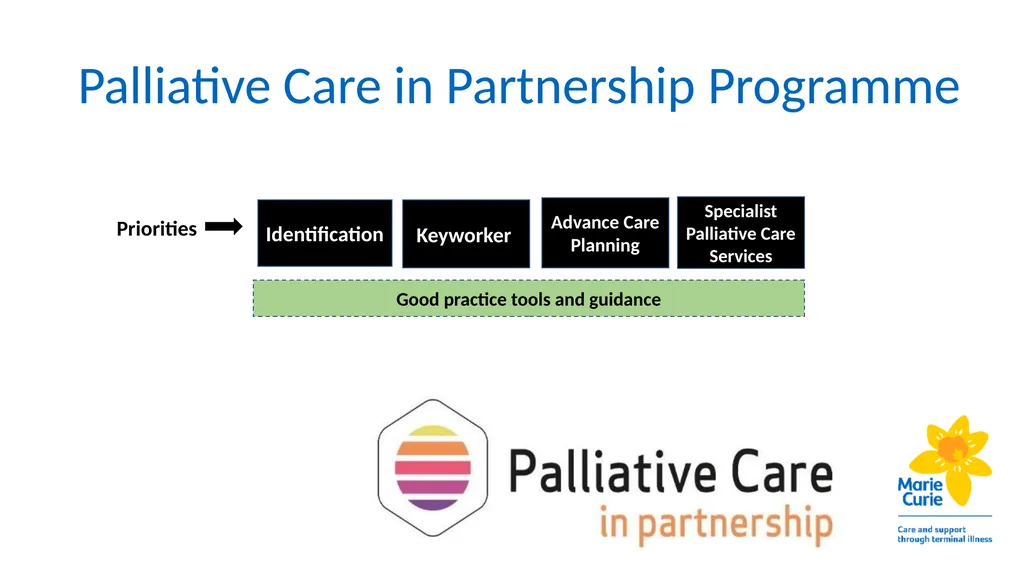
Palliative Care in Partnership Programme Identification Keyworker Advance Care Planning Specialist Palliative Care Services Priorities Good practice tools and guidance<br>
59
Widening the reach of palliative care Older population + comorbidities = greater demand for PC now and in the future
Everyone has a role to play in improving access<br>
Everyone has a role to play in improving access<br>