An Introduction To Public Speaking Name Public Speaking Public Speaking is a formal face-to-face communication method where a person(s) uses the medium of speech to Inform andor Influence a group of listeners (an audience). What is
"An Introduction To Public Speaking <Name> Public" is the property of its rightful owner. Permission is granted to
download and print the materials on this website for personal, non-commercial use only, and to display it
on your personal computer provided you do not modify the materials and that you retain all copyright
notices contained in the materials. By downloading content from our website, you accept the terms of this
agreement.
Presentation Transcript
01
An Introduction To Public Speaking <Name><br>
02
Public Speaking Public Speaking is a ‘formal’ face-to-face communication method where a person(s)
uses the medium of speech to Inform and/or Influence a group of listeners (an audience). What is Public Speaking? Why is developing Public Speaking skills important for Class Reps? Being able to inform and influence both students and university staff members through effective communications is essential for a Class Rep to be able to help improve the learning experience at GCU.<br>
03
Public Speaking What skills are required for Public Speaking? Planning & Preparation
Positive Non-Verbal Communications
Confidence The following three skills are required for effective Public Speaking… In this session we will be looking at… The importance of Planning & Preparation for effective Public Speaking
The importance of Non-Verbal Communications for effective Public Speaking.<br>
04
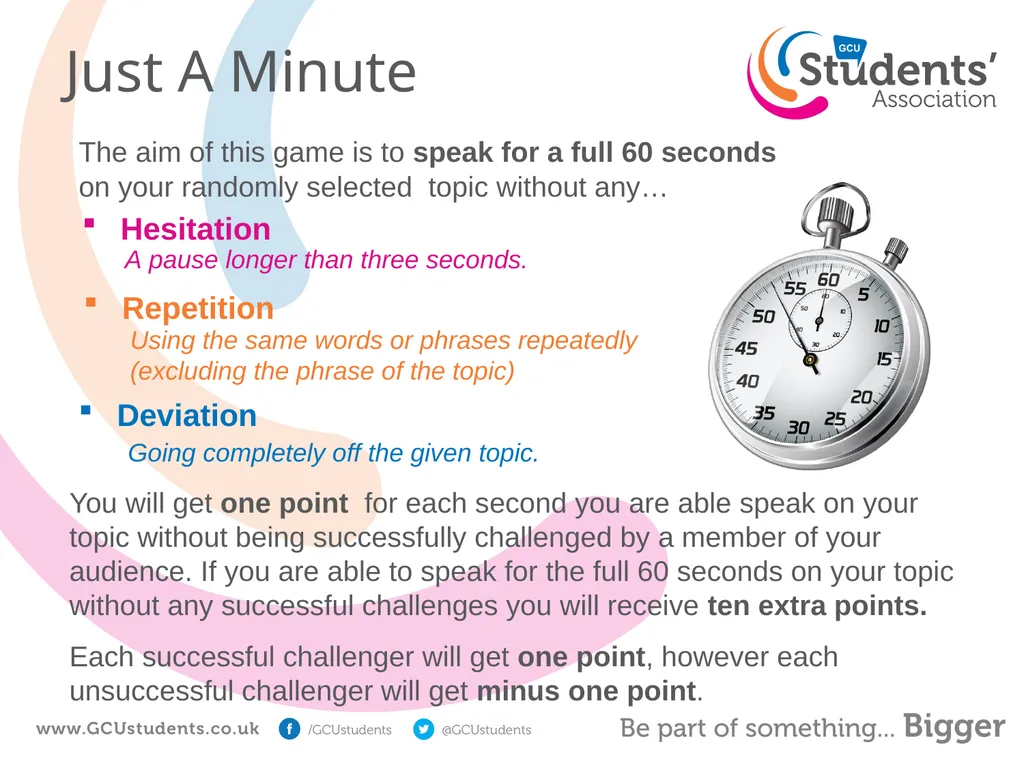
Just A Minute Hesitation Using the same words or phrases repeatedly (excluding the phrase of the topic) A pause longer than three seconds. Going completely off the given topic. The aim of this game is to speak for a full 60 seconds on your randomly selected topic without any… Deviation Repetition You will get one point for each second you are able speak on your topic without being successfully challenged by a member of your audience. If you are able to speak for the full 60 seconds on your topic without any successful challenges you will receive ten extra points.
Each successful challenger will get one point, however each unsuccessful challenger will get minus one point.<br>
05
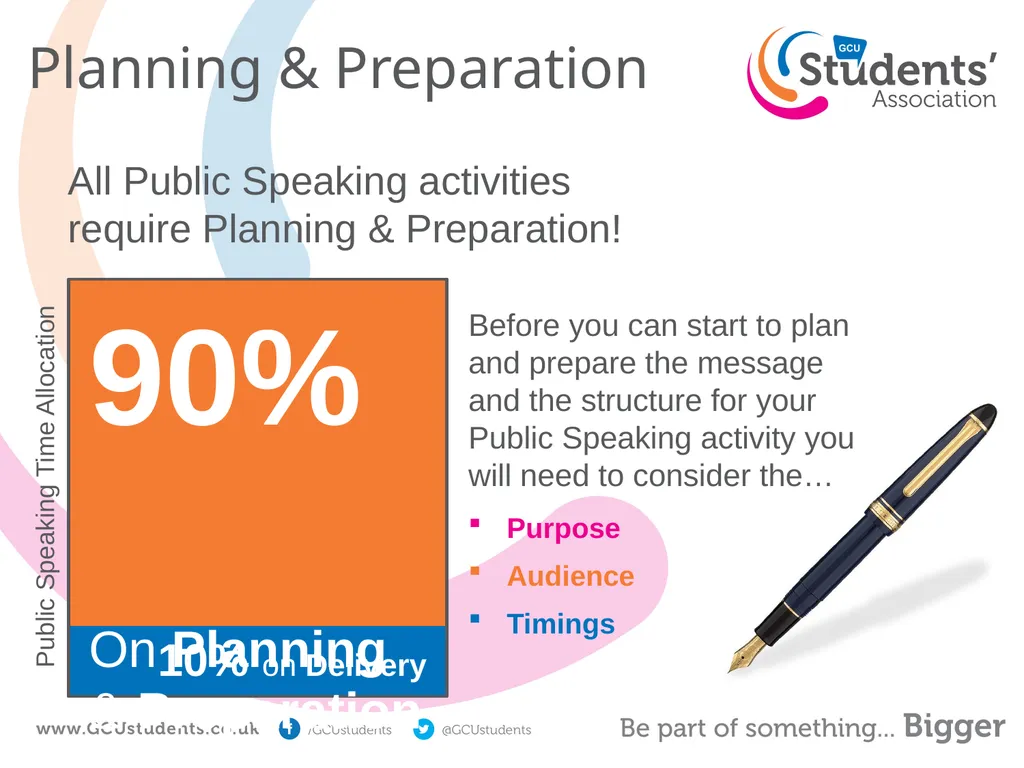
Planning & Preparation All Public Speaking activities require Planning & Preparation! 10% on Delivery 90% On Planning
& Preparation Before you can start to plan and prepare the message and the structure for your Public Speaking activity you will need to consider the…
Purpose
Audience
Timings Public Speaking Time Allocation<br>
06
Planning & Preparation Public Speaking can only inform and/or influence an audience if it is delivered in a structured way! The best way to ensure that your Public Speaking activity is structured is to plan & prepare notes that can be used as a guide when speaking. Your notes should be headings and key words bullet-point format and not a word for word script of everything you want to say.<br>
07
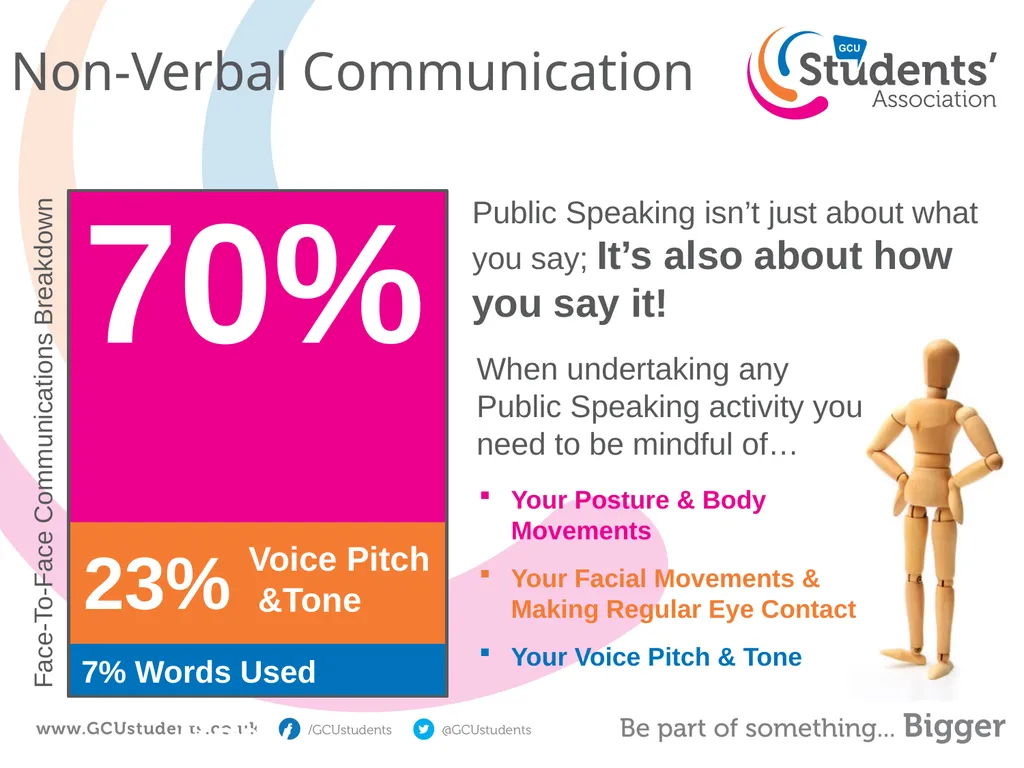
Non-Verbal Communication Public Speaking isn’t just about what you say; It’s also about how you say it! 70% Body Language 23% 7% Words Used Voice Pitch
&Tone Face-To-Face Communications Breakdown Your Posture & Body Movements
Your Facial Movements & Making Regular Eye Contact
Your Voice Pitch & Tone When undertaking any Public Speaking activity you need to be mindful of…<br>
08
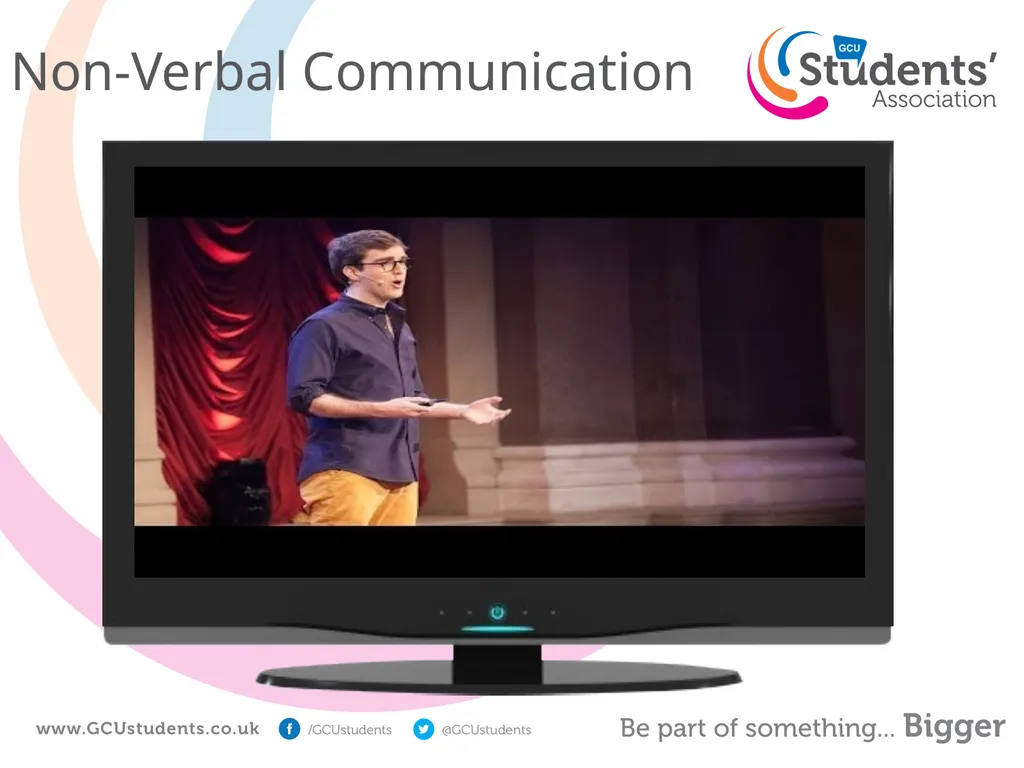
Non-Verbal Communication<br>
09
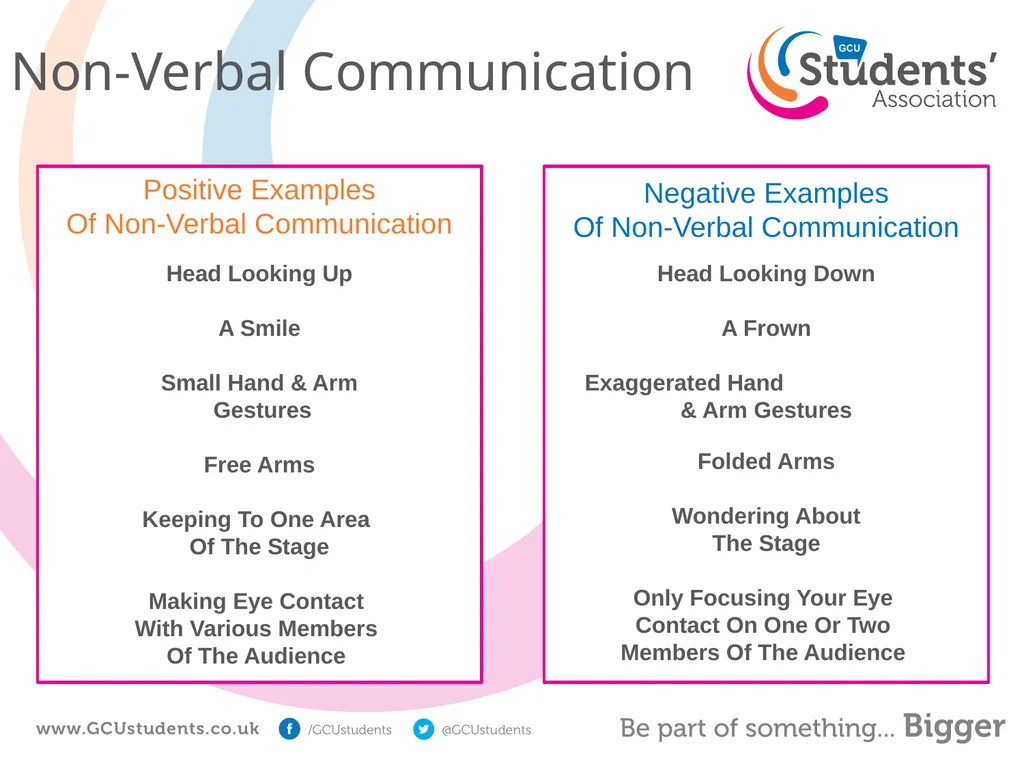
Non-Verbal Communication Positive Examples
Of Non-Verbal Communication Negative Examples
Of Non-Verbal Communication Head Looking Up
A Smile
Small Hand & Arm
Gestures
Free Arms
Keeping To One Area
Of The Stage
Making Eye Contact
With Various Members
Of The Audience Head Looking Down
A Frown
Exaggerated Hand
& Arm Gestures
Folded Arms
Wondering About
The Stage
Only Focusing Your Eye
Contact On One Or Two
Members Of The Audience<br>
10
Just Another Minute Hesitation
Repetition
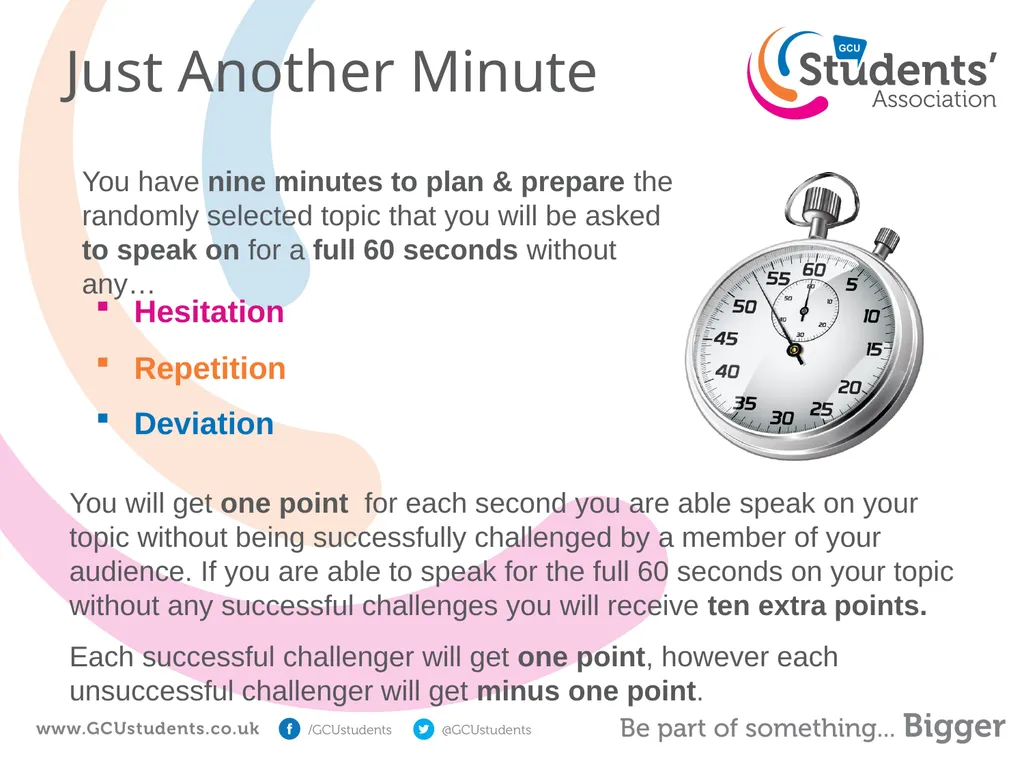
Deviation You have nine minutes to plan & prepare the randomly selected topic that you will be asked to speak on for a full 60 seconds without any… You will get one point for each second you are able speak on your topic without being successfully challenged by a member of your audience. If you are able to speak for the full 60 seconds on your topic without any successful challenges you will receive ten extra points.
Each successful challenger will get one point, however each unsuccessful challenger will get minus one point.<br>
11
Student Leaders Programme Want to find out more and develop your Public Speaking skills further? You can find out more and register for the Student’s Leaders Programme online at www.gcustudents.co.uk/slp Our Student Leaders Programme includes a Introduction To Public Speaking workshop!<br>