Atmospheric Sciences 101 2024 Humidity Humidity is a measure of the water vapor content of the air Air is mostly composed of Nitrogen (N2, 78) and Oxygen (O2, 21) gases, with the next largest component being water vapor (H20, 0-4) Water
"Atmospheric Sciences 101 2024 Humidity Humidity is" is the property of its rightful owner. Permission is granted to
download and print the materials on this website for personal, non-commercial use only, and to display it
on your personal computer provided you do not modify the materials and that you retain all copyright
notices contained in the materials. By downloading content from our website, you accept the terms of this
agreement.
Presentation Transcript
01
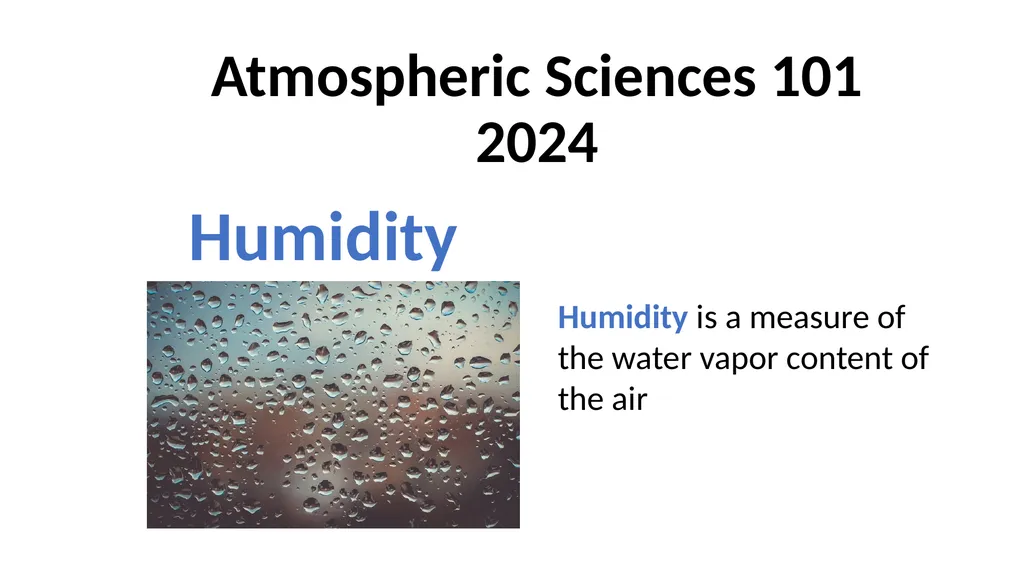
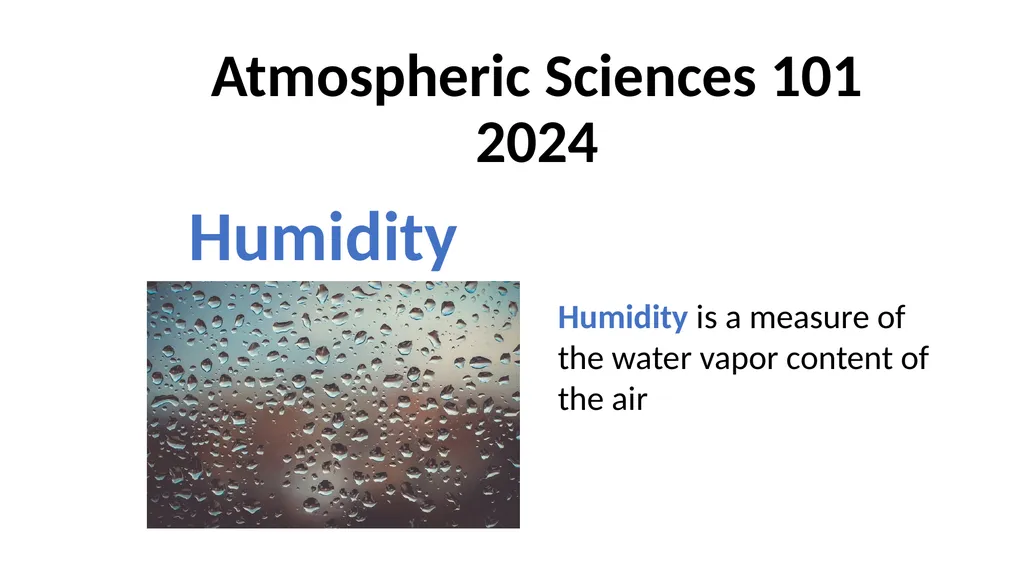
Atmospheric Sciences 101 2024 Humidity Humidity is a measure of the water vapor content of the air<br>
02
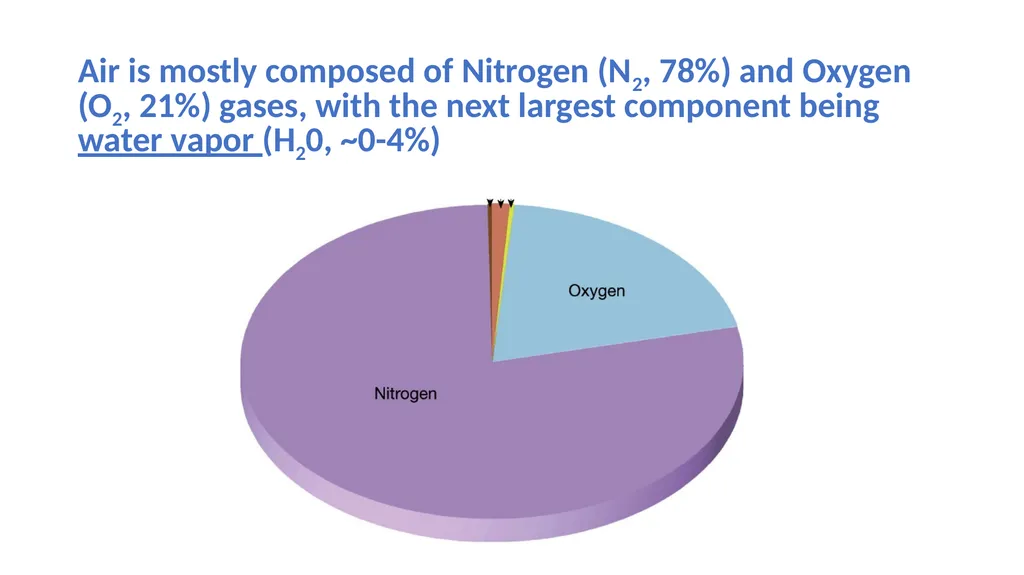
Air is mostly composed of Nitrogen (N2, 78%) and Oxygen (O2, 21%) gases, with the next largest component being water vapor (H20, ~0-4%)<br>
03
Water vapor plays a central role in the atmosphere Associated with clouds and precipitation
Very important way of moving energy in the atmosphere
E.g., solar energy evaporates water vapor in the tropics, which condenses and releases energy in the midlatitudes
Has a big influence on our comfort and how we keep cool
Big effects on atmospheric temperature (greenhouse gas)<br>
04
Tropics Midlatitudes<br>
05
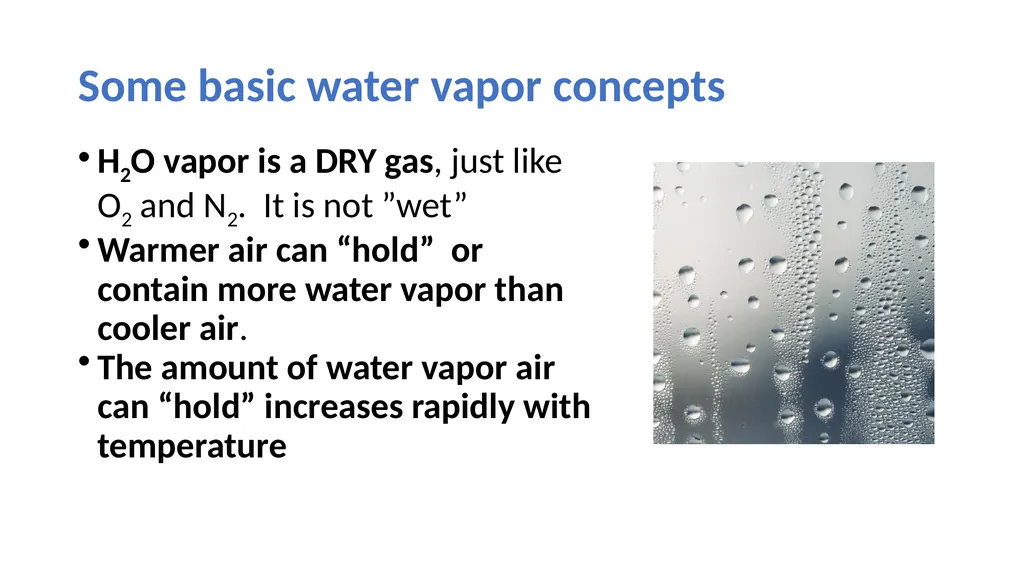
Some basic water vapor concepts H2O vapor is a DRY gas, just like O2 and N2. It is not ”wet”
Warmer air can “hold” or contain more water vapor than cooler air.
The amount of water vapor air can “hold” increases rapidly with temperature<br>
06
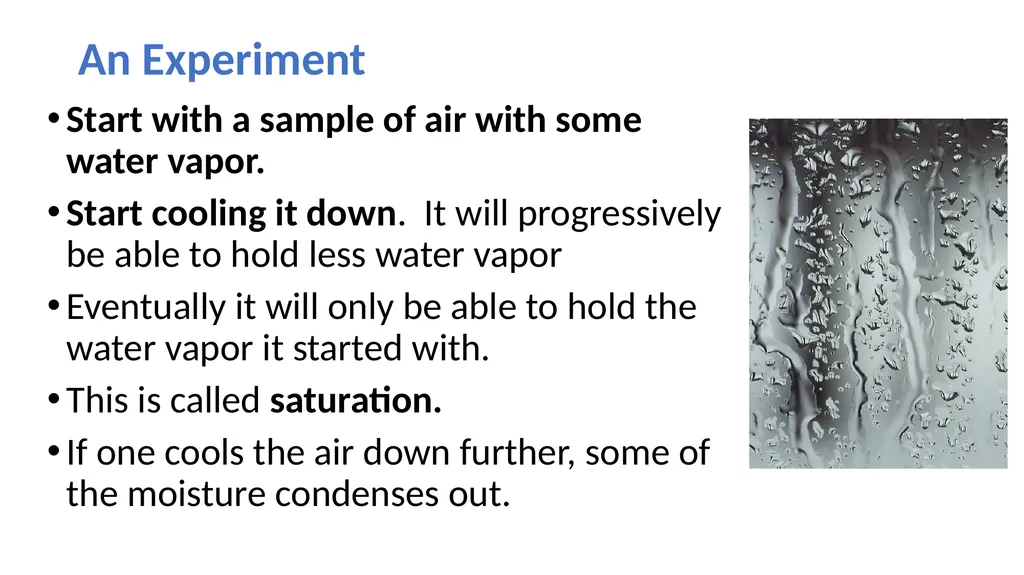
An Experiment Start with a sample of air with some water vapor.
Start cooling it down. It will progressively be able to hold less water vapor
Eventually it will only be able to hold the water vapor it started with.
This is called saturation.
If one cools the air down further, some of the moisture condenses out.<br>
07
You See This Process Happening All the Time<br>
08
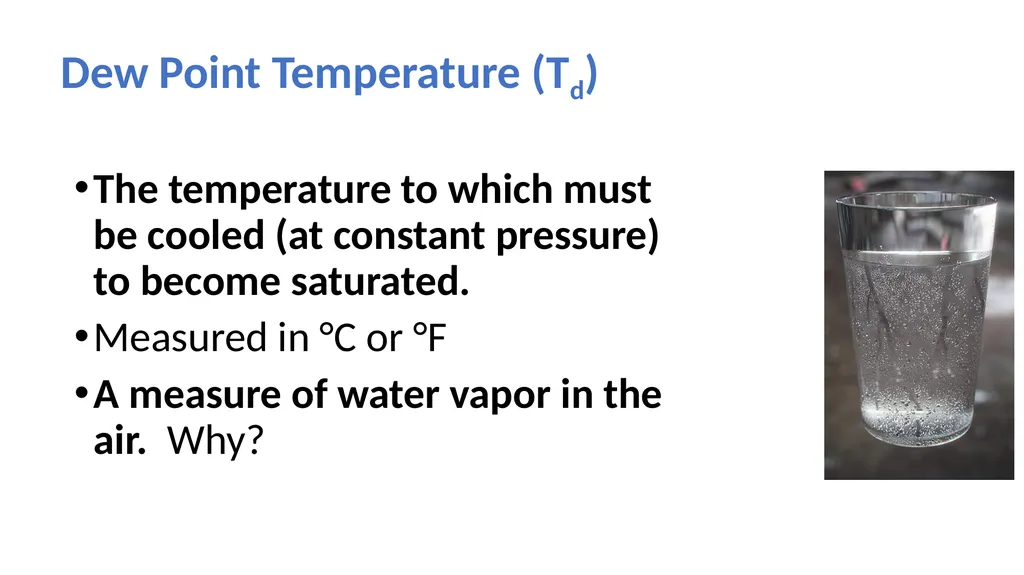
Dew Point Temperature (Td) The temperature to which must be cooled (at constant pressure) to become saturated.
Measured in °C or °F
A measure of water vapor in the air. Why?<br>
09
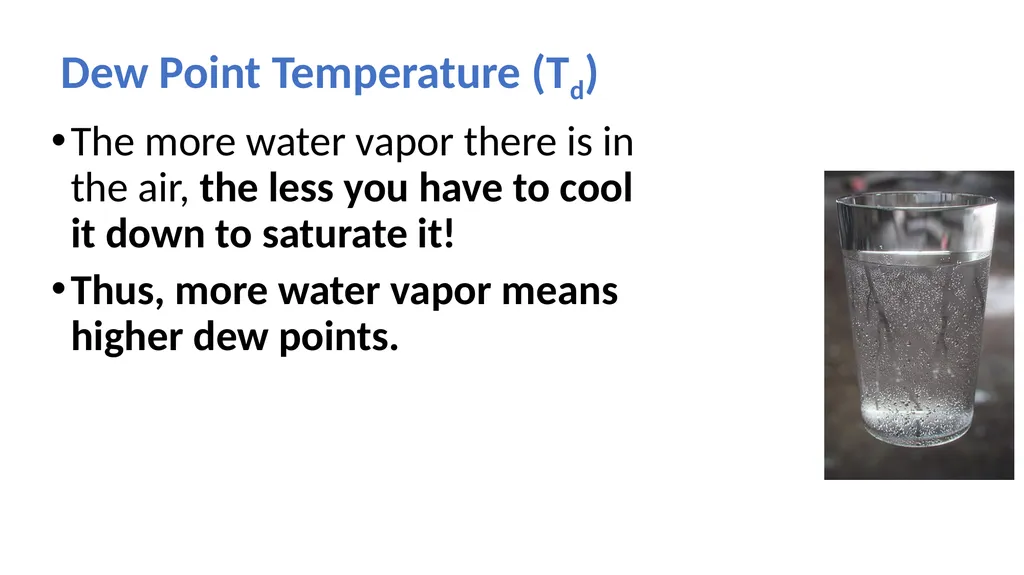
Dew Point Temperature (Td) The more water vapor there is in the air, the less you have to cool it down to saturate it!
Thus, more water vapor means higher dew points.<br>
10
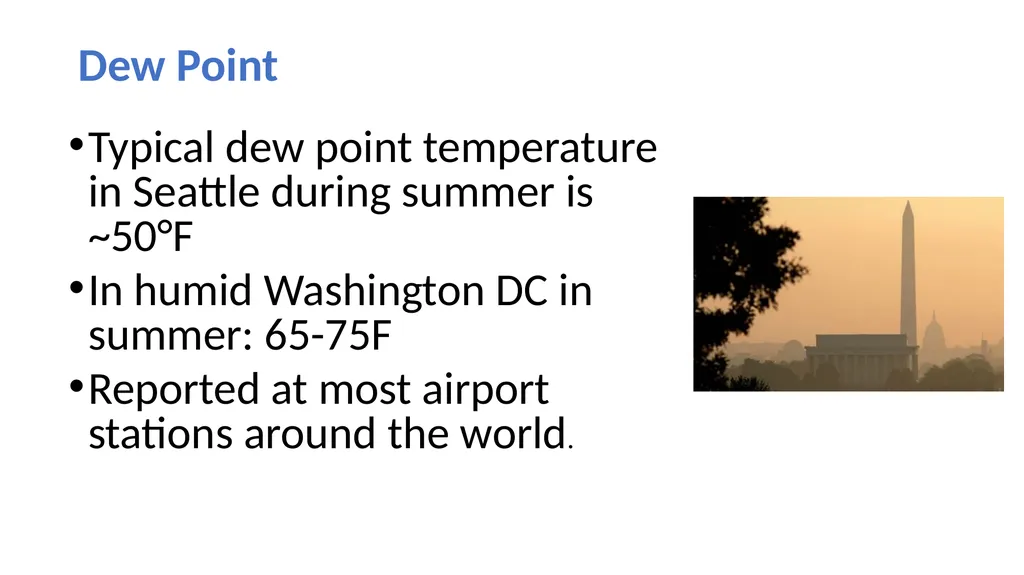
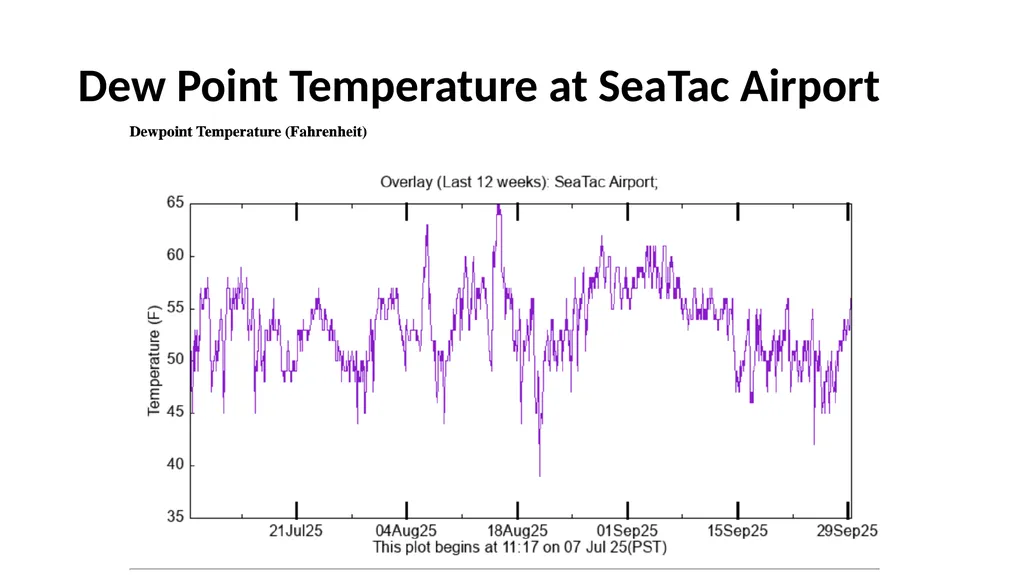
Dew Point Typical dew point temperature in Seattle during summer is ~50°F
In humid Washington DC in summer: 65-75F
Reported at most airport stations around the world.<br>
11
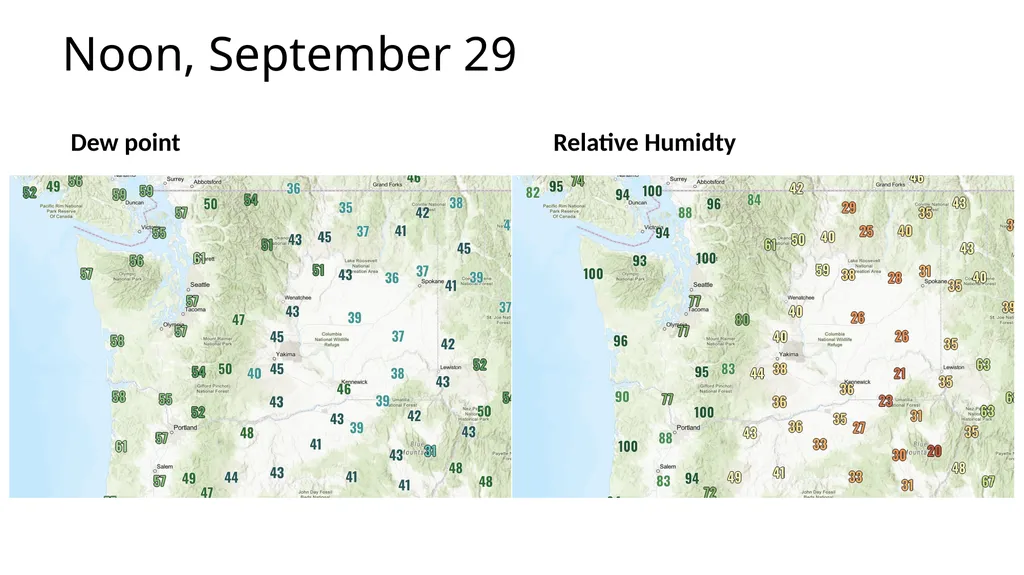
Dry West, more humid east<br>
12
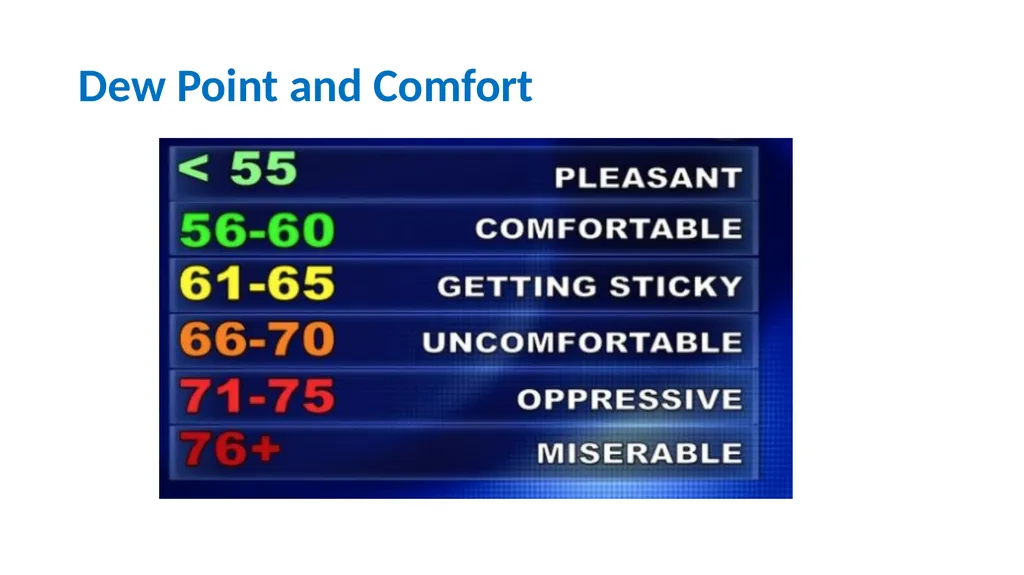
Dew Point and Comfort<br>
13
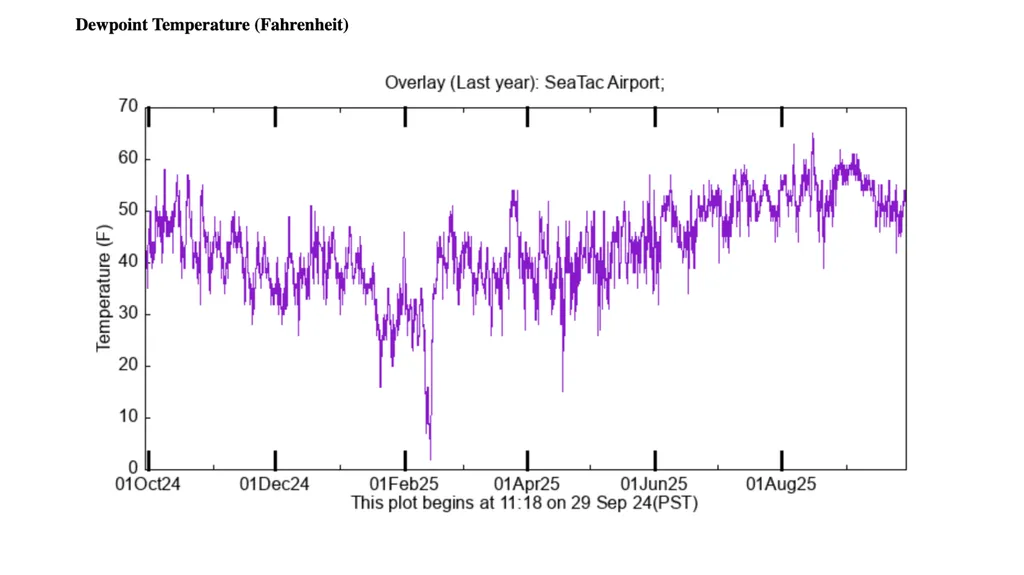
Dew Point Temperature at SeaTac Airport<br>
14
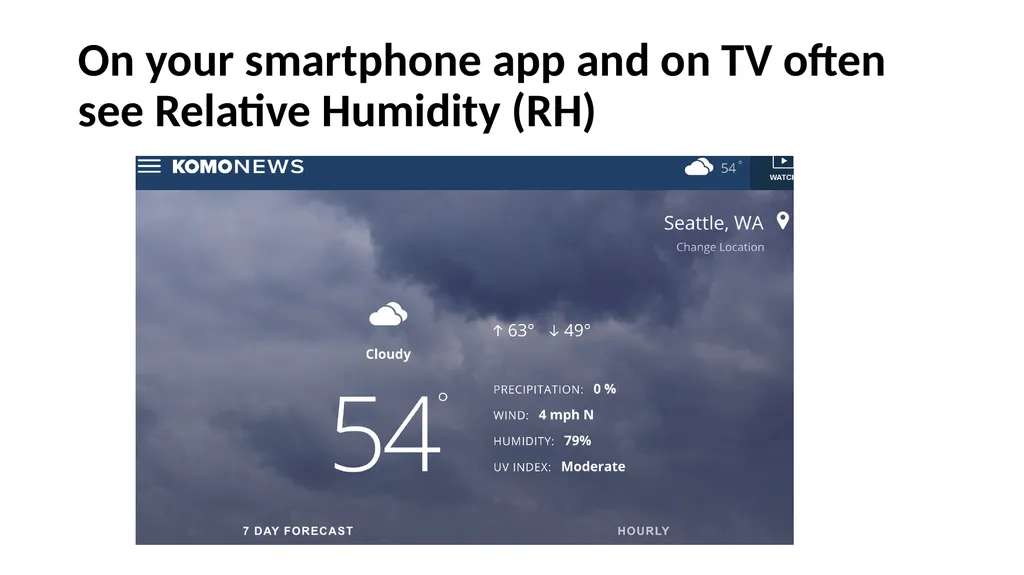
On your smartphone app and on TV often see Relative Humidity (RH)<br>
15
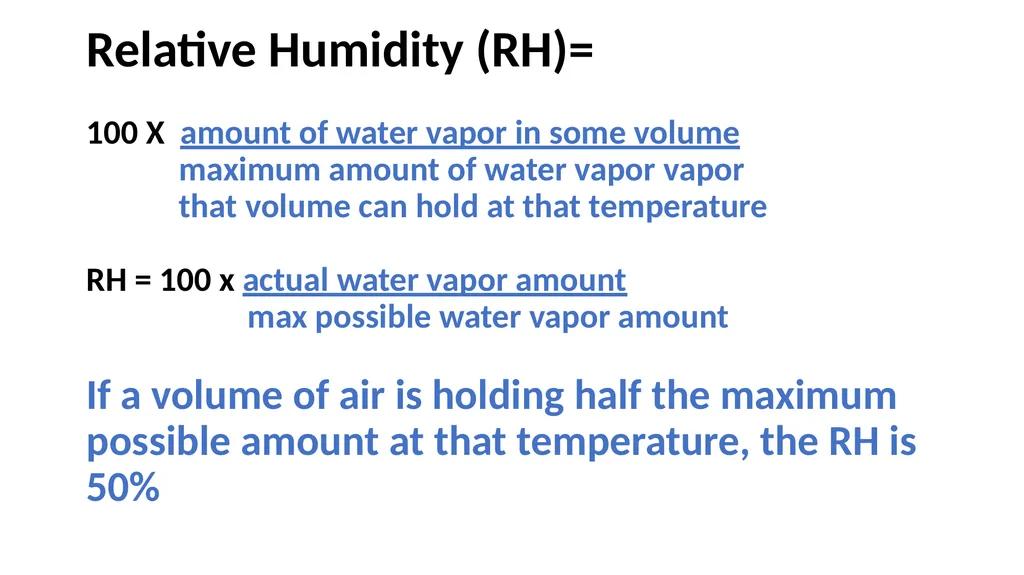
Relative Humidity (RH)= 100 X amount of water vapor in some volume maximum amount of water vapor vapor that volume can hold at that temperature RH = 100 x actual water vapor amount max possible water vapor amount If a volume of air is holding half the maximum possible amount at that temperature, the RH is 50%<br>
16
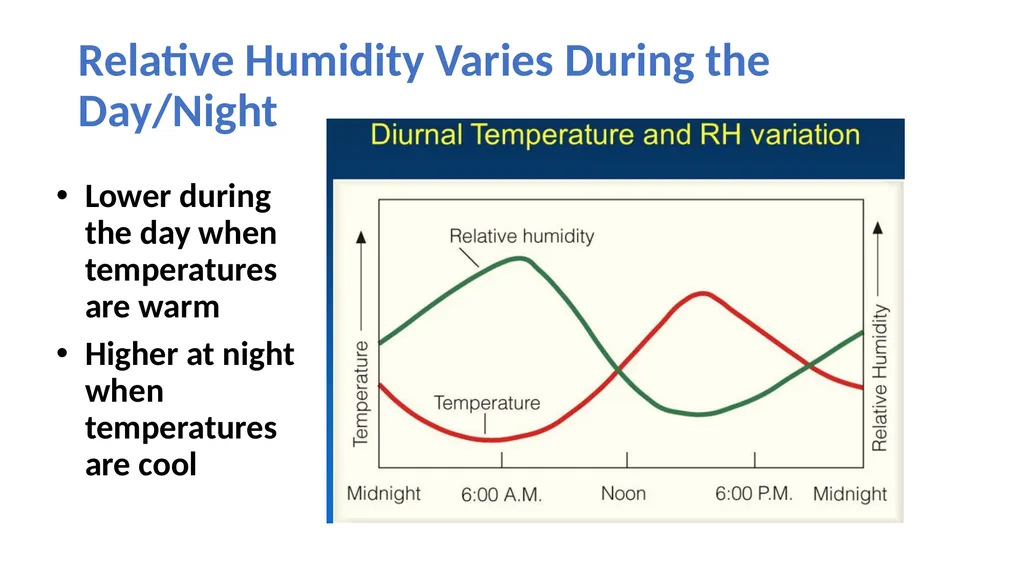
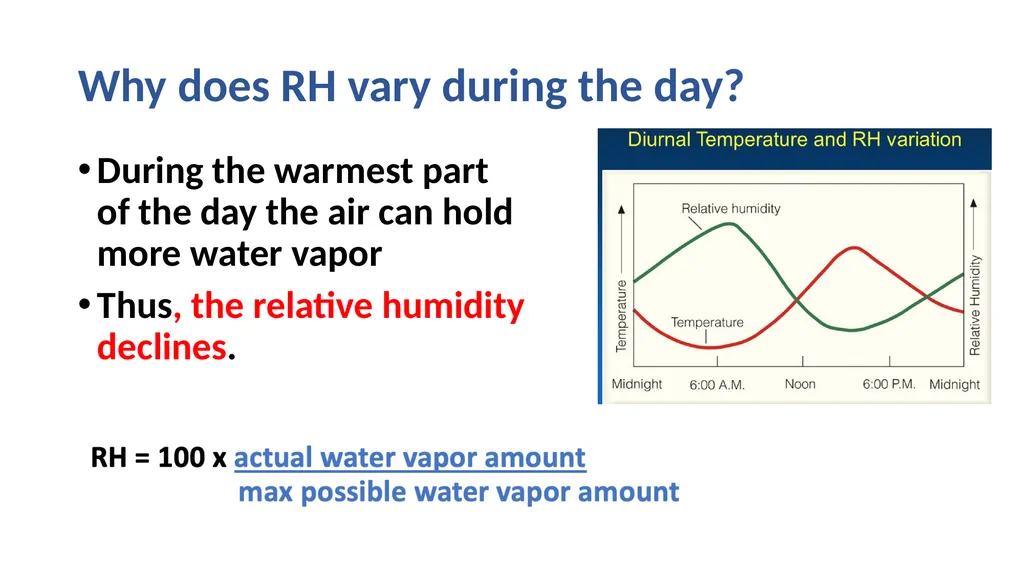
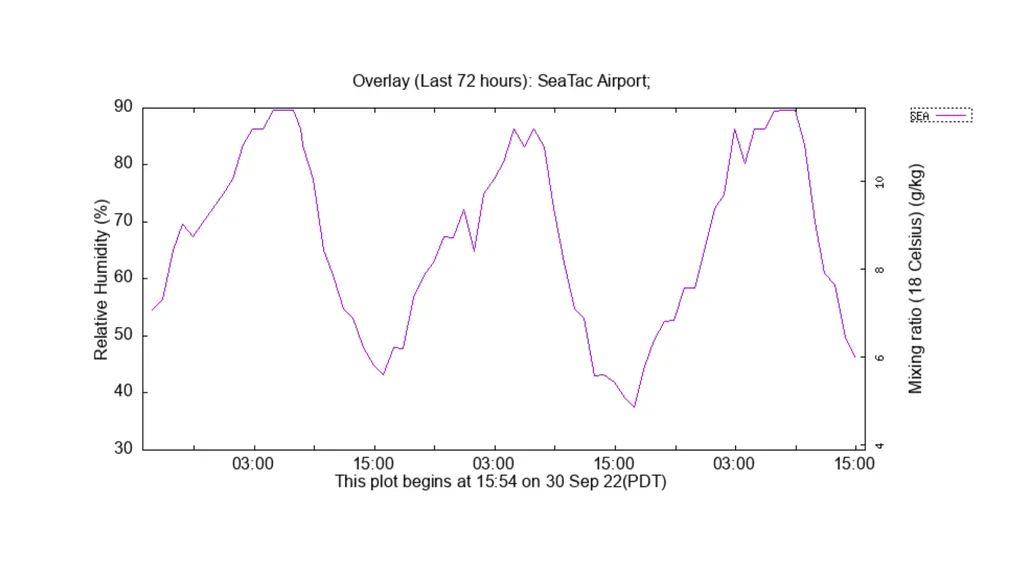
Relative Humidity Varies During the Day/Night Lower during the day when temperatures are warm
Higher at night when temperatures are cool<br>
17
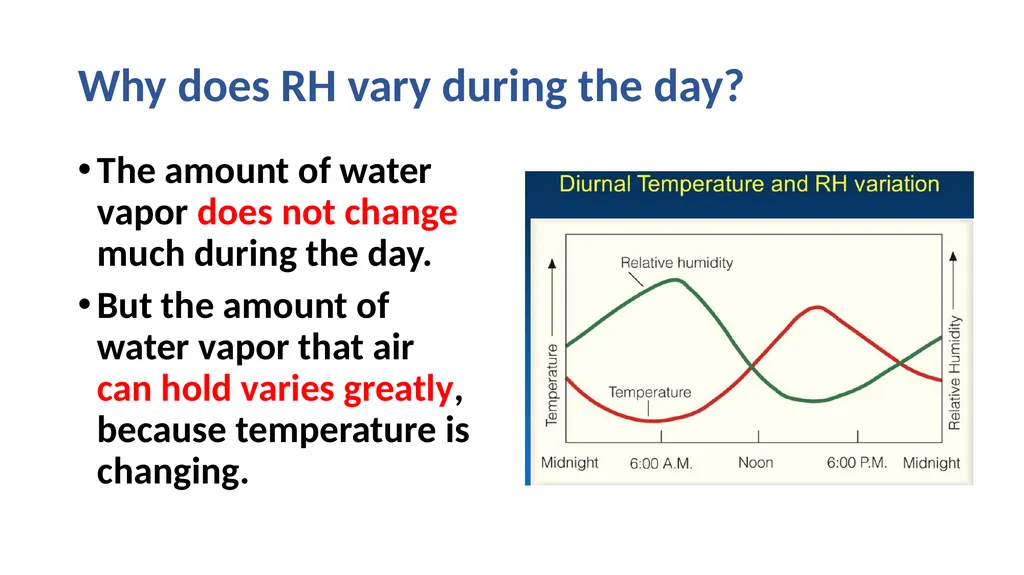
Why does RH vary during the day? The amount of water vapor does not change much during the day.
But the amount of water vapor that air can hold varies greatly, because temperature is changing.<br>
18
Why does RH vary during the day? During the warmest part of the day the air can hold more water vapor
Thus, the relative humidity declines.<br>
19
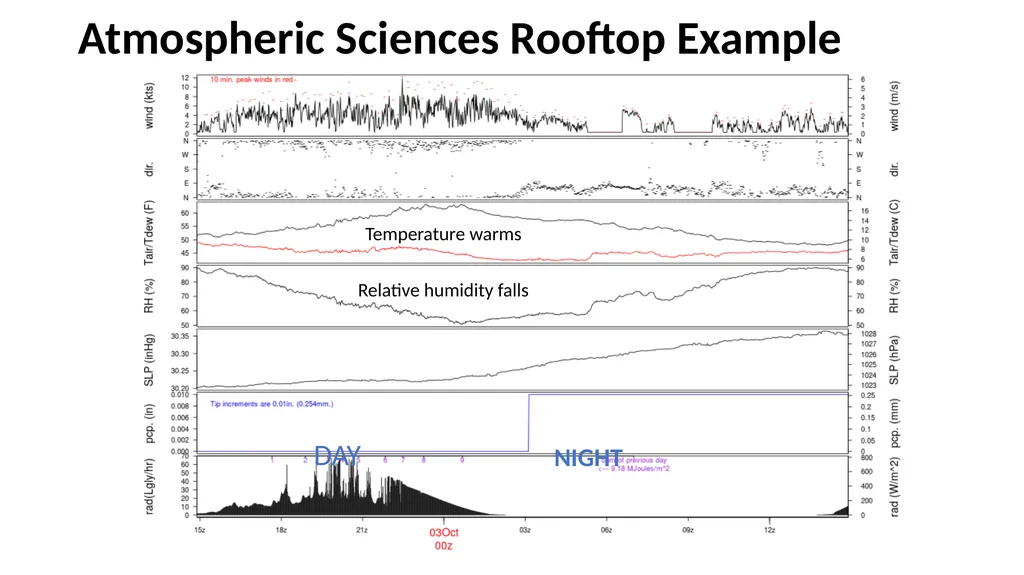
Atmospheric Sciences Rooftop Example DAY NIGHT Temperature warms Relative humidity falls<br>
20
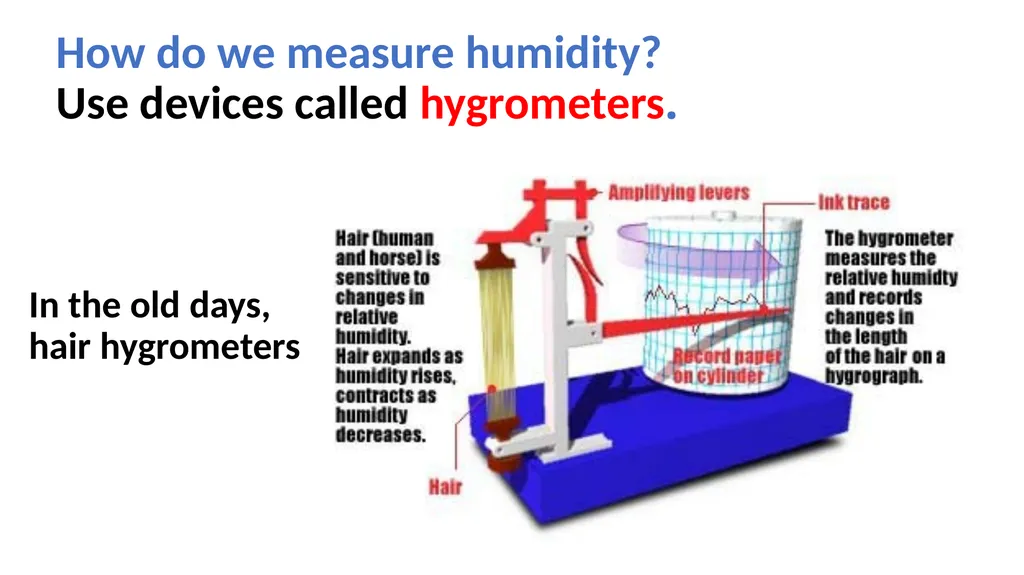
How do we measure humidity? Use devices called hygrometers. In the old days, hair hygrometers<br>
21
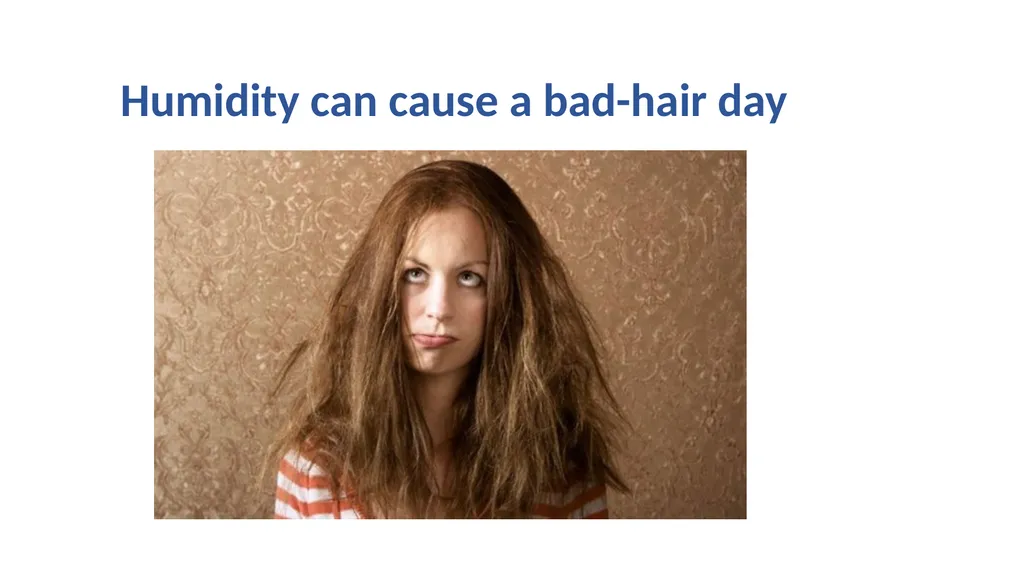
Humidity can cause a bad-hair day<br>
22
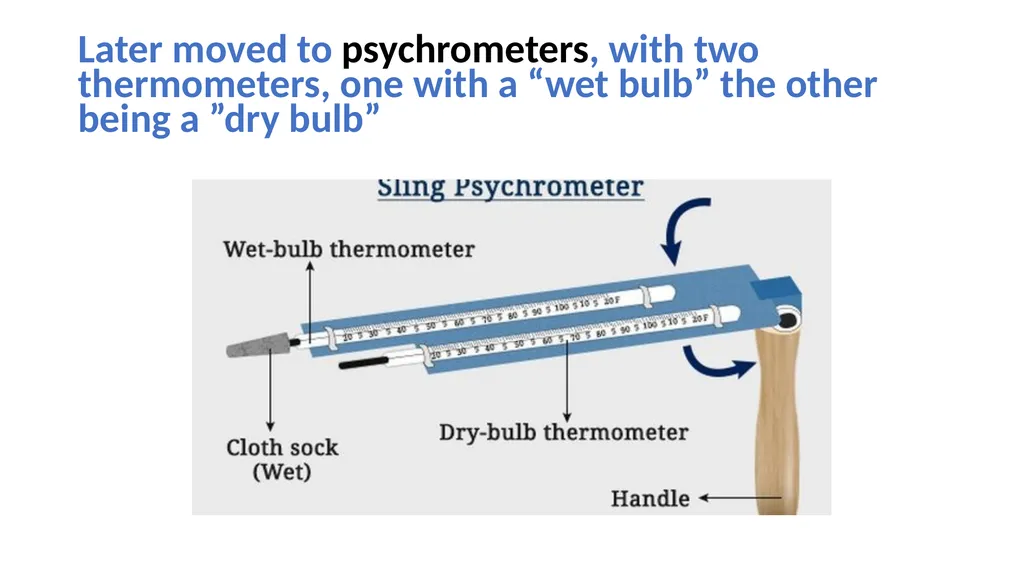
Later moved to psychrometers, with two thermometers, one with a “wet bulb” the other being a ”dry bulb”<br>
23
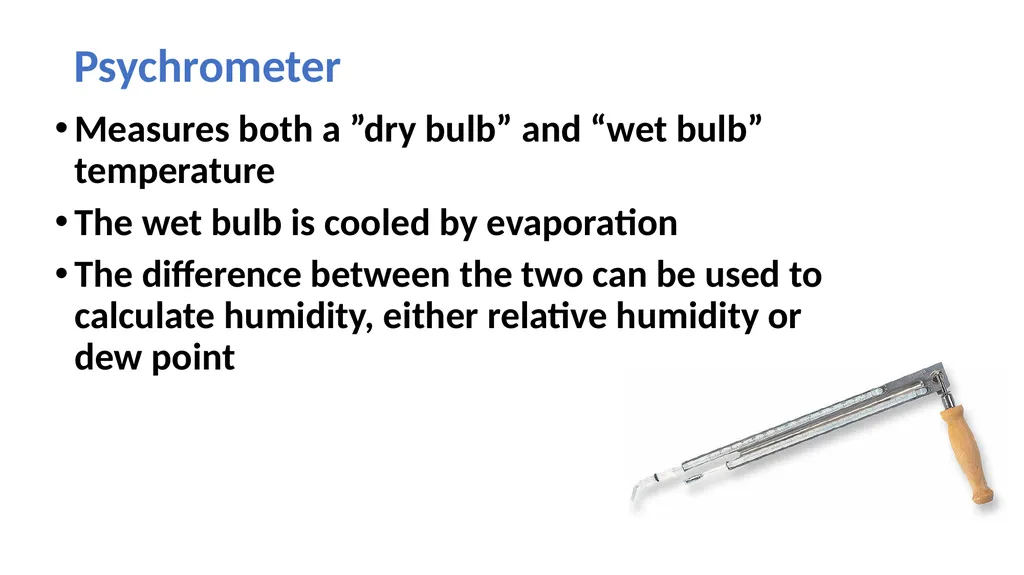
Psychrometer Measures both a ”dry bulb” and “wet bulb” temperature
The wet bulb is cooled by evaporation
The difference between the two can be used to calculate humidity, either relative humidity or dew point<br>
24
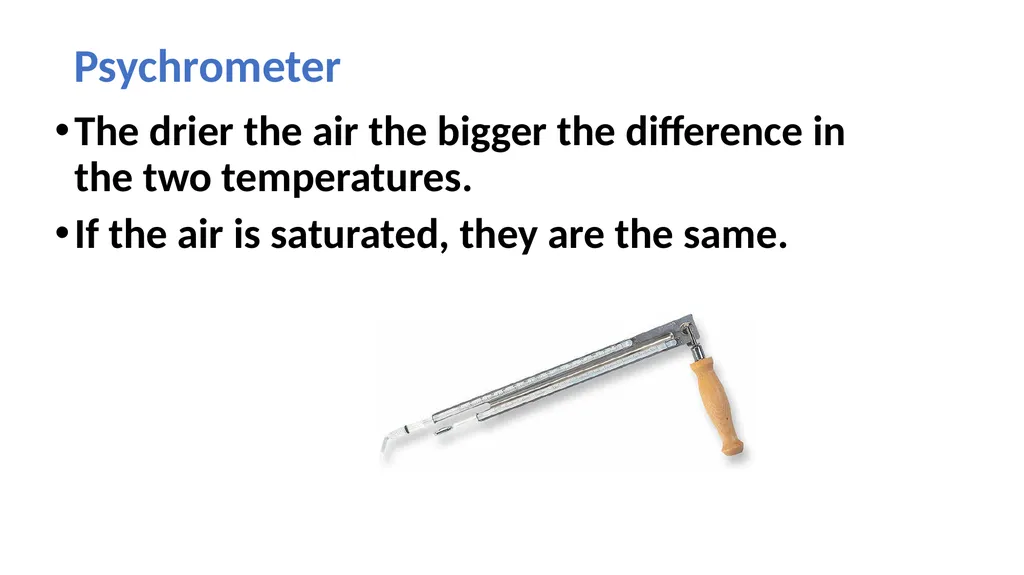
Psychrometer The drier the air the bigger the difference in the two temperatures.
If the air is saturated, they are the same.<br>
25
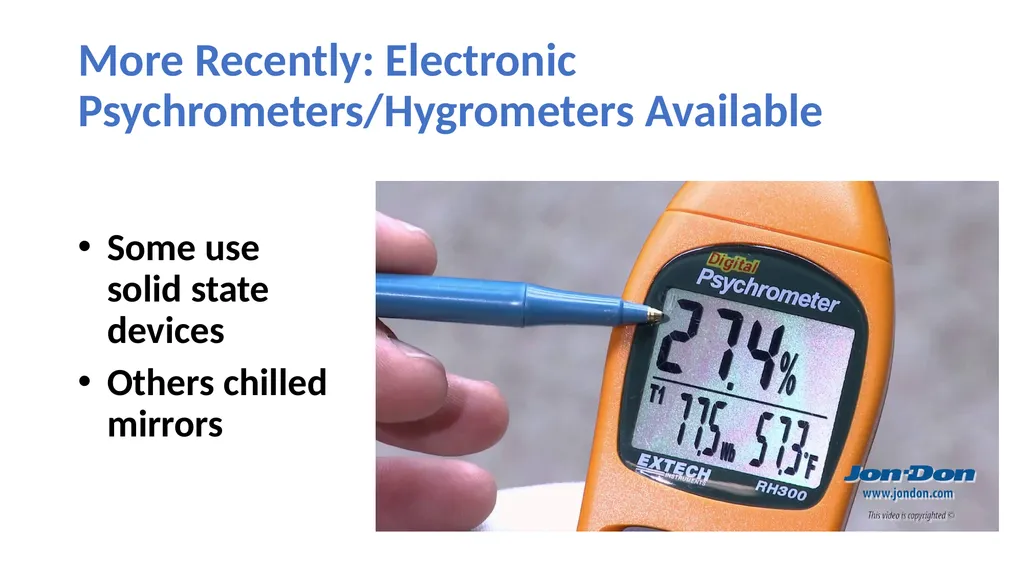
More Recently: Electronic Psychrometers/Hygrometers Available Some use solid state devices
Others chilled mirrors<br>