
Bacterial Pathogenesis Dr. wasan Abdul-ilah Bakir
MY
Published · 35 slides · 0 views

1 / 1



Description
Bacterial Pathogenesis Dr. wasan Abdul-ilah Bakir The pathogenesis of bacterial infection includes: 1- initiation of the infectious process 2- the mechanisms that lead to the development of signs and symptoms of disease. Characteristics of
Related Topics
Share
Embed code
Download this presentation From Below
"Bacterial Pathogenesis Dr. wasan Abdul-ilah Bakir" is the property of its rightful owner. Permission is granted to download and print the materials on this website for personal, non-commercial use only, and to display it on your personal computer provided you do not modify the materials and that you retain all copyright notices contained in the materials. By downloading content from our website, you accept the terms of this agreement.
Presentation Transcript
01
Bacterial Pathogenesis
Dr. wasan Abdul-ilah Bakir<br>
Dr. wasan Abdul-ilah Bakir<br>
02
The pathogenesis of bacterial infection includes:
1- initiation of the infectious process
2- the mechanisms that lead to the development of signs and symptoms of disease. Characteristics of bacteria that are pathogens include transmissibility, adherence to host cells, persistence, invasion of host cells and tissues, toxigenicity, and the ability to evade or survive the host’s immune system. Resistance to antimicrobials and disinfectants can also contribute to virulence, or an organism’s capacity to cause disease. PRINCIPLES OF PATHOGENESIS<br>
03
The pathogen: A microorganism capable of causing disease in the host.
Pathogenicity: is the ability of m.o to produce disease in a host. Microbes express their pathogenicity by means of their virulence,.
Opportunistic pathogens: are those that rarely, if ever, cause disease in immunocompetent people but can cause serious infection in immunocompromised patients. These opportunists are frequent members of the body’s normal microbiota.
Virulence: The quantitative ability of an agent to cause disease. Virulent agents cause disease when introduced into the host in small numbers. Virulence involves adherence, persistence, invasion, and toxigenicity. (i.e., a highly virulent microbe requires fewer organisms to cause disease than a less virulent one).
Nonpathogen: A microorganism that does not cause disease; may be part of the normal microbiota.<br>
04
Infection: Multiplication of an infectious agent within the body. Multiplication of the bacteria that are part of the normal microbiota of the gastrointestinal tract, skin, and so on is generally not considered an infection; on the other hand, multiplication of pathogenic bacteria (eg, Salmonella species) even if the person is asymptomatic is deemed an infection.
The infectious dose: an organism required to cause disease varies greatly among the pathogenic bacteria. For example, Shigella and Salmonella both cause diarrhea by infecting the gastrointestinal tract, but the infectious dose of Shigella is less than 100 organisms, whereas the infectious dose of Salmonella is on the order of 100,000 organisms.<br>
The infectious dose: an organism required to cause disease varies greatly among the pathogenic bacteria. For example, Shigella and Salmonella both cause diarrhea by infecting the gastrointestinal tract, but the infectious dose of Shigella is less than 100 organisms, whereas the infectious dose of Salmonella is on the order of 100,000 organisms.<br>
05
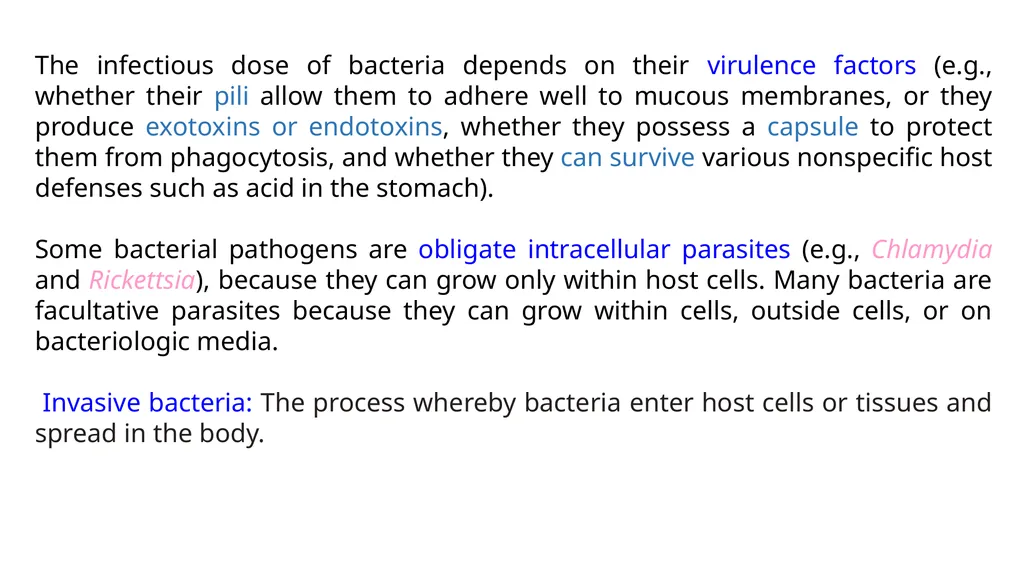
The infectious dose of bacteria depends on their virulence factors (e.g., whether their pili allow them to adhere well to mucous membranes, or they produce exotoxins or endotoxins, whether they possess a capsule to protect them from phagocytosis, and whether they can survive various nonspecific host defenses such as acid in the stomach).
Some bacterial pathogens are obligate intracellular parasites (e.g., Chlamydia and Rickettsia), because they can grow only within host cells. Many bacteria are facultative parasites because they can grow within cells, outside cells, or on bacteriologic media.
Invasive bacteria: The process whereby bacteria enter host cells or tissues and spread in the body.<br>
06
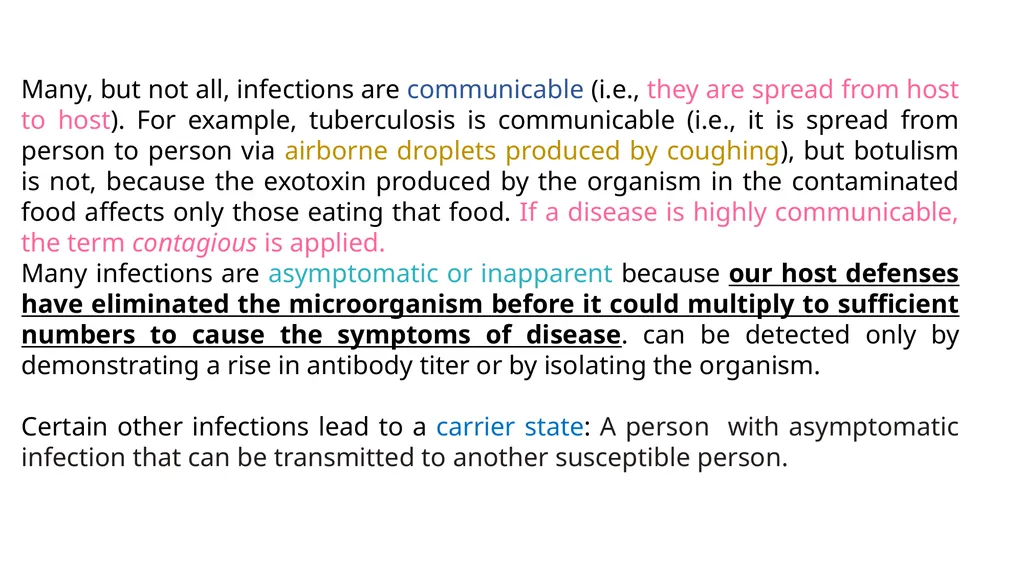
Many, but not all, infections are communicable (i.e., they are spread from host to host). For example, tuberculosis is communicable (i.e., it is spread from person to person via airborne droplets produced by coughing), but botulism is not, because the exotoxin produced by the organism in the contaminated food affects only those eating that food. If a disease is highly communicable, the term contagious is applied.
Many infections are asymptomatic or inapparent because our host defenses have eliminated the microorganism before it could multiply to sufficient numbers to cause the symptoms of disease. can be detected only by demonstrating a rise in antibody titer or by isolating the organism.
Certain other infections lead to a carrier state: A person with asymptomatic infection that can be transmitted to another susceptible person.<br>
07
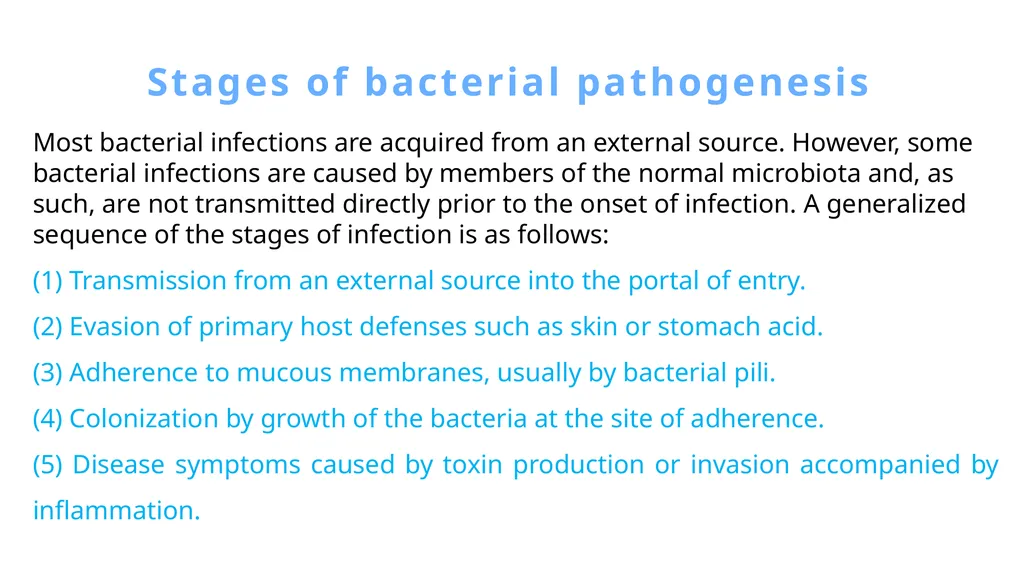
Most bacterial infections are acquired from an external source. However, some bacterial infections are caused by members of the normal microbiota and, as such, are not transmitted directly prior to the onset of infection. A generalized sequence of the stages of infection is as follows:
(1) Transmission from an external source into the portal of entry.
(2) Evasion of primary host defenses such as skin or stomach acid.
(3) Adherence to mucous membranes, usually by bacterial pili.
(4) Colonization by growth of the bacteria at the site of adherence.
(5) Disease symptoms caused by toxin production or invasion accompanied by inflammation. Stages of bacterial pathogenesis<br>
08
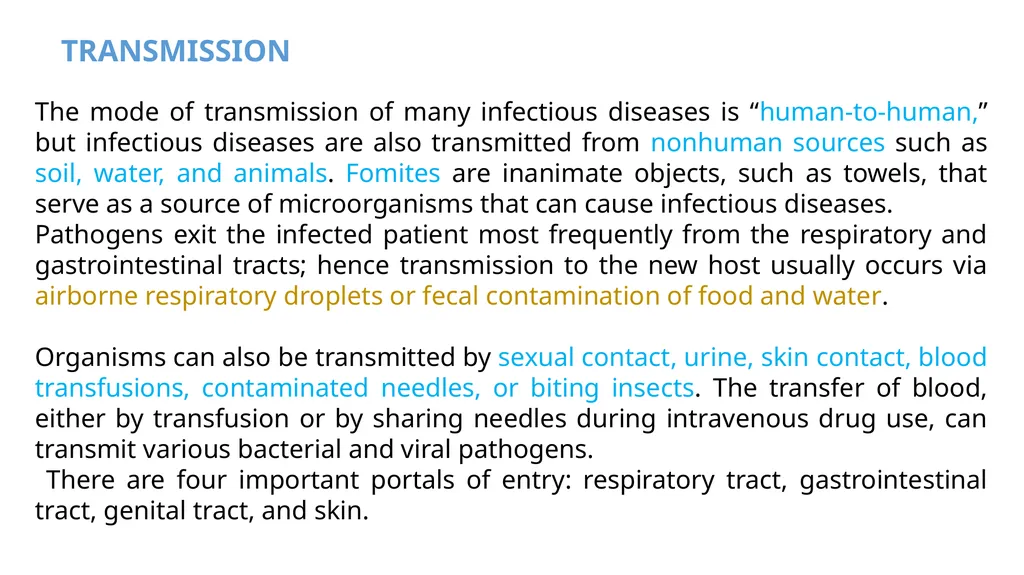
The mode of transmission of many infectious diseases is “human-to-human,” but infectious diseases are also transmitted from nonhuman sources such as soil, water, and animals. Fomites are inanimate objects, such as towels, that serve as a source of microorganisms that can cause infectious diseases.
Pathogens exit the infected patient most frequently from the respiratory and gastrointestinal tracts; hence transmission to the new host usually occurs via airborne respiratory droplets or fecal contamination of food and water.
Organisms can also be transmitted by sexual contact, urine, skin contact, blood transfusions, contaminated needles, or biting insects. The transfer of blood, either by transfusion or by sharing needles during intravenous drug use, can transmit various bacterial and viral pathogens.
There are four important portals of entry: respiratory tract, gastrointestinal tract, genital tract, and skin. Transmission<br>
09
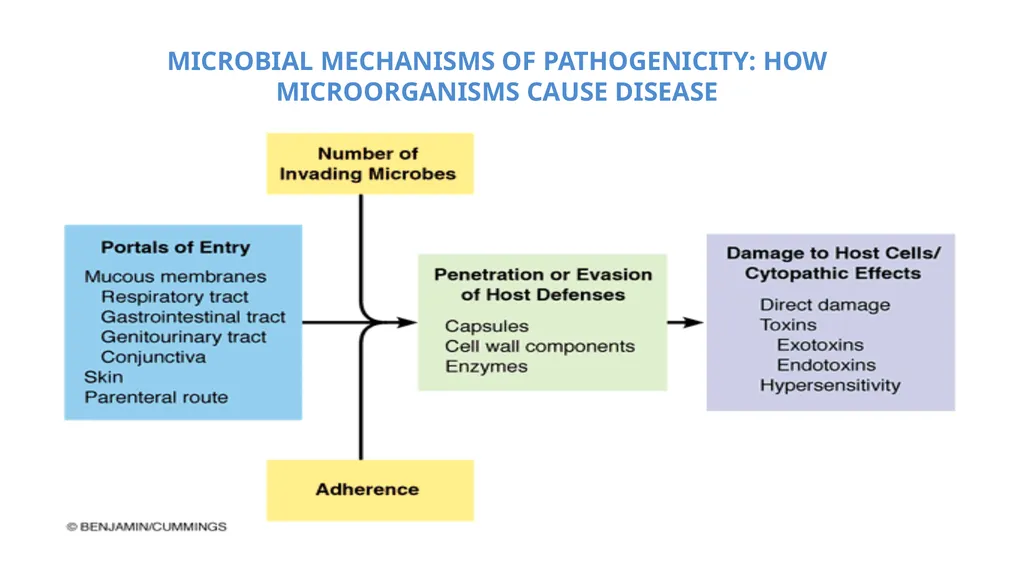
Microbial Mechanisms of Pathogenicity: How Microorganisms Cause Disease<br>
10
Many factors determine bacterial virulence or the ability to cause infection and disease.
When bacteria enter the body of the host, they must adhere to cells of a tissue surface. If they did not adhere, they would be swept away by mucus and other fluids that bathe the tissue surface. Adherence, which is only one step in the infectious process, is followed by development of colonies and subsequent steps in the pathogenesis of infection.
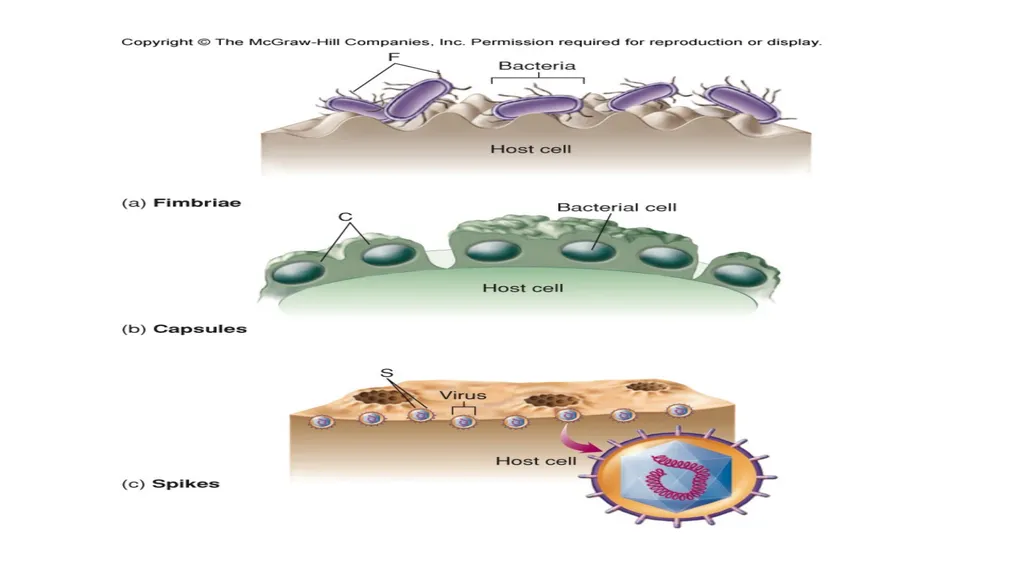
Certain bacteria have specialized structures (e.g., pili) or produce substances (e.g., capsules or glycocalyces) that allow them to adhere to the surface of human cells, thereby enhancing their ability to cause disease. These adherence mechanisms are essential for organisms that attach to mucous membranes. 1- Adherence Factors Bacterial virulence factors<br>
11
For example, the pili of Neisseria gonorrhoeae and E. coli mediate the attachment of the organisms to the urinary tract epithelium, and the glycocalyx of Staphylococcus epidermidis and certain viridans streptococci allows the organisms to adhere strongly to the endothelium of heart valves. The capsule surrounding bacteria is antiphagocytic (i.e., it retards the phagocyte from ingesting the organism). Mutant strains of many pathogens that do not produce capsules are nonpathogenic.<br>
12
Invasion is the term commonly used to describe the entry of bacteria into host cells and for many disease-causing bacteria.
Some bacteria (eg, Salmonella species) invade tissues through the junctions between epithelial cells.
Bacteria can evade our host defenses by a process called intracellular survival (i.e., bacteria that can live within cells are protected from attack by macrophages and neutrophils). Many of these bacteria (e.g., M. tuberculosis) are not obligate intracellular parasites, but have the ability to enter and survive inside cells.
Some bacteria (eg, Shigella species) multiply within host cells. 2- Invasion of Host Cells and Tissues<br>
13
The “Yops” (Yersinia outer-membrane proteins) produced by several Yersinia species are important examples of bacterial virulence factors that act after invasion of human cells by the organism. The most important effects of the Yops proteins are to inhibit phagocytosis by neutrophils and macrophages and to inhibit cytokine production by macrophages.<br>
14
The genes that encode many virulence factors in bacteria are clustered in pathogenicity islands on the bacterial chromosome. For example, in many bacteria, the genes encoding adhesions, invasions, and exotoxins are adjacent to each other on these islands. Nonpathogenic variants of these bacteria do not have these pathogenicity islands.
Pathogenicity islands are found in many gram-negative rods, such as E. coli, Salmonella, Shigella, Pseudomonas, and Vibrio cholerae, and in gram-positive cocci, such as S. pneumoniae.
After bacteria have colonized and multiplied at the portal of entry, they may invade the bloodstream and spread to other parts of the body. Receptors for the bacteria on the surface of cells determine, the organs affected. For example, certain bacteria infect the brain because receptors for these microbes are located on the surface of brain neurons.<br>
15
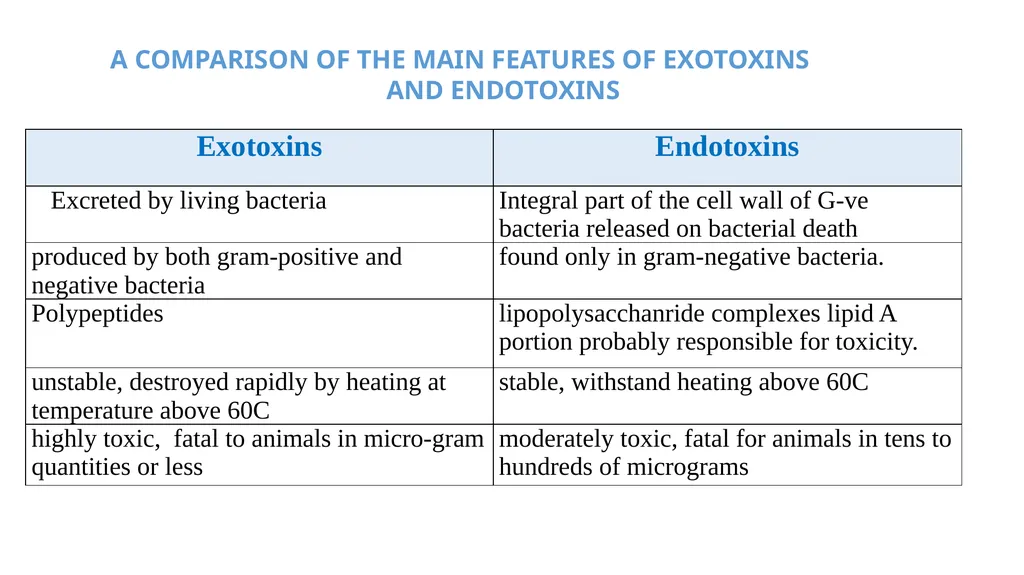
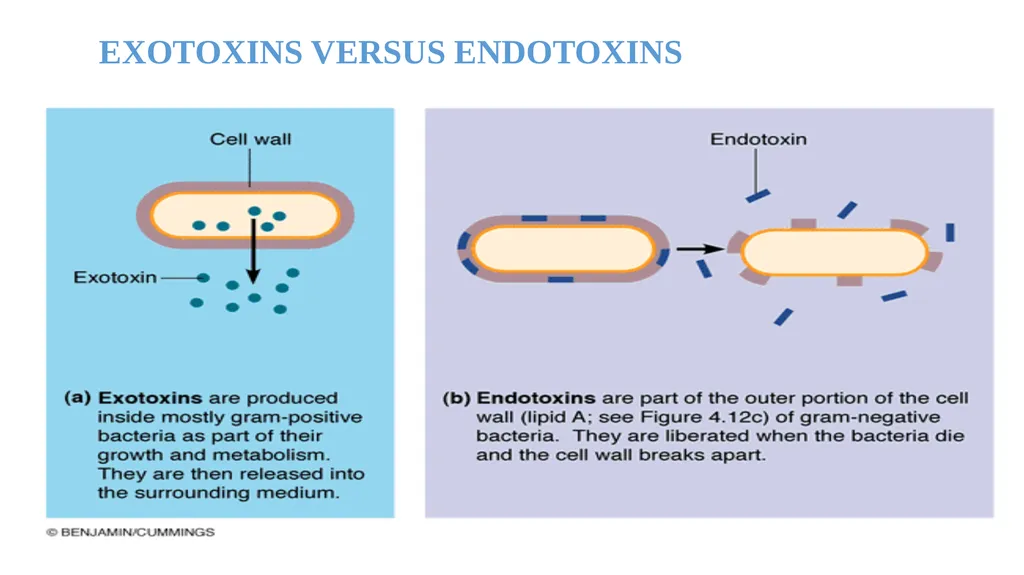
The major mechanism by which bacteria cause disease is the production of toxins. Toxins produced by bacteria are generally classified into two groups: endotoxin, and exotoxins. 3- Toxins A- Exotoxins are produced by several gram-positive and gram-negative bacteria, in contrast to endotoxins, which are present only in gram-negative bacteria. The essential characteristic of exotoxins is that they are secreted by the bacteria, whereas endotoxin is a component of the cell wall.
Exotoxins are among the most toxic substances known. For example, the fatal dose of tetanus toxin for a human is estimated to be less than 1 μg.<br>
Exotoxins are among the most toxic substances known. For example, the fatal dose of tetanus toxin for a human is estimated to be less than 1 μg.<br>
16
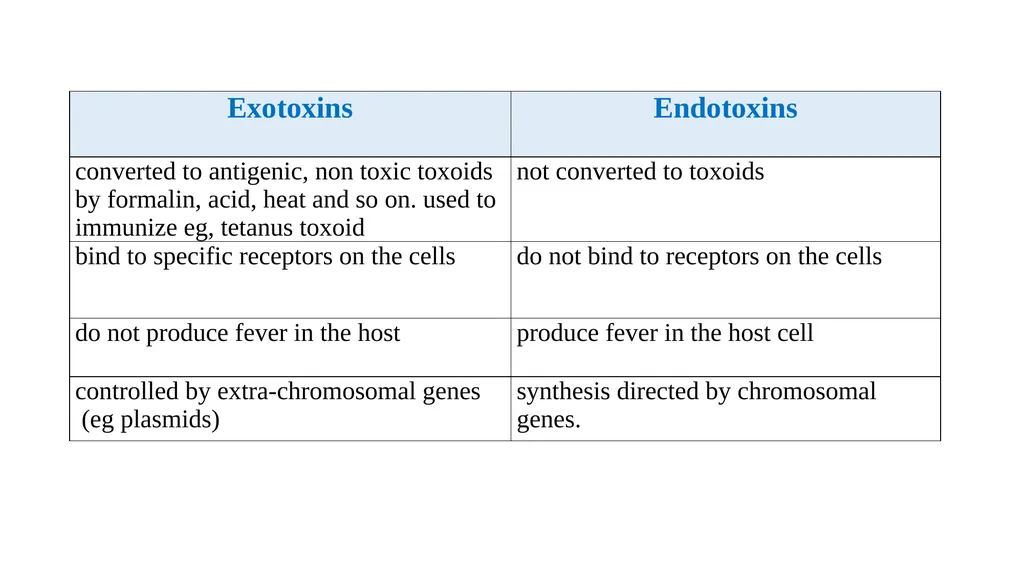
Exotoxin polypeptides are good antigens and induce the synthesis of protective antibodies called antitoxins. When treated with formaldehyde or acid or heat, the exotoxin polypeptides are converted into toxoids, which are used in protective vaccines because they retain their antigenicity but have lost their toxicity.
Many exotoxins have an A–B subunit structure; the A (or active) subunit possesses the toxic activity, and the B (or binding) subunit is responsible for binding the exotoxin to specific receptors on the membrane of the human cell.
For example, botulinum toxin acts at the neuromuscular junction because the B subunit binds to specific receptors on the surface of the motor neuron at the junction.
Exotoxins that have an A–B subunit structure include diphtheria toxin, tetanus toxin, botulinum toxin, cholera toxin, and the enterotoxin of E. coli.<br>
17
Exotoxins associated with diarrheal diseases are frequently called enterotoxins. V cholerae has produced epidemic diarrheal disease (cholera) in many parts of the world. After entering the host via contaminated food or drink, V cholerae penetrates the intestinal mucosa and attaches to microvilli of the brush border of gut epithelial cells.
Subunit A enters the cell membrane and causes a large increase in adenylate cyclase activity. The effect is rapid secretion of electrolytes into the small bowel lumen, with impairment of sodium and chloride absorption and loss of bicarbonate. treatment, therefore, is by electrolyte and fluid replacement. B. Exotoxins Associated With Diarrheal Diseases and Food Poisoning<br>
Subunit A enters the cell membrane and causes a large increase in adenylate cyclase activity. The effect is rapid secretion of electrolytes into the small bowel lumen, with impairment of sodium and chloride absorption and loss of bicarbonate. treatment, therefore, is by electrolyte and fluid replacement. B. Exotoxins Associated With Diarrheal Diseases and Food Poisoning<br>
18
Some strains of S aureus produce enterotoxins while growing in meat, dairy products, or other foods. In typical cases, the food has been recently prepared but not properly refrigerated. After the preformed toxin is ingested, it is absorbed in the gut, where it stimulates vagus nerve receptors. The stimulus is transmitted to the vomiting center in the central nervous system. Vomiting, often projectile, results within hours. Diarrhea is less frequent. Staphylococcal food poisoning is the most common form of food poisoning.<br>
19
The LPS (endotoxin) of gram-negative bacteria are bacterial cell wall components that are often liberated when the bacteria lyse. The substances are heat stable. They have three main regions:
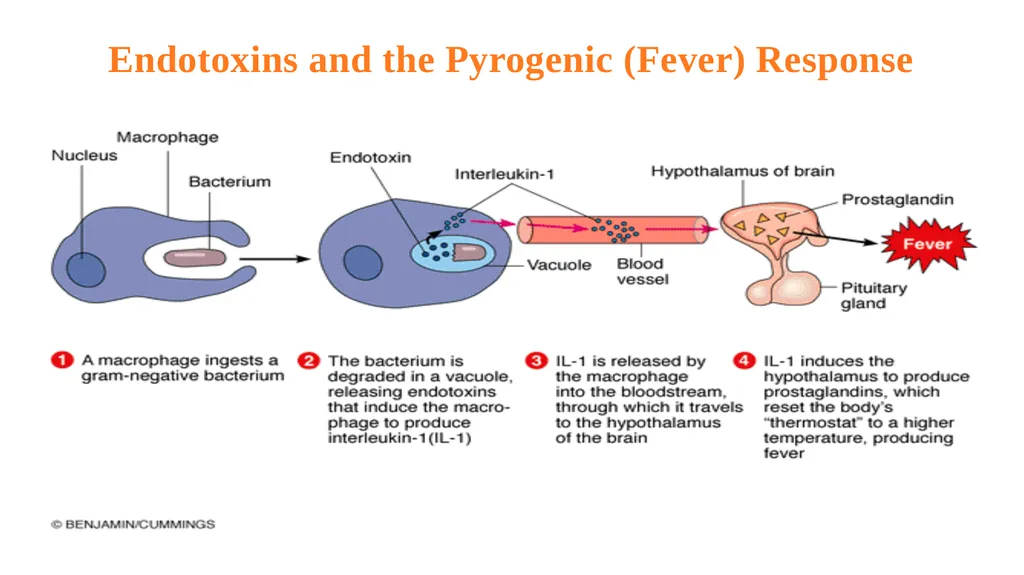
1- The lipid A is the toxic component of LPS. It induces the overproduction of cytokines, such as TNF and interleukin-1 from macrophages, which causes the symptoms of septic shock, such as fever and hypotension.
2- oligosaccharide core
3- an outermost O-antigen polysaccharide.
Endotoxins are poorly antigenic, do not induce antitoxins, and do not form toxoids. C. endotoxin (Lipopolysaccharides)<br>
20
Endotoxins and the Pyrogenic (Fever) Response<br>
21
The peptidoglycan of gram-positive bacteria is made up macromolecules that surround the bacterial cells.
Vascular changes leading to shock may also occur in infections caused by gram positive bacteria that contain no LPS.
Gram-positive bacteria have considerably more cell wall–associated peptidoglycan than do gram-negative bacteria.
Peptidoglycan released during infection may yield many of the same biologic activities as LPS, although peptidoglycan is invariably much less potent than LPS. D. Peptidoglycan of Gram-Positive Bacteria<br>
22
A comparison of the Main Features of Exotoxins and Endotoxins<br>
23
Exotoxins versus Endotoxins<br>
24
Many bacteria produce tissue-degrading enzymes.
Clostridium perfringens produces the proteolytic enzyme collagenase, which degrades collagen, the major protein of fibrous connective tissue, and promotes spread of infection in tissue.
Staph. aureus produces coagulase, which accelerates the formation of a fibrin clot from its precursor, fibrinogen (this clot may protect the bacteria from phagocytosis by walling off the infected area and by coating the organisms with a layer of fibrin).
Hyaluronidases are enzymes that hydrolyze hyaluronic acid, a constituent of the ground substance of connective tissue. They are produced by many bacteria (eg, staphylococci, streptococci, and anaerobes) and aid in their spread through tissues. 4- Enzymes<br>
25
Immunoglobulin A (IgA) protease, which degrades IgA, allowing the organism to adhere to mucous membranes, and is produced chiefly by N. gonorrhoeae, Haemophilus influenzae, and Streptococcus pneumoniae.
Many hemolytic streptococci produce streptokinase (fibrinolysin). This enzyme is able to dissolve coagulated plasma and probably aids in the rapid spread of streptococci through tissues.
Leukocidins, which can destroy both neutrophilic, leukocytes and macrophages. staphylococci produce leukocidins.
Streptolysin O, for example, is produced by group A streptococci and is lethal for mice and hemolytic for red blood cells from many animals. Streptolysin O is oxygen labile and can therefore be oxidized and inactivated, but it is reactivated by reducing agents. It is antigenic.<br>
26
The same streptococci also produce oxygen-stable, serum-inducible streptolysin S, which is not antigenic. Clostridia produce various hemolysins, including the lecithinase. Hemolysins are produced by most strains of S aureus.
In certain diseases, such as rheumatic fever and acute glomerulonephritis, it is not the organism itself that causes the symptoms of disease but the immune response to the presence of the organism.
For example, in rheumatic fever, antibodies are formed against the M protein of Strept. pyogenes, which cross-react with joint, heart, and brain tissue. Inflammation occurs, resulting in the arthritis and carditis, that are the characteristic findings in this disease. Immunopathogenesis<br>
27
A typical acute infectious disease has four stages:
The incubation period, which is the time between the acquisition of the organism (or toxin) and the beginning of symptoms (this time varies from hours to days to weeks, depending on the organism).
(2) The prodrome period, is the time during which nonspecific symptoms such as fever, malaise, and loss of appetite occur.
(3) The specific-illness period, during which the overt characteristic signs and symptoms of the disease occur.
(4) The recovery period, also known as the convalescence period, during which the illness abates and the patient returns to the healthy state. Typical stages of infectious disease<br>
28
After the recovery period, some individuals become chronic carriers of the organisms and may shed them while remaining clinically well.
Although many infections cause symptoms, many others are subclinical (i.e., the individual remains asymptomatic although infected with the organism). In subclinical infections and after the recovery period is over, the presence of antibodies is often used to determine that an infection has occurred.<br>
Although many infections cause symptoms, many others are subclinical (i.e., the individual remains asymptomatic although infected with the organism). In subclinical infections and after the recovery period is over, the presence of antibodies is often used to determine that an infection has occurred.<br>
29
DIFFERENT STRAINS OF THE SAME BACTERIA
CAN PRODUCE DIFFERENT DISEASES
Sta. aureus causes inflammatory, pyogenic diseases such as endocarditis, osteomyelitis, and septic arthritis, as well as nonpyogenic, exotoxin-mediated diseases such as toxic shock syndrome, scalded skin syndrome, and food poisoning. How do bacteria that belong to the same genus and species cause such widely divergent diseases? The answer is that individual bacteria produce different virulence factors that endow those bacteria with the capability to cause different diseases.<br>
30
Identifying bacteria that cause disease :
To improve establish that certain micro-organism can certain disease, several steps should be done (Koch's Postulates) these includes
Guidelines for establishing the cause of infectious disease
It can be difficult to show that a specific bacterial species is the cause of a particular disease.
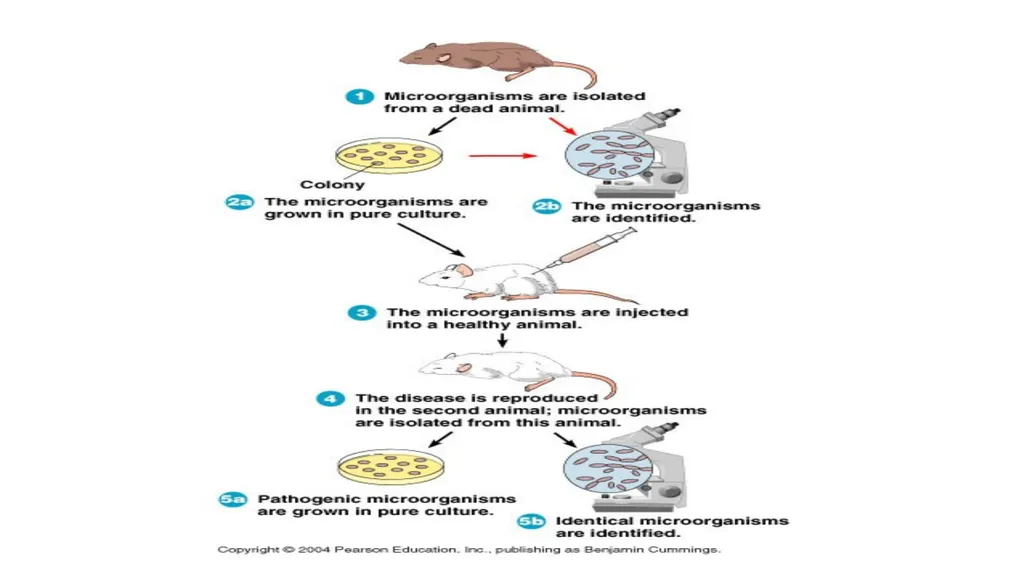
In 1884, Robert Koch proposed a series of postulates in his treatise on Mycobacterium tuberculosis and tuberculosis. Koch´s postulates are summarized as follows:<br>
31
These postulates have been applied more broadly to link many specific bacterial species with particular diseases.
The microorganism should be found in all cases of the disease in question, and its distribution in the body should be in accordancce with the lesions observed.
The microorganism should be grown in pure culture in vitro (or outsite the body of the host) for several generations.
When such a pure culture is inoculated into susceptible animal species, the typical disease must result.
The microorganism must again be isolated from the lesions of such experimentally produced disease.<br>
32
Thanks for your attention<br>