
Becoming an Actuary Introductions Patrick Mannion




Description: Becoming an Actuary Introductions Patrick Mannion Bonita Graham Thomas Jarrold Evan Roehm Columbian Financial Group Life Insurance Company for over 100 years. Headquarters in Binghamton, NY. Structure of CFG Actuarial Department Experience
Related Topics
Download Presentation
"Becoming an Actuary Introductions Patrick Mannion" is the property of its rightful owner. Permission is granted to download and print the materials on this website for personal, non-commercial use only, and to display it on your personal computer provided you do not modify the materials and that you retain all copyright notices contained in the materials. By downloading content from our website, you accept the terms of this agreement.
Presentation Transcript
slide1. Becoming an Actuary<br>
slide2. Introductions Patrick Mannion
Bonita Graham
Thomas Jarrold
Evan Roehm<br>
slide3. Columbian Financial Group Life Insurance Company for over 100 years.
Headquarters in Binghamton, NY.<br>
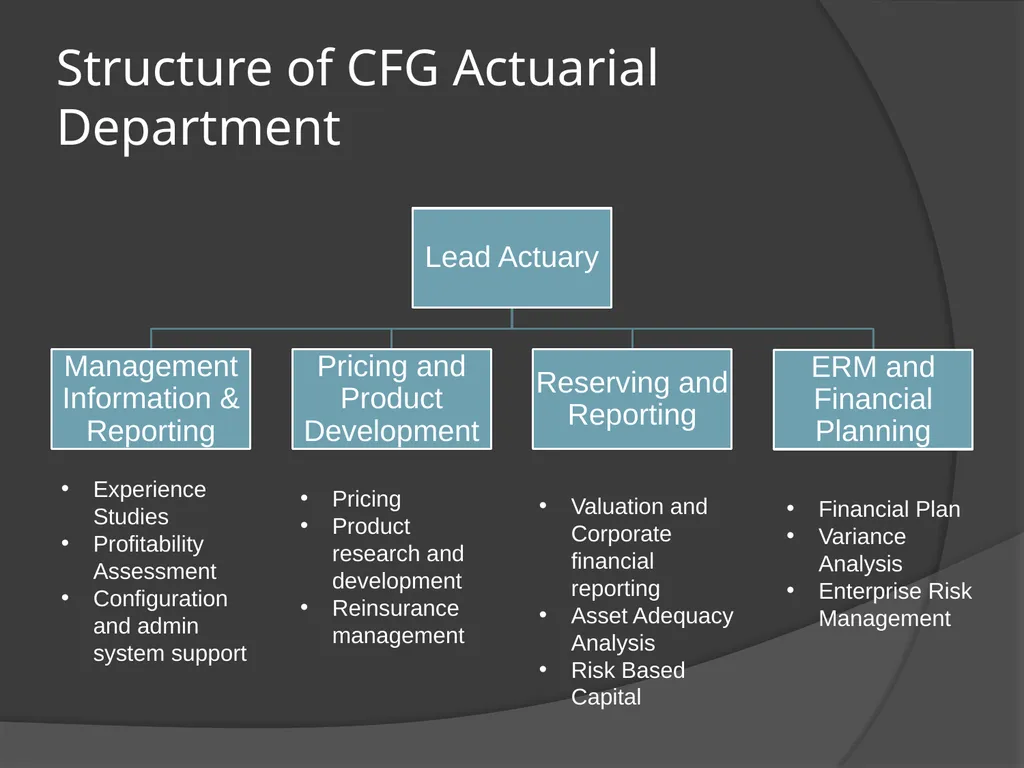
slide4. Structure of CFG Actuarial Department Experience Studies
Profitability Assessment
Configuration and admin system support Pricing
Product research and development
Reinsurance management Valuation and Corporate financial reporting
Asset Adequacy Analysis
Risk Based Capital Financial Plan
Variance Analysis
Enterprise Risk Management<br>
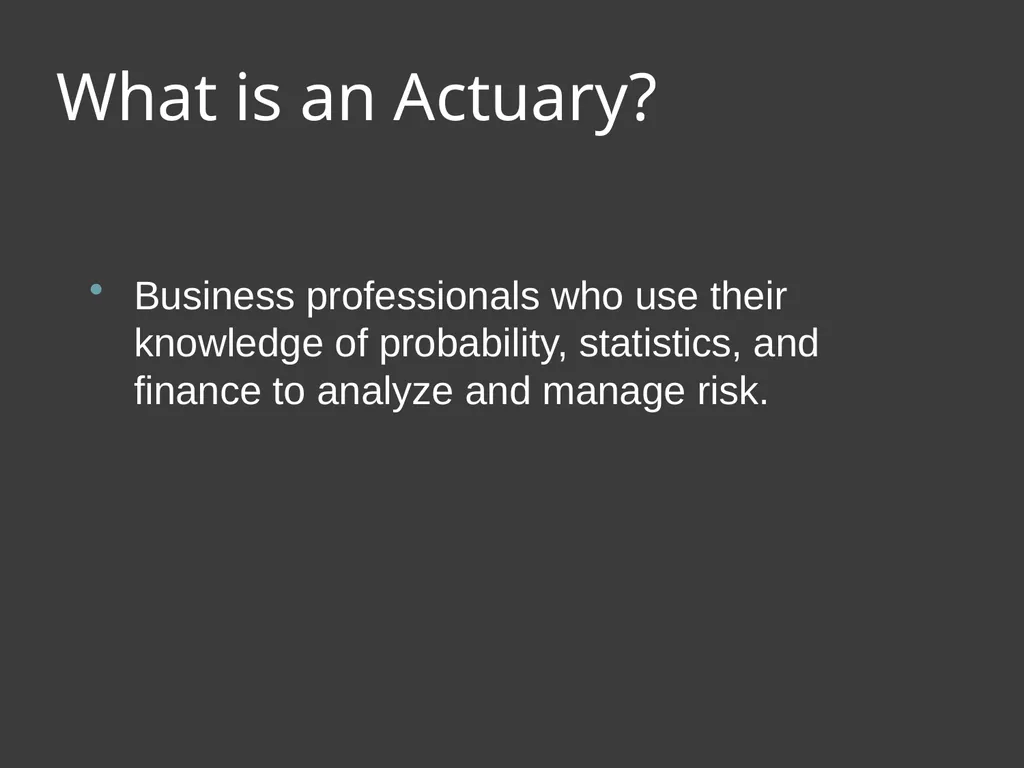
slide5. What is an Actuary? Business professionals who use their knowledge of probability, statistics, and finance to analyze and manage risk.<br>
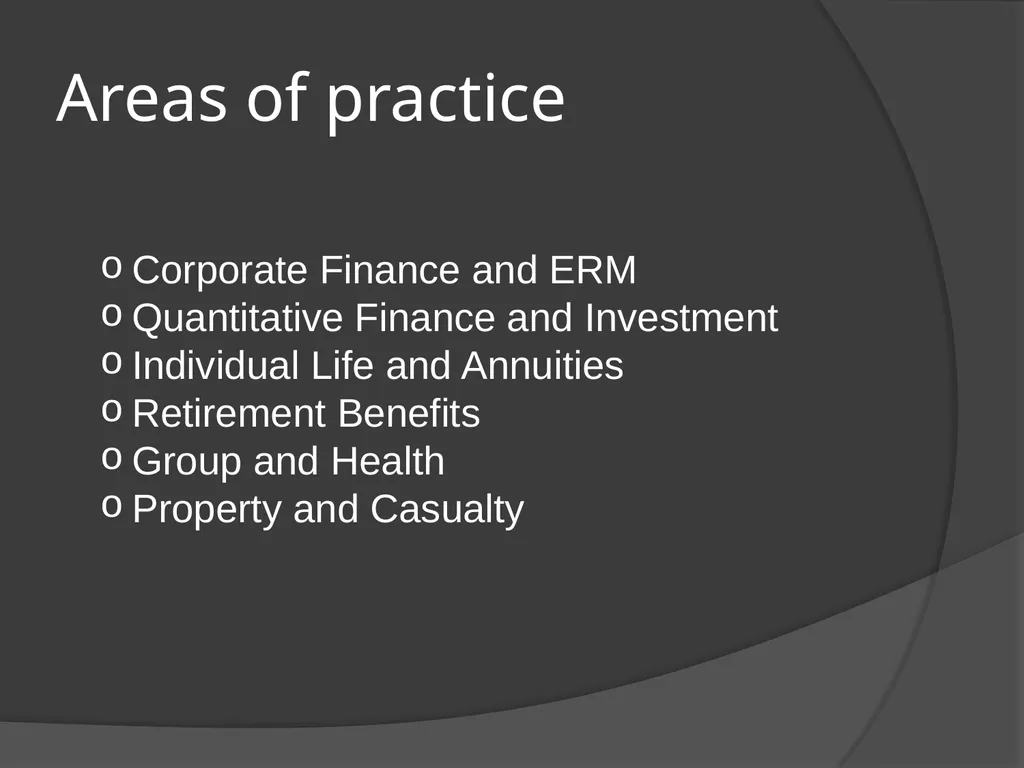
slide6. Areas of practice Corporate Finance and ERM
Quantitative Finance and Investment
Individual Life and Annuities
Retirement Benefits
Group and Health
Property and Casualty<br>
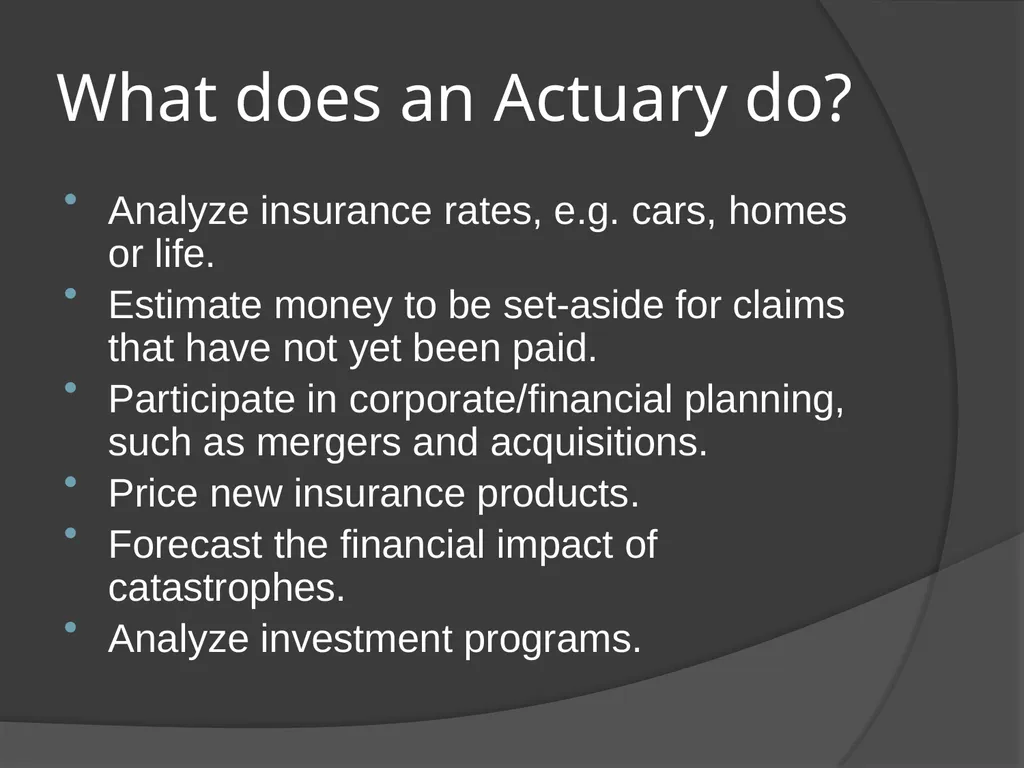
slide7. What does an Actuary do? Analyze insurance rates, e.g. cars, homes or life.
Estimate money to be set-aside for claims that have not yet been paid.
Participate in corporate/financial planning, such as mergers and acquisitions.
Price new insurance products.
Forecast the financial impact of catastrophes.
Analyze investment programs.<br>
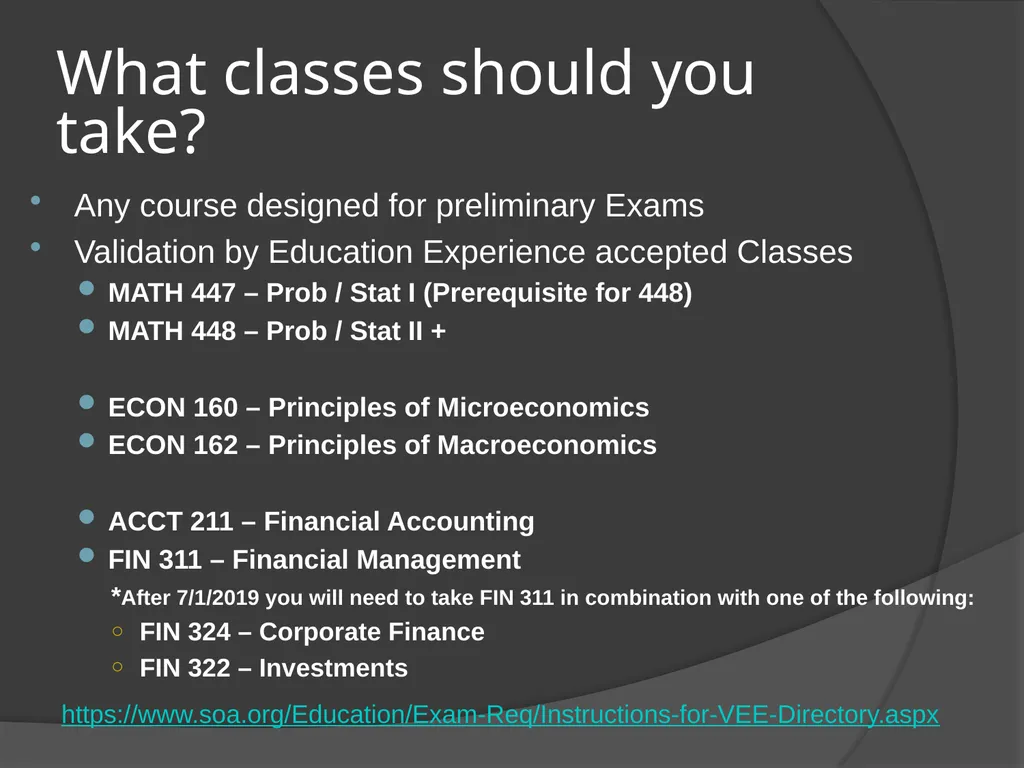
slide8. What classes should you take? Any course designed for preliminary Exams
Validation by Education Experience accepted Classes
MATH 447 – Prob / Stat I (Prerequisite for 448)
MATH 448 – Prob / Stat II +
ECON 160 – Principles of Microeconomics
ECON 162 – Principles of Macroeconomics
ACCT 211 – Financial Accounting
FIN 311 – Financial Management
*After 7/1/2019 you will need to take FIN 311 in combination with one of the following:
FIN 324 – Corporate Finance
FIN 322 – Investments https://www.soa.org/Education/Exam-Req/Instructions-for-VEE-Directory.aspx<br>
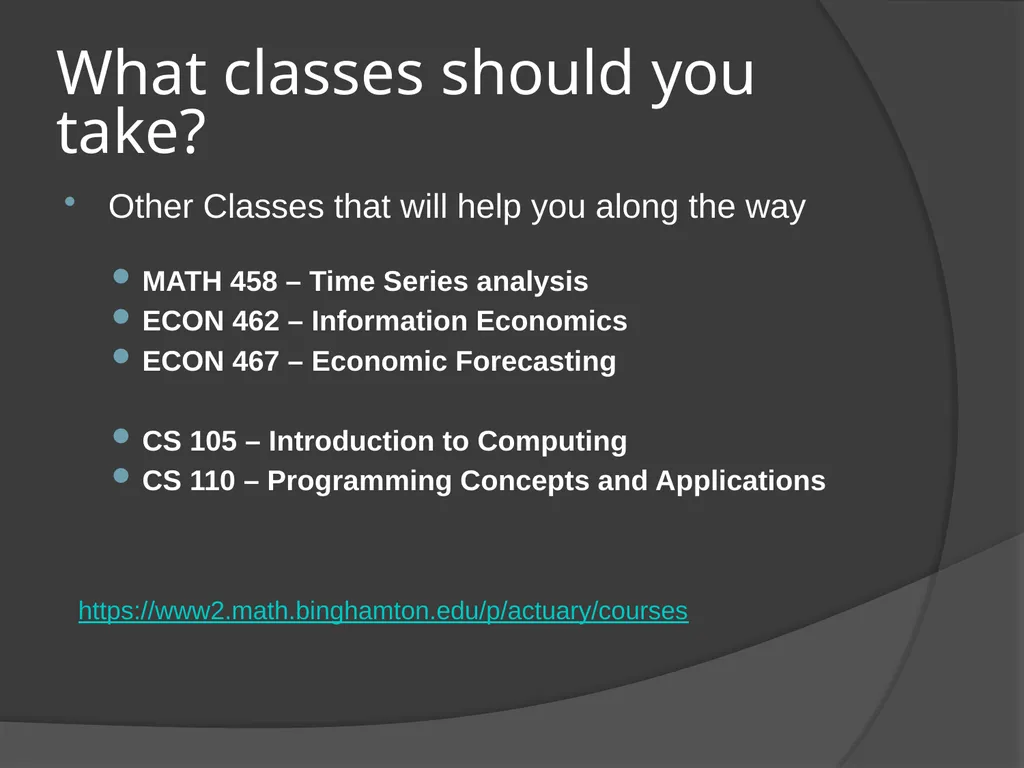
slide9. What classes should you take? Other Classes that will help you along the way
MATH 458 – Time Series analysis
ECON 462 – Information Economics
ECON 467 – Economic Forecasting
CS 105 – Introduction to Computing
CS 110 – Programming Concepts and Applications https://www2.math.binghamton.edu/p/actuary/courses<br>
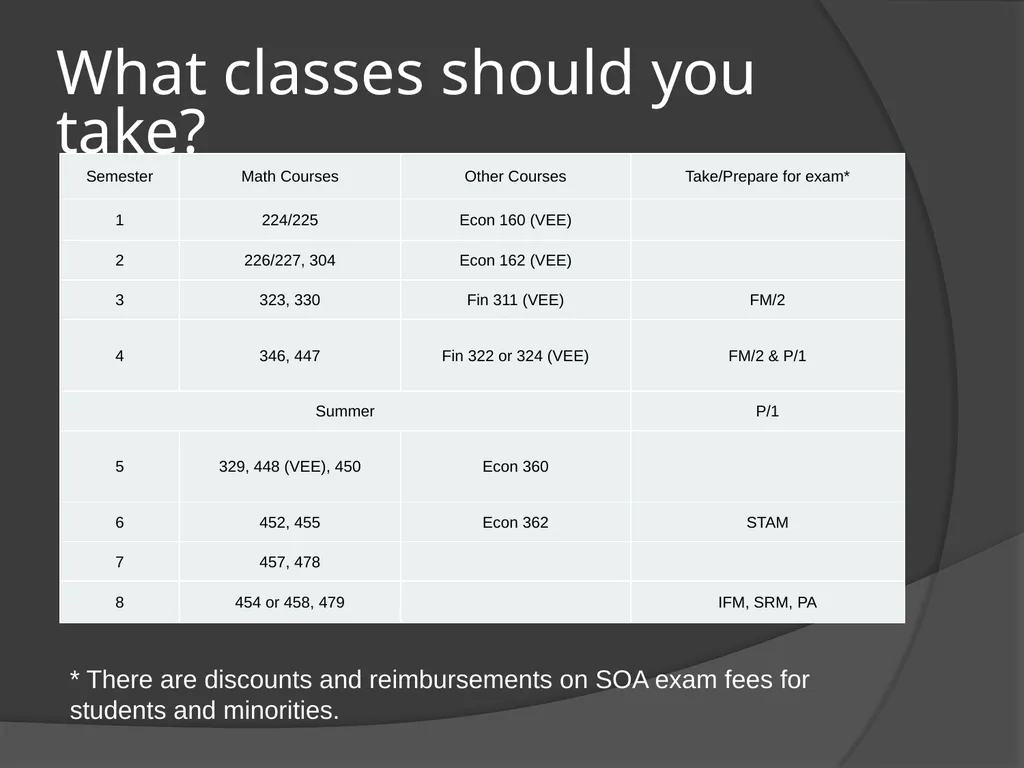
slide10. What classes should you take? * There are discounts and reimbursements on SOA exam fees for students and minorities.<br>
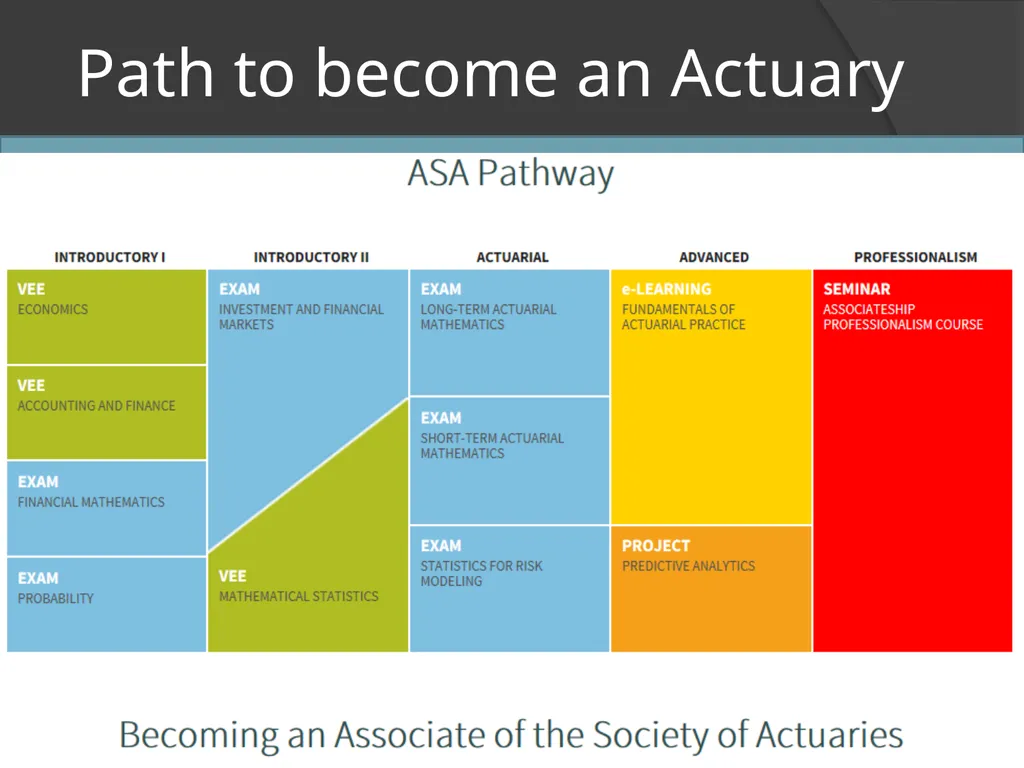
slide11. Path to become an Actuary<br>
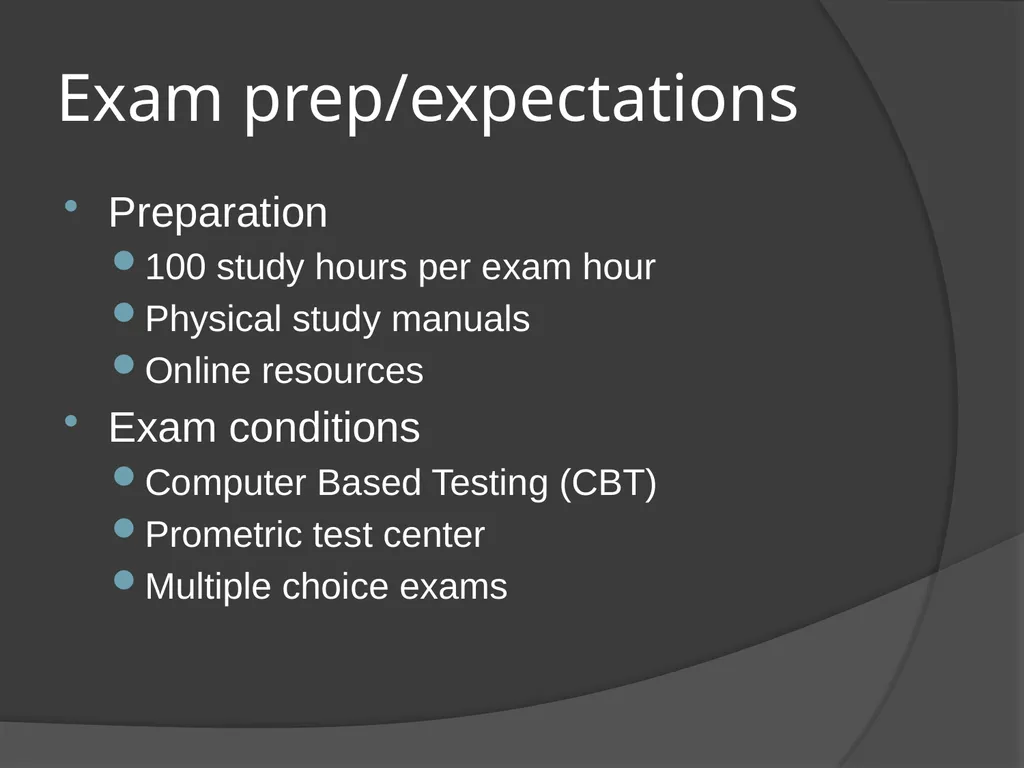
slide12. Exam prep/expectations Preparation
100 study hours per exam hour
Physical study manuals
Online resources
Exam conditions
Computer Based Testing (CBT)
Prometric test center
Multiple choice exams<br>
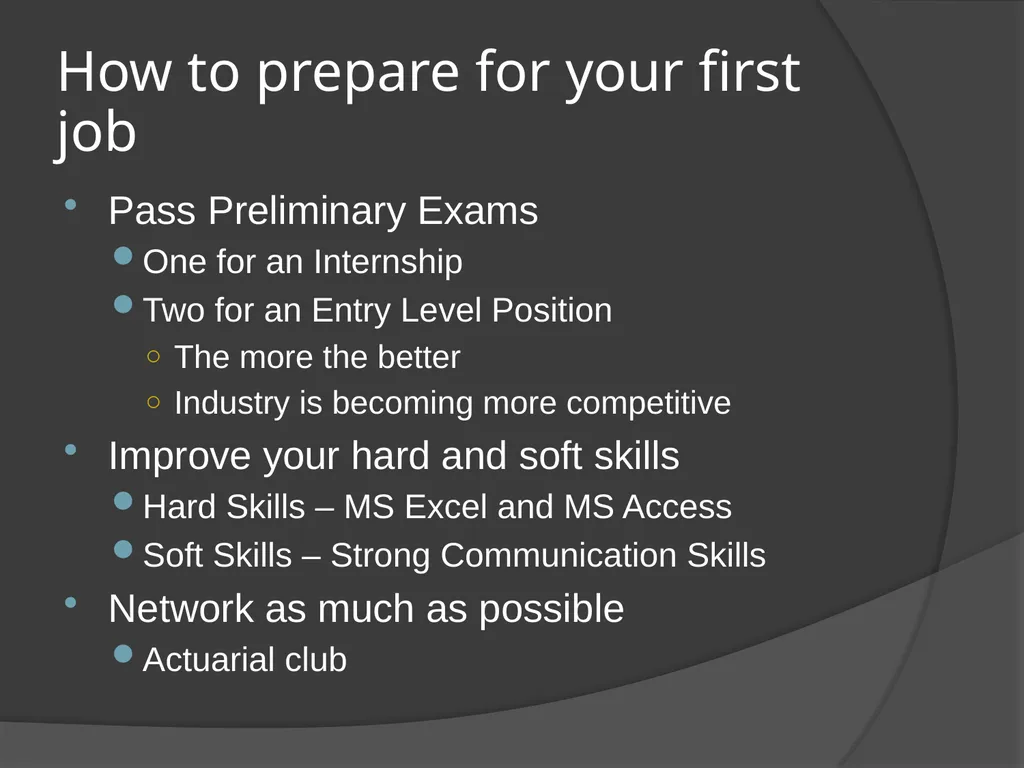
slide13. How to prepare for your first job Pass Preliminary Exams
One for an Internship
Two for an Entry Level Position
The more the better
Industry is becoming more competitive
Improve your hard and soft skills
Hard Skills – MS Excel and MS Access
Soft Skills – Strong Communication Skills
Network as much as possible
Actuarial club<br>
slide14. Helpful Links Research and Publications:
soa.org
Academy news:
actuary.org
Career advice:
beanactuary.com
dwsimpson.com
Study materials & assistance:
actuarialbookstore.com
theinfiniteactuary.com
coachingactuaries.com
Actuarial Groups:
LinkedIn.com
actuarialoutpost.com
goasny.org<br>
slide15. Questions? Bonita Graham
Bonita.Graham@cfglife.com
Thomas Jarrold
Thomas.Jarrold@cfglife.com
Evan Roehm
Evan.Roehm@cfglife.com<br>
slide2. Introductions Patrick Mannion
Bonita Graham
Thomas Jarrold
Evan Roehm<br>
slide3. Columbian Financial Group Life Insurance Company for over 100 years.
Headquarters in Binghamton, NY.<br>
slide4. Structure of CFG Actuarial Department Experience Studies
Profitability Assessment
Configuration and admin system support Pricing
Product research and development
Reinsurance management Valuation and Corporate financial reporting
Asset Adequacy Analysis
Risk Based Capital Financial Plan
Variance Analysis
Enterprise Risk Management<br>
slide5. What is an Actuary? Business professionals who use their knowledge of probability, statistics, and finance to analyze and manage risk.<br>
slide6. Areas of practice Corporate Finance and ERM
Quantitative Finance and Investment
Individual Life and Annuities
Retirement Benefits
Group and Health
Property and Casualty<br>
slide7. What does an Actuary do? Analyze insurance rates, e.g. cars, homes or life.
Estimate money to be set-aside for claims that have not yet been paid.
Participate in corporate/financial planning, such as mergers and acquisitions.
Price new insurance products.
Forecast the financial impact of catastrophes.
Analyze investment programs.<br>
slide8. What classes should you take? Any course designed for preliminary Exams
Validation by Education Experience accepted Classes
MATH 447 – Prob / Stat I (Prerequisite for 448)
MATH 448 – Prob / Stat II +
ECON 160 – Principles of Microeconomics
ECON 162 – Principles of Macroeconomics
ACCT 211 – Financial Accounting
FIN 311 – Financial Management
*After 7/1/2019 you will need to take FIN 311 in combination with one of the following:
FIN 324 – Corporate Finance
FIN 322 – Investments https://www.soa.org/Education/Exam-Req/Instructions-for-VEE-Directory.aspx<br>
slide9. What classes should you take? Other Classes that will help you along the way
MATH 458 – Time Series analysis
ECON 462 – Information Economics
ECON 467 – Economic Forecasting
CS 105 – Introduction to Computing
CS 110 – Programming Concepts and Applications https://www2.math.binghamton.edu/p/actuary/courses<br>
slide10. What classes should you take? * There are discounts and reimbursements on SOA exam fees for students and minorities.<br>
slide11. Path to become an Actuary<br>
slide12. Exam prep/expectations Preparation
100 study hours per exam hour
Physical study manuals
Online resources
Exam conditions
Computer Based Testing (CBT)
Prometric test center
Multiple choice exams<br>
slide13. How to prepare for your first job Pass Preliminary Exams
One for an Internship
Two for an Entry Level Position
The more the better
Industry is becoming more competitive
Improve your hard and soft skills
Hard Skills – MS Excel and MS Access
Soft Skills – Strong Communication Skills
Network as much as possible
Actuarial club<br>
slide14. Helpful Links Research and Publications:
soa.org
Academy news:
actuary.org
Career advice:
beanactuary.com
dwsimpson.com
Study materials & assistance:
actuarialbookstore.com
theinfiniteactuary.com
coachingactuaries.com
Actuarial Groups:
LinkedIn.com
actuarialoutpost.com
goasny.org<br>
slide15. Questions? Bonita Graham
Bonita.Graham@cfglife.com
Thomas Jarrold
Thomas.Jarrold@cfglife.com
Evan Roehm
Evan.Roehm@cfglife.com<br>