Best Management Practices (BMPs) Blaise Desouza ICAR-Central Institute for Cotton Research, Nagpur 14th Southern and Eastern Africa Cotton Forum (4-6 July 2018) Some BMP technologies that can be adopted after suitable modifications to suit
"Best Management Practices (BMP’s) Blaise Desouza" is the property of its rightful owner. Permission is granted to
download and print the materials on this website for personal, non-commercial use only, and to display it
on your personal computer provided you do not modify the materials and that you retain all copyright
notices contained in the materials. By downloading content from our website, you accept the terms of this
agreement.
Presentation Transcript
01
Best Management Practices (BMP’s) Blaise Desouza
ICAR-Central Institute for Cotton Research, Nagpur 14th Southern and Eastern Africa Cotton Forum (4-6 July 2018)<br>
02
Some BMP technologies that can be adopted after suitable modifications to suit the local conditions<br>
03
3 Reduced/conservation tillage systems<br>
04
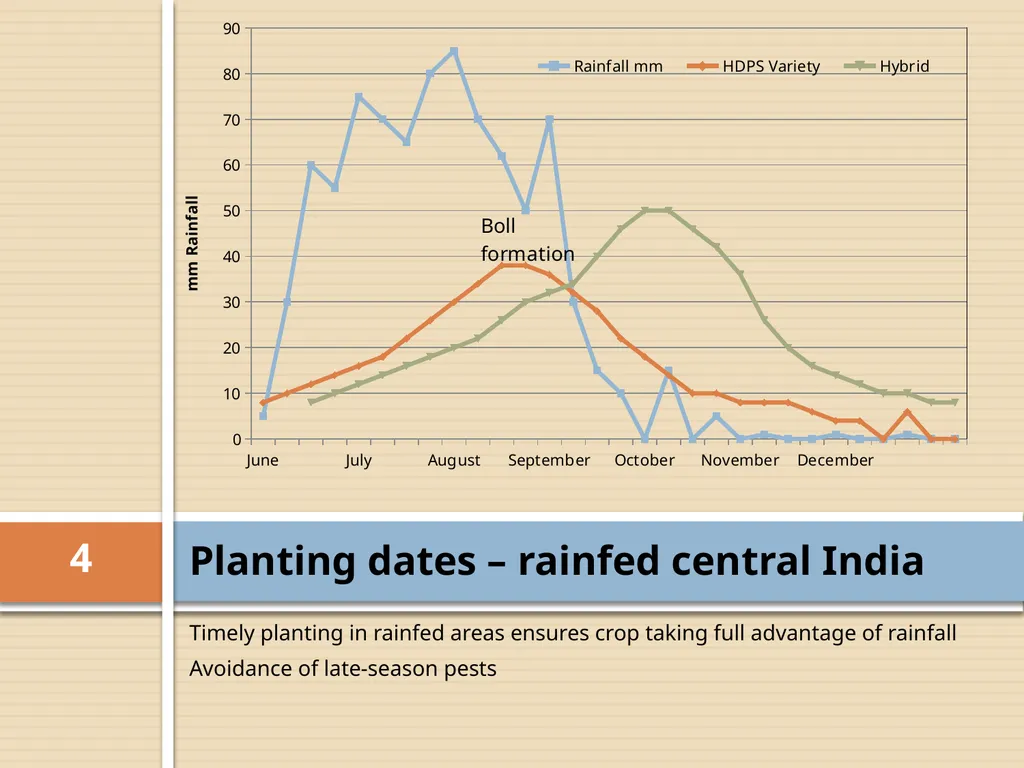
Timely planting in rainfed areas ensures crop taking full advantage of rainfall
Avoidance of late-season pests Planting dates – rainfed central India 4<br>
05
45 to 60 cm (1.5 - 2 feet) and 10 cm between plants
166,0000 to 222,000 plants/hectacre Spacing, plant population, canopy management<br>
06
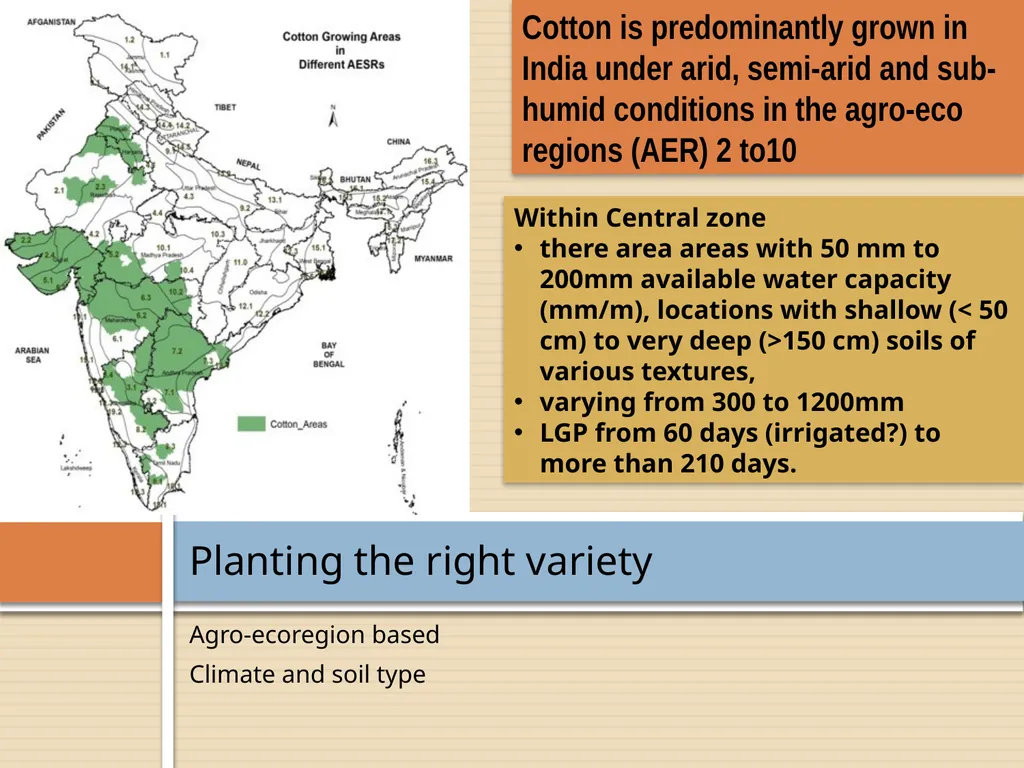
Agro-ecoregion based
Climate and soil type Planting the right variety Within Central zone
there area areas with 50 mm to 200mm available water capacity (mm/m), locations with shallow (< 50 cm) to very deep (>150 cm) soils of various textures,
varying from 300 to 1200mm
LGP from 60 days (irrigated?) to more than 210 days. Cotton is predominantly grown in India under arid, semi-arid and sub-humid conditions in the agro-eco regions (AER) 2 to10<br>
07
Ridge and furrow cultivation Water requirement is critical during peak boll formation phase. Rain-fed cotton suffers most, especially in long duration varieties / hybrids.
Method of soil and water conservation practiced in the low rainfall areas<br>
08
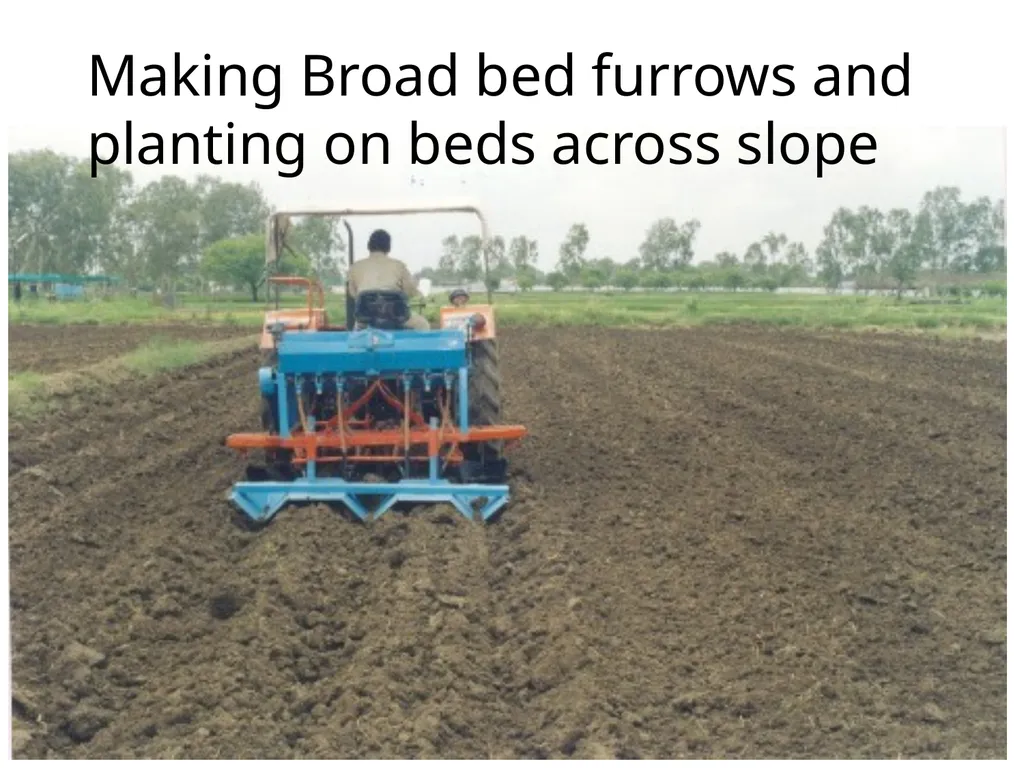
8 Making Broad bed furrows and
planting on beds across slope<br>
09
Rain water harvesting and recycling Recycling harvested rain water to provide 1-2 protective irrigations
Yield improved by 30%
Drip method of irrigation for improved efficiency<br>
10
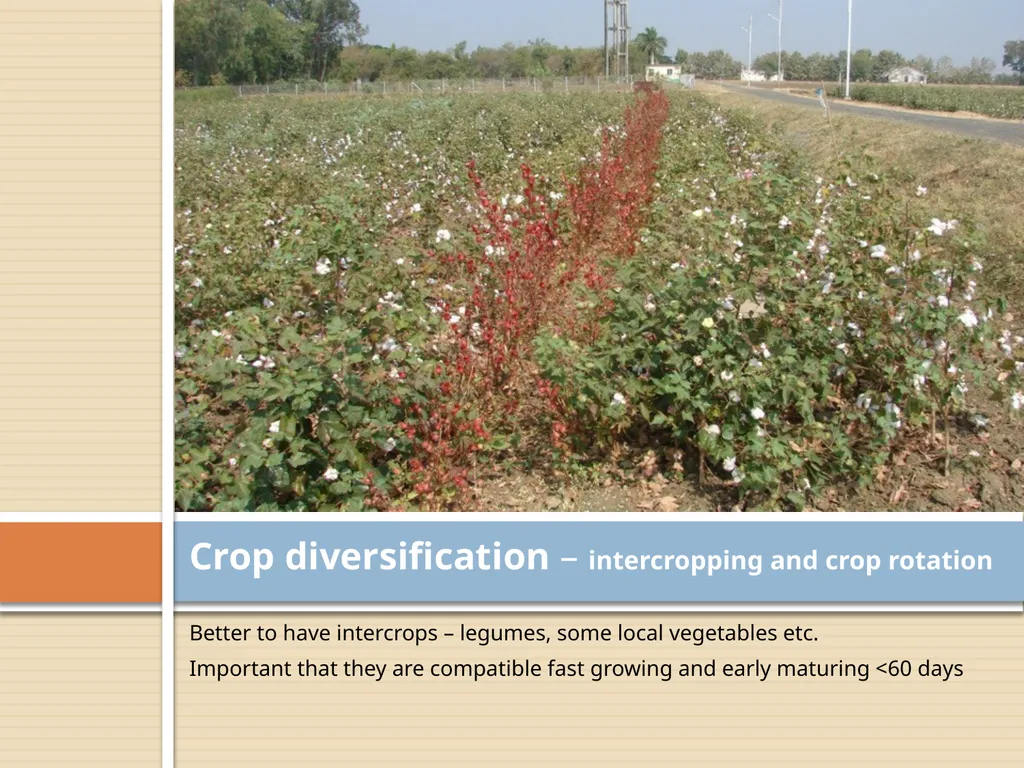
Crop diversification – intercropping and crop rotation Better to have intercrops – legumes, some local vegetables etc.
Important that they are compatible fast growing and early maturing <60 days<br>
11
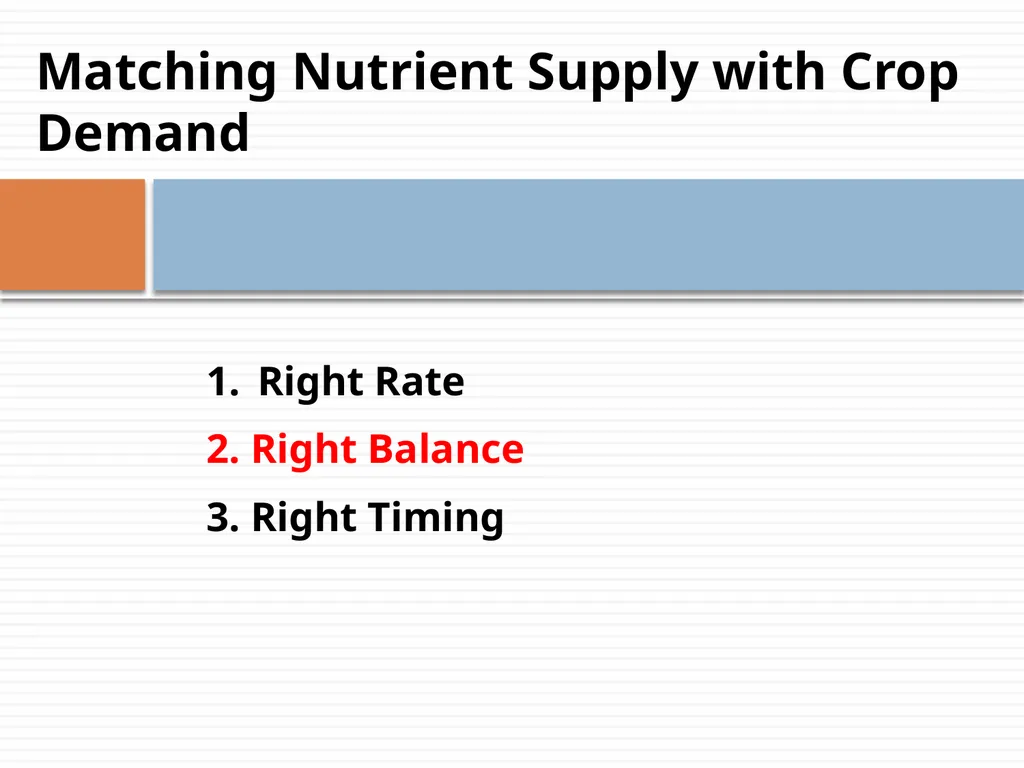
Right Rate
2. Right Balance
3. Right Timing Matching Nutrient Supply with Crop Demand<br>
12
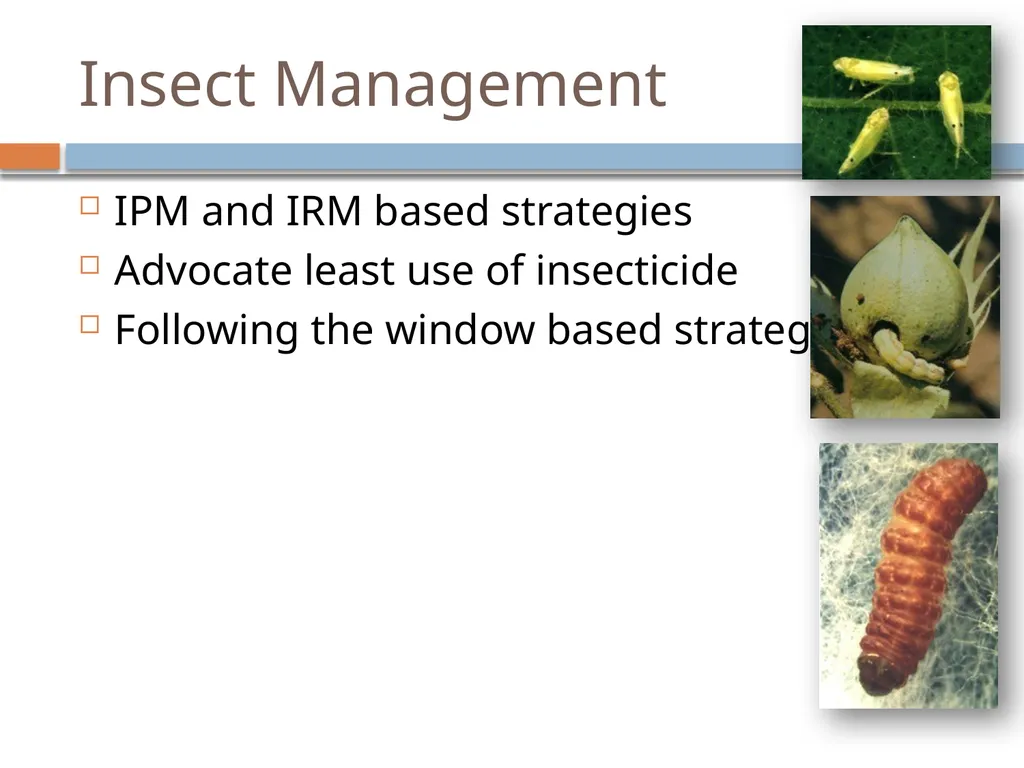
Insect Management IPM and IRM based strategies
Advocate least use of insecticide
Following the window based strategy<br>
13
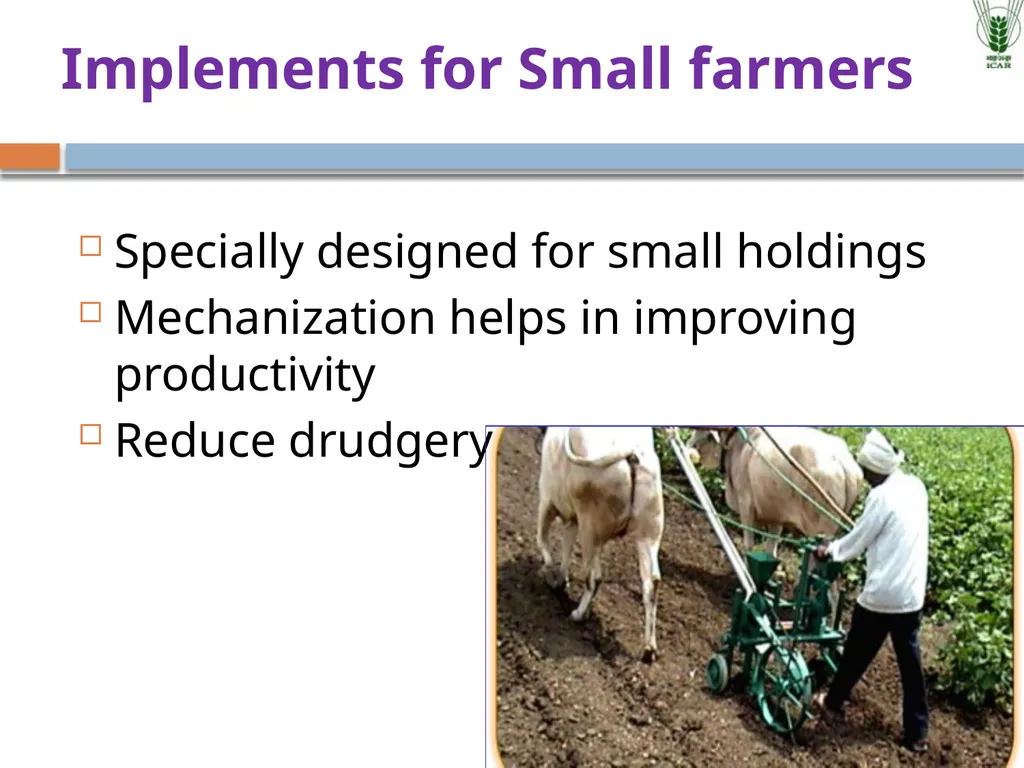
Implements for Small farmers Specially designed for small holdings
Mechanization helps in improving productivity
Reduce drudgery<br>
14
Acknowledgements
Thankful to the ICAR and CICR for deputing me to attend the SEACF
Thank the ICAC for the invitation and sponsorship
Thank the local organizers for the kind hospitality<br>