
Brucella Brucellosis was first described by
LD
Published · 17 slides · 0 views
1 / 1

Description
Brucella Brucellosis was first described by British physician David Bruce, who in 1886 isolated a bacterium from the spleen of patient with a fatal disease known as Malta or Mediterranean fever. Benhard Bang, a Danish veterinarian recovered
Related Topics
Share
Embed code
Download this presentation From Below
"Brucella Brucellosis was first described by" is the property of its rightful owner. Permission is granted to download and print the materials on this website for personal, non-commercial use only, and to display it on your personal computer provided you do not modify the materials and that you retain all copyright notices contained in the materials. By downloading content from our website, you accept the terms of this agreement.
Presentation Transcript
01
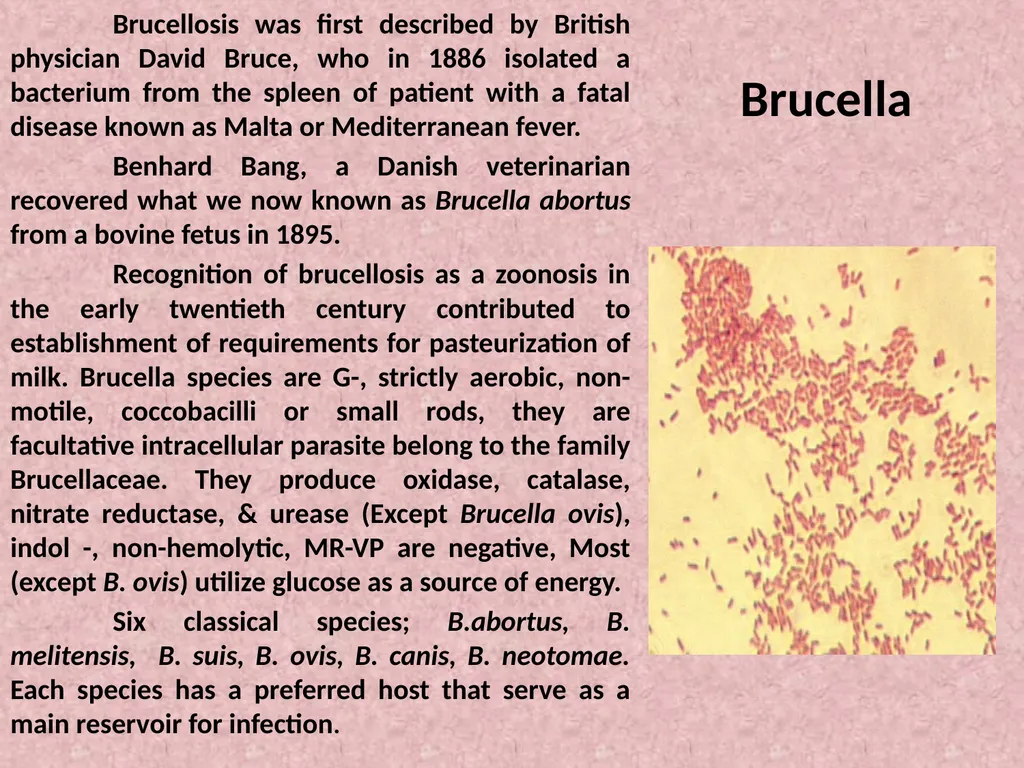
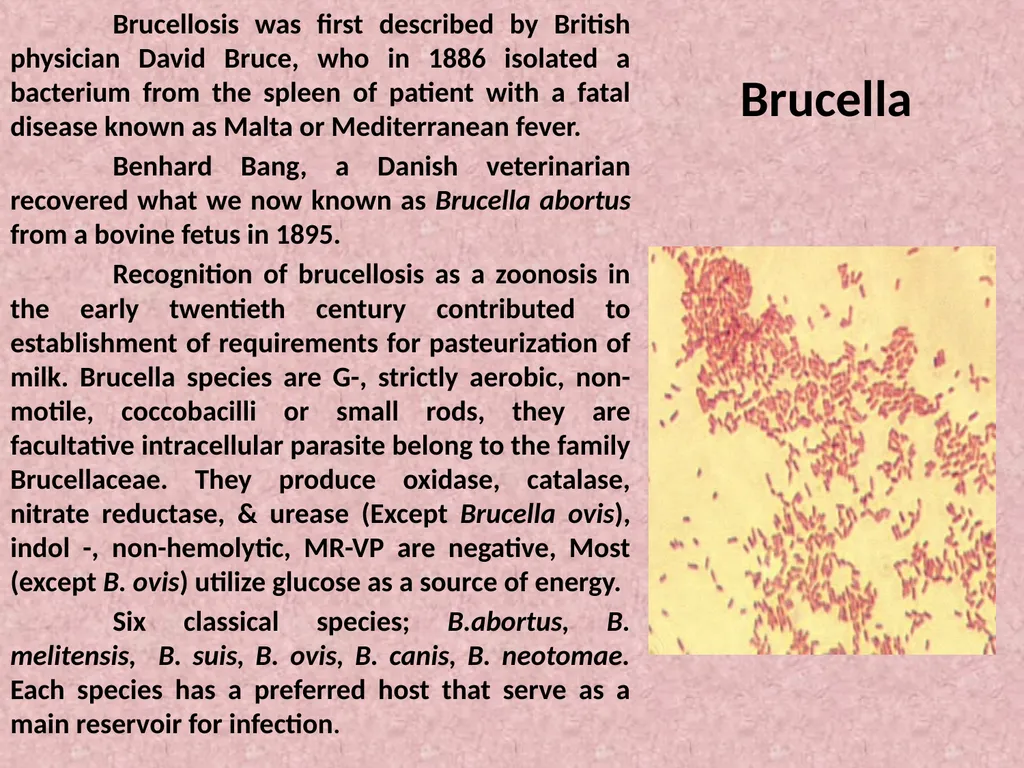
Brucella Brucellosis was first described by British physician David Bruce, who in 1886 isolated a bacterium from the spleen of patient with a fatal disease known as Malta or Mediterranean fever.
Benhard Bang, a Danish veterinarian recovered what we now known as Brucella abortus from a bovine fetus in 1895.
Recognition of brucellosis as a zoonosis in the early twentieth century contributed to establishment of requirements for pasteurization of milk. Brucella species are G-, strictly aerobic, non-motile, coccobacilli or small rods, they are facultative intracellular parasite belong to the family Brucellaceae. They produce oxidase, catalase, nitrate reductase, & urease (Except Brucella ovis), indol -, non-hemolytic, MR-VP are negative, Most (except B. ovis) utilize glucose as a source of energy.
Six classical species; B.abortus, B. melitensis, B. suis, B. ovis, B. canis, B. neotomae. Each species has a preferred host that serve as a main reservoir for infection.<br>
02
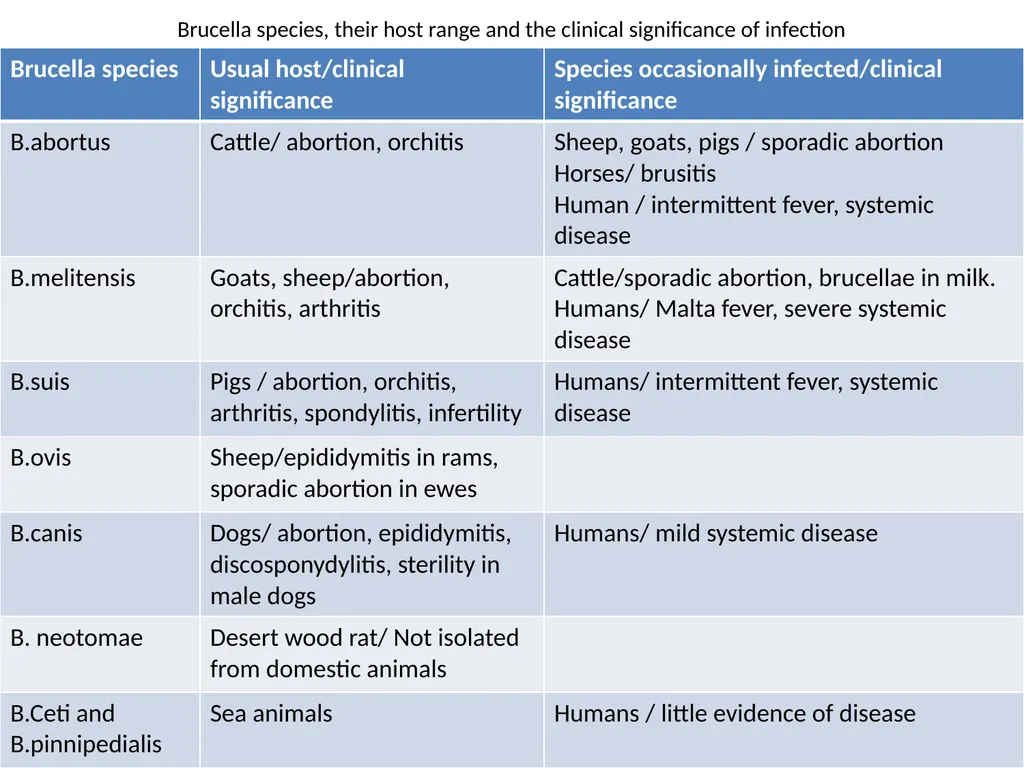
Brucella species, their host range and the clinical significance of infection<br>
03
Main characteristics of Brucillae Small Gram negative coccobacilli
Stain red using the modified Zeil-Neelsin stain
Aerobic and need CO2
Non-motile
Catalase-positive
Most isolates are oxidase positive
nitrate reductase, &
urease +ve (Except Brucella ovis),
indol -,
non-hemolytic,
MR-VP are negative,
Most (except B. ovis) utilize glucose as a source of energy.
Intracellular pathogens
Target reproductive organs of certain species of animals
Some species cause undulant fever in humans<br>
04
Disease
&
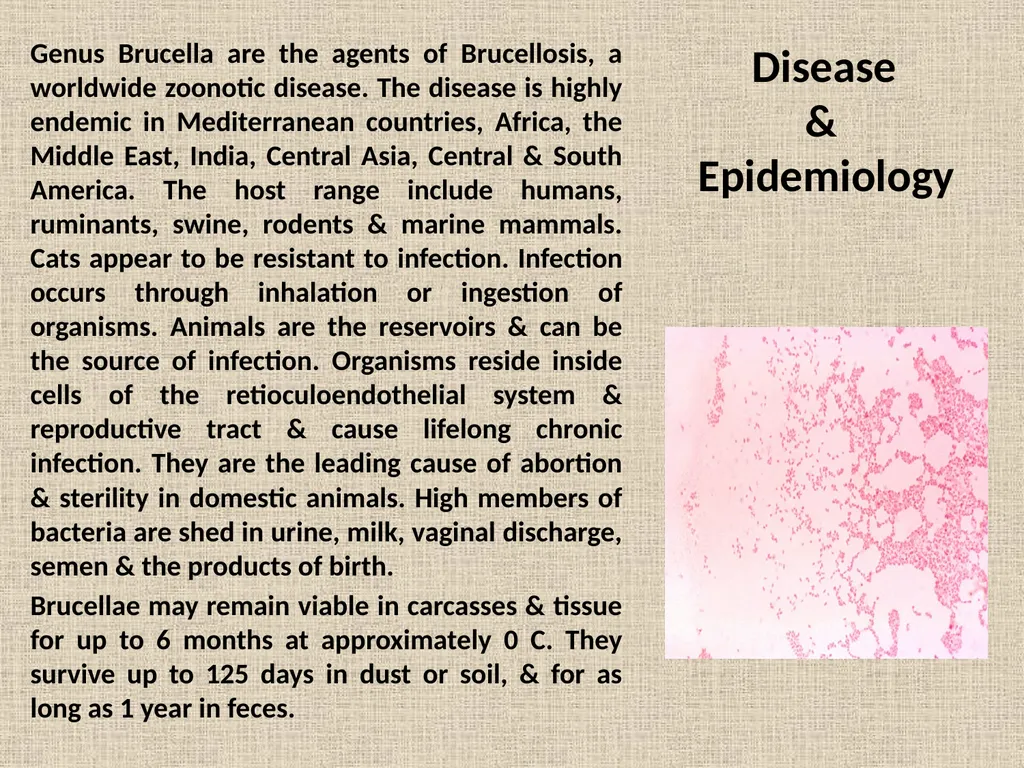
Epidemiology Genus Brucella are the agents of Brucellosis, a worldwide zoonotic disease. The disease is highly endemic in Mediterranean countries, Africa, the Middle East, India, Central Asia, Central & South America. The host range include humans, ruminants, swine, rodents & marine mammals. Cats appear to be resistant to infection. Infection occurs through inhalation or ingestion of organisms. Animals are the reservoirs & can be the source of infection. Organisms reside inside cells of the retioculoendothelial system & reproductive tract & cause lifelong chronic infection. They are the leading cause of abortion & sterility in domestic animals. High members of bacteria are shed in urine, milk, vaginal discharge, semen & the products of birth.
Brucellae may remain viable in carcasses & tissue for up to 6 months at approximately 0 C. They survive up to 125 days in dust or soil, & for as long as 1 year in feces.<br>
Brucellae may remain viable in carcasses & tissue for up to 6 months at approximately 0 C. They survive up to 125 days in dust or soil, & for as long as 1 year in feces.<br>
05
Disease
&
Epidemiology Brucellae are susceptible to many disinfectants, including 1% sodium hypochlorite, 70% ethanol, iodophors, glutaraldehyde & formaldehyde. The organisms are physically inactivated by moist heat (121 C, 15 minutes) & dry heat (160 C , 1 hour).
Brucella abortus:
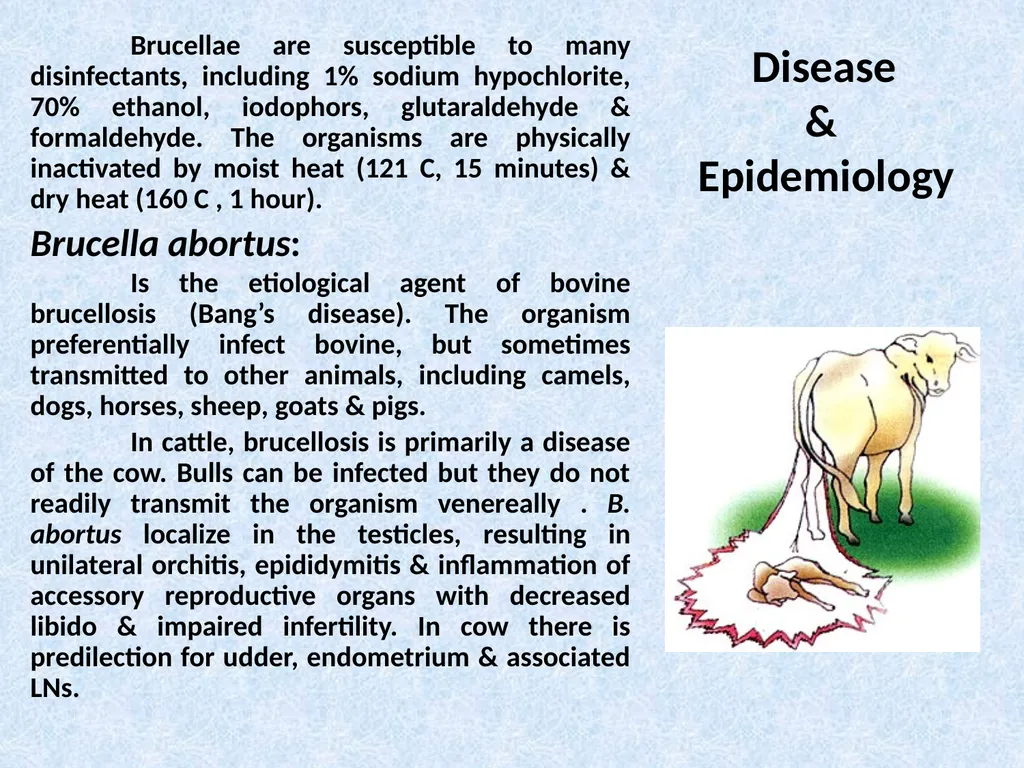
Is the etiological agent of bovine brucellosis (Bang’s disease). The organism preferentially infect bovine, but sometimes transmitted to other animals, including camels, dogs, horses, sheep, goats & pigs.
In cattle, brucellosis is primarily a disease of the cow. Bulls can be infected but they do not readily transmit the organism venereally . B. abortus localize in the testicles, resulting in unilateral orchitis, epididymitis & inflammation of accessory reproductive organs with decreased libido & impaired infertility. In cow there is predilection for udder, endometrium & associated LNs.<br>
06
Disease
&
Epidemiology Clinical signs:
In infected cows include abortion during & after the fifth month of gestation, birth of weak calves, or retained placenta. Although the infected cows typically abort only once, the placenta become colonized by brucellae during each pregnancy. The subsequent offspring may be born weak or apparently health. Because of in utero infection or ingestion of contaminated milk in the neonatal period, apparently healthy calves may become carriers & pose a significant risk to herd & human health. B. abortus is shed in large numbers in the afterbirth placental fluids, aborted fetus & vaginal discharge. Cattle become infected when they ingest contaminated forage or lick calves or aborted fetuses.
Horse may be naturally infected with B. abortus & the organism has a tendency to localize in joints, bursae, or tendon sheaths.<br>
07
Disease
&
Epidemiology Sporadic infection with B. abortus have been reported in dogs ingested reproductive materials from infected cows. Abortion, epididymitis & joint lesions occur in infected animals.
Brucella melitensis:
Most commonly infects sheep & goats. The organism is regarded as the most virulent of the brucella species & accounts for most cases of human brucellosis. Disease is endemic in Middle East, China, Russia, part of Africa & Latin America. The epidemiology & pathogenesis is similar to that of B. abortus. The main risk factor are contact with contaminated genital discharge & ingestion of raw milk. Sexual transmission is more frequent than in bovine brucellosis. Breed susceptibility is variable in sheep, but goat breeds are highly susceptible. Clinical signs include abortion, mastitis, lameness & orchitis.<br>
08
Disease
&
Epidemiology Brucella ovis:
Has long been recognized as a pathogen of sheep & display a high degree of host specificity. Although it occasionally associated with abortion, it primarily affects rams. Infectious epididymitis, orchitis, & infertility are common disease manifestations. Persistent nephritis can develop in rams & is the most serious complication. Ewes are often infected with vaginitis, stillbirths, or birth of weak lambs. Ovine brucellosis is most commonly spread directly from ram to ram by sexual contact, or indirectly, from sexual contact with ewes that have been inseminated by infected ram.
Brucella canis:
Is isolated from dogs, although natural disease has also reported in foxes. Infection usually results from ingestion or inhalation of organisms aerosolized from aborted fetuses, vaginal discharge, milk, semen or urine.<br>
09
Disease
&
Epidemiology Dogs become infected after 4-6 months of cohabitation with an infected dogs.
Only the uterine epithelial cells of the gravid bitch are colonized, result in early embryonic death or abortion. Infected pups are rarely survive. Non-pregnant bitch show no overt clinical signs, but may shed organisms in saliva, nasal or vaginal discharge. In males, brucellosis manifests as infertility with epididymitis rather than orchitis.<br>
Only the uterine epithelial cells of the gravid bitch are colonized, result in early embryonic death or abortion. Infected pups are rarely survive. Non-pregnant bitch show no overt clinical signs, but may shed organisms in saliva, nasal or vaginal discharge. In males, brucellosis manifests as infertility with epididymitis rather than orchitis.<br>
10
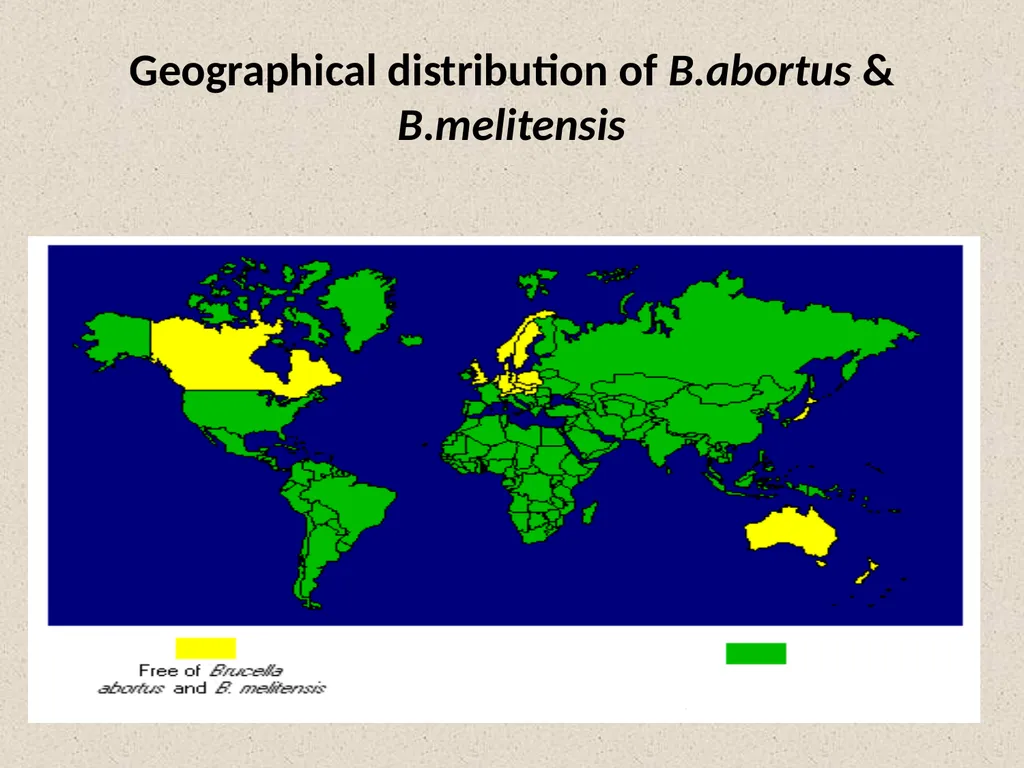
Geographical distribution of B.abortus & B.melitensis<br>
11
Brucellosis
in
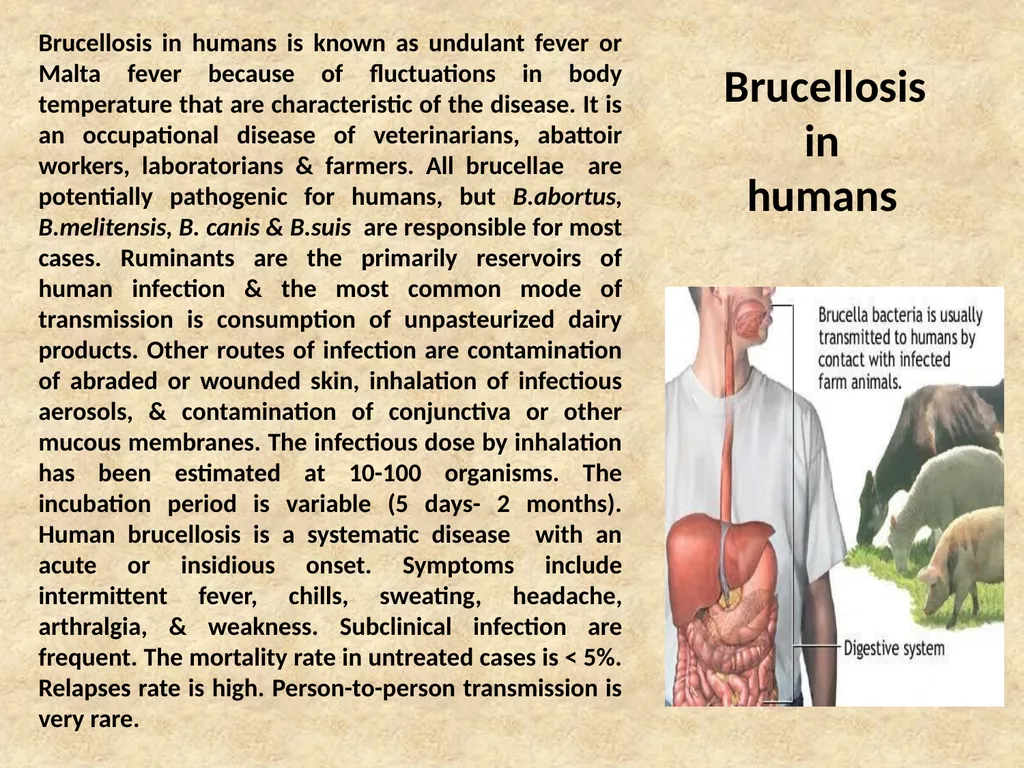
humans Brucellosis in humans is known as undulant fever or Malta fever because of fluctuations in body temperature that are characteristic of the disease. It is an occupational disease of veterinarians, abattoir workers, laboratorians & farmers. All brucellae are potentially pathogenic for humans, but B.abortus, B.melitensis, B. canis & B.suis are responsible for most cases. Ruminants are the primarily reservoirs of human infection & the most common mode of transmission is consumption of unpasteurized dairy products. Other routes of infection are contamination of abraded or wounded skin, inhalation of infectious aerosols, & contamination of conjunctiva or other mucous membranes. The infectious dose by inhalation has been estimated at 10-100 organisms. The incubation period is variable (5 days- 2 months). Human brucellosis is a systematic disease with an acute or insidious onset. Symptoms include intermittent fever, chills, sweating, headache, arthralgia, & weakness. Subclinical infection are frequent. The mortality rate in untreated cases is < 5%. Relapses rate is high. Person-to-person transmission is very rare.<br>
12
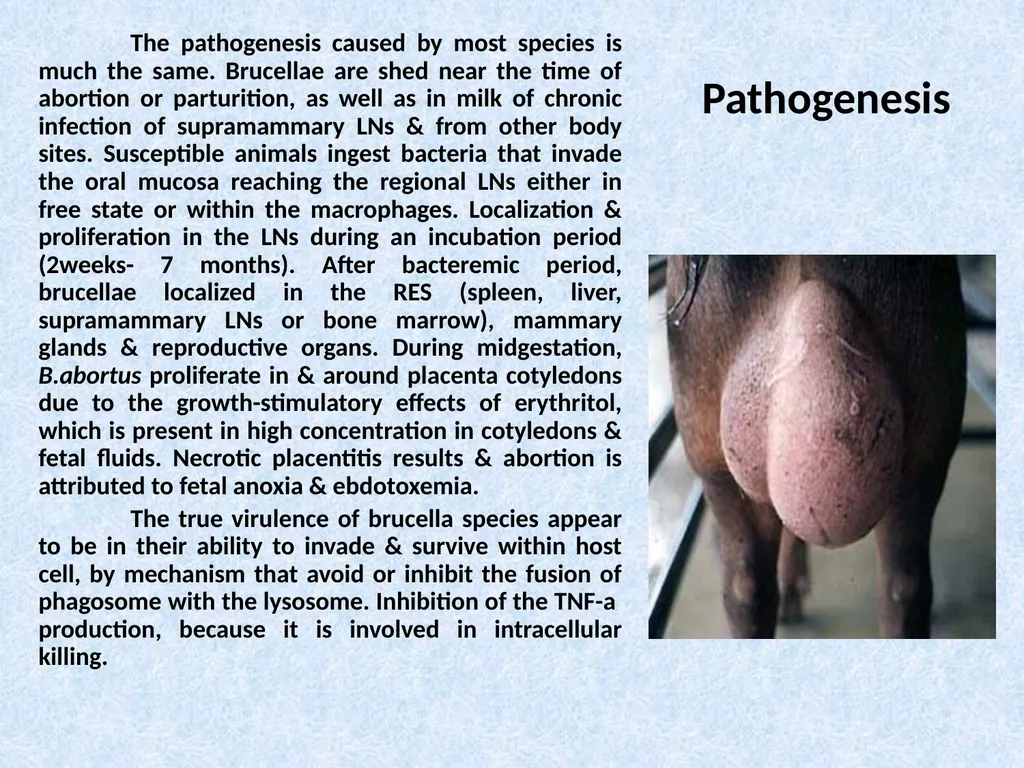
Pathogenesis The pathogenesis caused by most species is much the same. Brucellae are shed near the time of abortion or parturition, as well as in milk of chronic infection of supramammary LNs & from other body sites. Susceptible animals ingest bacteria that invade the oral mucosa reaching the regional LNs either in free state or within the macrophages. Localization & proliferation in the LNs during an incubation period (2weeks- 7 months). After bacteremic period, brucellae localized in the RES (spleen, liver, supramammary LNs or bone marrow), mammary glands & reproductive organs. During midgestation, B.abortus proliferate in & around placenta cotyledons due to the growth-stimulatory effects of erythritol, which is present in high concentration in cotyledons & fetal fluids. Necrotic placentitis results & abortion is attributed to fetal anoxia & ebdotoxemia.
The true virulence of brucella species appear to be in their ability to invade & survive within host cell, by mechanism that avoid or inhibit the fusion of phagosome with the lysosome. Inhibition of the TNF-a production, because it is involved in intracellular killing.<br>
The true virulence of brucella species appear to be in their ability to invade & survive within host cell, by mechanism that avoid or inhibit the fusion of phagosome with the lysosome. Inhibition of the TNF-a production, because it is involved in intracellular killing.<br>
13
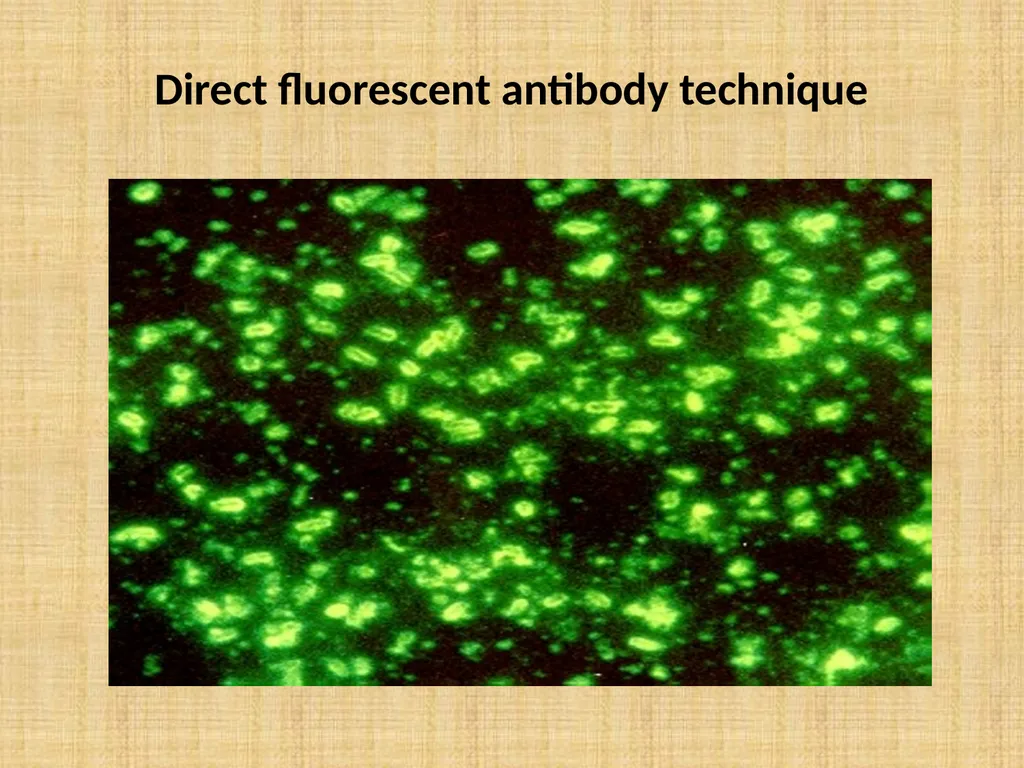
Diagnosis Direct examination of tissues with fluroscent antibody (DFAT).
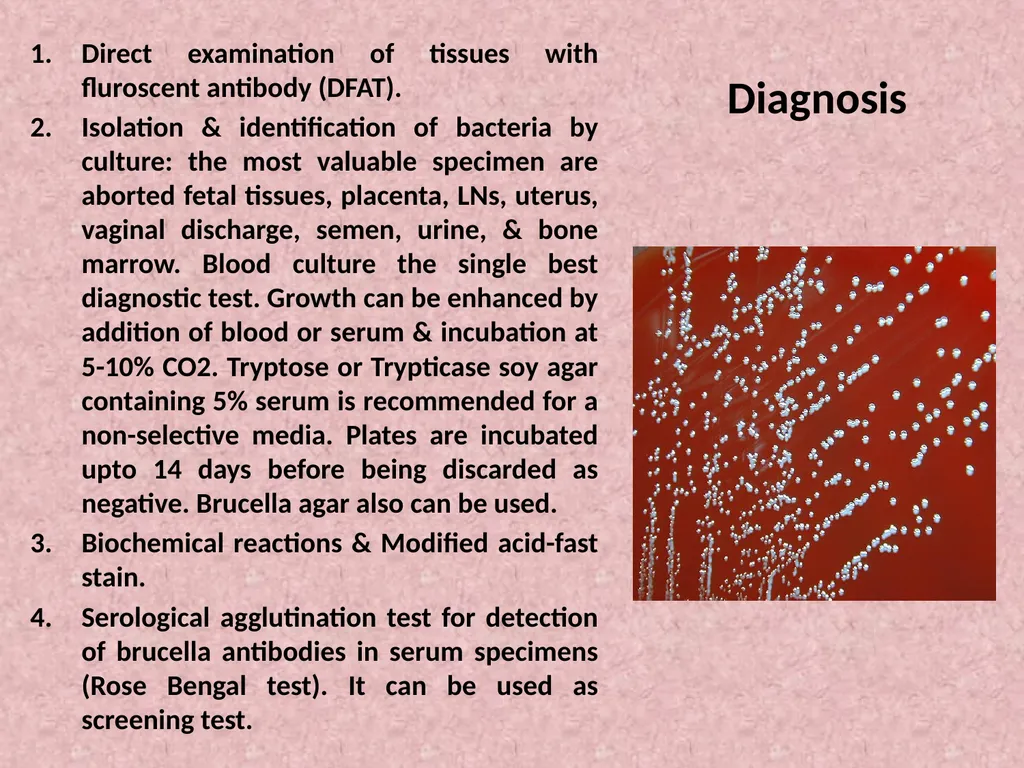
Isolation & identification of bacteria by culture: the most valuable specimen are aborted fetal tissues, placenta, LNs, uterus, vaginal discharge, semen, urine, & bone marrow. Blood culture the single best diagnostic test. Growth can be enhanced by addition of blood or serum & incubation at 5-10% CO2. Tryptose or Trypticase soy agar containing 5% serum is recommended for a non-selective media. Plates are incubated upto 14 days before being discarded as negative. Brucella agar also can be used.
Biochemical reactions & Modified acid-fast stain.
Serological agglutination test for detection of brucella antibodies in serum specimens (Rose Bengal test). It can be used as screening test.<br>
14
Direct fluorescent antibody technique<br>
15
Diagnosis 5. ELISA test for detection of brucella antibodies (IgG or IgM), it is more sensitive & specific than agglutination test.
6. Molecular detection of brucella antigens by PCR. It can discriminate brucella classical species.
7. 2 mercaptaethanol test: The addition of 2ME destroy IgM & leaves IgG for agglutination reaction.
8. Intradermal skin test.<br>
6. Molecular detection of brucella antigens by PCR. It can discriminate brucella classical species.
7. 2 mercaptaethanol test: The addition of 2ME destroy IgM & leaves IgG for agglutination reaction.
8. Intradermal skin test.<br>
16
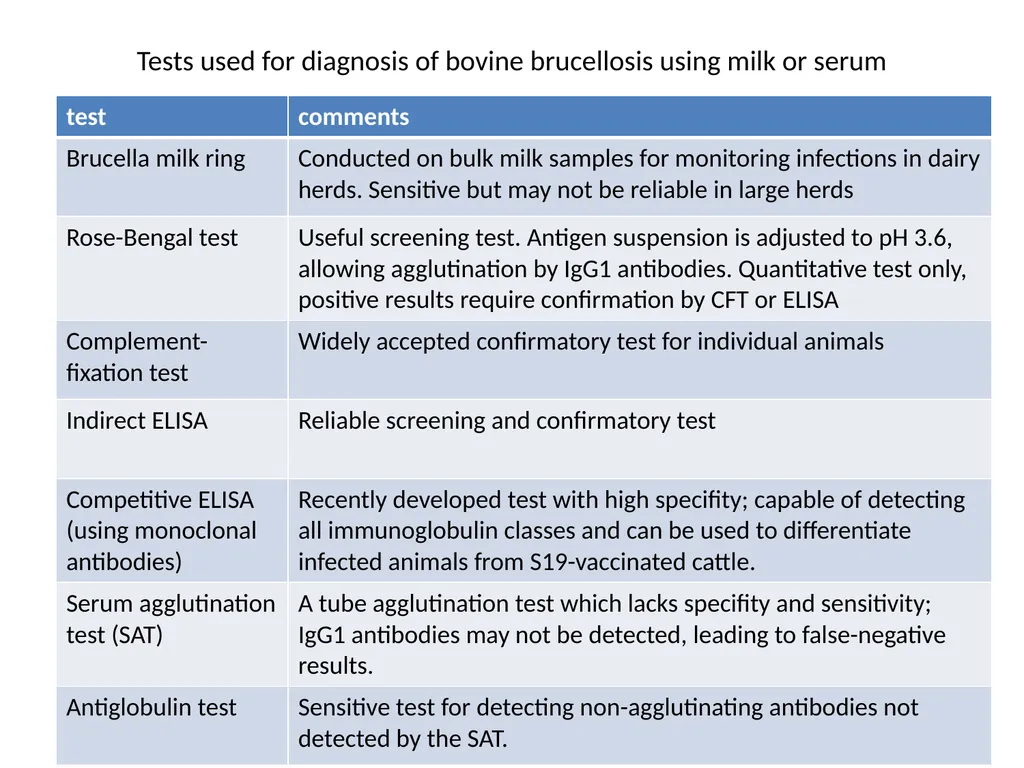
Tests used for diagnosis of bovine brucellosis using milk or serum<br>
17
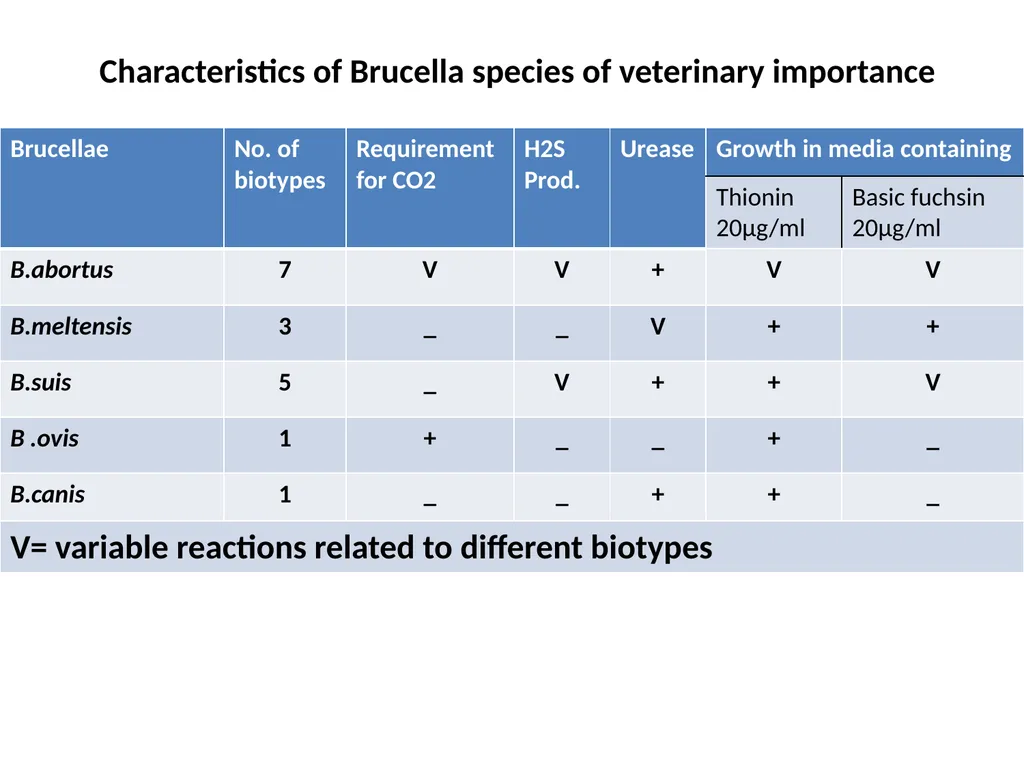
Characteristics of Brucella species of veterinary importance<br>