Brucellosis Introduction Brucella is an obligate
Description: Brucellosis Introduction Brucella is an obligate aerobe, fastidious, small gram-negative coccobacillus Brucellosis (undulant fever)- zoonotic disease (sheep, goat, cattle) Human infection- associated with occupational domestic exposure to
Related Topics
Download Presentation
"Brucellosis Introduction Brucella is an obligate" is the property of its rightful owner. Permission is granted to download and print the materials on this website for personal, non-commercial use only, and to display it on your personal computer provided you do not modify the materials and that you retain all copyright notices contained in the materials. By downloading content from our website, you accept the terms of this agreement.
Presentation Transcript
slide1. Brucellosis<br>
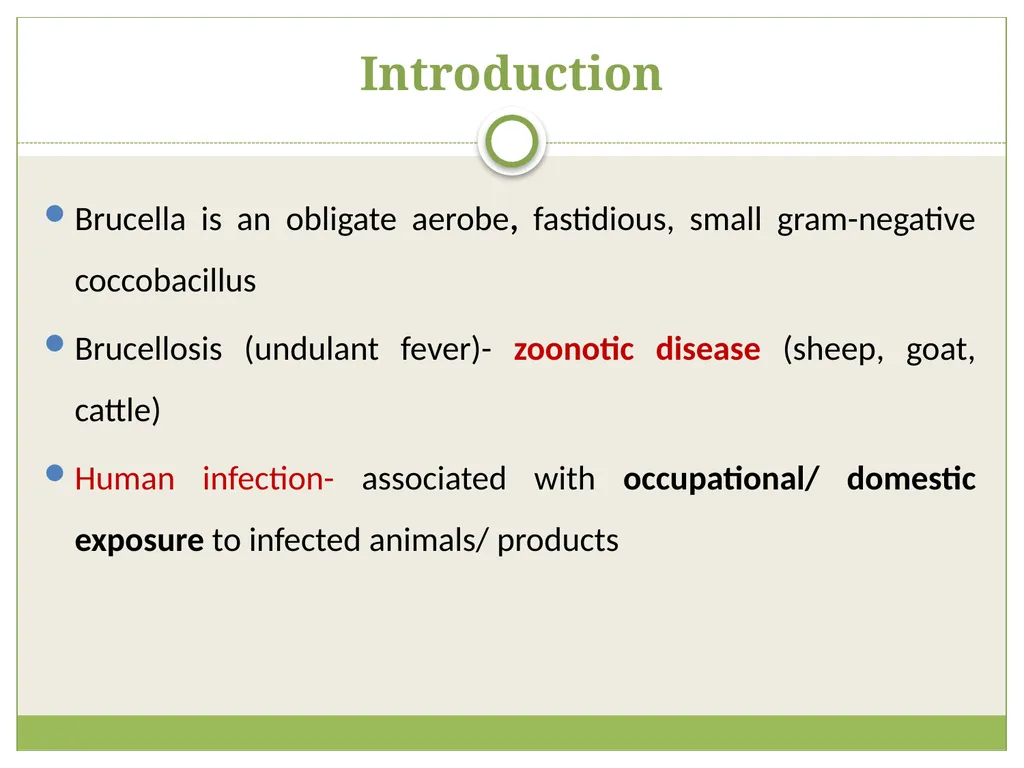
slide2. Introduction Brucella is an obligate aerobe, fastidious, small gram-negative coccobacillus
Brucellosis (undulant fever)- zoonotic disease (sheep, goat, cattle)
Human infection- associated with occupational/ domestic exposure to infected animals/ products<br>
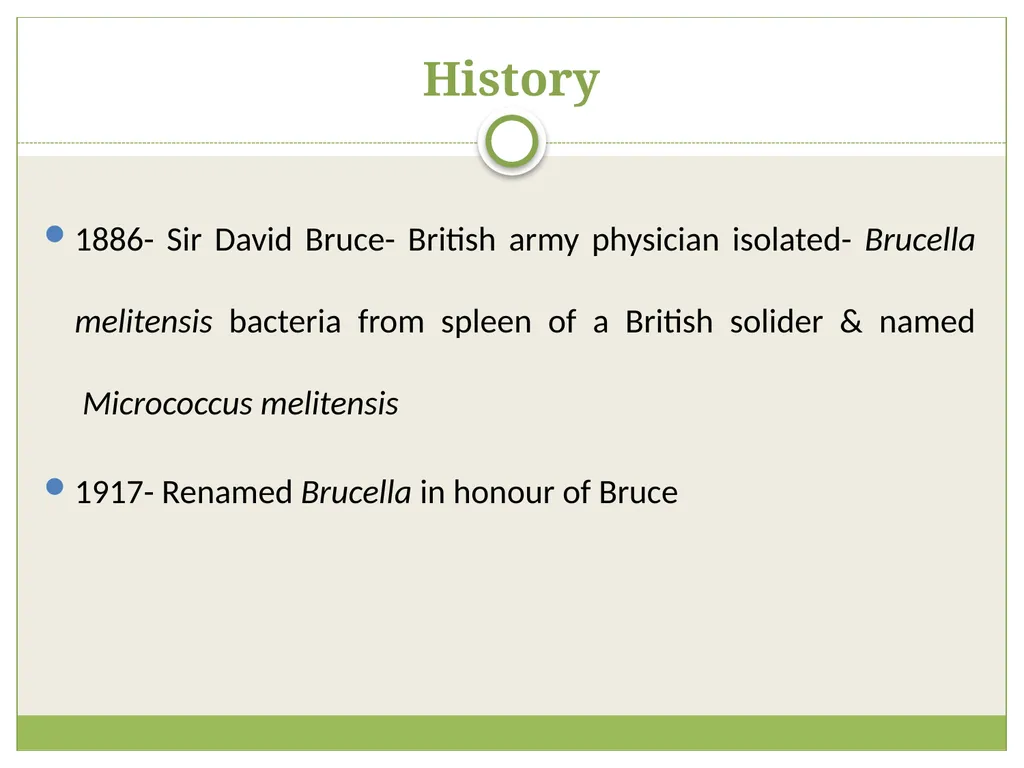
slide3. History 1886- Sir David Bruce- British army physician isolated- Brucella melitensis bacteria from spleen of a British solider & named Micrococcus melitensis
1917- Renamed Brucella in honour of Bruce<br>
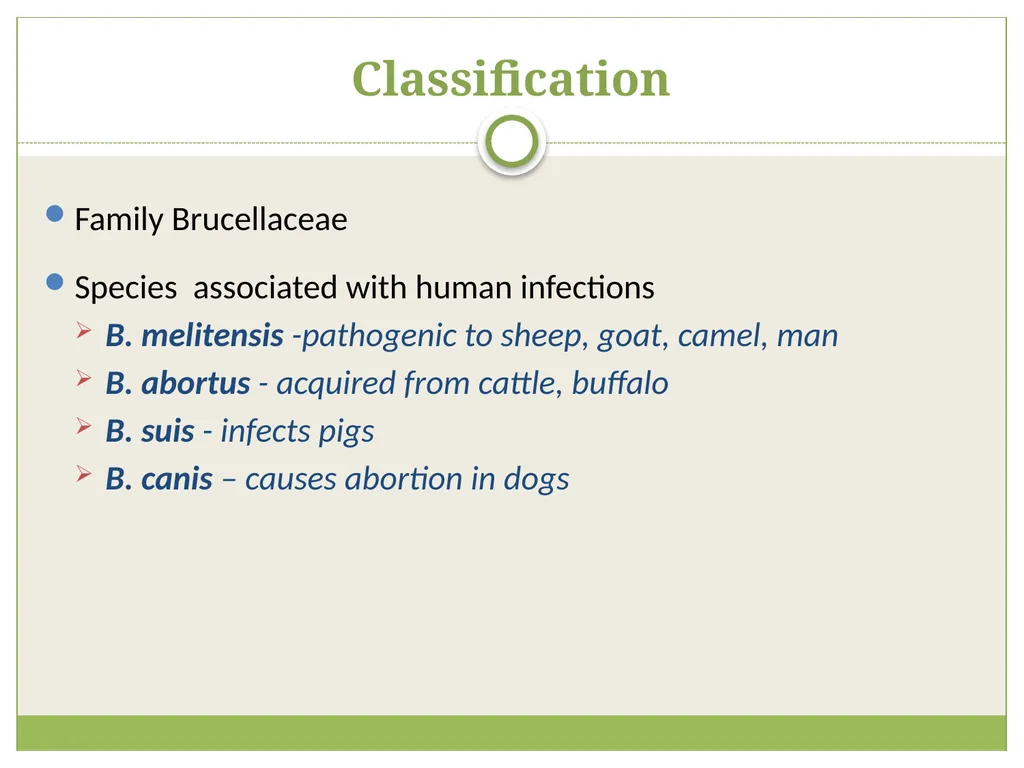
slide4. Classification Family Brucellaceae
Species associated with human infections
B. melitensis -pathogenic to sheep, goat, camel, man
B. abortus - acquired from cattle, buffalo
B. suis - infects pigs
B. canis – causes abortion in dogs<br>
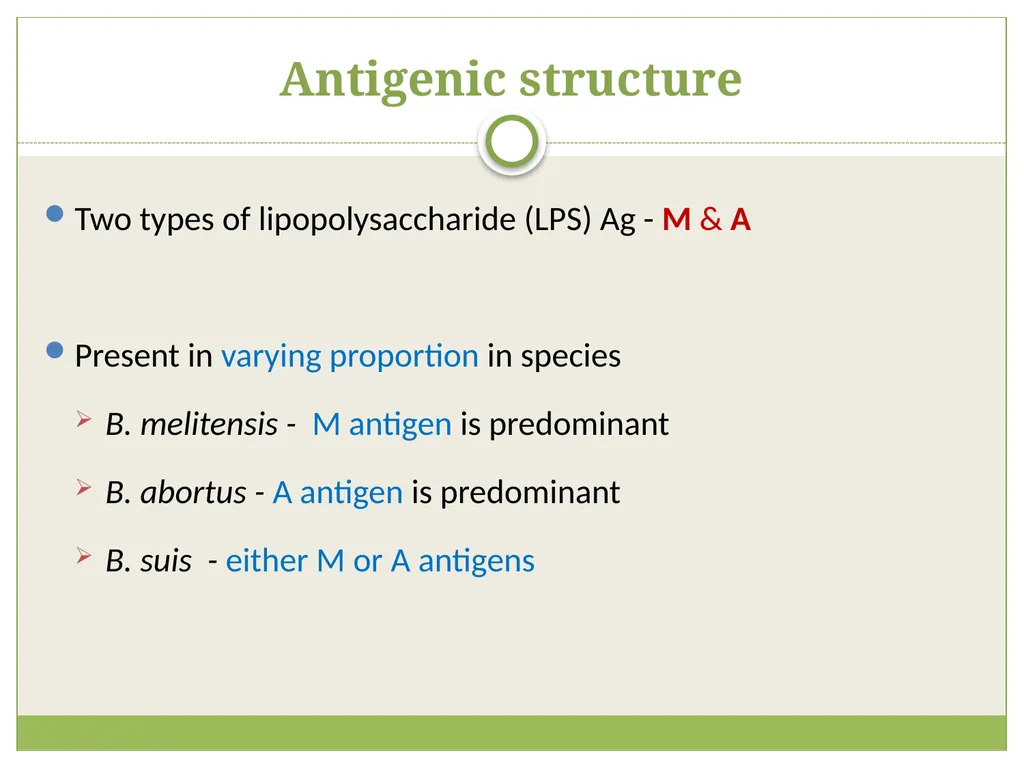
slide5. Antigenic structure Two types of lipopolysaccharide (LPS) Ag - M & A
Present in varying proportion in species
B. melitensis - M antigen is predominant
B. abortus - A antigen is predominant
B. suis - either M or A antigens<br>
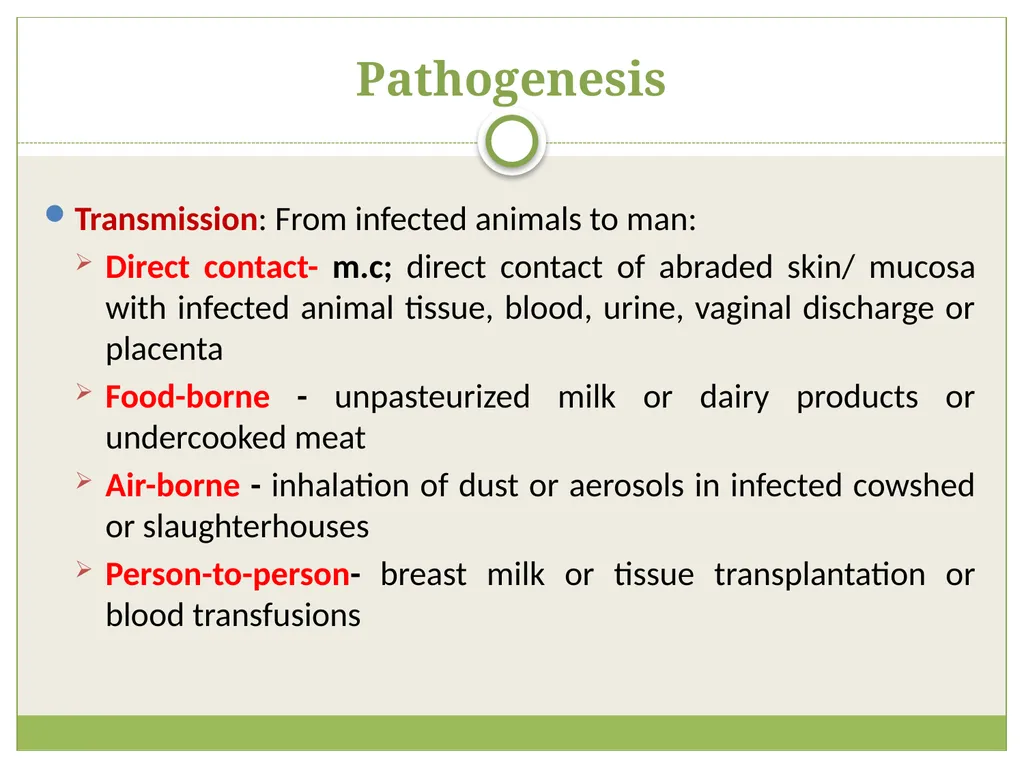
slide6. Pathogenesis Transmission: From infected animals to man:
Direct contact- m.c; direct contact of abraded skin/ mucosa with infected animal tissue, blood, urine, vaginal discharge or placenta
Food-borne - unpasteurized milk or dairy products or undercooked meat
Air-borne - inhalation of dust or aerosols in infected cowshed or slaughterhouses
Person-to-person- breast milk or tissue transplantation or blood transfusions<br>
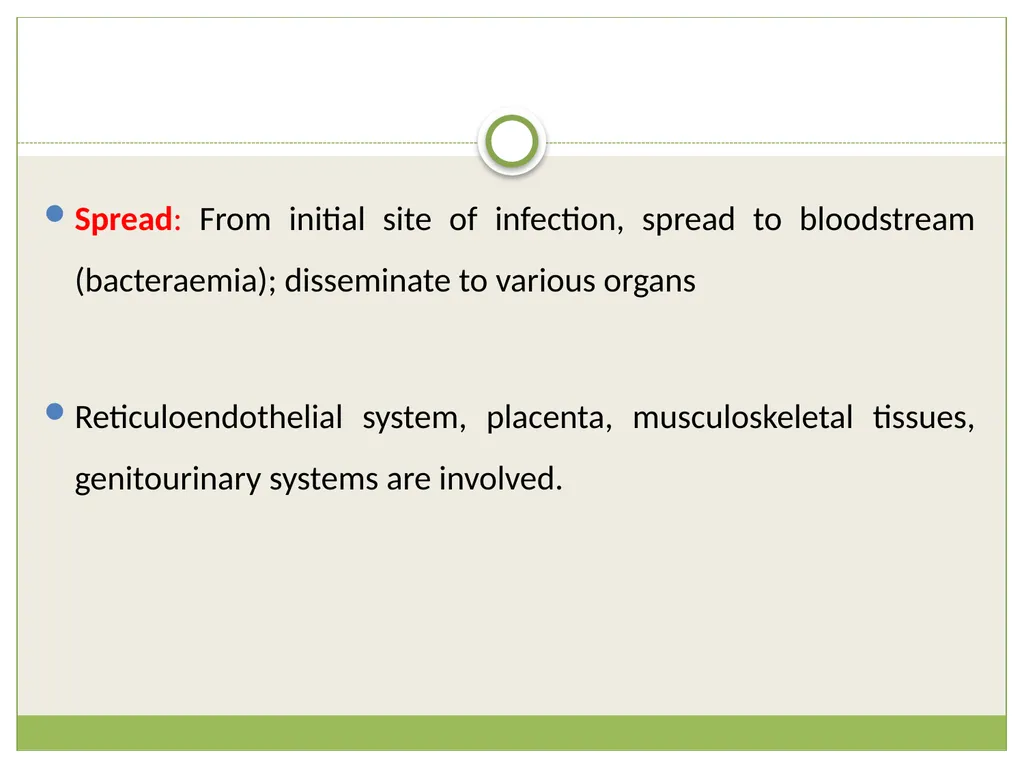
slide7. Spread: From initial site of infection, spread to bloodstream (bacteraemia); disseminate to various organs
Reticuloendothelial system, placenta, musculoskeletal tissues, genitourinary systems are involved.<br>
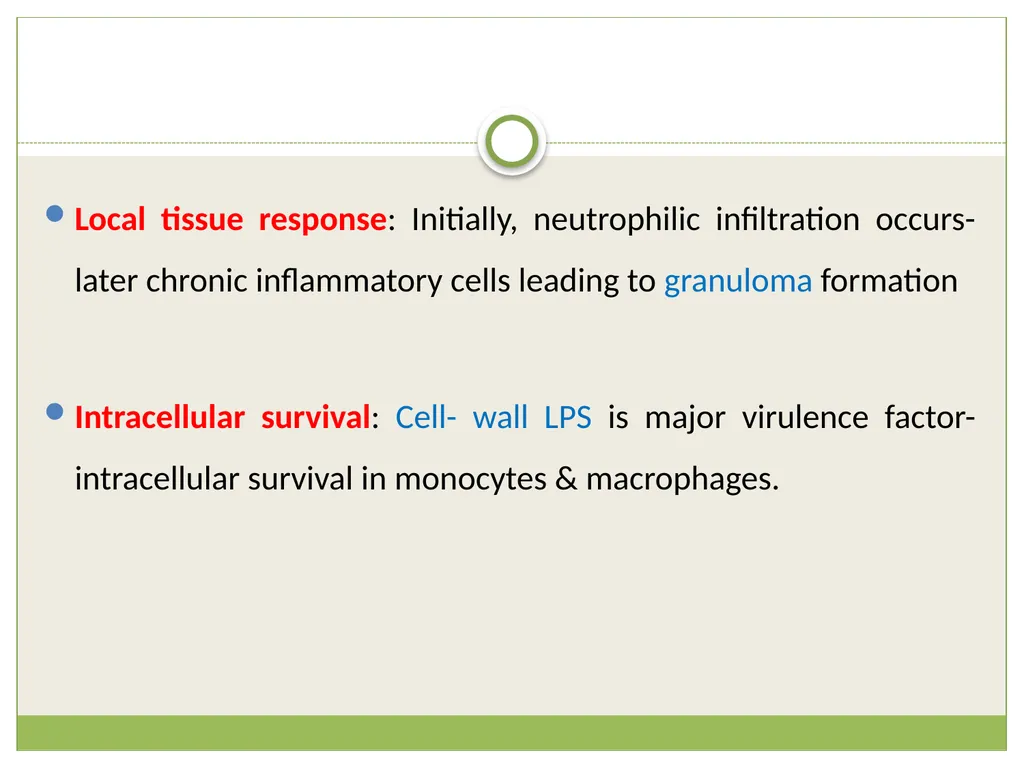
slide8. Local tissue response: Initially, neutrophilic infiltration occurs- later chronic inflammatory cells leading to granuloma formation
Intracellular survival: Cell- wall LPS is major virulence factor- intracellular survival in monocytes & macrophages.<br>
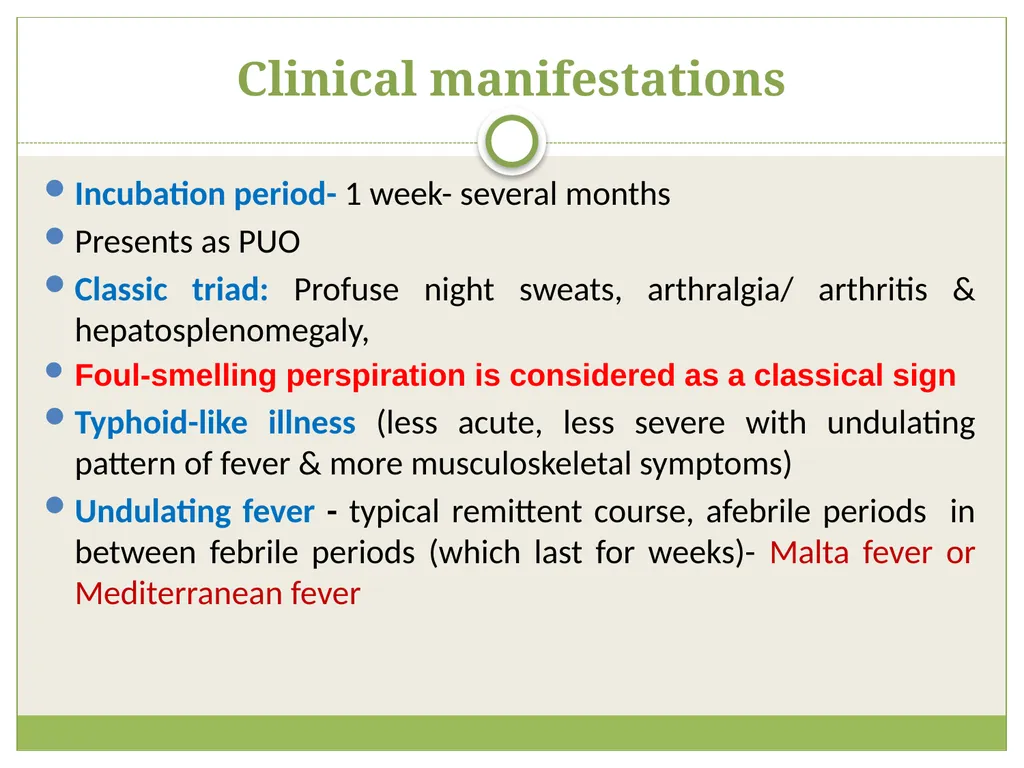
slide9. Clinical manifestations Incubation period- 1 week- several months
Presents as PUO
Classic triad: Profuse night sweats, arthralgia/ arthritis & hepatosplenomegaly,
Foul-smelling perspiration is considered as a classical sign
Typhoid-like illness (less acute, less severe with undulating pattern of fever & more musculoskeletal symptoms)
Undulating fever - typical remittent course, afebrile periods in between febrile periods (which last for weeks)- Malta fever or Mediterranean fever<br>
slide10. Musculoskeletal symptoms (Vertebral osteomyelitis or Septic arthritis)
Other nonspecific symptoms - abdominal pain, headache, diarrhea, etc<br>
slide11. Epidemiology Zoonotic disease, worldwide
Endemic area: Areas where animals are raised in large numbers. In India it is established endemic disease in all states of India.<br>
slide12. Sources of infection:
Infected animals excreting organisms in urine, milk, placenta or vaginal discharge
Contaminated animal food products- dairy products, soft cheeses, milk, ice cream, raw meats
Occupational risk- farmers, shepherds, butchers in endemic areas<br>
slide13. Laboratory diagnosis 1. Specimens: Blood, bone marrow, CSF, joint fluid, other tissue
2. Blood culture: multiple blood culture over 3 d gives better result
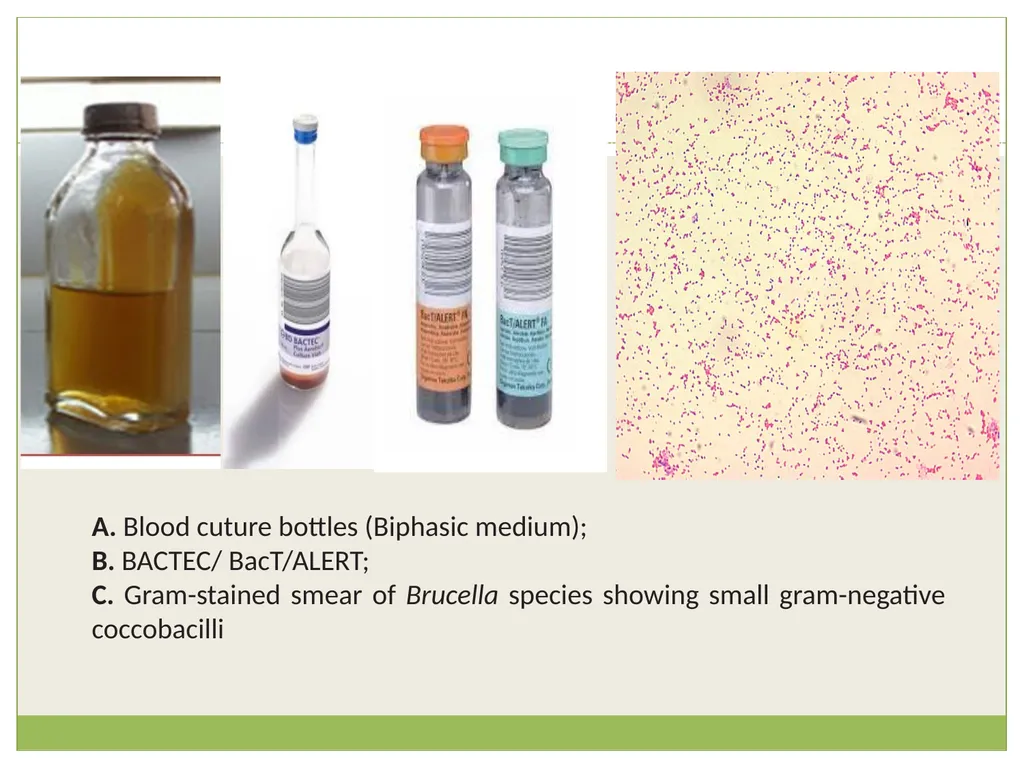
Castaneda’s biphasic media (BHI broth/agar)- culture for atleast 21 d in 5-10% CO2 at 37C
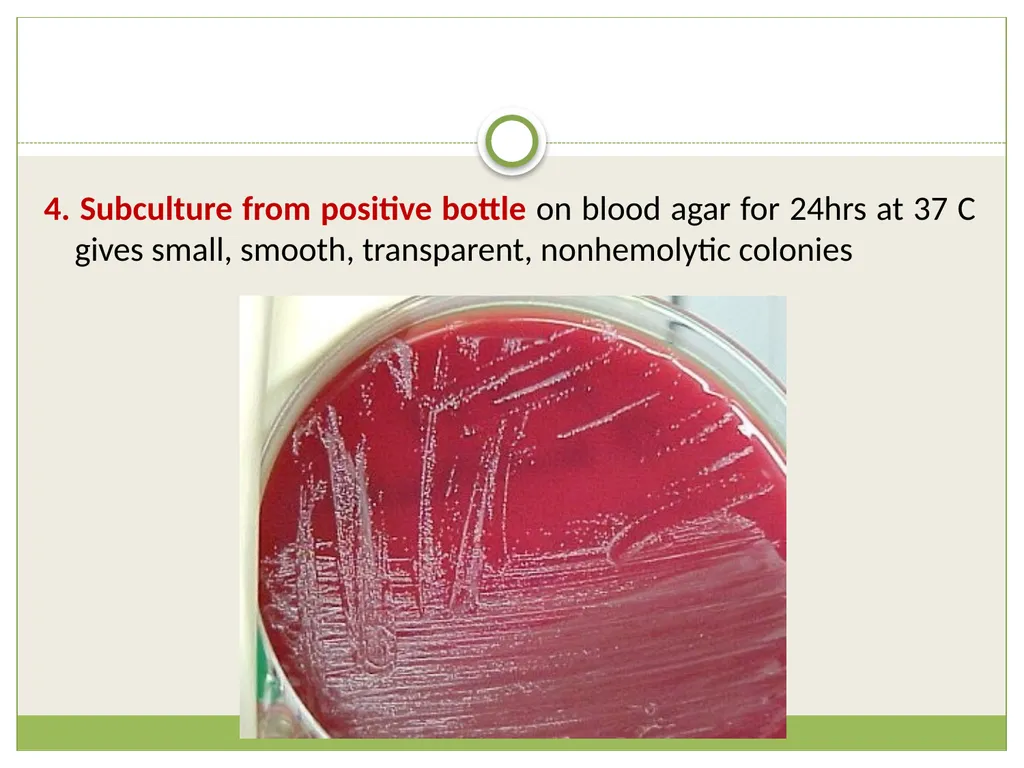
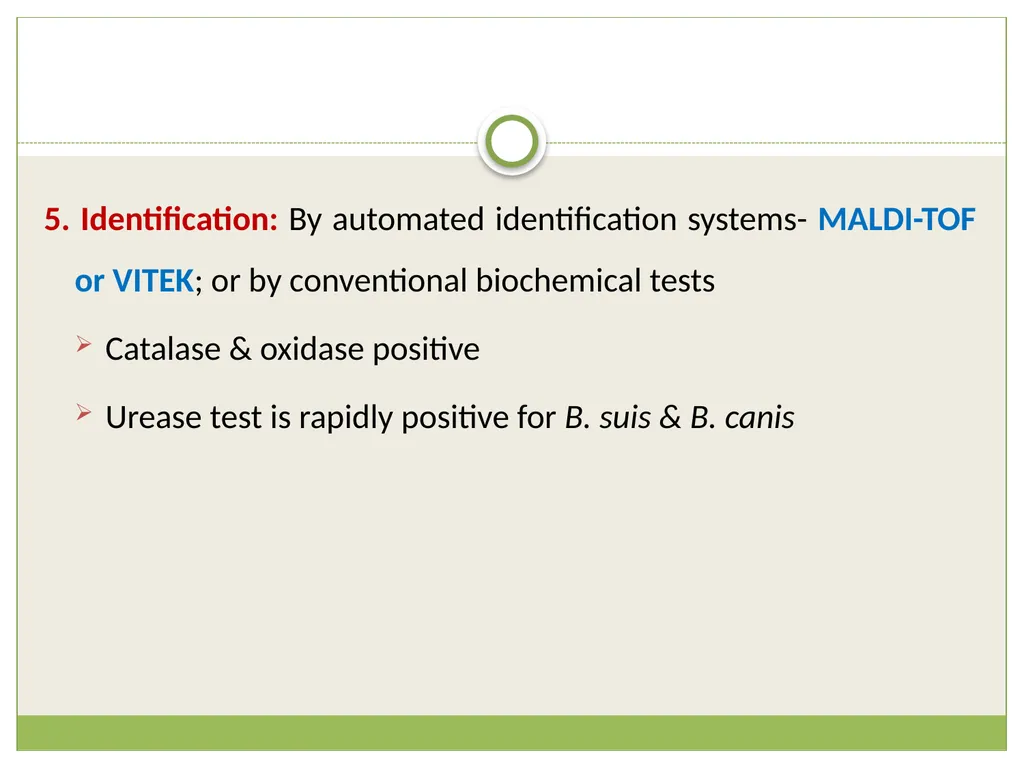
Automated techniques such as BACTEC or BacT/ALERT- result in 7 d<br>
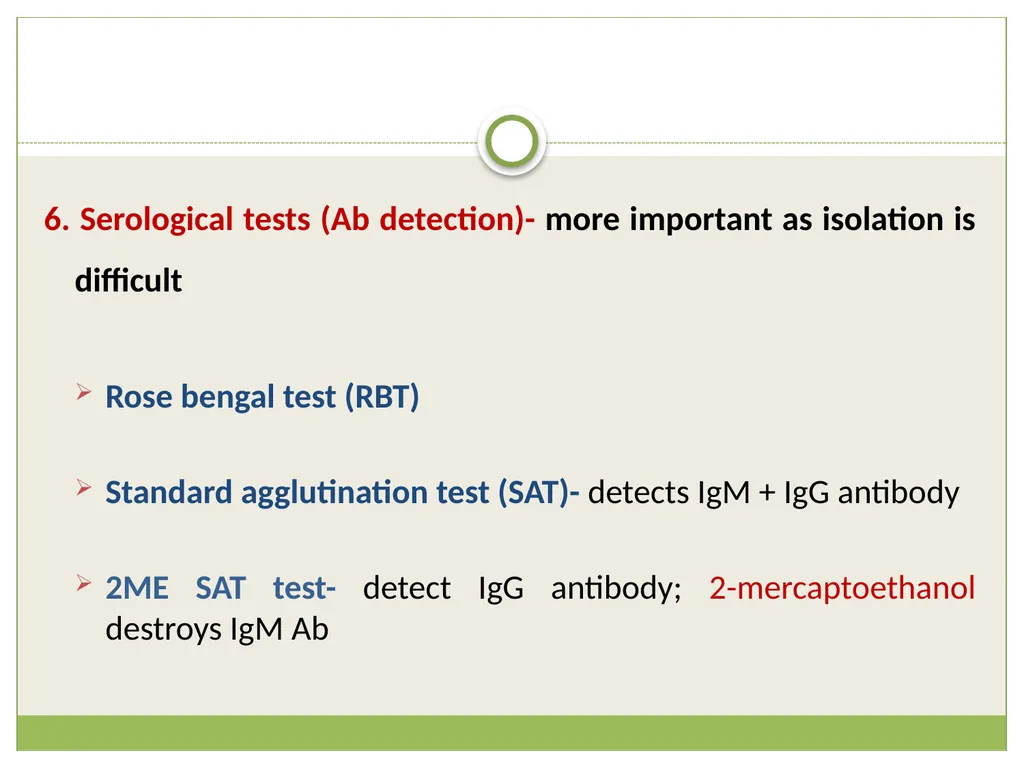
slide14. 3. Culture smear and motility testing: non-motile, gram-negative coccobacilli
* Biosafety precautions: highly infectious pathogen, all laboratory procedures should be carried out with adequate biosafety precautions (level 3 biocontainment)<br>
slide15. A. Blood cuture bottles (Biphasic medium);
B. BACTEC/ BacT/ALERT;
C. Gram-stained smear of Brucella species showing small gram-negative coccobacilli<br>
slide16. 4. Subculture from positive bottle on blood agar for 24hrs at 37 C gives small, smooth, transparent, nonhemolytic colonies<br>
slide17. 5. Identification: By automated identification systems- MALDI-TOF or VITEK; or by conventional biochemical tests
Catalase & oxidase positive
Urease test is rapidly positive for B. suis & B. canis<br>
slide18. 6. Serological tests (Ab detection)- more important as isolation is difficult
Rose bengal test (RBT)
Standard agglutination test (SAT)- detects IgM + IgG antibody
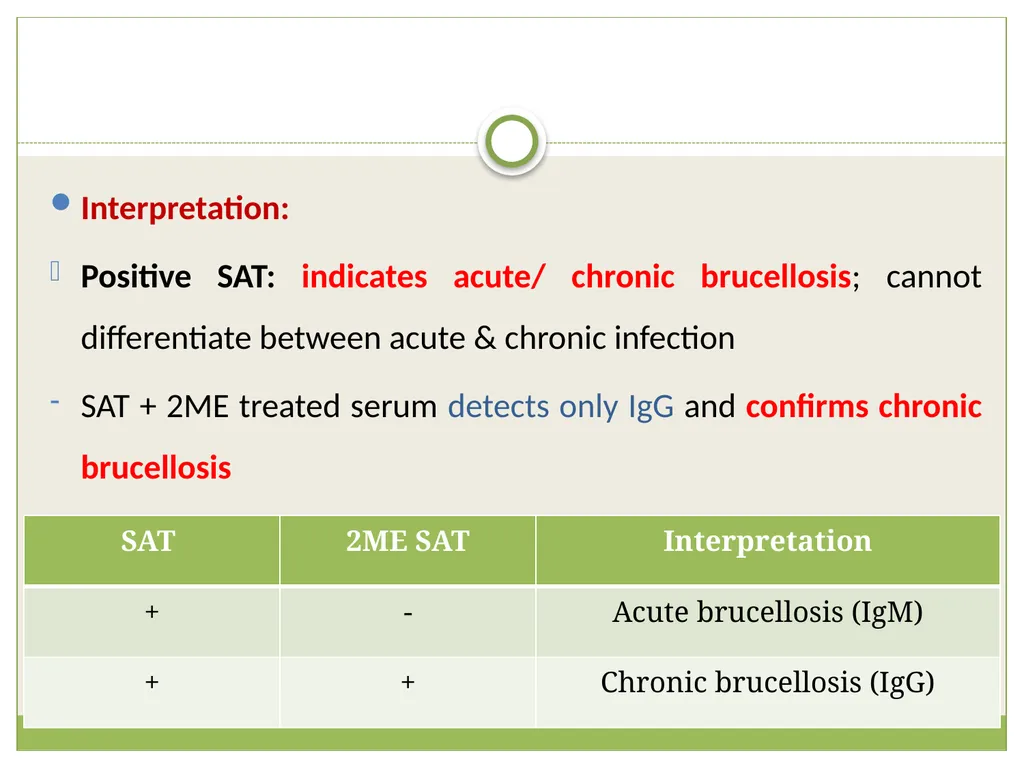
2ME SAT test- detect IgG antibody; 2-mercaptoethanol destroys IgM Ab<br>
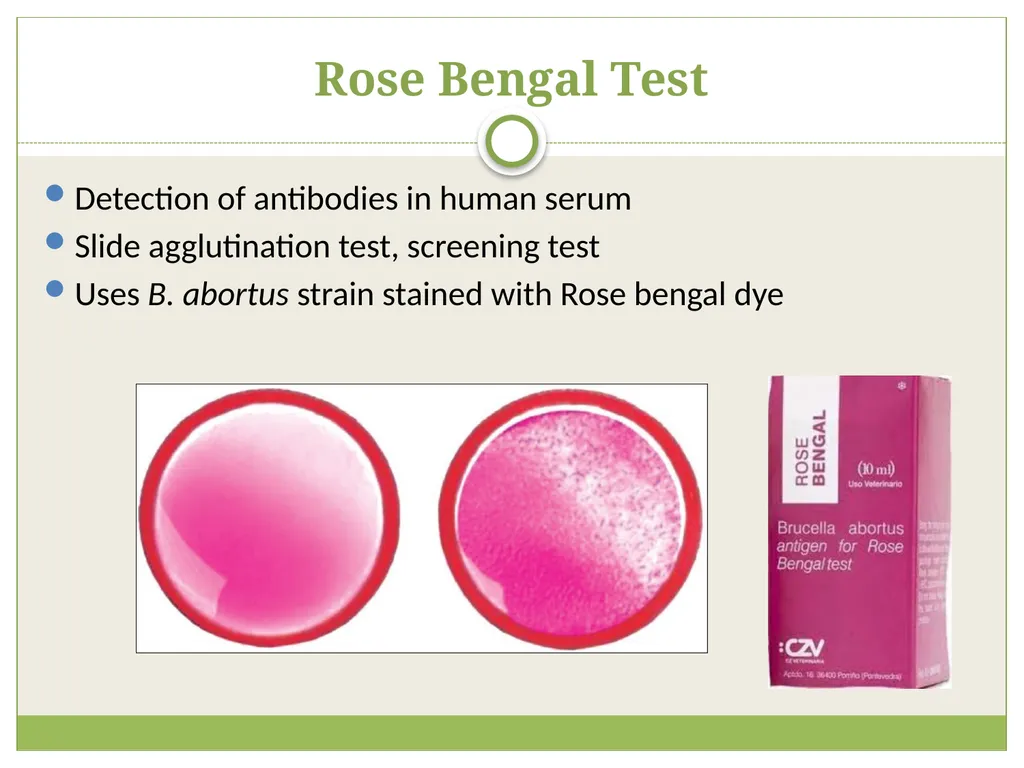
slide19. Rose Bengal Test Detection of antibodies in human serum
Slide agglutination test, screening test
Uses B. abortus strain stained with Rose bengal dye<br>
slide20. Standard agglutination test (SAT) - gold standard serological test Procedure: Tube agglutination test & detects antibodies against LPS antigen of B. abortus. Serial dilutions of patient’s sera are mixed with killed suspension of B. abortus and incubated at 37°C for 48 hours (like Widal test)
Positive test:
In nonendemic areas- titre of ≥ 1:160 + clinical manifestations is significant
In endemic area or following occupational exposure: Titre of ≥1:320 or rising titer after 2-4 weeks is considered diagnostic<br>
slide21. Interpretation:
Positive SAT: indicates acute/ chronic brucellosis; cannot differentiate between acute & chronic infection
SAT + 2ME treated serum detects only IgG and confirms chronic brucellosis<br>
slide22. False-negative SAT: Prozone phenomenon or presence of blocking or non-agglutinating antibodies
False-positive SAT: in infection with other gram-negative bacteria having similar LPS antigen<br>
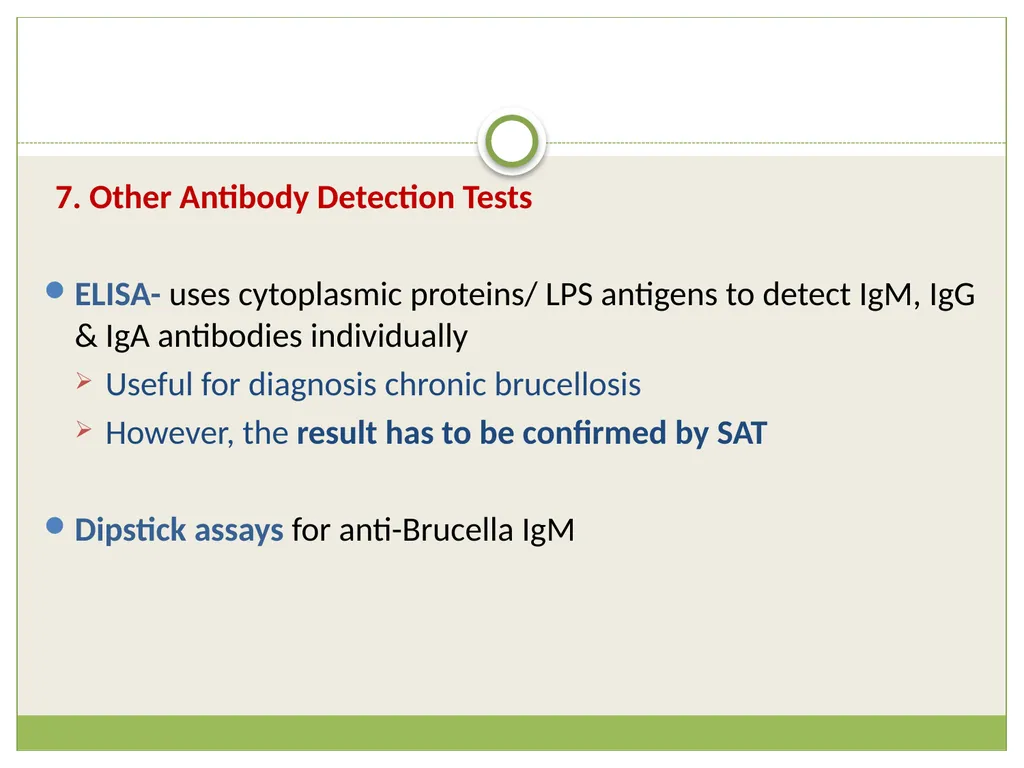
slide23. 7. Other Antibody Detection Tests
ELISA- uses cytoplasmic proteins/ LPS antigens to detect IgM, IgG & IgA antibodies individually
Useful for diagnosis chronic brucellosis
However, the result has to be confirmed by SAT
Dipstick assays for anti-Brucella IgM<br>
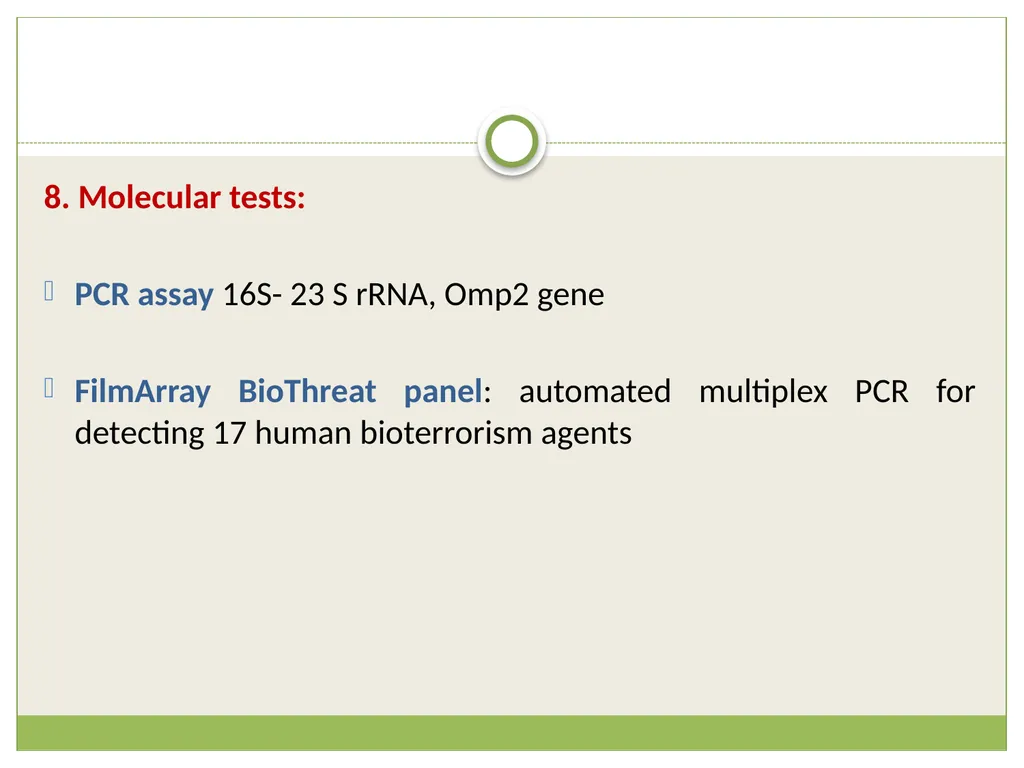
slide24. 8. Molecular tests:
PCR assay 16S- 23 S rRNA, Omp2 gene
FilmArray BioThreat panel: automated multiplex PCR for detecting 17 human bioterrorism agents<br>
slide25. Diagnosis of Brucellosis in animals Milk ring test
Rose Bengal card test Detecting antibodies in infected milk
ELISA<br>
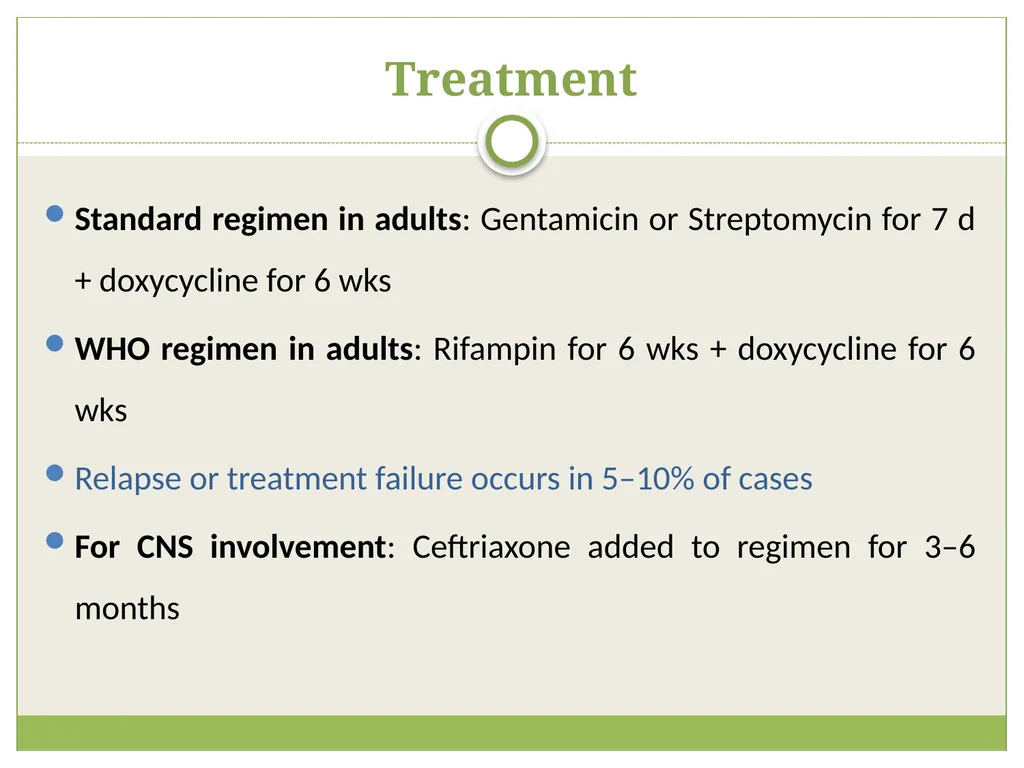
slide26. Treatment Standard regimen in adults: Gentamicin or Streptomycin for 7 d + doxycycline for 6 wks
WHO regimen in adults: Rifampin for 6 wks + doxycycline for 6 wks
Relapse or treatment failure occurs in 5–10% of cases
For CNS involvement: Ceftriaxone added to regimen for 3–6 months<br>
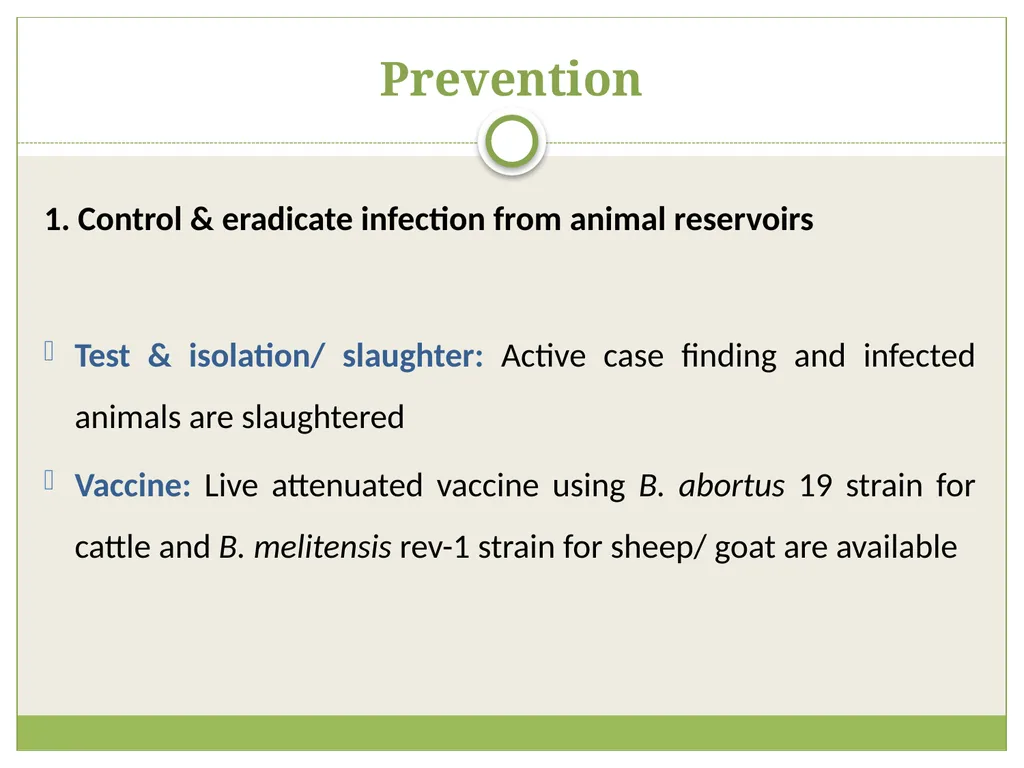
slide27. Prevention 1. Control & eradicate infection from animal reservoirs
Test & isolation/ slaughter: Active case finding and infected animals are slaughtered
Vaccine: Live attenuated vaccine using B. abortus 19 strain for cattle and B. melitensis rev-1 strain for sheep/ goat are available<br>
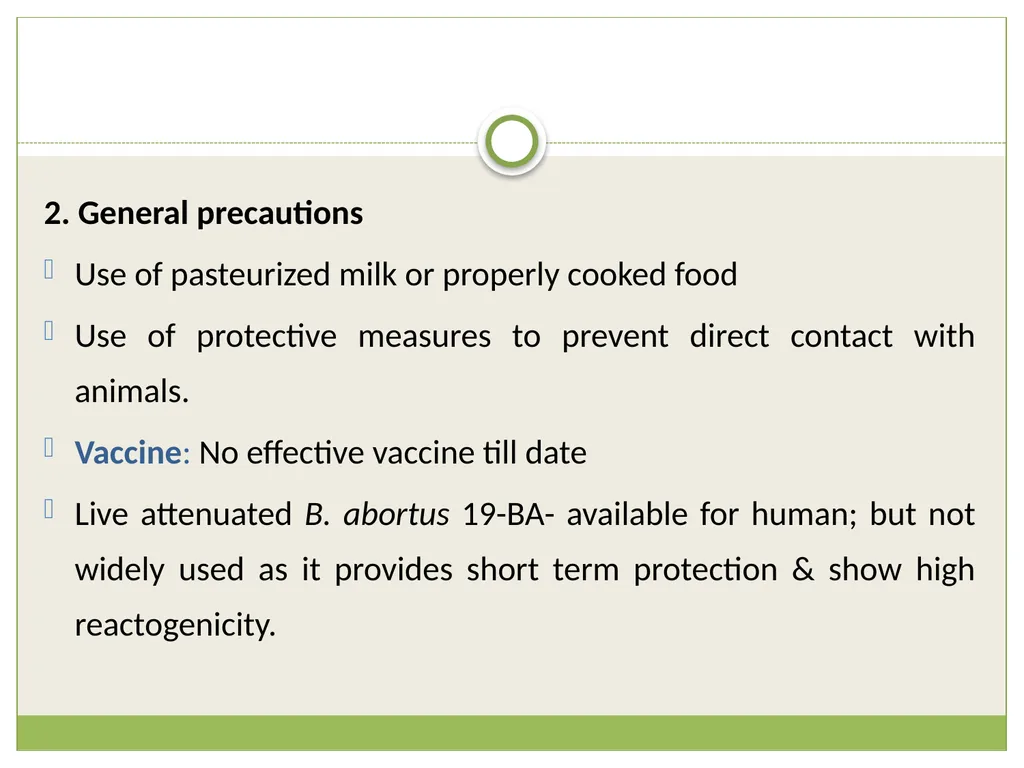
slide28. 2. General precautions
Use of pasteurized milk or properly cooked food
Use of protective measures to prevent direct contact with animals.
Vaccine: No effective vaccine till date
Live attenuated B. abortus 19-BA- available for human; but not widely used as it provides short term protection & show high reactogenicity.<br>

slide29. THANK YOU !!!<br>
slide2. Introduction Brucella is an obligate aerobe, fastidious, small gram-negative coccobacillus
Brucellosis (undulant fever)- zoonotic disease (sheep, goat, cattle)
Human infection- associated with occupational/ domestic exposure to infected animals/ products<br>
slide3. History 1886- Sir David Bruce- British army physician isolated- Brucella melitensis bacteria from spleen of a British solider & named Micrococcus melitensis
1917- Renamed Brucella in honour of Bruce<br>
slide4. Classification Family Brucellaceae
Species associated with human infections
B. melitensis -pathogenic to sheep, goat, camel, man
B. abortus - acquired from cattle, buffalo
B. suis - infects pigs
B. canis – causes abortion in dogs<br>
slide5. Antigenic structure Two types of lipopolysaccharide (LPS) Ag - M & A
Present in varying proportion in species
B. melitensis - M antigen is predominant
B. abortus - A antigen is predominant
B. suis - either M or A antigens<br>
slide6. Pathogenesis Transmission: From infected animals to man:
Direct contact- m.c; direct contact of abraded skin/ mucosa with infected animal tissue, blood, urine, vaginal discharge or placenta
Food-borne - unpasteurized milk or dairy products or undercooked meat
Air-borne - inhalation of dust or aerosols in infected cowshed or slaughterhouses
Person-to-person- breast milk or tissue transplantation or blood transfusions<br>
slide7. Spread: From initial site of infection, spread to bloodstream (bacteraemia); disseminate to various organs
Reticuloendothelial system, placenta, musculoskeletal tissues, genitourinary systems are involved.<br>
slide8. Local tissue response: Initially, neutrophilic infiltration occurs- later chronic inflammatory cells leading to granuloma formation
Intracellular survival: Cell- wall LPS is major virulence factor- intracellular survival in monocytes & macrophages.<br>
slide9. Clinical manifestations Incubation period- 1 week- several months
Presents as PUO
Classic triad: Profuse night sweats, arthralgia/ arthritis & hepatosplenomegaly,
Foul-smelling perspiration is considered as a classical sign
Typhoid-like illness (less acute, less severe with undulating pattern of fever & more musculoskeletal symptoms)
Undulating fever - typical remittent course, afebrile periods in between febrile periods (which last for weeks)- Malta fever or Mediterranean fever<br>
slide10. Musculoskeletal symptoms (Vertebral osteomyelitis or Septic arthritis)
Other nonspecific symptoms - abdominal pain, headache, diarrhea, etc<br>
slide11. Epidemiology Zoonotic disease, worldwide
Endemic area: Areas where animals are raised in large numbers. In India it is established endemic disease in all states of India.<br>
slide12. Sources of infection:
Infected animals excreting organisms in urine, milk, placenta or vaginal discharge
Contaminated animal food products- dairy products, soft cheeses, milk, ice cream, raw meats
Occupational risk- farmers, shepherds, butchers in endemic areas<br>
slide13. Laboratory diagnosis 1. Specimens: Blood, bone marrow, CSF, joint fluid, other tissue
2. Blood culture: multiple blood culture over 3 d gives better result
Castaneda’s biphasic media (BHI broth/agar)- culture for atleast 21 d in 5-10% CO2 at 37C
Automated techniques such as BACTEC or BacT/ALERT- result in 7 d<br>
slide14. 3. Culture smear and motility testing: non-motile, gram-negative coccobacilli
* Biosafety precautions: highly infectious pathogen, all laboratory procedures should be carried out with adequate biosafety precautions (level 3 biocontainment)<br>
slide15. A. Blood cuture bottles (Biphasic medium);
B. BACTEC/ BacT/ALERT;
C. Gram-stained smear of Brucella species showing small gram-negative coccobacilli<br>
slide16. 4. Subculture from positive bottle on blood agar for 24hrs at 37 C gives small, smooth, transparent, nonhemolytic colonies<br>
slide17. 5. Identification: By automated identification systems- MALDI-TOF or VITEK; or by conventional biochemical tests
Catalase & oxidase positive
Urease test is rapidly positive for B. suis & B. canis<br>
slide18. 6. Serological tests (Ab detection)- more important as isolation is difficult
Rose bengal test (RBT)
Standard agglutination test (SAT)- detects IgM + IgG antibody
2ME SAT test- detect IgG antibody; 2-mercaptoethanol destroys IgM Ab<br>
slide19. Rose Bengal Test Detection of antibodies in human serum
Slide agglutination test, screening test
Uses B. abortus strain stained with Rose bengal dye<br>
slide20. Standard agglutination test (SAT) - gold standard serological test Procedure: Tube agglutination test & detects antibodies against LPS antigen of B. abortus. Serial dilutions of patient’s sera are mixed with killed suspension of B. abortus and incubated at 37°C for 48 hours (like Widal test)
Positive test:
In nonendemic areas- titre of ≥ 1:160 + clinical manifestations is significant
In endemic area or following occupational exposure: Titre of ≥1:320 or rising titer after 2-4 weeks is considered diagnostic<br>
slide21. Interpretation:
Positive SAT: indicates acute/ chronic brucellosis; cannot differentiate between acute & chronic infection
SAT + 2ME treated serum detects only IgG and confirms chronic brucellosis<br>
slide22. False-negative SAT: Prozone phenomenon or presence of blocking or non-agglutinating antibodies
False-positive SAT: in infection with other gram-negative bacteria having similar LPS antigen<br>
slide23. 7. Other Antibody Detection Tests
ELISA- uses cytoplasmic proteins/ LPS antigens to detect IgM, IgG & IgA antibodies individually
Useful for diagnosis chronic brucellosis
However, the result has to be confirmed by SAT
Dipstick assays for anti-Brucella IgM<br>
slide24. 8. Molecular tests:
PCR assay 16S- 23 S rRNA, Omp2 gene
FilmArray BioThreat panel: automated multiplex PCR for detecting 17 human bioterrorism agents<br>
slide25. Diagnosis of Brucellosis in animals Milk ring test
Rose Bengal card test Detecting antibodies in infected milk
ELISA<br>
slide26. Treatment Standard regimen in adults: Gentamicin or Streptomycin for 7 d + doxycycline for 6 wks
WHO regimen in adults: Rifampin for 6 wks + doxycycline for 6 wks
Relapse or treatment failure occurs in 5–10% of cases
For CNS involvement: Ceftriaxone added to regimen for 3–6 months<br>
slide27. Prevention 1. Control & eradicate infection from animal reservoirs
Test & isolation/ slaughter: Active case finding and infected animals are slaughtered
Vaccine: Live attenuated vaccine using B. abortus 19 strain for cattle and B. melitensis rev-1 strain for sheep/ goat are available<br>
slide28. 2. General precautions
Use of pasteurized milk or properly cooked food
Use of protective measures to prevent direct contact with animals.
Vaccine: No effective vaccine till date
Live attenuated B. abortus 19-BA- available for human; but not widely used as it provides short term protection & show high reactogenicity.<br>
slide29. THANK YOU !!!<br>