Cloud Computing Cloud Security infrastructure and data Keke Chen overview Infrastructure security Infrastructure IaaS, PaaS, and SaaS Focus on public clouds No special security problems with private clouds traditional security problems
"Cloud Computing Cloud Security– infrastructure and" is the property of its rightful owner. Permission is granted to
download and print the materials on this website for personal, non-commercial use only, and to display it
on your personal computer provided you do not modify the materials and that you retain all copyright
notices contained in the materials. By downloading content from our website, you accept the terms of this
agreement.
Presentation Transcript
01
Cloud Computing Cloud Security– infrastructure and data
Keke Chen<br>
02
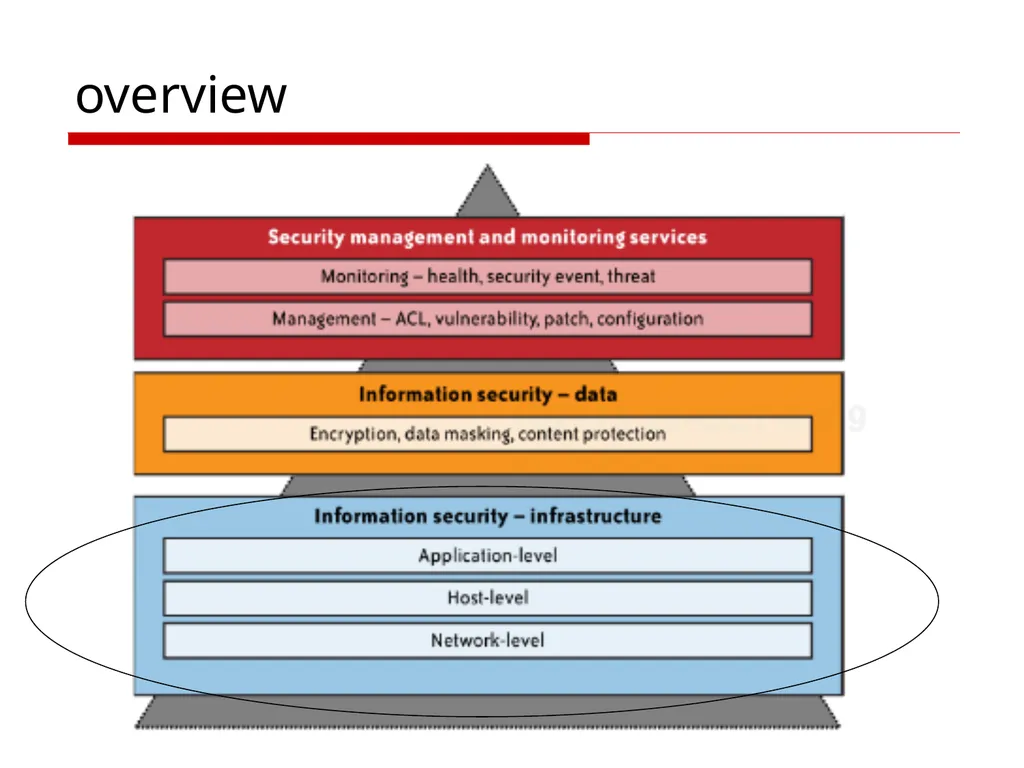
overview<br>
03
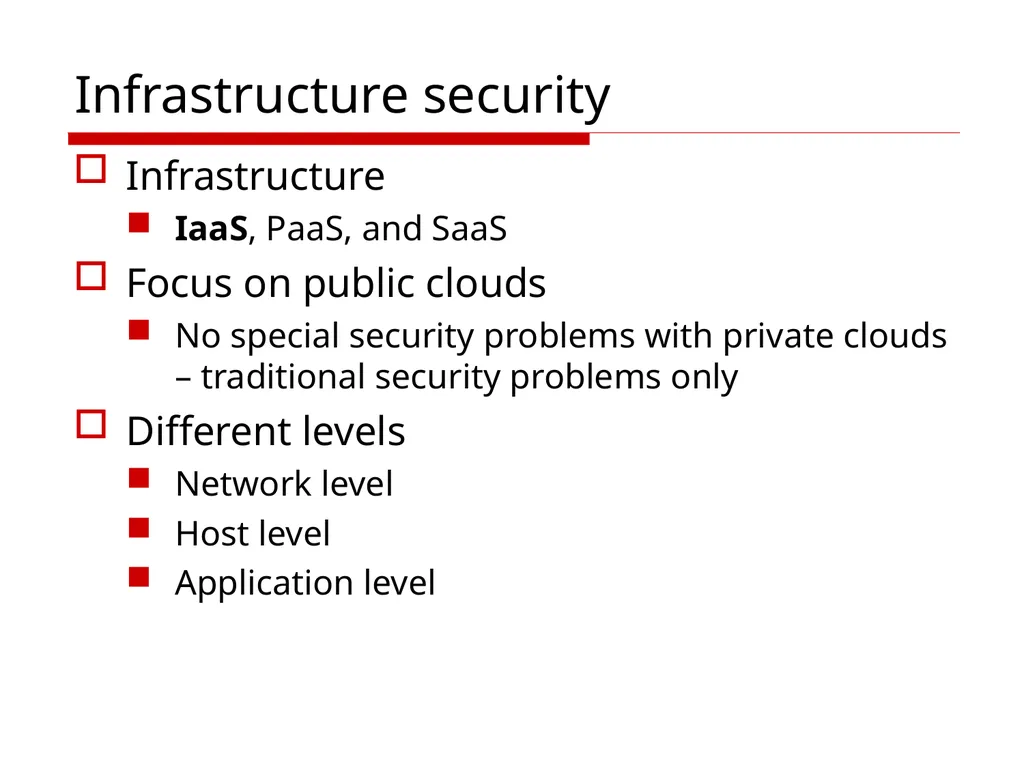
Infrastructure security Infrastructure
IaaS, PaaS, and SaaS
Focus on public clouds
No special security problems with private clouds – traditional security problems only
Different levels
Network level
Host level
Application level<br>
04
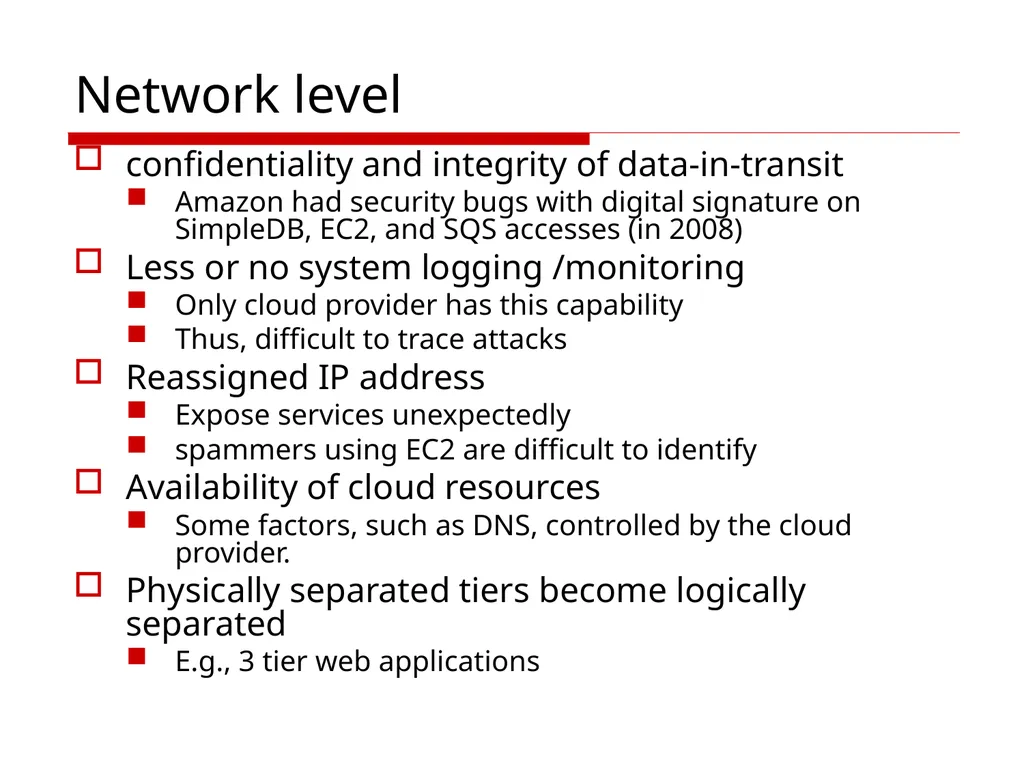
Network level confidentiality and integrity of data-in-transit
Amazon had security bugs with digital signature on SimpleDB, EC2, and SQS accesses (in 2008)
Less or no system logging /monitoring
Only cloud provider has this capability
Thus, difficult to trace attacks
Reassigned IP address
Expose services unexpectedly
spammers using EC2 are difficult to identify
Availability of cloud resources
Some factors, such as DNS, controlled by the cloud provider.
Physically separated tiers become logically separated
E.g., 3 tier web applications<br>
05
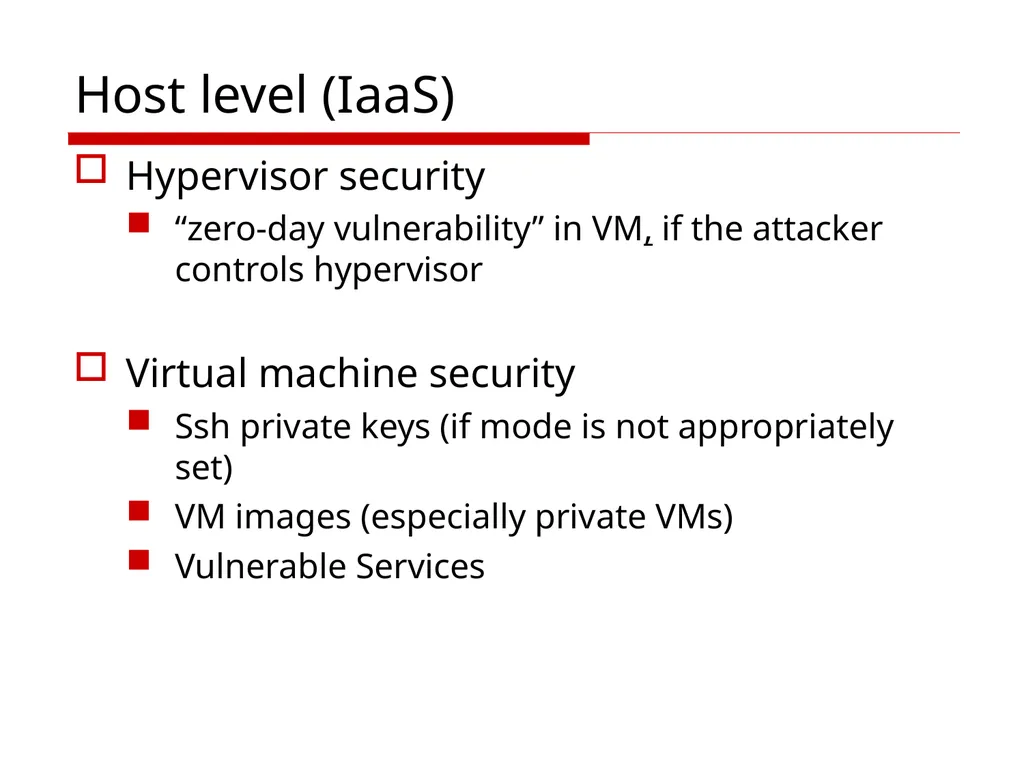
Host level (IaaS) Hypervisor security
“zero-day vulnerability” in VM, if the attacker controls hypervisor
Virtual machine security
Ssh private keys (if mode is not appropriately set)
VM images (especially private VMs)
Vulnerable Services<br>
06
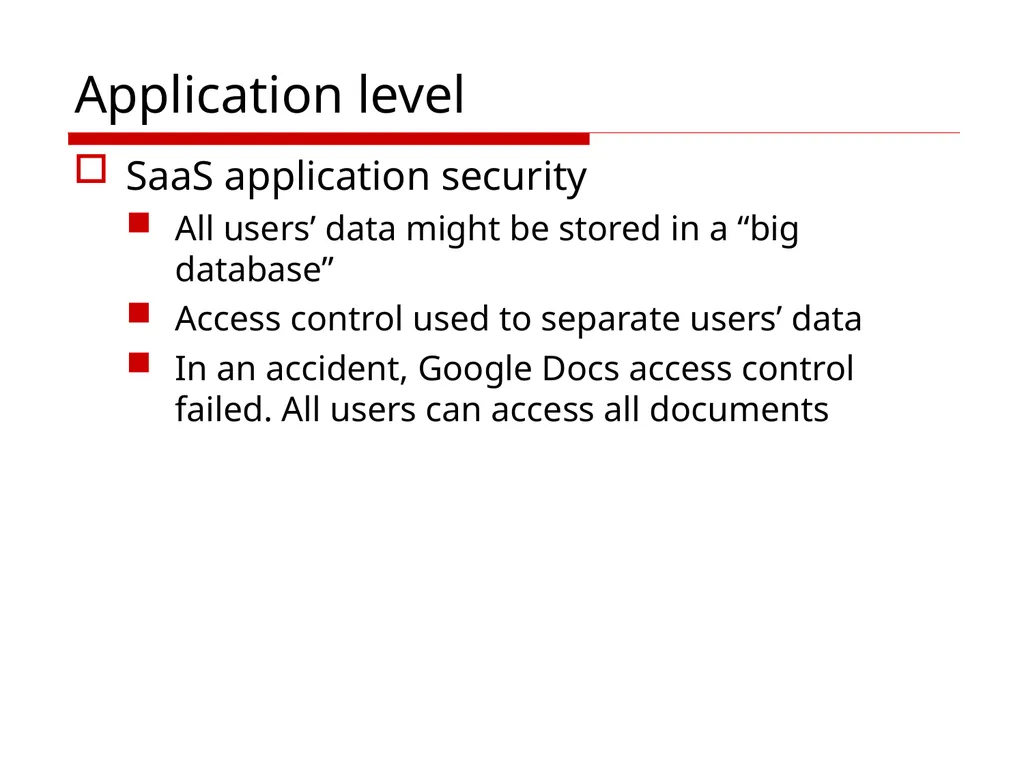
Application level SaaS application security
All users’ data might be stored in a “big database”
Access control used to separate users’ data
In an accident, Google Docs access control failed. All users can access all documents<br>
07
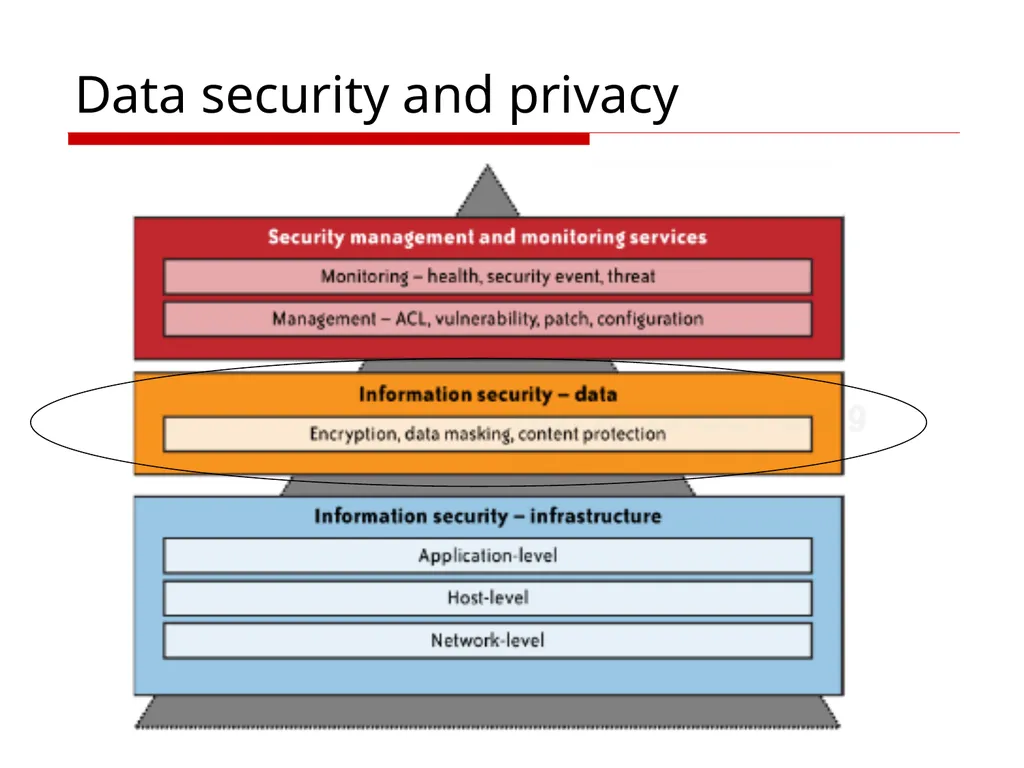
Data security and privacy<br>
08
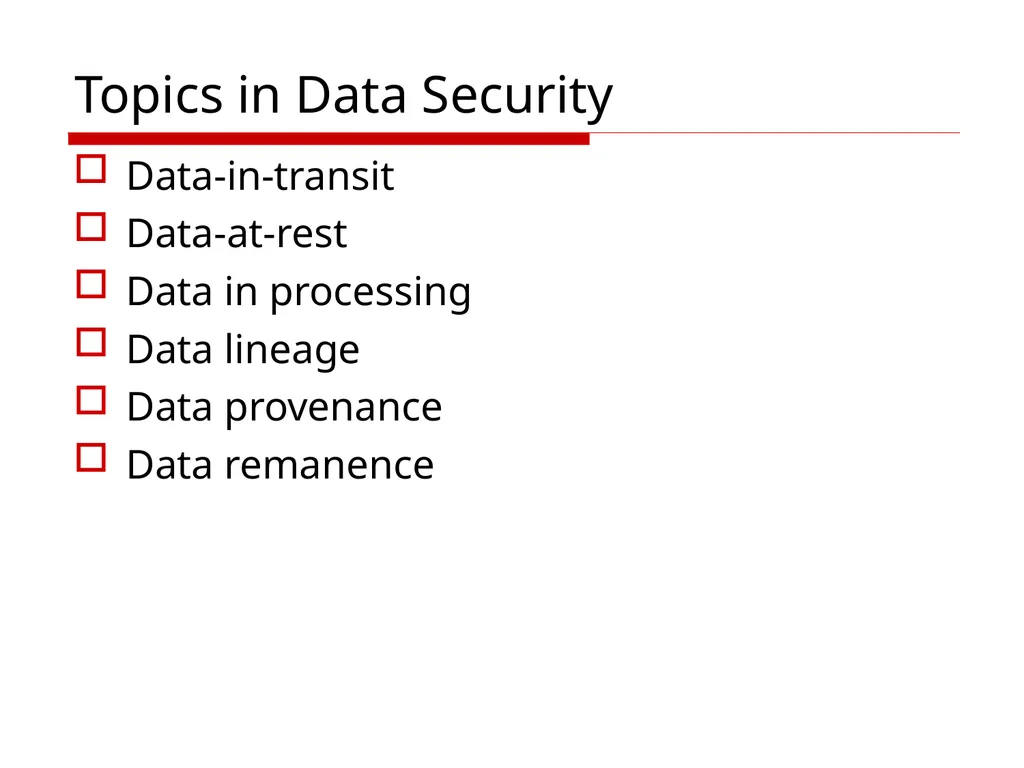
Topics in Data Security Data-in-transit
Data-at-rest
Data in processing
Data lineage
Data provenance
Data remanence<br>
09
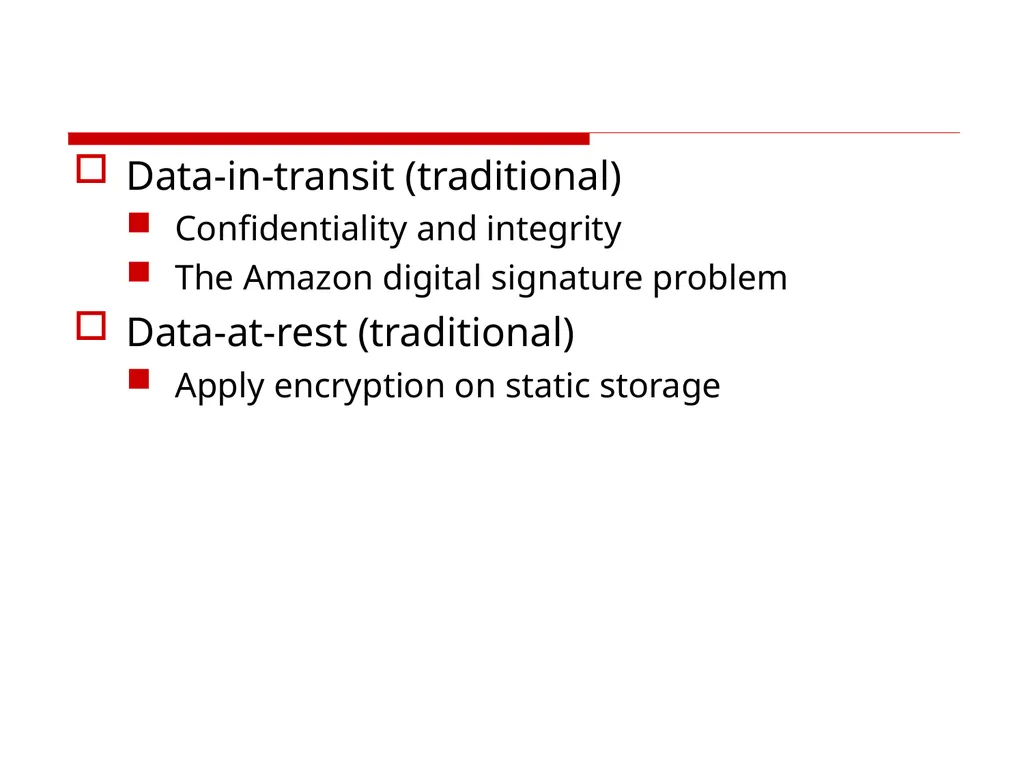
Data-in-transit (traditional)
Confidentiality and integrity
The Amazon digital signature problem
Data-at-rest (traditional)
Apply encryption on static storage<br>
10
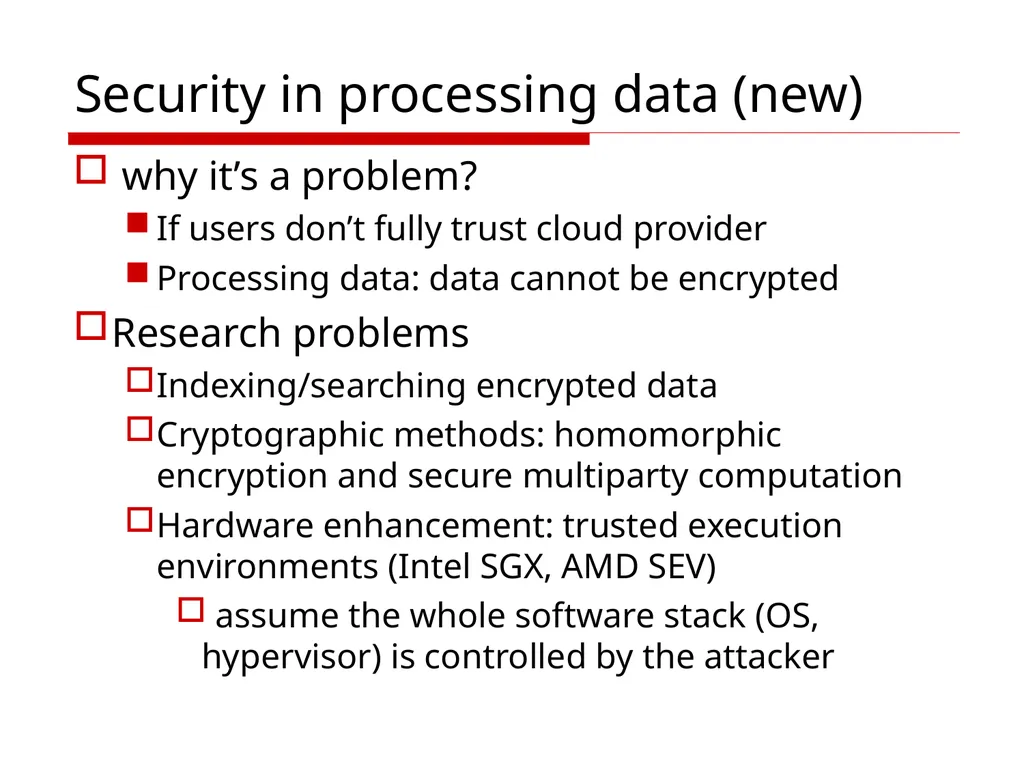
Security in processing data (new) why it’s a problem?
If users don’t fully trust cloud provider
Processing data: data cannot be encrypted
Research problems
Indexing/searching encrypted data
Cryptographic methods: homomorphic encryption and secure multiparty computation
Hardware enhancement: trusted execution environments (Intel SGX, AMD SEV)
assume the whole software stack (OS, hypervisor) is controlled by the attacker<br>
11
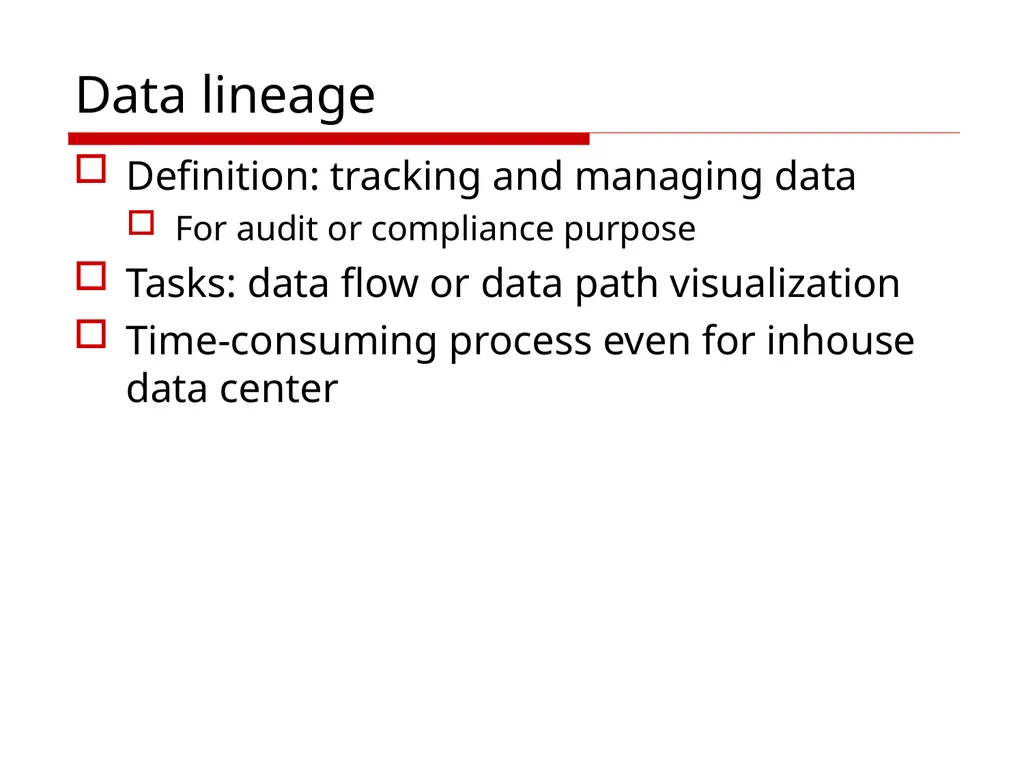
Data lineage Definition: tracking and managing data
For audit or compliance purpose
Tasks: data flow or data path visualization
Time-consuming process even for inhouse data center<br>
12
Data provenance Origin/ownership of data
Verify the authority of data
Trace the responsibility
e.g., important for financial, research, and medical data
Difficult to prove data provenance in a cloud computing scenario
If cloud provider is not trusted
If many users can contribute their data to a central data repository<br>
13
Data remanence (secure deletion) Data left intact by a nominal delete operation
In many DBMSs and file systems, data is deleted by flagging it.
Lead to possible disclosure of sensitive information
Department of Defense: National Industrial security program operating manual
Defines data clearing and sanitization<br>
14
Provider’s data and its security The provider collects a huge amount of security-related data
Data possibly related to service users
If not managed well, it is a big threat to users’ security
Users may choose not to trust the provider
Concept of confidential computing with trusted execution environments<br>