
Common dermatological disorders in pediatrics







Description: Common dermatological disorders in pediatrics Contents Introduction Symptoms and signs of skin disorders Causes of skin disorders Common skin disorders in pediatrics Treatment of skin disorders Preventing skin disorders References
Related Topics
Download Presentation
"Common dermatological disorders in pediatrics" is the property of its rightful owner. Permission is granted to download and print the materials on this website for personal, non-commercial use only, and to display it on your personal computer provided you do not modify the materials and that you retain all copyright notices contained in the materials. By downloading content from our website, you accept the terms of this agreement.
Presentation Transcript
slide2. Common dermatological disorders in pediatrics<br>
slide3. Contents Introduction
Symptoms and signs of skin disorders
Causes of skin disorders
Common skin disorders in pediatrics
Treatment of skin disorders
Preventing skin disorders
References<br>
slide4. Introduction Skin disorders vary greatly in symptoms and severity.
They can be temporary or permanent.
may be painless or painful.
Some skin conditions are minor, and others can be life-threatening.<br>
slide5. introduction Many childhood skin problems disappear with age, but children can also inherit permanent skin disorders.
Not all skin disorder indicate serious problem<br>
slide6. Symptoms and signs of skin disorders<br>
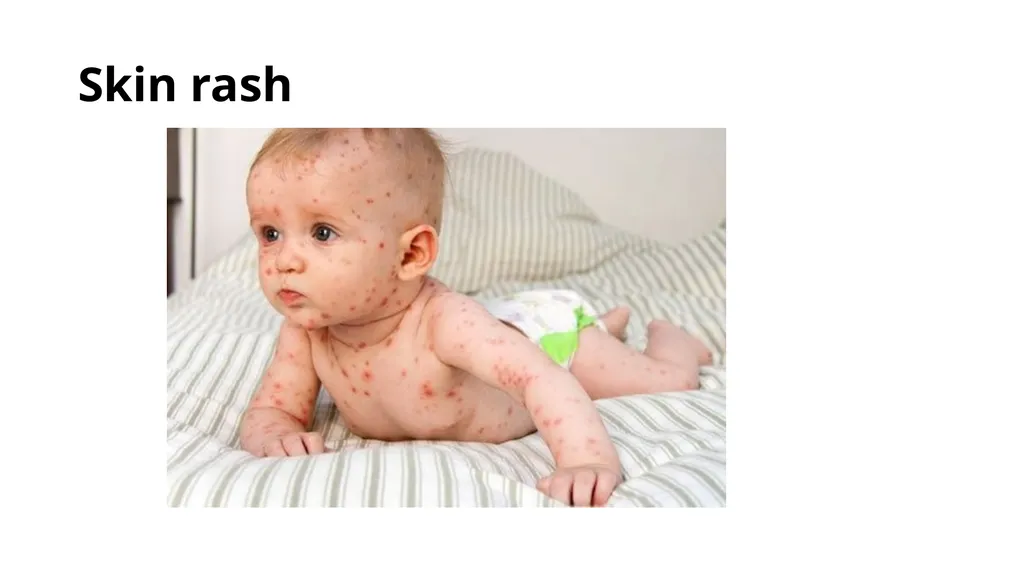
slide7. Symptoms and signs of skin disorders a rash, which might be painful or itchy
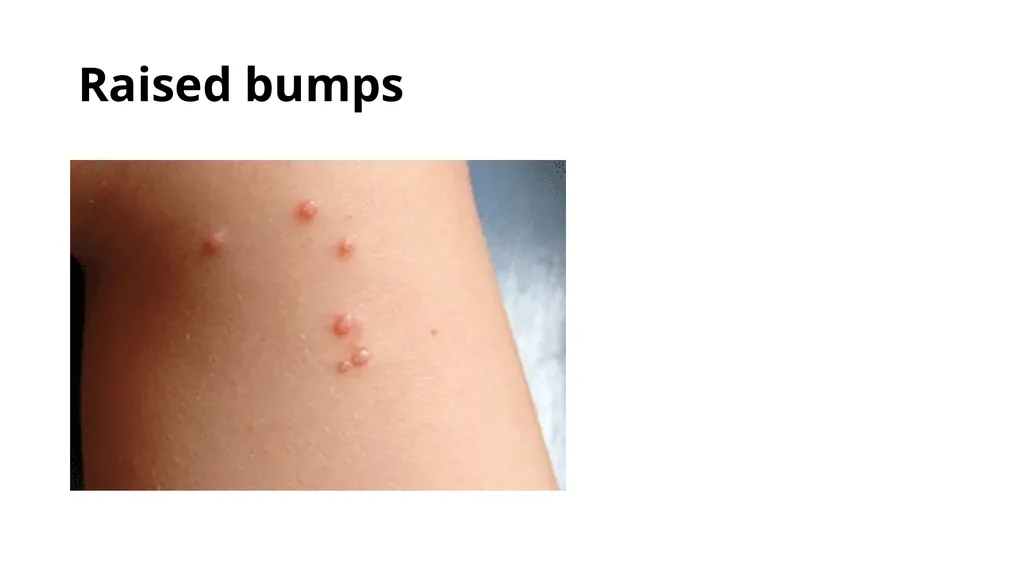
raised bumps that are red or white
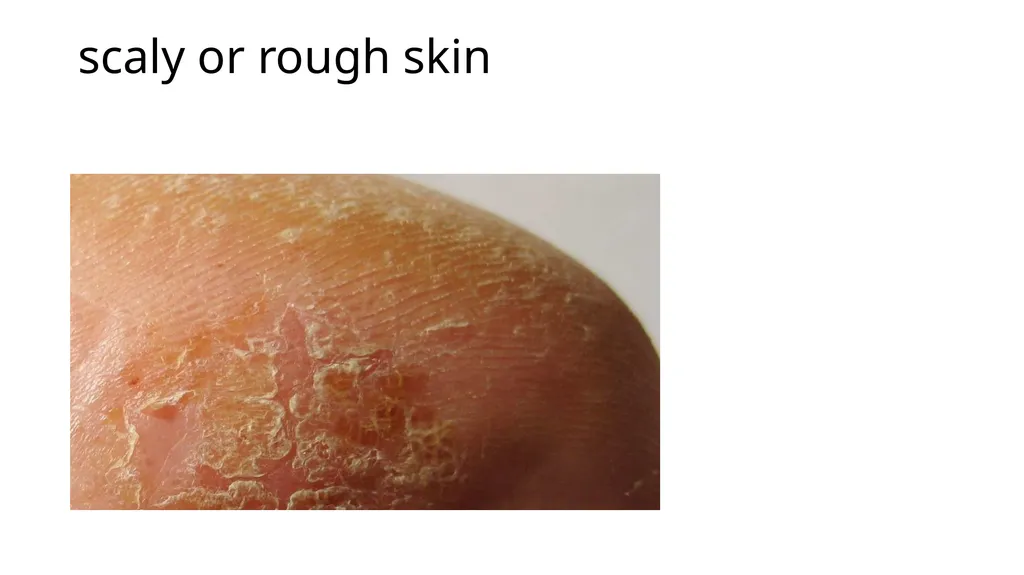
scaly or rough skin
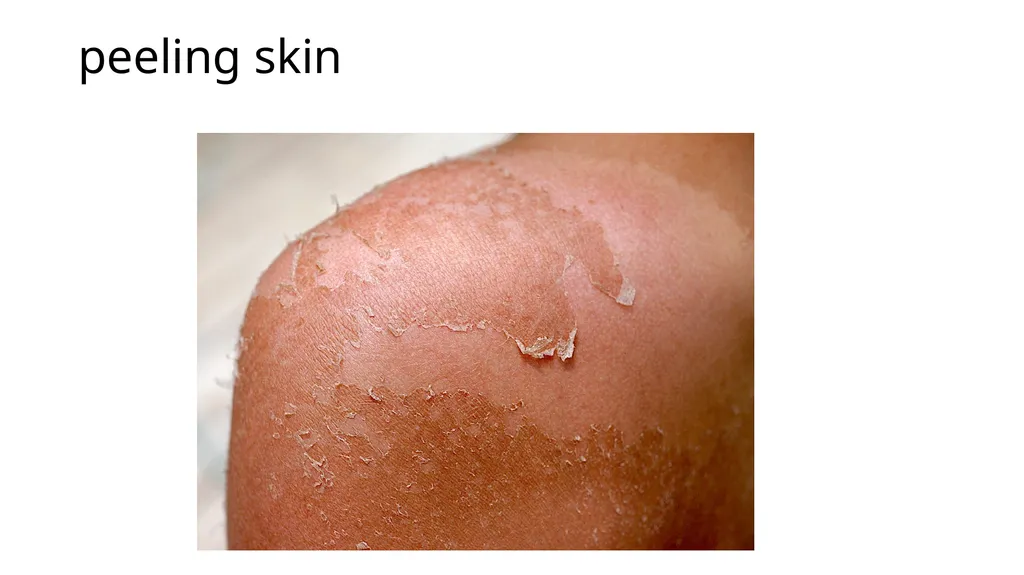
peeling skin
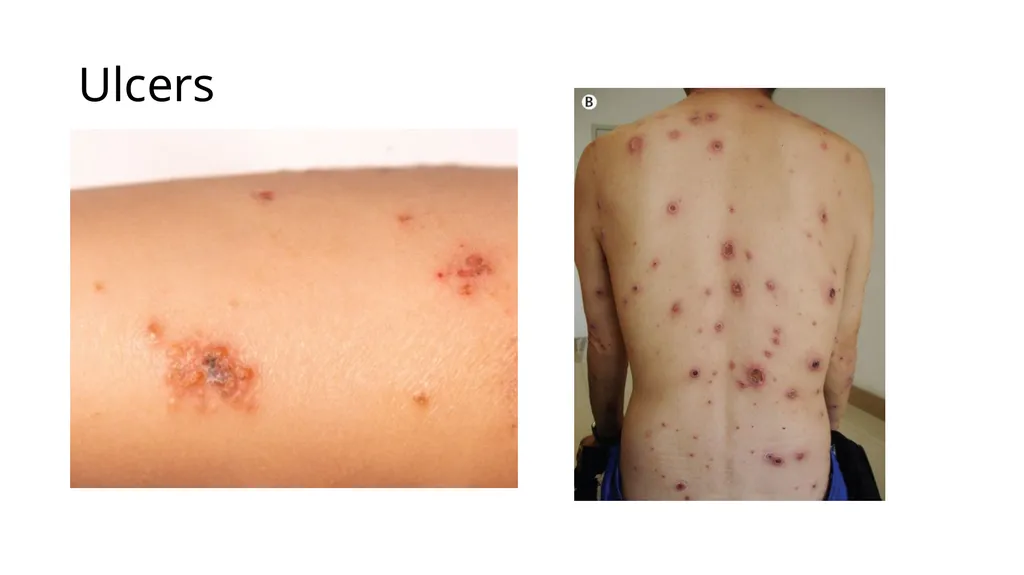
ulcers
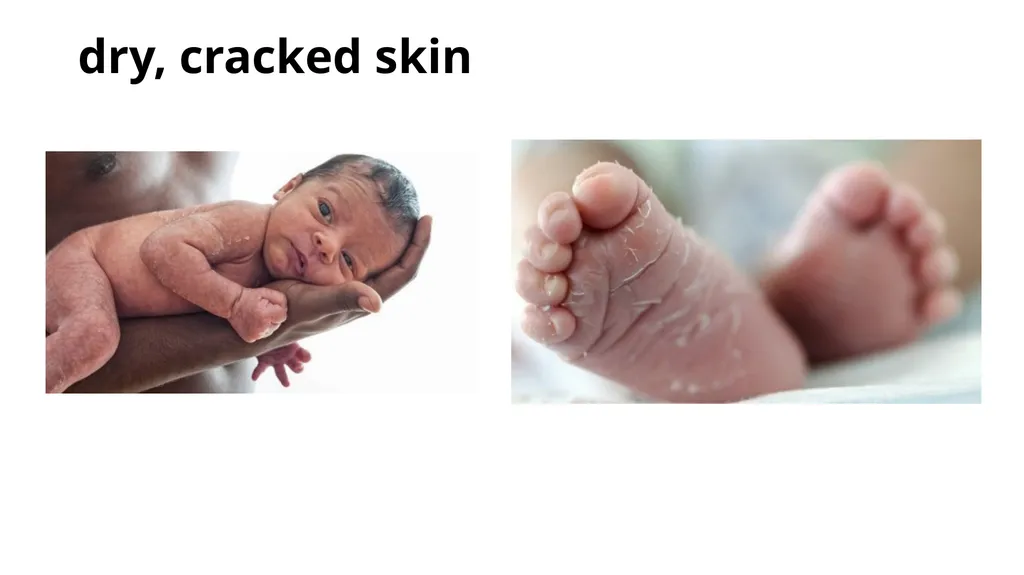
dry, cracked skin
discolored patches of skin
warts
a loss of skin pigment
excessive flushing<br>
slide8. Skin rash<br>
slide9. Raised bumps<br>
slide10. scaly or rough skin<br>
slide11. peeling skin<br>
slide12. Ulcers<br>
slide13. dry, cracked skin<br>
slide14. discolored patches of skin<br>
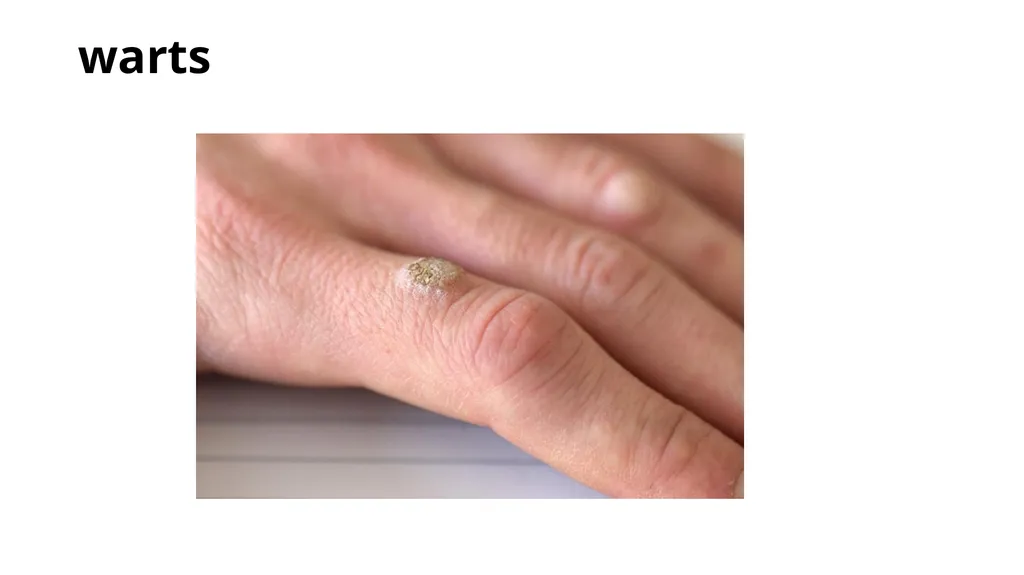
slide15. warts<br>
slide16. loss of skin pigment<br>
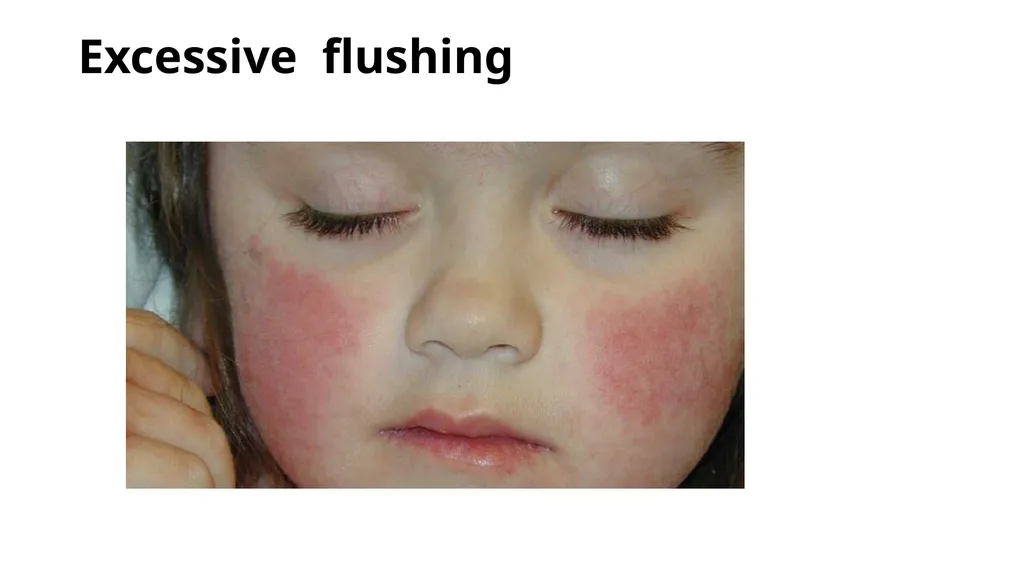
slide17. Excessive flushing<br>
slide18. Causes of skin disorders<br>
slide19. Causes of skin disorders genetic factors
bacteria trapped in skin pores and hair follicles
fungus, parasites, viruses or microorganisms living on the skin
a weakened immune system
contact with allergens, irritants, or another person’s infected skin
Some skin conditions have no known cause.<br>
slide20. Common skin disorders in pediatrics<br>
slide21. Common skin disorders in pediatrics eczema
chickenpox
measles
warts
acne
hives
Ringworm
Diaper rash<br>
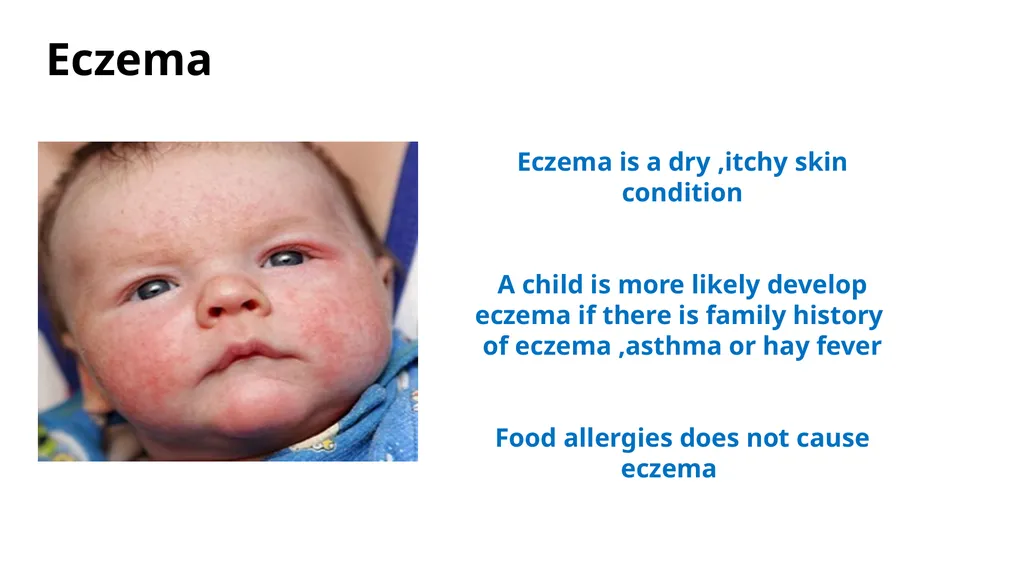
slide22. Eczema Eczema is a dry ,itchy skin condition
A child is more likely develop eczema if there is family history of eczema ,asthma or hay fever
Food allergies does not cause eczema<br>
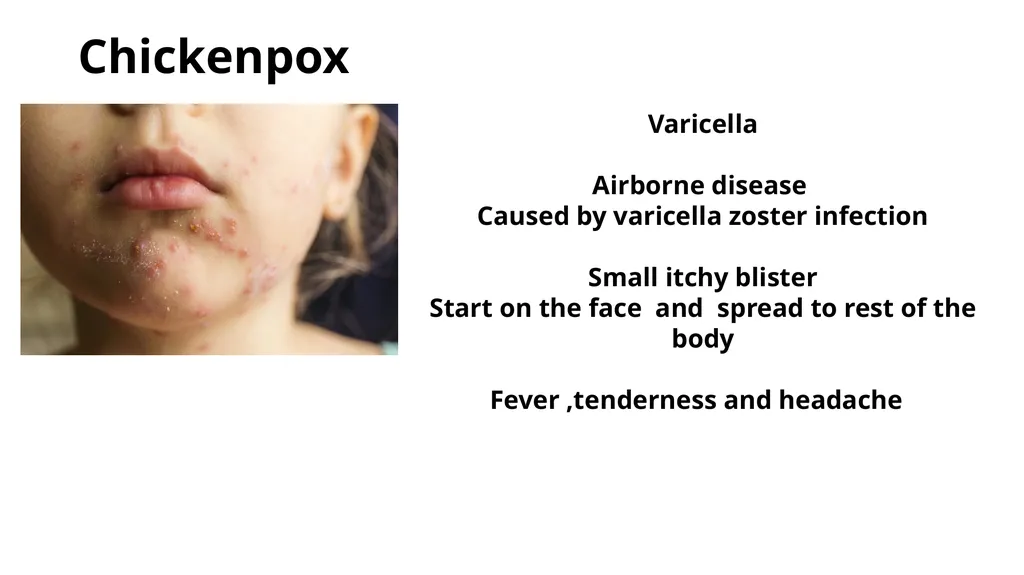
slide23. Chickenpox Varicella
Airborne disease
Caused by varicella zoster infection
Small itchy blister
Start on the face and spread to rest of the body
Fever ,tenderness and headache<br>
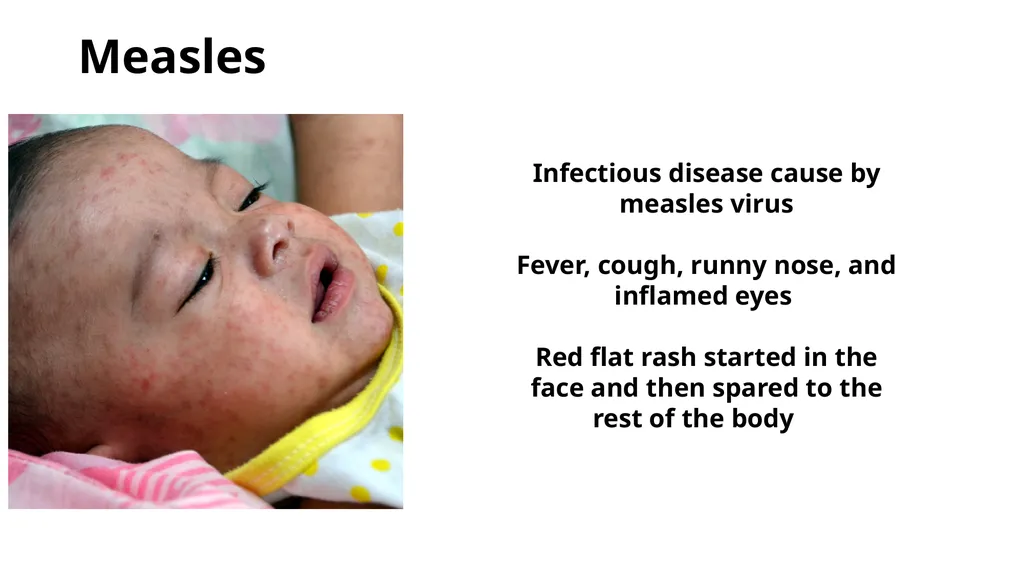
slide24. Measles Infectious disease cause by measles virus
Fever, cough, runny nose, and inflamed eyes
Red flat rash started in the face and then spared to the rest of the body<br>
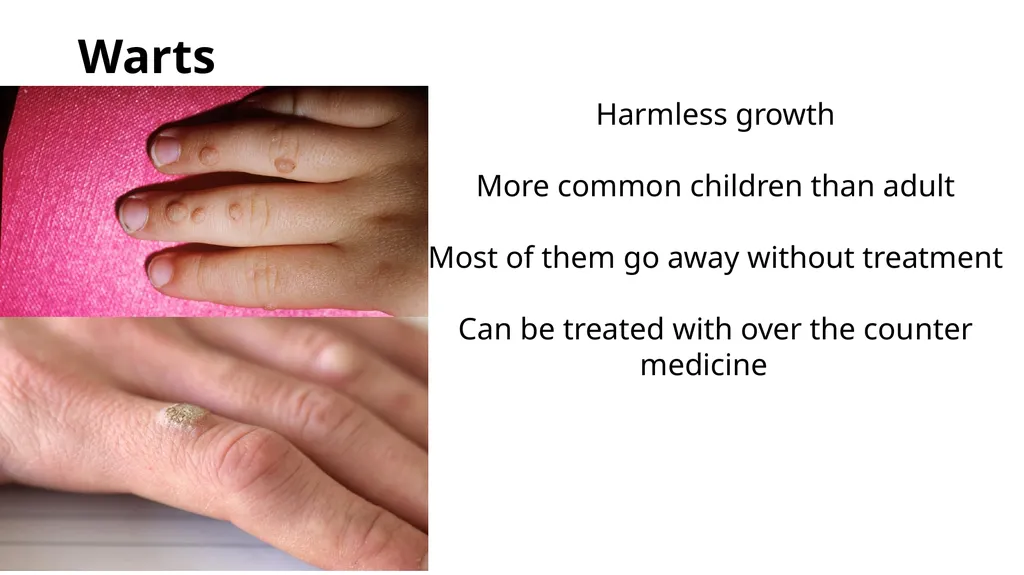
slide25. Warts Harmless growth
More common children than adult
Most of them go away without treatment
Can be treated with over the counter medicine<br>
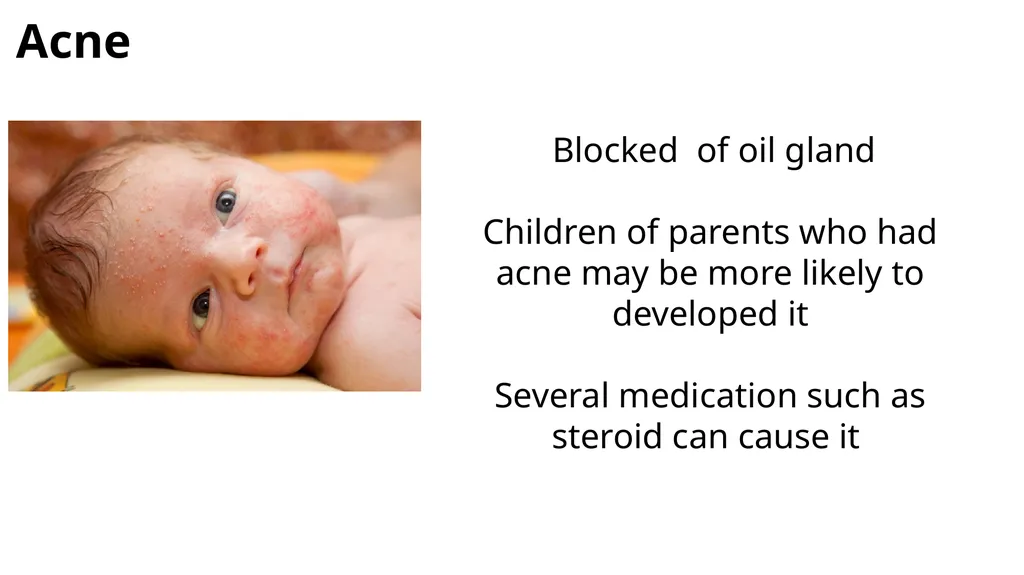
slide26. Acne Blocked of oil gland
Children of parents who had acne may be more likely to developed it
Several medication such as steroid can cause it<br>
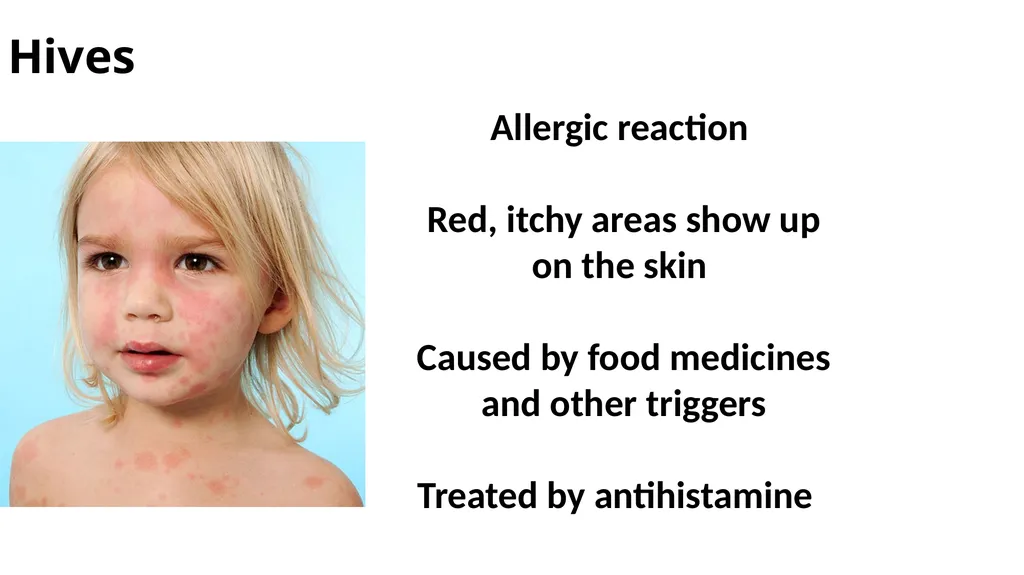
slide27. Hives Allergic reaction
Red, itchy areas show up on the skin
Caused by food medicines and other triggers
Treated by antihistamine<br>
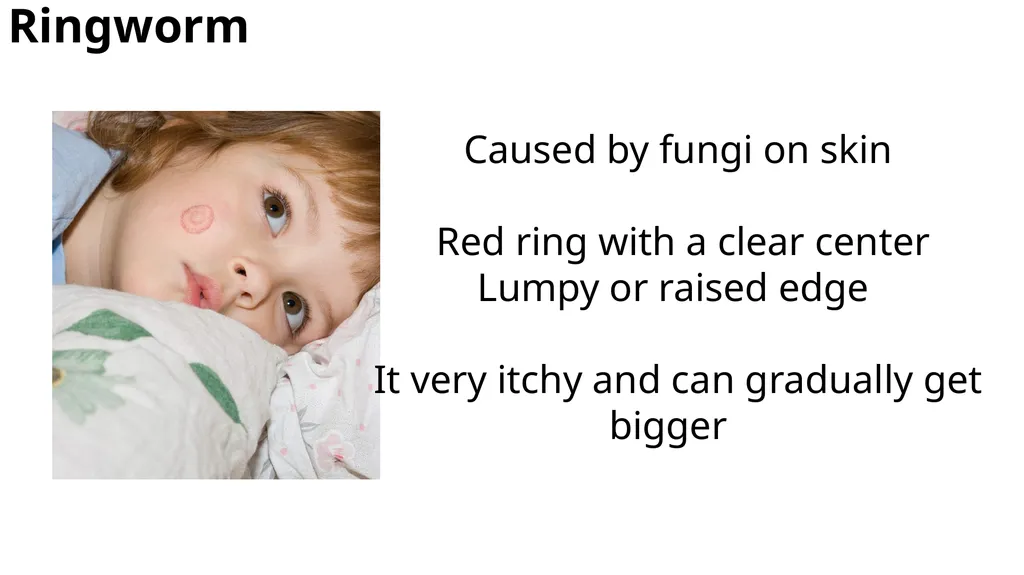
slide28. Ringworm Caused by fungi on skin
Red ring with a clear center
Lumpy or raised edge
It very itchy and can gradually get bigger<br>
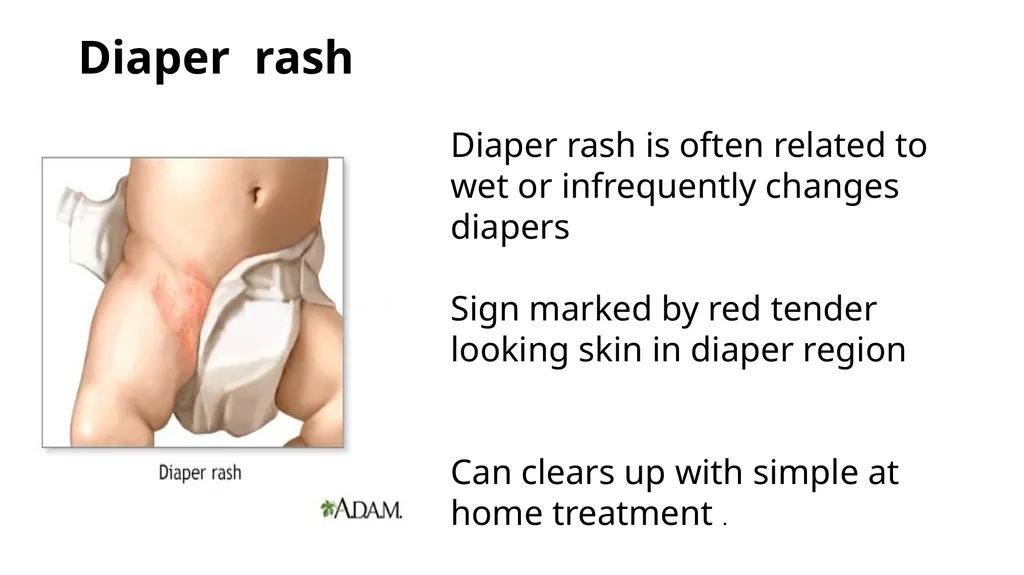
slide29. Diaper rash Diaper rash is often related to wet or infrequently changes diapers
Sign marked by red tender looking skin in diaper region
Can clears up with simple at home treatment .<br>
slide30. Treatment and prevention of skin disorders<br>
slide31. Treatment of skin disorders Many skin disorders are treatable.
Not all skin disorders respond to treatment.
Some conditions go away without treatment<br>
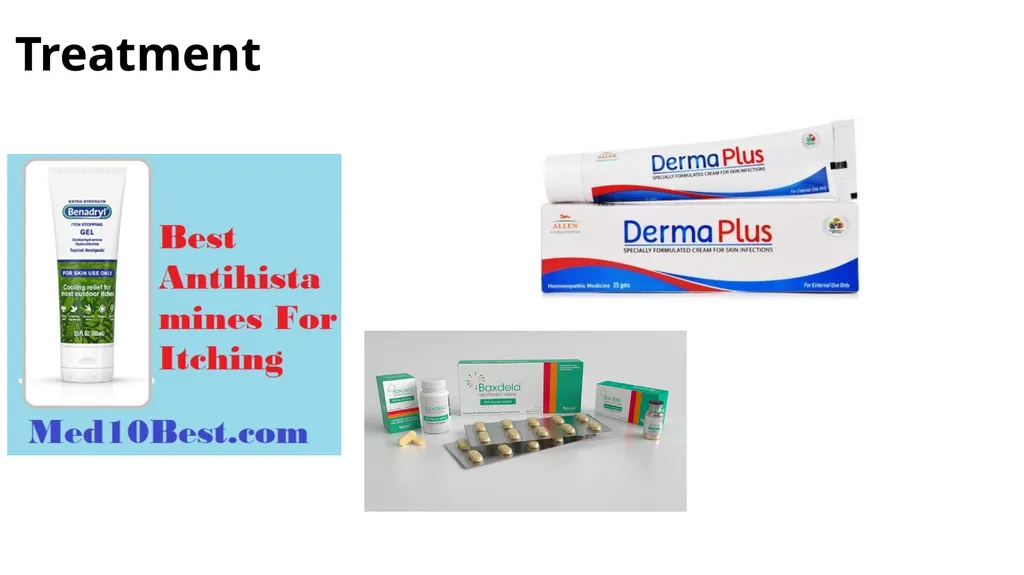
slide32. Treatment Antihistamines
medicated creams and ointments
antibiotics
vitamin or steroid injections
laser therapy<br>
slide33. Treatment<br>
slide34. Preventing skin disorders Avoid sharing glasses for drinking
Avoid direct contact with the skin of other Childs who have an infection.
Get vaccinated for infectious skin conditions, such as chickenpox.
Avoid environmental and dietary allergens.<br>
slide35. Thank you<br>
slide3. Contents Introduction
Symptoms and signs of skin disorders
Causes of skin disorders
Common skin disorders in pediatrics
Treatment of skin disorders
Preventing skin disorders
References<br>
slide4. Introduction Skin disorders vary greatly in symptoms and severity.
They can be temporary or permanent.
may be painless or painful.
Some skin conditions are minor, and others can be life-threatening.<br>
slide5. introduction Many childhood skin problems disappear with age, but children can also inherit permanent skin disorders.
Not all skin disorder indicate serious problem<br>
slide6. Symptoms and signs of skin disorders<br>
slide7. Symptoms and signs of skin disorders a rash, which might be painful or itchy
raised bumps that are red or white
scaly or rough skin
peeling skin
ulcers
dry, cracked skin
discolored patches of skin
warts
a loss of skin pigment
excessive flushing<br>
slide8. Skin rash<br>
slide9. Raised bumps<br>
slide10. scaly or rough skin<br>
slide11. peeling skin<br>
slide12. Ulcers<br>
slide13. dry, cracked skin<br>
slide14. discolored patches of skin<br>
slide15. warts<br>
slide16. loss of skin pigment<br>
slide17. Excessive flushing<br>
slide18. Causes of skin disorders<br>
slide19. Causes of skin disorders genetic factors
bacteria trapped in skin pores and hair follicles
fungus, parasites, viruses or microorganisms living on the skin
a weakened immune system
contact with allergens, irritants, or another person’s infected skin
Some skin conditions have no known cause.<br>
slide20. Common skin disorders in pediatrics<br>
slide21. Common skin disorders in pediatrics eczema
chickenpox
measles
warts
acne
hives
Ringworm
Diaper rash<br>
slide22. Eczema Eczema is a dry ,itchy skin condition
A child is more likely develop eczema if there is family history of eczema ,asthma or hay fever
Food allergies does not cause eczema<br>
slide23. Chickenpox Varicella
Airborne disease
Caused by varicella zoster infection
Small itchy blister
Start on the face and spread to rest of the body
Fever ,tenderness and headache<br>
slide24. Measles Infectious disease cause by measles virus
Fever, cough, runny nose, and inflamed eyes
Red flat rash started in the face and then spared to the rest of the body<br>
slide25. Warts Harmless growth
More common children than adult
Most of them go away without treatment
Can be treated with over the counter medicine<br>
slide26. Acne Blocked of oil gland
Children of parents who had acne may be more likely to developed it
Several medication such as steroid can cause it<br>
slide27. Hives Allergic reaction
Red, itchy areas show up on the skin
Caused by food medicines and other triggers
Treated by antihistamine<br>
slide28. Ringworm Caused by fungi on skin
Red ring with a clear center
Lumpy or raised edge
It very itchy and can gradually get bigger<br>
slide29. Diaper rash Diaper rash is often related to wet or infrequently changes diapers
Sign marked by red tender looking skin in diaper region
Can clears up with simple at home treatment .<br>
slide30. Treatment and prevention of skin disorders<br>
slide31. Treatment of skin disorders Many skin disorders are treatable.
Not all skin disorders respond to treatment.
Some conditions go away without treatment<br>
slide32. Treatment Antihistamines
medicated creams and ointments
antibiotics
vitamin or steroid injections
laser therapy<br>
slide33. Treatment<br>
slide34. Preventing skin disorders Avoid sharing glasses for drinking
Avoid direct contact with the skin of other Childs who have an infection.
Get vaccinated for infectious skin conditions, such as chickenpox.
Avoid environmental and dietary allergens.<br>
slide35. Thank you<br>