
Constructing a relationship between public
Description: Constructing a relationship between public relations and journalism through historical press writing: An analysis of Edward L. Bernays in the New York Times (1910-1999) Dr Martina Topic Leeds Beckett University, UK
Related Topics
Download Presentation
"Constructing a relationship between public" is the property of its rightful owner. Permission is granted to download and print the materials on this website for personal, non-commercial use only, and to display it on your personal computer provided you do not modify the materials and that you retain all copyright notices contained in the materials. By downloading content from our website, you accept the terms of this agreement.
Presentation Transcript
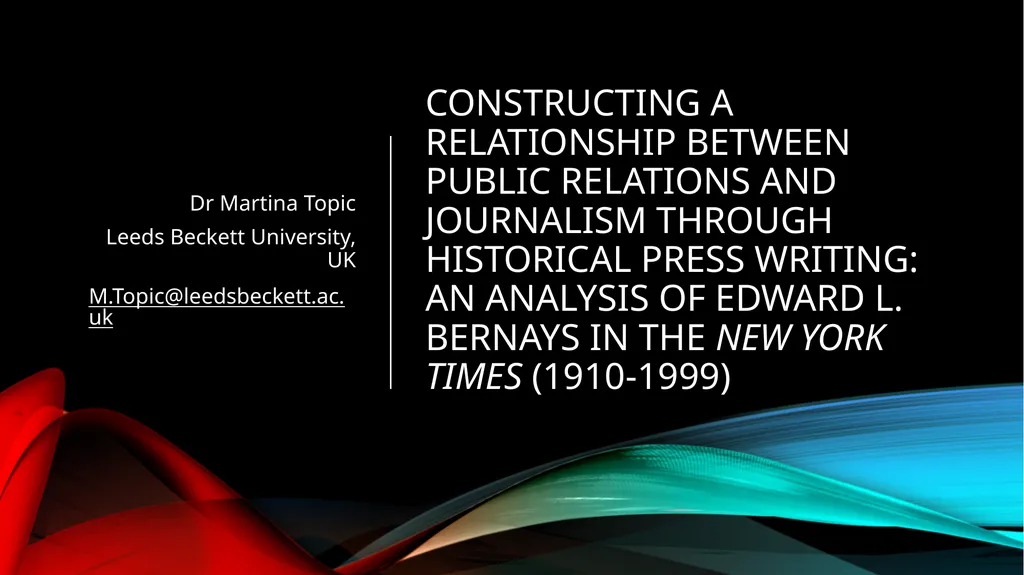
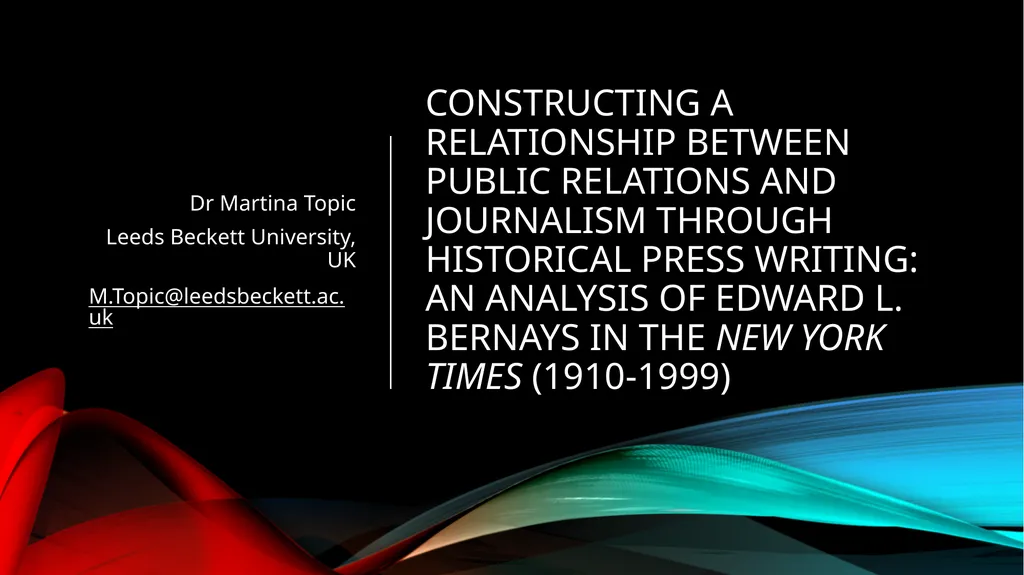
slide1. Constructing a relationship between public relations and journalism through historical press writing: An analysis of Edward L. Bernays in the New York Times (1910-1999) Dr Martina Topic
Leeds Beckett University, UK
M.Topic@leedsbeckett.ac.uk<br>
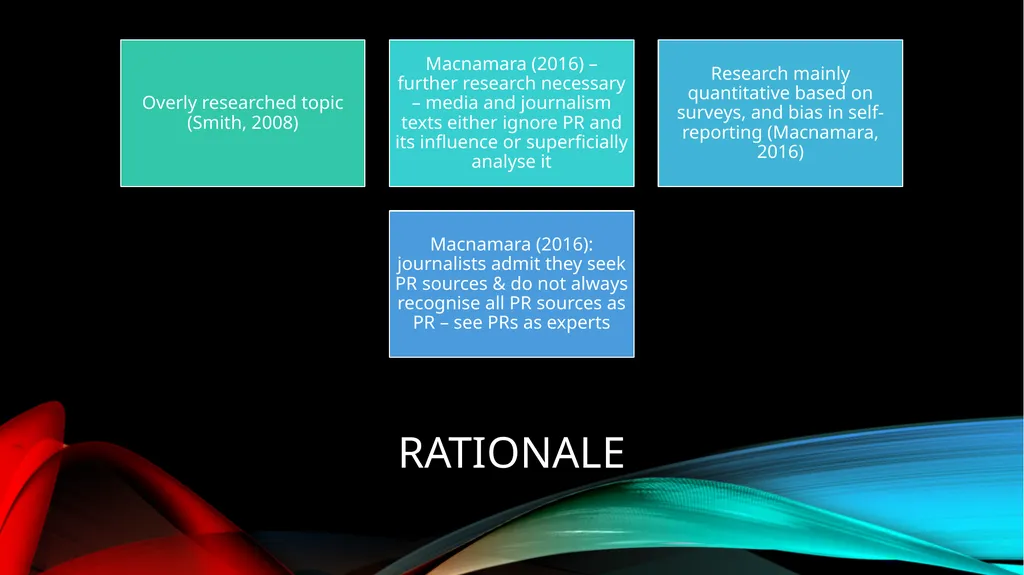
slide2. RATIONALE<br>
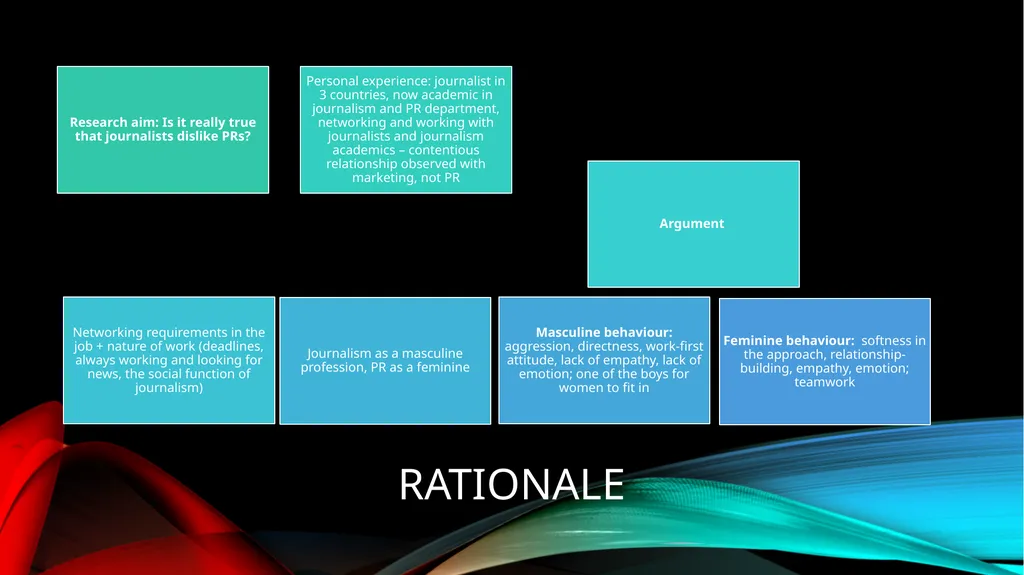
slide3. RATIONALE<br>
slide4. RATIONALE<br>
slide5. RATIONALE<br>
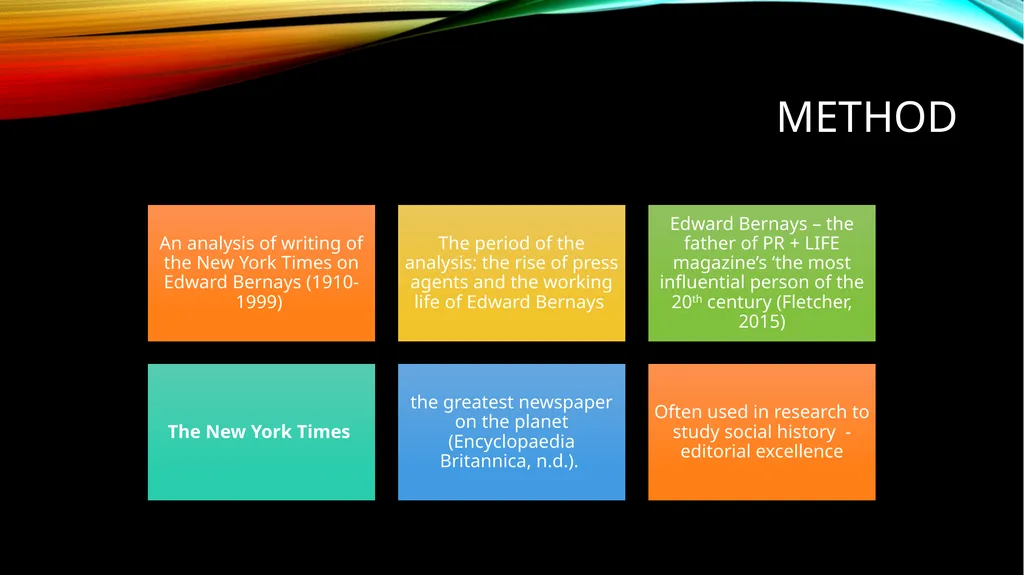
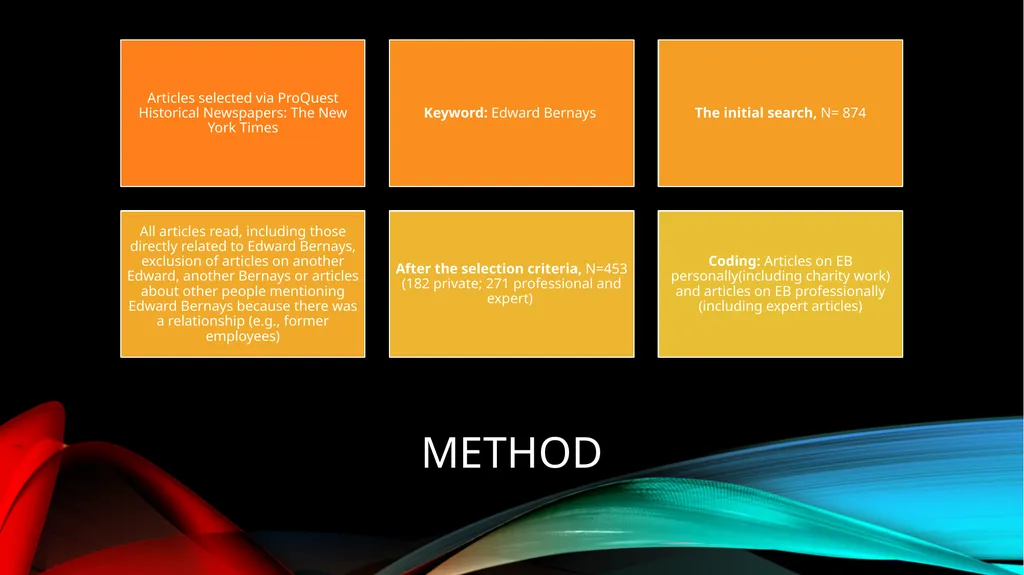
slide6. METHOD<br>
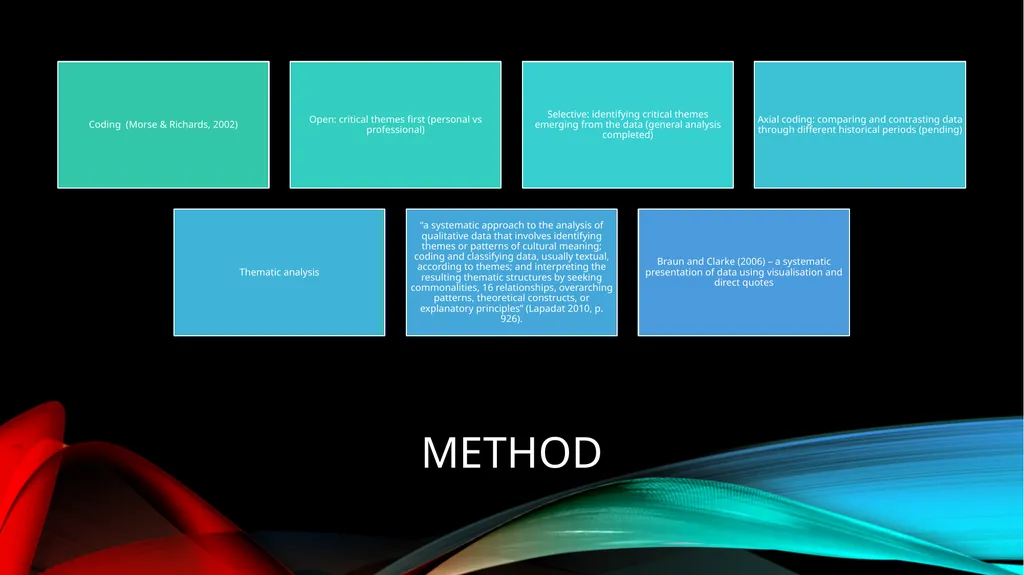
slide7. METHod<br>
slide8. METHOD<br>
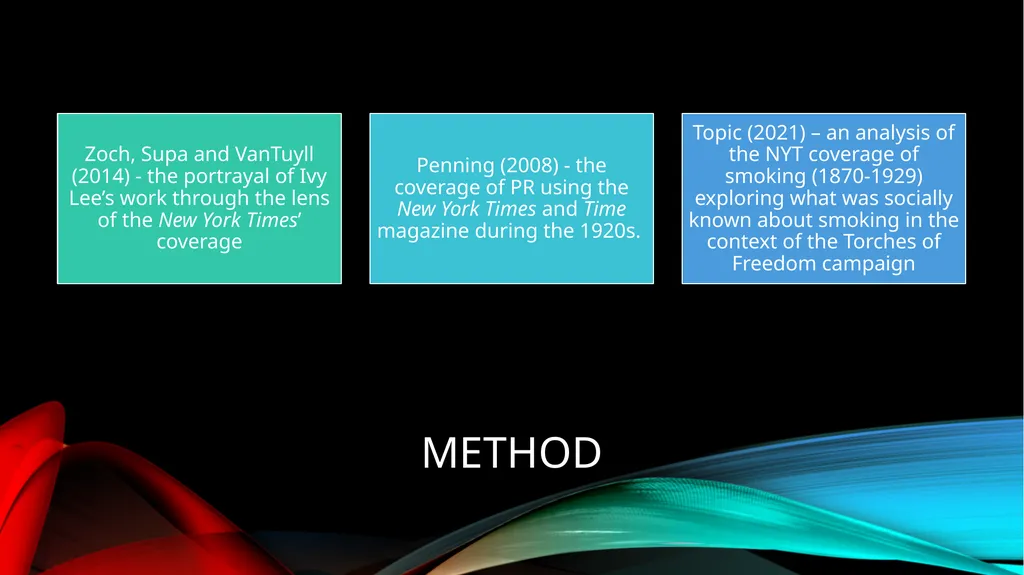
slide9. METHOD<br>
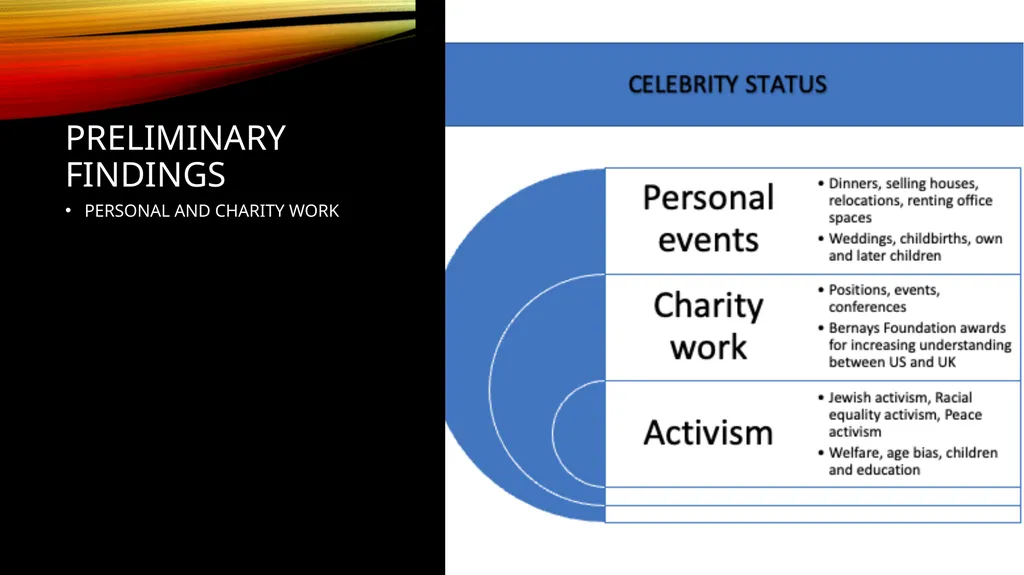
slide10. PRELIMINARY FINDINGS PERSONAL AND CHARITY WORK<br>
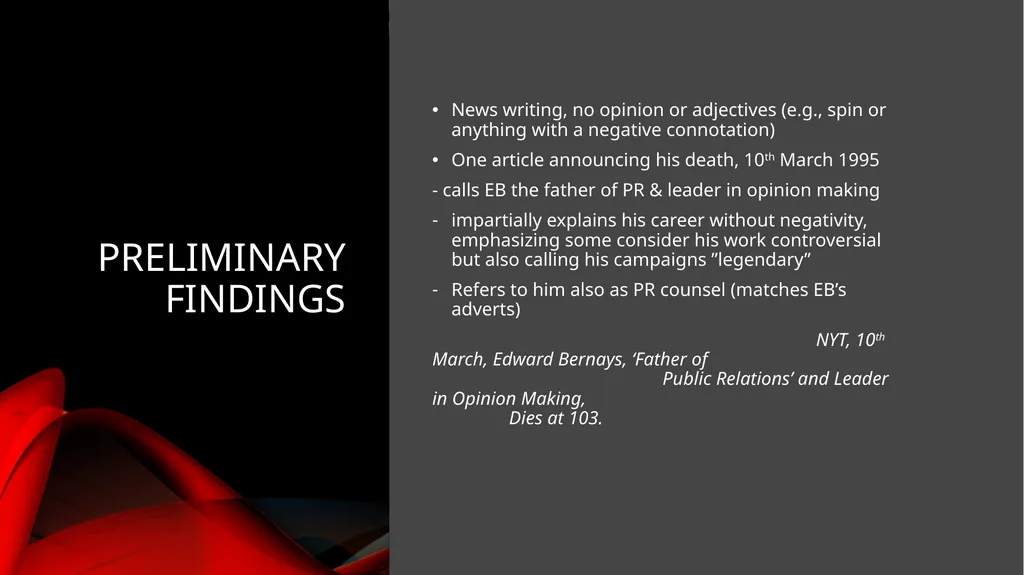
slide11. PRELIMINARY FINDINGS News writing, no opinion or adjectives (e.g., spin or anything with a negative connotation)
One article announcing his death, 10th March 1995
- calls EB the father of PR & leader in opinion making
impartially explains his career without negativity, emphasizing some consider his work controversial but also calling his campaigns ”legendary”
Refers to him also as PR counsel (matches EB’s adverts)
NYT, 10th March, Edward Bernays, ‘Father of Public Relations’ and Leader in Opinion Making, Dies at 103.<br>
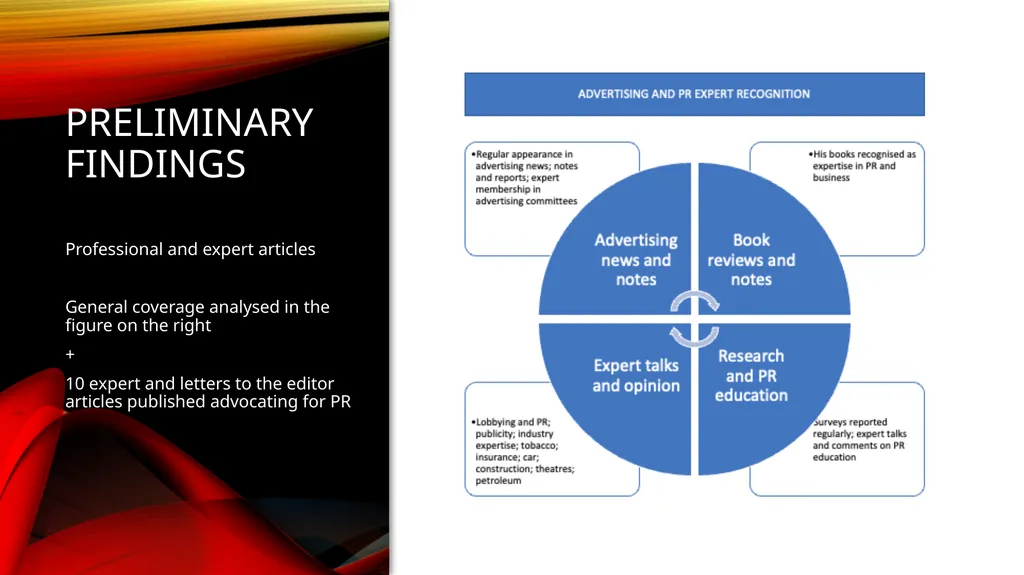
slide12. PRELIMINARY FINDINGS Professional and expert articles
General coverage analysed in the figure on the right
+
10 expert and letters to the editor articles published advocating for PR<br>
slide13. PRELIMINARY CONCLUSIONS No evidence of hostility towards PR
High standards of impartiality
When something negative mentioned, in the context of pro vs con and even then, by external authors of articles
Counsel (personal choice), PR father
Celebrity status<br>
Leeds Beckett University, UK
M.Topic@leedsbeckett.ac.uk<br>
slide2. RATIONALE<br>
slide3. RATIONALE<br>
slide4. RATIONALE<br>
slide5. RATIONALE<br>
slide6. METHOD<br>
slide7. METHod<br>
slide8. METHOD<br>
slide9. METHOD<br>
slide10. PRELIMINARY FINDINGS PERSONAL AND CHARITY WORK<br>
slide11. PRELIMINARY FINDINGS News writing, no opinion or adjectives (e.g., spin or anything with a negative connotation)
One article announcing his death, 10th March 1995
- calls EB the father of PR & leader in opinion making
impartially explains his career without negativity, emphasizing some consider his work controversial but also calling his campaigns ”legendary”
Refers to him also as PR counsel (matches EB’s adverts)
NYT, 10th March, Edward Bernays, ‘Father of Public Relations’ and Leader in Opinion Making, Dies at 103.<br>
slide12. PRELIMINARY FINDINGS Professional and expert articles
General coverage analysed in the figure on the right
+
10 expert and letters to the editor articles published advocating for PR<br>
slide13. PRELIMINARY CONCLUSIONS No evidence of hostility towards PR
High standards of impartiality
When something negative mentioned, in the context of pro vs con and even then, by external authors of articles
Counsel (personal choice), PR father
Celebrity status<br>