
Consumer ??? Buyer behavior in Consumer market

Description: Consumer ??? Buyer behavior in Consumer market Stimulus Respond Model The Major Factors Effect on Consumer Behavior Cultural Factors 1.1 Culture Way of doing things Clothing and Food 1.2 Sub culture Way of doing things University
Related Topics
Download Presentation
"Consumer ??? Buyer behavior in Consumer market" is the property of its rightful owner. Permission is granted to download and print the materials on this website for personal, non-commercial use only, and to display it on your personal computer provided you do not modify the materials and that you retain all copyright notices contained in the materials. By downloading content from our website, you accept the terms of this agreement.
Presentation Transcript
slide2. Consumer ???<br>
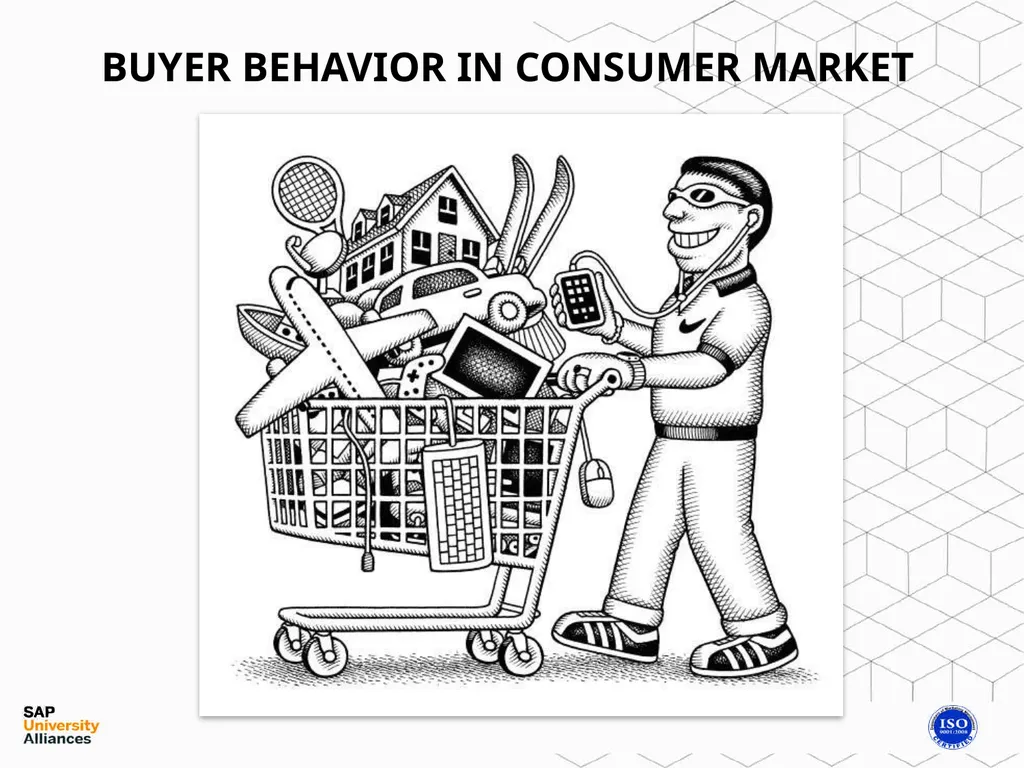
slide3. Buyer behavior in Consumer market<br>
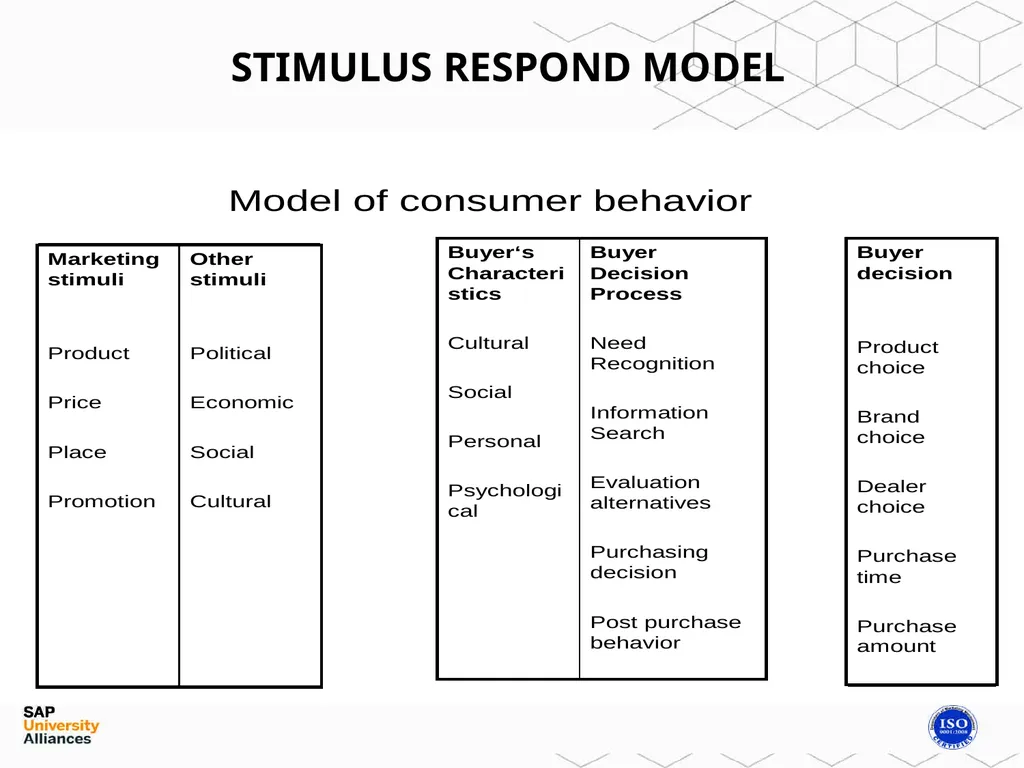
slide4. Stimulus Respond Model<br>
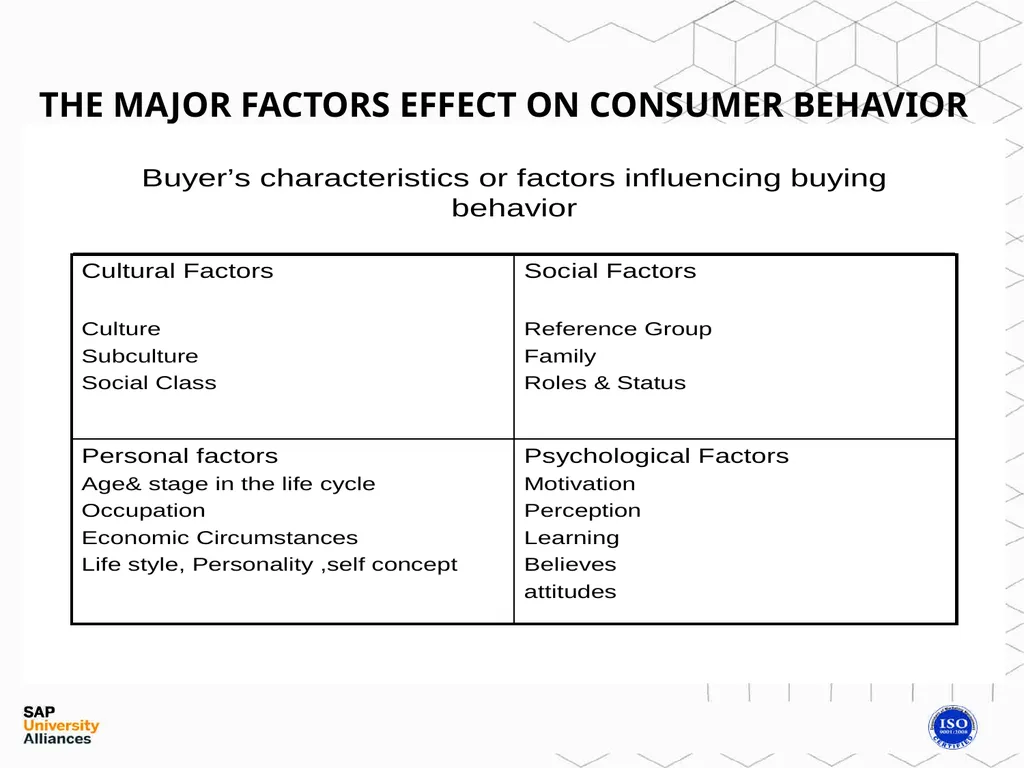
slide5. The Major Factors Effect on Consumer Behavior<br>
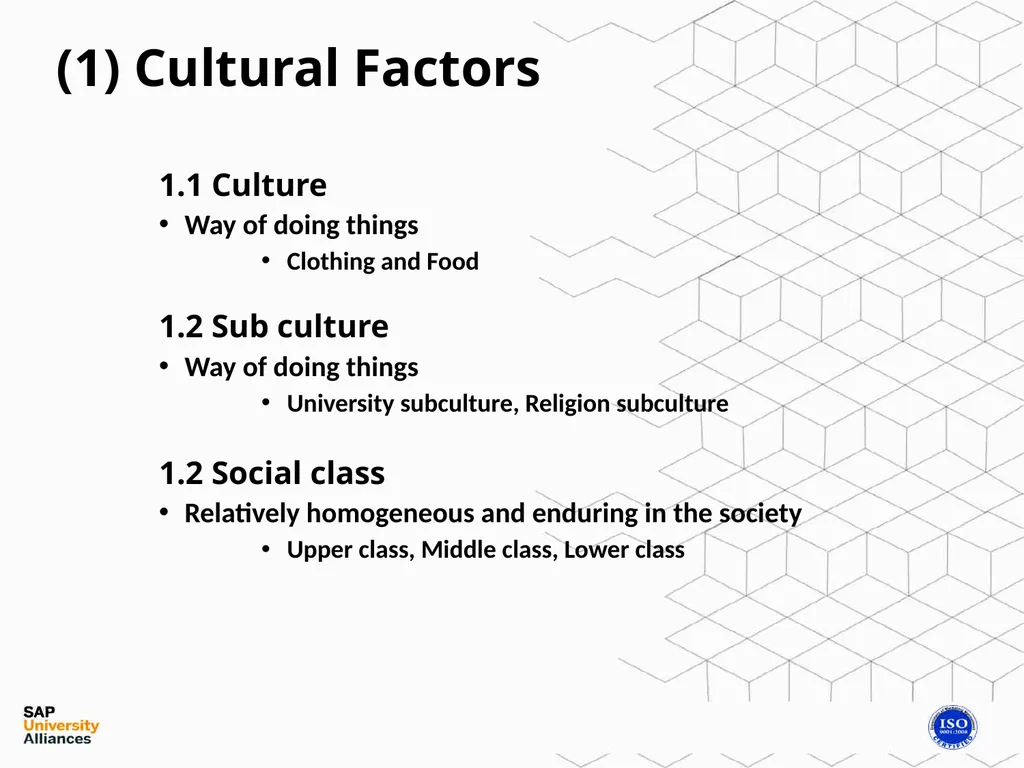
slide6. Cultural Factors
1.1 Culture
Way of doing things
Clothing and Food 1.2 Sub culture
Way of doing things
University subculture, Religion subculture 1.2 Social class
Relatively homogeneous and enduring in the society
Upper class, Middle class, Lower class<br>
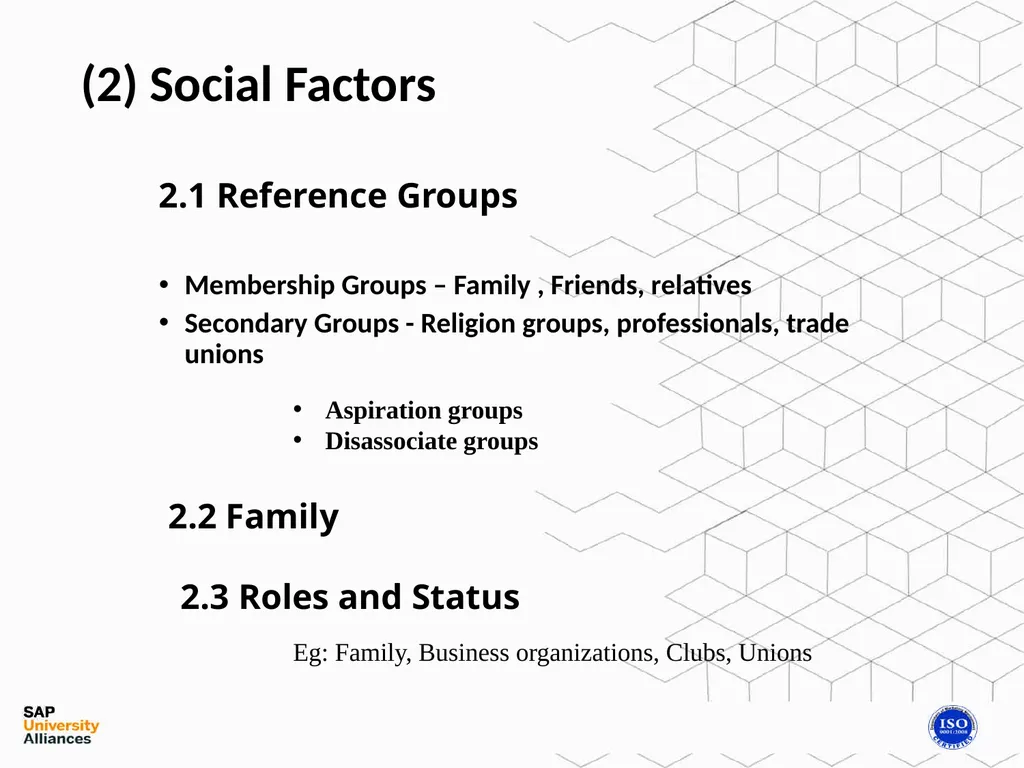
slide7. (2) Social Factors 2.1 Reference Groups
Membership Groups – Family , Friends, relatives
Secondary Groups - Religion groups, professionals, trade unions Aspiration groups
Disassociate groups 2.2 Family 2.3 Roles and Status Eg: Family, Business organizations, Clubs, Unions<br>
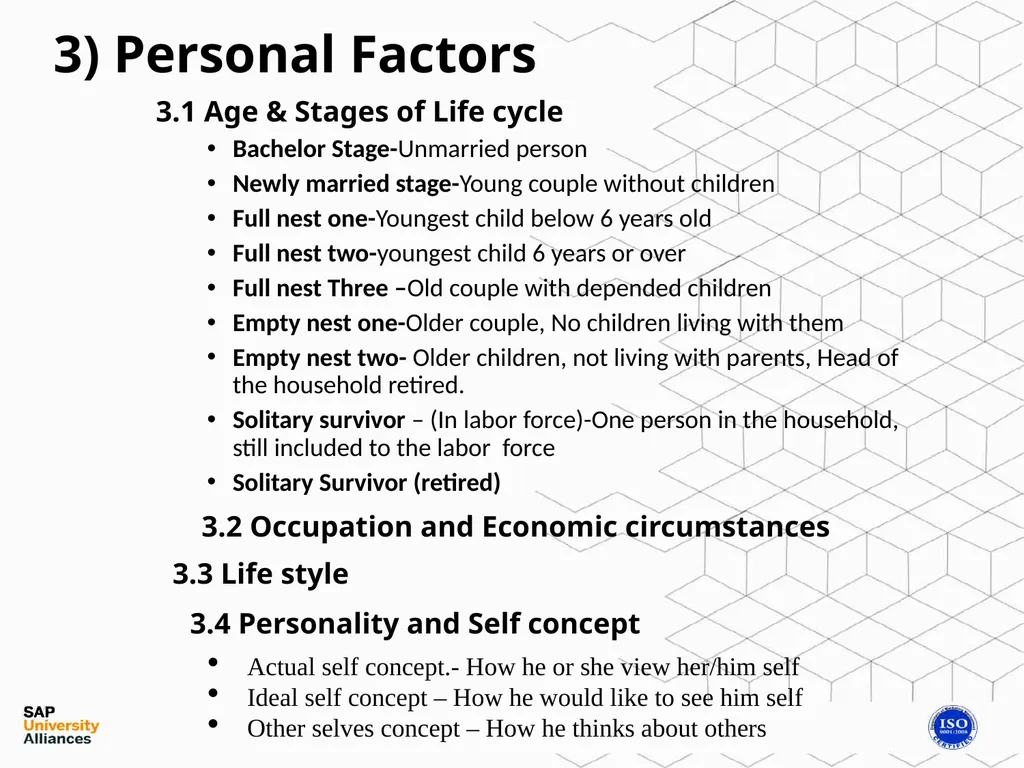
slide8. 3) Personal Factors 3.1 Age & Stages of Life cycle
Bachelor Stage-Unmarried person
Newly married stage-Young couple without children
Full nest one-Youngest child below 6 years old
Full nest two-youngest child 6 years or over
Full nest Three –Old couple with depended children
Empty nest one-Older couple, No children living with them
Empty nest two- Older children, not living with parents, Head of the household retired.
Solitary survivor – (In labor force)-One person in the household, still included to the labor force
Solitary Survivor (retired) 3.2 Occupation and Economic circumstances 3.3 Life style 3.4 Personality and Self concept Actual self concept.- How he or she view her/him self
Ideal self concept – How he would like to see him self
Other selves concept – How he thinks about others<br>
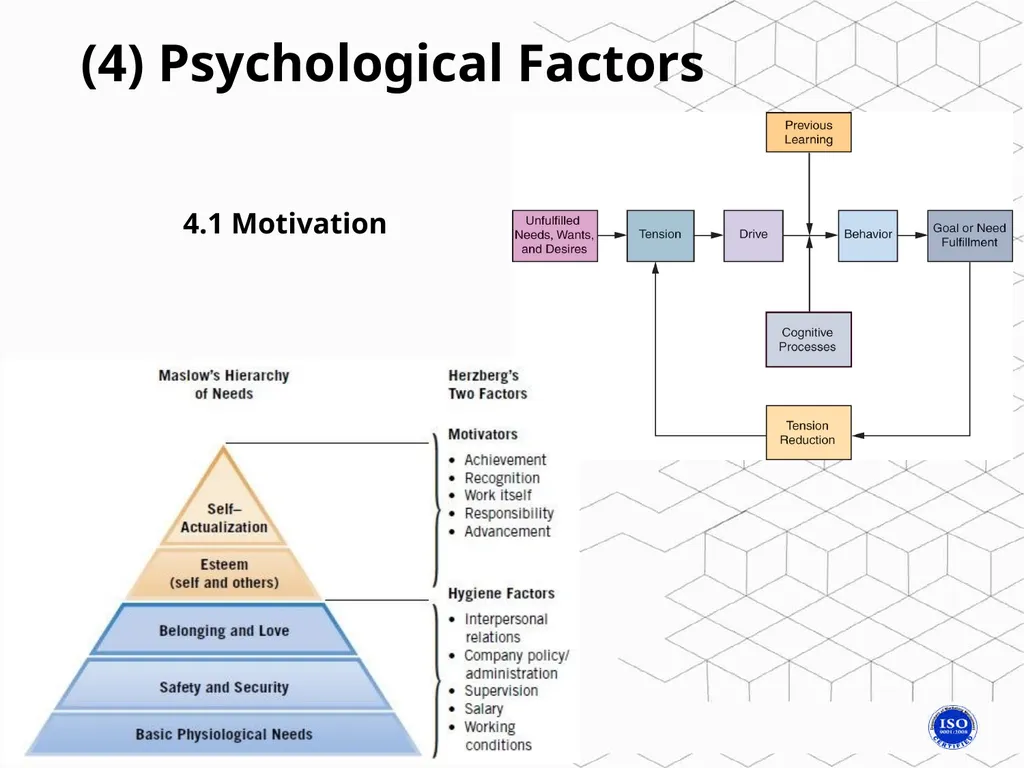
slide9. (4) Psychological Factors 4.1 Motivation<br>
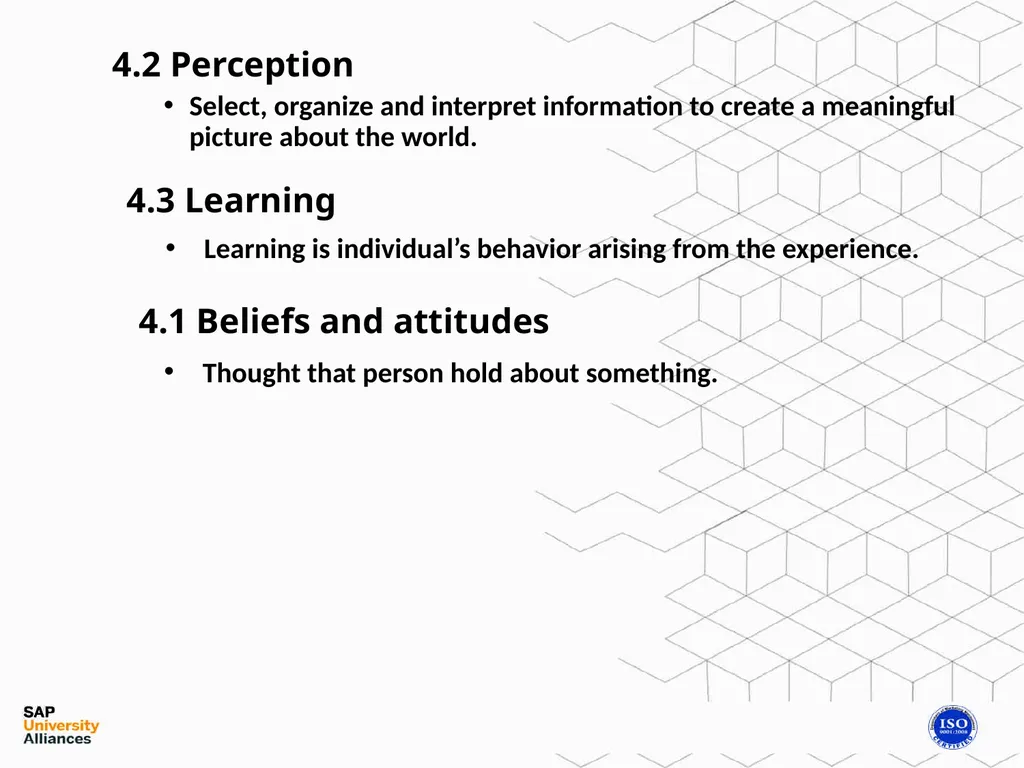
slide11. 4.2 Perception
Select, organize and interpret information to create a meaningful picture about the world. 4.3 Learning Learning is individual’s behavior arising from the experience. 4.1 Beliefs and attitudes Thought that person hold about something.<br>
slide12. Group Activity - Find Different cultures in Sri Lanka
Religions
Ethnic groups
Regional Differences
The products and services they love
Different cultures in different countries and the products/services they love 10 marks which will be added to your final marks of the subject.
Date of Submission : 30th June 2018<br>
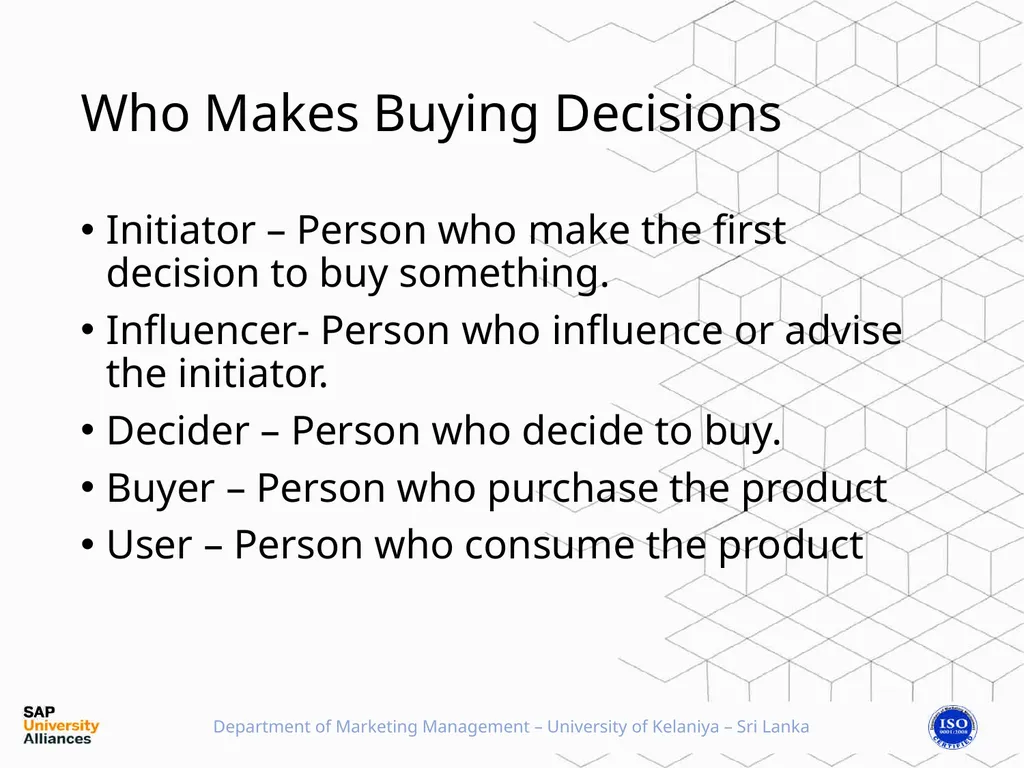
slide13. Who Makes Buying Decisions Initiator – Person who make the first decision to buy something.
Influencer- Person who influence or advise the initiator.
Decider – Person who decide to buy.
Buyer – Person who purchase the product
User – Person who consume the product Department of Marketing Management – University of Kelaniya – Sri Lanka<br>
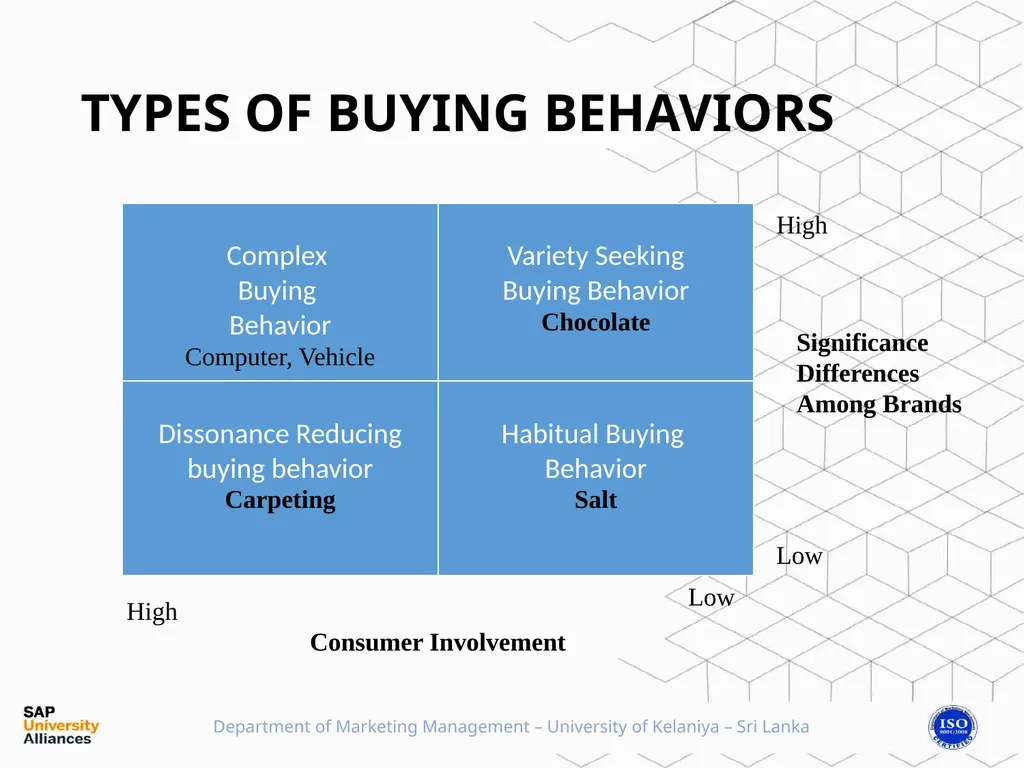
slide14. Types of Buying Behaviors Department of Marketing Management – University of Kelaniya – Sri Lanka Significance Differences Among Brands Consumer Involvement High High Low Low<br>
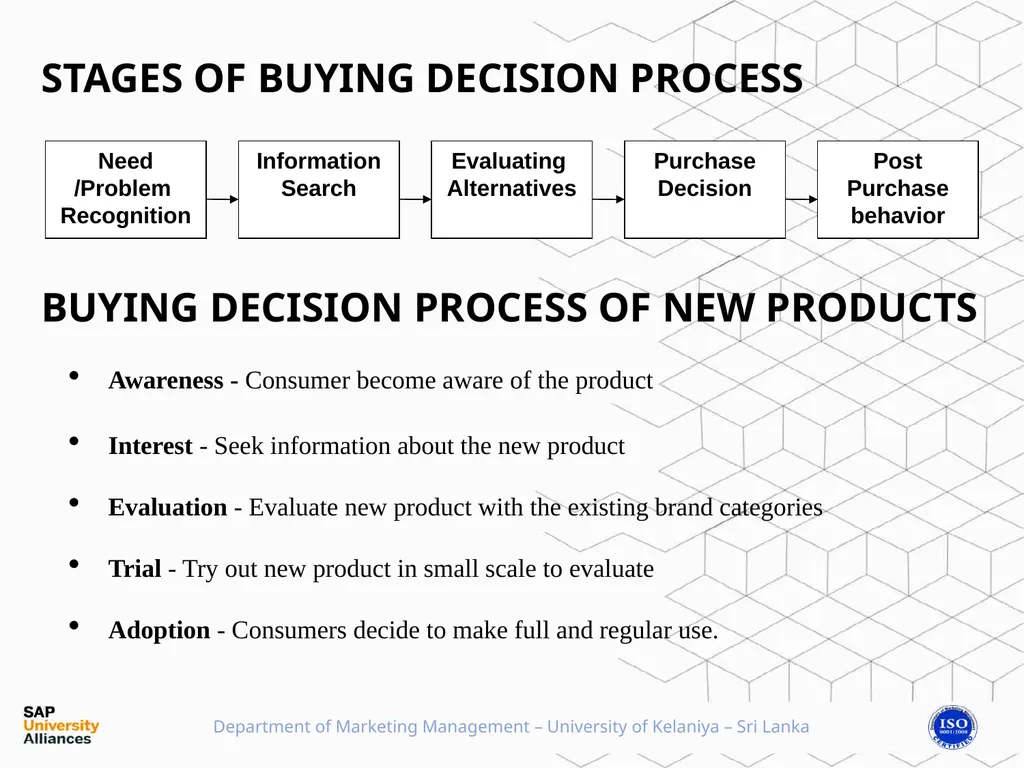
slide15. Stages of Buying Decision Process Department of Marketing Management – University of Kelaniya – Sri Lanka Buying Decision Process of New products Awareness - Consumer become aware of the product
Interest - Seek information about the new product
Evaluation - Evaluate new product with the existing brand categories
Trial - Try out new product in small scale to evaluate
Adoption - Consumers decide to make full and regular use.<br>
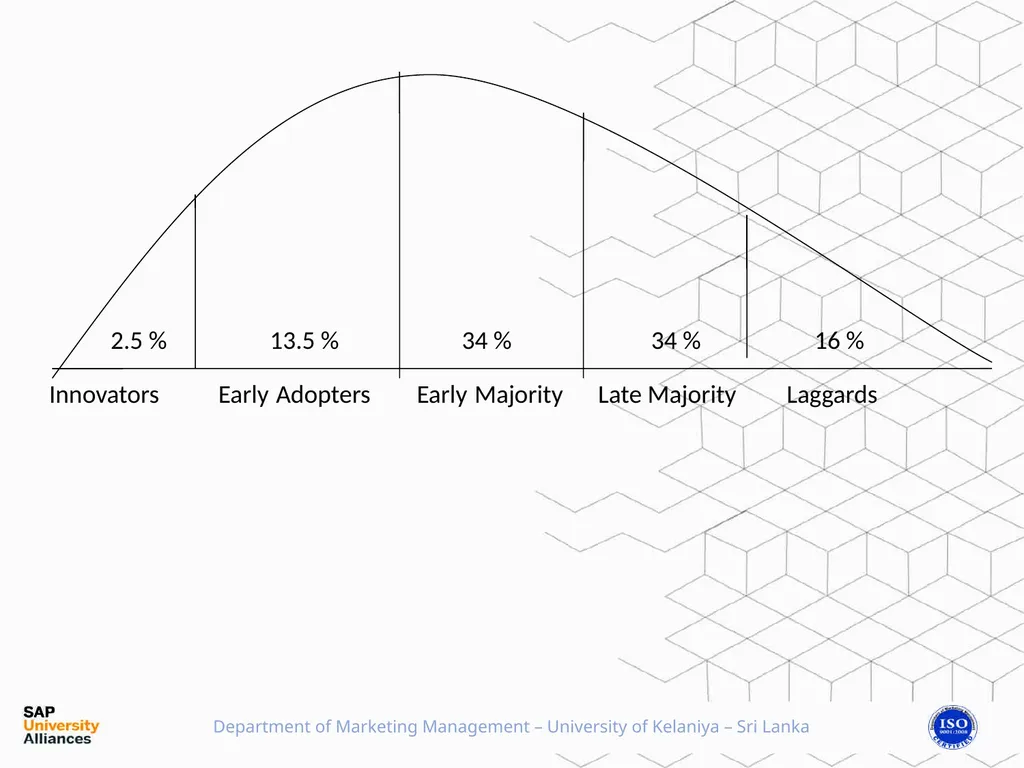
slide16. Department of Marketing Management – University of Kelaniya – Sri Lanka Innovators Early Adopters Early Majority Late Majority Laggards 2.5 % 13.5 % 34 % 34 % 16 %<br>
slide3. Buyer behavior in Consumer market<br>
slide4. Stimulus Respond Model<br>
slide5. The Major Factors Effect on Consumer Behavior<br>
slide6. Cultural Factors
1.1 Culture
Way of doing things
Clothing and Food 1.2 Sub culture
Way of doing things
University subculture, Religion subculture 1.2 Social class
Relatively homogeneous and enduring in the society
Upper class, Middle class, Lower class<br>
slide7. (2) Social Factors 2.1 Reference Groups
Membership Groups – Family , Friends, relatives
Secondary Groups - Religion groups, professionals, trade unions Aspiration groups
Disassociate groups 2.2 Family 2.3 Roles and Status Eg: Family, Business organizations, Clubs, Unions<br>
slide8. 3) Personal Factors 3.1 Age & Stages of Life cycle
Bachelor Stage-Unmarried person
Newly married stage-Young couple without children
Full nest one-Youngest child below 6 years old
Full nest two-youngest child 6 years or over
Full nest Three –Old couple with depended children
Empty nest one-Older couple, No children living with them
Empty nest two- Older children, not living with parents, Head of the household retired.
Solitary survivor – (In labor force)-One person in the household, still included to the labor force
Solitary Survivor (retired) 3.2 Occupation and Economic circumstances 3.3 Life style 3.4 Personality and Self concept Actual self concept.- How he or she view her/him self
Ideal self concept – How he would like to see him self
Other selves concept – How he thinks about others<br>
slide9. (4) Psychological Factors 4.1 Motivation<br>
slide11. 4.2 Perception
Select, organize and interpret information to create a meaningful picture about the world. 4.3 Learning Learning is individual’s behavior arising from the experience. 4.1 Beliefs and attitudes Thought that person hold about something.<br>
slide12. Group Activity - Find Different cultures in Sri Lanka
Religions
Ethnic groups
Regional Differences
The products and services they love
Different cultures in different countries and the products/services they love 10 marks which will be added to your final marks of the subject.
Date of Submission : 30th June 2018<br>
slide13. Who Makes Buying Decisions Initiator – Person who make the first decision to buy something.
Influencer- Person who influence or advise the initiator.
Decider – Person who decide to buy.
Buyer – Person who purchase the product
User – Person who consume the product Department of Marketing Management – University of Kelaniya – Sri Lanka<br>
slide14. Types of Buying Behaviors Department of Marketing Management – University of Kelaniya – Sri Lanka Significance Differences Among Brands Consumer Involvement High High Low Low<br>
slide15. Stages of Buying Decision Process Department of Marketing Management – University of Kelaniya – Sri Lanka Buying Decision Process of New products Awareness - Consumer become aware of the product
Interest - Seek information about the new product
Evaluation - Evaluate new product with the existing brand categories
Trial - Try out new product in small scale to evaluate
Adoption - Consumers decide to make full and regular use.<br>
slide16. Department of Marketing Management – University of Kelaniya – Sri Lanka Innovators Early Adopters Early Majority Late Majority Laggards 2.5 % 13.5 % 34 % 34 % 16 %<br>