
Consumer Plastic Consumption and Recycling in


Description: Consumer Plastic Consumption and Recycling in Marquette, Michigan Presentation at 2024 Innovate Michigan Summit Jelili Adebiyi, PhD Department of Earth, Environment and Geographical Sciences Northern Michigan University Amelia Grabanski
Related Topics
Download Presentation
"Consumer Plastic Consumption and Recycling in" is the property of its rightful owner. Permission is granted to download and print the materials on this website for personal, non-commercial use only, and to display it on your personal computer provided you do not modify the materials and that you retain all copyright notices contained in the materials. By downloading content from our website, you accept the terms of this agreement.
Presentation Transcript
slide1. Consumer Plastic Consumption and Recycling in Marquette, Michigan Presentation at
2024 Innovate Michigan Summit
Jelili Adebiyi, PhD
Department of Earth, Environment and Geographical Sciences
Northern Michigan University
Amelia Grabanski
Bachelor of Science: Environmental Studies, Minor: Criminal Justice
Northern Michigan University<br>
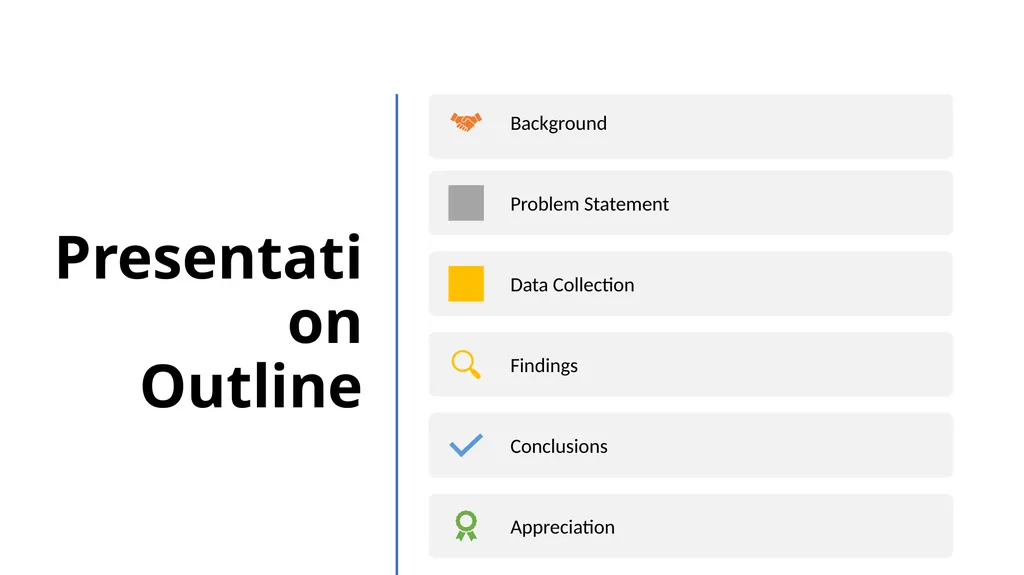
slide2. Presentation Outline<br>
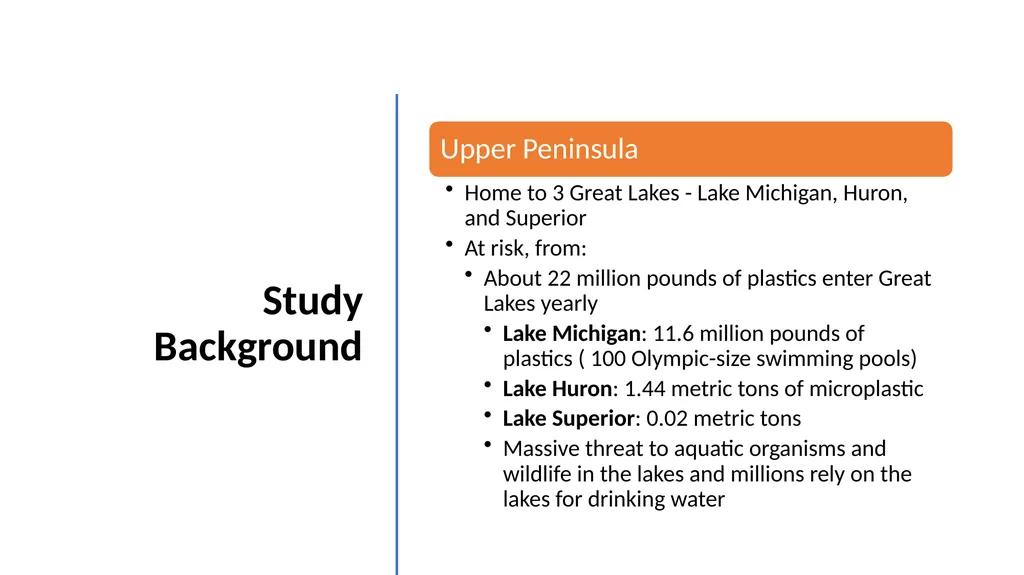
slide3. Study Background<br>
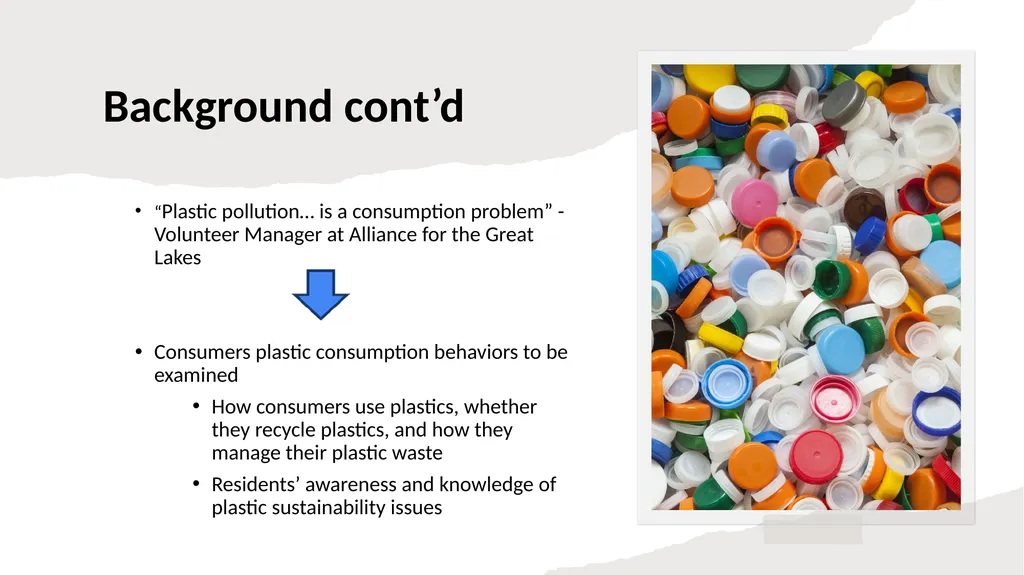
slide4. Background cont’d “Plastic pollution… is a consumption problem” - Volunteer Manager at Alliance for the Great Lakes
Consumers plastic consumption behaviors to be examined
How consumers use plastics, whether they recycle plastics, and how they manage their plastic waste
Residents’ awareness and knowledge of plastic sustainability issues<br>
slide5. Problem Statement Explore plastic consumption and recycling habits of Marquette County residents
Explore residents’ thoughts on impediments to switching from excessive plastic consumption to more sustainable materials<br>
slide6. Data Collection Using sequential mixed methods
Qualtrics-administered survey (n=129, still ongoing)
Resident of Marquette County
Assess plastic consumption, reuse, and recycling habits of respondents and knowledge of plastic consumption sustainability issues<br>
slide7. Data Collection cont’d Interviews (Upcoming): To explore:
Plastic consumption habits
Plastic recycling practices
Motivations to use less plastic and supporting residents to make the transition<br>
slide8. FINDINGS<br>
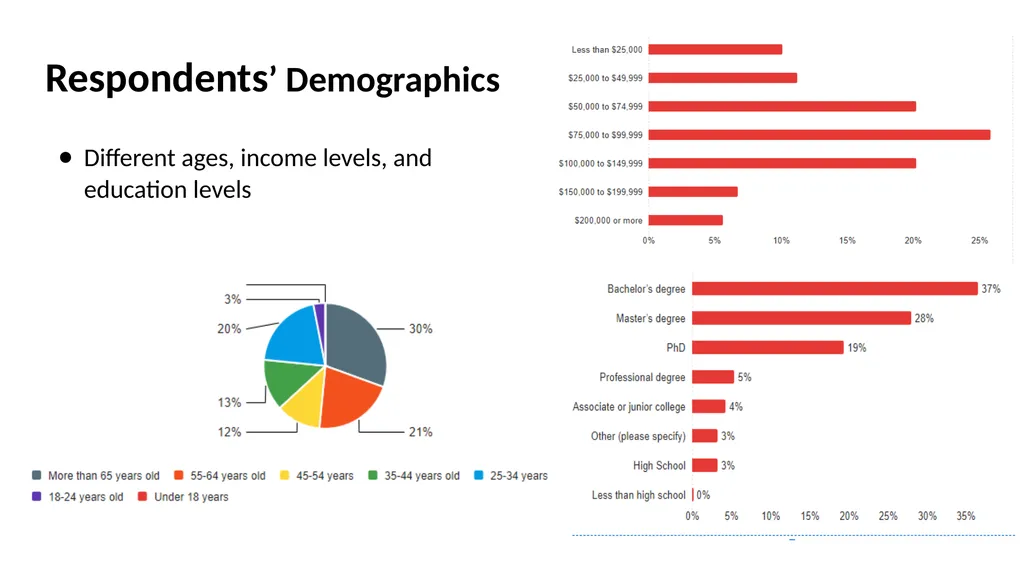
slide9. Respondents’ Demographics Different ages, income levels, and education levels<br>
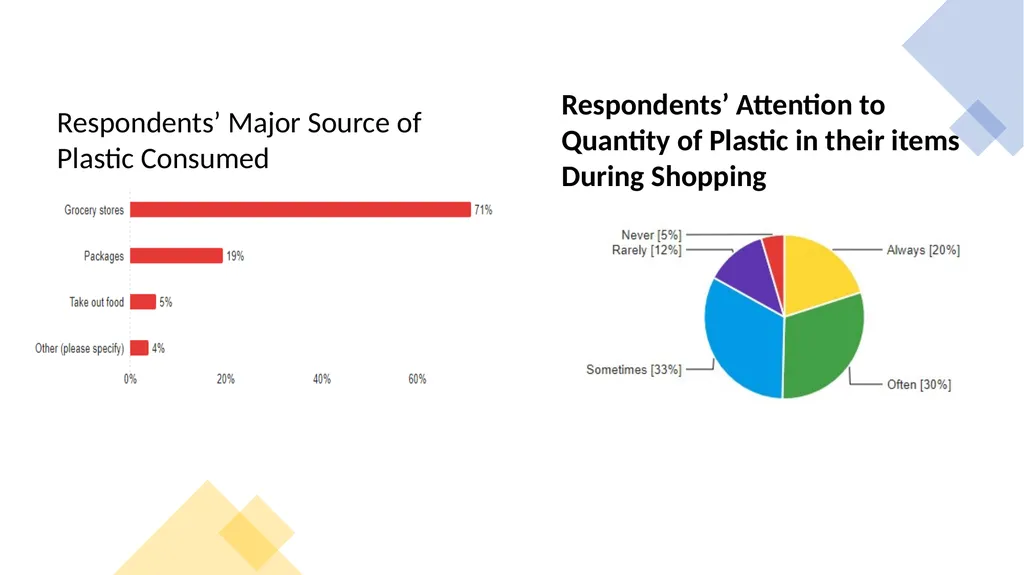
slide10. Respondents’ Major Source of Plastic Consumed Respondents’ Attention to Quantity of Plastic in their items During Shopping<br>
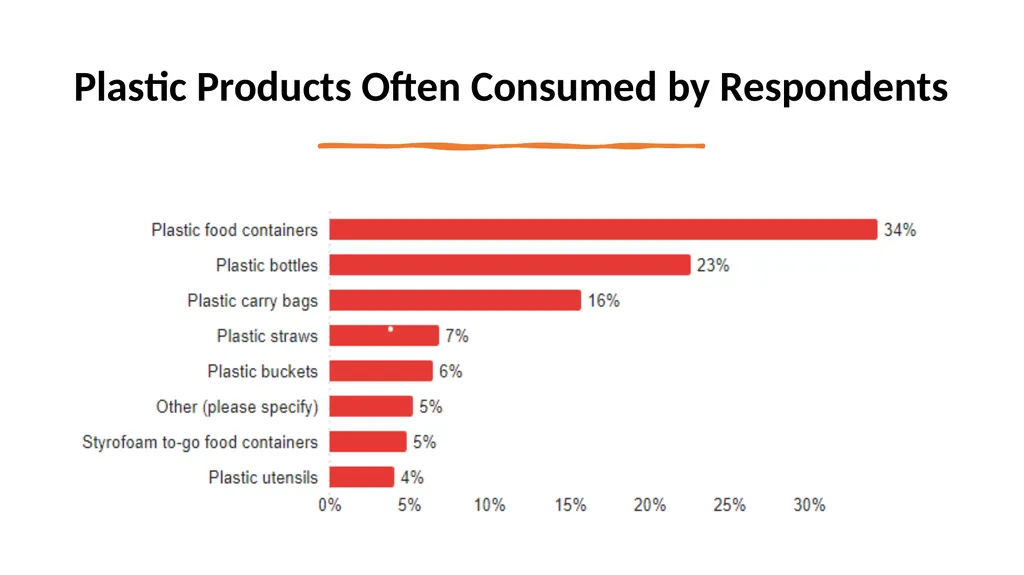
slide11. Plastic Products Often Consumed by Respondents<br>
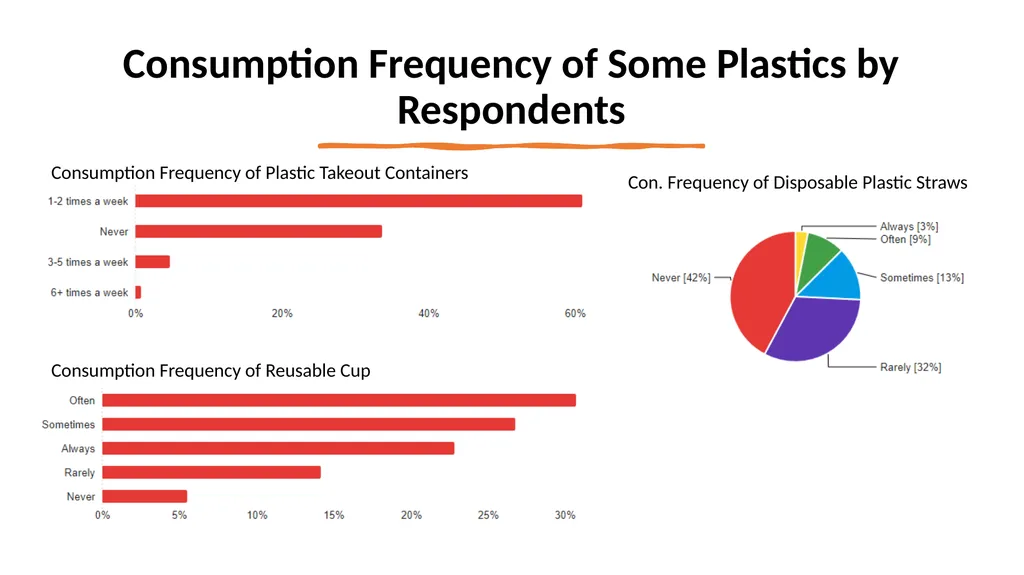
slide12. Consumption Frequency of Some Plastics by Respondents<br>
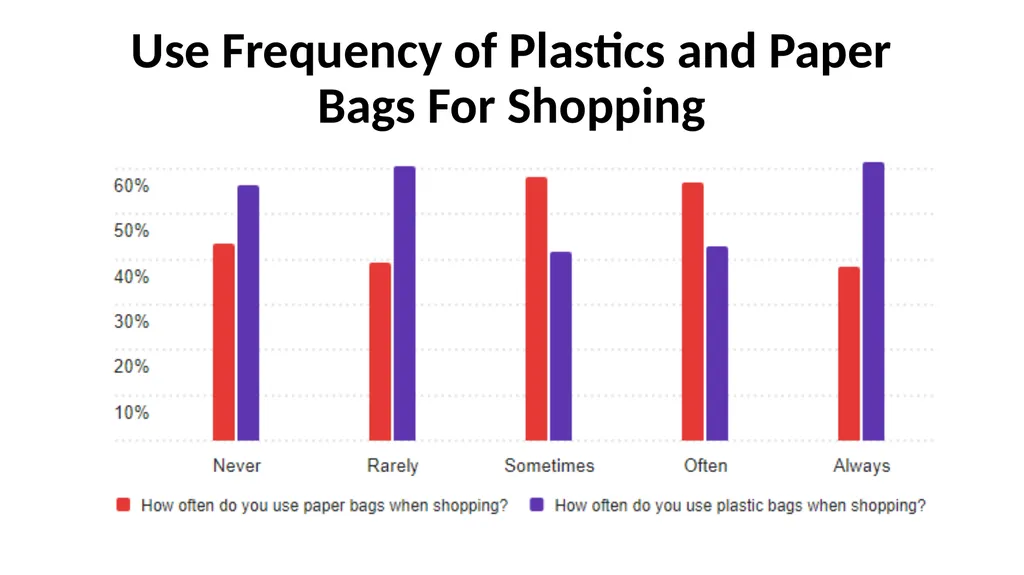
slide13. Use Frequency of Plastics and Paper Bags For Shopping<br>
slide14. Quantity of Plastic Bottles of Water/Soda Drinks Bought & Consumed By Respondents Monthly<br>
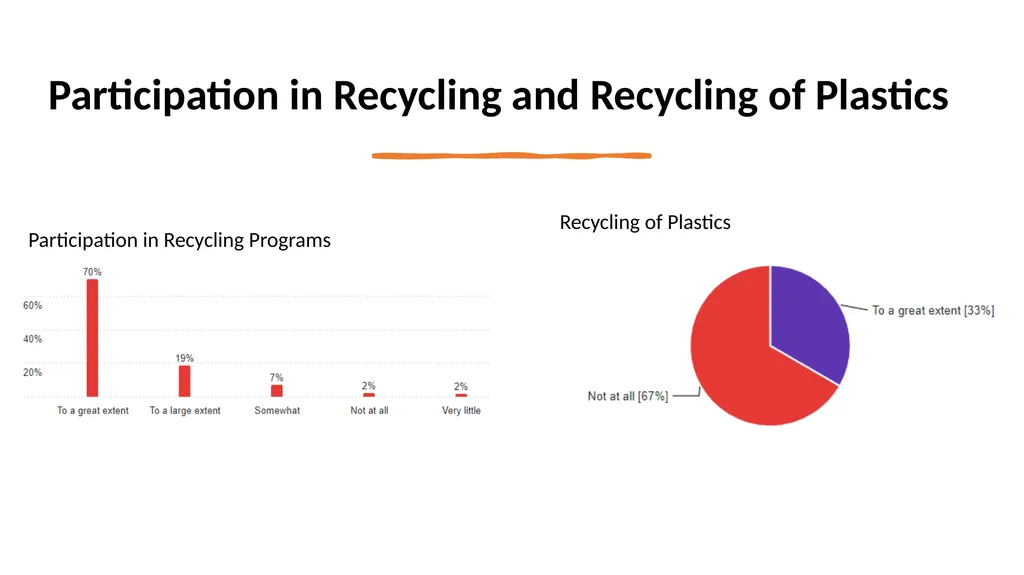
slide15. Participation in Recycling and Recycling of Plastics<br>
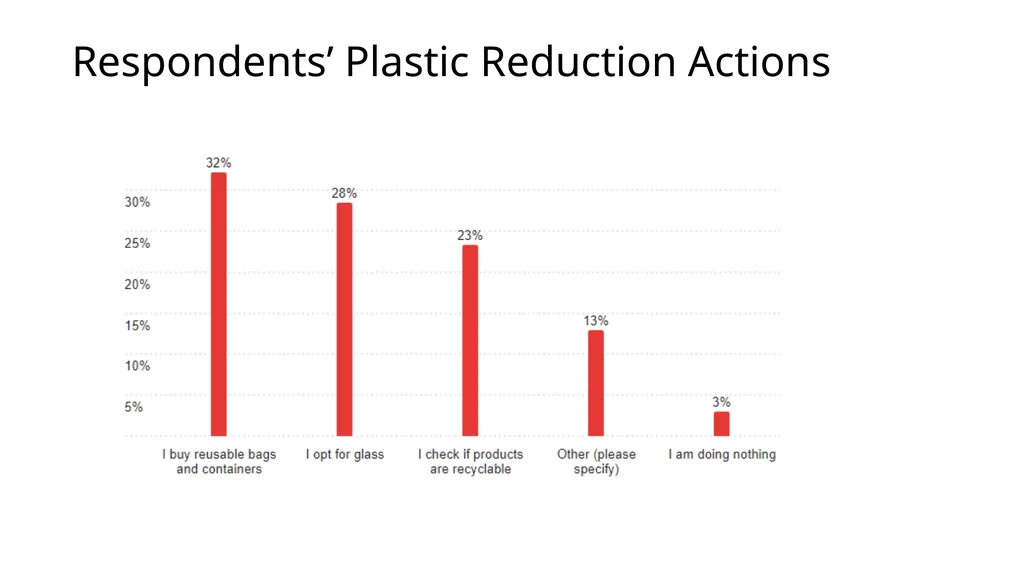
slide16. Respondents’ Plastic Reduction Actions<br>
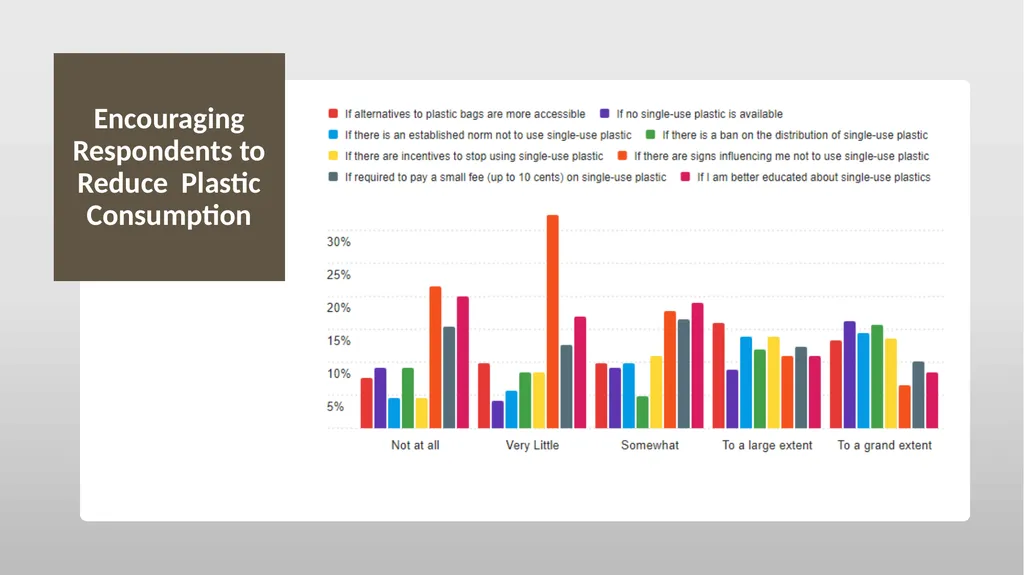
slide17. Encouraging Respondents to Reduce Plastic Consumption<br>
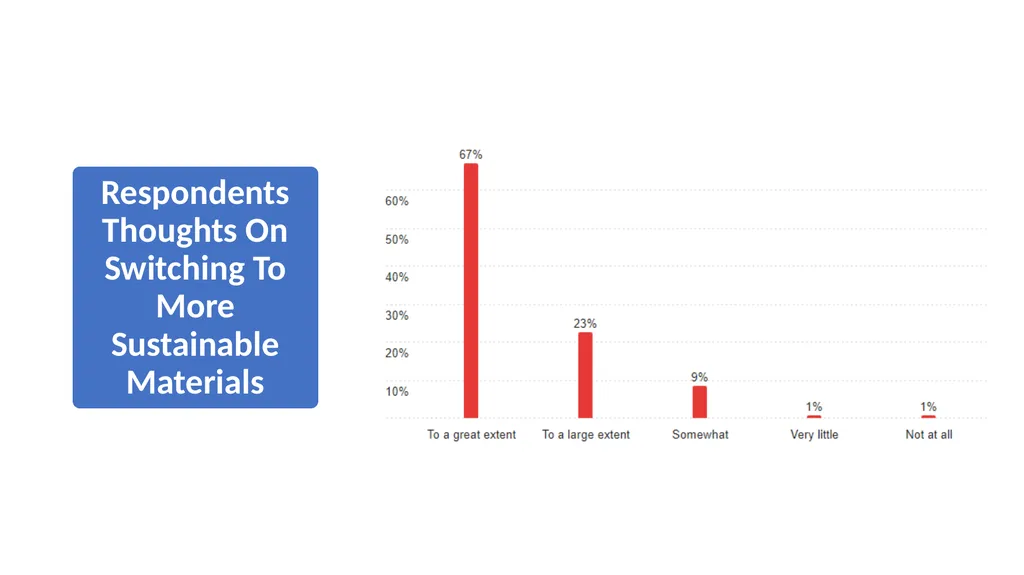
slide18. Respondents Thoughts On Switching To More Sustainable Materials<br>
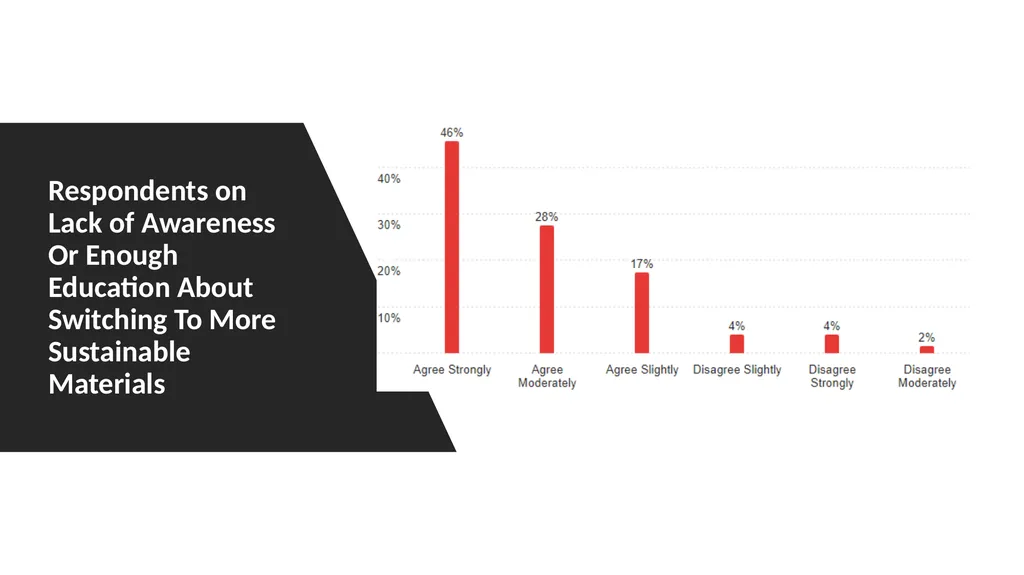
slide19. Respondents on Lack of Awareness Or Enough Education About Switching To More Sustainable Materials<br>
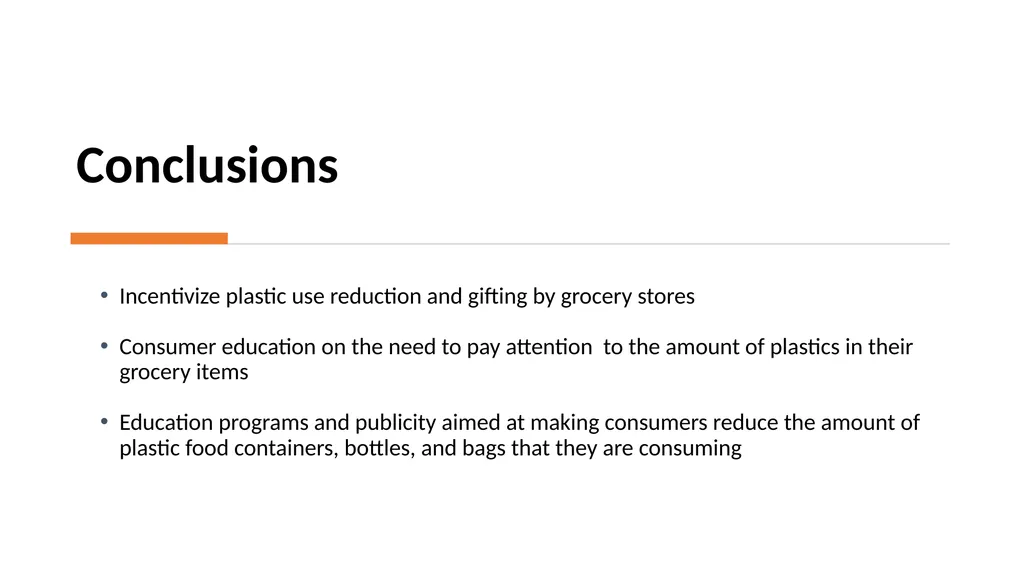
slide20. Conclusions Incentivize plastic use reduction and gifting by grocery stores
Consumer education on the need to pay attention to the amount of plastics in their grocery items
Education programs and publicity aimed at making consumers reduce the amount of plastic food containers, bottles, and bags that they are consuming<br>
slide21. Conclusions cont’d<br>
slide22. Food Waste Reduction at Northern Michigan University Co-constructing Circular Economic Opportunities through University Waste to Organics Diversion Program Presentation at
2024 Innovate Michigan Summit
Jelili Adebiyi, PhD
Department of Earth, Environment and Geographical Sciences, Northern Michigan University
Isabel Oertel
Environmental Studies and Sustainability, Biology (minor)
Northern Michigan University<br>
slide23. Presentation Outline<br>
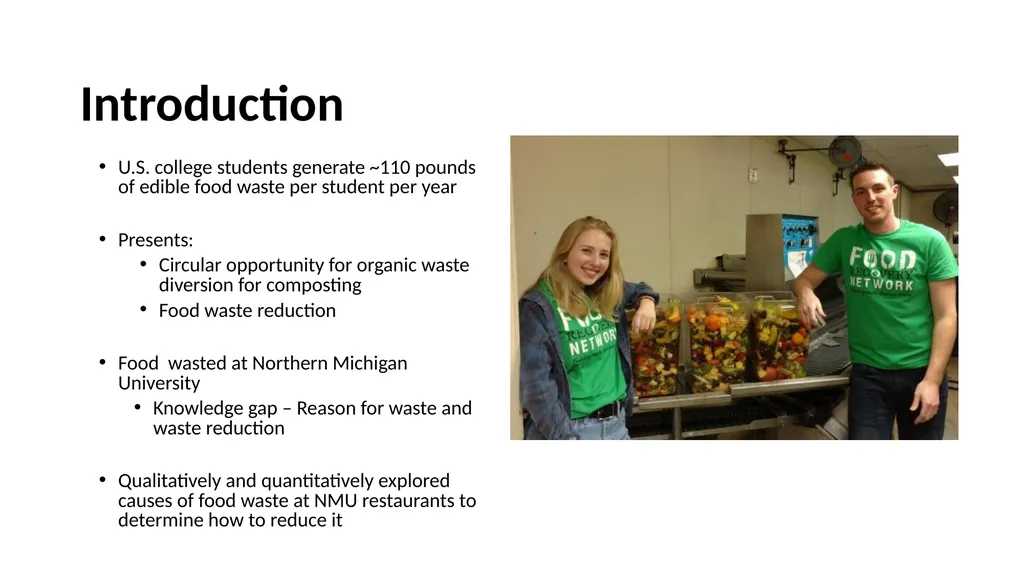
slide24. Introduction U.S. college students generate ~110 pounds of edible food waste per student per year
Presents:
Circular opportunity for organic waste diversion for composting
Food waste reduction
Food wasted at Northern Michigan University
Knowledge gap – Reason for waste and waste reduction
Qualitatively and quantitatively explored causes of food waste at NMU restaurants to determine how to reduce it<br>
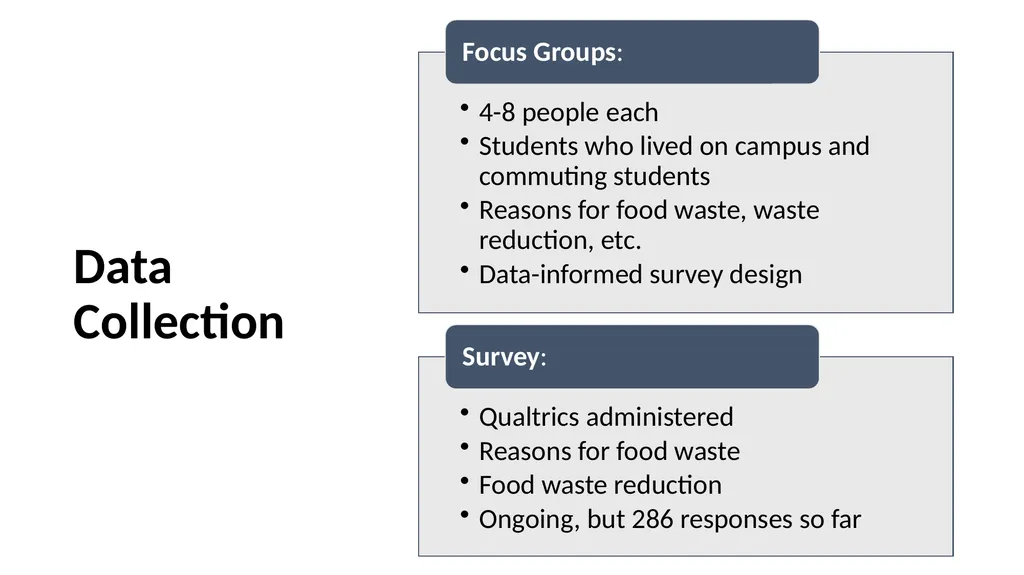
slide25. Data Collection<br>
slide26. FINDINGS<br>
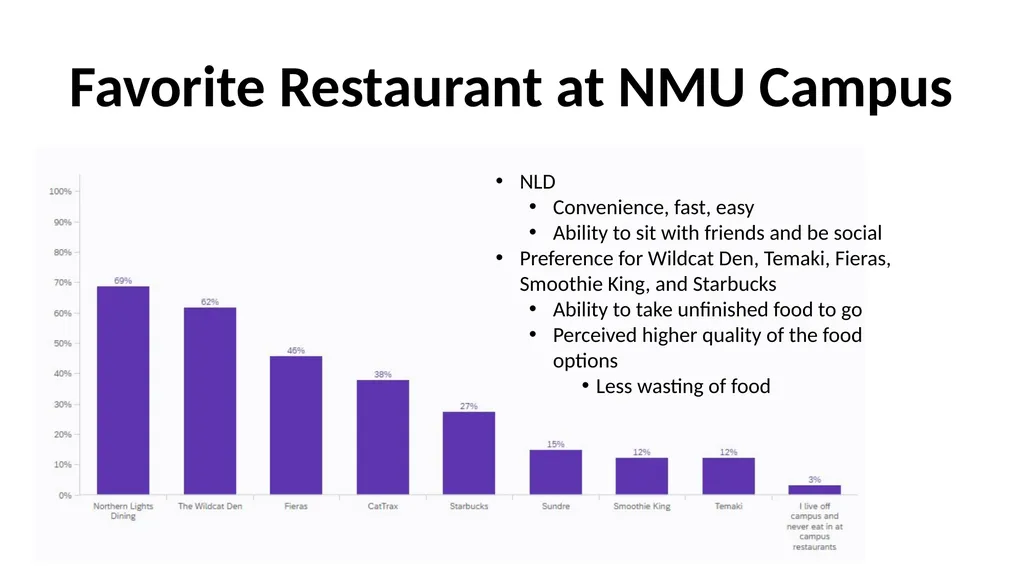
slide27. Favorite Restaurant at NMU Campus NLD
Convenience, fast, easy
Ability to sit with friends and be social
Preference for Wildcat Den, Temaki, Fieras, Smoothie King, and Starbucks
Ability to take unfinished food to go
Perceived higher quality of the food options
Less wasting of food<br>
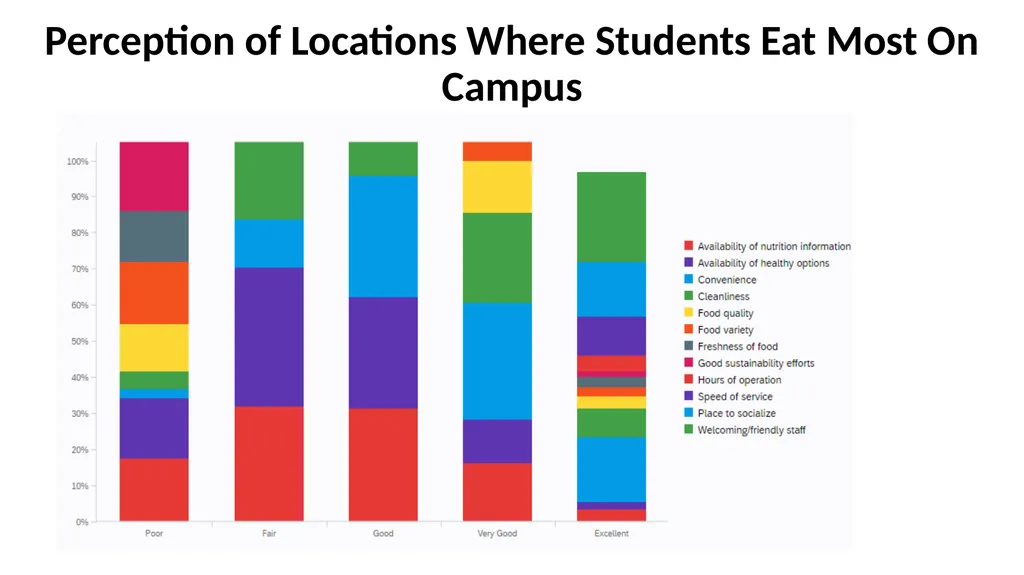
slide28. Perception of Locations Where Students Eat Most On Campus<br>
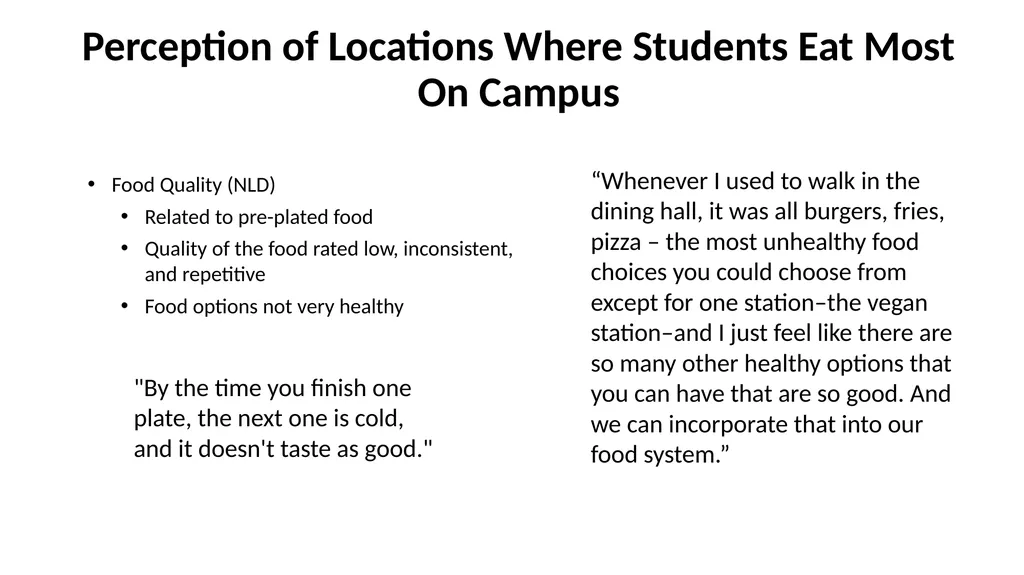
slide29. Perception of Locations Where Students Eat Most On Campus Food Quality (NLD)
Related to pre-plated food
Quality of the food rated low, inconsistent, and repetitive
Food options not very healthy “Whenever I used to walk in the dining hall, it was all burgers, fries, pizza – the most unhealthy food choices you could choose from except for one station–the vegan station–and I just feel like there are so many other healthy options that you can have that are so good. And we can incorporate that into our food system.” "By the time you finish one plate, the next one is cold, and it doesn't taste as good."<br>
slide30. Eating Habits At NMU Facilities Other Than Northern Lights Dining Take enough food
Majority take enough food (61%)
32% sometimes<br>
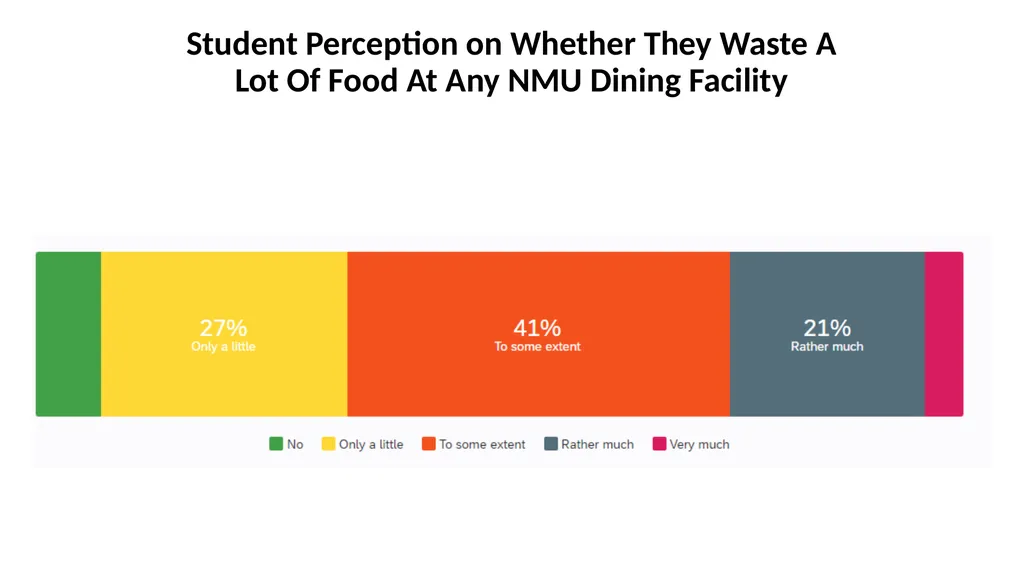
slide31. Student Perception on Whether They Waste A Lot Of Food At Any NMU Dining Facility Majority waste much food<br>
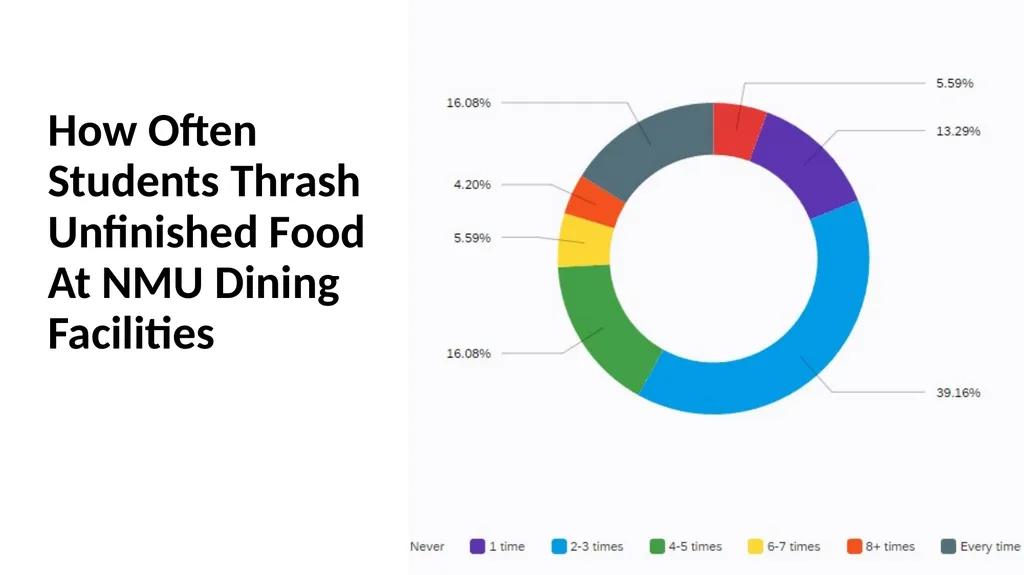
slide32. How Often Students Thrash Unfinished Food At NMU Dining Facilities<br>
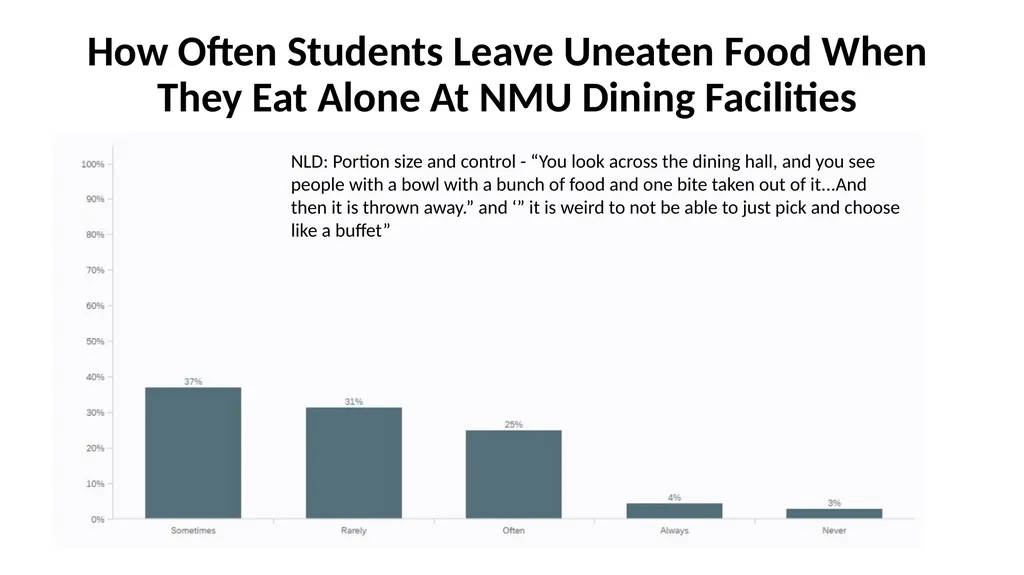
slide33. How Often Students Leave Uneaten Food When They Eat Alone At NMU Dining Facilities NLD: Portion size and control - “You look across the dining hall, and you see people with a bowl with a bunch of food and one bite taken out of it...And then it is thrown away.” and ‘” it is weird to not be able to just pick and choose like a buffet”<br>
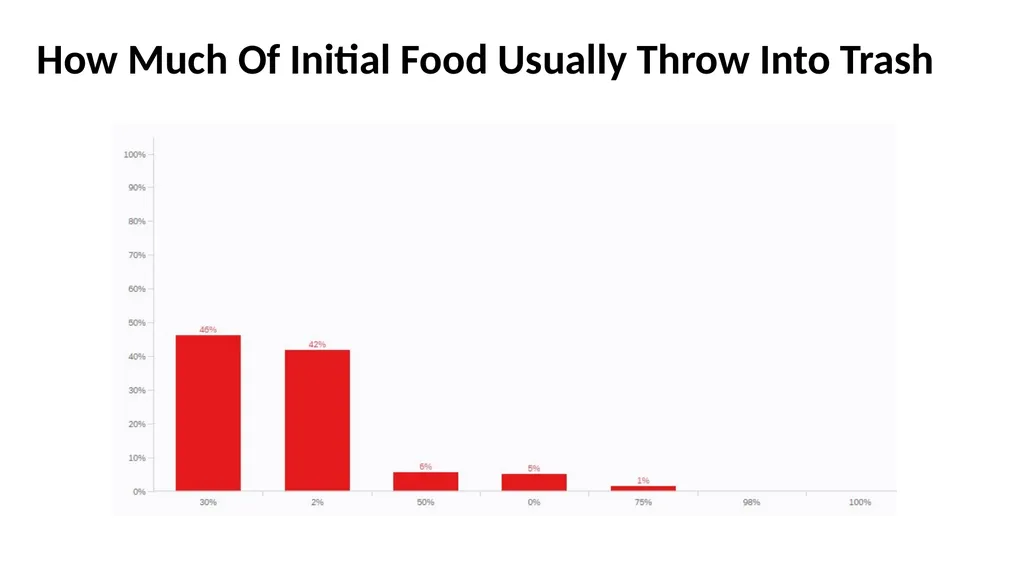
slide34. How Much Of Initial Food Usually Throw Into Trash<br>
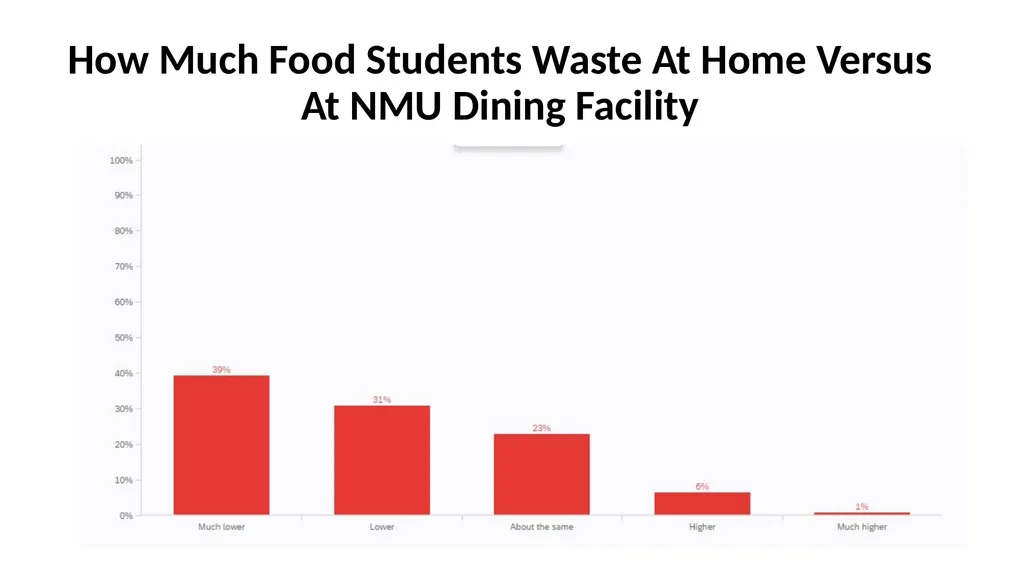
slide35. How Much Food Students Waste At Home Versus At NMU Dining Facility<br>
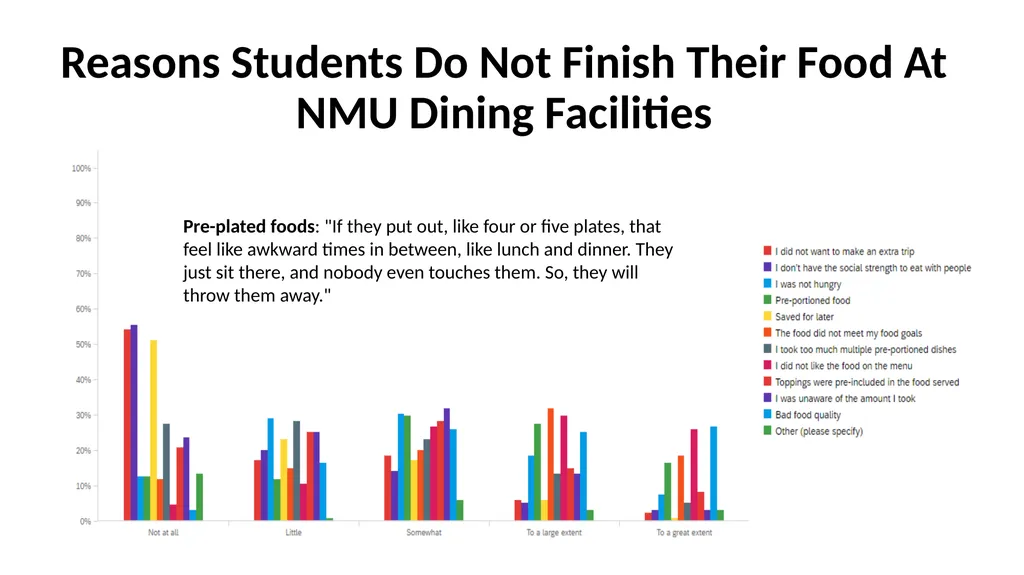
slide36. Reasons Students Do Not Finish Their Food At NMU Dining Facilities Pre-plated foods: "If they put out, like four or five plates, that feel like awkward times in between, like lunch and dinner. They just sit there, and nobody even touches them. So, they will throw them away."<br>
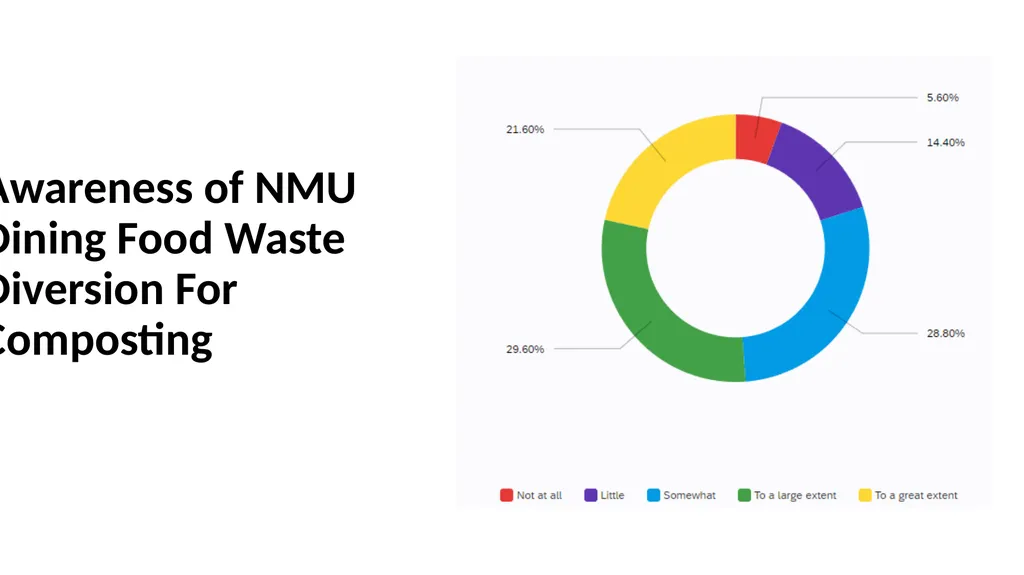
slide37. Awareness of NMU Dining Food Waste Diversion For Composting<br>
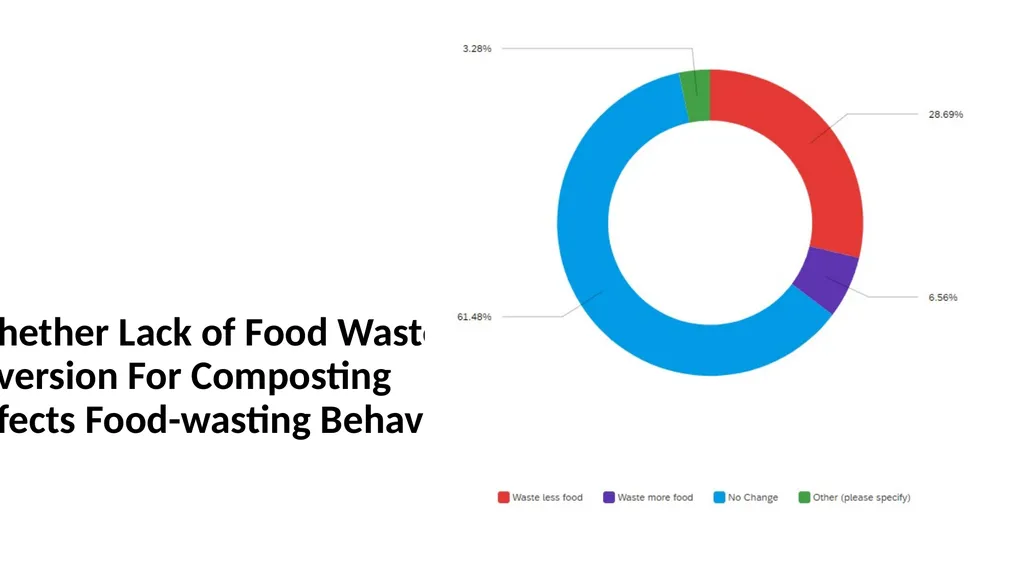
slide38. Whether Lack of Food Waste Diversion For Composting Affects Food-wasting Behavior<br>
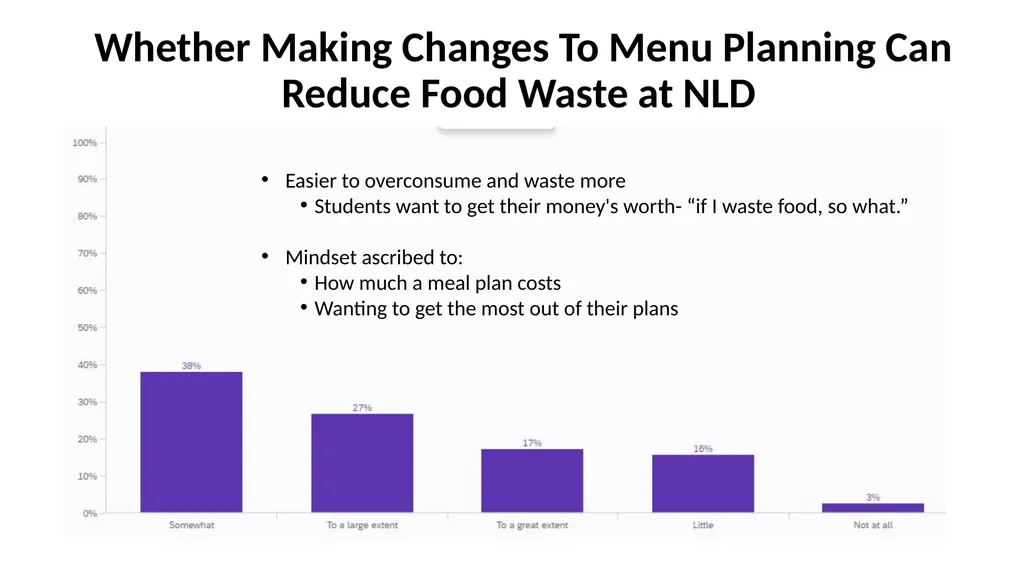
slide39. Whether Making Changes To Menu Planning Can Reduce Food Waste at NLD Easier to overconsume and waste more
Students want to get their money's worth- “if I waste food, so what.”
Mindset ascribed to:
How much a meal plan costs
Wanting to get the most out of their plans<br>
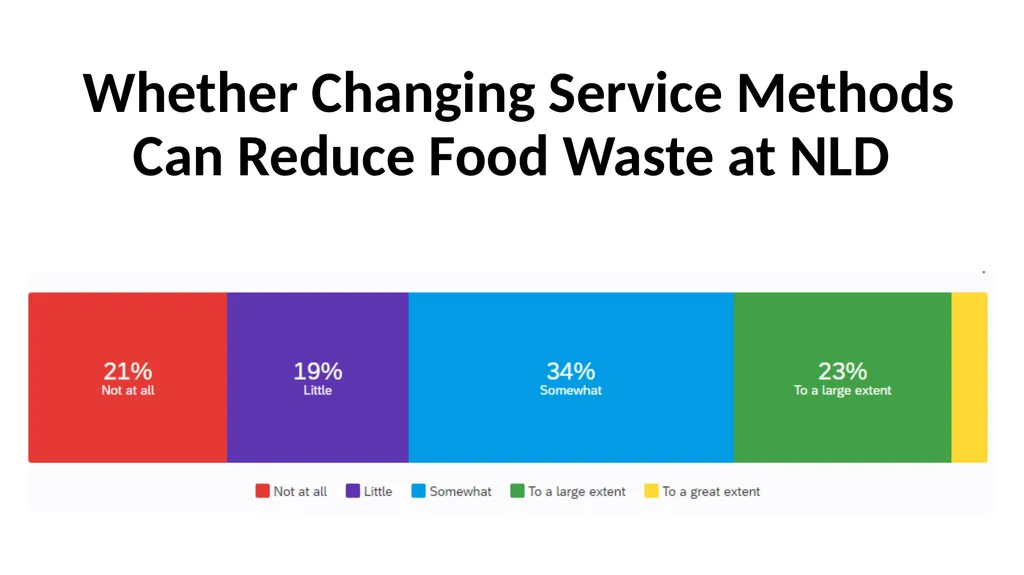
slide40. Whether Changing Service Methods Can Reduce Food Waste at NLD<br>
slide41. Educating Students to Reduce Food Waste<br>
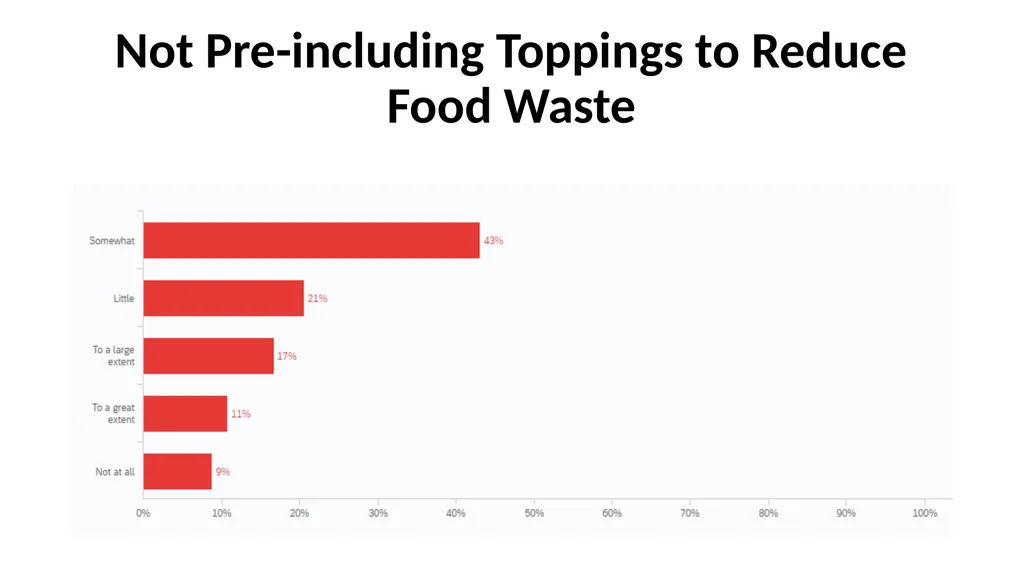
slide42. Not Pre-including Toppings to Reduce Food Waste<br>
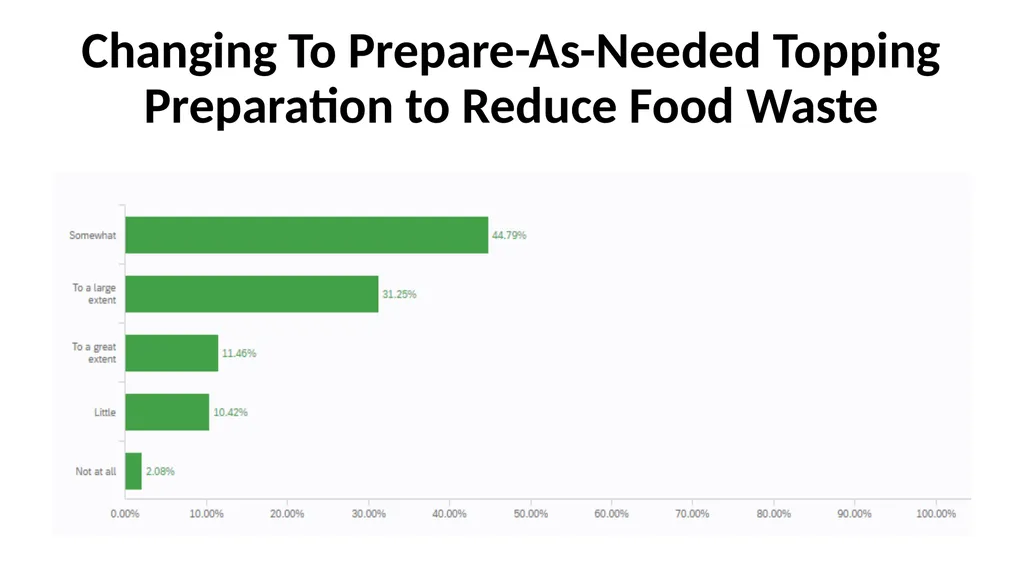
slide43. Changing To Prepare-As-Needed Topping Preparation to Reduce Food Waste<br>
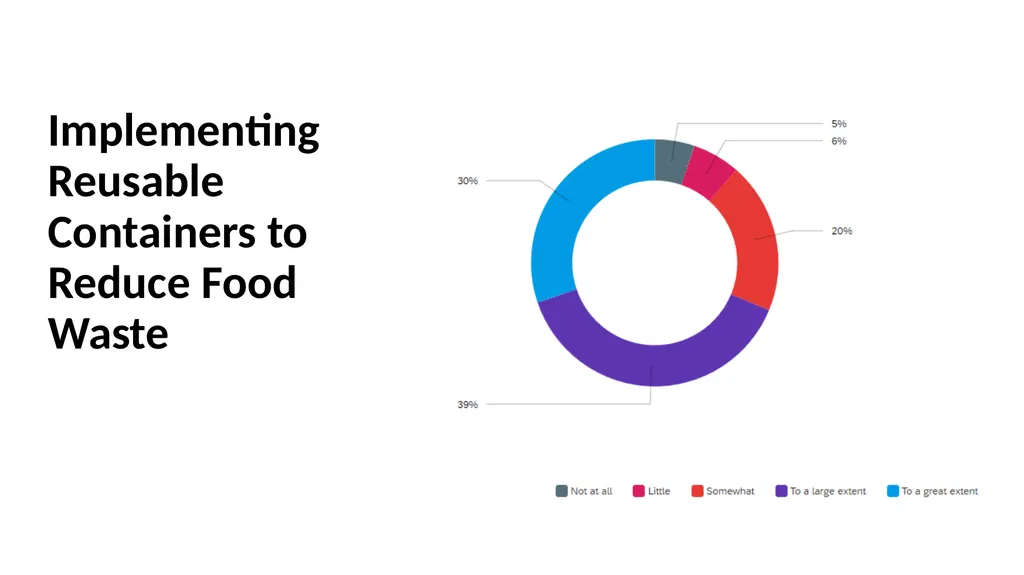
slide44. Implementing Reusable Containers to Reduce Food Waste<br>
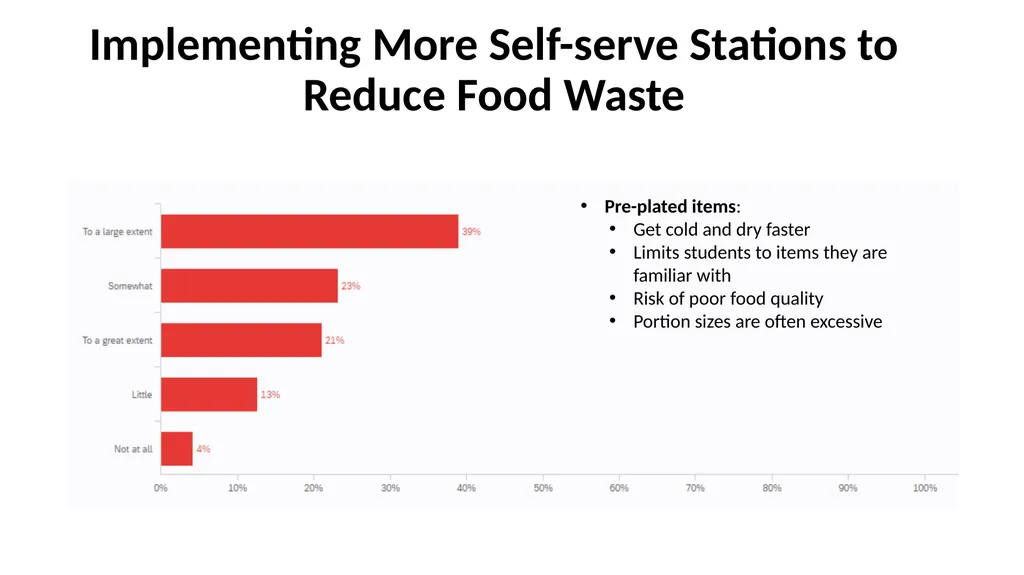
slide45. Implementing More Self-serve Stations to Reduce Food Waste Pre-plated items:
Get cold and dry faster
Limits students to items they are familiar with
Risk of poor food quality
Portion sizes are often excessive<br>
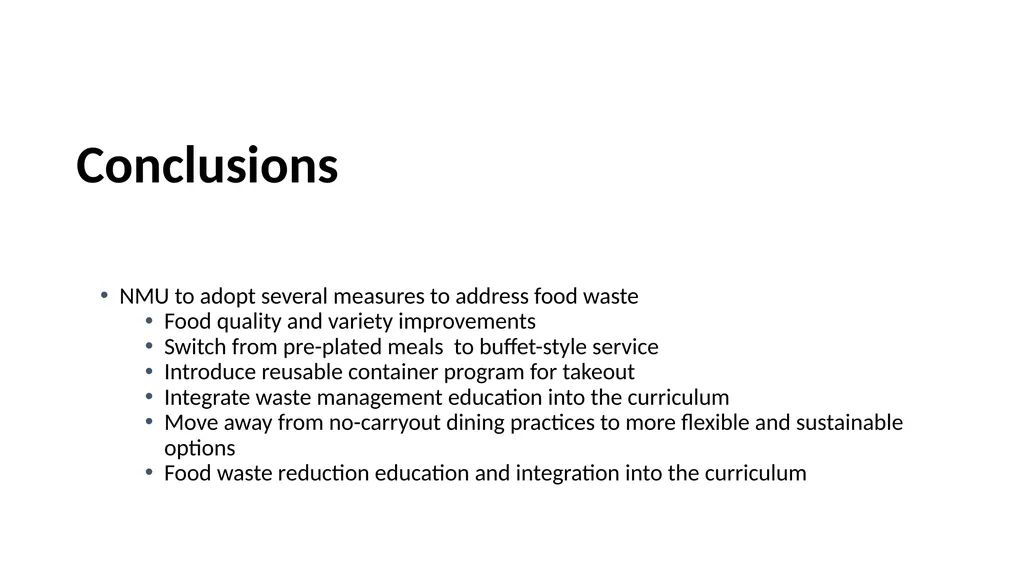
slide46. Conclusions NMU to adopt several measures to address food waste
Food quality and variety improvements
Switch from pre-plated meals to buffet-style service
Introduce reusable container program for takeout
Integrate waste management education into the curriculum
Move away from no-carryout dining practices to more flexible and sustainable options
Food waste reduction education and integration into the curriculum<br>
slide47. Thank You REI MSU for Your Funding Support<br>
slide48. Thank You<br>
2024 Innovate Michigan Summit
Jelili Adebiyi, PhD
Department of Earth, Environment and Geographical Sciences
Northern Michigan University
Amelia Grabanski
Bachelor of Science: Environmental Studies, Minor: Criminal Justice
Northern Michigan University<br>
slide2. Presentation Outline<br>
slide3. Study Background<br>
slide4. Background cont’d “Plastic pollution… is a consumption problem” - Volunteer Manager at Alliance for the Great Lakes
Consumers plastic consumption behaviors to be examined
How consumers use plastics, whether they recycle plastics, and how they manage their plastic waste
Residents’ awareness and knowledge of plastic sustainability issues<br>
slide5. Problem Statement Explore plastic consumption and recycling habits of Marquette County residents
Explore residents’ thoughts on impediments to switching from excessive plastic consumption to more sustainable materials<br>
slide6. Data Collection Using sequential mixed methods
Qualtrics-administered survey (n=129, still ongoing)
Resident of Marquette County
Assess plastic consumption, reuse, and recycling habits of respondents and knowledge of plastic consumption sustainability issues<br>
slide7. Data Collection cont’d Interviews (Upcoming): To explore:
Plastic consumption habits
Plastic recycling practices
Motivations to use less plastic and supporting residents to make the transition<br>
slide8. FINDINGS<br>
slide9. Respondents’ Demographics Different ages, income levels, and education levels<br>
slide10. Respondents’ Major Source of Plastic Consumed Respondents’ Attention to Quantity of Plastic in their items During Shopping<br>
slide11. Plastic Products Often Consumed by Respondents<br>
slide12. Consumption Frequency of Some Plastics by Respondents<br>
slide13. Use Frequency of Plastics and Paper Bags For Shopping<br>
slide14. Quantity of Plastic Bottles of Water/Soda Drinks Bought & Consumed By Respondents Monthly<br>
slide15. Participation in Recycling and Recycling of Plastics<br>
slide16. Respondents’ Plastic Reduction Actions<br>
slide17. Encouraging Respondents to Reduce Plastic Consumption<br>
slide18. Respondents Thoughts On Switching To More Sustainable Materials<br>
slide19. Respondents on Lack of Awareness Or Enough Education About Switching To More Sustainable Materials<br>
slide20. Conclusions Incentivize plastic use reduction and gifting by grocery stores
Consumer education on the need to pay attention to the amount of plastics in their grocery items
Education programs and publicity aimed at making consumers reduce the amount of plastic food containers, bottles, and bags that they are consuming<br>
slide21. Conclusions cont’d<br>
slide22. Food Waste Reduction at Northern Michigan University Co-constructing Circular Economic Opportunities through University Waste to Organics Diversion Program Presentation at
2024 Innovate Michigan Summit
Jelili Adebiyi, PhD
Department of Earth, Environment and Geographical Sciences, Northern Michigan University
Isabel Oertel
Environmental Studies and Sustainability, Biology (minor)
Northern Michigan University<br>
slide23. Presentation Outline<br>
slide24. Introduction U.S. college students generate ~110 pounds of edible food waste per student per year
Presents:
Circular opportunity for organic waste diversion for composting
Food waste reduction
Food wasted at Northern Michigan University
Knowledge gap – Reason for waste and waste reduction
Qualitatively and quantitatively explored causes of food waste at NMU restaurants to determine how to reduce it<br>
slide25. Data Collection<br>
slide26. FINDINGS<br>
slide27. Favorite Restaurant at NMU Campus NLD
Convenience, fast, easy
Ability to sit with friends and be social
Preference for Wildcat Den, Temaki, Fieras, Smoothie King, and Starbucks
Ability to take unfinished food to go
Perceived higher quality of the food options
Less wasting of food<br>
slide28. Perception of Locations Where Students Eat Most On Campus<br>
slide29. Perception of Locations Where Students Eat Most On Campus Food Quality (NLD)
Related to pre-plated food
Quality of the food rated low, inconsistent, and repetitive
Food options not very healthy “Whenever I used to walk in the dining hall, it was all burgers, fries, pizza – the most unhealthy food choices you could choose from except for one station–the vegan station–and I just feel like there are so many other healthy options that you can have that are so good. And we can incorporate that into our food system.” "By the time you finish one plate, the next one is cold, and it doesn't taste as good."<br>
slide30. Eating Habits At NMU Facilities Other Than Northern Lights Dining Take enough food
Majority take enough food (61%)
32% sometimes<br>
slide31. Student Perception on Whether They Waste A Lot Of Food At Any NMU Dining Facility Majority waste much food<br>
slide32. How Often Students Thrash Unfinished Food At NMU Dining Facilities<br>
slide33. How Often Students Leave Uneaten Food When They Eat Alone At NMU Dining Facilities NLD: Portion size and control - “You look across the dining hall, and you see people with a bowl with a bunch of food and one bite taken out of it...And then it is thrown away.” and ‘” it is weird to not be able to just pick and choose like a buffet”<br>
slide34. How Much Of Initial Food Usually Throw Into Trash<br>
slide35. How Much Food Students Waste At Home Versus At NMU Dining Facility<br>
slide36. Reasons Students Do Not Finish Their Food At NMU Dining Facilities Pre-plated foods: "If they put out, like four or five plates, that feel like awkward times in between, like lunch and dinner. They just sit there, and nobody even touches them. So, they will throw them away."<br>
slide37. Awareness of NMU Dining Food Waste Diversion For Composting<br>
slide38. Whether Lack of Food Waste Diversion For Composting Affects Food-wasting Behavior<br>
slide39. Whether Making Changes To Menu Planning Can Reduce Food Waste at NLD Easier to overconsume and waste more
Students want to get their money's worth- “if I waste food, so what.”
Mindset ascribed to:
How much a meal plan costs
Wanting to get the most out of their plans<br>
slide40. Whether Changing Service Methods Can Reduce Food Waste at NLD<br>
slide41. Educating Students to Reduce Food Waste<br>
slide42. Not Pre-including Toppings to Reduce Food Waste<br>
slide43. Changing To Prepare-As-Needed Topping Preparation to Reduce Food Waste<br>
slide44. Implementing Reusable Containers to Reduce Food Waste<br>
slide45. Implementing More Self-serve Stations to Reduce Food Waste Pre-plated items:
Get cold and dry faster
Limits students to items they are familiar with
Risk of poor food quality
Portion sizes are often excessive<br>
slide46. Conclusions NMU to adopt several measures to address food waste
Food quality and variety improvements
Switch from pre-plated meals to buffet-style service
Introduce reusable container program for takeout
Integrate waste management education into the curriculum
Move away from no-carryout dining practices to more flexible and sustainable options
Food waste reduction education and integration into the curriculum<br>
slide47. Thank You REI MSU for Your Funding Support<br>
slide48. Thank You<br>