
Content Introduction to Cloud Computing. Multi

Description: Content Introduction to Cloud Computing. Multi Cloud. Threats. Scenarios. Proposed Solution. Conclusion. Evolution of cloud Computing 1950s Mainframe Computing 1970s Concept of Virtual Machine 1990s Telecommunications companies started
Related Topics
Download Presentation
"Content Introduction to Cloud Computing. Multi" is the property of its rightful owner. Permission is granted to download and print the materials on this website for personal, non-commercial use only, and to display it on your personal computer provided you do not modify the materials and that you retain all copyright notices contained in the materials. By downloading content from our website, you accept the terms of this agreement.
Presentation Transcript
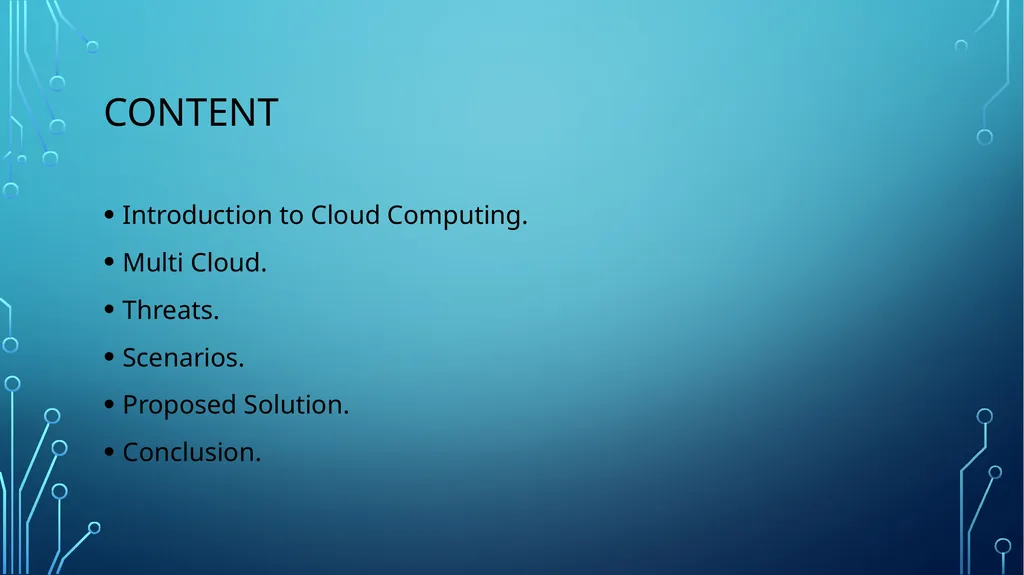
slide2. Content Introduction to Cloud Computing.
Multi Cloud.
Threats.
Scenarios.
Proposed Solution.
Conclusion.<br>
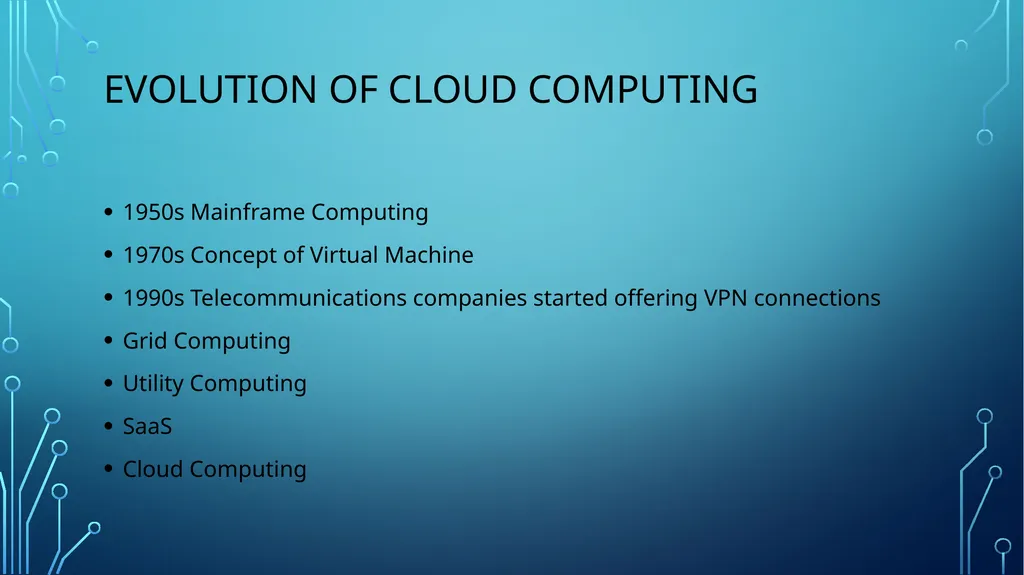
slide3. Evolution of cloud Computing 1950s Mainframe Computing
1970s Concept of Virtual Machine
1990s Telecommunications companies started offering VPN connections
Grid Computing
Utility Computing
SaaS
Cloud Computing<br>
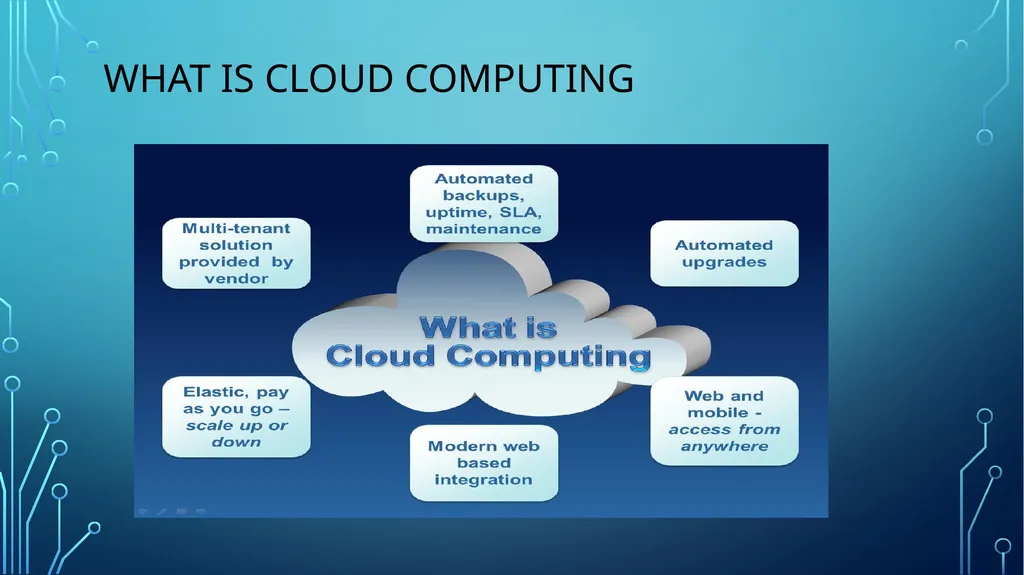
slide4. What Is Cloud Computing<br>
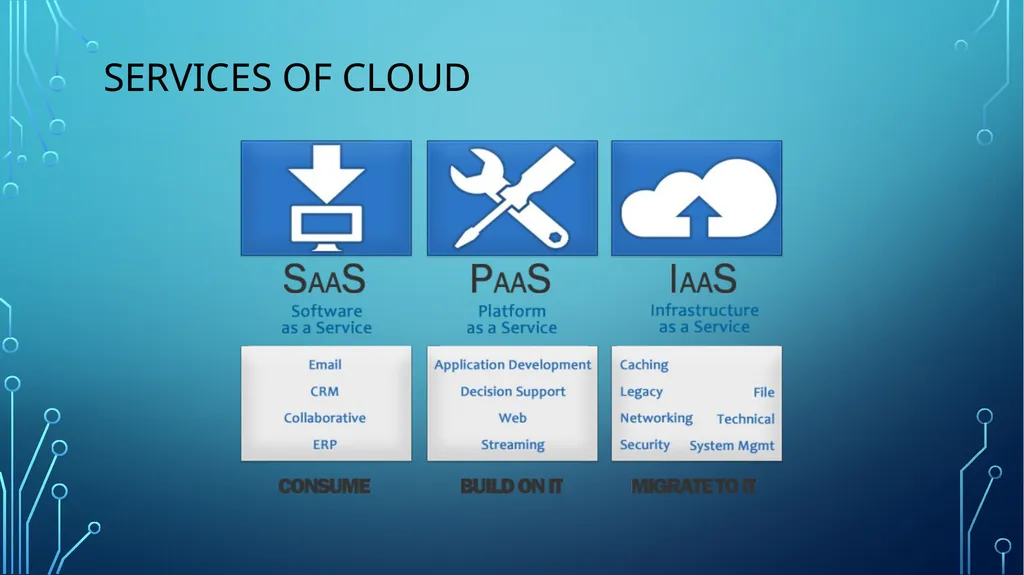
slide5. Services of Cloud<br>
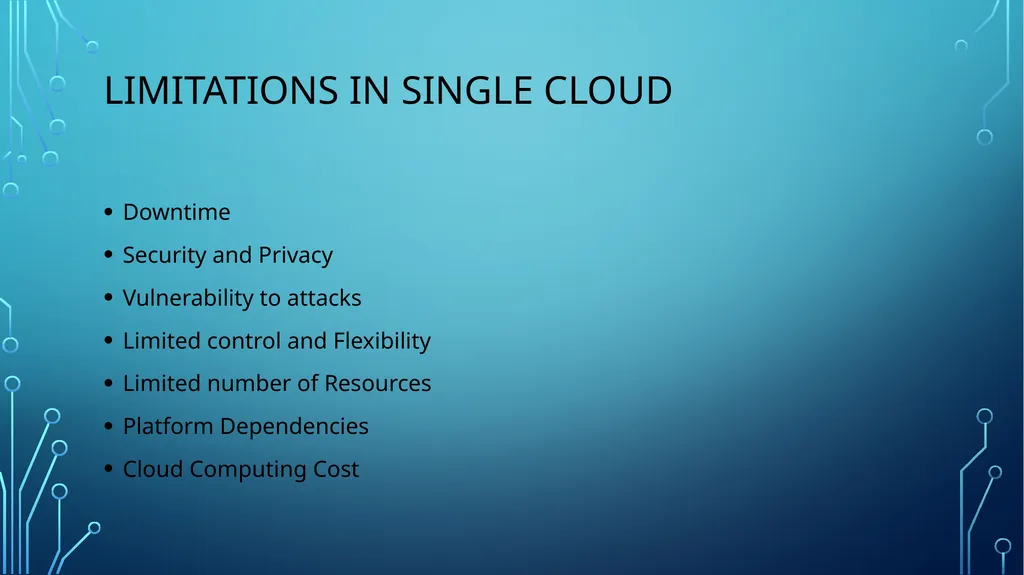
slide6. Limitations in Single cloud Downtime
Security and Privacy
Vulnerability to attacks
Limited control and Flexibility
Limited number of Resources
Platform Dependencies
Cloud Computing Cost<br>
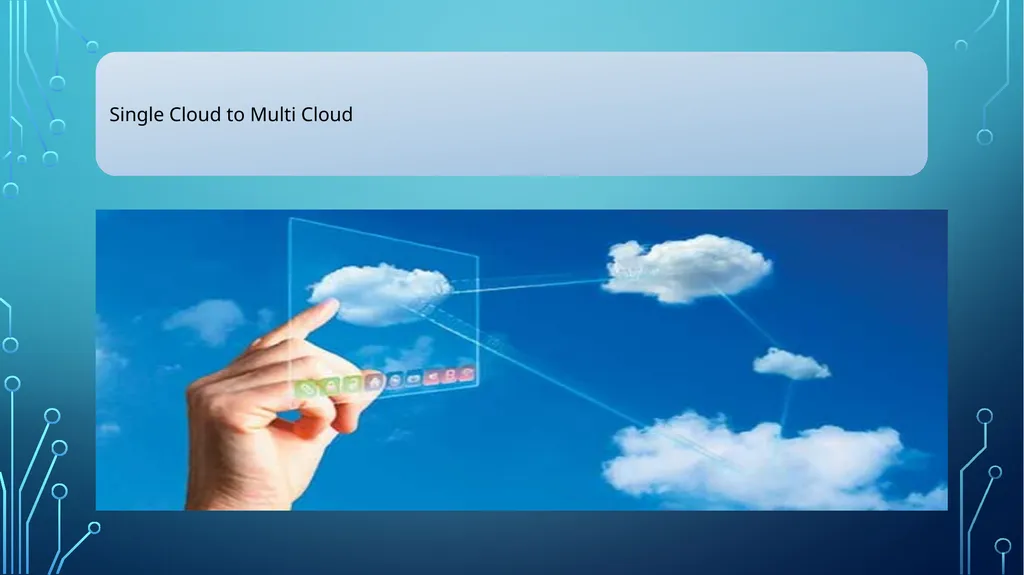
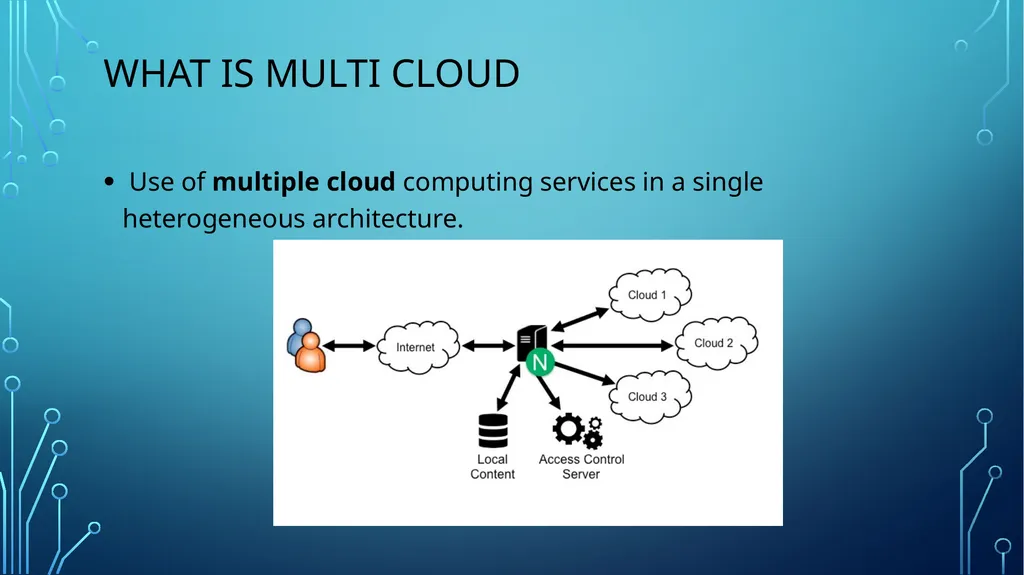
slide8. What is multi cloud Use of multiple cloud computing services in a single heterogeneous architecture.<br>
slide9. Need of multi cloud Autonomy-: Reducing Reliance on any single vendor
Increasing flexibility through choice
Mitigation against disaster
Hybridity-: Some applications on-premises and others on one or more public clouds
Extended capabilities
Leveraging public cloud cost benefits
Support varying level of security concerns<br>
slide10. Threats in multi cloud Increase in attack surface due to system complexity.
Data privacy concerns due to multitenancy.
Cloud service provider don’t understand each other.
Conflict in policies.
Loss of client’s control over resources and data due to asset migration.
The biggest issue in multi cloud environment is trust.
Complexity.
Management overhead.<br>
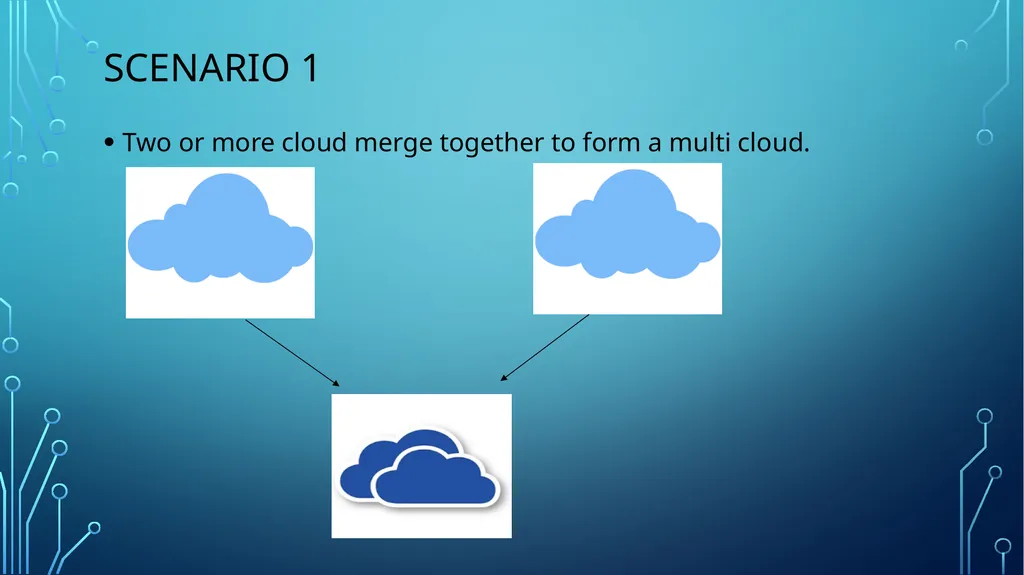
slide11. SCENARIO 1 Two or more cloud merge together to form a multi cloud.<br>
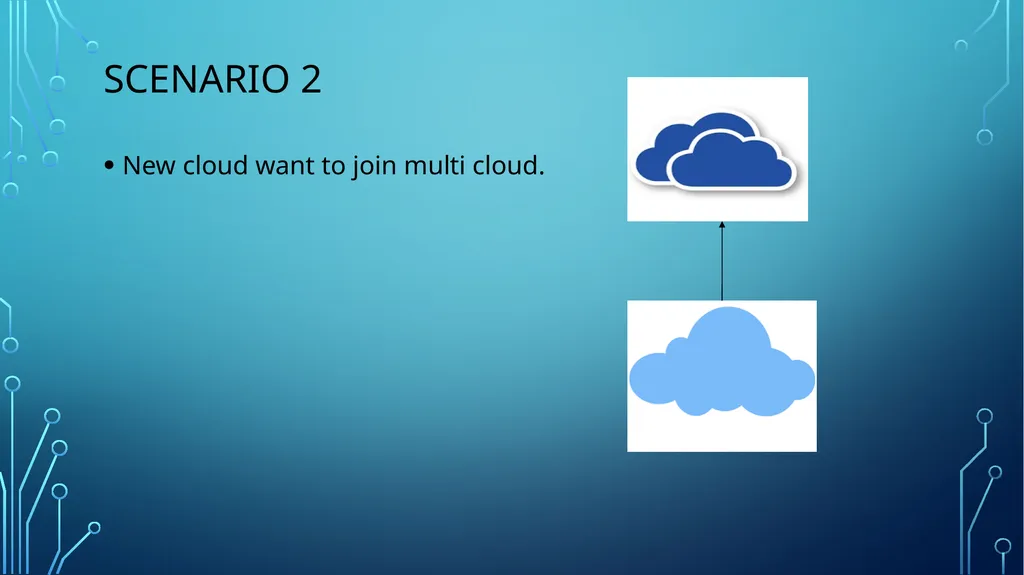
slide12. SCENARIO 2 New cloud want to join multi cloud.<br>
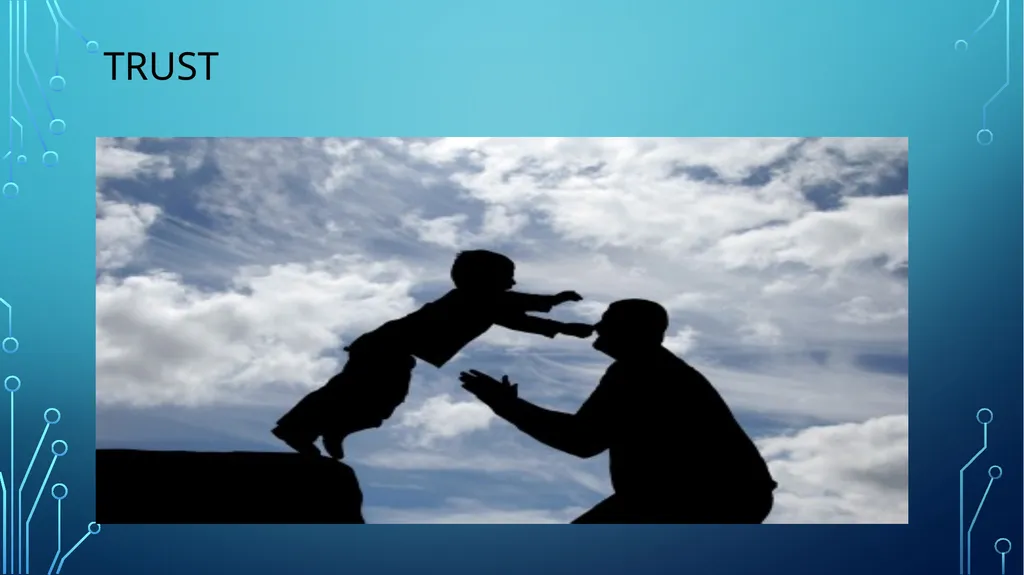
slide13. Trust<br>
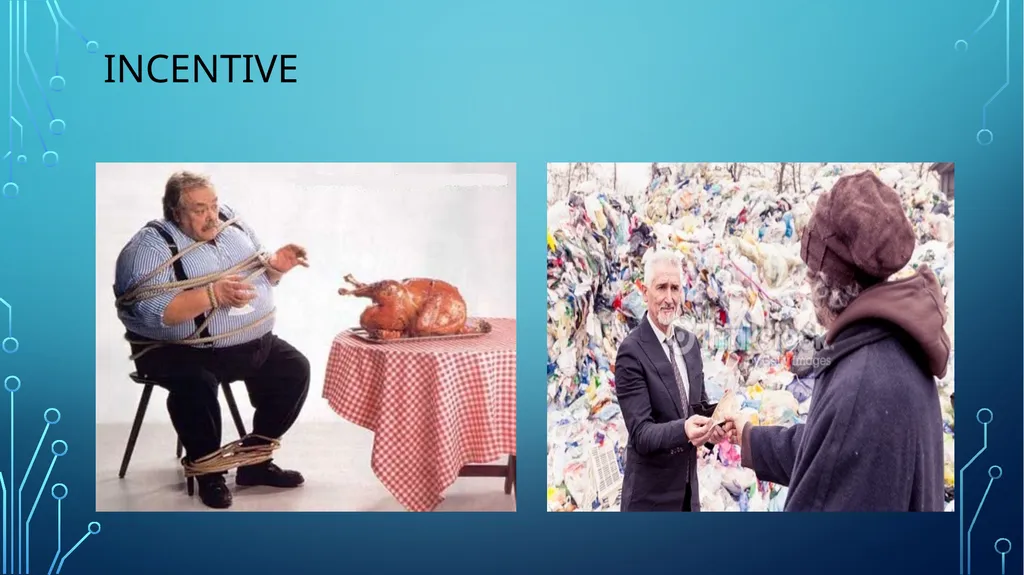
slide14. incentive<br>
slide15. Proposed Solution Weighted Probability Trust.
Customization as a Service.
Third Party Multi Cloud Audit<br>
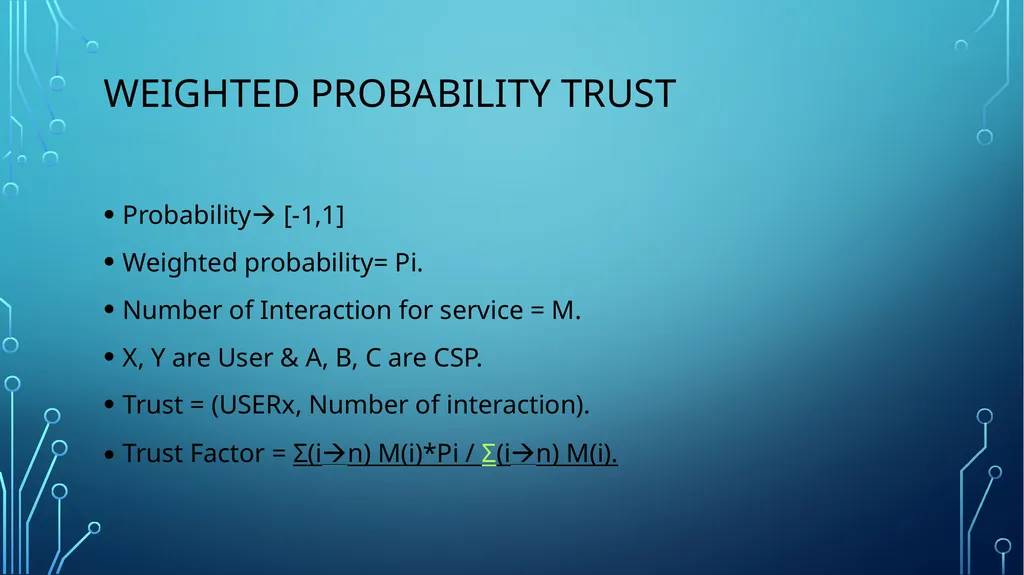
slide16. Weighted probability Trust Probability [-1,1]
Weighted probability= Pi.
Number of Interaction for service = M.
X, Y are User & A, B, C are CSP.
Trust = (USERx, Number of interaction).
Trust Factor = Σ(in) M(i)*Pi / Σ(in) M(i).<br>
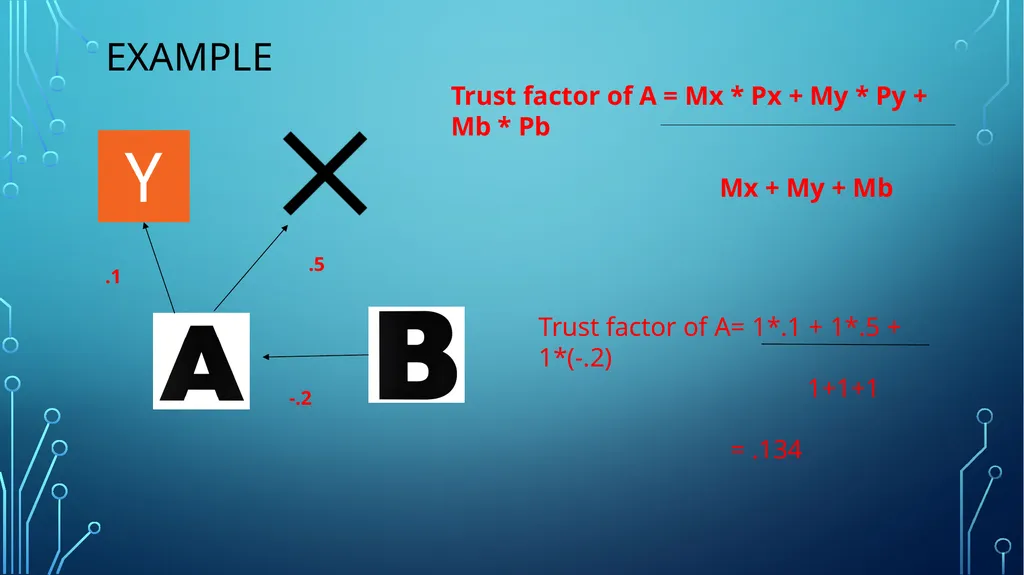
slide17. Example .5 .1 -.2 Trust factor of A= 1*.1 + 1*.5 + 1*(-.2)
1+1+1
= .134 Trust factor of A = Mx * Px + My * Py + Mb * Pb
Mx + My + Mb<br>
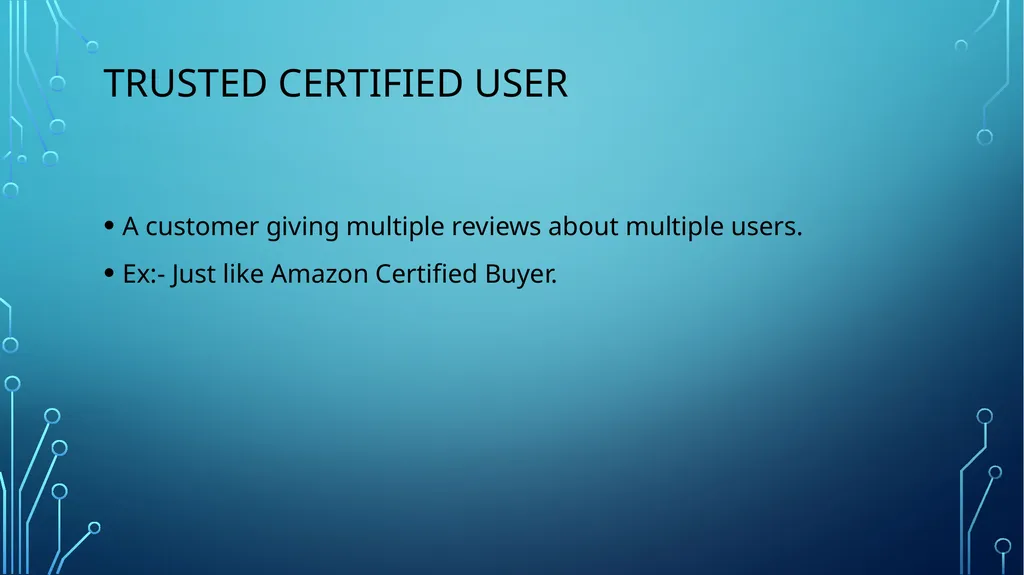
slide18. Trusted Certified User A customer giving multiple reviews about multiple users.
Ex:- Just like Amazon Certified Buyer.<br>
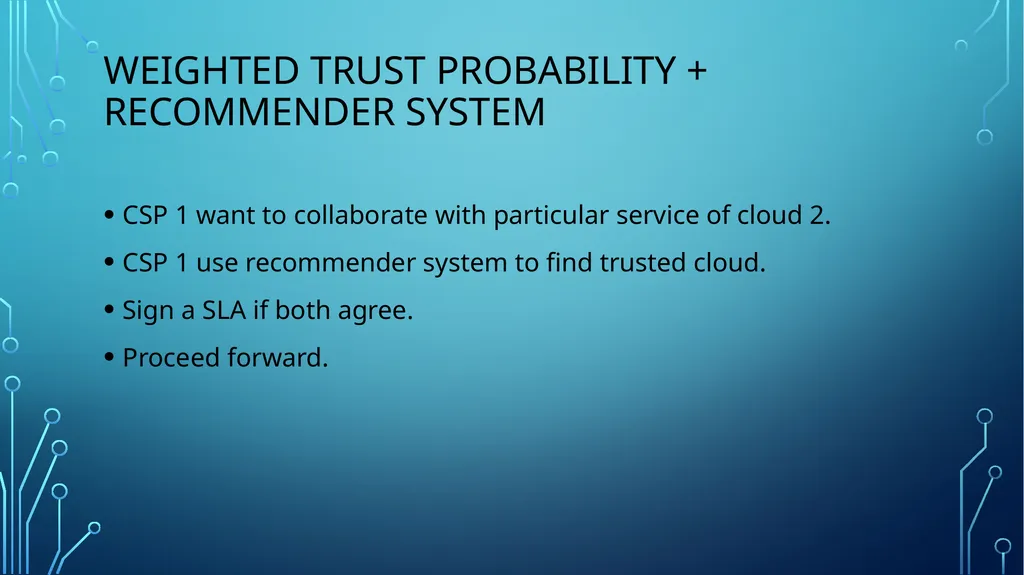
slide19. Weighted Trust Probability + Recommender System CSP 1 want to collaborate with particular service of cloud 2.
CSP 1 use recommender system to find trusted cloud.
Sign a SLA if both agree.
Proceed forward.<br>
slide20. Customization Policy as A Service CSPs can choose their own policy and agree on it.
User can select any predefined set of policies based on their requirements.
Old policy can be used or rebuild new ones according to the requirements and if satisfied incentive.<br>
slide21. Trusted third party Multi cloud audit Weighted probability trust has deployed a trusted environment.
SLA is there but still we need a physical entity to keep regular check.
Third party cloud auditor is the trusted party or friend who will keep regular check in the multi cloud environment.<br>
slide22. Conclusion Started with single cloud, But not able to satisfy users need.
Multi Cloud is able to satisfy user needs, but still poses some threats and limitations.
Trust is the key issue in multi cloud architecture.
We propose three method to generate full of trust architecture.
Our architecture and methods if implemented can provide high level secure and conflict environment.<br>
Multi Cloud.
Threats.
Scenarios.
Proposed Solution.
Conclusion.<br>
slide3. Evolution of cloud Computing 1950s Mainframe Computing
1970s Concept of Virtual Machine
1990s Telecommunications companies started offering VPN connections
Grid Computing
Utility Computing
SaaS
Cloud Computing<br>
slide4. What Is Cloud Computing<br>
slide5. Services of Cloud<br>
slide6. Limitations in Single cloud Downtime
Security and Privacy
Vulnerability to attacks
Limited control and Flexibility
Limited number of Resources
Platform Dependencies
Cloud Computing Cost<br>
slide8. What is multi cloud Use of multiple cloud computing services in a single heterogeneous architecture.<br>
slide9. Need of multi cloud Autonomy-: Reducing Reliance on any single vendor
Increasing flexibility through choice
Mitigation against disaster
Hybridity-: Some applications on-premises and others on one or more public clouds
Extended capabilities
Leveraging public cloud cost benefits
Support varying level of security concerns<br>
slide10. Threats in multi cloud Increase in attack surface due to system complexity.
Data privacy concerns due to multitenancy.
Cloud service provider don’t understand each other.
Conflict in policies.
Loss of client’s control over resources and data due to asset migration.
The biggest issue in multi cloud environment is trust.
Complexity.
Management overhead.<br>
slide11. SCENARIO 1 Two or more cloud merge together to form a multi cloud.<br>
slide12. SCENARIO 2 New cloud want to join multi cloud.<br>
slide13. Trust<br>
slide14. incentive<br>
slide15. Proposed Solution Weighted Probability Trust.
Customization as a Service.
Third Party Multi Cloud Audit<br>
slide16. Weighted probability Trust Probability [-1,1]
Weighted probability= Pi.
Number of Interaction for service = M.
X, Y are User & A, B, C are CSP.
Trust = (USERx, Number of interaction).
Trust Factor = Σ(in) M(i)*Pi / Σ(in) M(i).<br>
slide17. Example .5 .1 -.2 Trust factor of A= 1*.1 + 1*.5 + 1*(-.2)
1+1+1
= .134 Trust factor of A = Mx * Px + My * Py + Mb * Pb
Mx + My + Mb<br>
slide18. Trusted Certified User A customer giving multiple reviews about multiple users.
Ex:- Just like Amazon Certified Buyer.<br>
slide19. Weighted Trust Probability + Recommender System CSP 1 want to collaborate with particular service of cloud 2.
CSP 1 use recommender system to find trusted cloud.
Sign a SLA if both agree.
Proceed forward.<br>
slide20. Customization Policy as A Service CSPs can choose their own policy and agree on it.
User can select any predefined set of policies based on their requirements.
Old policy can be used or rebuild new ones according to the requirements and if satisfied incentive.<br>
slide21. Trusted third party Multi cloud audit Weighted probability trust has deployed a trusted environment.
SLA is there but still we need a physical entity to keep regular check.
Third party cloud auditor is the trusted party or friend who will keep regular check in the multi cloud environment.<br>
slide22. Conclusion Started with single cloud, But not able to satisfy users need.
Multi Cloud is able to satisfy user needs, but still poses some threats and limitations.
Trust is the key issue in multi cloud architecture.
We propose three method to generate full of trust architecture.
Our architecture and methods if implemented can provide high level secure and conflict environment.<br>