Content Writing (On-Page) SEO 101 SEO Search engine optimization SEO Search engine optimization: The process of optimizing a website to improve its visibility on Google for the purposes of improving its search ranking. 3 Types of SEO
Related Topics
Share
Embed code
Download this presentation From Below
"Content Writing (On-Page) SEO 101 “SEO” “Search" is the property of its rightful owner. Permission is granted to
download and print the materials on this website for personal, non-commercial use only, and to display it
on your personal computer provided you do not modify the materials and that you retain all copyright
notices contained in the materials. By downloading content from our website, you accept the terms of this
agreement.
Presentation Transcript
01
Content Writing (On-Page) SEO 101<br>
02
“SEO” “Search engine optimization”<br>
03
“SEO” Search engine optimization: The process of optimizing a website to improve its visibility on Google for the purposes of improving its search ranking.<br>
04
3 Types of SEO On-page SEO
Off-page SEO
Technical SEO<br>
05
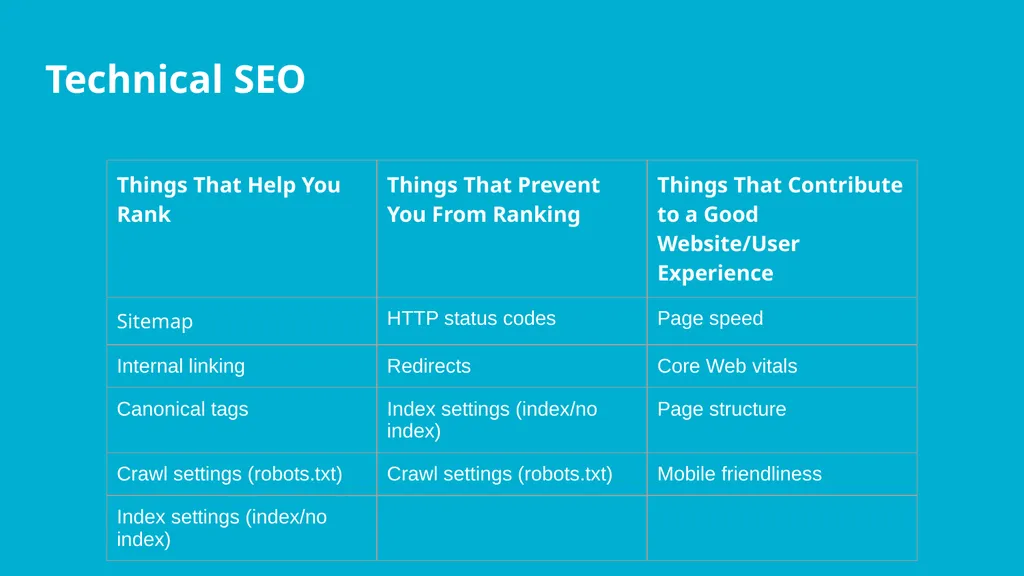
Technical SEO The technical aspects of a site that help a search engine crawl, read and understand what’s on the page.<br>
06
Technical SEO<br>
07
Off-Page SEO The things done off a website to contribute to that website’s search performance.<br>
08
Off-Page SEO Link-building
Social media
Increasing engagement and shares
PR campaigns
Events
Email outreach<br>
09
Off-Page SEO<br>
10
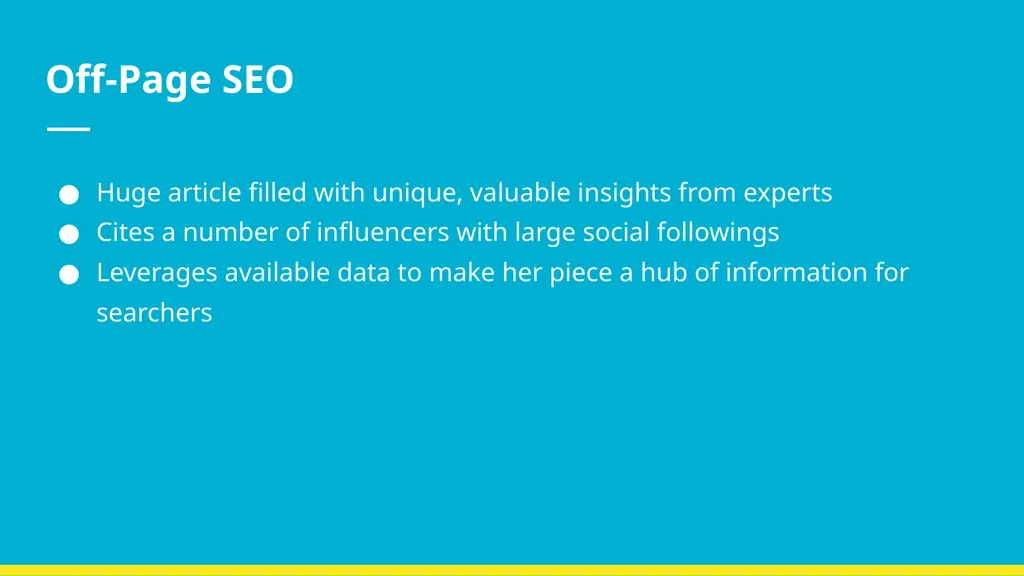
Off-Page SEO Huge article filled with unique, valuable insights from experts
Cites a number of influencers with large social followings
Leverages available data to make her piece a hub of information for searchers<br>
11
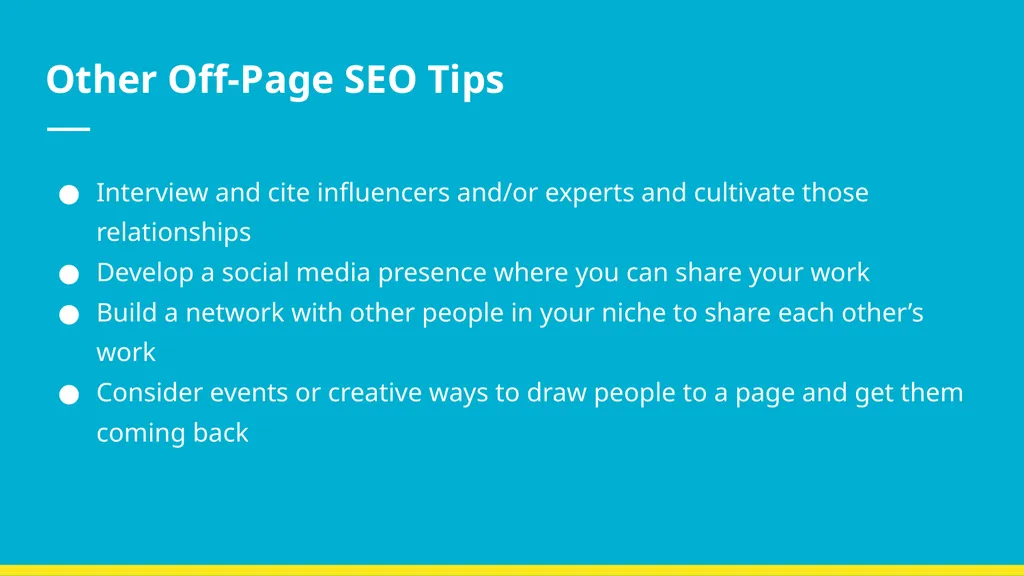
Other Off-Page SEO Tips Interview and cite influencers and/or experts and cultivate those relationships
Develop a social media presence where you can share your work
Build a network with other people in your niche to share each other’s work
Consider events or creative ways to draw people to a page and get them coming back<br>
12
On-Page SEO<br>
13
On-Page SEO The efforts you are making directly on a page to optimize that page<br>
14
On-Page SEO Keyword research
Keyword placement
Title
Headings
Meta description
Links
Content quality
URL<br>
15
Keyword Research Understand your audience and what some of their pain points are
Start looking for keywords around those pain points
Create a brief around those keywords<br>
16
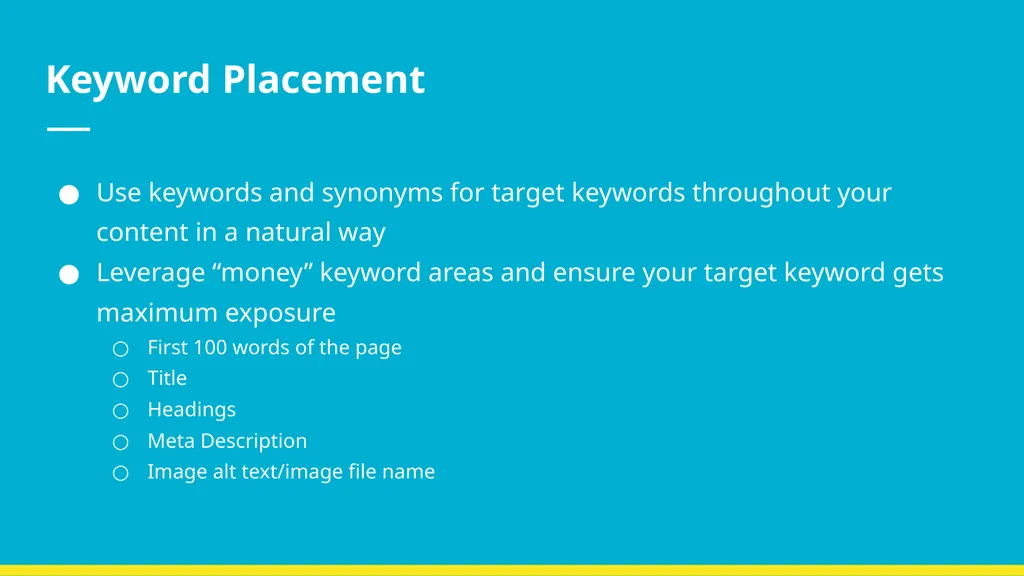
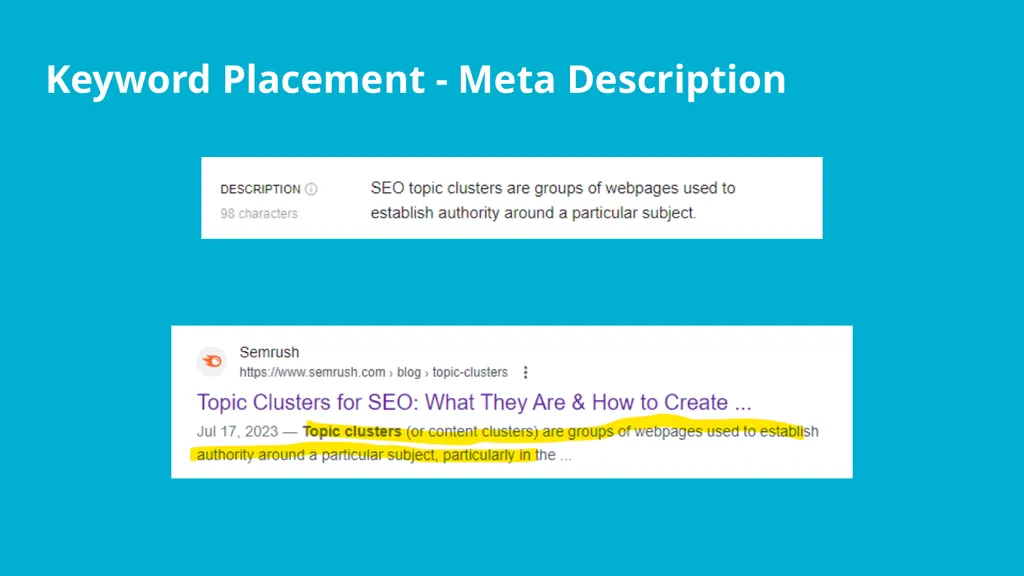
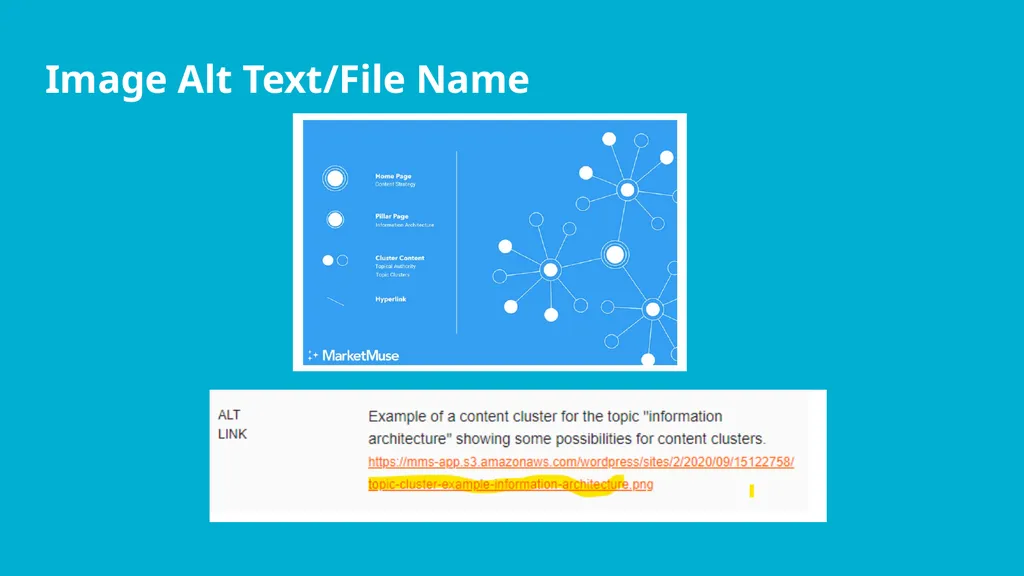
Keyword Placement Use keywords and synonyms for target keywords throughout your content in a natural way
Leverage “money” keyword areas and ensure your target keyword gets maximum exposure
First 100 words of the page
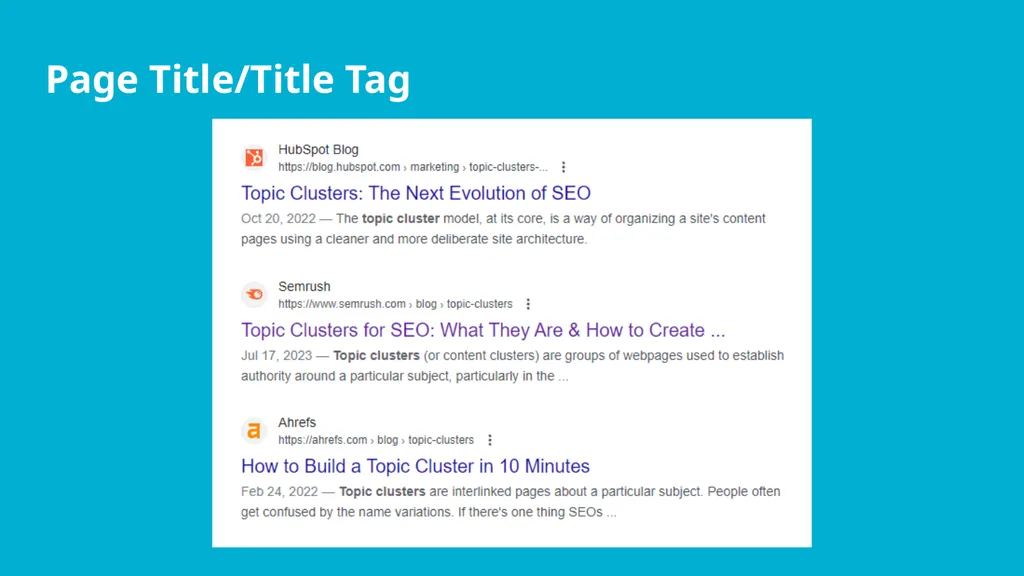
Title
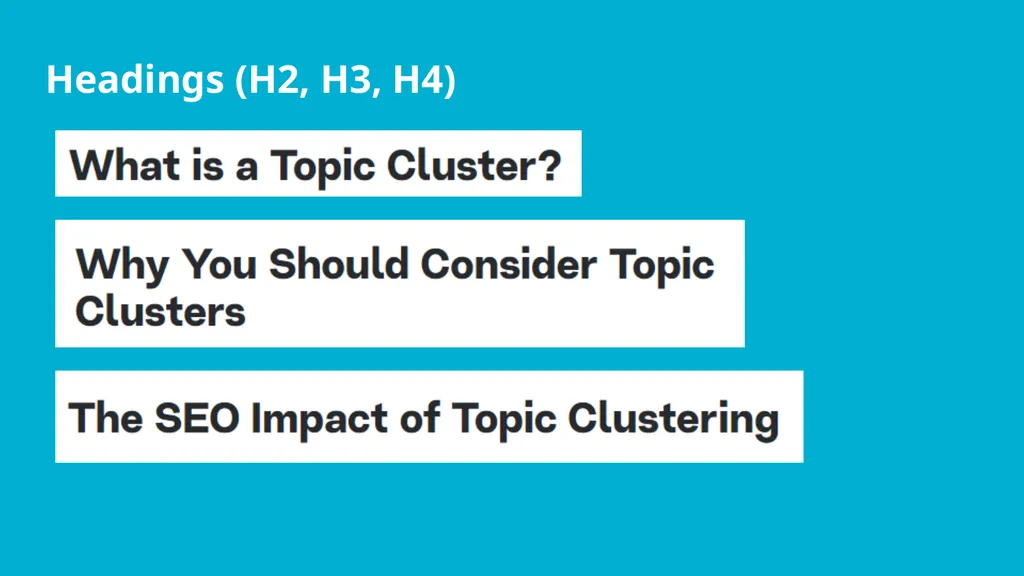
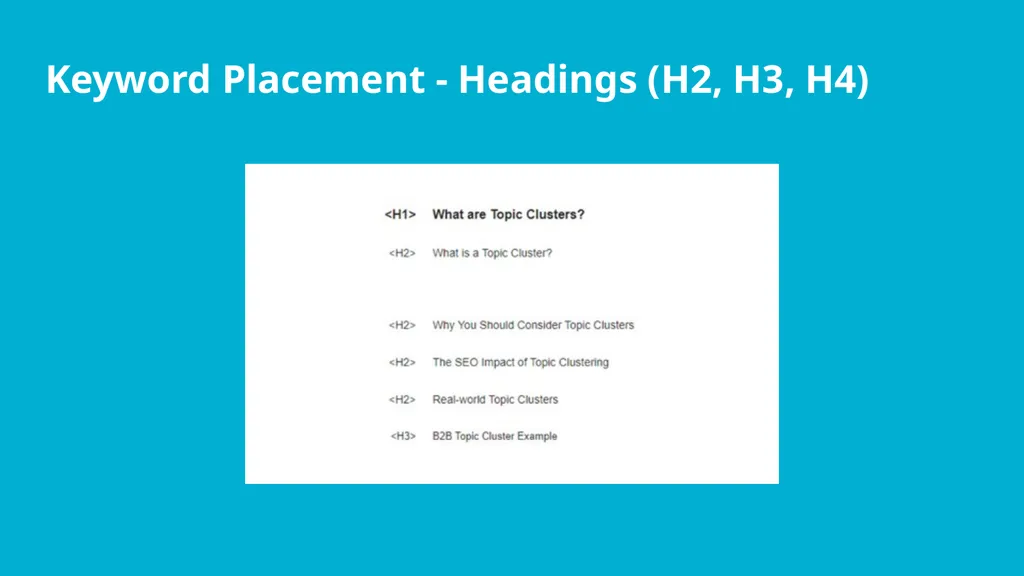
Headings
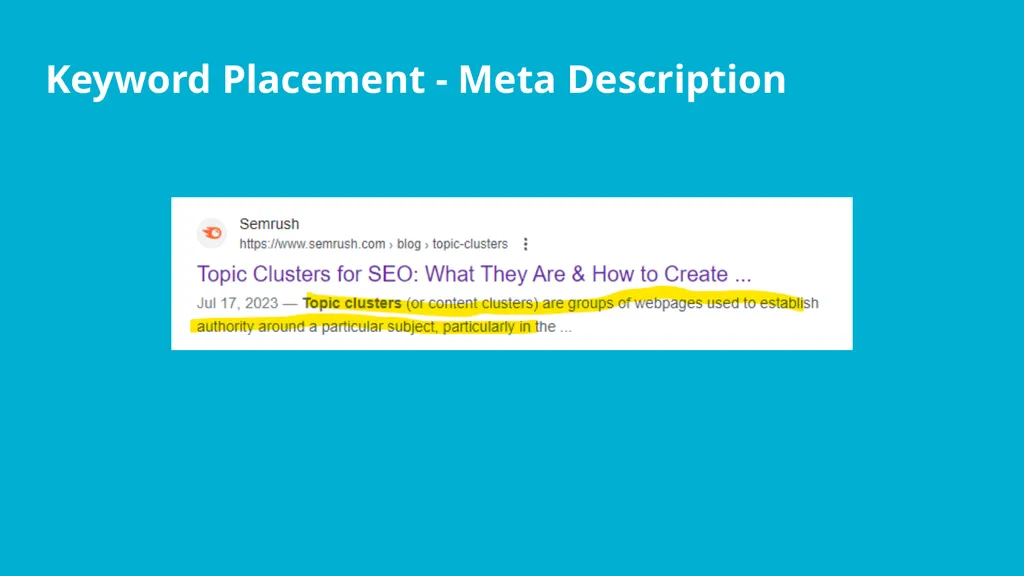
Meta Description
Image alt text/image file name<br>
17
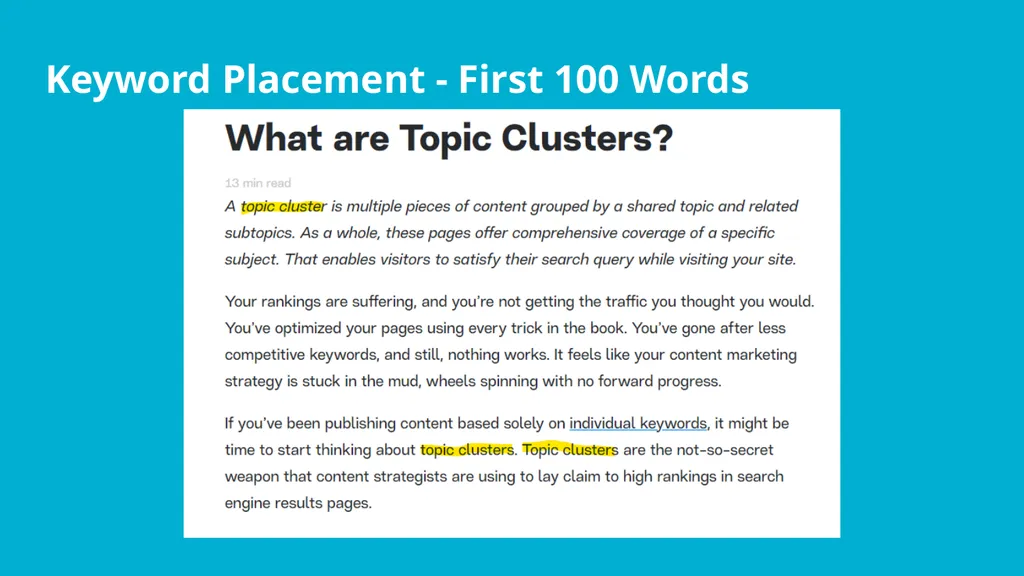
Keyword Placement - First 100 Words<br>
18
Page Title/Title Tag<br>
19
Headings (H2, H3, H4)<br>
20
Keyword Placement - Headings (H2, H3, H4)<br>
21
Keyword Placement - Meta Description<br>
22
Keyword Placement - Meta Description<br>
23
Image Alt Text/File Name<br>
24
Content Quality Meets the reader’s needs (know your audience)
Shows expertise
Is easy and enjoyable to read
Provides unique information or insight<br>
25
Content Quality<br>
26
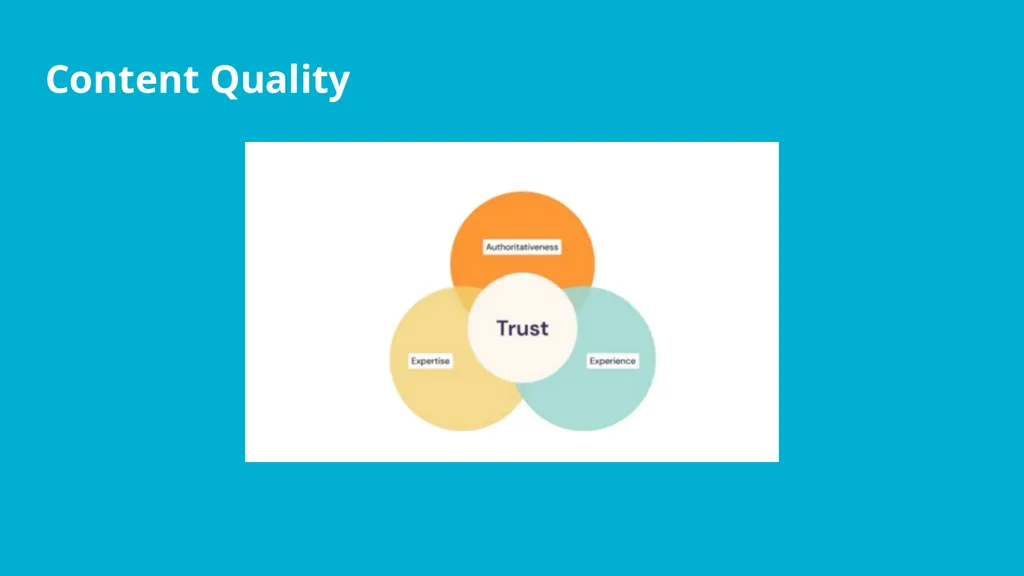
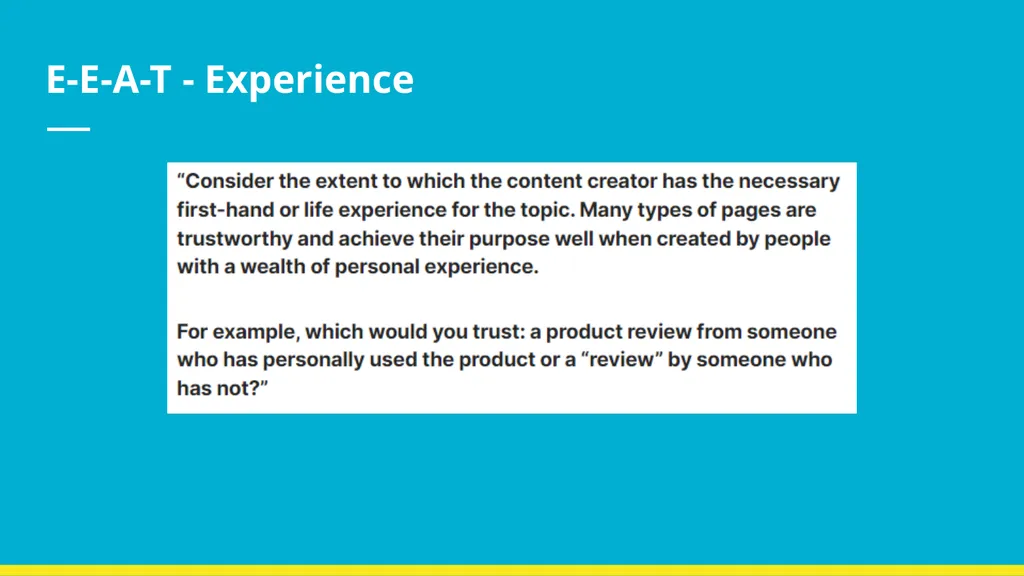
E-E-A-T - Experience<br>
27
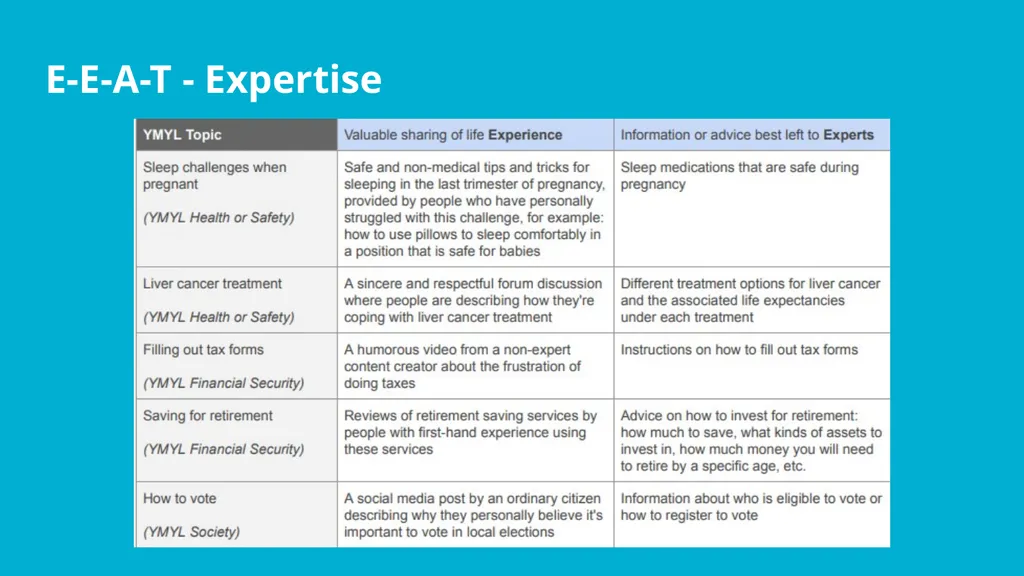
E-E-A-T - Expertise<br>
28
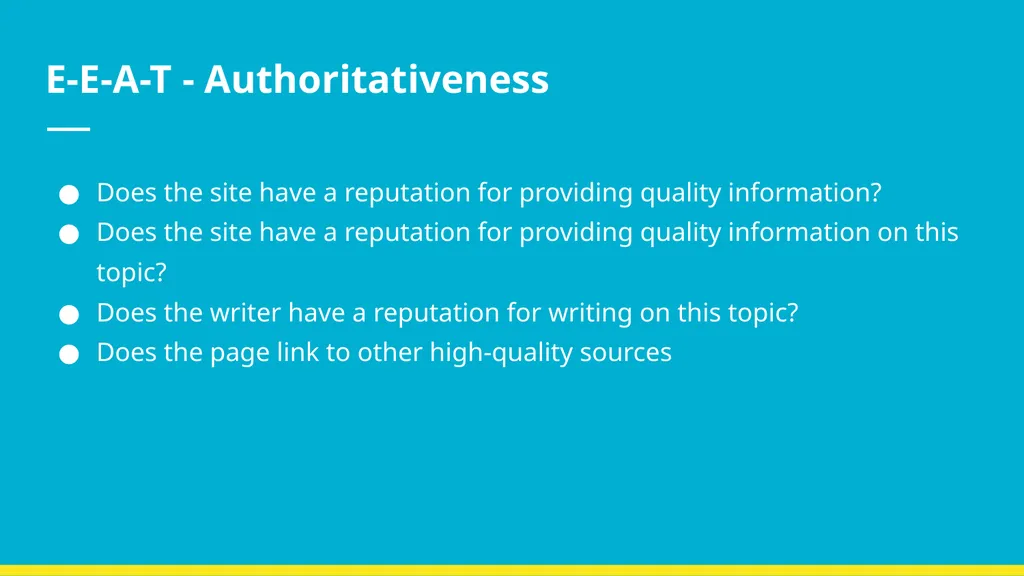
E-E-A-T - Authoritativeness Does the site have a reputation for providing quality information?
Does the site have a reputation for providing quality information on this topic?
Does the writer have a reputation for writing on this topic?
Does the page link to other high-quality sources<br>
29
E-E-A-T - Trust Is the page accurate, honest, safe and reliable?<br>
30
Questions?<br>
31
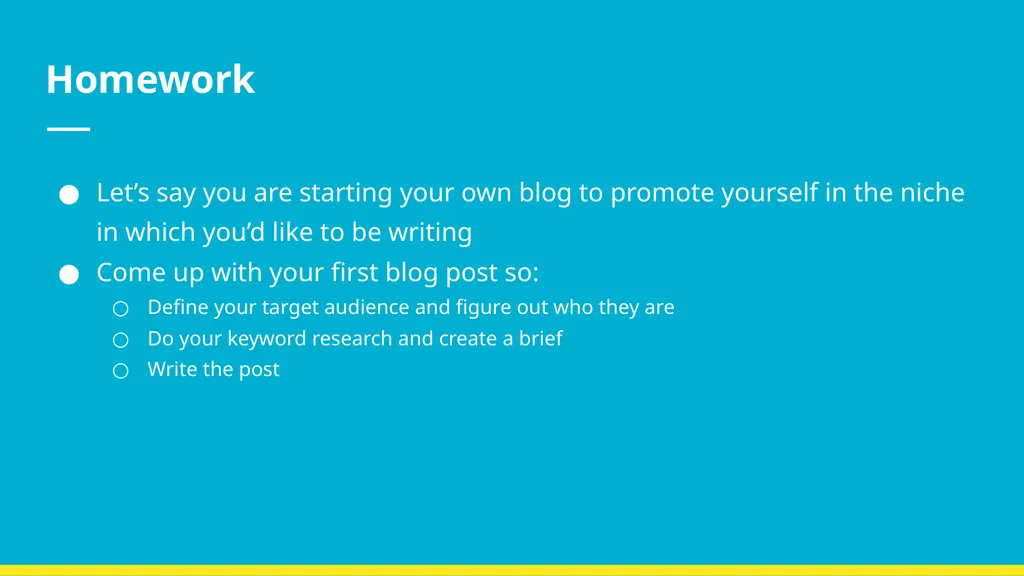
Homework Let’s say you are starting your own blog to promote yourself in the niche in which you’d like to be writing
Come up with your first blog post so:
Define your target audience and figure out who they are
Do your keyword research and create a brief
Write the post<br>