
D. Narasimha Reddy Policy Implementation


Description: D. Narasimha Reddy Policy Implementation Diagnostic Framework To study low carbon policies Policy Implementation Diagnostic Framework: Helps To support in-depth assessment of institutional factors A detailed analysis of the institutions
Related Topics
Download Presentation
"D. Narasimha Reddy Policy Implementation" is the property of its rightful owner. Permission is granted to download and print the materials on this website for personal, non-commercial use only, and to display it on your personal computer provided you do not modify the materials and that you retain all copyright notices contained in the materials. By downloading content from our website, you accept the terms of this agreement.
Presentation Transcript
slide1. D. Narasimha Reddy Policy Implementation
Diagnostic Framework
To study low carbon policies<br>
slide2. Policy Implementation Diagnostic Framework: Helps To support in-depth assessment of institutional factors
A detailed analysis of the institutions involved in policy implementation
Identify ways to strengthen implementation process and enhance policy effectiveness<br>
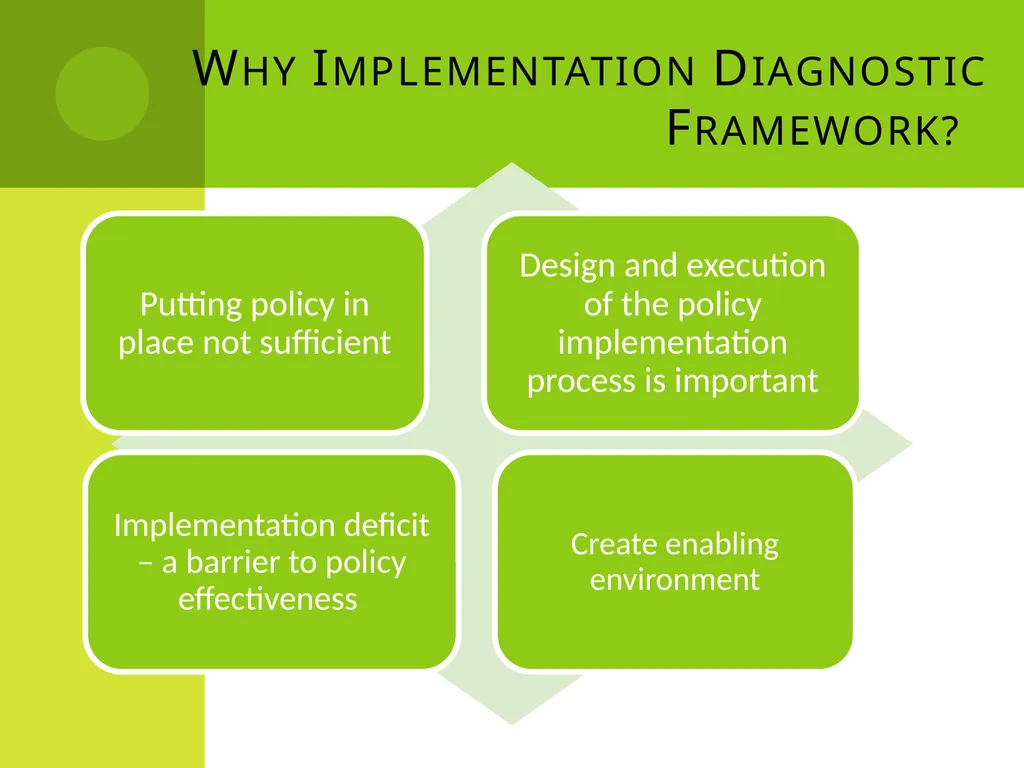
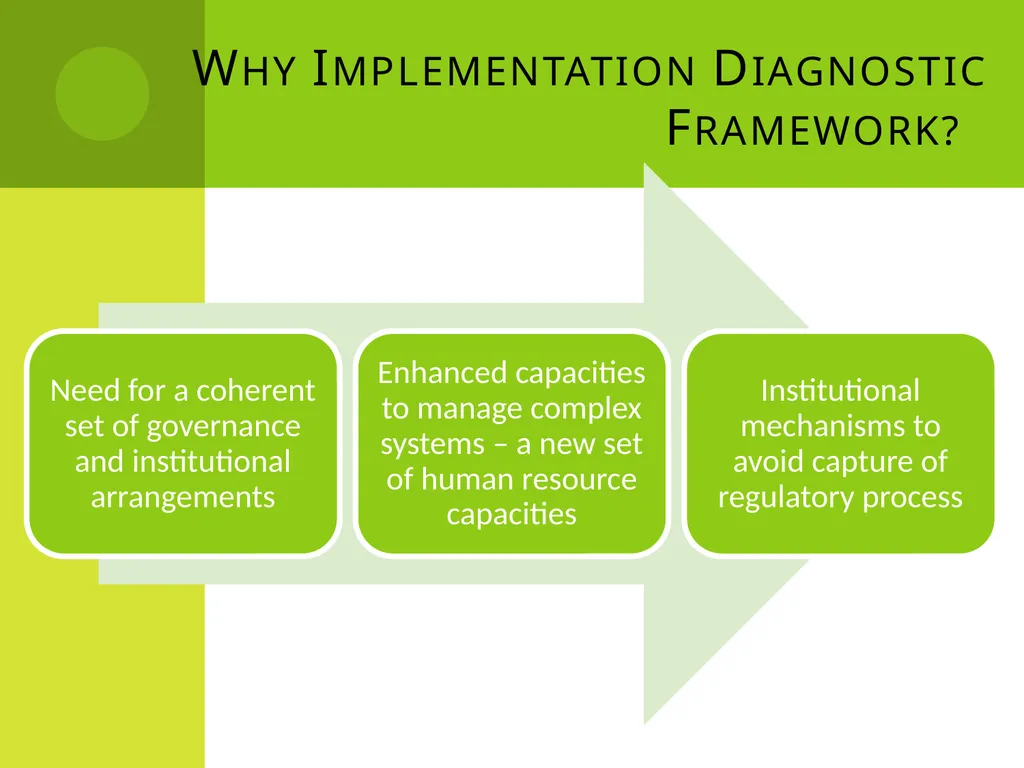
slide3. Why Implementation Diagnostic Framework?<br>
slide4. Why Implementation Diagnostic Framework?<br>
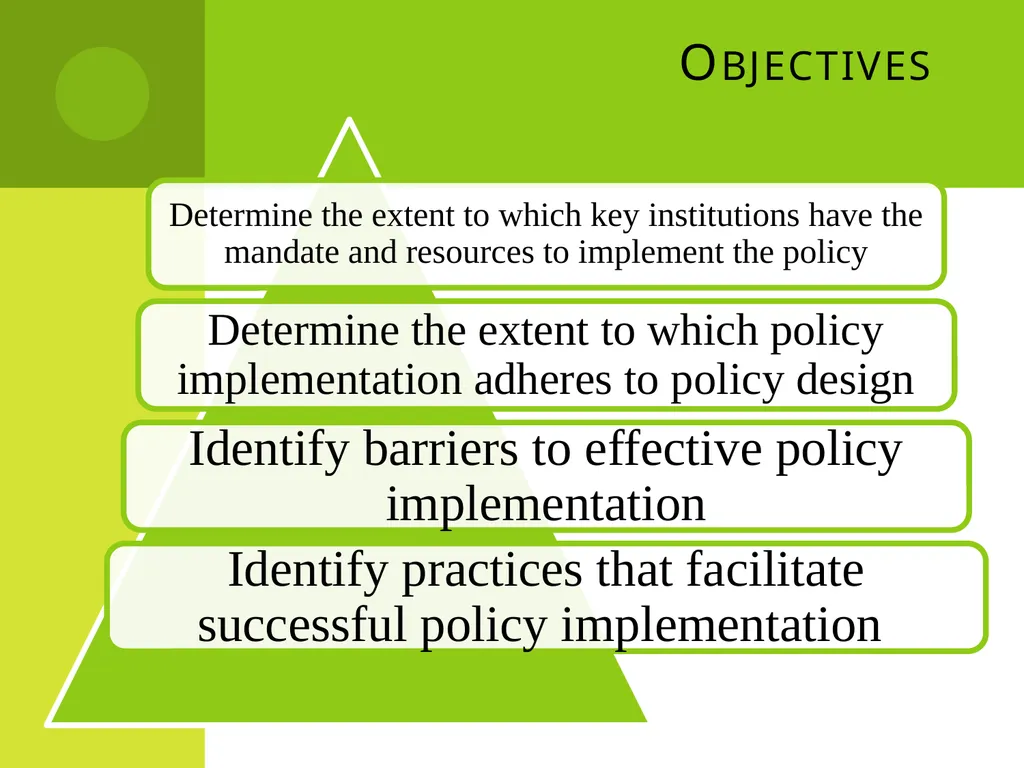
slide5. Objectives<br>
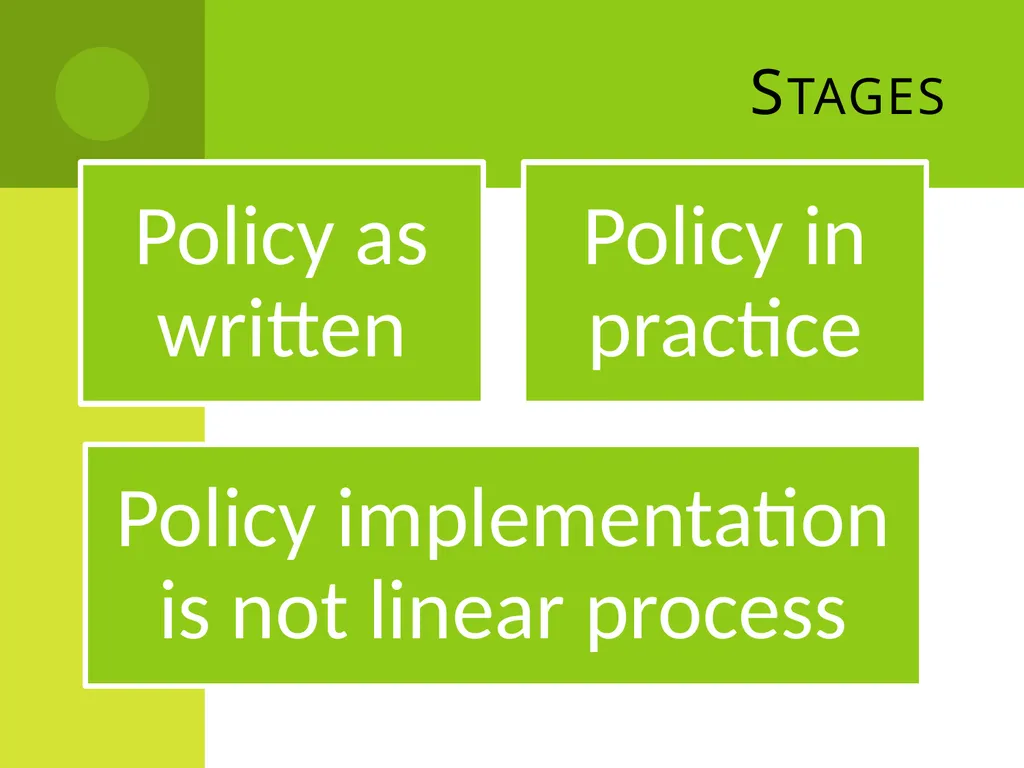
slide6. Stages<br>
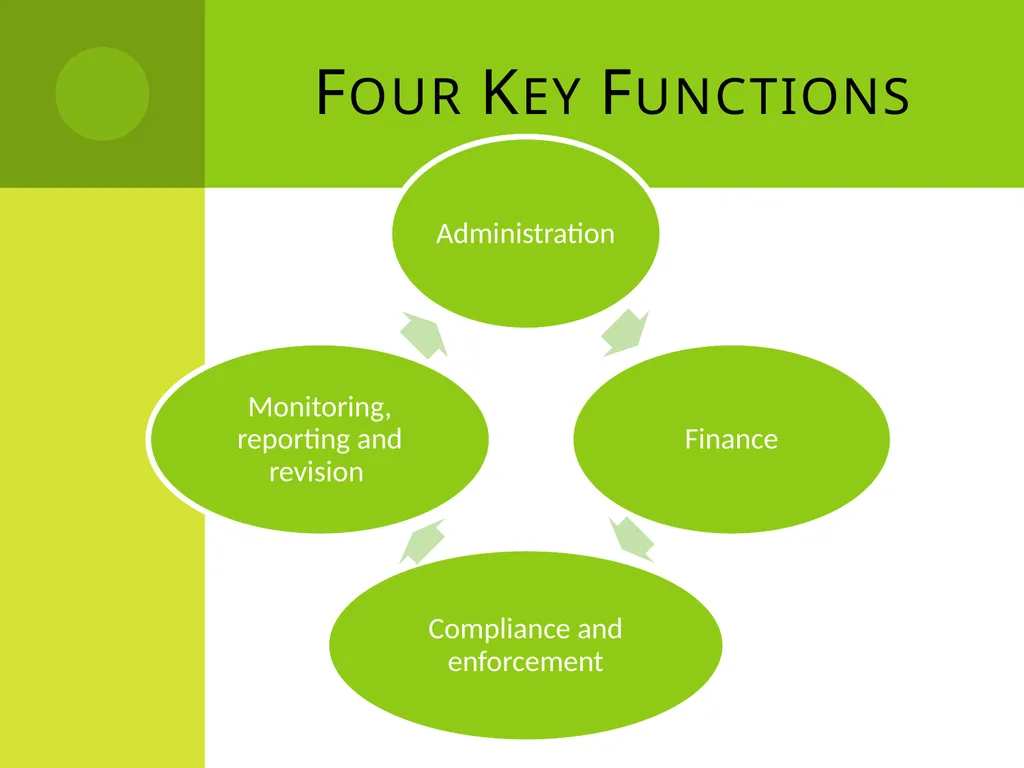
slide7. Four Key Functions<br>
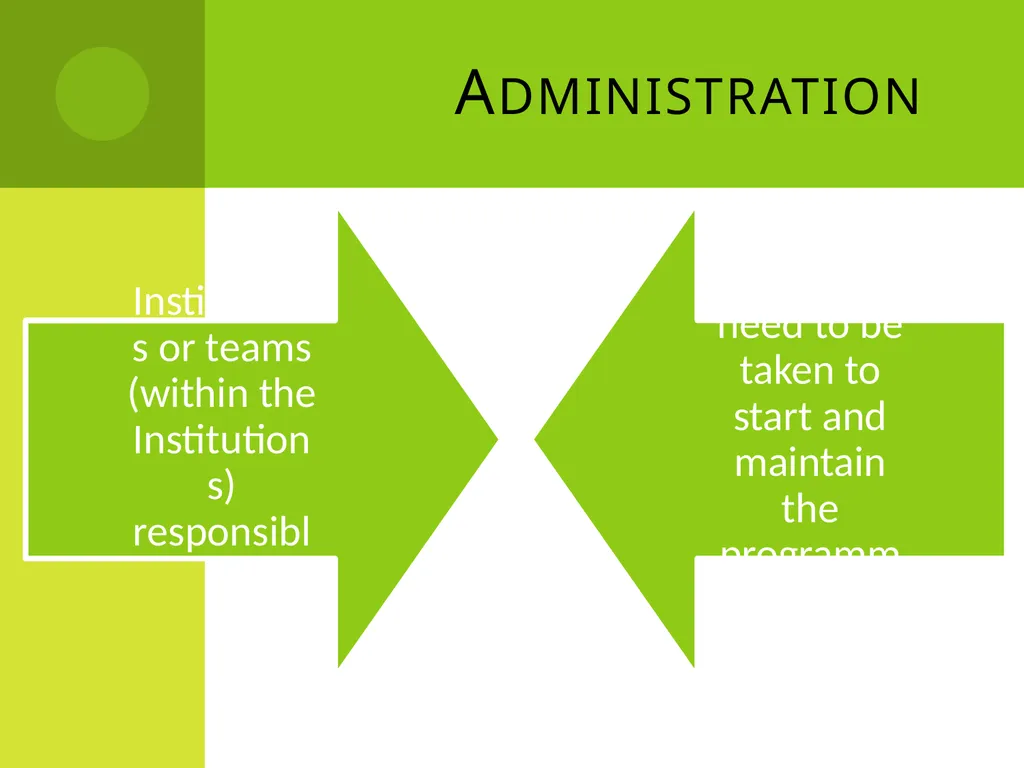
slide8. Administration<br>
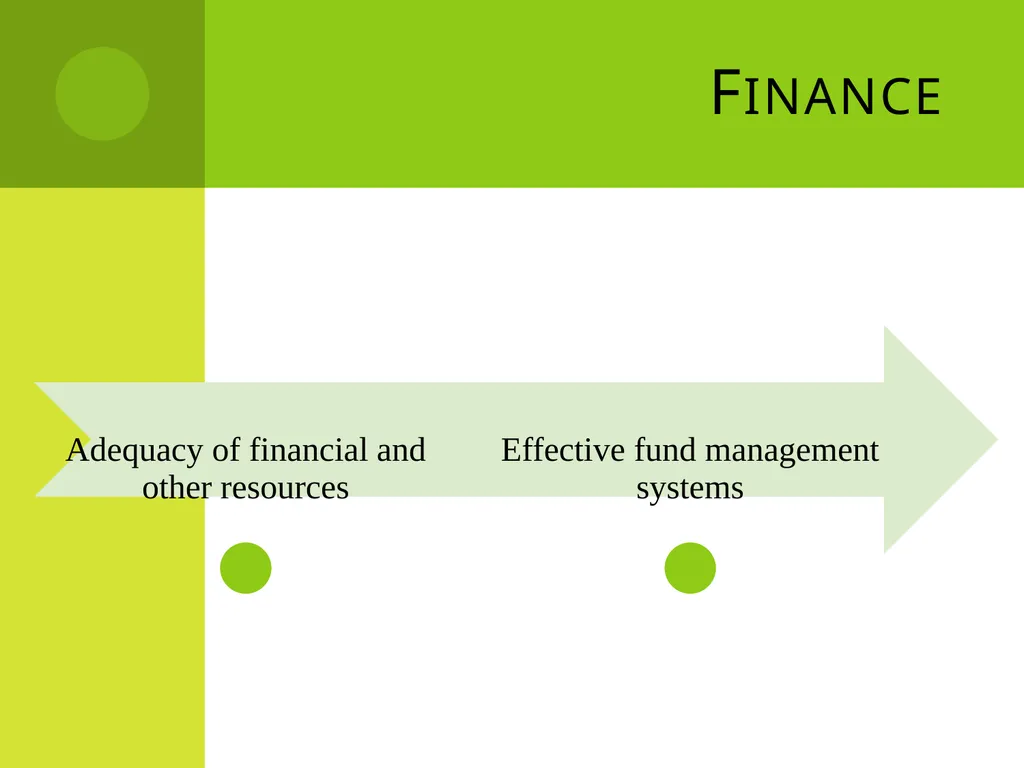
slide9. Finance<br>
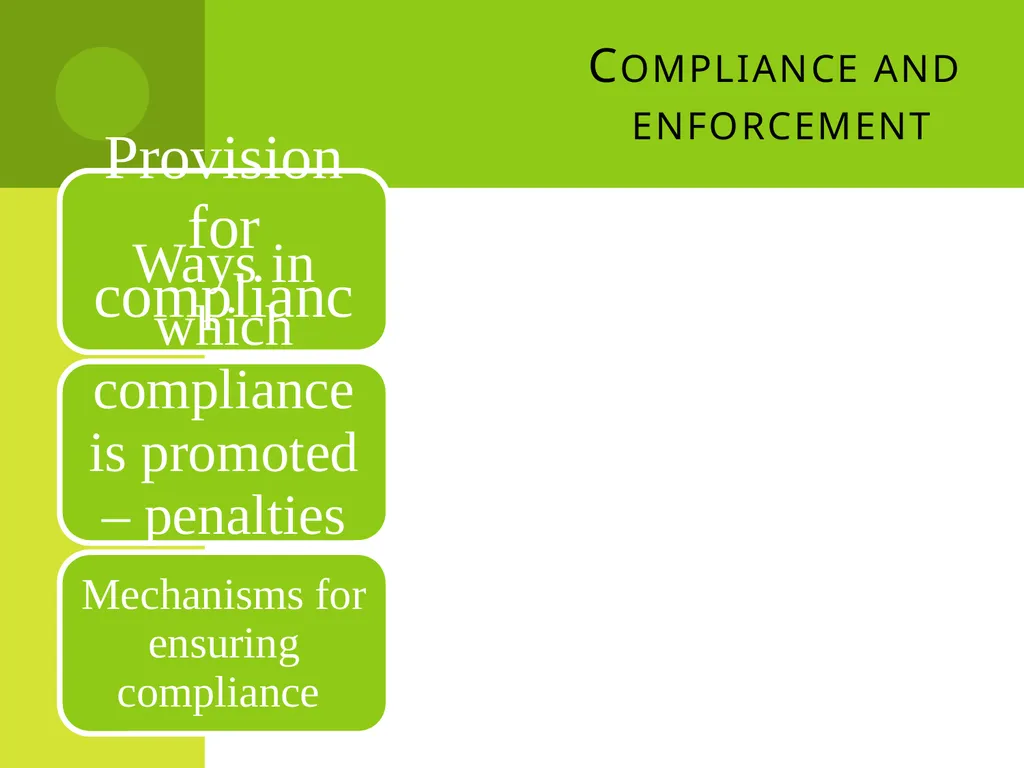
slide10. Compliance and enforcement<br>
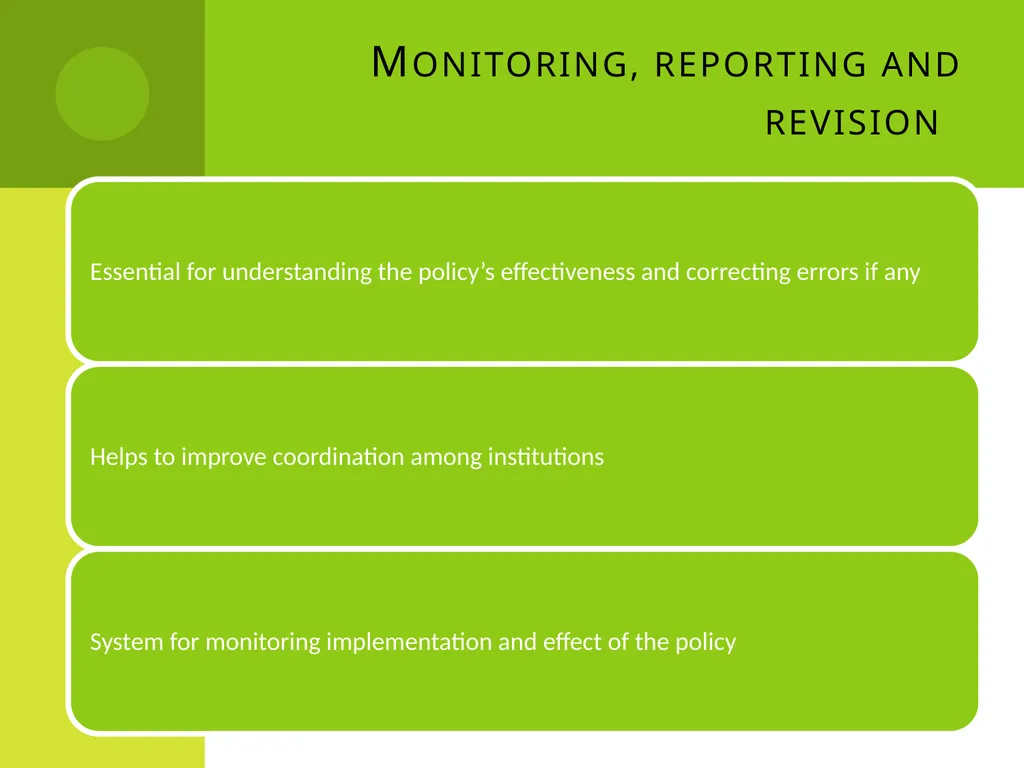
slide11. Monitoring, reporting and revision<br>
slide12. Five Principles of Good Governance<br>
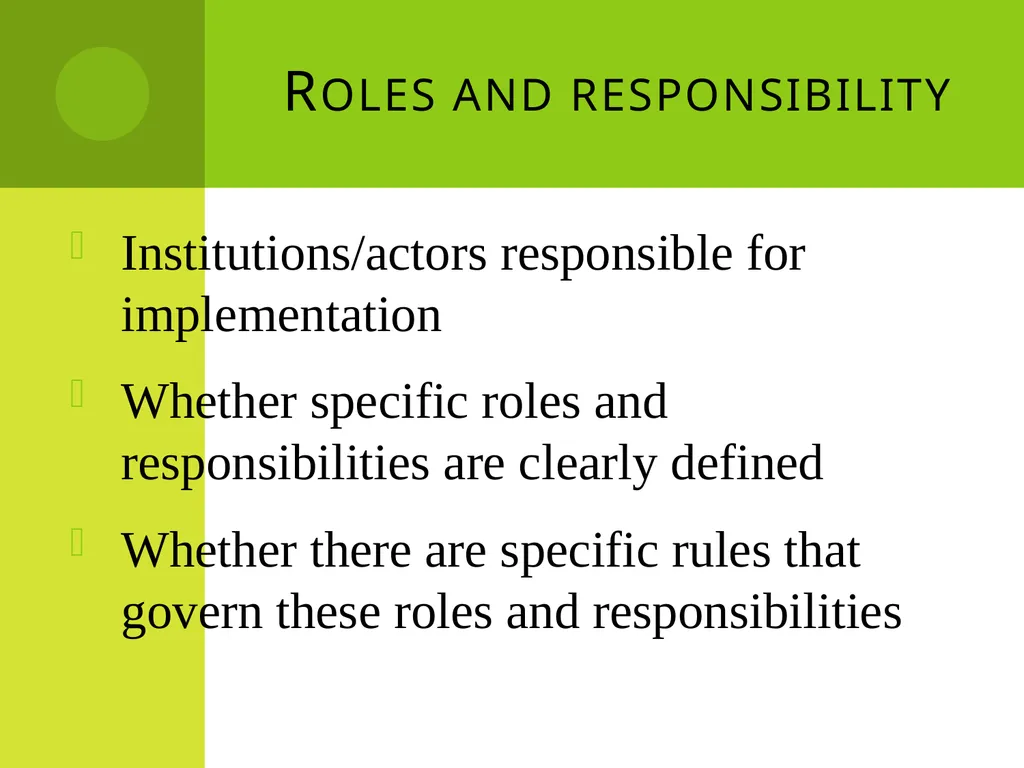
slide13. Roles and responsibility Institutions/actors responsible for implementation
Whether specific roles and responsibilities are clearly defined
Whether there are specific rules that govern these roles and responsibilities<br>
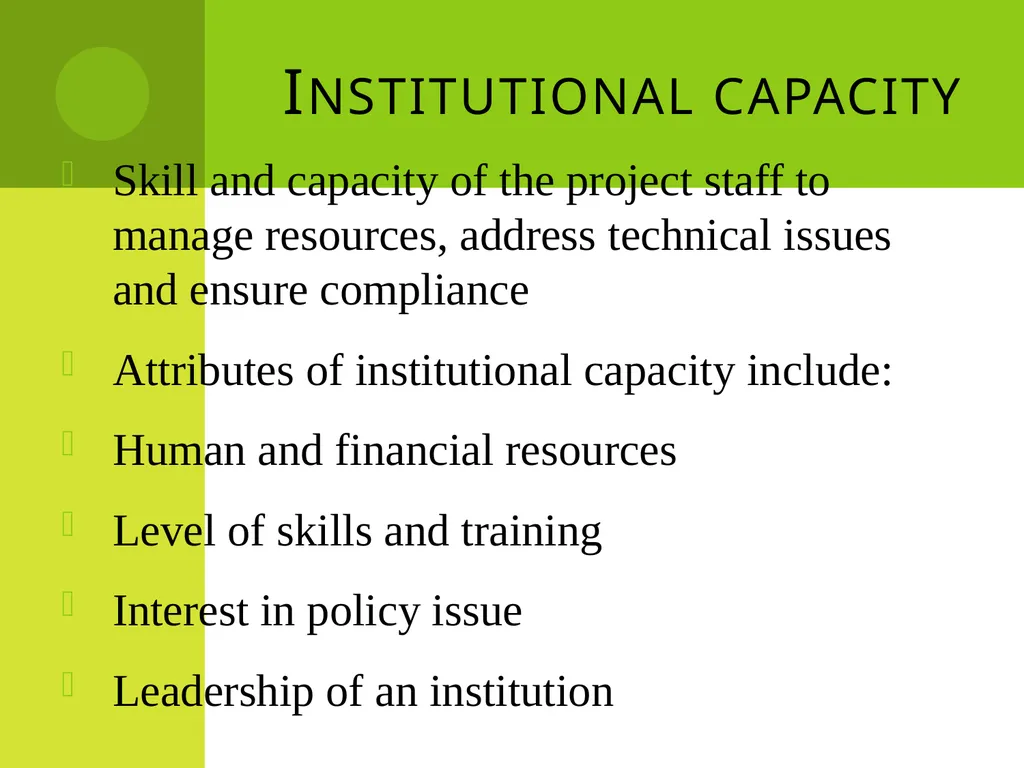
slide14. Institutional capacity Skill and capacity of the project staff to manage resources, address technical issues and ensure compliance
Attributes of institutional capacity include:
Human and financial resources
Level of skills and training
Interest in policy issue
Leadership of an institution<br>
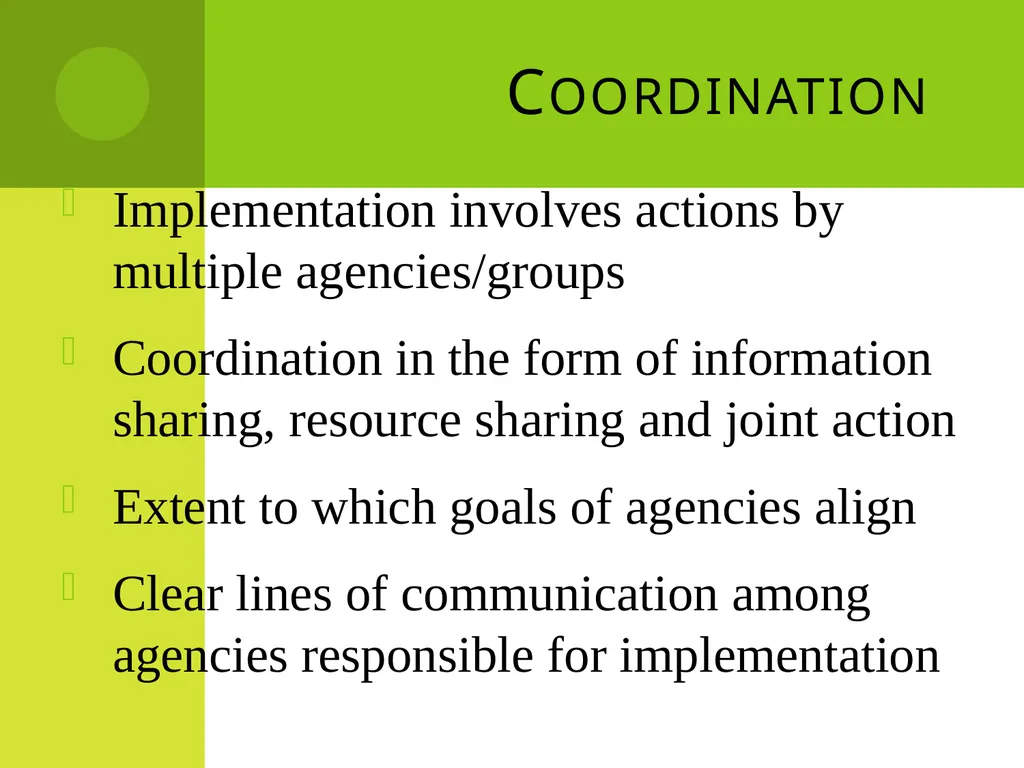
slide15. Coordination Implementation involves actions by multiple agencies/groups
Coordination in the form of information sharing, resource sharing and joint action
Extent to which goals of agencies align
Clear lines of communication among agencies responsible for implementation<br>
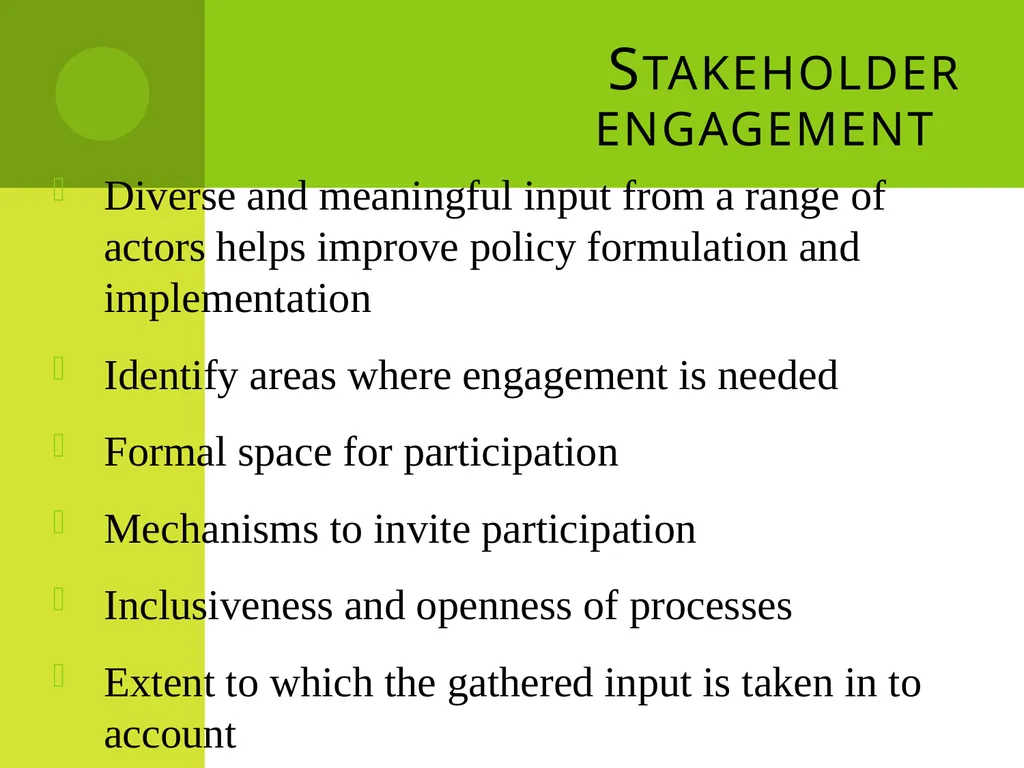
slide16. Stakeholder engagement Diverse and meaningful input from a range of actors helps improve policy formulation and implementation
Identify areas where engagement is needed
Formal space for participation
Mechanisms to invite participation
Inclusiveness and openness of processes
Extent to which the gathered input is taken in to account<br>
slide17. Transparency Stakeholder engagement need to go hand in hand with transparency so that stakeholders have access to information
Ease of access to information
Comprehensiveness
Timeliness
Efforts to reach out to affected and vulnerable<br>
slide18. Examining Policy Administration - 1 Administration – Role and responsibility
Identify relevant functions
Identify relevant institutions
Whether the institution exists
Whether necessary steps are taken or what are the steps taken?
Whether steps taken are consistent with policy<br>
slide19. Examining Policy Administration – 2 Administration – Institutional capacity
Capacity of identified institutions?
Capacity addition efforts<br>
slide20. Examining Policy Administration – 3 Administration – Coordination
Do the functions require coordination among institutions?
What coordination is required?
What mechanisms have been designed for coordination? (Like committees)
Whether the mechanism succeeded in coordination.
Whether each institution point of view taken in to account
Whether coordination led to delays<br>
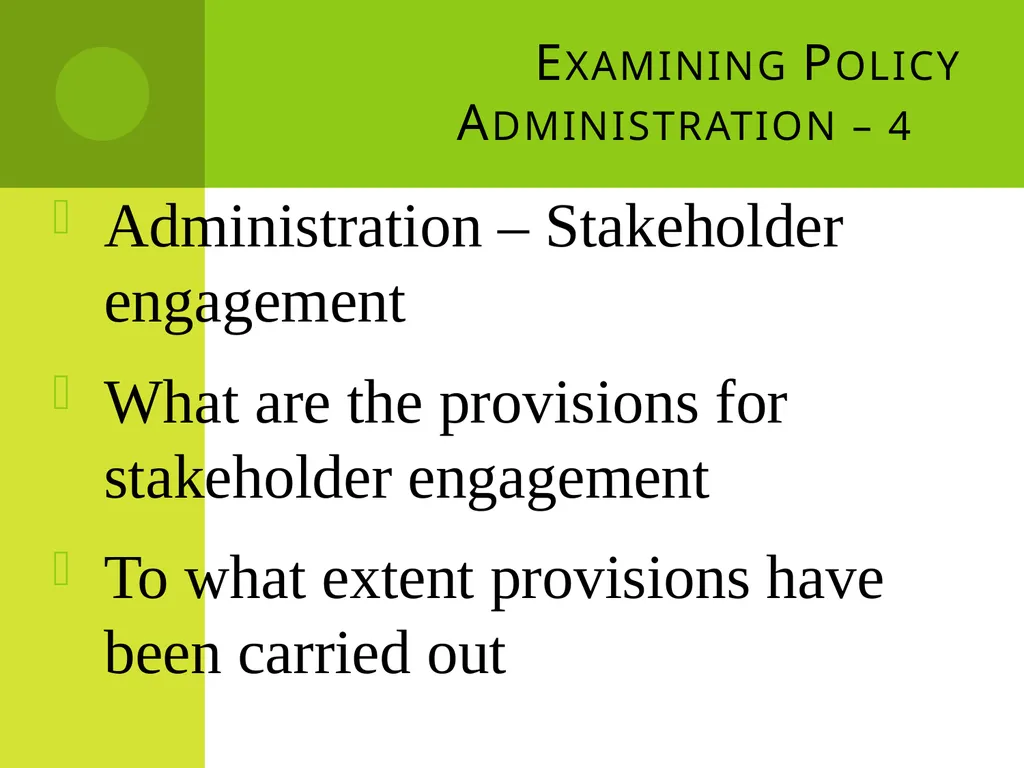
slide21. Examining Policy Administration – 4 Administration – Stakeholder engagement
What are the provisions for stakeholder engagement
To what extent provisions have been carried out<br>
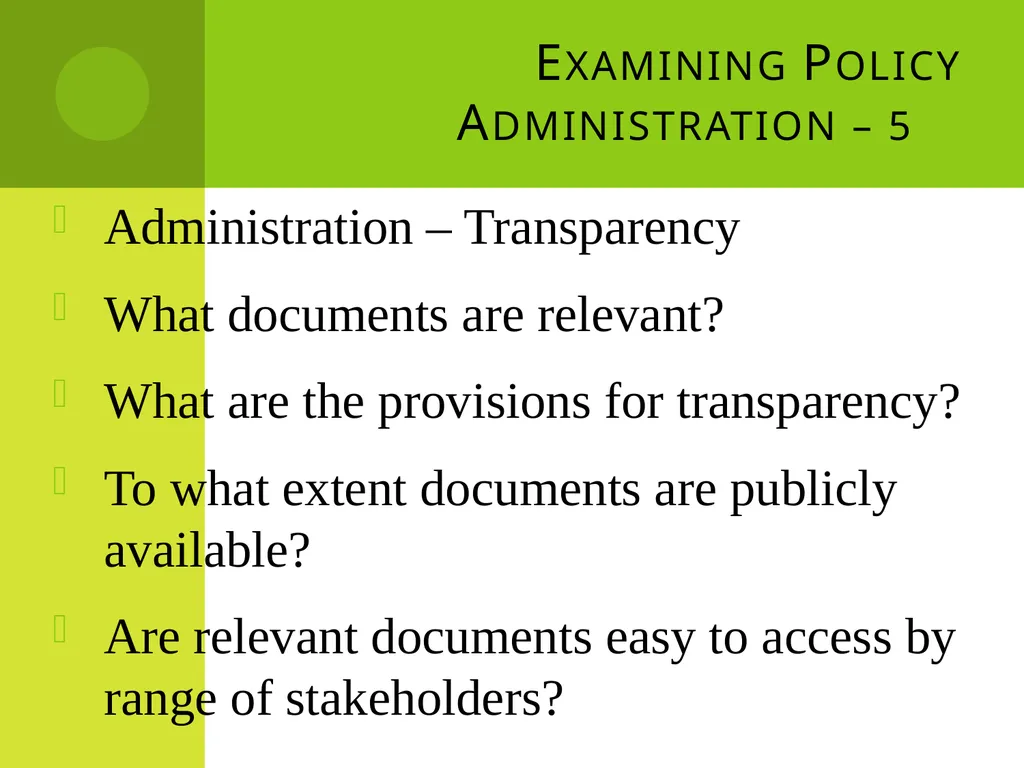
slide22. Examining Policy Administration – 5 Administration – Transparency
What documents are relevant?
What are the provisions for transparency?
To what extent documents are publicly available?
Are relevant documents easy to access by range of stakeholders?<br>
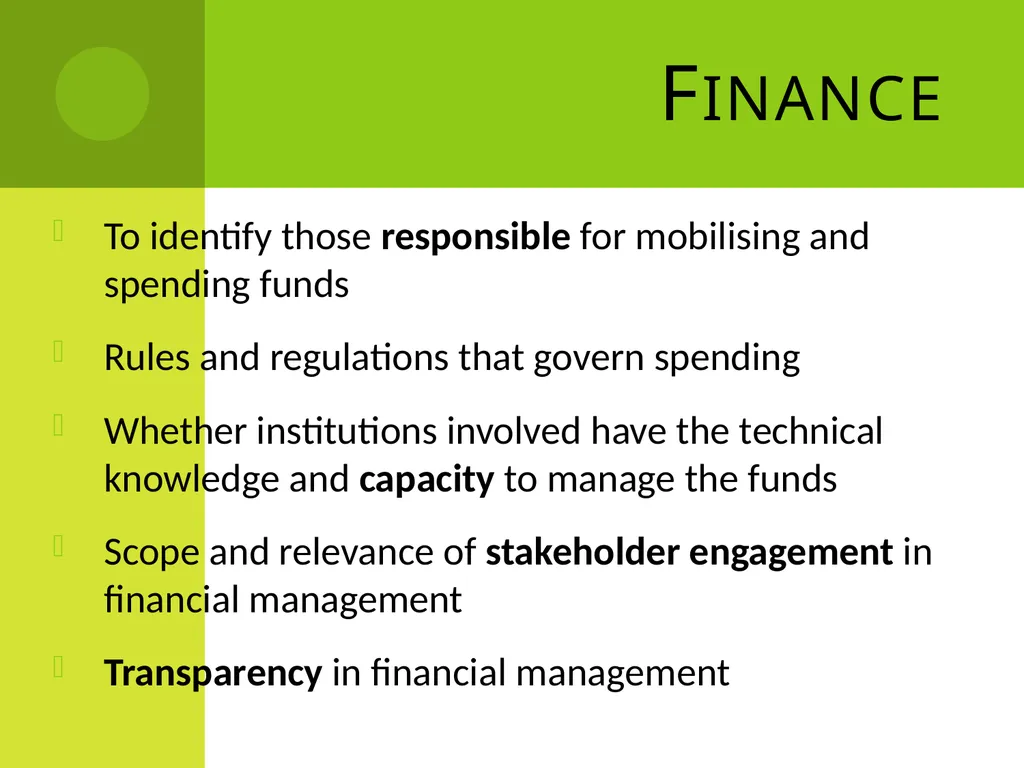
slide23. Finance To identify those responsible for mobilising and spending funds
Rules and regulations that govern spending
Whether institutions involved have the technical knowledge and capacity to manage the funds
Scope and relevance of stakeholder engagement in financial management
Transparency in financial management<br>
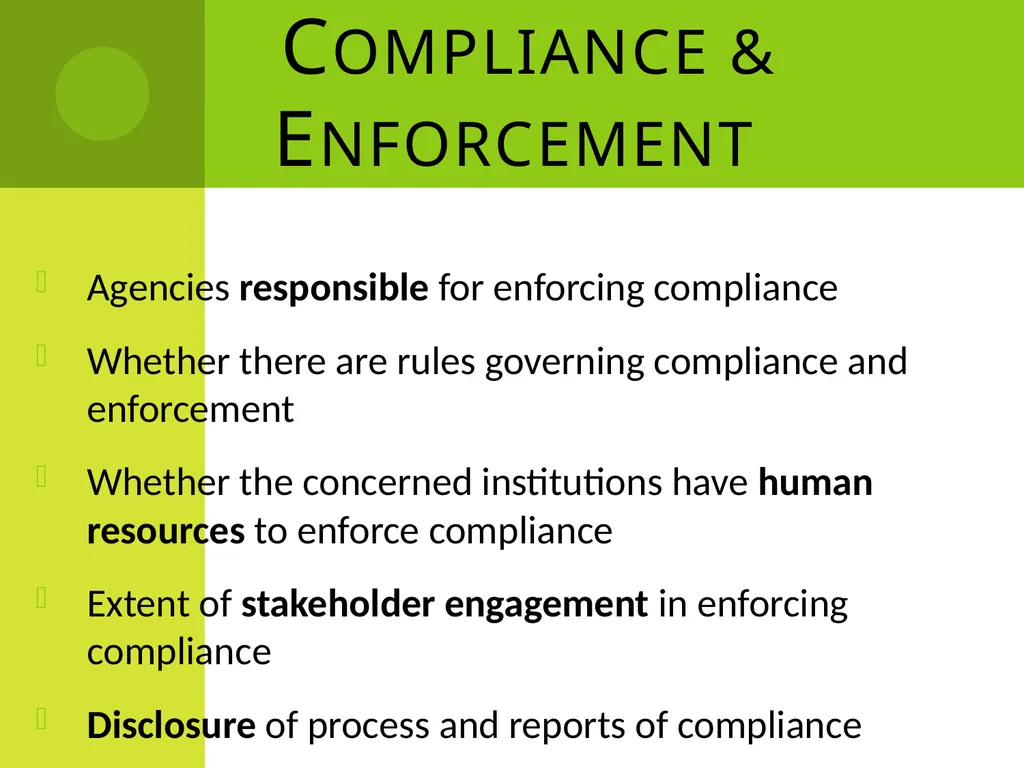
slide24. Compliance & Enforcement Agencies responsible for enforcing compliance
Whether there are rules governing compliance and enforcement
Whether the concerned institutions have human resources to enforce compliance
Extent of stakeholder engagement in enforcing compliance
Disclosure of process and reports of compliance<br>
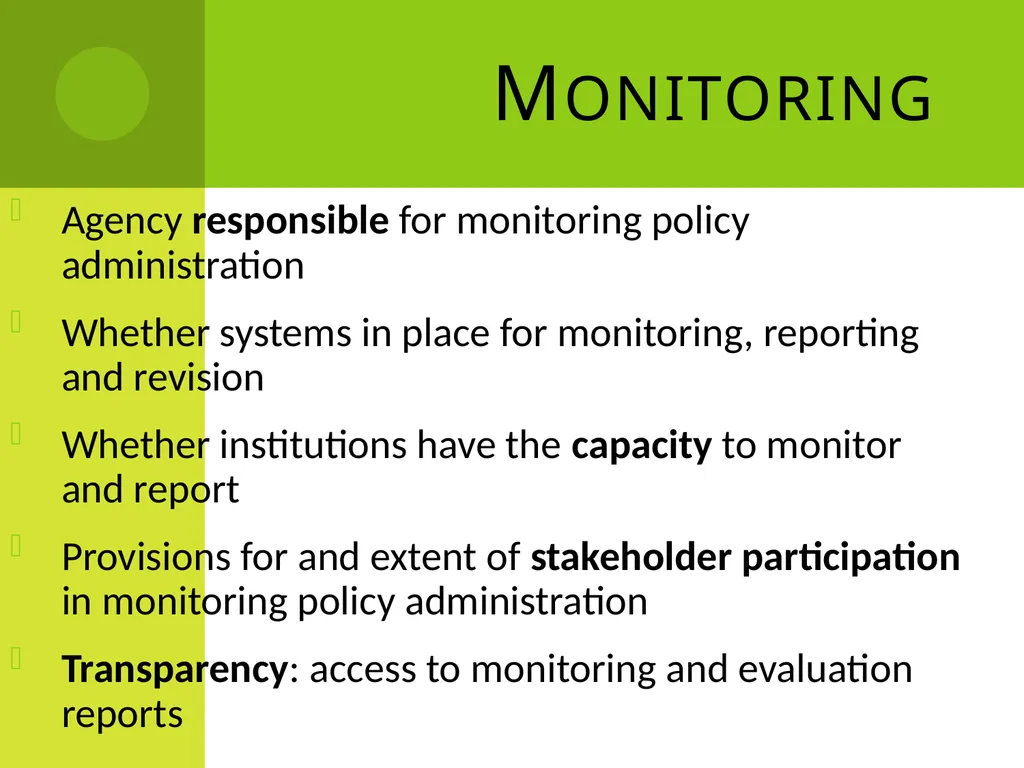
slide25. Monitoring Agency responsible for monitoring policy administration
Whether systems in place for monitoring, reporting and revision
Whether institutions have the capacity to monitor and report
Provisions for and extent of stakeholder participation in monitoring policy administration
Transparency: access to monitoring and evaluation reports<br>
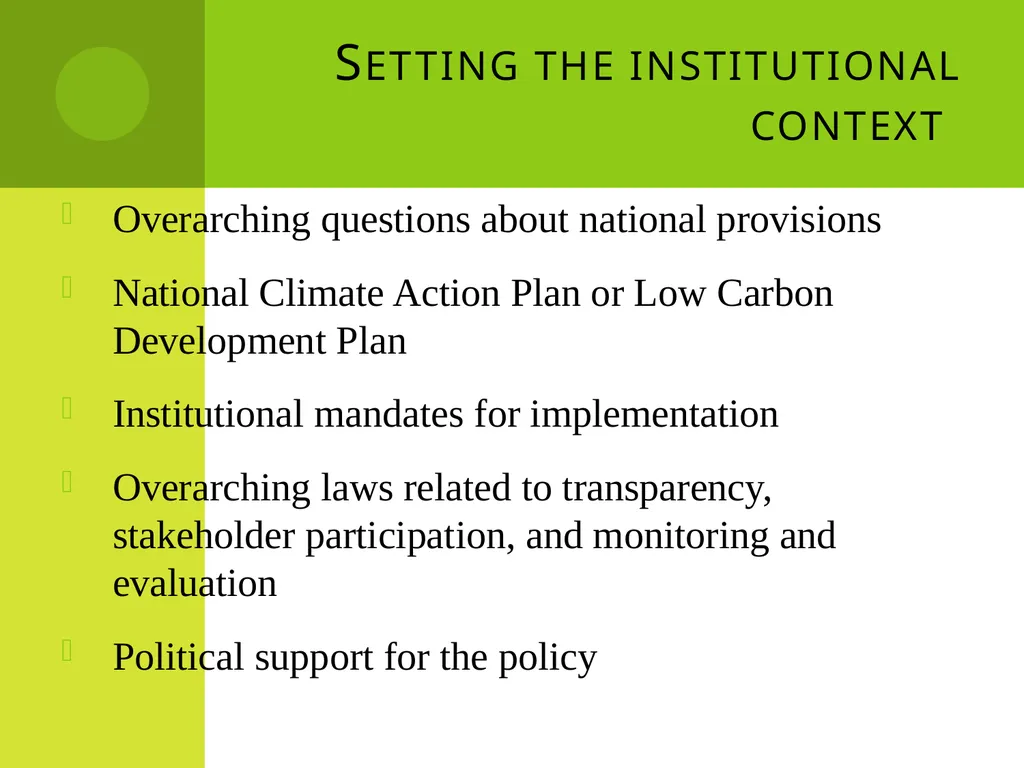
slide26. Setting the institutional context Overarching questions about national provisions
National Climate Action Plan or Low Carbon Development Plan
Institutional mandates for implementation
Overarching laws related to transparency, stakeholder participation, and monitoring and evaluation
Political support for the policy<br>
slide27. Customisation of diagnostic framework The framework is intended to be applicable across States, or countries
Researchers to take decisions about how best to use the framework depending on the specific context<br>
slide28. Thank you E-mail: nreddy.donthi@gmail.com<br>
slide2. Policy Implementation Diagnostic Framework: Helps To support in-depth assessment of institutional factors
A detailed analysis of the institutions involved in policy implementation
Identify ways to strengthen implementation process and enhance policy effectiveness<br>
slide3. Why Implementation Diagnostic Framework?<br>
slide4. Why Implementation Diagnostic Framework?<br>
slide5. Objectives<br>
slide6. Stages<br>
slide7. Four Key Functions<br>
slide8. Administration<br>
slide9. Finance<br>
slide10. Compliance and enforcement<br>
slide11. Monitoring, reporting and revision<br>
slide12. Five Principles of Good Governance<br>
slide13. Roles and responsibility Institutions/actors responsible for implementation
Whether specific roles and responsibilities are clearly defined
Whether there are specific rules that govern these roles and responsibilities<br>
slide14. Institutional capacity Skill and capacity of the project staff to manage resources, address technical issues and ensure compliance
Attributes of institutional capacity include:
Human and financial resources
Level of skills and training
Interest in policy issue
Leadership of an institution<br>
slide15. Coordination Implementation involves actions by multiple agencies/groups
Coordination in the form of information sharing, resource sharing and joint action
Extent to which goals of agencies align
Clear lines of communication among agencies responsible for implementation<br>
slide16. Stakeholder engagement Diverse and meaningful input from a range of actors helps improve policy formulation and implementation
Identify areas where engagement is needed
Formal space for participation
Mechanisms to invite participation
Inclusiveness and openness of processes
Extent to which the gathered input is taken in to account<br>
slide17. Transparency Stakeholder engagement need to go hand in hand with transparency so that stakeholders have access to information
Ease of access to information
Comprehensiveness
Timeliness
Efforts to reach out to affected and vulnerable<br>
slide18. Examining Policy Administration - 1 Administration – Role and responsibility
Identify relevant functions
Identify relevant institutions
Whether the institution exists
Whether necessary steps are taken or what are the steps taken?
Whether steps taken are consistent with policy<br>
slide19. Examining Policy Administration – 2 Administration – Institutional capacity
Capacity of identified institutions?
Capacity addition efforts<br>
slide20. Examining Policy Administration – 3 Administration – Coordination
Do the functions require coordination among institutions?
What coordination is required?
What mechanisms have been designed for coordination? (Like committees)
Whether the mechanism succeeded in coordination.
Whether each institution point of view taken in to account
Whether coordination led to delays<br>
slide21. Examining Policy Administration – 4 Administration – Stakeholder engagement
What are the provisions for stakeholder engagement
To what extent provisions have been carried out<br>
slide22. Examining Policy Administration – 5 Administration – Transparency
What documents are relevant?
What are the provisions for transparency?
To what extent documents are publicly available?
Are relevant documents easy to access by range of stakeholders?<br>
slide23. Finance To identify those responsible for mobilising and spending funds
Rules and regulations that govern spending
Whether institutions involved have the technical knowledge and capacity to manage the funds
Scope and relevance of stakeholder engagement in financial management
Transparency in financial management<br>
slide24. Compliance & Enforcement Agencies responsible for enforcing compliance
Whether there are rules governing compliance and enforcement
Whether the concerned institutions have human resources to enforce compliance
Extent of stakeholder engagement in enforcing compliance
Disclosure of process and reports of compliance<br>
slide25. Monitoring Agency responsible for monitoring policy administration
Whether systems in place for monitoring, reporting and revision
Whether institutions have the capacity to monitor and report
Provisions for and extent of stakeholder participation in monitoring policy administration
Transparency: access to monitoring and evaluation reports<br>
slide26. Setting the institutional context Overarching questions about national provisions
National Climate Action Plan or Low Carbon Development Plan
Institutional mandates for implementation
Overarching laws related to transparency, stakeholder participation, and monitoring and evaluation
Political support for the policy<br>
slide27. Customisation of diagnostic framework The framework is intended to be applicable across States, or countries
Researchers to take decisions about how best to use the framework depending on the specific context<br>
slide28. Thank you E-mail: nreddy.donthi@gmail.com<br>