Daily review s, a, t, p, i, n, m, e, h Instructions for teachers are included in the notes section under each slide. Version 2, Oct 2023 Notes for teachers This slideshow is an example of a daily review, a key component of teaching
"Daily review s, a, t, p, i, n, m, e," is the property of its rightful owner. Permission is granted to
download and print the materials on this website for personal, non-commercial use only, and to display it
on your personal computer provided you do not modify the materials and that you retain all copyright
notices contained in the materials. By downloading content from our website, you accept the terms of this
agreement.
Presentation Transcript
01
Daily review s, a, t, p, i, n, m, e, h Instructions for teachers are included in the ‘notes’ section under each slide. Version 2, Oct 2023<br>
02
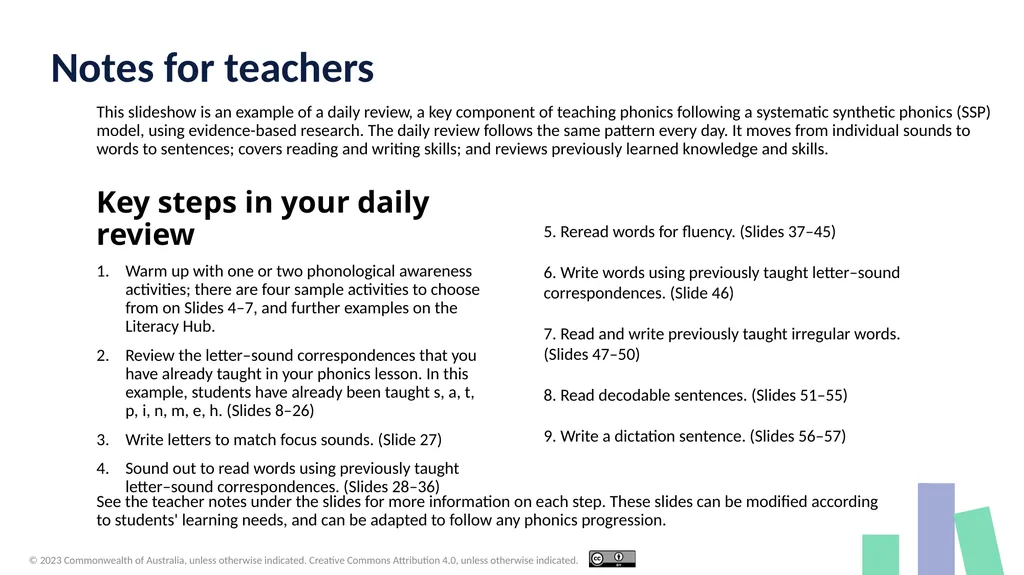
Notes for teachers This slideshow is an example of a daily review, a key component of teaching phonics following a systematic synthetic phonics (SSP) model, using evidence-based research. The daily review follows the same pattern every day. It moves from individual sounds to words to sentences; covers reading and writing skills; and reviews previously learned knowledge and skills. Key steps in your daily review
Warm up with one or two phonological awareness activities; there are four sample activities to choose from on Slides 4–7, and further examples on the Literacy Hub.
Review the letter–sound correspondences that you have already taught in your phonics lesson. In this example, students have already been taught s, a, t, p, i, n, m, e, h. (Slides 8–26)
Write letters to match focus sounds. (Slide 27)
Sound out to read words using previously taught letter–sound correspondences. (Slides 28–36) 5. Reread words for fluency. (Slides 37–45)
6. Write words using previously taught letter–sound correspondences. (Slide 46)
7. Read and write previously taught irregular words. (Slides 47–50)
8. Read decodable sentences. (Slides 51–55)
9. Write a dictation sentence. (Slides 56–57) See the teacher notes under the slides for more information on each step. These slides can be modified according to students' learning needs, and can be adapted to follow any phonics progression.<br>
03
Notes for teachers (cont.) Daily review tips
Your daily review should take 5-20 minutes each day, depending on the activities you choose.
Run daily reviews early in the day, when students are alert.
Maintain a quick pace to keep students actively engaged through speaking, writing and moving (for some activities). Consider using a presentation clicker to operate the slideshow and allow you to move around the room.
Check for understanding through the ‘chin it’ technique: all students write their response on mini-whiteboards or paper or equivalent. Students hold their response under their chin to show the teacher, allowing for immediate feedback.
The daily review is a whole-class process: monitor the class; move around; and take note of students needing further opportunities to practice. Useful links and further reading on the Literacy Hub
Introduction to SSP video series – view the introductory module
Irregular words review
Literacy Hub phonics progression
Literacy Hub professional learning: Explicit instruction for phonics – an instructional model
Phonemes and graphemes daily review
Phonics instructional model for reading and spelling
Phonological and phonemic awareness lesson activities<br>
04
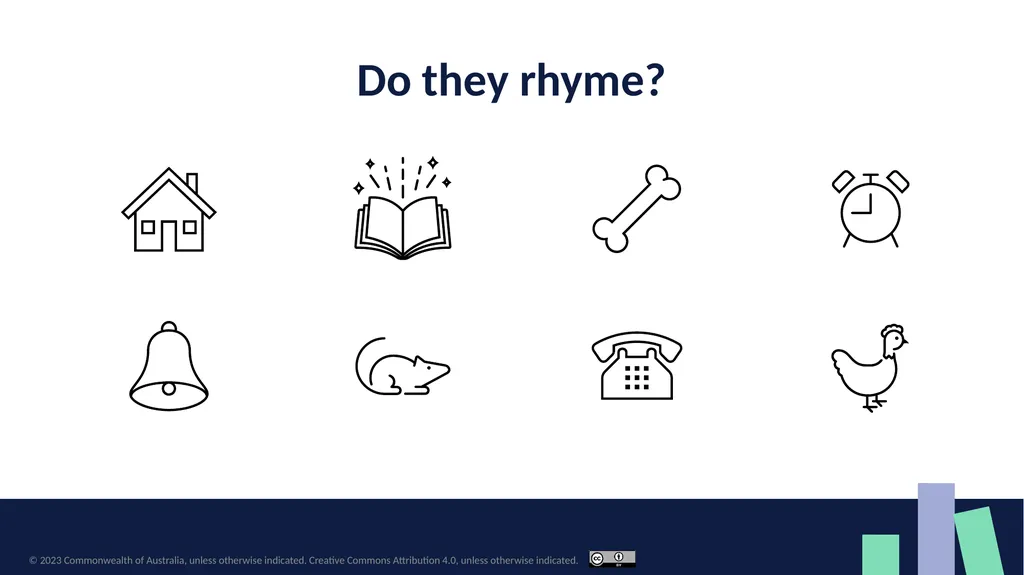
Do they rhyme?<br>
05
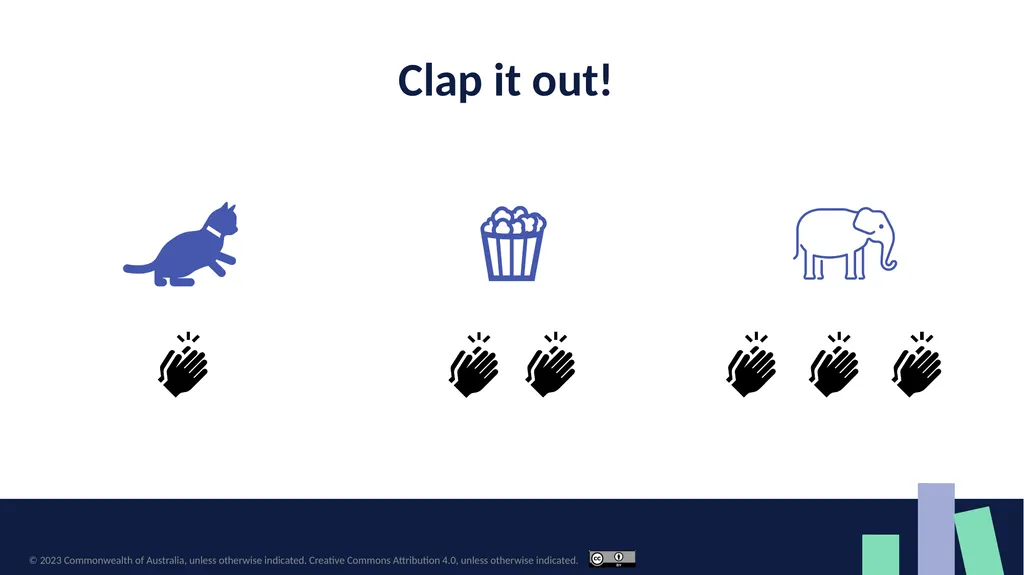
Clap it out!<br>
06
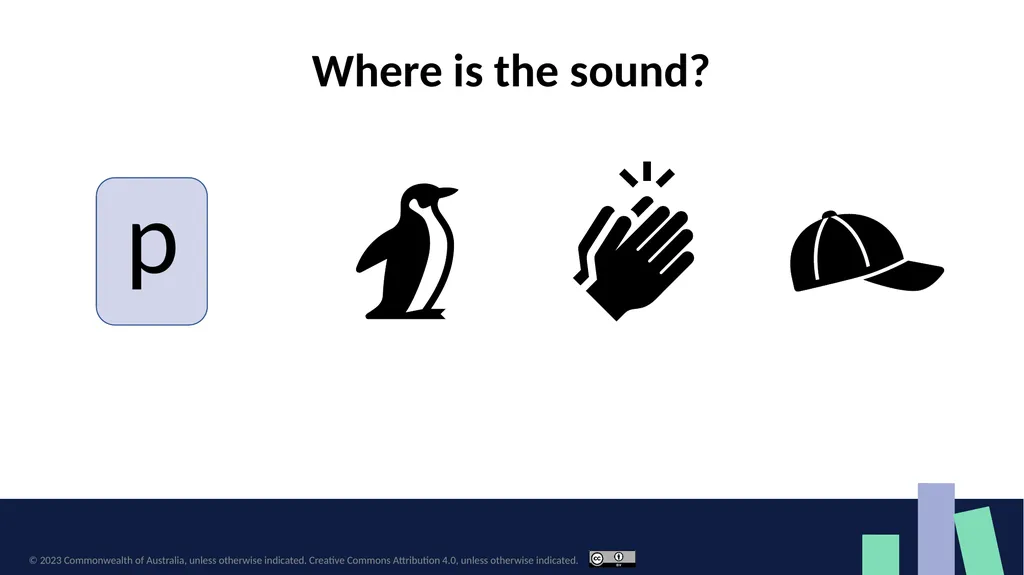
p Where is the sound?<br>
07
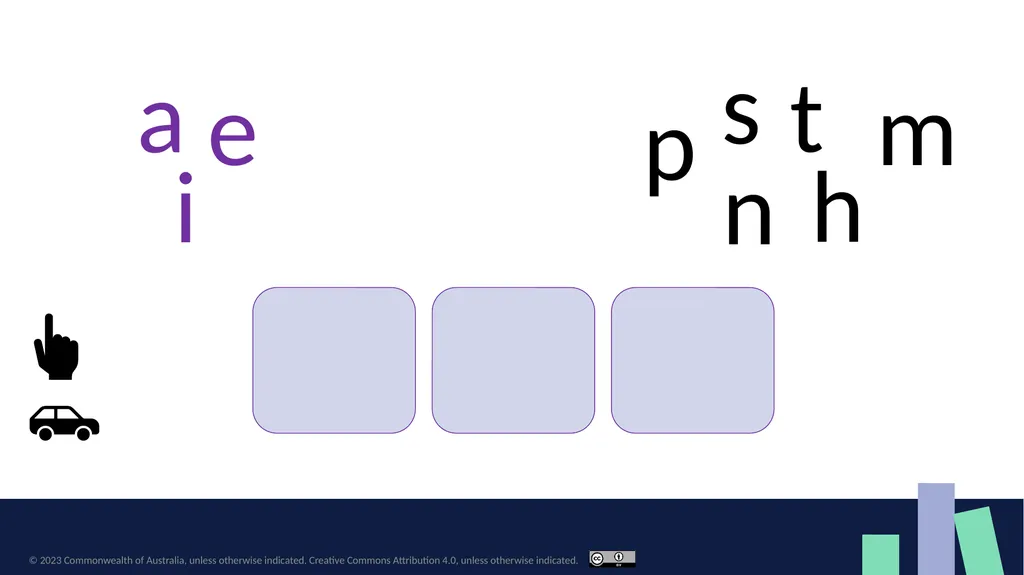
i n s a p t e m h<br>
08
Letter–sound review<br>
09
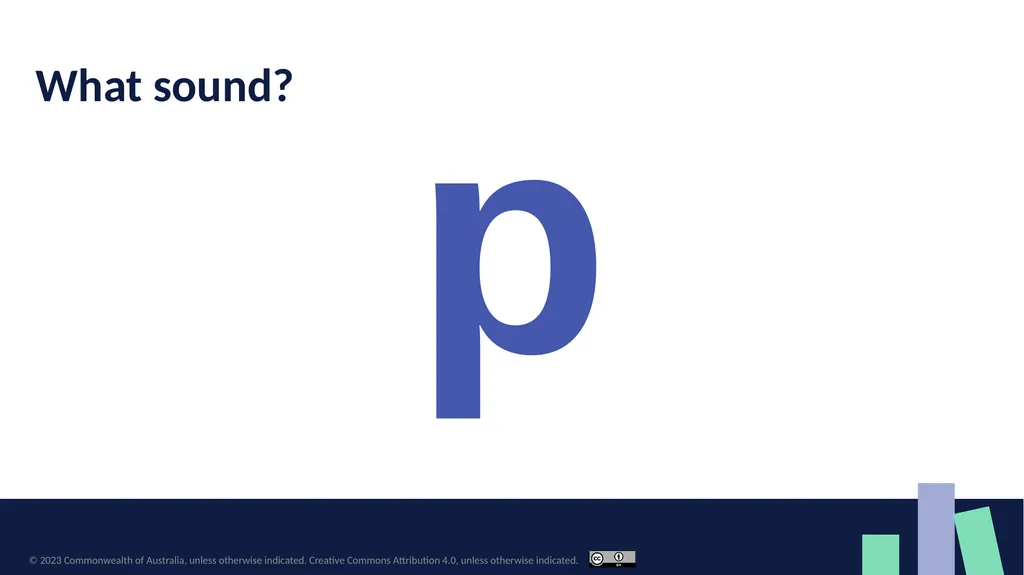
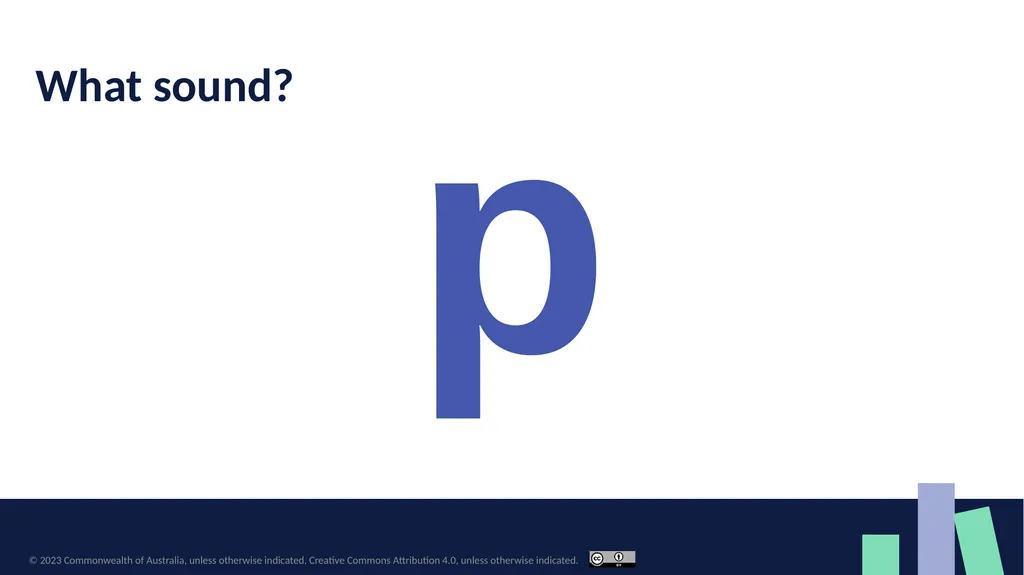
What sound? p<br>
10
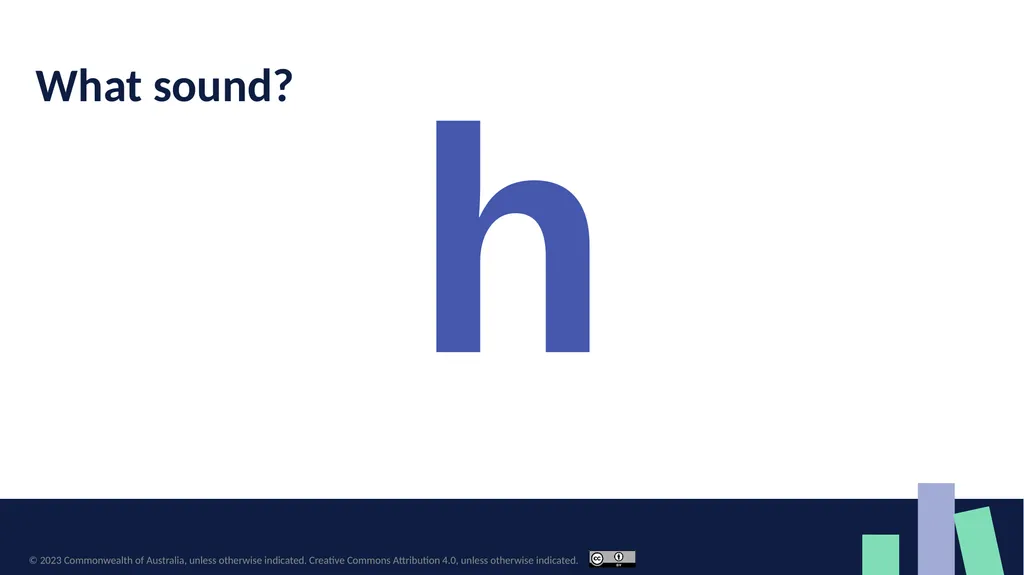
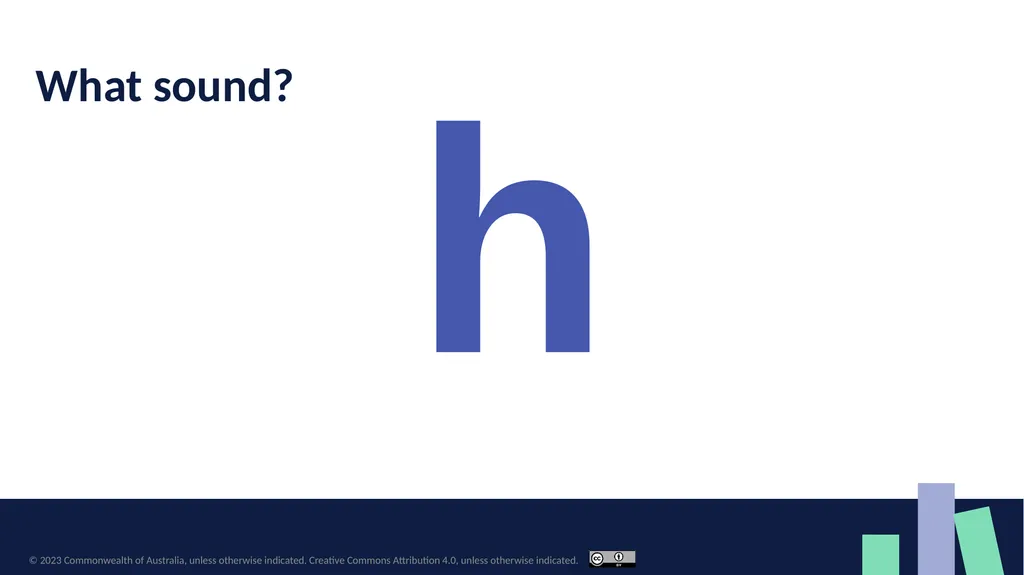
What sound? h<br>
11
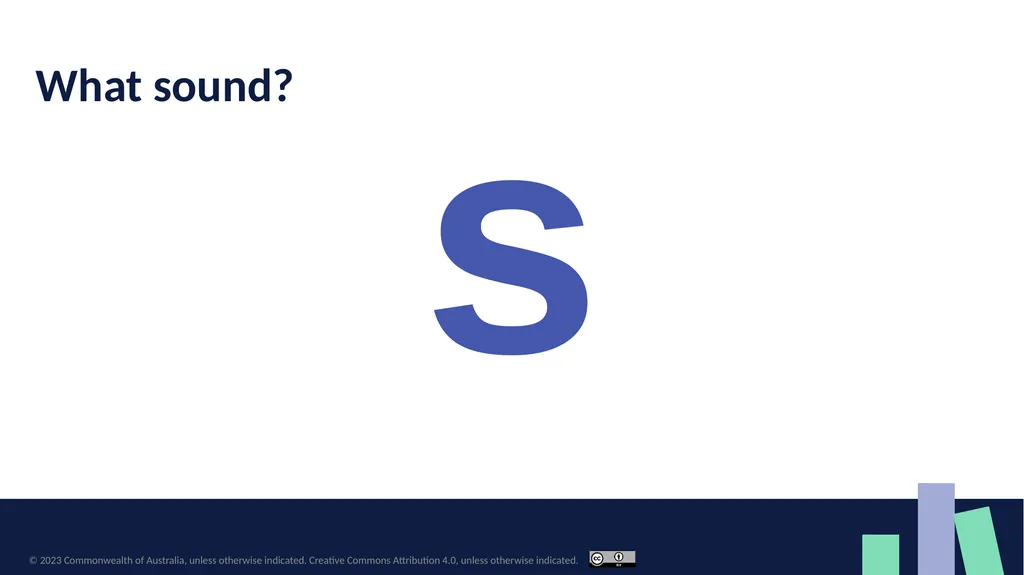
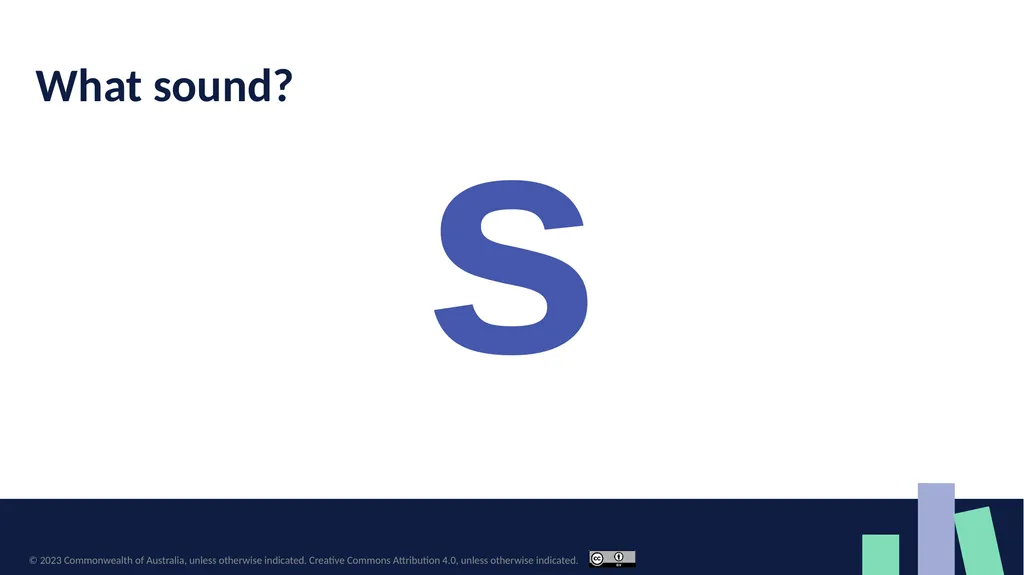
What sound? s<br>
12
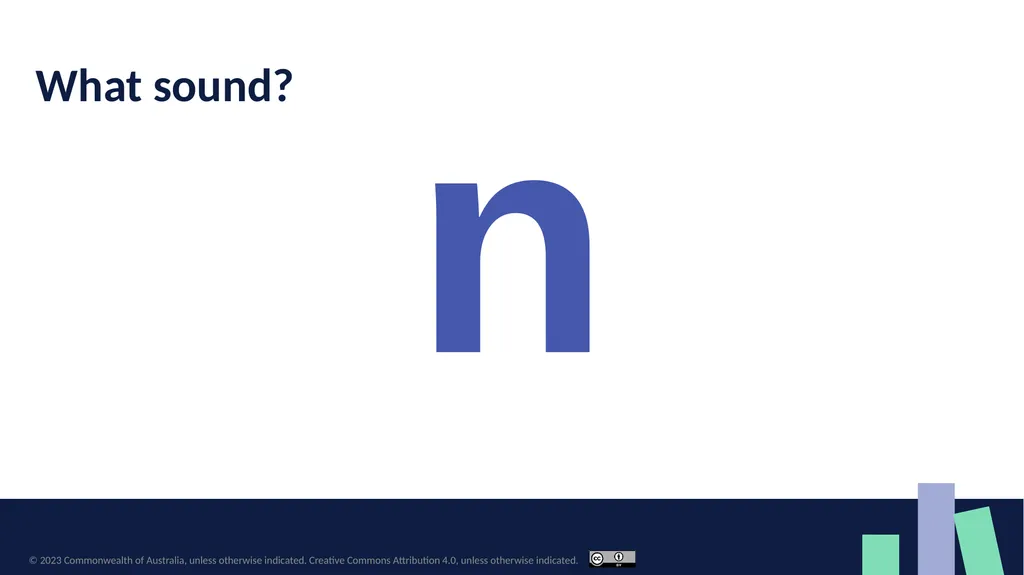
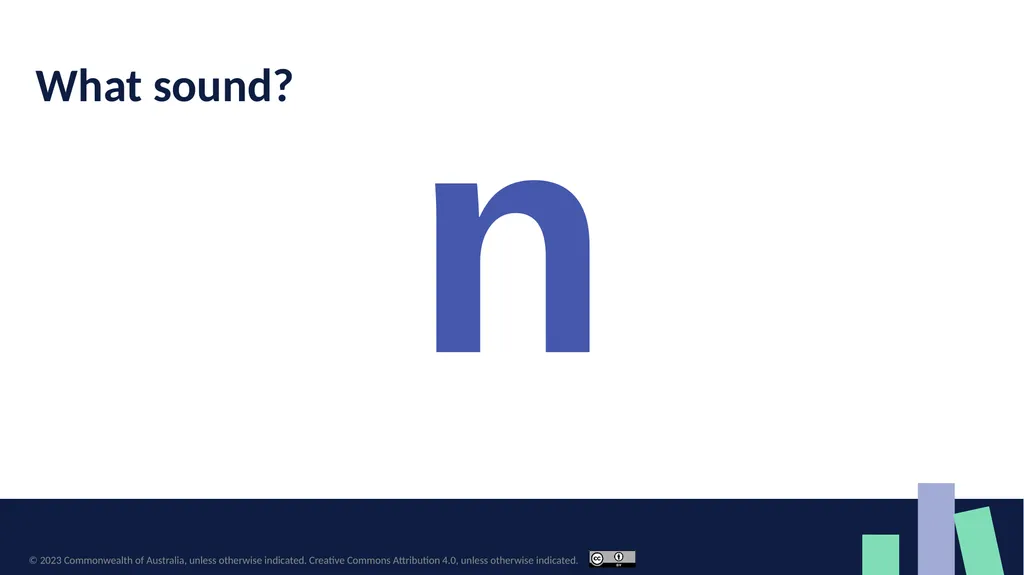
What sound? n<br>
13
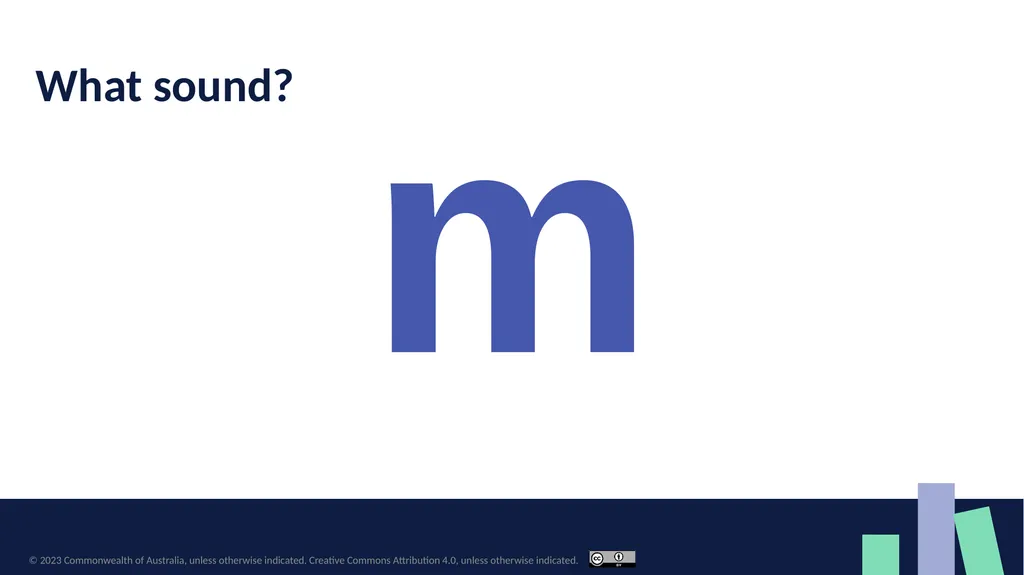
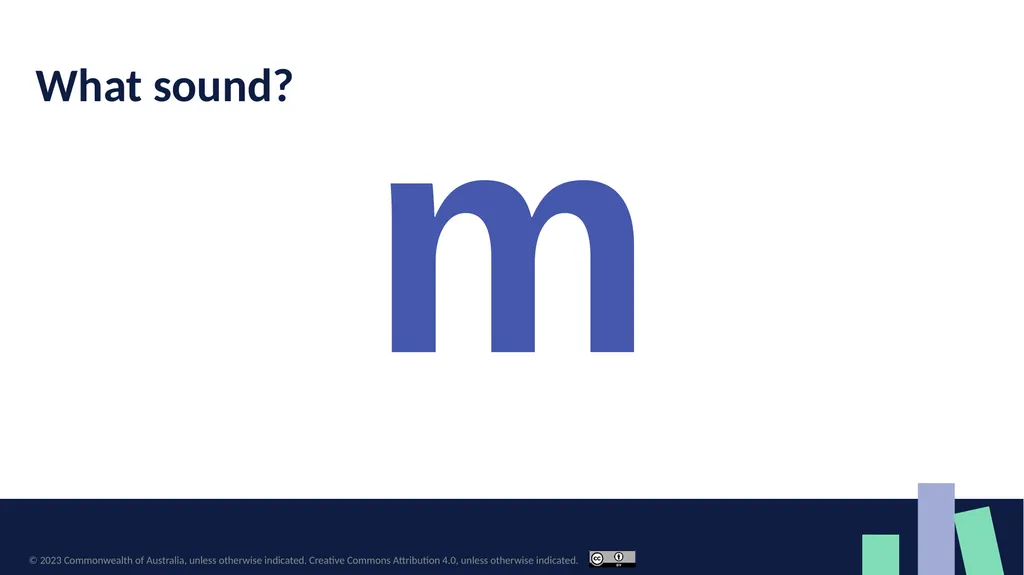
What sound? m<br>
14
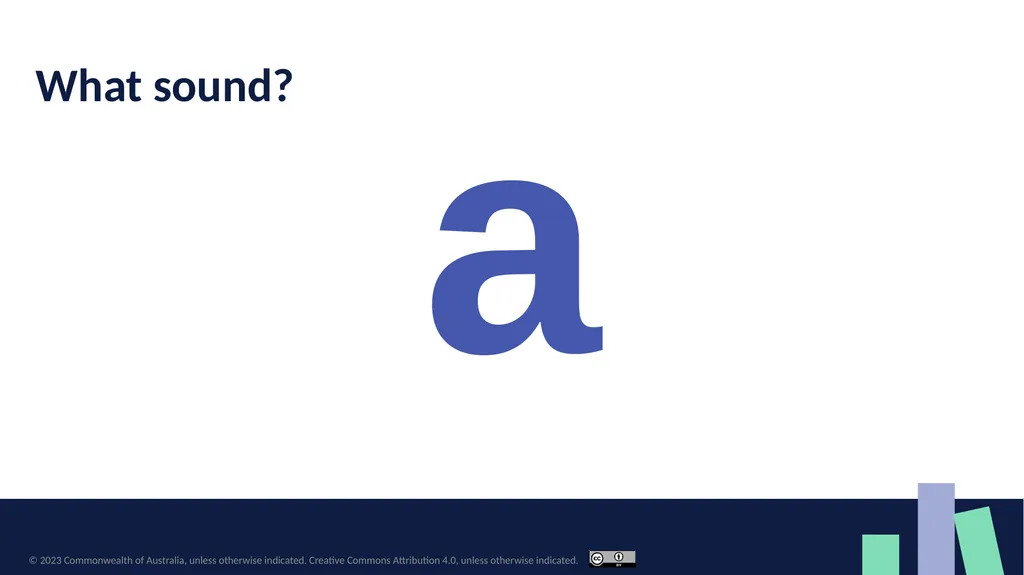
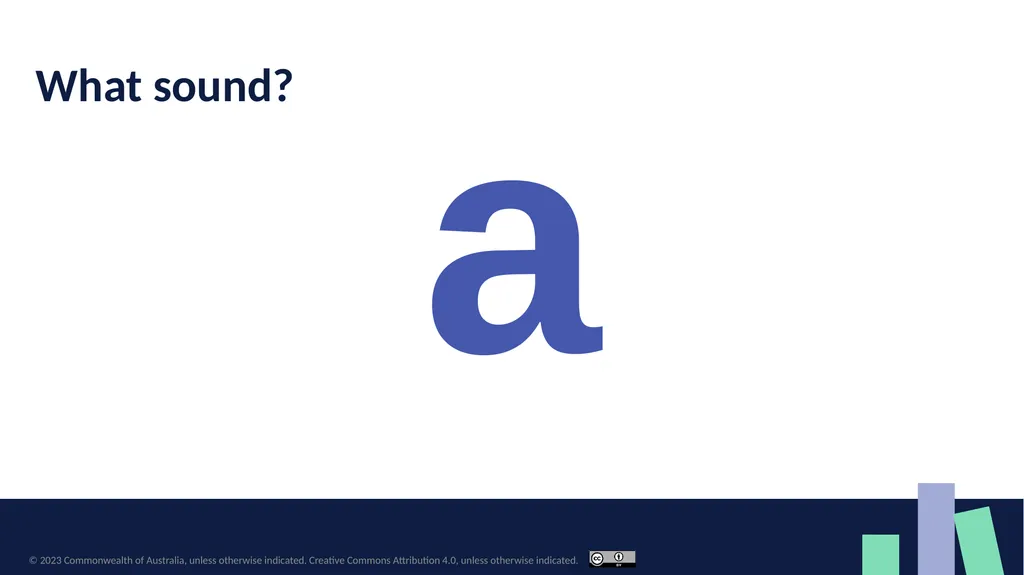
What sound? a<br>
15
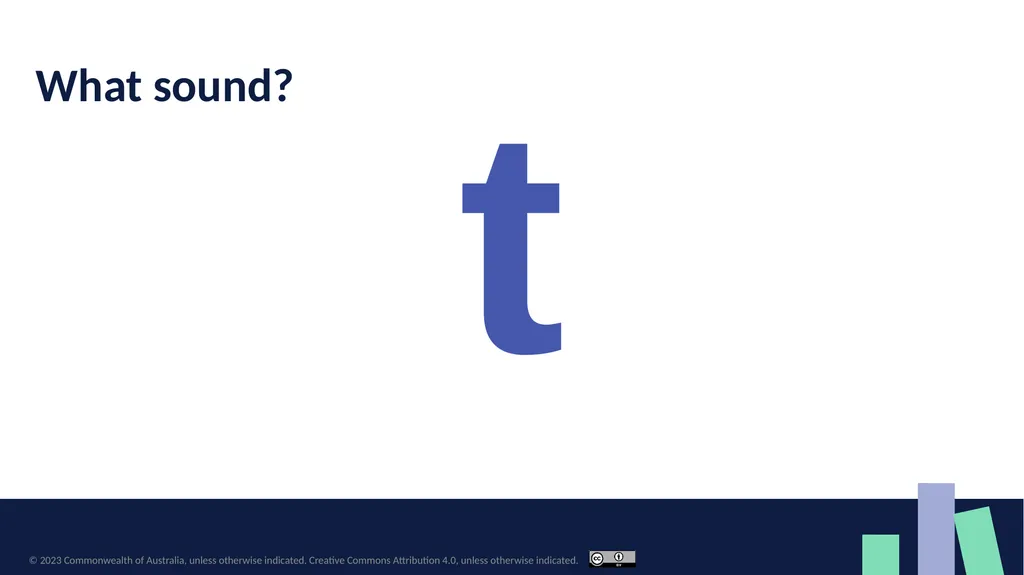
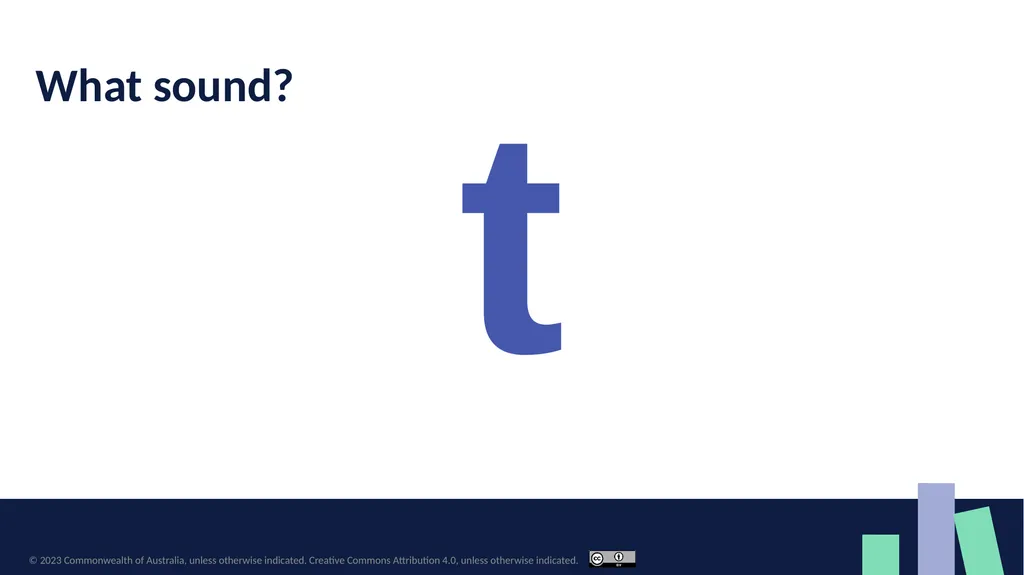
What sound? t<br>
16
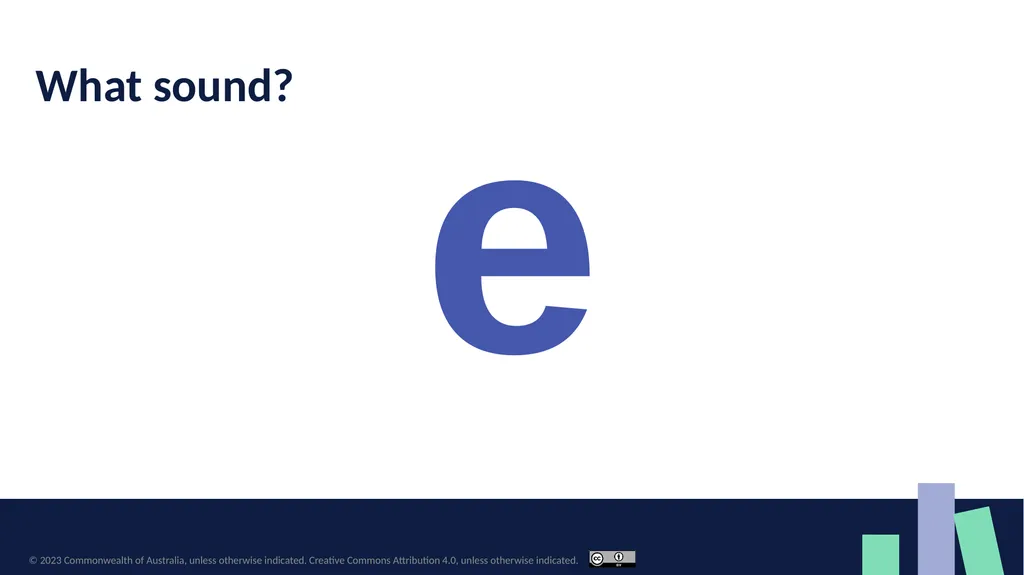
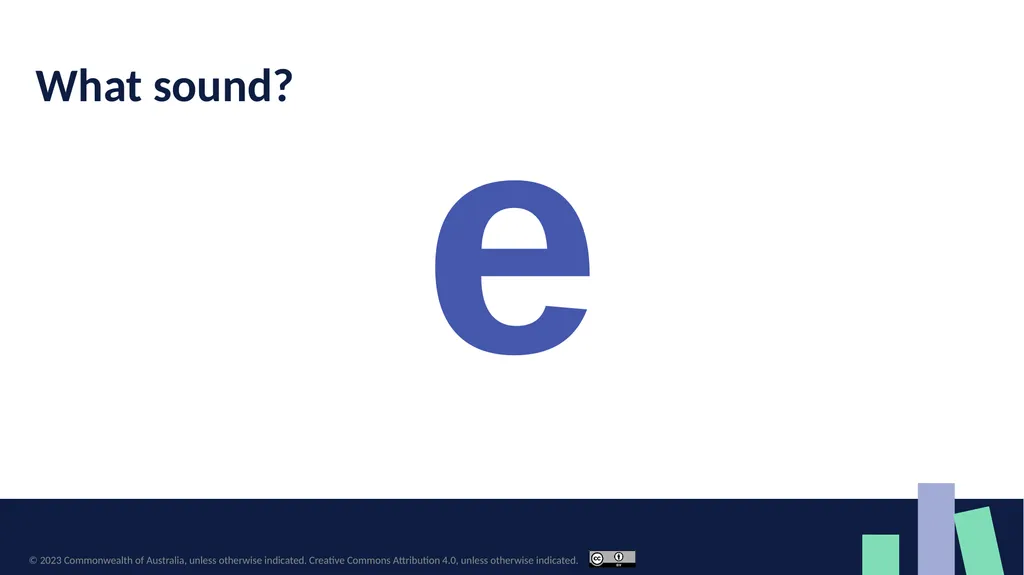
What sound? e<br>
17
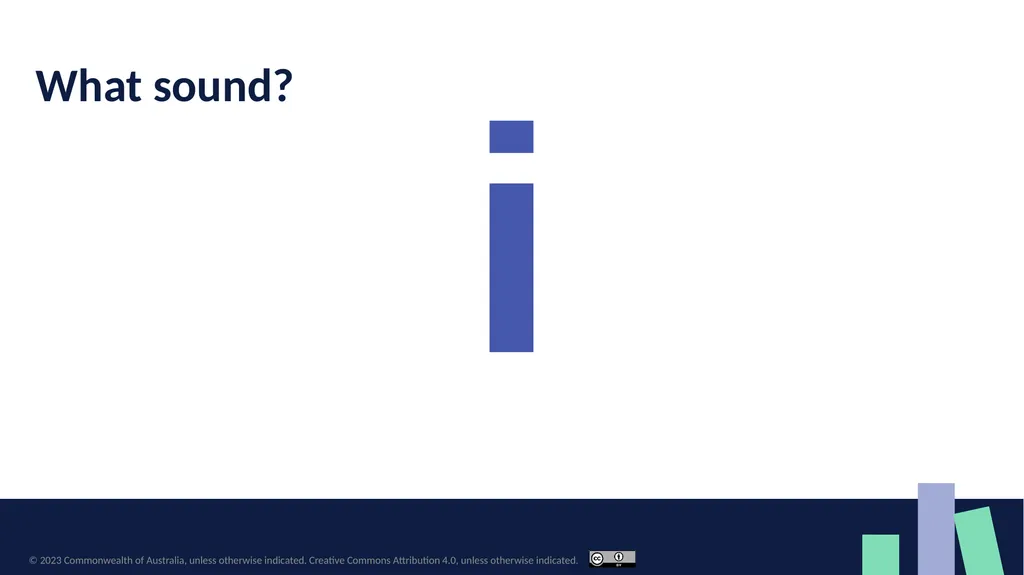
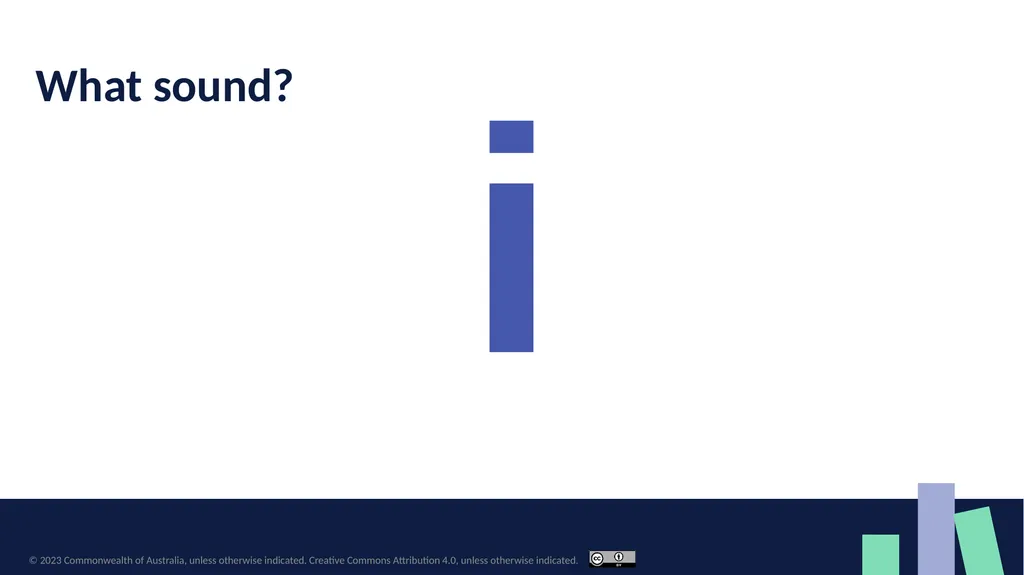
What sound? i<br>
18
What sound? m<br>
19
What sound? s<br>
20
What sound? t<br>
21
What sound? i<br>
22
What sound? h<br>
23
What sound? e<br>
24
What sound? p<br>
25
What sound? a<br>
26
What sound? n<br>
27
Let’s get ready to write.<br>
28
Let’s sound out words.<br>
29
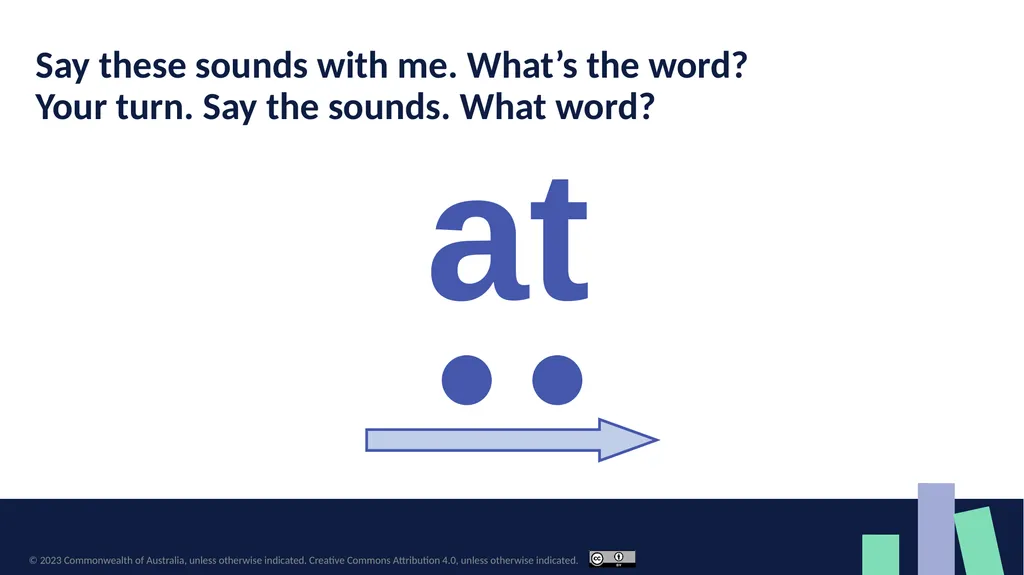
Say these sounds with me. What’s the word? Your turn. Say the sounds. What word? at<br>
30
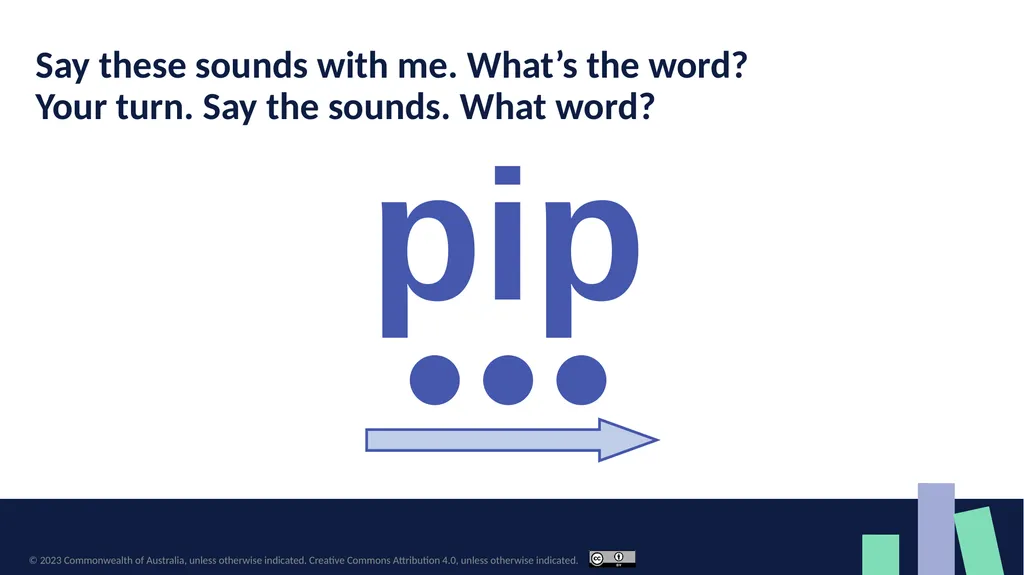
Say these sounds with me. What’s the word? Your turn. Say the sounds. What word? pip<br>
31
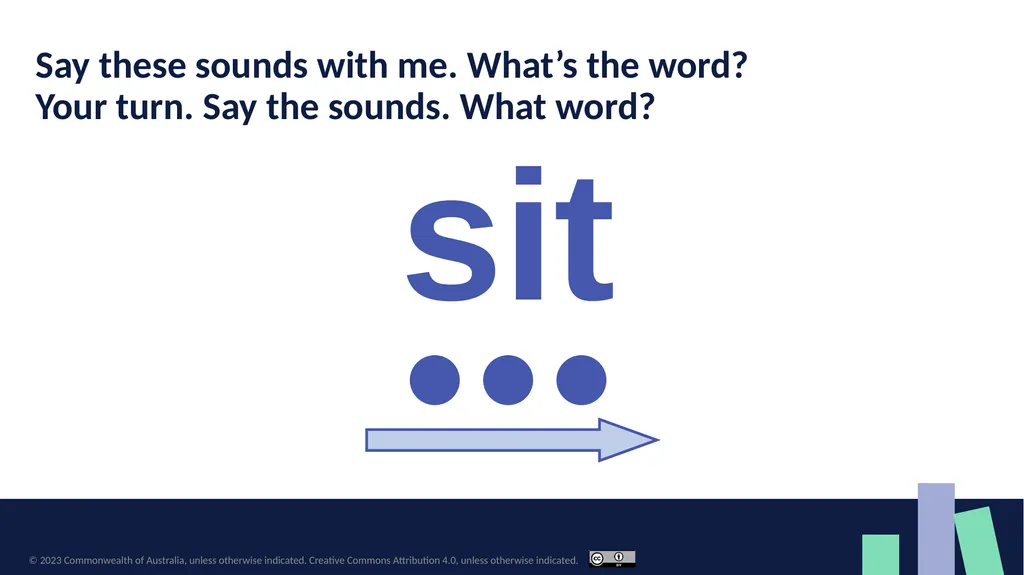
Say these sounds with me. What’s the word? Your turn. Say the sounds. What word? sit<br>
32
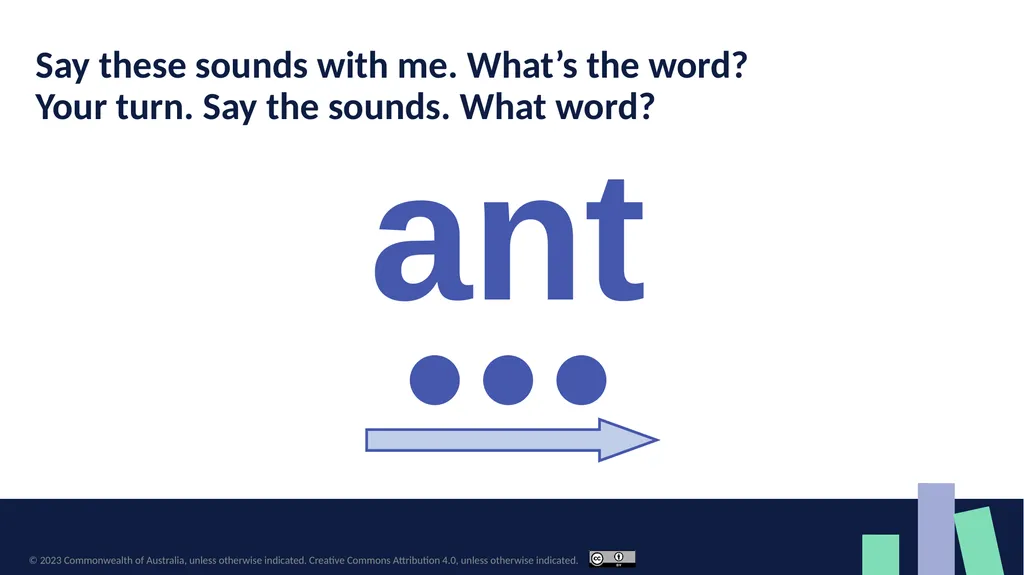
Say these sounds with me. What’s the word? Your turn. Say the sounds. What word? ant<br>
33
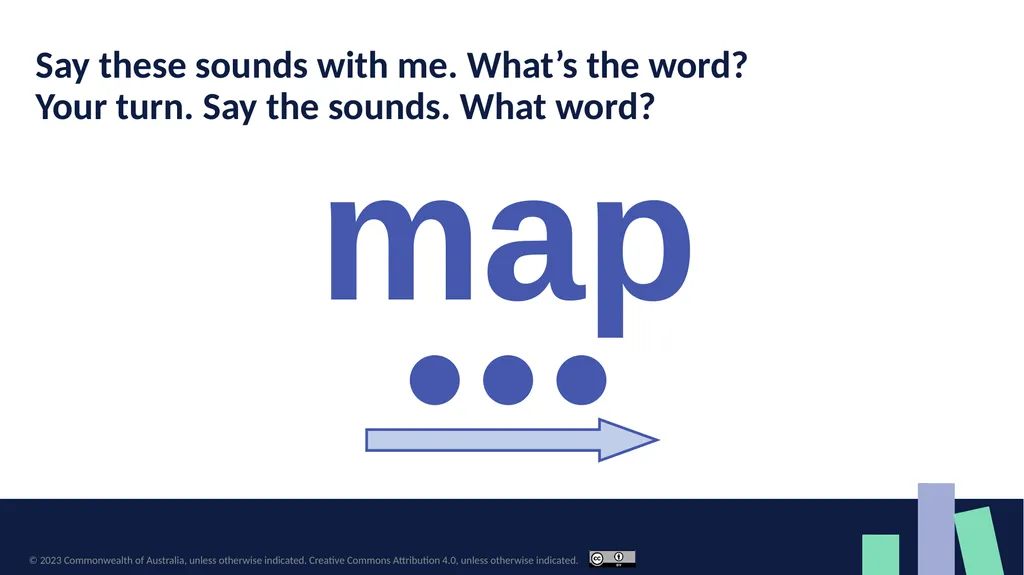
Say these sounds with me. What’s the word? Your turn. Say the sounds. What word? map<br>
34
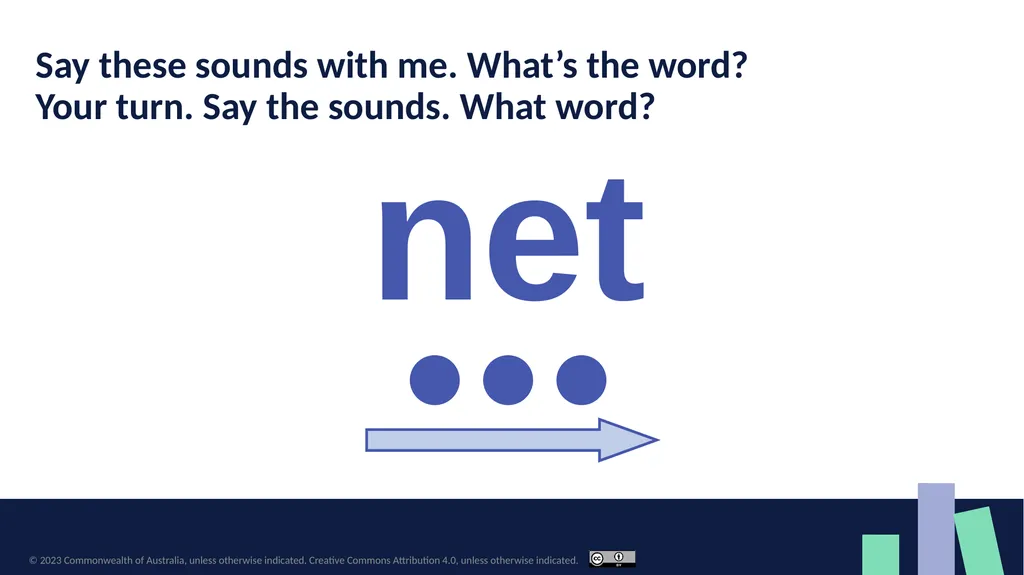
Say these sounds with me. What’s the word? Your turn. Say the sounds. What word? net<br>
35
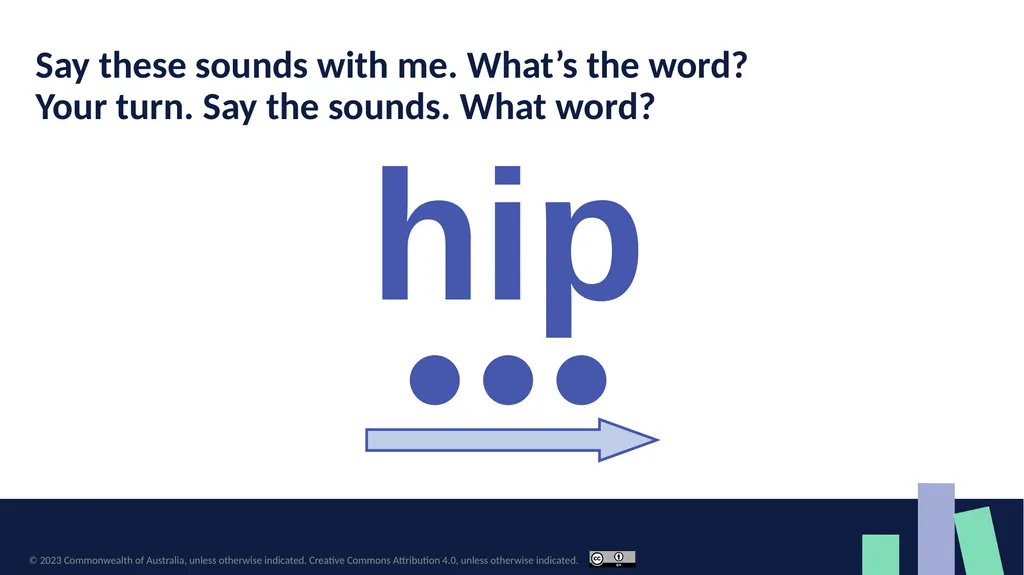
Say these sounds with me. What’s the word? Your turn. Say the sounds. What word? hip<br>
36
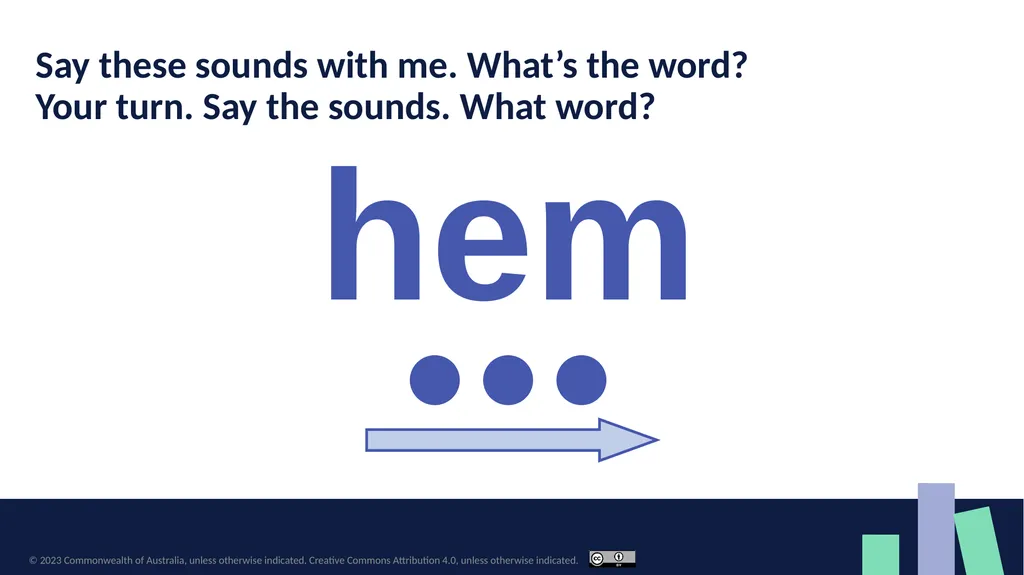
Say these sounds with me. What’s the word? Your turn. Say the sounds. What word? hem<br>
37
Let’s read our words.<br>
38
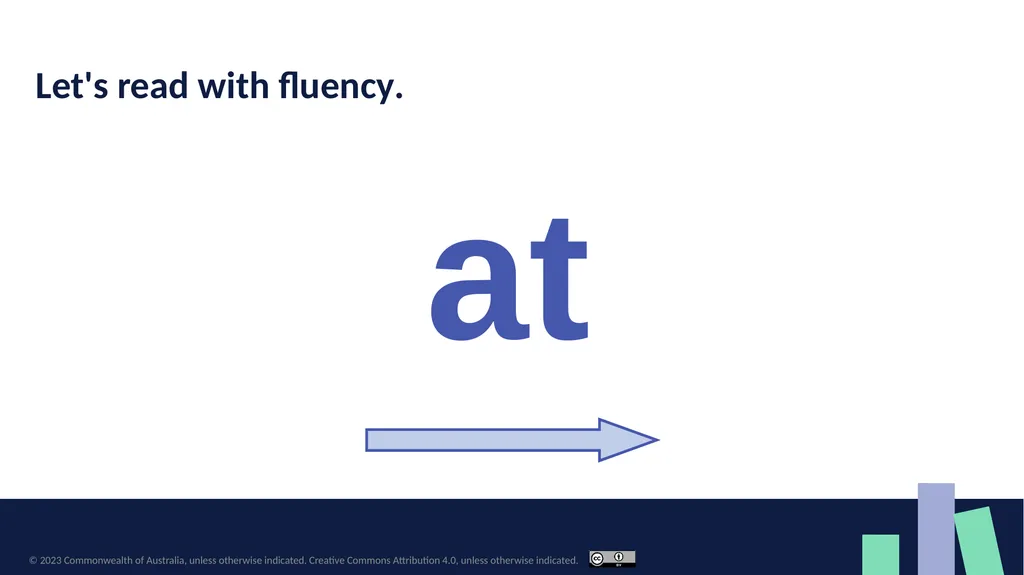
Let's read with fluency. at<br>
39
pip Let's read with fluency.<br>
40
sit Let's read with fluency.<br>
41
ant Let's read with fluency.<br>
42
map Let's read with fluency.<br>
43
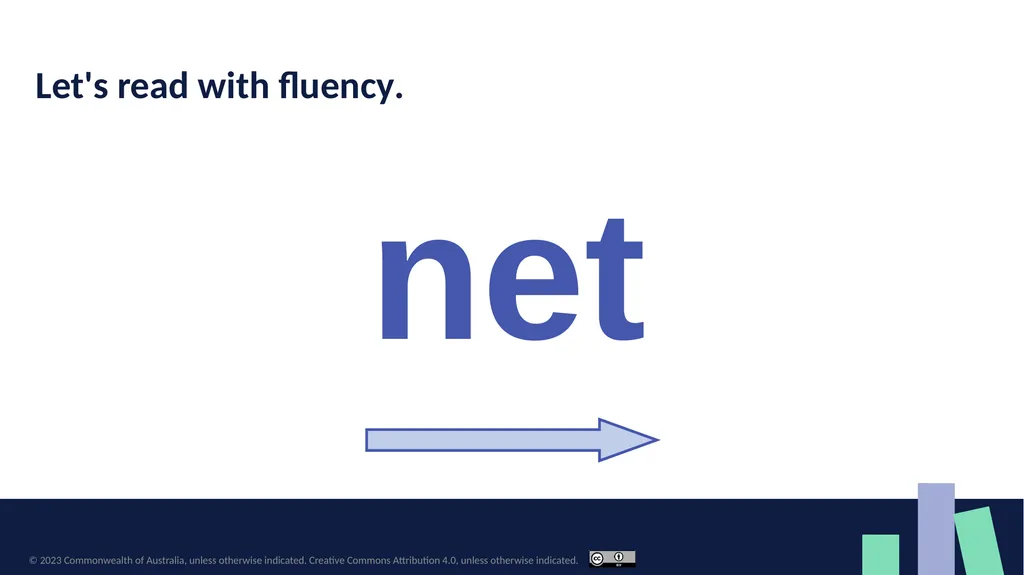
net Let's read with fluency.<br>
44
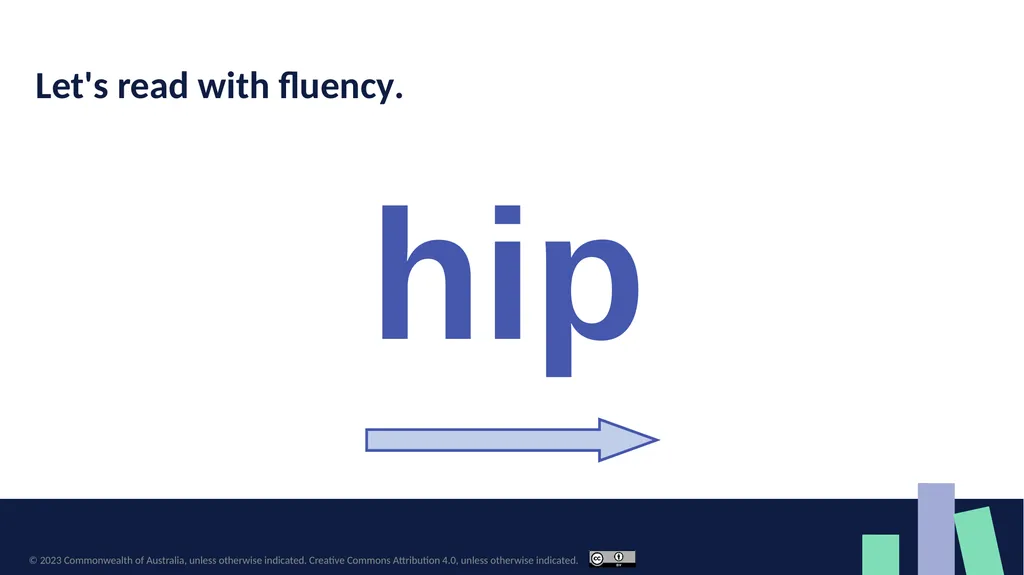
hip Let's read with fluency.<br>
45
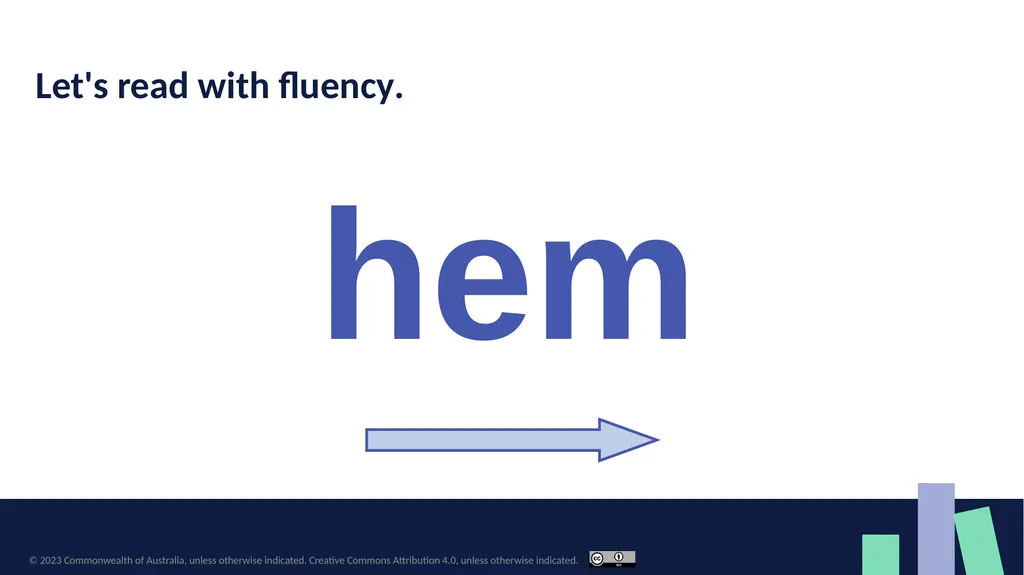
hem Let's read with fluency.<br>
46
Let’s get ready to write.<br>
47
Irregular words<br>
48
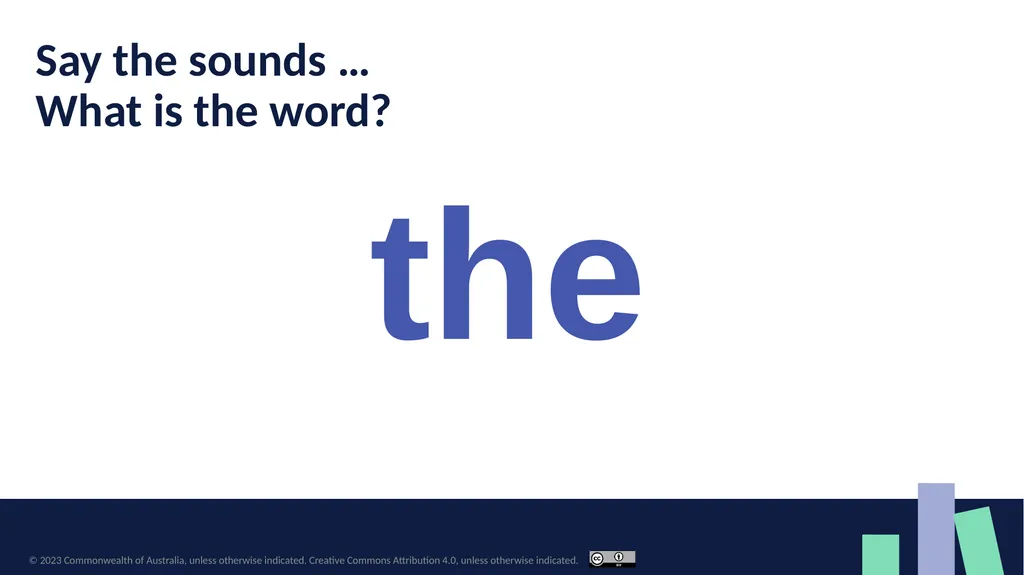
Say the sounds … What is the word? the<br>
49
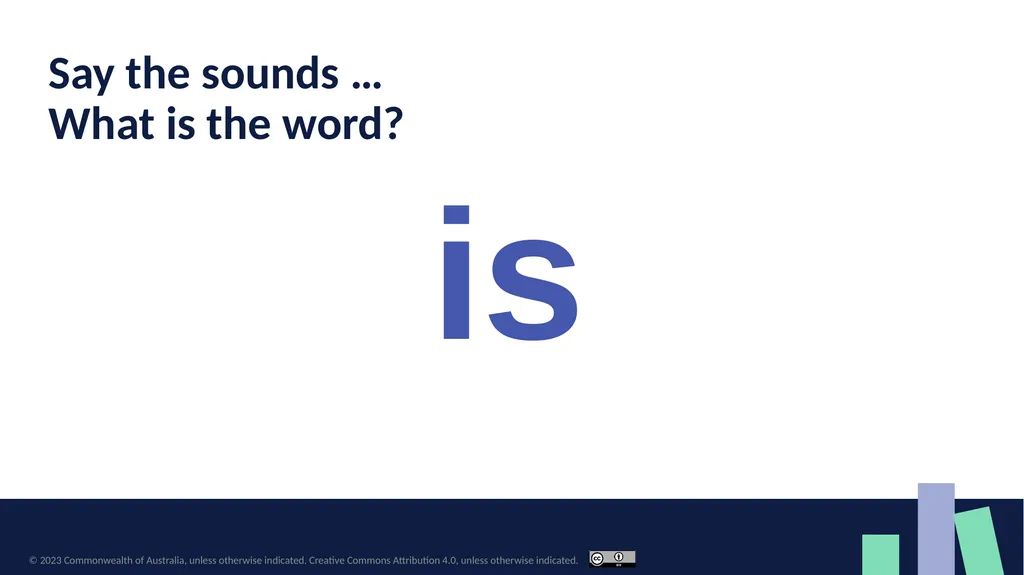
is Say the sounds … What is the word?<br>
50
Let’s get ready to write.<br>
51
Let’s read together.<br>
52
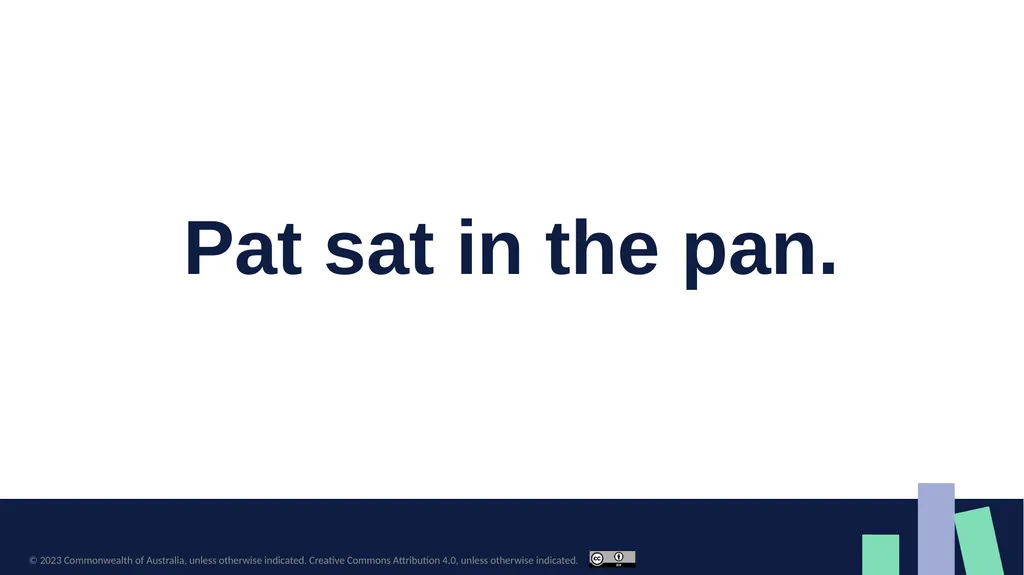
Pat sat in the pan.<br>
53
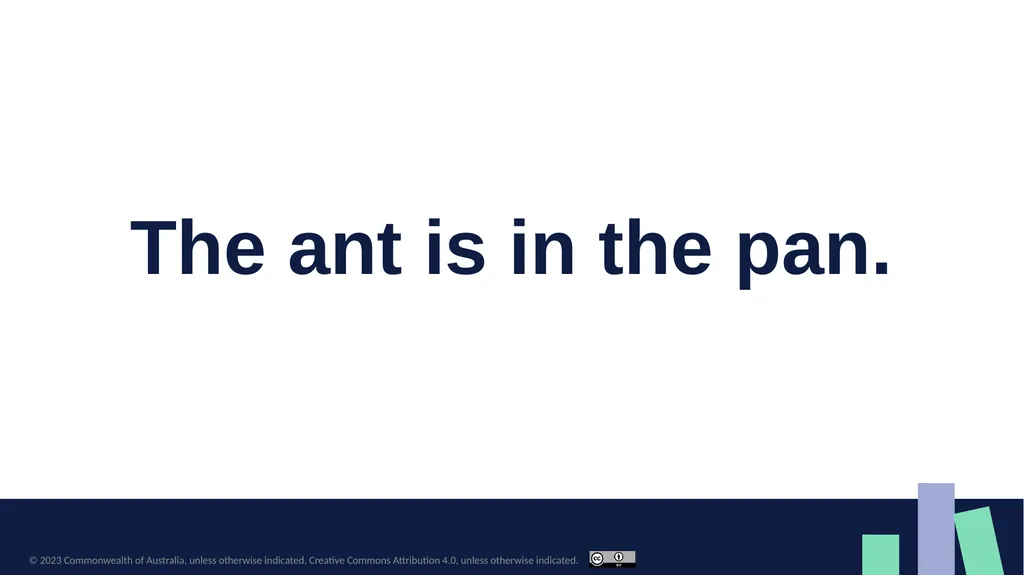
The ant is in the pan.<br>
54
The ant nips Pat.<br>
55
Pat sat in the pan.
The ant is in the pan.
The ant nips Pat.<br>