Dr. Seema Jyoti Associate Professor Department Of Zoology SEMESTER-I GENERAL CHARACTERS OF PHYLUM PORIFERA INTRODUCTION Porifera- Latin, porous-pore ferre-to bear Lowly multicellular, aquatic, sessile animal Thought as plant by Aristotle,
"Dr. Seema Jyoti Associate Professor Department Of" is the property of its rightful owner. Permission is granted to
download and print the materials on this website for personal, non-commercial use only, and to display it
on your personal computer provided you do not modify the materials and that you retain all copyright
notices contained in the materials. By downloading content from our website, you accept the terms of this
agreement.
Presentation Transcript
01
Dr. Seema Jyoti
Associate Professor
Department Of Zoology
SEMESTER-I GENERAL CHARACTERS OF PHYLUM PORIFERA<br>
02
INTRODUCTION Porifera- Latin, porous-pore + ferre-to bear
Lowly multicellular, aquatic, sessile animal
Thought as plant by Aristotle, Pliny, Gerade, Grew...
True animal nature recognised by Robert Grant, 1857.
They are not regarded to be on the direct line of evolution, they appear to form an evolutionary dead end. So they are classified as sub kingdom: Parazoa(which means that they form just a side issue).
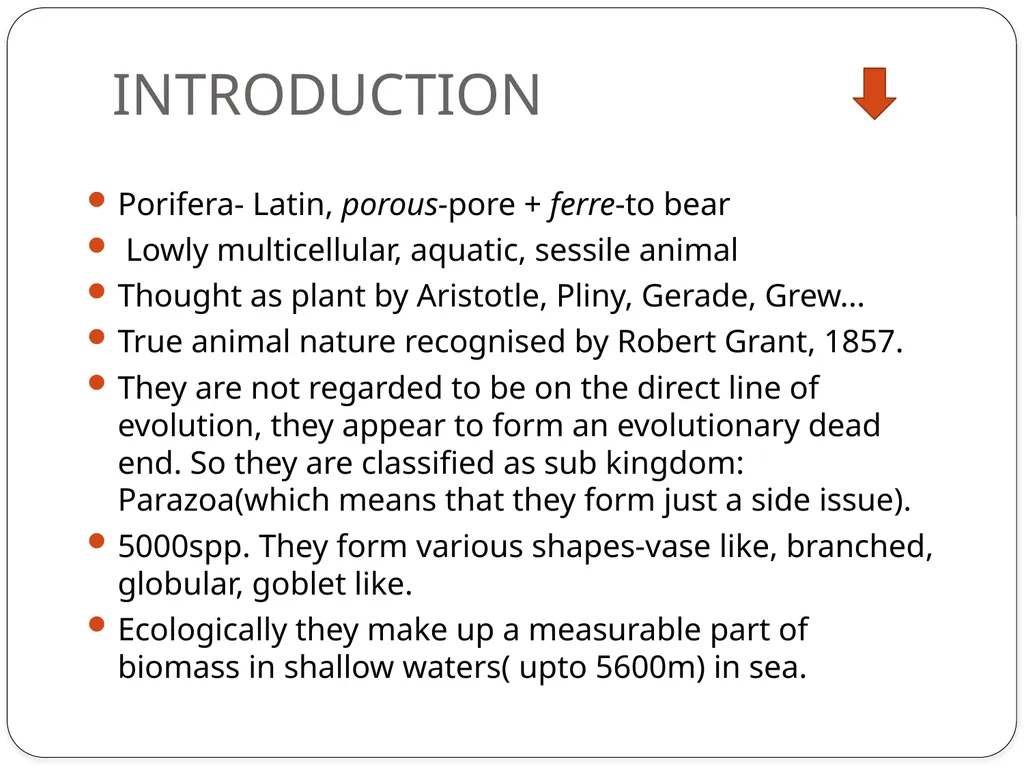
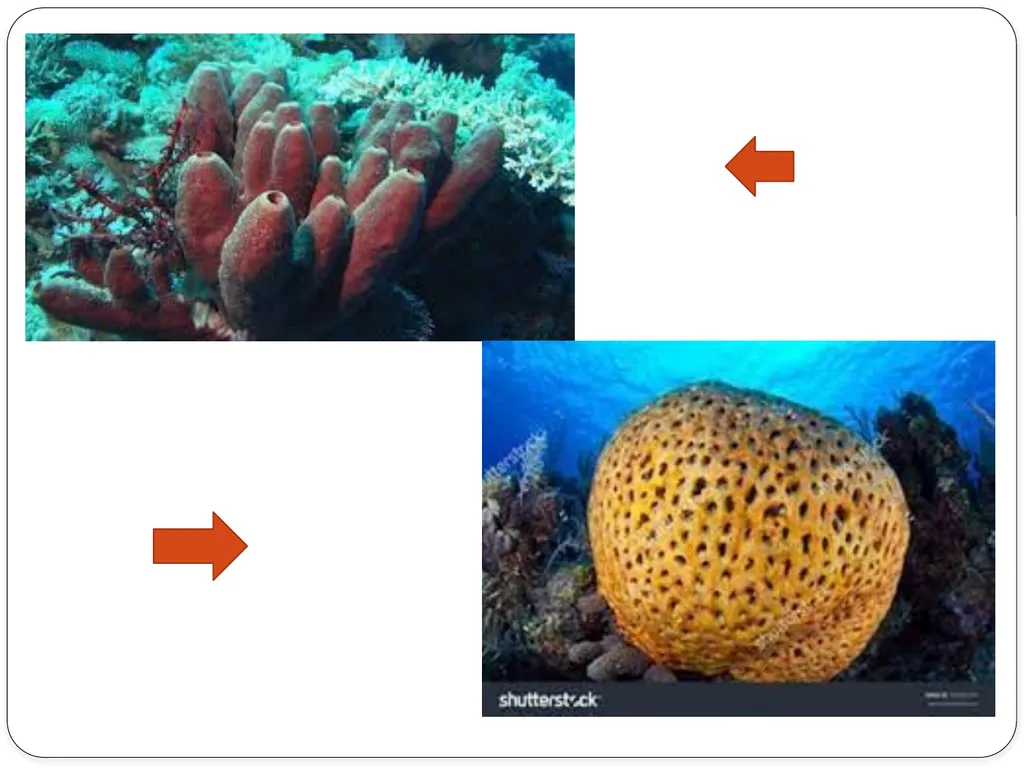
5000spp. They form various shapes-vase like, branched, globular, goblet like.
Ecologically they make up a measurable part of biomass in shallow waters( upto 5600m) in sea.<br>
03
Lowly multicellular animals with a cellular grade of body organization.
Aquatic-mostly marine, few fresh water
Solitary/colonial, sessile and sedentary and grow like plants.
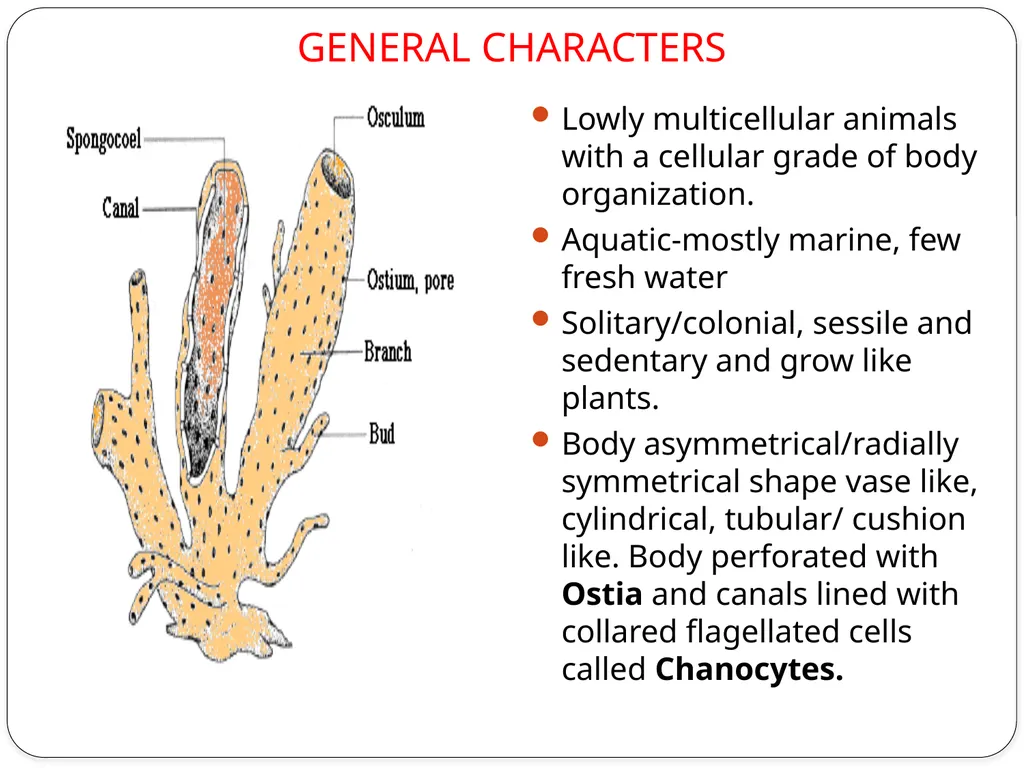
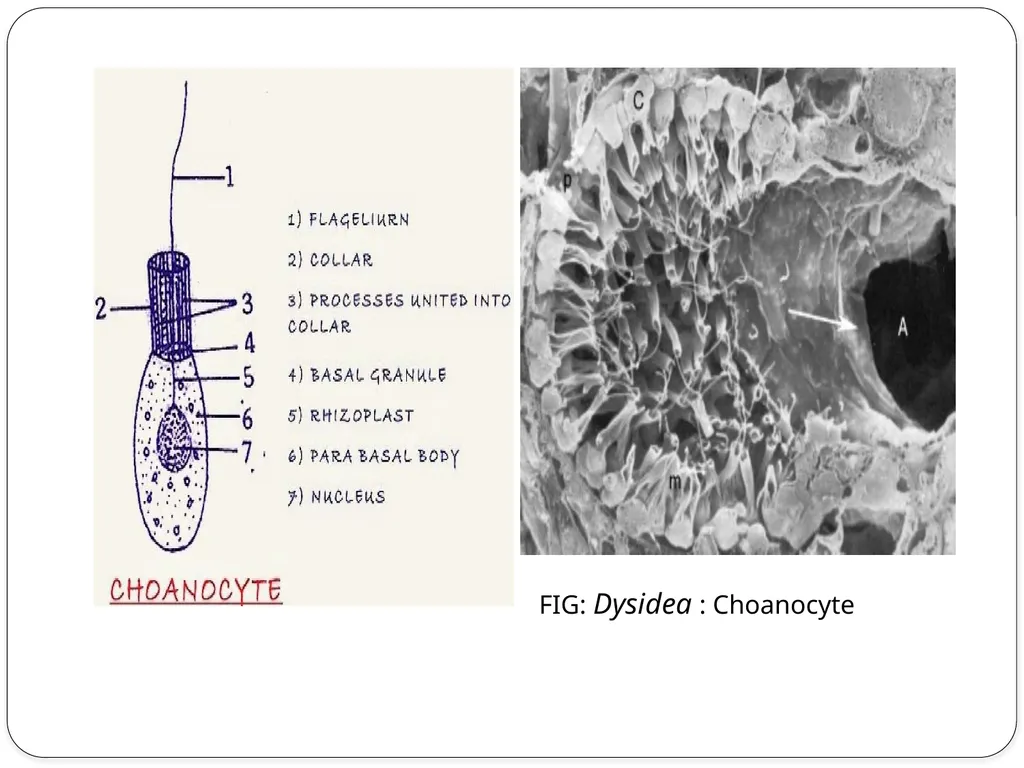
Body asymmetrical/radially symmetrical shape vase like, cylindrical, tubular/ cushion like. Body perforated with Ostia and canals lined with collared flagellated cells called Chanocytes. GENERAL CHARACTERS<br>
04
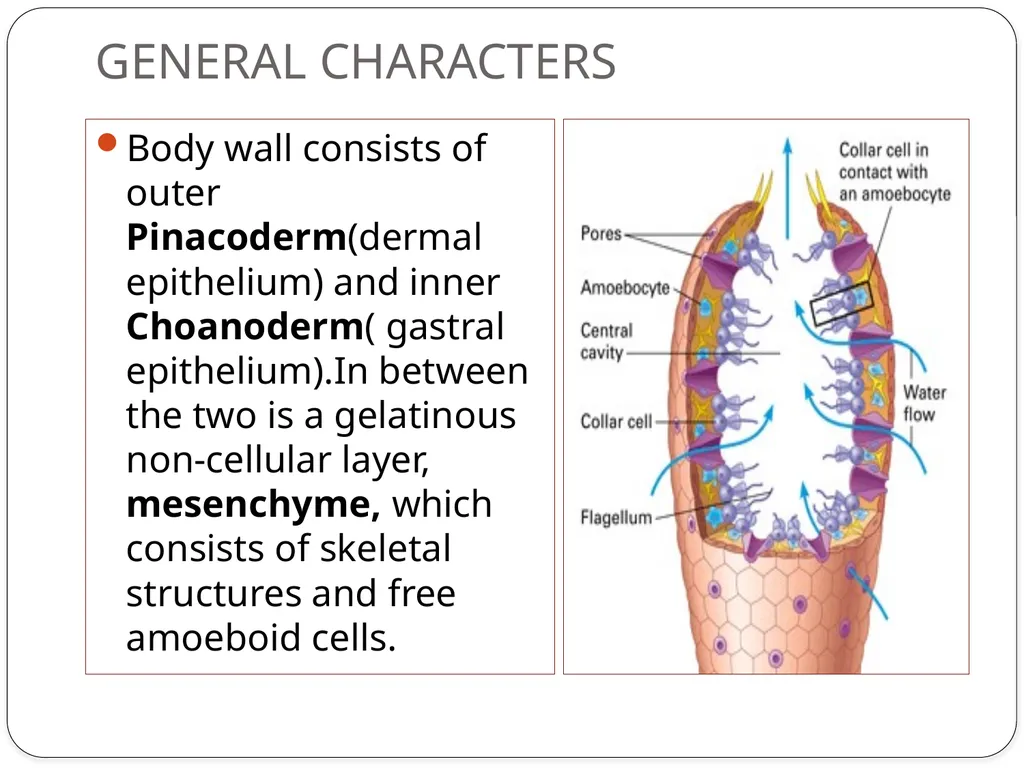
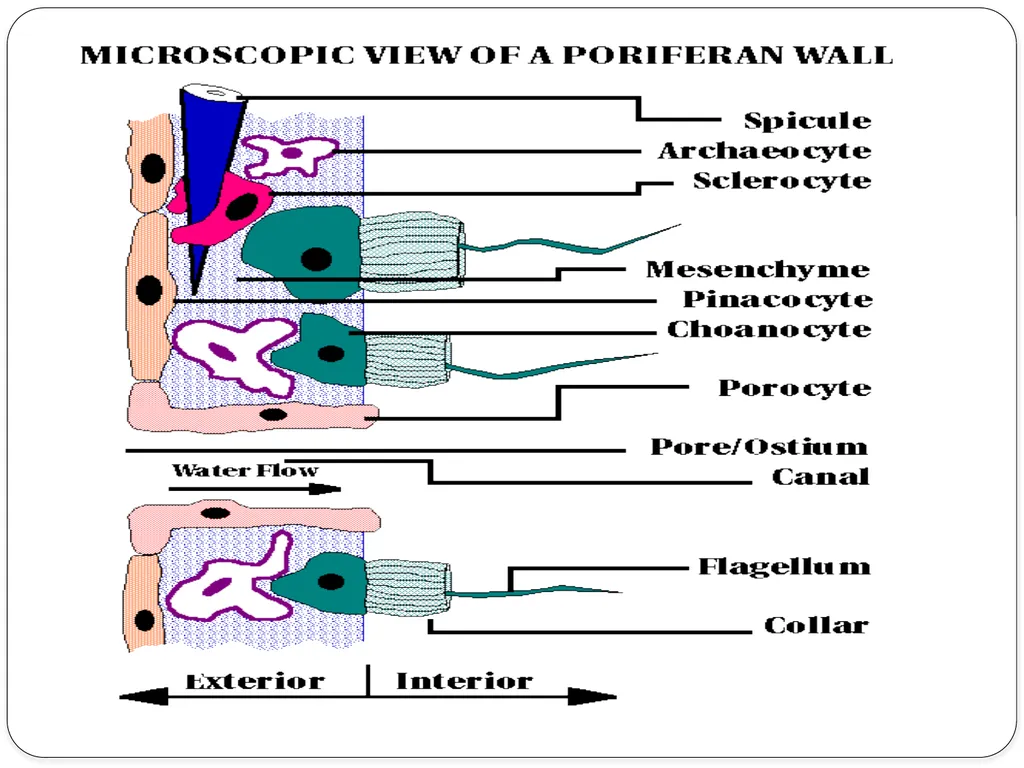
GENERAL CHARACTERS Body wall consists of outer Pinacoderm(dermal epithelium) and inner Choanoderm( gastral epithelium).In between the two is a gelatinous non-cellular layer, mesenchyme, which consists of skeletal structures and free amoeboid cells.<br>
05
Cells are loosely arranged and do not form a definite layers, hence not regarded as truely diploblastic
Spongocoel is either hollow or permeated with numerous canals lined by choanocytes.
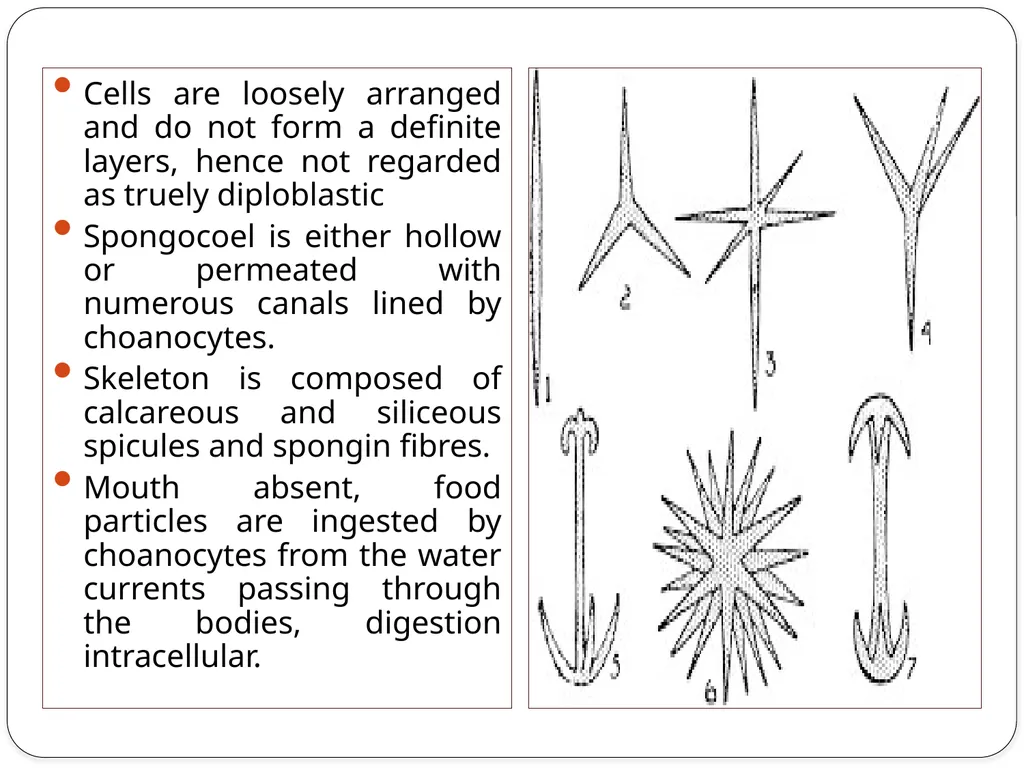
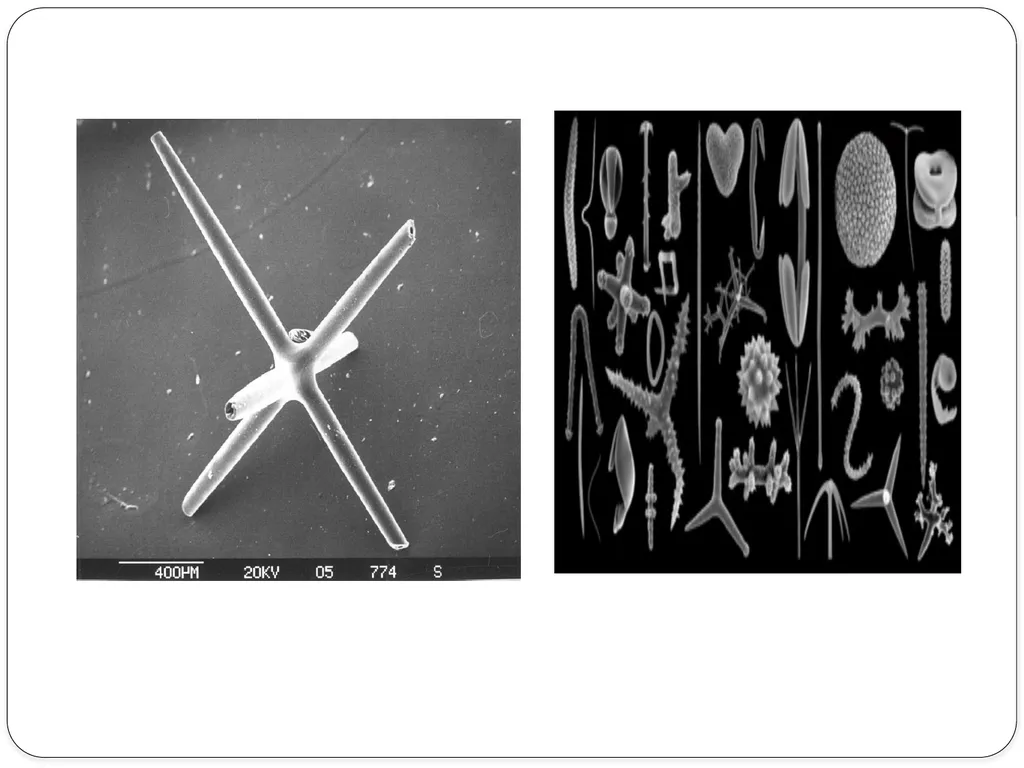
Skeleton is composed of calcareous and siliceous spicules and spongin fibres.
Mouth absent, food particles are ingested by choanocytes from the water currents passing through the bodies, digestion intracellular.<br>
06
FIG: Dysidea : Choanocyte<br>
07
Respiratory and excretory organs absent. Respiration takes place by the intake of oxygen which comes along with the incoming water current and excretory products pass out along with the outgoing water current.
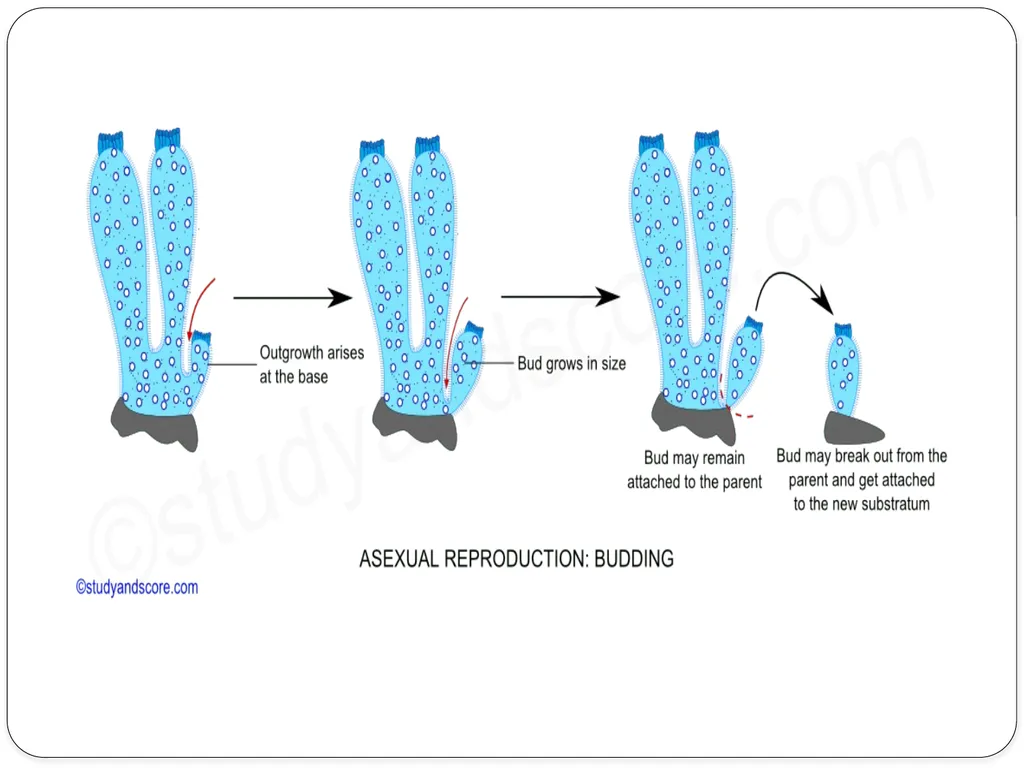
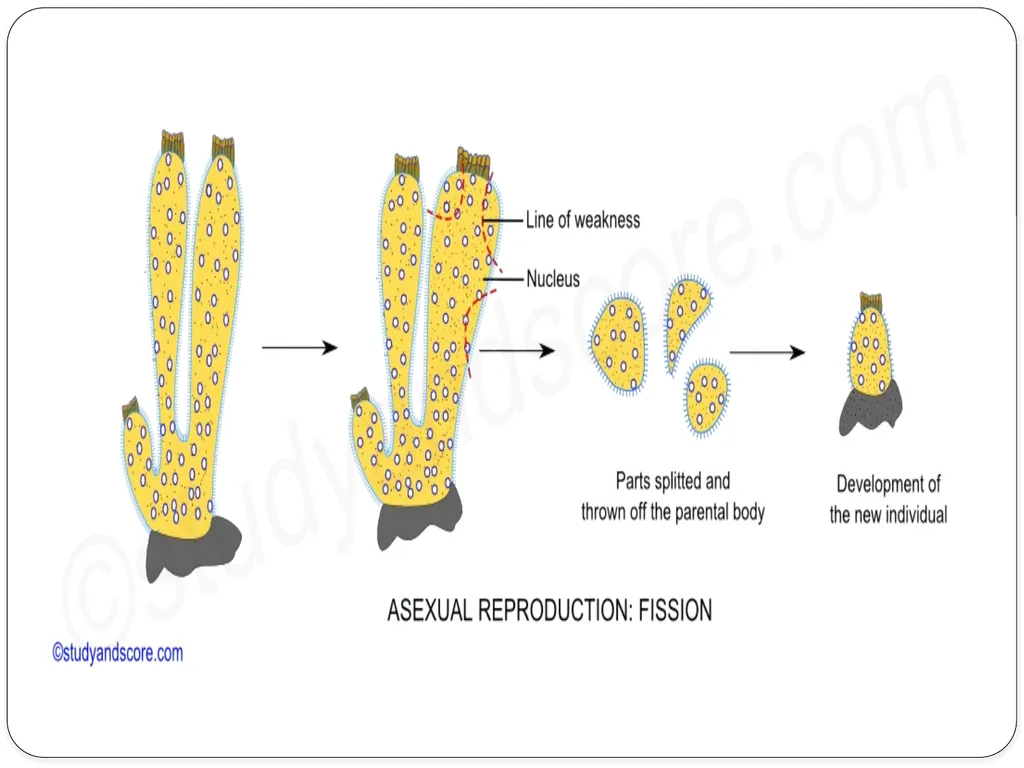
Sponges are hermaphrodite. Reproduction both asexual and sexual. Asexual reproduction by budding and gemmule formation, sexual by formation of ova and sperms.<br>
08
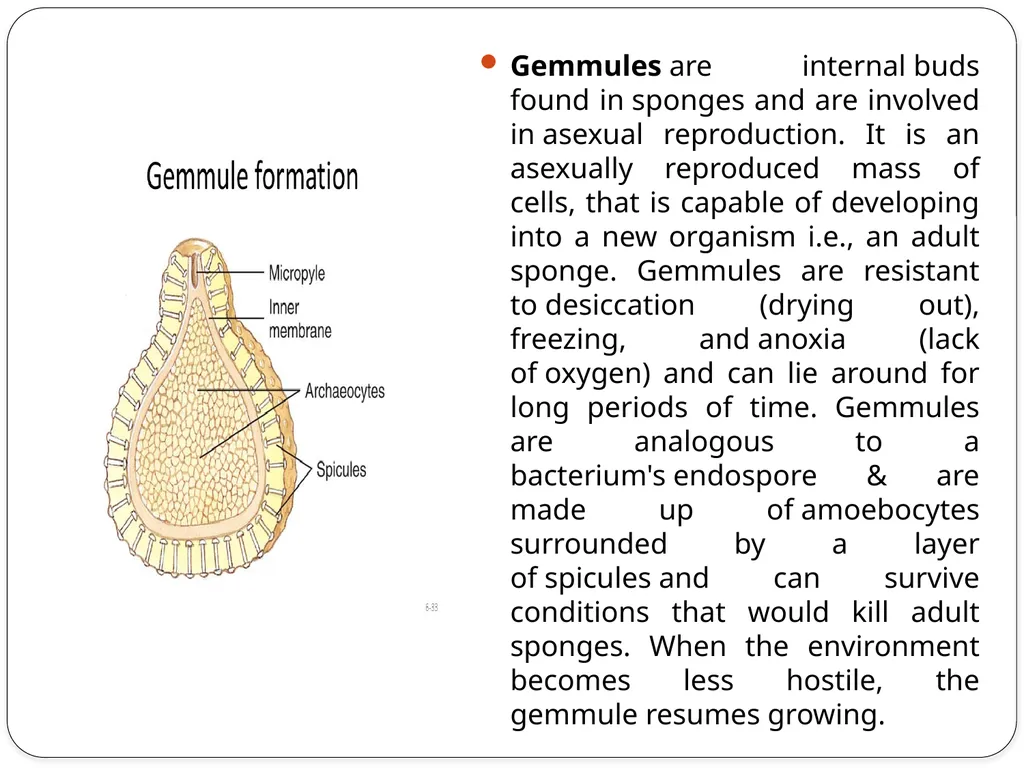
Gemmules are internal buds found in sponges and are involved in asexual reproduction. It is an asexually reproduced mass of cells, that is capable of developing into a new organism i.e., an adult sponge. Gemmules are resistant to desiccation (drying out), freezing, and anoxia (lack of oxygen) and can lie around for long periods of time. Gemmules are analogous to a bacterium's endospore & are made up of amoebocytes surrounded by a layer of spicules and can survive conditions that would kill adult sponges. When the environment becomes less hostile, the gemmule resumes growing.<br>
09
SEXUAL REPRODUCTION: Though some unisexual sponge species are also known, most sponges are monoecious or bisexual. Although sponges are bisexual (hermaphrodite) cross fertilization occurs as a rule as the production timing of sperm and ova are different. The sperm and ova are derived from the undifferentiated amoebocytes called as archaeocytes. The sperm and ova are also known to be derived from choanocytes which later undergo gametogenesis to form sperm or ova.
Sponges exhibit protandry, production of sperms first and ova later or protogyny, production of ova first and sperms later. Both protandry and protogyny facilitate cross fertilization.
Spermatogenesis: The sperm mother cell or a spermatogonium is the enlarged archaeocytes. This spermatogonium is surrounded by one or more flattened cover cells to form spermatocyst. These cover cells are derived from other amoebocytes. Now these spermatogonia undergo two to three maturation divisions to form spermatocytes and these spermatocytes later give rise to spermatozoa. A matured spermatozoon consists of a rounded nucleated head and a tail. The lashing movement of the tail helps the spermatozoon to reach other sponges.<br>
10
Oogenesis
The egg mother cell or an oocyte is derived from large archaeocytes which have distinct nucleus. Sometimes the oocytes also arise from the choanocytes. This oocyte moves like an amoebocytes engulfing other cells. These engulfed cells act as the nursing cells for the oocyte. When fully grown the oocyte undergoes two maturation divisions to form ovum which lies in the wall of the radial canal or spongocoel, ready to be fertilized by the sperm of other sponge.
Fertilization
Sperms are released out from sponge through the outgoing water from osculum. The sperms thus releases make their way into another sponge through incoming water by ostia. Choanocytes act as nurse cells and transport the sperm to the ova which lie in the flagellated choanoderm. The fertilization is internal and cross type.<br>
11
Cleavage is holoblastic, development indirect, larva free swimming amphiblastula/ parenchymula.
Sponges have great power of regeneration
Body organization asconoid, syconoid or leuconoid.
Development
Early development takes place within the maternal sponge leading to the formation of larval stages. The larval stages bear flagella, which help them to escape out from the maternal sponge body. The larva thus escaped gets attached to a suitable substratum, metamorphose and grow into adult sponge. Sponges have two types of larvae,<br>
12
Amphiblastula: It is hollow, oval larval stage characteristic of calcareous sponges (Scypha). Anterior half of amphiblastula bears flagella while the posterior half is free from flagella.<br>
13
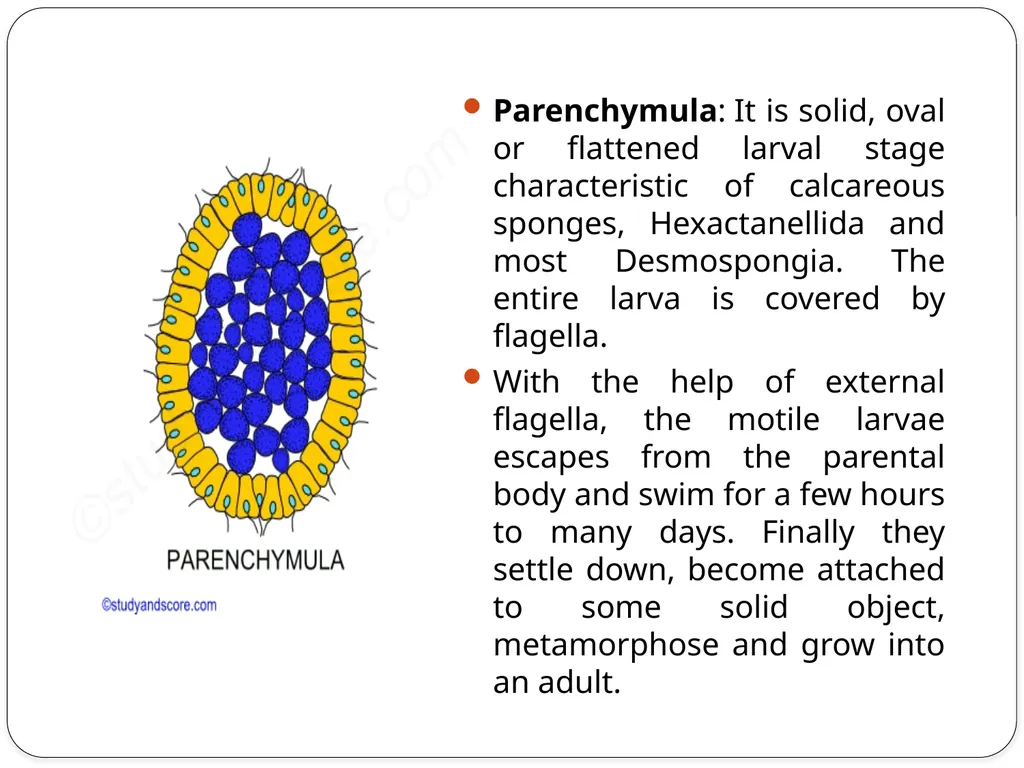
Parenchymula: It is solid, oval or flattened larval stage characteristic of calcareous sponges, Hexactanellida and most Desmospongia. The entire larva is covered by flagella.
With the help of external flagella, the motile larvae escapes from the parental body and swim for a few hours to many days. Finally they settle down, become attached to some solid object, metamorphose and grow into an adult.<br>