EARTH SYSTEMS This lesson will help you
Description: EARTH SYSTEMS This lesson will help you understand: Earths Structure Plate Tectonics and Large Scale System Interactions Natural Hazards Solutions to Engineering Problems Interpretation of Topographic Maps The Beginning of Earth Earth is
Related Topics
Download Presentation
"EARTH SYSTEMS This lesson will help you" is the property of its rightful owner. Permission is granted to download and print the materials on this website for personal, non-commercial use only, and to display it on your personal computer provided you do not modify the materials and that you retain all copyright notices contained in the materials. By downloading content from our website, you accept the terms of this agreement.
Presentation Transcript
slide1. EARTH SYSTEMS<br>
slide2. This lesson will help you understand: Earth’s Structure
Plate Tectonics and Large Scale System Interactions
Natural Hazards
Solutions to Engineering Problems
Interpretation of Topographic Maps<br>
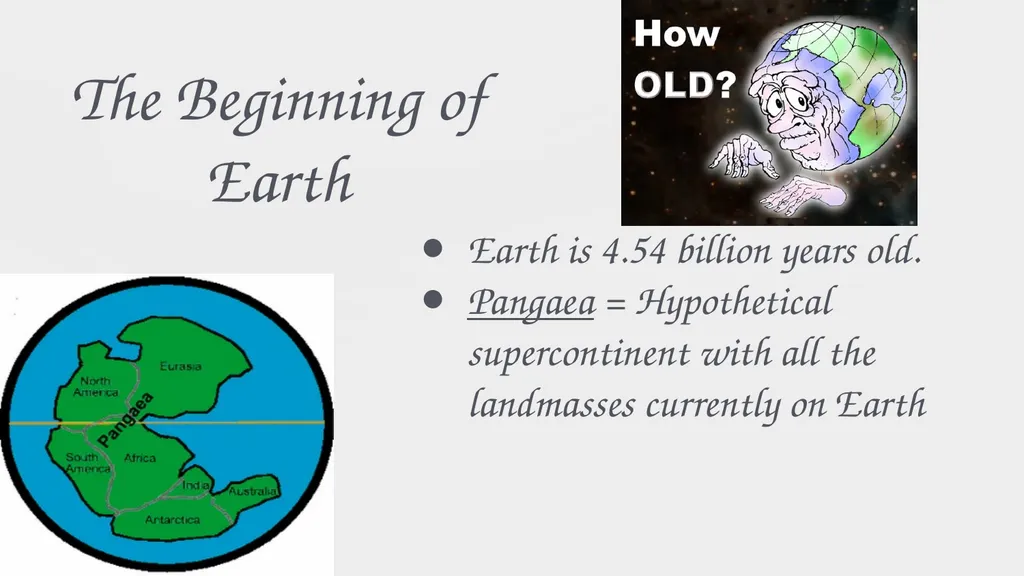
slide3. The Beginning of Earth Earth is 4.54 billion years old.
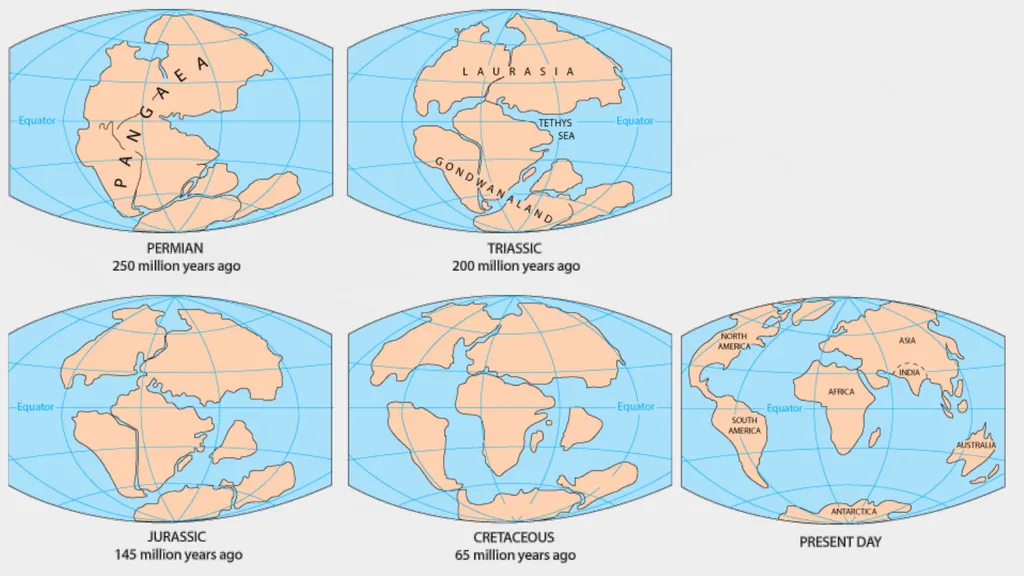
Pangaea = Hypothetical supercontinent with all the landmasses currently on Earth<br>
slide5. Continental Drift Continental Drift = Slow but steady movement of continents across the Earth’s surface
Lithospheric plates of the Earth move across in sideways motion<br>
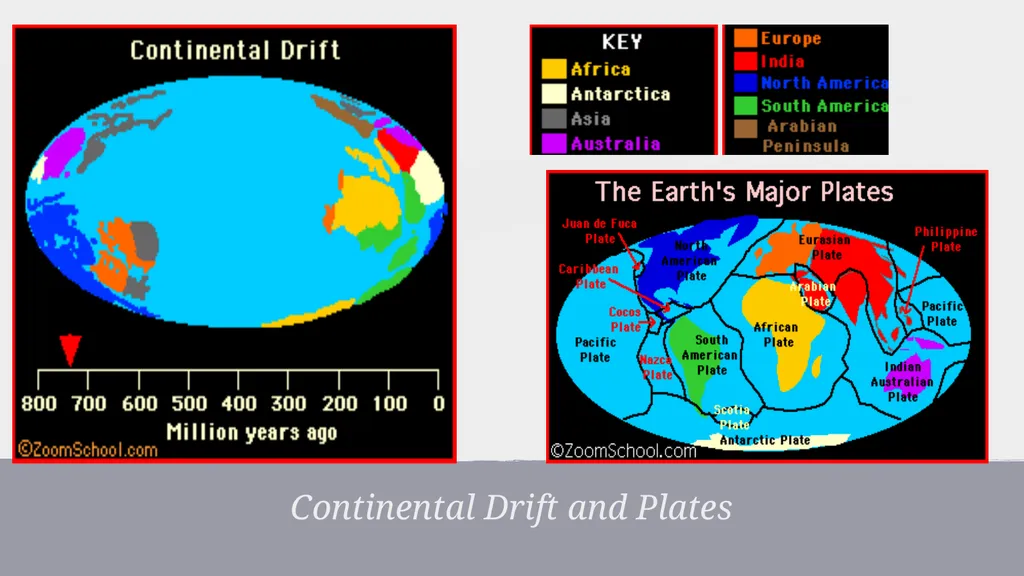
slide6. Continental Drift and Plates<br>
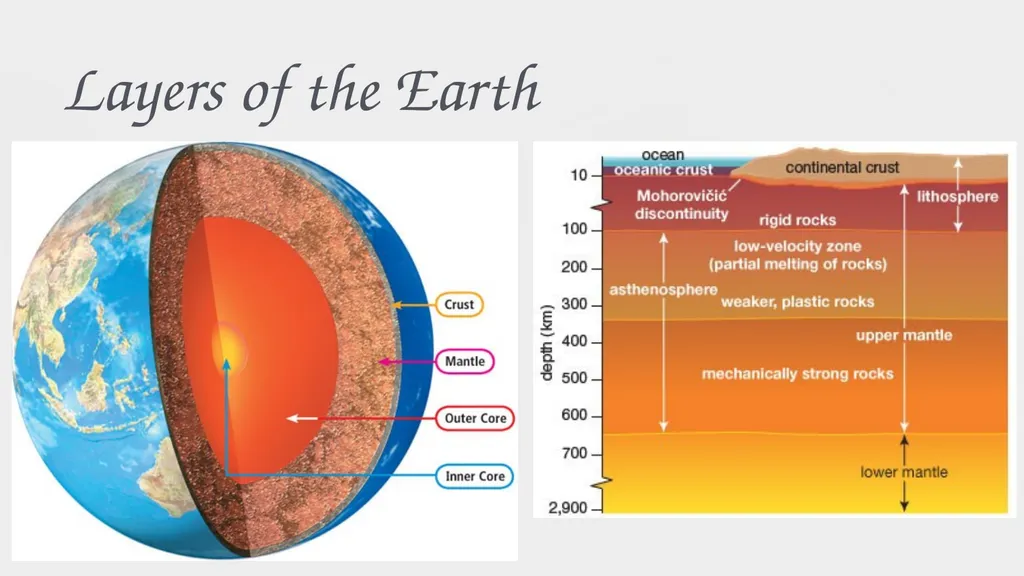
slide7. Layers of the Earth<br>
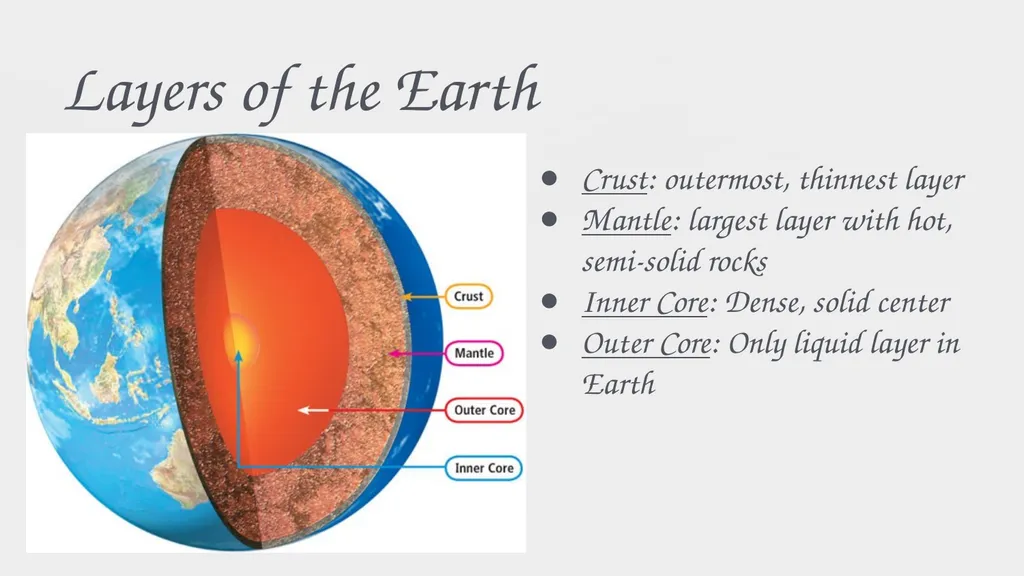
slide8. Layers of the Earth Crust: outermost, thinnest layer
Mantle: largest layer with hot, semi-solid rocks
Inner Core: Dense, solid center
Outer Core: Only liquid layer in Earth<br>
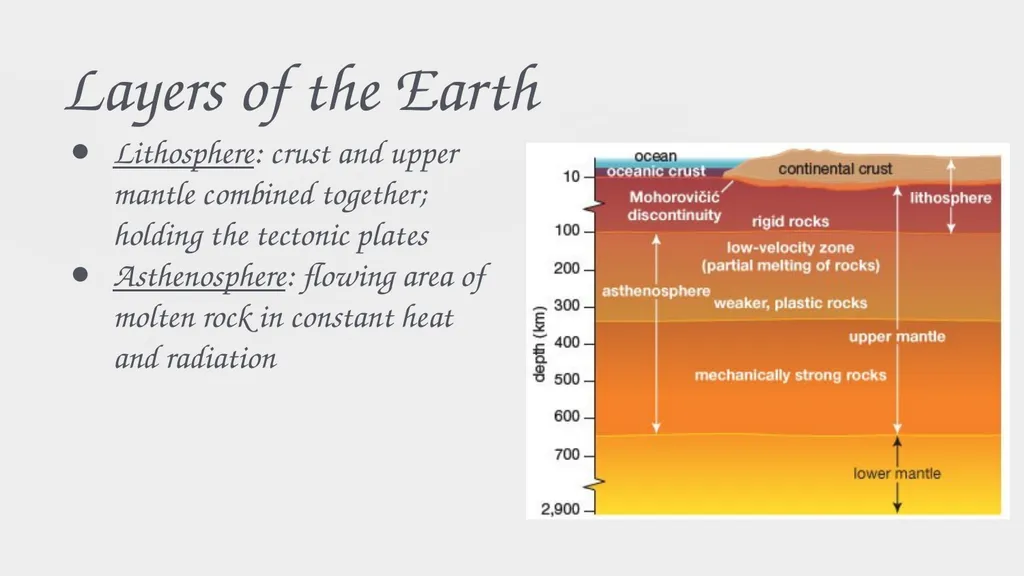
slide9. Layers of the Earth Lithosphere: crust and upper mantle combined together; holding the tectonic plates
Asthenosphere: flowing area of molten rock in constant heat and radiation<br>
slide2. This lesson will help you understand: Earth’s Structure
Plate Tectonics and Large Scale System Interactions
Natural Hazards
Solutions to Engineering Problems
Interpretation of Topographic Maps<br>
slide3. The Beginning of Earth Earth is 4.54 billion years old.
Pangaea = Hypothetical supercontinent with all the landmasses currently on Earth<br>
slide5. Continental Drift Continental Drift = Slow but steady movement of continents across the Earth’s surface
Lithospheric plates of the Earth move across in sideways motion<br>
slide6. Continental Drift and Plates<br>
slide7. Layers of the Earth<br>
slide8. Layers of the Earth Crust: outermost, thinnest layer
Mantle: largest layer with hot, semi-solid rocks
Inner Core: Dense, solid center
Outer Core: Only liquid layer in Earth<br>
slide9. Layers of the Earth Lithosphere: crust and upper mantle combined together; holding the tectonic plates
Asthenosphere: flowing area of molten rock in constant heat and radiation<br>