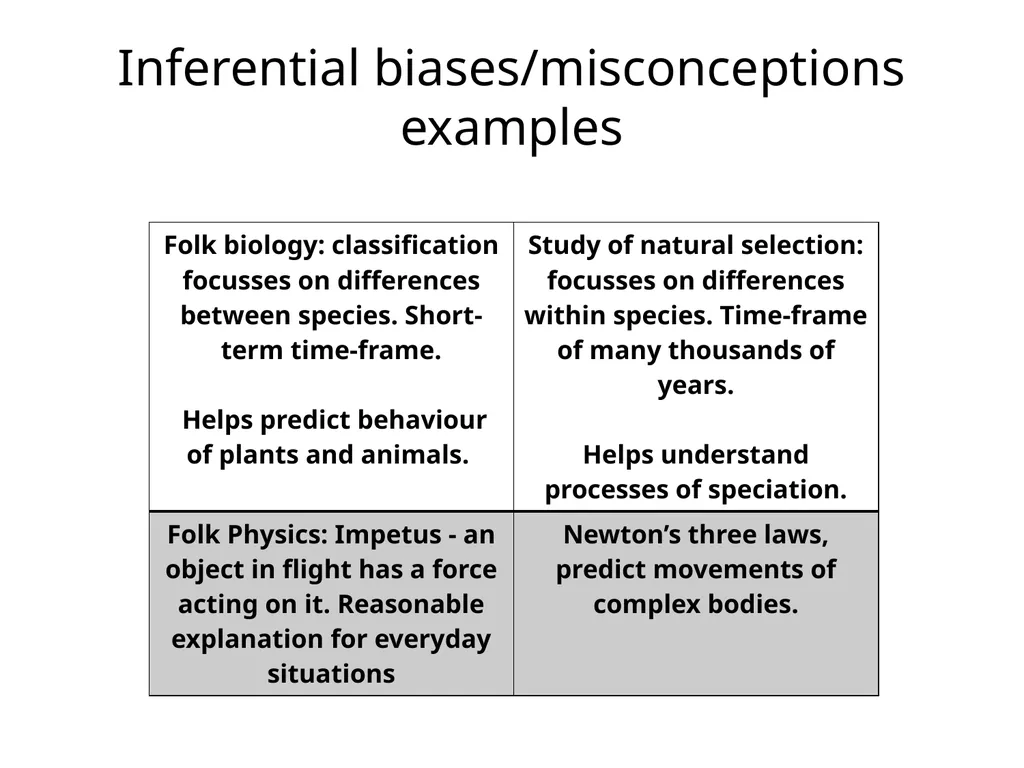
Evolutionary Educational Psychology A summary of David Gearys Principles of evolutionary educational psychology Principles of Educational Evolutionary Psychology Secondary knowledge has grown out of folk knowledge. There is a gap between
"Evolutionary Educational Psychology A summary of" is the property of its rightful owner. Permission is granted to
download and print the materials on this website for personal, non-commercial use only, and to display it
on your personal computer provided you do not modify the materials and that you retain all copyright
notices contained in the materials. By downloading content from our website, you accept the terms of this
agreement.
Presentation Transcript
01
Evolutionary Educational Psychology A summary of David Geary’s Principles of evolutionary educational psychology<br>
02
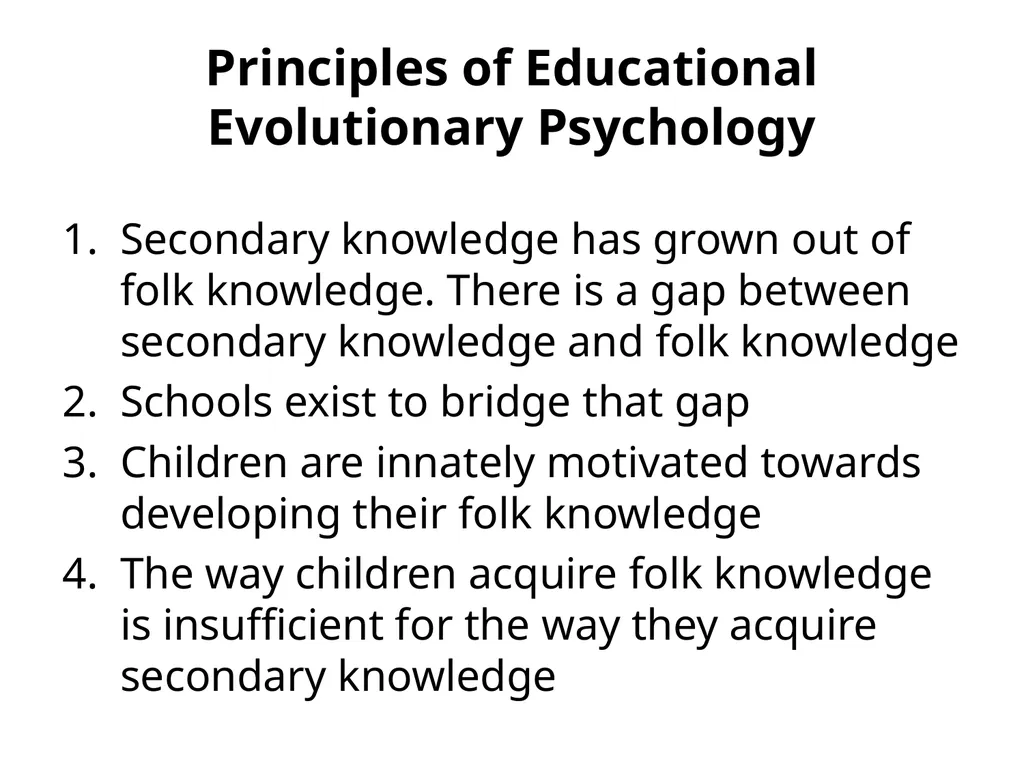
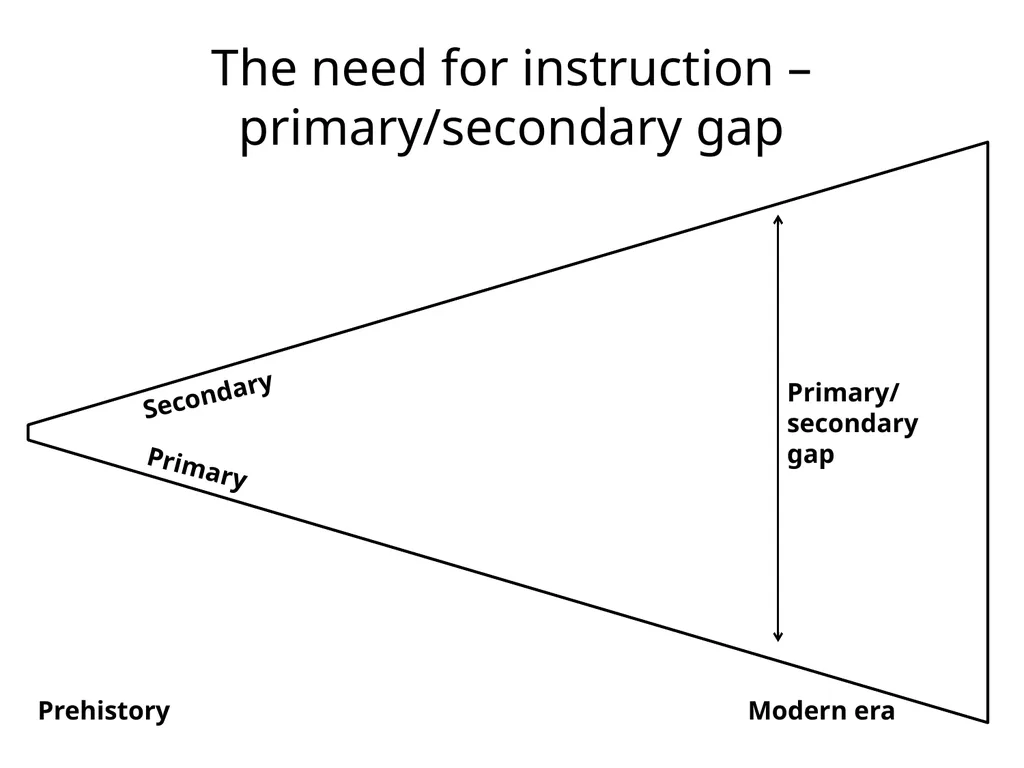
Principles of Educational Evolutionary Psychology Secondary knowledge has grown out of folk knowledge. There is a gap between secondary knowledge and folk knowledge
Schools exist to bridge that gap
Children are innately motivated towards developing their folk knowledge
The way children acquire folk knowledge is insufficient for the way they acquire secondary knowledge<br>
03
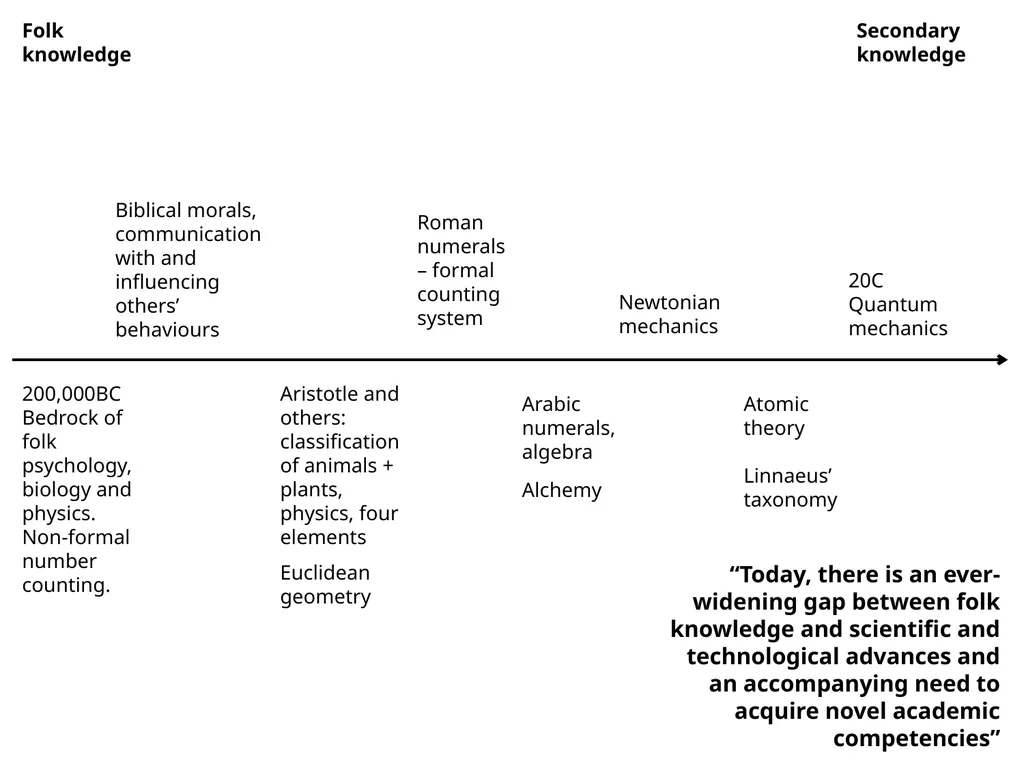
Folk knowledge Secondary knowledge 200,000BC
Bedrock of folk psychology, biology and physics. Non-formal number counting. Aristotle and others: classification of animals + plants, physics, four elements Biblical morals, communication with and influencing others’ behaviours Euclidean geometry Roman numerals – formal counting system Arabic numerals, algebra Alchemy Atomic theory
Linnaeus’ taxonomy 20C
Quantum mechanics Newtonian mechanics “Today, there is an ever-widening gap between folk knowledge and scientific and technological advances and an accompanying need to acquire novel academic competencies”<br>
04
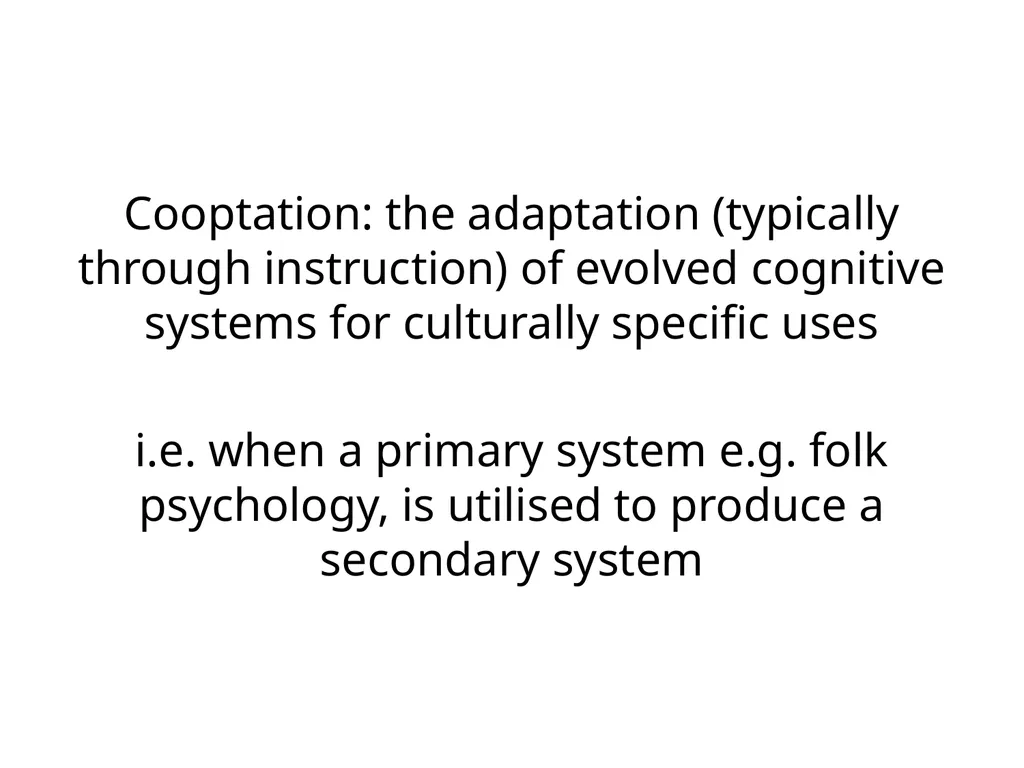
Cooptation: the adaptation (typically through instruction) of evolved cognitive systems for culturally specific uses
i.e. when a primary system e.g. folk psychology, is utilised to produce a secondary system<br>
05
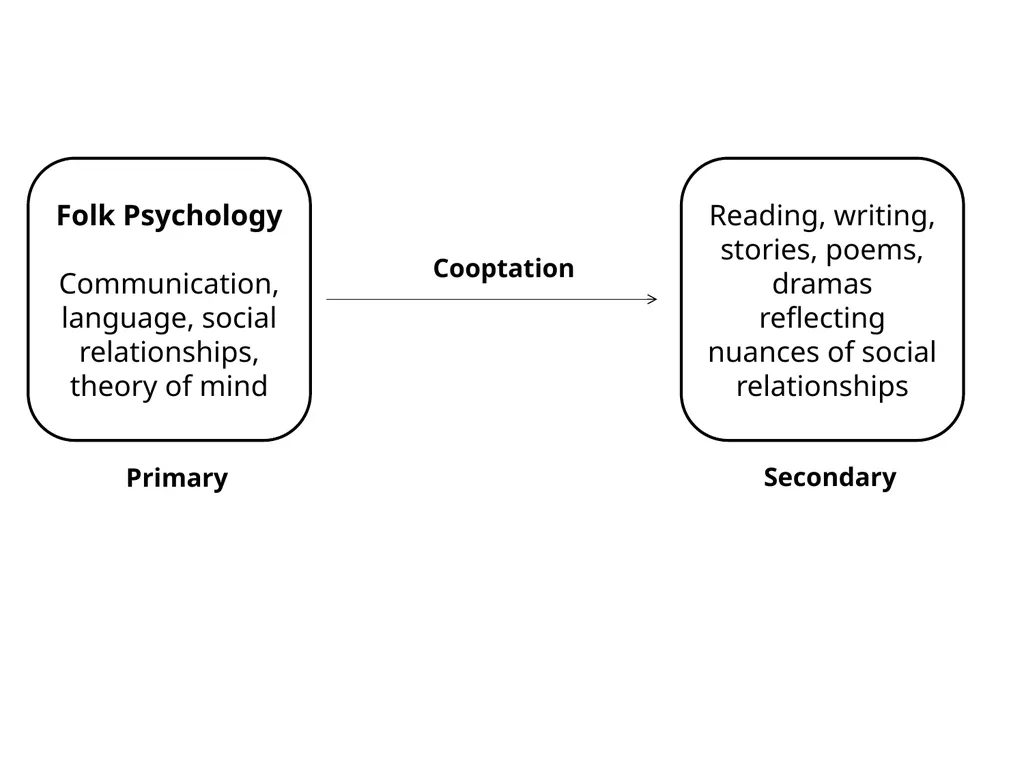
Folk Psychology
Communication, language, social relationships, theory of mind Reading, writing, stories, poems, dramas reflecting nuances of social relationships Cooptation Primary Secondary<br>
06
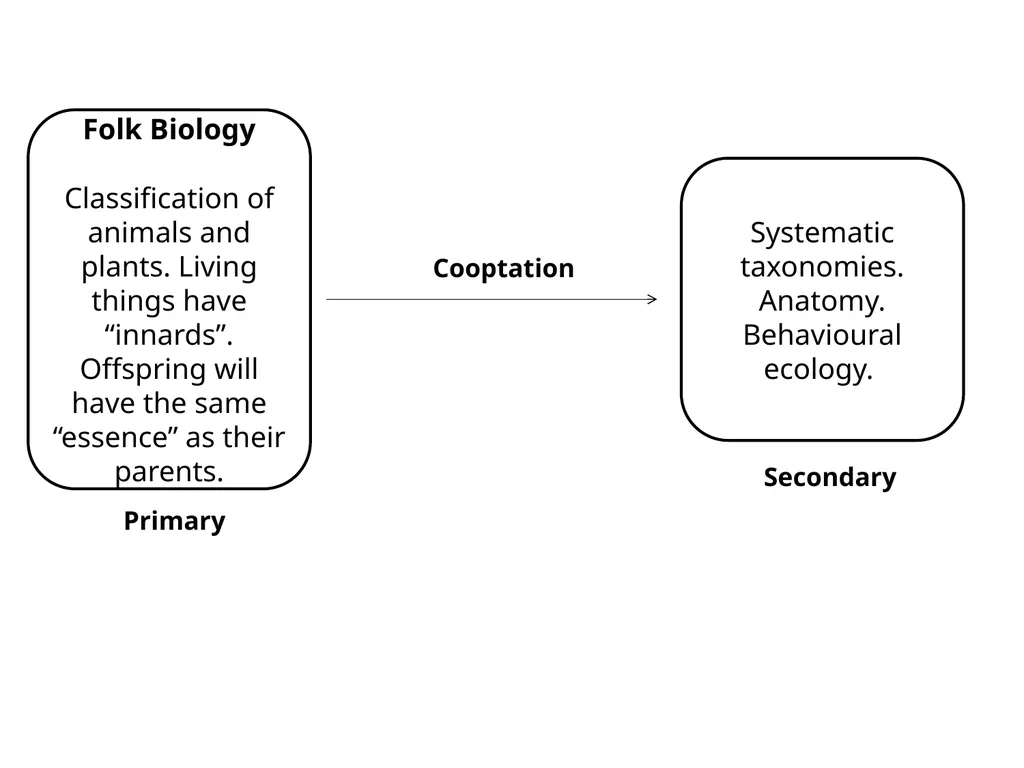
Folk Biology
Classification of animals and plants. Living things have “innards”. Offspring will have the same “essence” as their parents. Systematic taxonomies. Anatomy. Behavioural ecology. Cooptation Primary Secondary<br>
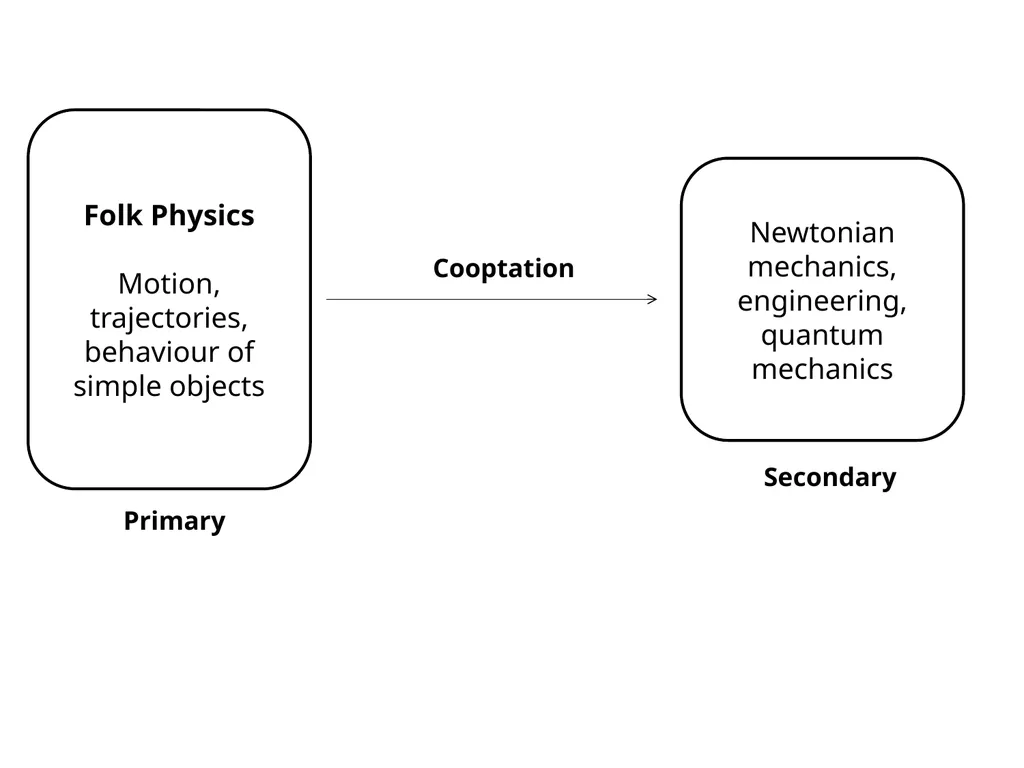
Widened gap “As with biology, the knowledge base of the physical sciences is exponentially larger than the knowledge base of folk physics and in some cases (e.g., quantum mechanics) the accompanying conceptual models bear little resemblance to the naïve concepts of folk physics.”<br>
10
Motivation “Children are innately curious about and motivated to actively engage and explore social relationships and the environment – biases that are directed toward information and activities associated with folk knowledge.”<br>
11
“A burning desire to master algebra or Newtonian physics will not be universal, or even common.”
Those who do dedicate their lives to a specific area have individual differences related to:
Ability to acquire secondary competencies
Intellectual curiosity
Willingness to engage in long and tedious training
Degree to which the underlying folk systems are elaborated<br>
12
For most people, motivation to study secondary areas will be more related to the primary area which underlies it.
E.g. reading is secondary but many people will read stories for pleasure as they relate to primary areas.
Children’s natural curiosities and interests will be unlikely to lead them to secondary knowledge.<br>
13
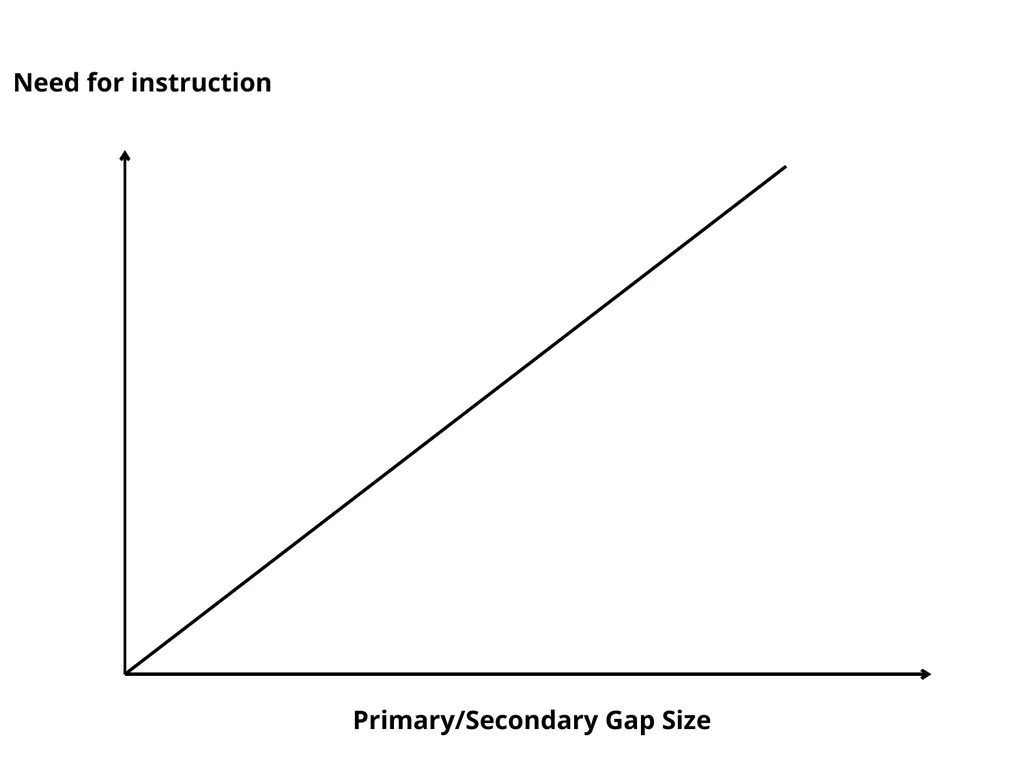
The need for instruction – primary/secondary gap Secondary Primary Prehistory Modern era Primary/
secondary gap<br>
14
Primary/Secondary Gap Size Need for instruction<br>
15
John Sweller, Instructional Implications of David C. Geary’s Evolutionary Educational Psychology<br>