
Experiences in host countries and return plans:

Description: Experiences in host countries and return plans: The Case of Highly-skilled Indians in Europe Metka Hercog, EPFL, Cooperation and Development Center metka.hercogepfl.ch 6 December, 2012 Motivation Changes towards skills-selective
Related Topics
Download Presentation
"Experiences in host countries and return plans:" is the property of its rightful owner. Permission is granted to download and print the materials on this website for personal, non-commercial use only, and to display it on your personal computer provided you do not modify the materials and that you retain all copyright notices contained in the materials. By downloading content from our website, you accept the terms of this agreement.
Presentation Transcript
slide1. Experiences in host countries and return plans:
The Case of Highly-skilled Indians in Europe Metka Hercog, EPFL, Cooperation and Development Center
metka.hercog@epfl.ch
6 December, 2012<br>
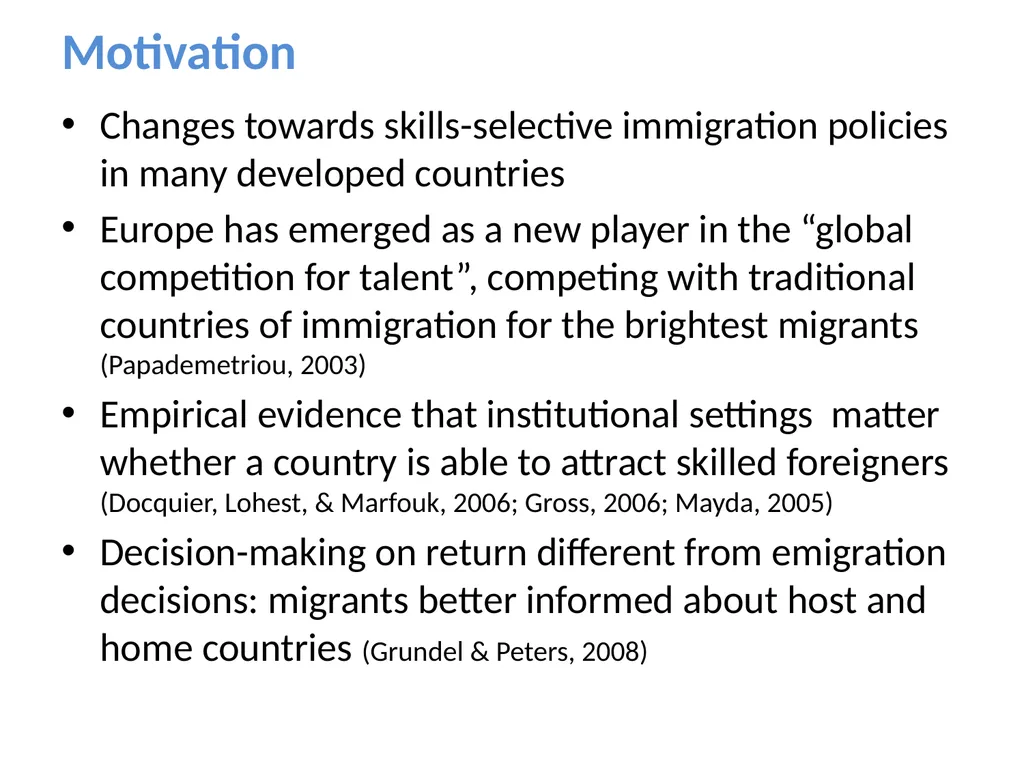
slide2. Motivation Changes towards skills-selective immigration policies in many developed countries
Europe has emerged as a new player in the “global competition for talent”, competing with traditional countries of immigration for the brightest migrants (Papademetriou, 2003)
Empirical evidence that institutional settings matter whether a country is able to attract skilled foreigners (Docquier, Lohest, & Marfouk, 2006; Gross, 2006; Mayda, 2005)
Decision-making on return different from emigration decisions: migrants better informed about host and home countries (Grundel & Peters, 2008)<br>
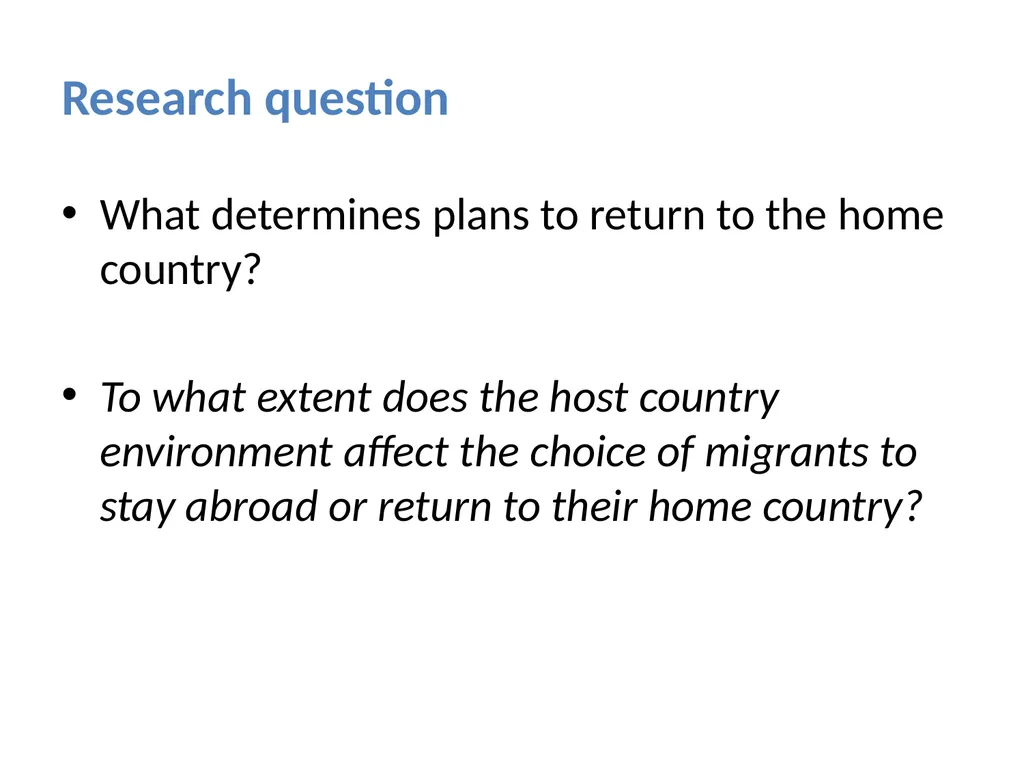
slide3. Research question What determines plans to return to the home country?
To what extent does the host country environment affect the choice of migrants to stay abroad or return to their home country?<br>
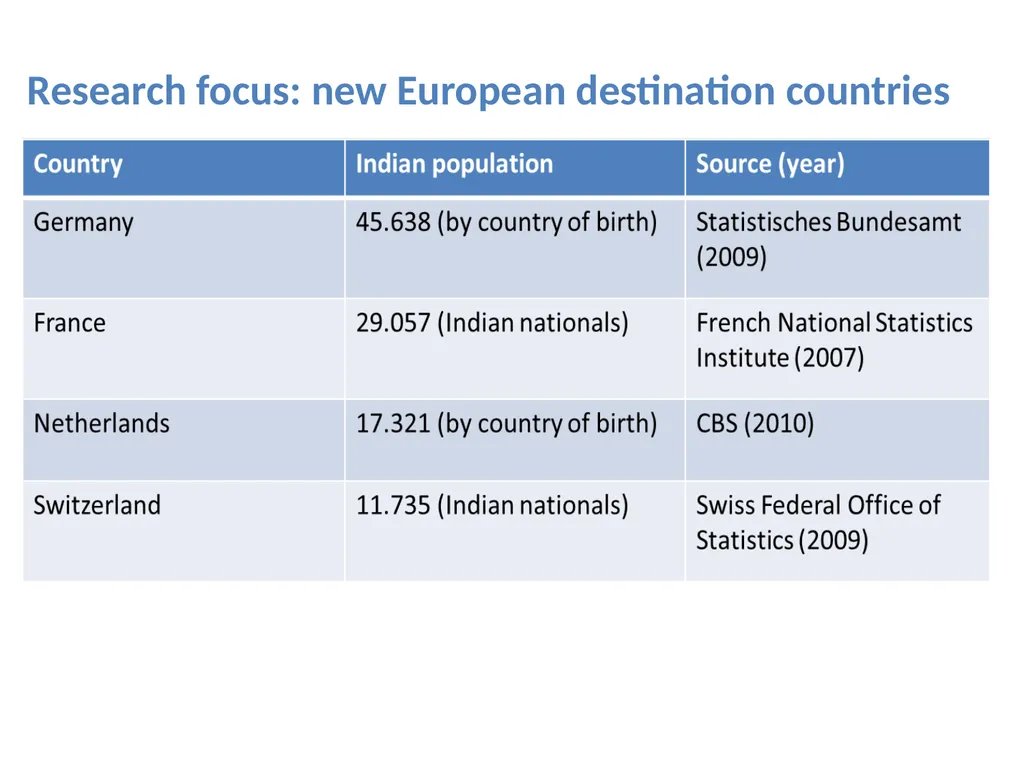
slide5. Research focus: new European destination countries<br>
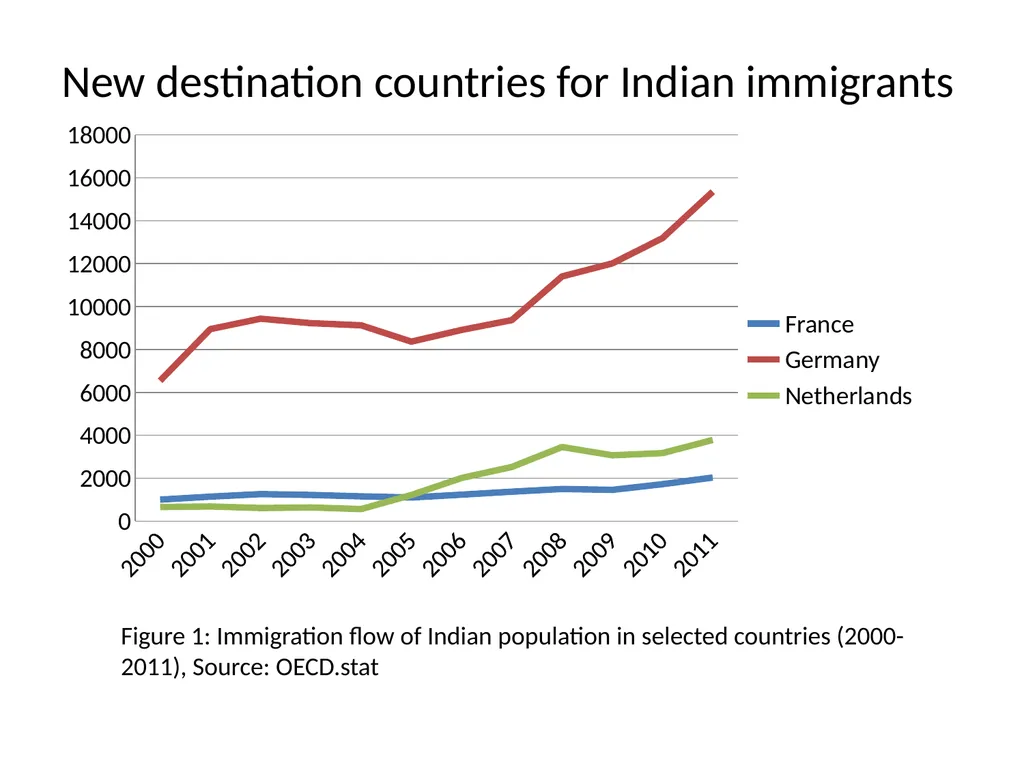
slide6. Figure 1: Immigration flow of Indian population in selected countries (2000-2011), Source: OECD.stat New destination countries for Indian immigrants<br>
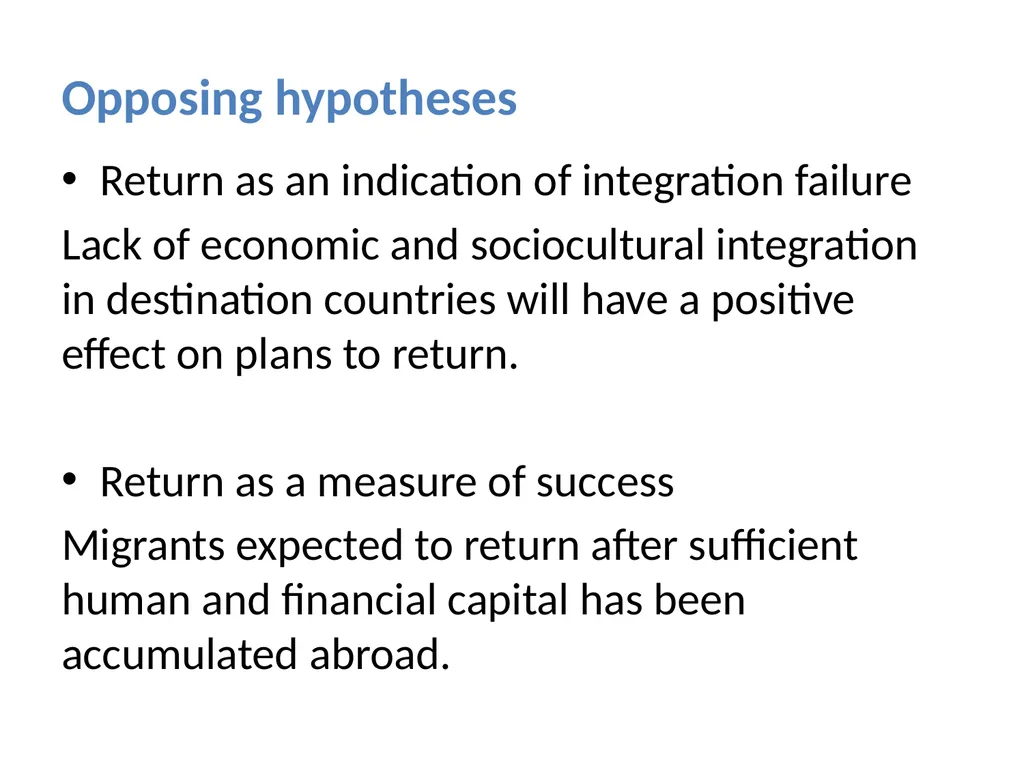
slide7. Opposing hypotheses Return as an indication of integration failure
Lack of economic and sociocultural integration in destination countries will have a positive effect on plans to return.
Return as a measure of success
Migrants expected to return after sufficient human and financial capital has been accumulated abroad.<br>
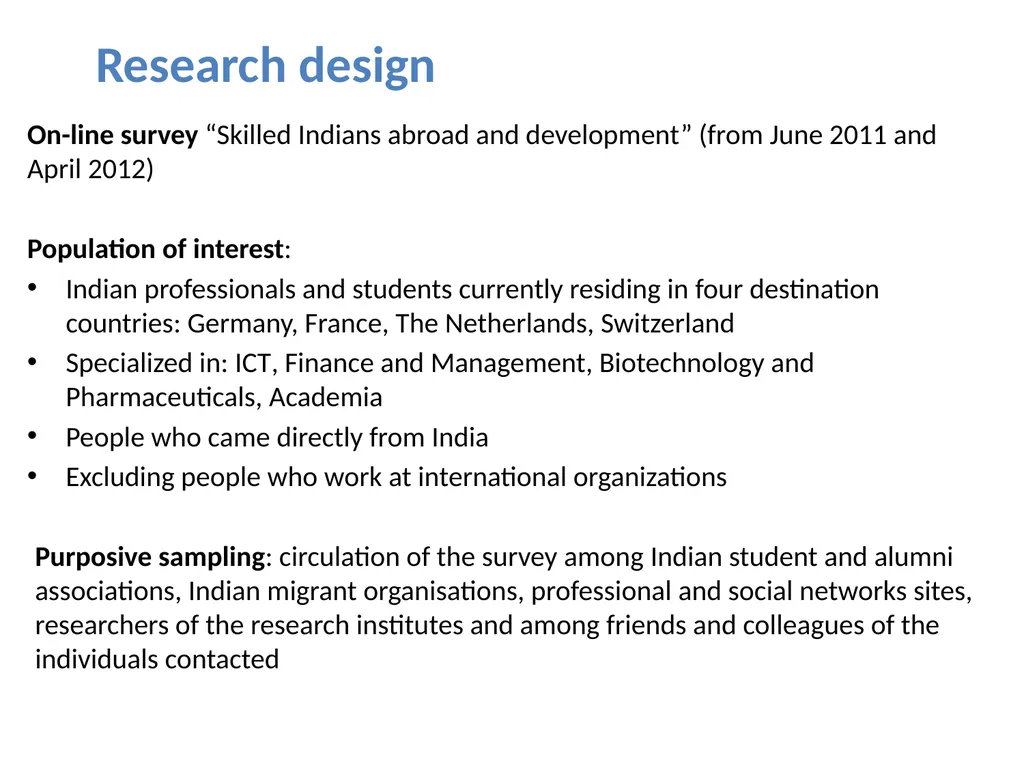
slide8. Research design On-line survey “Skilled Indians abroad and development” (from June 2011 and April 2012)
Population of interest:
Indian professionals and students currently residing in four destination countries: Germany, France, The Netherlands, Switzerland
Specialized in: ICT, Finance and Management, Biotechnology and Pharmaceuticals, Academia
People who came directly from India
Excluding people who work at international organizations
Purposive sampling: circulation of the survey among Indian student and alumni associations, Indian migrant organisations, professional and social networks sites, researchers of the research institutes and among friends and colleagues of the individuals contacted<br>
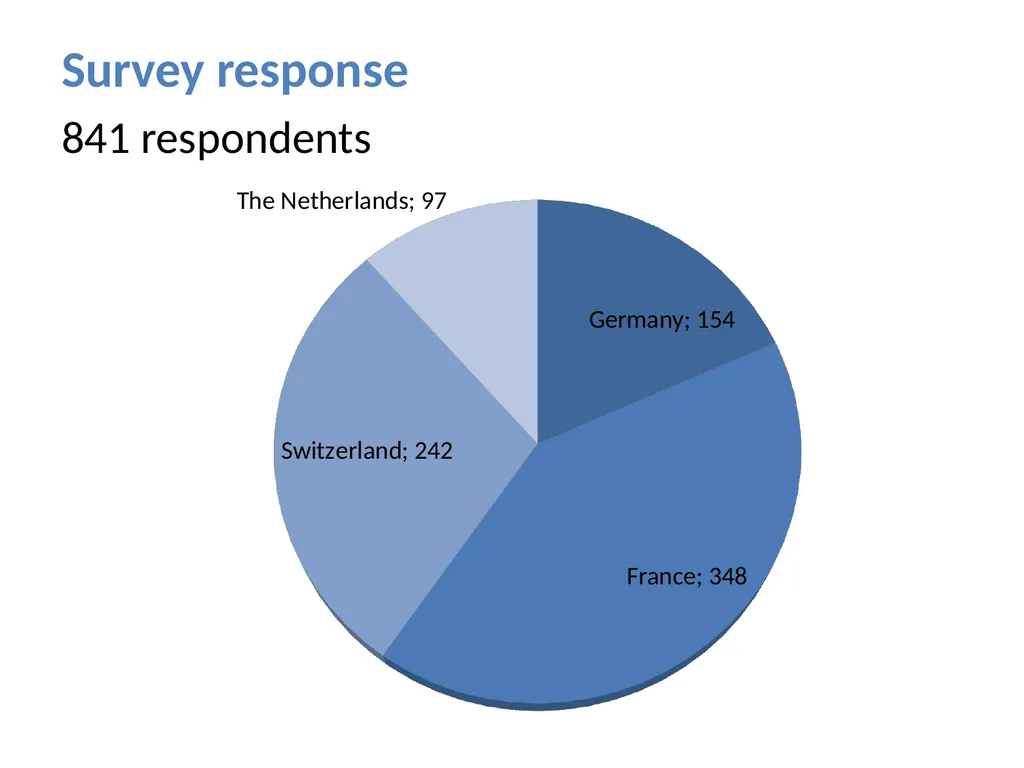
slide9. Survey response 841 respondents<br>
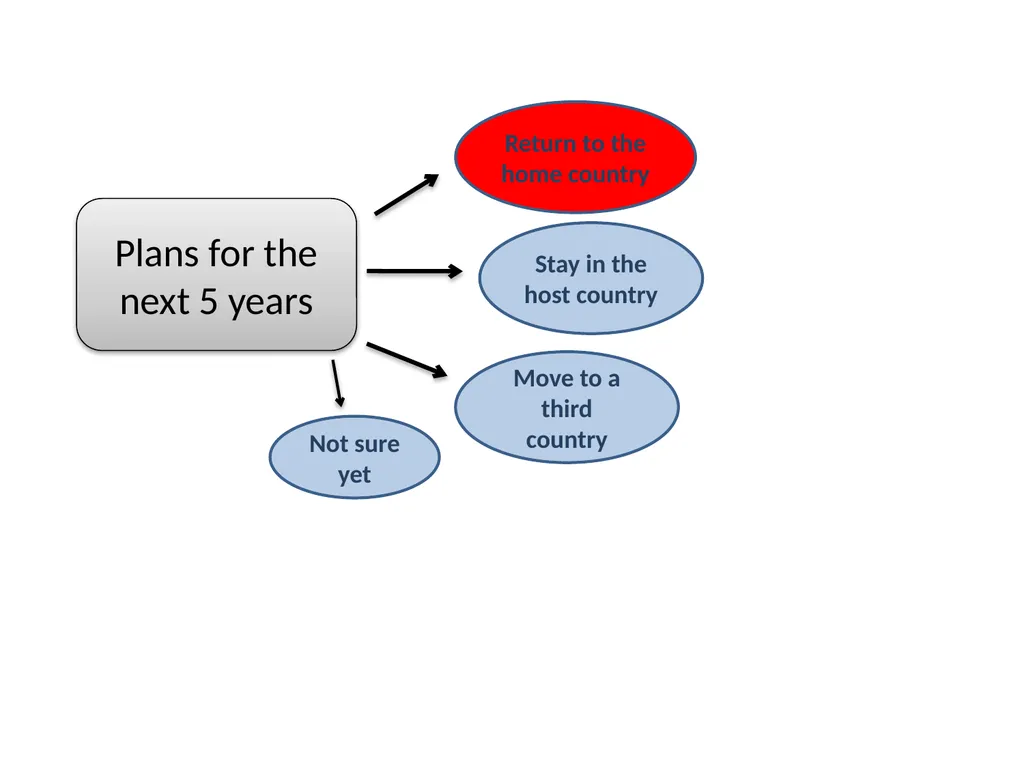
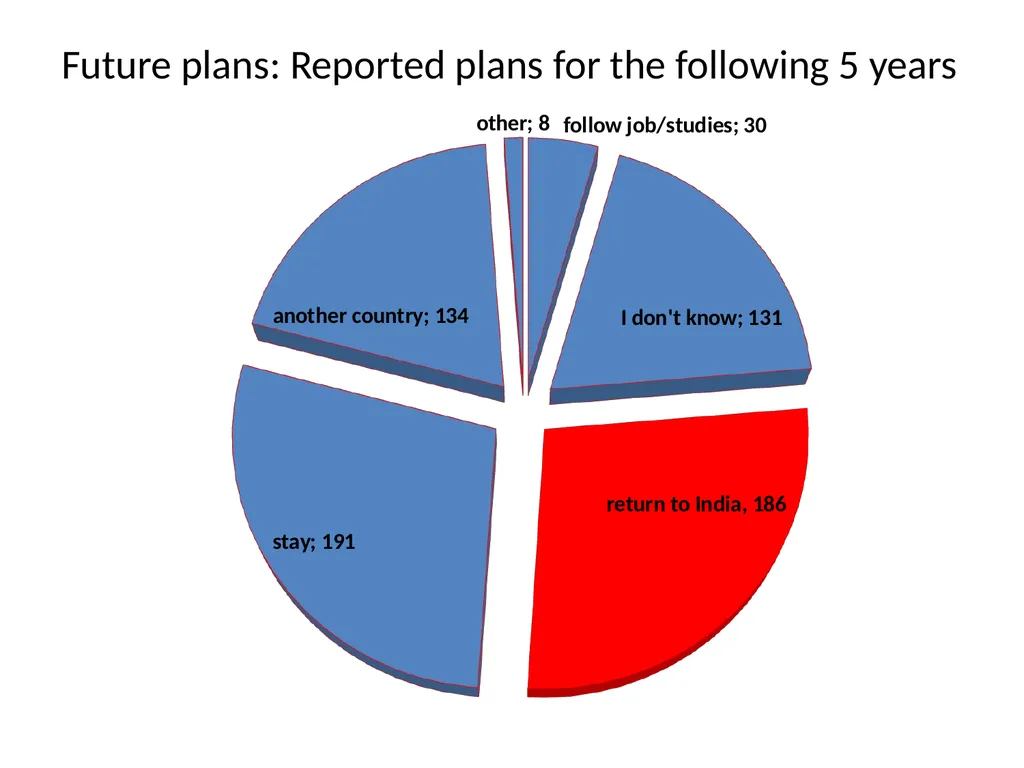
slide11. Plans for the next 5 years Return to the home country Stay in the host country Move to a third country Not sure yet<br>
slide12. Future plans: Reported plans for the following 5 years<br>
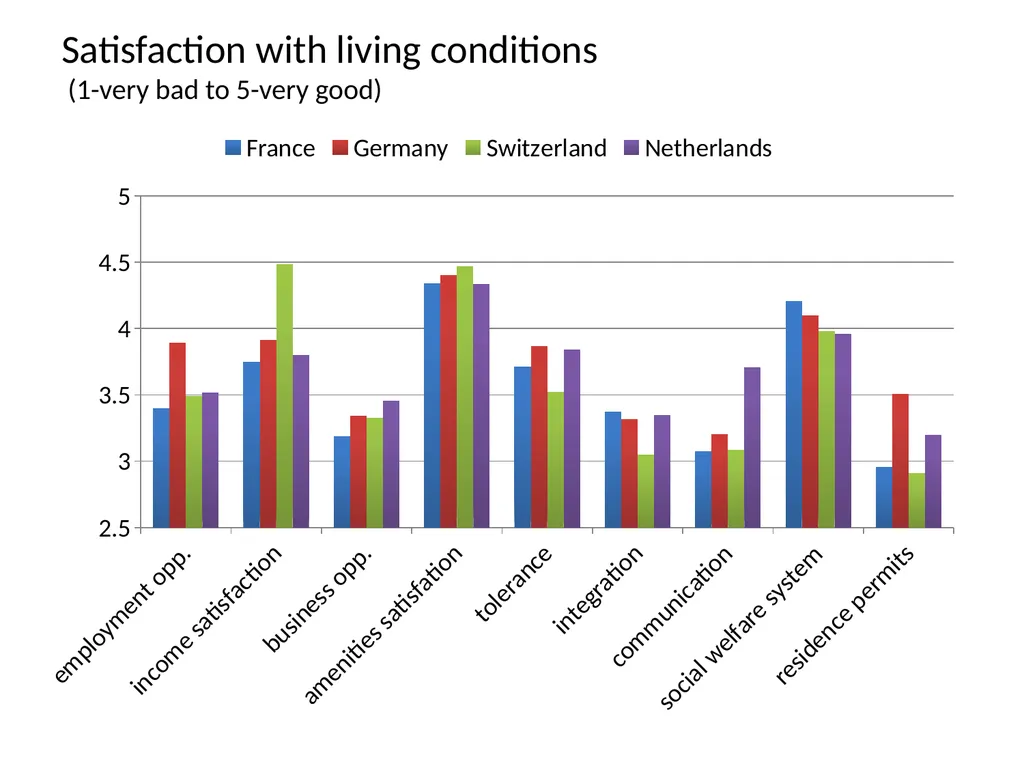
slide15. Satisfaction with living conditions (1-very bad to 5-very good)<br>
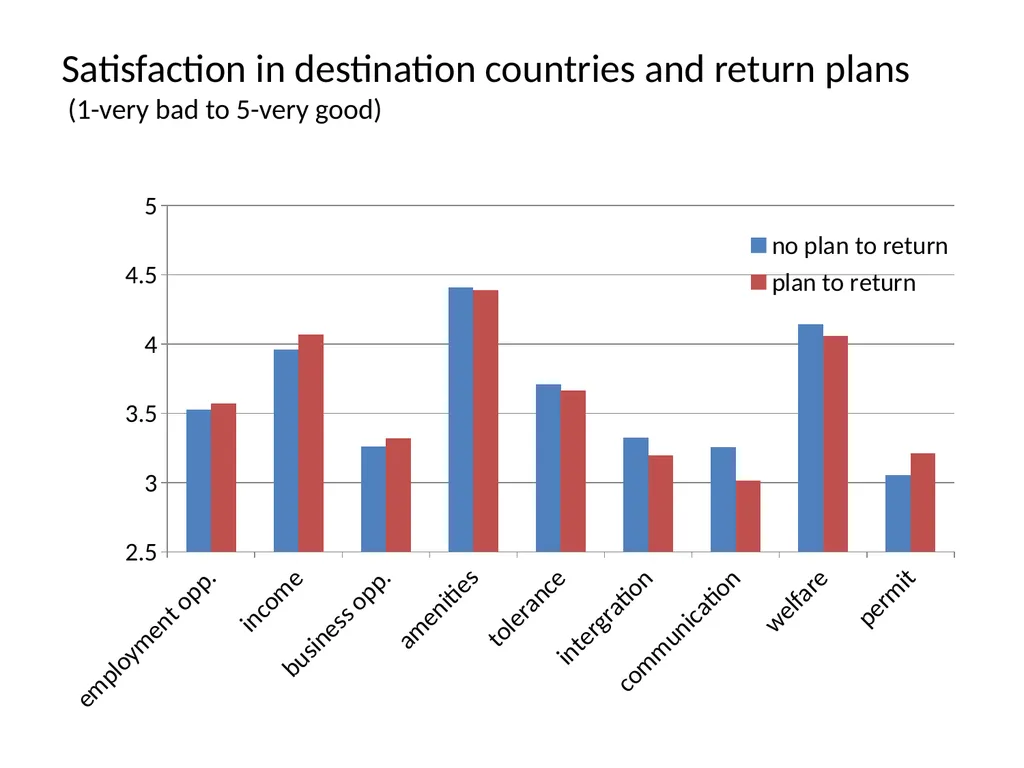
slide16. Satisfaction in destination countries and return plans (1-very bad to 5-very good)<br>
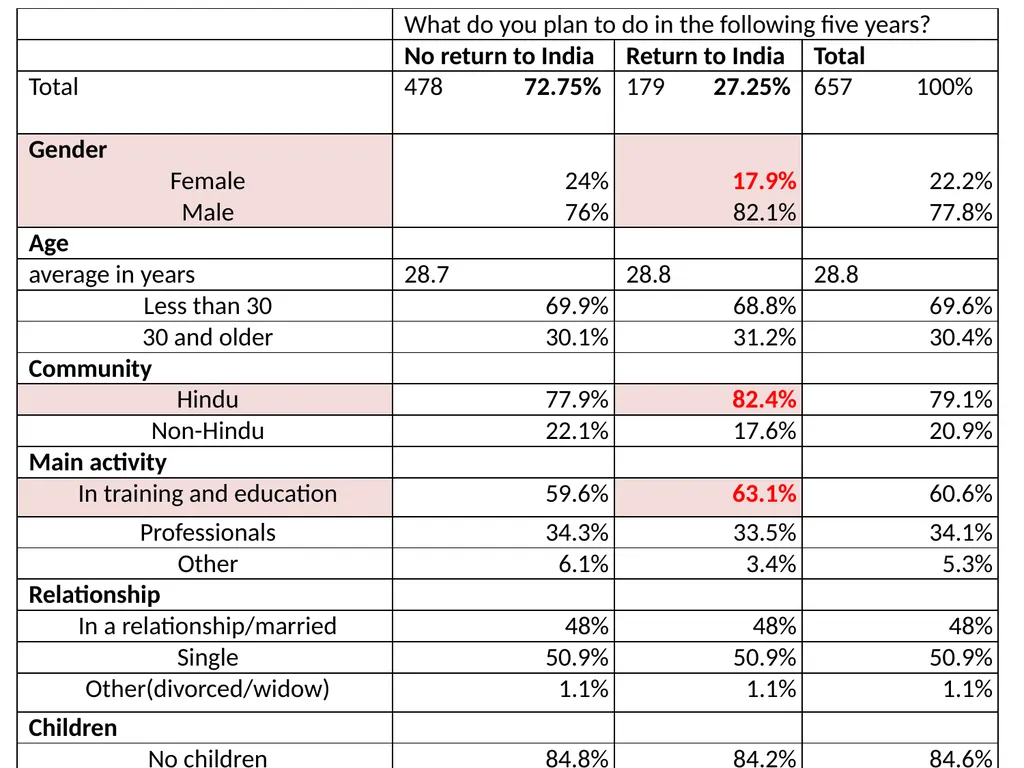
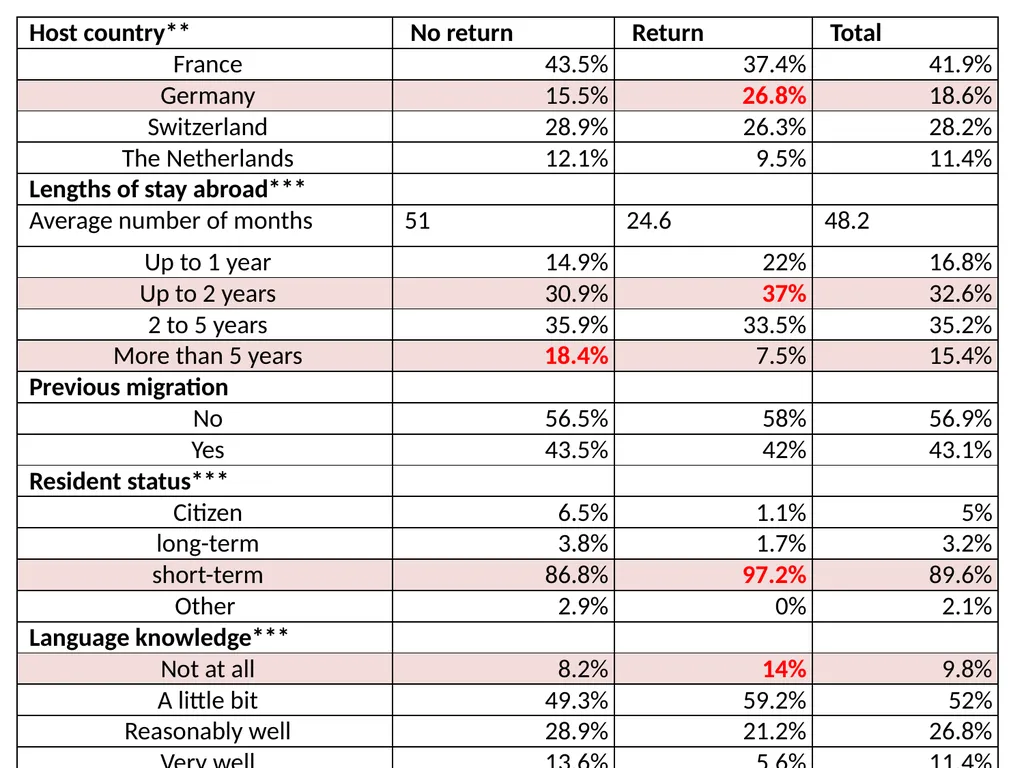
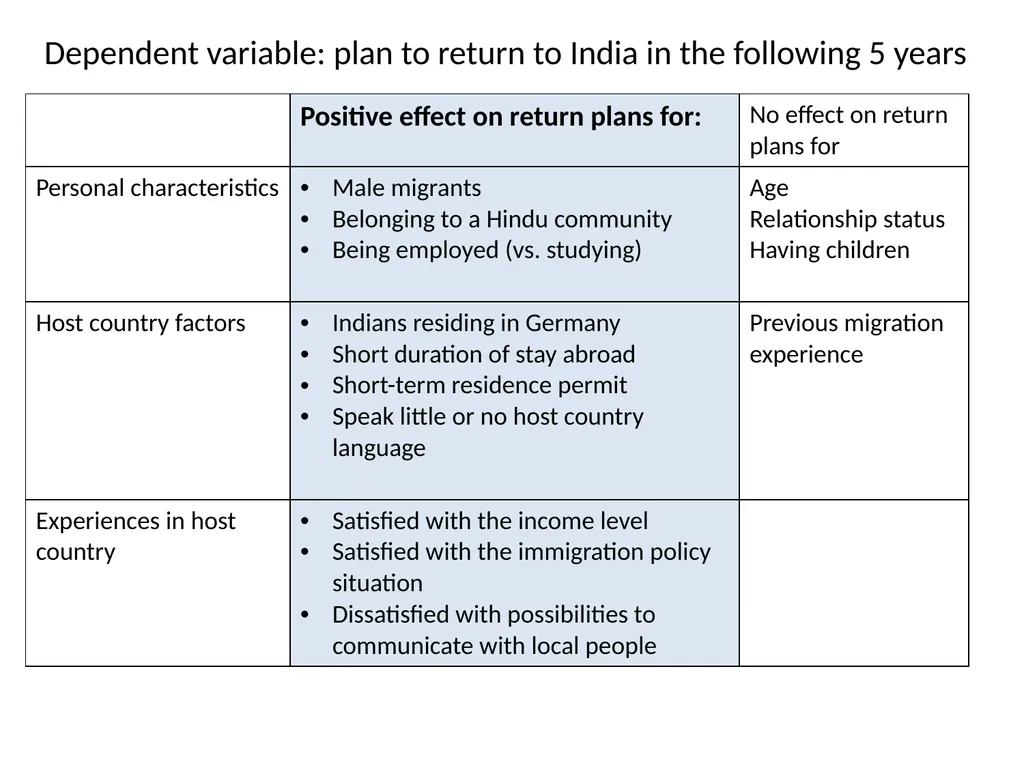
slide17. Dependent variable: plan to return to India in the following 5 years<br>
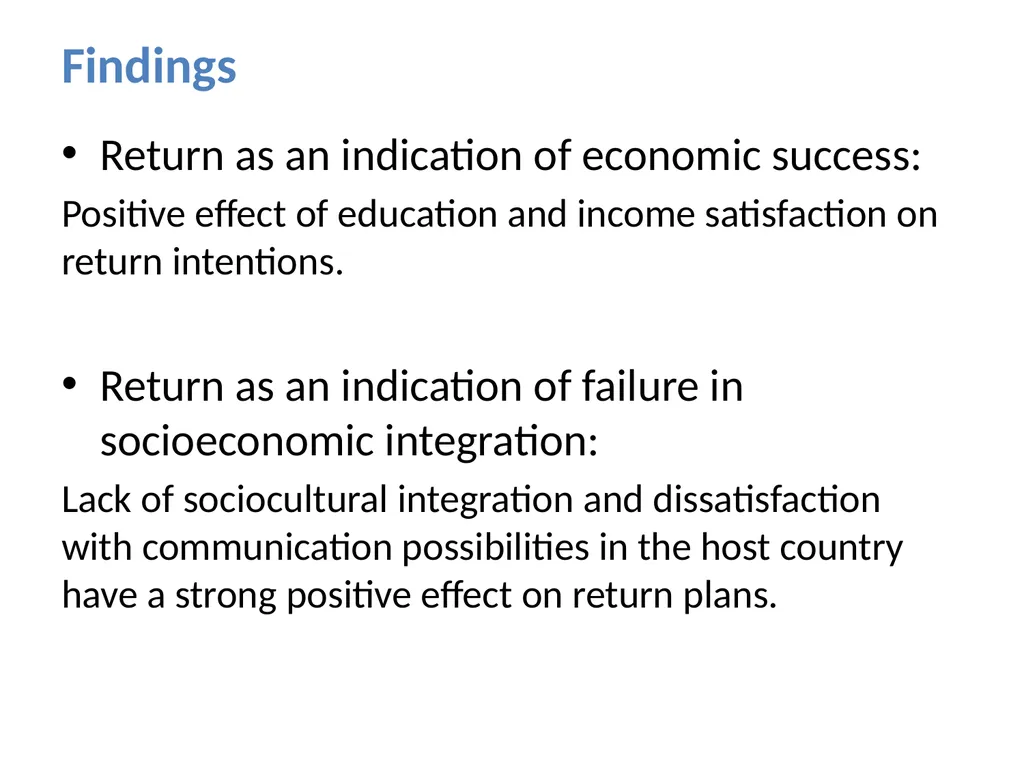
slide18. Findings Return as an indication of economic success:
Positive effect of education and income satisfaction on return intentions.
Return as an indication of failure in socioeconomic integration:
Lack of sociocultural integration and dissatisfaction with communication possibilities in the host country have a strong positive effect on return plans.<br>
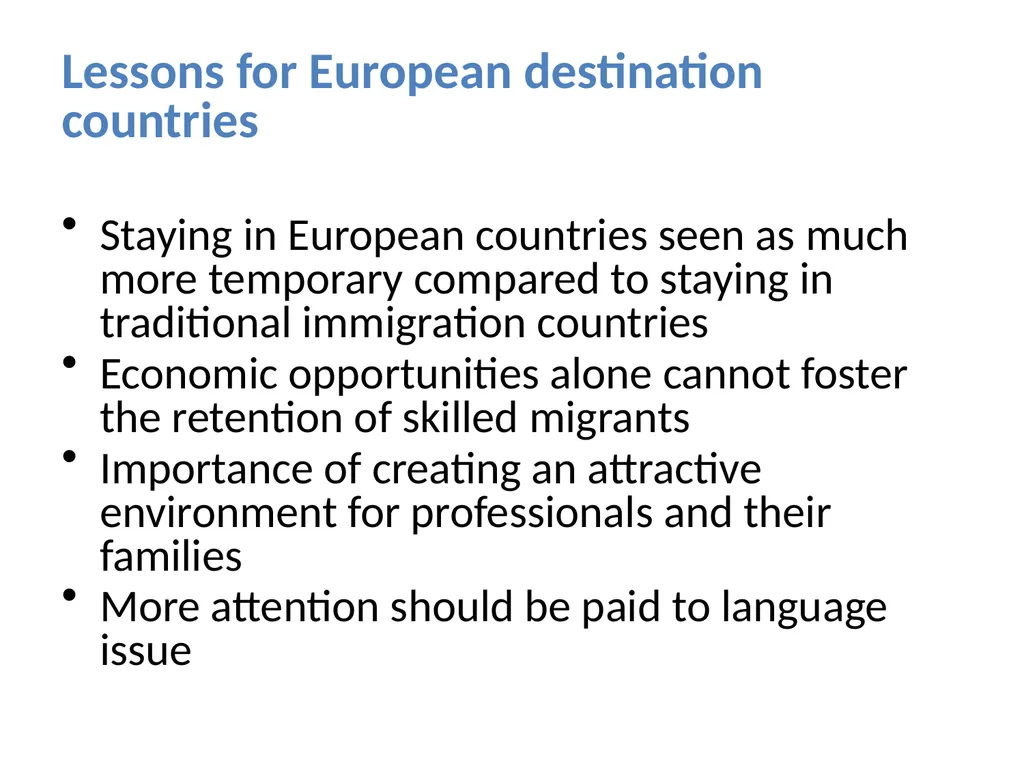
slide19. Lessons for European destination countries
Staying in European countries seen as much more temporary compared to staying in traditional immigration countries
Economic opportunities alone cannot foster the retention of skilled migrants
Importance of creating an attractive environment for professionals and their families
More attention should be paid to language issue<br>
slide20. Thank you for your attention<br>
metka.hercog@epfl.ch
6 December, 2012<br>
slide2. Motivation Changes towards skills-selective immigration policies in many developed countries
Europe has emerged as a new player in the “global competition for talent”, competing with traditional countries of immigration for the brightest migrants (Papademetriou, 2003)
Empirical evidence that institutional settings matter whether a country is able to attract skilled foreigners (Docquier, Lohest, & Marfouk, 2006; Gross, 2006; Mayda, 2005)
Decision-making on return different from emigration decisions: migrants better informed about host and home countries (Grundel & Peters, 2008)<br>
slide3. Research question What determines plans to return to the home country?
To what extent does the host country environment affect the choice of migrants to stay abroad or return to their home country?<br>
slide5. Research focus: new European destination countries<br>
slide6. Figure 1: Immigration flow of Indian population in selected countries (2000-2011), Source: OECD.stat New destination countries for Indian immigrants<br>
slide7. Opposing hypotheses Return as an indication of integration failure
Lack of economic and sociocultural integration in destination countries will have a positive effect on plans to return.
Return as a measure of success
Migrants expected to return after sufficient human and financial capital has been accumulated abroad.<br>
slide8. Research design On-line survey “Skilled Indians abroad and development” (from June 2011 and April 2012)
Population of interest:
Indian professionals and students currently residing in four destination countries: Germany, France, The Netherlands, Switzerland
Specialized in: ICT, Finance and Management, Biotechnology and Pharmaceuticals, Academia
People who came directly from India
Excluding people who work at international organizations
Purposive sampling: circulation of the survey among Indian student and alumni associations, Indian migrant organisations, professional and social networks sites, researchers of the research institutes and among friends and colleagues of the individuals contacted<br>
slide9. Survey response 841 respondents<br>
slide11. Plans for the next 5 years Return to the home country Stay in the host country Move to a third country Not sure yet<br>
slide12. Future plans: Reported plans for the following 5 years<br>
slide15. Satisfaction with living conditions (1-very bad to 5-very good)<br>
slide16. Satisfaction in destination countries and return plans (1-very bad to 5-very good)<br>
slide17. Dependent variable: plan to return to India in the following 5 years<br>
slide18. Findings Return as an indication of economic success:
Positive effect of education and income satisfaction on return intentions.
Return as an indication of failure in socioeconomic integration:
Lack of sociocultural integration and dissatisfaction with communication possibilities in the host country have a strong positive effect on return plans.<br>
slide19. Lessons for European destination countries
Staying in European countries seen as much more temporary compared to staying in traditional immigration countries
Economic opportunities alone cannot foster the retention of skilled migrants
Importance of creating an attractive environment for professionals and their families
More attention should be paid to language issue<br>
slide20. Thank you for your attention<br>