
FERPA and Active Directory Brian Arkills Software
MY
Published · 35 slides · 0 views
1 / 1



Description
FERPA and Active Directory Brian Arkills Software Janitor, LDAP geek, AD bum, and Associate Troublemaking Officer Agenda Me What is FERPA? What has changed? Educational records and directory info Opt out What does FERPA mean for AD
Related Topics
Share
Embed code
Download this presentation From Below
"FERPA and Active Directory Brian Arkills Software" is the property of its rightful owner. Permission is granted to download and print the materials on this website for personal, non-commercial use only, and to display it on your personal computer provided you do not modify the materials and that you retain all copyright notices contained in the materials. By downloading content from our website, you accept the terms of this agreement.
Presentation Transcript
01
FERPA and Active Directory Brian Arkills
Software Janitor, LDAP geek, AD bum, and Associate Troublemaking Officer <br>
Software Janitor, LDAP geek, AD bum, and Associate Troublemaking Officer <br>
02
Agenda Me
What is FERPA? What has changed?
Educational records and directory info
Opt out
What does FERPA mean for AD implementations?
AD users
FERPA-related groups
Exchange-enabled FERPA-related groups<br>
What is FERPA? What has changed?
Educational records and directory info
Opt out
What does FERPA mean for AD implementations?
AD users
FERPA-related groups
Exchange-enabled FERPA-related groups<br>
03
Who I am Pesky poster on windows-hied list
Worked at Stanford
At the UW, I:
avoid problems that James Morris identifies
help engineer a managed desktop service
help engineer other Windows platform services
bungle my way through code writing
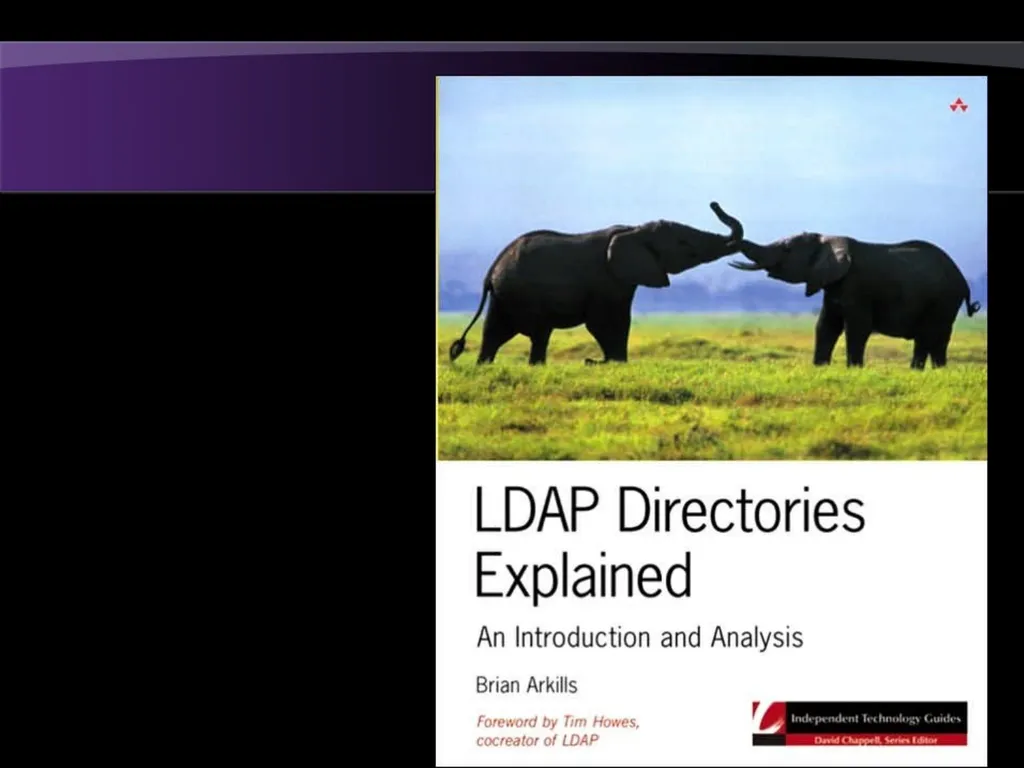
Wrote a geeky book
Good with AD
Have pretty good research skills<br>
Worked at Stanford
At the UW, I:
avoid problems that James Morris identifies
help engineer a managed desktop service
help engineer other Windows platform services
bungle my way through code writing
Wrote a geeky book
Good with AD
Have pretty good research skills<br>
04
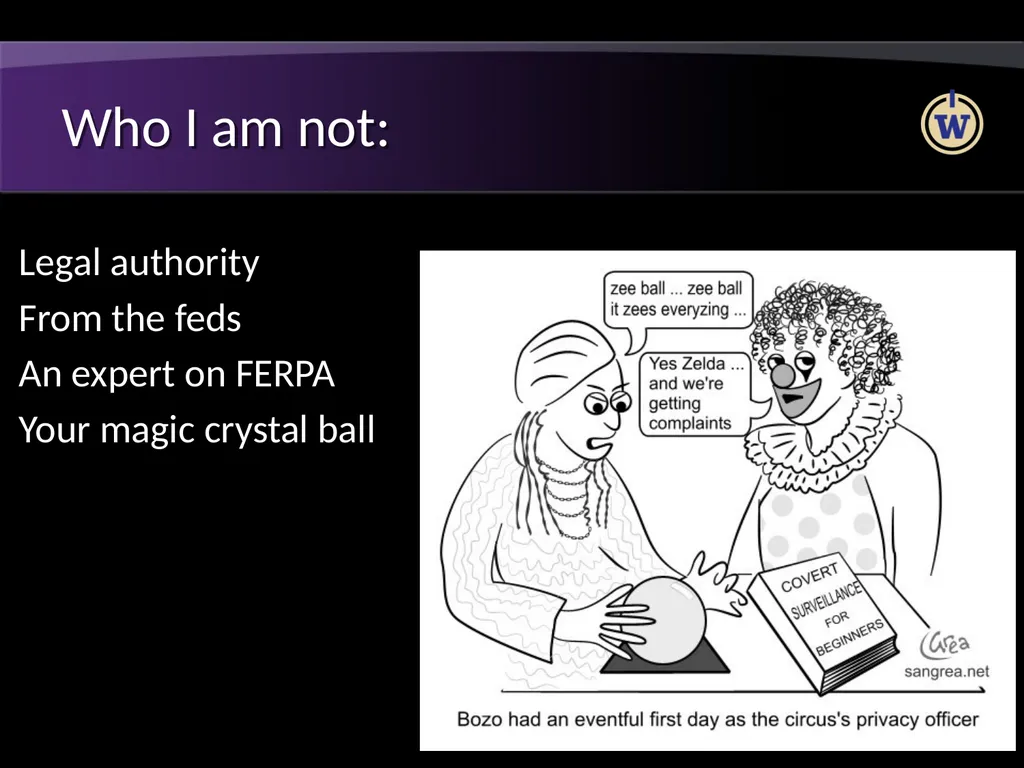
Who I am not: Legal authority
From the feds
An expert on FERPA
Your magic crystal ball<br>
From the feds
An expert on FERPA
Your magic crystal ball<br>
05
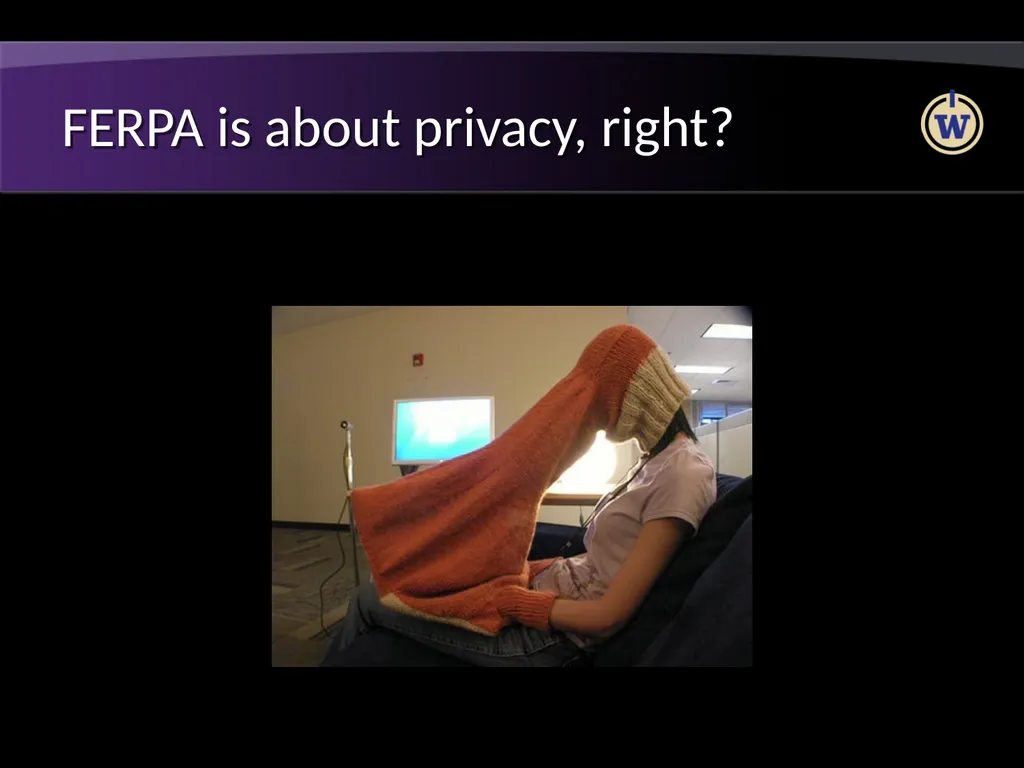
FERPA is about privacy, right?<br>
06
FERPA history, related legislation, and related events Family Educational Rights and Privacy Act (20 U.S.C. § 1232g; 34 CFR Part 99) federal law enacted in 1974.
Student Right to Know Act of 1990
HIPAA (1996) has relationship (student treatment records)
Campus Sex Crimes Prevention Act (2000)
Patriot Act (2001)
Solomon Amendment (2002)
Your state laws
2007 Virginia Tech shooting findings pointed at confusion around privacy laws as significant barrier
This prompted DoEd rework of regulations just released (2009)<br>
Student Right to Know Act of 1990
HIPAA (1996) has relationship (student treatment records)
Campus Sex Crimes Prevention Act (2000)
Patriot Act (2001)
Solomon Amendment (2002)
Your state laws
2007 Virginia Tech shooting findings pointed at confusion around privacy laws as significant barrier
This prompted DoEd rework of regulations just released (2009)<br>
07
What is FERPA? Provides access to students (or their guardians) to their educational records.
Provide students with a process to amend educational records
Provide students some control over release of their educational records
Applies to all (US) educational institutions, not just universities.
See http://www.ed.gov/policy/gen/guid/fpco/index.html for links to final FERPA regulations.<br>
Provide students with a process to amend educational records
Provide students some control over release of their educational records
Applies to all (US) educational institutions, not just universities.
See http://www.ed.gov/policy/gen/guid/fpco/index.html for links to final FERPA regulations.<br>
08
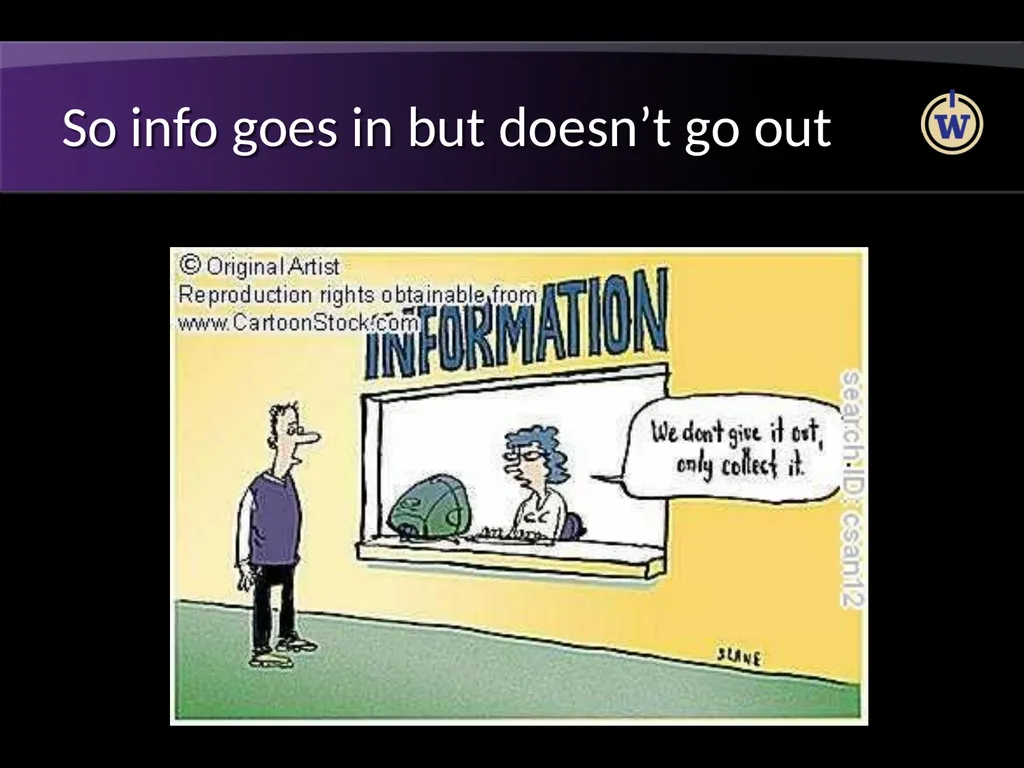
So info goes in but doesn’t go out<br>
09
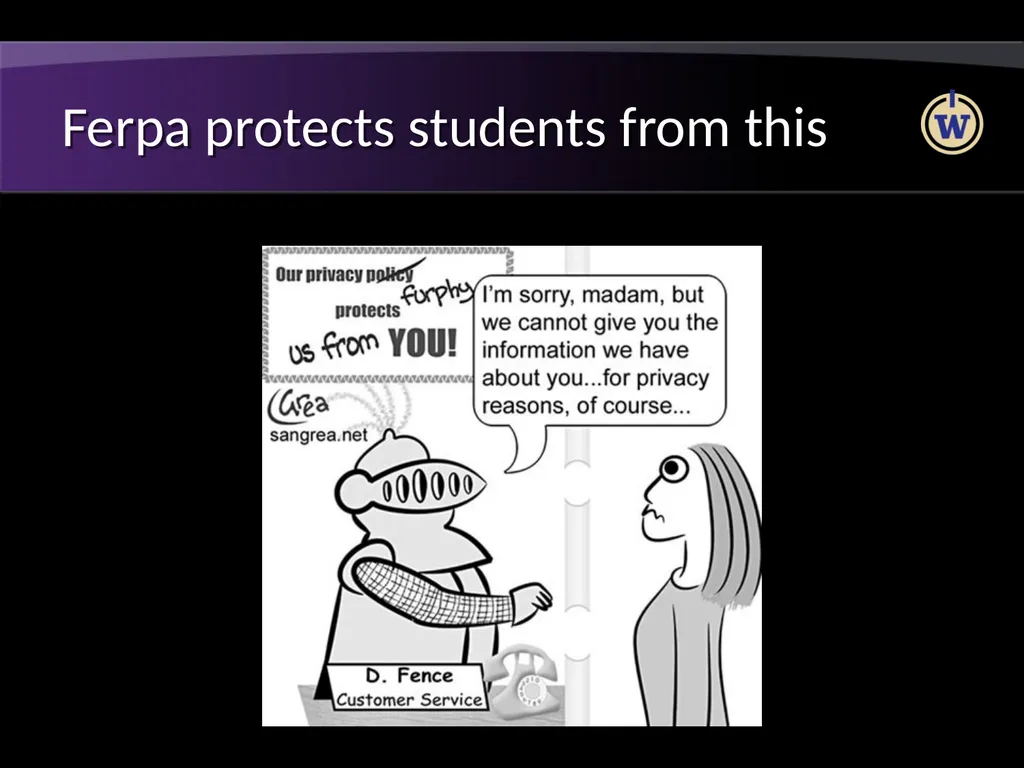
Ferpa protects students from this<br>
10
Educational record: what is it?<br>
11
Education records-what it isn’t Not sole possession records i.e. individual memory aids
Not personal knowledge, i.e. a custodian knows that student X throws up repeatedly
Not law-enforcement records
Not scrubbed education records, e.g. SRtKA stats
Not alumni records or info related to person after graduation/enrollment termination.
Not treatment records from campus health centers (see next slide)<br>
Not personal knowledge, i.e. a custodian knows that student X throws up repeatedly
Not law-enforcement records
Not scrubbed education records, e.g. SRtKA stats
Not alumni records or info related to person after graduation/enrollment termination.
Not treatment records from campus health centers (see next slide)<br>
12
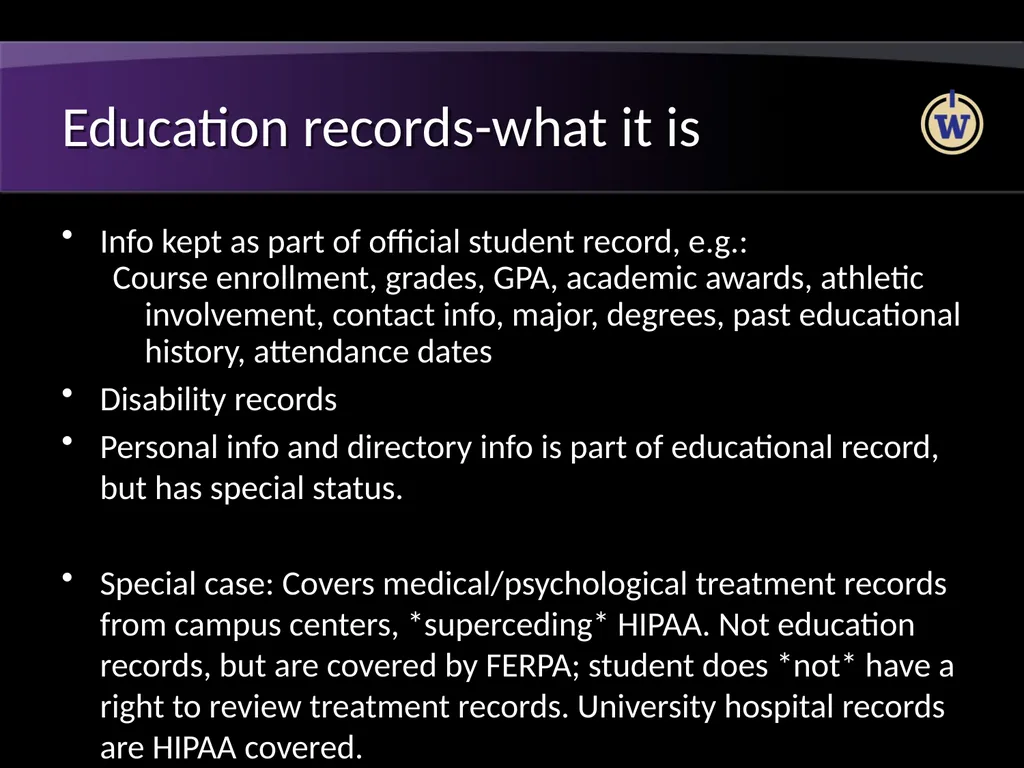
Education records-what it is Info kept as part of official student record, e.g.:
Course enrollment, grades, GPA, academic awards, athletic involvement, contact info, major, degrees, past educational history, attendance dates
Disability records
Personal info and directory info is part of educational record, but has special status.
Special case: Covers medical/psychological treatment records from campus centers, *superceding* HIPAA. Not education records, but are covered by FERPA; student does *not* have a right to review treatment records. University hospital records are HIPAA covered.<br>
Course enrollment, grades, GPA, academic awards, athletic involvement, contact info, major, degrees, past educational history, attendance dates
Disability records
Personal info and directory info is part of educational record, but has special status.
Special case: Covers medical/psychological treatment records from campus centers, *superceding* HIPAA. Not education records, but are covered by FERPA; student does *not* have a right to review treatment records. University hospital records are HIPAA covered.<br>
13
Exceptions Faculty, staff, contractors, and students acting on the institution’s behalf can be granted full access if they need access to do their job.
Other educational institutions, if student has applied /enrolled there.
Published “directory information”, unless student opts out.
Disciplinary offense announcements
Court subpoena, usually requires student notification.
Parental disclosure in limited situations, e.g. alcohol/drug violations (if under 21)
To “appropriate parties” (includes parents) in a health or safety emergency
Military (recruitment requests per Solomon Act)
Attorney General per Patriot Act
Various local authorities AND victims per Campus Sex Crimes Prevention Act (2000)<br>
Other educational institutions, if student has applied /enrolled there.
Published “directory information”, unless student opts out.
Disciplinary offense announcements
Court subpoena, usually requires student notification.
Parental disclosure in limited situations, e.g. alcohol/drug violations (if under 21)
To “appropriate parties” (includes parents) in a health or safety emergency
Military (recruitment requests per Solomon Act)
Attorney General per Patriot Act
Various local authorities AND victims per Campus Sex Crimes Prevention Act (2000)<br>
14
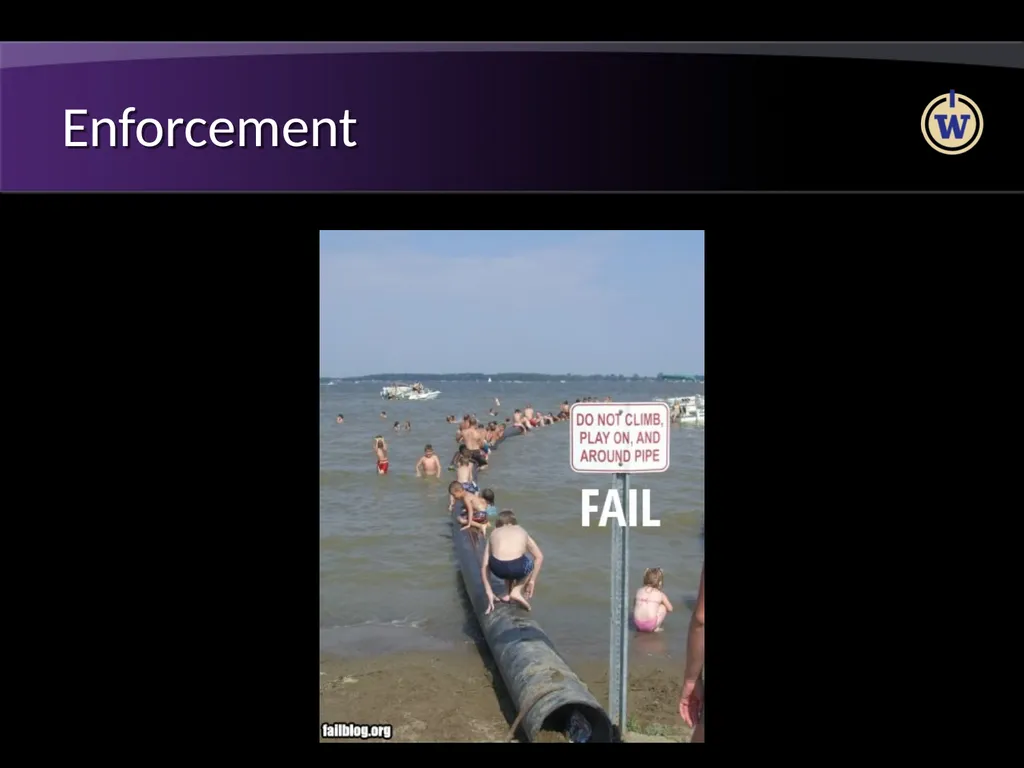
Enforcement<br>
15
Enforcement and penalties US Family Policy Compliance Office (FPCO) enforces compliance
No provision requiring notification of a breach*
Individuals can not be prosecuted for a breach
Students can not sue for damages
Federal money can be withheld from a violating institution, but this has never happened
Emergency health-or-safety issue now addressed, has had several lawsuits. MIT, Allegheny College.
Shady universities can hide behind FERPA lack of enforcements. See http://www.ferpa.us/about.html<br>
No provision requiring notification of a breach*
Individuals can not be prosecuted for a breach
Students can not sue for damages
Federal money can be withheld from a violating institution, but this has never happened
Emergency health-or-safety issue now addressed, has had several lawsuits. MIT, Allegheny College.
Shady universities can hide behind FERPA lack of enforcements. See http://www.ferpa.us/about.html<br>
16
Directory info Annually each institution defines what it considers public info
Each student can choose to limit release of their directory info. This choice must be respected after graduation/past enrollment.
Some personal ID info can not be released without explicit written consent, e.g. SS#s, race, ethnicity, nationality, gender
Some educational info can not be directory info, e.g. transcripts, grade reports<br>
Each student can choose to limit release of their directory info. This choice must be respected after graduation/past enrollment.
Some personal ID info can not be released without explicit written consent, e.g. SS#s, race, ethnicity, nationality, gender
Some educational info can not be directory info, e.g. transcripts, grade reports<br>
17
Directory info examples Name, address, telephone listing, email address, photograph, date and place of birth, major of study, grade level, enrollment status, dates of attendance, participation in offical activities/sports, degrees, honors and awards, most recent educational institution attended.
May NOT include: social security number
May or may not include: student ID number, user ID, other university ID numbers. Depends on how access to educational records is provided. DoED estimates are <5% of teachers publish grades using just ID.<br>
May NOT include: social security number
May or may not include: student ID number, user ID, other university ID numbers. Depends on how access to educational records is provided. DoED estimates are <5% of teachers publish grades using just ID.<br>
18
UW Directory Info Student's name
Street address
Email address
Telephone number
Date of birth
Dates of attendance
Degrees and awards received
Major and minor field(s) of studies
Class
Participation in officially recognized activities and sports
Most recent previous educational agency or institution attended by the student
Weight and height, if student is a member of an intercollegiate athletic team<br>
Street address
Email address
Telephone number
Date of birth
Dates of attendance
Degrees and awards received
Major and minor field(s) of studies
Class
Participation in officially recognized activities and sports
Most recent previous educational agency or institution attended by the student
Weight and height, if student is a member of an intercollegiate athletic team<br>
19
Sharing time Call out your most interesting bit of info that is defined as “directory info”.<br>
20
FERPA does not guarantee anonymity "... opting out does not prevent disclosure of the student’s name, institutional e-mail address, or electronic identifier in the student’s physical or electronic classroom."
From Federal Register/Vol. 73 No 237, p.74847<br>
From Federal Register/Vol. 73 No 237, p.74847<br>
21
Desire for privacy depends on what<br>
22
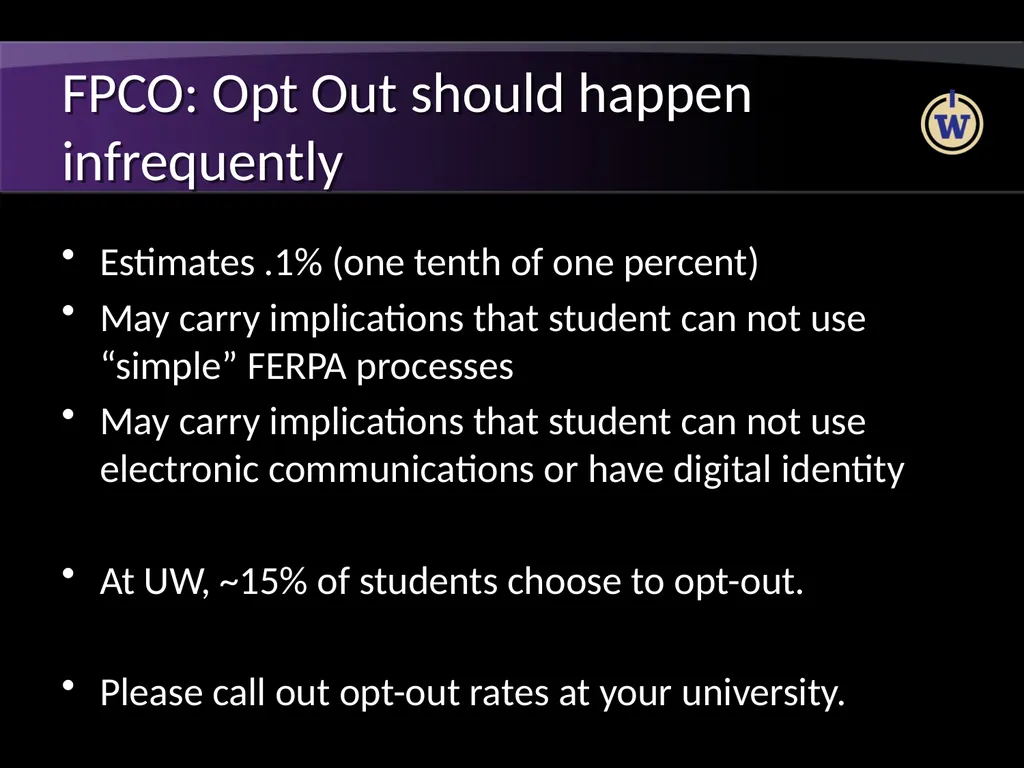
FPCO: Opt Out should happen infrequently Estimates .1% (one tenth of one percent)
May carry implications that student can not use “simple” FERPA processes
May carry implications that student can not use electronic communications or have digital identity
At UW, ~15% of students choose to opt-out.
Please call out opt-out rates at your university.<br>
May carry implications that student can not use “simple” FERPA processes
May carry implications that student can not use electronic communications or have digital identity
At UW, ~15% of students choose to opt-out.
Please call out opt-out rates at your university.<br>
23
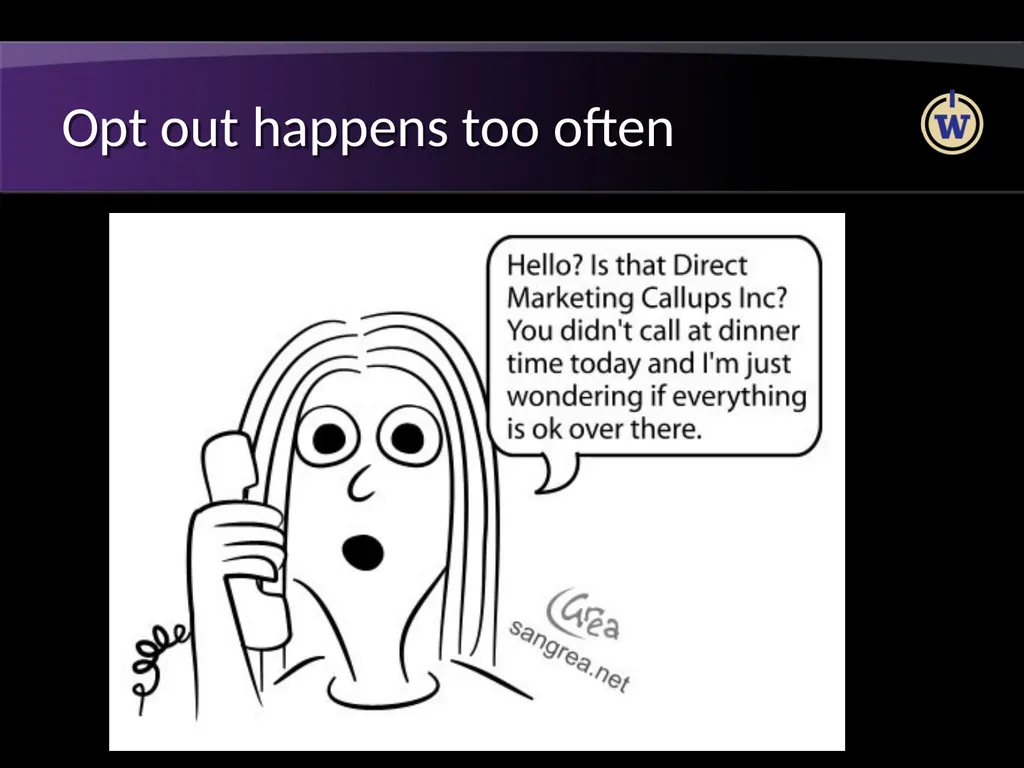
Opt out happens too often<br>
24
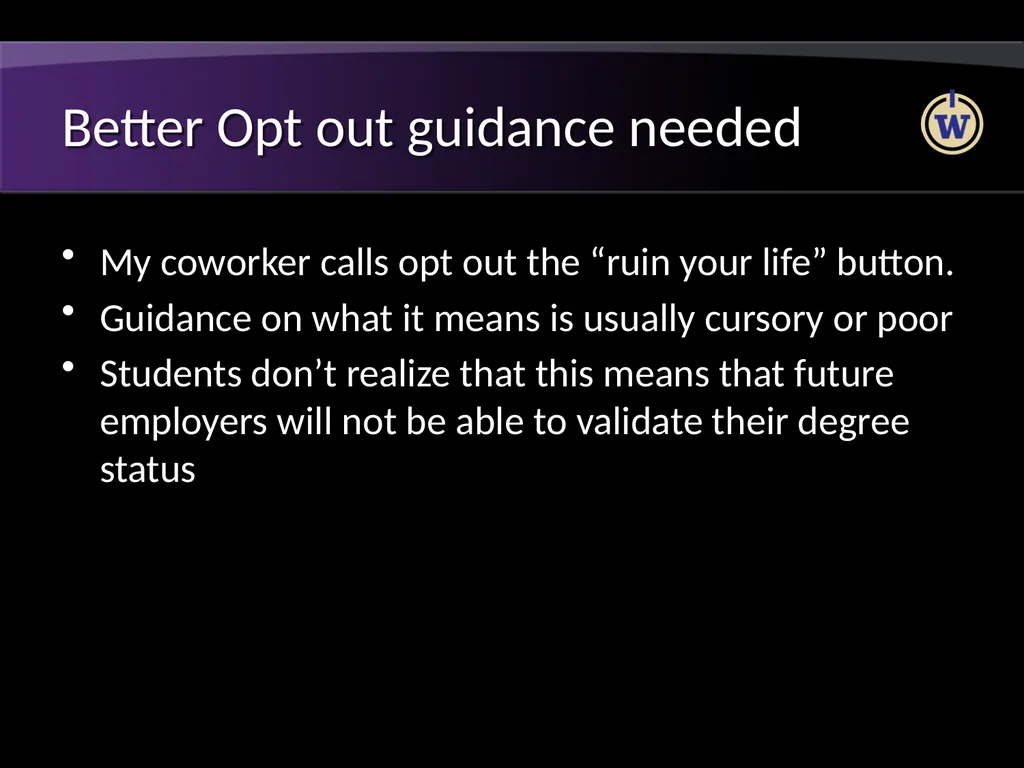
Better Opt out guidance needed My coworker calls opt out the “ruin your life” button.
Guidance on what it means is usually cursory or poor
Students don’t realize that this means that future employers will not be able to validate their degree status<br>
Guidance on what it means is usually cursory or poor
Students don’t realize that this means that future employers will not be able to validate their degree status<br>
25
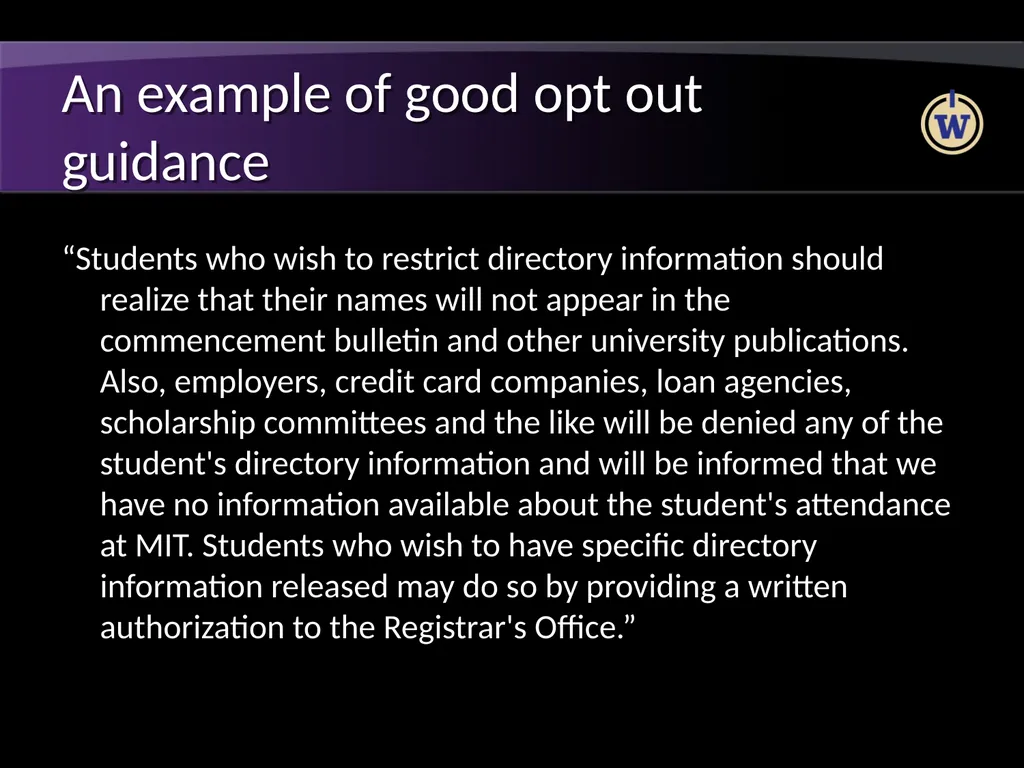
An example of good opt out guidance “Students who wish to restrict directory information should realize that their names will not appear in the commencement bulletin and other university publications. Also, employers, credit card companies, loan agencies, scholarship committees and the like will be denied any of the student's directory information and will be informed that we have no information available about the student's attendance at MIT. Students who wish to have specific directory information released may do so by providing a written authorization to the Registrar's Office.”<br>
26
Beyond Background to Analysis Each university has a different landscape with the following significant variables:
Legal counsel interpretation
Directory information definition
How your university handles access to educational records, e.g.
How do faculty post grades?
How do faculty return graded papers, exams, etc.?
What process does someone go through to get access to educational record? What are the authorization factors required? (there might be different factors for different portions)<br>
Legal counsel interpretation
Directory information definition
How your university handles access to educational records, e.g.
How do faculty post grades?
How do faculty return graded papers, exams, etc.?
What process does someone go through to get access to educational record? What are the authorization factors required? (there might be different factors for different portions)<br>
27
Biggest pain point (for IT) is “Opt Out” New regulations talk about “Reasonable methods” which includes administrative policy (as opposed to technological controls)
Regulations say reasonableness (i.e. strength) should vary depending on:
the likelihood of targeting for compromise
the harm that could result
Examples<br>
Regulations say reasonableness (i.e. strength) should vary depending on:
the likelihood of targeting for compromise
the harm that could result
Examples<br>
28
Microsoft Help? Microsoft IT Compliance Management Guide (a solution accelerator) covers:
Sarbanes-Oxley Act (SOX)
Gramm-Leach-Bliley Act (GLBA)
European Union Data Protection Directive (EUDPD)
Payment Card Industry Data Security Standards (PCIDSS)
Health Insurance Portability and Accountability Act (HIPAA)
But not FERPA. But there really aren’t detailed solutions in this guide. Instead a framework.
Does reference:
Microsoft Exchange Server 2007 Compliance Tour
and
Windows Server 2008 Security & Compliance Technologies
But neither is really useful to FERPA
Doesn’t reference:
Windows Server 2008 Security Guide, which is another solution accelerator (but it should)<br>
Sarbanes-Oxley Act (SOX)
Gramm-Leach-Bliley Act (GLBA)
European Union Data Protection Directive (EUDPD)
Payment Card Industry Data Security Standards (PCIDSS)
Health Insurance Portability and Accountability Act (HIPAA)
But not FERPA. But there really aren’t detailed solutions in this guide. Instead a framework.
Does reference:
Microsoft Exchange Server 2007 Compliance Tour
and
Windows Server 2008 Security & Compliance Technologies
But neither is really useful to FERPA
Doesn’t reference:
Windows Server 2008 Security Guide, which is another solution accelerator (but it should)<br>
29
Where rubber hits road: AD General approach is to put all or most AD related info into your definition of directory info.
Opt out only a problem if you publish info that can be publicly correlated to educational record info, i.e. can someone connect the dots and determine something about their educational status/record?<br>
Opt out only a problem if you publish info that can be publicly correlated to educational record info, i.e. can someone connect the dots and determine something about their educational status/record?<br>
30
Problem points on user accounts eduPersonAffiliation=student *
memberOf=2009win-physics101
Anything related to PII
Anything related to directory info
Anything related to educational record<br>
memberOf=2009win-physics101
Anything related to PII
Anything related to directory info
Anything related to educational record<br>
31
User account info What to do on AD user when student opts out:
Get student consent to publish critical part of dirInfo
Use netid only, assuming there is no other directory which links identity to netid
For high-risk students, allow a second set of bogus dirInfo that is not publicly correlated to other identifiers, to enable account
Don’t give them an account
Other ideas?<br>
Get student consent to publish critical part of dirInfo
Use netid only, assuming there is no other directory which links identity to netid
For high-risk students, allow a second set of bogus dirInfo that is not publicly correlated to other identifiers, to enable account
Don’t give them an account
Other ideas?<br>
32
Course, student major, and other educational record groups Two known solutions presented last year. See http://www.windows-hied.org/Conf2007/HiEdConf2007FillInTopics-Barkills.pptx .
Either: change user and group objectclass definitions to exclude default ACLs
OR: Empty “pre-windows 2000 compatible access group” and use inherited deny ACE.
NOTE: Privacy on these may be subject to whether you have opt out, and whether the relevant data is in your DirInfo<br>
NOTE: Privacy on these may be subject to whether you have opt out, and whether the relevant data is in your DirInfo<br>
33
Exchange enabled course groups Exchange enabled course groups haven’t been attempted until the past year. Problem is that Exchange needs access, but can leak information via interfaces like OWA Address Book.
Since last year two solutions have emerged:
Use dynamic distribution groups to target a private user attribute value pair that indicates course enrollment.
Exchange enable the security groups from above and mark them as ‘hidden from all address books’.<br>
Since last year two solutions have emerged:
Use dynamic distribution groups to target a private user attribute value pair that indicates course enrollment.
Exchange enable the security groups from above and mark them as ‘hidden from all address books’.<br>
34
The End Brian Arkills
barkills@washington.edu
http://www.netid.washington.edu
http://sharepoint.washington.edu/windows
Author of LDAP Directories Explained<br>
barkills@washington.edu
http://www.netid.washington.edu
http://sharepoint.washington.edu/windows
Author of LDAP Directories Explained<br>