Forests as Carbon Sinks Adapted from Loose Leaf: the official blog of American forests. What is a Carbon Sink? Something found in nature that holds or stores carbon- technically anything that absorbs more carbon than it releases. Look at
"Forests as Carbon Sinks Adapted from Loose Leaf:" is the property of its rightful owner. Permission is granted to
download and print the materials on this website for personal, non-commercial use only, and to display it
on your personal computer provided you do not modify the materials and that you retain all copyright
notices contained in the materials. By downloading content from our website, you accept the terms of this
agreement.
Presentation Transcript
01
Forests as Carbon Sinks Adapted from Loose Leaf: the official blog of American forests.<br>
02
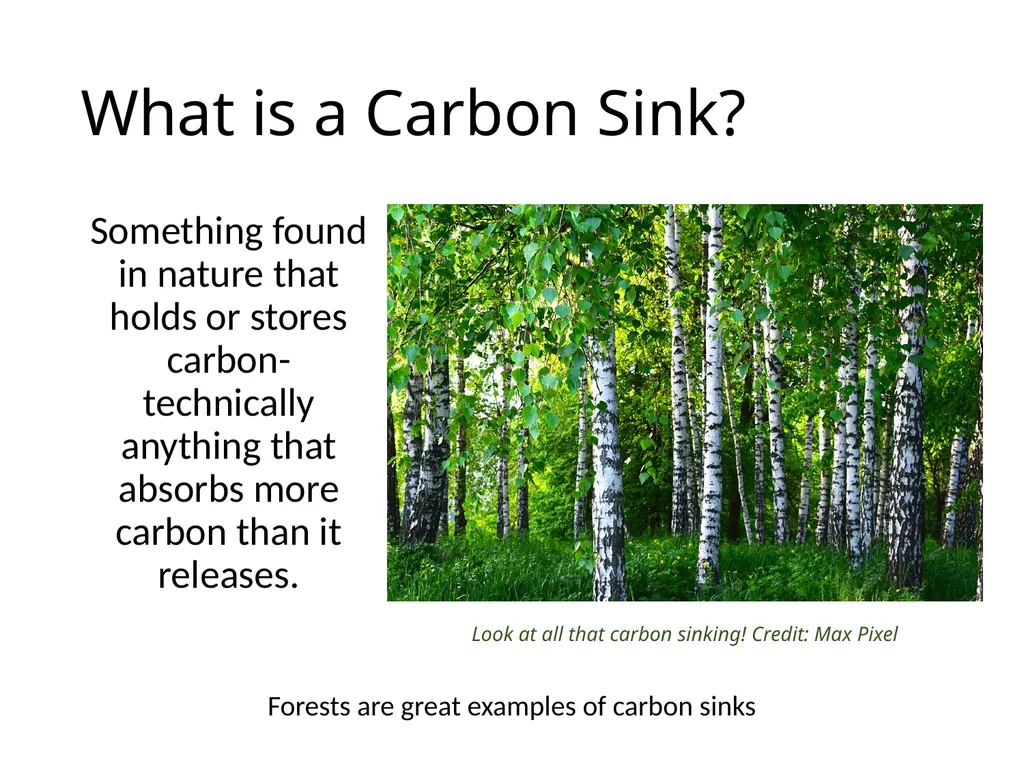
What is a Carbon Sink? Something found in nature that holds or stores carbon- technically anything that absorbs more carbon than it releases. Look at all that carbon sinking! Credit: Max Pixel Forests are great examples of carbon sinks<br>
03
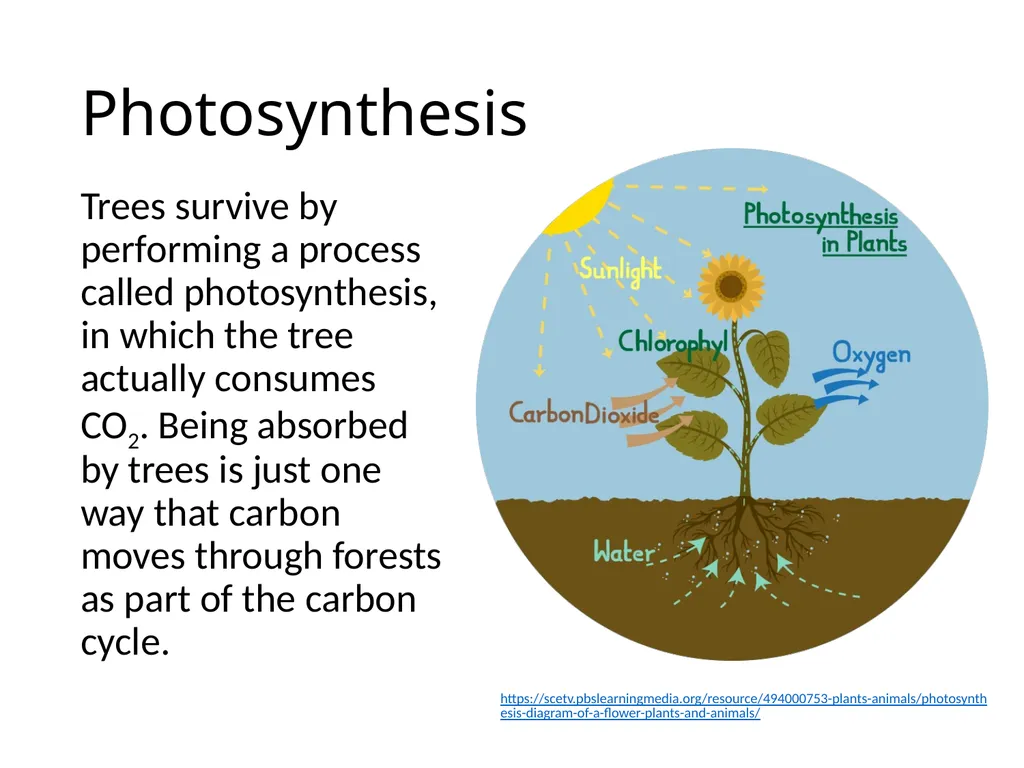
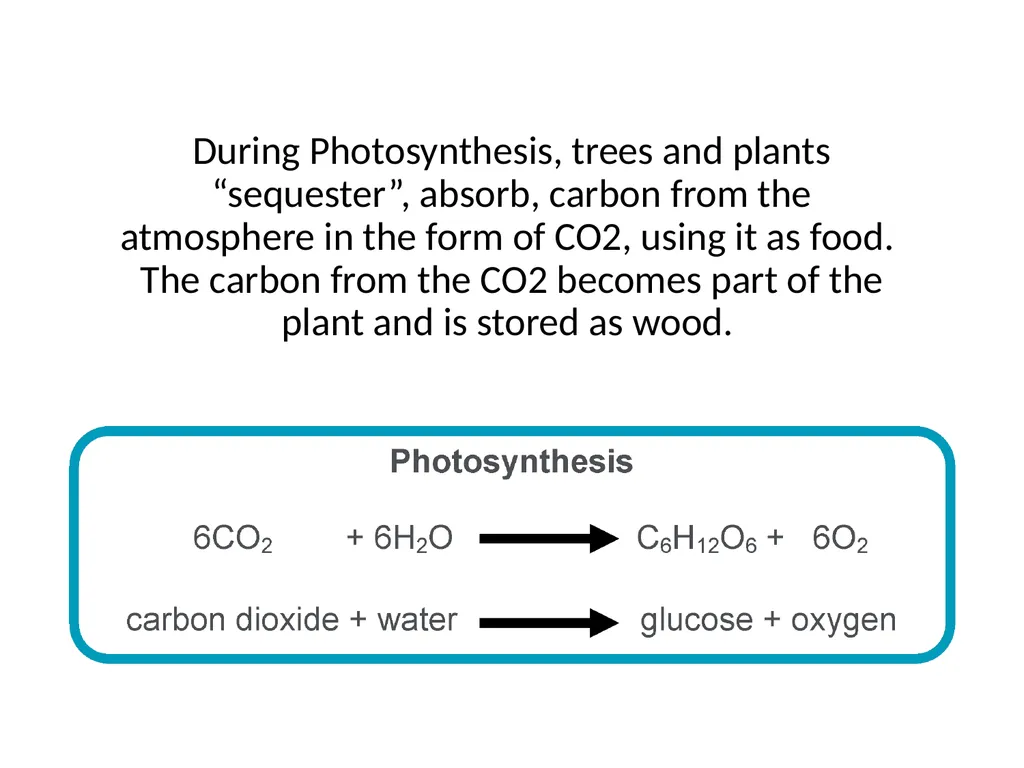
Photosynthesis Trees survive by performing a process called photosynthesis, in which the tree actually consumes CO2. Being absorbed by trees is just one way that carbon moves through forests as part of the carbon cycle. https://scetv.pbslearningmedia.org/resource/494000753-plants-animals/photosynthesis-diagram-of-a-flower-plants-and-animals/<br>
04
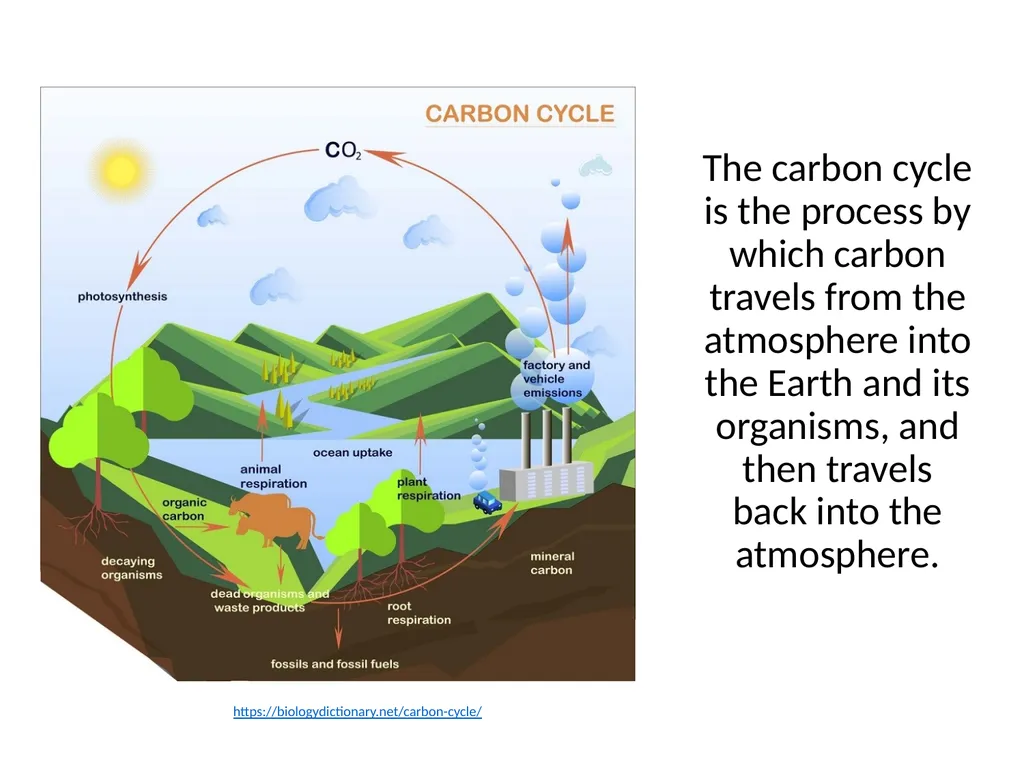
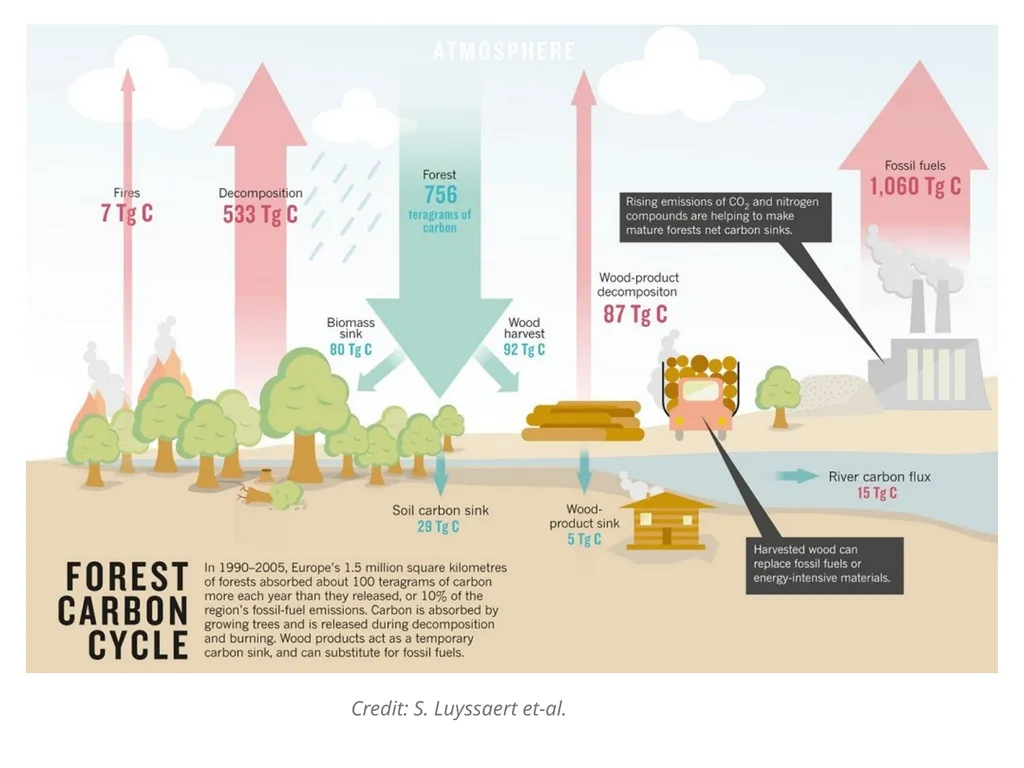
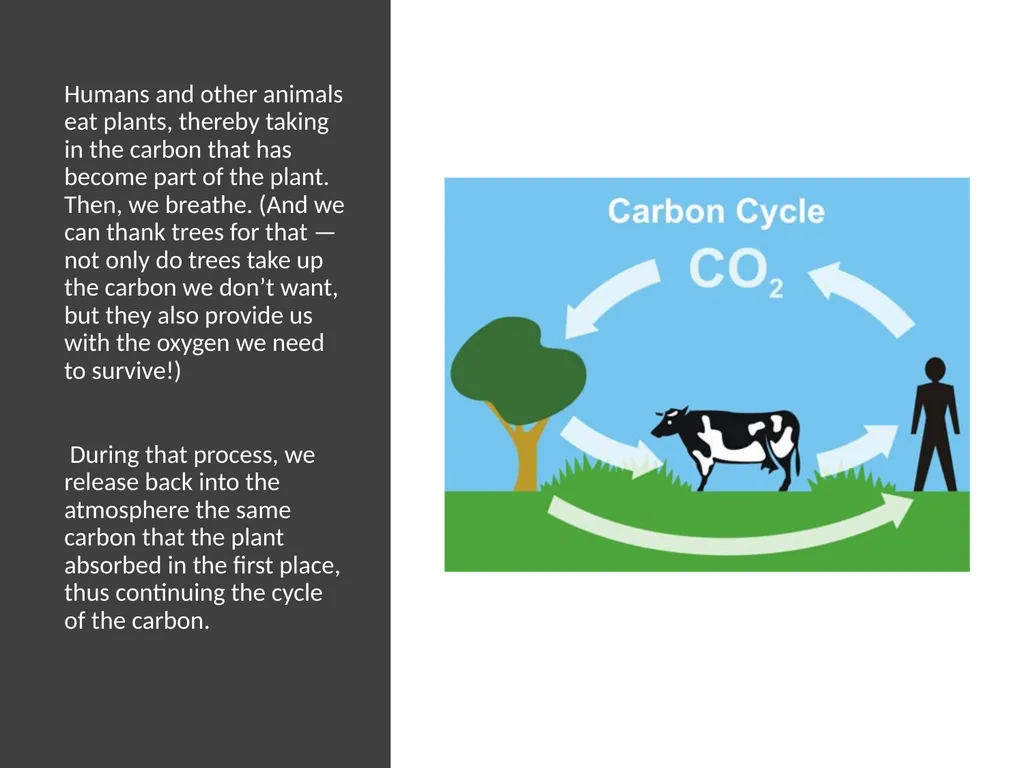
The carbon cycle is the process by which carbon travels from the atmosphere into the Earth and its organisms, and then travels back into the atmosphere. https://biologydictionary.net/carbon-cycle/<br>
05
During Photosynthesis, trees and plants “sequester”, absorb, carbon from the atmosphere in the form of CO2, using it as food. The carbon from the CO2 becomes part of the plant and is stored as wood.<br>
06
Credit: S. Luyssaert et-al.<br>
07
Humans and other animals eat plants, thereby taking in the carbon that has become part of the plant. Then, we breathe. (And we can thank trees for that — not only do trees take up the carbon we don’t want, but they also provide us with the oxygen we need to survive!)
During that process, we release back into the atmosphere the same carbon that the plant absorbed in the first place, thus continuing the cycle of the carbon.<br>
08
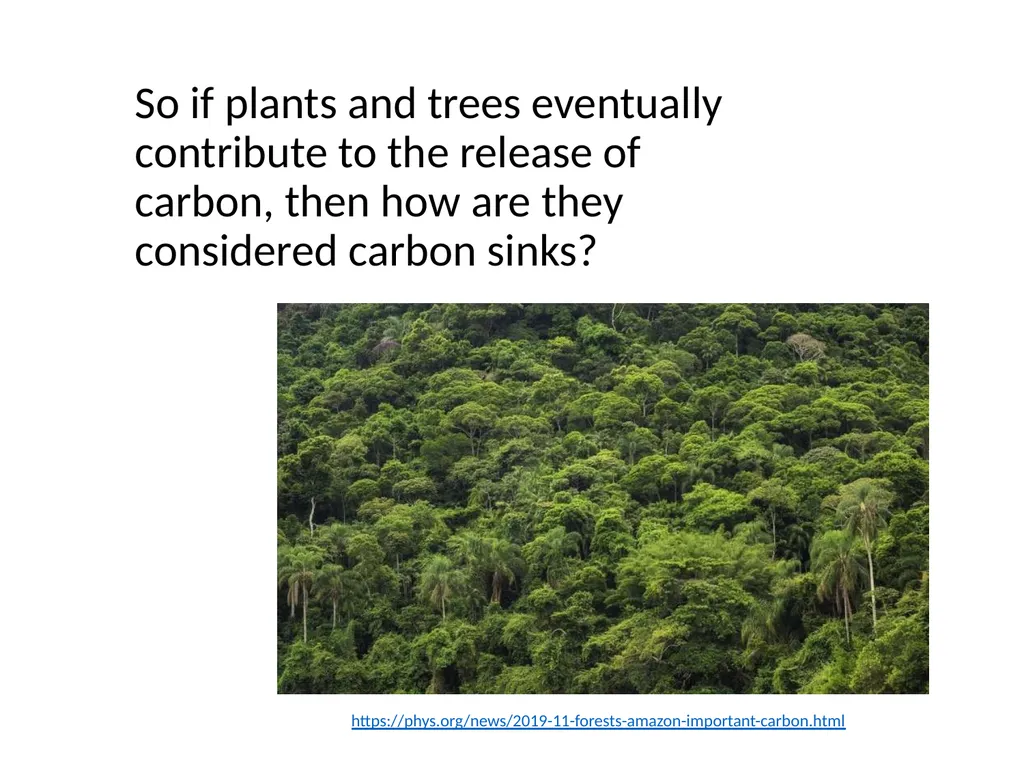
So if plants and trees eventually contribute to the release of carbon, then how are they considered carbon sinks? https://phys.org/news/2019-11-forests-amazon-important-carbon.html<br>
09
Forests aren’t always carbon sinks; they can sometimes be a carbon source.
When a forest releases more carbon than it absorbs, such as during a forest fire or when there are more dead than living trees, it is a carbon source.
But in most other cases, forests absorb more than they release, making them carbon sinks.<br>
10
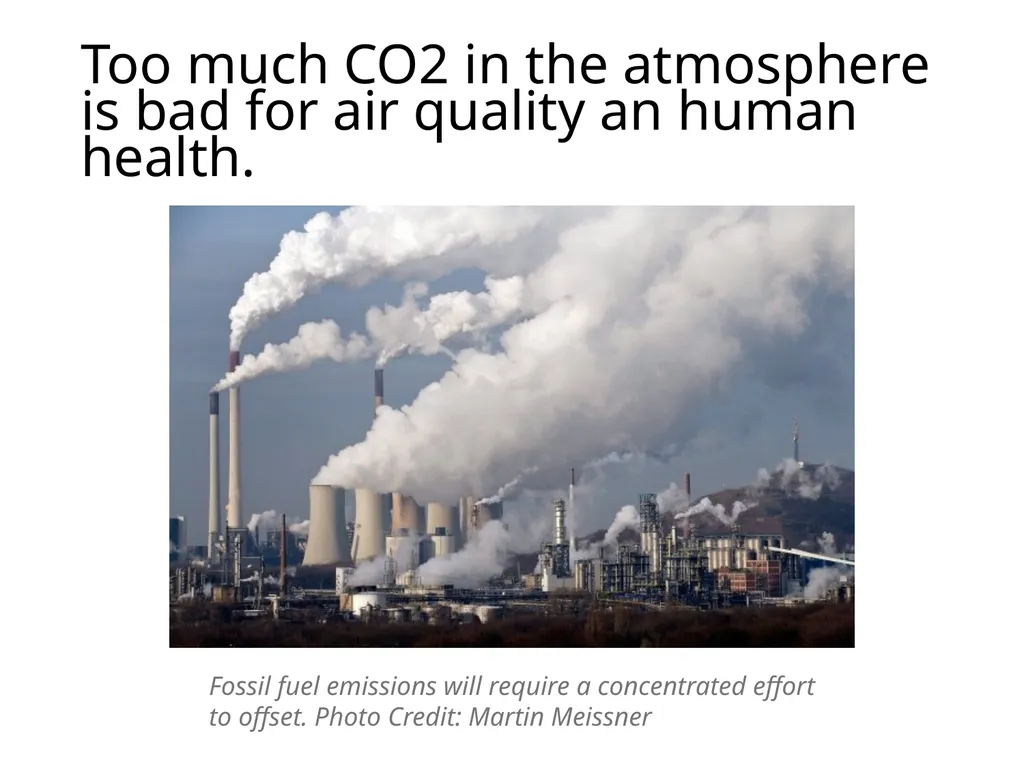
Too much CO2 in the atmosphere is bad for air quality an human health. Fossil fuel emissions will require a concentrated effort to offset. Photo Credit: Martin Meissner<br>
11
Carbon release from forests can occur at any time if triggered by deforestation, tree decay, forest fires or decomposition of other organic matter.
Keeping in mind that carbon will not be stored in trees forever and that the overall carbon levels will keep increasing if emissions do.
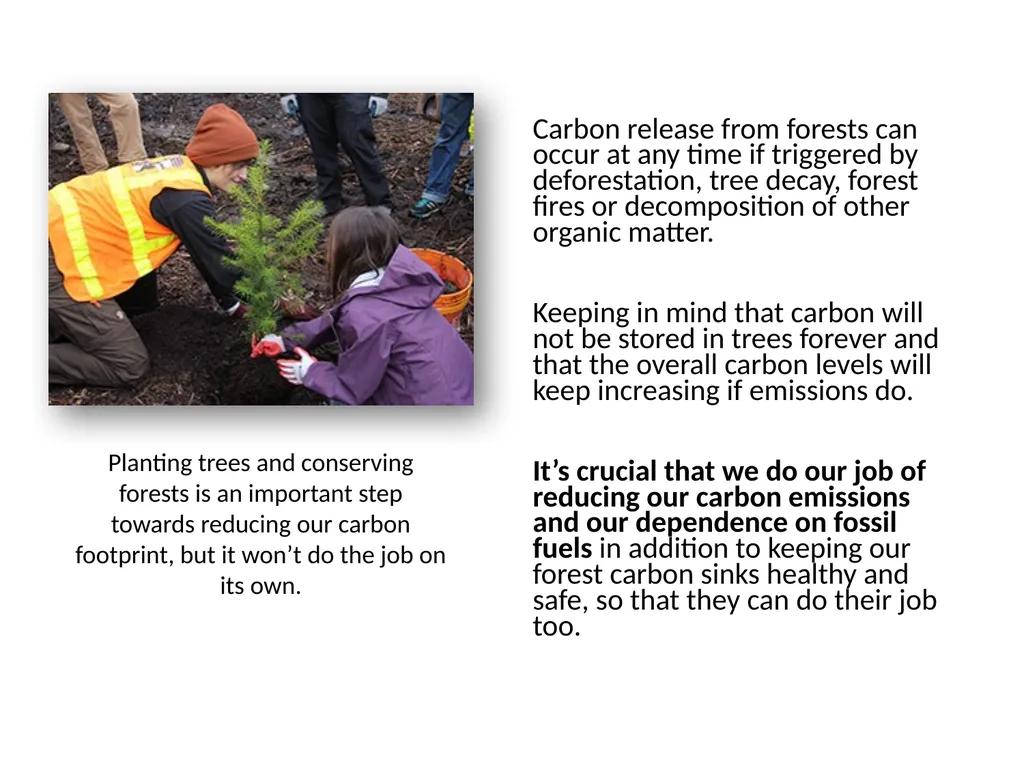
It’s crucial that we do our job of reducing our carbon emissions and our dependence on fossil fuels in addition to keeping our forest carbon sinks healthy and safe, so that they can do their job too. Planting trees and conserving forests is an important step towards reducing our carbon footprint, but it won’t do the job on its own.<br>