
Guideline Essentials: AHA Clinical Slide Series






Description: Guideline Essentials: AHA Clinical Slide Series ADAPTED FROM: 2025 AHAACCAANPAAPAABCACCPACPM AGSAMAASPCNMAPCNASGIM Guideline for the Prevention, Detection, Evaluation and Management of High Blood Pressure in Adults AHA Clinical
Related Topics
Download Presentation
"Guideline Essentials: AHA Clinical Slide Series" is the property of its rightful owner. Permission is granted to download and print the materials on this website for personal, non-commercial use only, and to display it on your personal computer provided you do not modify the materials and that you retain all copyright notices contained in the materials. By downloading content from our website, you accept the terms of this agreement.
Presentation Transcript
slide1. Guideline Essentials: AHA Clinical Slide Series ADAPTED FROM:
2025 AHA/ACC/AANP/AAPA/ABC/ACCP/ACPM/
AGS/AMA/ASPC/NMA/PCNA/SGIM
Guideline for the Prevention, Detection, Evaluation and Management of High Blood Pressure in Adults AHA Clinical Slides PPTX<br>
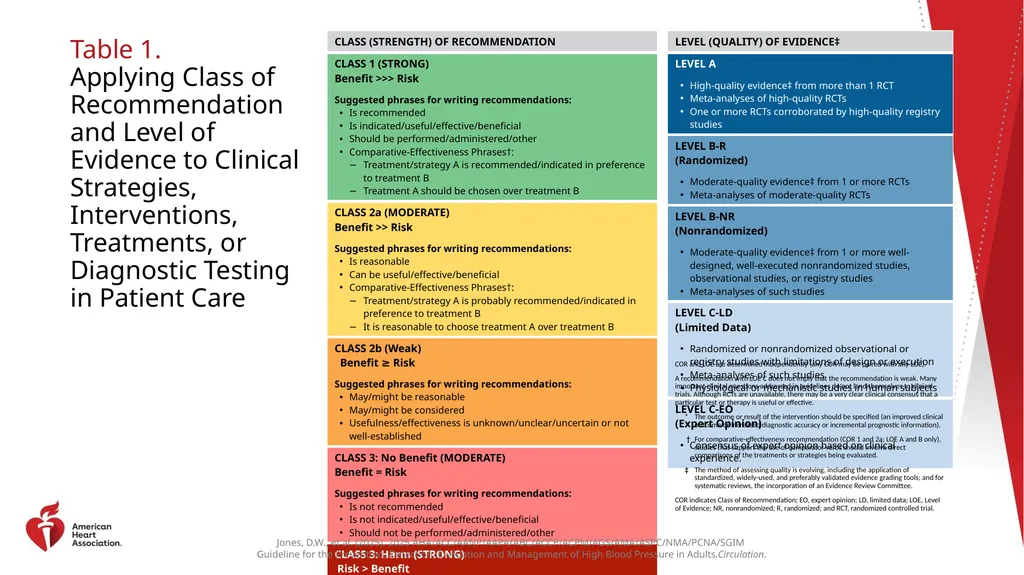
slide2. Table 1. Applying Class of Recommendation and Level of Evidence to Clinical Strategies, Interventions, Treatments, or Diagnostic Testing in Patient Care COR and LOE are determined independently (any COR may be paired with any LOE).
A recommendation with LOE C does not imply that the recommendation is weak. Many important clinical questions addressed in guidelines do not lend themselves to clinical trials. Although RCTs are unavailable, there may be a very clear clinical consensus that a particular test or therapy is useful or effective.
* The outcome or result of the intervention should be specified (an improved clinical outcome or increased diagnostic accuracy or incremental prognostic information).
† For comparative-effectiveness recommendation (COR 1 and 2a; LOE A and B only), studies that support the use of comparator verbs should involve direct comparisons of the treatments or strategies being evaluated.
‡ The method of assessing quality is evolving, including the application of standardized, widely-used, and preferably validated evidence grading tools; and for systematic reviews, the incorporation of an Evidence Review Committee.
COR indicates Class of Recommendation; EO, expert opinion; LD, limited data; LOE, Level of Evidence; NR, nonrandomized; R, randomized; and RCT, randomized controlled trial. Jones, D.W., et al. (2025). 2025 AHA/ACC/AANP/AAPA/ABC/ACCP/ACPM/AGS/AMA/ASPC/NMA/PCNA/SGIM Guideline for the Prevention, Detection, Evaluation and Management of High Blood Pressure in Adults.Circulation.<br>
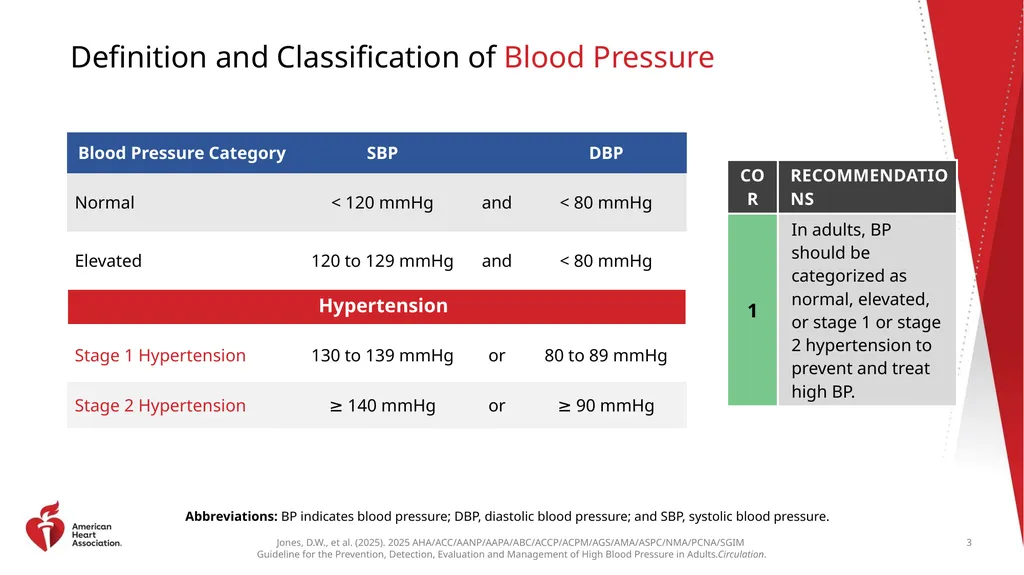
slide3. Definition and Classification of Blood Pressure Abbreviations: BP indicates blood pressure; DBP, diastolic blood pressure; and SBP, systolic blood pressure. 3 Hypertension<br>
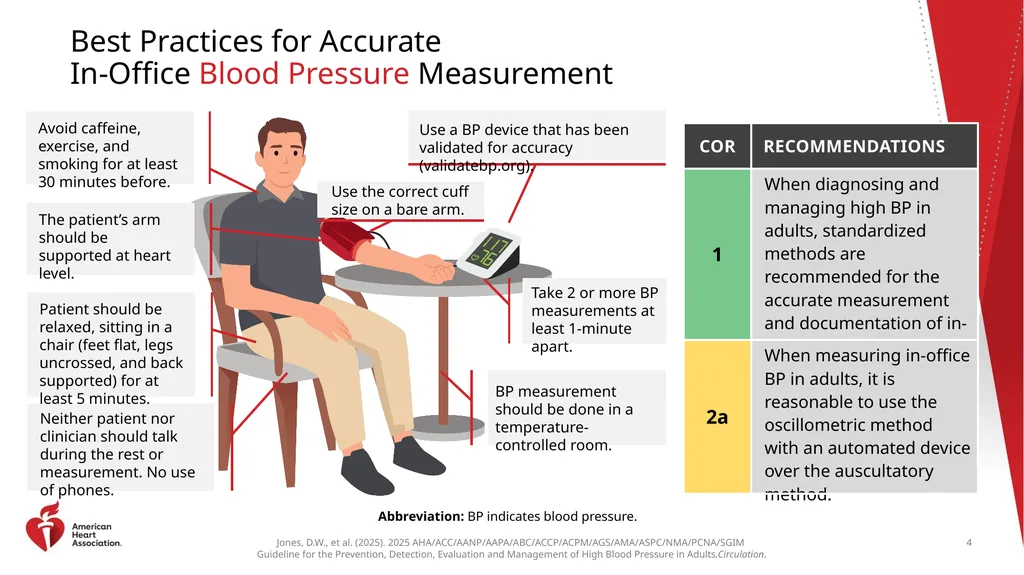
slide4. Best Practices for Accurate In-Office Blood Pressure Measurement Avoid caffeine, exercise, and smoking for at least 30 minutes before. Use a BP device that has been validated for accuracy (validatebp.org). Use the correct cuff size on a bare arm. The patient’s arm should be supported at heart level. Take 2 or more BP measurements at least 1-minute apart. Patient should be relaxed, sitting in a chair (feet flat, legs uncrossed, and back supported) for at least 5 minutes. BP measurement should be done in a temperature-controlled room. Neither patient nor clinician should talk during the rest or measurement. No use of phones. Abbreviation: BP indicates blood pressure. 4<br>
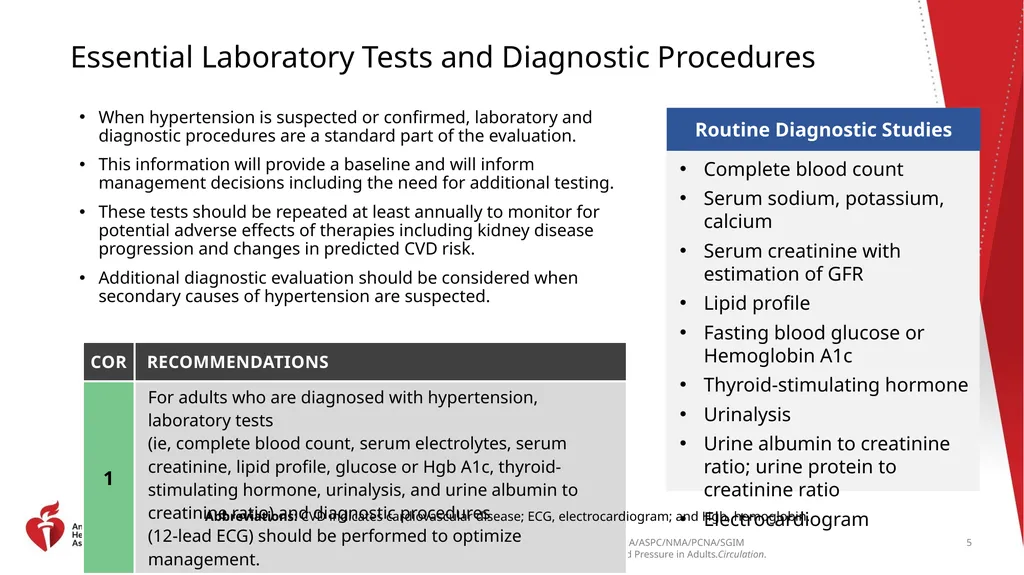
slide5. Essential Laboratory Tests and Diagnostic Procedures When hypertension is suspected or confirmed, laboratory and diagnostic procedures are a standard part of the evaluation.
This information will provide a baseline and will inform management decisions including the need for additional testing.
These tests should be repeated at least annually to monitor for potential adverse effects of therapies including kidney disease progression and changes in predicted CVD risk.
Additional diagnostic evaluation should be considered when secondary causes of hypertension are suspected. Routine Diagnostic Studies Complete blood count
Serum sodium, potassium, calcium
Serum creatinine with estimation of GFR
Lipid profile
Fasting blood glucose or Hemoglobin A1c
Thyroid-stimulating hormone
Urinalysis
Urine albumin to creatinine ratio; urine protein to creatinine ratio
Electrocardiogram Abbreviations: CVD indicates cardiovascular disease; ECG, electrocardiogram; and Hgb, hemoglobin. 5<br>
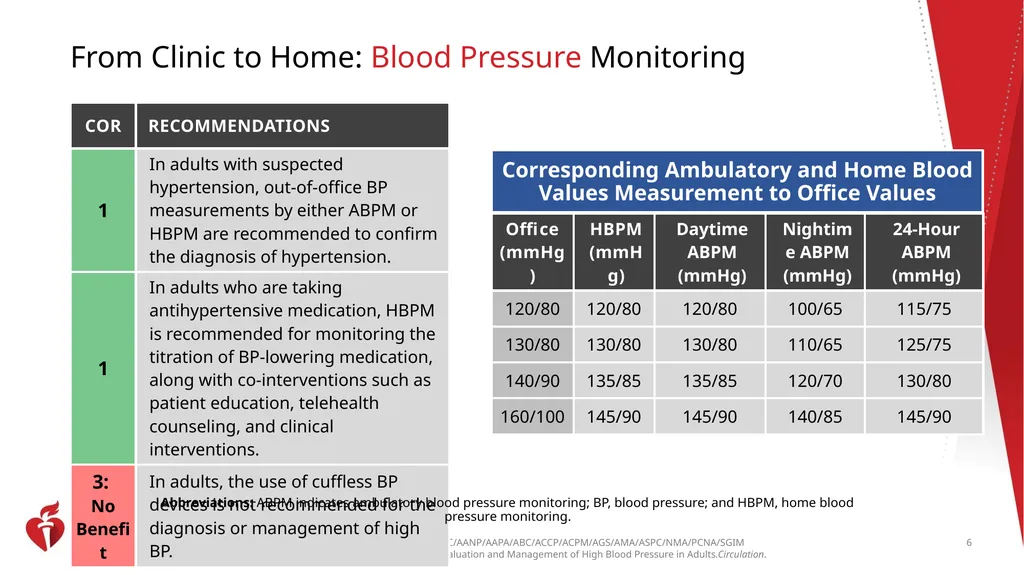
slide6. From Clinic to Home: Blood Pressure Monitoring Corresponding Ambulatory and Home Blood Values Measurement to Office Values Abbreviations: ABPM indicates ambulatory blood pressure monitoring; BP, blood pressure; and HBPM, home blood pressure monitoring. 6<br>
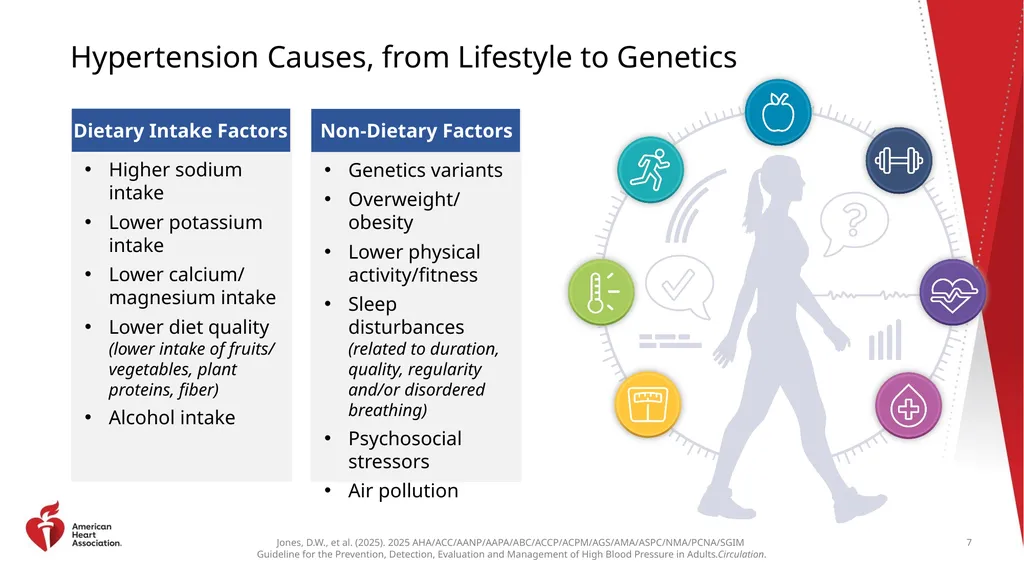
slide7. Hypertension Causes, from Lifestyle to Genetics Dietary Intake Factors Higher sodium intake
Lower potassium intake
Lower calcium/ magnesium intake
Lower diet quality (lower intake of fruits/ vegetables, plant proteins, fiber)
Alcohol intake Non-Dietary Factors Genetics variants
Overweight/obesity
Lower physical activity/fitness
Sleep disturbances (related to duration, quality, regularity and/or disordered breathing)
Psychosocial stressors
Air pollution 7<br>
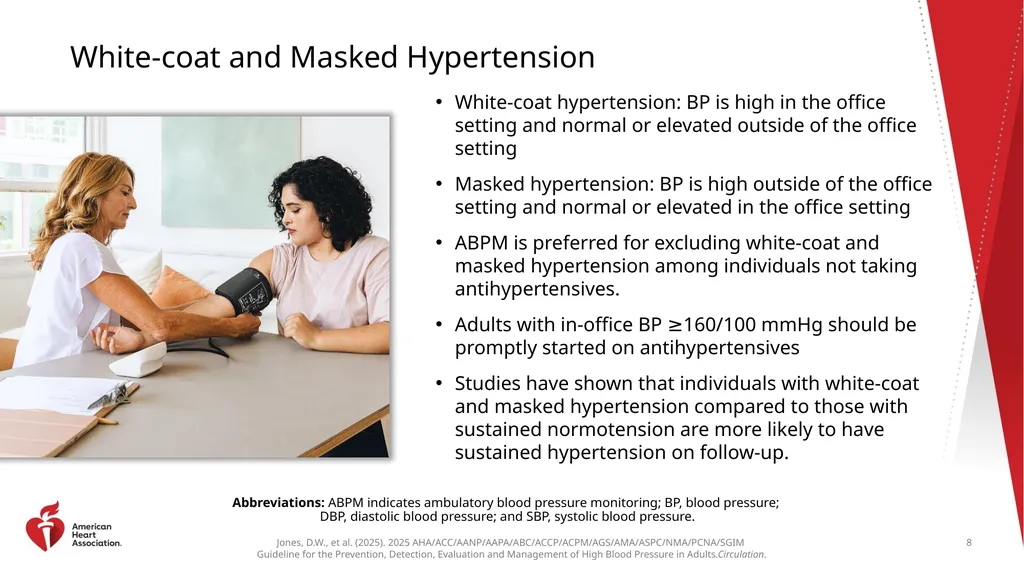
slide8. White-coat and Masked Hypertension White-coat hypertension: BP is high in the office setting and normal or elevated outside of the office setting
Masked hypertension: BP is high outside of the office setting and normal or elevated in the office setting
ABPM is preferred for excluding white-coat and masked hypertension among individuals not taking antihypertensives.
Adults with in-office BP ≥160/100 mmHg should be promptly started on antihypertensives
Studies have shown that individuals with white-coat and masked hypertension compared to those with sustained normotension are more likely to have sustained hypertension on follow-up. Abbreviations: ABPM indicates ambulatory blood pressure monitoring; BP, blood pressure; DBP, diastolic blood pressure; and SBP, systolic blood pressure. 8<br>
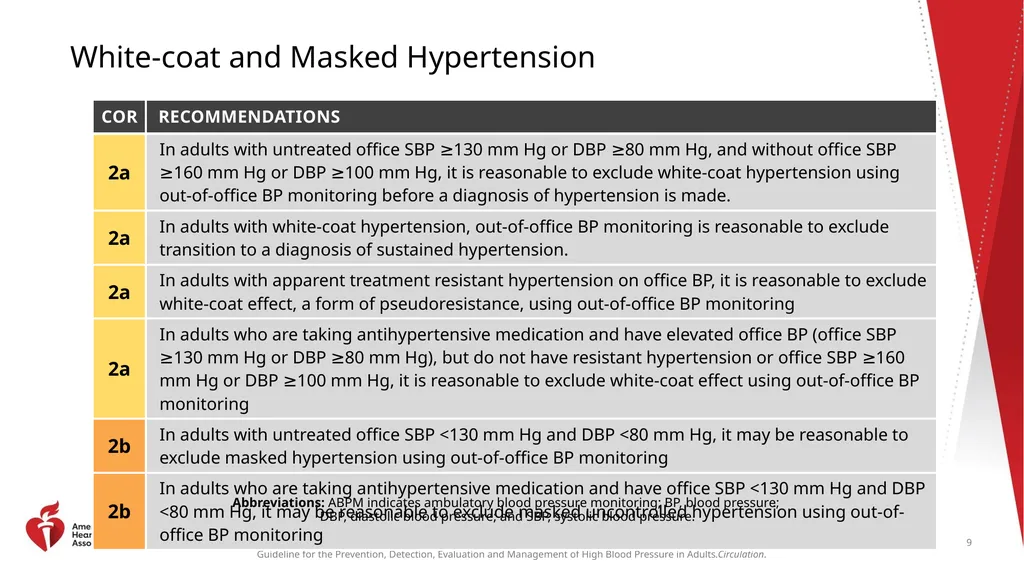
slide9. White-coat and Masked Hypertension Abbreviations: ABPM indicates ambulatory blood pressure monitoring; BP, blood pressure; DBP, diastolic blood pressure; and SBP, systolic blood pressure. 9<br>
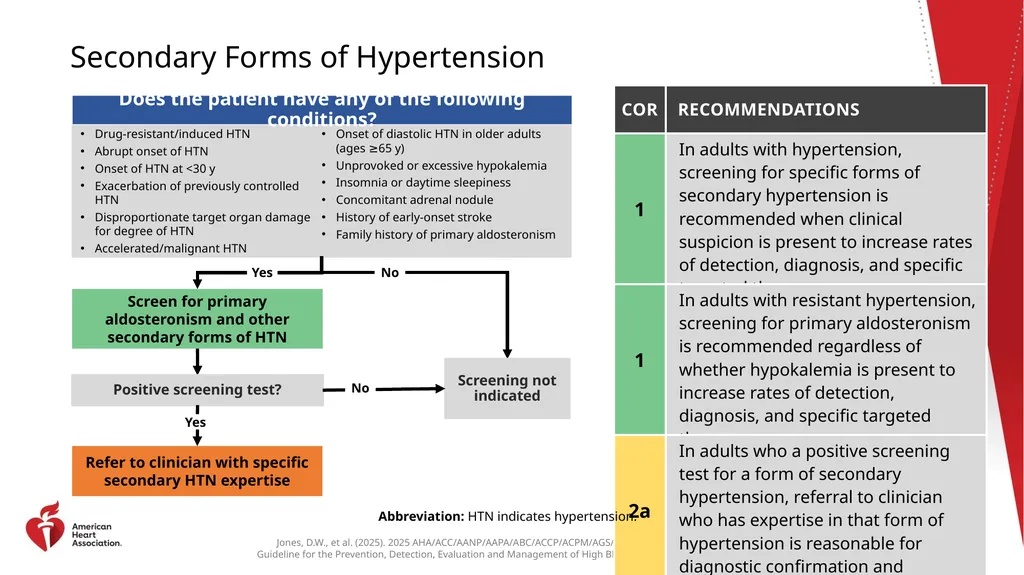
slide10. Drug-resistant/induced HTN
Abrupt onset of HTN
Onset of HTN at <30 y
Exacerbation of previously controlled HTN
Disproportionate target organ damage for degree of HTN
Accelerated/malignant HTN
Onset of diastolic HTN in older adults (ages ≥65 y)
Unprovoked or excessive hypokalemia
Insomnia or daytime sleepiness
Concomitant adrenal nodule
History of early-onset stroke
Family history of primary aldosteronism Secondary Forms of Hypertension Yes No Does the patient have any of the following conditions? Screen for primary aldosteronism and other secondary forms of HTN Screening not indicated Positive screening test? Refer to clinician with specific secondary HTN expertise Yes No Abbreviation: HTN indicates hypertension. 10<br>
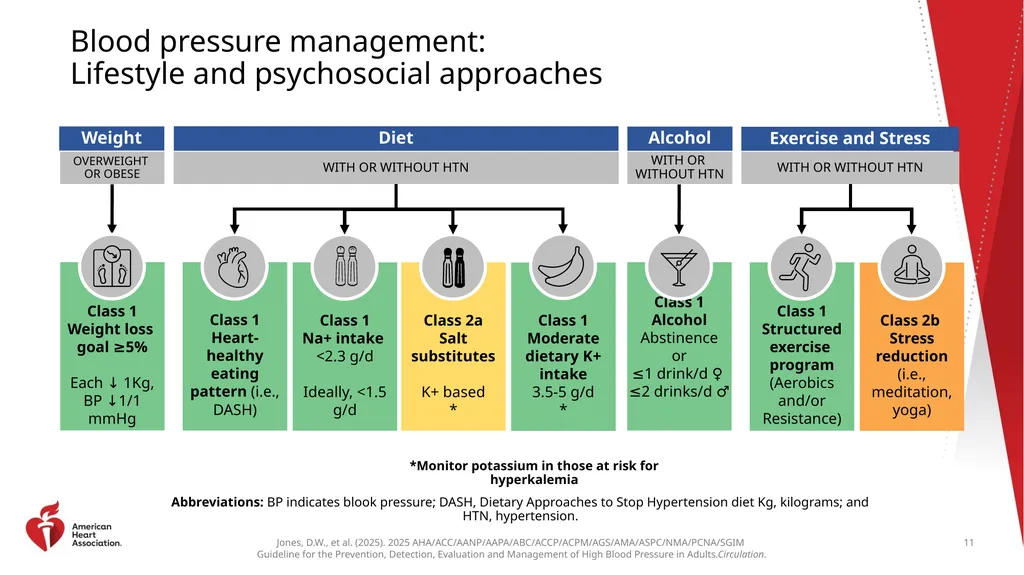
slide11. Blood pressure management: Lifestyle and psychosocial approaches OVERWEIGHT OR OBESE WITH OR WITHOUT HTN WITH OR WITHOUT HTN WITH OR WITHOUT HTN Diet Weight Alcohol Exercise and Stress *Monitor potassium in those at risk for hyperkalemia 11 Abbreviations: BP indicates blook pressure; DASH, Dietary Approaches to Stop Hypertension diet Kg, kilograms; and HTN, hypertension.<br>
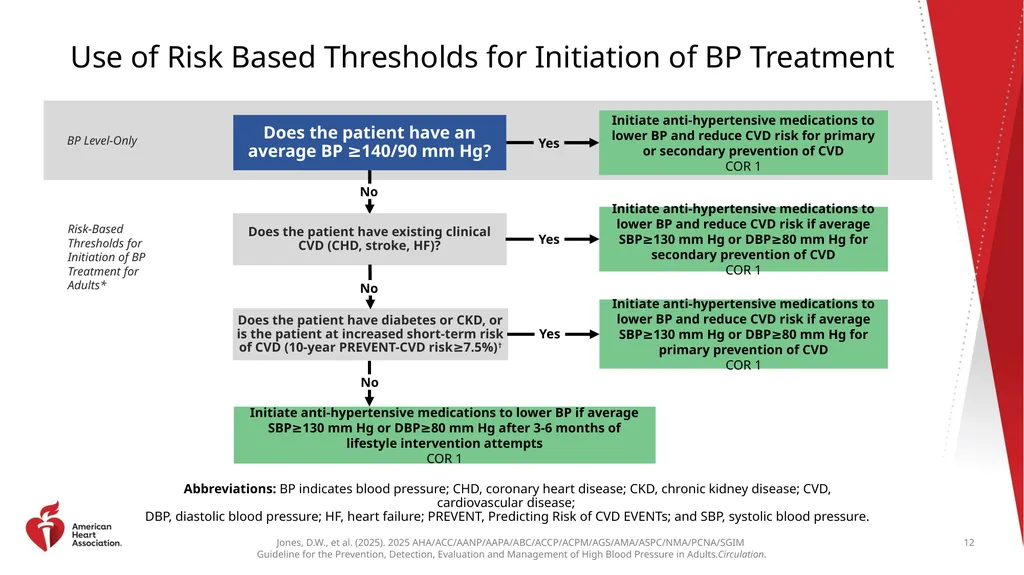
slide12. Use of Risk Based Thresholds for Initiation of BP Treatment Does the patient have an average BP ≥140/90 mm Hg? Does the patient have existing clinical CVD (CHD, stroke, HF)? Initiate anti-hypertensive medications to lower BP and reduce CVD risk for primary or secondary prevention of CVD
COR 1 Initiate anti-hypertensive medications to lower BP and reduce CVD risk if average SBP≥130 mm Hg or DBP≥80 mm Hg for secondary prevention of CVD
COR 1 Does the patient have diabetes or CKD, or is the patient at increased short-term risk of CVD (10-year PREVENT-CVD risk≥7.5%)† Initiate anti-hypertensive medications to lower BP and reduce CVD risk if average SBP≥130 mm Hg or DBP≥80 mm Hg for primary prevention of CVD
COR 1 Initiate anti-hypertensive medications to lower BP if average SBP≥130 mm Hg or DBP≥80 mm Hg after 3-6 months of lifestyle intervention attempts
COR 1 Yes No Yes No Yes No Risk-Based Thresholds for Initiation of BP Treatment for Adults* BP Level-Only Abbreviations: BP indicates blood pressure; CHD, coronary heart disease; CKD, chronic kidney disease; CVD, cardiovascular disease; DBP, diastolic blood pressure; HF, heart failure; PREVENT, Predicting Risk of CVD EVENTs; and SBP, systolic blood pressure. 12<br>
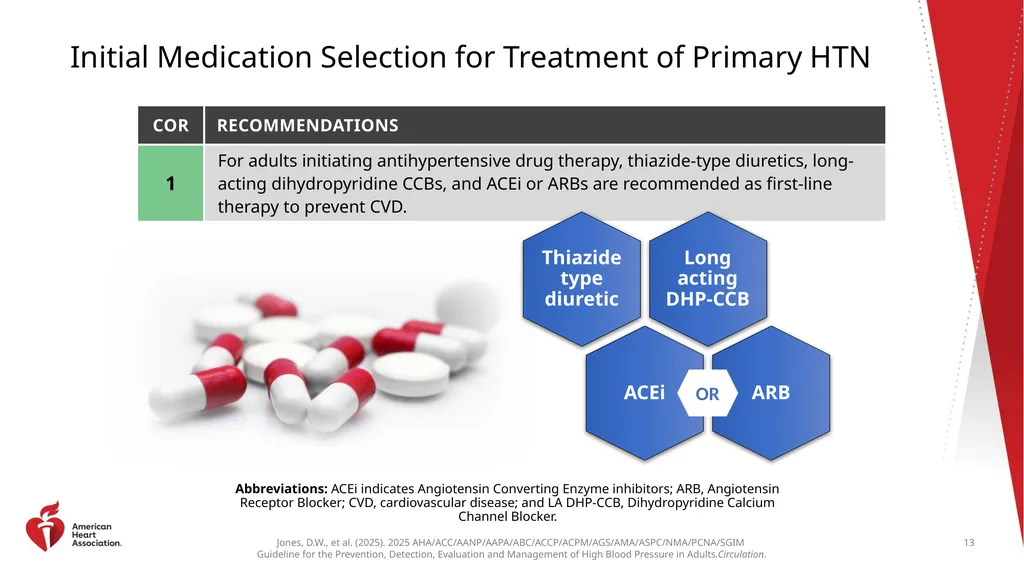
slide13. Initial Medication Selection for Treatment of Primary HTN Thiazide type diuretic Long acting DHP-CCB ACEi ARB Abbreviations: ACEi indicates Angiotensin Converting Enzyme inhibitors; ARB, Angiotensin Receptor Blocker; CVD, cardiovascular disease; and LA DHP-CCB, Dihydropyridine Calcium Channel Blocker. 13 OR<br>
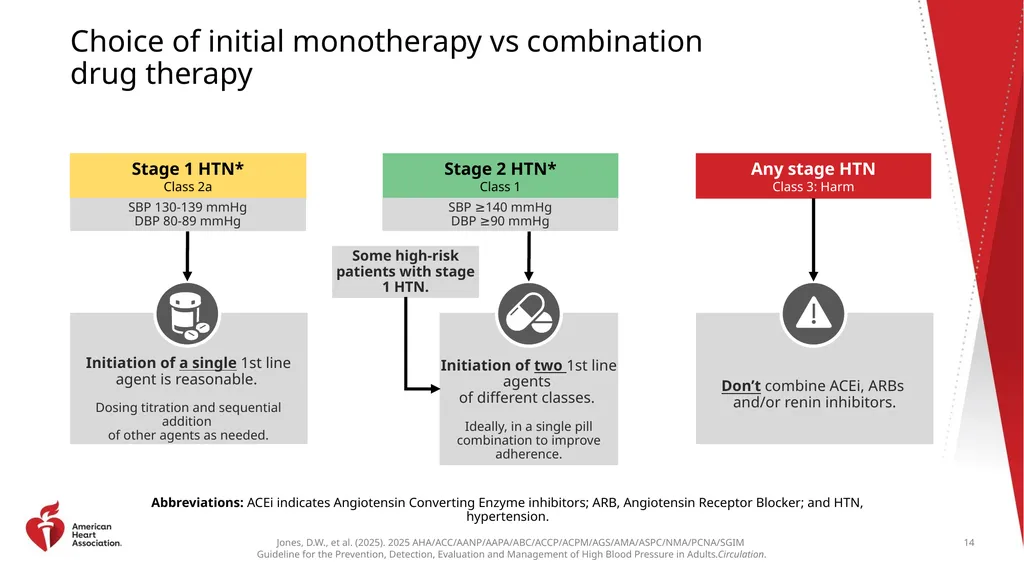
slide14. Choice of initial monotherapy vs combination drug therapy Stage 1 HTN* Class 2a Stage 2 HTN* Class 1 Any stage HTN Class 3: Harm SBP 130-139 mmHg
DBP 80-89 mmHg SBP ≥140 mmHg
DBP ≥90 mmHg Some high-risk patients with stage 1 HTN. Abbreviations: ACEi indicates Angiotensin Converting Enzyme inhibitors; ARB, Angiotensin Receptor Blocker; and HTN, hypertension. 14<br>
slide15. Other interventions
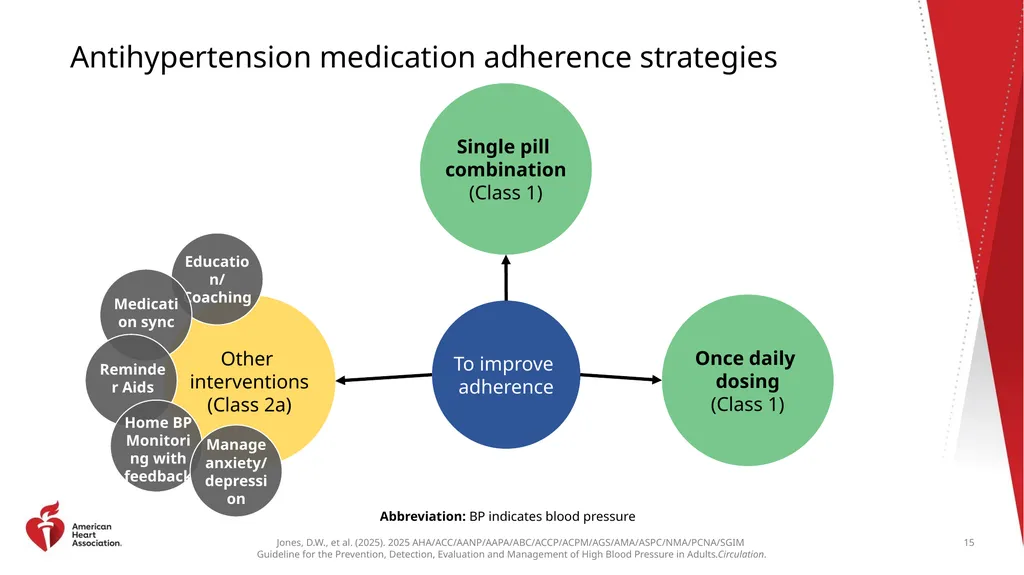
(Class 2a) Antihypertension medication adherence strategies Abbreviation: BP indicates blood pressure 15 Single pill combination
(Class 1) To improve adherence Once daily dosing
(Class 1)<br>
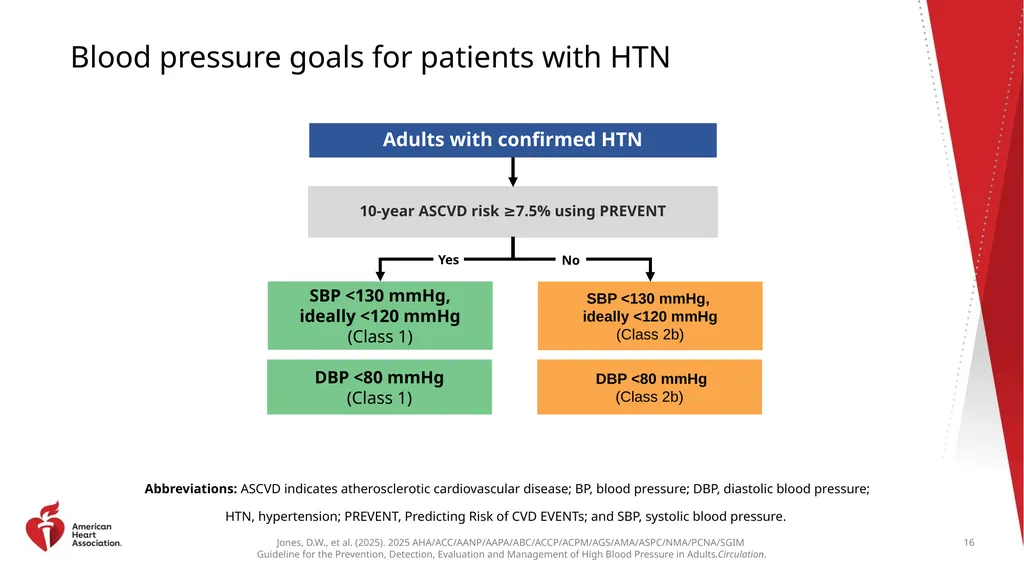
slide16. Blood pressure goals for patients with HTN Adults with confirmed HTN 10-year ASCVD risk ≥7.5% using PREVENT SBP <130 mmHg, ideally <120 mmHg
(Class 1) DBP <80 mmHg
(Class 1) SBP <130 mmHg, ideally <120 mmHg
(Class 2b) DBP <80 mmHg
(Class 2b) Yes No Abbreviations: ASCVD indicates atherosclerotic cardiovascular disease; BP, blood pressure; DBP, diastolic blood pressure; HTN, hypertension; PREVENT, Predicting Risk of CVD EVENTs; and SBP, systolic blood pressure. 16<br>
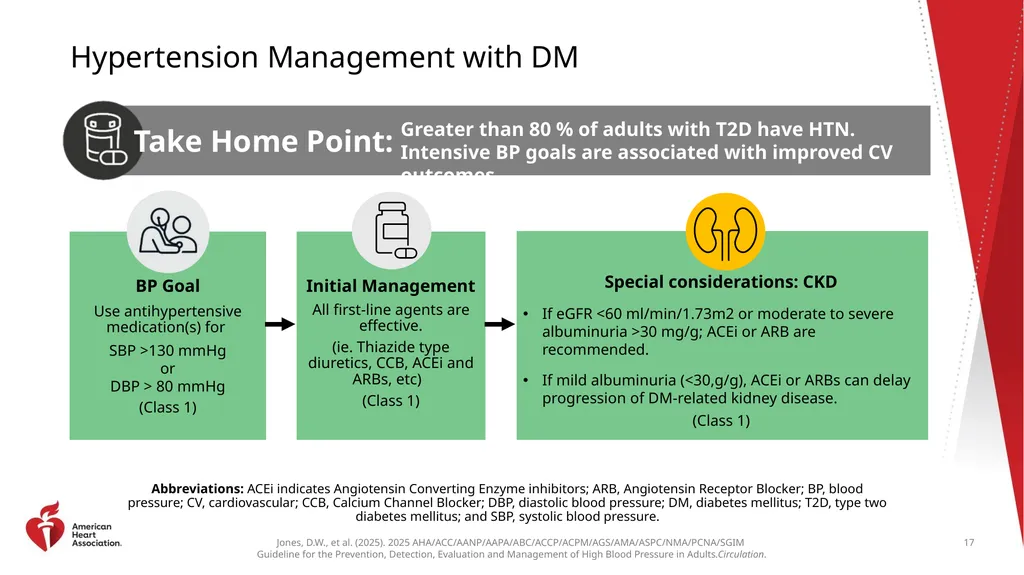
slide17. Hypertension Management with DM Take Home Point: Greater than 80 % of adults with T2D have HTN.
Intensive BP goals are associated with improved CV outcomes. BP Goal
Use antihypertensive medication(s) for
SBP >130 mmHg
or
DBP > 80 mmHg
(Class 1) Initial Management
All first-line agents are effective.
(ie. Thiazide type diuretics, CCB, ACEi and ARBs, etc)
(Class 1) Special considerations: CKD
If eGFR <60 ml/min/1.73m2 or moderate to severe albuminuria >30 mg/g; ACEi or ARB are recommended.
If mild albuminuria (<30,g/g), ACEi or ARBs can delay progression of DM-related kidney disease.
(Class 1) Abbreviations: ACEi indicates Angiotensin Converting Enzyme inhibitors; ARB, Angiotensin Receptor Blocker; BP, blood pressure; CV, cardiovascular; CCB, Calcium Channel Blocker; DBP, diastolic blood pressure; DM, diabetes mellitus; T2D, type two diabetes mellitus; and SBP, systolic blood pressure. 17<br>
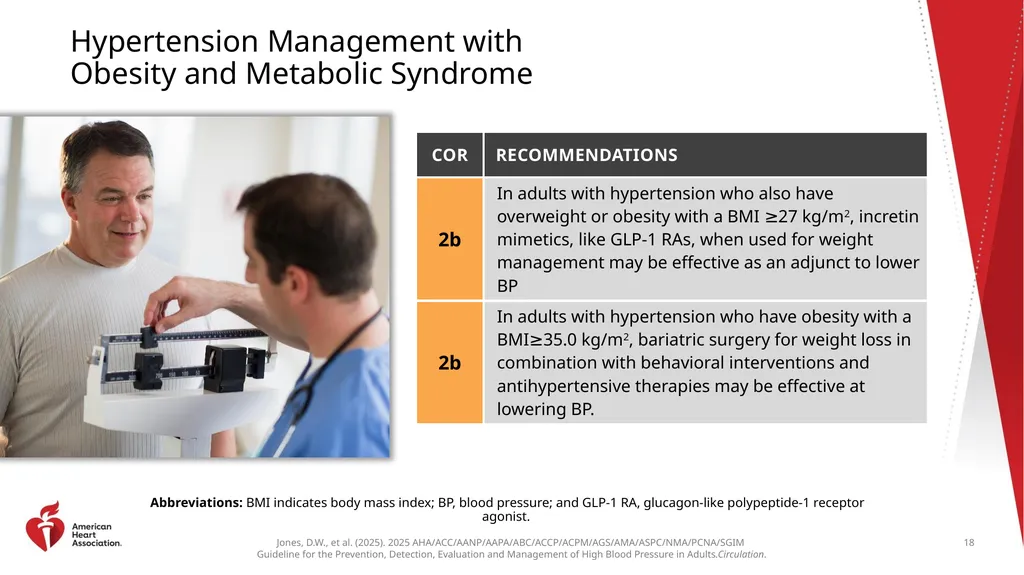
slide18. Hypertension Management with Obesity and Metabolic Syndrome Abbreviations: BMI indicates body mass index; BP, blood pressure; and GLP-1 RA, glucagon-like polypeptide-1 receptor agonist. 18<br>
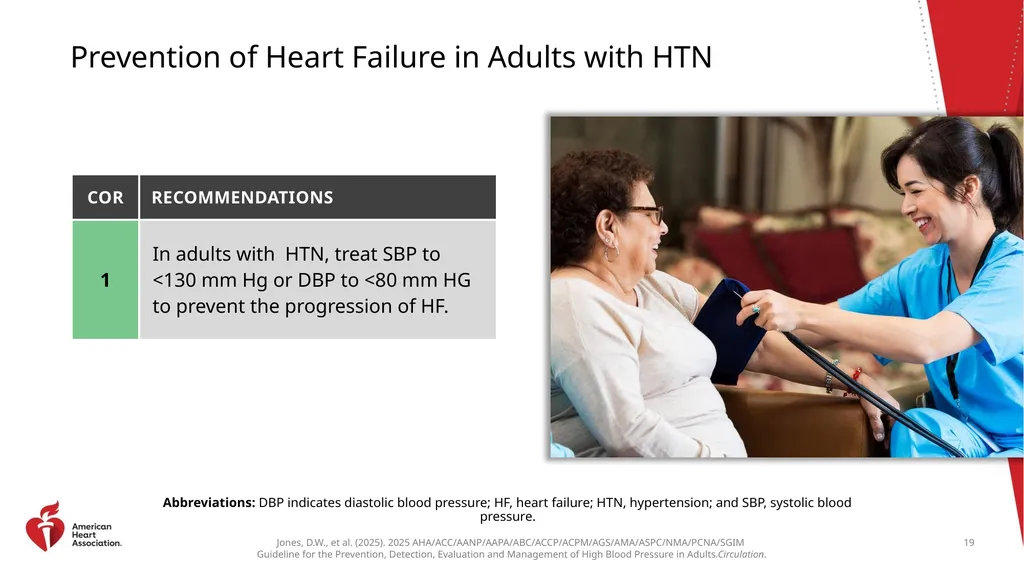
slide19. Prevention of Heart Failure in Adults with HTN Abbreviations: DBP indicates diastolic blood pressure; HF, heart failure; HTN, hypertension; and SBP, systolic blood pressure. 19<br>
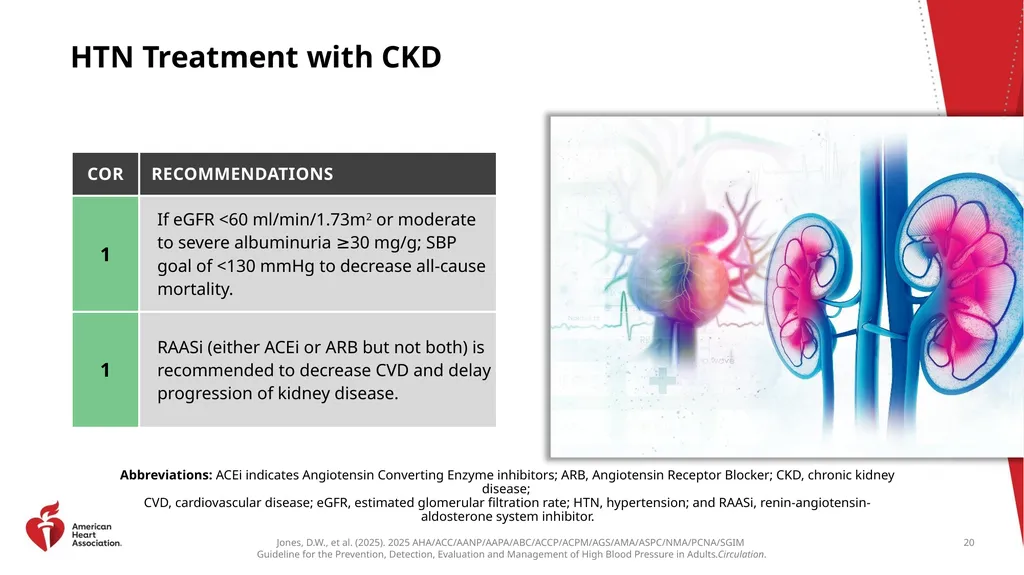
slide20. HTN Treatment with CKD Abbreviations: ACEi indicates Angiotensin Converting Enzyme inhibitors; ARB, Angiotensin Receptor Blocker; CKD, chronic kidney disease; CVD, cardiovascular disease; eGFR, estimated glomerular filtration rate; HTN, hypertension; and RAASi, renin-angiotensin-aldosterone system inhibitor. 20<br>
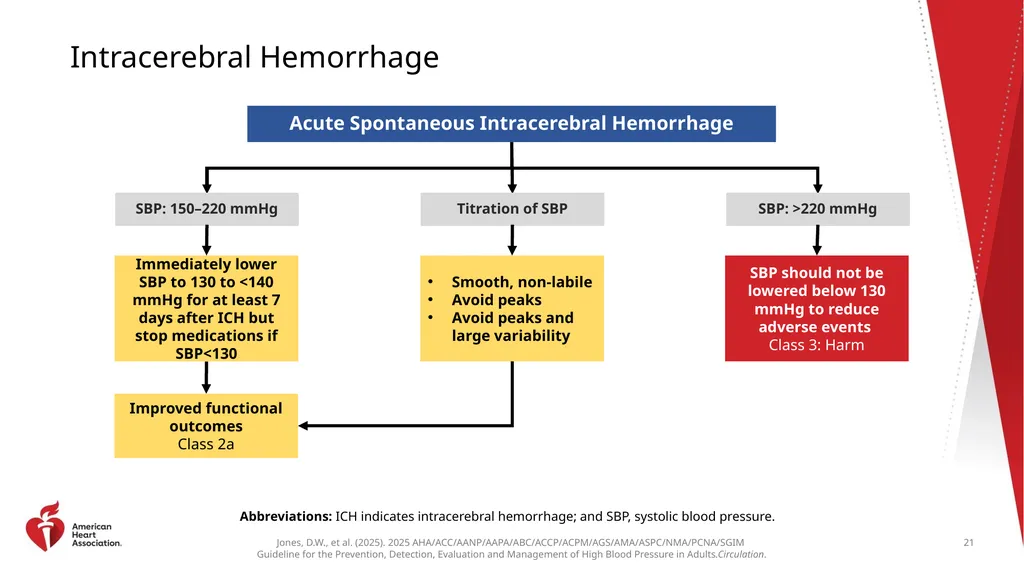
slide21. Intracerebral Hemorrhage Acute Spontaneous Intracerebral Hemorrhage SBP: 150–220 mmHg Titration of SBP SBP: >220 mmHg Immediately lower SBP to 130 to <140 mmHg for at least 7 days after ICH but stop medications if SBP<130 Improved functional outcomes
Class 2a Smooth, non-labile
Avoid peaks
Avoid peaks and large variability SBP should not be lowered below 130 mmHg to reduce adverse events
Class 3: Harm Abbreviations: ICH indicates intracerebral hemorrhage; and SBP, systolic blood pressure. 21<br>
slide22. Plan of Care for Adults with Uncontrolled HTN Abbreviation: BP indicates blood pressure; HBPM, home blood pressure monitoring; HTN, hypertension; and SDOH, social determinants of health. 22<br>
slide23. Plan of Care for Adults with Uncontrolled HTN Abbreviation: BP indicates blood pressure; and HTN, hypertension. 23<br>
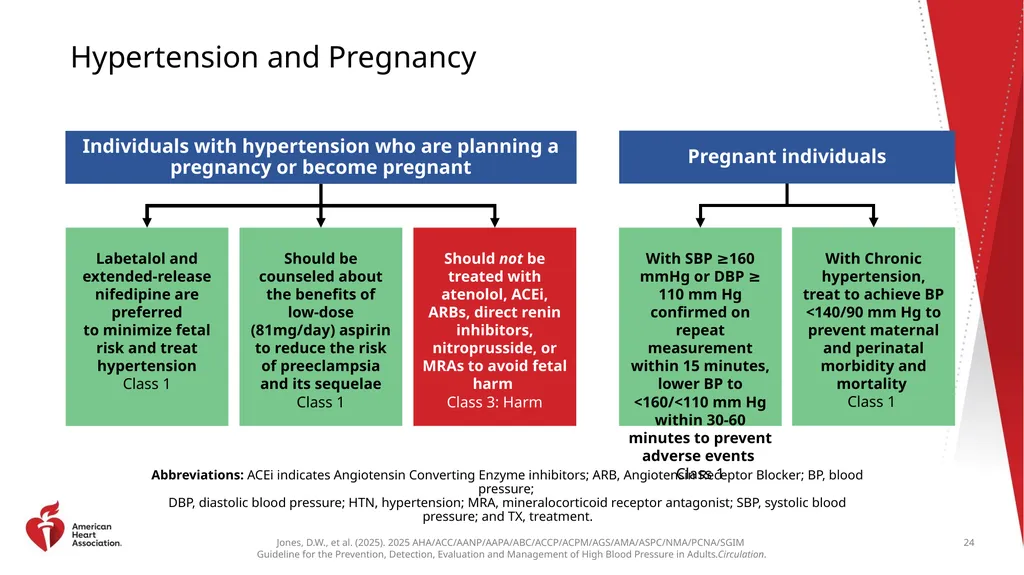
slide24. Hypertension and Pregnancy Individuals with hypertension who are planning a pregnancy or become pregnant Pregnant individuals Labetalol and extended-release nifedipine are preferred
to minimize fetal risk and treat hypertension
Class 1 Should be counseled about the benefits of low-dose (81mg/day) aspirin to reduce the risk of preeclampsia and its sequelae
Class 1 Should not be treated with atenolol, ACEi, ARBs, direct renin inhibitors, nitroprusside, or MRAs to avoid fetal harm
Class 3: Harm With SBP ≥160 mmHg or DBP ≥ 110 mm Hg confirmed on repeat measurement within 15 minutes, lower BP to <160/<110 mm Hg within 30-60 minutes to prevent adverse events
Class 1 With Chronic hypertension,
treat to achieve BP <140/90 mm Hg to prevent maternal and perinatal morbidity and mortality
Class 1 Abbreviations: ACEi indicates Angiotensin Converting Enzyme inhibitors; ARB, Angiotensin Receptor Blocker; BP, blood pressure; DBP, diastolic blood pressure; HTN, hypertension; MRA, mineralocorticoid receptor antagonist; SBP, systolic blood pressure; and TX, treatment. 24<br>
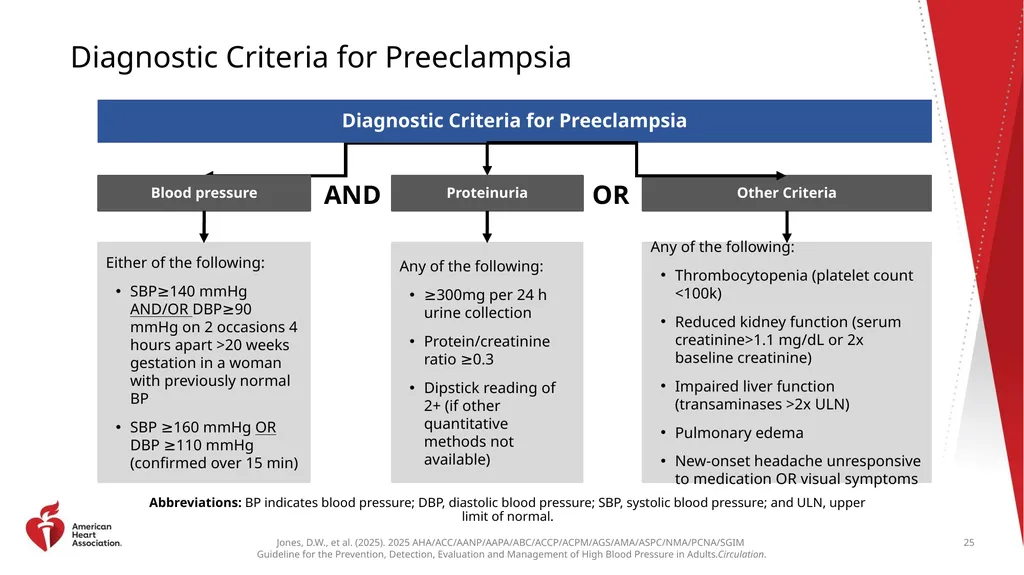
slide25. Diagnostic Criteria for Preeclampsia Diagnostic Criteria for Preeclampsia Blood pressure Either of the following:
SBP≥140 mmHg AND/OR DBP≥90 mmHg on 2 occasions 4 hours apart >20 weeks gestation in a woman with previously normal BP
SBP ≥160 mmHg OR DBP ≥110 mmHg (confirmed over 15 min) Proteinuria Any of the following:
≥300mg per 24 h urine collection
Protein/creatinine ratio ≥0.3
Dipstick reading of 2+ (if other quantitative methods not available) Other Criteria Any of the following:
Thrombocytopenia (platelet count <100k)
Reduced kidney function (serum creatinine>1.1 mg/dL or 2x baseline creatinine)
Impaired liver function (transaminases >2x ULN)
Pulmonary edema
New-onset headache unresponsive to medication OR visual symptoms AND OR Abbreviations: BP indicates blood pressure; DBP, diastolic blood pressure; SBP, systolic blood pressure; and ULN, upper limit of normal. 25<br>
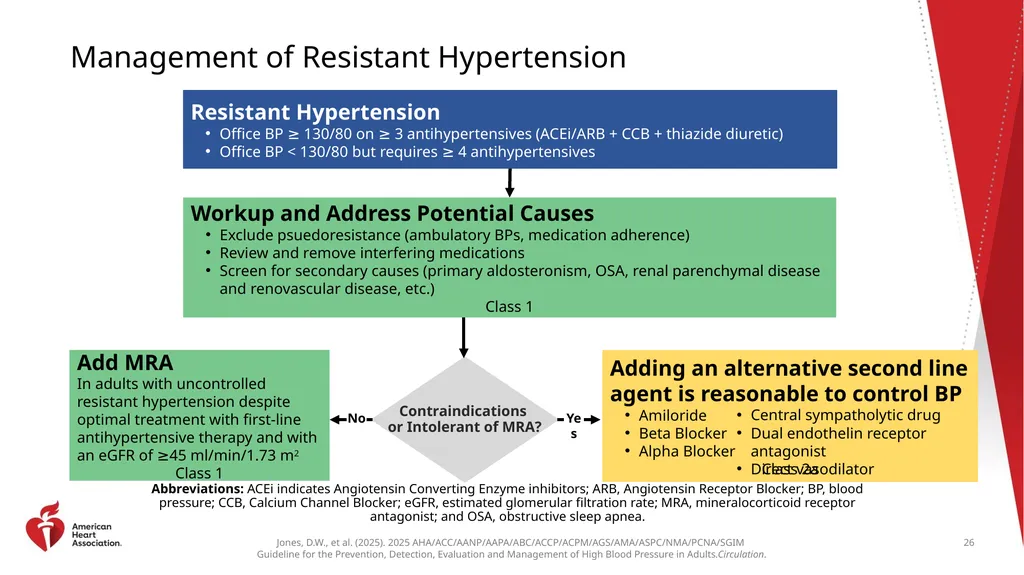
slide26. Management of Resistant Hypertension Resistant Hypertension
Office BP ≥ 130/80 on ≥ 3 antihypertensives (ACEi/ARB + CCB + thiazide diuretic)
Office BP < 130/80 but requires ≥ 4 antihypertensives Workup and Address Potential Causes
Exclude psuedoresistance (ambulatory BPs, medication adherence)
Review and remove interfering medications
Screen for secondary causes (primary aldosteronism, OSA, renal parenchymal disease and renovascular disease, etc.)
Class 1 Add MRA
In adults with uncontrolled resistant hypertension despite optimal treatment with first-line antihypertensive therapy and with an eGFR of ≥45 ml/min/1.73 m2
Class 1 Adding an alternative second line agent is reasonable to control BP
Amiloride
Beta Blocker
Alpha Blocker
Class 2a Contraindications or Intolerant of MRA? Central sympatholytic drug
Dual endothelin receptor antagonist
Direct vasodilator Yes No Abbreviations: ACEi indicates Angiotensin Converting Enzyme inhibitors; ARB, Angiotensin Receptor Blocker; BP, blood pressure; CCB, Calcium Channel Blocker; eGFR, estimated glomerular filtration rate; MRA, mineralocorticoid receptor antagonist; and OSA, obstructive sleep apnea. 26<br>
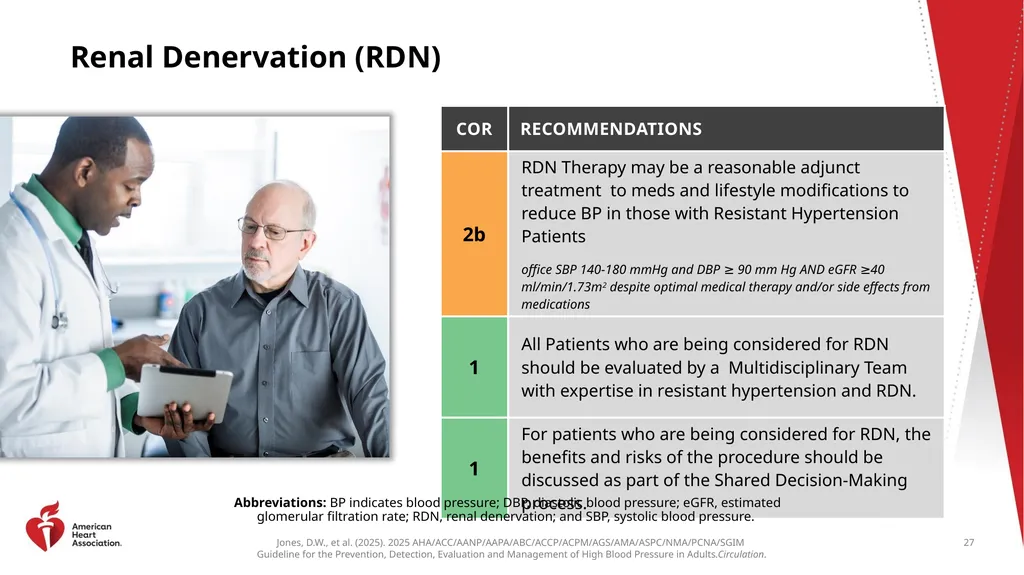
slide27. Renal Denervation (RDN) Abbreviations: BP indicates blood pressure; DBP, diastolic blood pressure; eGFR, estimated glomerular filtration rate; RDN, renal denervation; and SBP, systolic blood pressure. 27<br>
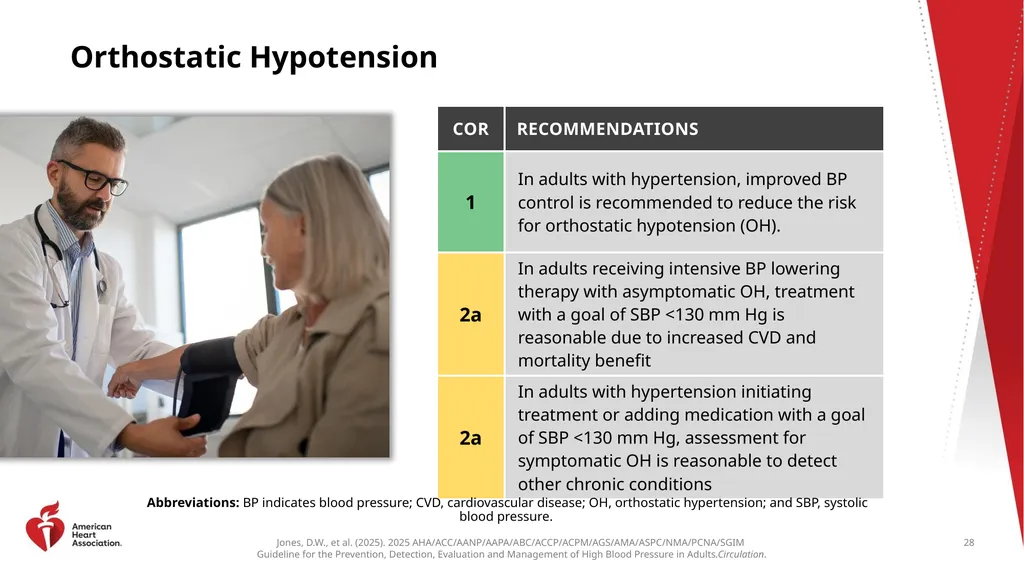
slide28. Orthostatic Hypotension Abbreviations: BP indicates blood pressure; CVD, cardiovascular disease; OH, orthostatic hypertension; and SBP, systolic blood pressure. 28<br>
slide29. Severe Hypertension and Hypertensive Emergencies Yes No Diagnosis and Treatment Acute target organ damage? SBP > 180 mmHg or DBP > 120 mmHg Admit to ICU (Class 1) Hypertensive emergency Aortic dissection Pheochromocytoma crisis? Reduce SBP <140 mmHg in the first hour and to <120 mmHg in aortic dissection (Class 1) Reduce SBP by 25% in the first hour and to <160/100-110 over the next 6 hours and to normal in the net 24-48 hours (Class 1) Severe hypertension Identified in ED Identified in OPT setting Evaluate inpatient vs OPT treatment depending on indications(s) other than BP alone (Class 1) No need to refer to ED. Reinstitute and intensify or modify medical therapy in the OPT setting (Class 1) Avoid parenteral BP lowering therapy or intensified oral therapy in the acute setting
(Class 3: HARM) Close follow-up in the OPT setting in 4 weeks Yes No Abbreviations: DBP indicates diastolic blood pressure; ED, emergency department; ICU, intensive care unit; OPT, outpatient; and SBP, systolic blood pressure. 29<br>
slide30. Patients Scheduled for Surgical Procedures Yes Patient with Hypertension Planned for Major Surgery In patients on chronic BB, continue BB throughout perioperative period
Class 1 SBP > 180 or DBP > 110 Consider delaying elective surgery to minimize perioperative complications
Class 2b Continue most antihypertensive medications throughout perioperative period Class 2a Abrupt Discontinuation of chronic BB therapy is not recommended
Class 3: Harm BB therapy should not be started on day of surgery in BB naïve patients
Class 3: Harm Abrupt Discontinuation of chronic clonidine therapy is not recommended
Class 3: Harm Preoperative discontinuation may reduce risk of perioperative hypotension
Class 2b No Beta Blockers Clonidine ACEi/ARB Abbreviations: ACEi indicates Angiotensin Converting Enzyme inhibitors; ARB, Angiotensin Receptor Blocker; BB, beta blocker; DBP, diastolic blood pressure; and SBP, systolic blood pressure. 30<br>
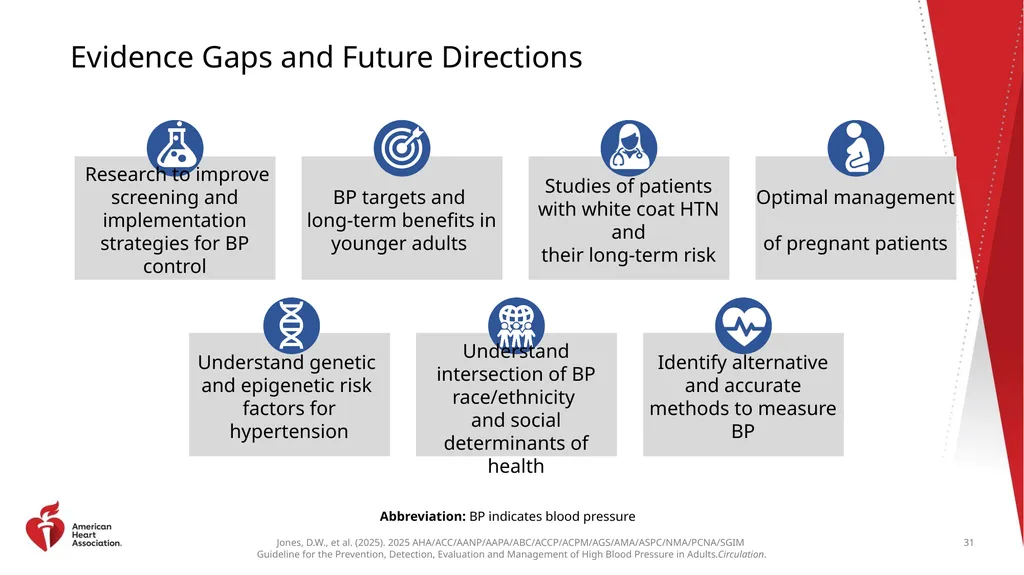
slide31. Evidence Gaps and Future Directions Research to improve screening and implementation strategies for BP control BP targets and long-term benefits in younger adults Studies of patients with white coat HTN and their long-term risk Optimal management of pregnant patients Understand genetic and epigenetic risk factors for hypertension Understand intersection of BP race/ethnicity and social determinants of health Identify alternative and accurate methods to measure BP Abbreviation: BP indicates blood pressure 31<br>
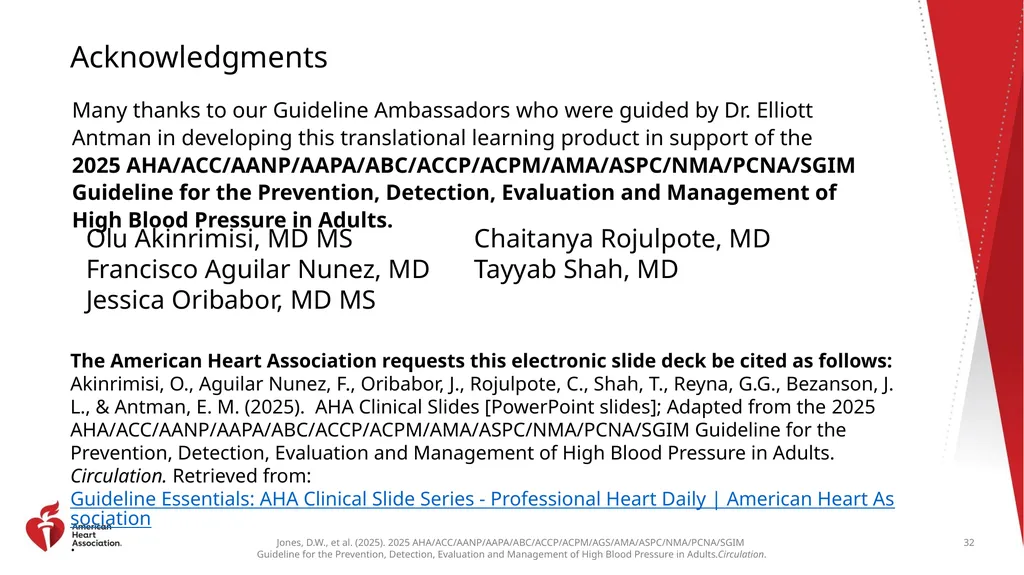
slide32. Acknowledgments Many thanks to our Guideline Ambassadors who were guided by Dr. Elliott Antman in developing this translational learning product in support of the 2025 AHA/ACC/AANP/AAPA/ABC/ACCP/ACPM/AMA/ASPC/NMA/PCNA/SGIM Guideline for the Prevention, Detection, Evaluation and Management of High Blood Pressure in Adults. Olu Akinrimisi, MD MS
Francisco Aguilar Nunez, MD
Jessica Oribabor, MD MS
Chaitanya Rojulpote, MD
Tayyab Shah, MD The American Heart Association requests this electronic slide deck be cited as follows:
Akinrimisi, O., Aguilar Nunez, F., Oribabor, J., Rojulpote, C., Shah, T., Reyna, G.G., Bezanson, J. L., & Antman, E. M. (2025). AHA Clinical Slides [PowerPoint slides]; Adapted from the 2025 AHA/ACC/AANP/AAPA/ABC/ACCP/ACPM/AMA/ASPC/NMA/PCNA/SGIM Guideline for the Prevention, Detection, Evaluation and Management of High Blood Pressure in Adults. Circulation. Retrieved from:
Guideline Essentials: AHA Clinical Slide Series - Professional Heart Daily | American Heart Association. 32<br>
slide33. Copyright and Permissions Notice © Copyright 2025. American Heart Association. All rights reserved.
This material is the copyrighted property of the American Heart Association and is provided for reference purposes only. It may not be copied, reproduced, stored in a retrieval system, transmitted, altered in any way or used as a derivative work, or distributed in any form or by any means—electronic, mechanical, photocopying, recording, or otherwise—without prior written permission from the publisher.
This content may be used for limited educational and personal use. Further distribution or dissemination requires a licensing agreement. Unauthorized use or distribution in any media is strictly prohibited.
For permissions inquiries and licensing fee information, please see the information/Request Form at this link:
https://www.heart.org/en/about-us/statements-and-policies/copyright-request-form<br>
AGS/AMA/ASPC/NMA/PCNA/SGIM
Guideline for the Prevention, Detection, Evaluation and Management of High Blood Pressure in Adults AHA Clinical Slides PPTX<br>
slide2. Table 1. Applying Class of Recommendation and Level of Evidence to Clinical Strategies, Interventions, Treatments, or Diagnostic Testing in Patient Care COR and LOE are determined independently (any COR may be paired with any LOE).
A recommendation with LOE C does not imply that the recommendation is weak. Many important clinical questions addressed in guidelines do not lend themselves to clinical trials. Although RCTs are unavailable, there may be a very clear clinical consensus that a particular test or therapy is useful or effective.
* The outcome or result of the intervention should be specified (an improved clinical outcome or increased diagnostic accuracy or incremental prognostic information).
† For comparative-effectiveness recommendation (COR 1 and 2a; LOE A and B only), studies that support the use of comparator verbs should involve direct comparisons of the treatments or strategies being evaluated.
‡ The method of assessing quality is evolving, including the application of standardized, widely-used, and preferably validated evidence grading tools; and for systematic reviews, the incorporation of an Evidence Review Committee.
COR indicates Class of Recommendation; EO, expert opinion; LD, limited data; LOE, Level of Evidence; NR, nonrandomized; R, randomized; and RCT, randomized controlled trial. Jones, D.W., et al. (2025). 2025 AHA/ACC/AANP/AAPA/ABC/ACCP/ACPM/AGS/AMA/ASPC/NMA/PCNA/SGIM Guideline for the Prevention, Detection, Evaluation and Management of High Blood Pressure in Adults.Circulation.<br>
slide3. Definition and Classification of Blood Pressure Abbreviations: BP indicates blood pressure; DBP, diastolic blood pressure; and SBP, systolic blood pressure. 3 Hypertension<br>
slide4. Best Practices for Accurate In-Office Blood Pressure Measurement Avoid caffeine, exercise, and smoking for at least 30 minutes before. Use a BP device that has been validated for accuracy (validatebp.org). Use the correct cuff size on a bare arm. The patient’s arm should be supported at heart level. Take 2 or more BP measurements at least 1-minute apart. Patient should be relaxed, sitting in a chair (feet flat, legs uncrossed, and back supported) for at least 5 minutes. BP measurement should be done in a temperature-controlled room. Neither patient nor clinician should talk during the rest or measurement. No use of phones. Abbreviation: BP indicates blood pressure. 4<br>
slide5. Essential Laboratory Tests and Diagnostic Procedures When hypertension is suspected or confirmed, laboratory and diagnostic procedures are a standard part of the evaluation.
This information will provide a baseline and will inform management decisions including the need for additional testing.
These tests should be repeated at least annually to monitor for potential adverse effects of therapies including kidney disease progression and changes in predicted CVD risk.
Additional diagnostic evaluation should be considered when secondary causes of hypertension are suspected. Routine Diagnostic Studies Complete blood count
Serum sodium, potassium, calcium
Serum creatinine with estimation of GFR
Lipid profile
Fasting blood glucose or Hemoglobin A1c
Thyroid-stimulating hormone
Urinalysis
Urine albumin to creatinine ratio; urine protein to creatinine ratio
Electrocardiogram Abbreviations: CVD indicates cardiovascular disease; ECG, electrocardiogram; and Hgb, hemoglobin. 5<br>
slide6. From Clinic to Home: Blood Pressure Monitoring Corresponding Ambulatory and Home Blood Values Measurement to Office Values Abbreviations: ABPM indicates ambulatory blood pressure monitoring; BP, blood pressure; and HBPM, home blood pressure monitoring. 6<br>
slide7. Hypertension Causes, from Lifestyle to Genetics Dietary Intake Factors Higher sodium intake
Lower potassium intake
Lower calcium/ magnesium intake
Lower diet quality (lower intake of fruits/ vegetables, plant proteins, fiber)
Alcohol intake Non-Dietary Factors Genetics variants
Overweight/obesity
Lower physical activity/fitness
Sleep disturbances (related to duration, quality, regularity and/or disordered breathing)
Psychosocial stressors
Air pollution 7<br>
slide8. White-coat and Masked Hypertension White-coat hypertension: BP is high in the office setting and normal or elevated outside of the office setting
Masked hypertension: BP is high outside of the office setting and normal or elevated in the office setting
ABPM is preferred for excluding white-coat and masked hypertension among individuals not taking antihypertensives.
Adults with in-office BP ≥160/100 mmHg should be promptly started on antihypertensives
Studies have shown that individuals with white-coat and masked hypertension compared to those with sustained normotension are more likely to have sustained hypertension on follow-up. Abbreviations: ABPM indicates ambulatory blood pressure monitoring; BP, blood pressure; DBP, diastolic blood pressure; and SBP, systolic blood pressure. 8<br>
slide9. White-coat and Masked Hypertension Abbreviations: ABPM indicates ambulatory blood pressure monitoring; BP, blood pressure; DBP, diastolic blood pressure; and SBP, systolic blood pressure. 9<br>
slide10. Drug-resistant/induced HTN
Abrupt onset of HTN
Onset of HTN at <30 y
Exacerbation of previously controlled HTN
Disproportionate target organ damage for degree of HTN
Accelerated/malignant HTN
Onset of diastolic HTN in older adults (ages ≥65 y)
Unprovoked or excessive hypokalemia
Insomnia or daytime sleepiness
Concomitant adrenal nodule
History of early-onset stroke
Family history of primary aldosteronism Secondary Forms of Hypertension Yes No Does the patient have any of the following conditions? Screen for primary aldosteronism and other secondary forms of HTN Screening not indicated Positive screening test? Refer to clinician with specific secondary HTN expertise Yes No Abbreviation: HTN indicates hypertension. 10<br>
slide11. Blood pressure management: Lifestyle and psychosocial approaches OVERWEIGHT OR OBESE WITH OR WITHOUT HTN WITH OR WITHOUT HTN WITH OR WITHOUT HTN Diet Weight Alcohol Exercise and Stress *Monitor potassium in those at risk for hyperkalemia 11 Abbreviations: BP indicates blook pressure; DASH, Dietary Approaches to Stop Hypertension diet Kg, kilograms; and HTN, hypertension.<br>
slide12. Use of Risk Based Thresholds for Initiation of BP Treatment Does the patient have an average BP ≥140/90 mm Hg? Does the patient have existing clinical CVD (CHD, stroke, HF)? Initiate anti-hypertensive medications to lower BP and reduce CVD risk for primary or secondary prevention of CVD
COR 1 Initiate anti-hypertensive medications to lower BP and reduce CVD risk if average SBP≥130 mm Hg or DBP≥80 mm Hg for secondary prevention of CVD
COR 1 Does the patient have diabetes or CKD, or is the patient at increased short-term risk of CVD (10-year PREVENT-CVD risk≥7.5%)† Initiate anti-hypertensive medications to lower BP and reduce CVD risk if average SBP≥130 mm Hg or DBP≥80 mm Hg for primary prevention of CVD
COR 1 Initiate anti-hypertensive medications to lower BP if average SBP≥130 mm Hg or DBP≥80 mm Hg after 3-6 months of lifestyle intervention attempts
COR 1 Yes No Yes No Yes No Risk-Based Thresholds for Initiation of BP Treatment for Adults* BP Level-Only Abbreviations: BP indicates blood pressure; CHD, coronary heart disease; CKD, chronic kidney disease; CVD, cardiovascular disease; DBP, diastolic blood pressure; HF, heart failure; PREVENT, Predicting Risk of CVD EVENTs; and SBP, systolic blood pressure. 12<br>
slide13. Initial Medication Selection for Treatment of Primary HTN Thiazide type diuretic Long acting DHP-CCB ACEi ARB Abbreviations: ACEi indicates Angiotensin Converting Enzyme inhibitors; ARB, Angiotensin Receptor Blocker; CVD, cardiovascular disease; and LA DHP-CCB, Dihydropyridine Calcium Channel Blocker. 13 OR<br>
slide14. Choice of initial monotherapy vs combination drug therapy Stage 1 HTN* Class 2a Stage 2 HTN* Class 1 Any stage HTN Class 3: Harm SBP 130-139 mmHg
DBP 80-89 mmHg SBP ≥140 mmHg
DBP ≥90 mmHg Some high-risk patients with stage 1 HTN. Abbreviations: ACEi indicates Angiotensin Converting Enzyme inhibitors; ARB, Angiotensin Receptor Blocker; and HTN, hypertension. 14<br>
slide15. Other interventions
(Class 2a) Antihypertension medication adherence strategies Abbreviation: BP indicates blood pressure 15 Single pill combination
(Class 1) To improve adherence Once daily dosing
(Class 1)<br>
slide16. Blood pressure goals for patients with HTN Adults with confirmed HTN 10-year ASCVD risk ≥7.5% using PREVENT SBP <130 mmHg, ideally <120 mmHg
(Class 1) DBP <80 mmHg
(Class 1) SBP <130 mmHg, ideally <120 mmHg
(Class 2b) DBP <80 mmHg
(Class 2b) Yes No Abbreviations: ASCVD indicates atherosclerotic cardiovascular disease; BP, blood pressure; DBP, diastolic blood pressure; HTN, hypertension; PREVENT, Predicting Risk of CVD EVENTs; and SBP, systolic blood pressure. 16<br>
slide17. Hypertension Management with DM Take Home Point: Greater than 80 % of adults with T2D have HTN.
Intensive BP goals are associated with improved CV outcomes. BP Goal
Use antihypertensive medication(s) for
SBP >130 mmHg
or
DBP > 80 mmHg
(Class 1) Initial Management
All first-line agents are effective.
(ie. Thiazide type diuretics, CCB, ACEi and ARBs, etc)
(Class 1) Special considerations: CKD
If eGFR <60 ml/min/1.73m2 or moderate to severe albuminuria >30 mg/g; ACEi or ARB are recommended.
If mild albuminuria (<30,g/g), ACEi or ARBs can delay progression of DM-related kidney disease.
(Class 1) Abbreviations: ACEi indicates Angiotensin Converting Enzyme inhibitors; ARB, Angiotensin Receptor Blocker; BP, blood pressure; CV, cardiovascular; CCB, Calcium Channel Blocker; DBP, diastolic blood pressure; DM, diabetes mellitus; T2D, type two diabetes mellitus; and SBP, systolic blood pressure. 17<br>
slide18. Hypertension Management with Obesity and Metabolic Syndrome Abbreviations: BMI indicates body mass index; BP, blood pressure; and GLP-1 RA, glucagon-like polypeptide-1 receptor agonist. 18<br>
slide19. Prevention of Heart Failure in Adults with HTN Abbreviations: DBP indicates diastolic blood pressure; HF, heart failure; HTN, hypertension; and SBP, systolic blood pressure. 19<br>
slide20. HTN Treatment with CKD Abbreviations: ACEi indicates Angiotensin Converting Enzyme inhibitors; ARB, Angiotensin Receptor Blocker; CKD, chronic kidney disease; CVD, cardiovascular disease; eGFR, estimated glomerular filtration rate; HTN, hypertension; and RAASi, renin-angiotensin-aldosterone system inhibitor. 20<br>
slide21. Intracerebral Hemorrhage Acute Spontaneous Intracerebral Hemorrhage SBP: 150–220 mmHg Titration of SBP SBP: >220 mmHg Immediately lower SBP to 130 to <140 mmHg for at least 7 days after ICH but stop medications if SBP<130 Improved functional outcomes
Class 2a Smooth, non-labile
Avoid peaks
Avoid peaks and large variability SBP should not be lowered below 130 mmHg to reduce adverse events
Class 3: Harm Abbreviations: ICH indicates intracerebral hemorrhage; and SBP, systolic blood pressure. 21<br>
slide22. Plan of Care for Adults with Uncontrolled HTN Abbreviation: BP indicates blood pressure; HBPM, home blood pressure monitoring; HTN, hypertension; and SDOH, social determinants of health. 22<br>
slide23. Plan of Care for Adults with Uncontrolled HTN Abbreviation: BP indicates blood pressure; and HTN, hypertension. 23<br>
slide24. Hypertension and Pregnancy Individuals with hypertension who are planning a pregnancy or become pregnant Pregnant individuals Labetalol and extended-release nifedipine are preferred
to minimize fetal risk and treat hypertension
Class 1 Should be counseled about the benefits of low-dose (81mg/day) aspirin to reduce the risk of preeclampsia and its sequelae
Class 1 Should not be treated with atenolol, ACEi, ARBs, direct renin inhibitors, nitroprusside, or MRAs to avoid fetal harm
Class 3: Harm With SBP ≥160 mmHg or DBP ≥ 110 mm Hg confirmed on repeat measurement within 15 minutes, lower BP to <160/<110 mm Hg within 30-60 minutes to prevent adverse events
Class 1 With Chronic hypertension,
treat to achieve BP <140/90 mm Hg to prevent maternal and perinatal morbidity and mortality
Class 1 Abbreviations: ACEi indicates Angiotensin Converting Enzyme inhibitors; ARB, Angiotensin Receptor Blocker; BP, blood pressure; DBP, diastolic blood pressure; HTN, hypertension; MRA, mineralocorticoid receptor antagonist; SBP, systolic blood pressure; and TX, treatment. 24<br>
slide25. Diagnostic Criteria for Preeclampsia Diagnostic Criteria for Preeclampsia Blood pressure Either of the following:
SBP≥140 mmHg AND/OR DBP≥90 mmHg on 2 occasions 4 hours apart >20 weeks gestation in a woman with previously normal BP
SBP ≥160 mmHg OR DBP ≥110 mmHg (confirmed over 15 min) Proteinuria Any of the following:
≥300mg per 24 h urine collection
Protein/creatinine ratio ≥0.3
Dipstick reading of 2+ (if other quantitative methods not available) Other Criteria Any of the following:
Thrombocytopenia (platelet count <100k)
Reduced kidney function (serum creatinine>1.1 mg/dL or 2x baseline creatinine)
Impaired liver function (transaminases >2x ULN)
Pulmonary edema
New-onset headache unresponsive to medication OR visual symptoms AND OR Abbreviations: BP indicates blood pressure; DBP, diastolic blood pressure; SBP, systolic blood pressure; and ULN, upper limit of normal. 25<br>
slide26. Management of Resistant Hypertension Resistant Hypertension
Office BP ≥ 130/80 on ≥ 3 antihypertensives (ACEi/ARB + CCB + thiazide diuretic)
Office BP < 130/80 but requires ≥ 4 antihypertensives Workup and Address Potential Causes
Exclude psuedoresistance (ambulatory BPs, medication adherence)
Review and remove interfering medications
Screen for secondary causes (primary aldosteronism, OSA, renal parenchymal disease and renovascular disease, etc.)
Class 1 Add MRA
In adults with uncontrolled resistant hypertension despite optimal treatment with first-line antihypertensive therapy and with an eGFR of ≥45 ml/min/1.73 m2
Class 1 Adding an alternative second line agent is reasonable to control BP
Amiloride
Beta Blocker
Alpha Blocker
Class 2a Contraindications or Intolerant of MRA? Central sympatholytic drug
Dual endothelin receptor antagonist
Direct vasodilator Yes No Abbreviations: ACEi indicates Angiotensin Converting Enzyme inhibitors; ARB, Angiotensin Receptor Blocker; BP, blood pressure; CCB, Calcium Channel Blocker; eGFR, estimated glomerular filtration rate; MRA, mineralocorticoid receptor antagonist; and OSA, obstructive sleep apnea. 26<br>
slide27. Renal Denervation (RDN) Abbreviations: BP indicates blood pressure; DBP, diastolic blood pressure; eGFR, estimated glomerular filtration rate; RDN, renal denervation; and SBP, systolic blood pressure. 27<br>
slide28. Orthostatic Hypotension Abbreviations: BP indicates blood pressure; CVD, cardiovascular disease; OH, orthostatic hypertension; and SBP, systolic blood pressure. 28<br>
slide29. Severe Hypertension and Hypertensive Emergencies Yes No Diagnosis and Treatment Acute target organ damage? SBP > 180 mmHg or DBP > 120 mmHg Admit to ICU (Class 1) Hypertensive emergency Aortic dissection Pheochromocytoma crisis? Reduce SBP <140 mmHg in the first hour and to <120 mmHg in aortic dissection (Class 1) Reduce SBP by 25% in the first hour and to <160/100-110 over the next 6 hours and to normal in the net 24-48 hours (Class 1) Severe hypertension Identified in ED Identified in OPT setting Evaluate inpatient vs OPT treatment depending on indications(s) other than BP alone (Class 1) No need to refer to ED. Reinstitute and intensify or modify medical therapy in the OPT setting (Class 1) Avoid parenteral BP lowering therapy or intensified oral therapy in the acute setting
(Class 3: HARM) Close follow-up in the OPT setting in 4 weeks Yes No Abbreviations: DBP indicates diastolic blood pressure; ED, emergency department; ICU, intensive care unit; OPT, outpatient; and SBP, systolic blood pressure. 29<br>
slide30. Patients Scheduled for Surgical Procedures Yes Patient with Hypertension Planned for Major Surgery In patients on chronic BB, continue BB throughout perioperative period
Class 1 SBP > 180 or DBP > 110 Consider delaying elective surgery to minimize perioperative complications
Class 2b Continue most antihypertensive medications throughout perioperative period Class 2a Abrupt Discontinuation of chronic BB therapy is not recommended
Class 3: Harm BB therapy should not be started on day of surgery in BB naïve patients
Class 3: Harm Abrupt Discontinuation of chronic clonidine therapy is not recommended
Class 3: Harm Preoperative discontinuation may reduce risk of perioperative hypotension
Class 2b No Beta Blockers Clonidine ACEi/ARB Abbreviations: ACEi indicates Angiotensin Converting Enzyme inhibitors; ARB, Angiotensin Receptor Blocker; BB, beta blocker; DBP, diastolic blood pressure; and SBP, systolic blood pressure. 30<br>
slide31. Evidence Gaps and Future Directions Research to improve screening and implementation strategies for BP control BP targets and long-term benefits in younger adults Studies of patients with white coat HTN and their long-term risk Optimal management of pregnant patients Understand genetic and epigenetic risk factors for hypertension Understand intersection of BP race/ethnicity and social determinants of health Identify alternative and accurate methods to measure BP Abbreviation: BP indicates blood pressure 31<br>
slide32. Acknowledgments Many thanks to our Guideline Ambassadors who were guided by Dr. Elliott Antman in developing this translational learning product in support of the 2025 AHA/ACC/AANP/AAPA/ABC/ACCP/ACPM/AMA/ASPC/NMA/PCNA/SGIM Guideline for the Prevention, Detection, Evaluation and Management of High Blood Pressure in Adults. Olu Akinrimisi, MD MS
Francisco Aguilar Nunez, MD
Jessica Oribabor, MD MS
Chaitanya Rojulpote, MD
Tayyab Shah, MD The American Heart Association requests this electronic slide deck be cited as follows:
Akinrimisi, O., Aguilar Nunez, F., Oribabor, J., Rojulpote, C., Shah, T., Reyna, G.G., Bezanson, J. L., & Antman, E. M. (2025). AHA Clinical Slides [PowerPoint slides]; Adapted from the 2025 AHA/ACC/AANP/AAPA/ABC/ACCP/ACPM/AMA/ASPC/NMA/PCNA/SGIM Guideline for the Prevention, Detection, Evaluation and Management of High Blood Pressure in Adults. Circulation. Retrieved from:
Guideline Essentials: AHA Clinical Slide Series - Professional Heart Daily | American Heart Association. 32<br>
slide33. Copyright and Permissions Notice © Copyright 2025. American Heart Association. All rights reserved.
This material is the copyrighted property of the American Heart Association and is provided for reference purposes only. It may not be copied, reproduced, stored in a retrieval system, transmitted, altered in any way or used as a derivative work, or distributed in any form or by any means—electronic, mechanical, photocopying, recording, or otherwise—without prior written permission from the publisher.
This content may be used for limited educational and personal use. Further distribution or dissemination requires a licensing agreement. Unauthorized use or distribution in any media is strictly prohibited.
For permissions inquiries and licensing fee information, please see the information/Request Form at this link:
https://www.heart.org/en/about-us/statements-and-policies/copyright-request-form<br>