High Value Diagnostic Testing and Screening 2018 Presentation 3 of 6 Review the concepts of sensitivity, specificity, and predictive value and their application to high value care decision-making Practice applying these concepts to support
"High Value Diagnostic Testing and Screening 2018•" is the property of its rightful owner. Permission is granted to
download and print the materials on this website for personal, non-commercial use only, and to display it
on your personal computer provided you do not modify the materials and that you retain all copyright
notices contained in the materials. By downloading content from our website, you accept the terms of this
agreement.
Presentation Transcript
01
High Value Diagnostic Testing and Screening 2018• Presentation 3 of 6<br>
02
Review the concepts of sensitivity, specificity, and predictive value and their application to high value care decision-making
Practice applying these concepts to support high value care decisions when considering diagnostic and screening tests
Explore the benefits and harms (including costs) of routine screening
Develop an approach to customize screening recommendations to an individual patient and his/her unique risk factors, values, and concerns Learning Objectives<br>
03
You are in charge of your hospital’s rapid response team. You are working with the IT team to develop a tool to identify patients with sepsis, who are at high risk for decompensation and transfer to the ICU
The IT team asks if you are looking for a sensitive or a specific predictive tool
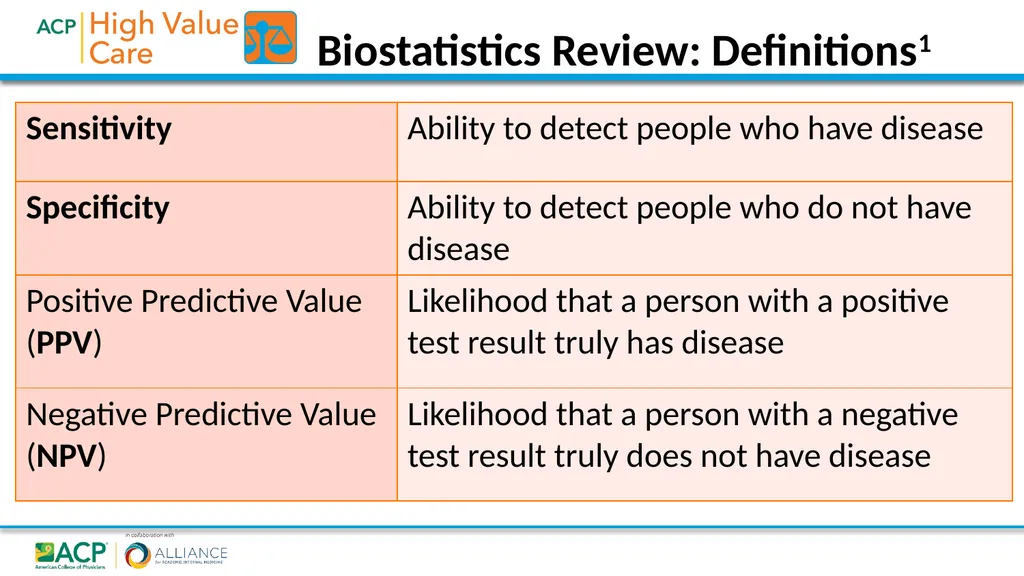
With your small group, define the following terms and decide which features you value for your sepsis tool:
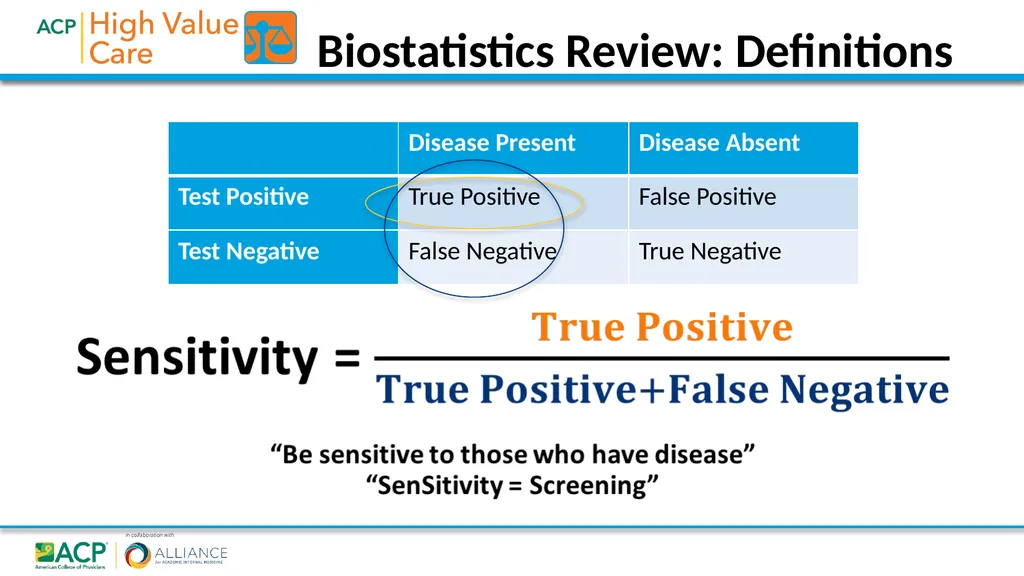
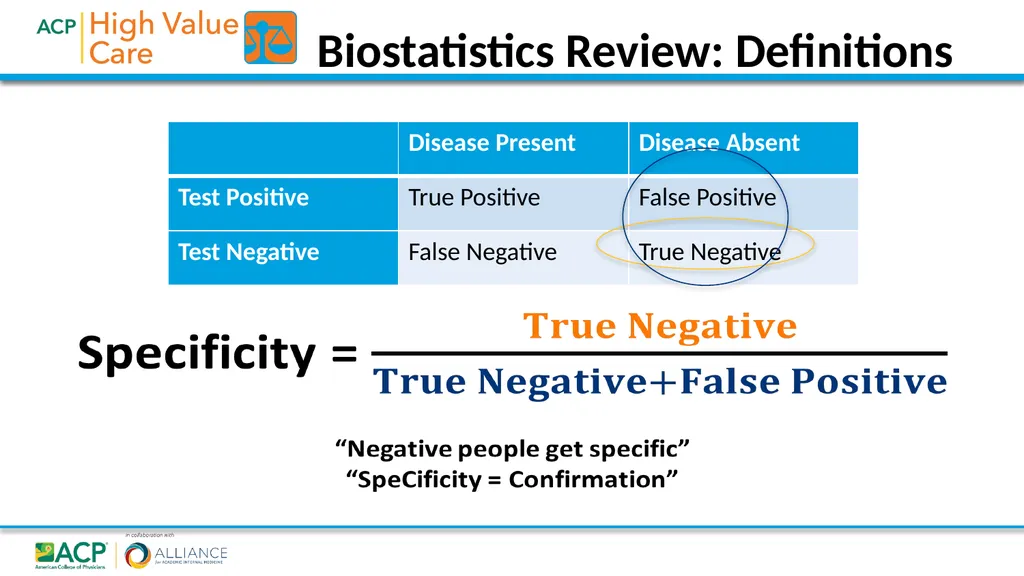
Sensitivity, specificity
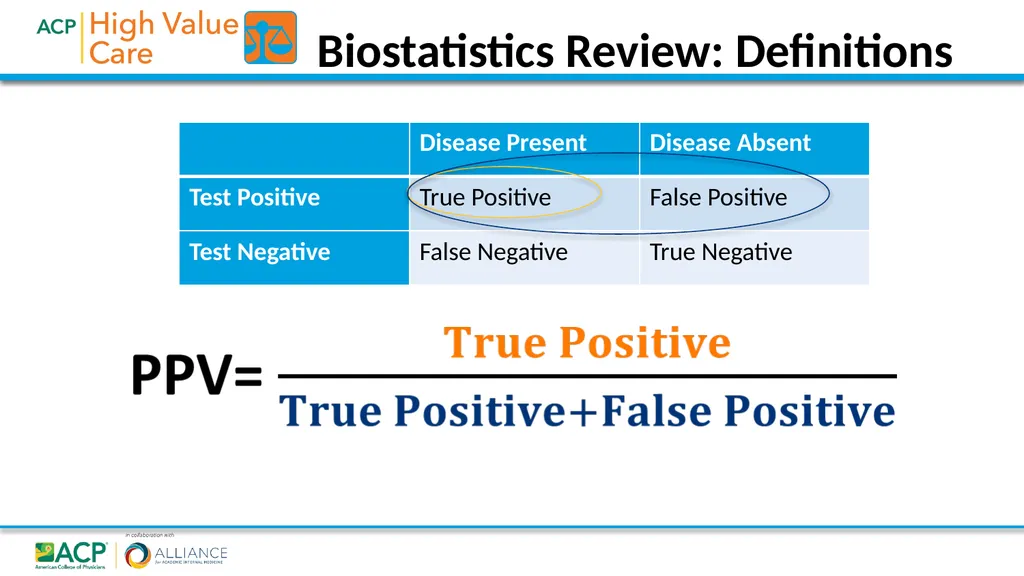
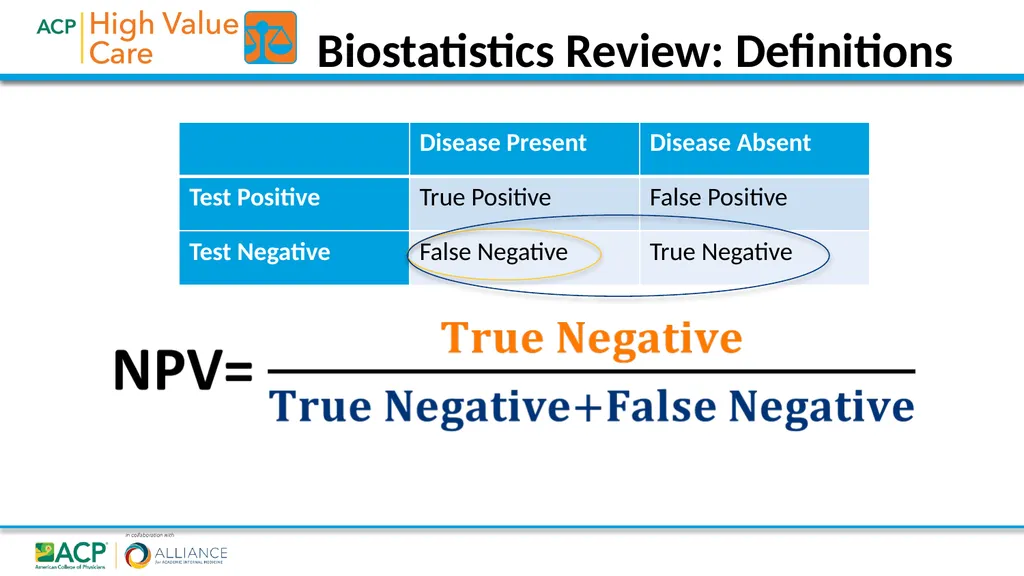
Positive predictive value, negative predictive value Case: Biostatistics Review<br>
04
Biostatistics Review: Definitions1<br>
05
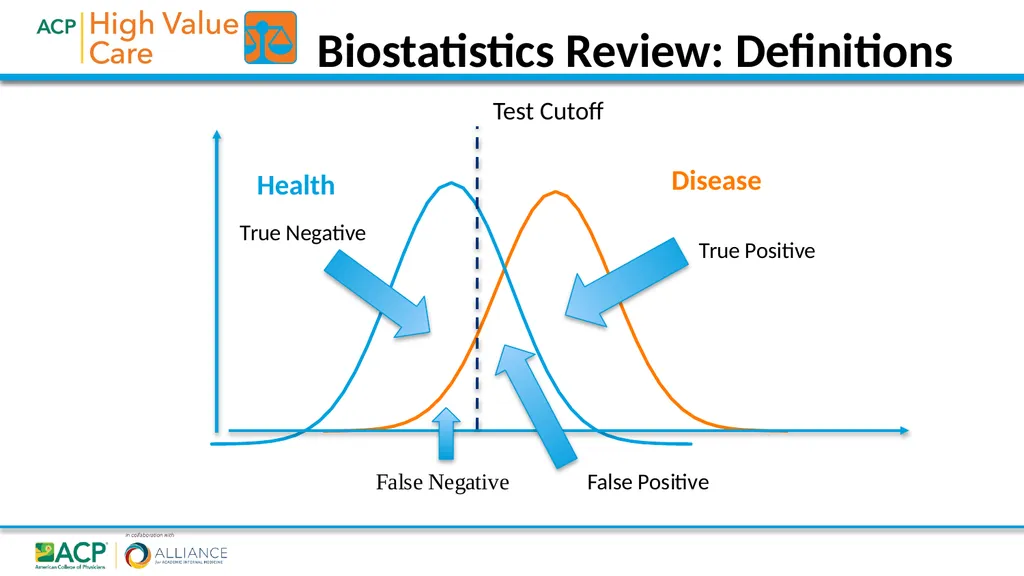
Biostatistics Review: Definitions Health Disease Test Cutoff<br>
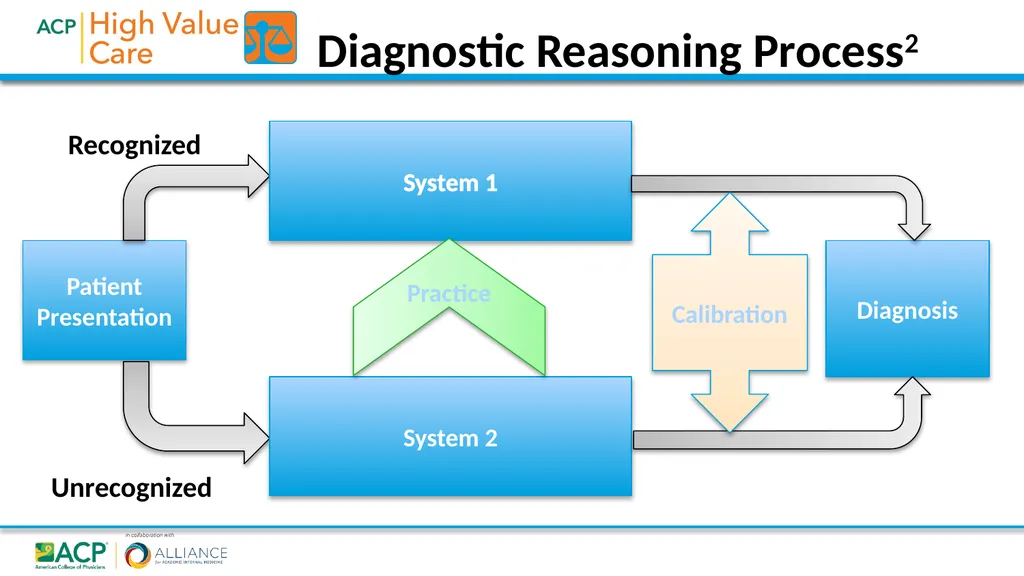
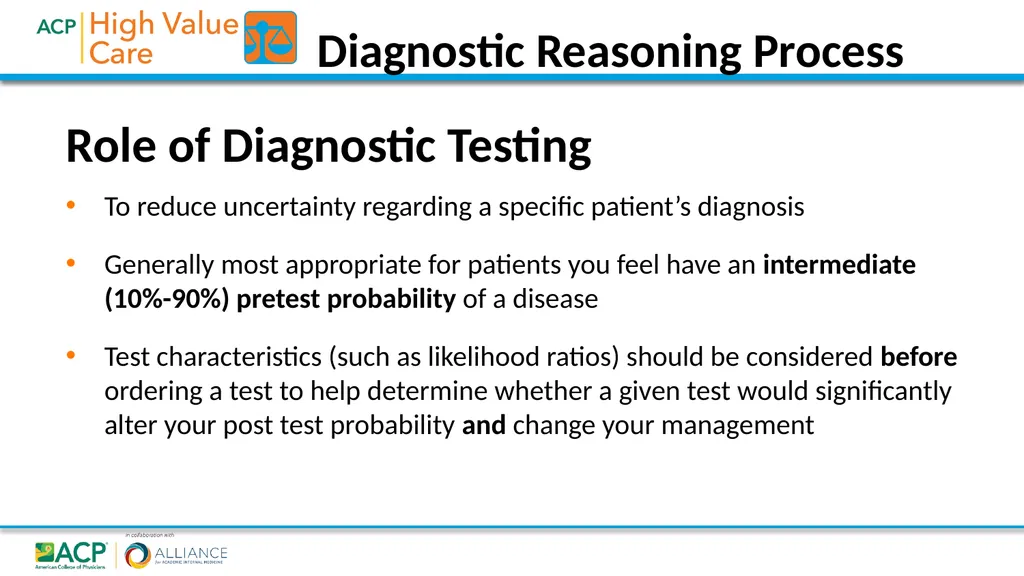
Role of Diagnostic Testing
To reduce uncertainty regarding a specific patient’s diagnosis
Generally most appropriate for patients you feel have an intermediate (10%-90%) pretest probability of a disease
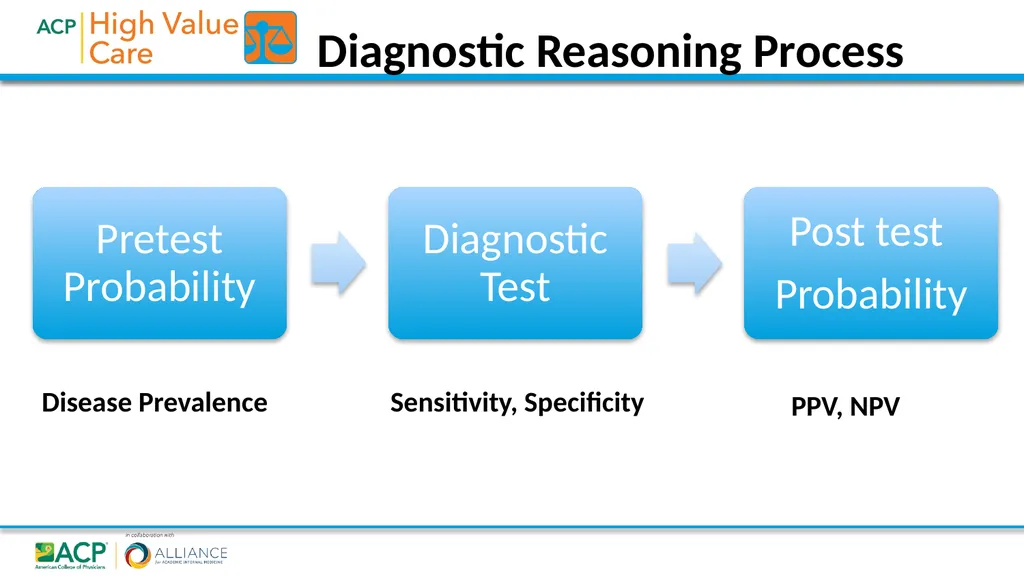
Test characteristics (such as likelihood ratios) should be considered before ordering a test to help determine whether a given test would significantly alter your post test probability and change your management Diagnostic Reasoning Process<br>
13
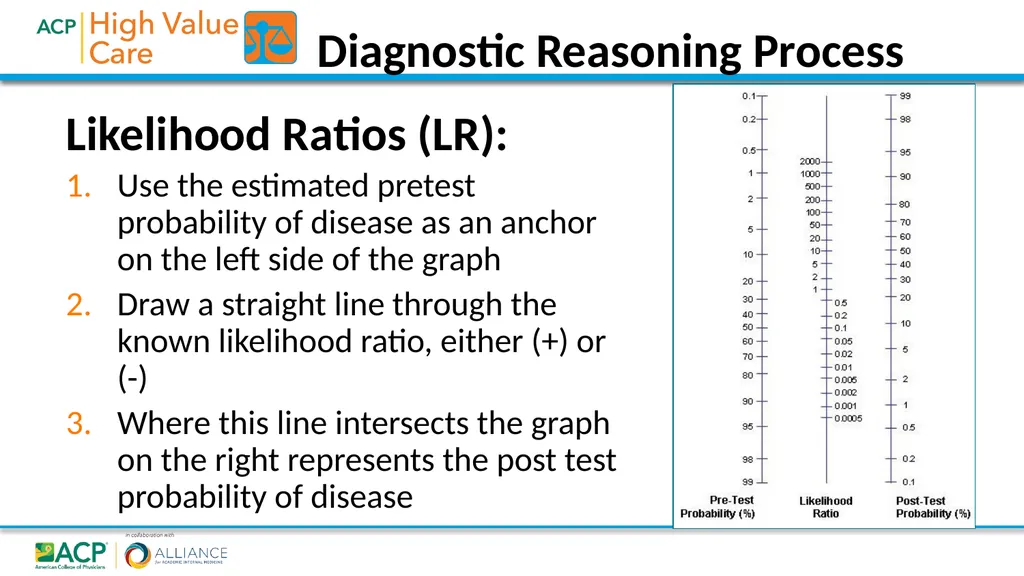
Likelihood Ratios (LR):
Use the estimated pretest probability of disease as an anchor on the left side of the graph
Draw a straight line through the known likelihood ratio, either (+) or (-)
Where this line intersects the graph on the right represents the post test probability of disease Diagnostic Reasoning Process<br>
14
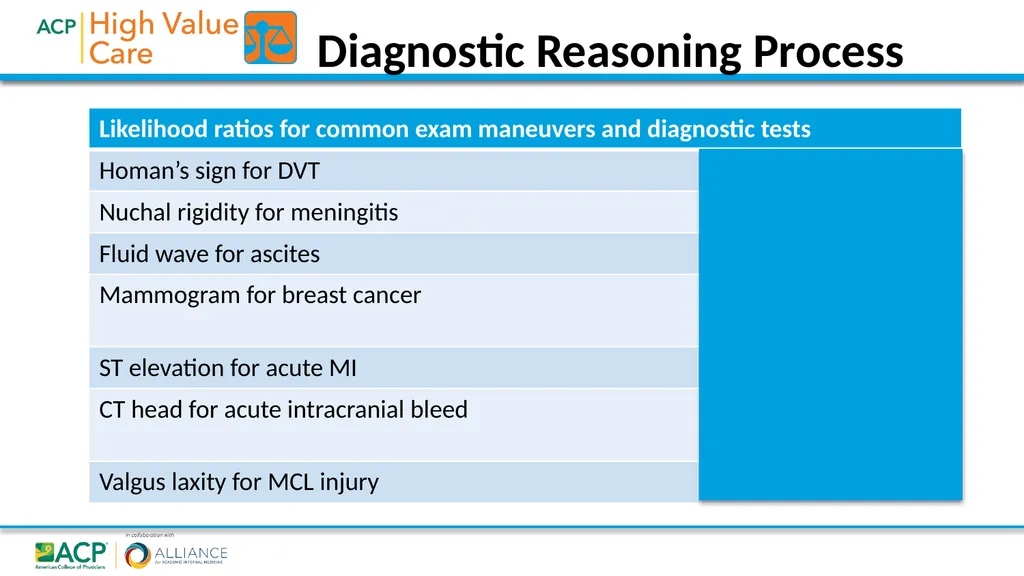
Diagnostic Reasoning Process<br>
15
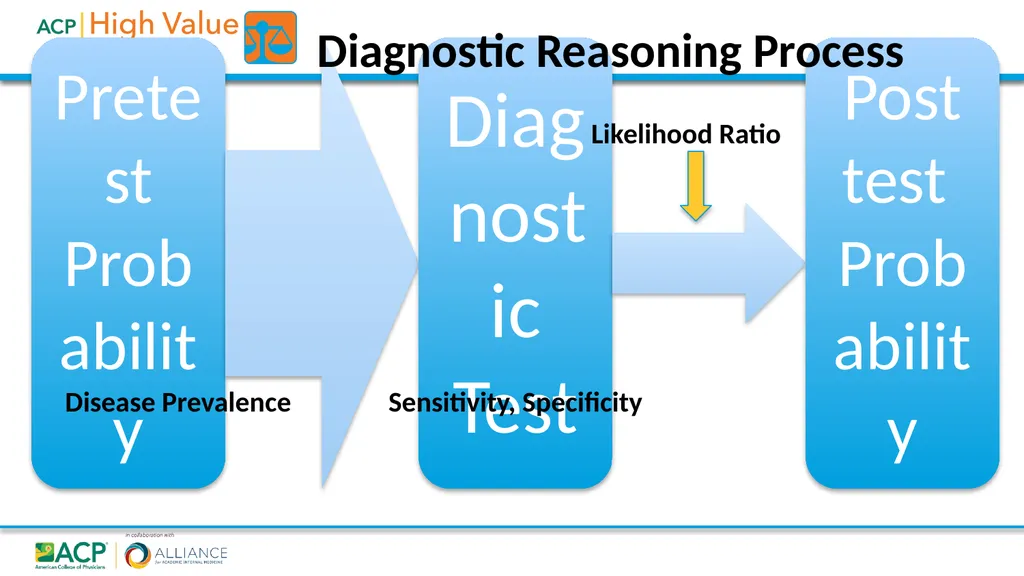
Diagnostic Reasoning Process Disease Prevalence Sensitivity, Specificity Likelihood Ratio<br>
16
Break into 3 small groups
Each group will work through a different case of a patient with possible heart failure exacerbation
Focus on the diagnostic process:
Estimate the pretest probability of disease in your patient
Evaluate how BNP would influence your post test probability of disease and assess whether this would be helpful in your patient
All three groups must answer the question: Is a BNP a high value test for your patient? Why or why not? Case: Diagnostic Reasoning<br>
17
Role of Screening Tests:
To detect asymptomatic and early-stage disease
Should be highly sensitive and highly specific to pick up most cases of true disease and avoid false positives
Targeted toward populations with a higher disease prevalence (high positive predictive value)
Should be relatively safe and cost-effective
Should screen for diseases in which early identification and treatment have been demonstrated to improve clinical outcomes High Value Screening<br>
18
Small Group Activity:
Discuss the potential harms associated with screening tests
Share a story about a patient you believe was harmed from screening High Value Screening: Harms<br>
19
False positive results
Because primary goal of screening = find disease maximize sensitivity at cost of specificity false positives
Can lead to incorrect labeling, inconvenience, expense, and physical harm in follow-up tests High Value Screening: Harms<br>
20
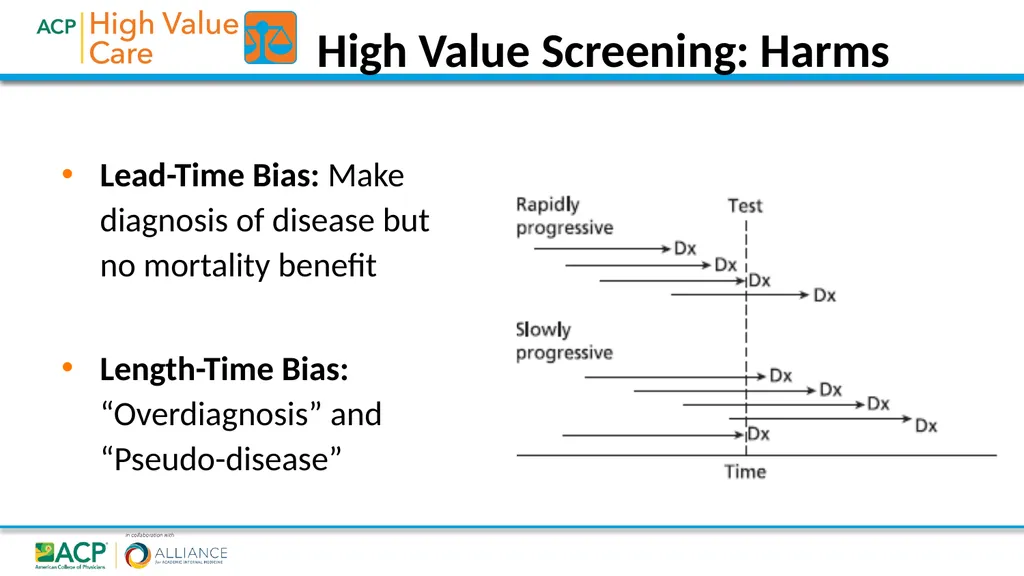
Lead-Time Bias: Make diagnosis of disease but no mortality benefit
Length-Time Bias: “Overdiagnosis” and “Pseudo-disease” High Value Screening: Harms<br>
21
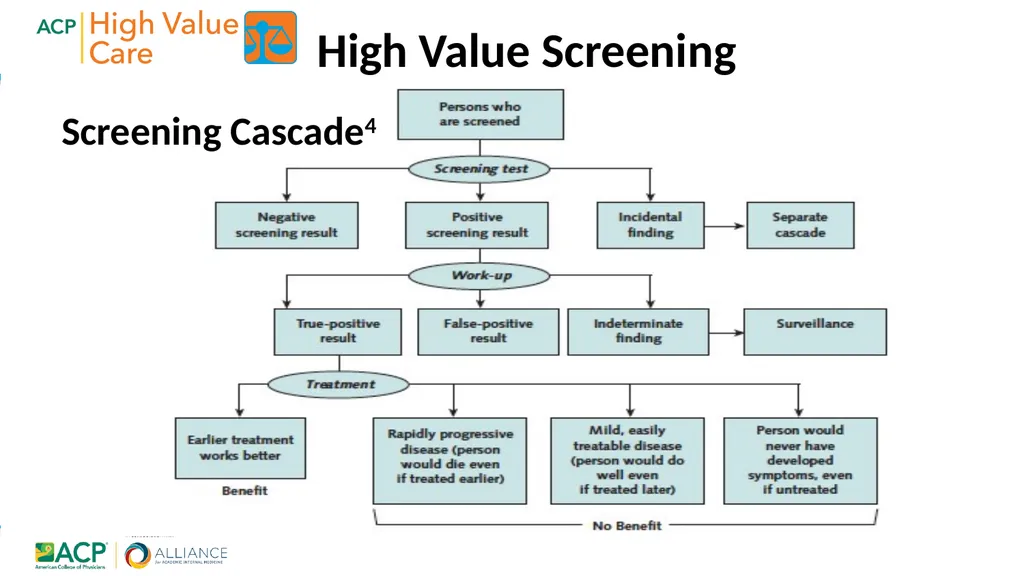
High Value Screening Screening Cascade4<br>
22
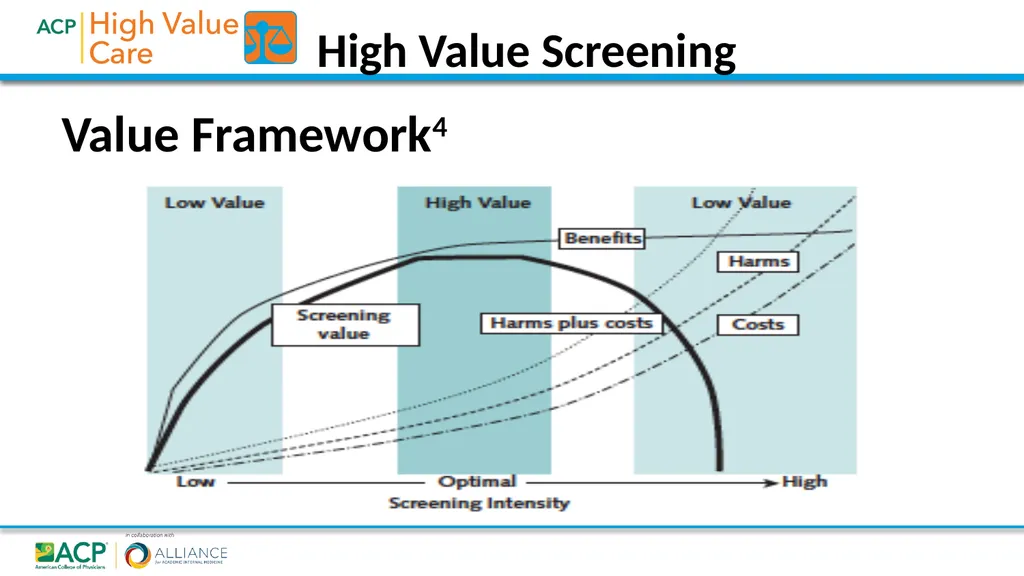
Value Framework4 High Value Screening<br>
23
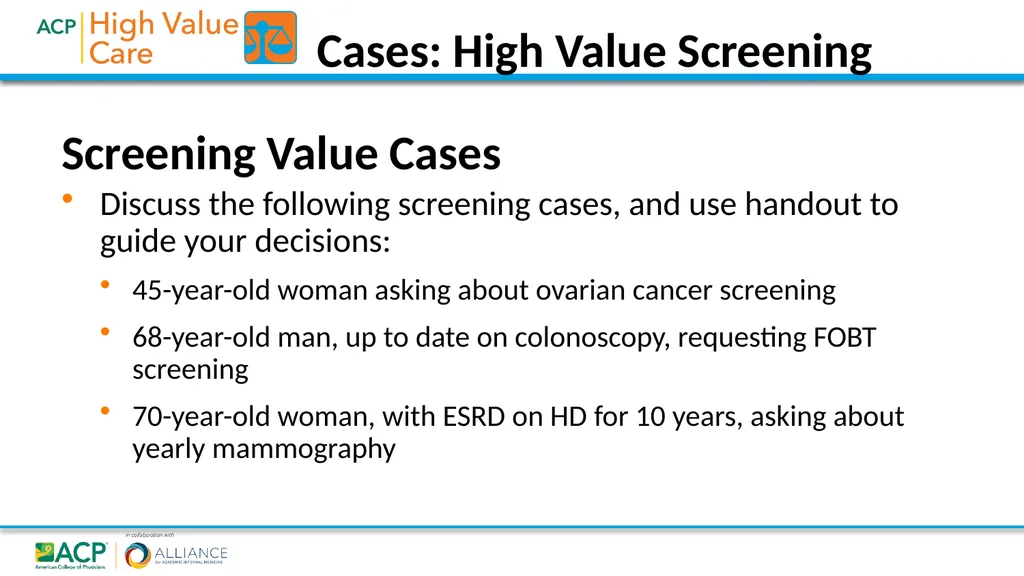
Screening Value Cases
Discuss the following screening cases, and use handout to guide your decisions:
45-year-old woman asking about ovarian cancer screening
68-year-old man, up to date on colonoscopy, requesting FOBT screening
70-year-old woman, with ESRD on HD for 10 years, asking about yearly mammography Cases: High Value Screening<br>
24
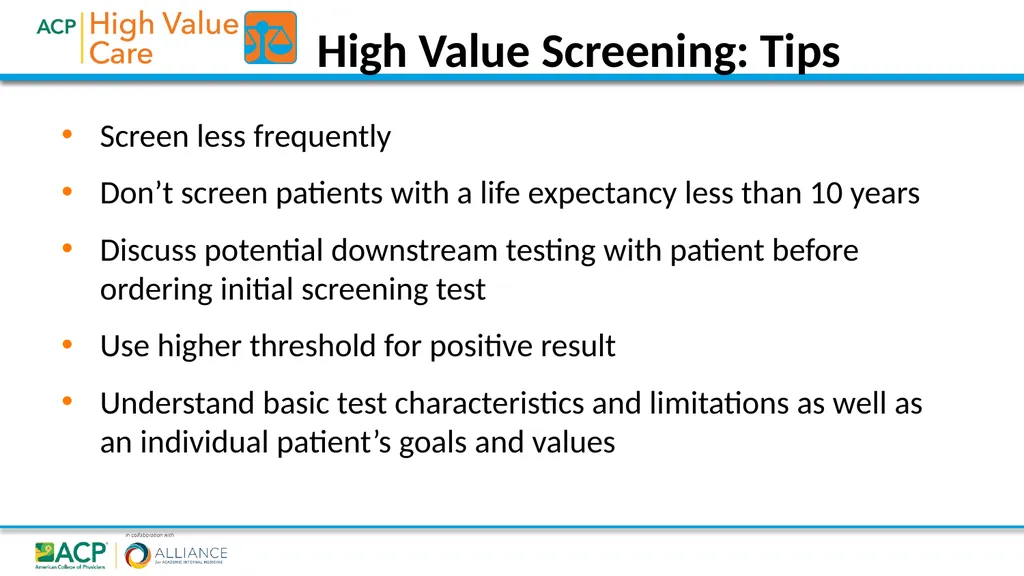
Screen less frequently
Don’t screen patients with a life expectancy less than 10 years
Discuss potential downstream testing with patient before ordering initial screening test
Use higher threshold for positive result
Understand basic test characteristics and limitations as well as an individual patient’s goals and values High Value Screening: Tips<br>
25
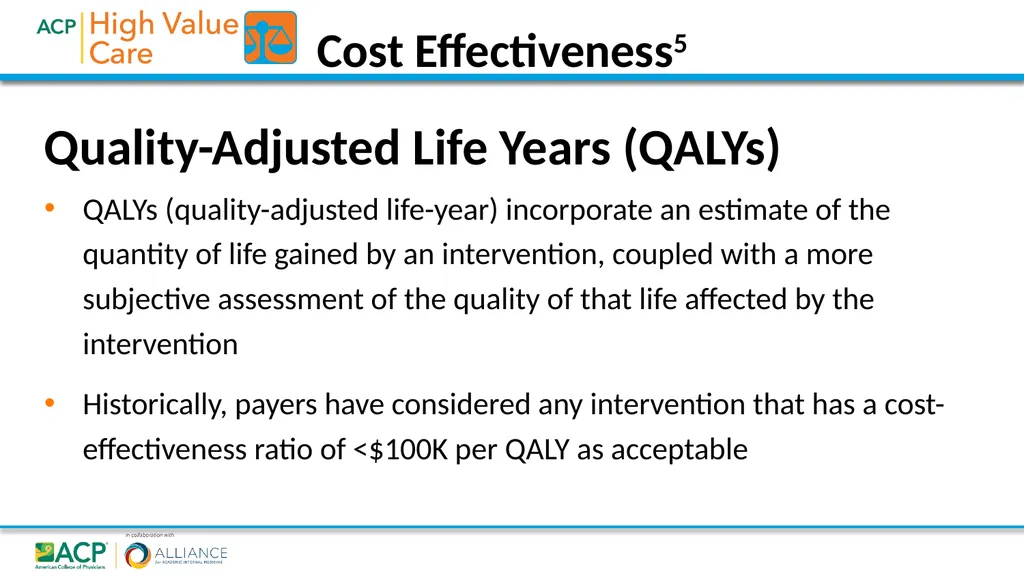
Quality-Adjusted Life Years (QALYs)
QALYs (quality-adjusted life-year) incorporate an estimate of the quantity of life gained by an intervention, coupled with a more subjective assessment of the quality of that life affected by the intervention
Historically, payers have considered any intervention that has a cost-effectiveness ratio of <$100K per QALY as acceptable Cost Effectiveness5<br>
26
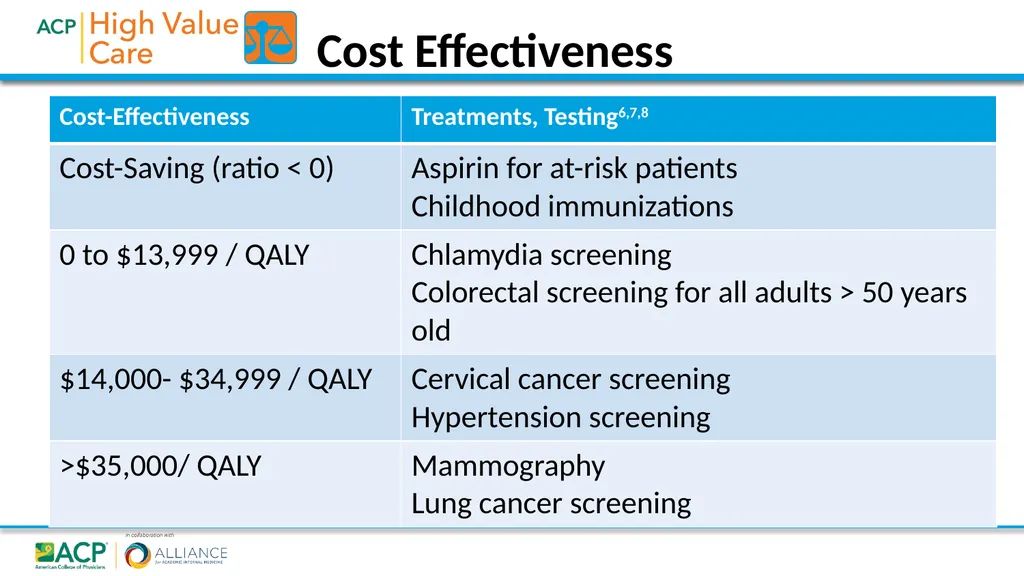
Cost Effectiveness<br>
27
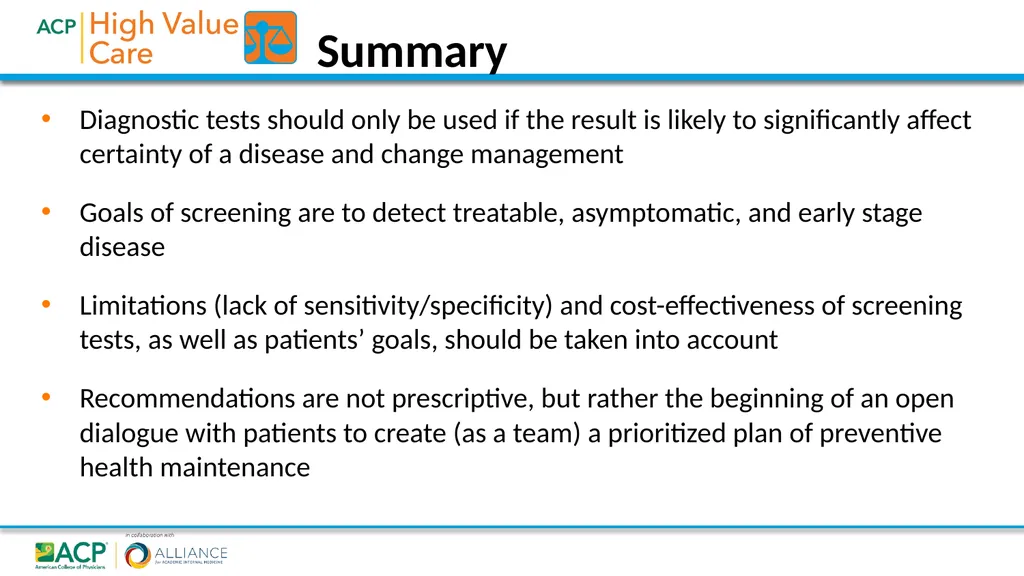
Diagnostic tests should only be used if the result is likely to significantly affect certainty of a disease and change management
Goals of screening are to detect treatable, asymptomatic, and early stage disease
Limitations (lack of sensitivity/specificity) and cost-effectiveness of screening tests, as well as patients’ goals, should be taken into account
Recommendations are not prescriptive, but rather the beginning of an open dialogue with patients to create (as a team) a prioritized plan of preventive health maintenance Summary<br>
28
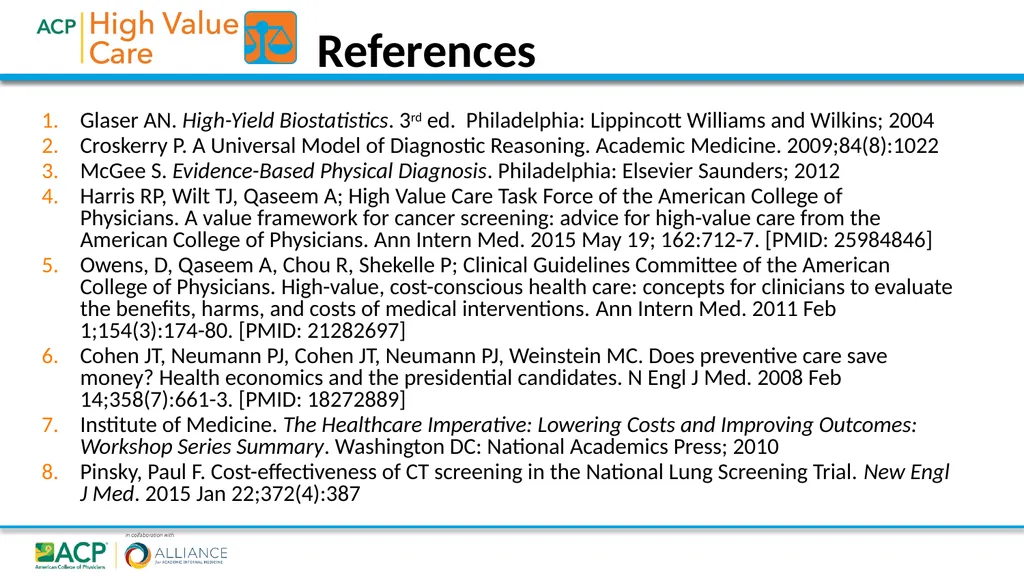
Glaser AN. High-Yield Biostatistics. 3rd ed. Philadelphia: Lippincott Williams and Wilkins; 2004
Croskerry P. A Universal Model of Diagnostic Reasoning. Academic Medicine. 2009;84(8):1022
McGee S. Evidence-Based Physical Diagnosis. Philadelphia: Elsevier Saunders; 2012
Harris RP, Wilt TJ, Qaseem A; High Value Care Task Force of the American College of Physicians. A value framework for cancer screening: advice for high-value care from the American College of Physicians. Ann Intern Med. 2015 May 19; 162:712-7. [PMID: 25984846]
Owens, D, Qaseem A, Chou R, Shekelle P; Clinical Guidelines Committee of the American College of Physicians. High-value, cost-conscious health care: concepts for clinicians to evaluate the benefits, harms, and costs of medical interventions. Ann Intern Med. 2011 Feb 1;154(3):174-80. [PMID: 21282697]
Cohen JT, Neumann PJ, Cohen JT, Neumann PJ, Weinstein MC. Does preventive care save money? Health economics and the presidential candidates. N Engl J Med. 2008 Feb 14;358(7):661-3. [PMID: 18272889]
Institute of Medicine. The Healthcare Imperative: Lowering Costs and Improving Outcomes: Workshop Series Summary. Washington DC: National Academics Press; 2010
Pinsky, Paul F. Cost-effectiveness of CT screening in the National Lung Screening Trial. New Engl J Med. 2015 Jan 22;372(4):387 References<br>