HS Climate Resiliency Unit Lesson 4 Do now What
Description: HS Climate Resiliency Unit Lesson 4 Do now What did we figure out last class about albedo? What does it help us explain? What are some gaps that albedo doesnt help us explain? Initial Ideas What are we missing from our explanation? How can
Related Topics
Download Presentation
"HS Climate Resiliency Unit Lesson 4 Do now What" is the property of its rightful owner. Permission is granted to download and print the materials on this website for personal, non-commercial use only, and to display it on your personal computer provided you do not modify the materials and that you retain all copyright notices contained in the materials. By downloading content from our website, you accept the terms of this agreement.
Presentation Transcript
slide1. HS Climate Resiliency Unit
Lesson 4<br>
slide2. Do now What did we figure out last class about albedo?
What does it help us explain?
What are some gaps that albedo doesn’t help us explain?<br>
slide3. Initial Ideas What are we missing from our explanation?
How can we use our understanding of albedo to understand the increase in state temperature?<br>
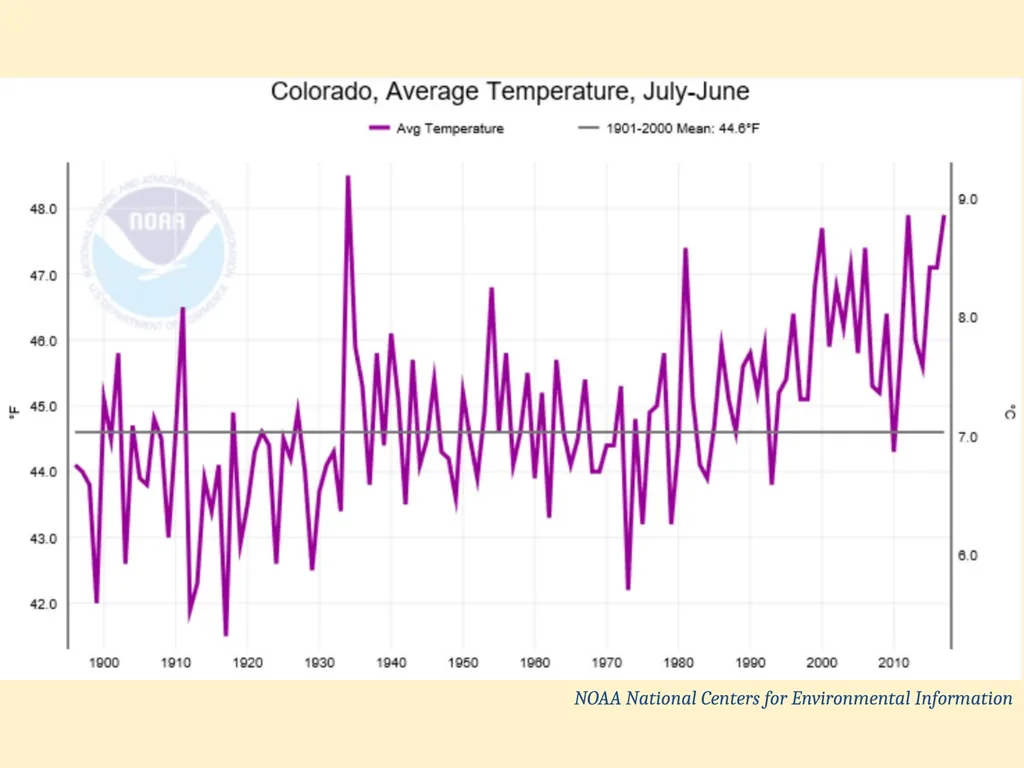
slide4. NOAA National Centers for Environmental Information<br>
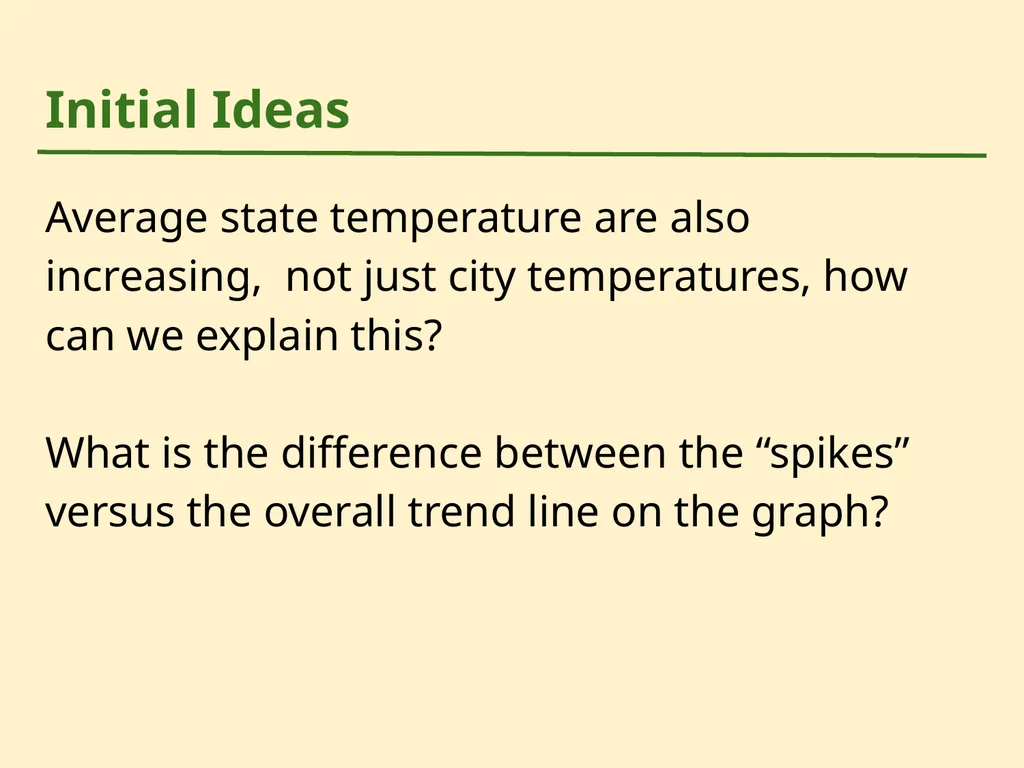
slide5. Initial Ideas Average state temperature are also increasing, not just city temperatures, how can we explain this?
What is the difference between the “spikes” versus the overall trend line on the graph?<br>
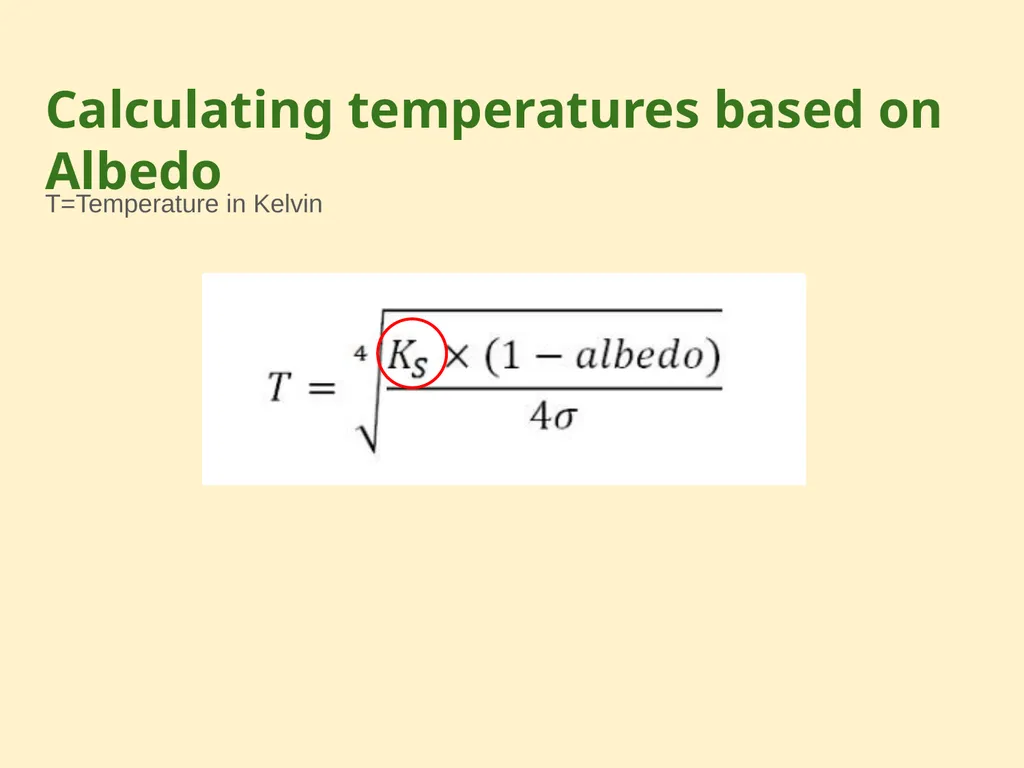
slide6. Calculating temperatures based on Albedo T=Temperature in Kelvin<br>
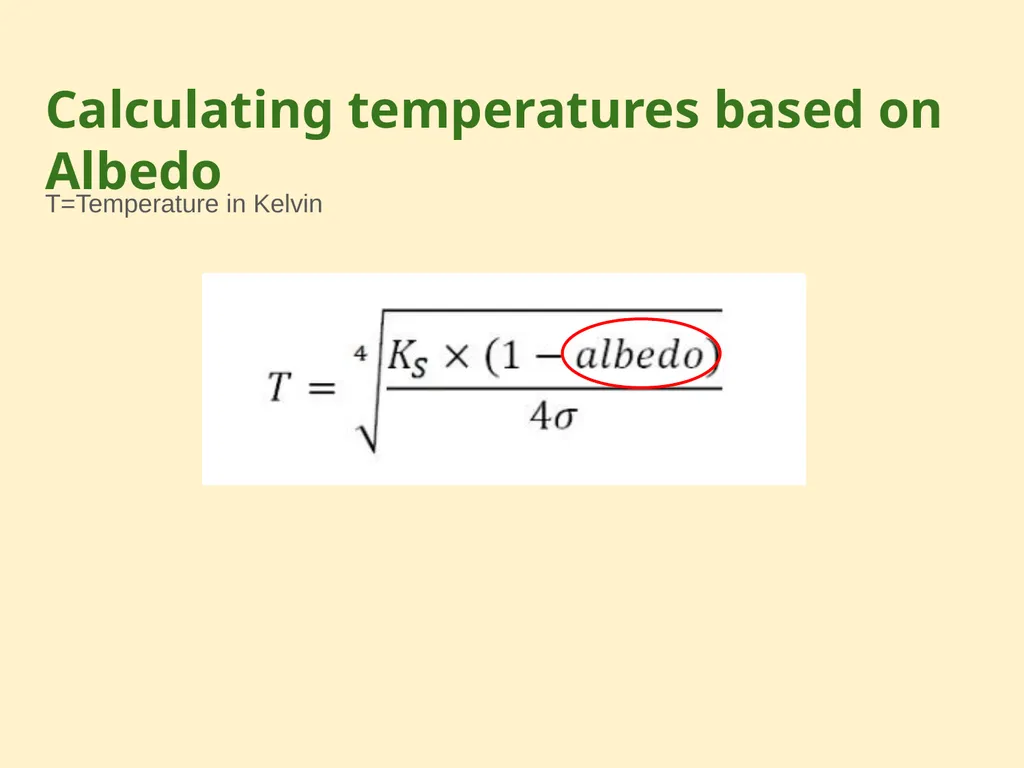
slide7. Calculating temperatures based on Albedo T=Temperature in Kelvin<br>
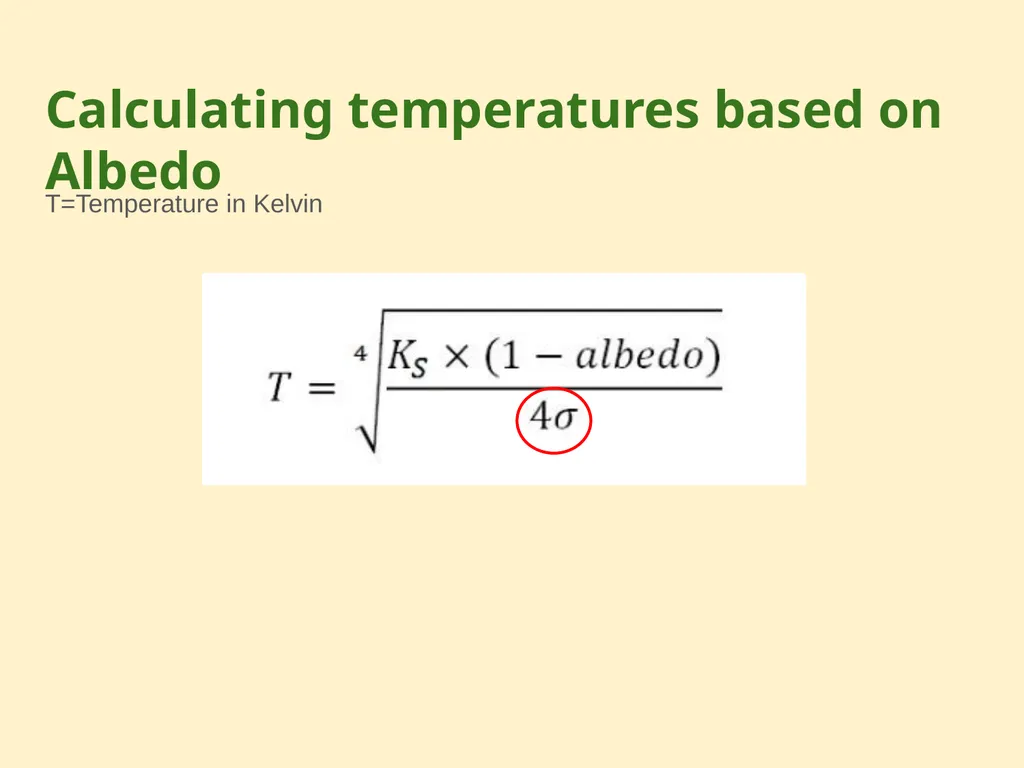
slide8. Calculating temperatures based on Albedo T=Temperature in Kelvin<br>
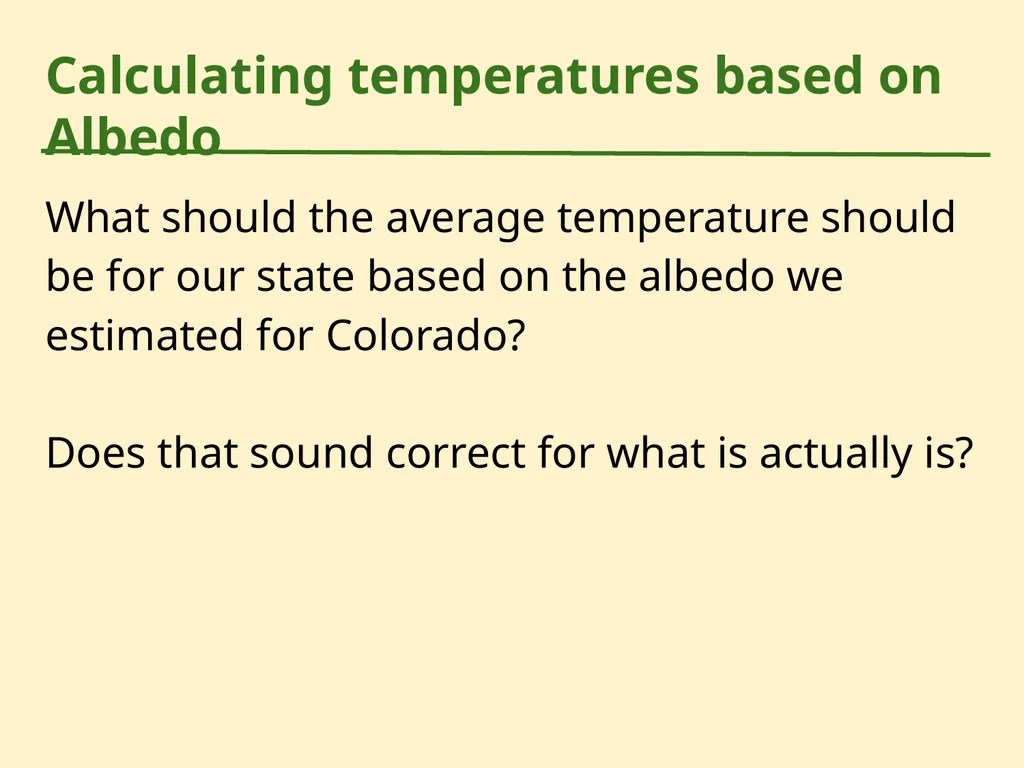
slide9. Calculating temperatures based on Albedo What should the average temperature should be for our state based on the albedo we estimated for Colorado?
Does that sound correct for what is actually is?<br>
slide10. Next Steps What could we do to investigate this idea of greenhouse gases?<br>
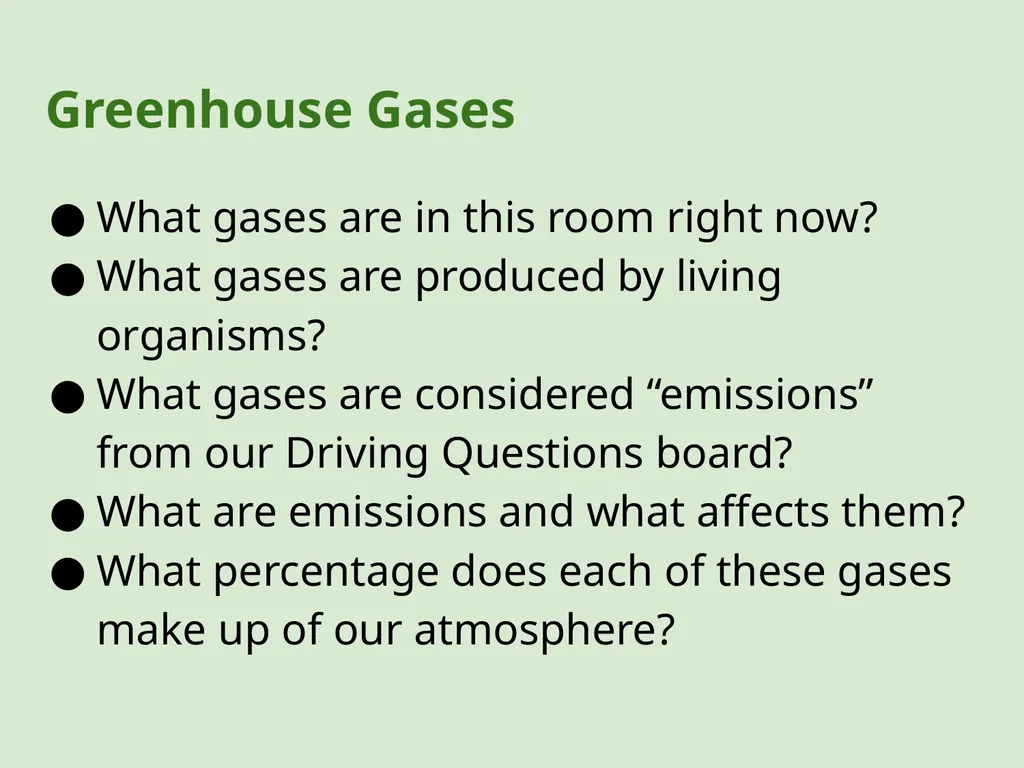
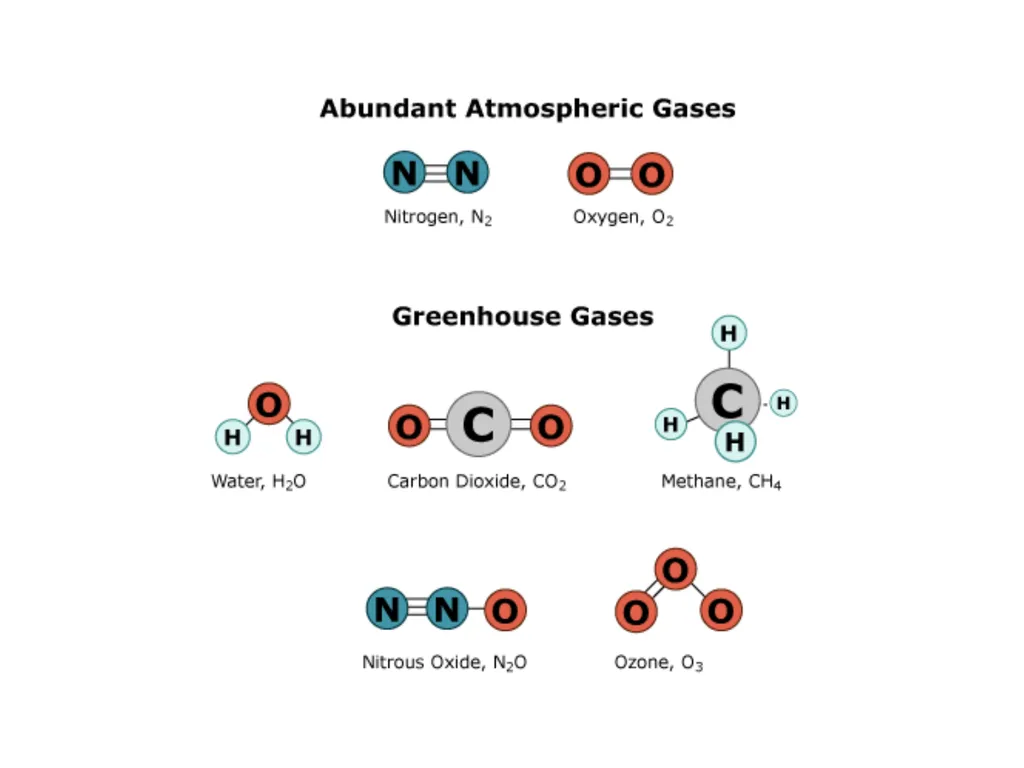
slide11. Greenhouse Gases What gases are in this room right now?
What gases are produced by living organisms?
What gases are considered “emissions” from our Driving Questions board?
What are emissions and what affects them?
What percentage does each of these gases make up of our atmosphere?<br>
slide13. Develop a Model How do Greenhouse Gases affect Earth?<br>
slide14. Making Sense and Building Understandings Answer the questions in your Student Activity Sheet<br>
slide15. Consensus Building What have we figured out so far?<br>
slide16. Questions What are we wondering?
What questions should we answer next?<br>
Lesson 4<br>
slide2. Do now What did we figure out last class about albedo?
What does it help us explain?
What are some gaps that albedo doesn’t help us explain?<br>
slide3. Initial Ideas What are we missing from our explanation?
How can we use our understanding of albedo to understand the increase in state temperature?<br>
slide4. NOAA National Centers for Environmental Information<br>
slide5. Initial Ideas Average state temperature are also increasing, not just city temperatures, how can we explain this?
What is the difference between the “spikes” versus the overall trend line on the graph?<br>
slide6. Calculating temperatures based on Albedo T=Temperature in Kelvin<br>
slide7. Calculating temperatures based on Albedo T=Temperature in Kelvin<br>
slide8. Calculating temperatures based on Albedo T=Temperature in Kelvin<br>
slide9. Calculating temperatures based on Albedo What should the average temperature should be for our state based on the albedo we estimated for Colorado?
Does that sound correct for what is actually is?<br>
slide10. Next Steps What could we do to investigate this idea of greenhouse gases?<br>
slide11. Greenhouse Gases What gases are in this room right now?
What gases are produced by living organisms?
What gases are considered “emissions” from our Driving Questions board?
What are emissions and what affects them?
What percentage does each of these gases make up of our atmosphere?<br>
slide13. Develop a Model How do Greenhouse Gases affect Earth?<br>
slide14. Making Sense and Building Understandings Answer the questions in your Student Activity Sheet<br>
slide15. Consensus Building What have we figured out so far?<br>
slide16. Questions What are we wondering?
What questions should we answer next?<br>