Infrastructures for Fundamental science from the EU perspective Patricia Postigo McLaughlin Research Infrastructures European Commission April 2025 How the EU supports fundamental science The European Unions research framework programme
"Infrastructures for Fundamental science from the" is the property of its rightful owner. Permission is granted to
download and print the materials on this website for personal, non-commercial use only, and to display it
on your personal computer provided you do not modify the materials and that you retain all copyright
notices contained in the materials. By downloading content from our website, you accept the terms of this
agreement.
Presentation Transcript
01
Infrastructures for Fundamental science from the EU perspective Patricia Postigo McLaughlin
Research Infrastructures
European Commission April 2025<br>
02
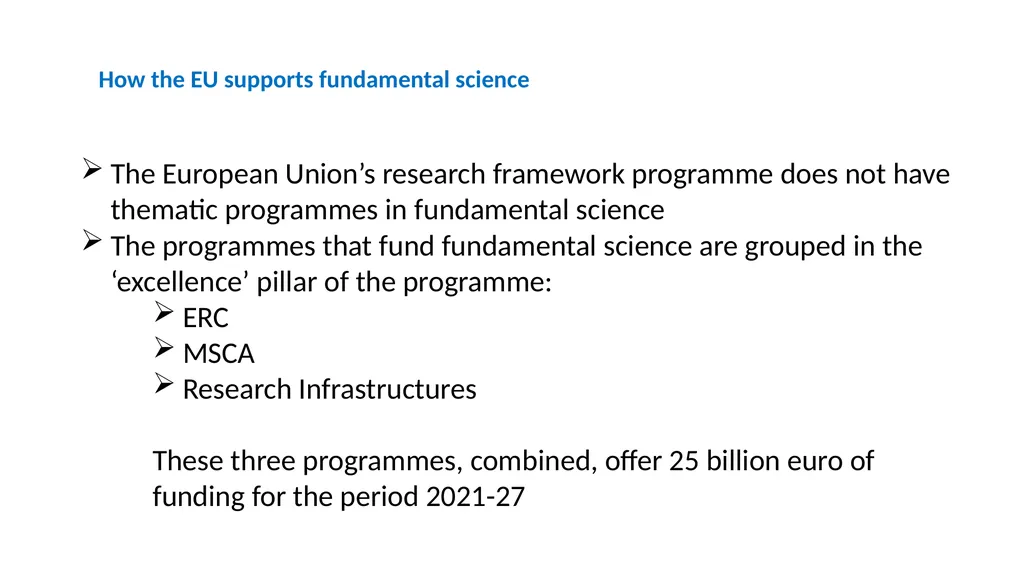
How the EU supports fundamental science The European Union’s research framework programme does not have thematic programmes in fundamental science
The programmes that fund fundamental science are grouped in the ‘excellence’ pillar of the programme:
ERC
MSCA
Research Infrastructures
These three programmes, combined, offer 25 billion euro of funding for the period 2021-27<br>
03
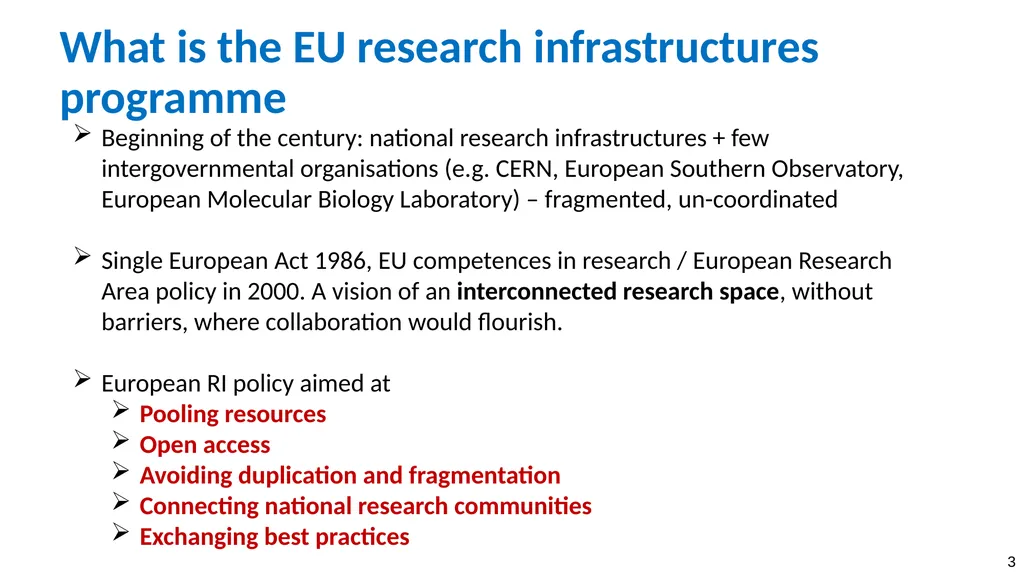
Beginning of the century: national research infrastructures + few intergovernmental organisations (e.g. CERN, European Southern Observatory, European Molecular Biology Laboratory) – fragmented, un-coordinated
Single European Act 1986, EU competences in research / European Research Area policy in 2000. A vision of an interconnected research space, without barriers, where collaboration would flourish.
European RI policy aimed at
Pooling resources
Open access
Avoiding duplication and fragmentation
Connecting national research communities
Exchanging best practices 3 What is the EU research infrastructures programme<br>
04
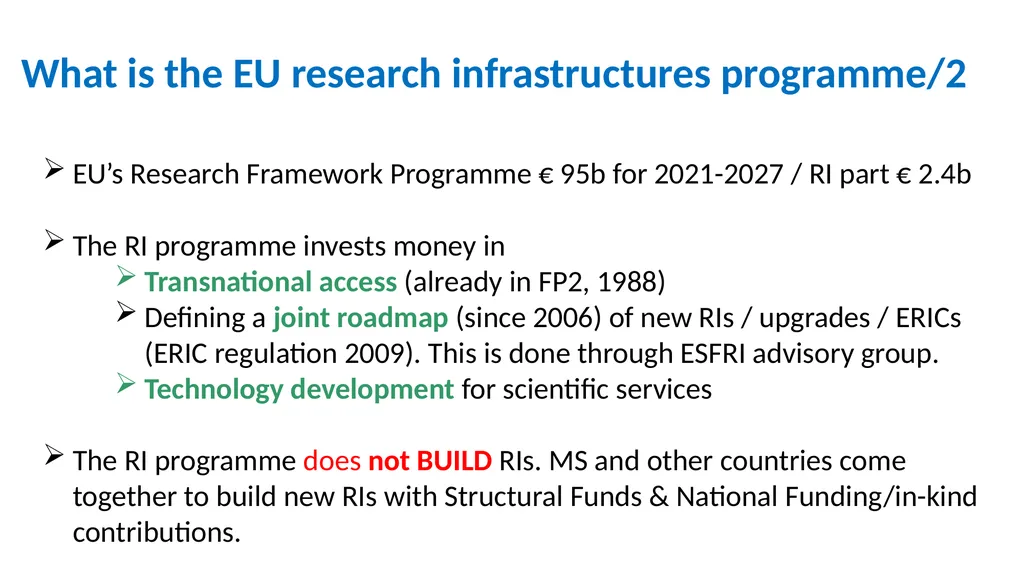
What is the EU research infrastructures programme/2 EU’s Research Framework Programme € 95b for 2021-2027 / RI part € 2.4b
The RI programme invests money in
Transnational access (already in FP2, 1988)
Defining a joint roadmap (since 2006) of new RIs / upgrades / ERICs (ERIC regulation 2009). This is done through ESFRI advisory group.
Technology development for scientific services
The RI programme does not BUILD RIs. MS and other countries come together to build new RIs with Structural Funds & National Funding/in-kind contributions.<br>
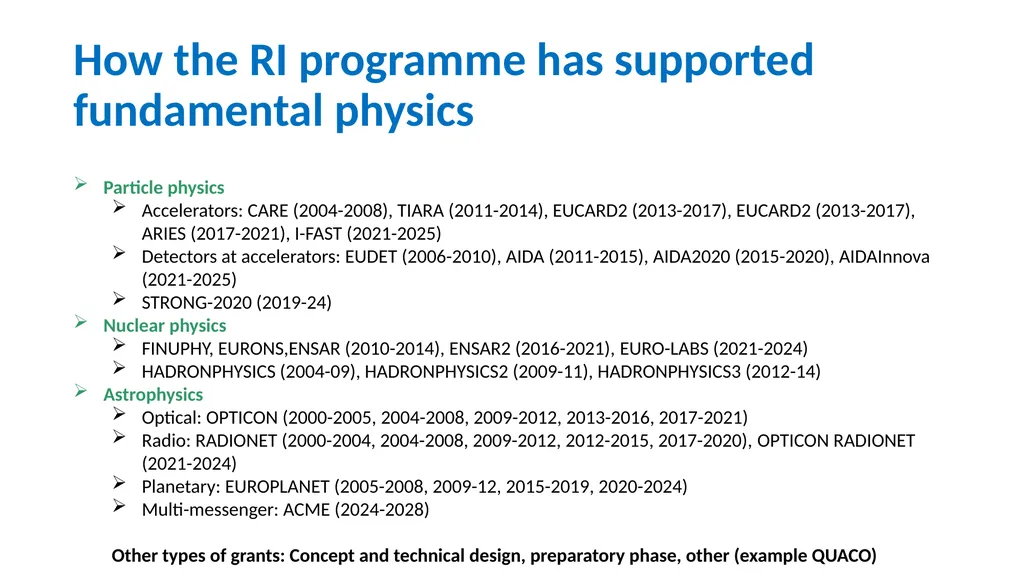
Other types of grants: Concept and technical design, preparatory phase, other (example QUACO)<br>
06
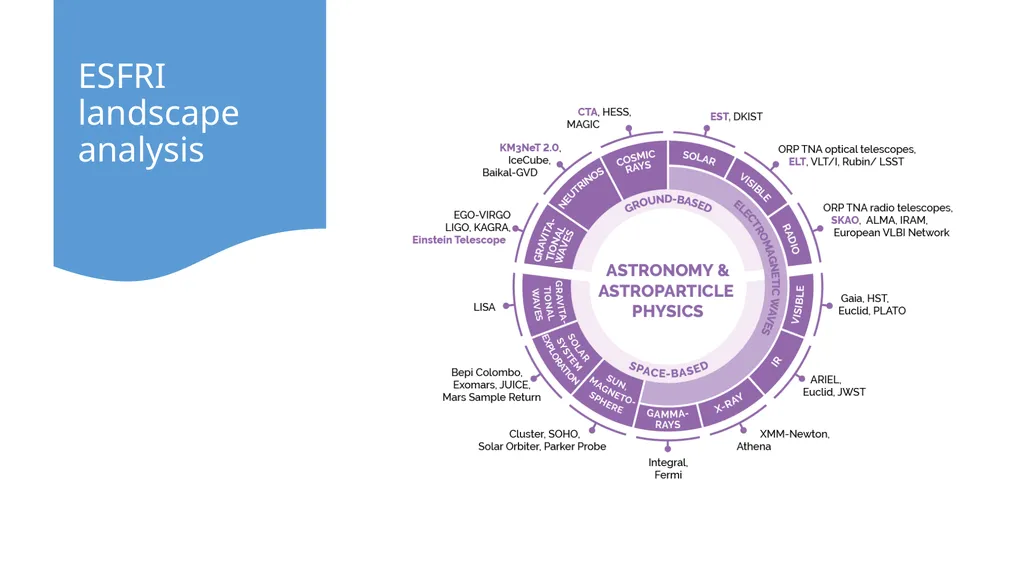
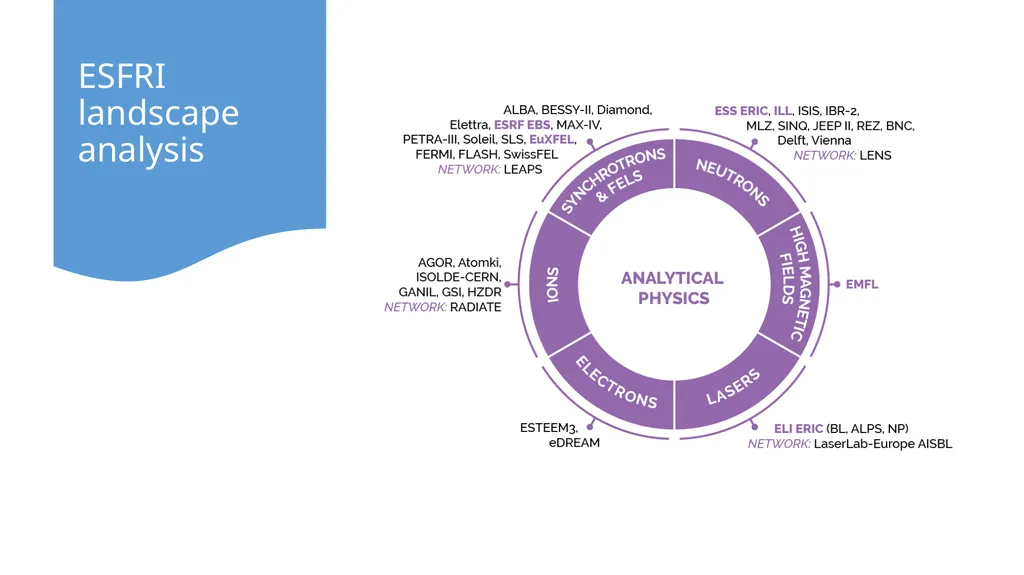
ESFRI landscape analysis<br>
07
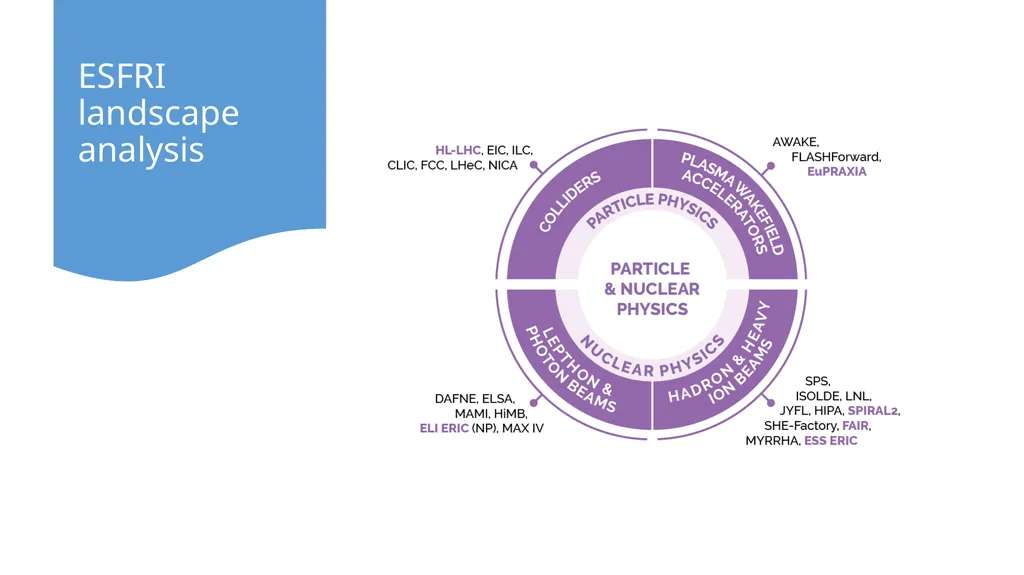
ESFRI landscape analysis<br>
08
ESFRI landscape analysis<br>
09
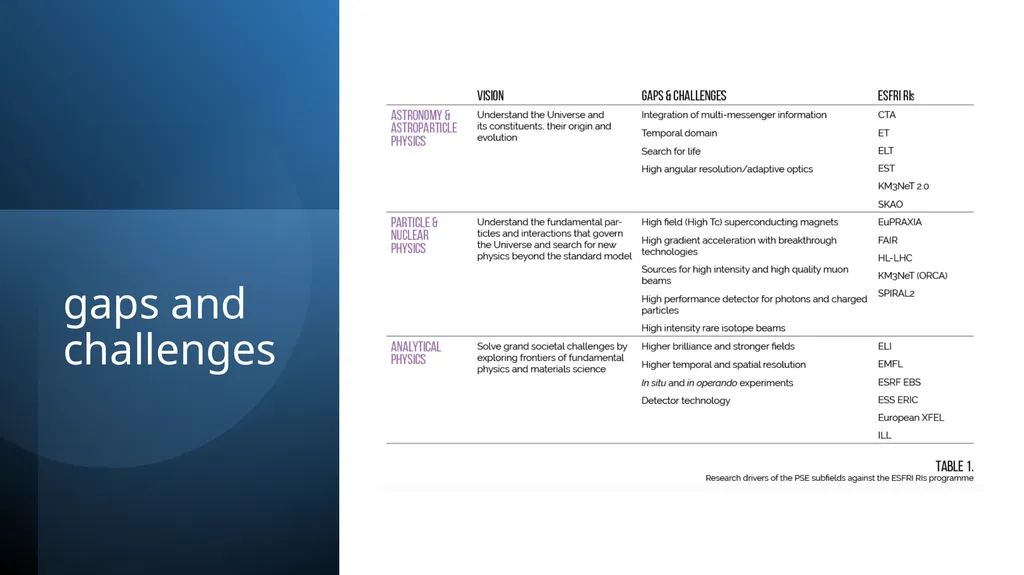
gaps and challenges<br>
10
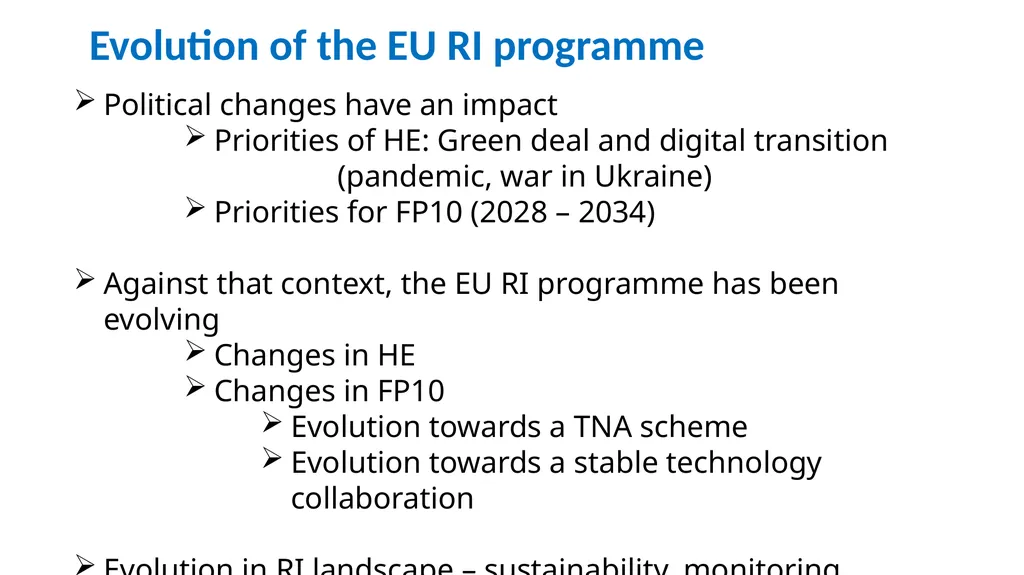
Evolution of the EU RI programme Political changes have an impact
Priorities of HE: Green deal and digital transition
(pandemic, war in Ukraine)
Priorities for FP10 (2028 – 2034)
Against that context, the EU RI programme has been evolving
Changes in HE
Changes in FP10
Evolution towards a TNA scheme
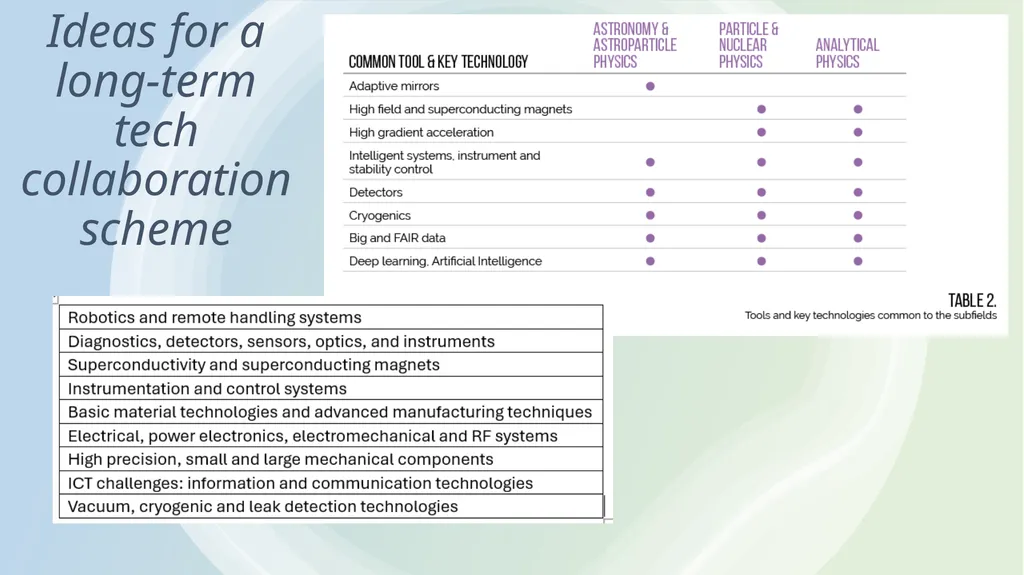
Evolution towards a stable technology collaboration
Evolution in RI landscape – sustainability, monitoring, strategic planning<br>
11
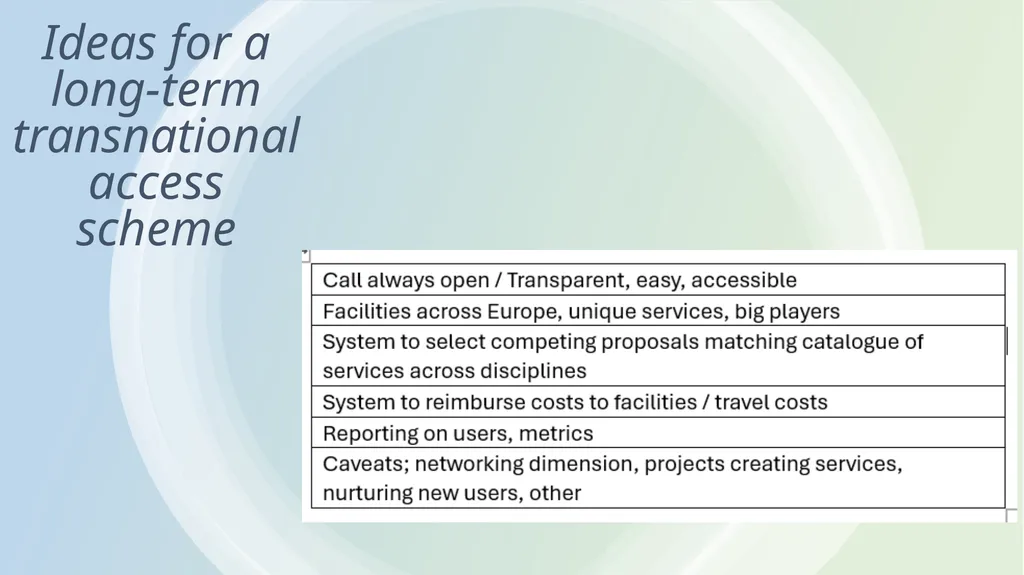
Ideas for a long-term transnational access scheme<br>
12
Ideas for a long-term tech collaboration scheme<br>
13
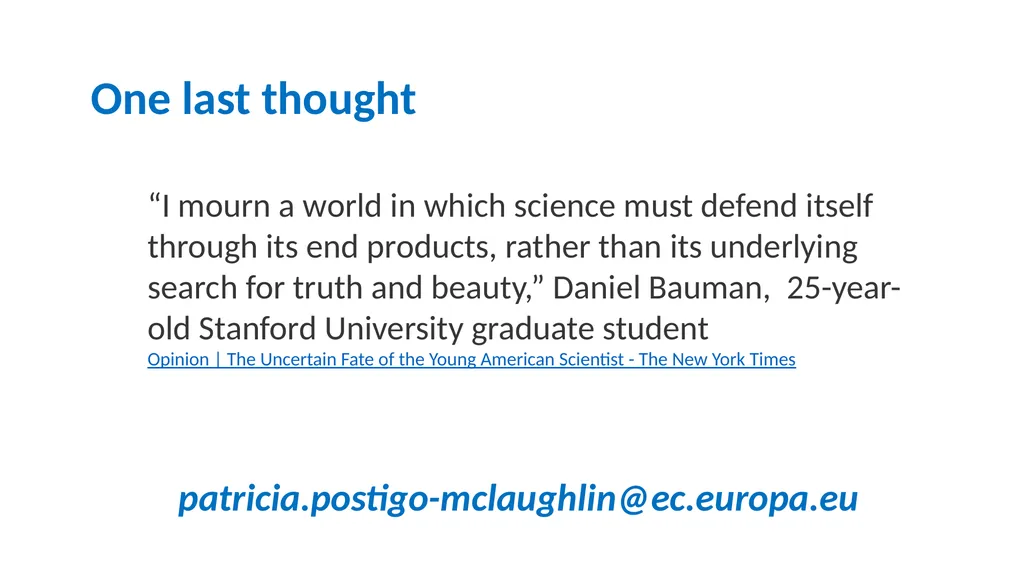
patricia.postigo-mclaughlin@ec.europa.eu “I mourn a world in which science must defend itself through its end products, rather than its underlying search for truth and beauty,” Daniel Bauman, 25-year-old Stanford University graduate student
Opinion | The Uncertain Fate of the Young American Scientist - The New York Times One last thought<br>