Internal Medicine Training (IMT) Updated by Gill Townson 2021 Contents IMT Overview Advantages Disadvantages Career Pathway Recruitment Commitment to Specialty Competition ratios Further Information (Please click on topic for direct link)
"Internal Medicine Training (IMT) Updated by Gill" is the property of its rightful owner. Permission is granted to
download and print the materials on this website for personal, non-commercial use only, and to display it
on your personal computer provided you do not modify the materials and that you retain all copyright
notices contained in the materials. By downloading content from our website, you accept the terms of this
agreement.
Presentation Transcript
01
Internal Medicine Training (IMT) Updated by Gill Townson 2021<br>
02
Contents IMT Overview
Advantages / Disadvantages
Career Pathway
Recruitment
Commitment to Specialty
Competition ratios
Further Information
(Please click on topic for direct link)<br>
03
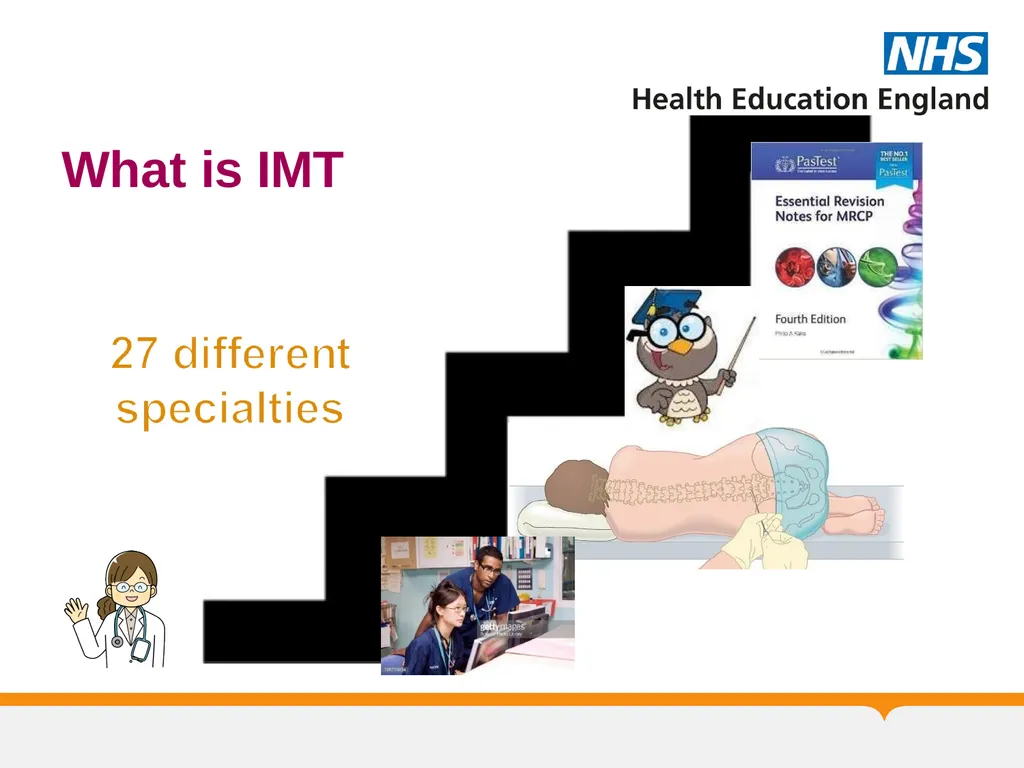
What is IMT<br>
04
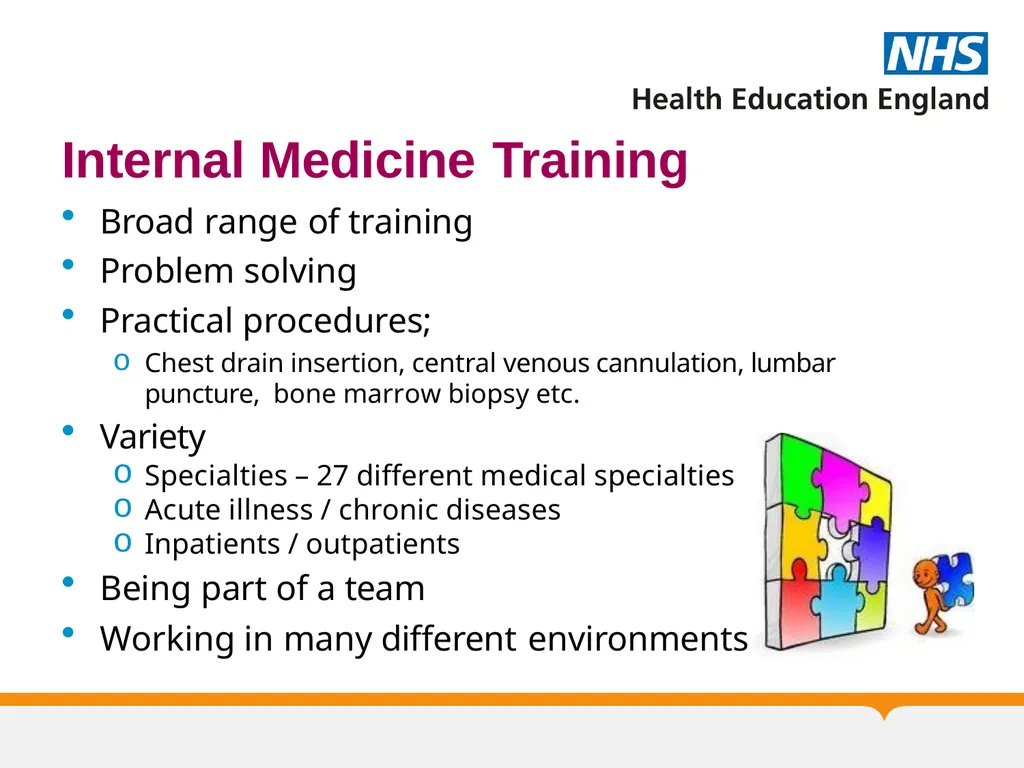
Internal Medicine Training Broad range of training
Problem solving
Practical procedures;
Chest drain insertion, central venous cannulation, lumbar puncture, bone marrow biopsy etc.
Variety
Specialties – 27 different medical specialties
Acute illness / chronic diseases
Inpatients / outpatients
Being part of a team
Working in many different environments<br>
05
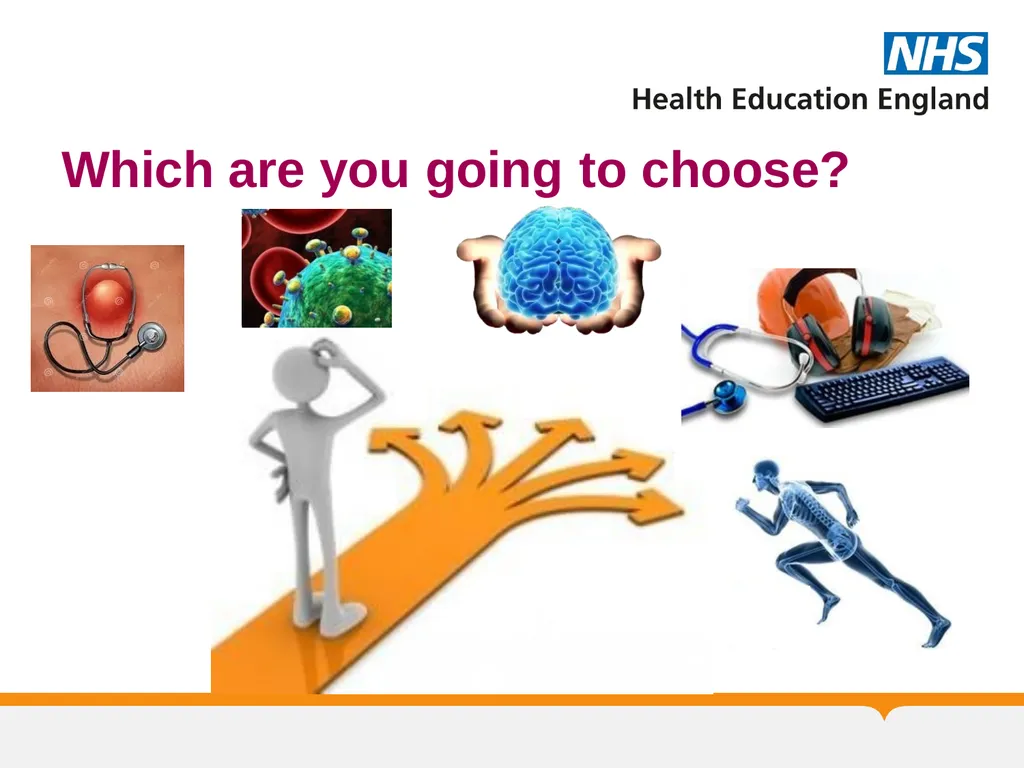
Which are you going to choose?<br>
06
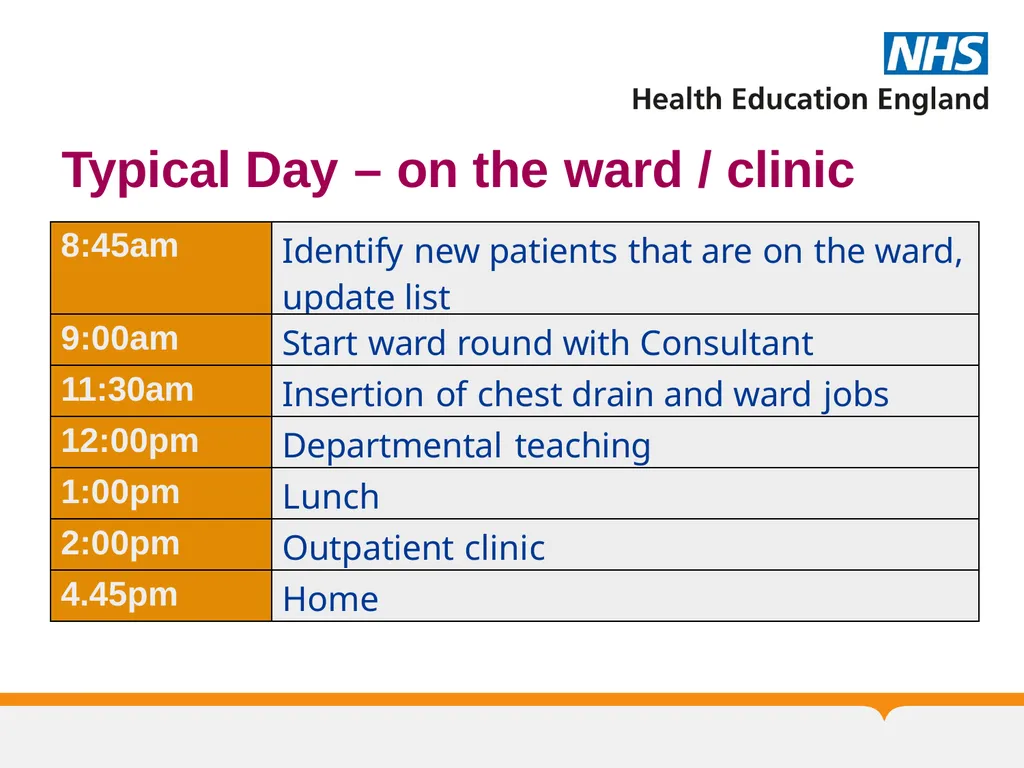
Typical Day – on the ward / clinic<br>
07
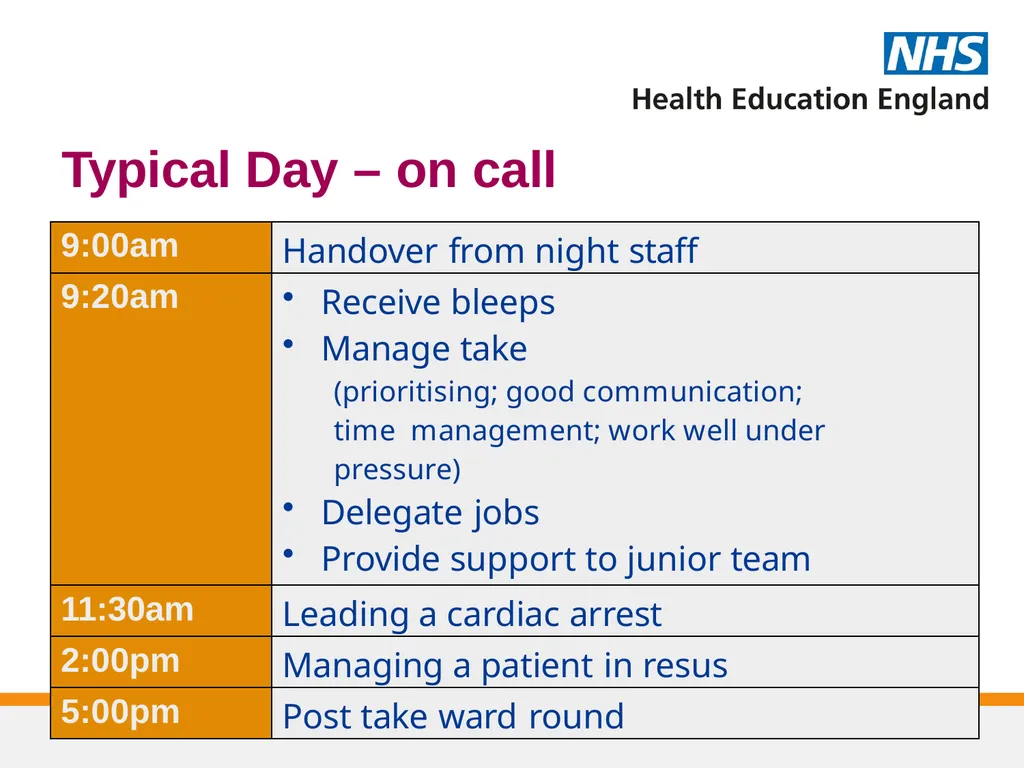
Typical Day – on call<br>
08
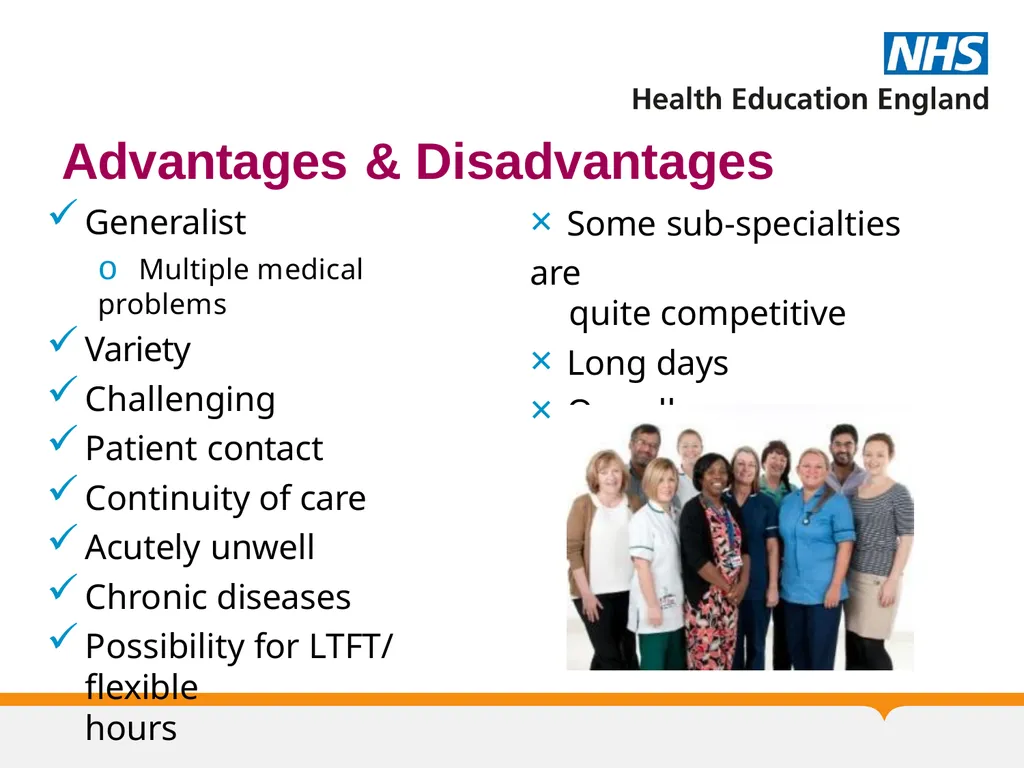
Advantages & Disadvantages Generalist
o Multiple medical problems
Variety
Challenging
Patient contact
Continuity of care
Acutely unwell
Chronic diseases
Possibility for LTFT/ flexible
hours × Some sub-specialties are
quite competitive
× Long days
× On calls<br>
09
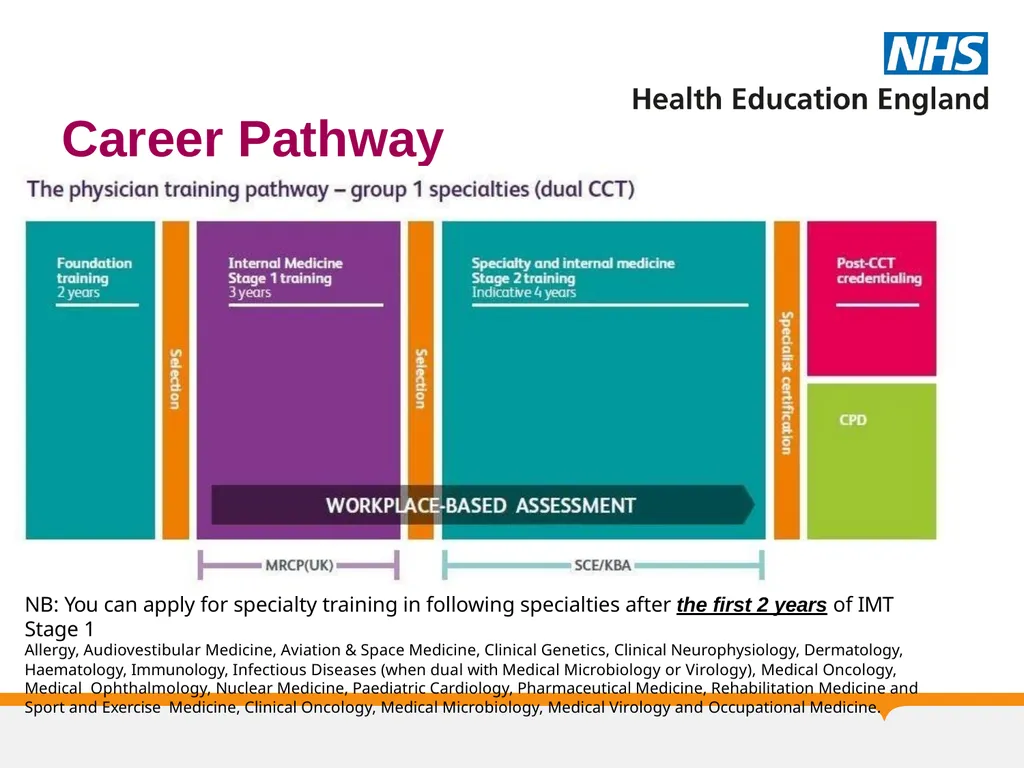
Career Pathway NB: You can apply for specialty training in following specialties after the first 2 years of IMT Stage 1
Allergy, Audiovestibular Medicine, Aviation & Space Medicine, Clinical Genetics, Clinical Neurophysiology, Dermatology,
Haematology, Immunology, Infectious Diseases (when dual with Medical Microbiology or Virology), Medical Oncology, Medical Ophthalmology, Nuclear Medicine, Paediatric Cardiology, Pharmaceutical Medicine, Rehabilitation Medicine and Sport and Exercise Medicine, Clinical Oncology, Medical Microbiology, Medical Virology and Occupational Medicine.<br>
10
Career Pathway Internal Medicine training is the main pathway to a wide range of
different medical specialties (27 different options)
3 year programme (6 x 4month rotations plus 2 x 6month rotations in IMT Stage 1 Year 3)
IMT trainees complete
o a structured curriculum
o an e-portfolio
o different competencies
o workplace-based assessments- Competency in Practice (CiP)
o MRCP exam
Following IMT Stage 1, there is competitive entry to IMT Stage 2posts
for (typically 4 years) training in a medical sub-specialty to gain the
‘Certificate of Completion of Training (CCT)’<br>
11
Recruitment- Competition Ratio 2021 Competition Ratios<br>
12
Personal Qualities Person Specification<br>
13
Recruitment Application through the www.imtrecruitment.org.uk
Shortlist score calculated from points
Undergraduate degrees and qualifications
Postgraduate degrees and qualifications
Additional achievements
Presentations
Publications
Teaching and experience
Quality improvement
Require three references
2 rounds of recruitment
Round 1: opens November, closes December.
Round 2: opens March, closes April.<br>
14
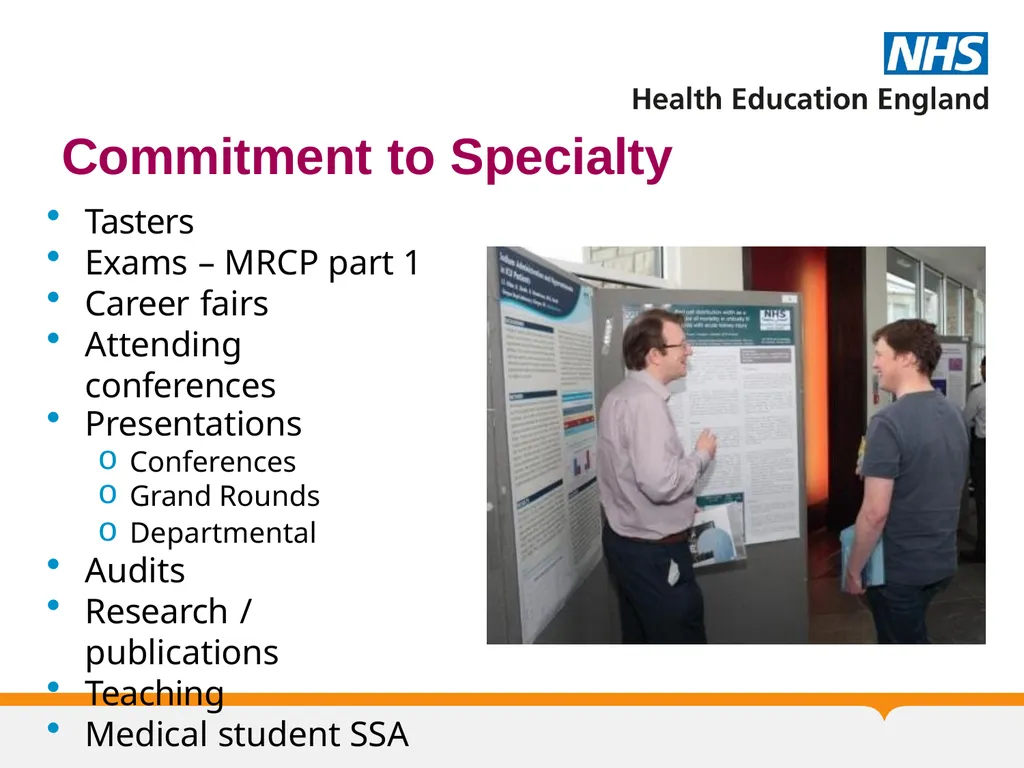
Commitment to Specialty Tasters
Exams – MRCP part 1
Career fairs
Attending conferences
Presentations
Conferences
Grand Rounds
Departmental
Audits
Research / publications
Teaching
Medical student SSA<br>
15
Where to get more information NHS Healthcare Careers