
KNOWLEDGE AND CURRICULUM Unit VIII- Resource and

Published  . 0 views
↓ Download
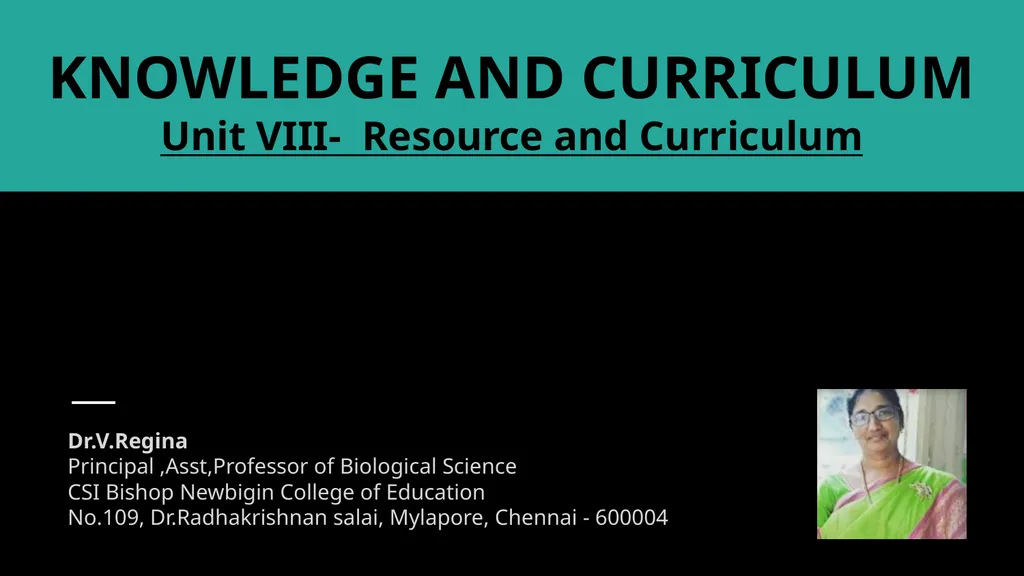
KNOWLEDGE AND CURRICULUM Unit VIII- Resource and
1 / 1
KNOWLEDGE AND CURRICULUM Unit VIII- Resource and - slide 1 of 21 KNOWLEDGE AND CURRICULUM Unit VIII- Resource and - slide 2 of 21 KNOWLEDGE AND CURRICULUM Unit VIII- Resource and - slide 3 of 21 KNOWLEDGE AND CURRICULUM Unit VIII- Resource and - slide 4 of 21 KNOWLEDGE AND CURRICULUM Unit VIII- Resource and - slide 5 of 21 KNOWLEDGE AND CURRICULUM Unit VIII- Resource and - slide 6 of 21 KNOWLEDGE AND CURRICULUM Unit VIII- Resource and - slide 7 of 21 KNOWLEDGE AND CURRICULUM Unit VIII- Resource and - slide 8 of 21 KNOWLEDGE AND CURRICULUM Unit VIII- Resource and - slide 9 of 21 KNOWLEDGE AND CURRICULUM Unit VIII- Resource and - slide 10 of 21 KNOWLEDGE AND CURRICULUM Unit VIII- Resource and - slide 11 of 21 KNOWLEDGE AND CURRICULUM Unit VIII- Resource and - slide 12 of 21 KNOWLEDGE AND CURRICULUM Unit VIII- Resource and - slide 13 of 21 KNOWLEDGE AND CURRICULUM Unit VIII- Resource and - slide 14 of 21 KNOWLEDGE AND CURRICULUM Unit VIII- Resource and - slide 15 of 21 KNOWLEDGE AND CURRICULUM Unit VIII- Resource and - slide 16 of 21 KNOWLEDGE AND CURRICULUM Unit VIII- Resource and - slide 17 of 21 KNOWLEDGE AND CURRICULUM Unit VIII- Resource and - slide 18 of 21 KNOWLEDGE AND CURRICULUM Unit VIII- Resource and - slide 19 of 21 KNOWLEDGE AND CURRICULUM Unit VIII- Resource and - slide 20 of 21 KNOWLEDGE AND CURRICULUM Unit VIII- Resource and - slide 21 of 21
Description: KNOWLEDGE AND CURRICULUM Unit VIII- Resource and Curriculum Dr.V.Regina Principal ,Asst,Professor of Biological Science CSI Bishop Newbigin College of Education No.109, Dr.Radhakrishnan salai, Mylapore, Chennai - 600004 Synopsis

Related Topics

Download Presentation

"KNOWLEDGE AND CURRICULUM Unit VIII- Resource and" is the property of its rightful owner. Permission is granted to download and print the materials on this website for personal, non-commercial use only, and to display it on your personal computer provided you do not modify the materials and that you retain all copyright notices contained in the materials. By downloading content from our website, you accept the terms of this agreement.

Presentation Transcript

slide1. KNOWLEDGE AND CURRICULUM
Unit VIII- Resource and Curriculum Dr.V.Regina
Principal ,Asst,Professor of Biological Science
CSI Bishop Newbigin College of Education
No.109, Dr.Radhakrishnan salai, Mylapore, Chennai - 600004<br>
slide2. Synopsis Introduction
Knowledge
Syllabus
Curriculum and community
The Conformists
The reformers
The futurists
The radicals
Language and value
Language and curriculum
Curriculum and their goals
Time-table
Syllabus
Text-books
Co-curricular activities
Children’s literature
Teacher’ Handbook
Conclusion Dr. V. Regina , Principal CSI BISHOP NEWBIGIN COLLEGE OF EDUCATION<br>
slide3. Learning Objectives Learning Outcomes To impart knowledge on studies communities, values, languages.
To emphasizes the school timetable syllabus, textbooks and co-curricular activities.
To improve their reading habits. Articulated measurable outcomes and assessment criteria and developed.
Compares co-curricular activities and curricular activities.
Assess textbooks.
Constructs their educational goals. Dr. V. Regina , Principal CSI BISHOP NEWBIGIN COLLEGE OF EDUCATION<br>
slide4. Resource of Curriculum Knowledge Community Value Language Educational goal Syllabus TextBook Pedagogy of TB Present TB Future TB A good textbook Conformist Reformer Futurist Radical Timetable General characteristics Construction Flexibility Co Curricular activities Meaning Concept Importance Types of activities Physical Social Educational Children's Literature Teacher’s manual Instructors manual Dr. V. Regina , Principal CSI BISHOP NEWBIGIN COLLEGE OF EDUCATION<br>
slide5. School time table Syllabus Textbooks Curricular activities Graduate profiles Institutional version Educational beliefs Student/ Teachers Interaction Feedback Teachers values Content course outlines Textbooks CURRICULUM Facilitator manual Couple workbook Background readings Evaluation surveys Powerpoint slide and video clips Projects Self-study modules Online learning resources Practice activities Assessment criteria Tests Home work Dr. V. Regina , Principal CSI BISHOP NEWBIGIN COLLEGE OF EDUCATION<br>
slide6. Introduction Knowledge is divided into informal and formal.
Informal can occur outside of a structural curriculum.
Lessons that are not explicitly taught.
It is natural and incidental. Setting such as parents, peers , media and community.
Formal curriculum embodies the learning activities that re planned, organised and implemented within regular school hours. Example: university, school.
Linked with schools and training institution
Non formal with community groups and other organization.

It is a special collection of teaching resource for education students to borrow. It contains books and other materials on all subjects to help with lesson planning and use with children in the classroom. Dr. V. Regina , Principal CSI BISHOP NEWBIGIN COLLEGE OF EDUCATION<br>
slide7. Knowledge Knowledge resources are the explicit knowledge for sharing purposes. Examples are learning objects articles, books, books, software programs, informal messages etc. curriculum also exists as a body of formal discipline knowledge in the field of education. Syllabus Curriculum based on the through knowledge of the students and their communities, their values, their language and their educational goals.
Timetable , syllabus, textbooks and co-curricular activities.
Samples of textbooks, children's literature and teachers hand book. Curriculum and Communities Conformists Reformers Futurists Radicals Dr. V. Regina , Principal CSI BISHOP NEWBIGIN COLLEGE OF EDUCATION<br>
slide8. The conformists Curriculum workers with a conformists intent being curriculum development by identifying the needs of the existing society and its institutions.
Curriculum objects are derived from those needs.
The teacher is expected to serve as a advocate. The reformers The radical educator create their own text.
They learn to read.
They are helped to understand. Curriculum workers should begin the task of curriculum development by identifying social problems such as racism,sexism, environmental pollution etc.
Problems in raising the consciousness
The teacher is to play an active role as facilitator The futurists The school curricular should have a futurist orientation.
Rapidly advancing and clear-cut new technologies will force school to change rapidly.
Gradual improvement of the educational process. The radicals Dr. V. Regina , Principal CSI BISHOP NEWBIGIN COLLEGE OF EDUCATION<br>
slide9. Language and value Crrl Jung, Macdonald (1974) - “A transcendental developmental ideology of education” to speak of this journey toward transcendence as the primary concern of all human.
Michael apple (1975) - “value and actions which are lived” Language and curriculum Classroom are places of language as symbolic, interactions , alphabetic patterns enriched by movement.
Language gives expression to love, grief, caring and other emotion.
It is not just formalized language but the social and cultural dimensions that make language so important in human being. Dr. V. Regina , Principal CSI BISHOP NEWBIGIN COLLEGE OF EDUCATION<br>
slide10. Curriculum and their Goals Educational goals are long term outcomes but curriculum goals are short-term.
Survey conducted with stakeholders as to what types of skills the believed students should be developing
Critical- thinking skills, problem - solving strategies and effective decision making skills
Creative- thinking processes Effective oral and written communication skills.
Basic reading, mathematics and writing abilities
Effective interpersonal skills
Technology skills
Health and hygiene
Effectively managing money
Ability to continue learning. Dr. V. Regina , Principal CSI BISHOP NEWBIGIN COLLEGE OF EDUCATION<br>
slide11. Time table Time of the beginning and ending of the school day
Subjects and activities being undertaken in each period by each teacher.
Days on which every subjects taught
Name of the teachers teaching
room/ place - where the activity is going on
Recess break or interval time. Dr. V. Regina , Principal CSI BISHOP NEWBIGIN COLLEGE OF EDUCATION<br>
slide12. Significance of timetable Bring systems
Eliminate waste of time and energy
Ensures due attention to every subjects
Develops moral values
Ensures regular and even progress
Provides a psychological environment
Ensures equitable distribution of time to different subjects.
Develop good habits
Facilitates advance planning
Ensures efficiency Dr. V. Regina , Principal CSI BISHOP NEWBIGIN COLLEGE OF EDUCATION<br>
slide13. Form of a school Time- Table Master - time table
Class time table
Teacher’s time table
Vacant period time table
Games time table
Co curricular activities time-table
Home work time table Construction of time table Department regulation
Types of school
Amount of five available
Relative importance of a subject
Incidence of fatigue
Principle of justice
Principle of variety
Principle of play and recreation
Principle of free period for teachers
Principle of optimum utilization
Principle of local variation
Principle of initialization
Principle of elasticity Flexibility in time table Needs
Interests
Practical activities
Unassigned periods
Special programmes Dr. V. Regina , Principal CSI BISHOP NEWBIGIN COLLEGE OF EDUCATION<br>
slide14. Syllabus Syllabus is a defensible map of core skills knowledge, competences, capacities to be covered with affiliated statements of standard.
It provides teaches with a rationale and outline of the school subjects. Text books It is a printed and bound artifact and a course of study. Pedagogy of text book They served to gather a body of knowledge a mechanism for introduction to learning and asa reference material. The present textbook Static printed volume The future of textbook Animation and simulations to interactive exercises. Dr. V. Regina , Principal CSI BISHOP NEWBIGIN COLLEGE OF EDUCATION<br>
slide15. Benefits of Co- Curricular Activities Theoretical knowledge is strengthened
Stimulate playing, acting, singing, recitation, speaking.
Participating in debates, music etc
It enable freely through different activities.
It develop healthy competition.
Guides to develop skills
Provide self identity
Develops decision-making skill. Ethical
Inculcate values like psychological
Motivates in learning social etc. Different types of activities Physical Activities
NCC
SCOUT
GUIDE
Social Activities
NSS
Red cross society
YRC
Educational activities
Cultural activities
Hobbies
Literally academic activities
Debates and discussion Dr. V. Regina , Principal CSI BISHOP NEWBIGIN COLLEGE OF EDUCATION<br>
slide16. Principles of Organizing Proper selection
Wide range
Definite objective
Growth of programme
Adjustment in time table
Providing facilities
Pupils participation
Opportunity for all
Specifies time, date and place
Providing guidance
Balancing teacher workload. Dr. V. Regina , Principal CSI BISHOP NEWBIGIN COLLEGE OF EDUCATION<br>
slide17. Textbook - Critical Analysis Goals of the course - suitable with the syllabus
Background of the students - age/ educational/ culture background
Approach - audio/ visual/ kinesthetic
Language skill
General content
Quality of practice materials
Sequencing
Vocabulary
Accompanying materials (picture/ Tape) Textbook - Book identity Criterions of Textbook Evaluation of the Textbook A textbook can be referred to as a published material specially designed to help language learners to improve their linguistic and communicative abilities. Book title
Publisher
Date / year of publication
Intended for grade
Chapter / unit
Page Strength
Weakness Dr. V. Regina , Principal CSI BISHOP NEWBIGIN COLLEGE OF EDUCATION<br>
slide18. Textbook - Critical Analysis Language features :- First language of children
It includes stories / books/ magazines/ poems / made for children
Classified into
Genre- technology/tone content/length
The intended age of the reader / picture
Popular classics such as - The secret garden , pippi longstocking peter pan. Children story book linguistics/ visuals
Fictional element :- Plot/ characters/ setting/ theme and style
Visual elements :- line / color/ shape texture/ composition
Non - fictional elements:- Presentation / complex and specific / accurate and current fact/ captions / labels/ intended audience. Dr. V. Regina , Principal CSI BISHOP NEWBIGIN COLLEGE OF EDUCATION<br>
slide19. Teacher’s hand book - code of ethics Through proper channel consultation to be done.
Encourage parents
Teachers shall act within the community Textbook - Book identity Teacher’s Responsibilities to his/her colleagues Style of teaching Care
Well being
Ability
Fostering
Act with justice Professional courtesy
Helping juniors
Express opinion Calm
Relaxed
Facial expression
Resist temptation
Control anger
Positively dealing pupils/parents/ community
Assertive manner 6. Pupils needs
7. Recognises individual
8. Develops talent
9. Welfare of pupils
10. Health and safety 4. Improve effectiveness
5. Manifest responsibility
6. Accepting responsibility Dr. V. Regina , Principal CSI BISHOP NEWBIGIN COLLEGE OF EDUCATION<br>
slide20. Conclusion Leaders in all schools need to help teachers improve their knowledge of the processes involved in all four phases of the teaching as inquiry cycle. Leaders should also convey the benefits to students from adapting the planned school curriculum in response to information about students’ learning. Dr. V. Regina , Principal CSI BISHOP NEWBIGIN COLLEGE OF EDUCATION<br>
slide21. Suggestive Readings Educational Leadership, 57(30), 66-69
Aggarwal J.C. (2010) Organisation and practice of modern India education
Apple . M.V. (1975) Scientific interests and the nature of educational Institution Dr. V. Regina , Principal CSI BISHOP NEWBIGIN COLLEGE OF EDUCATION<br>