Modern Floor-planning Based on B-Tree and Fast Simulated Annealing Paper by Chen T. C. and Cheng Y. W (2006) Presented by Gal Itzhak 22.7.15 Agenda Introduction What is a Floor-Planning? Motivation for global floor-planning optimization B
"Modern Floor-planning Based on B∗-Tree and Fast" is the property of its rightful owner. Permission is granted to
download and print the materials on this website for personal, non-commercial use only, and to display it
on your personal computer provided you do not modify the materials and that you retain all copyright
notices contained in the materials. By downloading content from our website, you accept the terms of this
agreement.
Presentation Transcript
01
Modern Floor-planning Based on B∗-Tree and Fast Simulated Annealing Paper by Chen T. C. and Cheng Y. W (2006)
Presented by Gal Itzhak
22.7.15<br>
02
Agenda Introduction
What is a Floor-Planning?
Motivation for global floor-planning optimization
B* tree blocks representation
Simulated annealing
Classic simulated annealing for floor-planning optimization
Fast and adaptive simulated annealing for floor-planning optimization
An addition and comparison
A generalization and comparison: Simulated Tempering<br>
03
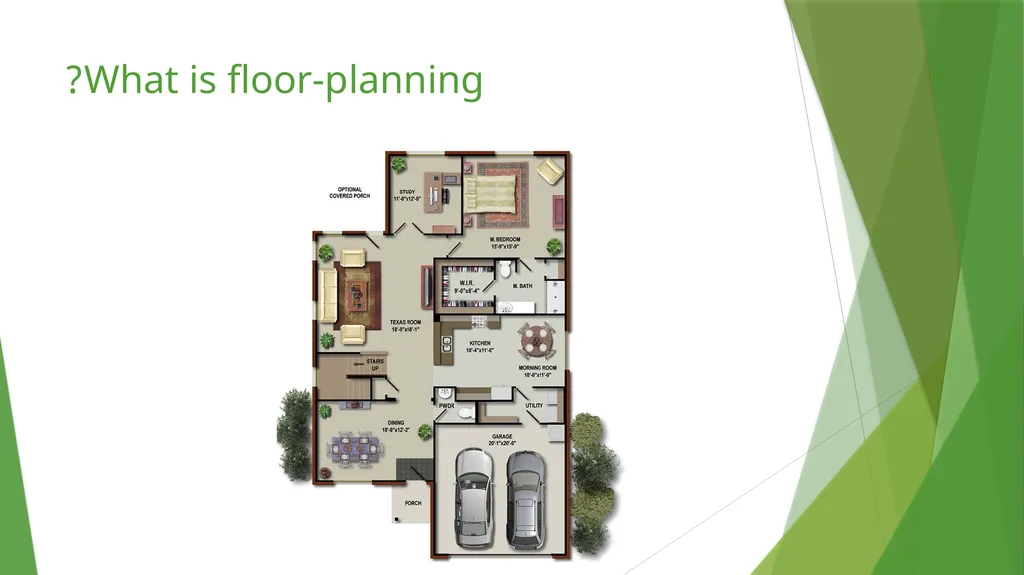
What is floor-planning?<br>
04
What is floor-planning?<br>
05
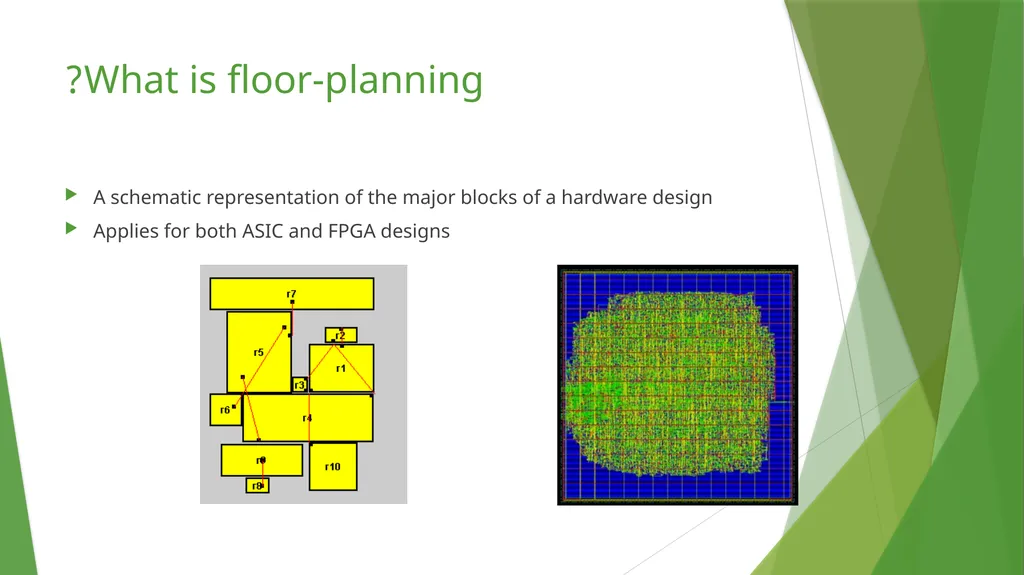
What is floor-planning? A schematic representation of the major blocks of a hardware design
Applies for both ASIC and FPGA designs<br>
06
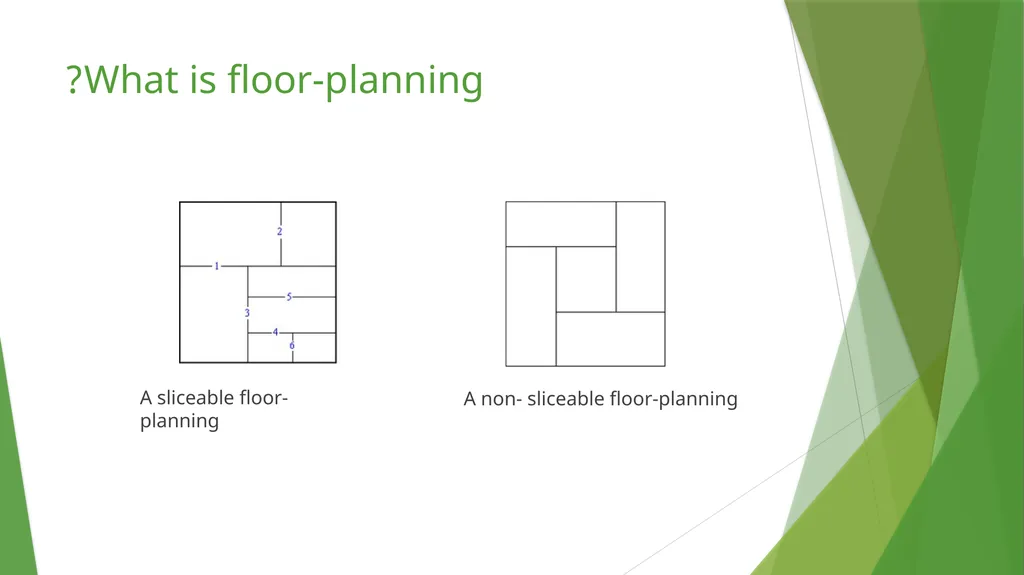
What is floor-planning? A sliceable floor-planning A non- sliceable floor-planning<br>
07
Motivation Modern chips and hardware designs complexity is growing dramatically:
Smaller transistor widths
Faster clocks
Much more logics and memory
⇒ Less margin for floor-planning ⇒ global optimization is required
I’ll use the floor-planning optimization problem to present some important stochastic global optimization algorithms
All make use of the simulated annealing framework<br>
08
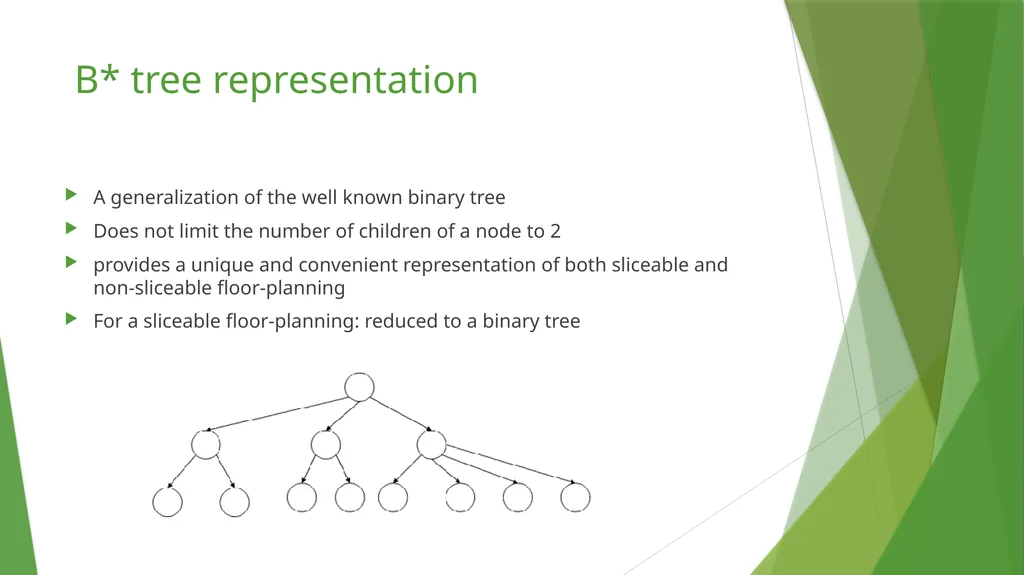
B* tree representation A generalization of the well known binary tree
Does not limit the number of children of a node to 2
provides a unique and convenient representation of both sliceable and non-sliceable floor-planning
For a sliceable floor-planning: reduced to a binary tree<br>
09
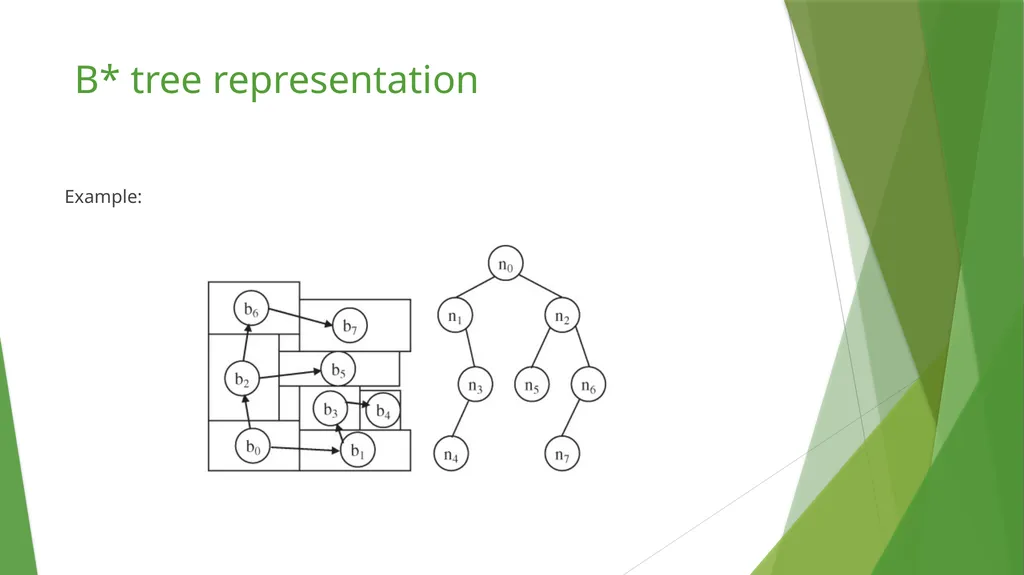
B* tree representation Basic rules (similar to DFS in some manner):
1. set the lower left block as the root.
recursively build:
2. the adjacent right hand side set of blocks as the left child.
3. the lowest block above as the right child.<br>
10
B* tree representation Example:<br>
11
B* tree representation Adjacent B* trees may differ by:
A single block rotation
A single block (node) move
As single swap of blocks (nodes)
Resize a single soft block<br>
12
MCMC M-H<br>
13
MCMC M-H<br>
14
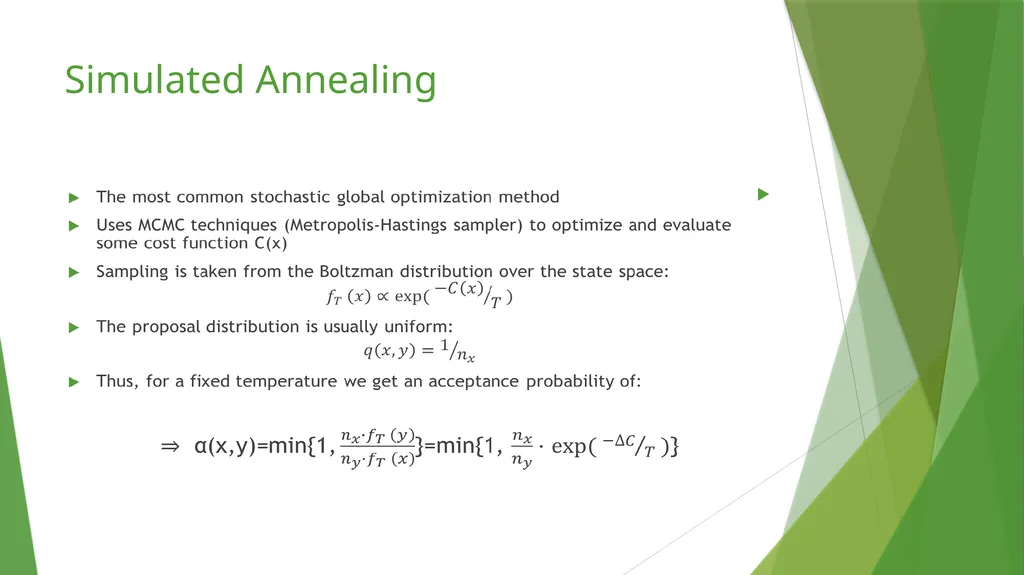
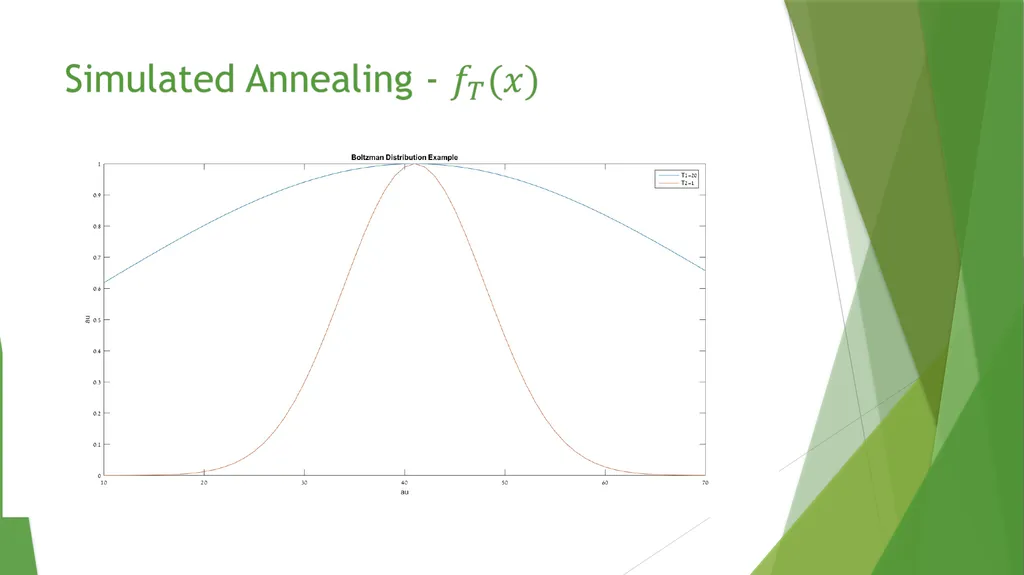
Simulated Annealing<br>
15
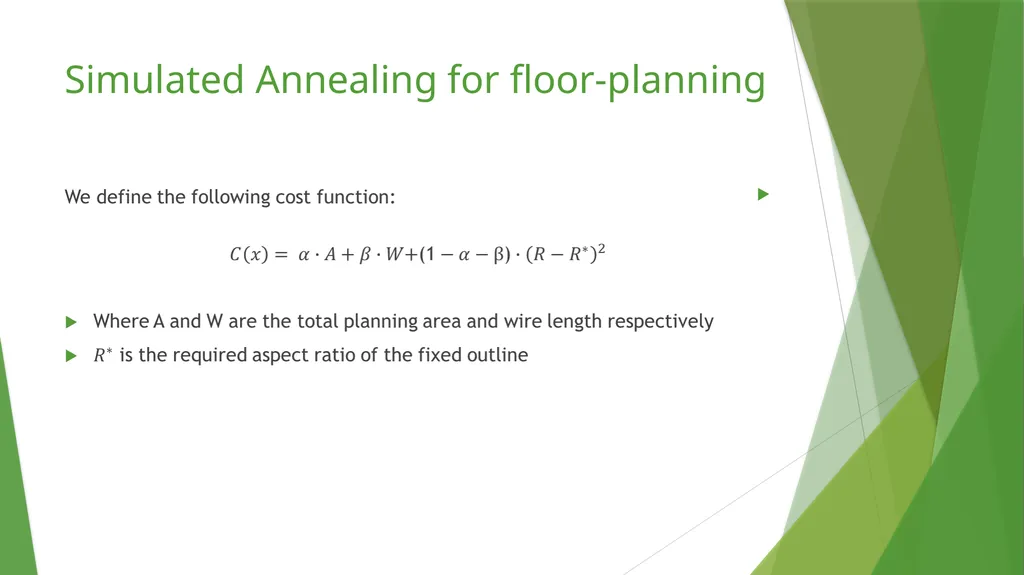
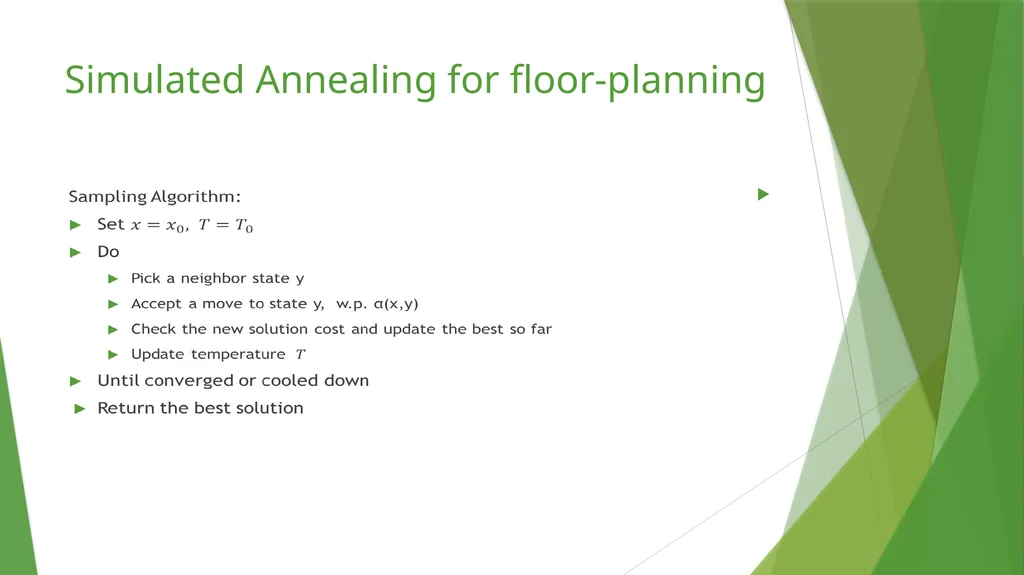
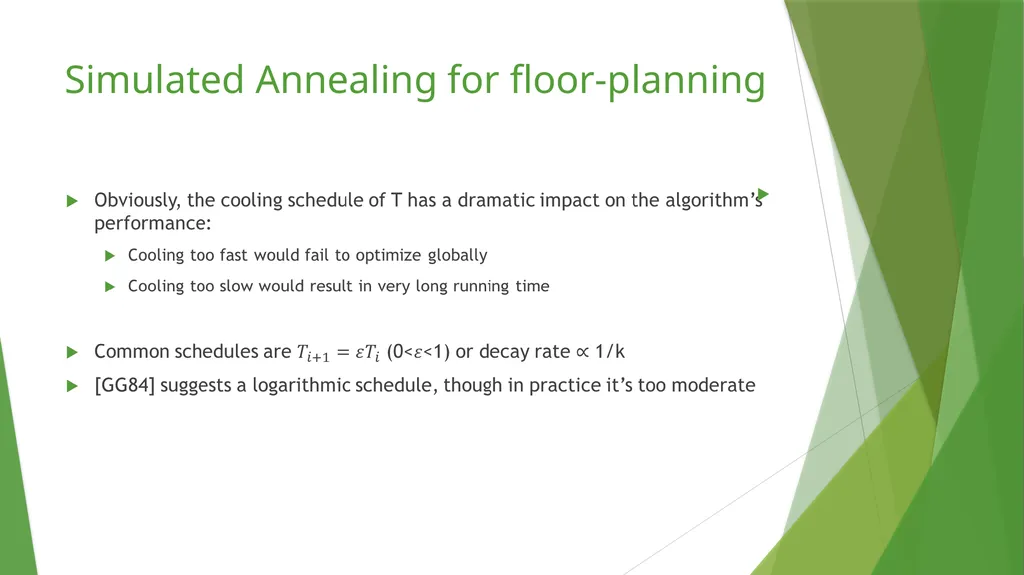
Simulated Annealing for floor-planning<br>
16
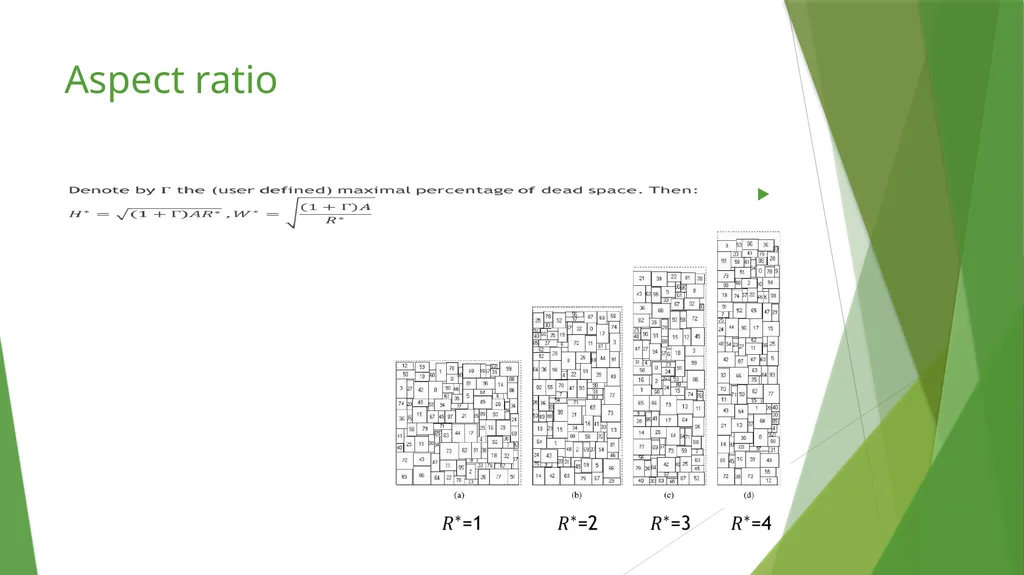
Aspect ratio<br>
17
Simulated Annealing for floor-planning<br>
18
Simulated Annealing for floor-planning<br>
19
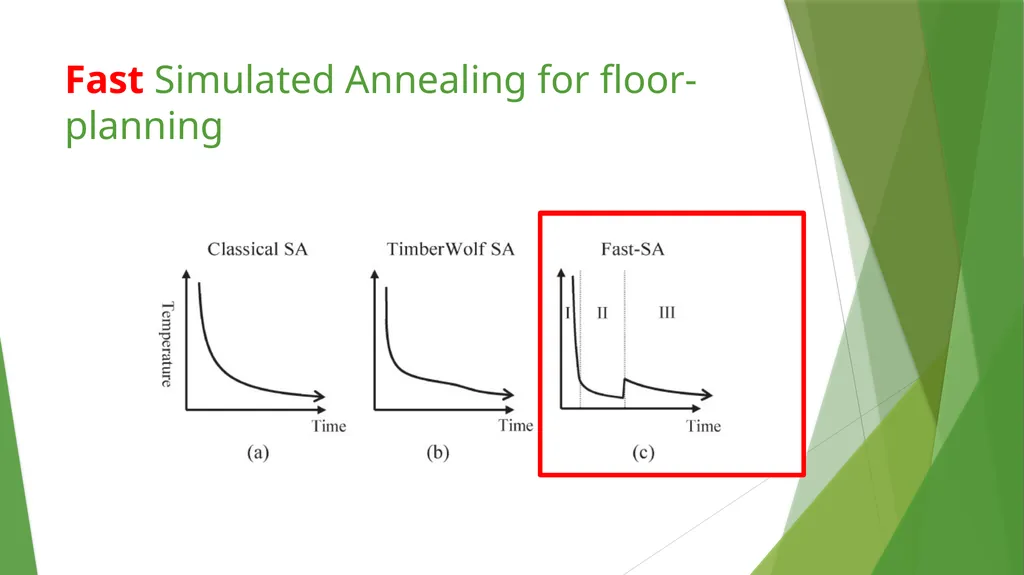
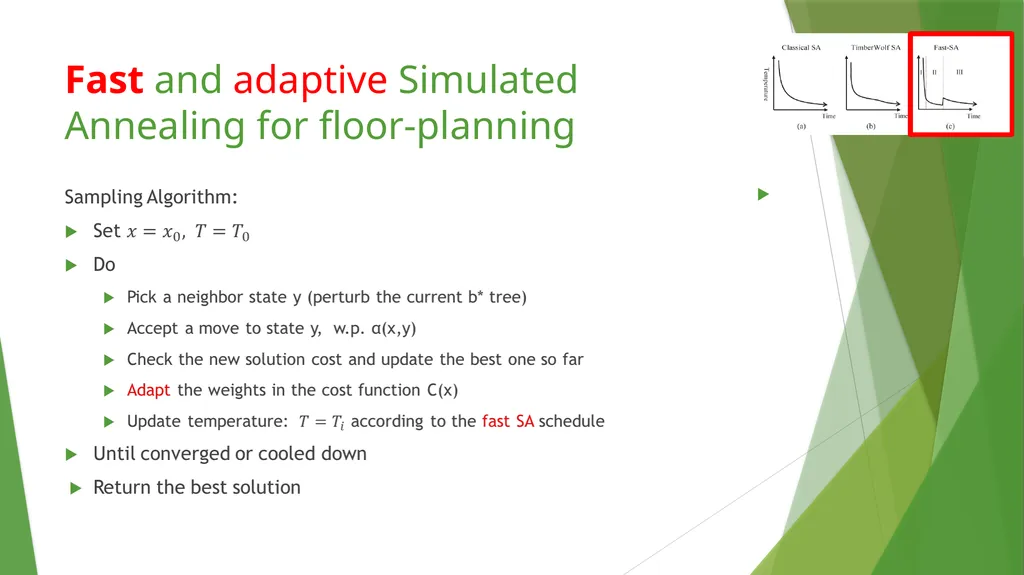
Fast Simulated Annealing for floor-planning<br>
20
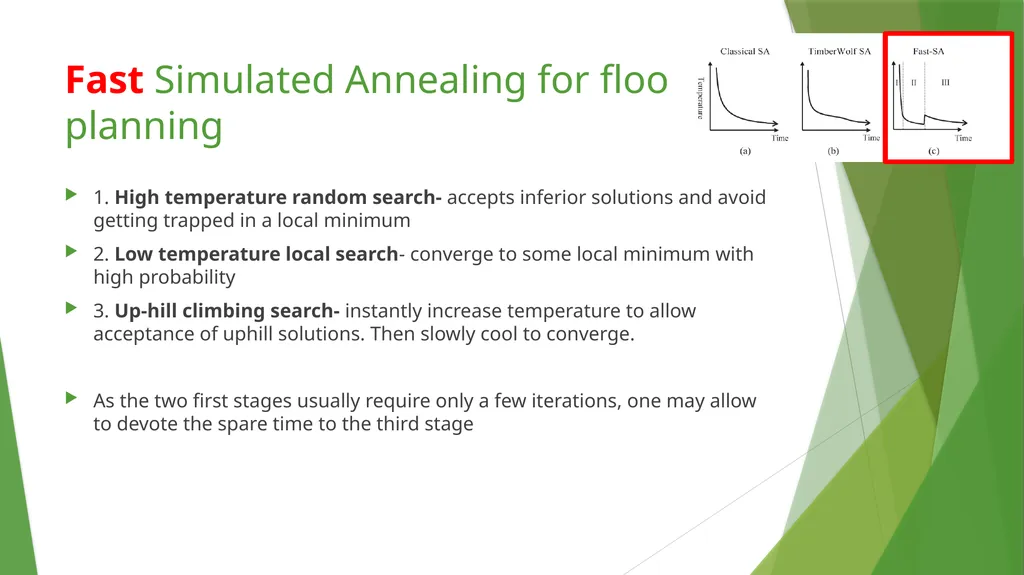
Fast Simulated Annealing for floor-planning 1. High temperature random search- accepts inferior solutions and avoid getting trapped in a local minimum
2. Low temperature local search- converge to some local minimum with high probability
3. Up-hill climbing search- instantly increase temperature to allow acceptance of uphill solutions. Then slowly cool to converge.
As the two first stages usually require only a few iterations, one may allow to devote the spare time to the third stage<br>
21
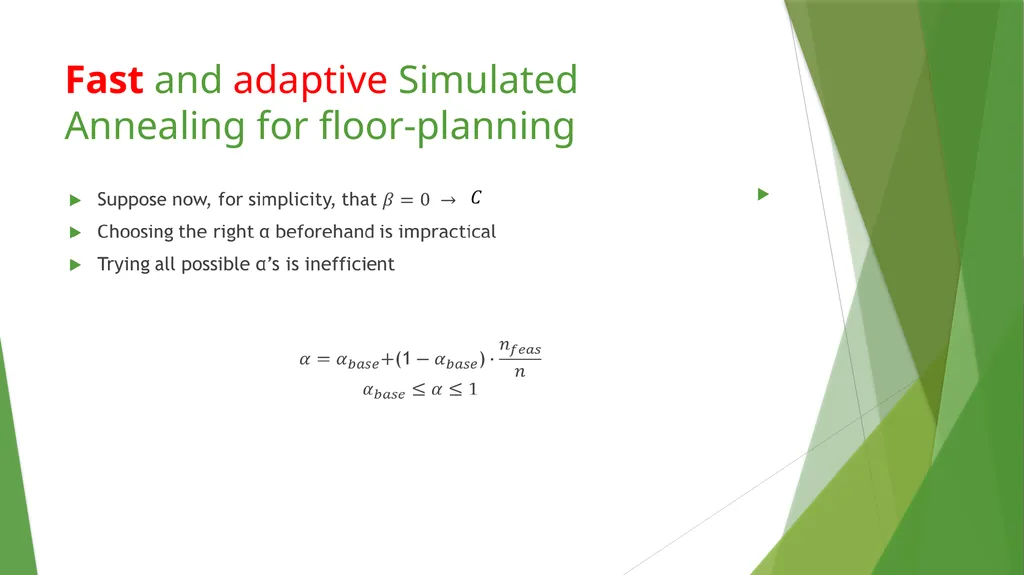
Fast and adaptive Simulated Annealing for floor-planning<br>
22
Fast and adaptive Simulated Annealing for floor-planning<br>
23
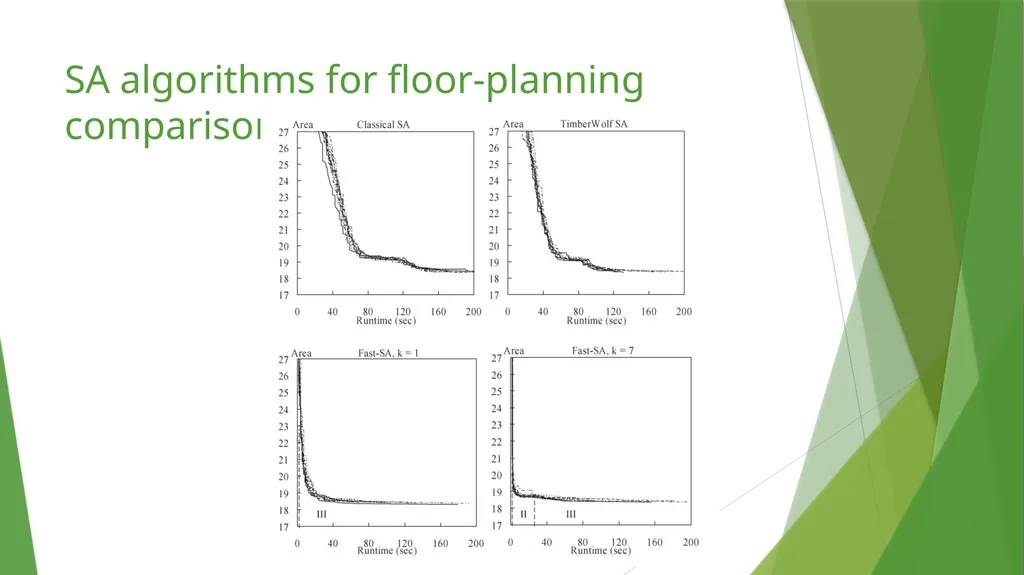
SA algorithms for floor-planning comparison<br>
24
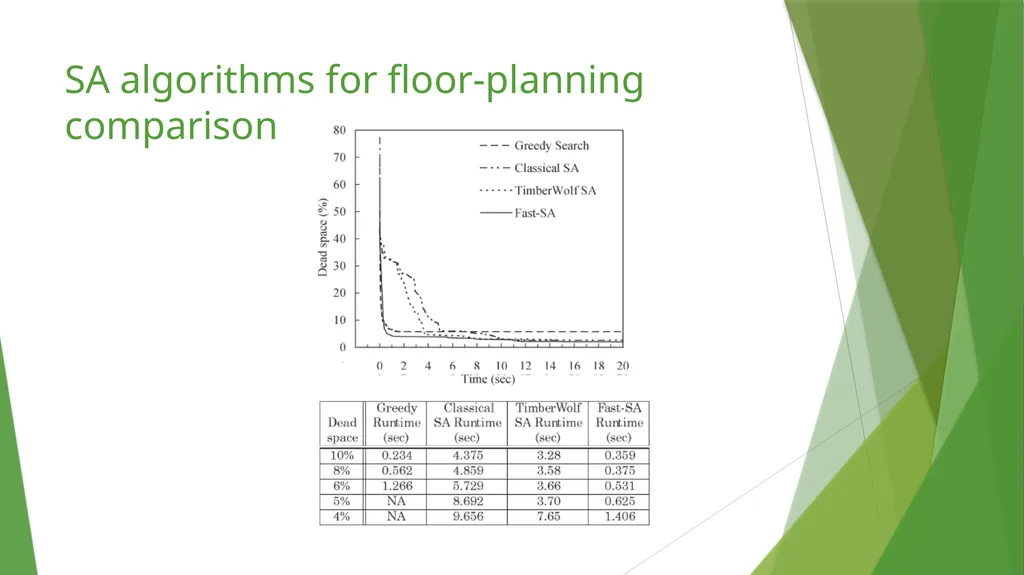
SA algorithms for floor-planning comparison<br>
25
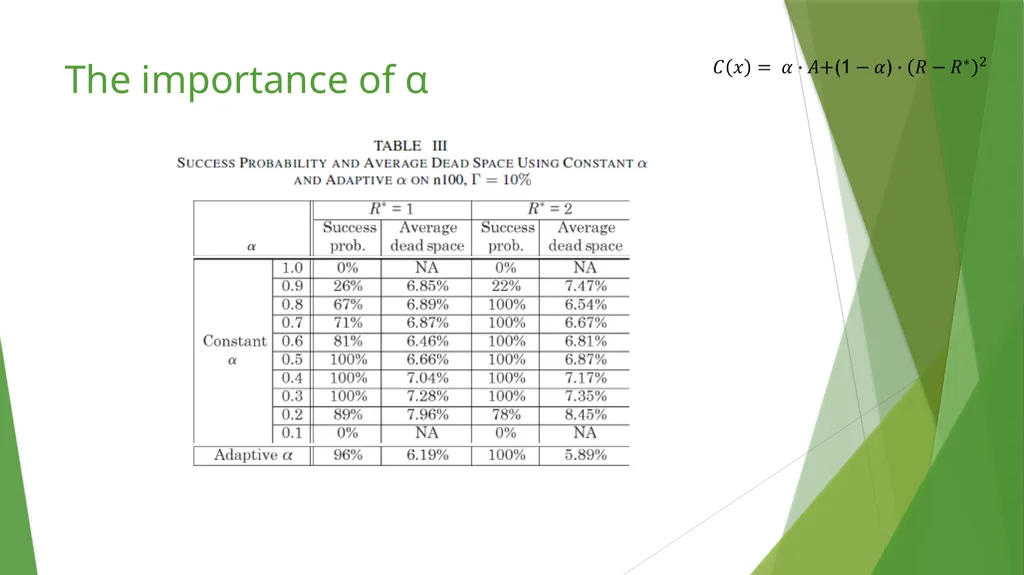
The importance of α<br>
26
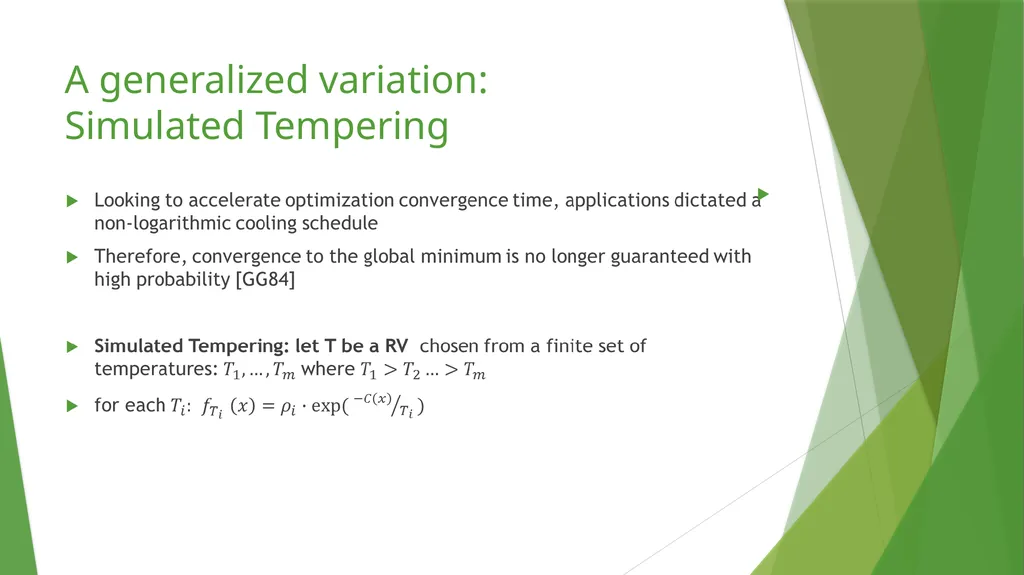
A generalized variation: Simulated Tempering<br>
27
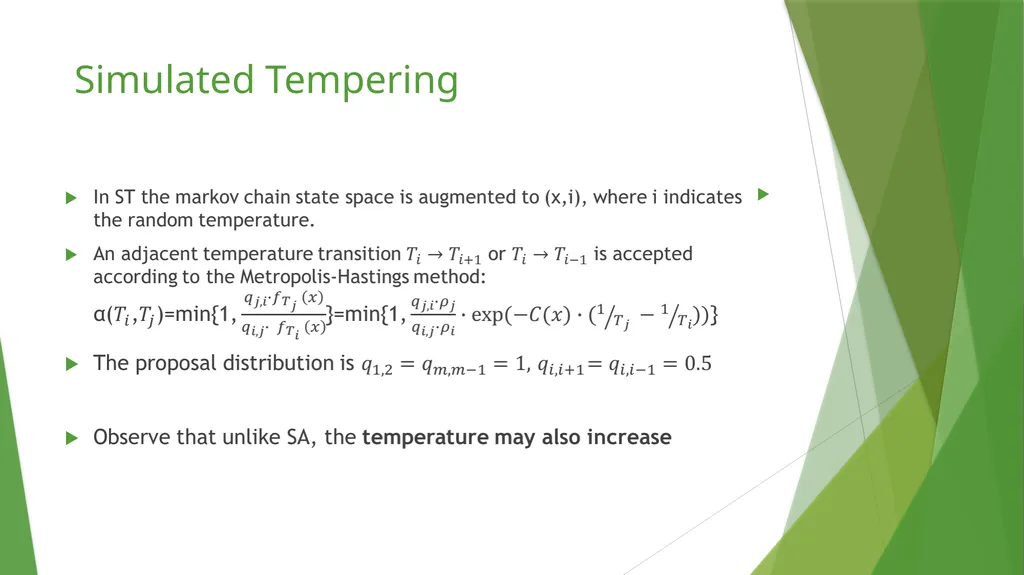
Simulated Tempering<br>
28
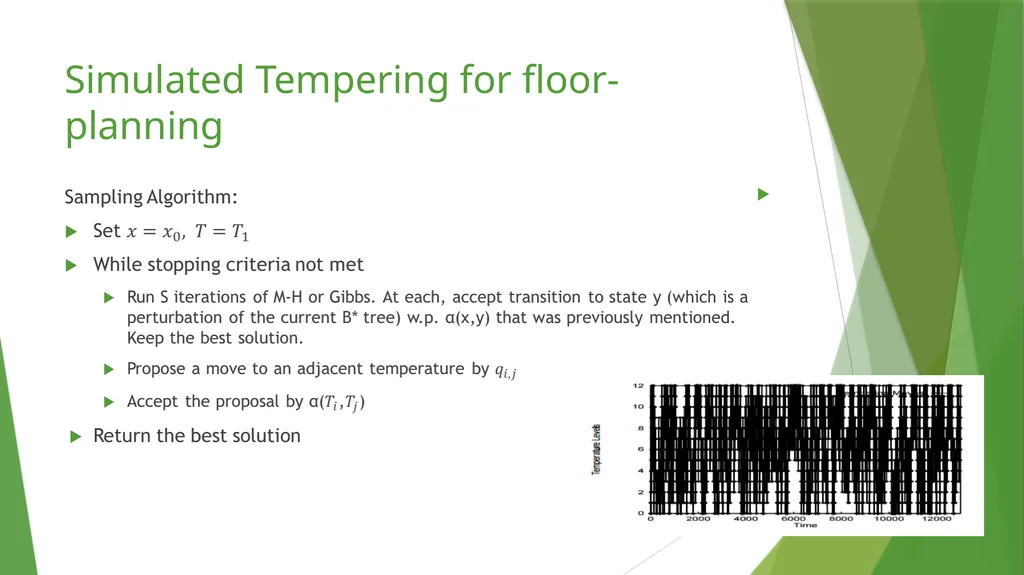
Simulated Tempering for floor-planning<br>
29
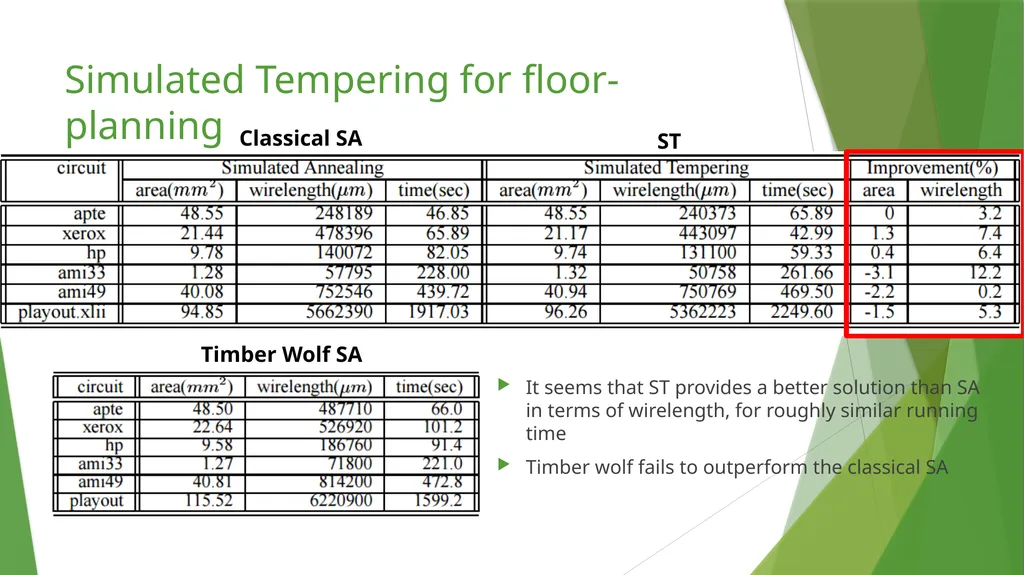
Simulated Tempering for floor-planning Classical SA ST Timber Wolf SA It seems that ST provides a better solution than SA in terms of wirelength, for roughly similar running time
Timber wolf fails to outperform the classical SA<br>
30
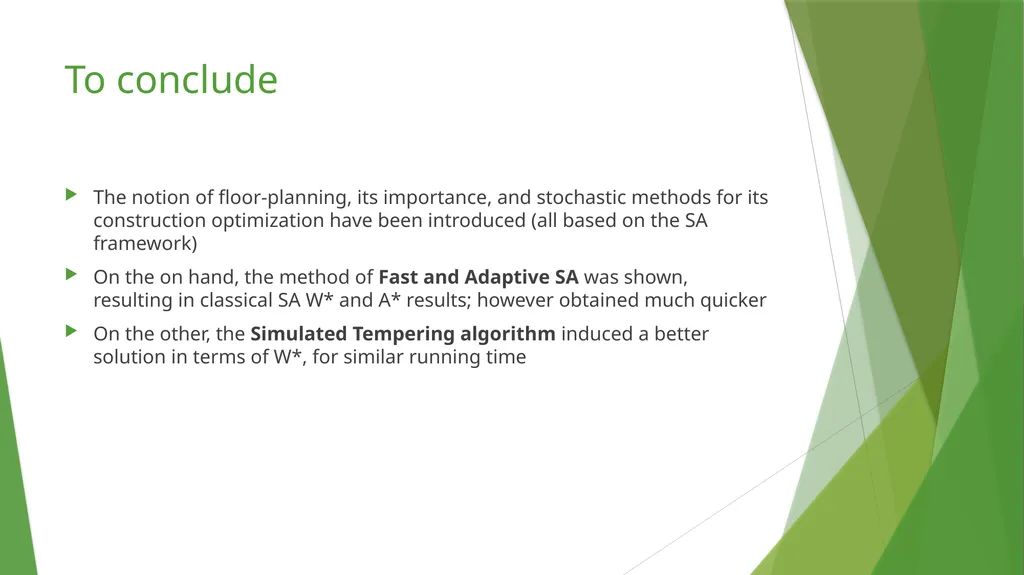
To conclude The notion of floor-planning, its importance, and stochastic methods for its construction optimization have been introduced (all based on the SA framework)
On the on hand, the method of Fast and Adaptive SA was shown, resulting in classical SA W* and A* results; however obtained much quicker
On the other, the Simulated Tempering algorithm induced a better solution in terms of W*, for similar running time<br>
31
References Chen T. C. and Cheng Y. W. “Modern Floorplanning Based on B∗-Tree and Fast Simulated Annealing.” IEEE TRANSACTIONS ON COMPUTER-AIDED DESIGN OF INTEGRATED CIRCUITS AND SYSTEMS, VOL. 25, NO. 4, APRIL 2006, pp 637-650.
Cong J. et al. “Relaxed simulated tempering for VLSI floorplan designs.” Design Automation Conference, 1999. Proceedings of the ASP-DAC ’99. Asia and South Pacific.
Geman, Stuart, and Donald Geman. “Stochastic relaxation, Gibbs distributions, and the Bayesian restoration of images." IEEE Transactions on Pattern Analysis and Machine Intelligence (1984) pp 721-741.<br>