
Multicultural Teaming Workshop Russia Area
CS
Published · 37 slides · 0 views
1 / 1


Description
Multicultural Teaming Workshop Russia Area Conference Nov 16-20, 2015 M Multicultural Team Purpose To help SEND missionaries in Russia plan to use their teams cultural diversity to the greatest advantage in fulfilling the ministry to which
Related Topics
Share
Embed code
Download this presentation From Below
"Multicultural Teaming Workshop Russia Area" is the property of its rightful owner. Permission is granted to download and print the materials on this website for personal, non-commercial use only, and to display it on your personal computer provided you do not modify the materials and that you retain all copyright notices contained in the materials. By downloading content from our website, you accept the terms of this agreement.
Presentation Transcript
01
Multicultural
Teaming
Workshop Russia Area Conference Nov 16-20, 2015<br>
02
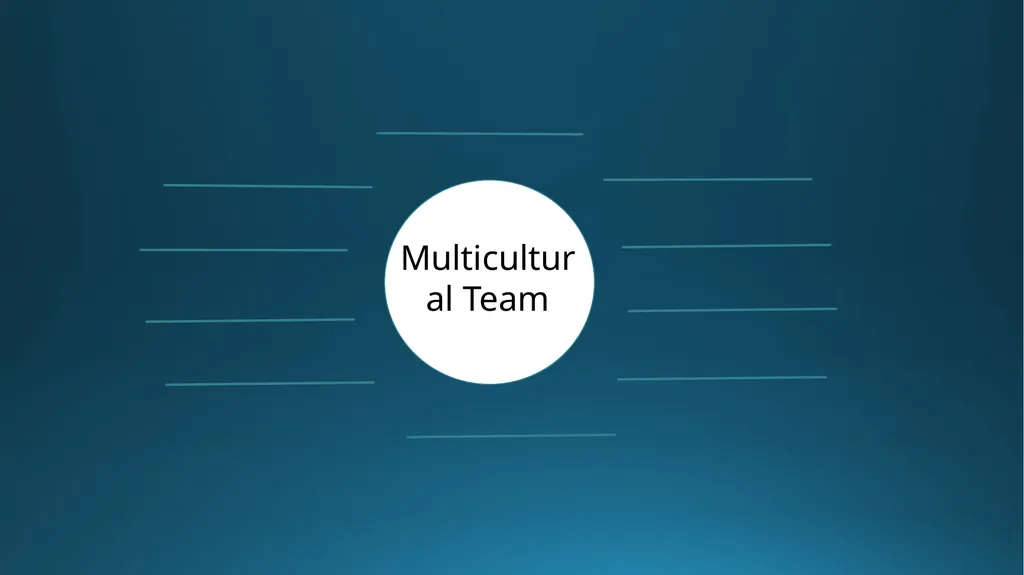
M Multicultural Team<br>
03
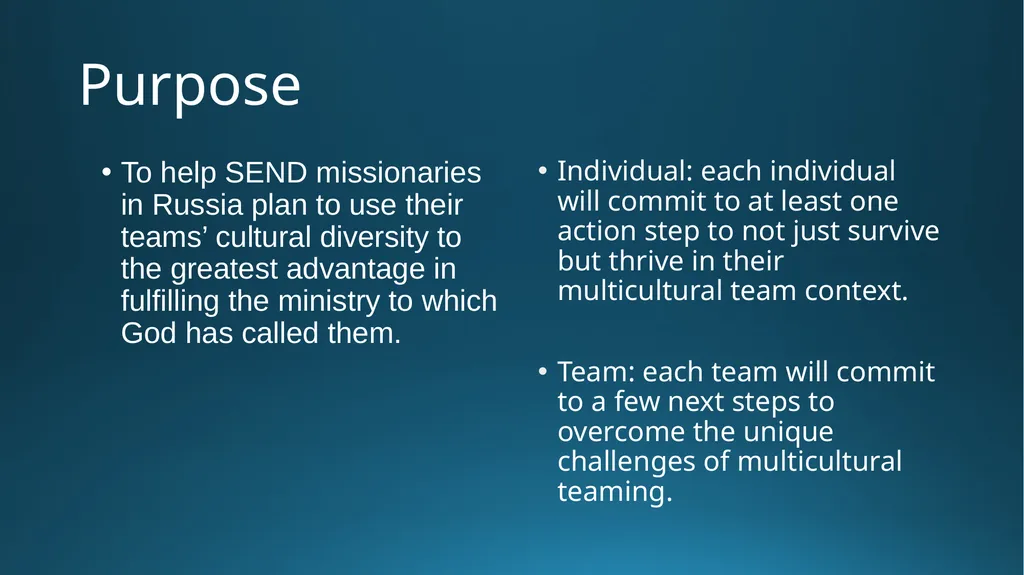
Purpose To help SEND missionaries in Russia plan to use their teams’ cultural diversity to the greatest advantage in fulfilling the ministry to which God has called them. Individual: each individual will commit to at least one action step to not just survive but thrive in their multicultural team context.
Team: each team will commit to a few next steps to overcome the unique challenges of multicultural teaming.<br>
Team: each team will commit to a few next steps to overcome the unique challenges of multicultural teaming.<br>
04
Overview Day 1 – The Realities of Multicultural Teaming in SEND
Day 2 – Digging Deeper into Cultural Diversity
Day 3 – Responding to Cultural Diversity
Day 4 – Planning for Progress as a Multicultural Team<br>
Day 2 – Digging Deeper into Cultural Diversity
Day 3 – Responding to Cultural Diversity
Day 4 – Planning for Progress as a Multicultural Team<br>
05
The Communication Challenge Low Context:
Good communciation is precise, simple, clear. Messages are expressed and understood at face value.
High Context:
Good communication is sophisticated, nuanced and layered. Messages are both spoken and read between the lines. Messages are often implied but not plainly expressed." https://www.youtube.com/watch?v=kLTvAOijPKs<br>
Good communciation is precise, simple, clear. Messages are expressed and understood at face value.
High Context:
Good communication is sophisticated, nuanced and layered. Messages are both spoken and read between the lines. Messages are often implied but not plainly expressed." https://www.youtube.com/watch?v=kLTvAOijPKs<br>
06
Multicultural teams must learn to communicate in low-context ways because the multicultural environment confuses the cues that are necessary for high-context communication. For the indirect (high context) communicators: aim for a more direct style.
Even though it might feel awkward and rude to you, remember that the direct communicator cannot pick up on the subtle clues that seem obvious to you. For the direct (low context) communicators: try to be more indirect and a “softer” communicator.
Avoid directly disagreeing with co-workers, and voice disagreements in more subtle ways. Be less confrontational and use words like “maybe” and “perhaps” more often.<br>
Even though it might feel awkward and rude to you, remember that the direct communicator cannot pick up on the subtle clues that seem obvious to you. For the direct (low context) communicators: try to be more indirect and a “softer” communicator.
Avoid directly disagreeing with co-workers, and voice disagreements in more subtle ways. Be less confrontational and use words like “maybe” and “perhaps” more often.<br>
07
Realities of
Multi-cultural Teaming
in SEND Day 1<br>
08
Russia Area By citizenship
Introduce Yourself (1 minute each)
Share with the group how you would define yourself culturally -- not just your citizenship, but other factors that have influenced who you are culturally (e.g. previous citizenship, parents’ nationality, significant exposure to other cultures, specific cultural context within your home country, etc.<br>
Introduce Yourself (1 minute each)
Share with the group how you would define yourself culturally -- not just your citizenship, but other factors that have influenced who you are culturally (e.g. previous citizenship, parents’ nationality, significant exposure to other cultures, specific cultural context within your home country, etc.<br>
09
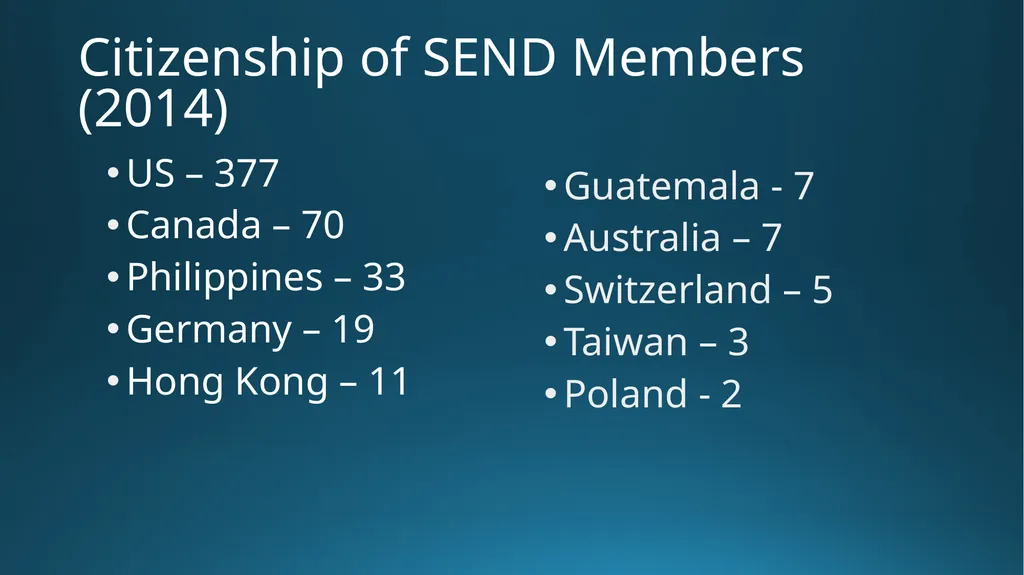
Citizenship of SEND Members (2014) US – 377
Canada – 70
Philippines – 33
Germany – 19
Hong Kong – 11 Guatemala - 7
Australia – 7
Switzerland – 5
Taiwan – 3
Poland - 2<br>
Canada – 70
Philippines – 33
Germany – 19
Hong Kong – 11 Guatemala - 7
Australia – 7
Switzerland – 5
Taiwan – 3
Poland - 2<br>
10
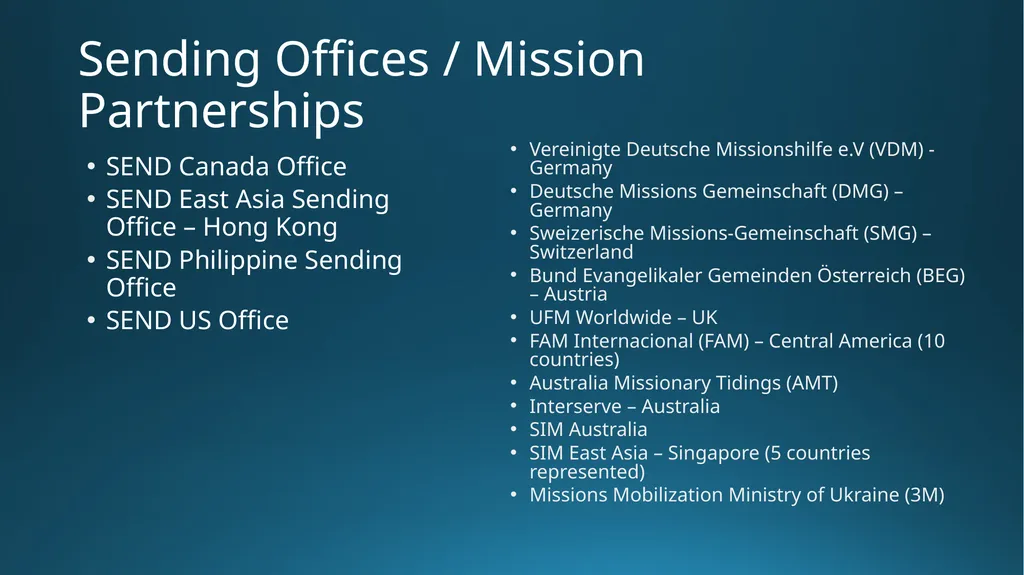
Sending Offices / Mission Partnerships SEND Canada Office
SEND East Asia Sending Office – Hong Kong
SEND Philippine Sending Office
SEND US Office Vereinigte Deutsche Missionshilfe e.V (VDM) - Germany
Deutsche Missions Gemeinschaft (DMG) – Germany
Sweizerische Missions-Gemeinschaft (SMG) – Switzerland
Bund Evangelikaler Gemeinden Österreich (BEG) – Austria
UFM Worldwide – UK
FAM Internacional (FAM) – Central America (10 countries)
Australia Missionary Tidings (AMT)
Interserve – Australia
SIM Australia
SIM East Asia – Singapore (5 countries represented)
Missions Mobilization Ministry of Ukraine (3M)<br>
SEND East Asia Sending Office – Hong Kong
SEND Philippine Sending Office
SEND US Office Vereinigte Deutsche Missionshilfe e.V (VDM) - Germany
Deutsche Missions Gemeinschaft (DMG) – Germany
Sweizerische Missions-Gemeinschaft (SMG) – Switzerland
Bund Evangelikaler Gemeinden Österreich (BEG) – Austria
UFM Worldwide – UK
FAM Internacional (FAM) – Central America (10 countries)
Australia Missionary Tidings (AMT)
Interserve – Australia
SIM Australia
SIM East Asia – Singapore (5 countries represented)
Missions Mobilization Ministry of Ukraine (3M)<br>
11
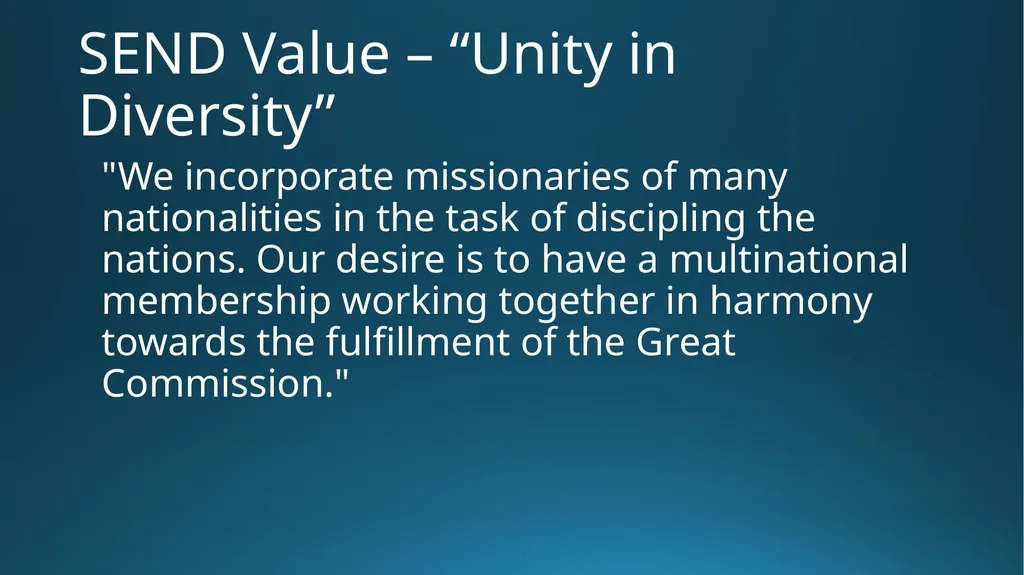
SEND Value – “Unity in Diversity” "We incorporate missionaries of many nationalities in the task of discipling the nations. Our desire is to have a multinational membership working together in harmony towards the fulfillment of the Great Commission."<br>
12
Advantages / Challenges<br>
13
SEND’s majority culture (American) How others view them How they view themselves<br>
14
Digging Deeper
Into
Cultural Diversity Day 2<br>
15
Different Ways of DOING Things Holiday – Which holiday of the year is most important to you and how do you celebrate it? (1 minute each in your group)<br>
16
Different ways of VIEWING things<br>
17
Ideas for Developing a Deeper Understanding of Our Differences Brainstorm for 5 minutes in your groups
Groups:
US Men
US Women
Canada
Swiss/German<br>
Groups:
US Men
US Women
Canada
Swiss/German<br>
18
Some Attempts at Categorizing Cultural Differences Hot / Cold Cultures - “Foreign to Familiar” – Sarah A Lanier
Hot-climate cultures – cultures that are “relationship-based”. They are generally found in warmer climates though there are exceptions. Examples include most Latin American countries, parts of Africa and Alaska.
Cold-climate cultures – cultures that are “task-oriented”. They are generally found in colder climates, with exceptions. Examples include the northern United States, Western Europe and Israel.<br>
Hot-climate cultures – cultures that are “relationship-based”. They are generally found in warmer climates though there are exceptions. Examples include most Latin American countries, parts of Africa and Alaska.
Cold-climate cultures – cultures that are “task-oriented”. They are generally found in colder climates, with exceptions. Examples include the northern United States, Western Europe and Israel.<br>
19
Categorizing Cultural Differences Lingenfelter’s 12 Paired Values – Questionnaire
Time / Event
Dichotomistic Thinking / Holistic Thinking
Crisis / Non-crisis
Task / Person
Status / Achievement
Conceal Vulnerability / Show Vulnerability<br>
Time / Event
Dichotomistic Thinking / Holistic Thinking
Crisis / Non-crisis
Task / Person
Status / Achievement
Conceal Vulnerability / Show Vulnerability<br>
20
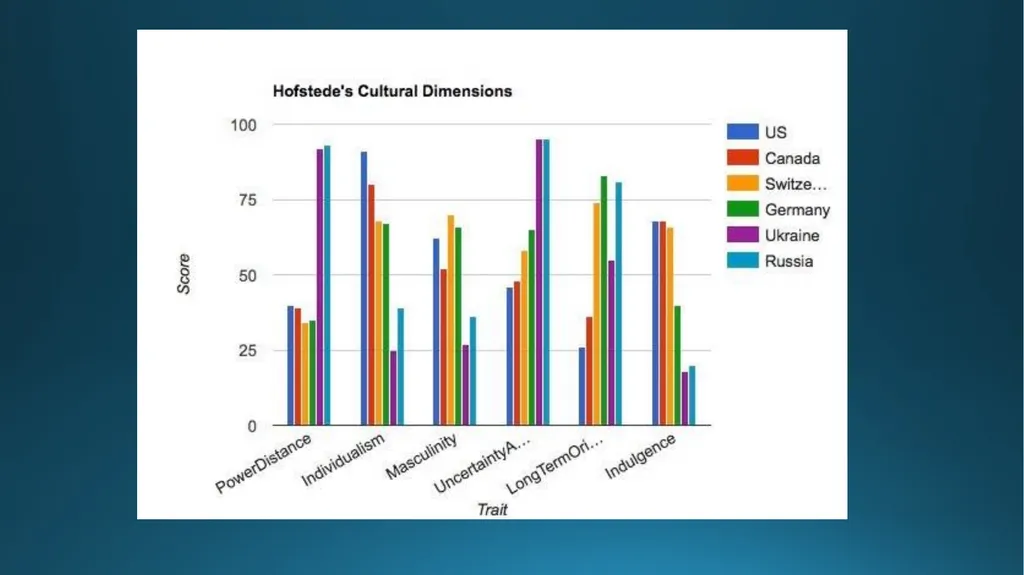
Categorizing Cultural Differences Hofstede’s Cultural Dimensions – Website Country Comparison
Power Distance Index
Individualism vs Collectivism
Masculinity vs. Femininity
Uncertainty Avoidance Index
Long Term Orientation versus Short Term Normative Orientation
Indulgence vs. Restraint<br>
Power Distance Index
Individualism vs Collectivism
Masculinity vs. Femininity
Uncertainty Avoidance Index
Long Term Orientation versus Short Term Normative Orientation
Indulgence vs. Restraint<br>
21
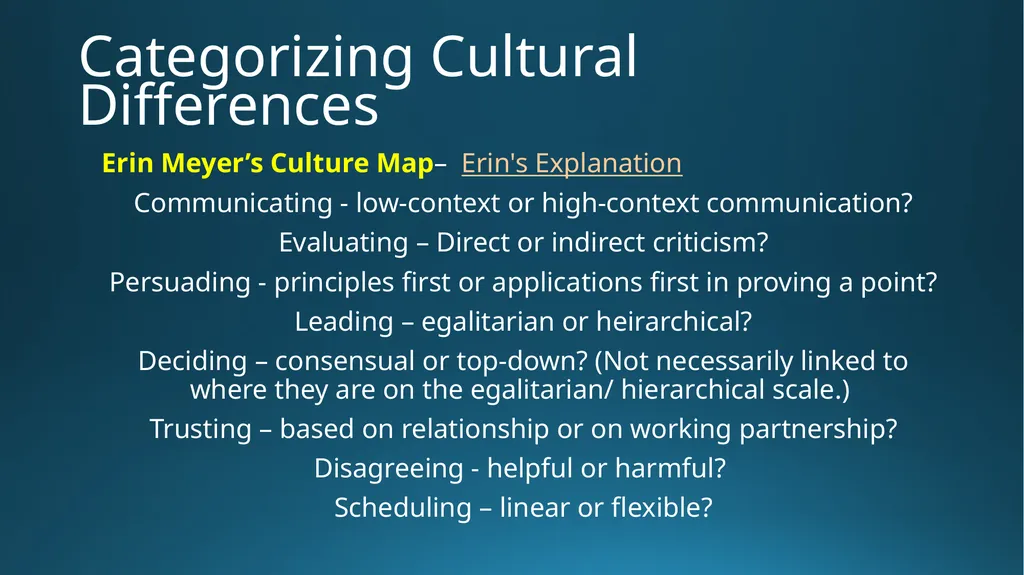
Categorizing Cultural Differences Erin Meyer’s Culture Map– Erin's Explanation
Communicating - low-context or high-context communication?
Evaluating – Direct or indirect criticism?
Persuading - principles first or applications first in proving a point?
Leading – egalitarian or heirarchical?
Deciding – consensual or top-down? (Not necessarily linked to where they are on the egalitarian/ hierarchical scale.)
Trusting – based on relationship or on working partnership?
Disagreeing - helpful or harmful?
Scheduling – linear or flexible?<br>
Communicating - low-context or high-context communication?
Evaluating – Direct or indirect criticism?
Persuading - principles first or applications first in proving a point?
Leading – egalitarian or heirarchical?
Deciding – consensual or top-down? (Not necessarily linked to where they are on the egalitarian/ hierarchical scale.)
Trusting – based on relationship or on working partnership?
Disagreeing - helpful or harmful?
Scheduling – linear or flexible?<br>
22
Categorizing Cultural Differences Erin Meyer’s Culture Map
Assessment: What's Your Cultural Profile<br>
Assessment: What's Your Cultural Profile<br>
23
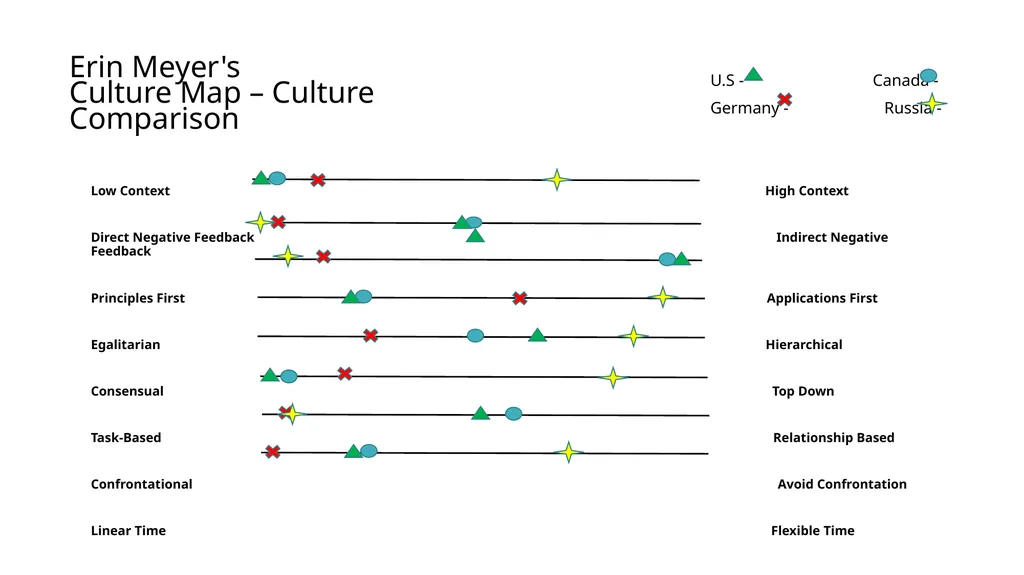
Erin Meyer's
Culture Map – Culture Comparison Low Context High Context
Direct Negative Feedback Indirect Negative Feedback
Principles First Applications First
Egalitarian Hierarchical
Consensual Top Down
Task-Based Relationship Based
Confrontational Avoid Confrontation
Linear Time Flexible Time U.S - Canada -
Germany - Russia -<br>
Direct Negative Feedback Indirect Negative Feedback
Principles First Applications First
Egalitarian Hierarchical
Consensual Top Down
Task-Based Relationship Based
Confrontational Avoid Confrontation
Linear Time Flexible Time U.S - Canada -
Germany - Russia -<br>
24
Find all these Resources on the SENDU Wiki
Other helpful tools?<br>
25
Identify the top challenges for your team Each person gets 4 dots
Tambov – Green
Lipetsk – Red
Buryatia – Blue
Each individual “dot” what you think are the top 3 challenges for YOUR team. Put 2 dots on the one you think is the GREATEST challenge.<br>
Tambov – Green
Lipetsk – Red
Buryatia – Blue
Each individual “dot” what you think are the top 3 challenges for YOUR team. Put 2 dots on the one you think is the GREATEST challenge.<br>
26
Responding
to
Cultural Diversity Day 3<br>
27
Natural Responses to Cultural Diversity Brainstorm:<br>
28
Biblical Response to Cultural Diversity What Bible passages can be applied to working together on a multicultural team?
Groups: (according to date you became a SEND member)
Before 2000
2000 – 2005
2006-2009
2010 - 2014<br>
Groups: (according to date you became a SEND member)
Before 2000
2000 – 2005
2006-2009
2010 - 2014<br>
29
Some principles for growing in effectiveness as a multinational team (Brainstorming) Choose to believe that your teammates are basically good-willed – they have good intentions even if you may experience miscommunication and conflict.
View people as individuals, not putting them into a “category”
Have an attitude of learning
Look for the best in other people. Focus on those things that are good, worthy of respect
Increase our self-awareness – note what is causing our frustration and how to deal with it.<br>
View people as individuals, not putting them into a “category”
Have an attitude of learning
Look for the best in other people. Focus on those things that are good, worthy of respect
Increase our self-awareness – note what is causing our frustration and how to deal with it.<br>
30
Resolve to go to a person that you have conflict with.
Be aware of our own sinfulness, propensity to sin.
Pray for one another
Realize that we are all in a process of change.
Remind myself of God’s high value of unity and command for me to work hard at keeping it.
Recognize there is more than one answer, more than one way of doing things – doesn’t have to be “my way”
There are not any “bad” questions – invite all questions.
Look at things with eternity in mind. “Will this matter in 100 years?”<br>
Be aware of our own sinfulness, propensity to sin.
Pray for one another
Realize that we are all in a process of change.
Remind myself of God’s high value of unity and command for me to work hard at keeping it.
Recognize there is more than one answer, more than one way of doing things – doesn’t have to be “my way”
There are not any “bad” questions – invite all questions.
Look at things with eternity in mind. “Will this matter in 100 years?”<br>
31
Listen
Always maintain unity (as much as it depends on you)
Clarify what unity means. But allow that sometimes disagreeing may lead to something greater
Let God be the judge. Stop trying to be God
Not losing sight of our goal as a team.
Be willing to change
Hang on to Biblical truth, but hold loosely our interpretation of that truth.
Value every member of the team, even if they are very different than you.<br>
Always maintain unity (as much as it depends on you)
Clarify what unity means. But allow that sometimes disagreeing may lead to something greater
Let God be the judge. Stop trying to be God
Not losing sight of our goal as a team.
Be willing to change
Hang on to Biblical truth, but hold loosely our interpretation of that truth.
Value every member of the team, even if they are very different than you.<br>
32
Remember who your enemy is and what his weapons are
Be intentional about thanking each member of the team.
Remember to thank God for bringing your team together for a purpose.
Be full of grace with any subject that is put on our “challenges” page
Trust the Holy Spirit’s work in the other person.
Remember that this isn’t a competition.
Be kind.<br>
Be intentional about thanking each member of the team.
Remember to thank God for bringing your team together for a purpose.
Be full of grace with any subject that is put on our “challenges” page
Trust the Holy Spirit’s work in the other person.
Remember that this isn’t a competition.
Be kind.<br>
33
Personal Reflection / Action Steps Identify one idea that has impacted your thinking so far in this workshop.
Plan at least one action step that you are going to do in response. Write it down. Make it a SMART goal: Specific, Measurable, Achievable, Realistic and Time-bound.
e.g. “I will read Erin Meyer’s “Culture Map” by the end of 2015.”
“I will ask Ken today to help bring reconciliation between me and my team leader. Before this conference is over, we will set a date for the 3 of us to meet regarding this.”<br>
Plan at least one action step that you are going to do in response. Write it down. Make it a SMART goal: Specific, Measurable, Achievable, Realistic and Time-bound.
e.g. “I will read Erin Meyer’s “Culture Map” by the end of 2015.”
“I will ask Ken today to help bring reconciliation between me and my team leader. Before this conference is over, we will set a date for the 3 of us to meet regarding this.”<br>
34
Planning
For Progress as a
Multicultural Team Day 3/4<br>
35
Since God chose you to be the holy people He loves, you must clothe yourselves with tenderhearted mercy, kindness, humility, gentleness, and patience. Make allowance for each other’s faults, and forgive anyone who offends you. Remember, the Lord forgave you, so you must forgive others. Above all, clothe yourselves with love, which binds us all together in perfect harmony. And let the peace that comes from Christ rule in your hearts. For as members of one body you are called to live in peace. And always be thankful (Col 3:12-15 NLT)<br>
36
Clarify the top Challenge for your team (5 minutes)
Brainstorm on specific ways/activities to overcome those challenges. (10 minutes)
From that list, identify the top ideas (by dotting – 3 dots per person). (5 minutes)
Clarify and commit to the top 1-3 ideas. (10 minutes)
Identify key next steps for each idea. (30 minutes)
Specific, Measurable, Achievable, Realistic, Time-bound
What, Who will give leadership, When
Decide how/when your team will discuss the other challenges on your list so they don’t get lost. (SMART) (10 minutes)<br>
Brainstorm on specific ways/activities to overcome those challenges. (10 minutes)
From that list, identify the top ideas (by dotting – 3 dots per person). (5 minutes)
Clarify and commit to the top 1-3 ideas. (10 minutes)
Identify key next steps for each idea. (30 minutes)
Specific, Measurable, Achievable, Realistic, Time-bound
What, Who will give leadership, When
Decide how/when your team will discuss the other challenges on your list so they don’t get lost. (SMART) (10 minutes)<br>